
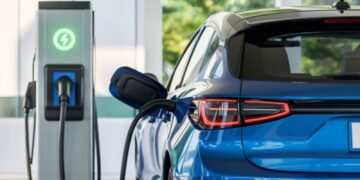
























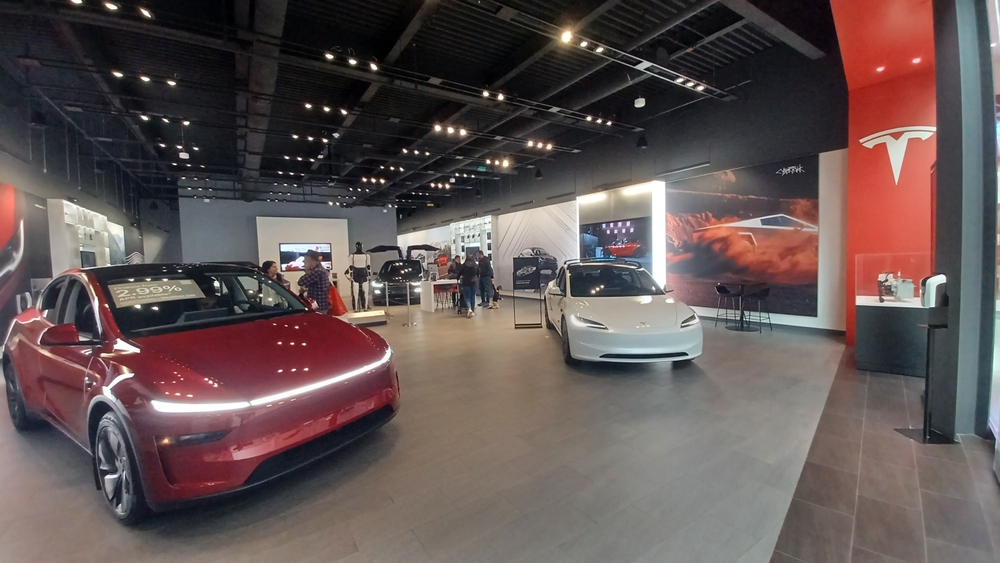
Canada’s electric vehicle market is about to feel another jolt. New federal and provincial rebates are reshaping pricing, wait lists, and even dealership strategy. When thousands of dollars come off the sticker, buyers suddenly look at different trims, brands, and body styles. Models that once felt out of reach can now compete with gas SUVs. At the same time, eligibility rules and supply limits create pressure. Some vehicles will quietly disappear from lots faster than others. Here is why Canada’s new EV rebates could change which models sell out first this spring.
Lower Entry Prices Will Shift Buyers Toward Previously Overlooked Models

Rebates instantly shrink the price gap between EVs and gas vehicles. When a compact electric crossover drops by several thousand dollars, it enters a new shopping category. Buyers who planned to finance a hybrid may now qualify for a full electric. Budget-focused households will compare monthly payments more closely. Entry trims from brands like Chevrolet, Hyundai, and Nissan could see fresh demand. Vehicles that sat mid-pack in sales charts may move quickly. Once word spreads about effective pricing, shoppers rush in. Inventory that seemed stable in winter could thin out before summer arrives.
Provincial Incentives Will Create Regional Sell-Out Patterns

Not every province offers the same rebate. Quebec and British Columbia often stack generous incentives. Ontario buyers may rely more on federal programs. This patchwork shapes local demand. A model that qualifies for combined rebates in Montreal could undercut rivals by thousands. Dealers near provincial borders may see cross-provincial buyers. Certain trims will sell out faster in high incentive regions. Automakers sometimes redirect shipments based on demand spikes. That can leave other provinces waiting longer. Shoppers may travel to secure better pricing. Regional differences will decide which EV badges disappear first this spring.
Income Caps and Eligibility Rules Will Narrow the Field

New rebate structures often include income limits and price ceilings. That changes buyer behavior overnight. If a vehicle’s MSRP exceeds the cutoff by a small margin, demand drops sharply. Automakers may respond with temporary price adjustments. Some brands could introduce lower-cost trims to stay eligible. Buyers will double check qualification before signing. Dealers must clarify fine print quickly. Models that meet every rule without compromise gain an edge. Those who barely miss the threshold risk slower movement. Compliance details may sound boring, yet they will quietly determine which nameplates leave lots first.
Popular Compact SUVs Will Benefit the Most

Compact electric SUVs already dominate Canadian interest. They suit urban commutes and winter driving. Add a rebate, and the math becomes compelling. Models like the Hyundai Kona Electric or Chevrolet Equinox EV fit family budgets more easily. Many households want All Wheel Drive and cargo space. Rebates make higher trims attainable. Once financing aligns with familiar gas SUV payments, hesitation fades. Dealers expect strong foot traffic for this segment. Supply chains remain tight for certain batteries. When shipments arrive, units may not last long. Compact electric crossovers are prime candidates for early spring sell-outs.
Longer Range Variants Will See Renewed Demand
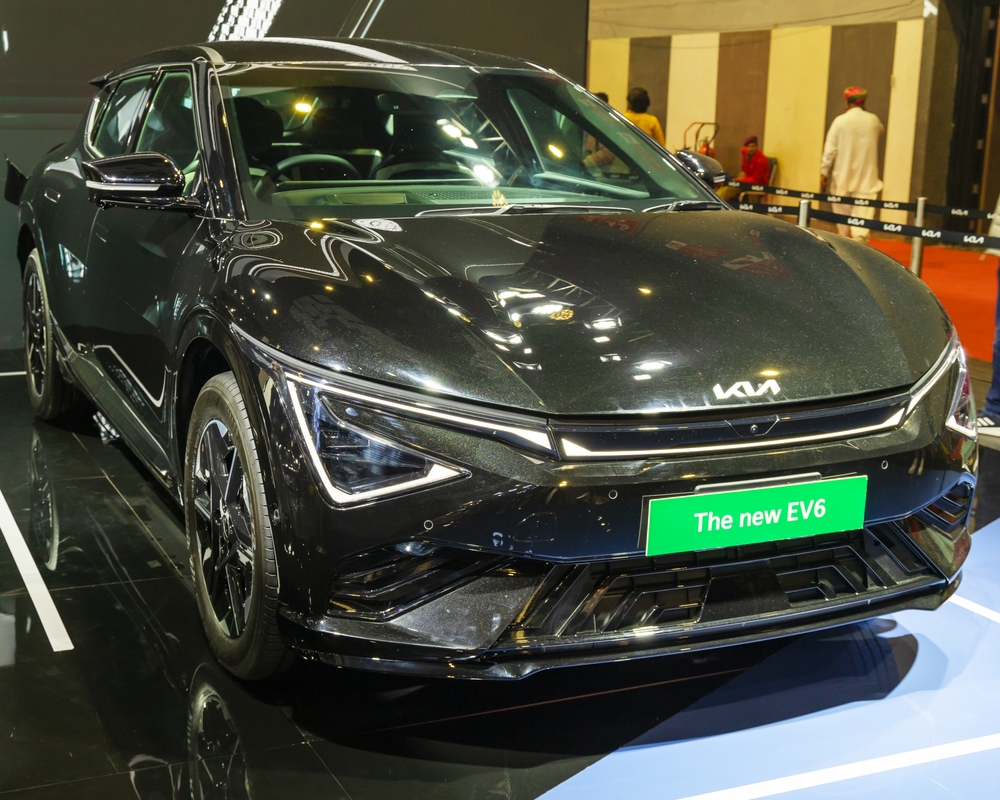
Range anxiety still influences purchasing decisions. When rebates reduce overall cost, buyers often upgrade to larger battery packs. The difference between standard and extended range suddenly feels manageable. That pushes demand toward higher range trims. Vehicles offering over 400 kilometers per charge gain attention. Commuters in colder provinces value that buffer. Dealers may find extended versions moving faster than base trims. Manufacturers sometimes produce fewer long-range units. If incentives apply equally across trims, supply gaps appear quickly. Expect longer-range variants from mainstream brands to attract early deposits once rebate announcements circulate.
Inventory Timing Will Amplify Shortages

Rebates do not create cars overnight. Production schedules were set months ago. If incentives arrive when dealer stock is low, shortages intensify. Buyers respond quickly to savings headlines. Early shoppers secure the remaining inventory. Latecomers face wait lists stretching into summer. Some brands import limited allocations to Canada. Others prioritize larger markets. Shipping delays or port bottlenecks add pressure. When demand spikes without matching supply, sellouts happen fast. Spring often marks a buying season peak. Combining that with fresh rebates forms a tight window. Timing alone could determine which EV logos vanish first.
Lease Offers Will Become More Attractive

Rebates sometimes apply to leased vehicles as well as purchases. That widens appeal among cautious buyers. Lower monthly payments attract drivers testing electric ownership. Leasing reduces concern about long-term battery value. When rebates lower the capitalized cost, monthly figures drop noticeably. Dealers promote these numbers in advertising. A compact EV that leases near the cost of a gas sedan gains traction. Lease heavy markets may see specific trims disappear rapidly. Automakers often allocate fewer vehicles to lease programs. Once those units are spoken for, new customers may wait months for similar deals.
Domestic Production Could Influence Perceived Value
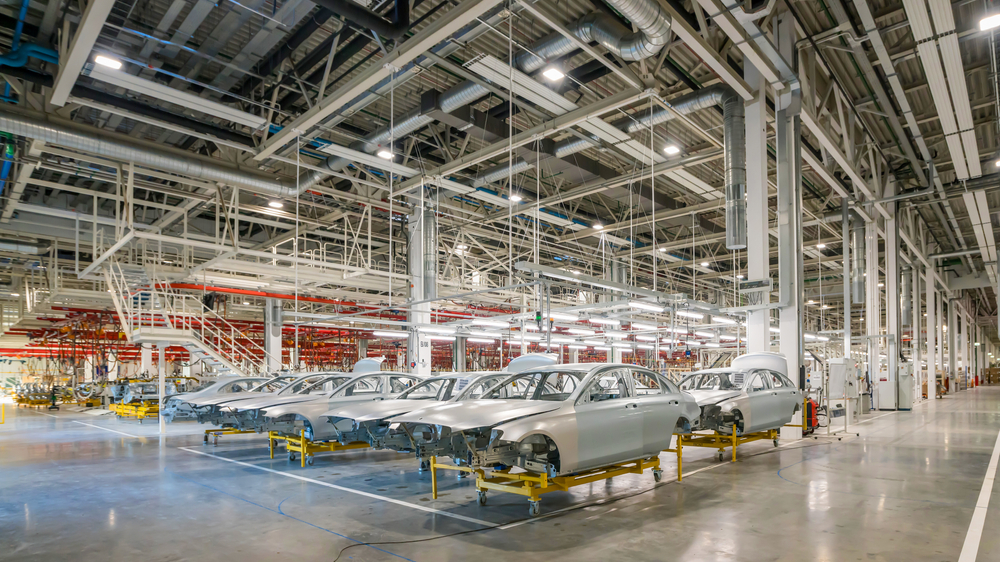
Canadian buyers increasingly notice where vehicles are built. Models assembled in North America may feel safer from supply disruption. If rebates favor domestically produced EVs, perception strengthens further. Plants in Ontario and the United States supply several popular models. Buyers may prioritize these vehicles for faster delivery. Imported models from Asia or Europe can face longer transit times. Trade tensions or shipping delays add uncertainty. Dealers will highlight local production in marketing. When shoppers connect rebates with homegrown assembly, confidence rises. That confidence often translates into quicker purchase decisions during the spring rush.
Used EV Values May Shift Buying Decisions

New rebates also affect the used market. If a brand-new EV costs only slightly more than a two-year-old example, buyers reconsider. Some may choose to capture new incentives and warranties. That can drain the inventory of entry-level new models first. Dealers might adjust trade-in offers carefully. Buyers weighing certified used against discounted new will act quickly when numbers align. Spring shoppers often want immediate delivery. When incentives narrow the gap, new stock becomes appealing. Expect base trims and practical configurations to move faster as consumers calculate long-term savings more closely.
Charging Infrastructure Expansion Adds Confidence
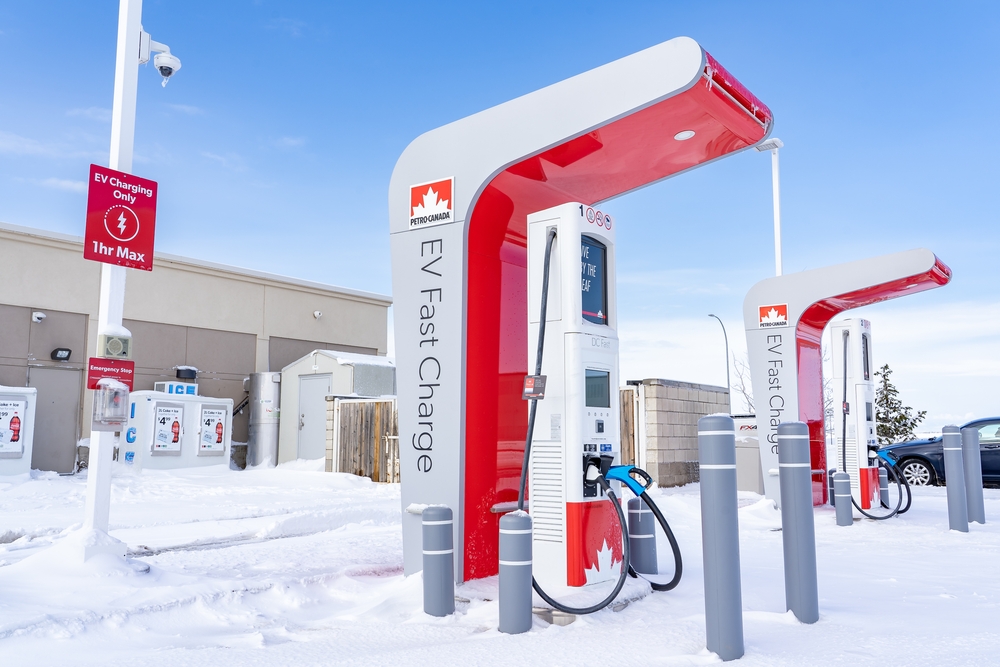
Canada continues expanding public charging networks. More stations reduce hesitation. When rebates lower the purchase price, and infrastructure improves, barriers shrink further. Urban dwellers without home chargers feel more comfortable. Rural drivers watch new highway fast chargers appear. Confidence influences timing. Buyers who postponed decisions last year may commit this spring. Models compatible with widespread fast charging standards gain preference. Those with slower charging rates may see softer demand. As practical concerns ease, mainstream shoppers enter the market.