


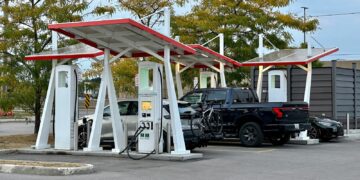












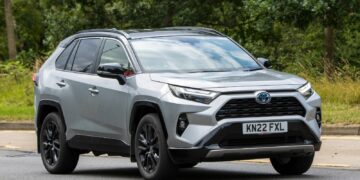

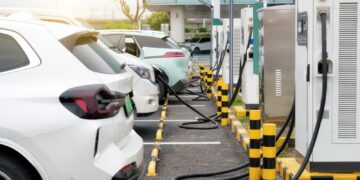

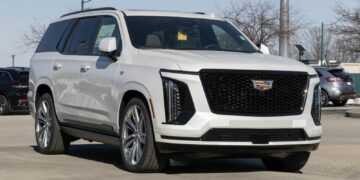


Canadian vehicle buyers are becoming more cautious, and for good reason. Prices remain high, insurance costs are harder to predict, EV incentives have shifted, and some once-desirable models are running into depreciation, reliability, theft, fuel-cost, or practicality concerns. A vehicle can still look appealing on a test drive, especially with a polished cabin or tempting monthly payment, but ownership is where the weak spots usually surface.
These 18 vehicles are increasingly landing in buyer’s-remorse territory in Canada because the total cost of ownership can feel very different after the paperwork is signed.
Jeep Grand Cherokee
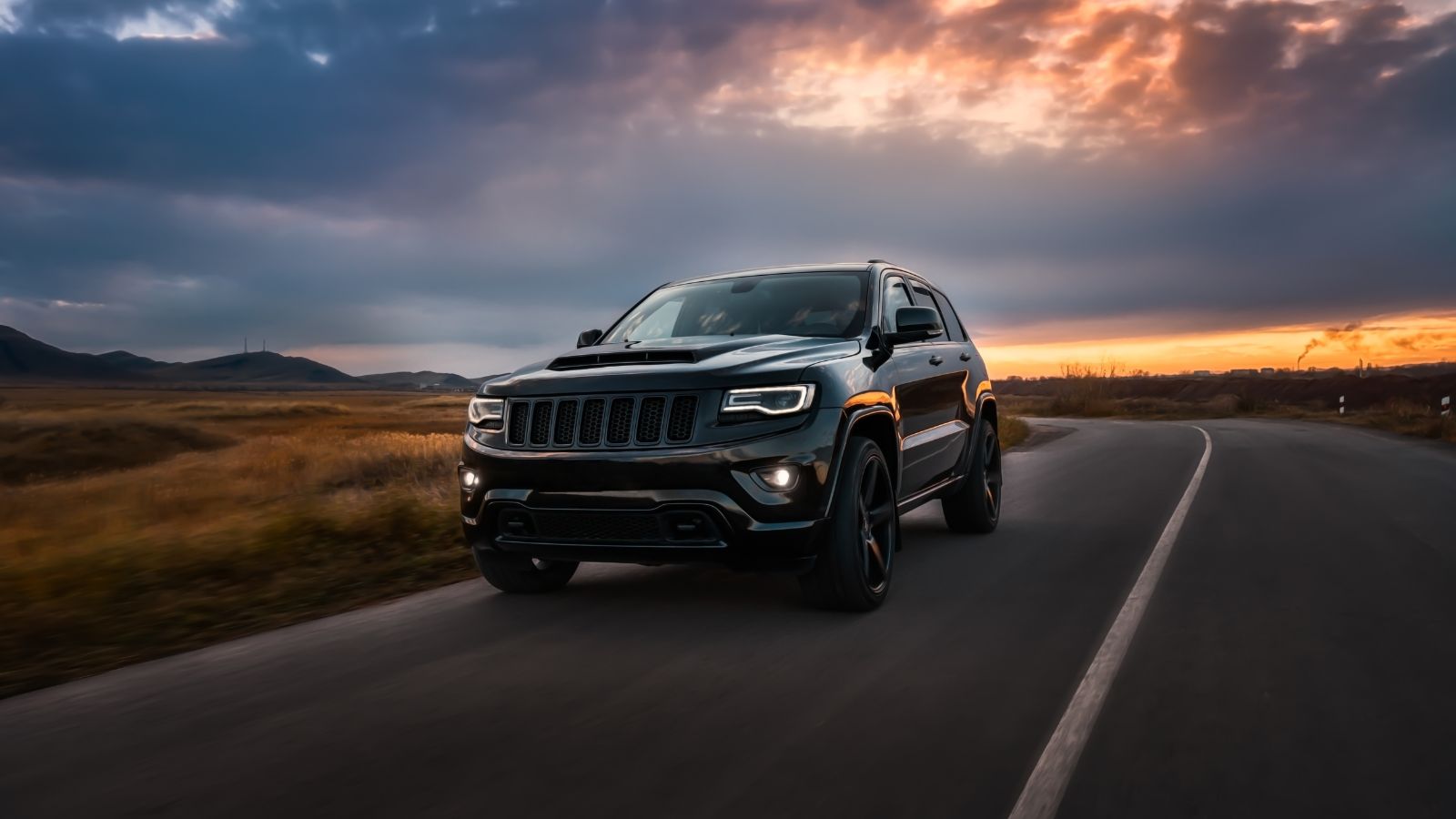
The Jeep Grand Cherokee has long sold itself as the comfortable middle ground between rugged SUV image and premium-family practicality. That mix still attracts Canadians who want something more upscale than a basic crossover without jumping all the way into a luxury badge. The problem is that recent Grand Cherokee ownership can bring a complicated blend of high purchase prices, thirsty powertrains, expensive tires, premium trim costs, and repair concerns that do not always match the relaxed image in the showroom.
For many households, the remorse begins after the warranty math becomes real. A well-equipped Grand Cherokee can feel close to luxury-SUV pricing, yet reliability rankings and owner-problem reports have not always supported that expectation. Add winter fuel consumption, big-wheel replacement costs, and insurance considerations, and the “do-it-all” SUV can become a heavier financial commitment than expected. It may still suit loyal Jeep buyers, but casual shoppers can underestimate how costly the ownership experience may become.
Ford F-150 PowerBoost Hybrid
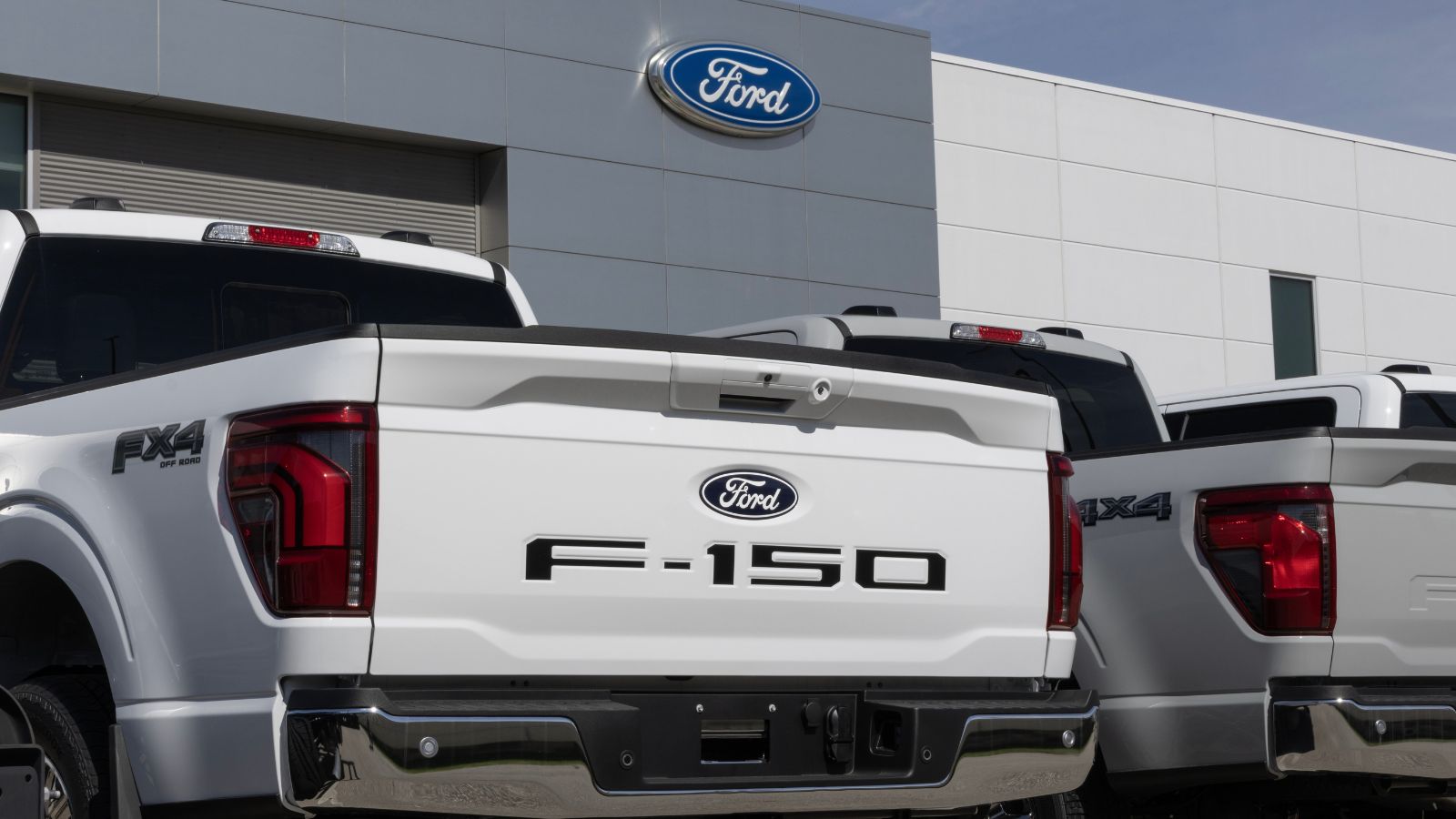
The Ford F-150 PowerBoost Hybrid sounds like the clever Canadian compromise: pickup capability, a hybrid system, available onboard power, and better fuel economy than a traditional full-size truck. For contractors, campers, and rural households, the idea is easy to understand. It promises lower fuel use without giving up the truck shape, towing image, or everyday utility that made the F-Series so dominant.
The disappointment comes when complexity catches up with the promise. Hybrid truck systems add components that can be expensive to diagnose or repair, and owner-reliability data has flagged the PowerBoost as a trouble spot in recent model years. Buyers who stretch for a higher trim expecting fuel savings to offset the price premium may find that real-world winter driving, towing, short trips, and repair anxiety change the equation. A conventional truck or a smaller hybrid pickup can sometimes make more sense for Canadians who do not truly need full-size capability.
Ford F-150 Lightning
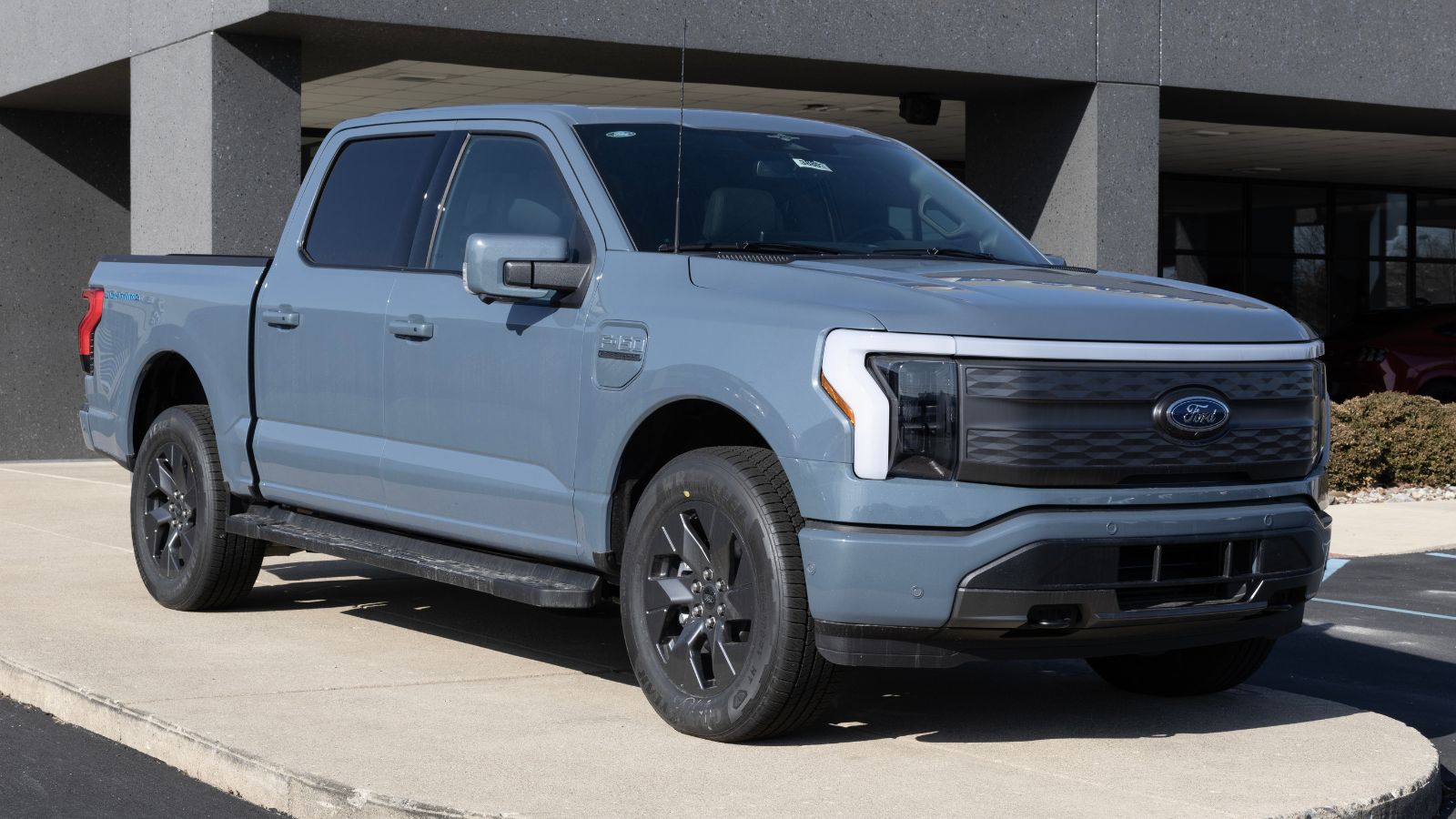
The F-150 Lightning arrived with enormous expectations because it looked like a familiar pickup while offering electric torque, quiet driving, and home-backup possibilities. In urban and suburban use, it can be impressive. The instant acceleration, large front trunk, and low-maintenance EV appeal make it feel futuristic without forcing buyers into an unfamiliar body style.
Remorse often appears when Canadian truck use gets more demanding. Cold weather, highway speeds, towing, payload, charging access, and resale uncertainty can all shrink the gap between the dream and the daily reality. EVs can lose meaningful range in winter testing, and electric pickups face extra pressure because many owners expect them to perform like traditional work trucks in harsh conditions. For drivers with home charging and predictable routes, it can still work beautifully. For buyers expecting effortless long-distance towing in February, it may feel like the wrong tool.
Tesla Model Y
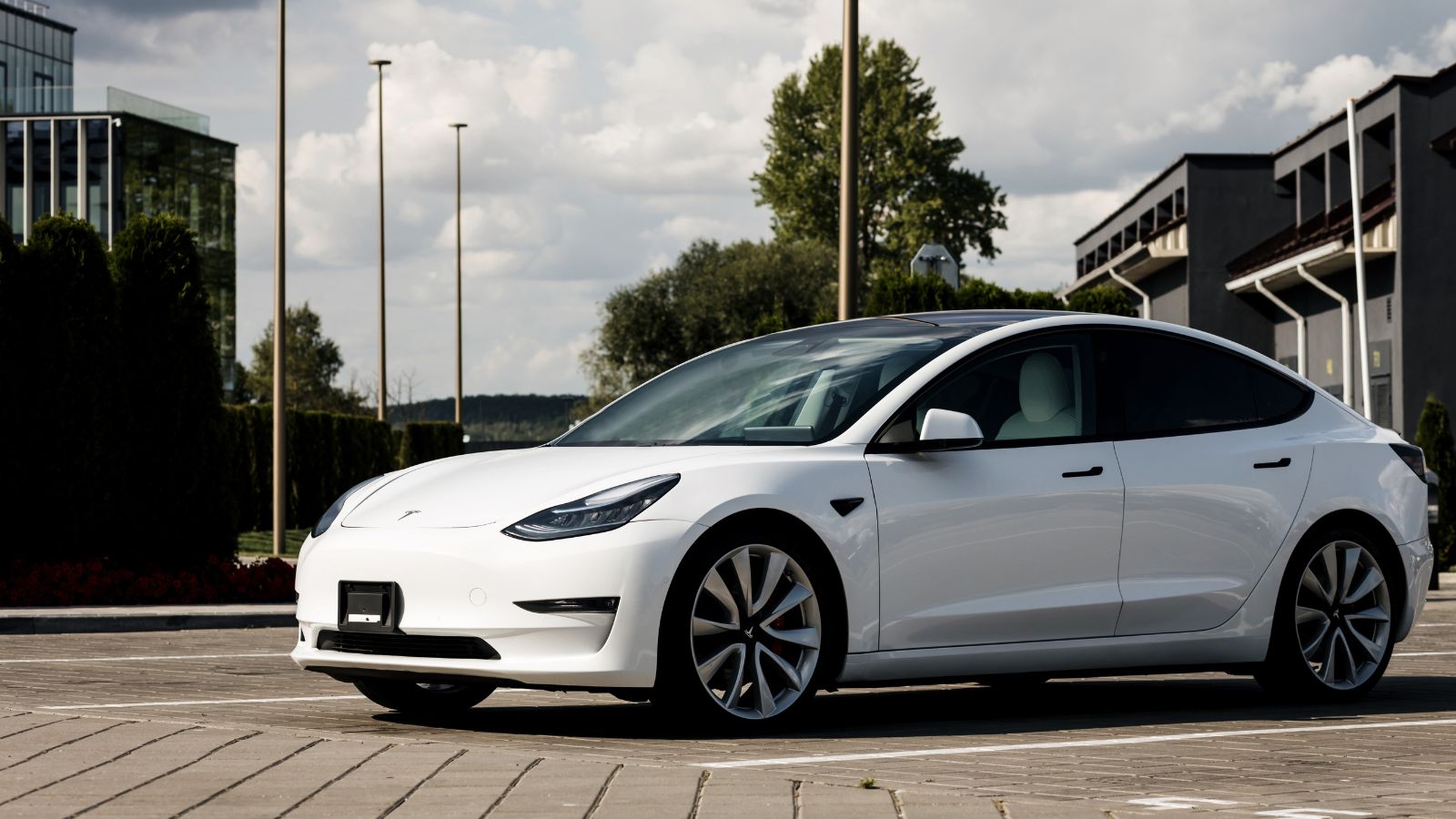
The Tesla Model Y became one of Canada’s most visible EVs because it combines strong acceleration, a practical hatchback shape, long-range versions, and access to Tesla’s charging ecosystem. Its popularity also means many shoppers assume it is the safe EV choice. In daily commuting, that confidence can be justified, especially for owners with home charging and a predictable routine.
The trap is that popularity does not erase depreciation risk, insurance surprises, winter-range concerns, or changing incentive rules. Used EV values have been volatile, and battery-electric vehicles have shown sharper depreciation pressure than many mainstream gas vehicles. Canadian buyers also face cold-weather range reduction and potentially higher collision-repair costs because EVs can involve specialized parts and calibration. The Model Y may remain a strong EV, but buyers who focus only on monthly payment and acceleration can overlook how resale, insurance, and winter practicality shape long-term satisfaction.
Tesla Model 3
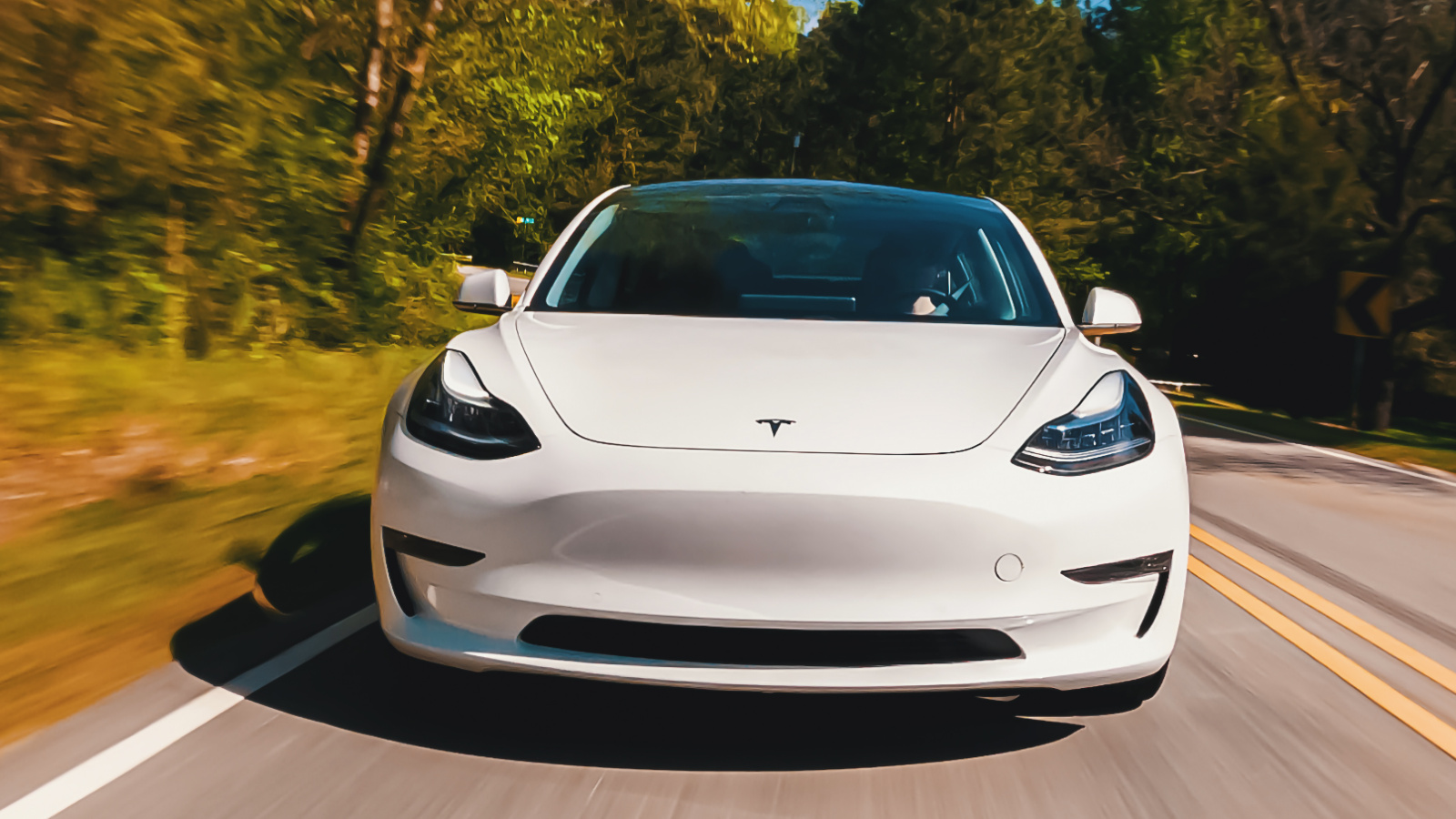
The Tesla Model 3 often appears affordable beside luxury sedans, especially when used examples drop in price. It offers strong performance, a minimalist cabin, over-the-air updates, and broad charging access. For buyers moving from a compact gasoline car, the operating-cost story can look convincing: fewer oil changes, lower home-charging costs, and a sleek tech-first experience.
But the Model 3 can become a remorse trap when buyers treat it like a simple economy sedan. Insurance, tire wear, cold-weather range loss, out-of-warranty repair costs, and rapid used-EV price changes can complicate the savings narrative. Some owners also discover that a low cabin, firm ride, and screen-based controls are less charming after months of winter commuting. It is a smart fit for some households, but it can disappoint buyers who expect a low-cost commuter without factoring in EV-specific ownership costs.
Hyundai Ioniq 5
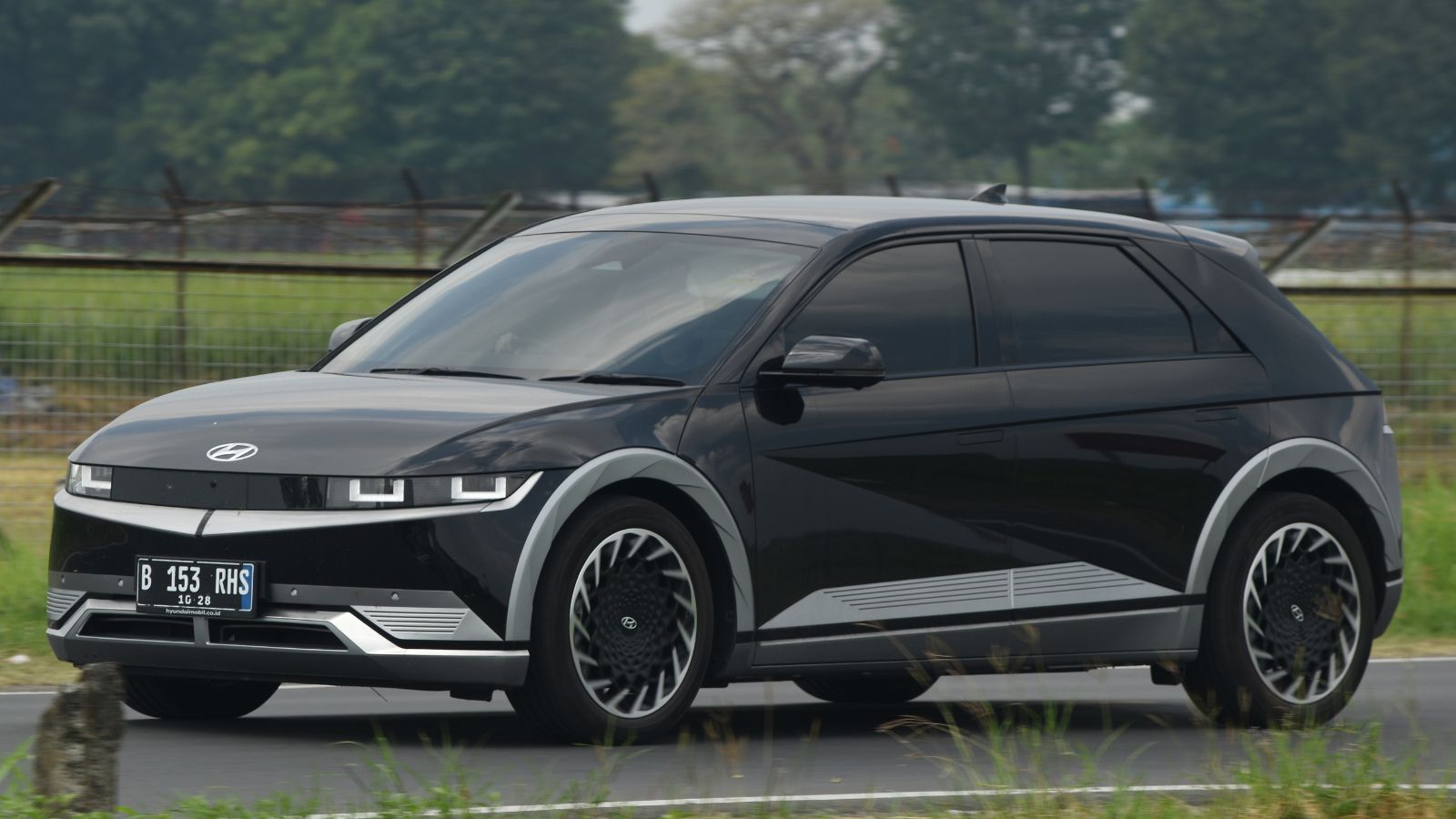
The Hyundai Ioniq 5 has been praised for its design, fast-charging capability, roomy interior, and distinctive lounge-like cabin. It feels modern without being overly aggressive, and that has helped it stand out in Canada’s growing EV market. For city and suburban drivers with easy charging, it can be a genuinely enjoyable family vehicle.
The concern is that several of the Ioniq 5’s strengths are tied to ideal conditions. Fast charging depends on charger quality, temperature, and availability, while winter driving can reduce range. EV reliability data has improved but still shows more reported problems than conventional gas vehicles, and some newer EVs have landed on reliability-watch lists. Buyers also need to think about tire costs, battery-health confidence, and resale volatility as newer EV technology arrives quickly. The Ioniq 5 is not a bad vehicle, but the ownership experience can feel less effortless than the marketing suggests.
Kia EV6
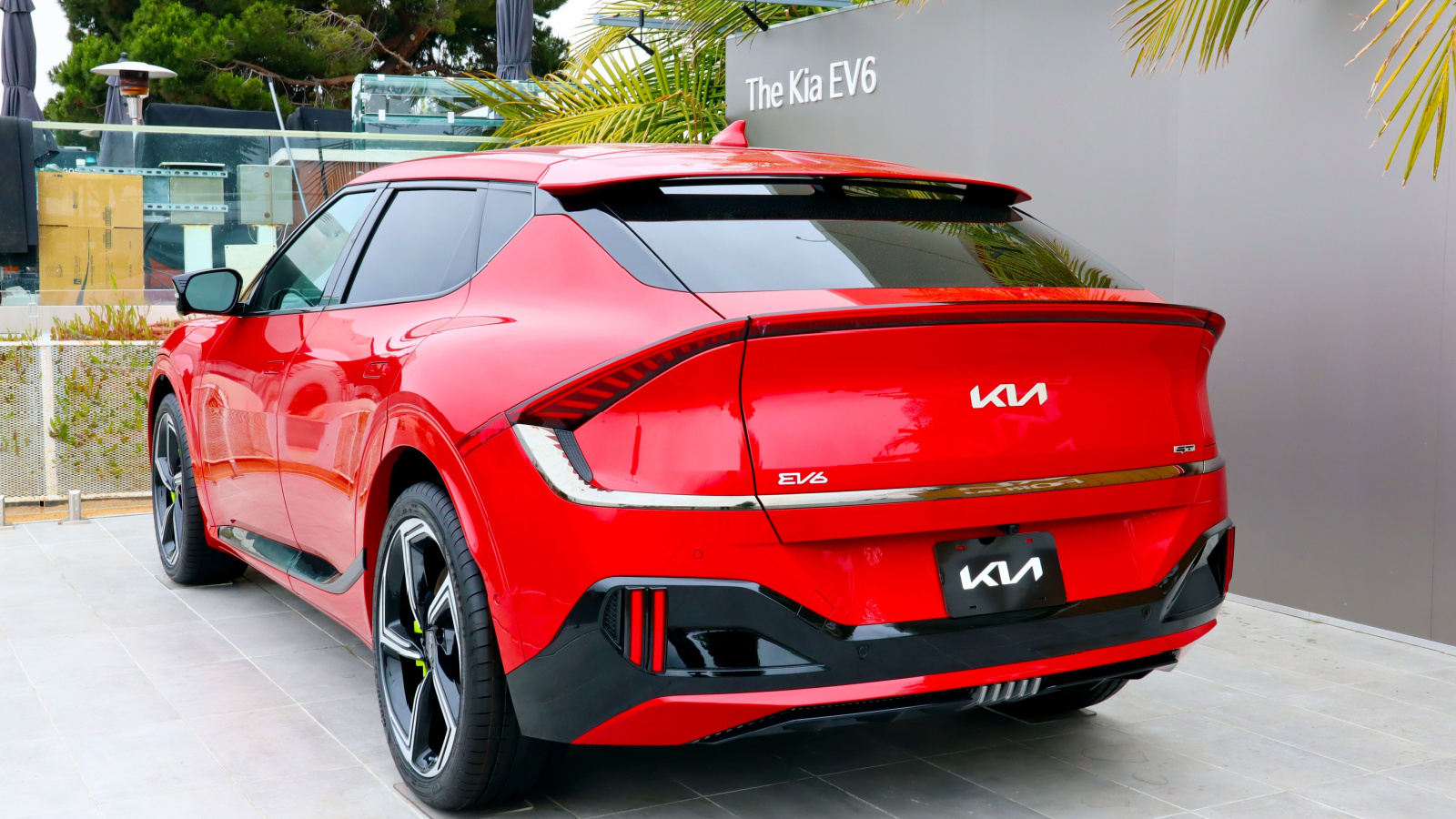
The Kia EV6 shares many of the Ioniq 5’s core strengths: quick charging, sharp styling, strong acceleration, and a cabin that feels more advanced than many gasoline crossovers. It appeals to Canadians who want an EV that looks exciting rather than purely practical. On a test drive, it can feel like a major upgrade from a traditional compact SUV.
The buyer’s-remorse risk comes from expectations. The EV6 can be costly to insure, its tires are not cheap, and cold-weather range can be a real issue for long commutes or highway travel. Broader EV reliability surveys have continued to show electric and plug-in vehicles lagging gasoline models, even as the gap improves. In Canada, where winter driving and charging infrastructure vary widely by region, the EV6 is best for shoppers who understand the EV lifestyle. Buyers who simply want “a stylish SUV with low running costs” may find the reality more demanding.
Volkswagen ID.4
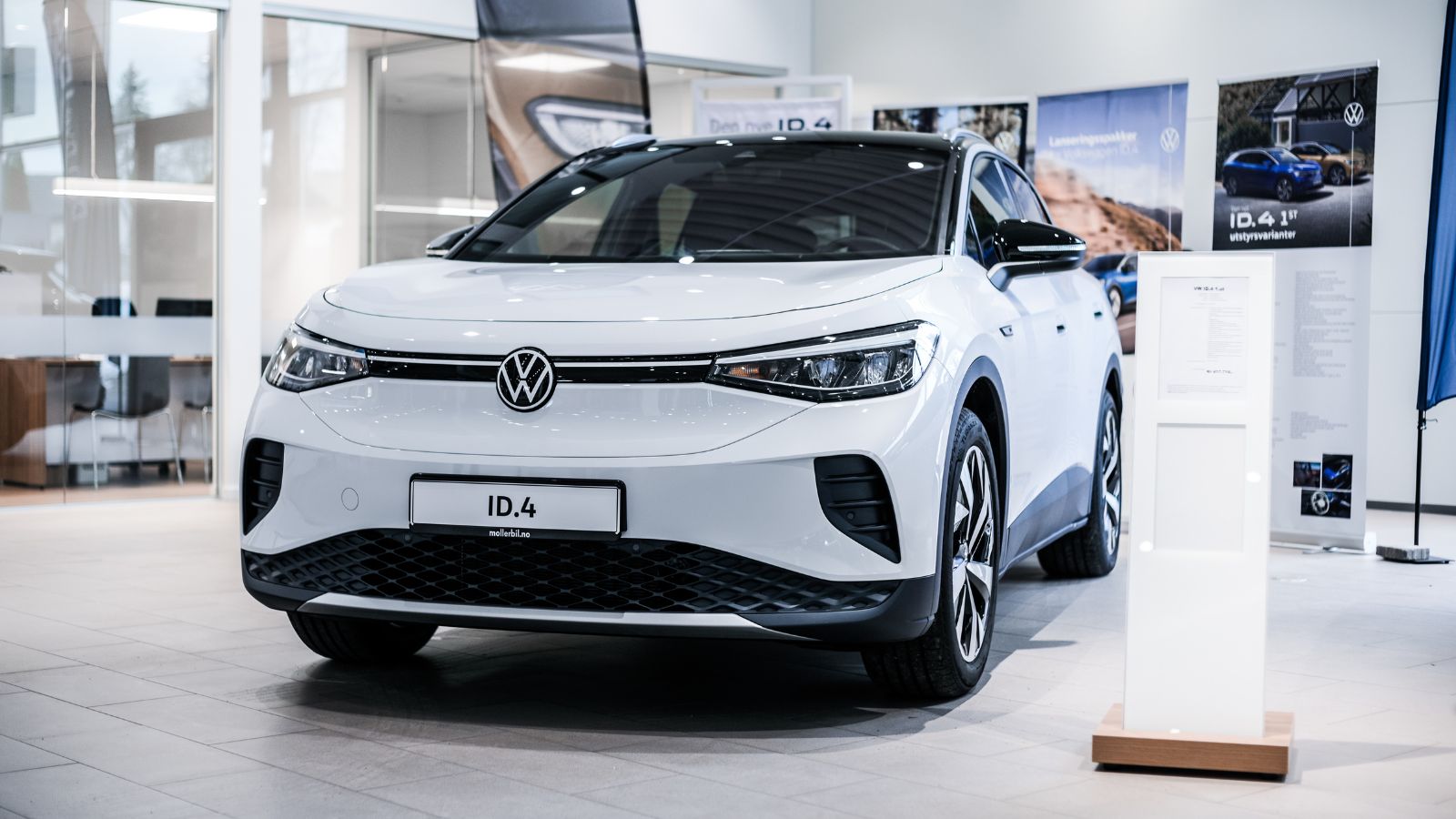
The Volkswagen ID.4 was positioned as a friendly, mainstream EV crossover rather than a tech toy. That should have made it an easy transition vehicle for Canadians coming from a Tiguan, RAV4, or CR-V. Its quiet ride, practical size, and clean styling are real advantages, especially for families wanting an EV without a flashy image.
However, remorse can grow when software, controls, and charging expectations collide with daily life. Modern infotainment systems remain one of the most common problem areas in owner-quality studies, and EV buyers are especially sensitive to interface frustrations because charging, route planning, climate control, and range estimates all depend on the tech experience. The ID.4 can be pleasant, but shoppers should test the menus, climate controls, charging routine, and winter range assumptions carefully. A vehicle that feels calm in the showroom can become irritating if the digital experience does not suit the household.
Nissan Ariya
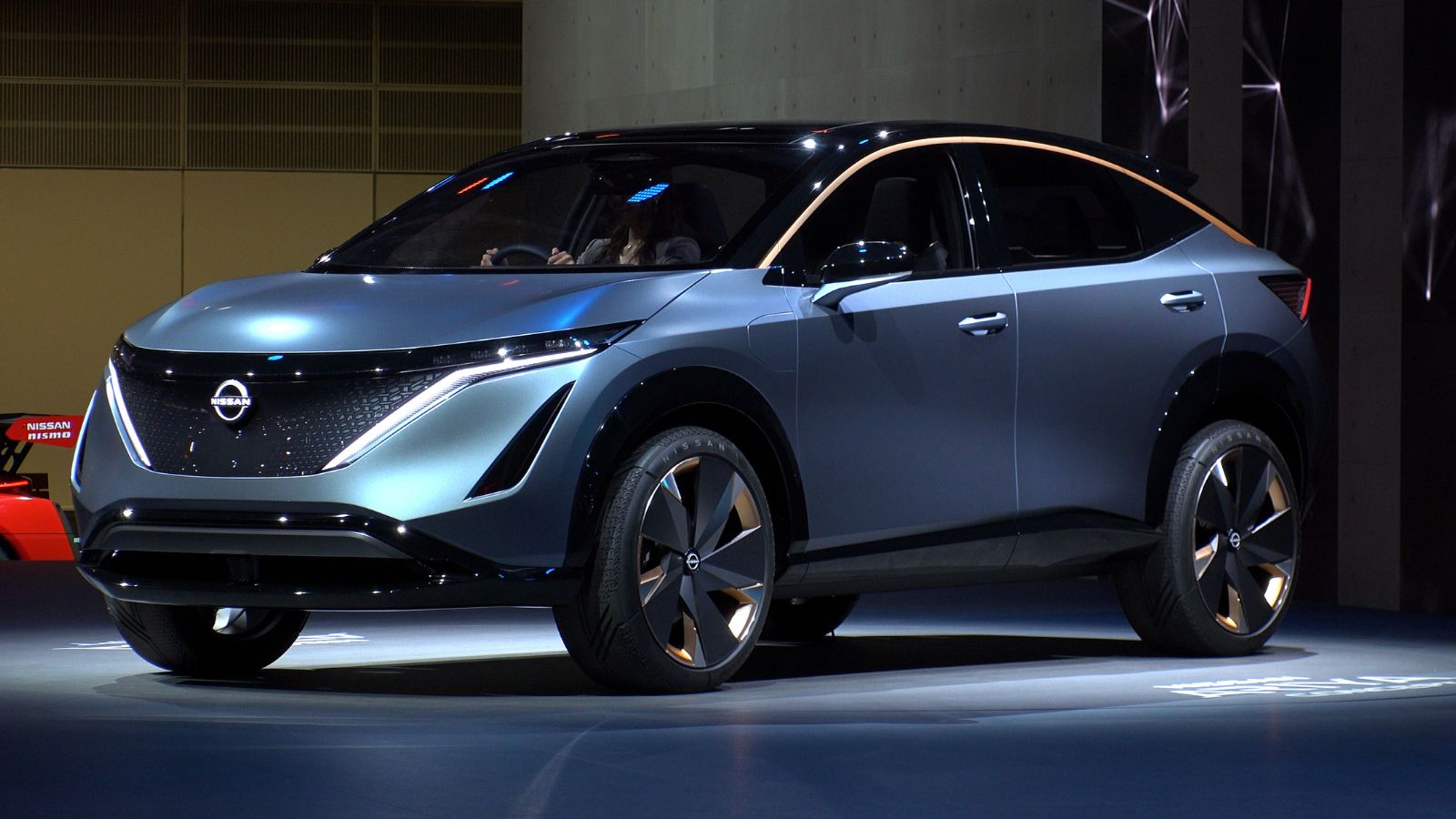
The Nissan Ariya entered Canada as a more upscale, polished alternative to earlier mainstream EVs. It offers a refined cabin, quiet driving, and a more relaxed personality than many performance-focused electric crossovers. For buyers who want comfort over flash, that can be appealing.
The risk is value. The Ariya competes in a crowded EV field where pricing, incentives, charging speed, range, and brand perception all matter. Used EV values can move quickly when automakers adjust MSRPs, introduce new battery technology, or bring more competitive models to market. Buyers who pay a premium for a high-trim Ariya may later compare it with discounted rivals or cheaper used EVs and feel exposed. It is a comfortable EV, but Canadians should be careful about paying luxury-like money for a model whose resale strength is still being tested.
Chevrolet Silverado 1500
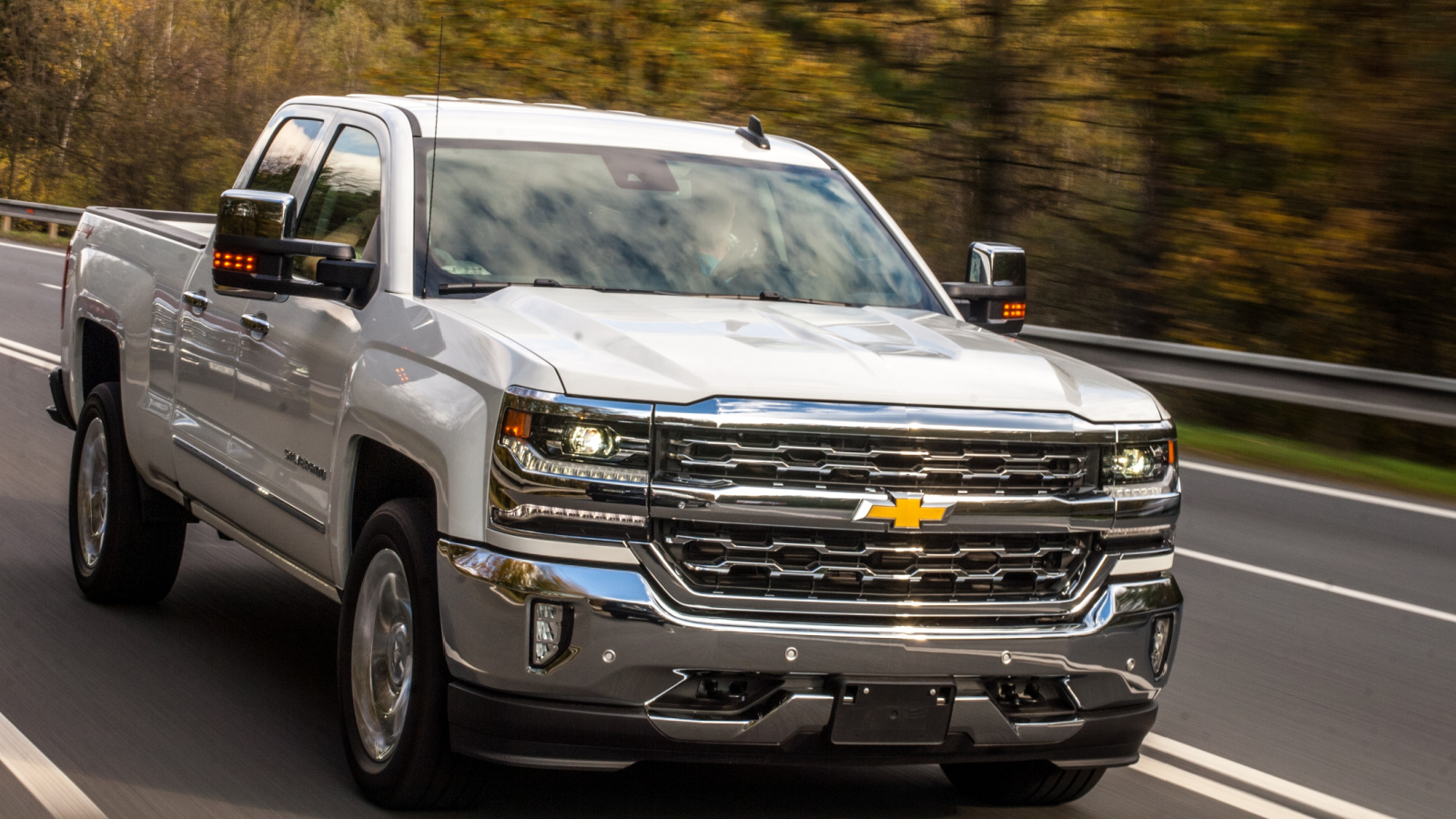
The Chevrolet Silverado 1500 remains a familiar Canadian workhorse, especially in provinces where full-size pickups are daily transportation, job-site tools, and family haulers all at once. It offers strong towing, multiple engines, and broad dealer support. For many owners, that familiarity is exactly the point.
The remorse trap is the total cost of keeping a large truck on the road. Fuel consumption, tires, brakes, insurance, parking challenges, and higher trims can add up quickly. Large pickups also remain prominent theft targets in Canada, and theft risk can influence insurance costs depending on province and postal code. A Silverado makes sense when its capability is used often. It can feel excessive when bought mainly for image, occasional hauling, or the feeling of security. The monthly payment is only the opening chapter.
Ram 1500
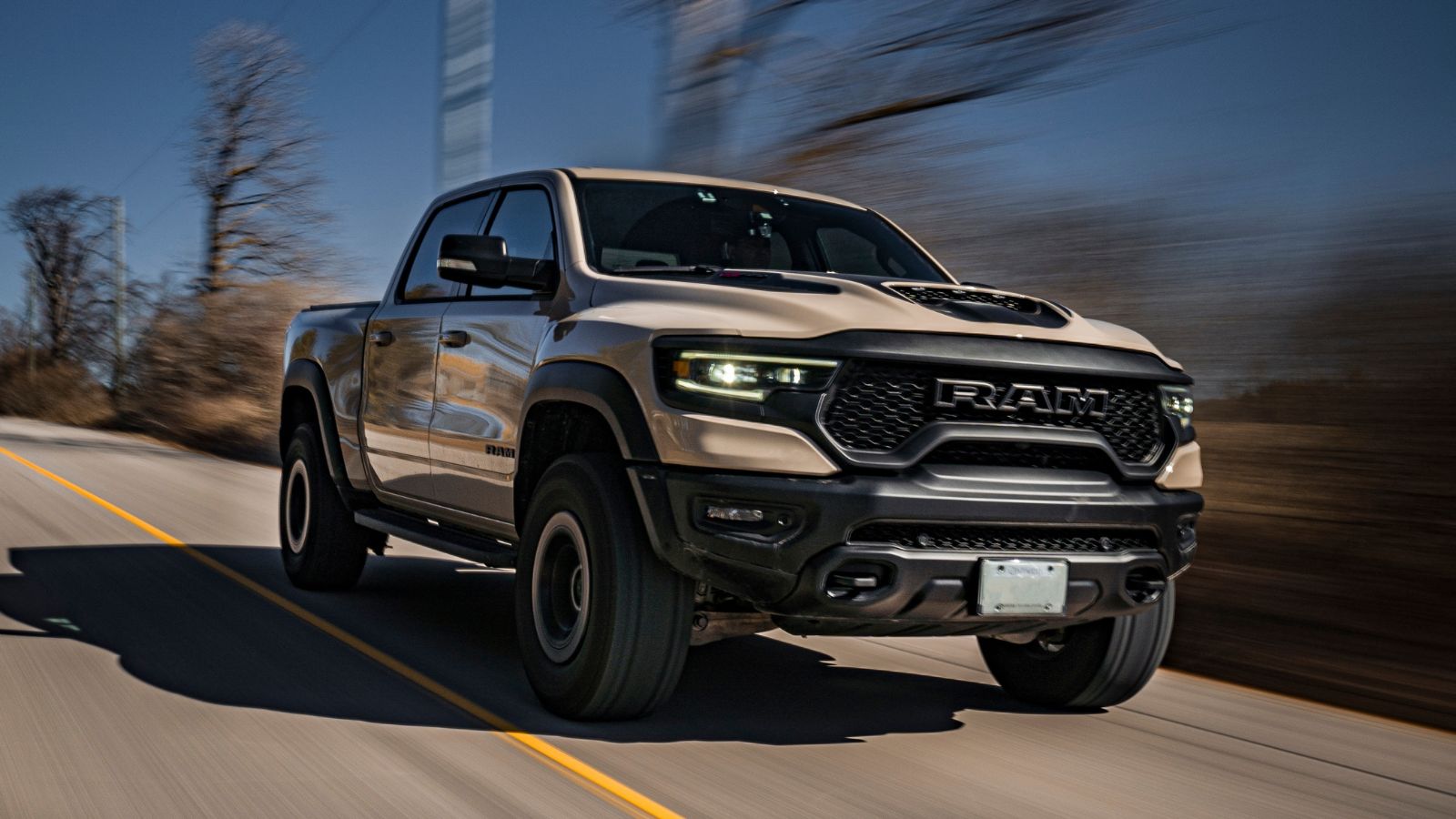
The Ram 1500 wins many buyers with its comfortable ride, upscale interiors, and strong road presence. It can feel more refined than expected, especially in higher trims, and that makes it appealing to families who want truck utility without feeling like they are driving a bare work vehicle. The cabin can sell the truck before the fuel bill ever arrives.
The challenge is that comfort does not make it inexpensive. Full-size trucks are costly to insure, fuel, tire, and repair, and Ram pickups have been prominent in Canadian theft discussions. Buyers tempted by long loan terms or discounted high trims may later face a vehicle that is expensive even when parked. The Ram 1500 is highly capable, but it becomes a remorse trap when buyers use it like a commuter crossover while paying full-size truck costs.
Toyota RAV4
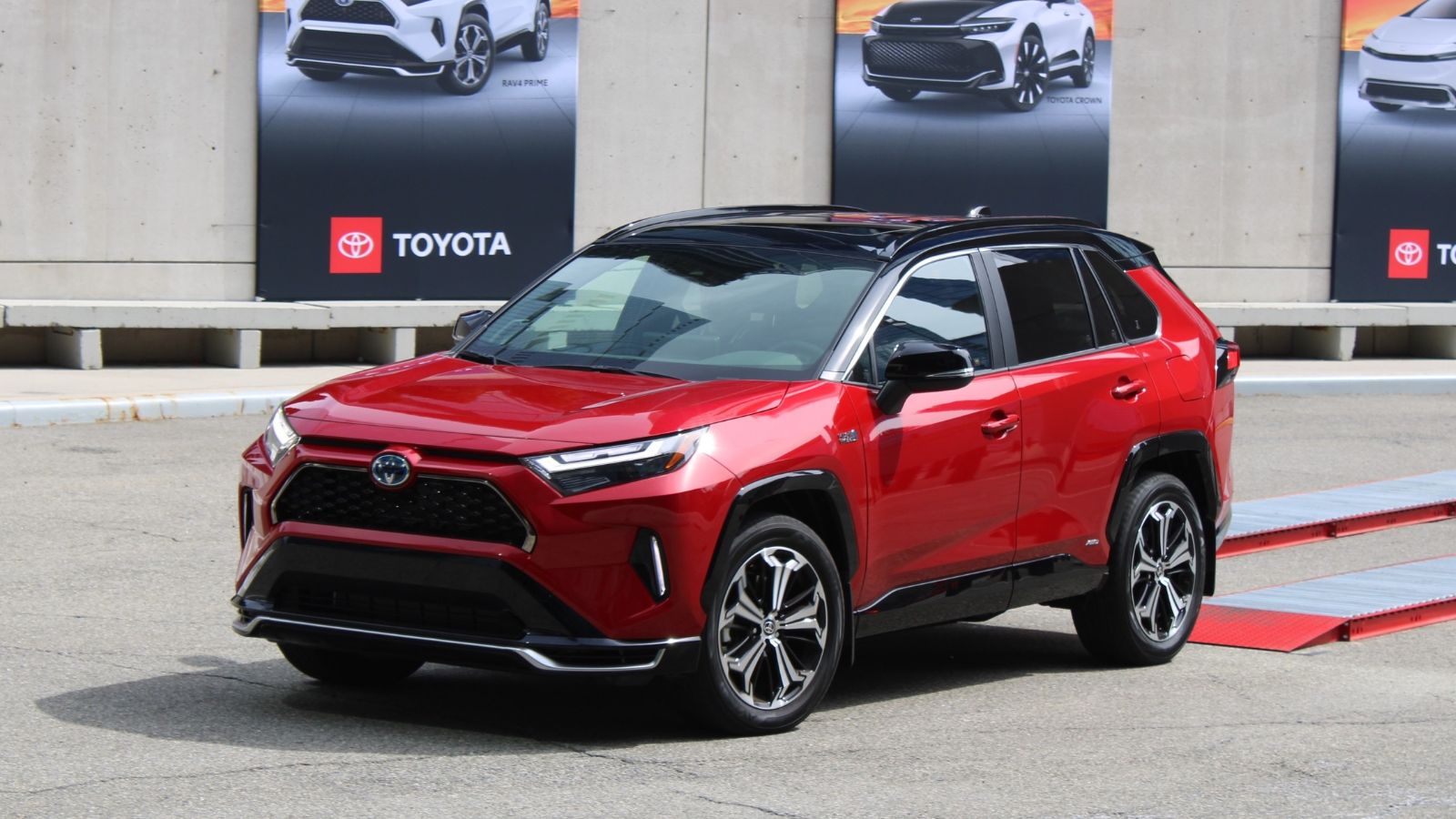
The Toyota RAV4 seems like an odd remorse candidate because it has a strong reputation, broad parts support, and strong resale value. That is exactly why Canadians keep buying it. It is practical, efficient in hybrid form, easy to recommend, and familiar to almost every used-vehicle shopper.
The issue is not that the RAV4 is fundamentally weak. The issue is that demand can push prices high, while theft risk has made certain popular SUVs more expensive to live with in some areas. Recent Canadian theft data has shown the RAV4 among the most stolen vehicles nationally, largely because popular SUVs are easy to resell or export. Buyers who pay a premium expecting stress-free ownership may be frustrated by insurance quotes, anti-theft requirements, wait times, and used prices that leave little room for negotiation.
Honda CR-V
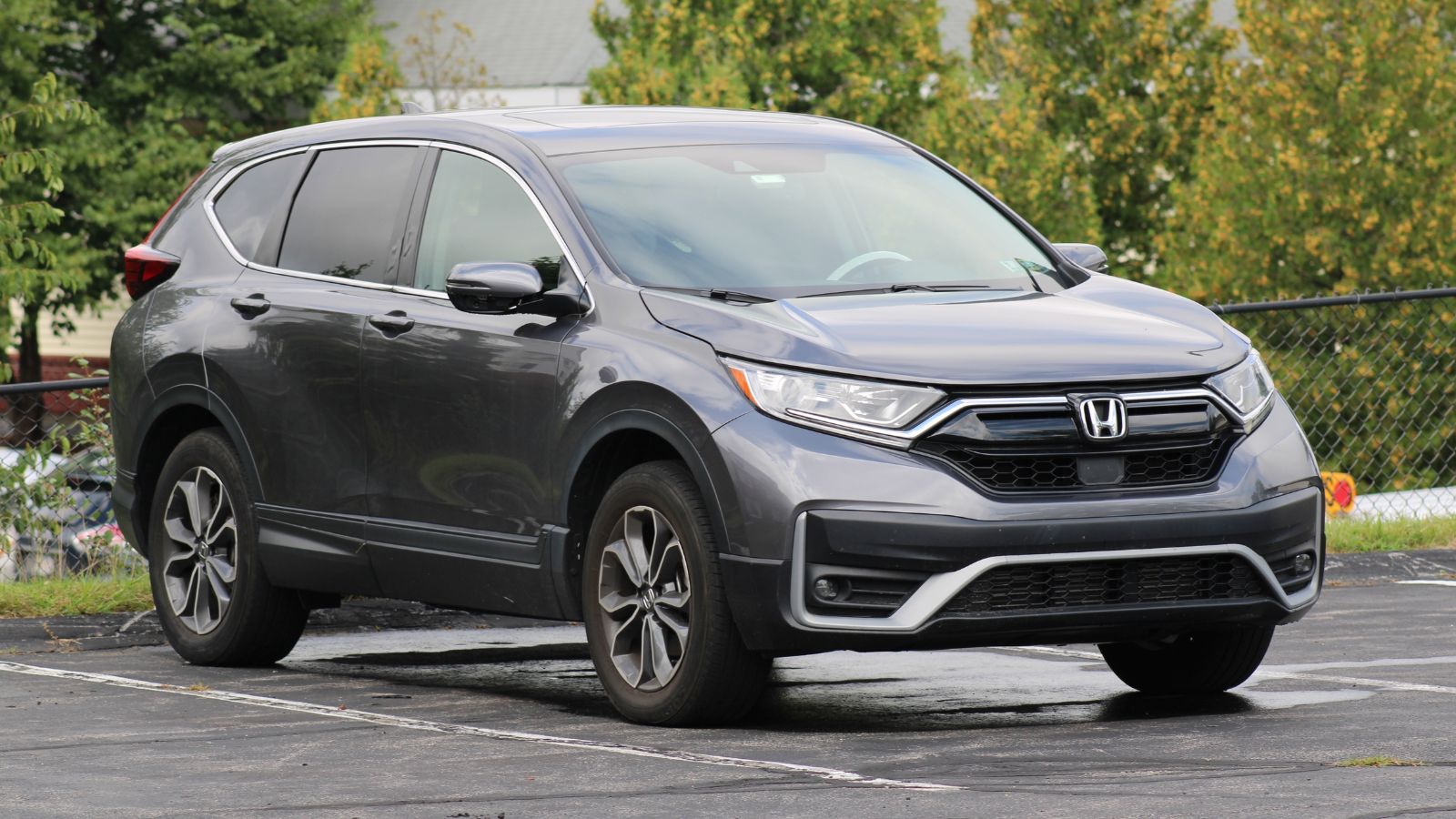
The Honda CR-V has long been one of Canada’s default family SUVs. It is roomy, efficient, easy to drive, and trusted by many buyers who grew up seeing older Hondas run for years. That reputation gives the CR-V unusually strong emotional security in the used and new market.
Yet buyer’s remorse can still appear when popularity becomes a cost. The CR-V has been repeatedly highlighted in theft-related reports, especially in high-risk provinces, and that can affect insurance pricing or lead insurers to require added anti-theft measures. High demand also keeps prices firm, making it harder to find a true bargain. For families shopping used, the CR-V may still be a solid choice, but it is not automatically cheap to own. A reliable vehicle can still become frustrating if it attracts higher theft attention and premium pricing.
Lexus RX
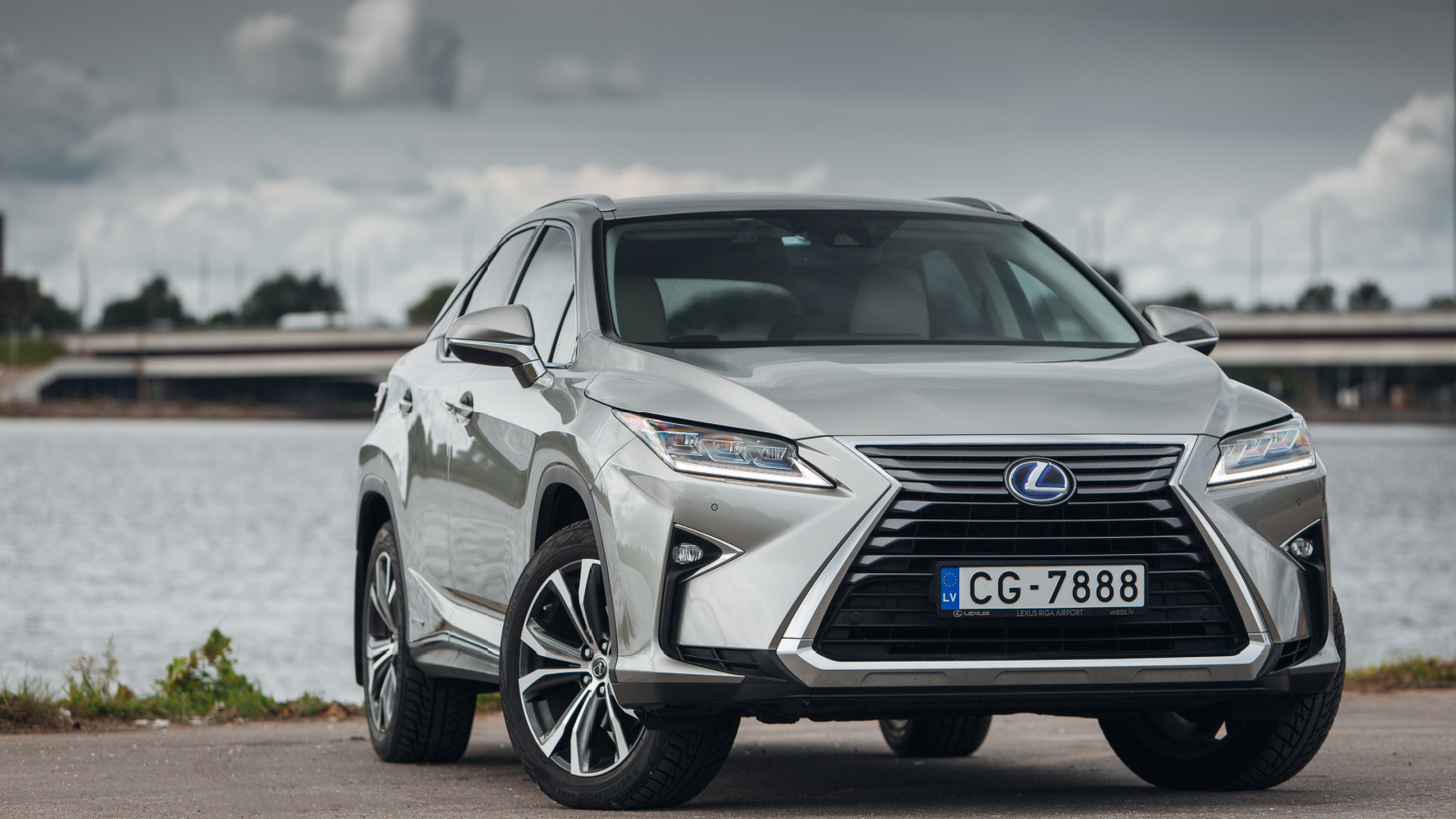
The Lexus RX carries one of the strongest reputations in the luxury SUV market. It is comfortable, quiet, and associated with Toyota reliability, which makes it a tempting used-luxury purchase for Canadians who want premium comfort without German-brand repair anxiety. Many shoppers see it as the sensible luxury choice.
The problem is that the RX’s desirability can work against owners. Luxury SUVs are attractive theft targets, and the Lexus RX has appeared frequently in Canadian theft discussions. Insurance, anti-theft measures, and replacement-part costs can make ownership feel less carefree than expected. Used examples also command strong prices, which limits the “luxury bargain” appeal. The RX remains one of the better luxury SUVs for long-term dependability, but buyers should not assume that reliability automatically means low ownership stress.
Toyota Highlander
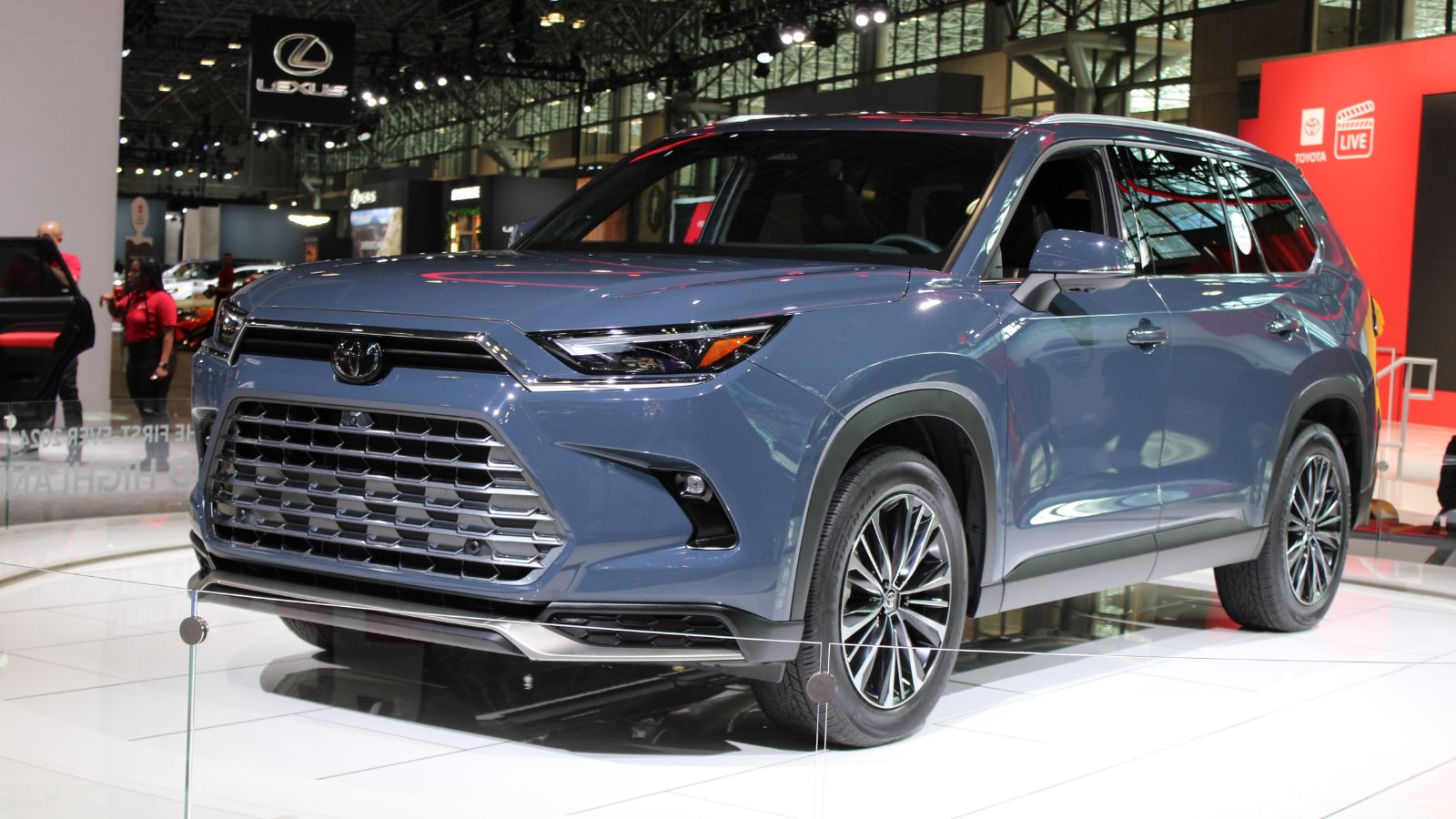
The Toyota Highlander is a family favourite because it offers three rows, a quiet ride, available hybrid efficiency, and Toyota’s reputation for durability. For Canadian parents who want a practical SUV without moving into a minivan, the Highlander often looks like the safe answer.
Remorse can appear when the safe answer becomes expensive. Used Highlanders often hold value strongly, which is good for sellers but difficult for buyers trying to avoid overpaying. Some popular Toyota SUVs have also been heavily represented in theft reports, adding another ownership concern in certain regions. The third row is useful but not always spacious enough for larger teens, and cargo room shrinks quickly when all seats are up. The Highlander is still a rational vehicle, but it can disappoint shoppers who expect an affordable, theft-proof, no-compromise family solution.
Volkswagen Atlas
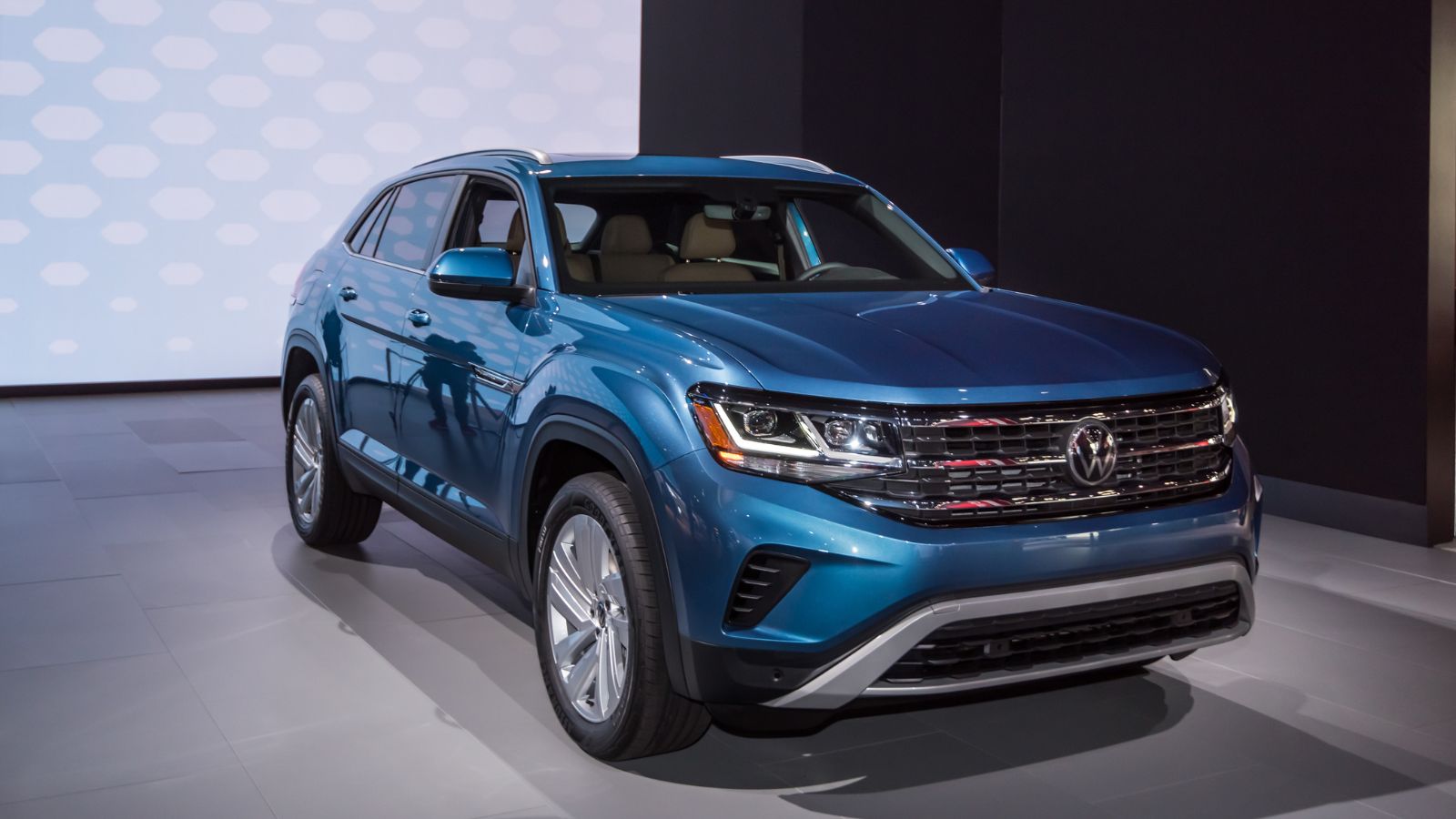
The Volkswagen Atlas attracts buyers because it solves a practical problem: it offers a big cabin, usable third row, and family-friendly space without going to a minivan or full-size SUV. On paper, it fits Canadian life well, especially for families with kids, hockey bags, Costco runs, and road trips.
The remorse risk sits in reliability perception, fuel use, and ownership costs. Large three-row crossovers are heavy, and real-world fuel economy can disappoint buyers moving from smaller SUVs. Maintenance and repair costs can also feel less mainstream than expected. If a buyer chooses the Atlas mainly for space and ignores long-term dependability data, resale trends, and warranty coverage, the initial practicality can become a financial headache. It is worth considering, but it should be bought with a clear maintenance budget rather than showroom enthusiasm alone.
Mitsubishi Outlander PHEV
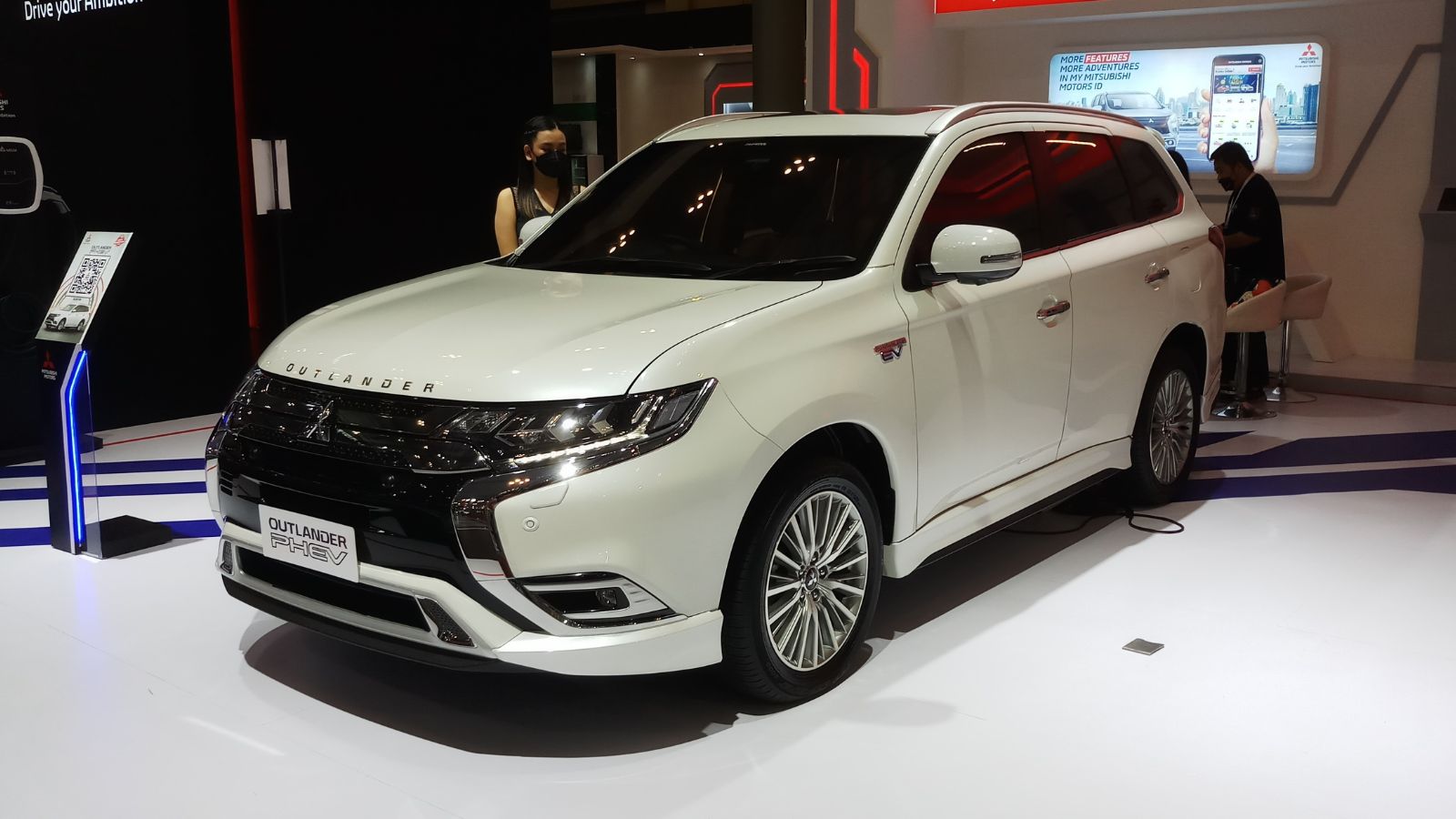
The Mitsubishi Outlander PHEV has a strong pitch for Canadians: electric driving for short trips, gasoline backup for long drives, available all-wheel drive, and three-row flexibility in some configurations. It sounds like an ideal bridge for households not ready to go fully electric.
The catch is that plug-in hybrids only deliver their best savings when they are charged often and driven mostly within their electric range. Owners who rarely plug in can end up carrying extra battery weight while burning gasoline like a conventional SUV. Broader reliability research has also shown plug-in hybrids reporting more problems than gas vehicles, partly because they combine two propulsion systems. The Outlander PHEV can be smart for disciplined chargers, but it can become a remorse trap for buyers who want EV savings without changing habits.
Mazda CX-90 PHEV
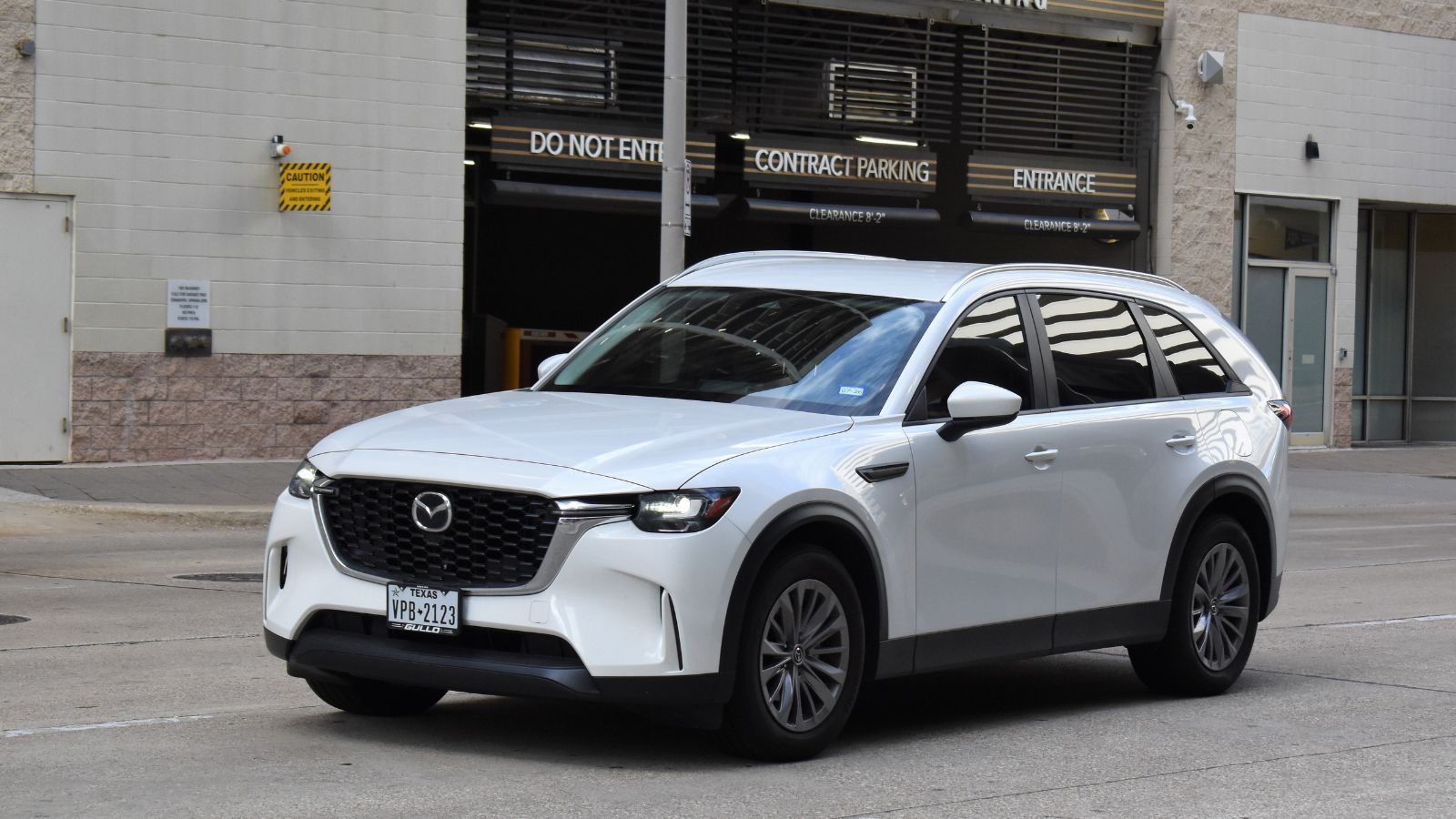
The Mazda CX-90 PHEV brings premium styling, three-row utility, and plug-in-hybrid promise into one attractive package. It feels more upscale than many mainstream family SUVs, and that matters to buyers who want something refined without moving fully into luxury-brand pricing. The driving feel and cabin design help it stand out.
The risk is early-adopter complexity. A large plug-in hybrid with premium ambitions can be costly if buyers misunderstand how often it needs to be charged, how much fuel it may use on road trips, and how repairs could play out after warranty. Plug-in hybrids can also disappoint when real-world driving does not match official efficiency expectations. The CX-90 PHEV may be rewarding for the right household, but buyers should treat it as a complex electrified family vehicle rather than a simple fuel-saving shortcut.
22 Things Canadians Do to Their Cars in Spring That Mechanics Hate

Spring brings relief to many Canadian drivers after months of snow, freezing temperatures, and icy roads that put serious strain on vehicles. As temperatures rise across the country, drivers begin washing cars, switching tires, and preparing vehicles for warmer weather and upcoming road trips. However, mechanics across Canada notice the same mistakes every spring when drivers attempt to recover from winter damage. Road salt, potholes, and harsh winter driving conditions often leave vehicles with hidden problems that drivers ignore. Some spring habits even create new mechanical issues that could have been avoided with proper maintenance. Here are 22 things Canadians do to their cars in spring that mechanics hate.