

























Buying a car in Canada already feels expensive. Insurance can quietly add thousands each year. Rates depend on theft risk, repair costs, safety scores, and driver data. Some vehicles surprise buyers by staying cheap to insure. They may not be flashy, but insurers like them. They crash less often and cost less to fix. Many also come with strong safety features as standard. That matters more than horsepower in most cases. If you want lower monthly costs, your car choice matters a lot. Here are 17 cars that are surprisingly cheap to insure in Canada (2026 list).
Toyota Corolla
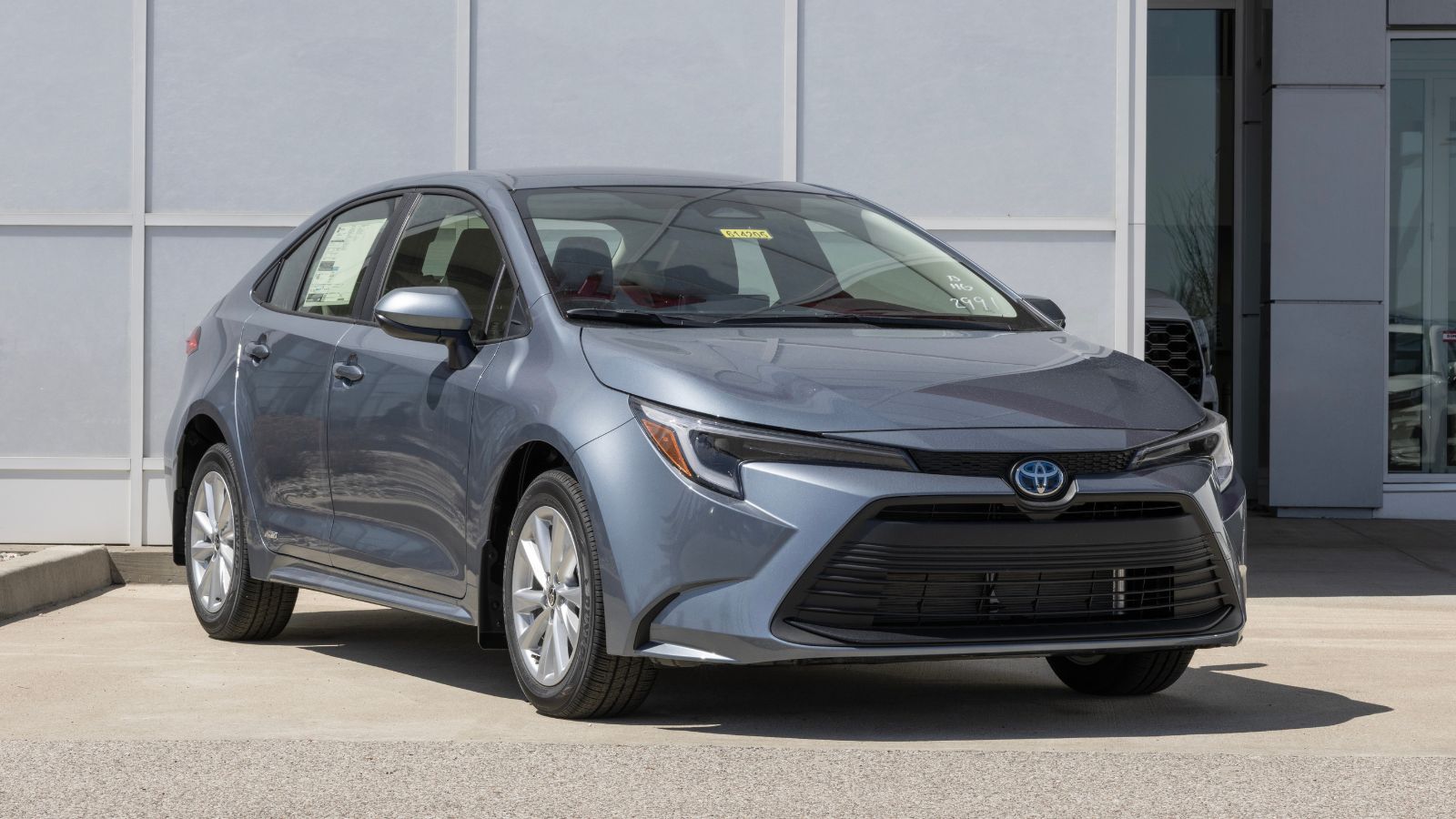
The Corolla remains a safe bet for lower insurance costs. It is widely driven across Canada, which helps insurers price it accurately. Repair parts are easy to find and usually affordable. The car has strong crash test ratings and standard safety features. That lowers claim severity in accidents. It also lacks excessive power, which reduces risky driving behavior. Theft rates stay moderate compared to SUVs. Many insurers see it as predictable and low risk. Drivers across age groups choose it, which stabilizes data trends. Over time, that consistency keeps premiums lower than average in most provinces.
Honda Civic
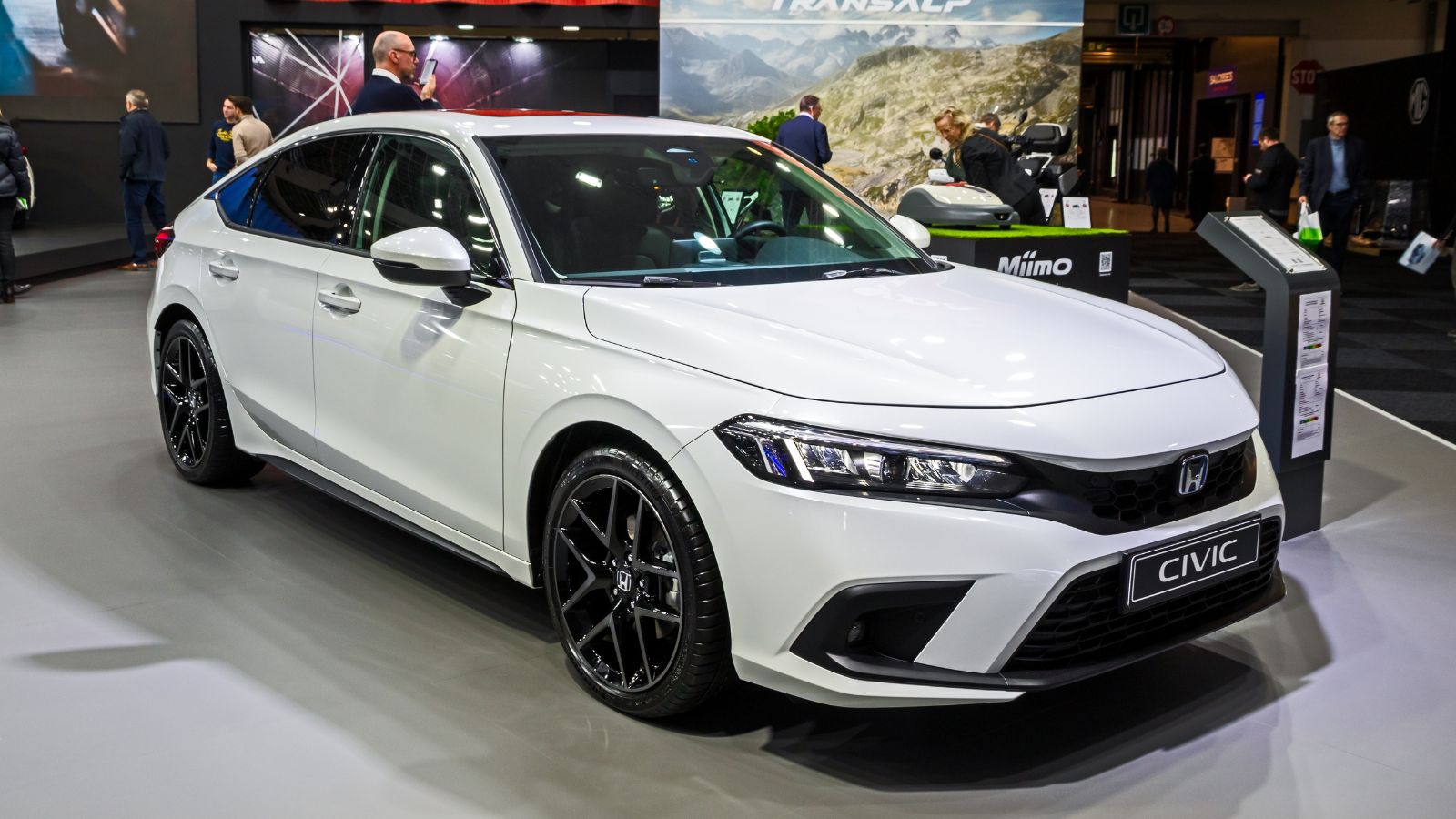
The Civic used to carry higher insurance rates due to theft. Newer models have improved security systems and tracking features. That shift has helped reduce premiums in recent years. It still offers strong fuel economy and high resale value. Insurers value its solid crash performance and wide service network. Repairs remain relatively affordable across Canada. Younger drivers often pick it, but safety tech offsets some risk. Features like lane assist and collision mitigation help claims stay lower. The Civic balances popularity with practicality, which keeps insurance costs competitive. It remains one of the most insured vehicles nationwide.
Hyundai Elantra
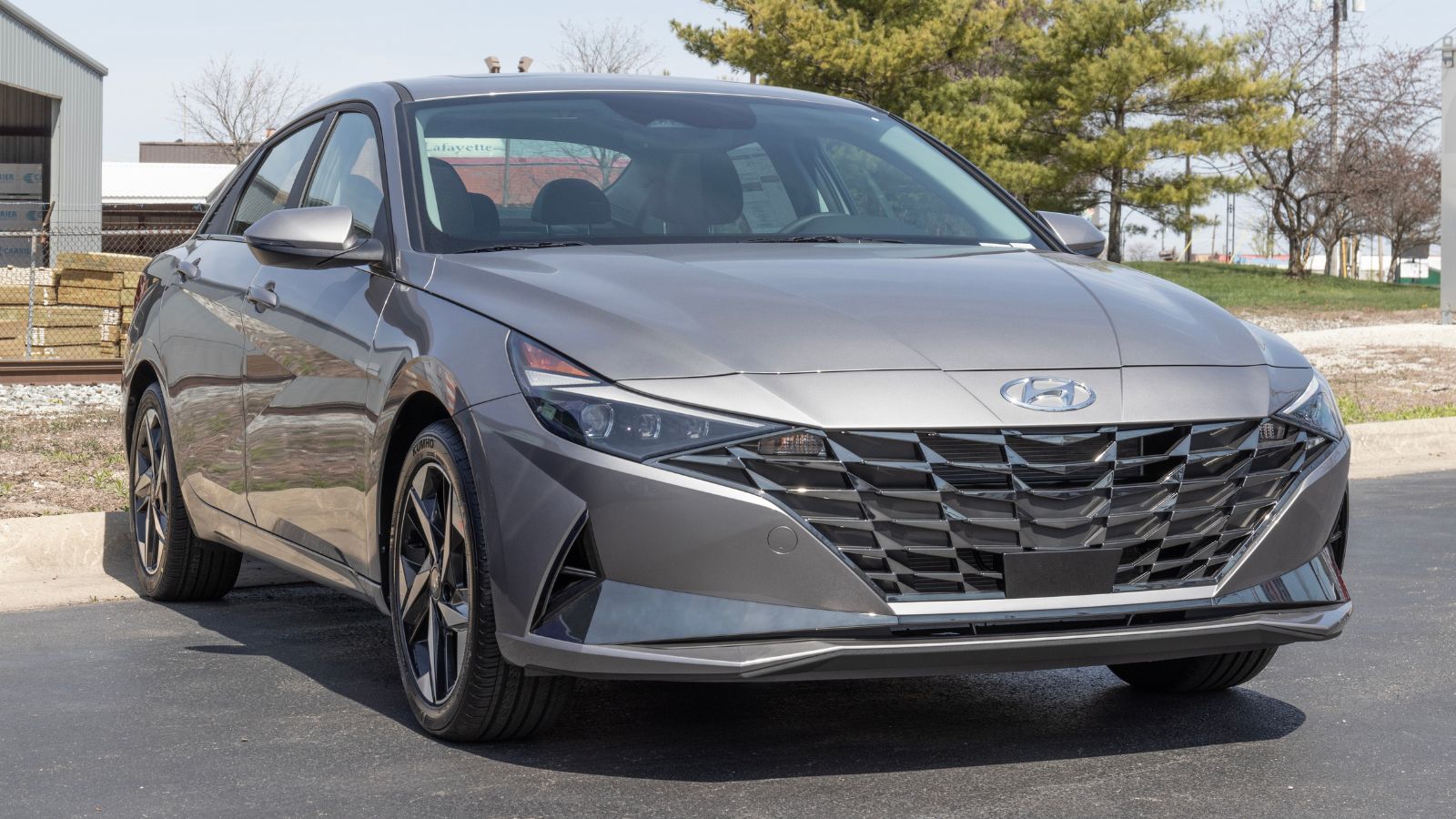
The Elantra stands out for its lower purchase price and repair costs. Insurance companies factor both into their calculations. It includes many safety features, even on base trims. That helps reduce accident-related claims. Its engines focus on efficiency rather than speed. That lowers the risk from aggressive driving. The car’s parts are widely available, keeping repair bills manageable. Theft rates are moderate compared to larger vehicles. Insurers like its predictable ownership profile. Many drivers use it for commuting rather than performance. That usage pattern helps keep premiums lower across several provinces, especially in urban areas.
Mazda3
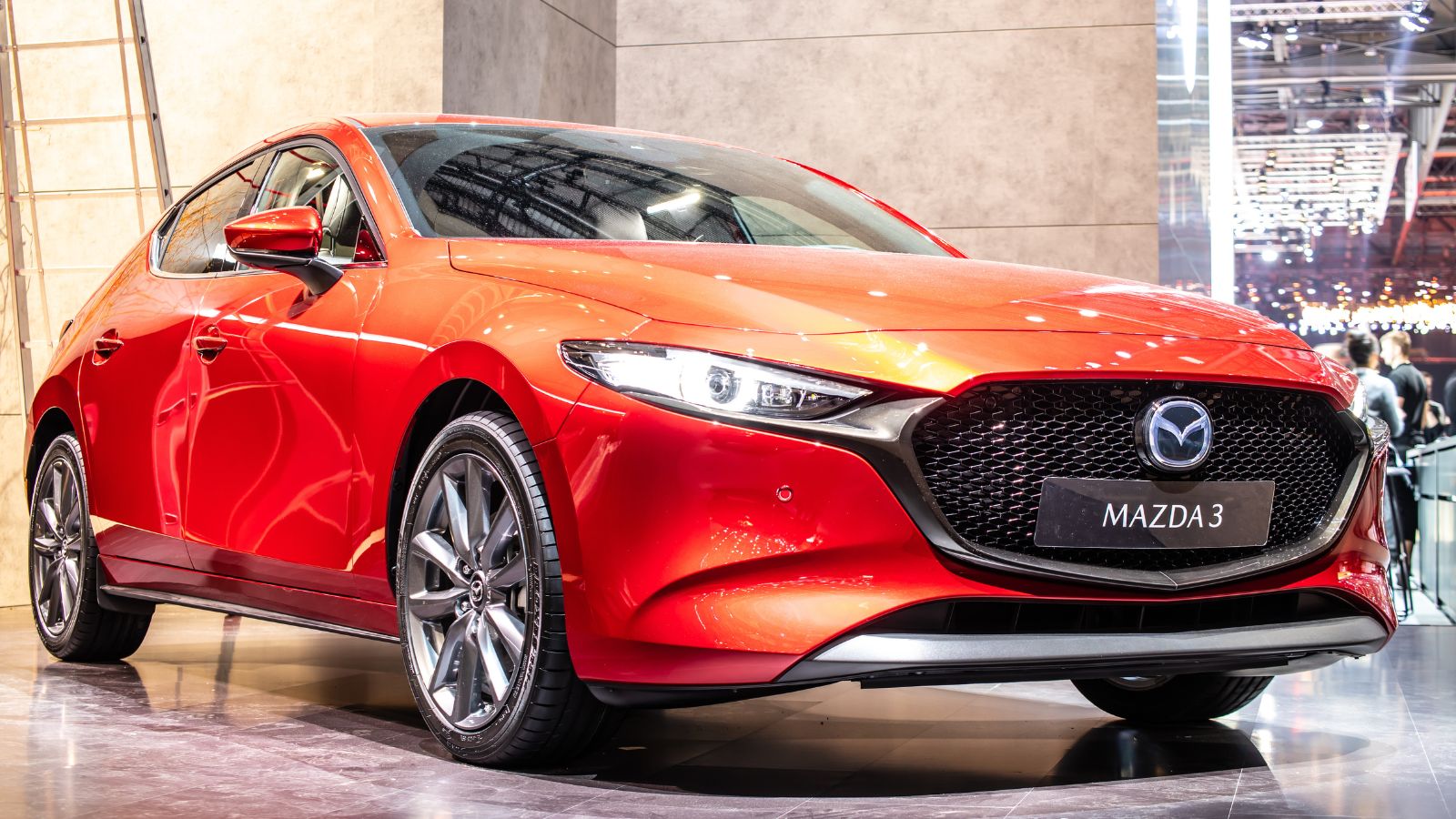
The Mazda3 offers a mix of style and sensible insurance costs. It performs well in safety tests and includes driver assistance features. Those systems help prevent accidents in daily driving. Repair costs remain reasonable due to shared parts across trims. The car is not heavily targeted for theft. That lowers comprehensive insurance rates. It appeals to drivers who want something more refined than basic models. Insurers still see it as low risk overall. Its balanced performance does not encourage reckless driving. Over time, this reputation helps keep premiums stable for many Canadian drivers.
Subaru Impreza
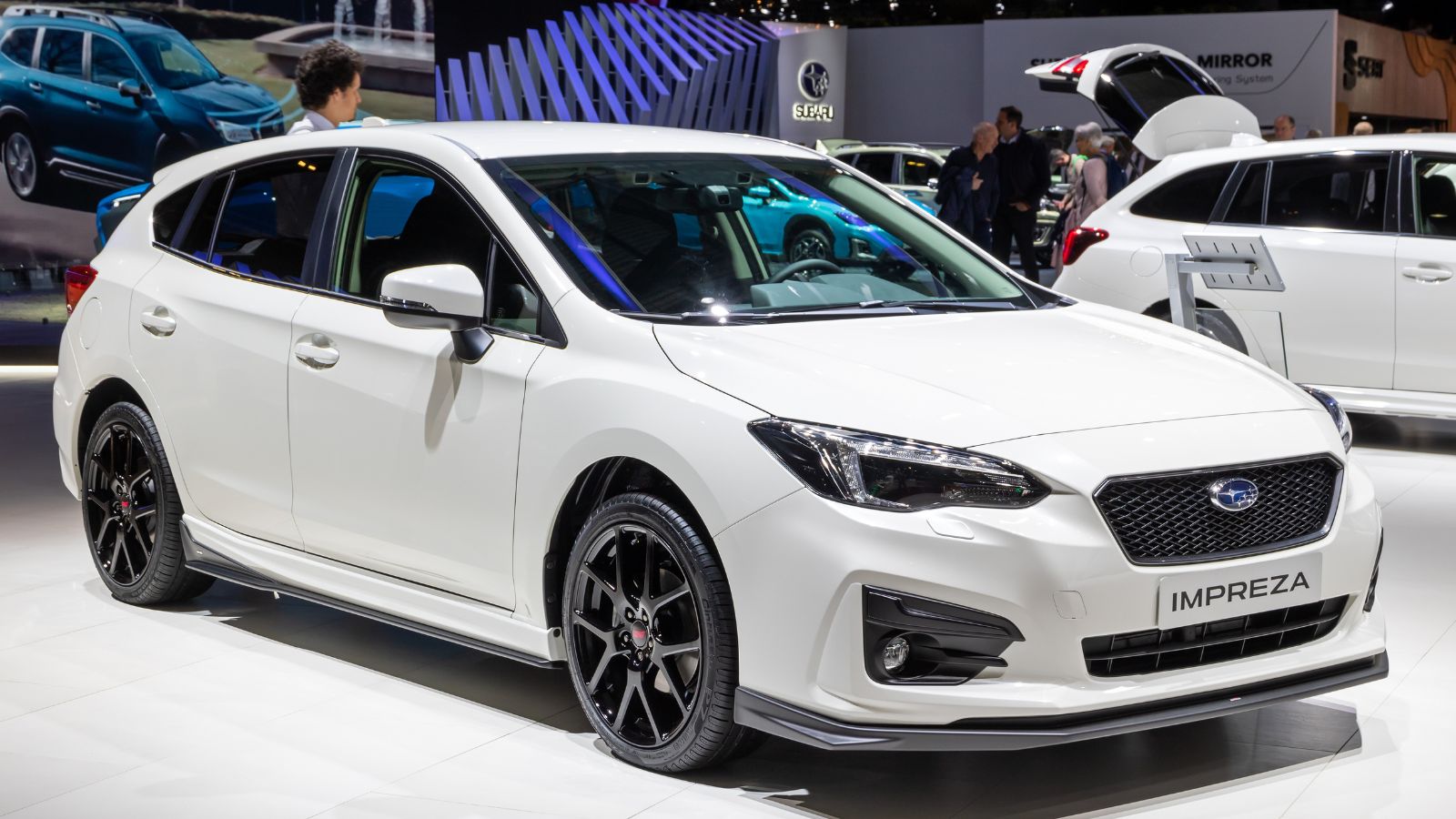
The Impreza comes standard with All Wheel Drive, which helps in Canadian winters. That improves driver control on snow and ice. Fewer accidents mean fewer claims for insurers. It also includes advanced safety systems in most trims. Subaru vehicles often score well in crash tests. Repair costs can be slightly higher, but reduced accident frequency offsets that. The car attracts cautious drivers who value safety over speed. Theft rates stay relatively low compared to crossovers. This combination of factors makes the Impreza surprisingly affordable to insure in colder regions.
Toyota Camry
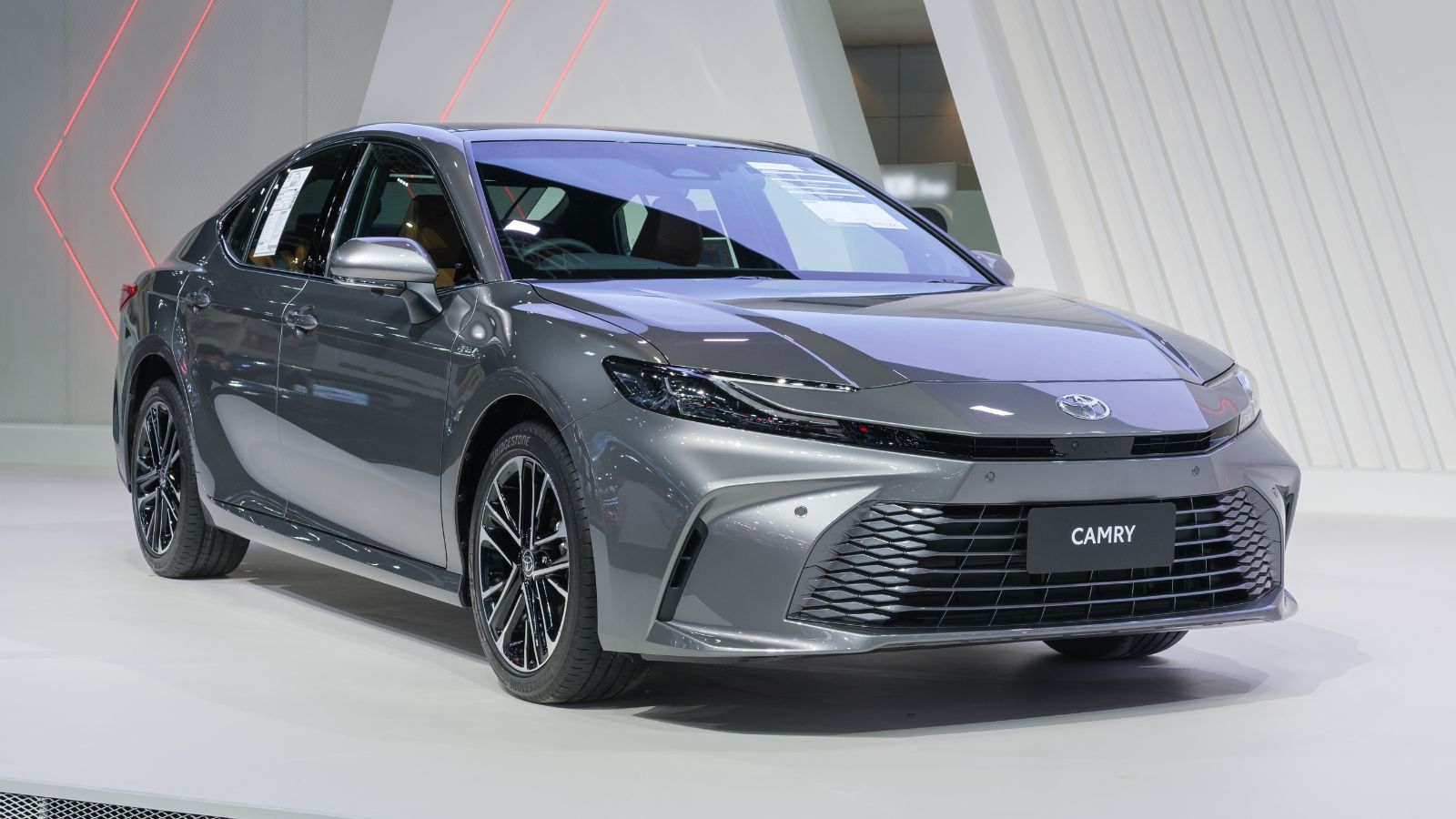
The Camry has built a reputation for reliability over the decades. Insurers trust that track record. It features robust safety systems and high crash-test scores. That reduces claim severity in collisions. Repair costs remain moderate due to widespread parts availability. The car appeals to families and commuters rather than thrill seekers. That lowers the risk in driving behavior data. Hybrid versions also see favorable insurance rates. They are driven more conservatively in most cases. Overall, the Camry offers predictable ownership patterns. Insurers reward that consistency with lower premiums in many Canadian markets.
Honda Accord
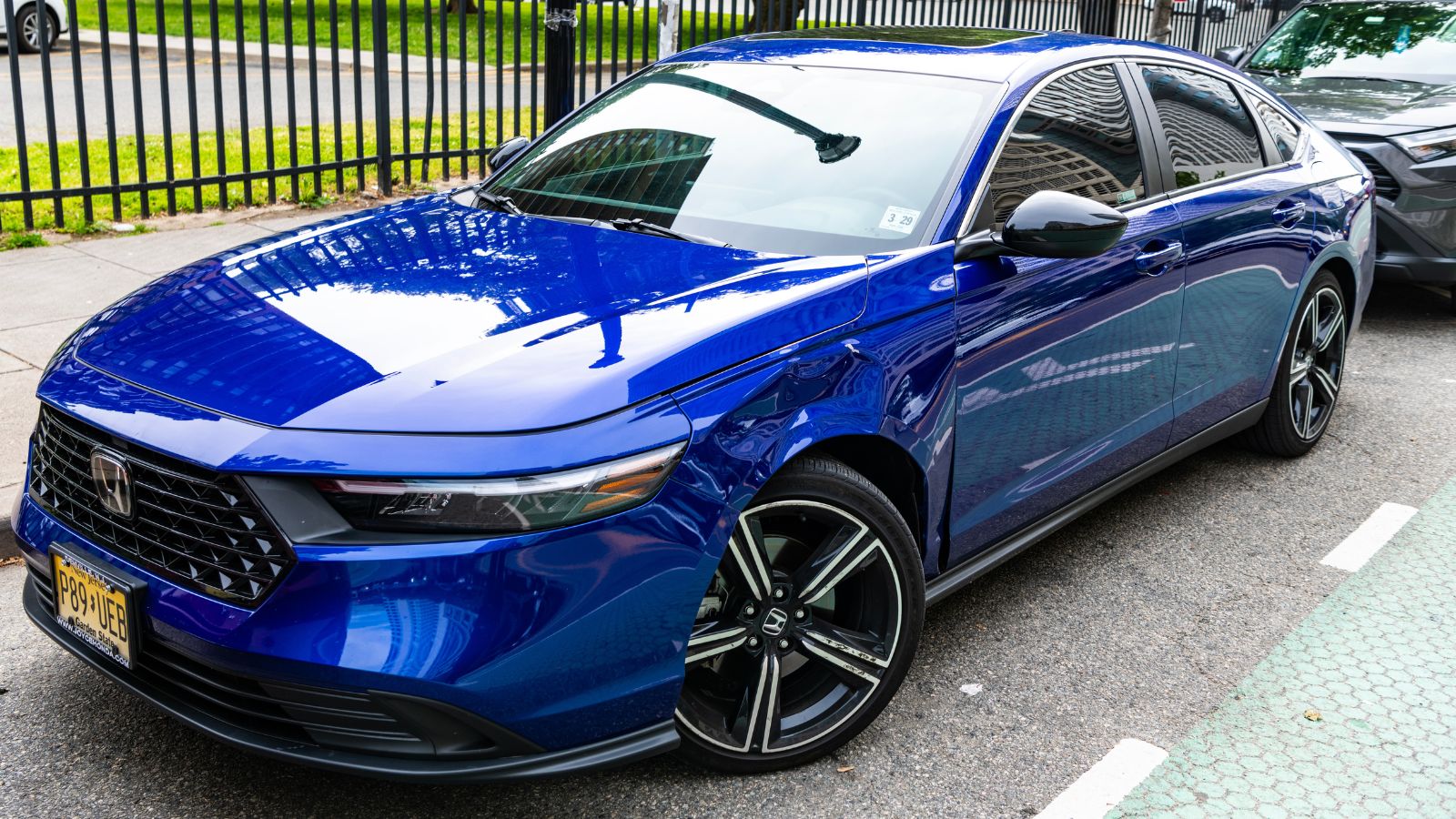
The Accord balances size, safety, and cost control. It includes many advanced safety features as standard equipment. Those systems help prevent common road accidents. Repair costs remain manageable despite its larger size. The car is not often targeted for theft. That helps keep comprehensive coverage affordable. Many drivers choose it for long commutes and family use. This reduces aggressive driving data in insurance models. The Accord also performs well in crash tests. Insurers factor that into lower risk assessments. Over time, it remains a solid option for affordable coverage.
Kia Forte
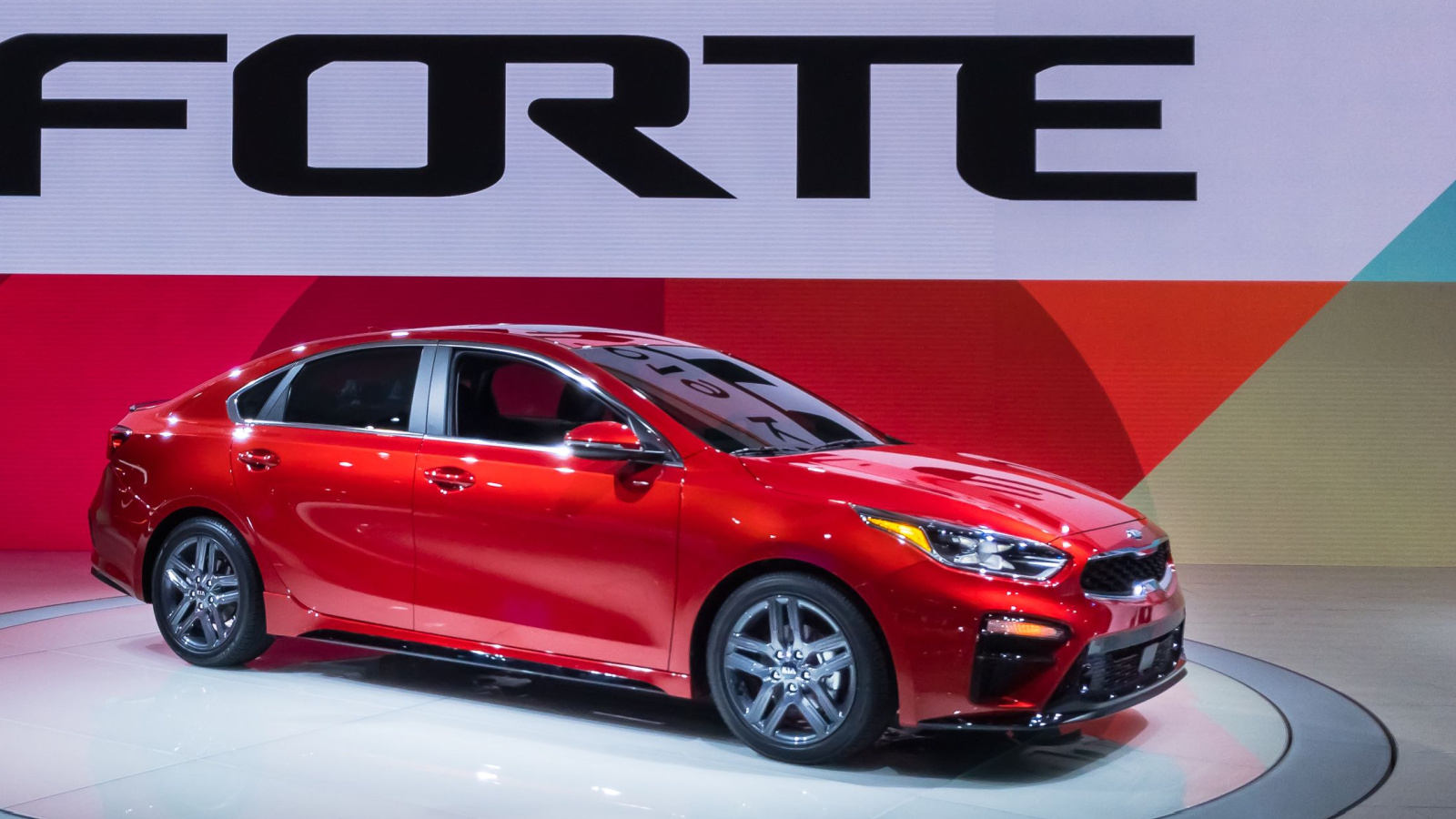
The Forte is often overlooked, which helps its insurance profile. It has a lower purchase price than many competitors. That reduces replacement costs after accidents. Safety features have improved significantly in recent models. These upgrades reduce claim frequency. Repair costs stay relatively low due to the simple design. The car is not a common theft target in Canada. Insurers appreciate that detail. It attracts budget-focused drivers who prioritize efficiency. This results in calmer driving patterns. Overall, the Forte offers strong value, including lower insurance premiums compared to similar compact cars.
Nissan Sentra
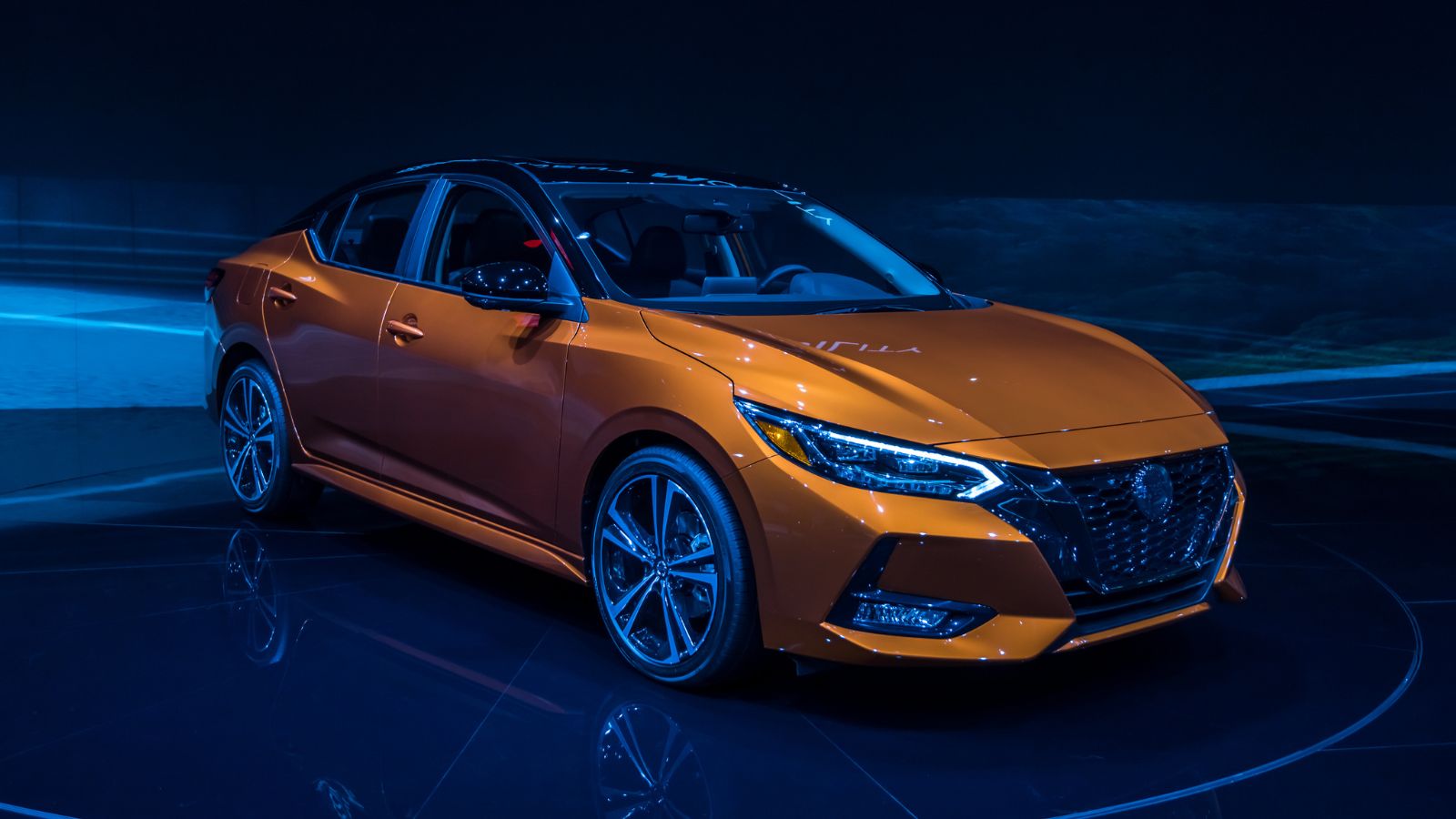
The Sentra provides a balance of comfort and affordability. Insurance rates benefit from its moderate performance and safety features. It includes driver-assistance systems that reduce the risk of accidents. Repair costs remain reasonable across most provinces. Parts are easy to source and widely available. Theft rates are lower than those of many SUVs and trucks. The car is often used for daily commuting. That leads to predictable driving patterns. Insurers value that consistency. Over time, the Sentra maintains steady insurance pricing. It works well for drivers seeking lower ownership costs without sacrificing practicality.
Volkswagen Jetta
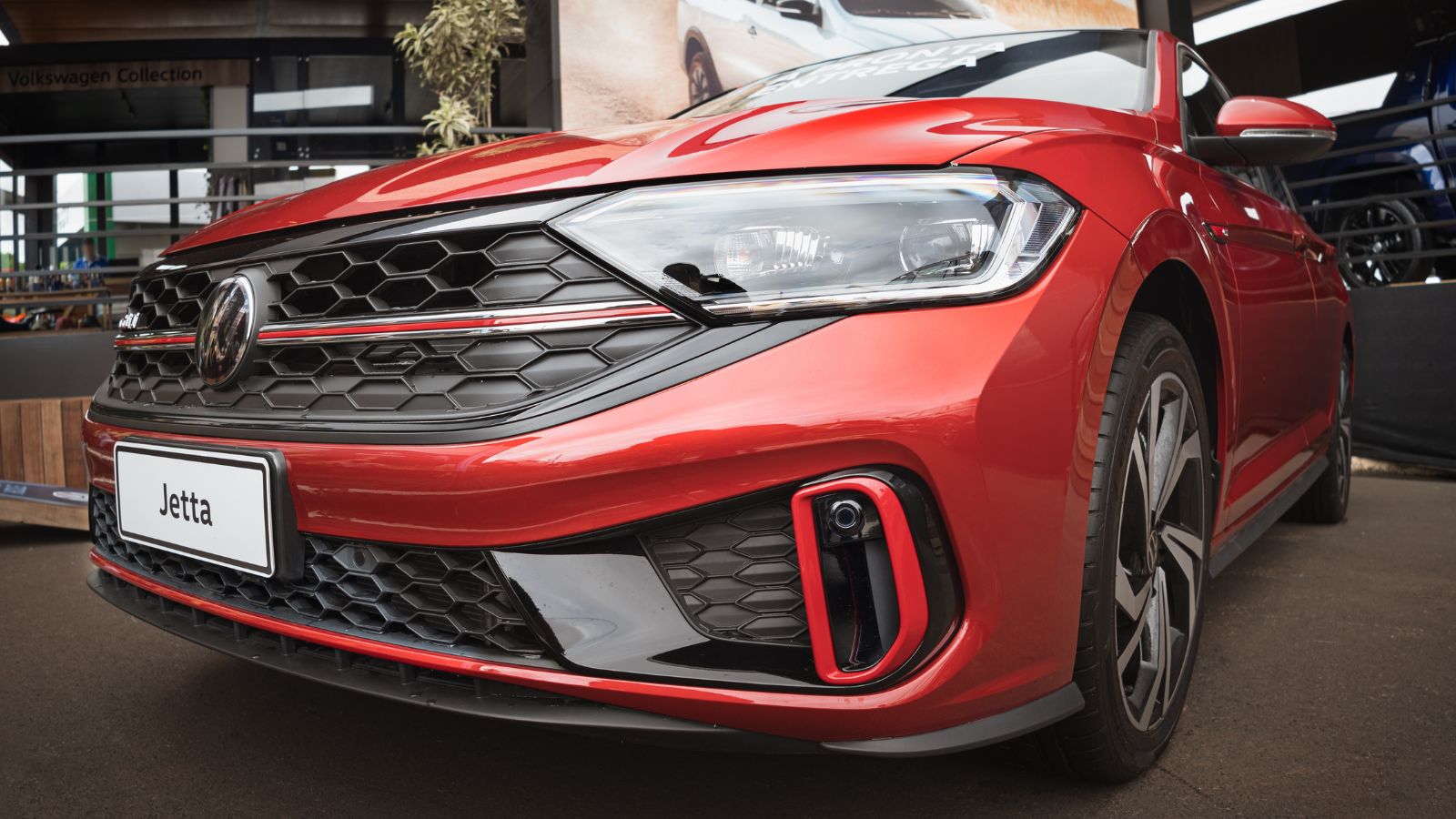
The Jetta offers a European feel without extreme insurance costs. It performs well in safety evaluations. That helps reduce premiums for many drivers. Repair costs can vary, but common parts remain accessible. The car is not heavily targeted by thieves. That keeps comprehensive coverage in check. It attracts drivers who want comfort rather than speed. This lowers risk profiles in insurance data. Newer models include more safety technology. These systems reduce accident frequency. Overall, the Jetta remains a steady option for drivers who want something different without paying high insurance rates.
Hyundai Tucson
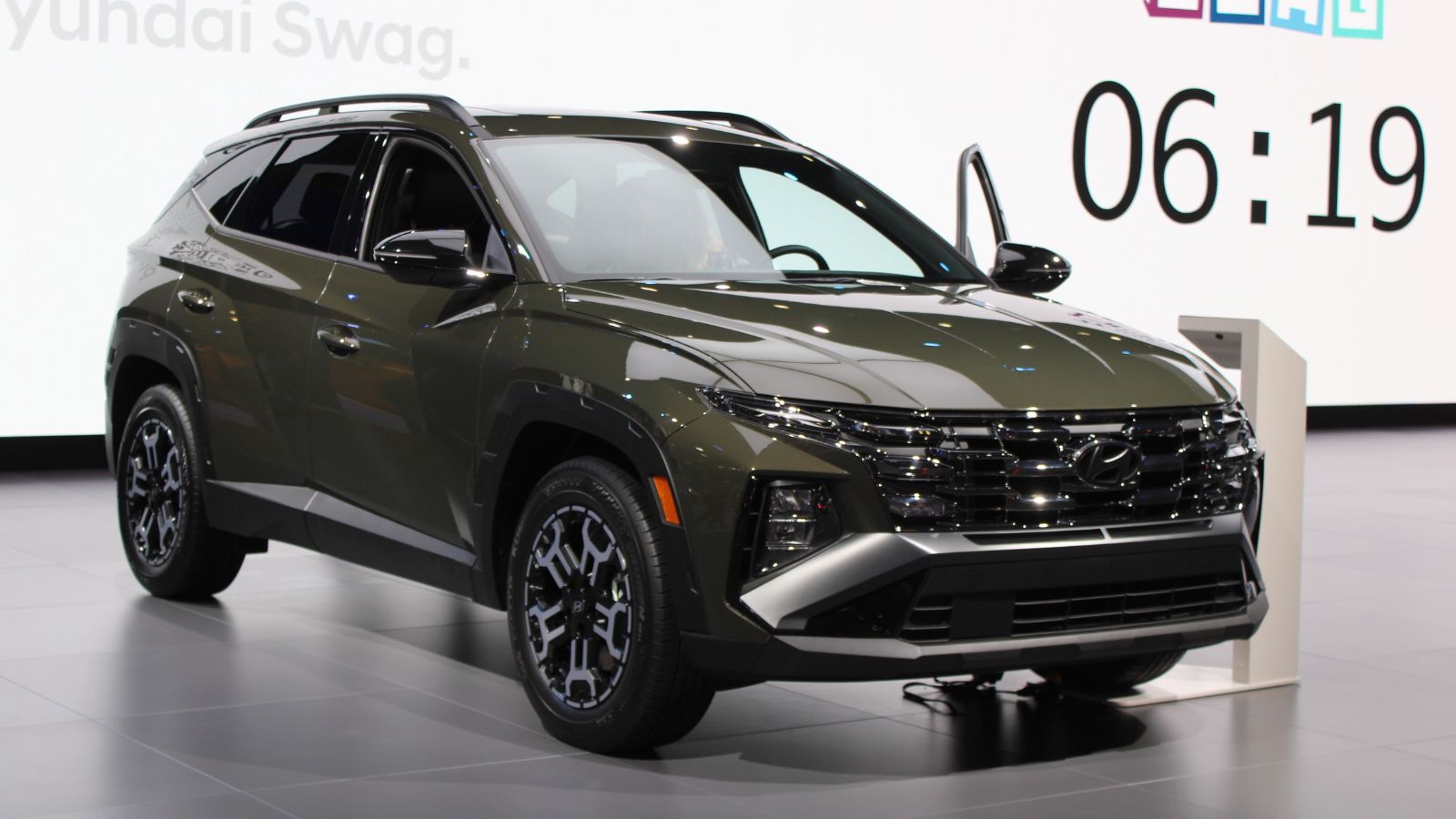
The Tucson is one of the more affordable SUVs to insure. It includes strong safety features across most trims. These systems help prevent common collisions. Repair costs stay manageable due to the widespread availability of parts. The vehicle is not a major theft target. That keeps insurance premiums lower than many rivals. It attracts families and practical buyers. This results in calmer driving behavior. Insurers value that trend. The Tucson also performs well in crash tests. Combined, these factors make it a cost-effective SUV for insurance in Canada.
Ford Escape
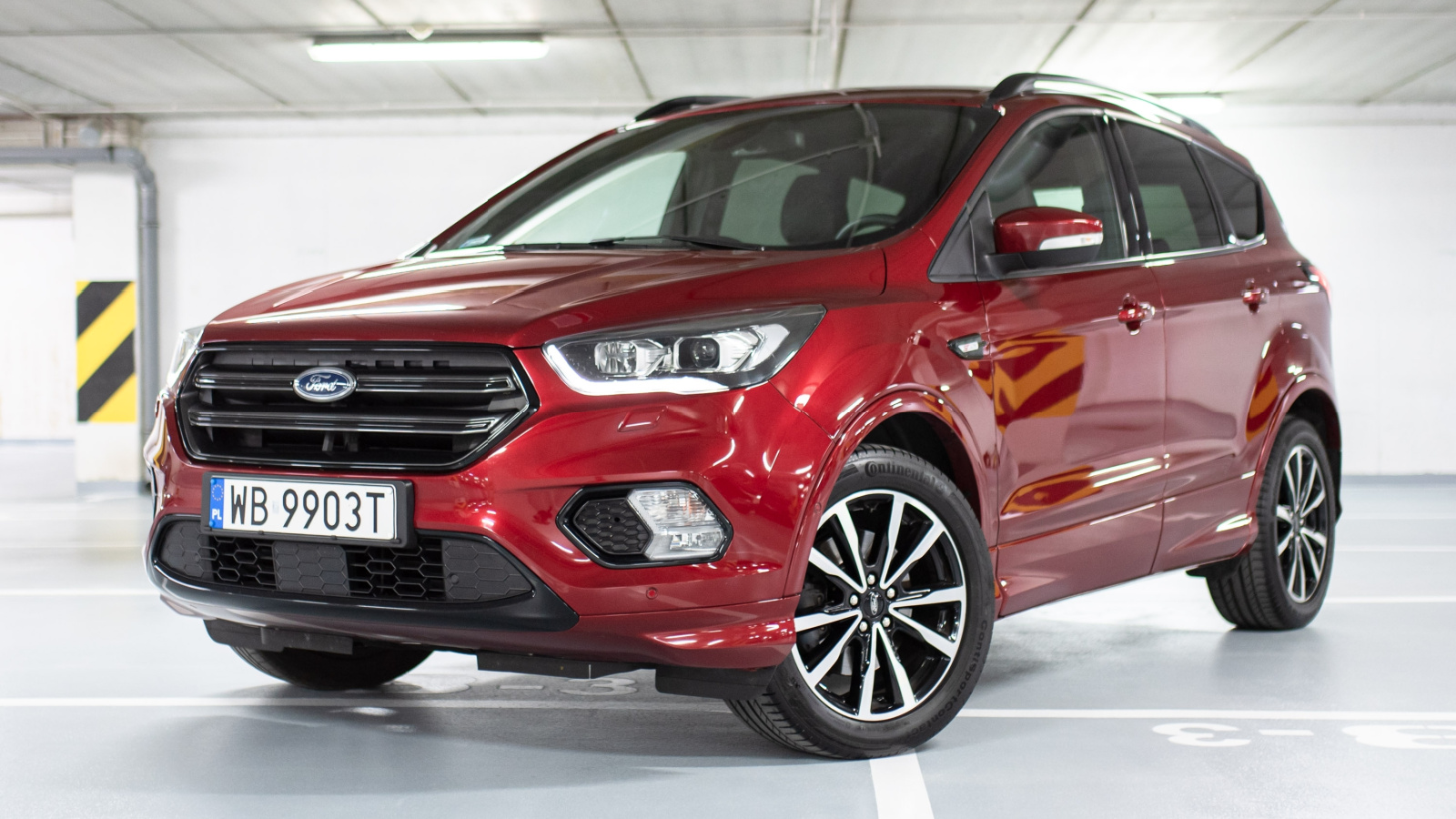
The Escape has been a common sight on Canadian roads for years. That familiarity helps insurers calculate risk accurately. It offers a range of safety features in newer models. These reduce accident rates in urban driving. Repair costs remain reasonable due to domestic production. Parts are widely available across Canada. The vehicle is not heavily associated with theft. That lowers comprehensive insurance costs. Many drivers use it for commuting and family trips. This usage pattern reduces aggressive driving data. Overall, the Escape provides balanced ownership costs, including insurance.
Subaru Forester
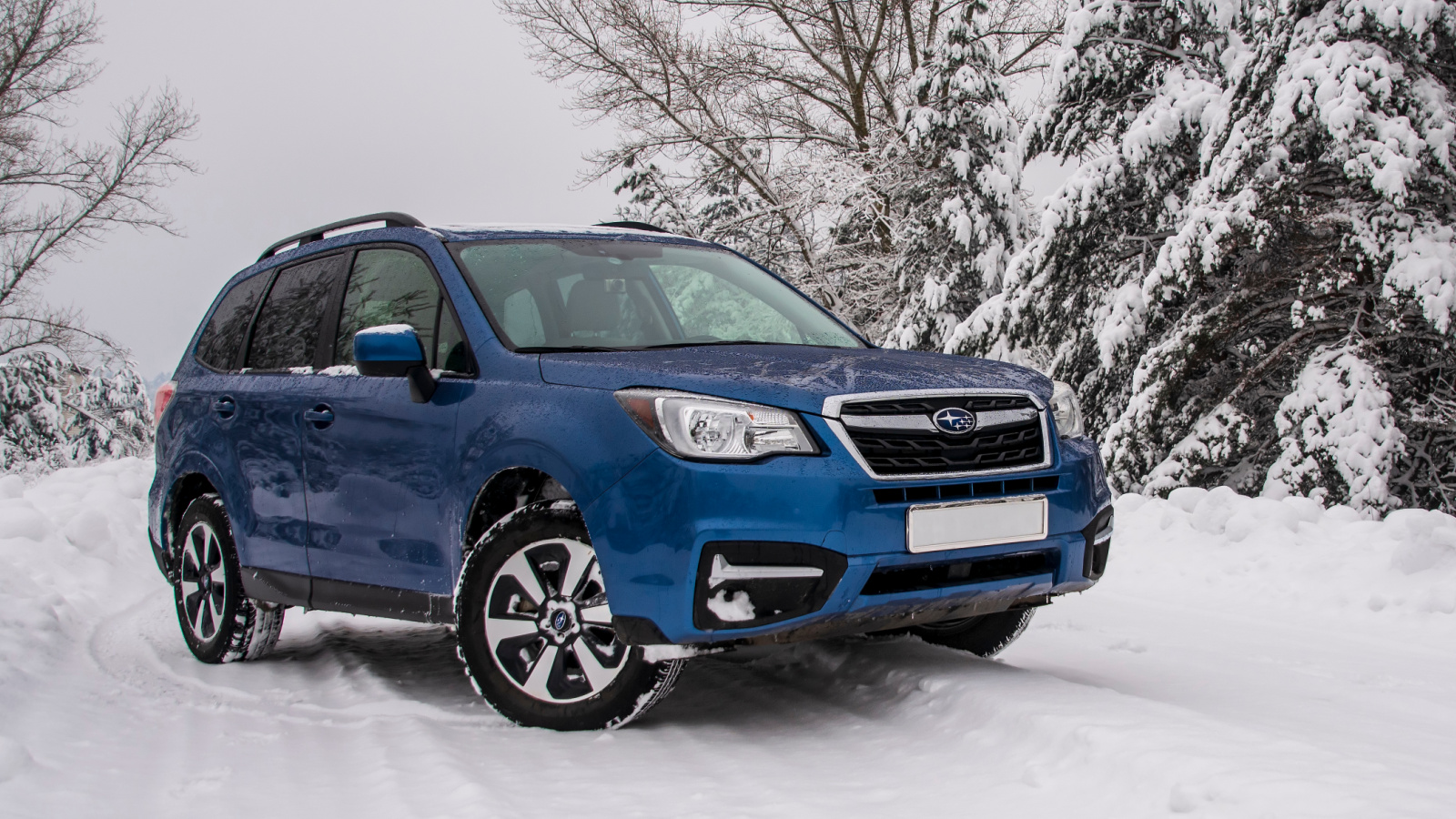
The Forester stands out for its safety ratings and All Wheel Drive system. It handles Canadian winters with confidence. Fewer winter accidents mean fewer claims. Subaru includes advanced driver assistance in most models. These systems help reduce collisions. Repair costs can be moderate, but reliability offsets that. Theft rates remain relatively low. The vehicle attracts cautious drivers focused on safety. Insurers recognize this trend in their pricing models. Over time, the Forester maintains stable insurance costs. It is a practical choice for those prioritizing safety and affordability.
Chevrolet Malibu
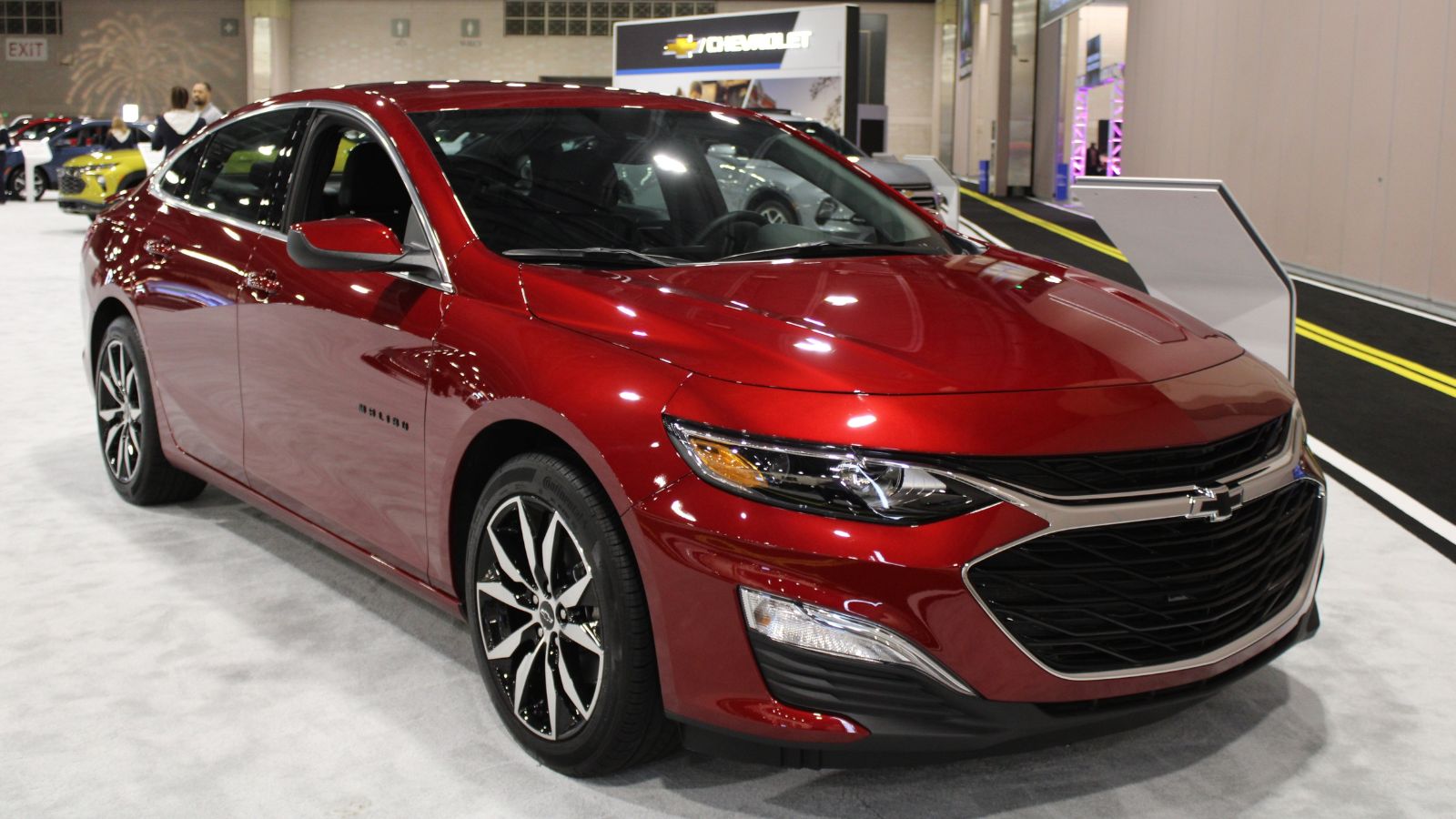
The Malibu often flies under the radar in Canada. That works in its favor for insurance costs. It offers solid safety features and good crash performance. Repair costs remain manageable due to shared components. The car is not a frequent theft target. That lowers insurance premiums compared to more popular models. It attracts drivers looking for comfort and value. This reduces aggressive driving patterns. Insurers reward that behavior with lower rates. Overall, the Malibu provides a quiet but effective way to save on insurance.
Toyota Prius
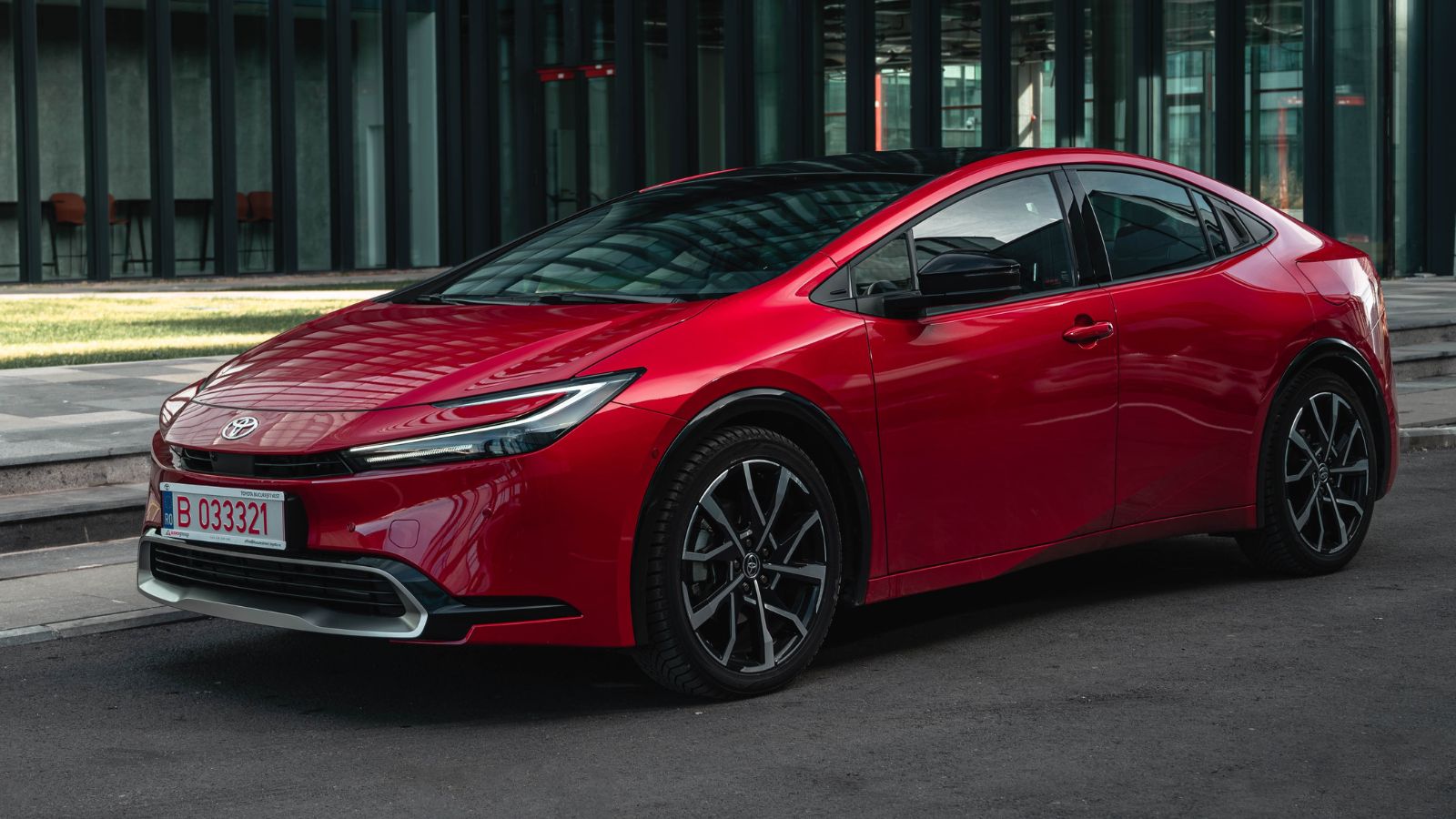
The Prius is known for efficiency, but it also benefits insurance costs. Hybrid drivers tend to drive more cautiously. Insurers factor that into lower risk profiles. The car includes strong safety systems across most trims. These features reduce accident frequency. Repair costs for hybrid components have improved over time. Parts are now easier to source. Theft rates remain moderate compared to SUVs. The Prius appeals to environmentally conscious drivers. This group often avoids risky driving habits. Over time, that behavior helps keep insurance premiums lower than average.
Kia Soul
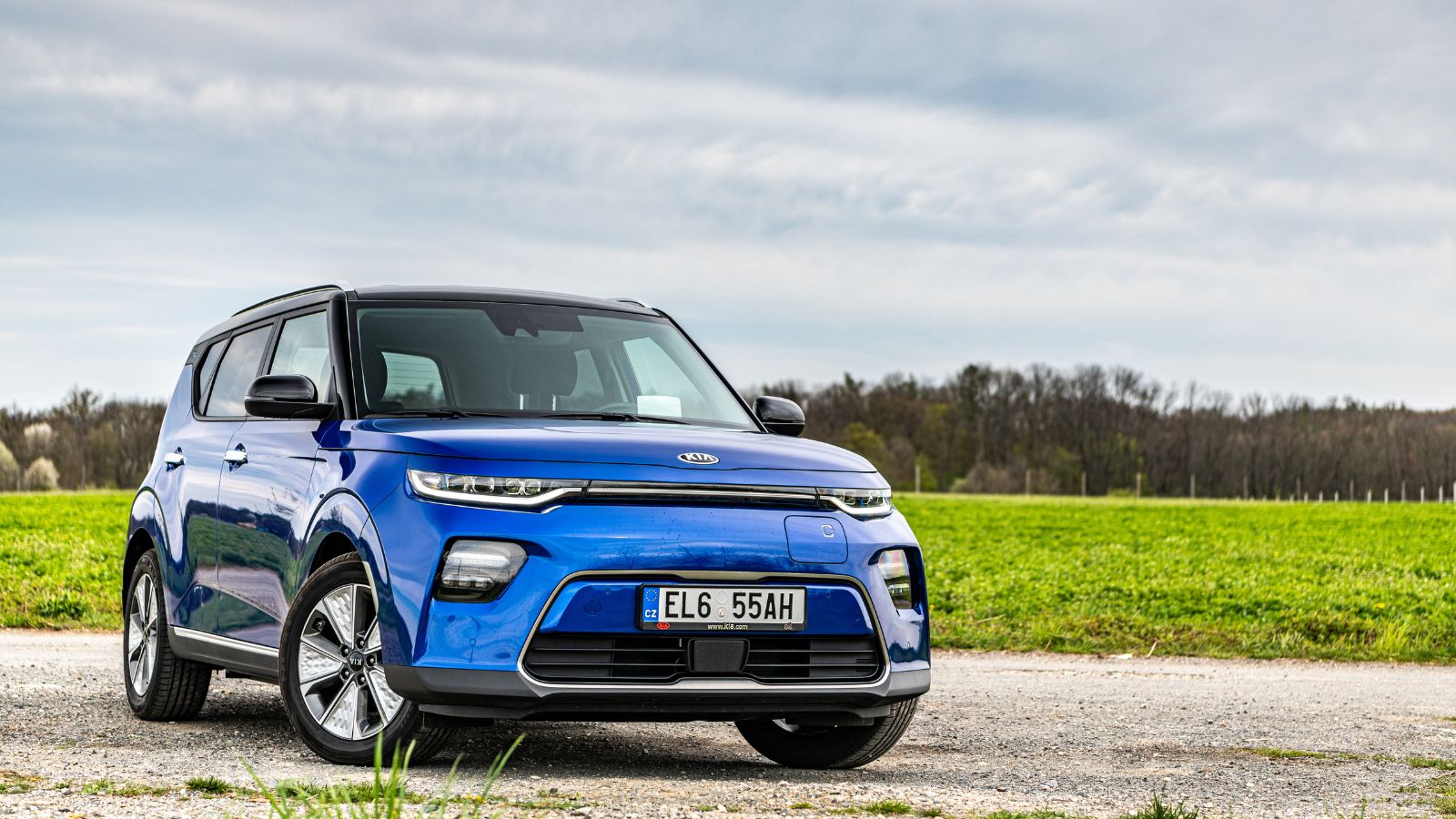
The Soul’s unique design does not negatively affect its insurance. It offers good safety ratings and modern features. These help reduce claims from accidents. Repair costs remain affordable due to simple construction. The vehicle is not a top target for theft in Canada. That lowers comprehensive insurance costs. It attracts younger drivers, but safety tech offsets risk. The Soul is often used for city driving. This leads to predictable usage patterns. Insurers value that consistency. Overall, it remains a budget-friendly option for both purchase and insurance.
Nissan Rogue
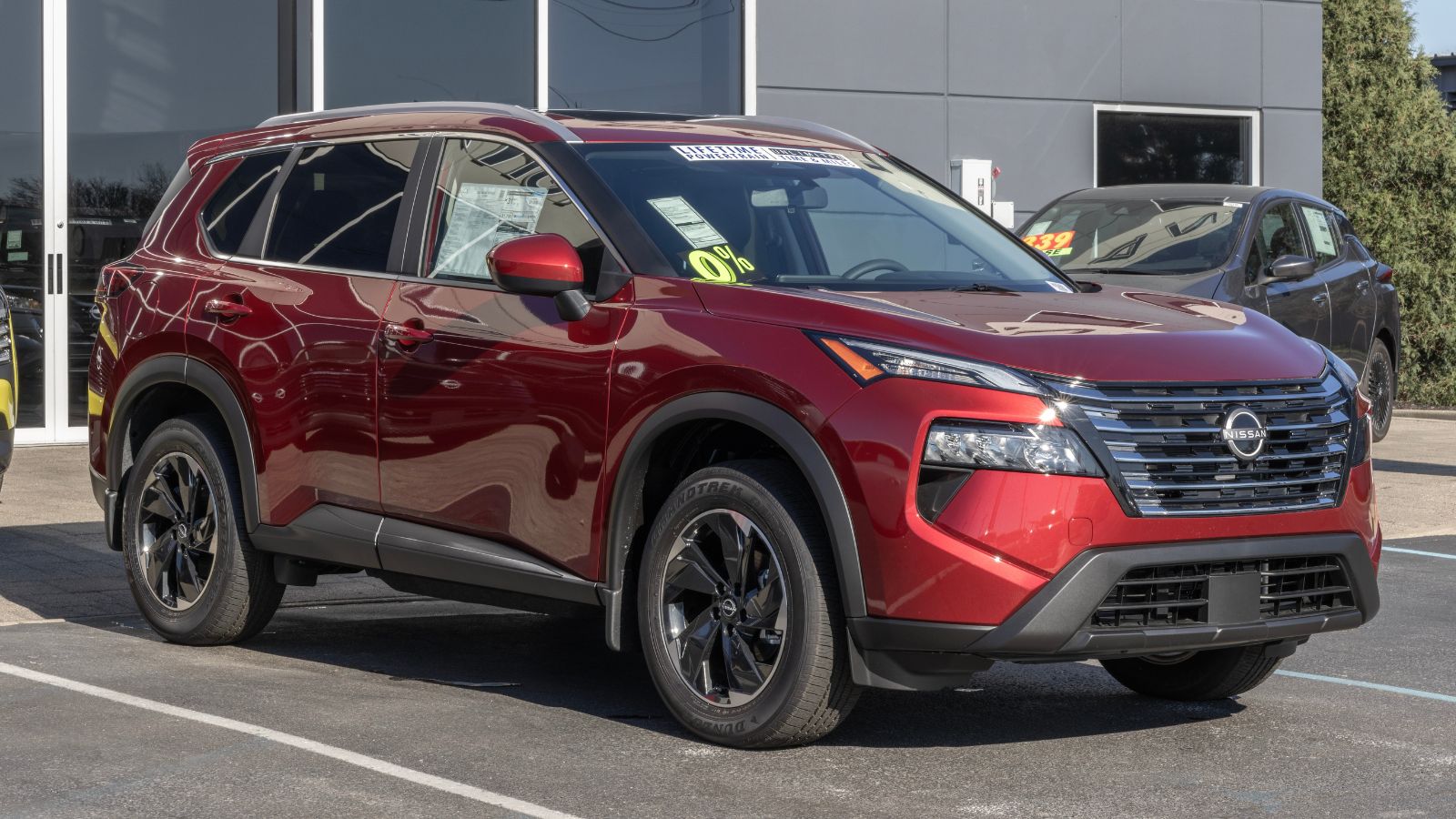
The Rogue is a popular SUV with relatively balanced insurance costs. It includes a wide range of safety features. These systems reduce accident frequency in daily driving. Repair costs remain moderate due to shared components. The vehicle is not among the most frequently stolen vehicles. That helps keep premiums lower. It appeals to families and commuters. This results in calmer driving behavior data. Insurers take that into account when pricing policies. The Rogue offers a mix of space and affordability. That includes insurance costs across many Canadian regions.
22 Things Canadians Do to Their Cars in Spring That Mechanics Hate

Spring brings relief to many Canadian drivers after months of snow, freezing temperatures, and icy roads that put serious strain on vehicles. As temperatures rise across the country, drivers begin washing cars, switching tires, and preparing vehicles for warmer weather and upcoming road trips. However, mechanics across Canada notice the same mistakes every spring when drivers attempt to recover from winter damage. Road salt, potholes, and harsh winter driving conditions often leave vehicles with hidden problems that drivers ignore. Some spring habits even create new mechanical issues that could have been avoided with proper maintenance. Here are 22 things Canadians do to their cars in spring that mechanics hate.