
























Fuel prices have a way of exposing the difference between a manageable monthly payment and a genuinely affordable vehicle. A roomy SUV, off-road truck or V8 performance model can feel reasonable when gas is calm, then suddenly look far more expensive when prices jump at the pump. In April 2026, U.S. regular gasoline averaged about $4.10 a gallon after sitting closer to $2.81 in January, a reminder that fuel costs can move fast. AAA’s 2025 ownership-cost benchmark also notes that fuel alone remains a major annual expense, especially for gas pickups and SUVs.
These 19 models stand out because their size, weight, power or trim-specific hardware make them noticeably more sensitive to rising fuel prices than many buyers expect.
Chevrolet Tahoe
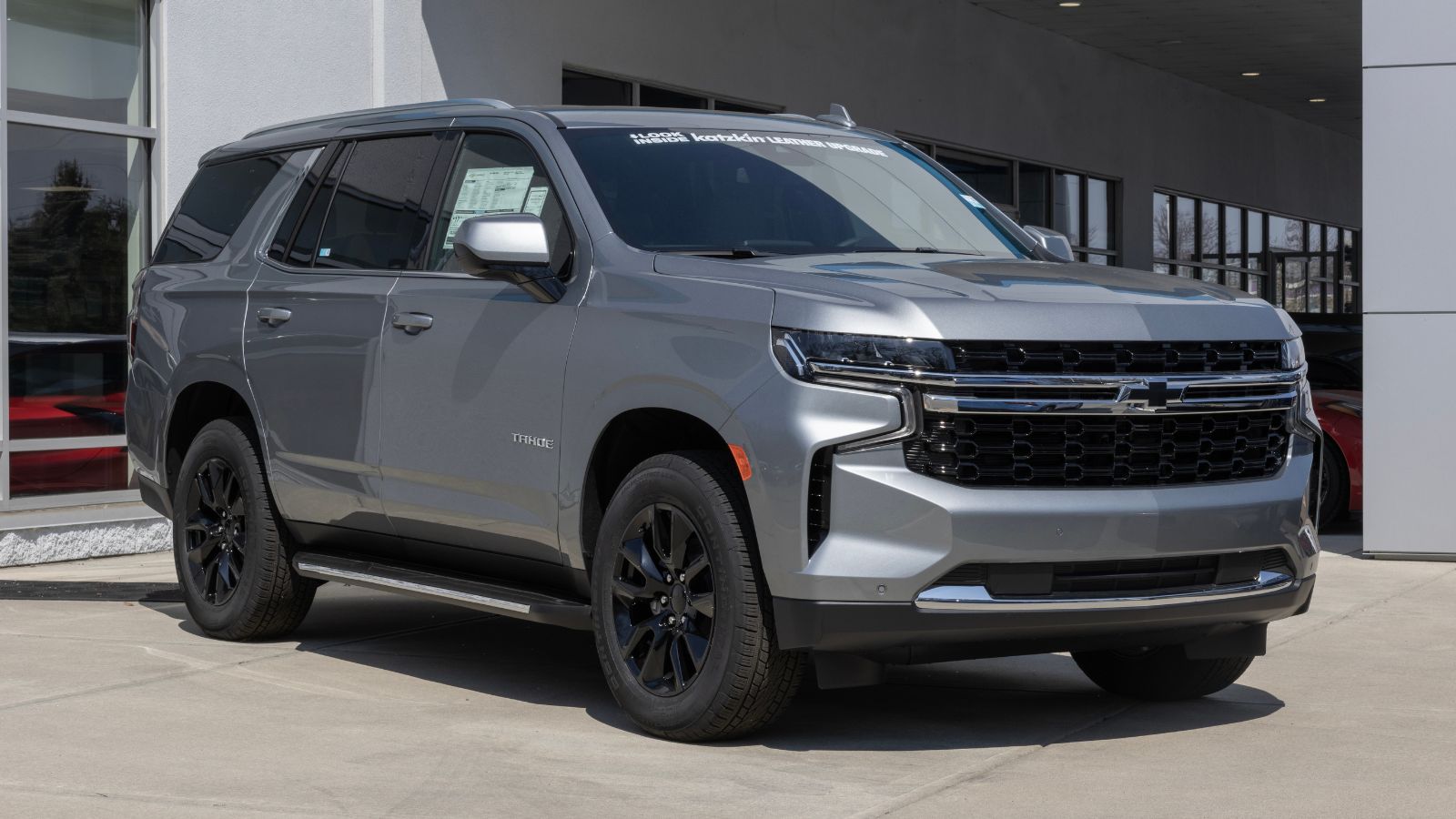
The Chevrolet Tahoe often enters the budget conversation as the “practical big SUV.” It can tow, swallow family gear and handle long highway runs without feeling like a specialized luxury purchase. That is exactly why it can catch owners off guard later. In 2025 Tahoe 4WD form with the 5.3-liter V8, the official combined figure is 16 mpg, with an estimated annual fuel cost around $3,750. On paper, that still looks survivable when fuel is calm, especially compared with the price of moving up to an Escalade or imported luxury SUV.
The mood changes when gas prices climb because the Tahoe is big enough to turn every ordinary errand into a measurable fuel event. At 16 mpg, 15,000 miles a year burns roughly 938 gallons. A 50-cent jump in fuel adds about $469 a year, and that is before extra idling, traffic, winter warmups or towing enter the picture. A vehicle that feels sensible during a normal month can start feeling expensive the moment grocery runs, school pickups and weekend highway stretches all hit the same credit-card statement.
Chevrolet Suburban
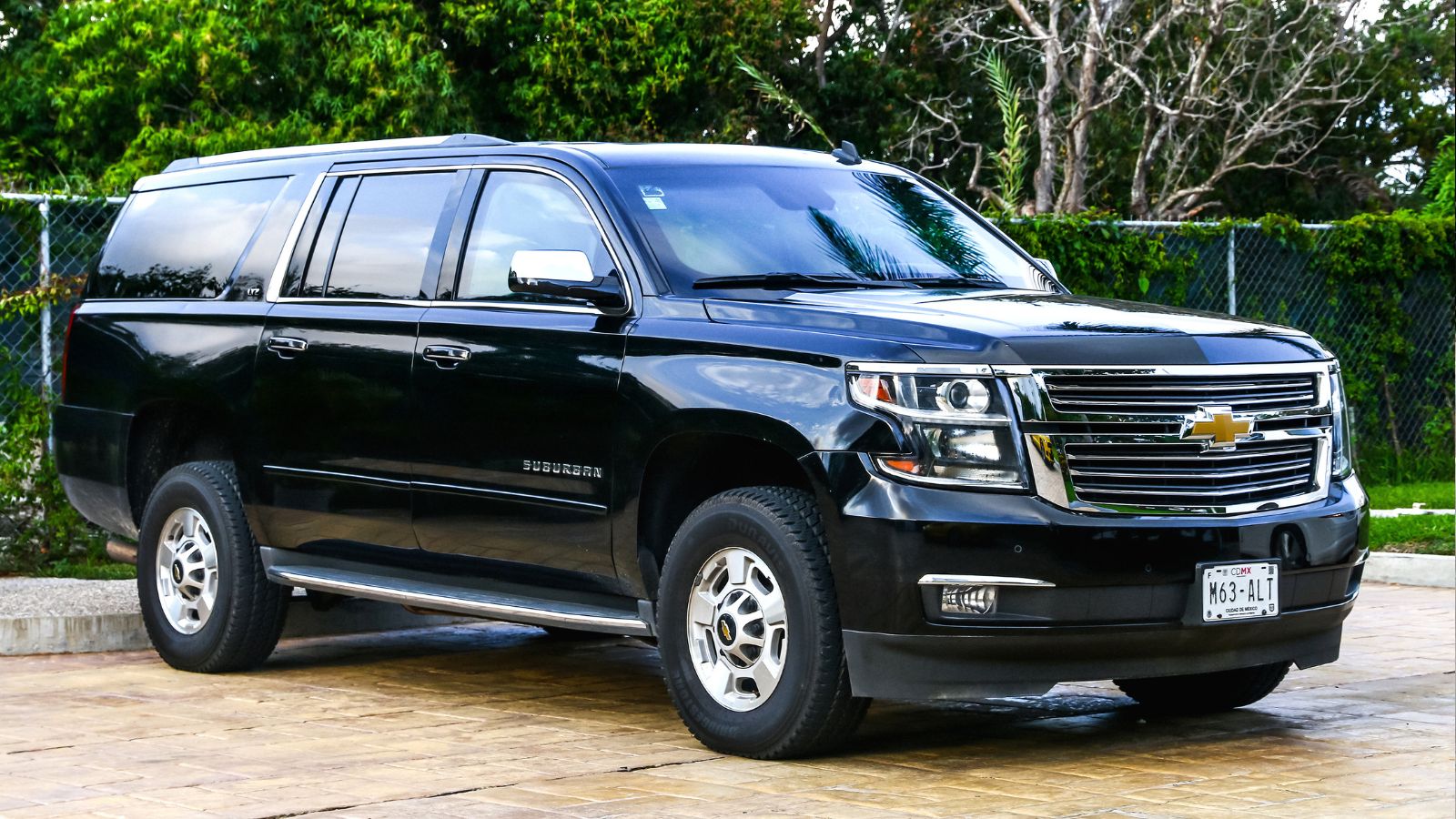
The Suburban sells the dream of one-vehicle convenience better than almost anything on the road. It has the passenger space of a shuttle, the cargo area of a weekend-moving van and the road-trip comfort families genuinely appreciate. That sense of all-purpose usefulness is what makes it feel affordable at first: the logic is that one big SUV can replace several compromises. But the 2025 Suburban 4WD with the 5.3-liter V8 is also rated at 16 mpg combined, which puts it right in the danger zone when fuel prices start rising.
The problem is not just the number itself, but how easily Suburban owners rack up miles. These vehicles are rarely bought to sit still. They haul teammates, luggage, coolers, strollers and home-improvement supplies, often on longer drives than smaller crossovers would tackle. At 16 mpg, the math gets serious quickly: another 50 cents per gallon adds roughly $469 per year on a 15,000-mile schedule. That is the kind of increase that turns a “worth it for the space” vehicle into one that suddenly feels like it is charging admission every time the ignition button is pressed.
GMC Yukon XL
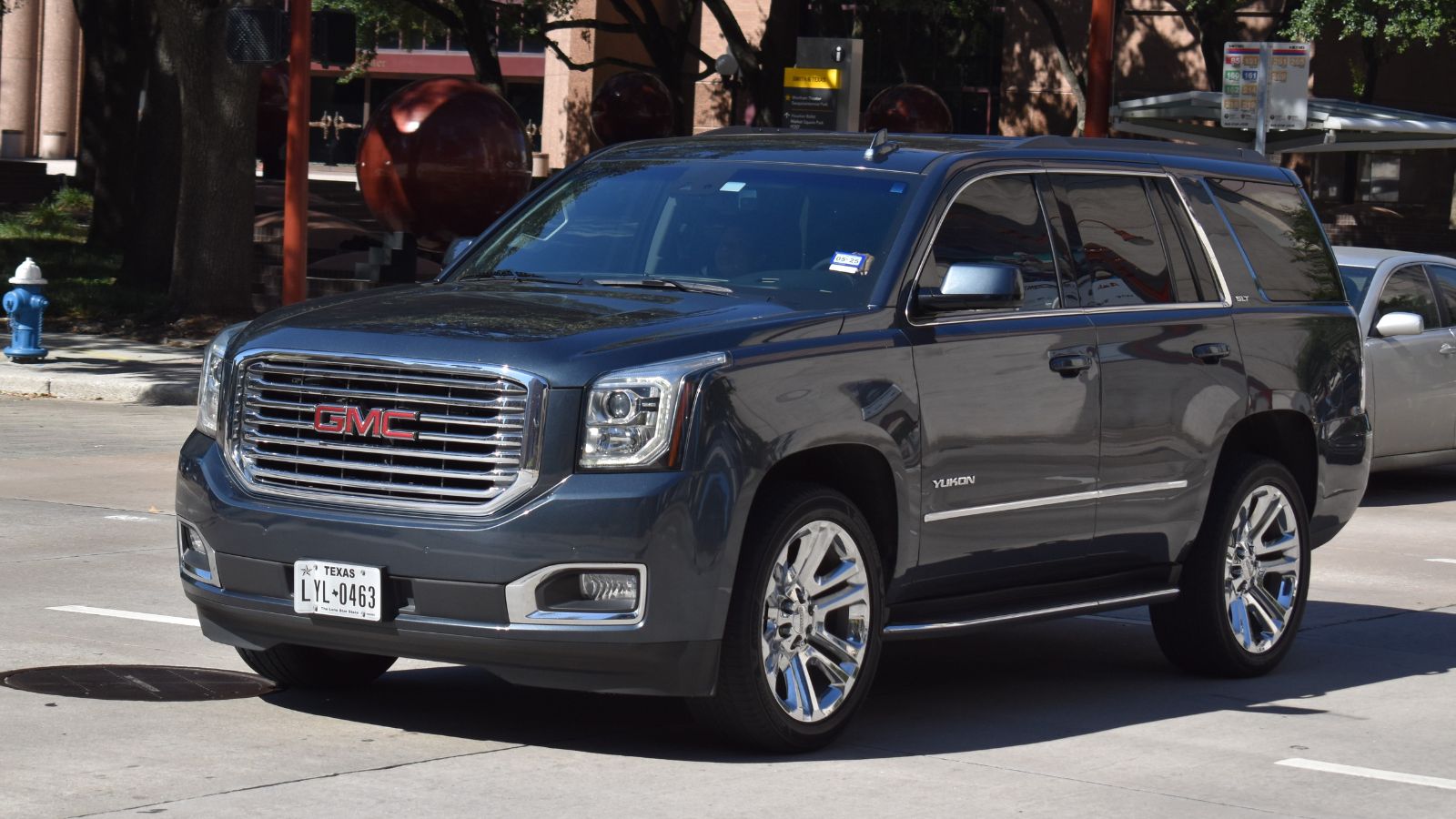
The GMC Yukon XL is one of those vehicles that can feel like a clever middle ground. It offers the size and presence of a luxury full-size SUV without wearing the most expensive badge in the lot, and that can make the ownership picture seem relatively sane at signing. But the fuel side of the ledger tells a different story. The 2025 Yukon XL 4WD with the 5.3-liter V8 is rated at 16 mpg combined, and its official annual fuel-cost estimate lands in the same territory as other thirsty full-size body-on-frame SUVs.
What makes the Yukon XL especially sneaky is how quickly it normalizes excess. Once owners get used to the cabin, the commanding view and the easy cargo loading, the vehicle starts handling more family miles than originally planned. Big vacation routes, airport pickups and group outings all become easier, which means they also become more frequent. At that point, even a modest fuel-price increase hurts. A 50-cent rise adds about $469 a year at 15,000 miles, and a bigger market swing can make the Yukon XL stop feeling like a value play and start feeling like a rolling utility bill.
Cadillac Escalade
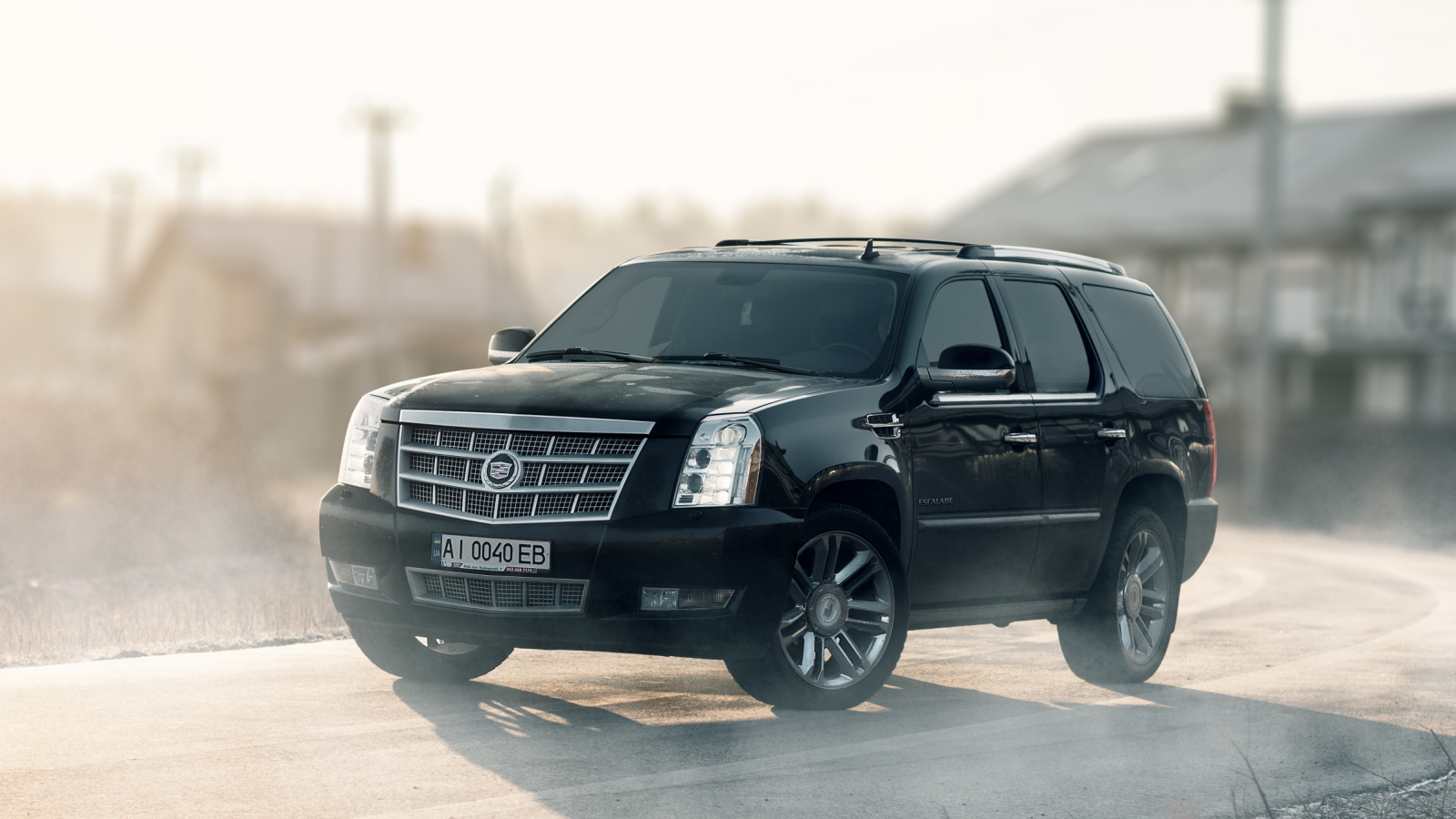
The Escalade is not usually marketed as cheap, but it often feels affordable relative to what it offers. Buyers see the technology, the size, the image and the resale reputation, then mentally file the fuel bill under “acceptable for the class.” That works when prices are stable. The 2025 Escalade 4WD is rated at 16 mpg combined, and it uses premium gasoline, which makes any spike at the pump sting harder than the same mpg figure would in a regular-fuel SUV.
That premium-fuel detail matters because it changes the emotional experience of refueling. Owners are not just filling a large SUV; they are filling a large SUV with more expensive fuel while watching the total climb faster than expected. At 16 mpg, 15,000 miles works out to roughly 938 gallons a year. Even a 50-cent increase adds about $469 annually, and real-world premium spreads can make the hit feel steeper still. The Escalade remains desirable, but when fuel prices rise, its polished cabin does very little to soften the blow at the pump.
Ford Expedition
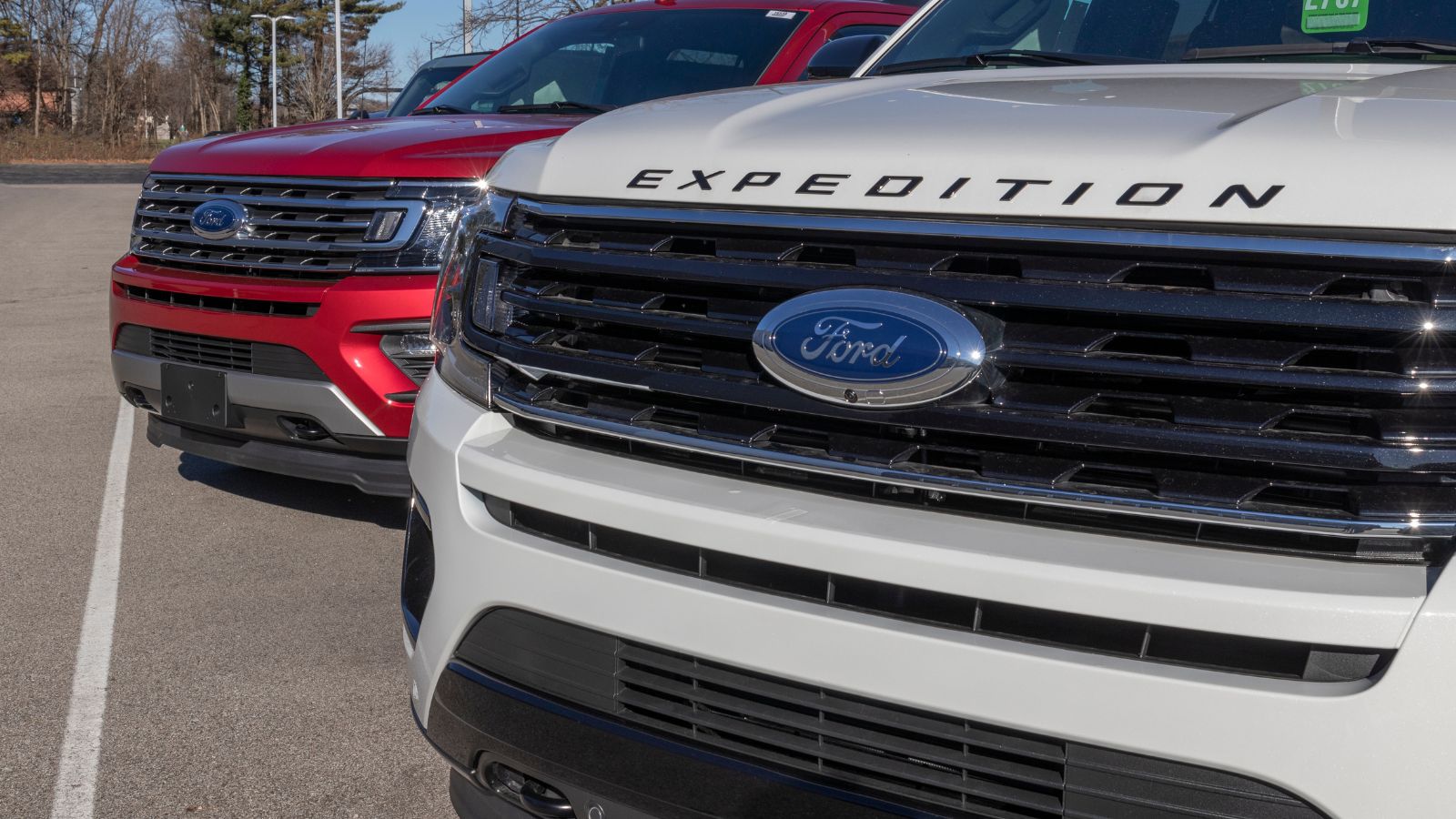
The Expedition tends to get a pass because its numbers look slightly less scary than some V8 rivals, and that creates a dangerous kind of confidence. The 2025 Expedition 4WD is rated at 18 mpg combined, better than several other large SUVs in this group, and that difference can make buyers assume they have beaten the gas-guzzler trap. In reality, 18 mpg is still a full-size-SUV figure, not an economy figure, and the body, seating and cargo advantages that make the Expedition appealing also encourage more miles.
That is why the affordability feeling can disappear so quickly. At 18 mpg, a 15,000-mile year consumes about 833 gallons. A 50-cent increase in fuel adds roughly $417 a year, which is not catastrophic in isolation but rarely arrives alone. It stacks with insurance, tires, registration and the higher cost of keeping a large SUV in active family service. The Expedition is a better fuel story than some of its direct rivals, but it still belongs to the class where a price jump at the pump changes the tone of ownership almost immediately.
Nissan Armada PRO-4X
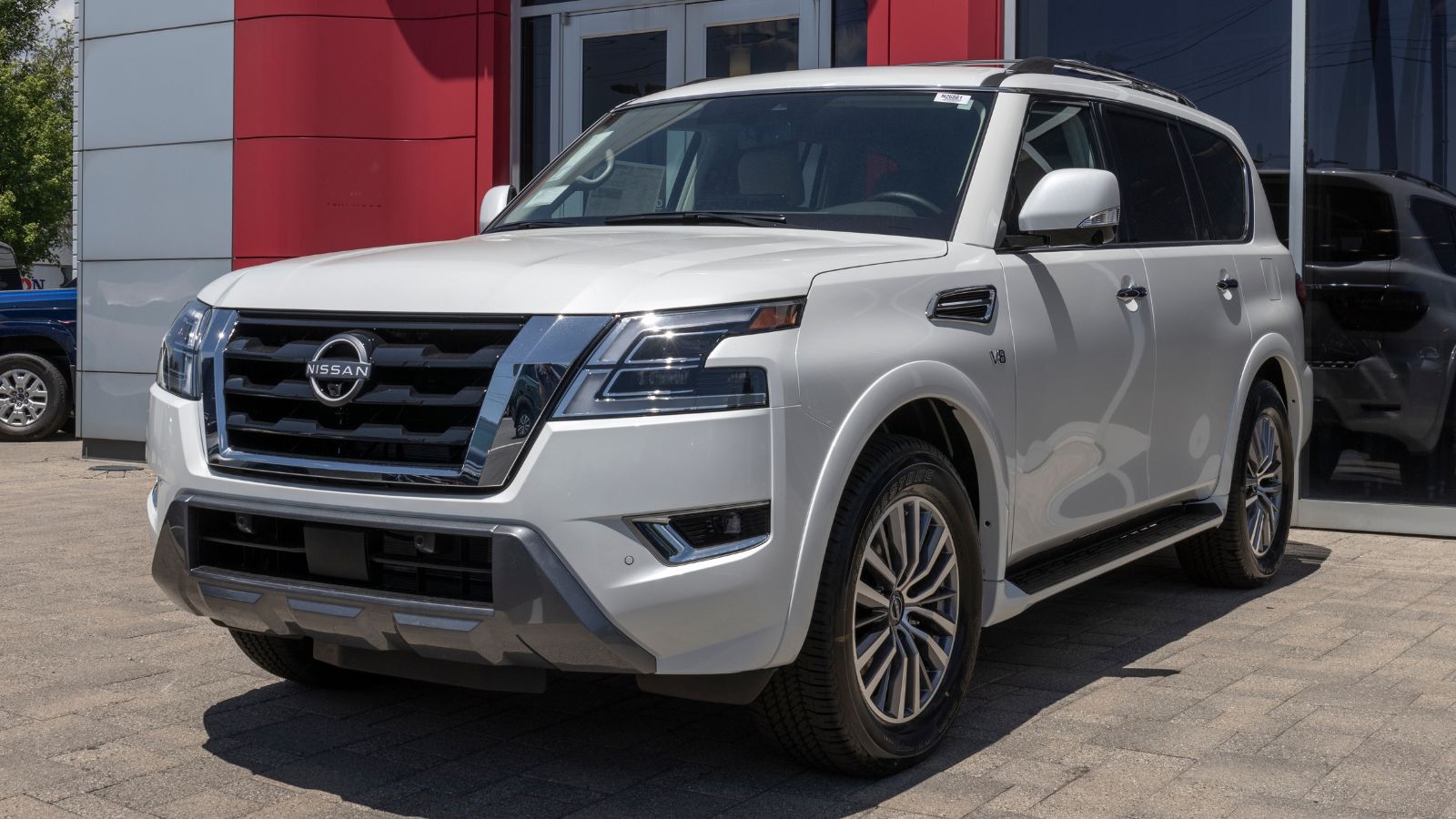
The redesigned Armada brings strong curb appeal and a fresh sense of modernity, and the PRO-4X trim adds the kind of rugged hardware that makes buyers feel prepared for anything. That confidence can distract from the fuel reality. The 2025 Armada PRO-4X 4WD is rated at 16 mpg combined and uses premium gasoline, with an official annual fuel cost of about $4,300. That is a serious number for a vehicle many families will still try to justify as practical because it has three rows, towing strength and everyday comfort.
The PRO-4X trim also shows why off-road branding can get expensive fast. The tougher stance, extra hardware and all-terrain intent are fun to own, but they do not help when gas prices jump. At 16 mpg, a 50-cent increase adds about $469 per year over 15,000 miles, and premium fuel can push the real-world pain higher. The Armada PRO-4X is the sort of SUV that feels like a confident purchase in the driveway and an increasingly questionable one when the pump starts clicking upward into numbers that look more like restaurant tabs.
Jeep Grand Wagoneer
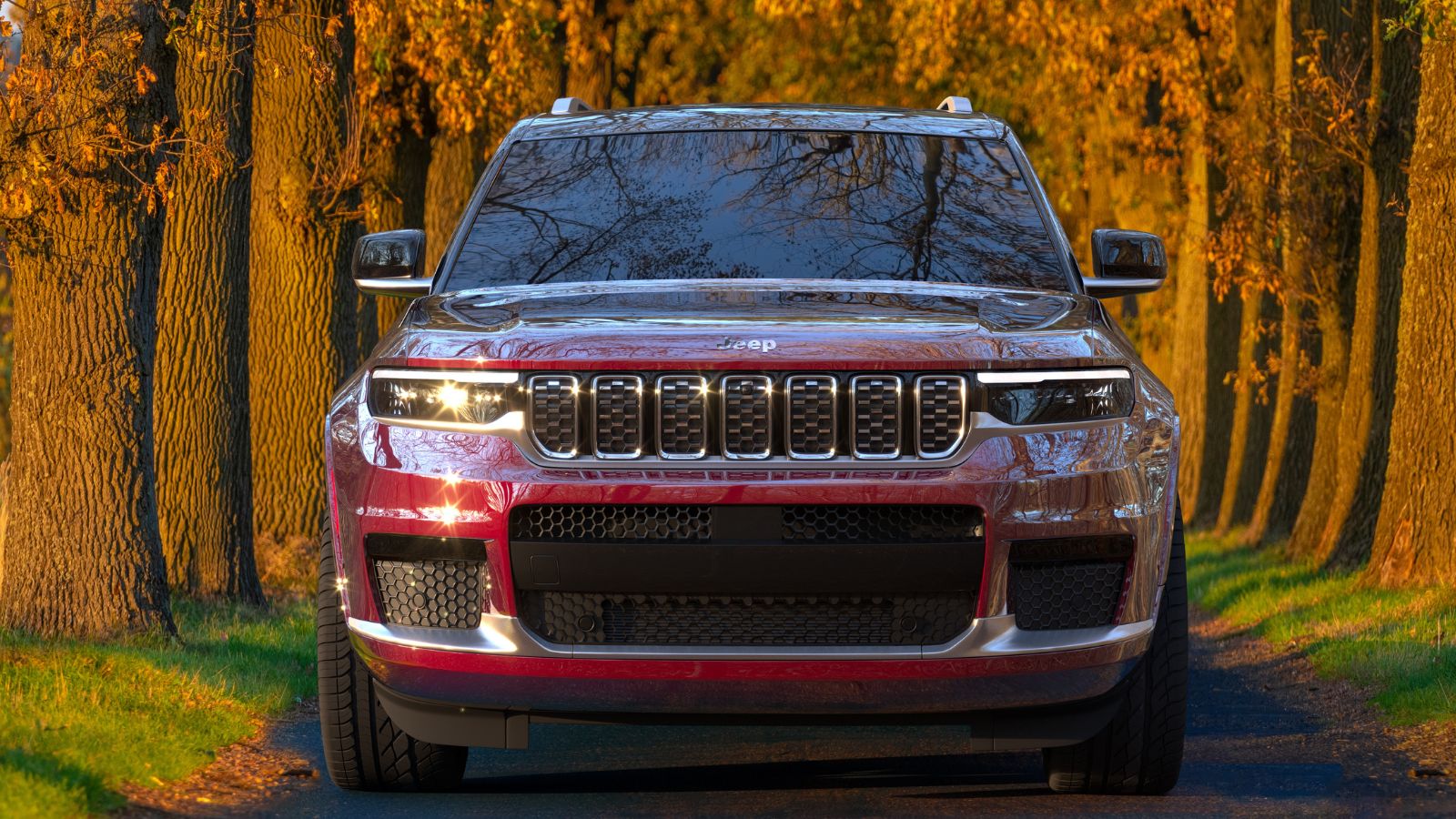
The Grand Wagoneer is a masterclass in making excess feel justified. It offers commanding size, upscale trim, strong power and the sort of family-hauler flexibility that makes people feel they are buying one vehicle to do everything. Yet the 2025 Grand Wagoneer 4WD is rated at 17 mpg combined and requires premium gasoline. That rating is not shocking for something this large, but it is exactly the kind of figure that turns a premium SUV from “manageable” to “why is this suddenly so expensive?” when fuel prices swing upward.
The issue is partly psychological. Grand Wagoneer buyers usually budget for the payment, not for the emotional drag of repeated high-dollar fill-ups. At 17 mpg, 15,000 miles means about 882 gallons a year. A 50-cent jump adds around $441 annually, and that is before accounting for premium-fuel pricing. This is one of those vehicles that can feel perfectly rational during the purchase conversation because of what it replaces and how much it carries. Then fuel spikes, reality lands, and the luxury suddenly comes with a louder monthly reminder.
Jeep Wrangler Rubicon 392

Few vehicles sell excitement as honestly as the Wrangler Rubicon 392. It is loud, charismatic, wildly capable and built around the kind of V8 drama that makes ordinary driving feel like an event. That same personality is exactly why it stops feeling affordable the second fuel prices climb. Official data for the 2025 V8 four-door Wrangler shows 14 mpg combined, while Jeep’s own Rubicon 392 materials underline that this is a power-first machine, not a thrift-first one.
The affordability trap here is emotional rather than logical. People do not buy a 392 to save money, but they often convince themselves the fuel bill will be tolerable because they will not drive it that much. Then nice weather hits, errands multiply, friends ask for rides and the Wrangler becomes the vehicle everyone wants to take. At 14 mpg, a 15,000-mile year uses roughly 1,071 gallons. A 50-cent increase adds about $536 annually, and spirited driving can make that feel optimistic. The grin is real, but so is the fuel tab that follows it.
Jeep Gladiator Rubicon
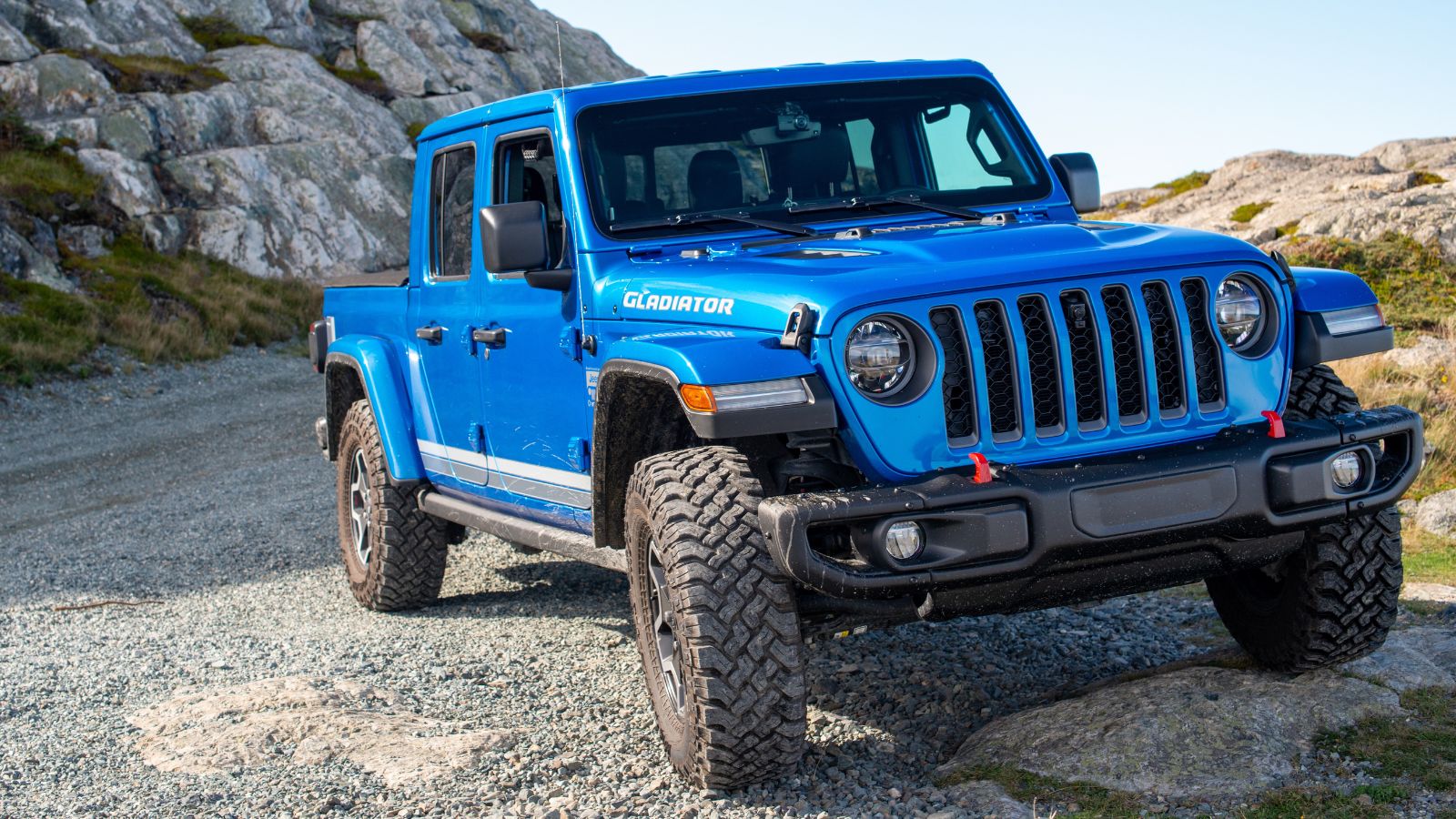
The Gladiator Rubicon has one of the easiest stories to buy into: pickup utility, Jeep image, removable-roof personality and genuine trail credibility in one vehicle. That makes it feel more versatile than a sports car and more fun than a conventional midsize truck. The catch is that the 2025 Gladiator’s official specs put it at 19 mpg combined, with 17 city and 22 highway. That is not disastrous, but it is not the kind of efficiency that protects a budget once fuel prices begin moving in the wrong direction.
What hurts the Gladiator is how owners tend to use it. This is rarely a plain commuter. It gets outfitted with all-terrain tires, rooftop gear, bed accessories, recovery equipment and camping hardware, all of which can push real-world fuel consumption the wrong way. At 19 mpg, 15,000 miles uses about 789 gallons, so a 50-cent increase still adds roughly $395 a year. That is before aftermarket weight or aerodynamic drag start working against it. The Gladiator feels like a lifestyle bargain at first, then gradually reveals that the lifestyle comes with a fuel surcharge.
Toyota Tundra TRD Pro
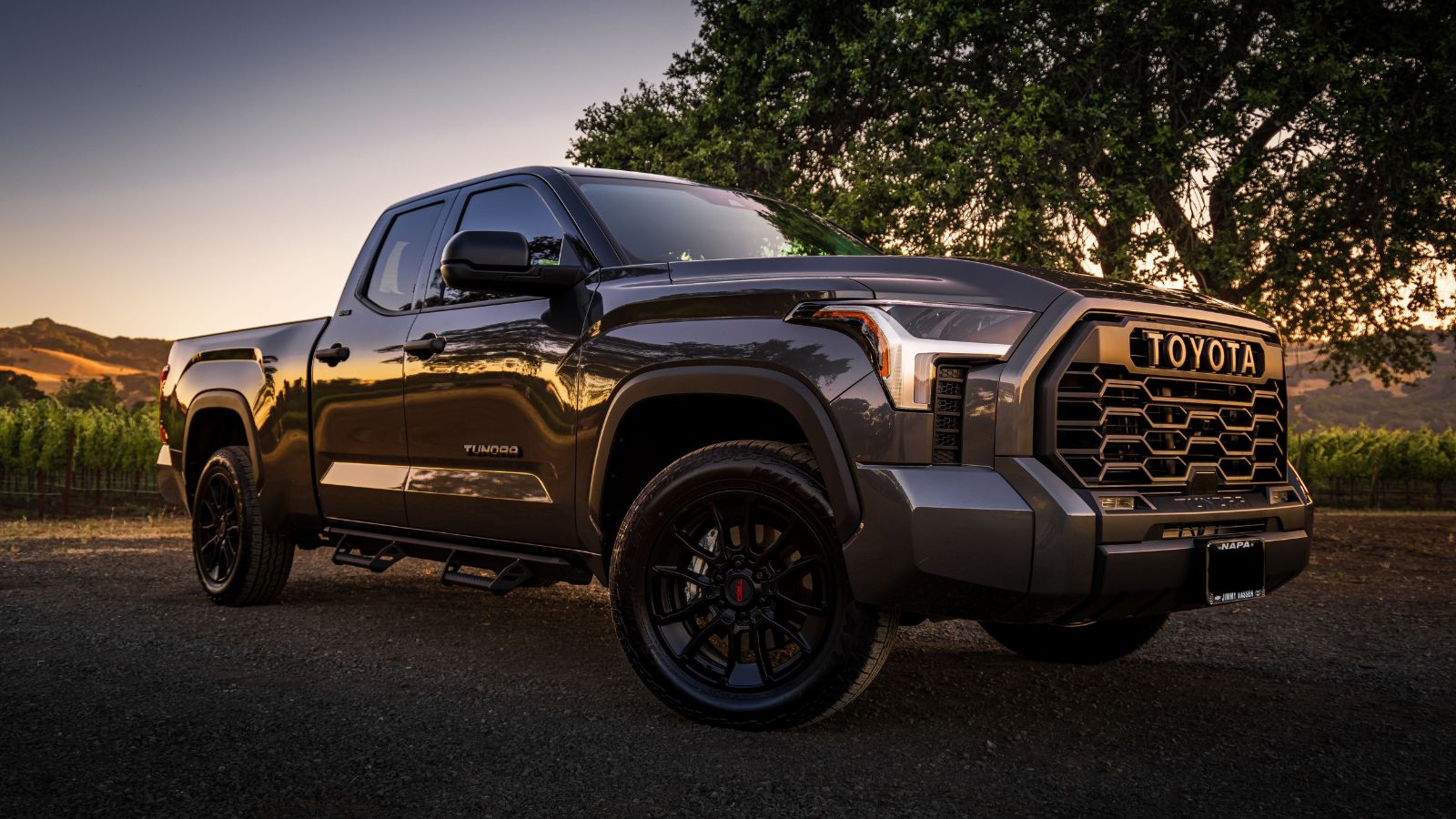
The Tundra TRD Pro benefits from an assumption that often helps modern trucks sell: if it has a turbocharged V6 instead of an old-school V8, it must be relatively efficient. That is only partly true. The 2025 Tundra TRD Pro is rated at 19 mpg combined, with 18 city and 20 highway. Those are respectable numbers for a serious off-road full-size pickup, but they are still full-size-truck numbers, not insulation against fuel-price volatility.
That distinction matters because buyers often compare the TRD Pro against other off-road trucks and feel relieved. Compared with thirstier rivals, it can seem almost prudent. Compared with the average household budget, it is still a truck that can burn through fuel at a meaningful rate. At 19 mpg, 15,000 miles consumes about 789 gallons. A 50-cent increase adds around $395 per year, and heavy wheels, trail tires, cargo or towing only push the bill higher. The Tundra TRD Pro can feel like the sensible enthusiast truck until fuel prices remind owners that “better than the segment” is not the same thing as cheap.
Toyota Sequoia
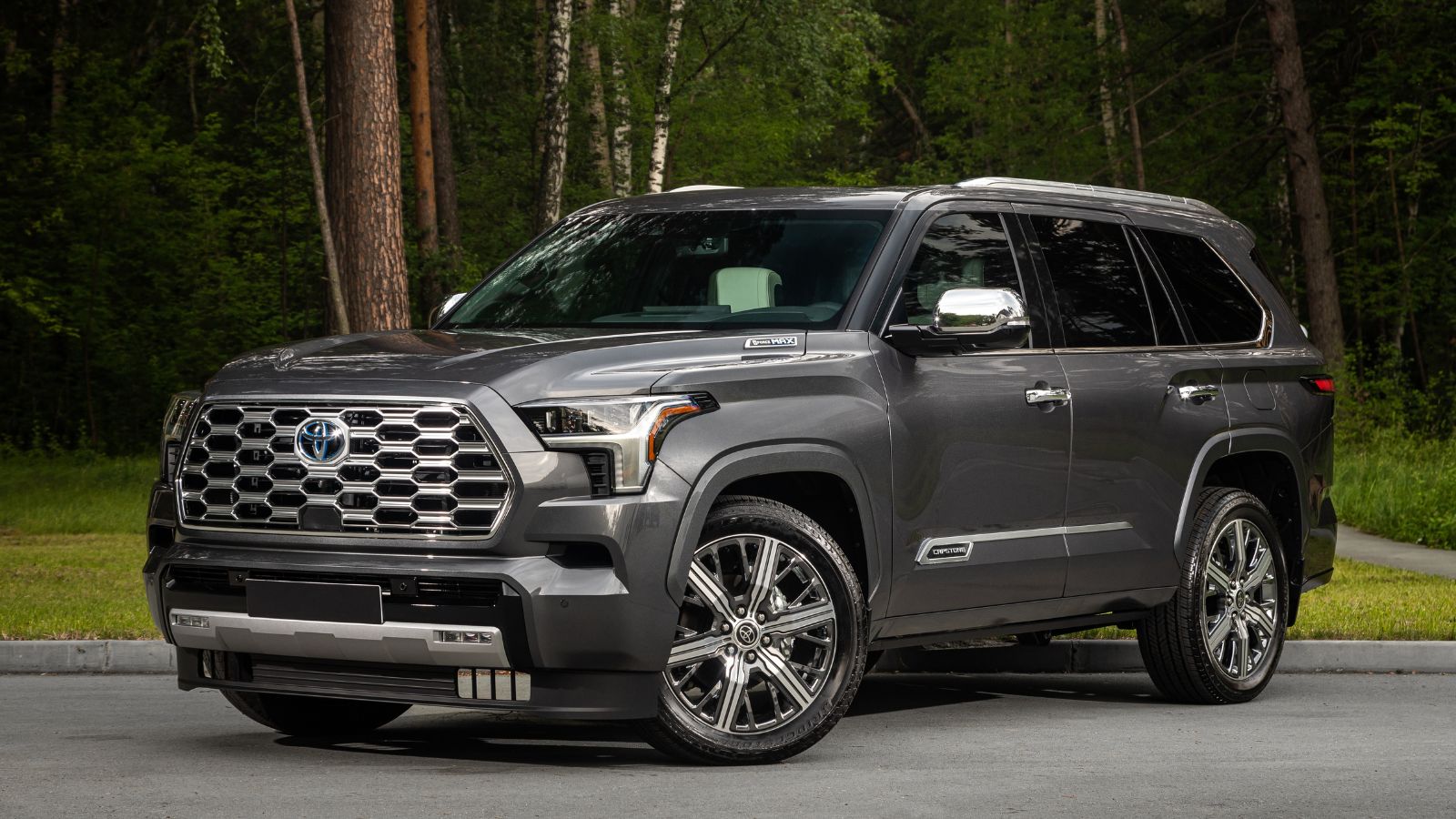
The Sequoia complicates the affordability story because it wears a hybrid halo. That immediately makes some buyers assume they are protected from the kind of pain that haunts conventional big SUVs. The 2025 Sequoia 4WD is indeed better than some full-size rivals at 20 mpg combined, but it is still a large, three-row, body-on-frame SUV with serious mass and serious use cases. The hybrid system helps, yet it does not rewrite the basic rule that size and capability still cost money to move.
That is why the Sequoia can disappoint people who expected a dramatic savings story. At 20 mpg, 15,000 miles still works out to about 750 gallons a year, and every 50-cent rise adds roughly $375 to the annual fuel bill. That may sound gentler than the numbers attached to a Tahoe or Escalade, but it is enough to shift how the vehicle feels in a household budget, especially during road-trip season. The Sequoia is more efficient than older-school giants, but once gas rises, it stops feeling like a loophole and starts feeling like a big SUV again.
Ford F-150 Tremor
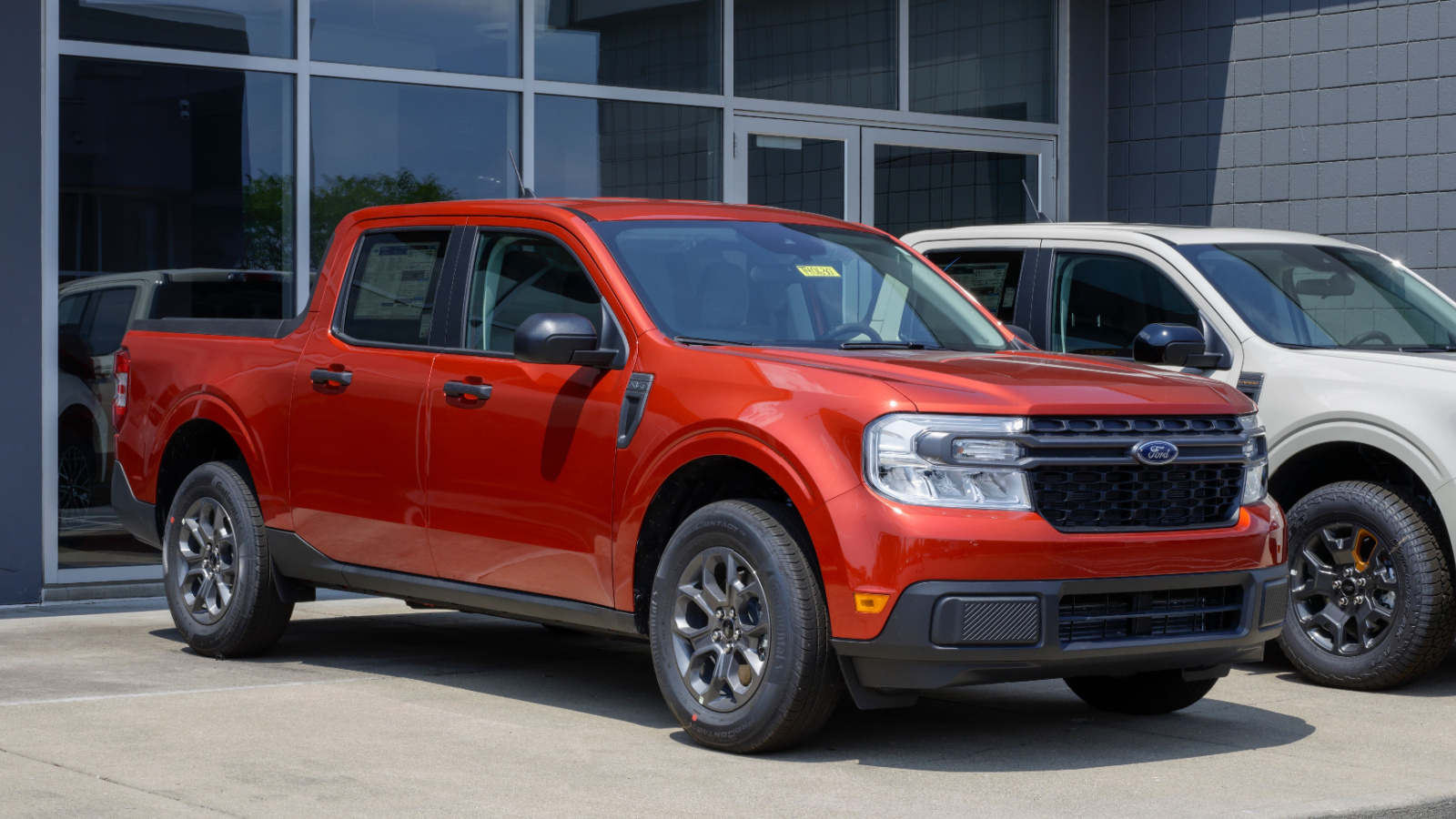
The F-150 Tremor is a perfect example of how a familiar nameplate can hide expensive trim logic. Plenty of shoppers think “F-150” before they think “fuel risk,” because the truck exists in so many efficient or at least moderate forms. But the 2024 F-150 Tremor 4WD with the 5.0-liter V8 is rated at 17 mpg combined. That puts it in a very different affordability conversation from a base work truck or a hybrid model, even though the badge on the tailgate looks similar from across the lot.
The Tremor’s appeal is understandable: factory off-road credibility, broad everyday usefulness and a less extreme personality than a Raptor. Yet that very usability means owners tend to daily-drive it, not reserve it for special weekends. At 17 mpg, 15,000 miles consumes about 882 gallons, and a 50-cent fuel increase adds roughly $441 a year. Add bigger tires, cold starts, stop-and-go traffic or a trailer, and the line between “capable pickup” and “expensive habit” gets crossed faster than expected. It is a reminder that trims matter just as much as model names.
Ford F-150 Raptor
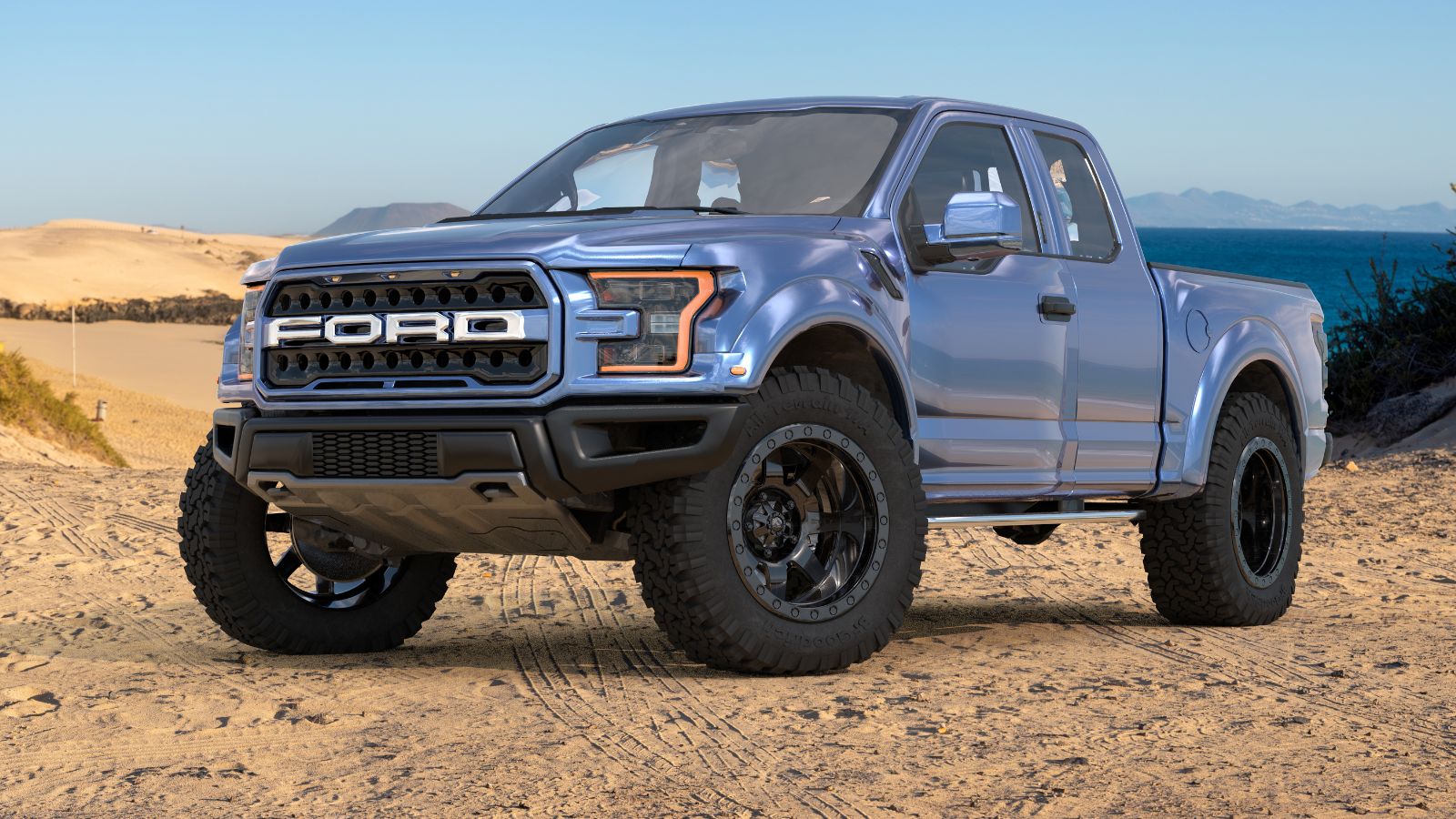
The Raptor rarely pretends to be economical, but it can still surprise buyers by how quickly fuel sensitivity shows up in daily life. The 2024 F-150 Raptor 4WD is rated at 16 mpg combined, a figure that is easy to wave off in the showroom because the truck feels so specialized, so powerful and so obviously entertaining. The problem is that many Raptors do far more commuting, errand running and highway cruising than desert jumping, which means the fuel cost becomes an everyday issue rather than an enthusiast footnote.
At 16 mpg, a 15,000-mile year burns roughly 938 gallons, so a 50-cent increase adds about $469 annually before any hard driving enters the picture. That is the real affordability pivot with the Raptor: it is not just thirsty in theory, it is thirsty in the exact suburban and highway use that most owners actually experience. A truck that makes people feel invincible on broken pavement can feel oddly vulnerable when the gas sign changes overnight and every fill-up starts looking like a payment on something else.
Chevrolet Silverado ZR2
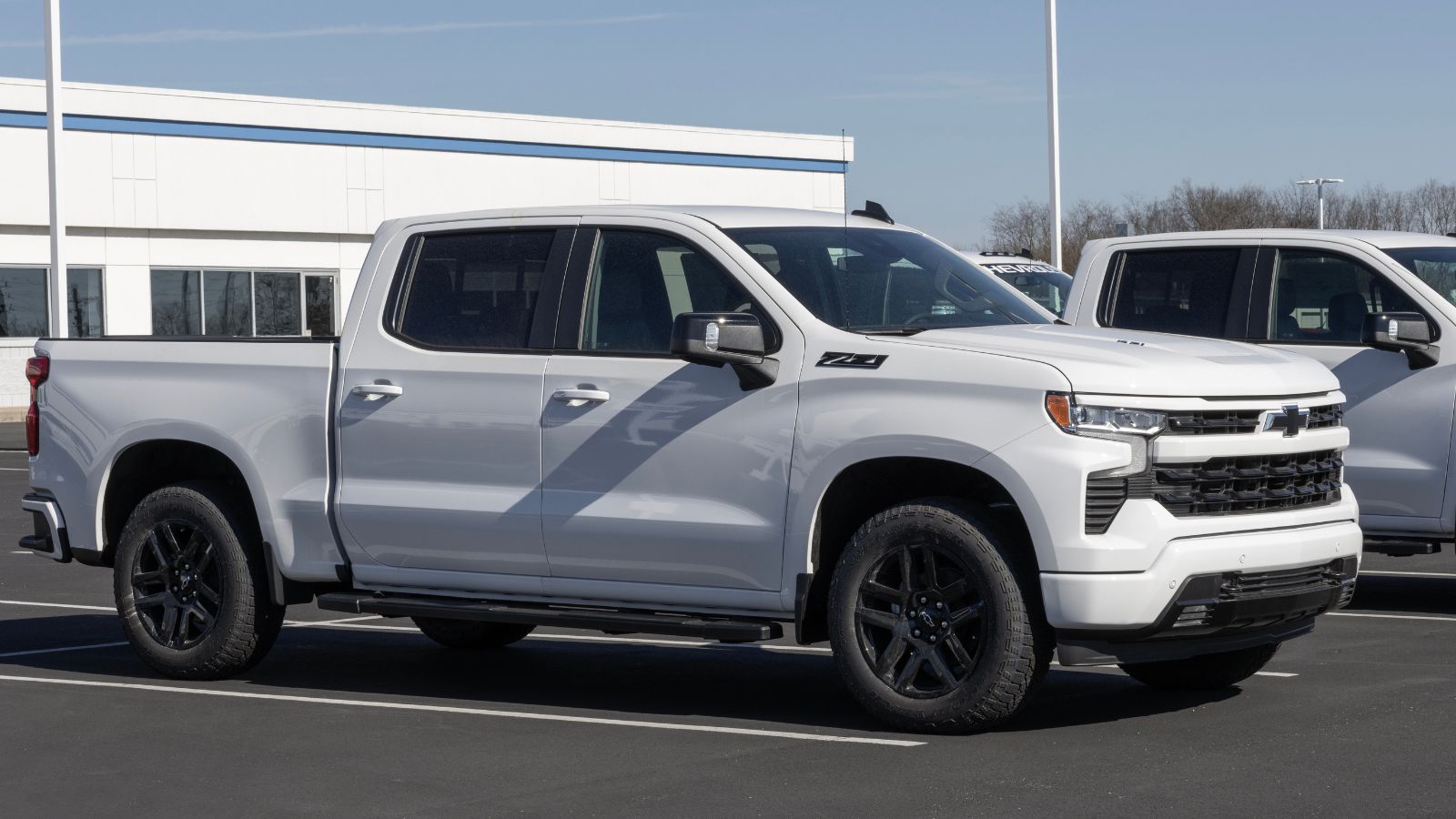
The Silverado ZR2 feels like a logical treat for buyers who want one truck to cover work, weather, travel and off-road recreation. It also hides one of the nastier fuel realities in this group. The 2024 Silverado 4WD ZR2 with the 6.2-liter V8 is rated at 15 mpg combined and uses premium gasoline. That combination is exactly what makes a capable premium truck start feeling less like a smart upgrade and more like a budget leak when fuel prices rise.
The ZR2’s biggest weakness is expectation management. Buyers see a full-size pickup and mentally compare it to other big trucks, not to what the fuel bill will look like over a year of normal use. At 15 mpg, 15,000 miles consumes about 1,000 gallons. Every 50-cent increase adds about $500 annually, and the premium-fuel requirement means the real hit can land harder than that simple math suggests. It is a great truck in the right context, but once gas turns volatile, the ZR2 makes even routine drives feel like they should have come with an expense report.
Chevrolet Colorado ZR2 Bison
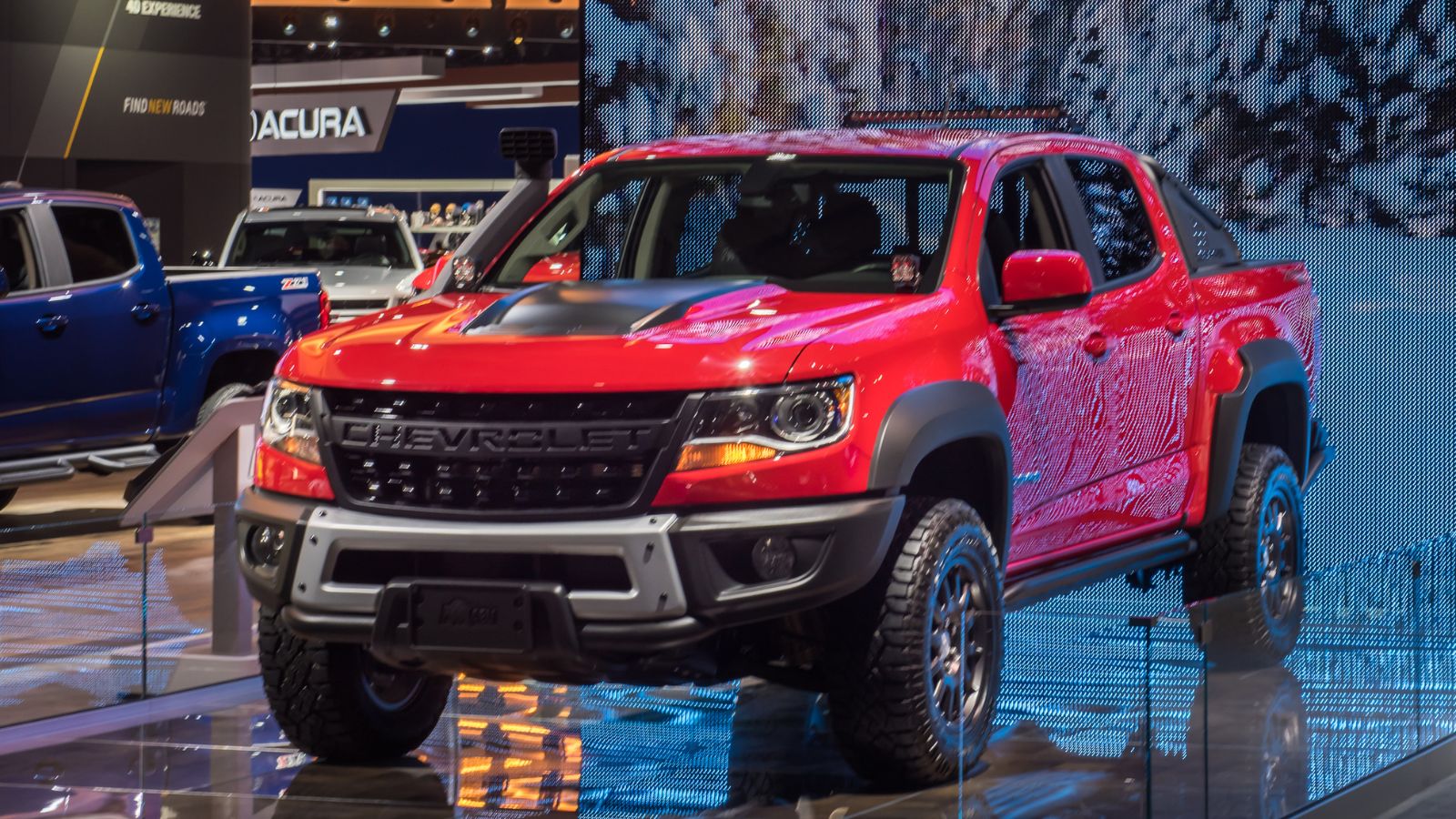
A midsize truck is supposed to be the safe choice for someone who wants adventure without full-size-truck expenses. That is why the Colorado ZR2 Bison is such a revealing case. The 2024 Bison is officially rated at 16 mpg combined, despite being smaller than the trucks many shoppers are trying to avoid. The reason is simple: once a midsize truck gets serious off-road tires, protective hardware and a heavy-duty mission, its fuel appetite can stop looking midsize in a hurry.
This is where buyers can feel played by their own assumptions. A smaller footprint suggests easier ownership, but the fuel math does not always cooperate. At 16 mpg, 15,000 miles still means around 938 gallons per year, and a 50-cent increase adds about $469. That is almost identical to some full-size V8 trucks, which is not what many shoppers expect when they deliberately size down. The Bison absolutely delivers capability, but when fuel climbs, it also proves that a smaller truck is not automatically a cheaper one to keep fed.
Chevrolet Corvette Stingray

The Corvette Stingray occupies a strange affordability niche because it often feels like a bargain in performance terms. Compared with exotic alternatives, it can look almost rational, which leads some owners to treat it like a usable indulgence rather than an expensive toy. Chevrolet’s 2025 Corvette Stingray comparison data lists 19 mpg combined, with 16 city and 25 highway. That is not outrageous for a car with this level of performance, but it is also not forgiving if the car starts logging real weekly mileage.
That is the pivot point. A weekend-only Corvette is one thing; a Corvette used for commuting, cruising and short-hop fun whenever the weather is good is something else. At 19 mpg, a 15,000-mile year uses about 789 gallons, so a 50-cent increase adds roughly $395 per year. The number is smaller than what a big SUV faces, but the surprise factor is often stronger because people talk themselves into the Stingray as the sensible supercar alternative. It may be exactly that, but sensible by supercar standards is still not cheap by pump standards.
Ford Mustang GT
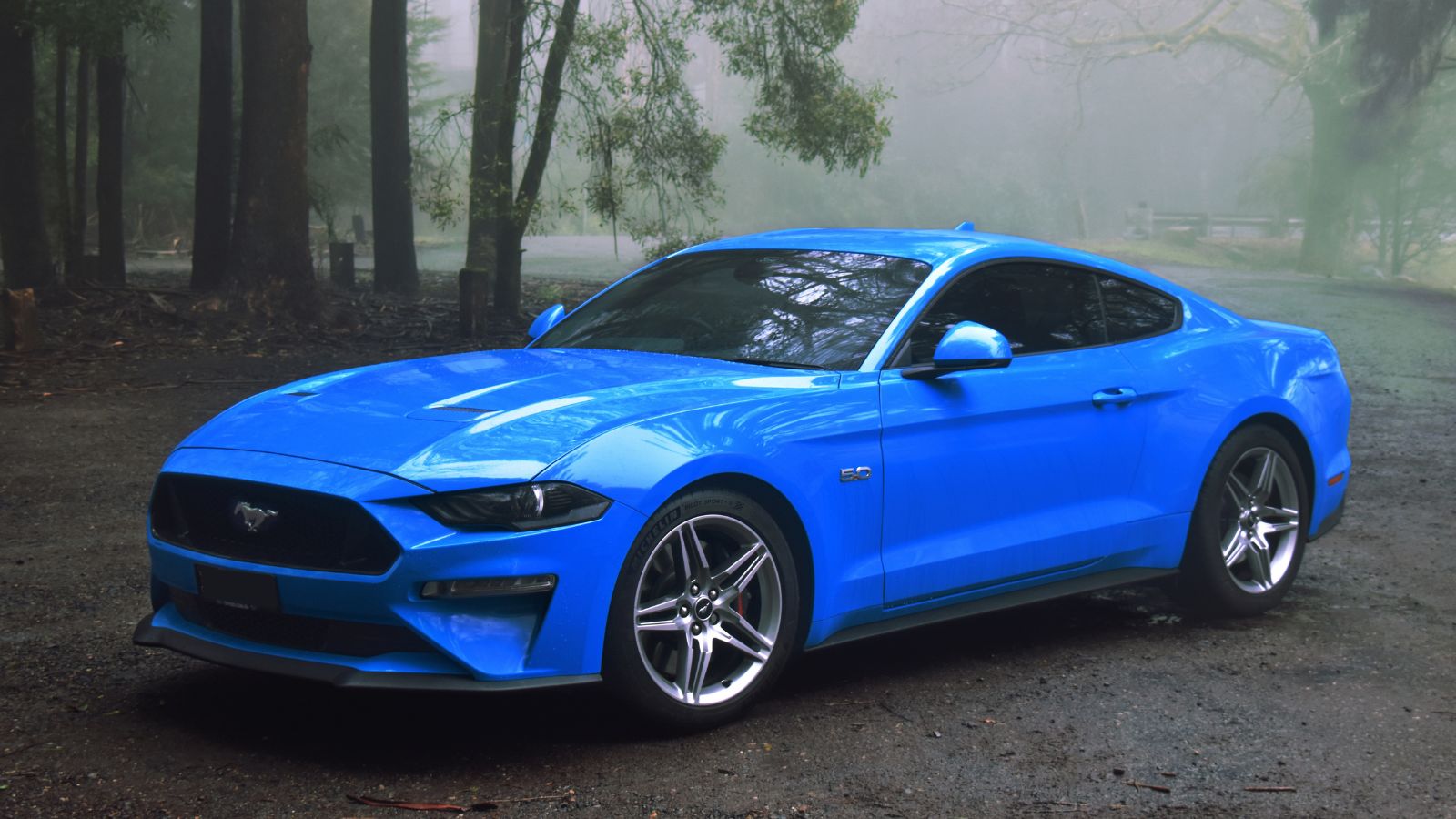
The Mustang GT feels affordable in one very specific way: it still sells the classic V8 formula without demanding exotic-car money. That keeps it in reach for buyers who want sound, speed and rear-drive character without stepping into six-figure territory. The trap is that “attainable performance” is not the same thing as low running cost. Official Ford GT inventory listings show 15 city and 24 highway for an automatic GT Premium Fastback, while published EPA-based reviews place V8 GT models at about 18 mpg combined.
That puts the Mustang GT squarely in the range where fuel-price spikes become noticeable even if the payment felt reasonable. At roughly 18 combined mpg, 15,000 miles uses around 833 gallons, and a 50-cent increase adds about $417 a year. The GT’s biggest budget risk is that it encourages use. Owners do not leave it parked because it sounds good, looks good and makes ordinary drives more entertaining. The result is a car that feels like a performance bargain when signed for, then gradually proves that V8 fun still comes with a very real fuel line item.
Dodge Durango SRT Hellcat
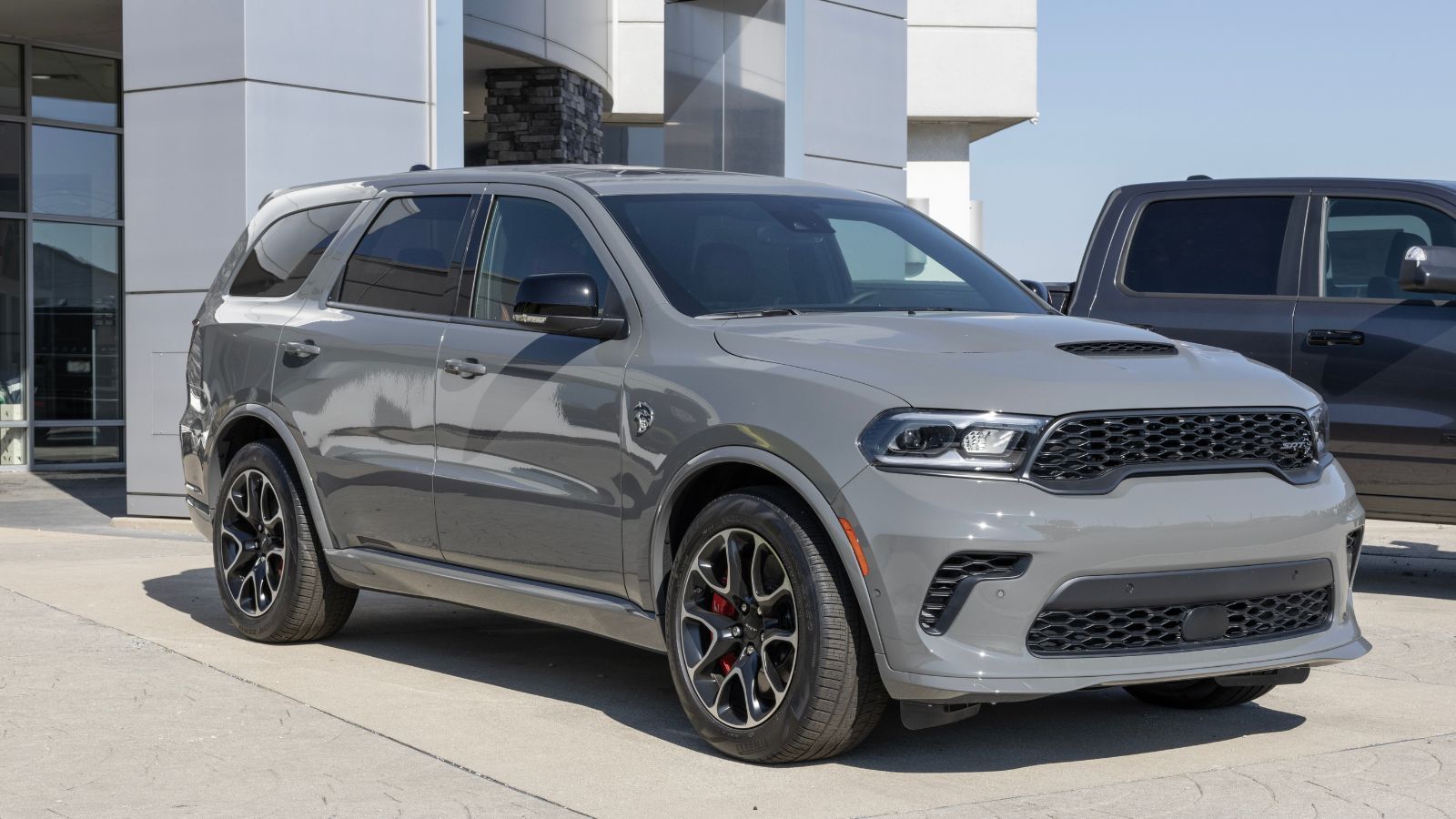
The Durango SRT Hellcat is one of the clearest examples of a vehicle that can never truly be called economical yet still ends up feeling less affordable than buyers anticipated. The reason is simple: it combines three-row practicality with outrageous power, which lets people rationalize it as both family vehicle and performance toy. Dodge’s own FAQ states that the Durango SRT Hellcat returns 12 combined city/highway mpg. That is an eye-opening number in any market, but it becomes brutal when gas prices rise quickly.
At 12 mpg, a 15,000-mile year consumes about 1,250 gallons. Every 50-cent increase adds roughly $625 annually, which is enough to change how ownership feels even for households that expected a high fuel bill. The real issue is not whether buyers knew it would be thirsty. Most did. The issue is how often the Durango ends up being used like a normal SUV despite its extraordinary appetite. School runs, weekend errands and highway trips all carry supercharged-V8 consequences, and that makes affordability disappear very quickly.
Land Rover Defender 110 V8

The Defender 110 V8 sells a compelling contradiction: heritage toughness wrapped in premium design and serious straight-line power. That formula is expensive to buy, but it can still feel financially justifiable because the vehicle promises luxury, image and real all-terrain credibility in one package. The 2024 Defender 110 V8 is rated at 16 mpg combined on premium gasoline, which is the number that eventually punctures that sense of balance when fuel gets more expensive.
The Defender’s problem is not just the mpg figure, but the kind of owner it attracts. This is a vehicle people like to use for visible, memorable driving: city nights, mountain weekends, long holiday trips and all the in-between status errands that turn a luxury SUV into a frequent flyer. At 16 mpg, 15,000 miles works out to about 938 gallons, and a 50-cent jump adds roughly $469 a year before premium-fuel pricing makes the bill uglier. It looks like an all-purpose indulgence, but rising fuel prices quickly reveal how costly that indulgence really is.
Cost illustrations above assume 15,000 miles per year and show the effect of a 50-cent-per-gallon fuel-price increase using the official or cited fuel-economy figures for each vehicle.
22 Things Canadians Do to Their Cars in Spring That Mechanics Hate

Spring brings relief to many Canadian drivers after months of snow, freezing temperatures, and icy roads that put serious strain on vehicles. As temperatures rise across the country, drivers begin washing cars, switching tires, and preparing vehicles for warmer weather and upcoming road trips. However, mechanics across Canada notice the same mistakes every spring when drivers attempt to recover from winter damage. Road salt, potholes, and harsh winter driving conditions often leave vehicles with hidden problems that drivers ignore. Some spring habits even create new mechanical issues that could have been avoided with proper maintenance. Here are 22 things Canadians do to their cars in spring that mechanics hate.