























Electric vehicles were supposed to make car ownership feel simpler: fewer moving parts, lower routine maintenance, and a quieter drive. Yet one part of the EV story keeps making drivers uneasy—the battery, especially when it comes from China’s enormous battery industry. The concern is not only about whether the pack will work on day one. It is about safety, sourcing, repair costs, trade tensions, data transparency, and what happens years later when the vehicle is sold or recycled.
There are 12 major reasons many drivers are nervous about Chinese-made EV batteries. Some fears are exaggerated, because Chinese firms also make some of the world’s most advanced and widely used batteries. Others are grounded in real questions about supply chains, regulation, quality control, and long-term accountability.
Supply Chain Dependence Feels Too Concentrated
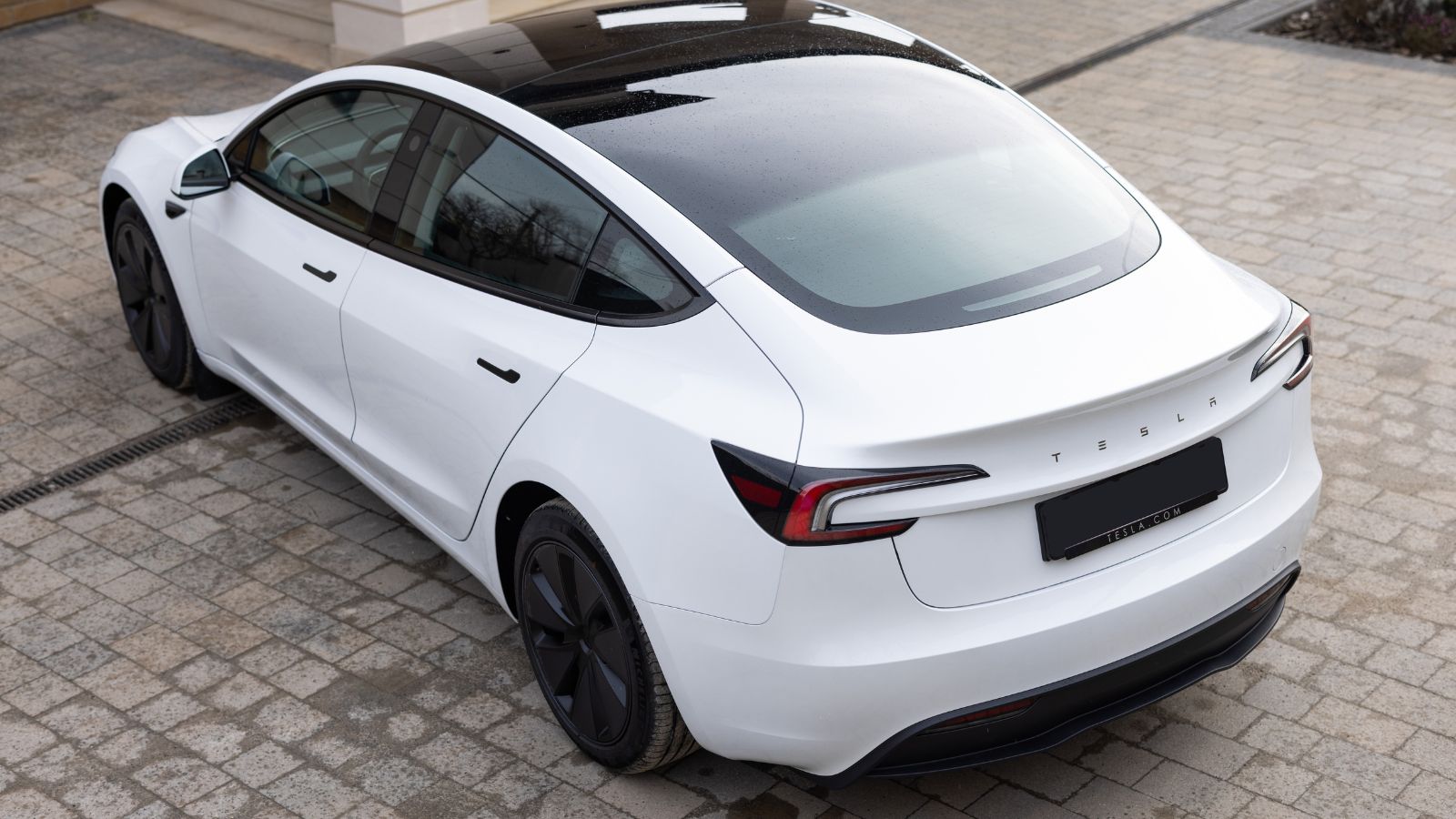
A battery pack may look like one sealed component under the floor, but it represents a long chain of mining, refining, chemistry, cell production, software, and assembly. China’s role in that chain is unusually large. It is not just a place where finished battery cells are made; it is also a major processor of materials such as lithium, graphite, and other inputs needed before a cell ever reaches an assembly line.
That concentration makes drivers nervous because a car can feel less like a personal purchase and more like a bet on a global industrial system. If one country dominates key stages, disruptions can ripple through prices, repairs, warranties, and parts availability. A family considering an EV may not follow battery trade data closely, but it can still feel the result when headlines mention tariffs, shortages, or export controls. The worry is less about one battery failing tomorrow and more about being locked into a supply chain that feels difficult to escape.
The Biggest Brands Are Powerful but Less Familiar to Many Drivers
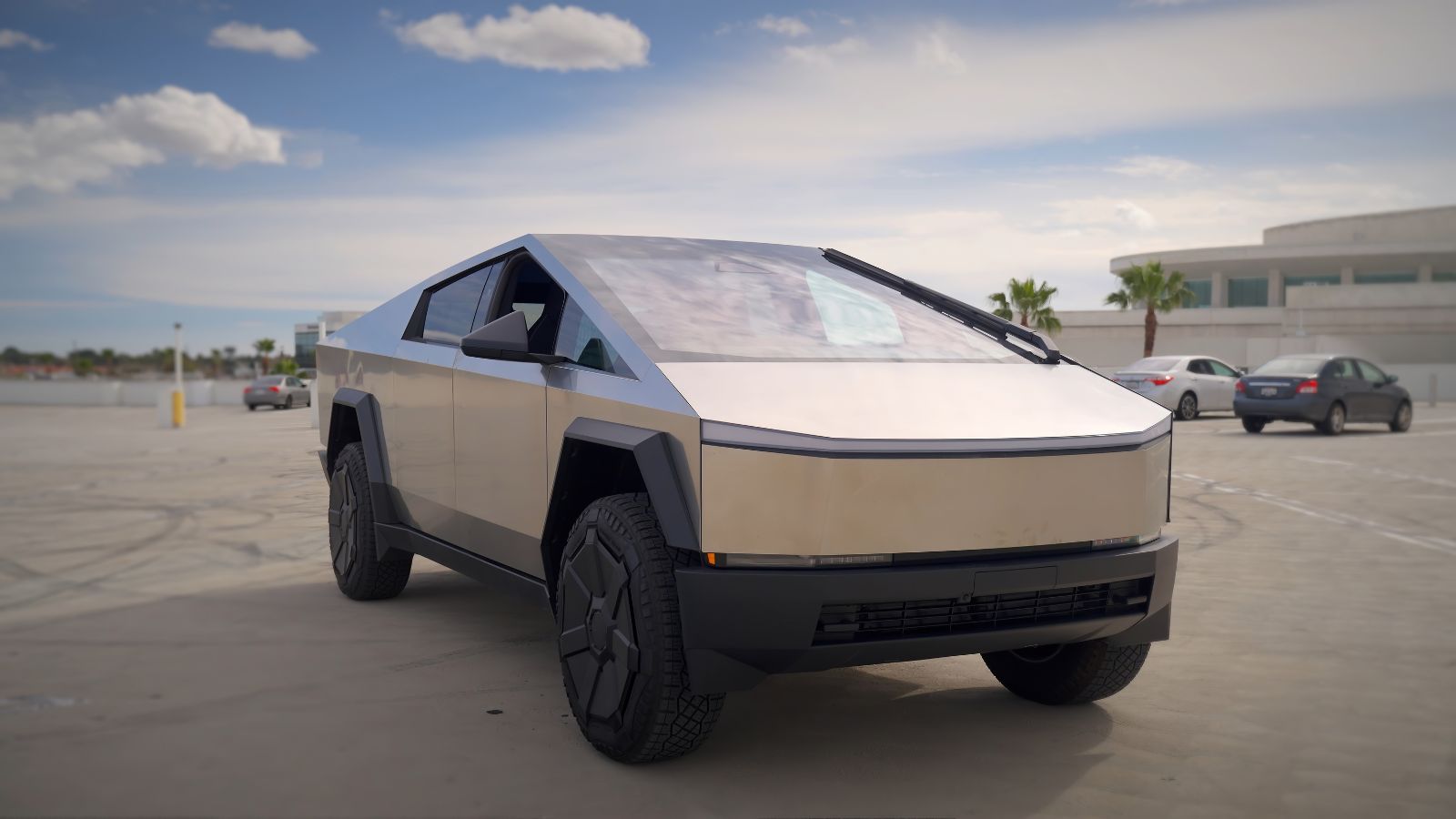
Names such as CATL and BYD are giants in the battery world, but many drivers outside Asia still know car brands better than battery brands. That creates a trust gap. A driver may recognize Ford, Volvo, Tesla, Hyundai, or BMW, yet the most expensive part of the vehicle may rely on cells from a company whose name appears only deep in the specifications.
This does not mean those batteries are low quality. In fact, several Chinese battery makers supply major global automakers and compete at the top of the industry. The nervousness comes from unfamiliarity and scale. When a lesser-known supplier becomes central to a vehicle’s value, drivers naturally wonder who stands behind the pack if something goes wrong. In a gasoline car, decades of brand familiarity help calm worries. In an EV, the battery supplier can feel like a second manufacturer hiding beneath the badge on the hood.
Fire Stories Travel Faster Than Safety Data
EV fires are uncommon compared with the number of vehicles on the road, but battery fire stories spread quickly because they are dramatic and hard to ignore. Lithium-ion battery failures can involve thermal runaway, a chain reaction in which damaged or defective cells overheat and can reignite. Images of firefighters cooling a battery pack for hours can leave a lasting impression, even when the actual risk is lower than the public fear suggests.
Chinese-made batteries get pulled into that anxiety because China produces such a large share of the world’s cells. When a battery-related recall or ship fire appears in the news, drivers may connect the dots too broadly and assume the country of origin is the problem. The better question is usually more specific: What chemistry is used? What safety testing was done? How well is the battery management system designed? Origin matters, but design, manufacturing discipline, and vehicle integration matter just as much.
Chemistry Choices Can Be Confusing
Many Chinese manufacturers helped popularize lithium iron phosphate batteries, often called LFP batteries. LFP packs tend to be cheaper, durable, and less dependent on nickel and cobalt than some other lithium-ion chemistries. They have become common in lower-cost and mainstream EVs because they can offer a practical balance of price, safety, and lifespan. For many drivers, that should be reassuring.
The confusion begins when buyers compare range, charging speed, cold-weather performance, and resale value. LFP batteries may perform differently from nickel-rich batteries in certain conditions, especially in cold climates or on long highway trips. A driver who only sees a lower sticker price may later discover that the chemistry affects winter range or charging habits. The battery may be perfectly reliable, yet still not match the expectations created by marketing. Nervousness grows when buyers feel they need a chemistry lesson before choosing a car.
Trade Tensions Turn Batteries Into Political Objects
A battery is no longer just a technical component. It has become part of a global trade fight. Governments in North America and Europe have placed or considered tariffs, surtaxes, subsidy rules, and sourcing restrictions aimed at Chinese EVs, battery parts, and minerals. These policies are often framed around unfair subsidies, national security, industrial jobs, and supply-chain resilience.
For drivers, that political layer creates practical uncertainty. A vehicle that looks affordable today could become harder to import, insure, service, or resell if trade rules shift. Incentives may also depend on where battery components and minerals come from. A buyer may not care about trade law, but a denied rebate or a sudden price jump makes the issue personal. When politicians debate Chinese-made EV batteries, consumers hear a simpler message: this technology may come with strings attached.
Low Prices Raise Questions About What Was Cut
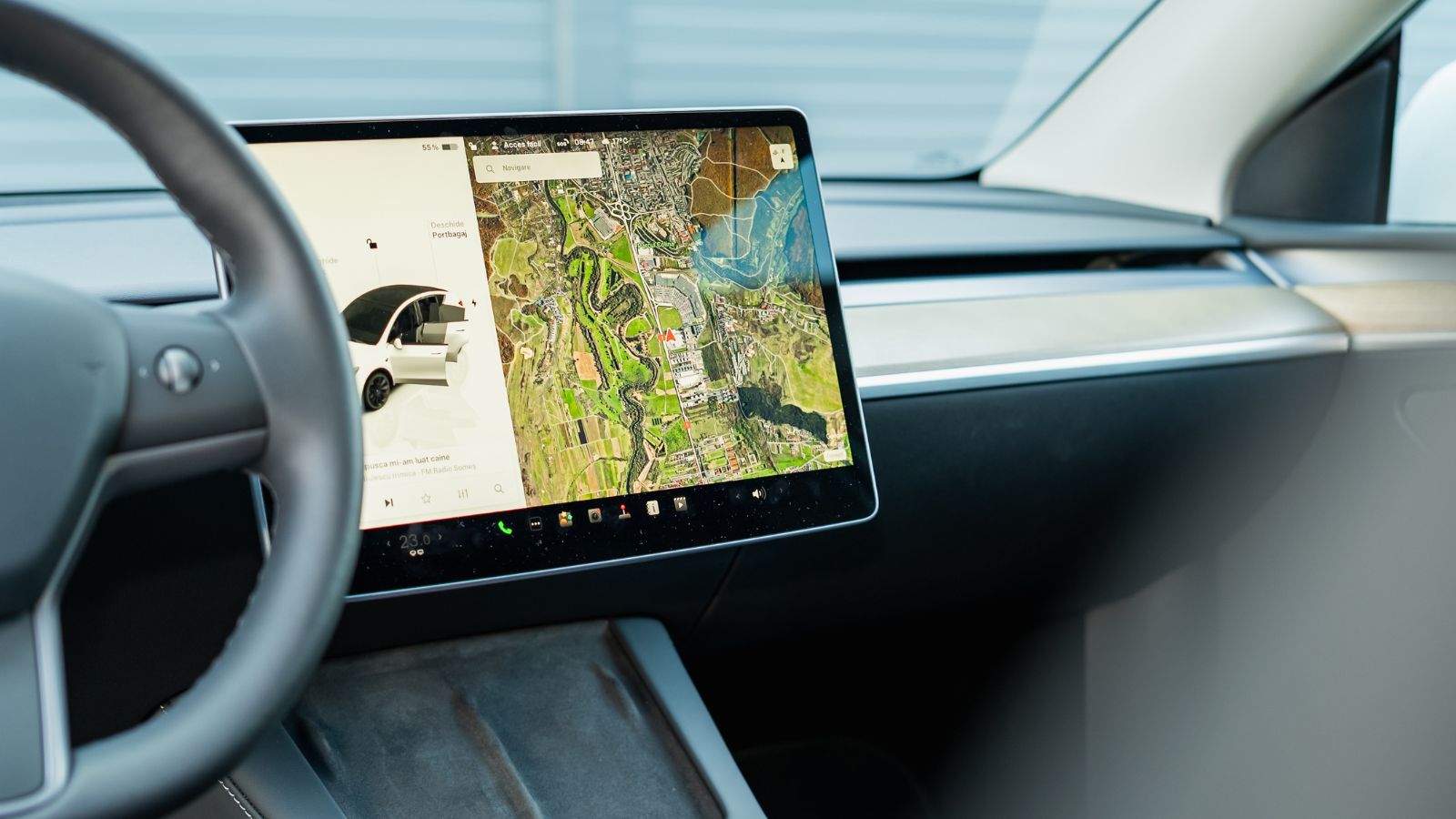
Chinese battery makers have helped bring EV costs down. That is one reason global automakers buy from them and why China’s domestic EV market became so competitive. Lower battery costs can make electric cars accessible to more households, especially as battery packs remain one of the most expensive parts of an EV. Cheaper does not automatically mean worse.
Still, drivers often become suspicious when prices fall quickly. If an EV costs thousands less than a rival, some buyers wonder whether the savings came from manufacturing scale, government support, cheaper chemistry, thinner margins, or reduced quality control. The answer may be a mix, and not all of it is negative. Large-scale production can improve consistency and reduce waste. But in a market known for fierce price competition, the fear is understandable: if everyone is racing to cut costs, the battery is the last place drivers want shortcuts.
Repairs Can Feel Like a Black Box
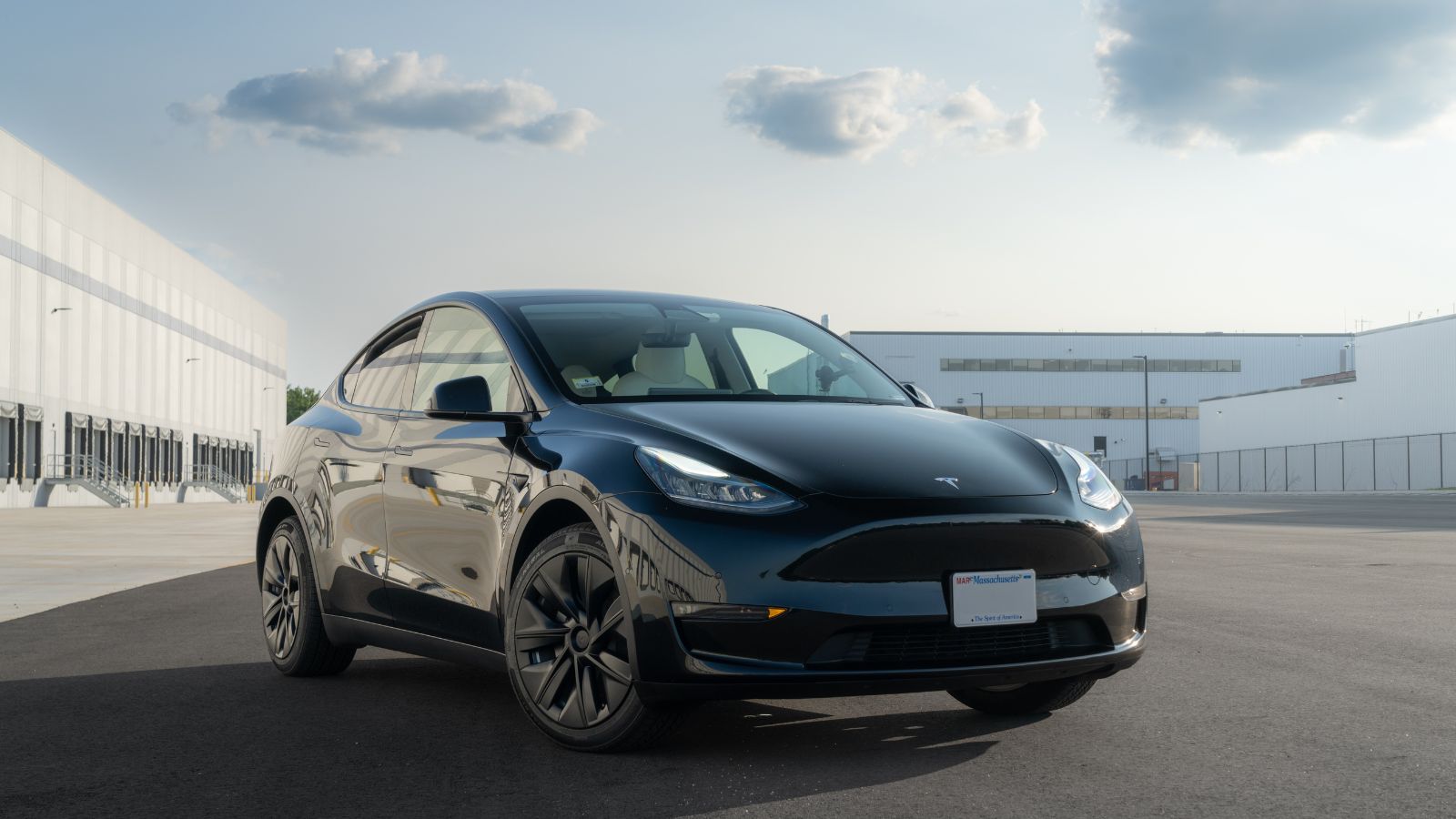
In a traditional vehicle, many drivers understand the basic repair ladder: alternator, transmission, radiator, engine. EV battery packs are different. They are high-voltage systems made of modules, cells, sensors, cooling hardware, and software controls. When something goes wrong, the repair may involve diagnostics that only a dealer or specialist can perform. In some cases, replacement costs can feel shocking compared with the value of the used vehicle.
Chinese-made battery packs add another layer of worry when drivers are unsure whether local technicians can access parts, diagnostic tools, or official repair procedures. A battery may be reliable for years, but confidence depends on what happens after the warranty ends. The nervous buyer is not only asking whether the pack will last. They are asking whether anyone nearby can repair it, whether individual modules can be serviced, and whether parts will still exist eight or ten years later.
Battery Health Is Hard to Verify Before Buying Used
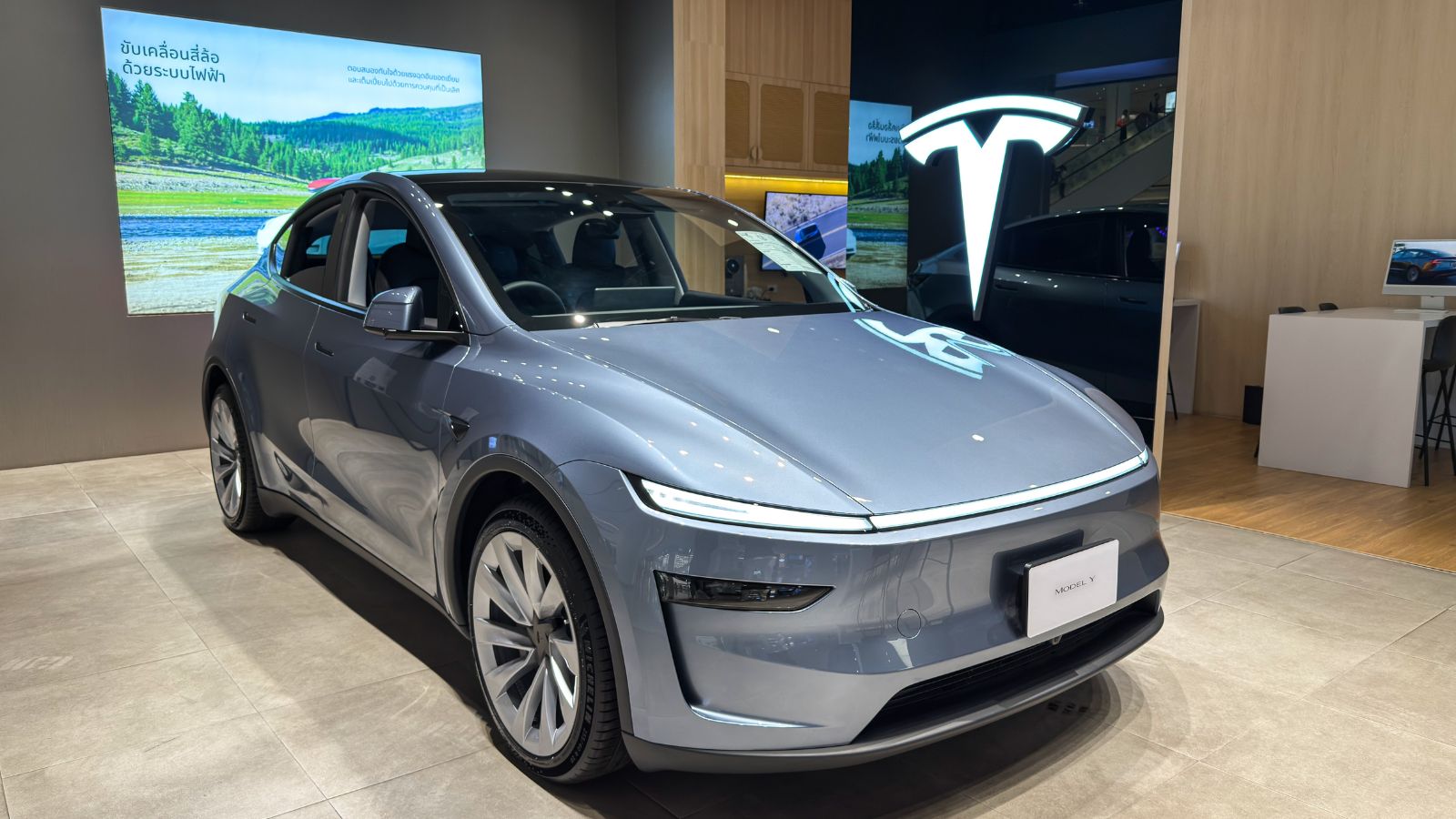
A used EV can look clean, drive smoothly, and still hide an expensive battery story. Unlike tire wear or paint damage, battery degradation is not always obvious during a short test drive. Some vehicles display estimated range, but that number can be influenced by temperature, driving habits, software, and recent charging behavior. State-of-health reporting is improving, but buyers often struggle to compare one used EV battery with another.
This uncertainty makes drivers especially cautious when the battery supplier is unfamiliar. If a used vehicle contains Chinese-made cells, the practical question becomes: how transparent is the data? A buyer wants to know whether the pack has been fast-charged heavily, stored at high states of charge, overheated, or repaired after damage. Without trustworthy battery health information, a used EV purchase can feel like buying a car with the odometer partly hidden.
Environmental Claims Depend on Where and How Batteries Are Made
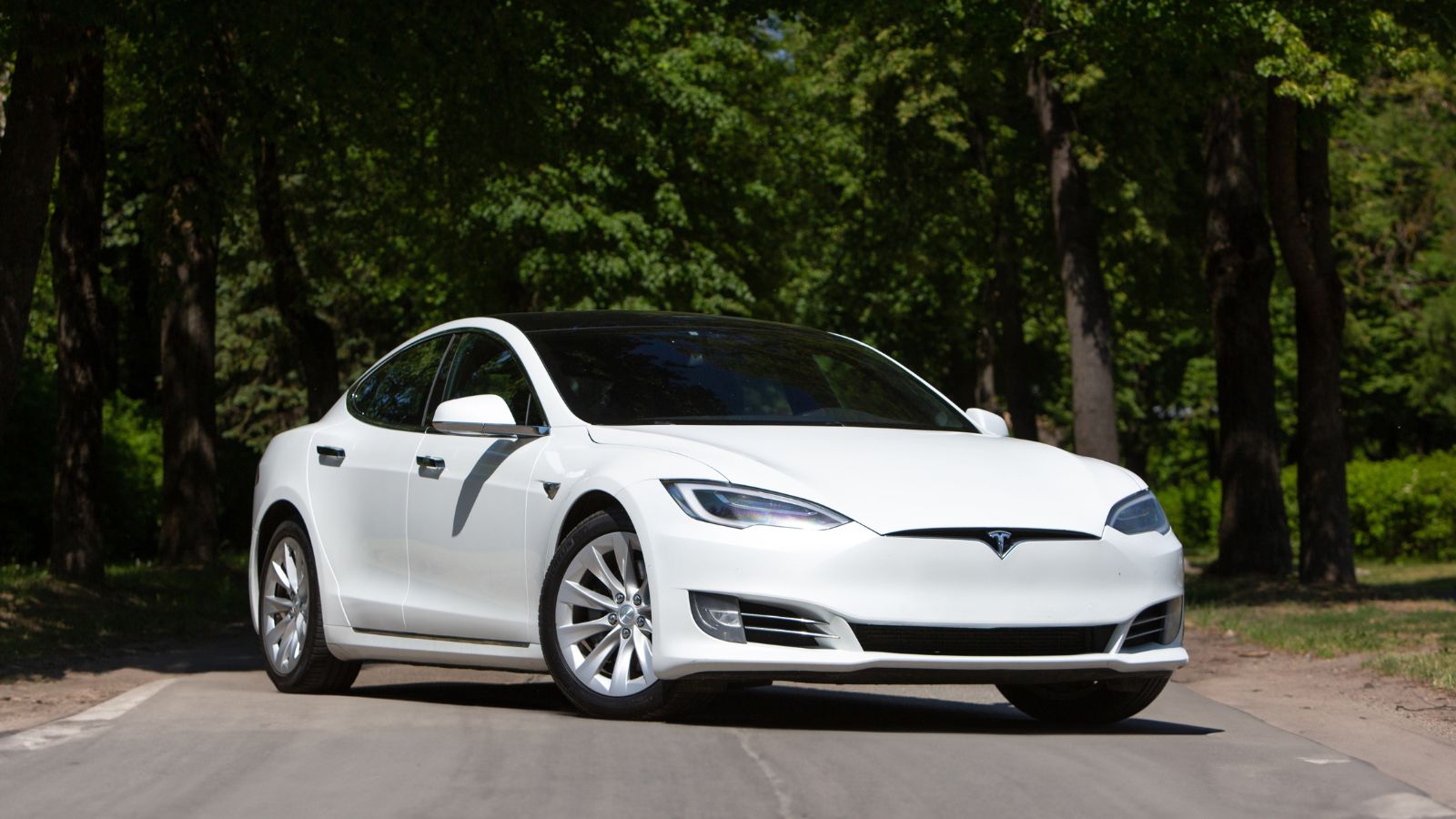
EVs are often promoted as cleaner than gasoline vehicles over their operating life, but battery manufacturing is energy-intensive. The carbon footprint depends on mining, refining, cell production, factory electricity, logistics, and recycling. If parts of the supply chain rely on coal-heavy electricity, the battery starts life with a larger emissions burden than one made with cleaner power. That does not automatically erase the climate benefits of EVs, but it complicates the story.
Chinese-made batteries attract scrutiny because China’s battery industry is enormous and its electricity mix still includes significant fossil-fuel generation, even as renewable energy expands rapidly. Drivers who buy EVs partly for environmental reasons may want proof, not slogans. They may ask where the lithium was refined, how the cathode was processed, how much recycled material was used, and whether a battery passport or verified carbon footprint exists. The concern is not only what comes out of the tailpipe; it is what happened before the car arrived.
Recycling and End-of-Life Plans Still Feel Unsettled
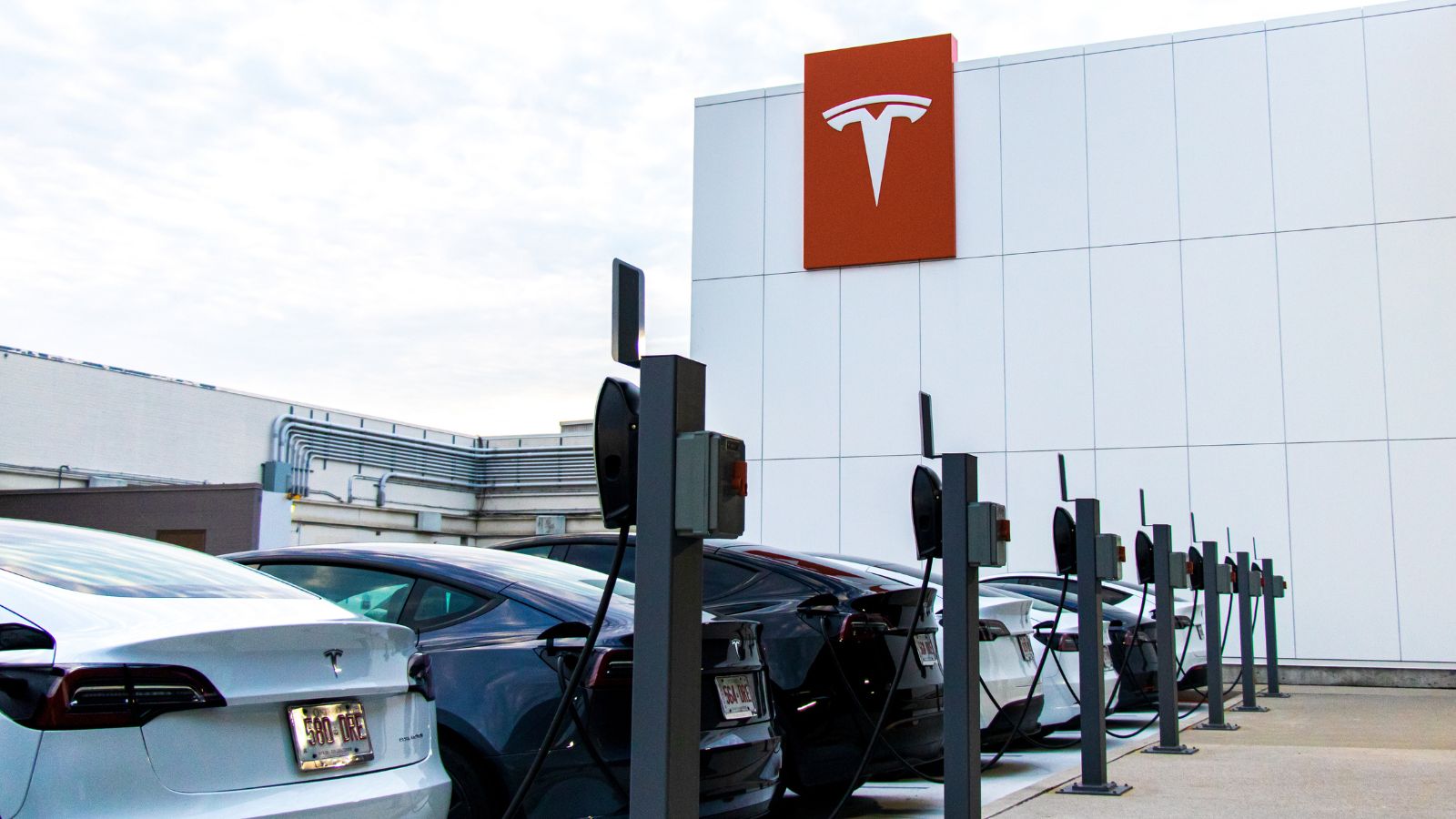
An EV battery does not simply disappear when a car reaches the end of its useful life. Packs may be reused in stationary storage, refurbished, dismantled for materials, or recycled. China has invested heavily in battery recycling and has large companies operating in that space, but many drivers still wonder what happens locally when their own vehicle ages out. A strong recycling industry in another country does not automatically answer questions about collection, transport, cost, and responsibility in the driver’s market.
The unease grows because end-of-life battery systems are still maturing. A driver may keep a car for 12 years, sell it twice, and only then discover whether the pack has a clear recycling pathway. Regulators are pushing for more traceability and producer responsibility, especially in Europe. Until those systems become familiar and easy to understand, many buyers remain unsure whether today’s battery bargain could become tomorrow’s disposal headache.
National Security Concerns Spill Into Consumer Confidence
Most drivers do not think of a battery pack as a national security issue. Yet governments increasingly do. Critical minerals, refining capacity, and battery manufacturing are now treated as strategic assets. The concern is that dependence on one country could create leverage over transportation, energy storage, military supply chains, and industrial competitiveness. Once officials use that language, consumer confidence can shift even if the battery in a driveway is working normally.
This is where perception becomes powerful. A driver may not be worried about espionage through a battery cell itself, but may still worry about software updates, connected-car systems, ownership structures, and long-term parts dependence. The battery becomes symbolic of a larger question: who controls the technology behind modern transportation? Even when the technical risk is limited, the strategic debate can make a personal purchase feel tangled in geopolitics.
The Best Chinese Batteries Challenge Old Assumptions
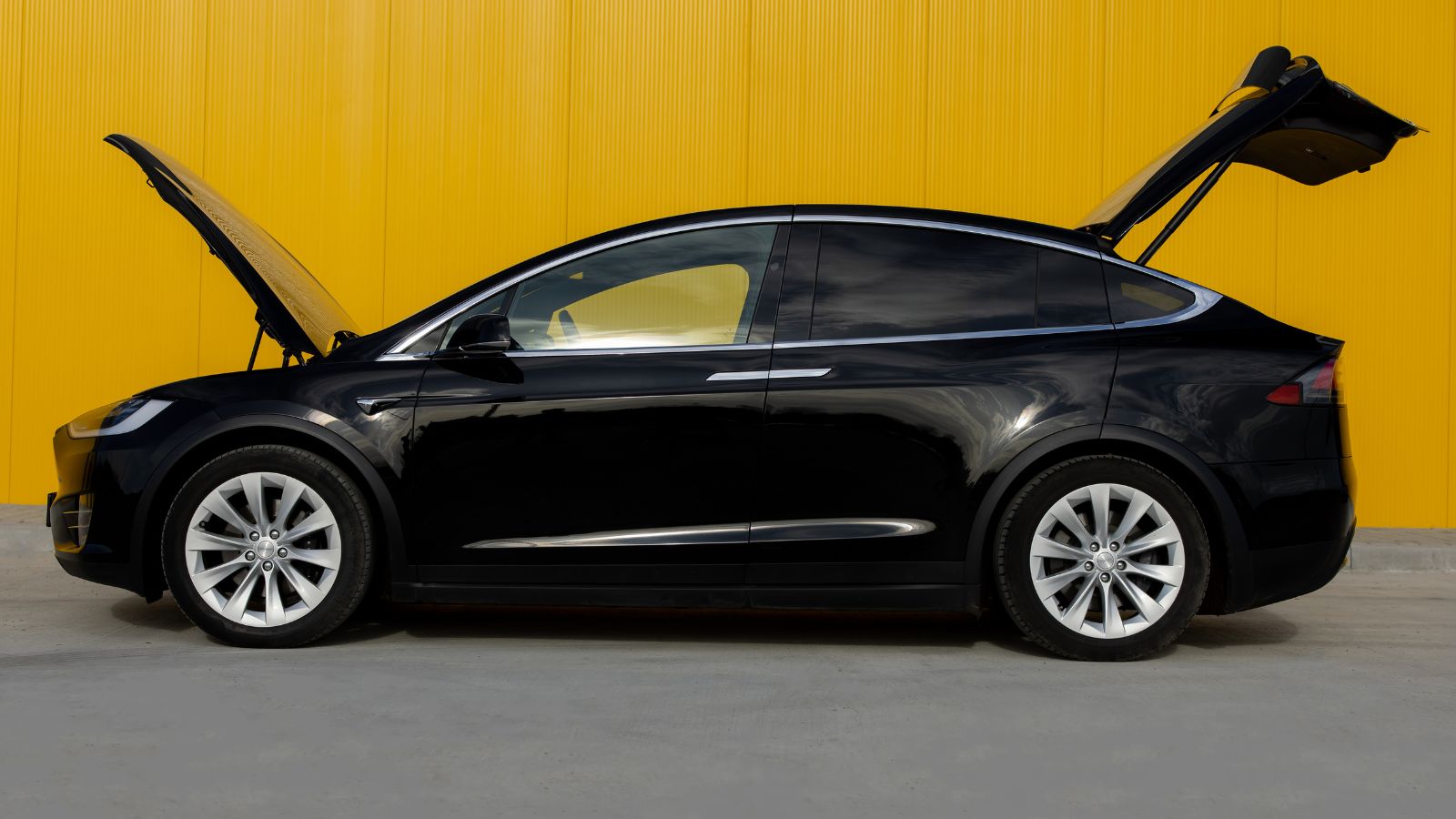
The nervousness around Chinese-made EV batteries can obscure an important reality: some of the world’s most advanced battery manufacturing now comes from China. Chinese firms have pushed LFP adoption, rapid cost reductions, battery-swapping experiments, sodium-ion development, and large-scale production techniques. Their products are used by international automakers because they can be competitive on performance, supply, and price.
That is why the issue is not as simple as “Chinese battery equals risky battery.” A poorly designed pack can come from anywhere, and a well-engineered Chinese pack can outperform a weaker rival. The more useful concern is transparency. Drivers need clear information about chemistry, safety standards, warranty coverage, repairability, sourcing, and real-world degradation. Anxiety usually grows in the absence of answers. When automakers explain exactly what battery is in the car and how it will be supported, the country-of-origin fear becomes easier to separate from genuine risk.
Buyers Want Accountability That Lasts as Long as the Battery
The battery is the heart of an EV, and it can outlast many drivers’ first period of ownership. That makes accountability essential. If a pack fails in year seven, if a recall arrives after resale, or if a software update changes charging behavior, drivers want to know who is responsible: the automaker, the battery supplier, the dealer, the importer, or the government regulator. With Chinese-made batteries crossing borders and brands, that responsibility can feel blurred.
This is why warranties, service networks, and battery documentation matter as much as headline range. A driver does not need every technical detail, but they do need confidence that the company selling the vehicle will stand behind the pack for the long haul. The nervousness around Chinese-made EV batteries is ultimately a trust issue. The technology may be impressive, but trust depends on clear ownership of problems when the showroom glow has faded.
22 Things Canadians Do to Their Cars in Spring That Mechanics Hate

Spring brings relief to many Canadian drivers after months of snow, freezing temperatures, and icy roads that put serious strain on vehicles. As temperatures rise across the country, drivers begin washing cars, switching tires, and preparing vehicles for warmer weather and upcoming road trips. However, mechanics across Canada notice the same mistakes every spring when drivers attempt to recover from winter damage. Road salt, potholes, and harsh winter driving conditions often leave vehicles with hidden problems that drivers ignore. Some spring habits even create new mechanical issues that could have been avoided with proper maintenance. Here are 22 things Canadians do to their cars in spring that mechanics hate.