


























A dealership test drive can feel surprisingly polished: the car is clean, the route is short, and the conversation often moves faster than the steering wheel. That setting can make an average vehicle feel better than it really is, especially when comfort, visibility, braking, technology, and ownership costs are not checked carefully. These 22 mistakes show how small oversights during a test drive can turn into daily frustrations, unexpected repair bills, or regret after the paperwork is signed.
Arriving Without a Clear Plan

Many shoppers step onto the lot knowing the payment they want but not the exact questions the drive needs to answer. That creates an easy opening for a rushed route, vague impressions, and decisions based mostly on looks. A test drive should be treated like a short inspection, not a joyride. Before the keys appear, the buyer should know which roads, speeds, features, and comfort checks matter most.
A practical example is the commuter who only checks acceleration but forgets stop-and-go traffic, parking, child-seat space, or highway noise. Government consumer guidance stresses doing homework before visiting a dealer, including researching options, repair records, safety tests, mileage, insurance, fuel, and maintenance. Without that groundwork, the test drive becomes a performance arranged by the dealership rather than a real-world evaluation.
Letting the Dealer Choose the Entire Route

A common mistake is accepting a short loop around smooth nearby streets and calling it enough. Dealership routes are often convenient, familiar, and low-risk, but they may avoid hills, rough pavement, tight turns, heavy traffic, and highway speeds. That matters because many problems only appear when the vehicle is asked to do something more demanding than cruise gently for ten minutes.
A better drive includes several conditions: neighborhood streets, broken pavement, a moderate hill, a parking lot, and at least one stretch where the car reaches normal highway speed. Automotive inspection guidance from Edmunds notes that a useful inspection route should include hills, bumps, and potholes because those can reveal suspension and engine-performance issues. A vehicle that feels perfect on a dealership frontage road may feel very different on a rough commute.
Driving Only on Smooth Roads

Smooth asphalt can hide more than it reveals. Suspension clunks, tired bushings, loose interior trim, wheel imbalance, and poor body control often show up when the car crosses patchy pavement, railroad tracks, speed bumps, or uneven side streets. Buyers sometimes avoid rough roads because they feel impolite with a salesperson beside them, but a real car has to handle real roads after the sale.
One example is a used SUV that feels quiet at 35 mph but thumps sharply over small potholes because the struts are worn. Another is a sedan that tracks straight on glassy pavement but wanders when the road crown changes. A test drive should not abuse the vehicle, but it should expose it to ordinary surfaces. If the car cannot stay composed on the same kinds of roads it will face daily, the problem should be known before negotiation begins.
Skipping Seat, Mirror, and Steering Adjustments
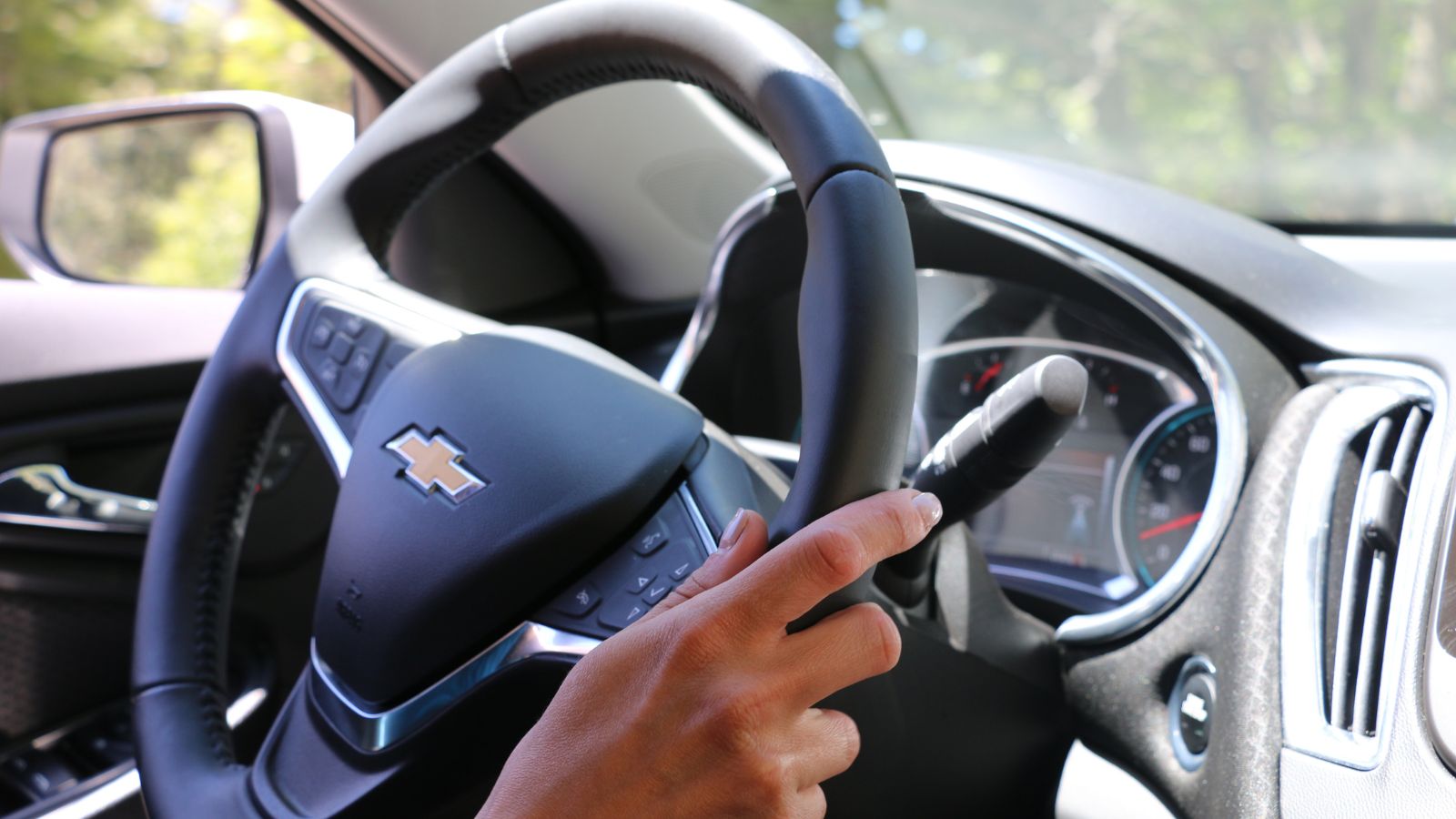
Some shoppers drive the car exactly as it was parked, then judge comfort from a bad setup. That can be misleading. Seat height, steering-wheel reach, pedal distance, mirror angles, and head-restraint position can change visibility, control, and fatigue. A vehicle that feels awkward at first might fit well after adjustment, while another that feels stylish may never allow a safe, relaxed position.
This is especially important when different drivers will share the vehicle. A tall driver and a shorter driver may have very different lines of sight over the hood, through the windshield pillars, and into the mirrors. Driver-fit programs use checklists that include mirror adjustment, foot position, seat position, line of sight, and head-restraint placement. Those details sound minor until a long commute turns into back pain or a blind-spot surprise.
Ignoring Blind Spots and Forward Visibility

Visibility is easy to overlook because shoppers usually focus on screens, leather, horsepower, or monthly payments. Yet the ability to see around windshield pillars, high hoods, side mirrors, and rear corners can affect daily driving from the first week. A buyer should check left turns, lane changes, crosswalks, parking-lot exits, and the view immediately in front of the hood.
This has become more important as vehicles have grown taller and more sculpted. Recent IIHS research linked large driver-side blind zones to a sharply higher risk of striking pedestrians during left turns. Other IIHS work found that forward visibility in several popular models declined over multiple redesign cycles. During a test drive, a shopper should not rely only on cameras and sensors. Direct sightlines still matter when a pedestrian, cyclist, post, or child briefly disappears behind a pillar.
Forgetting to Test the Brakes Properly
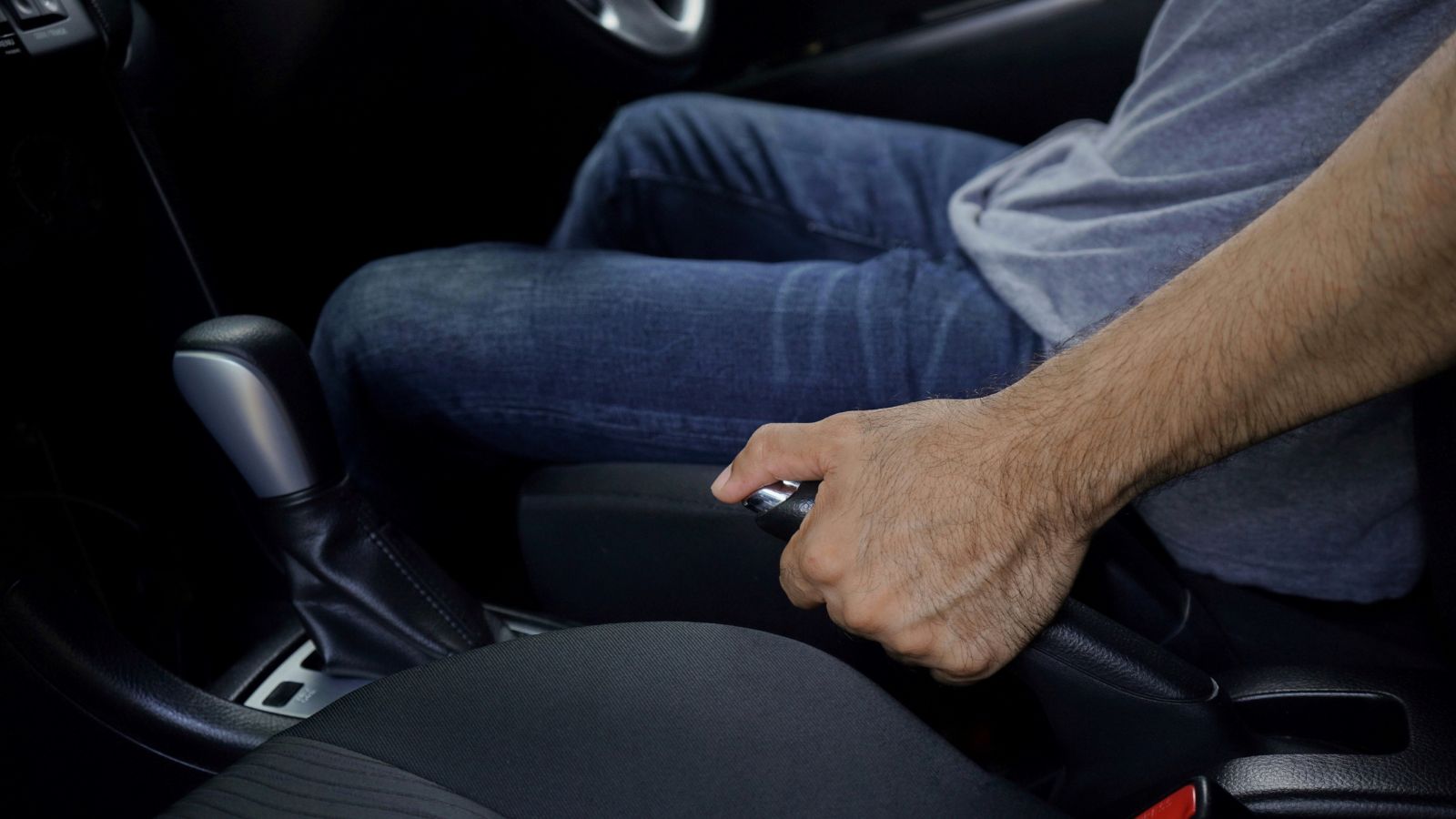
A surprising number of test drives include plenty of acceleration and almost no meaningful braking. That is backwards. Brakes are one of the easiest systems to feel from the driver’s seat. A firm, predictable pedal inspires confidence, while pulsing, grinding, pulling, squeaking, or a soft pedal can point to wear, warped rotors, air in the system, or deferred maintenance.
The test does not need emergency stops in traffic. A few controlled stops from neighborhood speed and one firmer stop in a safe area can reveal whether the car tracks straight and whether the pedal feels consistent. If the steering wheel shakes or the car pulls to one side, the issue deserves inspection. A shiny vehicle with poor braking feel can quickly become expensive, especially if pads, rotors, calipers, or tires all need attention at once.
Overlooking Steering Feel and Alignment Clues
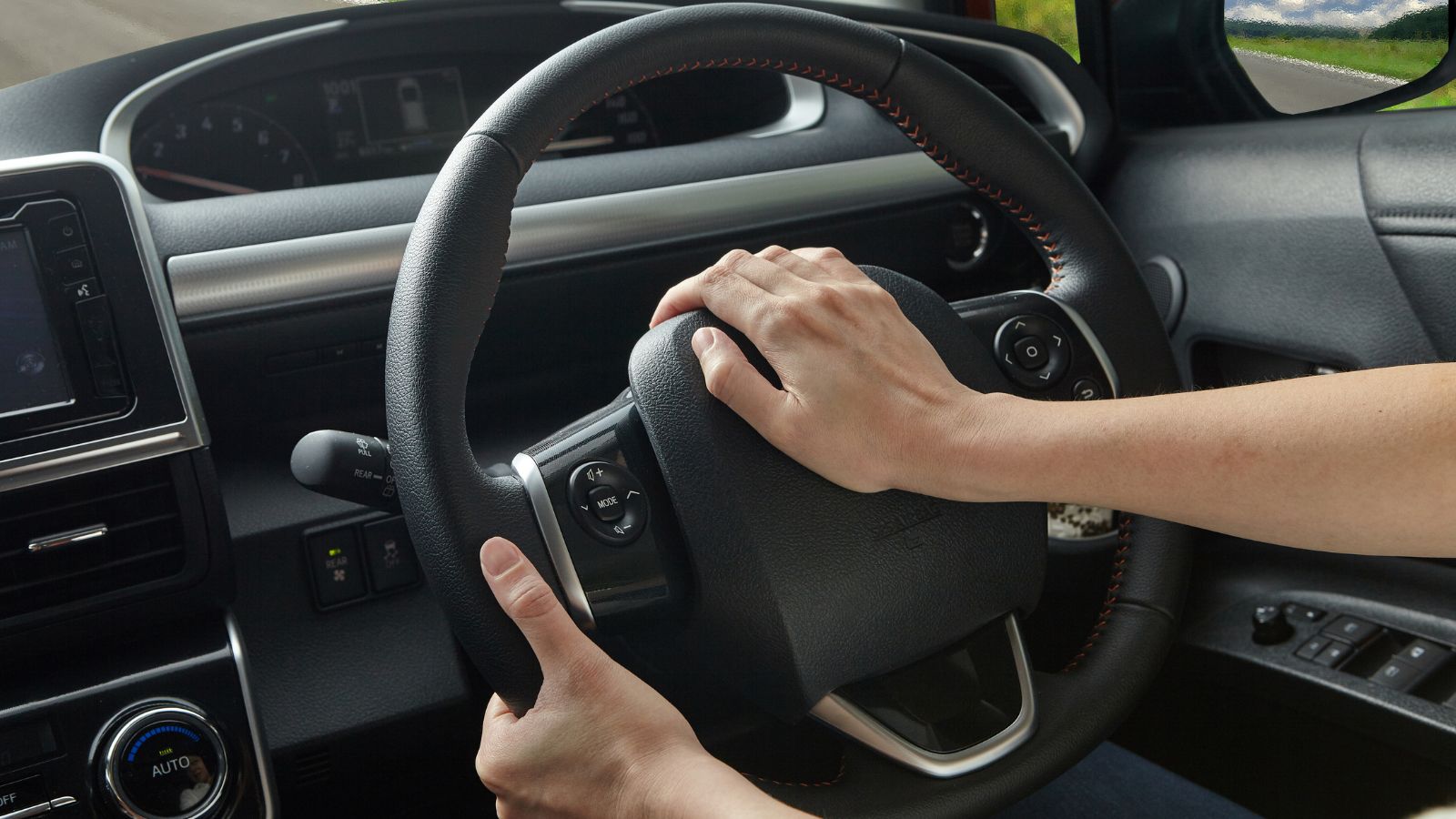
A vehicle’s steering can quietly reveal whether it has been maintained well. During a proper test drive, the wheel should stay centered on a straight, level road, the car should not drift strongly to one side, and the steering should return smoothly after a turn. Wandering, vibration, clunks, or a crooked wheel can point to alignment issues, worn steering components, tire problems, or previous damage.
This mistake often happens because the buyer is chatting with the salesperson instead of feeling what the car is doing. A simple check is to hold the wheel lightly on a safe, straight road and notice whether constant correction is needed. Another is to make slow parking-lot turns and listen for clicking or groaning. Even when the car passes a basic safety check, steering feel can expose problems that affect tire wear, comfort, and confidence.
Treating Acceleration as the Whole Performance Test
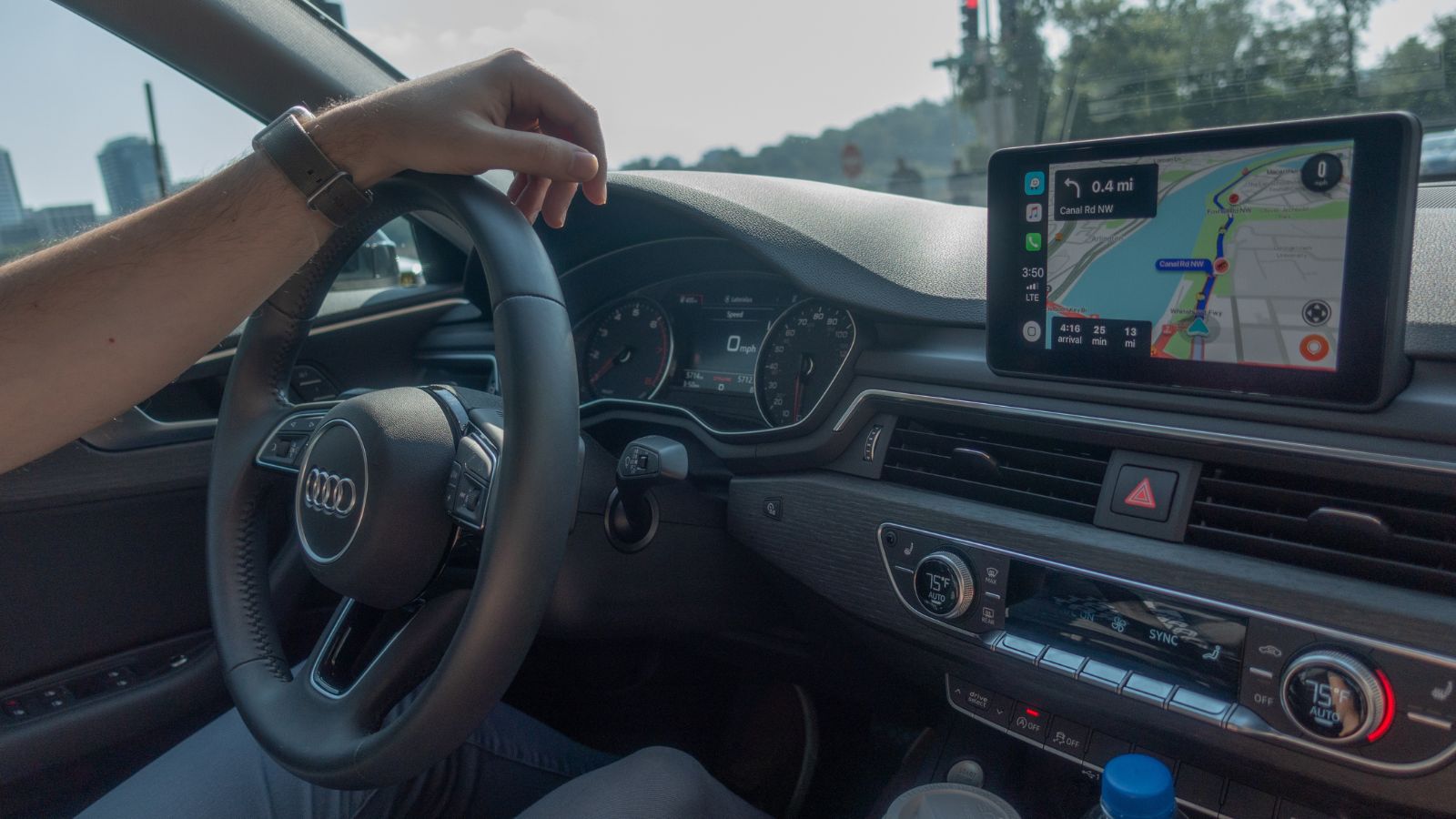
Fast acceleration can create an emotional shortcut. A car that pulls hard from a stop may feel “healthy,” but power alone does not prove the engine, transmission, cooling system, or driveline is in good condition. Some buyers do one dramatic throttle press, smile, and ignore hesitation at low speed, rough idle, delayed shifts, turbo lag, or strange vibrations under load.
A better approach tests several ordinary situations. The car should ease away smoothly from a stop, merge confidently, climb a mild hill without strain, and maintain speed without hunting between gears. For hybrids and electric vehicles, the transition between regenerative braking and friction braking should also feel natural. Real performance is not just about excitement; it is about predictability. A vehicle that is powerful but jerky, noisy, or inconsistent may become tiring in daily driving.
Not Checking the Transmission in Real Traffic

Transmission issues are often subtle during a short, gentle drive. A buyer may not notice delayed engagement, harsh downshifts, shuddering, gear hunting, or hesitation unless the route includes low-speed traffic, rolling stops, moderate acceleration, and highway merging. Continuously variable transmissions, dual-clutch automatics, conventional automatics, and manuals all have different personalities, so the test should focus on smoothness and predictability rather than assumptions.
A useful example is a compact SUV that feels fine once moving but hesitates when turning across traffic from a rolling stop. Another is a used sedan that shifts smoothly cold but jerks after twenty minutes. If the test drive is too short, those patterns may stay hidden. Buyers should also reverse, shift from park to drive, and drive slowly through a lot. Transmission repairs can be expensive, so vague discomfort deserves attention.
Leaving the Radio On
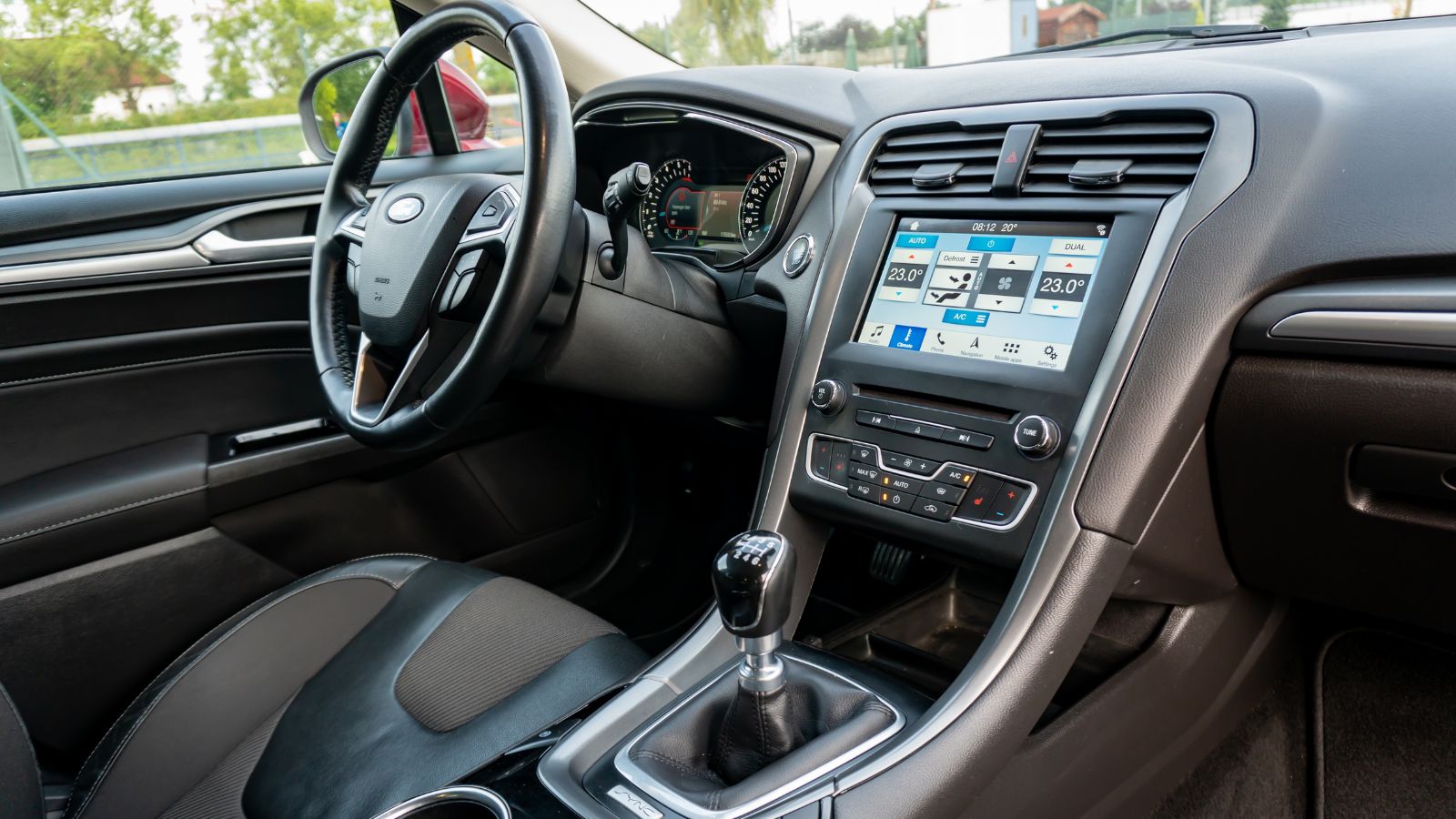
Music can hide the exact sounds a shopper needs to hear. The cabin should be quiet enough to detect wheel-bearing hum, suspension rattles, brake squeal, exhaust leaks, wind noise, engine ticking, and interior buzzes. Many buyers turn on the audio system immediately because it is part of the vehicle experience, but the first part of the drive should happen with the stereo off and the climate fan low.
This does not mean the audio system should be ignored. It should be tested later, along with phone pairing and controls. But first, the car needs a quiet evaluation. A faint hum that grows with speed may become a costly bearing issue. A rattle over bumps may signal trim, suspension, or hatch-latch problems. Once a buyer owns the vehicle, those noises rarely become less annoying.
Ignoring Tires and Warning Lights
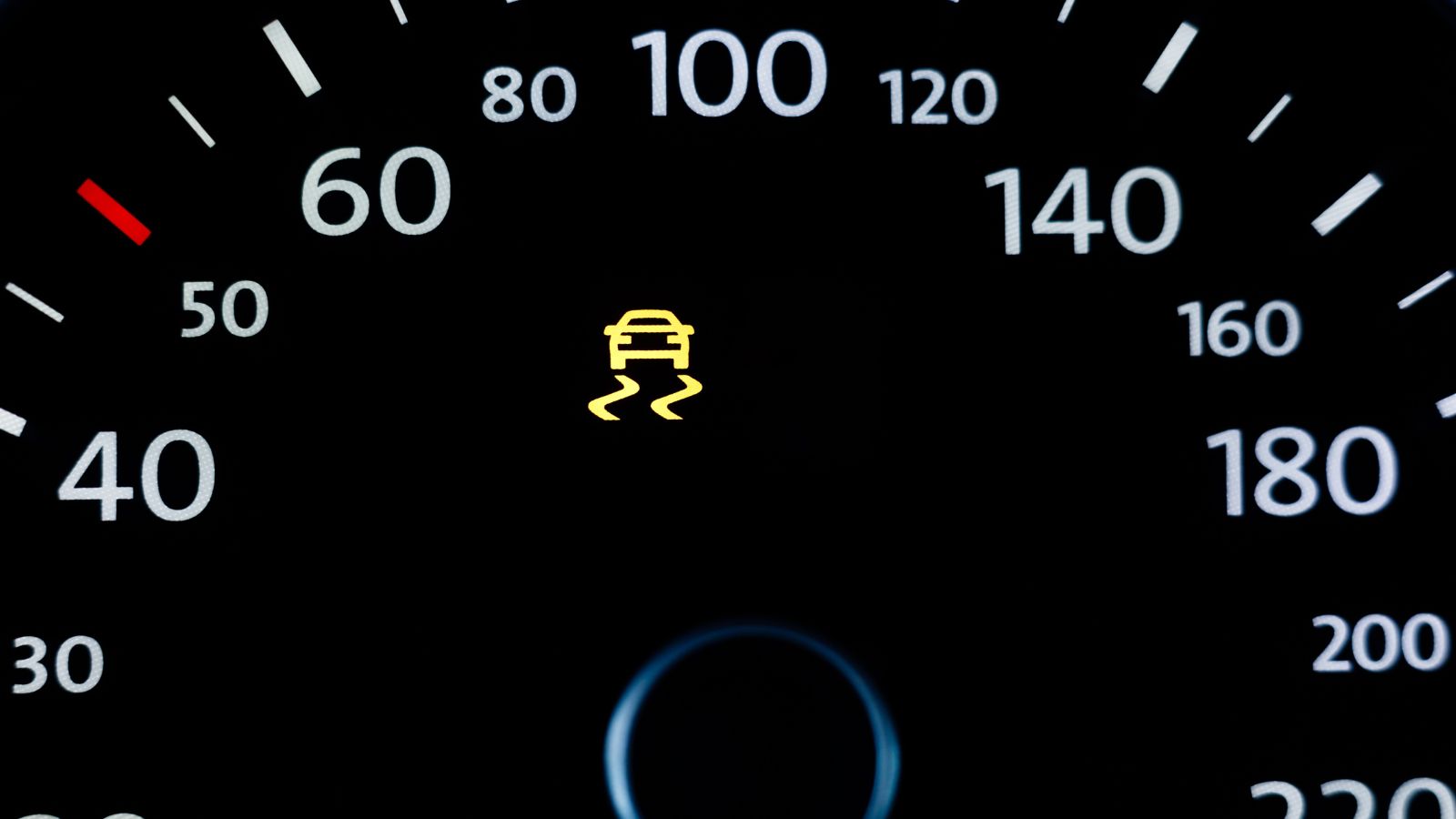
Tires are easy to underestimate because they sit outside the cabin, but they affect braking, handling, ride comfort, road noise, and fuel use. A buyer should check tread depth, uneven wear, age, mismatched brands, sidewall damage, and the tire-pressure warning light before and after driving. Uneven wear can hint at alignment or suspension problems, while mismatched tires can change how an all-wheel-drive system behaves.
The tire-pressure monitoring light deserves special attention. NHTSA explains that the TPMS warning means at least one tire is significantly underinflated, and underinflated tires can be visually difficult to detect. A warning light on a dealer lot may be brushed off as “just a sensor,” but it could also indicate a leak, neglected maintenance, or a malfunctioning monitoring system. Tires are not just consumables; they are part of the safety inspection.
Assuming Driver-Assistance Tech Works Like Magic
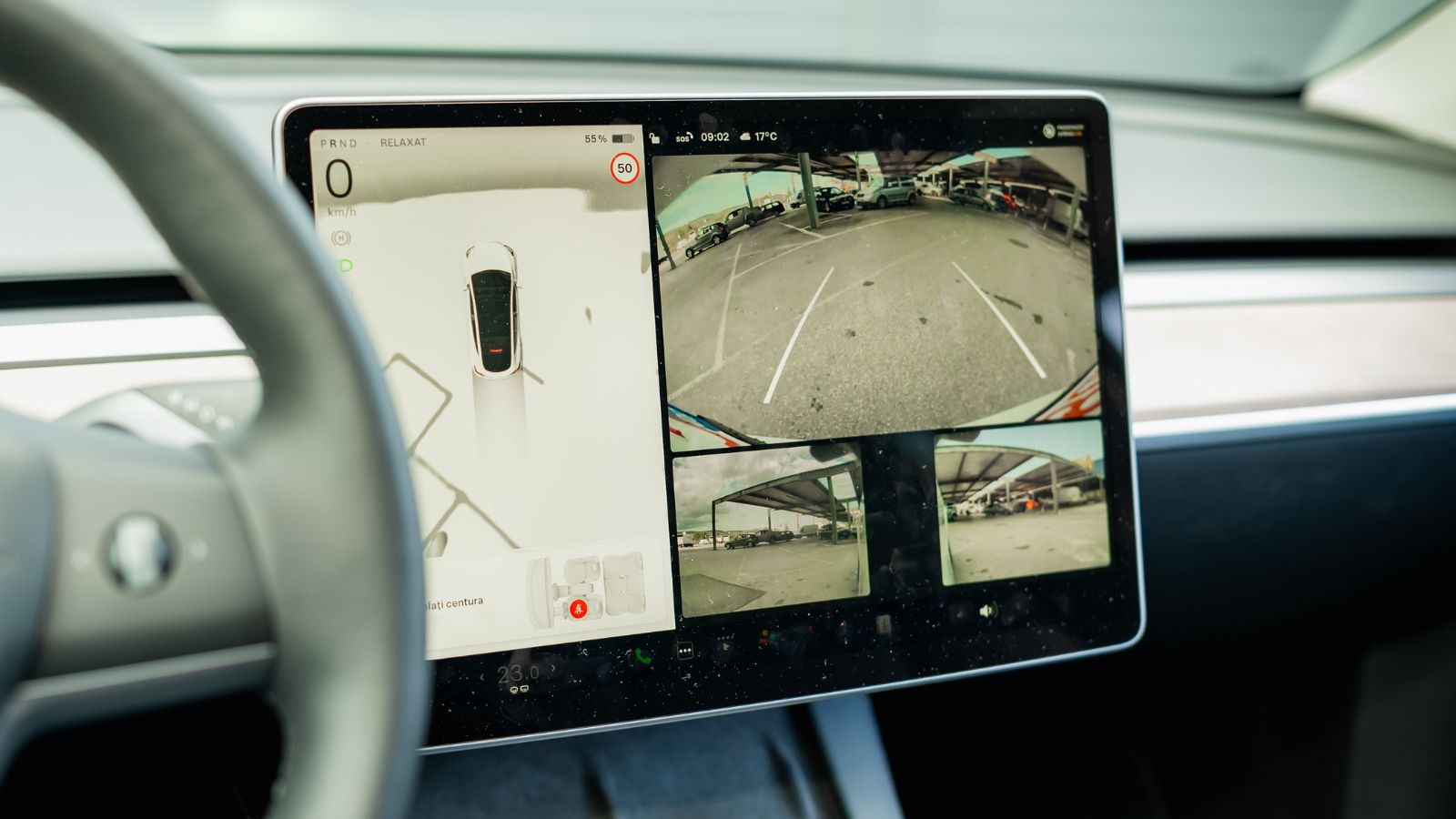
Advanced driver-assistance systems can make a vehicle feel modern, but they can also create false confidence. Lane keeping, adaptive cruise control, blind-spot monitoring, rear cross-traffic alerts, and automatic emergency braking all have limits. During a test drive, shoppers should ask what systems are installed, whether they are standard or optional, how alerts appear, and whether any sensors or cameras have warning messages.
Research from AAA has shown that experienced users of driver-assistance systems may become more distracted when those systems are active. NHTSA also emphasizes that many features are assistive and still require the driver to steer, brake, accelerate, monitor, and remain fully engaged. A test drive should confirm whether the technology feels helpful or intrusive. A system that constantly beeps, tugs the wheel unexpectedly, or confuses the driver may become a daily irritation.
Not Testing Infotainment and Phone Pairing
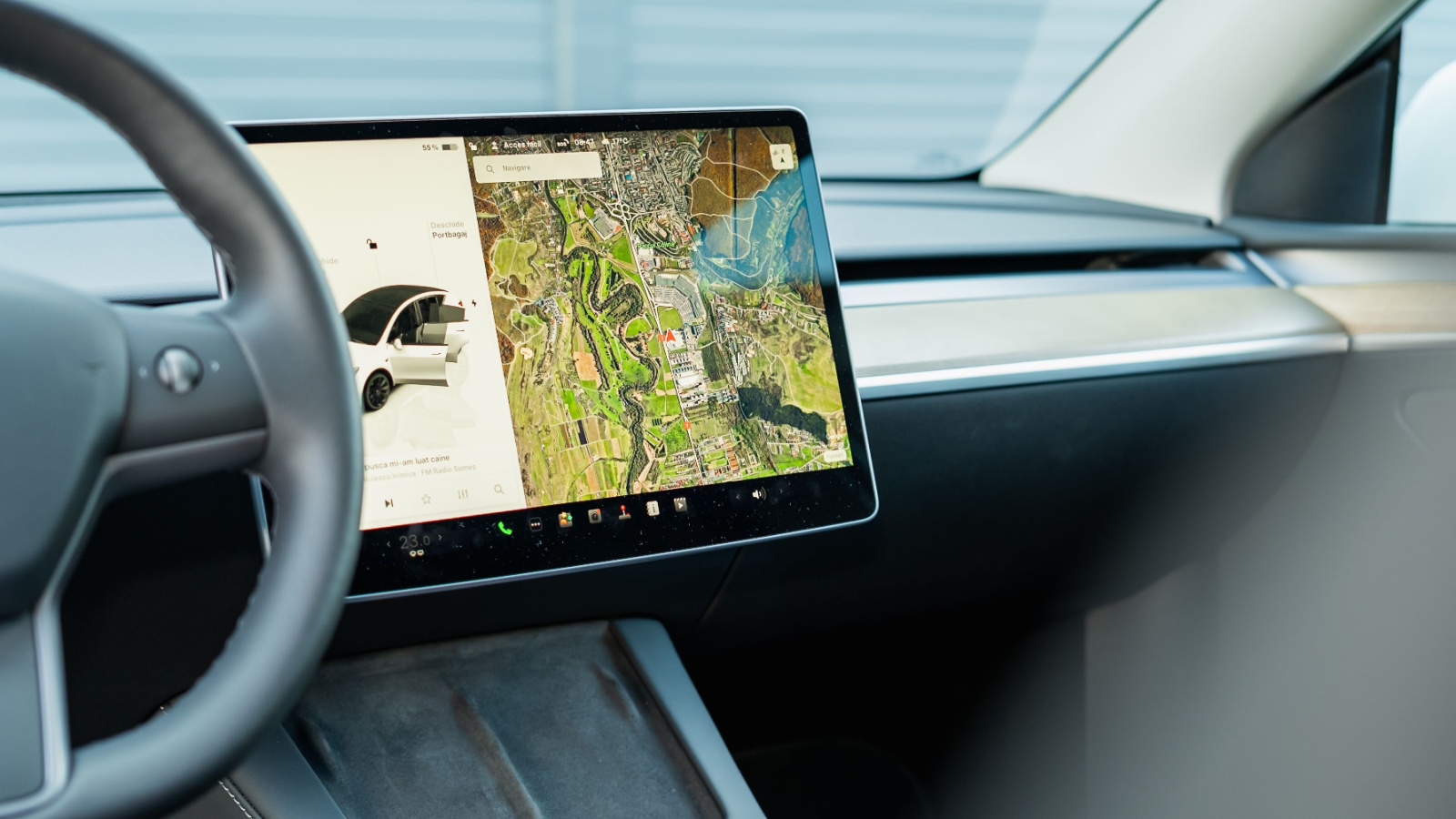
Modern vehicles are increasingly judged by screens, menus, voice commands, phone integration, and software updates. Yet many buyers leave these systems untested until after delivery. That can be a costly oversight because infotainment problems are among the most common owner complaints in modern dependability studies. A buyer should pair a phone, place a call, test navigation, check charging ports, and try the controls used most often.
The test should be done while parked first. AAA Foundation research found navigation and texting tasks through in-vehicle systems can create high visual and cognitive demand, and it recommends programming navigation before driving. During the drive, controls should be simple enough to use without hunting through menus. A beautiful touchscreen that distracts from the road can sour ownership quickly, especially for commuters who depend on maps, calls, and audio every day.
Skipping Parking and Reversing Maneuvers
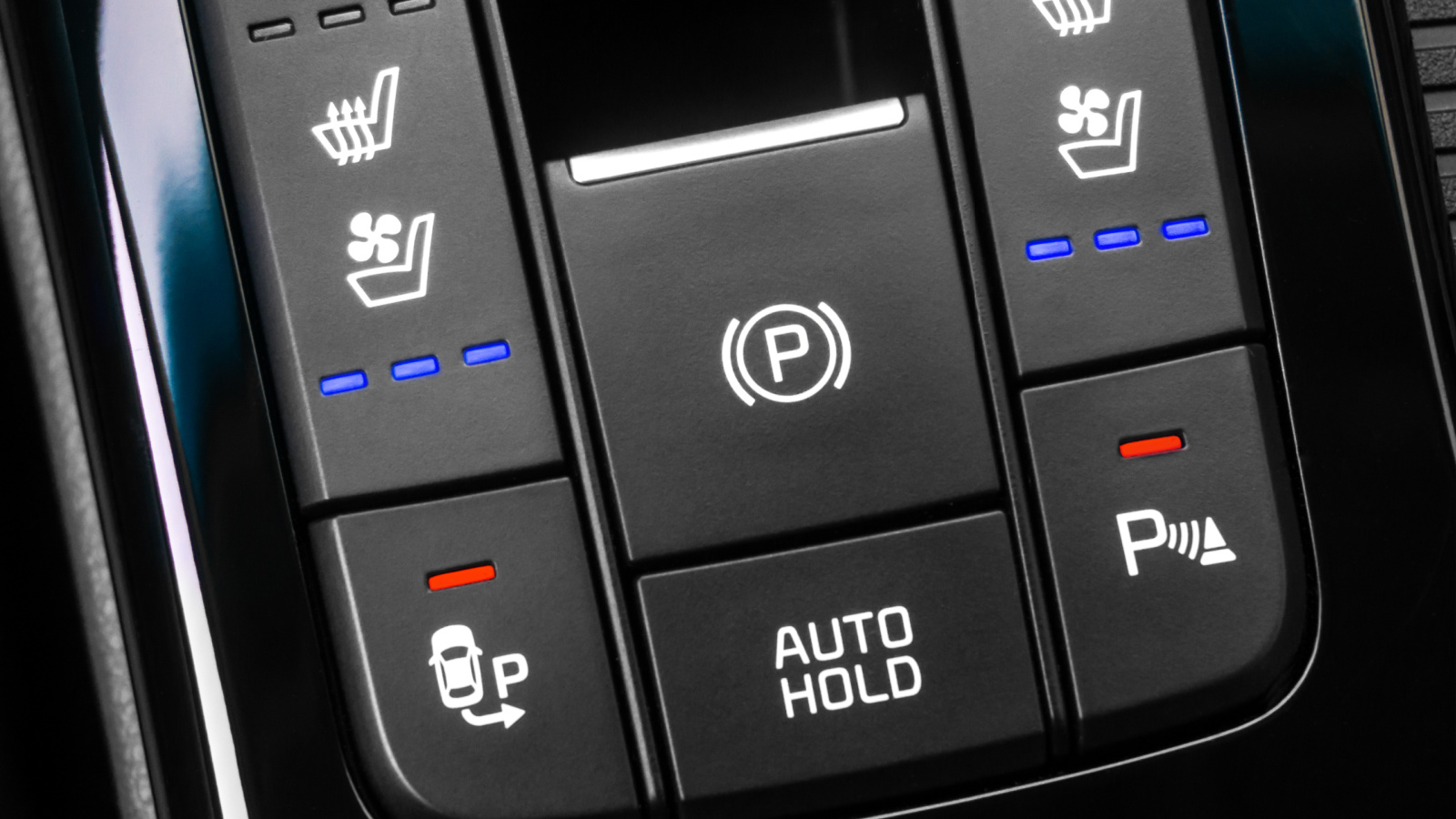
A vehicle may feel excellent on the road but awkward in the places where drivers use it most: driveways, garages, school pickup lines, and crowded parking lots. The test drive should include parallel parking, backing into a space, turning tightly, checking camera clarity, and judging how easy it is to place the corners of the vehicle. Large wheels, high beltlines, thick pillars, and sloping rear glass can all affect confidence.
Backup cameras are valuable, but they do not remove the need for judgment. Rearview video systems became required on new vehicles in the United States beginning in 2018, and NHTSA describes them as a tool to help prevent backover crashes by showing what is behind the vehicle. During a test drive, the buyer should check lens clarity, guide lines, low-light visibility, and whether sensors react smoothly rather than suddenly.
Forgetting Headlights and Nighttime Driving
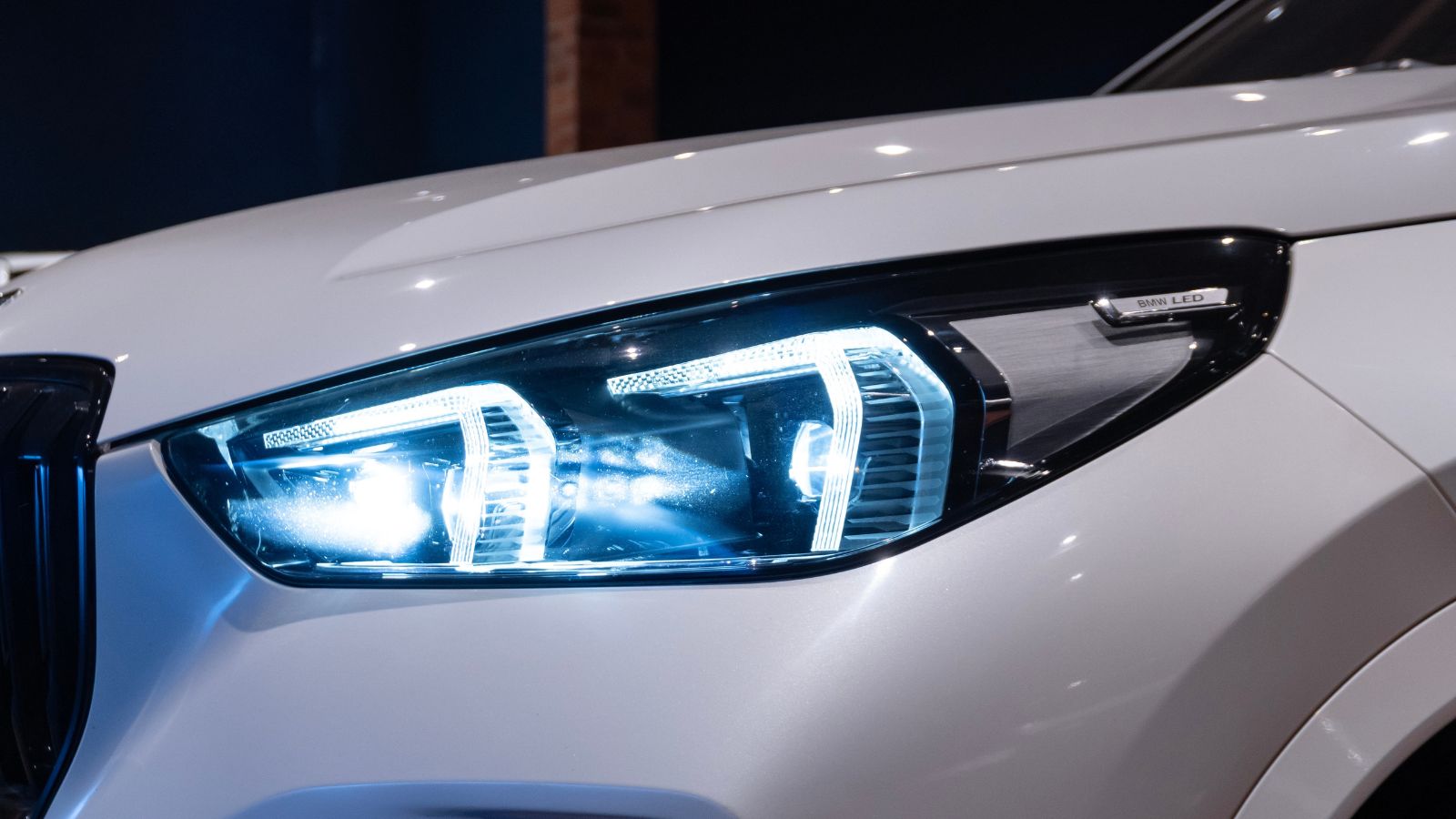
Most dealership test drives happen in daylight, which can make headlight quality an afterthought. That is a mistake for anyone who commutes early, drives rural roads, or parks in dim lots. Headlight reach, glare, beam pattern, automatic high beams, dashboard brightness, and mirror glare all affect nighttime confidence. A shopper who cannot test at night should at least inspect the lighting system carefully and research the model’s headlight ratings.
IIHS research has connected better headlight visibility ratings with fewer nighttime crashes in several categories. The difference can be meaningful because two vehicles with similar prices and equipment may perform very differently after sunset. Headlights are also expensive on many newer vehicles, especially LED or adaptive units. A weak or damaged lighting system should never be dismissed as a cosmetic concern.
Ignoring Fuel Economy Clues During the Drive

A test drive is too short to prove real-world fuel economy, but it can reveal how a vehicle encourages or punishes certain driving habits. Heavy throttle response, gear hunting, excessive engine noise, large roof accessories, or unnecessary weight can all affect efficiency. The buyer should watch the trip computer cautiously, reset it if allowed, and compare expectations with official ratings rather than trusting a quick dashboard number.
Fuel use is strongly influenced by behavior. Federal efficiency guidance notes that aggressive driving can lower gas mileage substantially at both highway speeds and in stop-and-go traffic. FuelEconomy.gov also notes that roof cargo and extra weight can reduce efficiency. During a test drive, a vehicle that requires constant hard acceleration to feel normal may cost more than expected. The cheapest monthly payment can lose its appeal when fuel stops become more frequent.
Not Bringing Real Passengers or Everyday Gear

A solo test drive can hide space problems. The driver may feel comfortable, but children, adults in the second row, pets, sports bags, strollers, work tools, or mobility equipment may not fit well. Shoppers often discover the problem only after purchase, when the rear-facing child seat forces the front passenger seat too far forward or the cargo floor sits higher than expected.
Families should be especially careful. NHTSA advises selecting a car seat based on a child’s age and size, choosing one that fits the vehicle, and checking manufacturer instructions and the vehicle owner’s manual. It also notes that not all car seats fit all vehicles. A dealership visit is the right time to test the actual seat, stroller, crate, or gear. Guessing from cargo-volume numbers rarely captures real daily use.
Failing to Check Climate Control Under Load
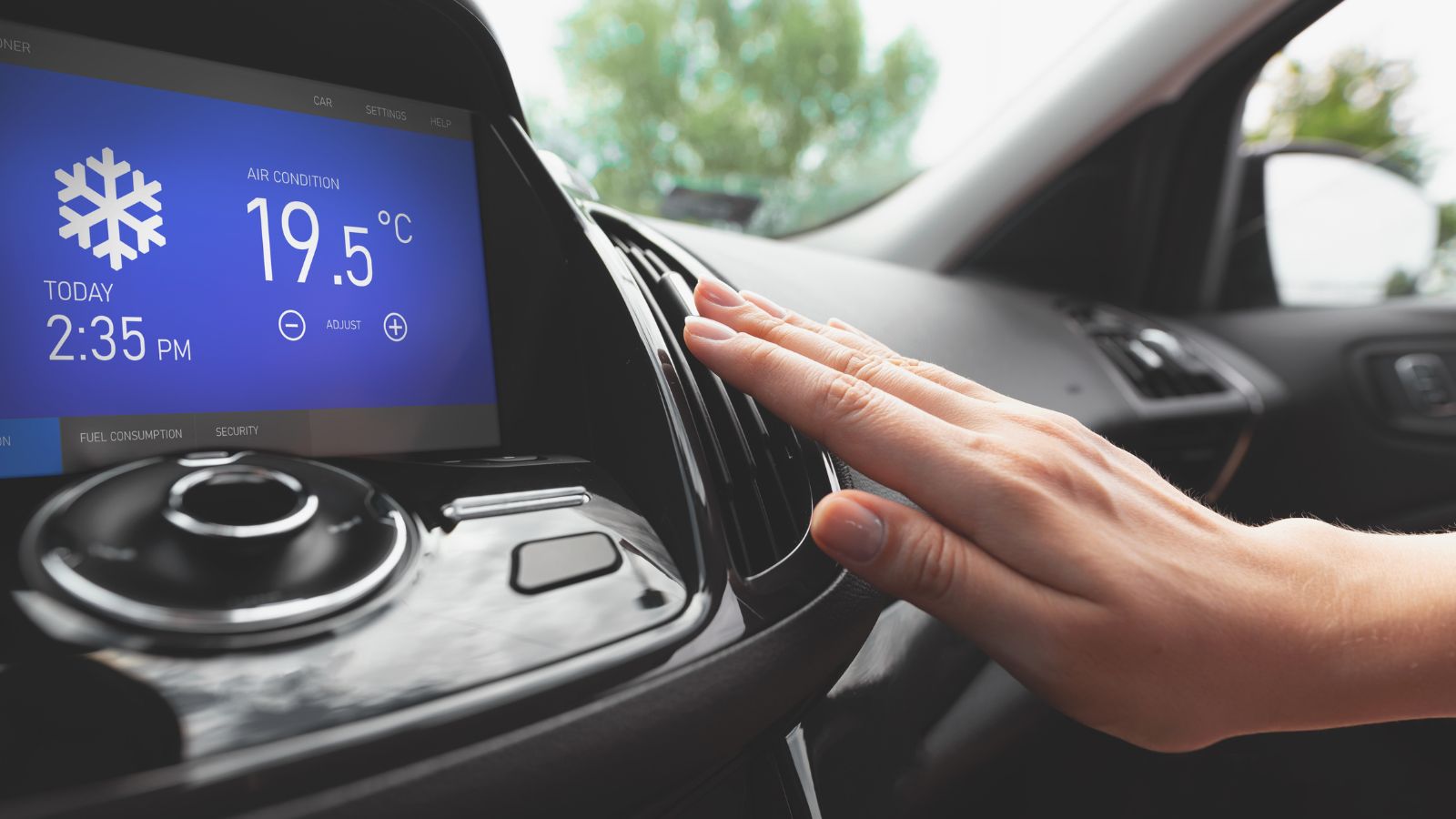
Heating, air conditioning, defogging, heated seats, ventilated seats, and rear vents can be deal-breakers, but many shoppers only tap the climate buttons briefly. A proper check lets the system run long enough to confirm that air comes from the correct vents, temperature changes quickly, fan speeds work, and the windshield clears. Unusual odors, weak airflow, clicking actuators, or inconsistent cooling deserve attention.
This matters because climate problems can be both inconvenient and expensive. A family vehicle with weak rear air can make summer trips miserable, while a car with poor defogging can be stressful in rain or winter. The buyer should test the system while idling and while moving, because some problems appear only at low engine speed or under acceleration. Comfort features are not luxury details when they affect visibility and daily usability.
Trusting a Clean Interior Too Much
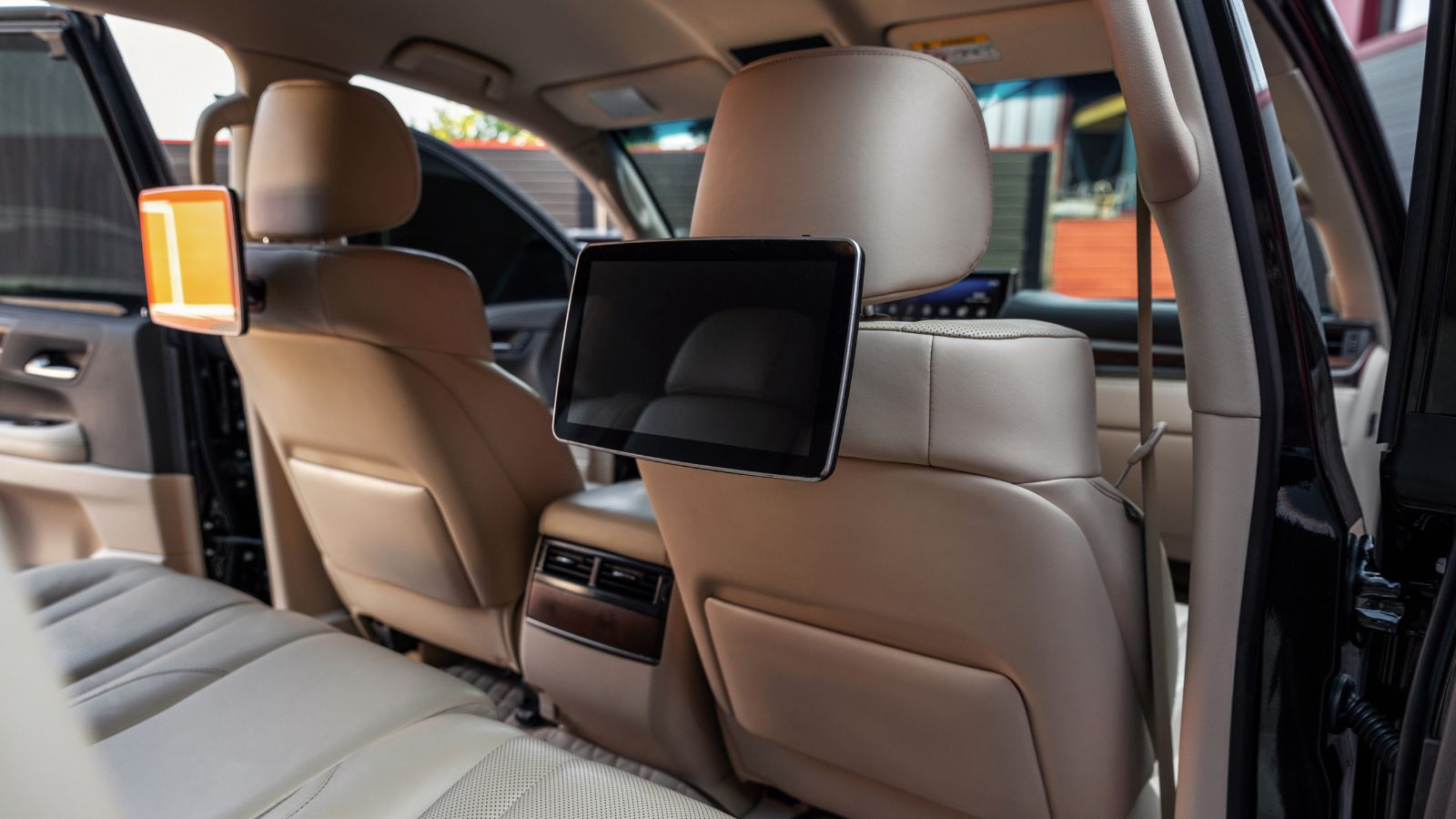
Detailing can create the impression of careful ownership. A polished cabin, fresh scent, and shiny tires can make a used vehicle feel newer than it is. But cleanliness does not prove maintenance, accident history, recall status, or mechanical condition. A buyer should enjoy a clean presentation while still checking wear patterns, seat bolsters, pedals, steering wheel shine, carpet dampness, mismatched trim, and odors that return after the fan runs.
A common example is a vehicle that has been deodorized after water intrusion. It may smell pleasant on the lot, yet damp carpet, foggy glass, or musty air from the vents can suggest a deeper issue. Another is a car with brand-new floor mats hiding uneven carpet wear. The test drive should look past the staging. Dealers are skilled at presentation; buyers need to focus on evidence.
Ignoring the Buyers Guide, Warranty, and “As Is” Language

The emotional momentum of a good test drive can make paperwork feel like a formality. That is risky, especially with used vehicles. The Buyers Guide, warranty terms, return policy, service-contract details, and “as is” language can matter more than what the salesperson says casually during the drive. A promise made verbally may not help later if it never appears in writing.
FTC guidance says dealers must display a Buyers Guide on used vehicles offered for sale and that it tells buyers whether the vehicle is sold “as is” or with a warranty. It also advises getting promises in writing and understanding what percentage of repair costs the dealer will pay under warranty. A smooth test drive should never replace document review. The car may feel good today, but the paperwork decides who pays tomorrow.
Forgetting to Check Recalls and Safety Ratings

A test drive can reveal how a vehicle feels, but it cannot reveal every safety issue. Open recalls, crash-test results, and safety ratings should be checked separately using the vehicle identification number and trusted safety databases. Some buyers assume a dealer would never offer a vehicle with unresolved safety concerns, but recall rules and used-car practices can be more complicated than that.
NHTSA allows consumers to search recalls by VIN and explains that the result can show whether a specific vehicle needs recall repair. NHTSA’s 5-Star Safety Ratings also help shoppers compare crash performance and safety information. A buyer should use the test drive to collect the VIN, confirm trim details, and research the exact vehicle. A car that drives well but has unresolved safety work still requires a clear plan before purchase.
Treating Dealer Certification as a Substitute for Inspection

Certified, inspected, and reconditioned do not always mean problem-free. Those labels can be useful, but they should not replace an independent inspection, especially on a used vehicle with expensive electronics, turbocharging, all-wheel drive, or unknown history. A dealership inspection may confirm that the car meets its sales standard, while an independent mechanic works for the buyer’s interest.
The FTC states that a vehicle history report is not a substitute for an independent mechanical inspection because reports may not list mechanical problems. Edmunds also notes that prepurchase inspections often check more than 100 points and can reveal hidden issues with the body, frame, engine, equipment, tires, brakes, and trouble codes. If a dealer resists a reasonable inspection request, that hesitation should carry more weight than any sales pitch.
Letting Emotion Override Daily Practicality

A test drive can create a quick attachment. The steering wheel feels right, the color looks perfect, and the salesperson mentions that another buyer is interested. In that moment, practical concerns can fade: insurance, fuel, tires, parking, seat comfort, visibility, technology irritation, and repair costs. The mistake is not feeling excited; the mistake is letting excitement end the evaluation.
A useful rule is to separate emotional appeal from daily fit. The car can be enjoyable and still wrong for the driver’s routine. A sporty vehicle may punish rough commutes. A large SUV may feel commanding but stressful in a tight garage. A luxury model may have premium features but higher repair exposure. The best test drive ends with notes, not just a feeling. A buyer should know what worked, what worried them, and what needs verification.
Failing to Compare Notes Before Negotiating

Many buyers step out of the car and immediately start discussing price. That gives the dealership control of the next phase before the buyer has organized impressions. A stronger approach is to pause, write notes, compare the vehicle against alternatives, and separate fixable issues from deal-breakers. The test drive should produce evidence, not just enthusiasm.
Notes should include braking feel, steering behavior, visibility, seat comfort, technology usability, tire condition, warning lights, noise, cargo fit, and unanswered questions. If several vehicles are being considered, the same checklist should be used for each one. This turns the process from a memory contest into a comparison. A buyer who can say, “The brakes pulsed, the rear visibility was poor, and the warranty language needs review,” is much harder to pressure than one who only says, “It drove nice.”
22 Things Canadians Do to Their Cars in Spring That Mechanics Hate

Spring brings relief to many Canadian drivers after months of snow, freezing temperatures, and icy roads that put serious strain on vehicles. As temperatures rise across the country, drivers begin washing cars, switching tires, and preparing vehicles for warmer weather and upcoming road trips. However, mechanics across Canada notice the same mistakes every spring when drivers attempt to recover from winter damage. Road salt, potholes, and harsh winter driving conditions often leave vehicles with hidden problems that drivers ignore. Some spring habits even create new mechanical issues that could have been avoided with proper maintenance. Here are 22 things Canadians do to their cars in spring that mechanics hate.