A vehicle can look ordinary on a driveway in Toronto, Brampton, Montréal, Laval, Calgary, or Edmonton, yet be treated as a serious financial risk by insurers. The problem is rarely one simple factor. Theft networks, replacement costs, repair complexity, postal-code claims history, and limited insurer appetite can all collide at once.
This piece explains 12 reasons some vehicles become nearly impossible to insure in certain Canadian cities, especially when a popular SUV, pickup, or luxury model sits in a high-theft area with costly parts, weak recovery odds, or strict anti-theft requirements.
High-Theft Models Trigger the First Red Flag
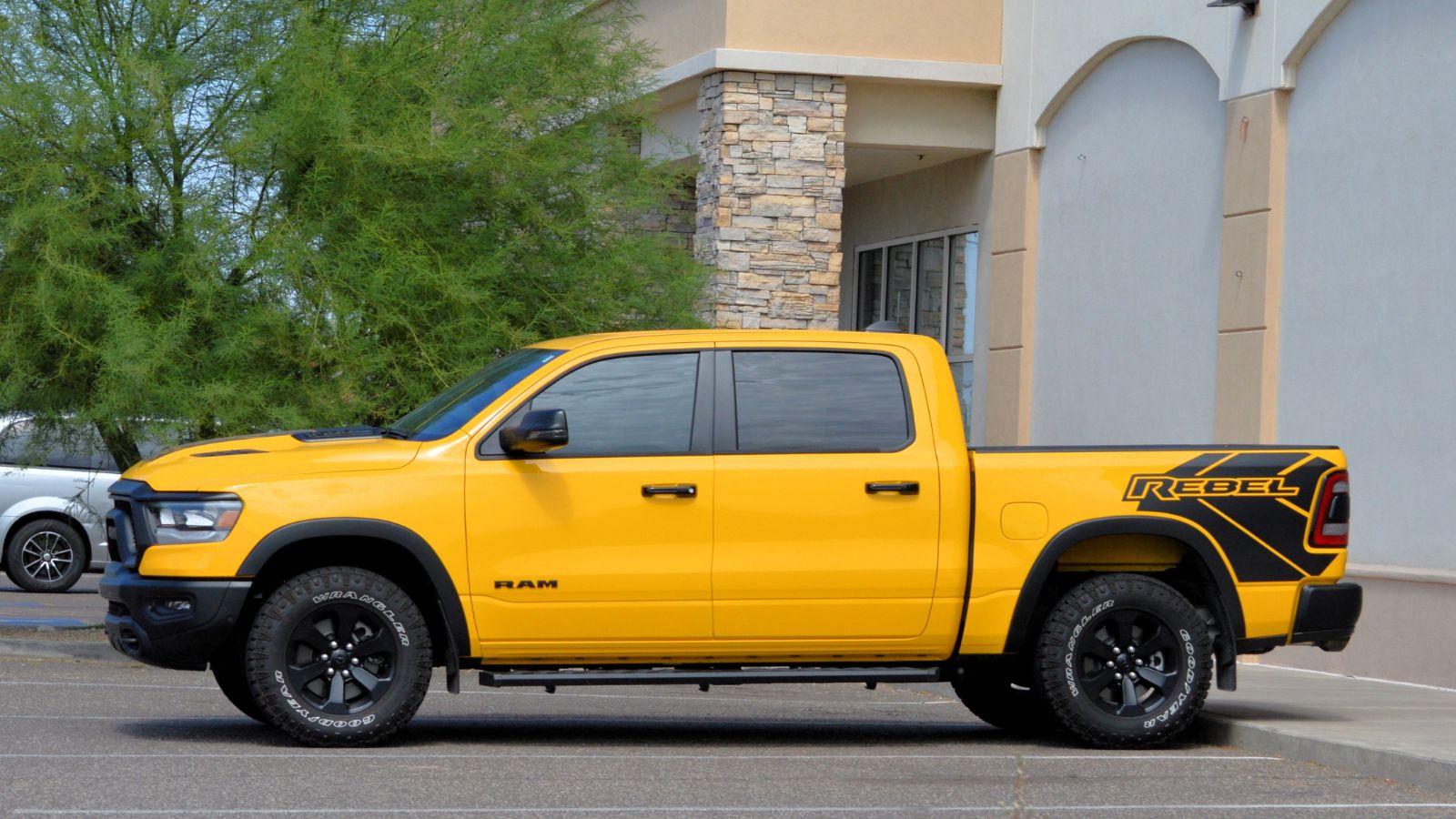
Certain vehicles become difficult to insure because insurers see the same models appearing repeatedly in theft claims. Popular SUVs and pickups are especially exposed because they are common enough to blend into traffic but valuable enough to attract organized theft networks. A driver shopping for a Toyota RAV4, Honda CR-V, Lexus RX, Toyota Highlander, Ram 1500, or Ford F-150 may discover that the model itself carries baggage before personal driving history is even considered.
That can feel unfair to careful owners with clean records. Still, insurance pricing is built around expected losses, not only individual behaviour. When a model is stolen frequently, insurers may raise premiums, require added security, increase deductibles, or limit appetite for new policies. In some cities, the quote problem begins the moment the vehicle identification number reveals a model already associated with repeated claims.
Postal Codes Can Make the Same Vehicle Look Riskier
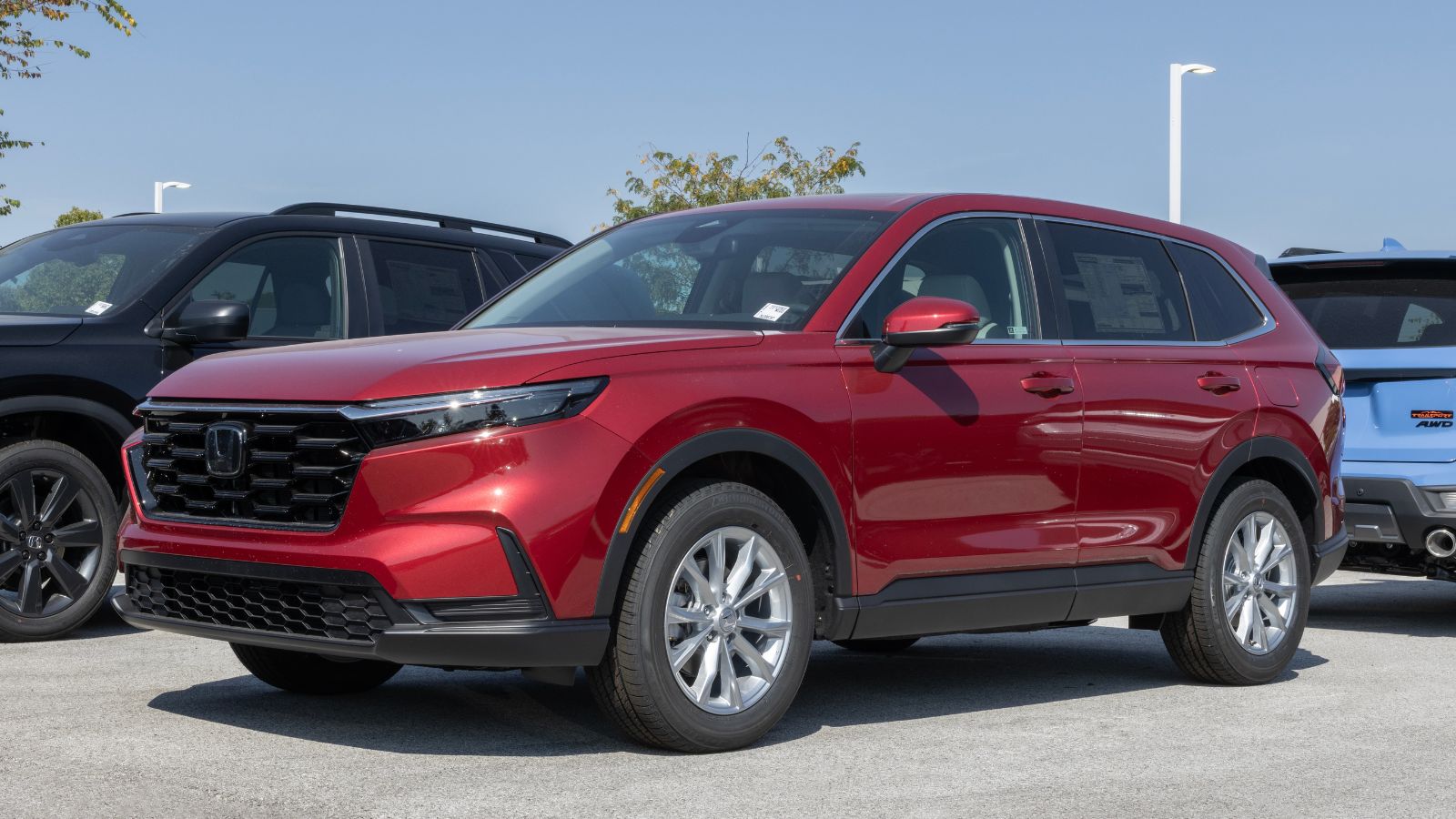
The same vehicle can receive very different treatment depending on where it is parked overnight. A family SUV in a quiet rural community may look manageable to an insurer, while the same SUV in a dense GTA neighbourhood can be priced as a much larger risk. That is because insurers evaluate location alongside driver record, vehicle use, claims history, theft exposure, and local repair costs.
This is why certain Canadian cities develop reputations for punishing quotes. Toronto, Brampton, and Mississauga have remained among Ontario’s costliest cities for auto theft claims, while GTA-wide average premiums sit far above rural Ontario averages. For owners, the frustrating part is that moving a few postal-code zones can change the available quotes. The vehicle has not changed, but the local claims environment has.
Comprehensive Coverage Can Be the Deal-Breaker
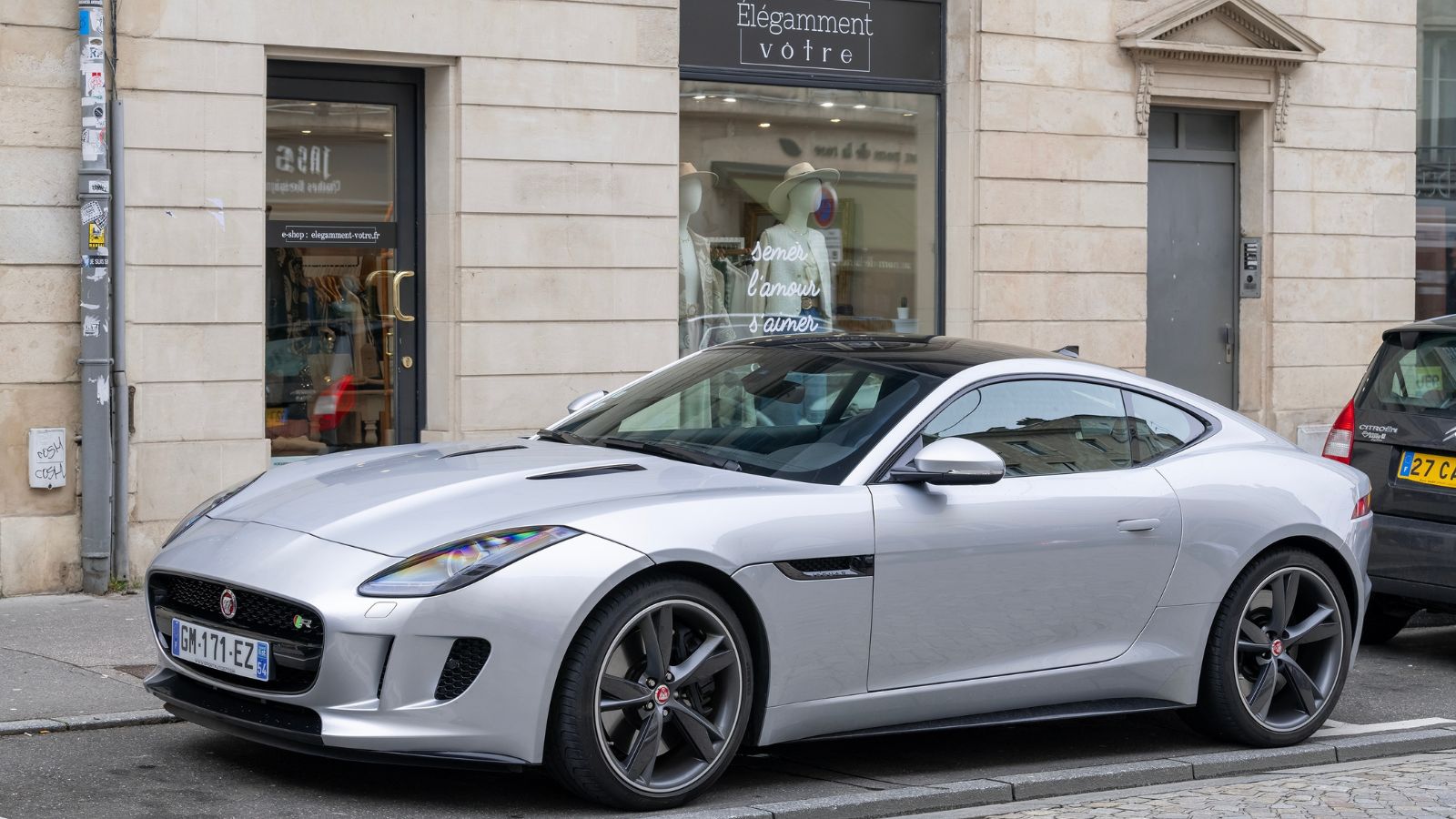
Basic auto insurance may be mandatory, but theft protection is usually tied to optional physical-damage coverage such as comprehensive or all-perils coverage. That distinction matters when a vehicle is financed or leased, because lenders commonly expect protection against theft, fire, vandalism, and collision damage. A driver may legally obtain basic coverage but still struggle to satisfy a lender’s full-coverage requirement.
This is where “nearly impossible to insure” often becomes practical rather than literal. The insurer may offer liability coverage, but comprehensive coverage may be extremely expensive, conditional, or difficult to obtain for a high-theft model in a high-theft city. A buyer who expected a simple monthly payment can suddenly face a larger insurance problem than a financing problem. In real life, the vehicle becomes unworkable even if coverage technically exists somewhere.
Keyless Theft Changed the Underwriting Conversation
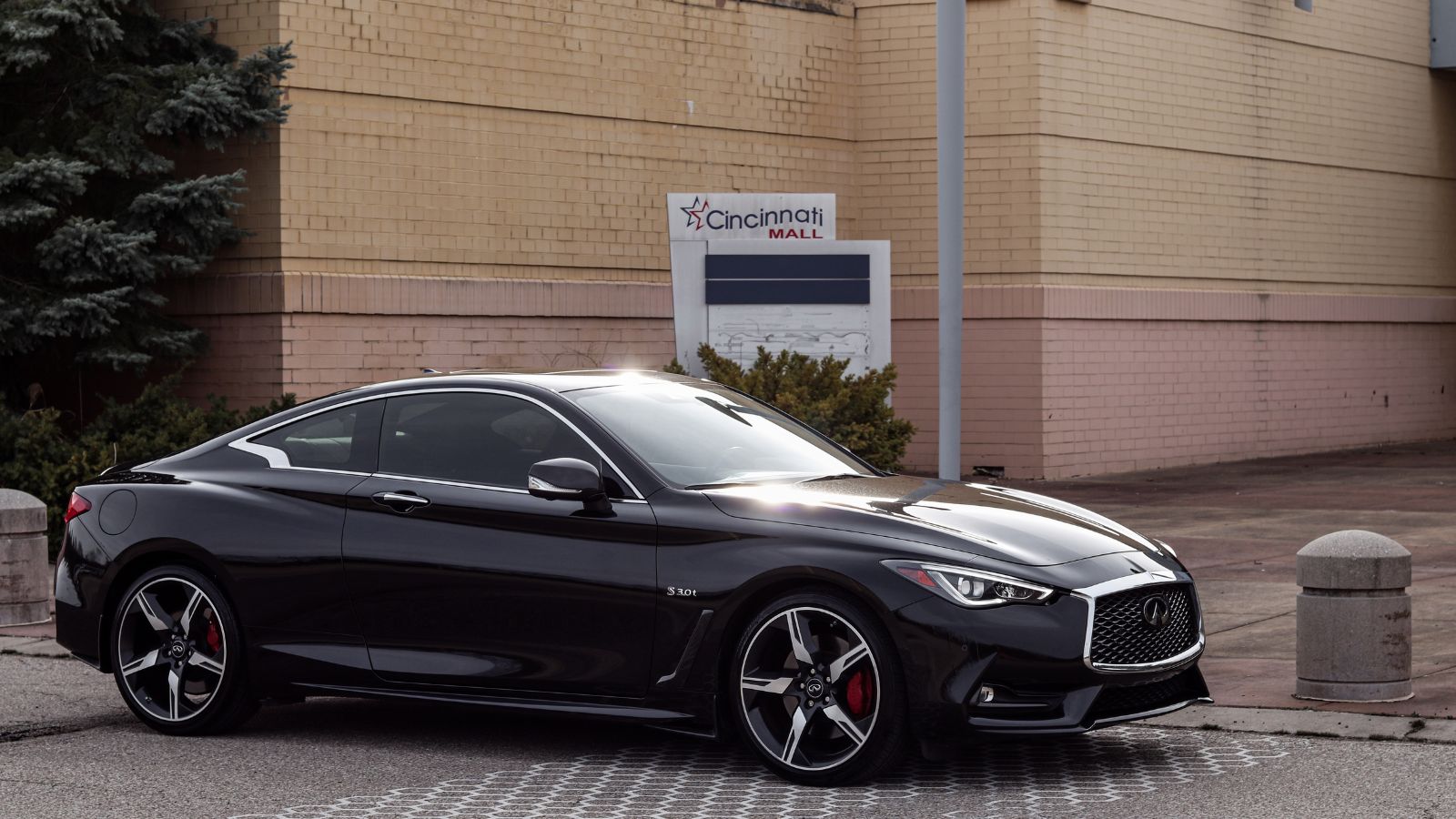
Modern theft has moved far beyond broken windows and hot-wiring. Criminals now use relay devices, key-programming tools, emulators, and other electronic attack methods to defeat factory systems on certain vehicles. That has pushed insurers to look more closely at specific model years, keyless-entry designs, immobilizer performance, and whether an aftermarket device can reduce the risk.
This technology shift explains why some newer vehicles are treated more cautiously than older ones. A vehicle can have advanced infotainment, driver assists, and comfort features, yet still be vulnerable to fast electronic theft. Transport Canada has acknowledged that Canada’s theft-prevention standards need modernization, and proposed standards are meant to address threats such as relay, reprogramming, and CAN bus attacks. Until those protections are widespread, insurers may price certain models defensively.
Luxury SUVs Create Expensive Replacement Exposure
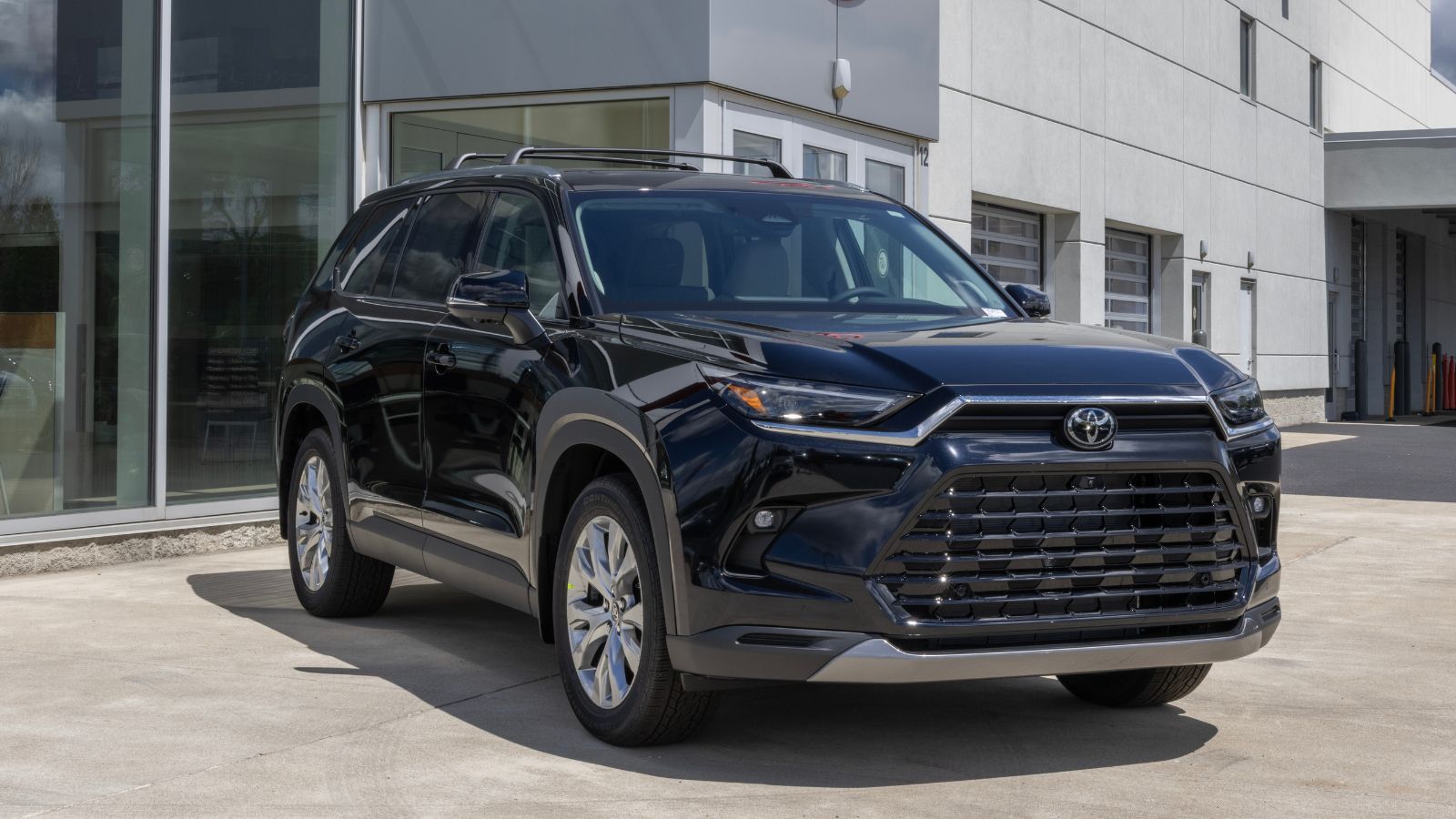
Luxury vehicles can be hard to insure in high-theft cities because each claim is large. A stolen high-end SUV does not create the same payout as an older economy car. The replacement cost may include expensive trim packages, advanced electronics, imported parts, and market-price pressure when similar vehicles are scarce. That makes insurers cautious even when the owner has never filed a claim.
This is especially visible in urban areas where expensive SUVs are parked in driveways, condo garages, or underground lots that thieves learn to target. A luxury vehicle may also be attractive for resale, export, re-VINing, or dismantling for parts. When insurers see high claim severity and repeat theft patterns, the response can be blunt: bigger premiums, stricter conditions, or reluctance to offer attractive coverage.
Export Routes Can Turn Theft Into a Total-Loss Problem
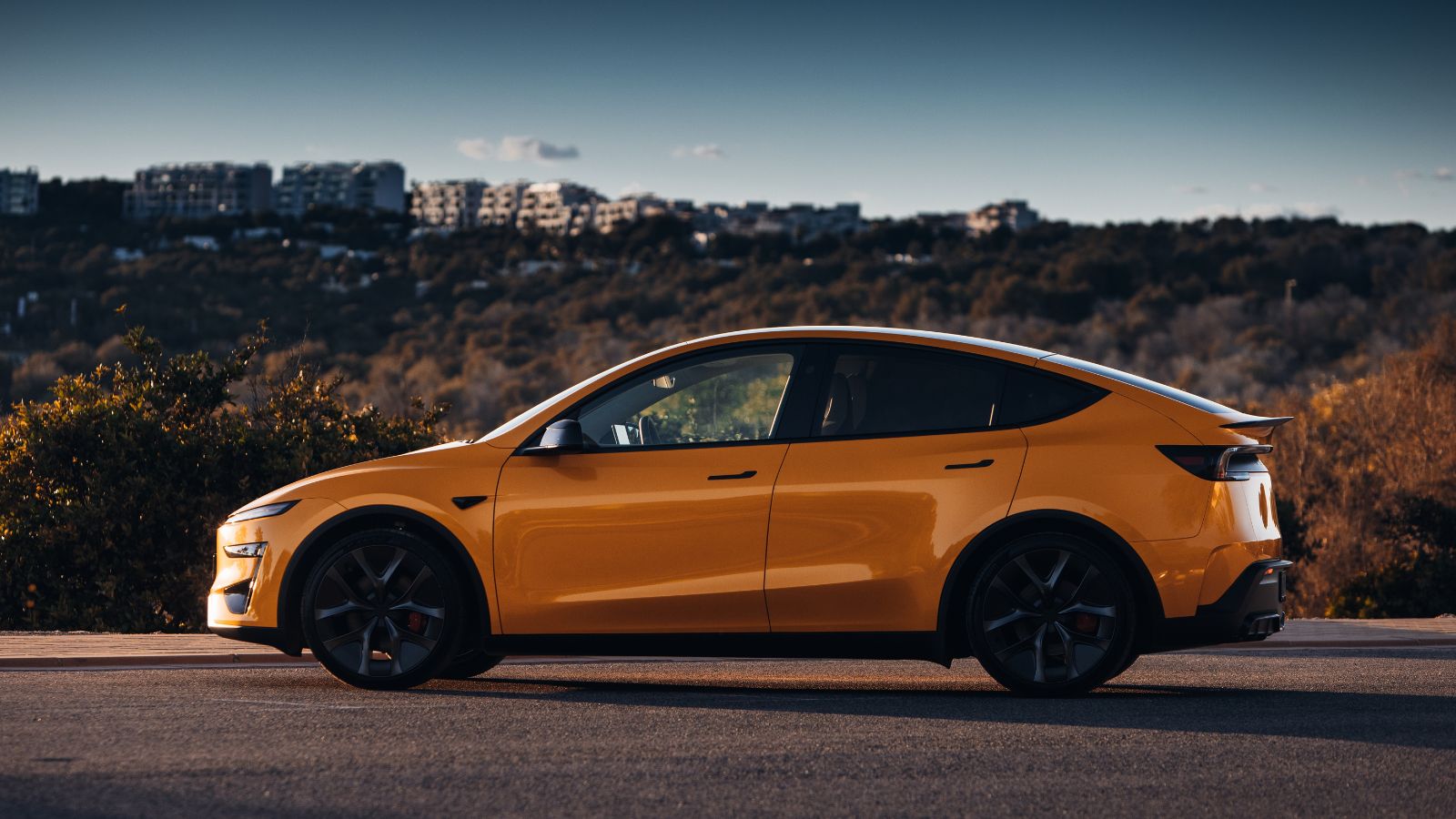
A stolen vehicle is much harder for insurers to manage when it quickly leaves the local area. Organized networks can move vehicles through storage yards, shipping containers, freight-forwarding channels, and ports before owners finish the police report. When a vehicle is exported or dismantled, the chance of a simple recovery falls, and the insurer may be left with a full replacement claim.
That reality has made port-linked theft a national concern. Federal action plans have focused on stopping stolen vehicles before export, disrupting organized crime, and improving border enforcement. Large recoveries of stolen vehicles show that enforcement can work, but they also reveal how industrialized the theft pipeline has become. For insurers, a city connected to these routes can carry more than ordinary neighbourhood theft risk.
Urban Claims Patterns Stack Risk on Top of Risk
Vehicle theft is not the only reason some cities produce punishing insurance quotes. Dense traffic, collision frequency, fraud exposure, repair delays, towing costs, and expensive rental replacements can all add pressure. A driver in a busy urban corridor may be priced against a claims environment shaped by thousands of other drivers, repair shops, intersections, and theft reports.
This can be hard to accept because insurance feels personal, but pricing is partly collective. A careful commuter with a clean record may still pay more because their postal code has heavier claims activity. In places where theft and collision costs rise together, certain vehicles are hit twice: they are expensive to replace when stolen and expensive to repair when damaged. That combination makes insurers more selective.
Surcharges Can Feel Like a Soft Refusal
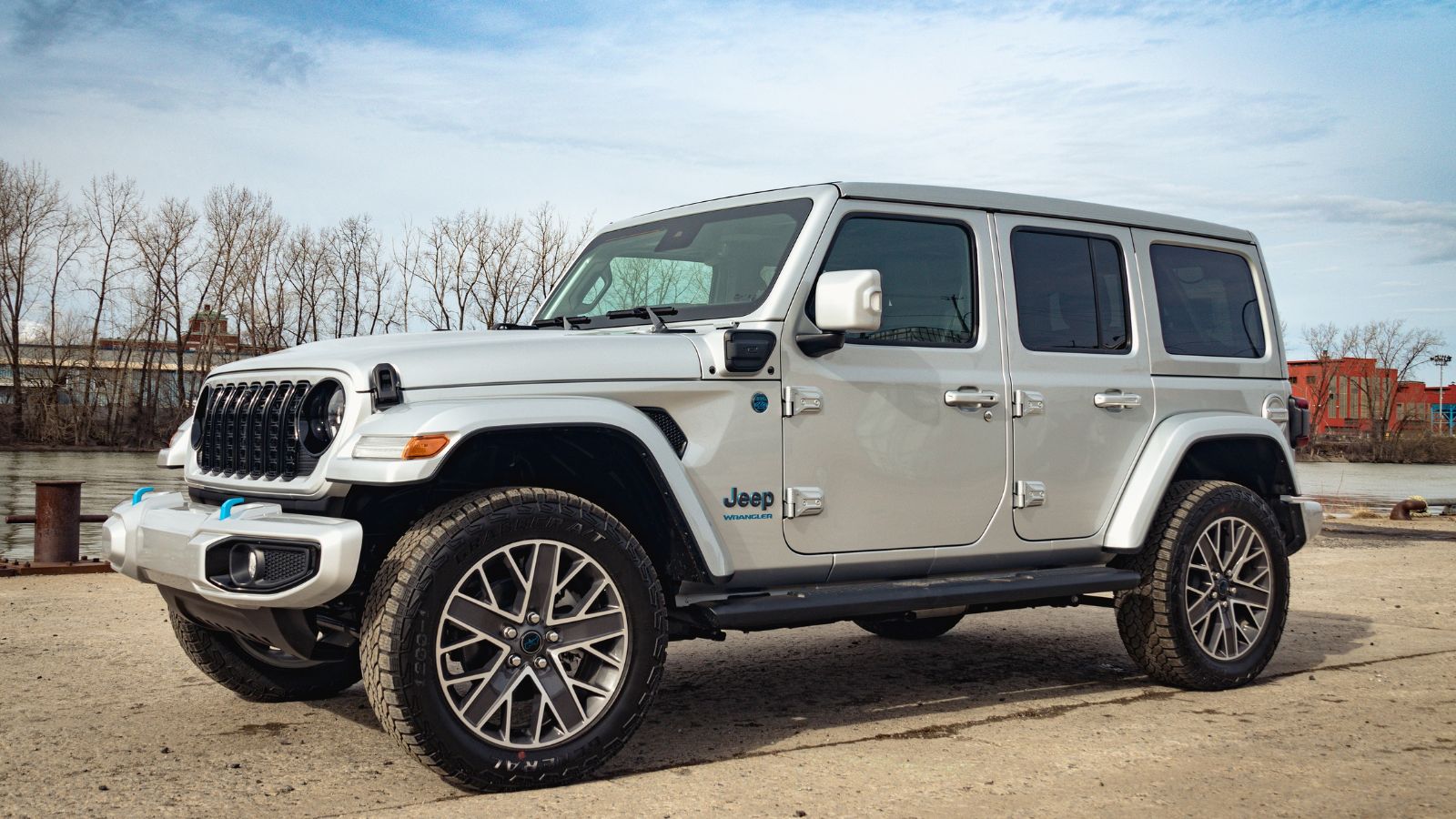
Some insurers do not refuse high-theft vehicles outright. Instead, they apply a theft surcharge that can make the policy feel financially unreasonable. A surcharge of several hundred dollars may be annoying; a surcharge approaching four figures can change the ownership decision entirely. For a household already paying high city premiums, this can make an otherwise affordable SUV feel impossible to keep.
These surcharges are often designed to steer behaviour. Insurers may reduce or waive them when an approved immobilizer, tracking device, or other anti-theft system is installed. Still, the timing can be painful. A buyer may learn about the surcharge only after choosing the vehicle, arranging financing, or preparing for delivery. In that moment, the insurer has technically offered coverage, but the total cost may function like a warning sign.
Anti-Theft Requirements Can Delay or Block the Policy
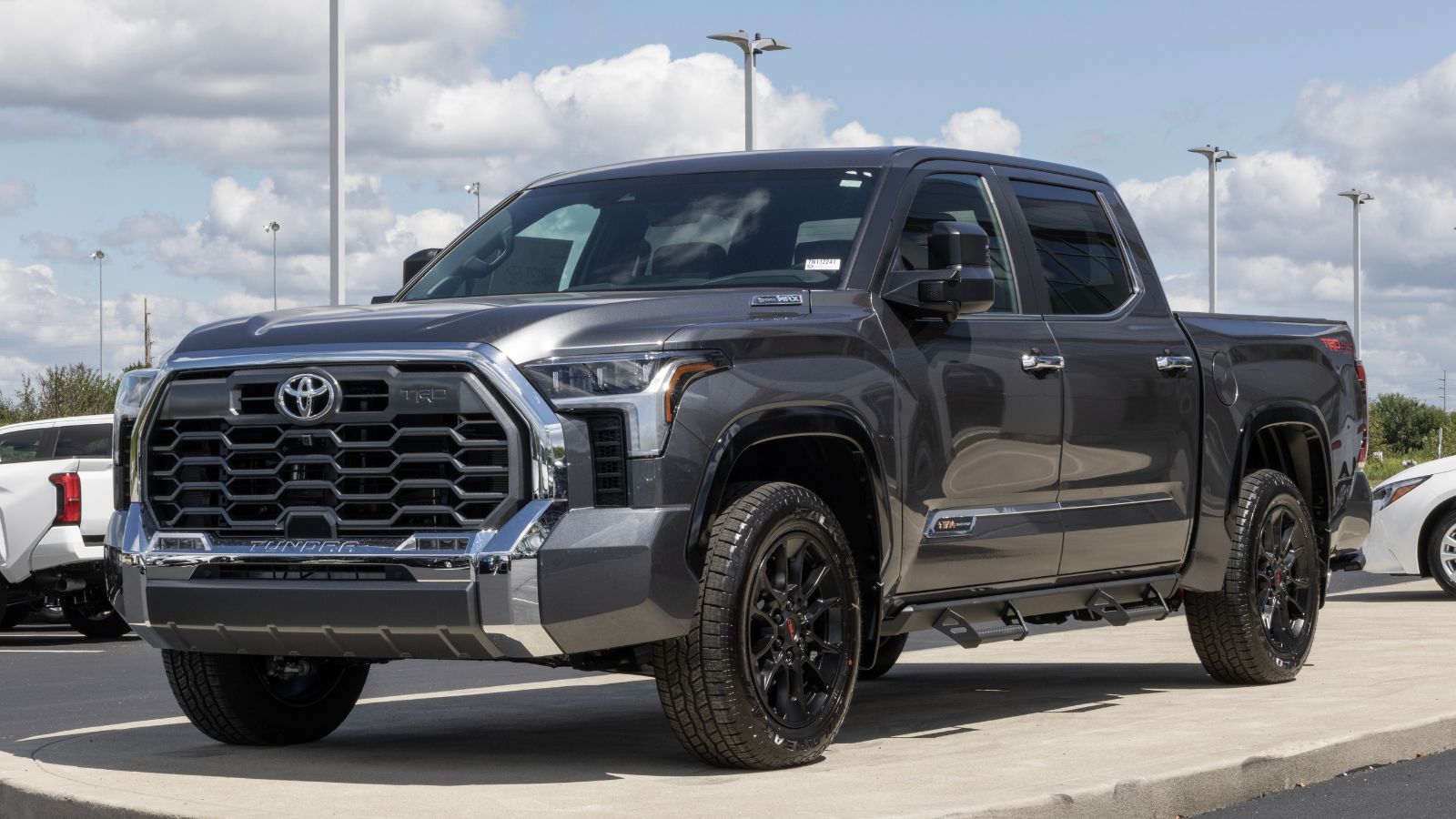
In high-theft cities, some insurers want proof that a vehicle has added protection before they are comfortable with the risk. That can mean a tracking system, an aftermarket immobilizer, a professionally installed cut-off device, or documentation showing that the device meets the insurer’s requirements. The rule may sound simple until installation appointments are backed up or the buyer needs coverage immediately.
This creates a practical bottleneck. A dealership may be ready to hand over the keys, but the insurer may want a certificate, serial number, or installation confirmation first. Owners who park outdoors, use underground garages, or live in theft-heavy postal codes may face extra scrutiny. The vehicle itself may be insurable, but not on the buyer’s timeline. For some purchases, that delay is enough to collapse the deal.
Modified or Commercial Use Can Push Risk Over the Edge
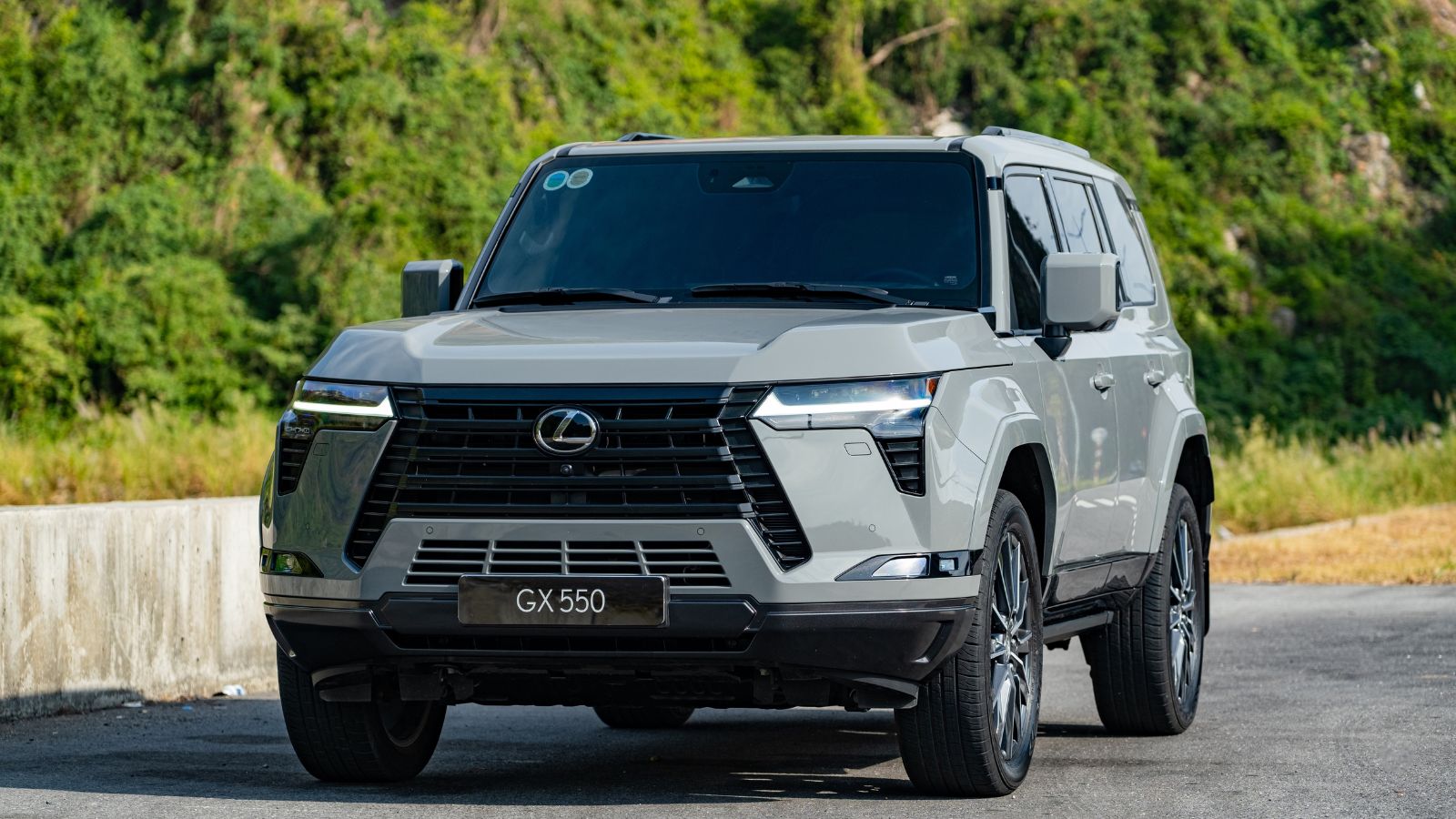
A vehicle that is already expensive to insure can become even harder to place when it is modified or used for business. Lift kits, performance tuning, custom wheels, delivery work, rideshare use, or frequent cross-city driving can all change how an insurer views the risk. The issue is not simply appearance; modifications and commercial use can affect theft appeal, repair costs, liability exposure, and annual mileage.
Consider a pickup in Calgary used for contracting work or an SUV in Toronto used for delivery shifts after hours. Even if the model is common, its usage pattern may not fit a standard personal policy. Insurers can ask more questions, apply different classifications, or decline optional coverages if the risk no longer matches ordinary private use. The harder the vehicle is to categorize, the harder it becomes to quote cleanly.
Alberta Shows How Market Capacity Can Tighten
Some insurance problems are not only about the vehicle; they are about market capacity. Alberta has shown how rising claim costs, theft pressure, legal costs, rate intervention, and insurer losses can make coverage harder to secure. When insurers lose money or restrict the number of policies they write, brokers may have fewer options for difficult risks.
That matters in cities such as Edmonton and Calgary, where theft-claim costs have risen sharply in recent years. A driver with a high-theft vehicle may face the combined effect of city theft exposure and a tighter insurance market. The result can be fewer competitive quotes, stricter underwriting, or higher premiums than expected. Even when coverage exists, the shopping process can feel like searching for the one insurer still willing to take the risk.
Public Insurance Provinces Do Not Eliminate Vehicle-Specific Risk
Public insurance systems change the experience, but they do not make vehicle-specific risk disappear. British Columbia, Manitoba, and Saskatchewan have government auto insurers for mandatory coverage, while Quebec uses a hybrid system where bodily injury coverage is public and property coverage is handled privately. The structure may reduce some shopping friction, but vehicle value, repair cost, theft exposure, and coverage choices still matter.
Quebec illustrates the point clearly. Montréal and Laval have stood out for high theft frequency, while certain theft claims vary substantially by region. A driver may not face the same private-market rejection dynamic as in Ontario or Alberta, but a targeted model can still affect costs, deductibles, and optional coverage decisions. Different systems change the doorway into insurance; they do not erase the underlying risk.
New Vehicle Technology Raises Repair and Write-Off Risk
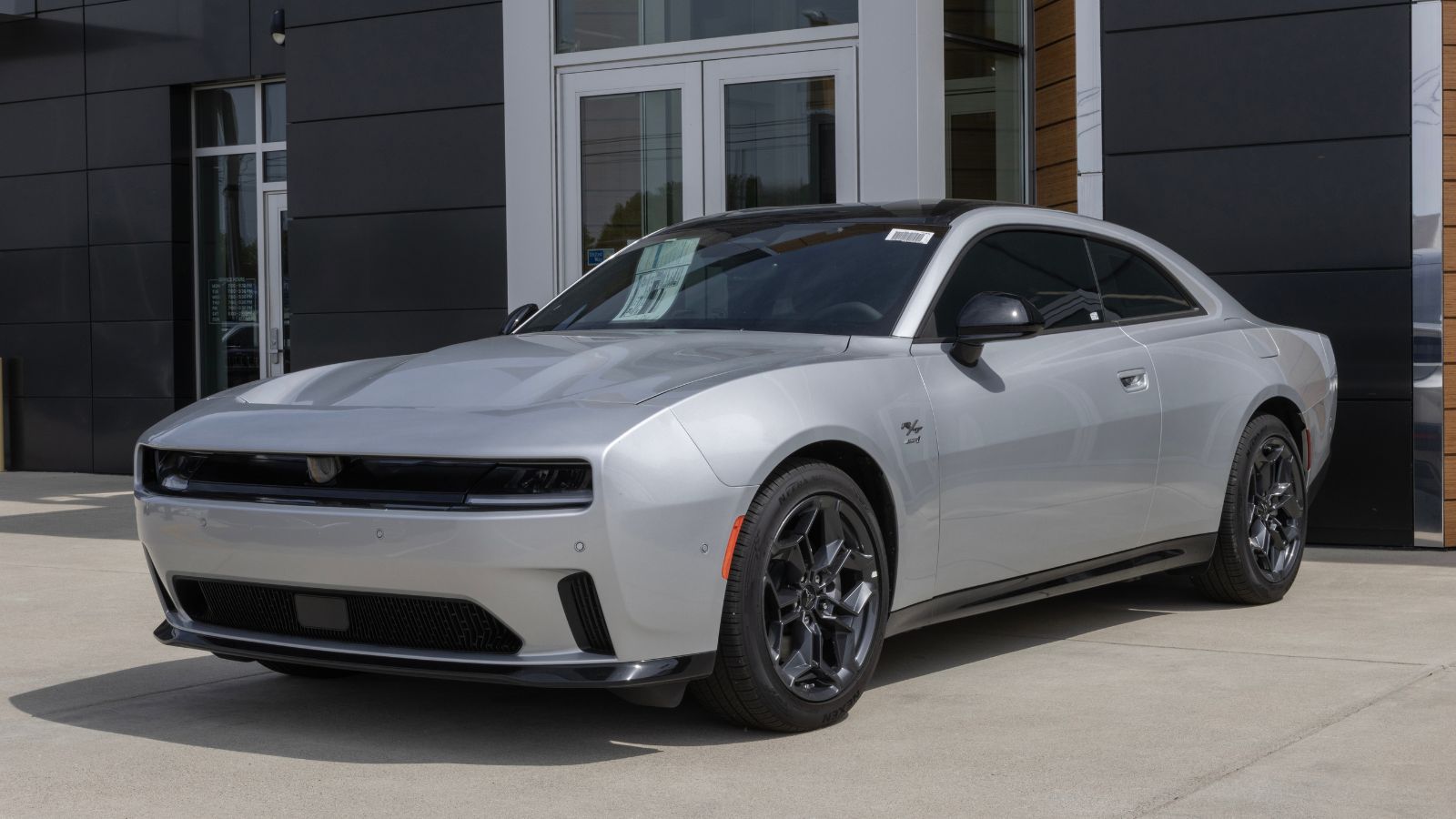
Some vehicles are difficult to insure not because they are stolen constantly, but because they are expensive to repair when anything goes wrong. Advanced driver-assistance sensors, specialized bumpers, cameras, radar units, aluminum panels, and electric powertrains can all raise claim severity. A relatively small collision can require calibration, special parts, or long repair delays.
Statistics Canada has noted that repair, parts, vehicle prices, engine type, brand, and location have all contributed to rising auto insurance costs. This matters in major cities where collisions, vandalism, theft attempts, and parking-lot damage are common. A modern vehicle may protect occupants better, but the insurer still has to pay for complex repairs. When a vehicle is both theft-prone and repair-expensive, it can land in the hardest insurance category.
22 Things Canadians Do to Their Cars in Spring That Mechanics Hate
Spring brings relief to many Canadian drivers after months of snow, freezing temperatures, and icy roads that put serious strain on vehicles. As temperatures rise across the country, drivers begin washing cars, switching tires, and preparing vehicles for warmer weather and upcoming road trips. However, mechanics across Canada notice the same mistakes every spring when drivers attempt to recover from winter damage. Road salt, potholes, and harsh winter driving conditions often leave vehicles with hidden problems that drivers ignore. Some spring habits even create new mechanical issues that could have been avoided with proper maintenance. Here are 22 things Canadians do to their cars in spring that mechanics hate.