

























A used electric vehicle can look nearly new, drive smoothly and still leave one major unknown hidden beneath the floor. Unlike a gasoline vehicle, where mileage and maintenance history often dominate the conversation, an EV’s long-term usefulness depends heavily on the condition of its high-voltage battery. That makes one question more important than nearly any other: What is the battery’s actual state of health, and can the seller prove it?
The answer affects range, winter usability, warranty protection, charging performance and ultimately what the vehicle is worth. These 12 considerations explain how Canadians can turn that seemingly simple battery question into a much more revealing pre-purchase check.
The Question That Matters Most: What Is the Battery’s Actual State of Health?
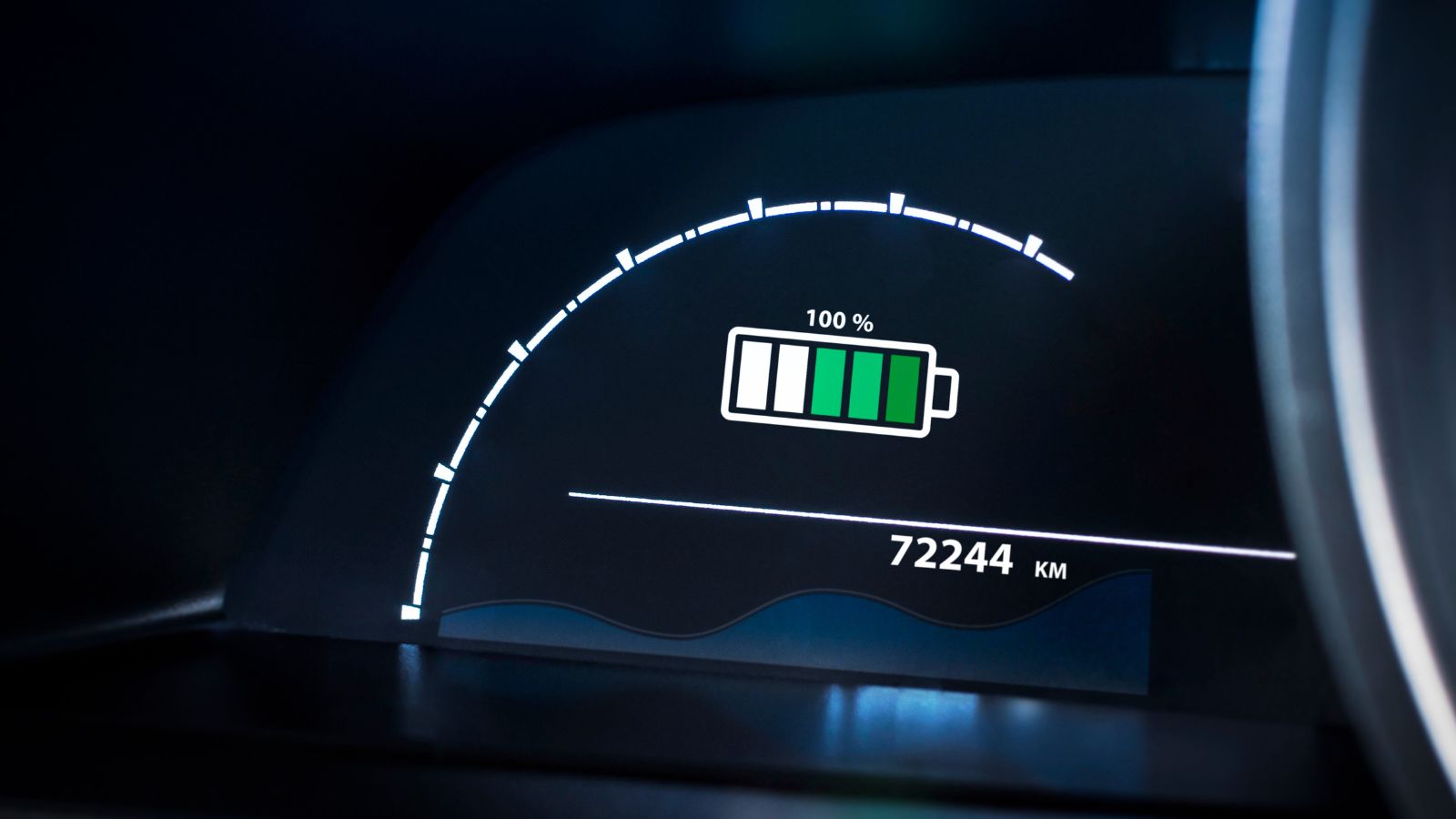
A used EV can look immaculate, show modest mileage and still carry the one condition detail that matters most to its long-term usefulness: the health of its high-voltage battery. State of health, usually expressed as a percentage, compares the battery’s present usable capacity with its original usable capacity. It is not the same thing as the state of charge shown beside the battery icon.
That distinction matters because battery degradation is normal, but the rate varies. Geotab’s 2026 analysis of more than 22,700 EVs across 21 makes and models found average degradation of about 2.3% per year. That does not mean every five-year-old EV should have lost exactly 11.5% of its capacity; model design, charging habits, climate and use all influence the result. The smartest opening question is not “How many kilometres does it show?” but “What is the battery’s state of health, and can that number be documented?” Clearly.
Dashboard Range Is Not a Battery-Health Certificate
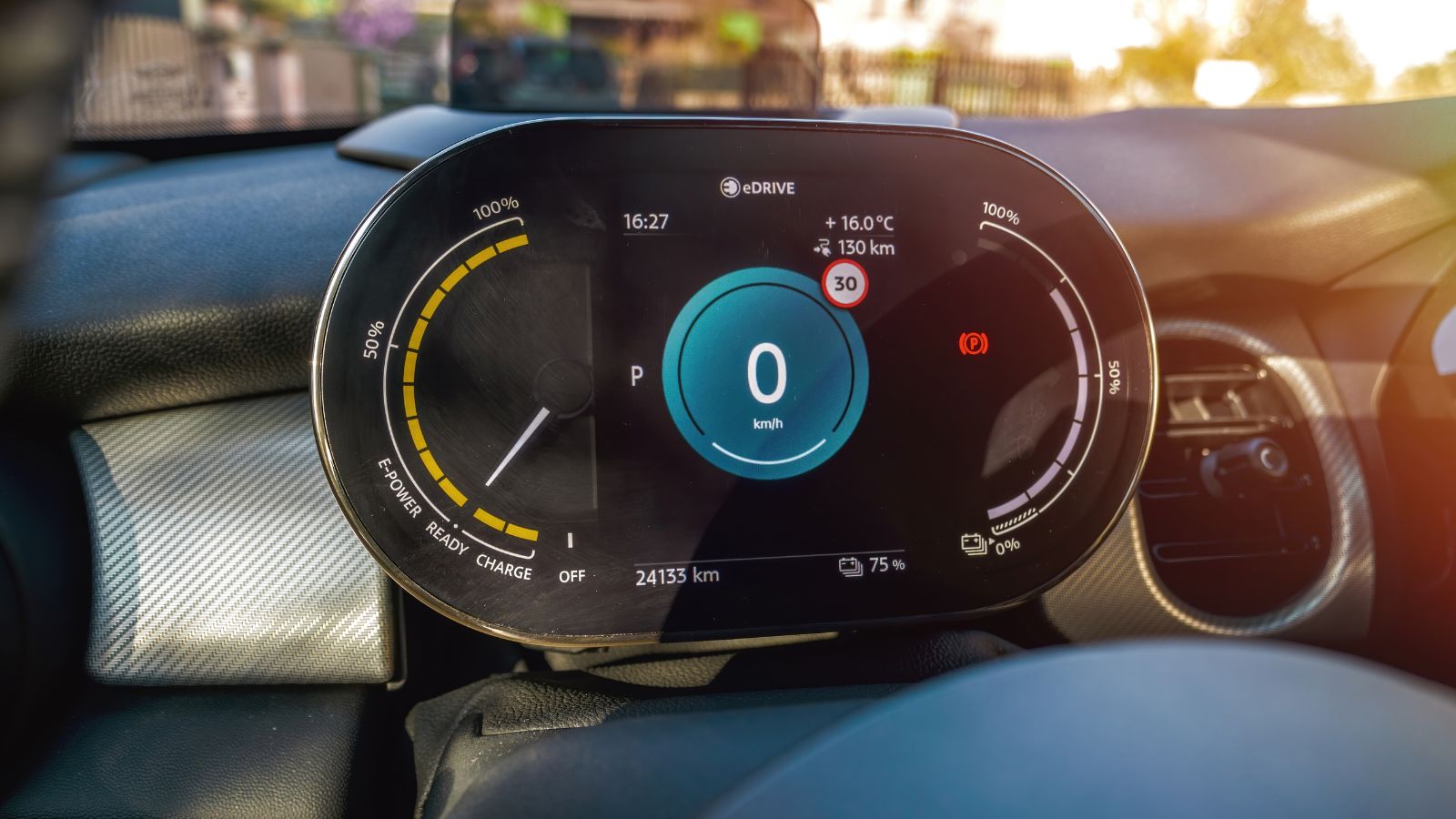
The estimated kilometres beside an EV’s battery icon can be useful, but it should not be treated as a diagnostic report. Range estimates react to recent driving, speed, heating or air-conditioning use, temperature, road conditions and other factors. Natural Resources Canada notes standardized vehicle range ratings come from controlled testing because real-world weather and road conditions can change performance considerably.
That means a seller can charge an EV to 100% and show a healthy range estimate without proving how much energy the battery can store. A better comparison starts with the vehicle’s rated range, current usable battery capacity and an EV-specific diagnostic reading when available. Seasonal context matters. A car inspected during a mild September afternoon may display a much more optimistic number than the same vehicle during a Prairie cold snap. Battery health is a capacity question; dashboard range is a prediction. Buyers should never casually confuse the two.
Ask for Proof, Not a Verbal “Battery Is Fine”

A seller saying the battery “has never been a problem” is reassuring to a point. Used-EV shopping is stronger when that statement is backed by a battery-health report, dealership diagnostic, service record or inspection from a technician familiar with electric vehicles. CAA’s EV Buyer’s Guide advises shoppers to ask about battery health, range and age and consider an independent pre-purchase inspection by an EV specialist.
A proper EV inspection can go beyond a conventional safety check. Depending on the vehicle and equipment, a technician may review usable capacity, stored fault codes, charging behaviour or cell balance. Canadian EV service provider NexDrive, for example, lists state of charge, capacity degradation and cell balance among battery items assessed during pre-purchase inspections. No single test works identically across every make, but documentation is far more useful than guesswork. If the seller cannot produce a battery reading, that uncertainty belongs in the purchase decision.
Find Out Exactly How Much Battery Warranty Is Left
Battery warranty coverage can turn the same used EV from a comfortable purchase into a larger financial gamble. The critical details are the original in-service date, current odometer reading, what the warranty covers and whether its capacity-retention threshold has been crossed. Warranty terms vary by manufacturer and sometimes by trim, so a generic claim that “EV batteries are covered for eight years” is not enough.
Examples show why the fine print matters. Nissan lists EV battery health coverage of eight years or 160,000 kilometres for the ARIYA. Tesla’s Canadian battery-and-drive-unit warranty also lasts eight years, but kilometre limits vary by model and can be 160,000, 192,000 or 240,000 kilometres, with a stated minimum 70% battery-capacity retention during the warranty period. A six-year-old vehicle with heavy mileage can therefore be much closer to the end of protection than its age suggests. Buyers should verify coverage by VIN instead of relying on memory.
Charging History Can Leave Clues About Future Degradation
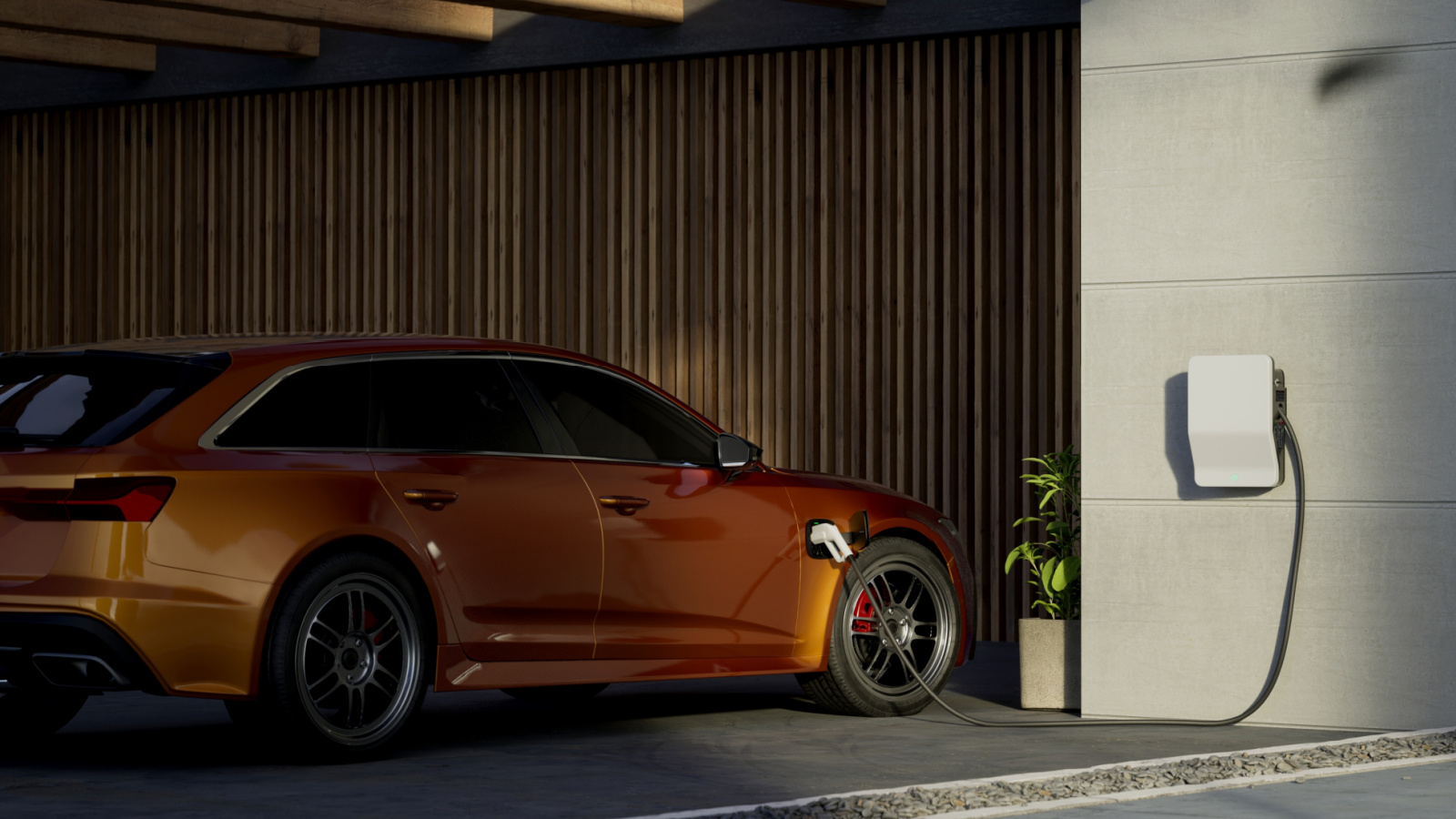
Mileage alone does not describe how an EV battery has lived. Two vehicles with 80,000 kilometres can have different charging histories: one may have spent nights on moderate-power home charging, while another may have depended heavily on high-power DC fast charging. That difference is worth asking about, even though a seller may not have a log.
Geotab’s 2026 battery analysis found charging power had become an operational factor. Vehicles with frequent, high-power DC fast charging above 100 kW showed average degradation rates as high as 3.0% per year, compared with roughly 1.5% for vehicles that primarily used AC or lower-power charging. That is a population-level finding, not a diagnosis of any individual car, but it makes charging history relevant. Service data, navigation charging history, connected-app records or a previous owner can add context. The question is not whether the car ever fast-charged; it is how heavily it relied on it.
Climate History Matters, but Cold Weather Needs Context

Canadian buyers naturally worry about winter, yet permanent battery ageing and temporary cold-weather range loss are not the same problem. Geotab’s 2026 data found vehicles operating in hotter climates degraded around 0.4 percentage points faster per year than vehicles in mild climates. That makes a used EV’s geographic history relevant, especially if it spent years in sustained heat before being imported or moved north.
Cold weather can reduce usable driving range without proving permanent battery damage. Natural Resources Canada says EVs can lose roughly 25% to 30% of range in extreme cold, and its driver-training material cites an average 29% reduction at -18°C. Cabin heating, battery temperature and winter road resistance all contribute. A Canadian buyer should ask two separate questions: “How healthy is the battery?” and “How much winter range will this model realistically deliver?” A February test drive and a battery-health diagnostic answer different things, and both matter.
Make Sure the Charging Port Fits the Life the Car Will Lead
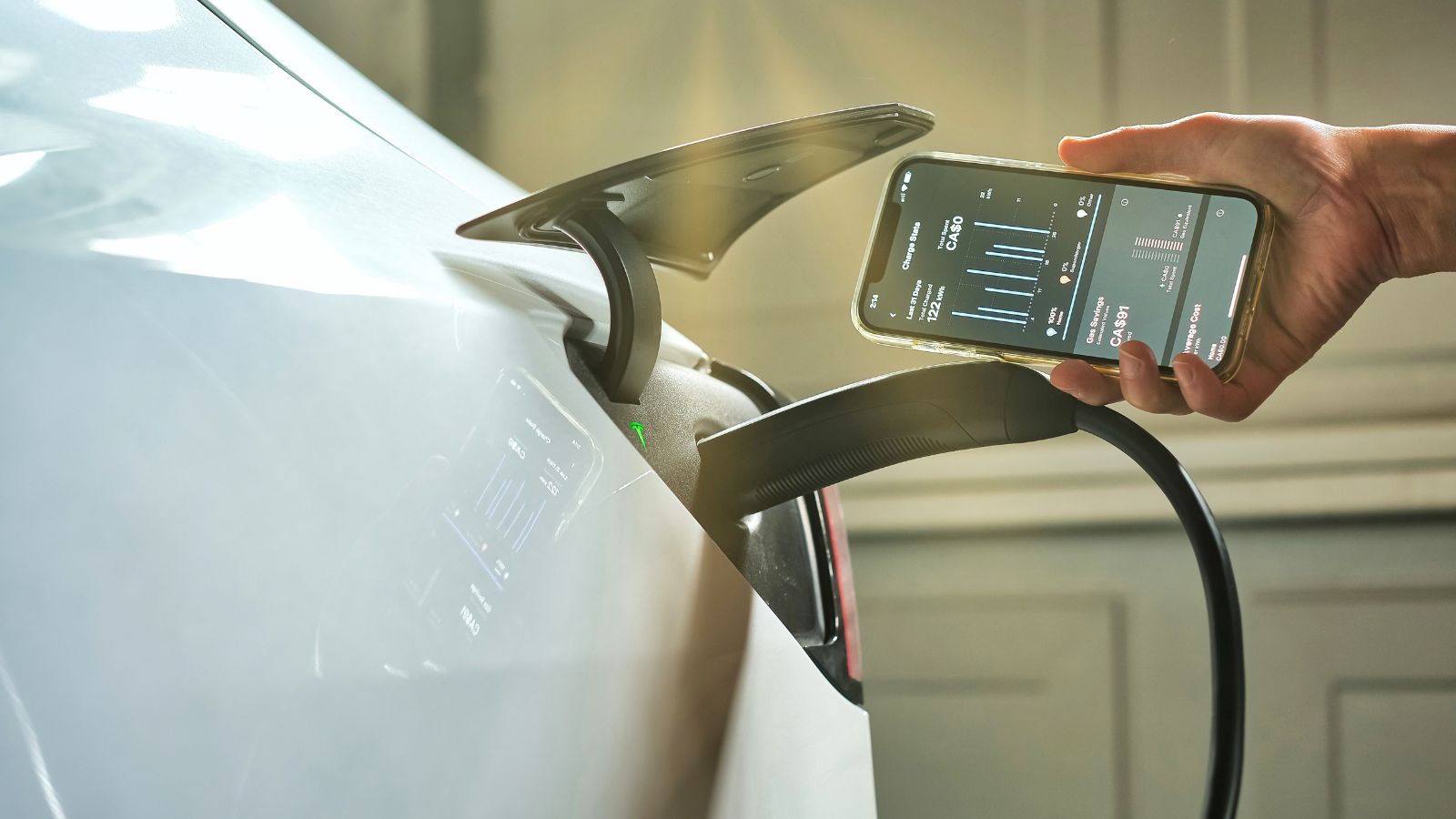
A healthy battery is not enough if the car is awkward to charge on the routes it will use. Natural Resources Canada notes that DC fast-charging connectors are not interchangeable and identifies CCS, CHAdeMO and the North American Charging Standard, or NACS, among connector types found in Canada. Older used EVs can have different charging options even when their battery capacities look similar.
That matters for buyers who expect highway travel or cannot reliably charge at home. NRCan says Level 2 charging commonly takes about four to 10 hours, while DC fast charging can be much quicker, although times depend on the vehicle, battery, charger, temperature and state of charge. Before purchase, identify the connector, the car’s DC charging capability and compatible stations on regular routes. A bargain EV with a healthy pack can become frustrating if its charging hardware no longer matches the infrastructure a household expects to use.
Run the VIN for Recalls Before Money Changes Hands
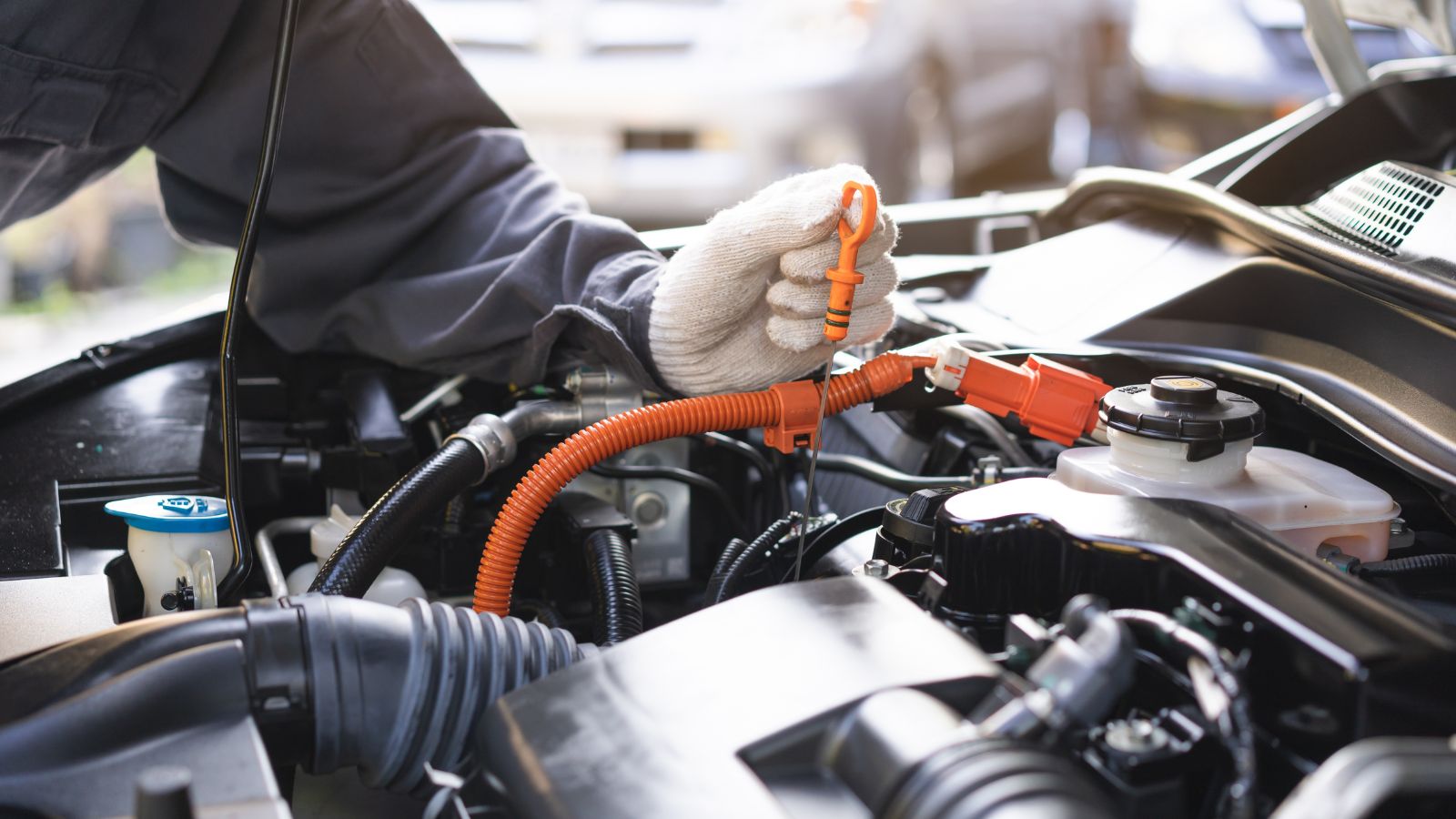
Battery condition is central, but it should never distract from unresolved safety recalls or service campaigns. Transport Canada maintains a recall database and advises people buying used vehicles to check for recalls before purchase. It also recommends using a manufacturer’s VIN-based lookup when available or contacting an authorized dealer to confirm whether required recall work has been performed.
For an EV, that VIN check can be valuable because recalls may involve high-voltage parts, charging systems, software or unrelated safety equipment. The seller may believe every campaign is complete while manufacturer records show otherwise. Transport Canada says manufacturers will almost always make recall repairs free of charge, but timing and interim instructions still matter. A buyer can ask the seller to complete outstanding work before delivery. After the sale, registering the vehicle with the manufacturer helps ensure recall notices reach the new owner instead of disappearing into the previous owner’s paperwork.
Use an EV-Specific Pre-Purchase Inspection
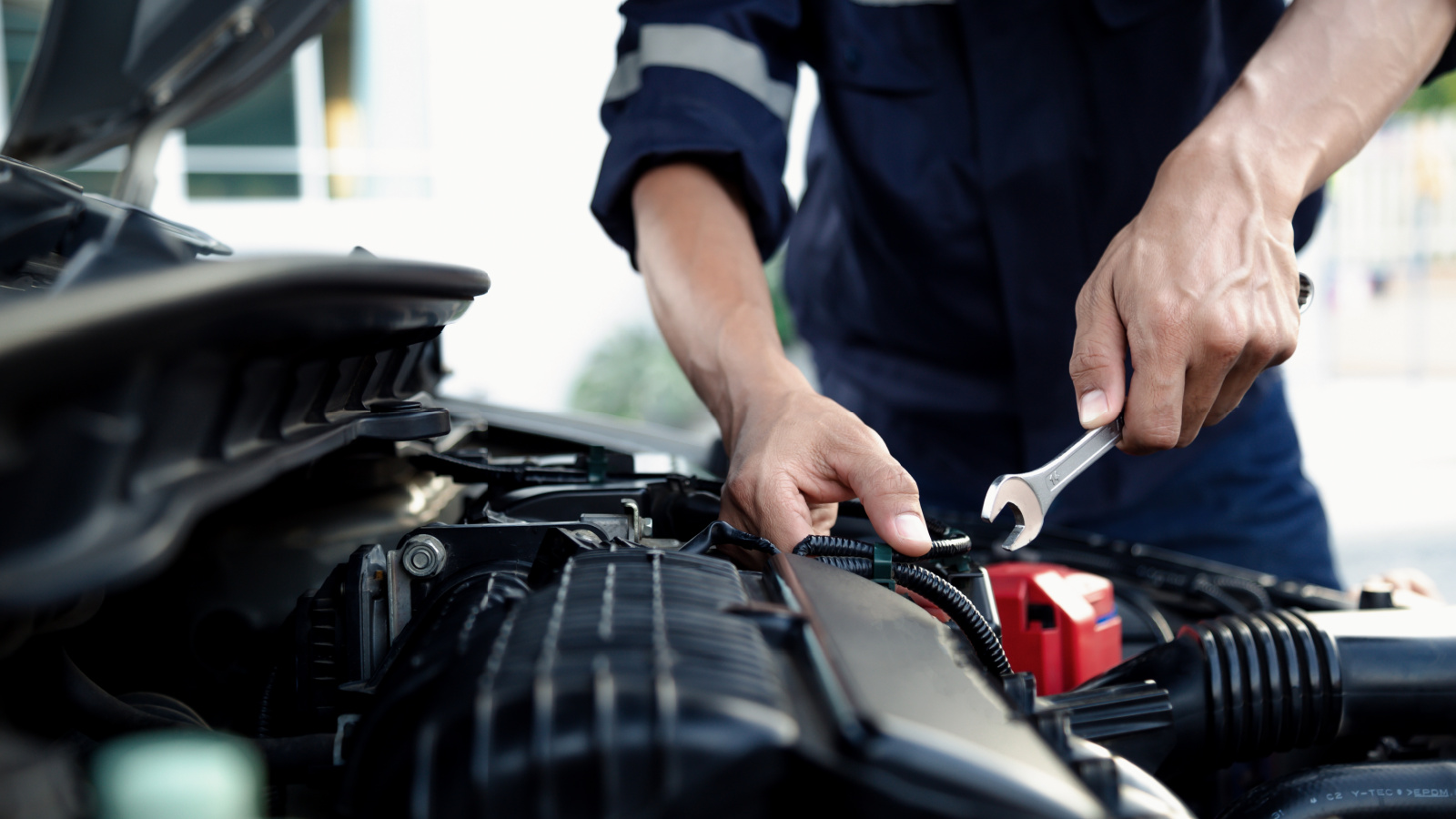
A conventional inspection matters because an EV still has tires, suspension, steering, brakes, bearings, cooling systems and a 12-volt electrical system. But a used EV deserves another layer: someone who knows how to inspect its high-voltage system. CAA’s EV Buyer’s Guide recommends considering a pre-purchase inspection by a company specializing in EVs, along with reviewing service records.
A roadworthy vehicle can still have battery degradation, charging faults or stored electronic issues that a basic mechanical walk-around will not reveal. CAA-Quebec advises buyers to have battery health assessed as part of a pre-purchase inspection. Specialized EV services may check cell balance or battery-management data where the model allows it. A clean body and quiet test drive are not substitutes for diagnostics. Spending money on an expert inspection can feel excessive on a lower-priced EV, but it is a small step compared with buying a car whose most valuable component remains unexamined.
Ask Whether the High-Voltage Battery Has Ever Been Repaired or Replaced
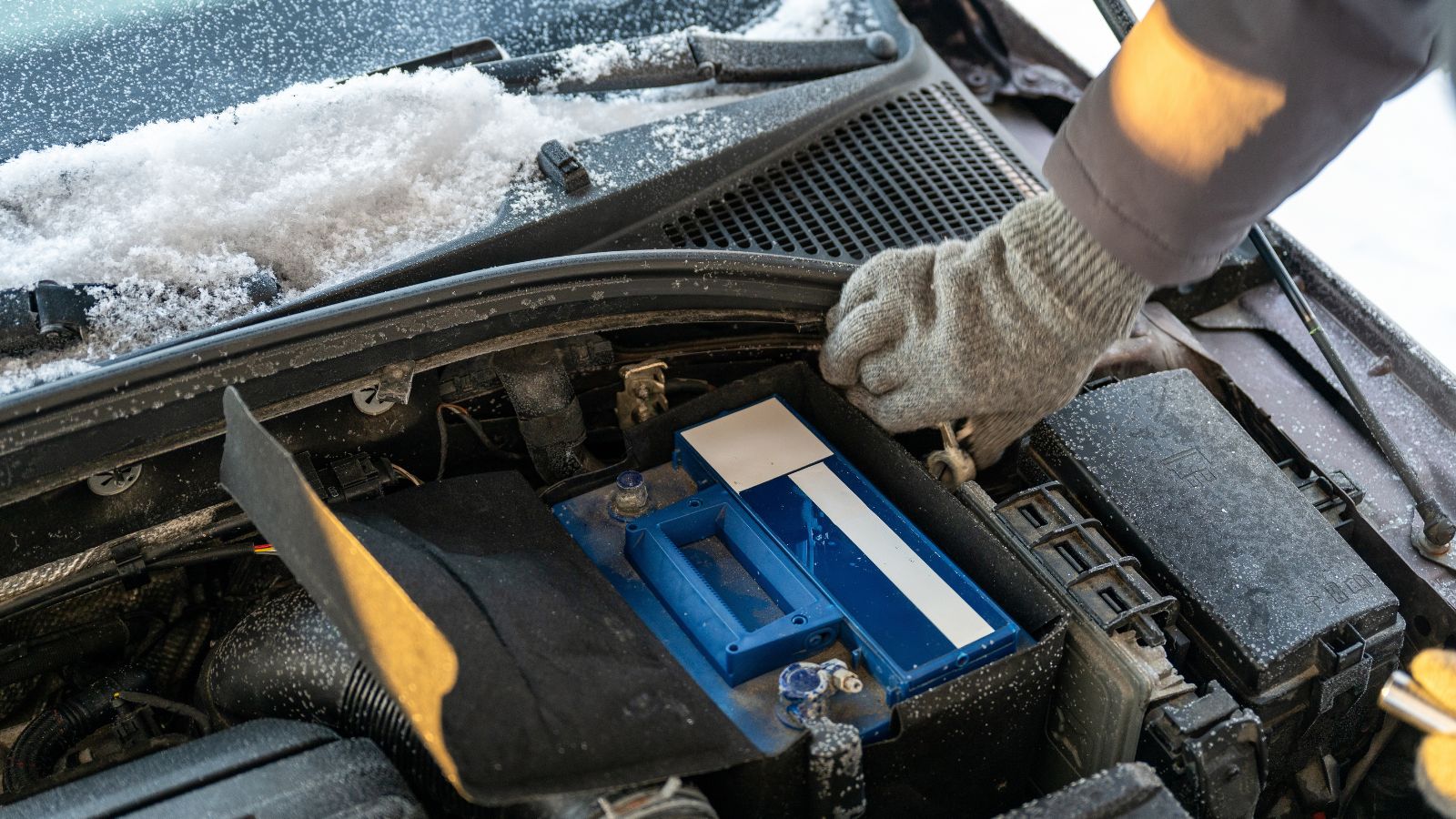
A battery replacement on a used EV is not bad news. A documented replacement can help if the newer pack has strong health and coverage. Ambiguity is the problem. Buyers should ask whether the high-voltage battery has been repaired, opened, replaced under warranty or replaced after collision damage, then request dealer records showing what happened.
The word “replacement” does not necessarily mean a new pack. CAA-Quebec notes that warranty practices vary by automaker and some manufacturers might replace a faulty traction battery with a used unit rather than a new one. That makes the replacement date part of the story; the replacement battery’s condition and warranty terms matter too. A vehicle-history report adds context by revealing recorded accidents, structural damage, service entries, open recalls or branded status. For Ontario private sales, the government’s Used Vehicle Information Package also includes registration history, lien information and whether the vehicle was reported wrecked.
Judge Battery Health Against a Canadian Winter, Not a Perfect Day
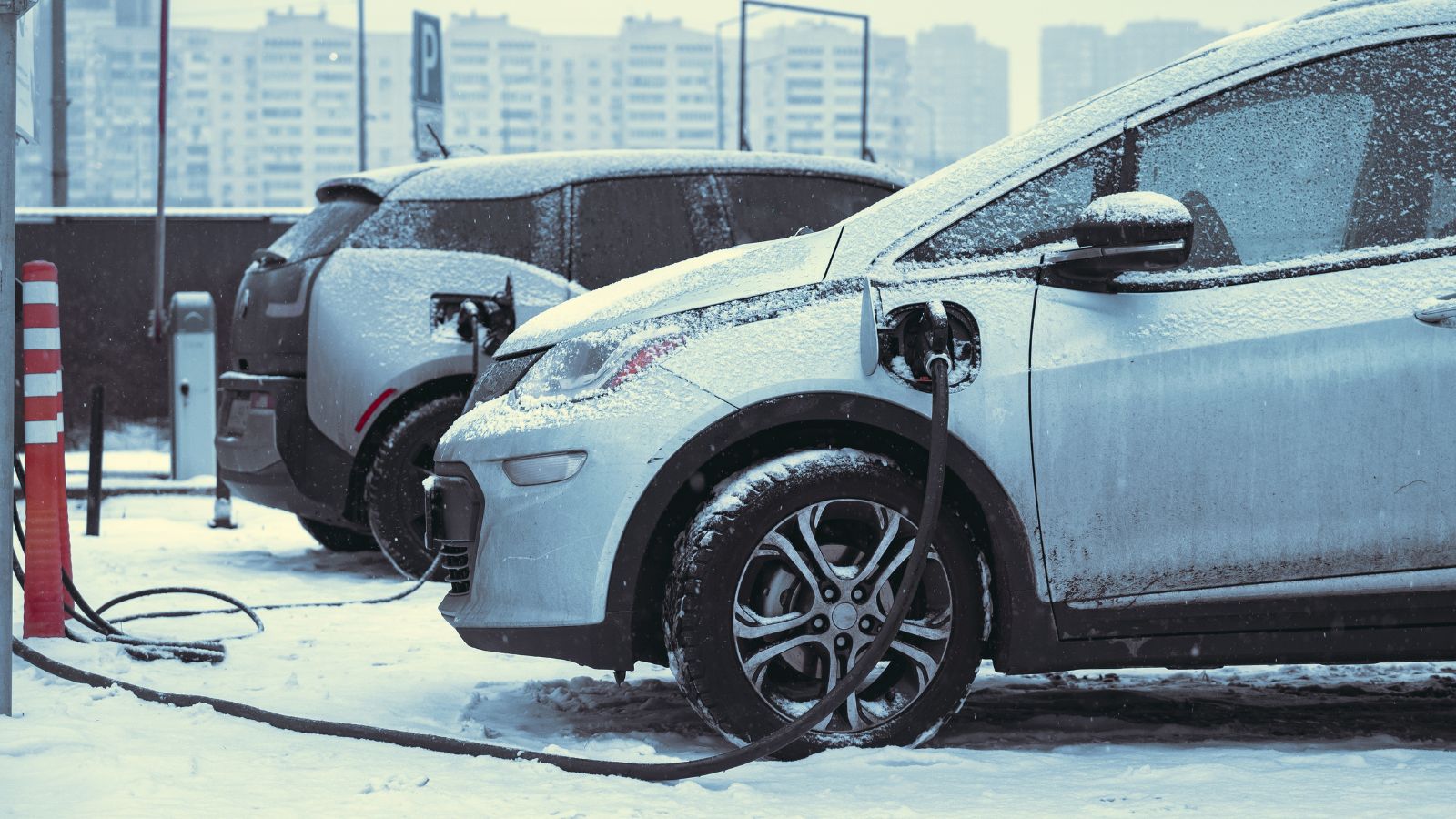
A battery-health percentage becomes meaningful when translated into the driving the vehicle must do. Suppose an EV originally offered 400 kilometres of rated range and has lost a share of usable capacity. That may be enough for a short urban commute, but the margin can shrink when winter cold, highway speed, cabin heat and an unexpected detour arrive together.
Natural Resources Canada says extreme cold can cut EV range by about 25% to 30%. It notes that preheating while plugged in can reduce energy needed after departure and preserve range. So a used EV should be evaluated around the household’s worst routine day, not its easiest one. A commuter who drives 40 kilometres daily has a different appetite for degradation than someone covering 220 kilometres between reliable chargers. The question is not whether the used battery is “good” in the abstract, but whether its remaining capacity leaves a winter buffer.
Put the Battery Evidence Into the Price Before Signing
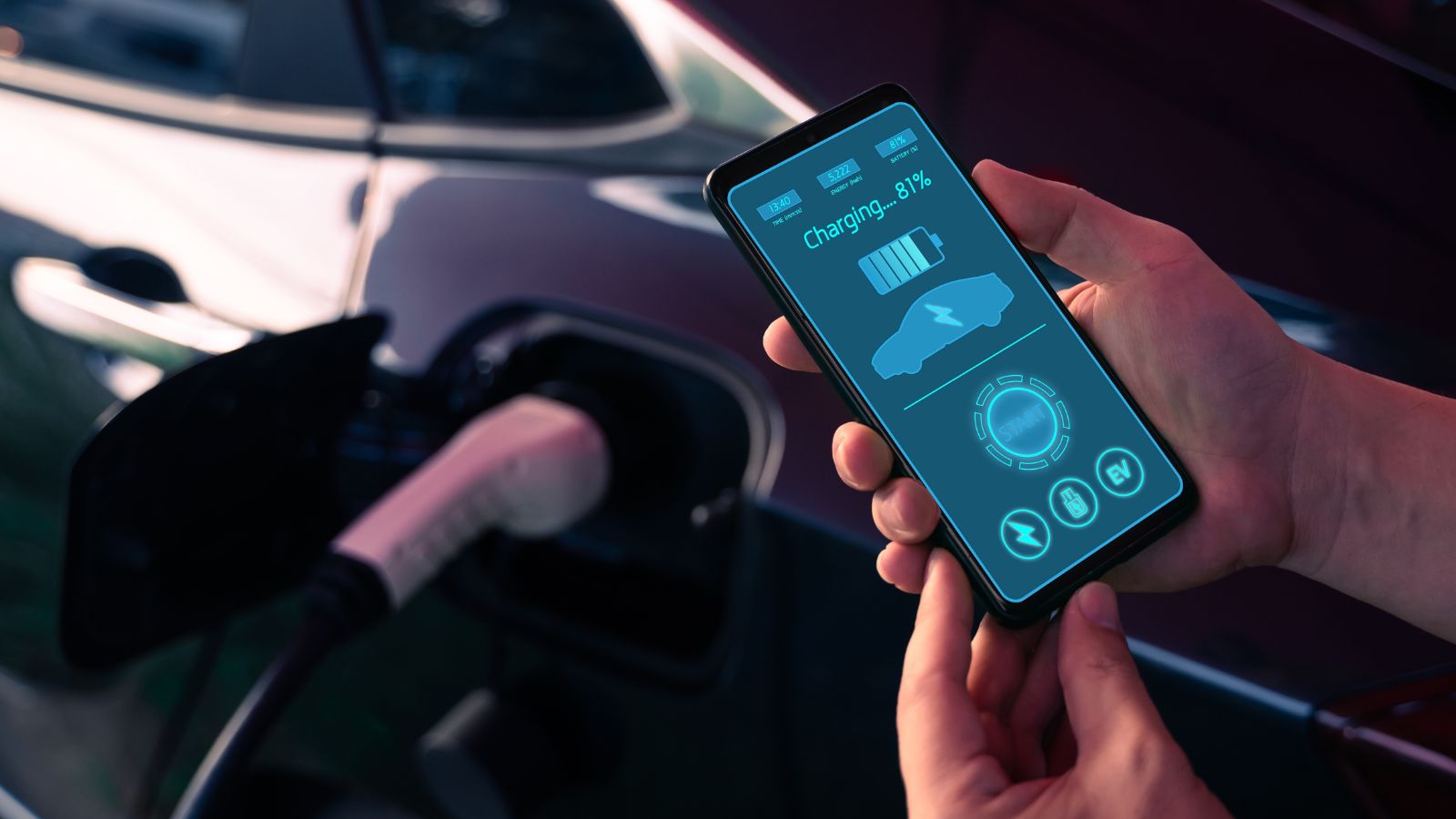
Battery health should influence what a used EV is worth to a buyer. A car with documented strong capacity, useful fast-charging hardware, clean history and battery warranty deserves to be evaluated differently from an identical-looking example with unknown battery condition and little coverage. Canadian Black Book’s 2026 outlook expects used-EV supply to grow as off-lease vehicles return, creating more opportunity to compare alternatives instead of treating the first acceptable car as the only option.
There is another wrinkle: Transport Canada’s Electric Vehicle Affordability Program applies to eligible new EVs, not pre-owned vehicles. A used buyer therefore needs to compare transaction economics rather than assuming a federal purchase incentive will reduce the price. If a seller cannot document the battery’s state of health, that uncertainty has value too—just not in the seller’s favour. The strongest purchase is one where battery condition, warranty, charging fit and price all tell the same story.
19 Used Cars Canadians Should Avoid in 2026 (Based on Owner Complaints)

Buying a used car in Canada can feel safe until repair bills start stacking up. Owner complaints tell a different story than glossy listings. Transmission failures, electrical problems, and weak winter reliability show up again and again in consumer reports. Many of these issues appear after warranties expire, when owners least expect them. Some vehicles look affordable upfront, but become expensive to keep on the road. Others struggle in cold weather, urban driving, or long highway commutes. Here are 19 used cars Canadians should avoid in 2026 (based on owner complaints).
19 Used Cars Canadians Should Avoid in 2026 (Based on Owner Complaints)