




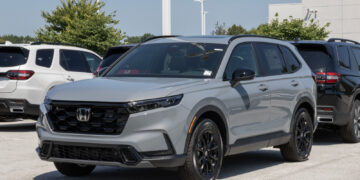












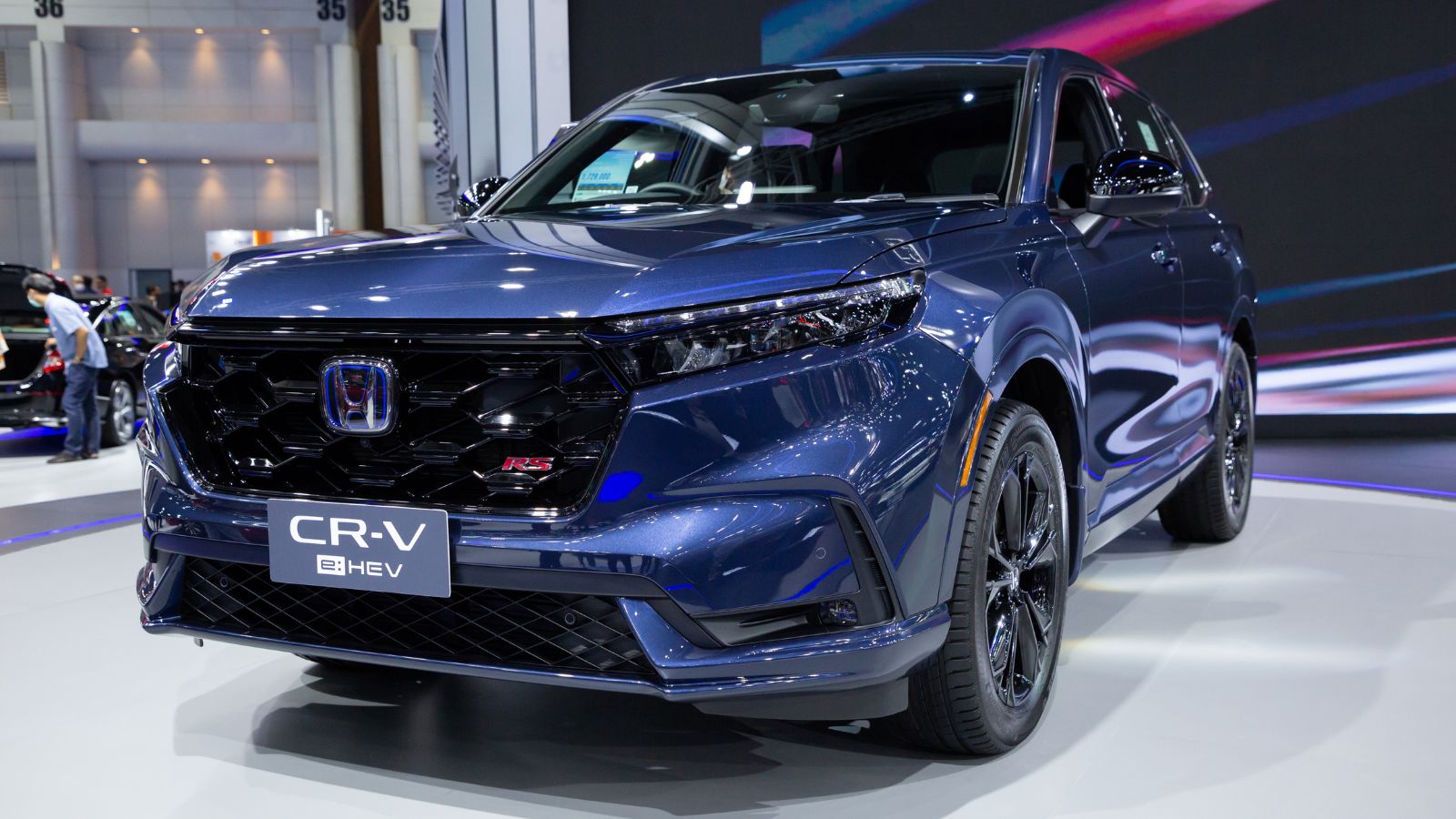
The Honda CR-V Hybrid has never needed an outrageous design, headline-grabbing horsepower figure, or dashboard dominated by enormous screens to make its case. Its appeal is more practical: give families useful space, respectable fuel economy, comfortable road manners, and controls that do not require a learning curve. For 2027, that philosophy remains firmly intact.
That restraint is both the CR-V Hybrid’s greatest strength and its clearest limitation. Competitors increasingly offer more power, bigger displays, more ambitious technology, or stronger towing ability, while Honda continues refining a familiar formula. Across these 12 areas, the CR-V Hybrid shows why playing it safe can still result in one of the most convincing everyday compact SUVs—even if it rarely feels like the most adventurous choice in the showroom.
The Hybrid System Is Smooth Before It Is Fast
Honda pairs a 2.0-litre Atkinson-cycle four-cylinder engine with its two-motor hybrid system, producing 204 horsepower and up to 247 lb-ft of electric-motor torque. That is enough to give the CR-V Hybrid noticeably stronger responses than the regular turbocharged CR-V without turning it into a performance SUV. Independent testing has generally put hybrid versions in the low-to-mid-seven-second range from zero to 60 mph, depending on trim and testing conditions. That is perfectly adequate for merging, passing, and getting a fully loaded family vehicle moving without drama.
What matters more is how naturally the system delivers that performance. Honda’s hybrid arrangement relies heavily on electric propulsion at lower speeds, giving the CR-V a smooth initial response that works particularly well in urban traffic. The system can mimic conventional gear changes when the engine is working harder, avoiding some of the disconnected droning associated with traditional continuously variable transmissions. Push hard up a long grade and the four-cylinder can still become noticeable, but ordinary acceleration is polished and predictable. It feels designed to reduce effort rather than increase excitement, which fits the CR-V’s personality almost perfectly.
Fuel Economy Is the Hybrid’s Strongest Argument
Choosing the hybrid makes the greatest mathematical sense in everyday stop-and-go driving. The front-wheel-drive 2027 Sport Hybrid and Sport-L Hybrid are rated at 43 mpg city, 36 mpg highway, and 40 mpg combined. Adding all-wheel drive lowers those numbers to 40 mpg city, 34 highway, and 37 combined. The TrailSport Hybrid’s all-terrain tires extract another small penalty, bringing its ratings to 38 city, 33 highway, and 35 combined.
Those figures also illustrate an interesting characteristic of Honda’s system: the advantage is greatest around town rather than on a steady highway run. That suits school drop-offs, suburban errands, crowded commutes, and the countless short trips that dominate family-vehicle duty. Real-world testing of the closely related 2026 model has also shown that respectable highway mileage is achievable, although actual results naturally depend on speed, temperature, terrain, and driving style. Anyone buying the hybrid purely to slash fuel consumption should pay attention to drivetrain choice, too. Front-wheel drive provides the strongest EPA numbers, while all-wheel drive sacrifices several miles per gallon in exchange for added traction.
Ride Comfort Is Where the CR-V Feels Most Mature
A family crossover spends far more time crossing broken pavement and highway expansion joints than attacking corners, and Honda appears to have tuned the CR-V accordingly. The suspension generally absorbs ordinary bumps without allowing the body to float excessively afterward. Independent reviewers have repeatedly highlighted ride quality as one of the CR-V’s strongest attributes, with Cars.com placing the 2026 hybrid first for ride quality in an eight-vehicle compact-SUV comparison. The unchanged 2027 model carries that basic chassis setup forward.
The interesting part is that Honda has not made the suspension excessively soft. There is enough firmness to keep the body composed, particularly over a series of uneven surfaces, and that can occasionally make sharp impacts more noticeable than they would be in the softest competitors. Noise levels also vary with trim. The TrailSport’s all-terrain tires can introduce more road noise, while Honda gives the Sport Touring features such as resonance-reducing wheels and active noise-control measures. For passengers, the bigger takeaway is consistency. The CR-V rarely feels unsettled, and that calm behavior matters considerably more on a four-hour family drive than a dramatic suspension specification.
Handling Is Confident Without Pretending to Be Sporty
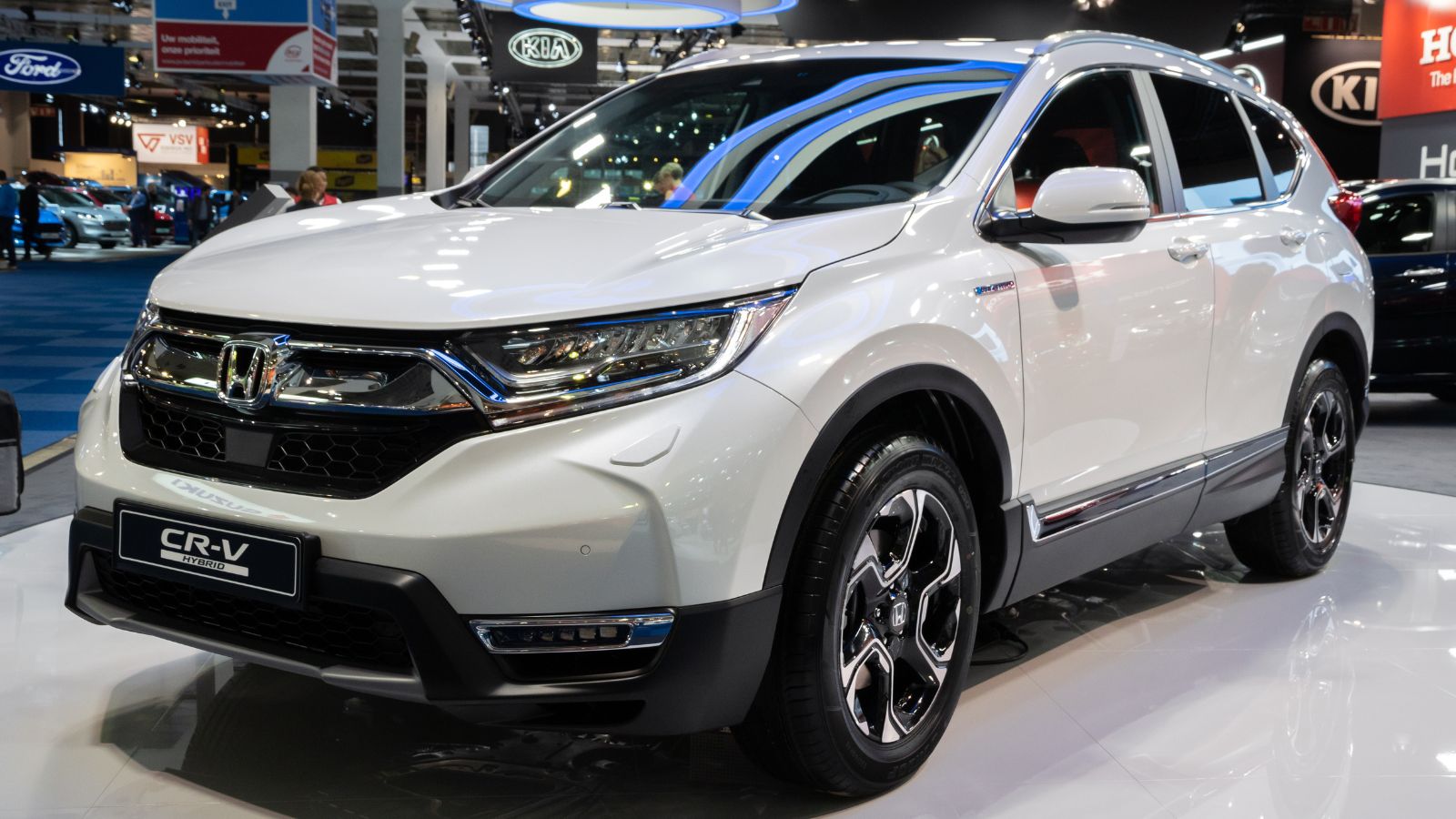
Honda has preserved more steering precision than might be expected from a crossover designed around cargo space and fuel economy. The CR-V Hybrid changes direction neatly, keeps body motion under control, and generally communicates enough through the steering to make placing it on a narrow road straightforward. Consumer Reports has praised its responsive steering and controlled body roll, while its accident-avoidance testing showed secure behaviour during abrupt manoeuvres. The regenerative braking system is also tuned to make routine stops feel relatively natural rather than producing the inconsistent pedal response that can affect some hybrids.
That does not make it a hidden sports SUV. Rivals such as the Mazda CX-50 put more emphasis on driver engagement, and the CR-V’s steering is ultimately about accuracy rather than rich feedback. The same applies to acceleration: 204 horsepower makes it responsive enough, but nobody will mistake the experience for something wearing a performance badge. That restraint is arguably a benefit for the intended buyer. A parent navigating wet ramps, packed parking lots, or unfamiliar rural roads is more likely to appreciate predictable responses than dramatic ones. Honda gives the driver confidence without constantly reminding everyone that engineers were trying to make an SUV feel exciting.
The Cabin Chooses Simplicity Over Spectacle
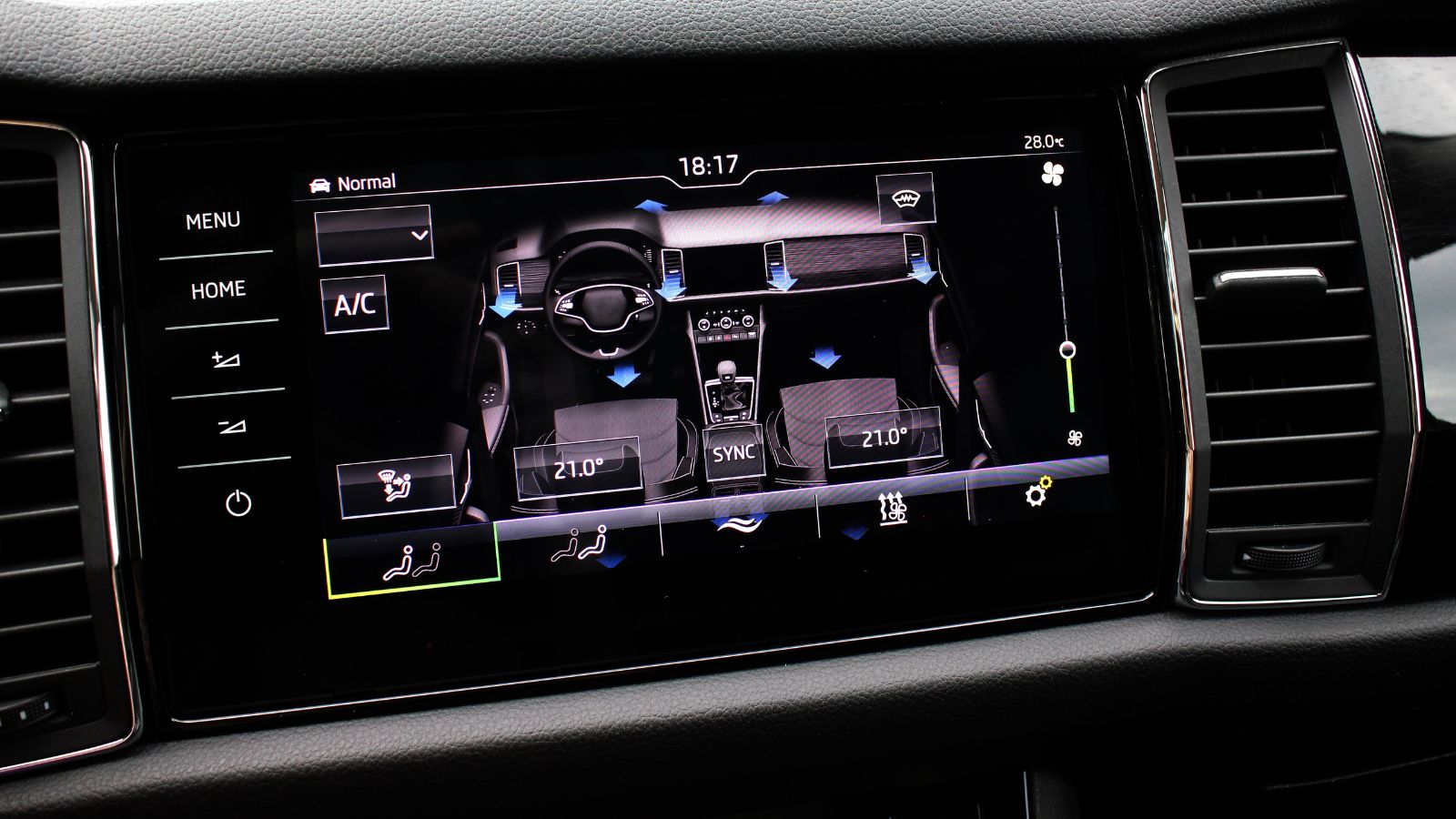
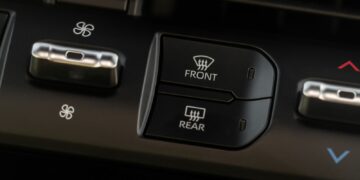
The CR-V’s interior looks restrained beside competitors adopting increasingly elaborate dashboards. Honda uses a horizontal layout, relatively conventional instrumentation, and the brand’s familiar honeycomb-style trim across the dashboard. More importantly, common functions remain easy to identify. Physical climate controls survive beneath the central display, and frequently used switches do not require repeated trips through touchscreen menus. That traditional approach can seem almost old-fashioned in 2027, but it also means a driver can change the temperature without studying a digital interface.
Materials improve as the trim ladder rises. Sport-L and Sport Touring Hybrid models receive leather-trimmed seating, while the Touring adds details such as a heated steering wheel. Honda’s published U.S. equipment list still does not turn the CR-V into a near-luxury technology showcase. Features appearing elsewhere in the segment, such as ventilated front seats, a head-up display, and a full surround-view camera system, remain notable omissions. The CR-V therefore feels carefully assembled and thoughtfully arranged rather than extravagant. For owners who value usability more than visual theatre, that restraint may age surprisingly well.
The Rear Seat Makes a Strong Case for Family Duty
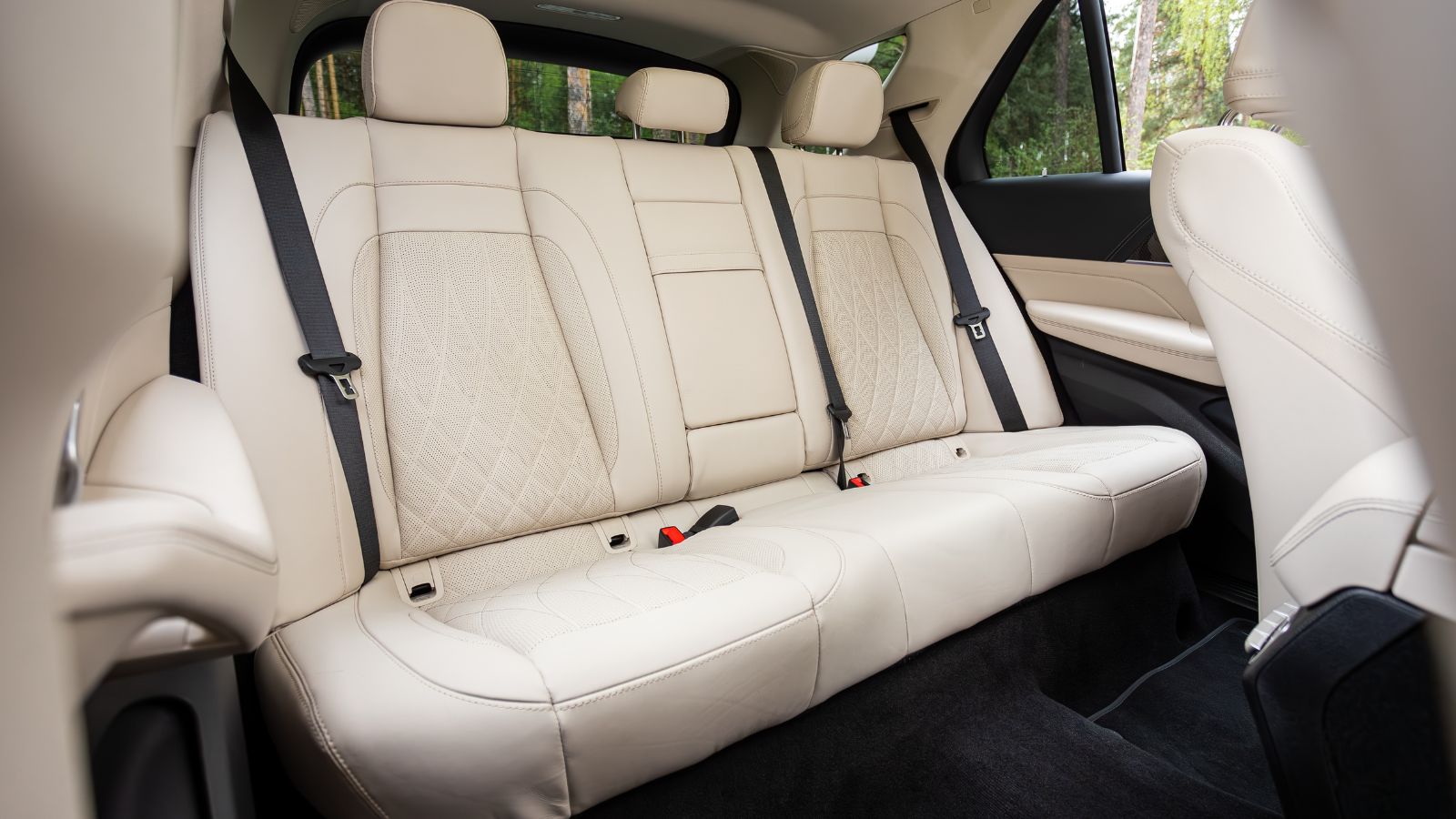
Numbers help explain why the CR-V works so well with passengers. Honda lists 41 inches of second-row legroom along with 38.2 inches of rear headroom. Those dimensions leave genuine adult-sized space behind the front seats instead of treating the second row as somewhere primarily intended for children. The rear seatbacks also recline, which can make a meaningful difference on longer drives when passengers want something more relaxed than a perfectly upright seating position.
Families using child seats get two outboard rear positions with complete LATCH hardware. The Insurance Institute for Highway Safety gives the CR-V’s LATCH arrangement an Acceptable rating rather than its highest Good score, noting that a third seating position can borrow lower anchors from the neighbouring positions but that doing so prevents those anchors from being used simultaneously in their normal positions. That is the sort of detail a specification sheet can hide. Even so, the broad rear compartment and substantial door openings make installing seats or helping children climb aboard relatively straightforward. For a family with one or two young children, usable space rather than clever packaging tricks remains one of the CR-V’s most convincing advantages.
Cargo Space Is Generous, Though the Hybrid Makes a Compromise
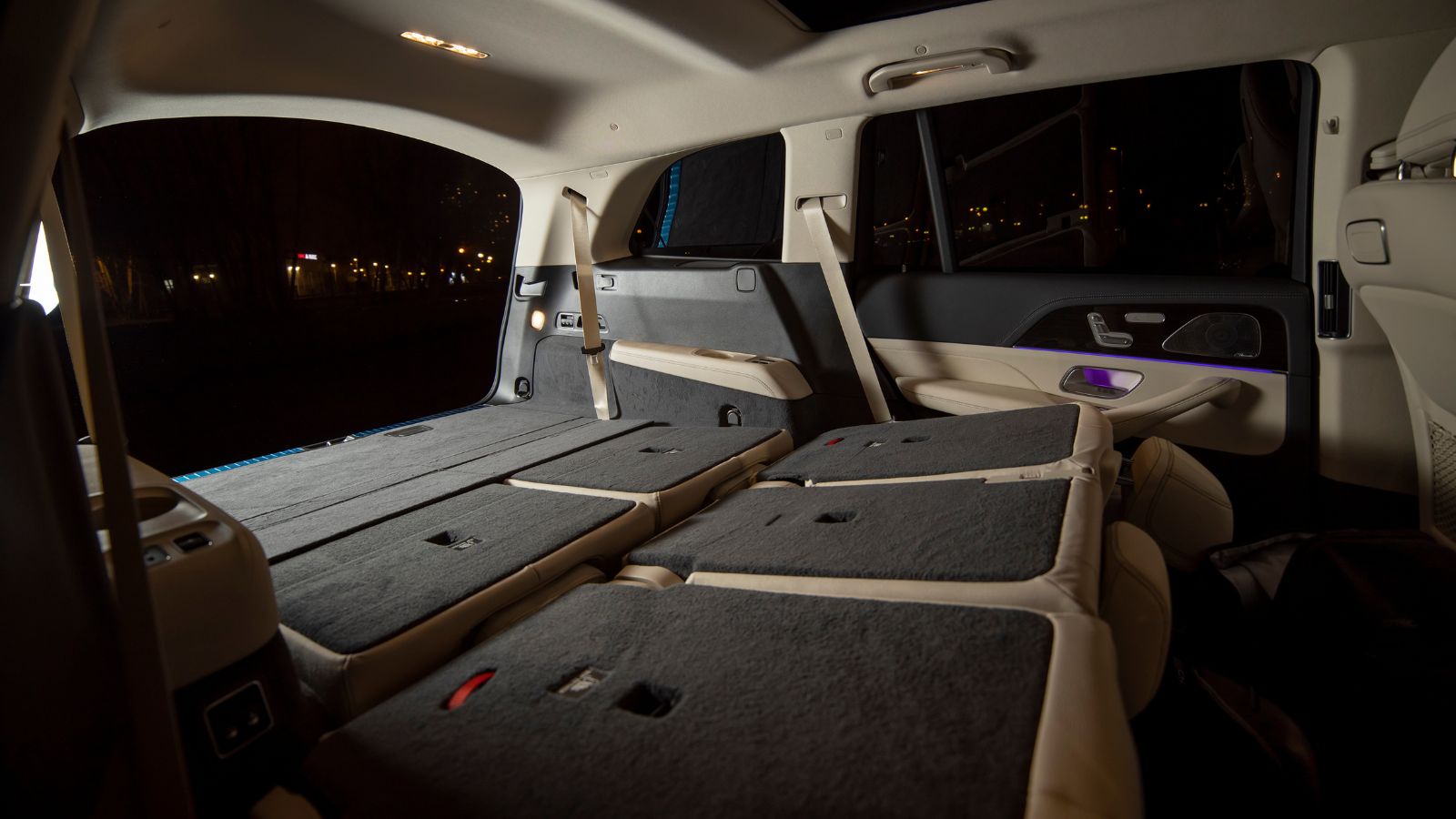
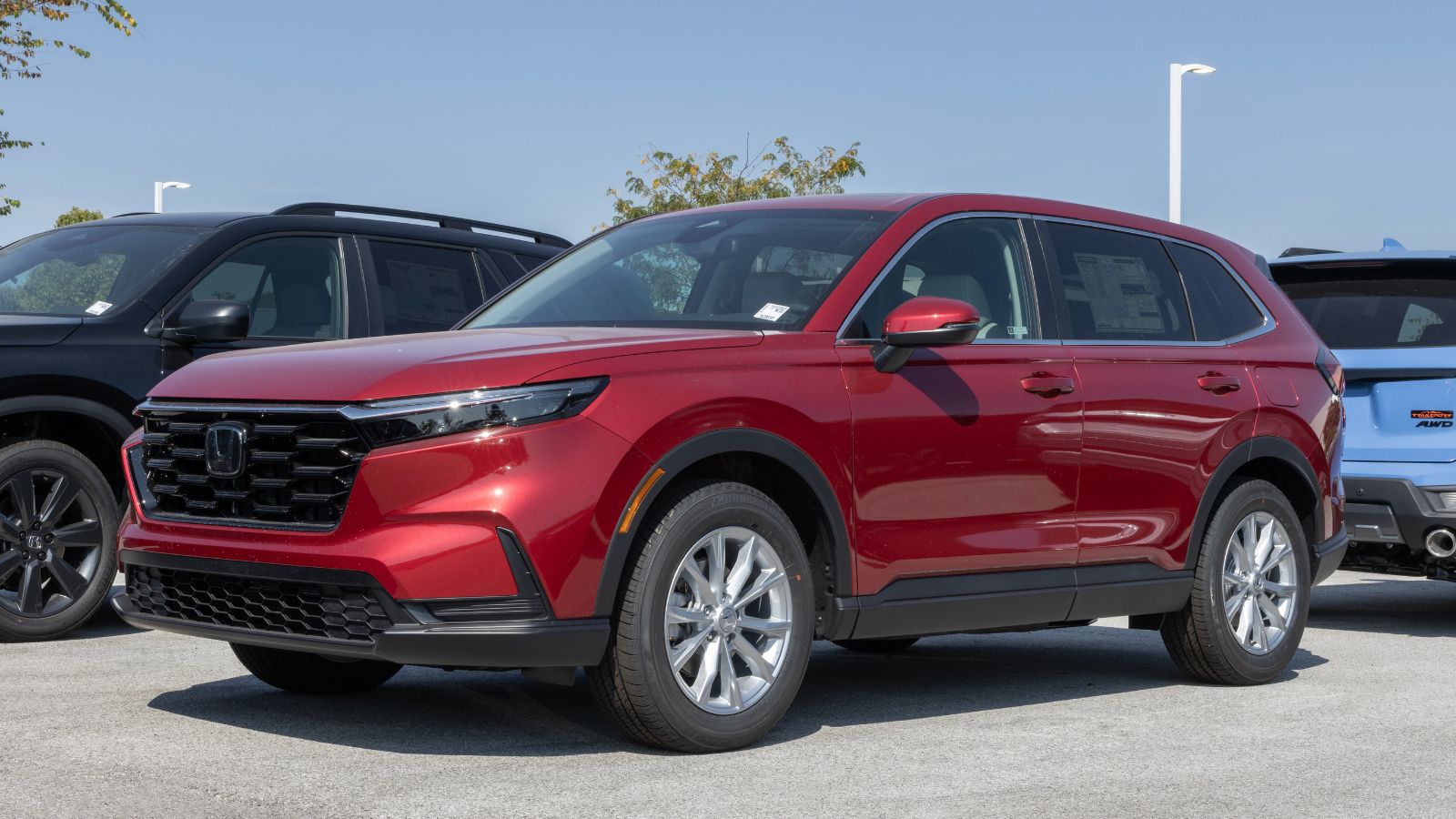
Hybrid hardware costs the CR-V some luggage capacity compared with the gasoline model, but the remaining space is still highly usable. Honda lists 36.3 cubic feet behind the second row for most CR-V Hybrid trims and up to 71.8 cubic feet with the rear seating folded. The Sport Touring Hybrid is listed at 34.7 cubic feet behind the second row because of its equipment packaging. The rear seat uses a 60/40 split, allowing awkward combinations such as two passengers plus a long box, skis, or flat-packed furniture.
The useful shape matters almost as much as the headline number. A wide rear opening and comparatively square cargo area make strollers, grocery bins, suitcases, and bulky household purchases easier to arrange than they would be in a sharply styled crossover with a heavily sloped roof. There is one practical compromise underneath that floor: Honda’s specifications show hybrid trims using a tire-repair kit rather than the compact spare supplied with gasoline versions. That saves packaging space and weight, but families regularly travelling far from roadside assistance may consider the missing spare more significant than another digital convenience feature. It is a small example of the trade-offs hidden beneath the CR-V’s straightforward personality.
The Technology Is Finally Modern Enough
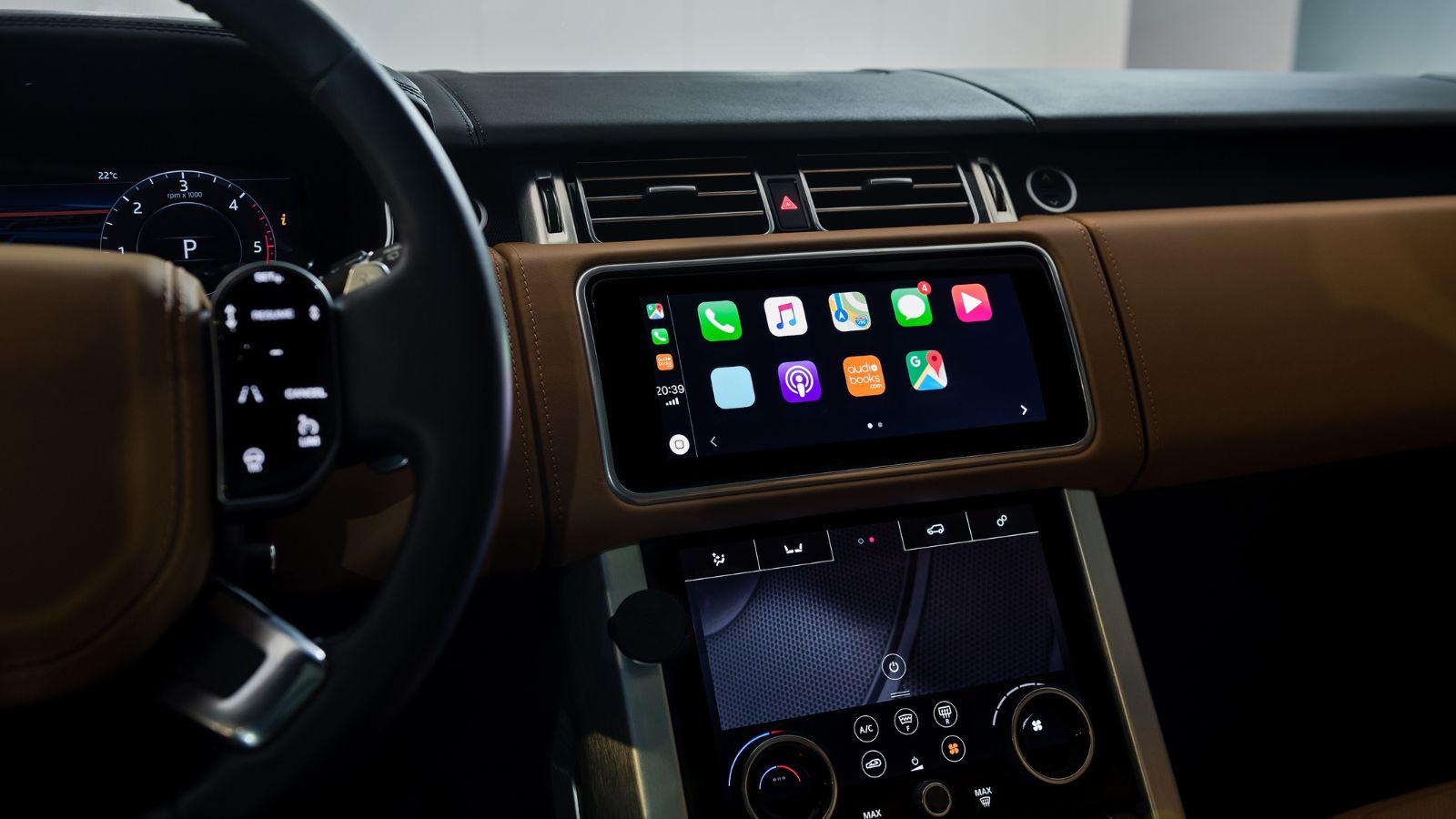
Honda addressed one of the CR-V’s most obvious weaknesses by making a 9-inch central touchscreen standard across the 2027 range. Wireless Apple CarPlay, wireless Android Auto, and wireless phone charging are standard as well, removing much of the feature nickel-and-diming that previously made lower trims look dated. The Sport Hybrid uses a 7-inch driver information display, while TrailSport Hybrid, Sport-L Hybrid, and Sport Touring Hybrid models receive a larger 10.2-inch digital instrument cluster.
The Sport Touring is where the electronics become more ambitious. It adds Google built-in, including Google Maps and other connected functionality, along with a 12-speaker Bose premium audio system. Even then, the screen itself remains modestly sized compared with the increasingly enormous displays available from several rivals. That turns out to be less frustrating than the specifications suggest because Honda keeps the interface relatively straightforward and places the display within easy reach. The system is not a technological showpiece, but neither does it feel outdated anymore. That distinction matters: Honda has largely fixed the usability gap without transforming the CR-V into something dominated by technology for technology’s sake.
The Safety Equipment Is Strong, but Crash Testing Reveals an Important Caveat

Every CR-V Hybrid includes a broad collection of driver-assistance systems. Honda Sensing brings collision-mitigation braking, forward-collision warning, lane-departure warning, road-departure mitigation, adaptive cruise control with low-speed follow, lane-keeping assistance, traffic-jam assistance, traffic-sign recognition, automatic high beams, and a driver-attention monitor. Unlike the base gasoline LX, the hybrid trims also receive blind-spot information and rear cross-traffic monitoring. That is a useful baseline for a vehicle so clearly aimed at households.
Crash-test performance requires more nuance. IIHS ratings applying to the 2027 CR-V give it Good scores in the small-overlap front and updated side evaluations, along with Good-rated headlights. However, it receives a Poor rating in the institute’s updated moderate-overlap front test. The driver’s protection performed well in that evaluation, but rear-passenger restraint performance was rated Poor and rear-passenger chest protection was rated Marginal. That result prevents the CR-V from being described as flawless simply because it carries a long list of active-safety technology. Buyers comparing family vehicles should consider both collision-avoidance equipment and occupant-protection testing rather than relying on one headline score.
All-Wheel Drive Adds Confidence, While TrailSport Keeps Its Ambitions Modest
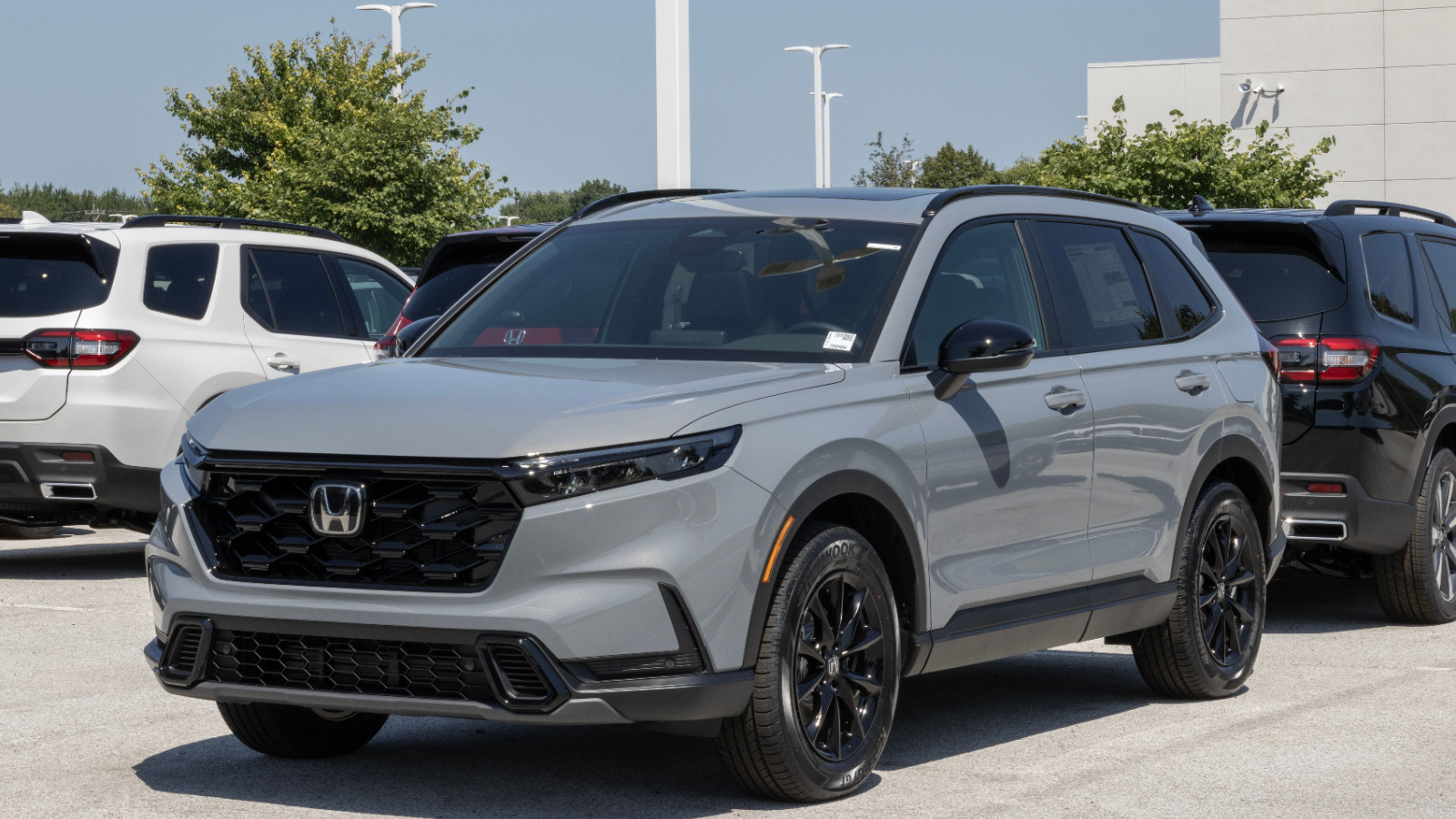
Honda offers all-wheel drive on the regular Sport and Sport-L Hybrid, while it is standard on the TrailSport Hybrid and Sport Touring Hybrid. AWD versions provide 8.2 inches of unladen ground clearance, enough to make snowy streets, cottage roads, or deeply rutted gravel less intimidating than they would be in a low passenger car. Honda’s system can direct power toward the rear axle when additional traction is required, and the CR-V also includes Snow mode and hill-descent control.
The TrailSport name sounds more aggressive than the hardware really is. Its biggest functional distinction is a set of 18-inch wheels wearing Continental CrossContact ATR all-terrain tires. It does not gain extra ground clearance over other AWD CR-Vs, and road tests of the original TrailSport Hybrid have pointed out the absence of the substantial skid plates, suspension changes, and more serious trail hardware found on Honda’s larger Passport TrailSport. That does not make the trim pointless. Better tires can make muddy campsites or loose surfaces less stressful. It simply means TrailSport should be understood as an all-weather, light-adventure CR-V rather than a miniature off-road truck.
Utility Has Limits Once a Trailer Enters the Picture
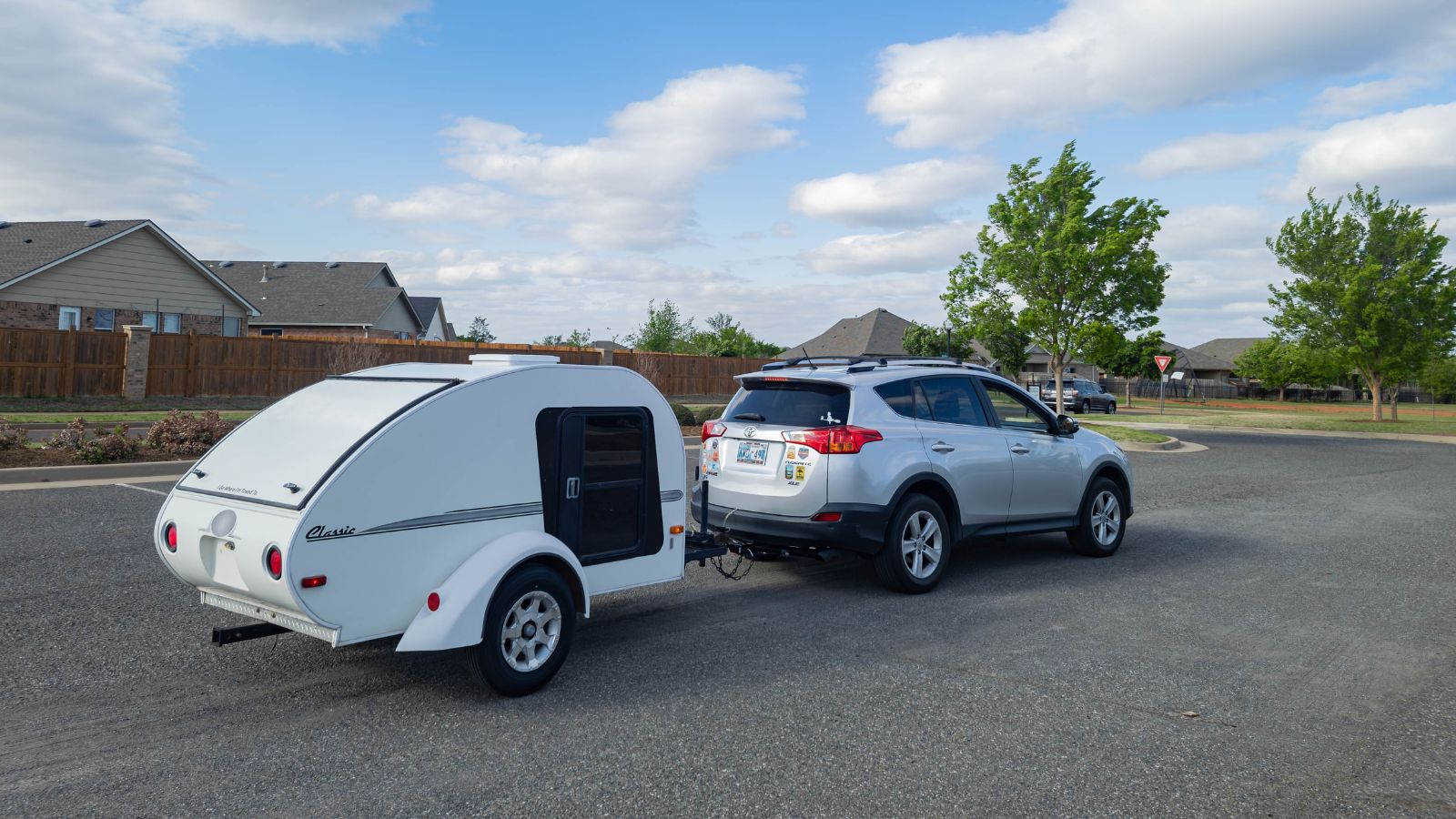
The CR-V Hybrid is highly practical inside but noticeably less capable when something needs to be pulled behind it. Honda rates every 2027 hybrid trim to tow a maximum of 1,000 pounds when properly equipped with the required towing accessories. Gasoline CR-V models are rated at 1,500 pounds. Neither figure turns the CR-V into a serious tow vehicle, but the hybrid’s lower limit is worth remembering for households considering a small utility trailer, personal watercraft, or heavily loaded recreational trailer.
That relatively low rating highlights where Honda’s priorities sit. The CR-V Hybrid has been optimized around commuting, passenger comfort, interior packaging, and fuel efficiency rather than heavy-duty utility. Its 14-gallon fuel tank, manageable exterior dimensions, available all-wheel drive, and substantial rear-seat room fit that everyday mission well. Someone occasionally carrying bicycles, camping equipment, home-improvement supplies, or a roof-mounted cargo box may never notice the towing limitation. A buyer who routinely wants to pull 2,000 pounds or more will notice immediately. In other words, the CR-V is versatile within the boundaries of a compact family crossover, but its calm, sensible character should not be mistaken for unlimited capability.
The Price Makes the Middle Trims Especially Important
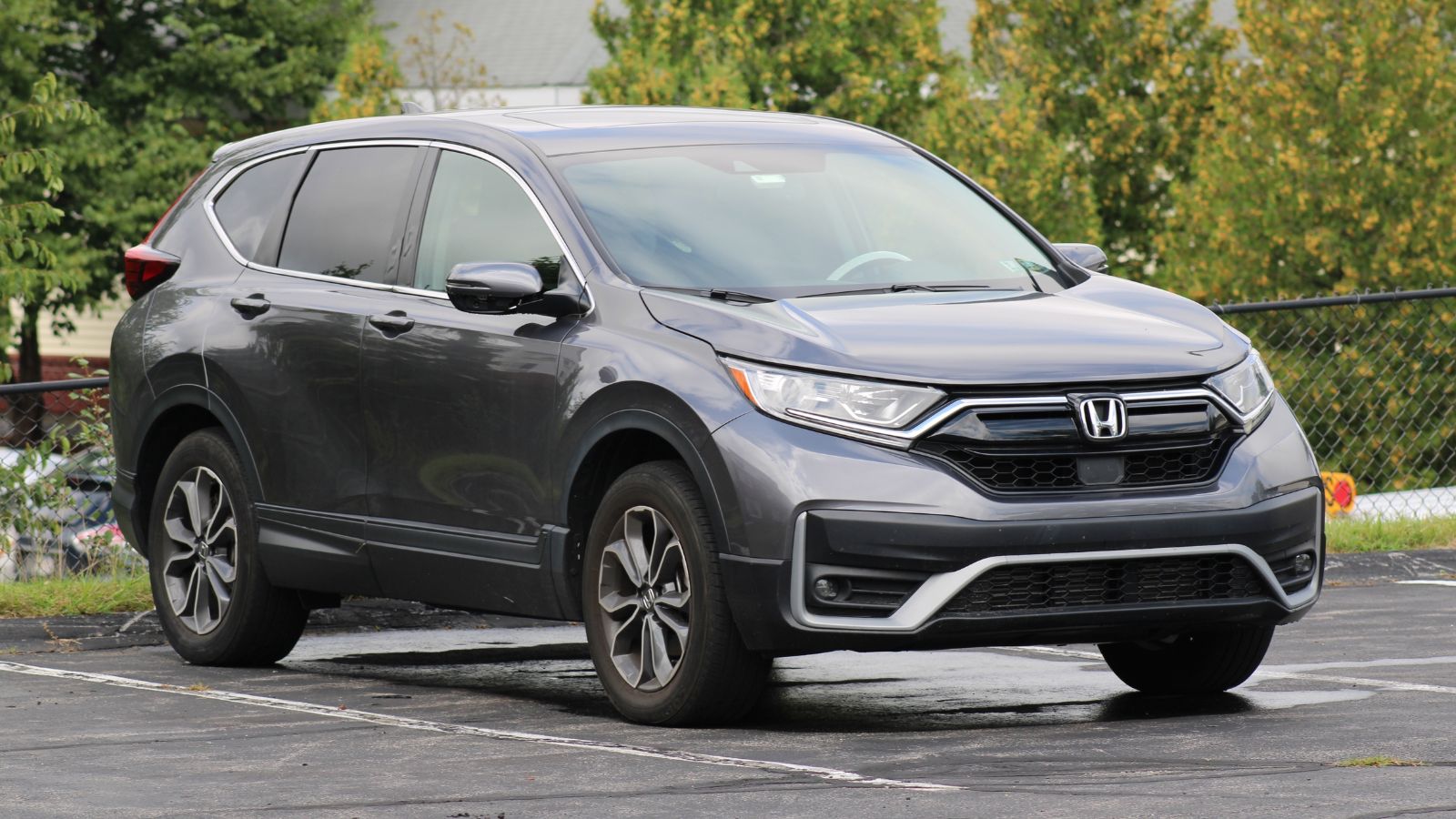
For the 2027 U.S. lineup, Honda lists the Sport Hybrid at a starting MSRP of $36,030 before destination and other charges. The Sport-L Hybrid starts at $39,125, the AWD TrailSport Hybrid at $39,200, and the Sport Touring Hybrid at $42,950. That means buyers can move remarkably quickly from a sensible mid-$30,000 hybrid to a vehicle approaching the mid-$40,000 range once destination charges, paint choices, accessories, taxes, and fees are considered.
The Sport Hybrid is therefore the straightforward efficiency choice, while the Sport-L arguably fits the CR-V’s character best for families prepared to spend more. It adds leather-trimmed seating, a power tailgate, power front seats with driver memory, parking sensors, and the larger digital instrument display without requiring the fully loaded Touring. TrailSport makes more sense for drivers who value all-terrain tires and standard AWD than for serious off-road enthusiasts. Sport Touring brings the richest technology and comfort package, but its price also puts the CR-V against increasingly sophisticated alternatives. Choosing the right trim matters almost as much as choosing the CR-V itself.
Playing It Safe Is Exactly Why the CR-V Hybrid Works
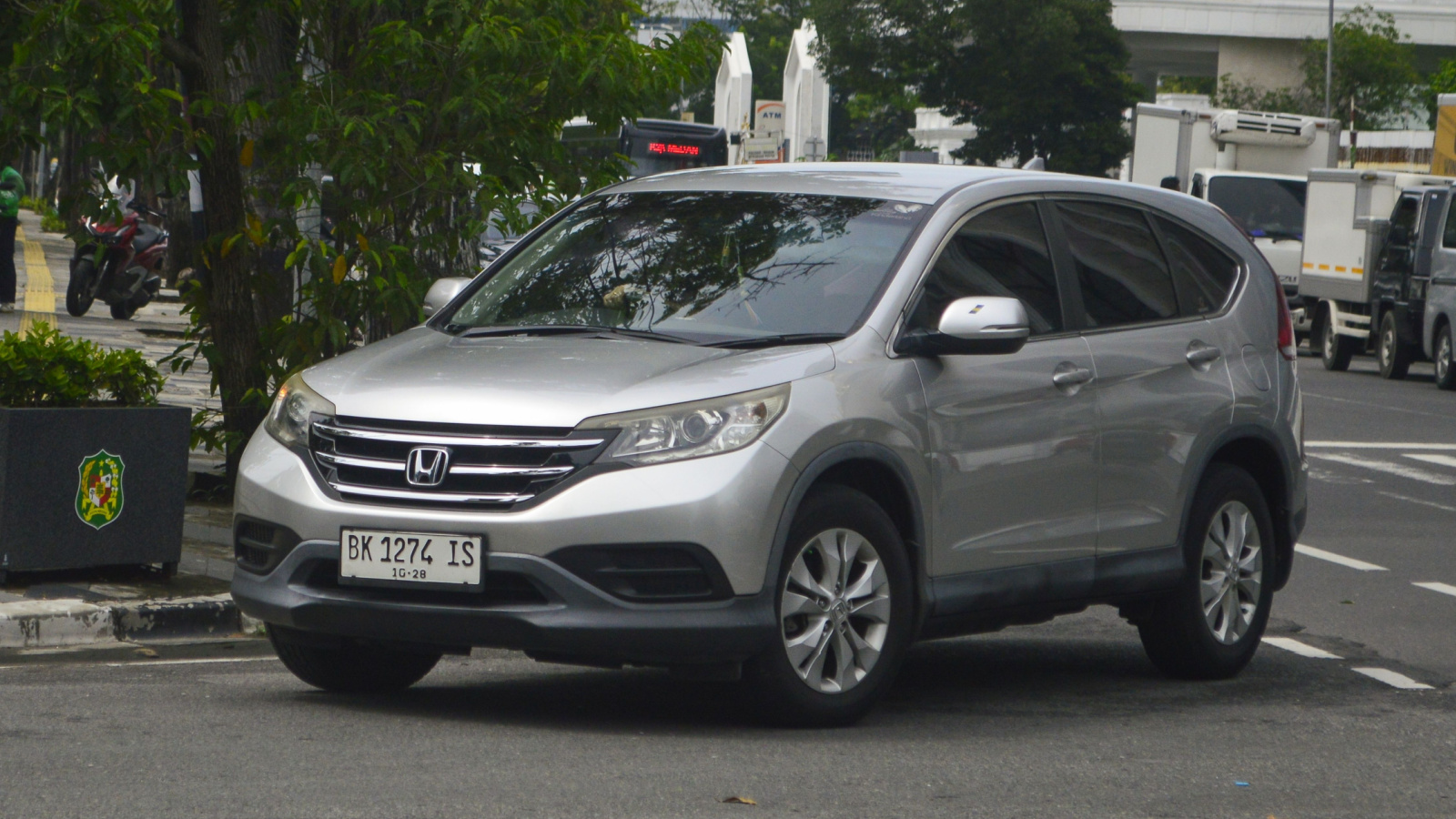
There are faster compact hybrids, more adventurous-looking crossovers, larger touchscreens, stronger towing ratings, and competitors with features the CR-V still does not offer. The Honda also deserves scrutiny for its Poor result in IIHS’s updated moderate-overlap crash test. Buyers expecting the segment leader to dominate every measurable category will therefore find several reasons to continue comparison shopping rather than simply signing an order form.
Yet the CR-V Hybrid’s appeal becomes clearer after considering how families actually use compact SUVs. It provides excellent rear-seat room, useful cargo capacity, strong urban fuel economy, a comfortable ride, predictable controls, smooth hybrid operation, and enough handling confidence to keep everyday driving from feeling clumsy. Almost nothing about it demands attention, and remarkably little gets in the way. That is what “playing it safe” ultimately means here. The CR-V Hybrid is not built around one spectacular trick. It succeeds because so many ordinary tasks have been carefully considered. For a family SUV, being consistently good at ordinary life can be more valuable than being exceptional at something owners rarely need.
19 Used Cars Canadians Should Avoid in 2026 (Based on Owner Complaints)

Buying a used car in Canada can feel safe until repair bills start stacking up. Owner complaints tell a different story than glossy listings. Transmission failures, electrical problems, and weak winter reliability show up again and again in consumer reports. Many of these issues appear after warranties expire, when owners least expect them. Some vehicles look affordable upfront, but become expensive to keep on the road. Others struggle in cold weather, urban driving, or long highway commutes. Here are 19 used cars Canadians should avoid in 2026 (based on owner complaints).
19 Used Cars Canadians Should Avoid in 2026 (Based on Owner Complaints)