

























Canadians have long treated all-wheel drive as the default answer to winter, but the decision is becoming less automatic. Higher vehicle prices, fuel costs, improved winter tires, better electronic safety systems, and widely varying regional weather have pushed some buyers to reconsider what they actually need. For commuters who spend most of their time on plowed urban roads, front-wheel drive can offer a practical balance of traction, efficiency, affordability, and simplicity. These 12 reasons explain why the less complicated drivetrain is regaining attention without pretending that it is the right choice for every road, climate, or lifestyle.
The Upfront Price Gap Is Real
All-wheel drive often begins with an added charge before the vehicle leaves the dealership. Toyota Canada listed the 2026 Corolla Cross L at $28,580 with front-wheel drive and $29,980 with all-wheel drive, a $1,400 MSRP difference. On the better-equipped LE, the gap was $1,020. Those figures exclude taxes, registration, insurance, and financing, which can magnify the real cost over a loan term.
For a household already stretching to cover a down payment, winter tires, and monthly payments, that premium may feel difficult to justify. A buyer in suburban Toronto who rarely leaves maintained roads might reasonably decide that $1,000 to $1,400 is better kept for a winter-tire package. AWD still has value for steep driveways, rural roads, and frequent storm travel, but some Canadians are separating genuine need from a feature that has become an expensive default in a market where every financed dollar matters for years afterward.
The Fuel-Economy Difference Keeps Repeating

The fuel penalty attached to all-wheel drive is modest on a single trip, yet it repeats every kilometre. Toyota rates the 2026 Corolla Cross at 7.3 L/100 km combined in front-wheel-drive form and 7.8 L/100 km with AWD. Honda lists the HR-V at 8.3 L/100 km combined with front-wheel drive and 8.7 L/100 km with its Real Time AWD system.
At 20,000 kilometres a year, a difference of 0.4 L/100 km equals about 80 extra litres of gasoline. At $1.50 per litre, that is roughly $120 annually, before considering price swings. The amount will not transform every budget, but it arrives alongside insurance, tires, maintenance, and payments. For drivers who keep a vehicle for eight or ten years, small annual savings become meaningful. FWD appeals because its efficiency advantage asks for no change in commuting habits, route planning, or comfort, making it one of the easiest ownership savings to capture.
Lower Fuel Use Also Means Lower Emissions
Fuel savings also translate into lower tailpipe carbon dioxide emissions. Natural Resources Canada says every litre of gasoline burned produces 2.3 kilograms of CO₂. Using the 80-litre annual difference in the earlier example, the FWD version would avoid roughly 184 kilograms of CO₂ each year, assuming the vehicles were driven the same distance under similar conditions.
That reduction is not large enough to make a gasoline crossover environmentally harmless, but it is measurable and cumulative. Over eight years, the difference would approach 1.5 tonnes of CO₂. Some buyers view that as a useful gain when an electric vehicle is unavailable, unaffordable, or impractical for their housing situation. The attraction is especially strong for commuters whose AWD system would spend almost all its life on dry or wet pavement. Choosing only the drivetrain that daily conditions require can be a modest form of consumption reduction rather than a sacrifice in mobility.
Winter Tires Can Matter More Than Driven Wheels
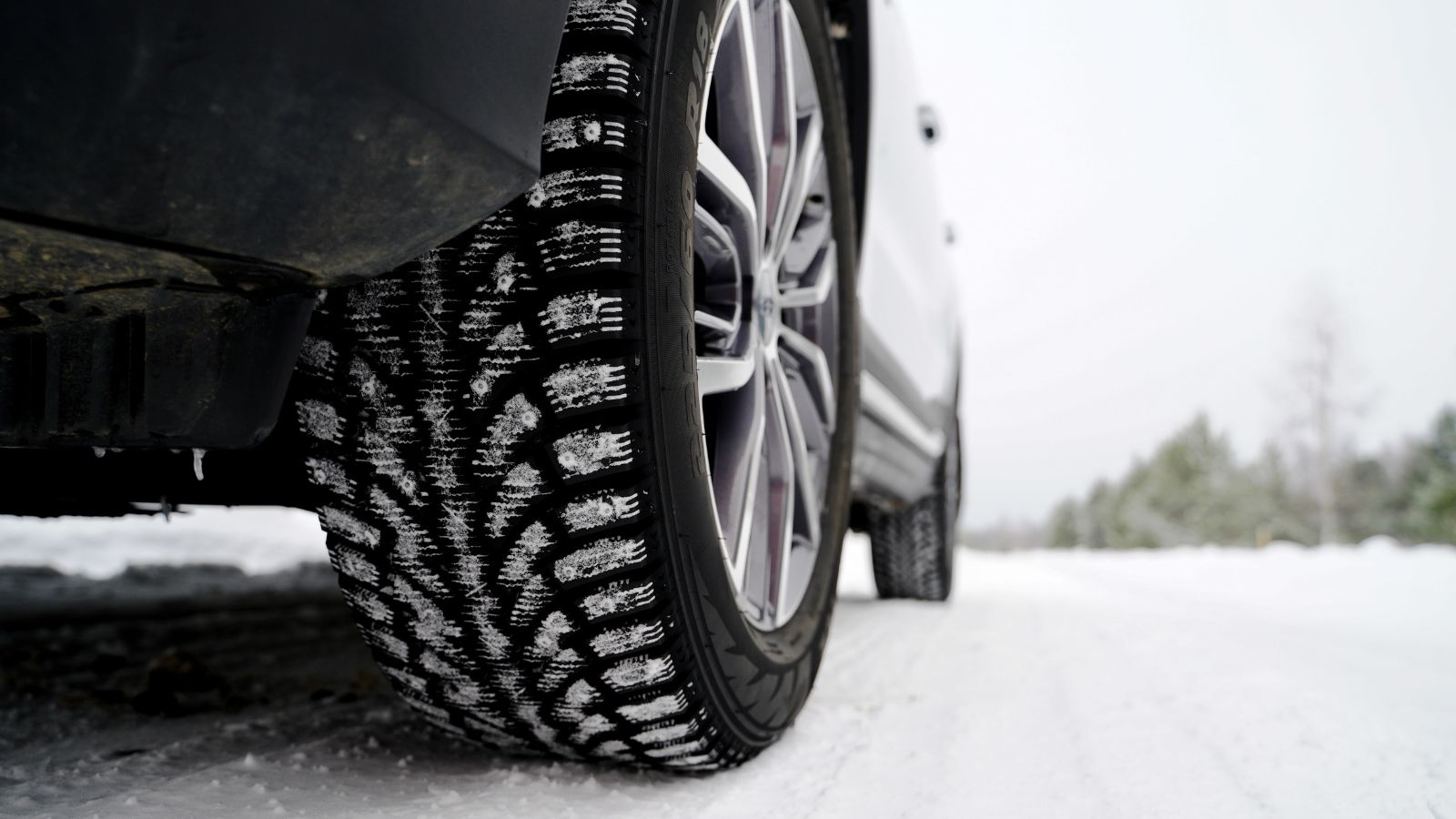
The strongest argument for FWD in winter often sits at the four corners of the vehicle. Transport Canada recommends winter tires on all wheels because their softer rubber and winter-specific tread provide better traction in cold, snowy, and icy conditions. CAA says winter tires can deliver up to 50 percent more traction than all-season tires, with improvements in braking and handling as well as acceleration.
That matters because AWD cannot create grip where the tires have little to offer. A front-wheel-drive hatchback on four high-quality winter tires may feel far more secure than an AWD crossover wearing worn all-seasons. Quebec’s rules reinforce this priority by requiring winter tires on most provincially registered vehicles from December 1 through March 15. For budget-conscious buyers, redirecting the AWD premium toward tires, steel wheels, seasonal installation, and timely replacement can improve the part of winter performance that affects every stop, turn, and emergency manoeuvre.
AWD Helps a Vehicle Move, Not Necessarily Stop
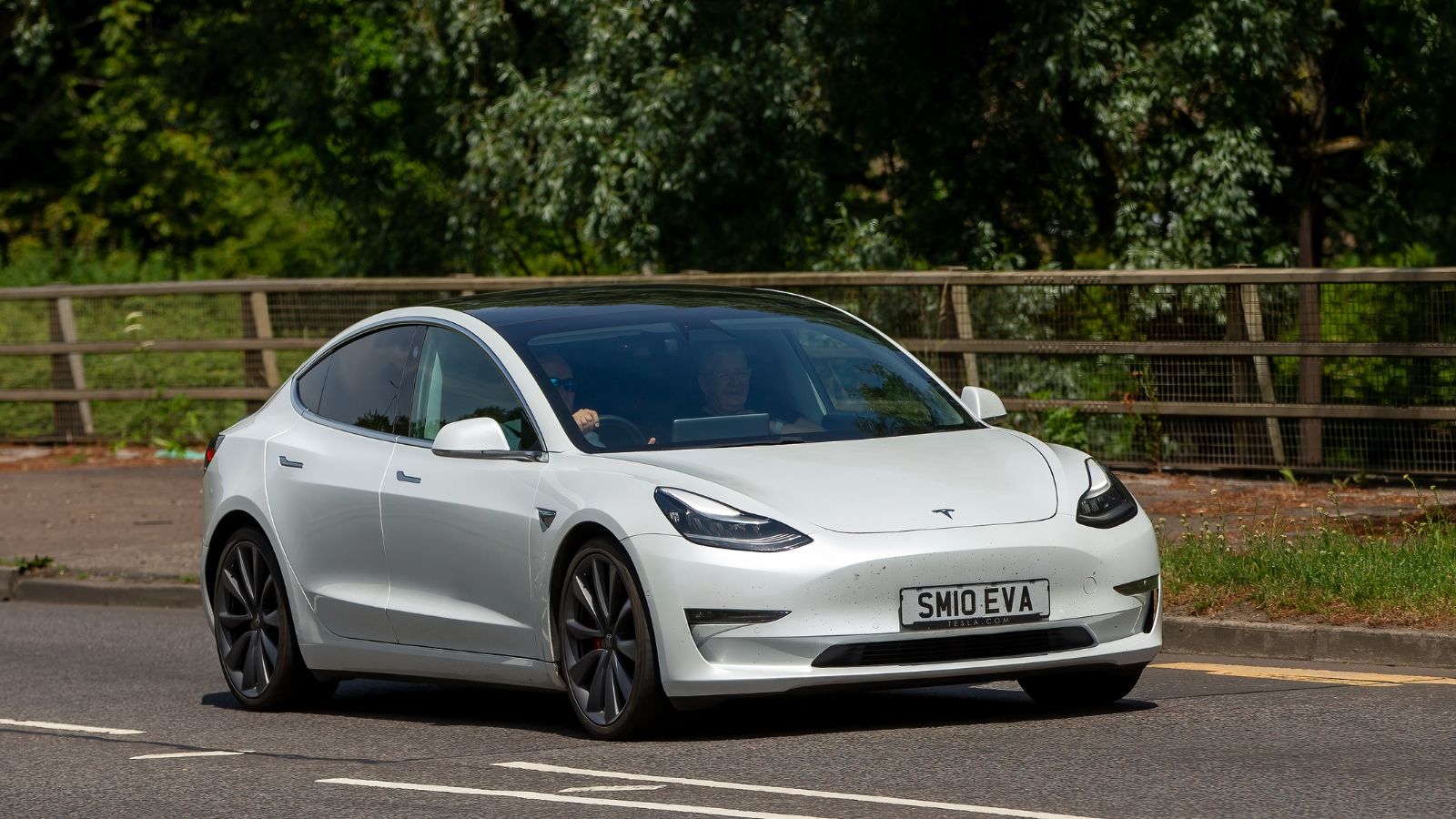
AWD is excellent at distributing engine power so a vehicle can pull away with less wheelspin. Its advantage is obvious when climbing a snowy hill, leaving an unplowed parking space, or accelerating on a slippery road. The limitation is that driven wheels do not shorten stopping distances merely because all four receive power. Braking and cornering remain heavily dependent on tire grip, speed, road surface, and driver input.
CAA’s winter guidance makes the distinction plainly: AWD and four-wheel drive help propel a vehicle, but they do not necessarily improve braking or turning, where winter slides occur. This is why some Canadians no longer equate AWD with winter safety. A cautious FWD driver on winter tires, leaving generous stopping space, can address the situations likely to cause a collision. AWD remains useful, but buyers are increasingly treating it as traction aid rather than a substitute for tires, judgment, and reduced speed.
Municipal Snow Clearing Changes the Calculation

Many Canadians experience winter through a municipal maintenance system rather than through untouched snow. Toronto begins plowing expressways at 2.5 centimetres, major roads and transit routes at five centimetres, and residential streets at eight centimetres. Vancouver prioritizes major roads, bus routes, emergency access routes, bridges, school routes, and selected high-use pathways for snow and ice treatment.
Those service standards do not guarantee bare pavement during a storm, and major events can overwhelm crews. Still, they change the everyday calculation for someone whose commute follows arterials, transit corridors, and downtown streets. An office worker who can delay departure until plows pass may gain little from carrying an AWD system for the entire year. FWD becomes more attractive when the household also has flexible work arrangements, access to transit, or the option to stay home during the worst conditions. The choice reflects route management as much as drivetrain capability and local conditions.
There Is No Single Canadian Winter
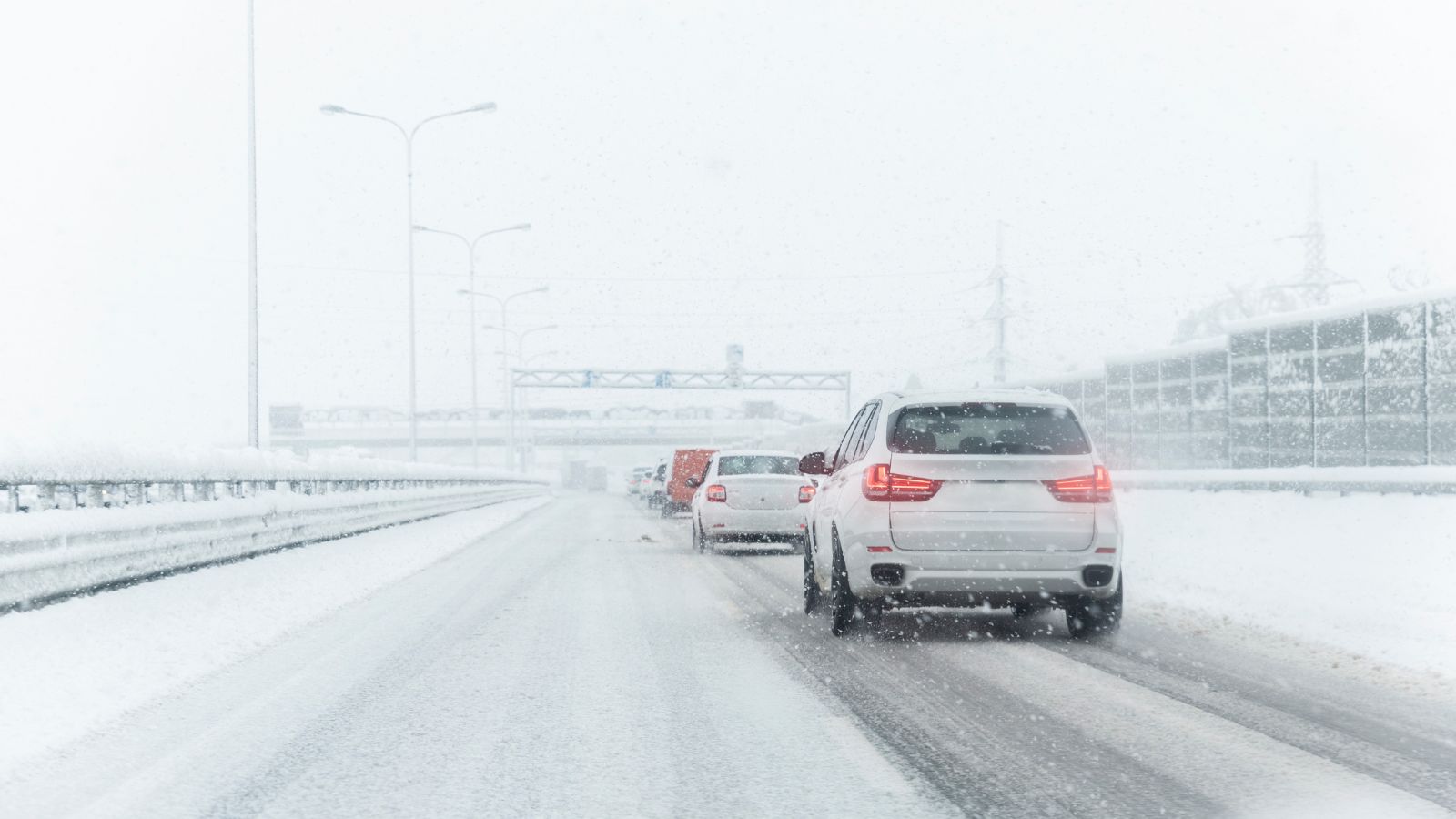
“Canadian winter” describes different driving environments. Environment and Climate Change Canada’s 1991–2020 climate normals cover stations across a country with major differences in snowfall, temperature, freeze-thaw cycles, and storm frequency. A driver in coastal British Columbia does not face the same routine conditions as one in Winnipeg, northern Ontario, or interior Newfoundland and Labrador.
That regional variation helps explain why a national preference for AWD can be too broad. In a milder urban climate, a vehicle may encounter cold rain and occasional snow more often than deep accumulation. In a colder or more rural setting, packed snow, drifting, steep grades, and delayed plowing can make AWD more valuable. Some Canadians are therefore buying for their postal code, commute, and travel habits rather than for Canada’s reputation. FWD is not a rejection of winter reality; in many cases, it is a more precise response to the winter a household actually experiences.
Modern Electronics Have Narrowed the Confidence Gap

Modern FWD vehicles are not relying on two driven wheels alone. Transport Canada says electronic stability control has been mandatory on Canadian cars, SUVs, pickups, and minivans from the 2012 model year. When sensors detect that a vehicle is not travelling in the direction the driver intends, ESC can brake individual wheels, reduce engine power, or do both. Traction-control systems also limit wheelspin by braking a spinning drive wheel or reducing power.
These systems do not repeal the laws of physics, and Transport Canada still stresses proper tires and careful driving. They do, however, make a recent FWD vehicle much more capable than an older, lightly equipped car that many people remember from decades past. For commuters replacing a 15- or 20-year-old vehicle, the improvement can be striking. Some buyers conclude that winter tires, ESC, traction control, and sensible speed provide enough confidence without paying for AWD they rarely activate.
FWD Can Be Lighter Without Sacrificing Space
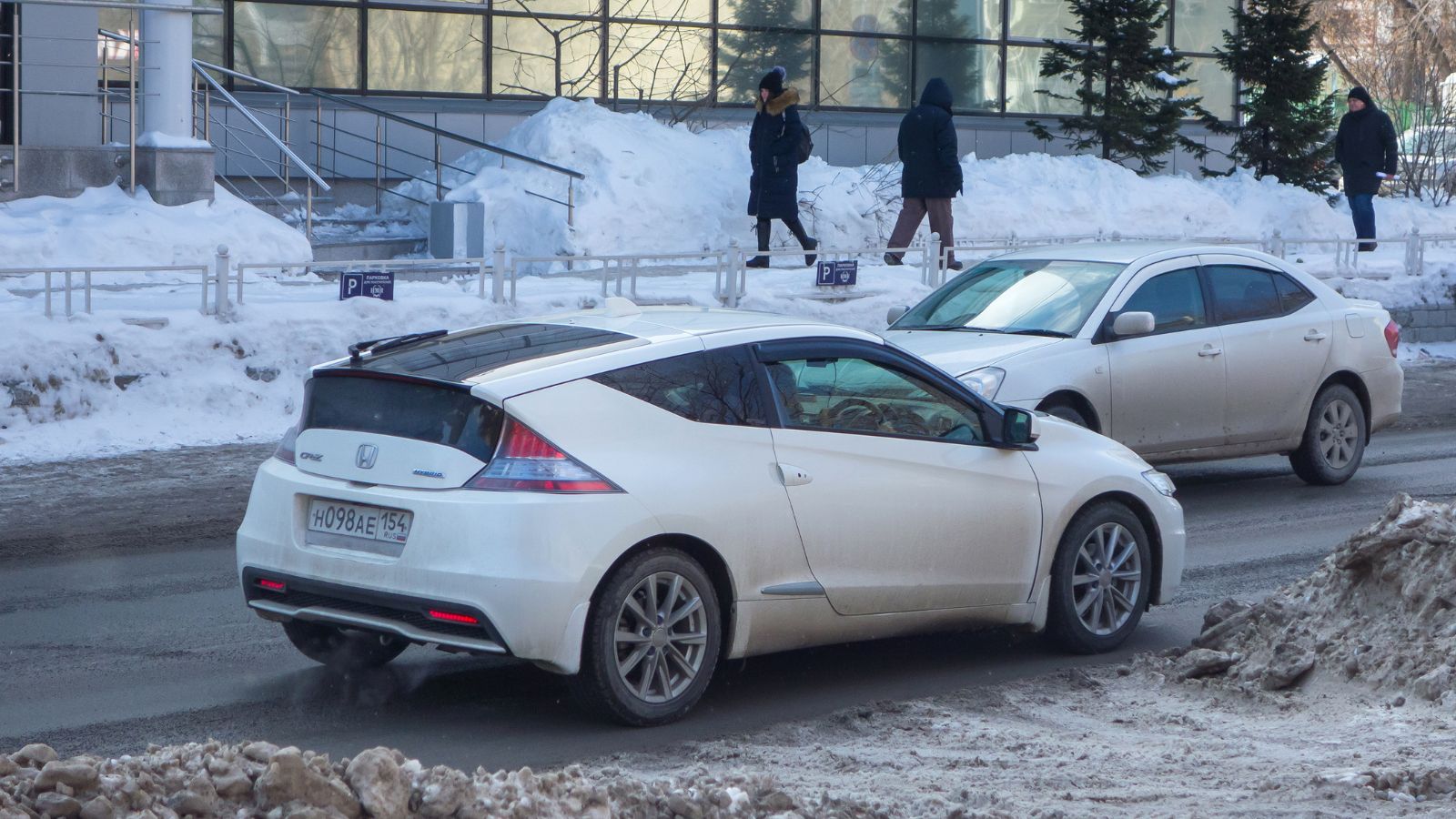
FWD can reduce weight without taking away useful interior space. Honda’s 2026 HR-V specifications list the LX 2WD at 1,441 kilograms and the LX AWD at 1,494 kilograms, a 53-kilogram difference. Yet both versions have the same unloaded ground clearance and the same stated cargo volume: 691 litres with the rear seats raised and 1,559 litres with them folded.
That comparison challenges the idea that AWD always brings a broader practical advantage. In this case, the buyer receives the same passenger capacity, cargo measurements, and basic ride height while carrying less mass. Lower weight can support fuel efficiency and may make the vehicle feel less burdened in ordinary acceleration and braking, although suspension tuning and tires also shape the experience. For a family using the HR-V for groceries, school runs, and highway trips, the FWD model preserves the space that matters while avoiding hardware that mainly benefits low-traction acceleration situations.
Tire Replacement Can Be Less Complicated
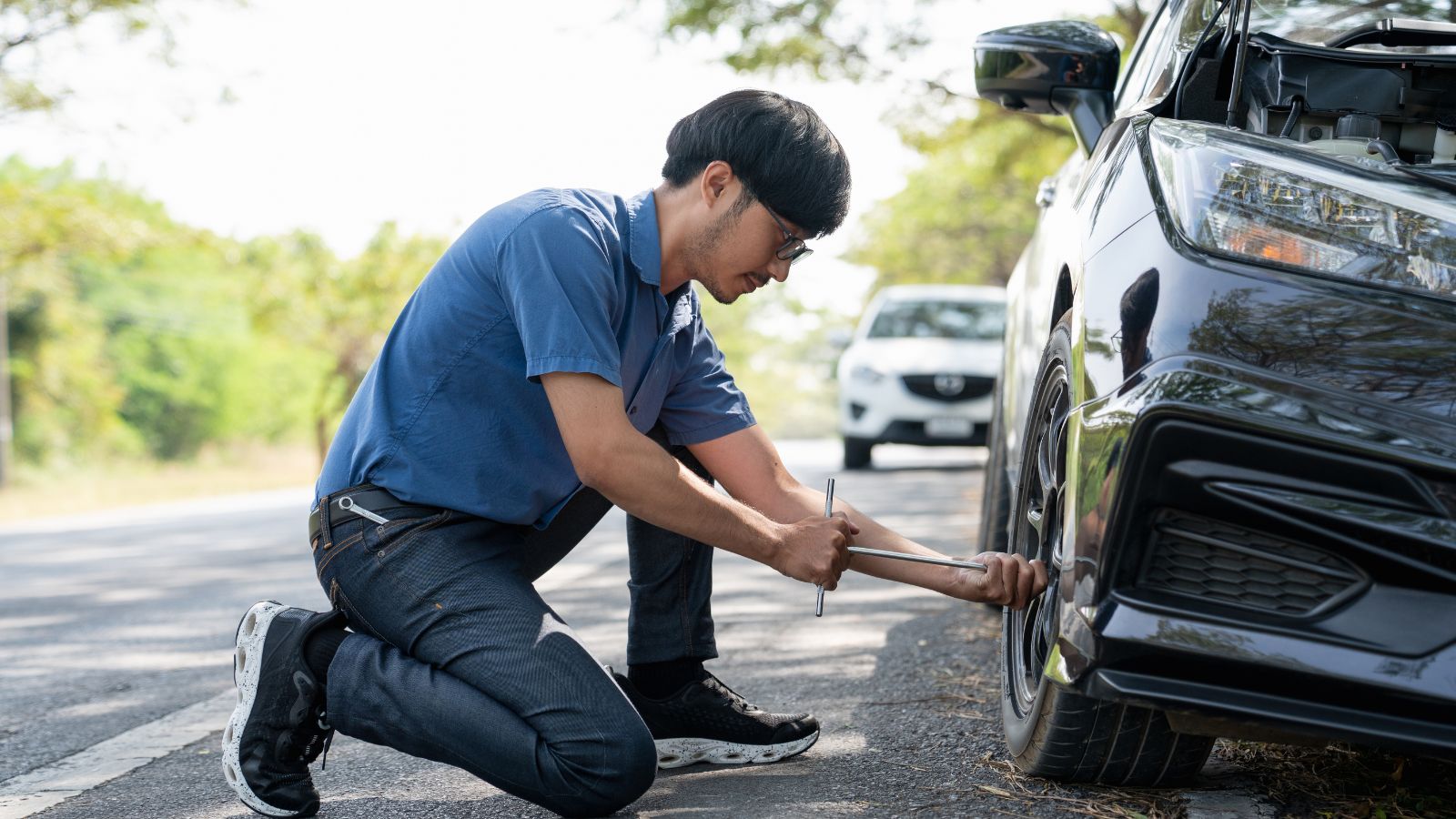
AWD can make tire replacement less flexible because some systems are sensitive to differences in tire circumference. Subaru owner guidance has long specified that all four tires should match in size, type, and brand, with similar wear. Uneven rolling diameters can confuse stability systems and place unwanted stress on an AWD driveline, depending on design and manufacturer limits.
That can turn one damaged tire into a larger decision. A nearly new set may allow a single replacement or a shaved tire, but a worn set can lead to replacing all four. FWD vehicles still require safe, properly matched tires, and Transport Canada recommends four winter tires rather than mixing types. The distinction is that FWD owners generally do not have an AWD coupling or centre differential whose protection depends on close circumference matching. Canadians keeping vehicles beyond the warranty period may see that reduced system sensitivity as an ownership advantage.
Fewer AWD-Specific Components Can Be Appealing

An AWD vehicle must send torque to a second axle, which requires additional hardware. Depending on the design, that may include a propeller shaft, power-transfer unit, rear differential, clutch pack, extra half-shafts, or a separate rear electric motor. Modern on-demand systems can disconnect or reduce rear-axle drive to improve efficiency, but the components remain part of the vehicle and age with seals, bearings, fluids, sensors, and control modules.
Choosing FWD does not guarantee a repair-free life; engines, transmissions, electronics, and suspension parts can still be costly. It simply removes an AWD-specific layer from the ownership equation. This matters to Canadians who buy used vehicles, drive them well past 200,000 kilometres, or live far from specialized service. The appeal is less about expecting immediate savings and more about limiting the number of systems that could need diagnosis later. Simplicity can be a feature when long-term dependability matters more than maximum traction.
Households Are Looking at the Entire Cost

The final reason is broader than drivetrain engineering: transportation already consumes a large share of household money. Statistics Canada reported average household transportation spending of $12,737 in its 2023 Survey of Household Spending. It also found that passenger-vehicle insurance premiums rose 23.9 percent between December 2019 and December 2025, faster than the overall consumer price index over that period.
Against that background, some Canadians are auditing every vehicle feature rather than automatically choosing the most capable specification. The savings from FWD may fund winter tires, emergency supplies, preventive maintenance, a shorter loan, or simply lower monthly obligations. None of this makes AWD wasteful for rural residents, mountain travellers, emergency workers, or drivers who regularly face unplowed roads. It does explain why FWD is gaining respect as a deliberate choice. The question is shifting from “Which drivetrain sounds safest?” to “Which combination of tires, technology, routes, and costs fits real life?”
22 Things Canadians Do to Their Cars in Spring That Mechanics Hate

Spring brings relief to many Canadian drivers after months of snow, freezing temperatures, and icy roads that put serious strain on vehicles. As temperatures rise across the country, drivers begin washing cars, switching tires, and preparing vehicles for warmer weather and upcoming road trips. However, mechanics across Canada notice the same mistakes every spring when drivers attempt to recover from winter damage. Road salt, potholes, and harsh winter driving conditions often leave vehicles with hidden problems that drivers ignore. Some spring habits even create new mechanical issues that could have been avoided with proper maintenance. Here are 22 things Canadians do to their cars in spring that mechanics hate.