















Canadian winter can expose weaknesses in an SUV surprisingly quickly. Deep snow, frozen intersections, slushy highways, steep driveways and mornings well below freezing demand more than an all-wheel-drive badge. The Subaru Forester and Toyota RAV4 are two of Canada’s most logical compact SUVs, but their strengths have started to diverge.
For 2026, the Canadian RAV4 lineup is hybrid-powered and AWD as standard, while the Forester continues to emphasize Subaru’s full-time AWD philosophy, generous clearance and dedicated low-traction modes. This comparison examines 12 areas that matter during a Canadian winter, including traction, ground clearance, tires, heating, visibility, fuel consumption, safety, cargo capacity and price. Neither dominates every category, and the better choice depends heavily on whether the priority is maximum winter confidence or better year-round efficiency.
Subaru Has the More Winter-Focused AWD Setup
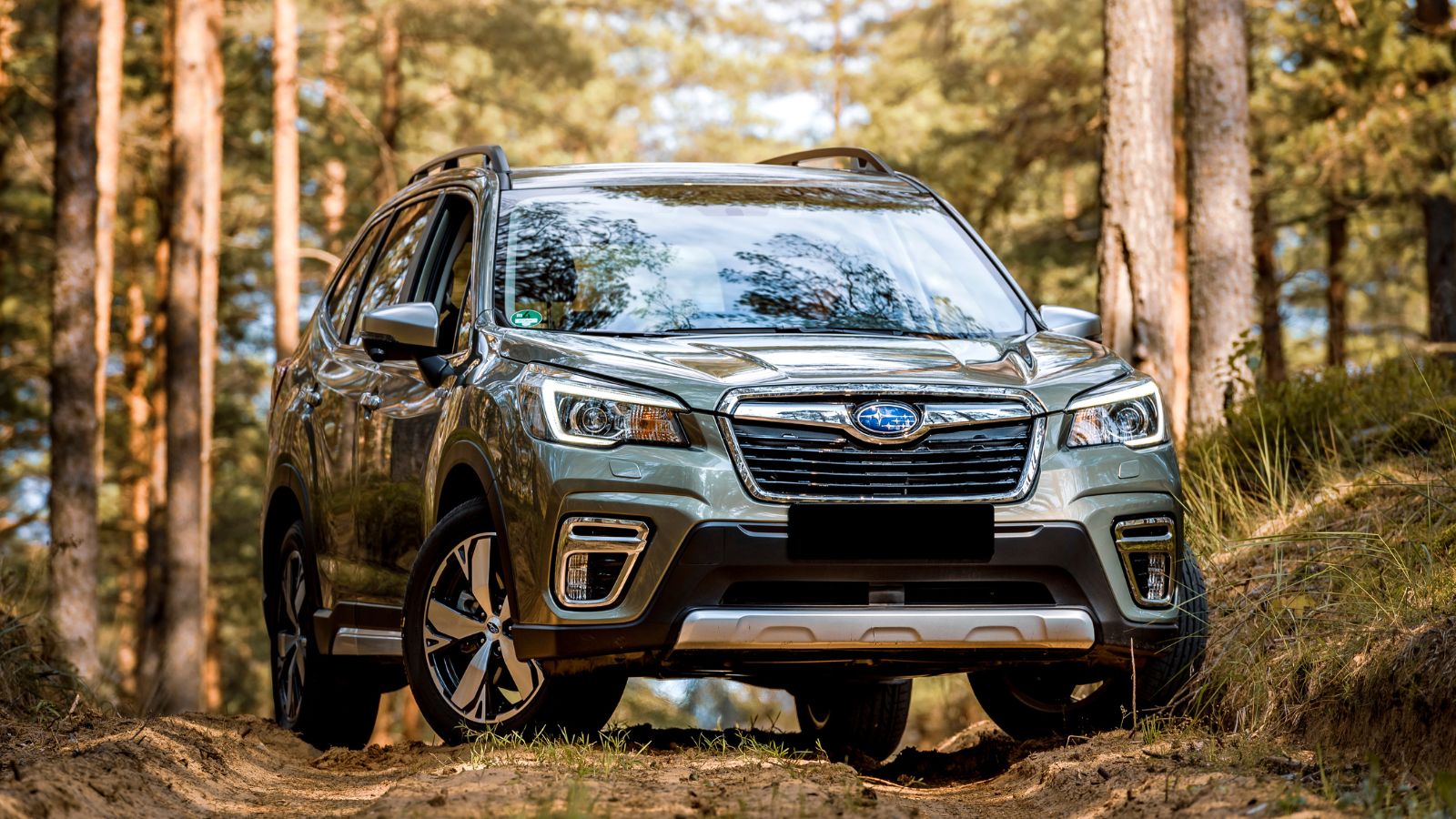
Both SUVs solve one of the biggest Canadian buying questions immediately: every regular 2026 RAV4 sold in Canada has all-wheel drive, while every Forester uses Subaru Symmetrical Full-Time AWD. That makes either substantially more appealing for regions where snowy streets, unplowed side roads and icy hills are normal. The difference is that Subaru builds more driver-selectable low-traction capability directly into the Forester’s formula rather than simply treating AWD as another standard feature.
Every Forester receives X-MODE, which coordinates the drivetrain, stability control and braking when traction becomes difficult. Sport and higher trims gain dual-function X-MODE with separate Snow/Dirt and Deep Snow/Mud settings. Hill Descent Control is also incorporated. Those features are particularly useful when a cottage road disappears beneath fresh snow or a steep driveway becomes polished with ice. The RAV4’s AWD remains highly useful, but for drivers deliberately shopping around harsh winter capability, the Forester gets the first advantage.
Ground Clearance Gives the Forester an Edge in Deep Snow
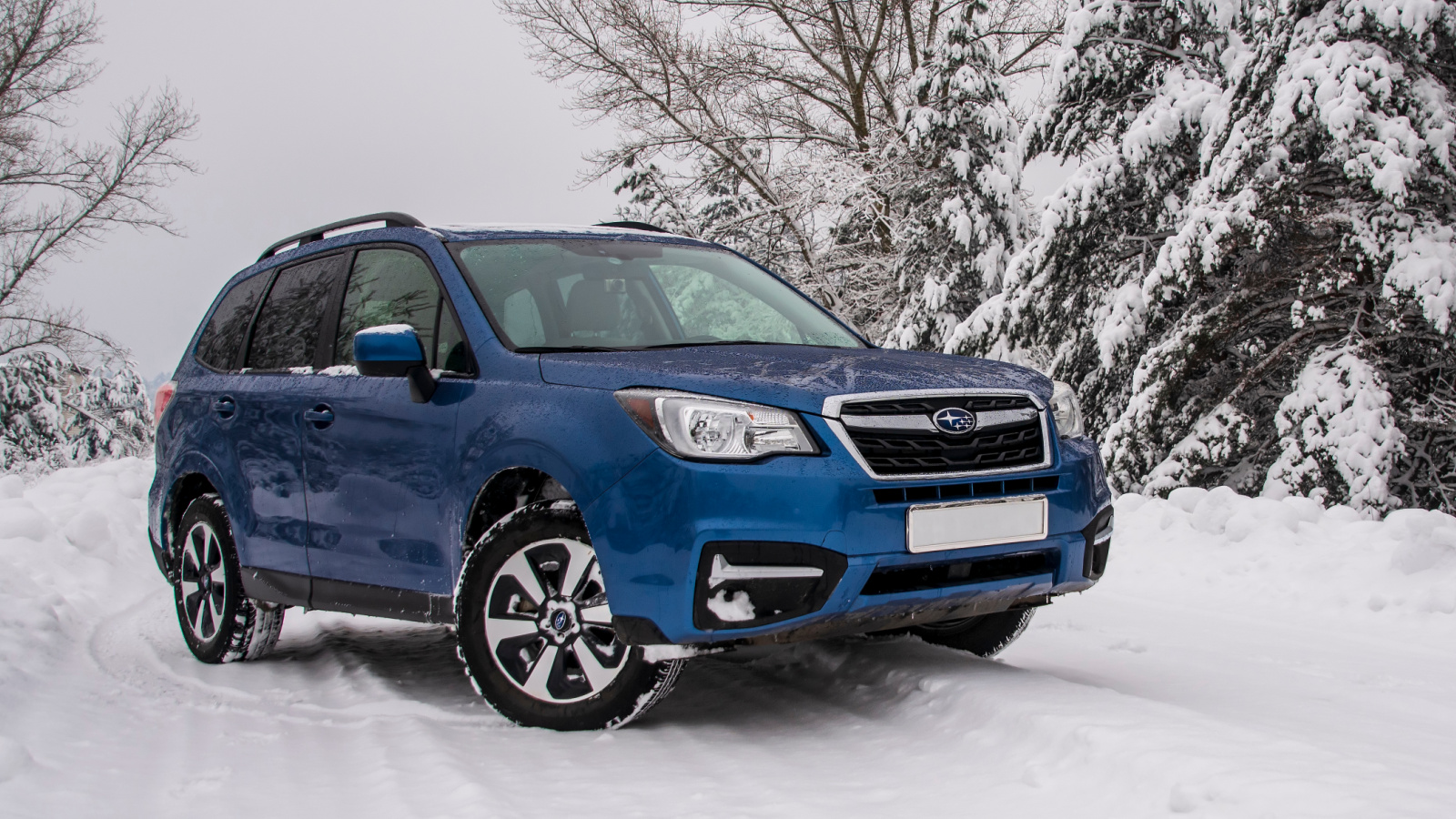
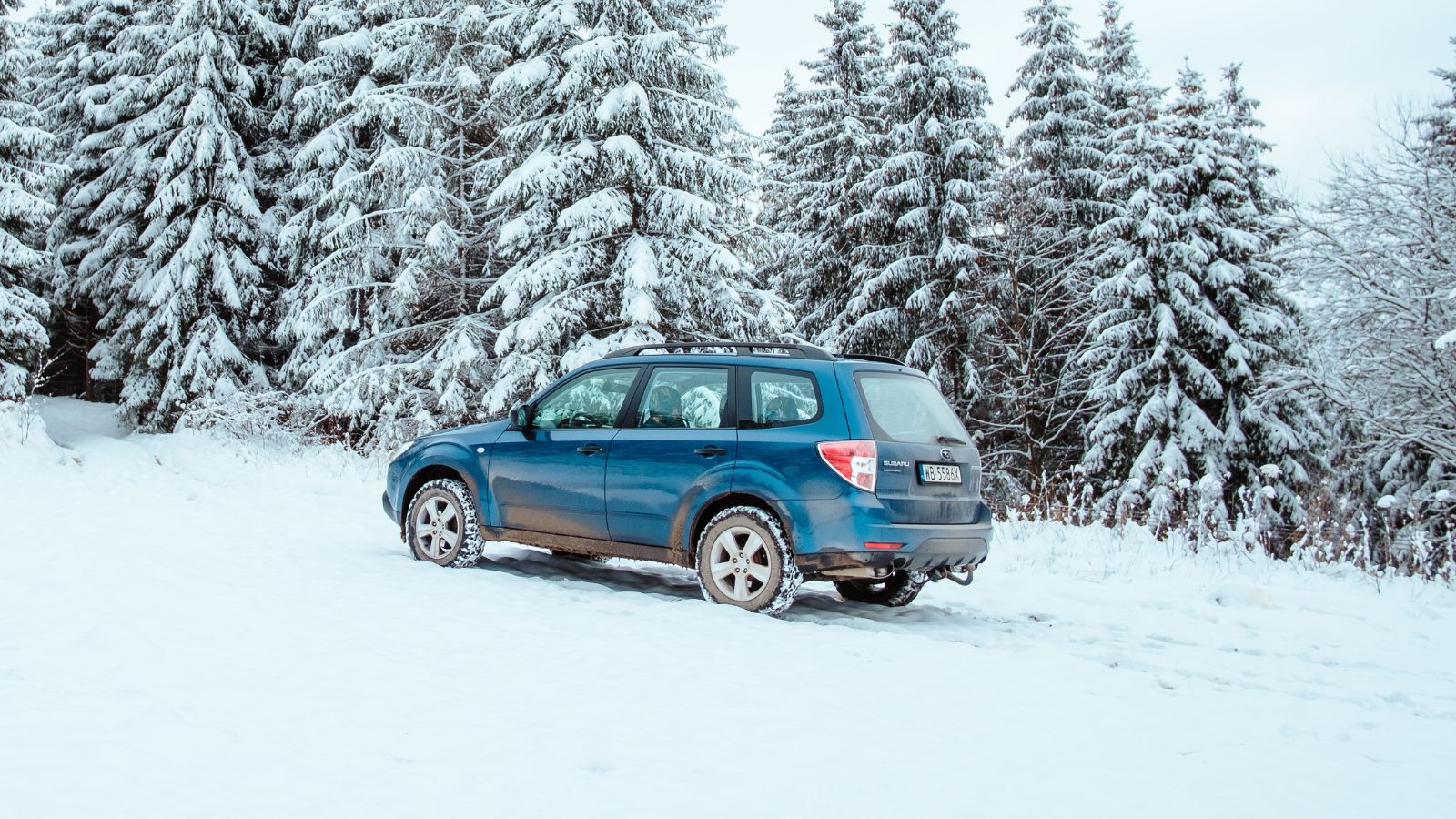
Ground clearance is easy to overlook until a residential street receives 20 centimetres of snow overnight. The 2026 Forester provides 220 mm of minimum ground clearance across the lineup. Most 2026 RAV4 Hybrid grades provide 206 mm, while the more adventure-oriented Woodland increases that figure to 216 mm. In ordinary plowed-road driving, a difference of 14 mm is unlikely to transform the experience. When snow begins accumulating between the tire tracks, however, additional clearance can reduce the chance of the underside pushing through packed snow.
The RAV4 Woodland deserves special consideration because its 216-mm figure brings it within only 4 mm of the Forester. It also receives all-terrain tires, extra body protection and a more outdoor-oriented specification. For Canadians who rarely leave Toronto, Vancouver or another heavily plowed urban area, the advantage is relatively minor. In rural Ontario, Quebec, the Prairies or snowbelt communities where secondary roads may remain covered much longer, the Forester’s standard 220-mm clearance is a meaningful benefit.
Proper Winter Tires Matter More Than the Badge on the Grille
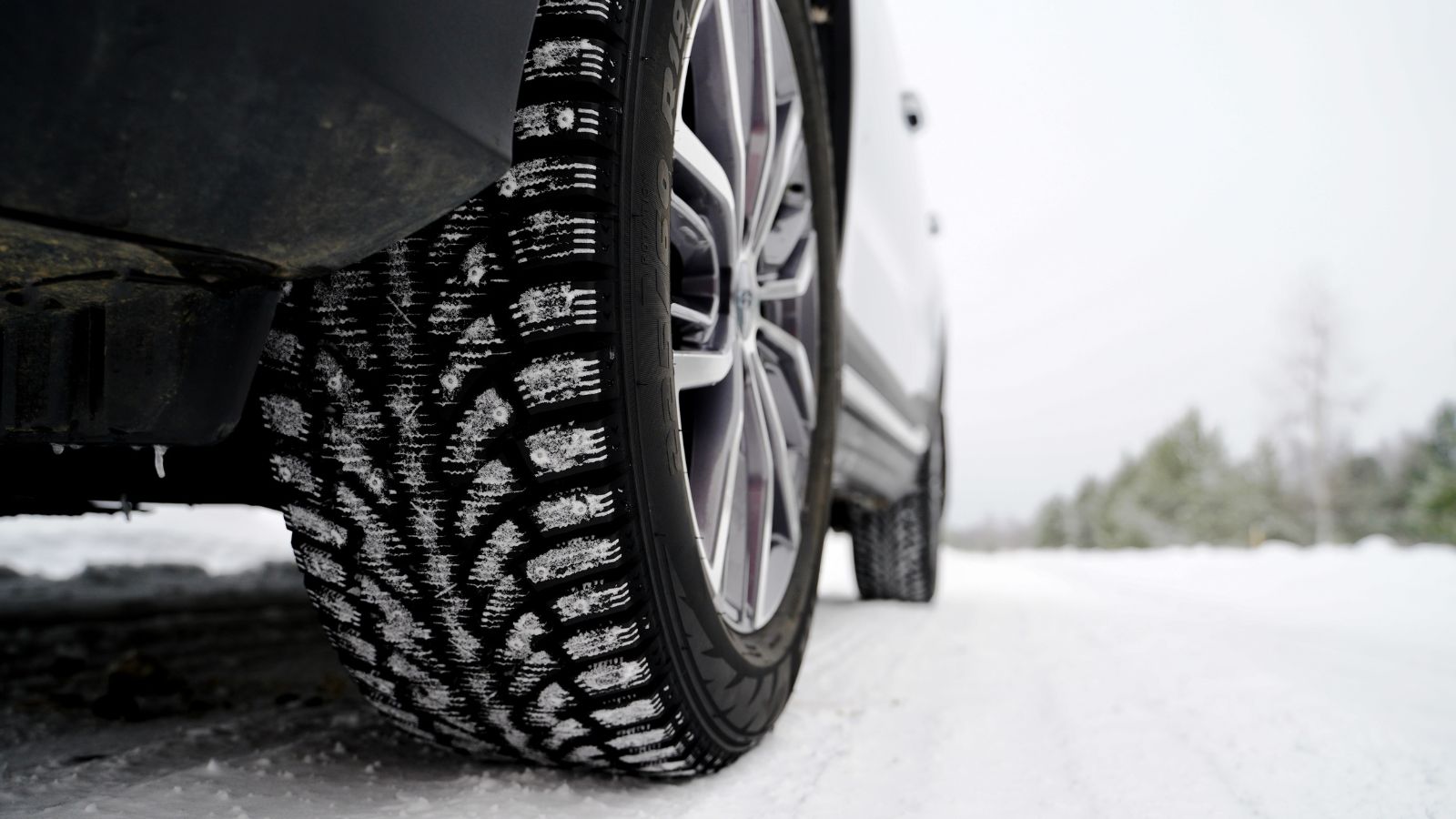
There is an important reality in any Forester-versus-RAV4 winter debate: an AWD system cannot compensate for inappropriate tires. Transport Canada notes that all-season and summer tire compounds begin losing elasticity as temperatures fall below 7°C, while proper winter tires remain flexible at colder temperatures. The agency recommends installing winter tires on all four wheels for driving in cold, snowy or icy conditions rather than assuming AWD alone will provide enough grip.
That means a RAV4 on high-quality winter tires can easily be the smarter winter vehicle than a Forester left on ordinary all-seasons. Tires determine how effectively a vehicle accelerates, turns and, critically, stops. AWD mainly helps distribute power when accelerating. Canadian buyers should therefore budget for a complete winter set regardless of which SUV wins the comparison. One notable detail is that some Forester trims use 19-inch wheels for which Subaru specifically says winter tires cannot be fitted, requiring an additional wheel set. In this category, the result is effectively a tie.
Both Are Properly Equipped for Freezing Canadian Mornings
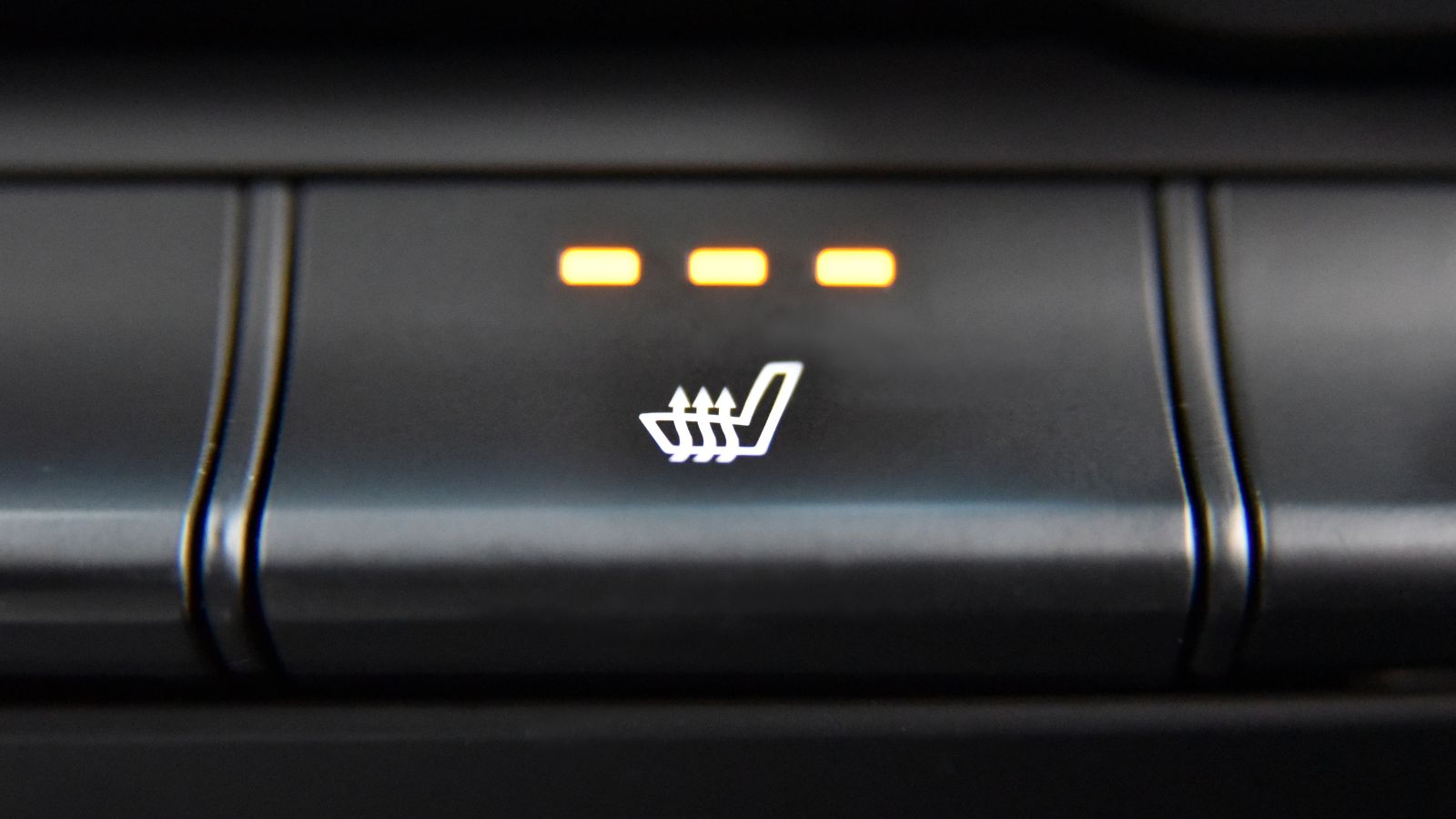
Winter capability is not limited to getting through snow. Anyone who has scraped a windshield before sunrise knows that heating and de-icing equipment can influence day-to-day satisfaction just as much. The Forester is particularly well configured for Canada, offering heated front seats, heated exterior mirrors and a windshield wiper de-icer, while higher trims add a heated steering wheel and heated rear outboard seats. These features shorten the unpleasant part of a cold start and help keep important surfaces clear.
Toyota has clearly considered the same conditions. Heated front seats and automatic climate control are standard on the 2026 RAV4 LE, while the XLE adds a heated leather-wrapped steering wheel. Higher grades offer heated rear seats and ventilated front seats, and Toyota lists a front windshield wiper de-icer within the Canadian specification. There is no dramatic winner here. Both lineups can be extremely comfortable at -20°C, although trim selection matters if rear-seat heating or a heated steering wheel is considered essential.
The RAV4 Has a Clear Power Advantage
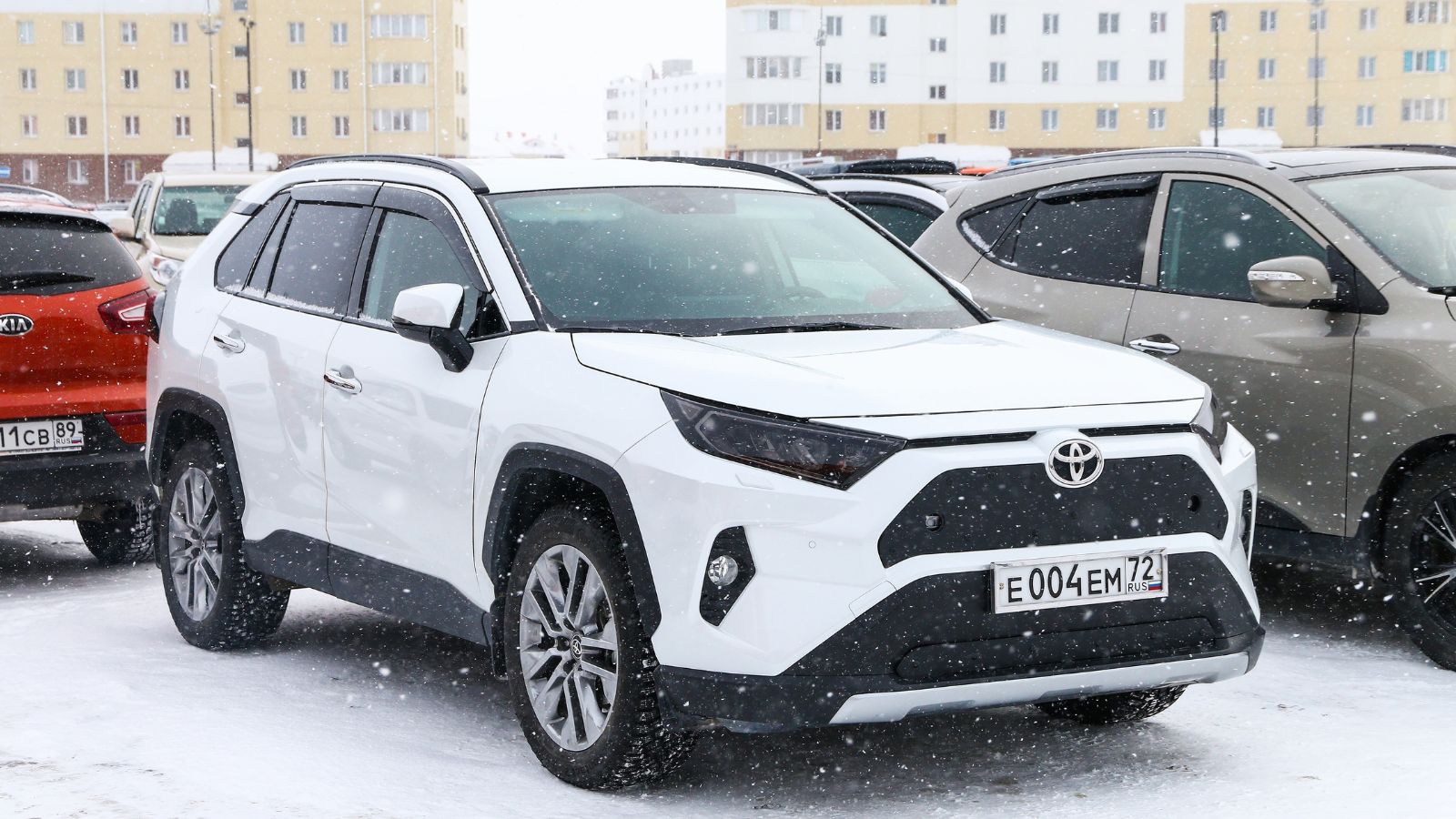
Winter roads do not require enormous horsepower, and excessive throttle can actually make slippery driving harder. Even so, extra power becomes valuable when merging onto a snow-lined freeway, passing a transport truck or carrying several passengers and luggage to a ski hill. The regular gasoline Forester produces 180 horsepower and 178 lb-ft of torque from its 2.5-litre flat-four. The Forester Hybrid Premier increases total output to 194 horsepower.
The Canadian 2026 RAV4 Hybrid is significantly stronger on paper, producing 236 net system horsepower with AWD. That difference should be noticeable in highway acceleration and when the vehicle is heavily loaded. Independent U.S. testing of the current models also points to the Toyota being quicker, although acceleration figures vary by trim and market configuration. None of this makes the Forester inadequate; its winter-oriented drivetrain remains the bigger story when surfaces become slippery. But drivers who want strong fuel economy without accepting modest performance have an obvious winner here: the RAV4 delivers considerably more power.
Toyota Wins the Fuel-Economy Battle by a Wide Margin
Fuel consumption tends to worsen during Canadian winters. Natural Resources Canada explains that colder temperatures increase fuel use for several reasons, including longer engine warm-up, denser air, greater rolling resistance and extra energy required for cabin heating and electrical accessories. NRCan cites an EPA estimate suggesting that dropping ambient temperature from 24°C to 7°C can raise fuel consumption during urban commuting by roughly 12 to 28 per cent.
Starting with an efficient vehicle therefore matters. Toyota estimates the 2026 RAV4 LE AWD at 5.5 L/100 km combined, while the Woodland is rated at 6.2 L/100 km. Subaru lists the gasoline Forester at 9.1 L/100 km city and 7.2 highway. The Hybrid Premier improves substantially to 6.8 city and 7.0 highway, but it still cannot match Toyota’s regular hybrid ratings. Actual winter consumption will vary considerably with temperature and driving conditions, but Canadians facing long commutes or expensive fuel have a compelling reason to choose the RAV4.
Forester Has the Stronger Independent Safety Evidence So Far
Advanced driver-assistance systems are useful in every season, although snow-covered lane markings, dirty sensors and poor visibility mean drivers cannot rely on them blindly. Subaru equips the Forester with its latest EyeSight driver-assistance technology, while Toyota introduces Toyota Safety Sense 4.0 on the redesigned 2026 RAV4. Toyota’s package includes functions such as pre-collision assistance, lane-departure alert, lane tracing, automatic high beams, radar cruise control and Proactive Driving Assist.
Where Subaru currently has an advantage is independent crash-testing evidence. The Insurance Institute for Highway Safety named the 2026 Forester a Top Safety Pick+, with Good ratings in its major crashworthiness evaluations and strong results for front crash prevention. The sixth-generation 2026 RAV4 is a completely redesigned vehicle, so results from the previous-generation 2025 model should not simply be applied to it. Toyota’s extensive standard safety technology is encouraging, but based on currently available comparable independent testing, the Forester has the better-documented safety case rather than necessarily being proven safer in every circumstance.
Forester’s Excellent Outward Visibility Matters in Snow
A high-tech camera cannot completely replace being able to see naturally through the windows. Snowbanks at intersections, blowing snow and dark winter commutes make outward visibility unusually important in Canada. Subaru deliberately gives the Forester a large glass area, high seating position, oversized windows and small partition windows near the front doors. Its side mirrors are mounted on the doors to help reduce obstruction around the A-pillars. Consumer Reports has also highlighted excellent outward visibility as one of the Forester’s strengths.
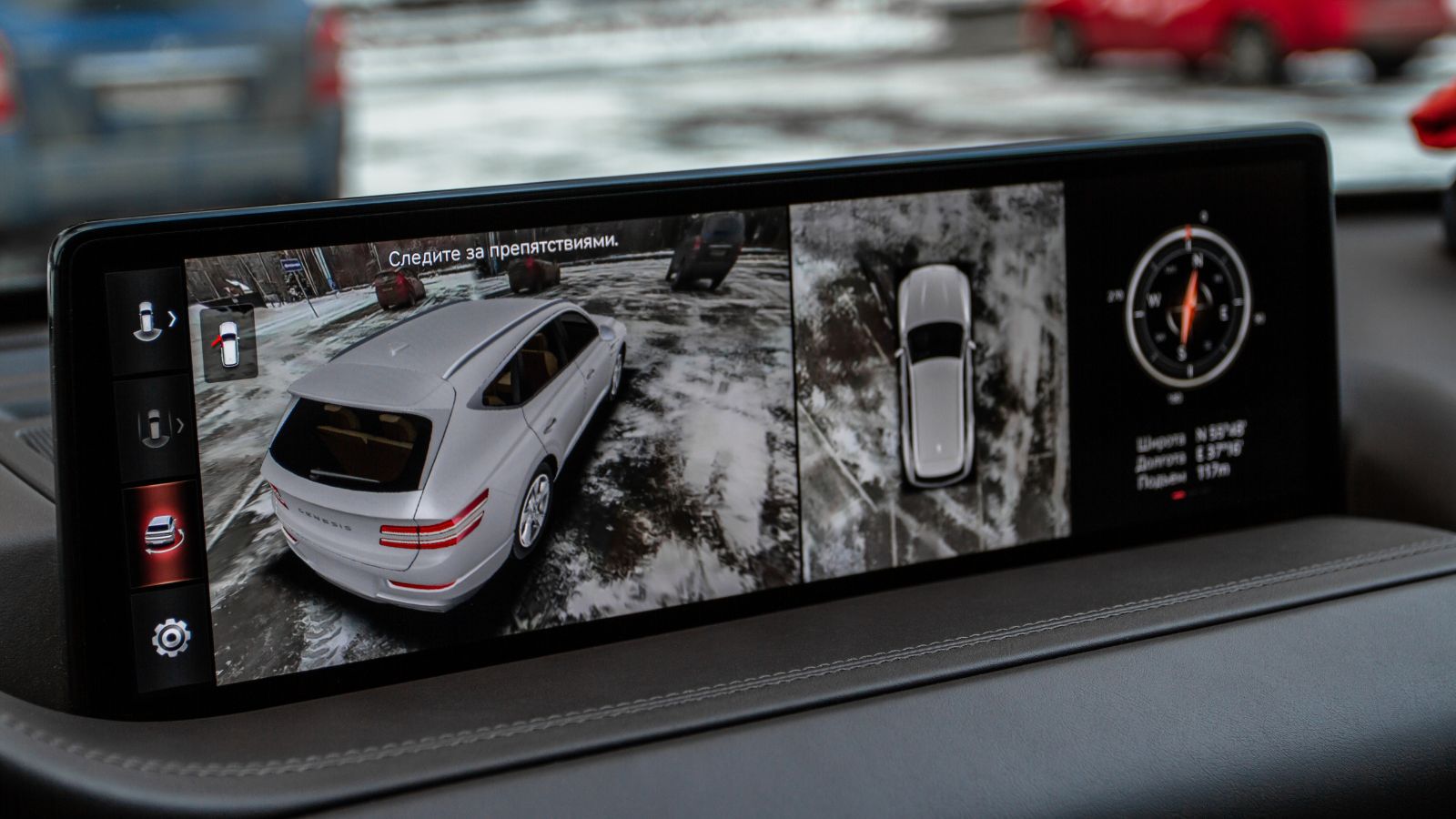
Toyota approaches the issue with an increasing amount of technology. The RAV4 includes standard blind-spot monitoring with rear cross-traffic alert, while selected grades offer a Panoramic View Monitor that can provide multiple camera perspectives around the SUV. Higher models can also be equipped with a digital rear-view mirror. Those systems are valuable when backing between snowbanks or manoeuvring through a cramped winter parking lot. Yet for simple, unobstructed sightlines in difficult weather, the Forester’s airy greenhouse gives it another practical winter advantage.
The RAV4 Holds More Gear Behind the Rear Seats
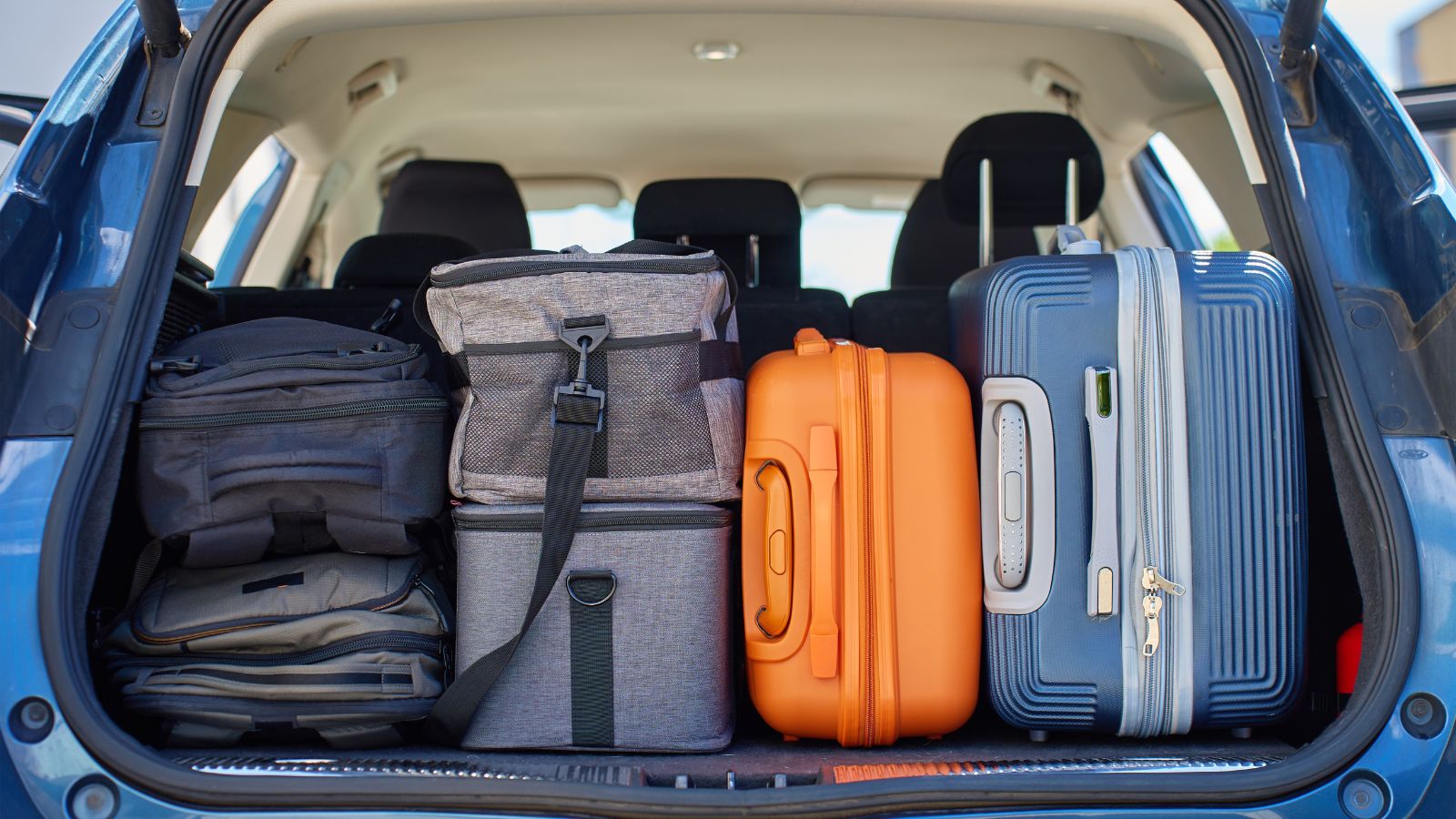
Canadian winter equipment consumes cargo room quickly. Hockey bags, ski boots, snow brushes, emergency kits, bulky coats and family luggage can turn an apparently spacious compact SUV into a crowded one. Toyota lists approximately 1,070 litres of cargo capacity behind the second row in the regular 2026 RAV4 Hybrid, giving the redesigned Toyota an impressive amount of usable space without folding the back seats.
Forester cargo capacity varies by trim. Subaru lists 838 litres behind the rear seats in the most spacious configuration, with many trims at approximately 779 litres and one configuration slightly lower. With the seats folded, however, the Forester can offer as much as 2,107 litres depending on version, reflecting its tall and boxy cabin. That means Subaru remains extremely practical when carrying long or bulky items with fewer passengers aboard. For a family of four that needs everyone seated while loading winter gear, however, the RAV4’s larger published behind-the-seat cargo figure is the more useful advantage.
Entry Pricing Is Close, but the Value Equation Is Different

The two SUVs begin in roughly the same financial neighbourhood, but what arrives for the money is different. Subaru Canada lists the 2026 Forester Convenience at $36,985 with freight and fees included before taxes. Toyota lists the 2026 RAV4 LE AWD at a $37,500 starting MSRP, with an estimated vehicle price of $41,158 once Toyota’s listed additional charges are incorporated. Buyers should therefore be careful when comparing advertised numbers because the manufacturers present their pricing differently.
The Subaru’s appeal is that buyers can enter the lineup at a relatively modest price and still receive full-time AWD, 220 mm of clearance and X-MODE. Toyota counters by making a highly efficient 236-hp hybrid powertrain standard rather than charging extra to move into electrification. Subaru’s only 2026 Forester hybrid is the well-equipped Hybrid Premier, listed at $51,485 including freight and fees. For pure winter capability per dollar, the base Forester looks strong. For power and fuel efficiency combined, the RAV4 presents the stronger everyday value argument.
Toyota’s Hybrid Warranty Adds Long-Term Reassurance

Both manufacturers provide familiar Canadian new-vehicle coverage. Subaru’s basic warranty covers the Forester for 36 months or 60,000 km, while major components remain covered for 60 months or 100,000 km. Toyota likewise provides a 36-month/60,000-km new-vehicle warranty, with its broader powertrain coverage extending to five years or 100,000 km. Those figures make the basic ownership safety net broadly comparable.
The RAV4’s standard hybrid system adds another consideration. Toyota covers designated hybrid-related components for eight years or 160,000 km and the hybrid battery for 10 years or 240,000 km. Toyota also says its hybrids follow the same routine maintenance schedule as conventional Toyota vehicles, rather than requiring a special hybrid servicing routine. That matters because every regular 2026 Canadian RAV4 now uses a hybrid powertrain. Subaru also provides extended coverage for applicable electrified components, but its Forester Hybrid is currently concentrated in the expensive Premier grade. For buyers keeping an SUV for many winters, Toyota’s standard hybrid warranty package is reassuringly straightforward.
The Forester Is the Better Pure Winter SUV, but the RAV4 Is the Better All-Rounder
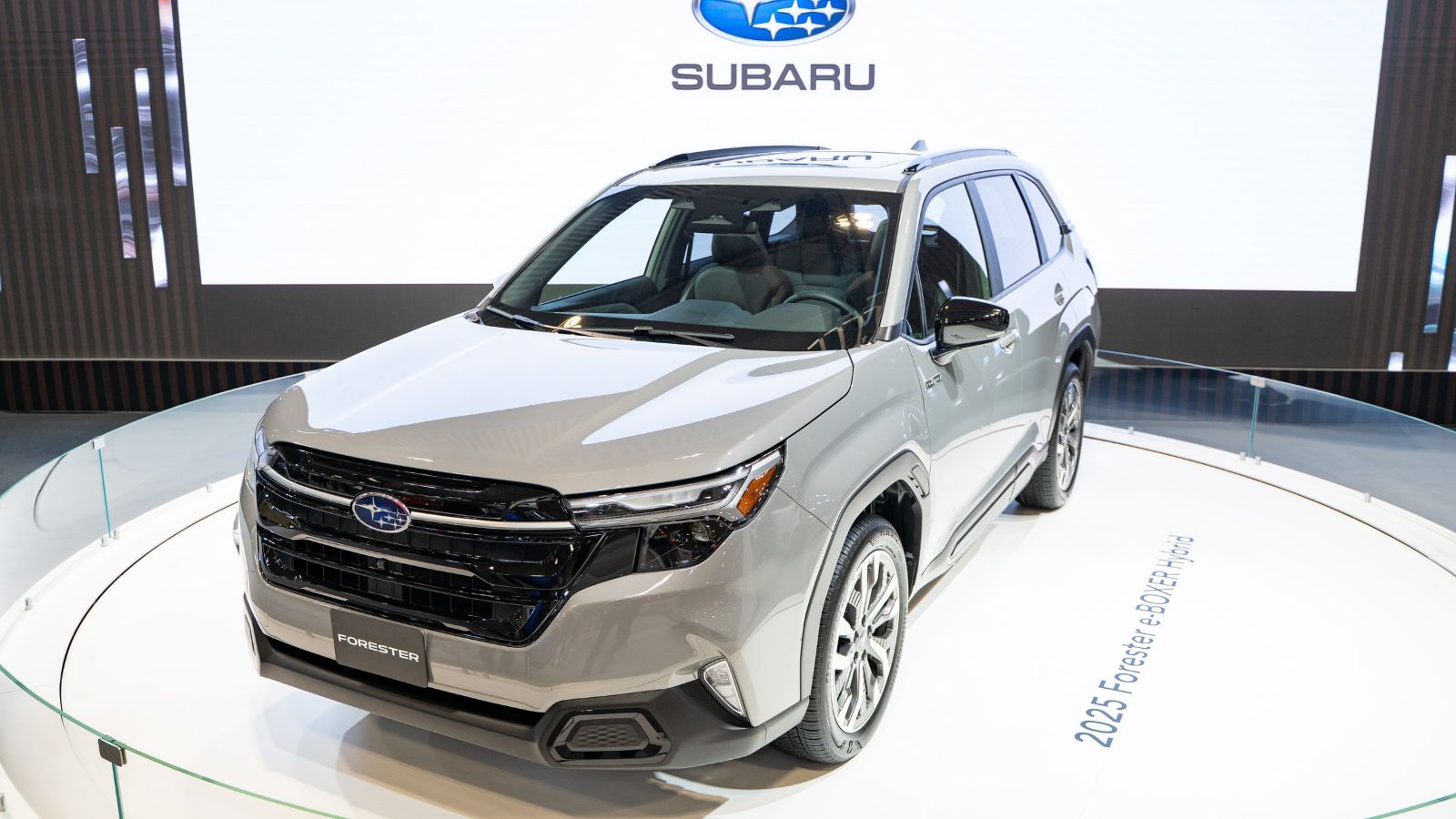
If the question is narrowed strictly to which SUV is better prepared for difficult Canadian winter conditions, the Subaru Forester wins by a small but meaningful margin. Its 220-mm standard ground clearance, full-time Symmetrical AWD, X-MODE system, available Deep Snow/Mud setting and excellent outward visibility create a package that feels deliberately engineered around low-traction driving. For rural roads, cottage access, deep snowfall and regions where plows do not arrive immediately, those advantages are difficult to ignore.
The RAV4 may nevertheless be the smarter purchase for more Canadians. Standard AWD, 236 hybrid horsepower, substantially lower fuel consumption, generous cargo capacity and an extensive suite of standard safety technology make it remarkably well rounded. The Woodland trim also closes much of the capability gap with 216 mm of clearance and all-terrain tires. Put proper winter tires on both vehicles and either can be an excellent Canadian winter companion. Forester wins for maximum winter capability; RAV4 wins for efficiency, power and everyday versatility.
19 Used Cars Canadians Should Avoid in 2026 (Based on Owner Complaints)

Buying a used car in Canada can feel safe until repair bills start stacking up. Owner complaints tell a different story than glossy listings. Transmission failures, electrical problems, and weak winter reliability show up again and again in consumer reports. Many of these issues appear after warranties expire, when owners least expect them. Some vehicles look affordable upfront, but become expensive to keep on the road. Others struggle in cold weather, urban driving, or long highway commutes. Here are 19 used cars Canadians should avoid in 2026 (based on owner complaints).
19 Used Cars Canadians Should Avoid in 2026 (Based on Owner Complaints)