























The shift toward electrified driving in Canada is becoming more practical than ideological. Battery-electric vehicles remain attractive for their quiet operation, low running costs, and zero tailpipe emissions, yet a growing group of buyers is reconsidering whether a full EV fits the realities of Canadian life. Conventional hybrids and plug-in hybrids offer a compromise: lower fuel use and some electric driving without making every trip depend on a charger.
That choice has become more visible after sharp swings in EV registrations, changing rebate programs, uneven charging access, and highly publicized winter-range concerns. For many households, the decision is not between embracing or rejecting cleaner transportation. It is about how much uncertainty they are willing to accept in a vehicle that may need to handle commuting, cottage weekends, prairie distances, apartment parking, and January cold. These 12 factors explain why hybrids are attracting fresh attention.
Electrified Demand Is Splitting
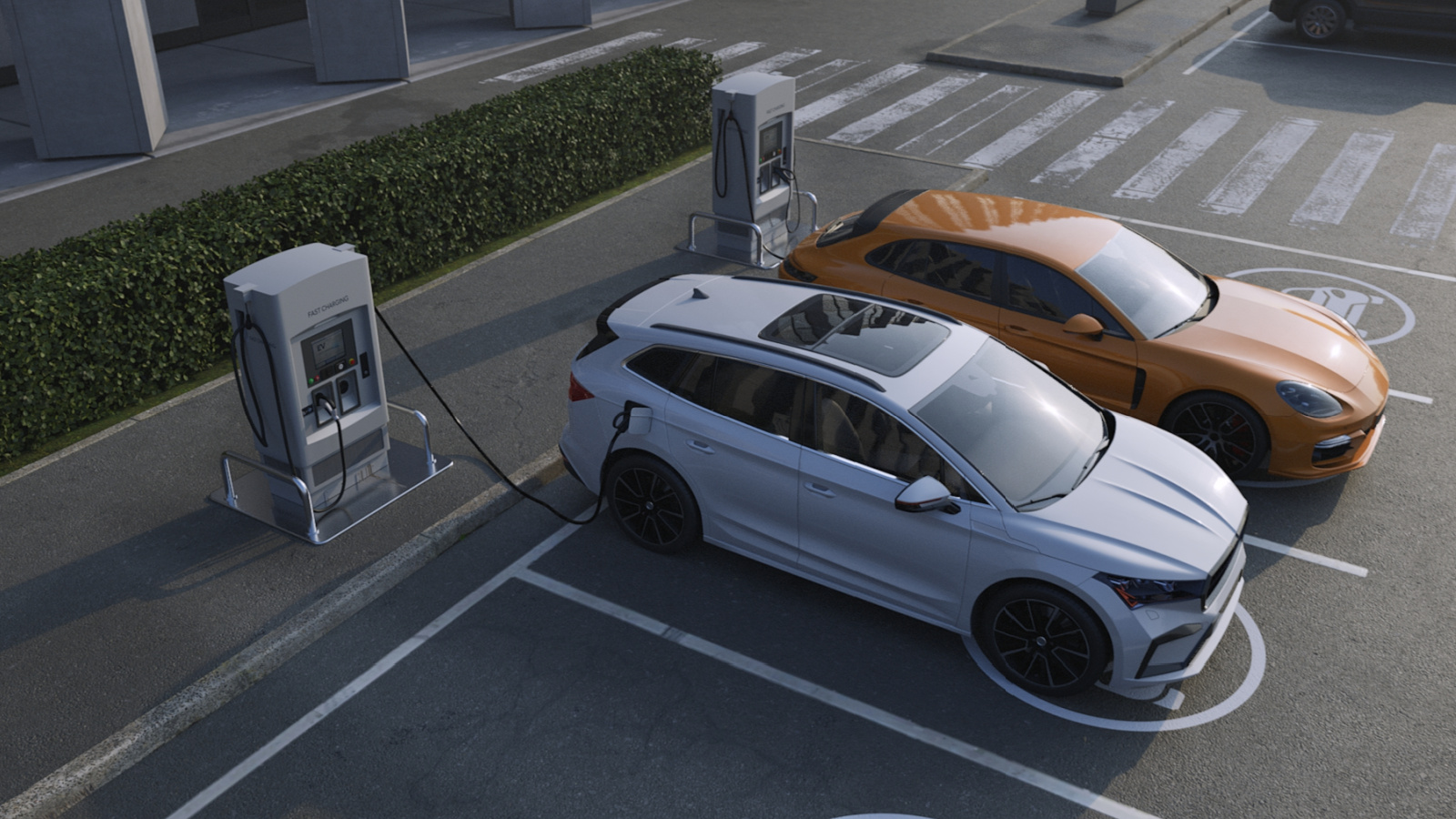
Canada’s electrified market has moved in waves rather than along a smooth upward line. Statistics Canada reported that zero-emission vehicles captured 18.3 per cent of new registrations in the fourth quarter of 2024, then only 8.6 per cent in the second quarter of 2025. By the first quarter of 2026, the share had recovered to 10.8 per cent after federal rebates returned.
Those swings matter because conventional hybrids do not depend as heavily on incentive timing, charger rollout, or confidence in one technology. AutoTrader research also found that many Canadians considering an EV were cross-shopping hybrids and plug-in hybrids. A shopper who likes electric assistance but dislikes market uncertainty can choose a hybrid without abandoning fuel savings. The renewed interest is less a retreat to traditional gasoline than a move toward the electrified option that currently feels easiest to predict, finance, and live with over several ownership years in Canada.
The Upfront Cost Is Easier to Understand
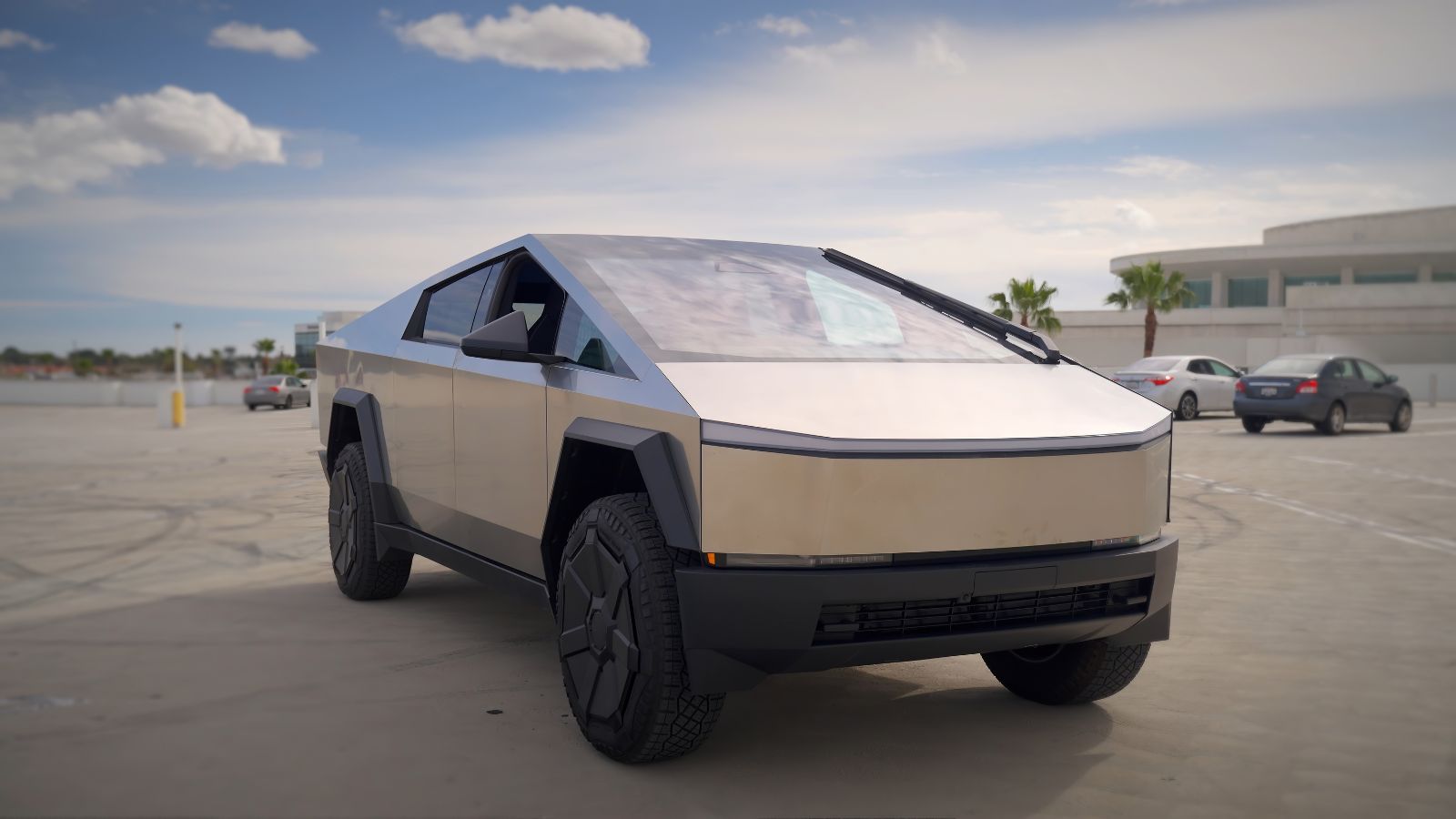
Purchase price remains one of the most reasons buyers pause before choosing a full EV. Canada’s former iZEV program closed on March 31, 2025, and the replacement Electric Vehicle Affordability Program began on February 16, 2026. The program offers up to $5,000 for eligible battery-electric vehicles and up to $2,500 for eligible plug-in hybrids, subject to price, origin, and program rules.
That support can narrow the gap, but changing programs make comparison shopping feel temporary. A household may wonder whether today’s discount will affect tomorrow’s resale value or whether a preferred model qualifies. Conventional hybrids generally receive no federal purchase rebate, yet their sticker prices can be closer to familiar gasoline versions and may require no charger installation. For buyers focused on monthly payments rather than theoretical lifetime savings, a smaller and more understandable upfront premium can outweigh the larger operating-cost advantage that a well-matched EV may deliver over time.
Winter Range Still Shapes Buying Decisions
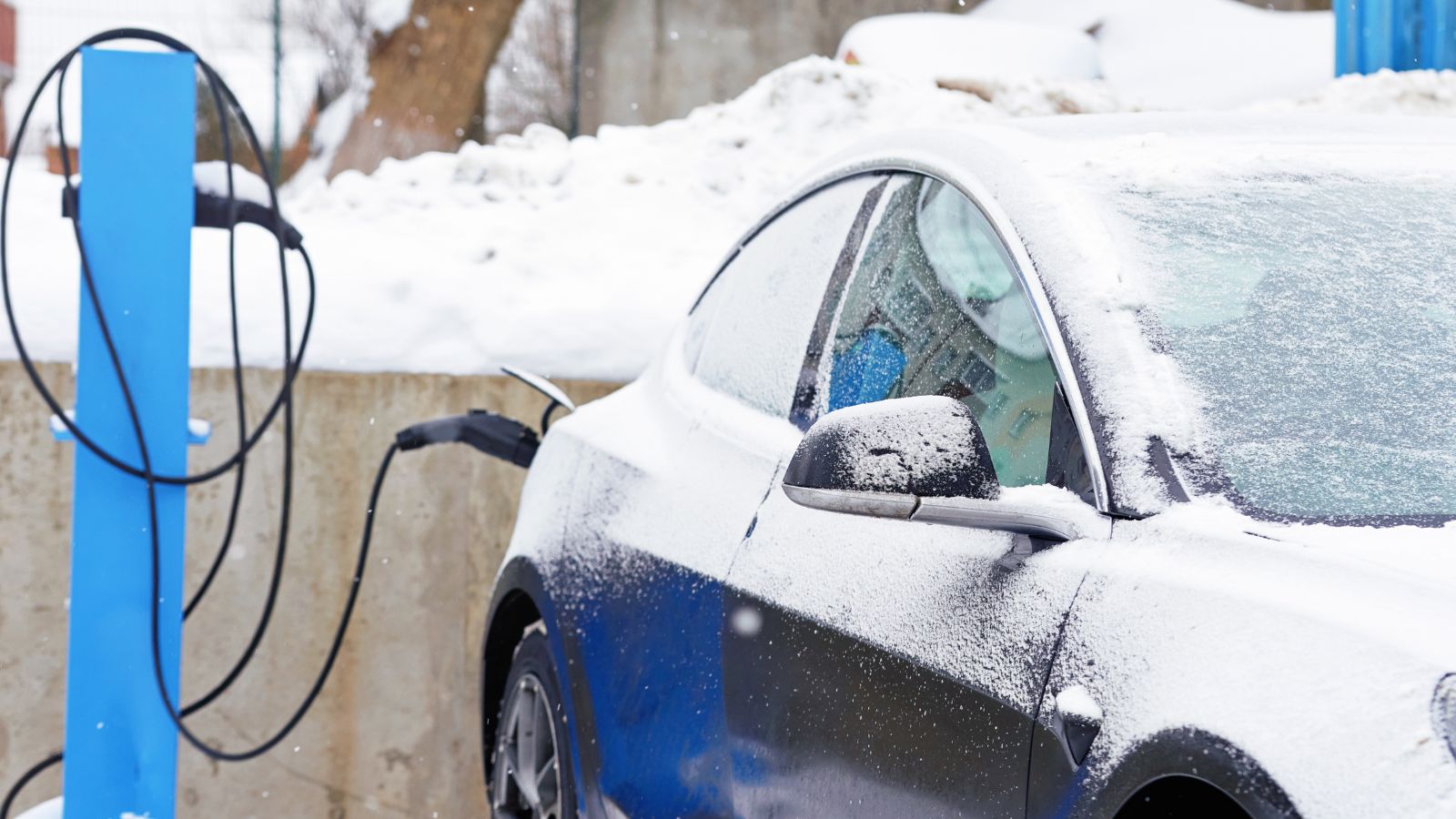
Canadian winter does not make full EV ownership impossible, but it makes range planning more visible. In a 2025 real-world test conducted in sub-zero conditions, CAA found that participating EVs travelled 14 to 39 per cent less than their official range. CAA also reported that more than 65 per cent of Canadian EV owners had experienced reduced range in extreme cold, while charging could slow.
A hybrid also becomes less efficient in winter, yet its gasoline engine preserves the ability to continue driving after a fuel stop. That reassurance carries weight for parents, shift workers, rural residents, and anyone travelling where a delayed arrival has consequences. The issue is often not the commute, which many EVs handle easily. It is the worst January morning, an unexpected detour, or a highway closure. Some buyers choose a hybrid because they would rather pay for gasoline than manage a smaller cold-weather safety margin.
Public Charging Confidence Remains Uneven
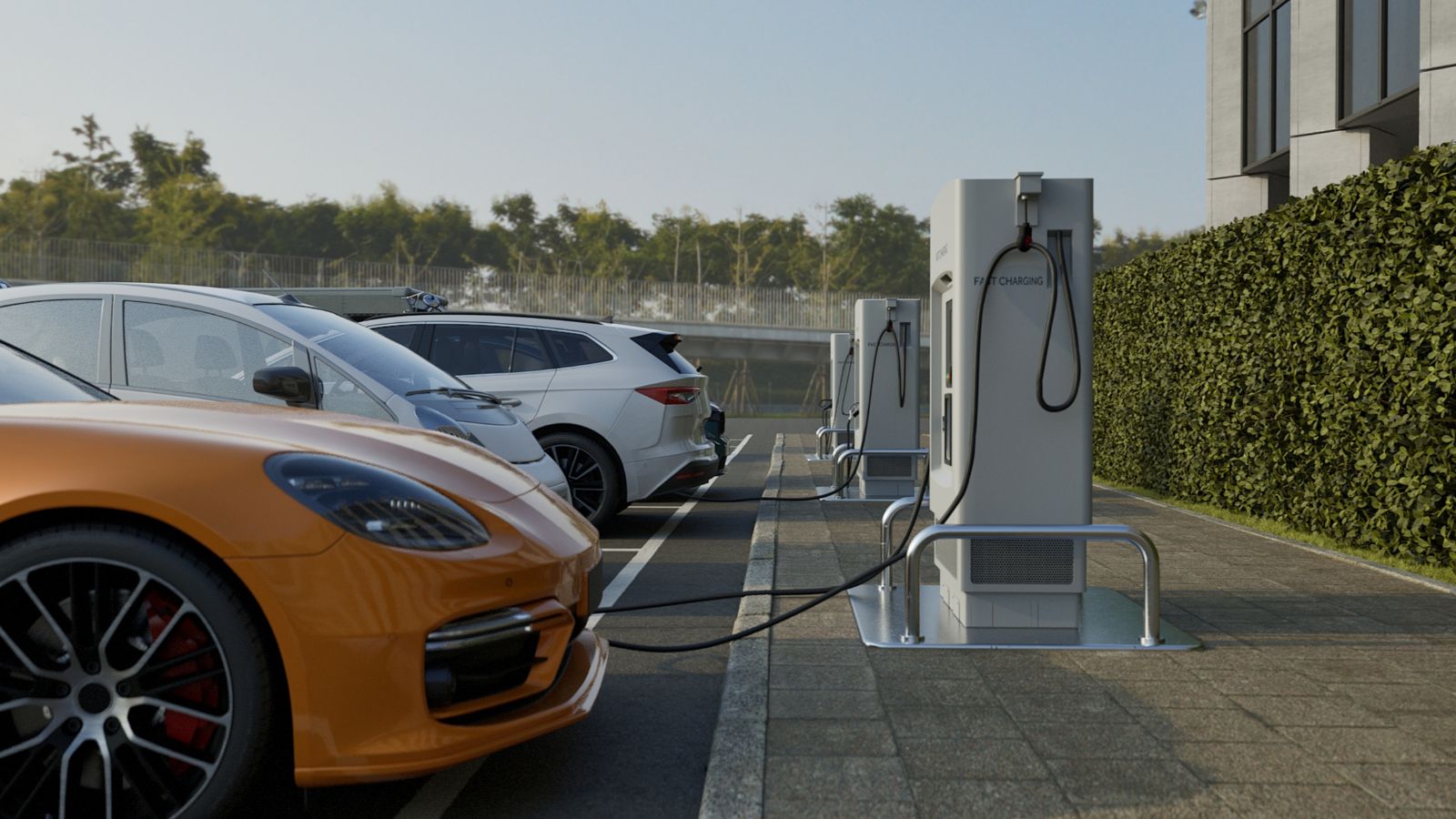
Public charging has expanded across Canada, but availability and confidence are not identical. Natural Resources Canada has estimated that the country will need 40,000 public charging ports per year between 2025 and 2040, on top of nearly 30,000 ports available or planned. CAA’s research found that seven in ten EV drivers were dissatisfied with the number of fast chargers.
For drivers who can charge at home, public infrastructure may be a concern. For everyone else, it can shape the ownership experience. A broken connector, occupied station, payment problem, or located charger may turn an ordinary stop into a scheduling decision. Hybrids avoid that dependency because electricity is generated and recovered while driving, while plug-in hybrids can continue on gasoline after their electric range is used. Buyers are not concluding that charging networks never work; many are deciding that they do not yet want their only vehicle to depend on them.
Not Every Home Can Support a Charger

Home charging is the feature that makes an EV feel effortless. Natural Resources Canada says more than 80 per cent of EV owners charge at home, where electricity is convenient and inexpensive. The difficulty is that Canadians live in apartments, condominiums, multi-unit buildings, or homes without dedicated parking, and federal research has identified installation barriers for these “garage-orphan” drivers.
A renter may have no authority to add wiring. A condominium board may need engineering studies, cost-sharing rules, and upgrades before approving chargers. A homeowner can face panel, trenching, or parking-layout costs. Conventional hybrids remove those complex negotiations because they never need to be plugged in. Plug-in hybrids also provide a fallback when charging is unavailable. For a buyer whose parking situation may change during a five- or seven-year loan, choosing a hybrid can feel like protecting the vehicle’s usefulness from decisions made by landlords, boards, utilities, or future property owners.
The Longest Trip Often Matters Most

Most daily driving is within the capability of modern EVs. CAA found that EV owners completed most travel within 100 kilometres of home, while EV range was above 400 kilometres. Yet vehicle purchases are shaped by the longest recurring trip, not the routine one: visiting family, reaching a cottage, crossing the Prairies, or driving to a remote work site.
CAA found that 53 per cent of EV owners would rather use a gasoline vehicle for long trips in cold weather. That does not mean owners disliked their EVs; 87 per cent planned to buy another. It shows why a household with one vehicle may prioritize edge cases. A hybrid can commute all week and then travel beyond charging corridors without route planning. For Canadians who combine urban errands with long, weather-sensitive journeys, that broad operating envelope may matter more than achieving the lowest energy cost for transportation on ordinary days.
Hybrids Require Almost No Behavioural Change
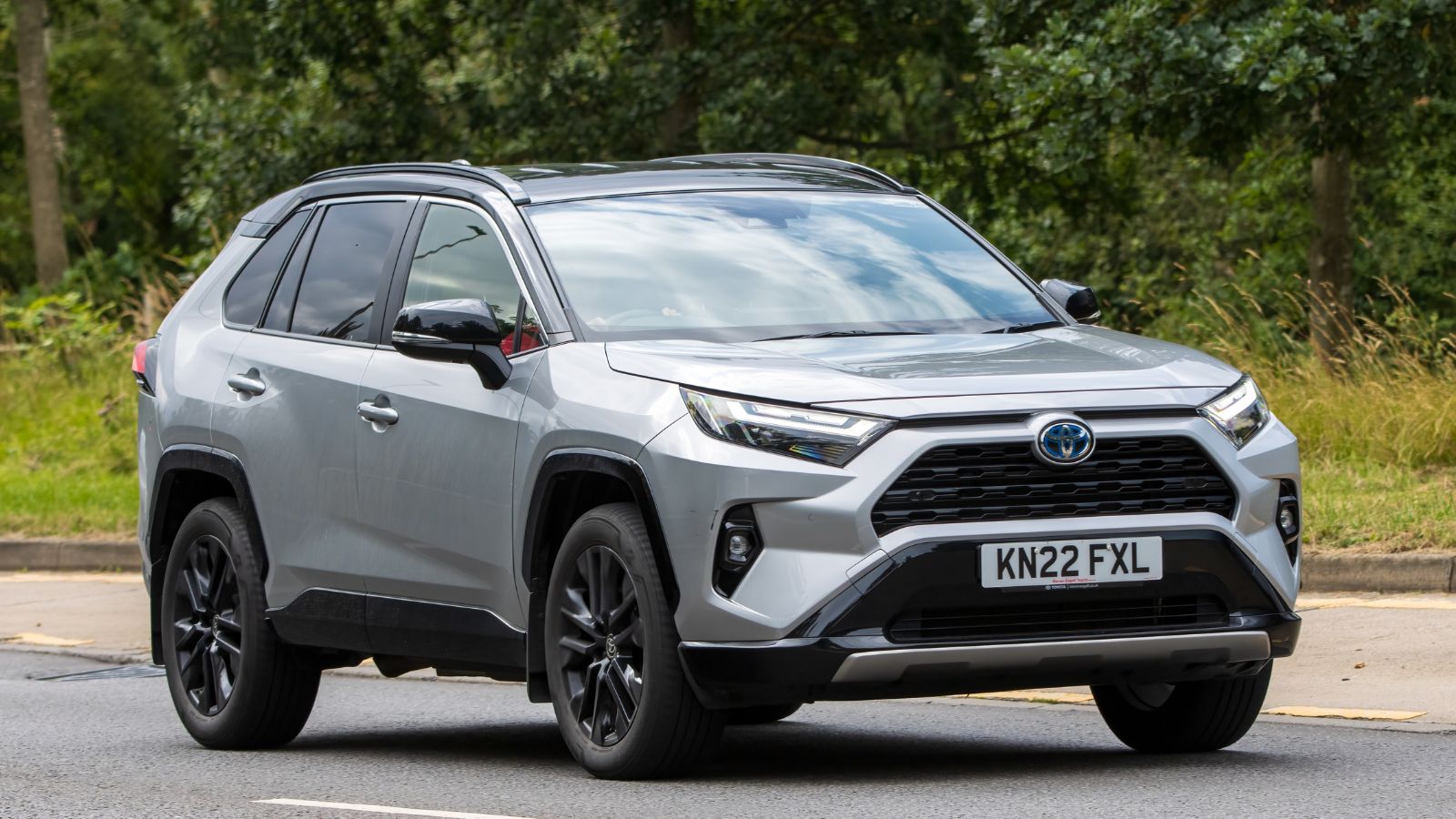
A conventional hybrid asks little of its owner. There is no cable to connect, account to open, route-planning application to learn, or refuelling rhythm to build. The vehicle recovers energy through regenerative braking, stores it in a battery, and blends electric assistance with gasoline power. Natural Resources Canada estimates that hybrids can reduce fuel use and carbon dioxide emissions by 20 to 40 per cent in applications.
That combination appeals to buyers who want efficiency without treating transportation as a household system. A nurse leaving after a late shift can refuel at the same station used for years and continue home. The environmental benefit is smaller than that of a full EV operated on Canada’s relatively low-carbon electricity, but the behavioural barrier is also smaller. Hybrids succeed partly because the technology works in the background, allowing drivers to change the machine without substantially changing routines, parking arrangements, or travel habits.
Familiar Models Now Come as Hybrids
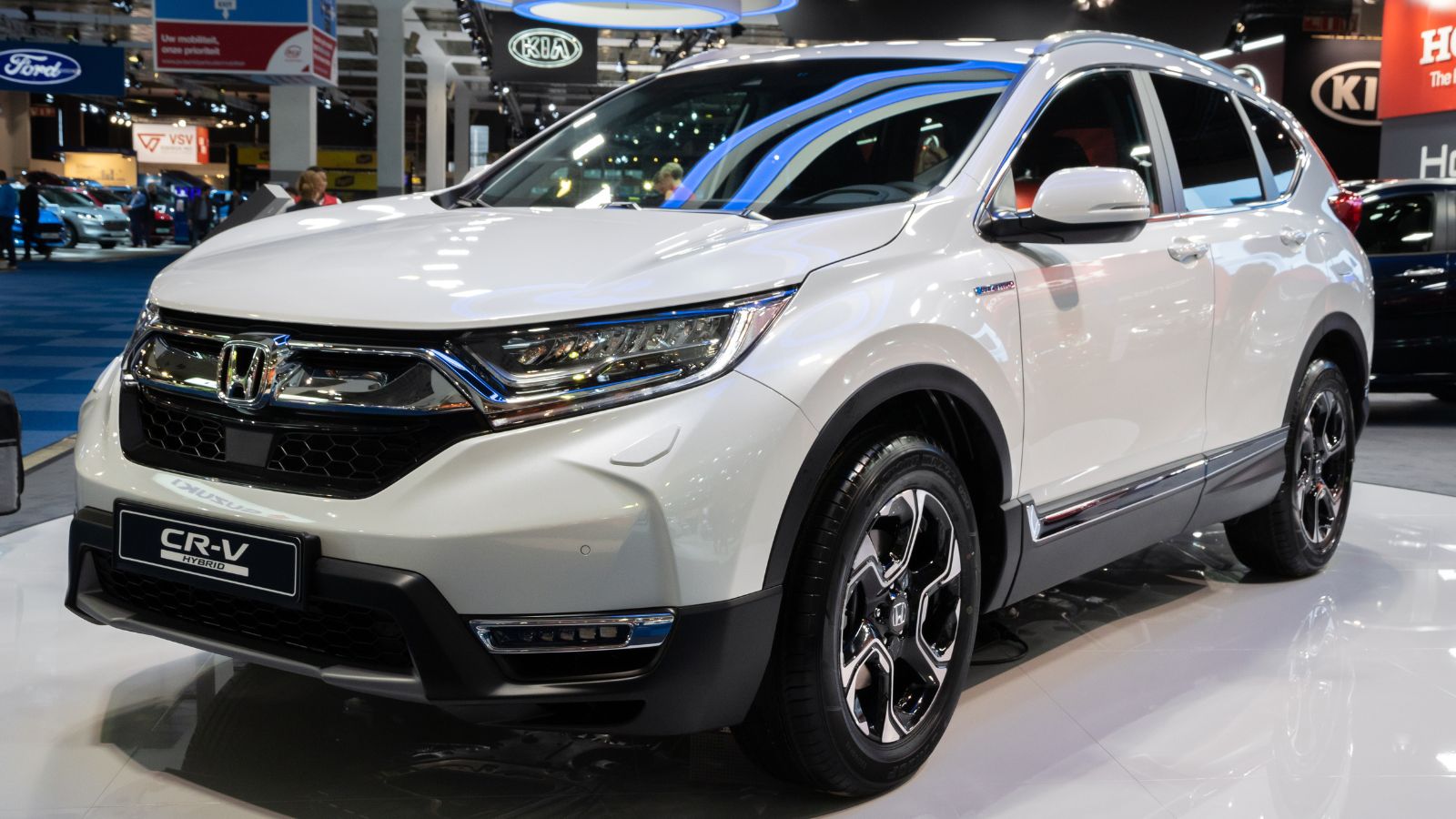
Hybrid technology is no longer confined to unusual-looking economy cars. It is available in familiar sedans, compact crossovers, three-row utilities, minivans, and pickups, often under nameplates Canadians know. Honda reported that 35,325 of the 55,987 CR-Vs sold in Canada during 2025 were hybrids, making the CR-V the country’s most popular hybrid vehicle that year.
Toyota Canada reported record electrified-vehicle sales in 2025, while hybrids formed a major part of its broad lineup. Familiarity changes the buying conversation. Instead of asking whether a household is willing to try an entirely new category, a salesperson can offer a hybrid version of a vehicle already on the shopping list. Cargo space, dealer access, seating position, and brand history may matter more than powertrain ideology. As hybrid choices spread through Canada’s most popular segments, buyers can gain fuel savings without compromising on the body style, badge, or dealership relationship they intended to choose.
One-Vehicle Households Need Flexibility
Many households in Canada need one vehicle to perform every transportation job. That vehicle may handle school drop-offs, commuting, travel, emergency errands, and visits to places where charging is scarce. A two-vehicle household can pair an EV with a gasoline model and choose whichever suits the day; a one-vehicle household has less room for specialization.
CAA’s findings illustrate the tension. Most EV owners drove close to home and reported lower fuelling and maintenance costs, yet over half preferred a gasoline vehicle for long winter trips. A household without a second option may reproduce flexibility by choosing a hybrid. This is an inference from how vehicles are used, not proof that hybrids are financially superior. An EV can be the better choice when home charging and predictable routes are available. The hybrid advantage appears when one purchase must cover both the daily routine and the rare trip that is difficult to plan.
City Efficiency Comes Without Charging
Hybrids deliver strong efficiency gains in stop-and-go driving common in Canadian cities. Regenerative braking captures energy that would be lost as heat, and the electric motor can assist or propel the vehicle at low speeds. Natural Resources Canada notes that this design can produce fuel and emissions reductions compared with a conventional vehicle.
The attraction is that those savings arrive without requiring a charger at work, at home, or beside an apartment. A driver can spend Monday crawling through Toronto traffic, Friday travelling on Highway 401, and Saturday heading beyond the city without changing energy plans. Full EVs are more energy-efficient, especially when charged at home, but hybrids can feel more forgiving when routines are inconsistent. For buyers whose typical weekly mileage mixes congestion, highways, weather, and detours, moderate savings available everywhere may seem more valuable than larger savings that depend on reliable access to electricity and predictable charging windows.
Resale Uncertainty Can Be Uncomfortable
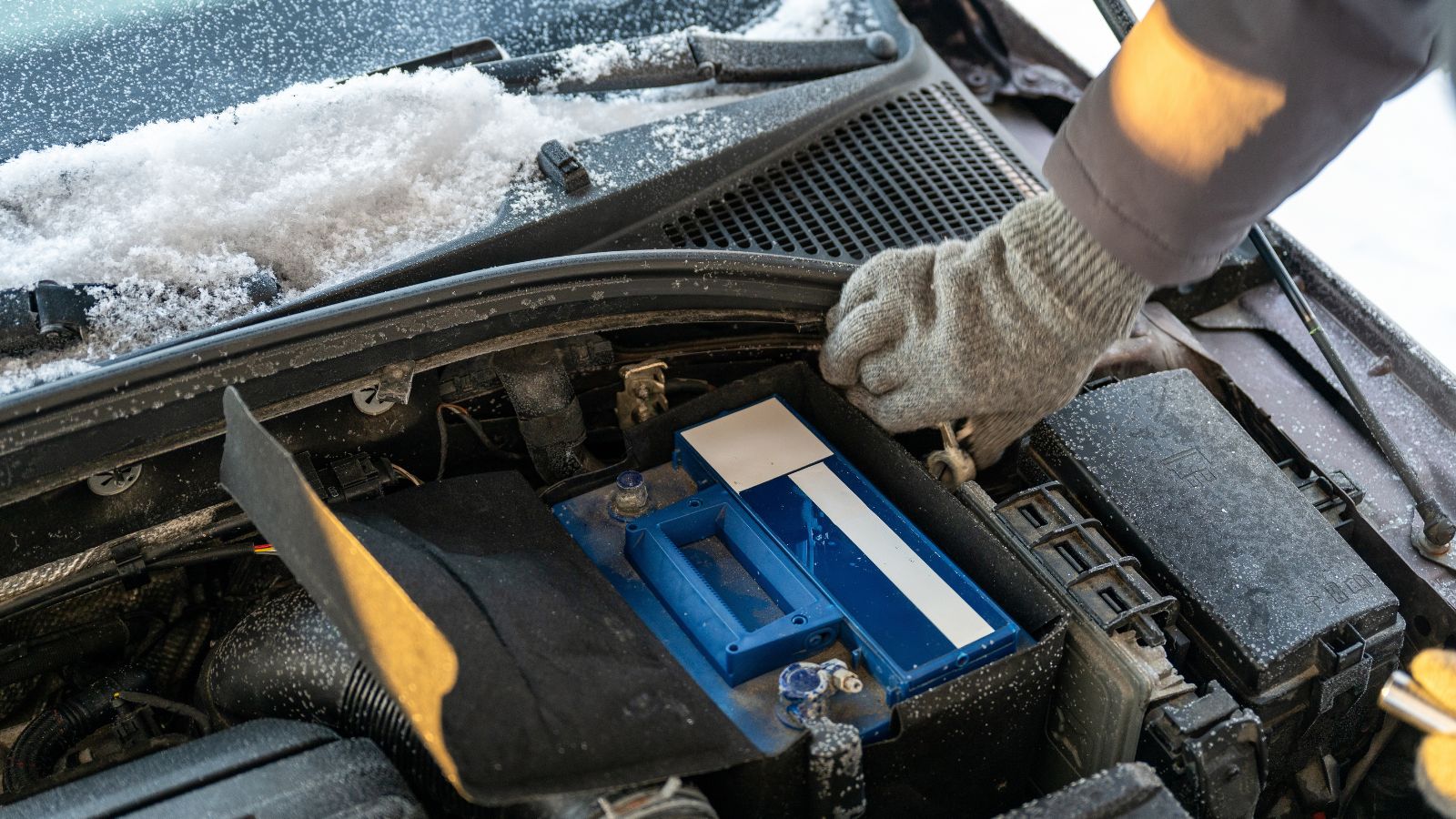
Resale value has become a source of hesitation because the EV market is changing. Incentives, manufacturer discounts, battery improvements, charging standards, and expanding model choices can alter what buyers will pay for an older EV. Research on second-hand electric markets identifies depreciation and battery condition as factors, while used-vehicle guides recommend checking battery health rather than judging an EV by age and kilometres.
Hybrids are not immune to depreciation or repairs, and their gasoline engines add components that EVs avoid. Still, their technology is familiar to dealers and buyers after decades of sales. A shopper financing a vehicle for six or seven years may feel more confident estimating future demand for a hybrid crossover than for an early-generation EV with a superseded connector or shorter range. That confidence can be rather than precise, but perceived resale risk affects trade-in plans, loan decisions, and the willingness to pay a premium today.
A Hybrid Can Be a Bridge to a Future EV
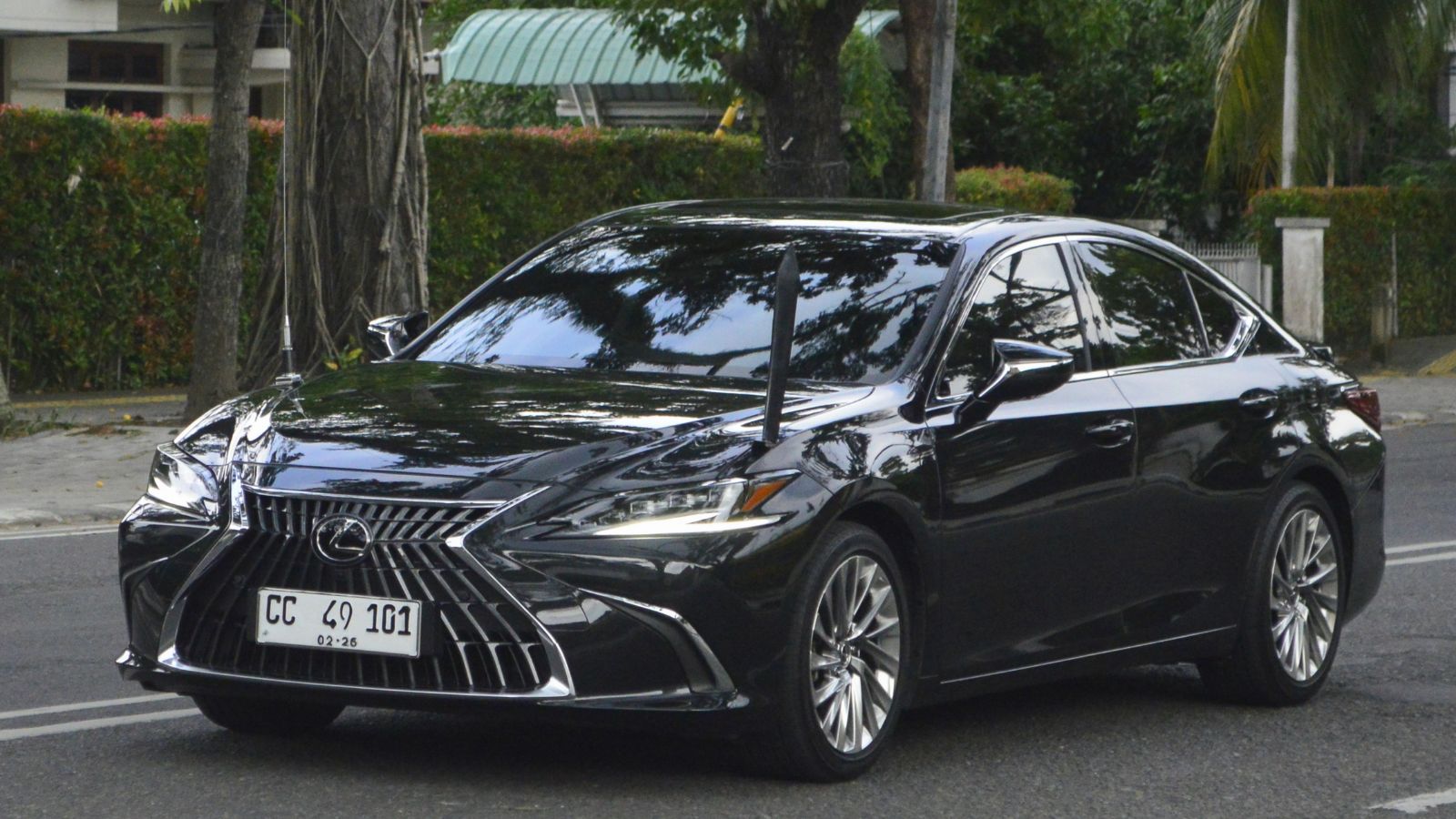
For Canadians, a hybrid is understood as a bridge rather than a destination. The buyer may expect to own an EV but prefer to wait for charging coverage, apartment access, prices, or a generation of batteries. Canada’s policy direction has shifted: the government restored purchase incentives in 2026 while moving away from the sales-mandate approach and emphasizing affordability, infrastructure, and industrial strategy.
That landscape encourages a staged transition. A hybrid reduces fuel use; a plug-in hybrid can cover short trips electrically when charged while retaining gasoline for longer journeys. Neither matches the zero-tailpipe-emission operation of a battery EV, and poorly charged plug-in hybrids can deliver far less benefit than their potential. Even so, buyers make decisions around present constraints rather than ideal future conditions. A hybrid lets them participate in electrification now while postponing the moments of greatest uncertainty until charging, pricing, housing, and product choices better match their lives.
16 Costco Canada Habits That Could Be Costing Shoppers More Than They Save

The Executive Membership can feel like an obvious upgrade because the 2% annual reward sounds straightforward. For households that spend heavily at Costco Canada, the extra fee may be easy to justify. But the habit becomes costly when shoppers upgrade first and calculate later. A Gold Star Membership costs less, while Executive costs more and only pays off if eligible annual spending is high enough to offset the difference.
16 Costco Canada Habits That Could Be Costing Shoppers More Than They Save