


























Car shoppers often arrive at a dealership knowing what they can afford each month. The trouble begins when that private budget becomes the opening line of the negotiation. Saying “I need to stay under $600 a month” can hand the seller a target while leaving the vehicle price, loan term, interest rate, trade-in value, and extras open to adjustment. A payment that looks comfortable can therefore hide a deal that is far more expensive than expected. These 12 points explain why revealing a monthly-payment ceiling too early can weaken bargaining power, how the numbers can be rearranged around that ceiling, and what buyers can do instead to keep the negotiation focused on the actual cost of the car.
Revealing the Monthly Budget Gives Away the Ceiling
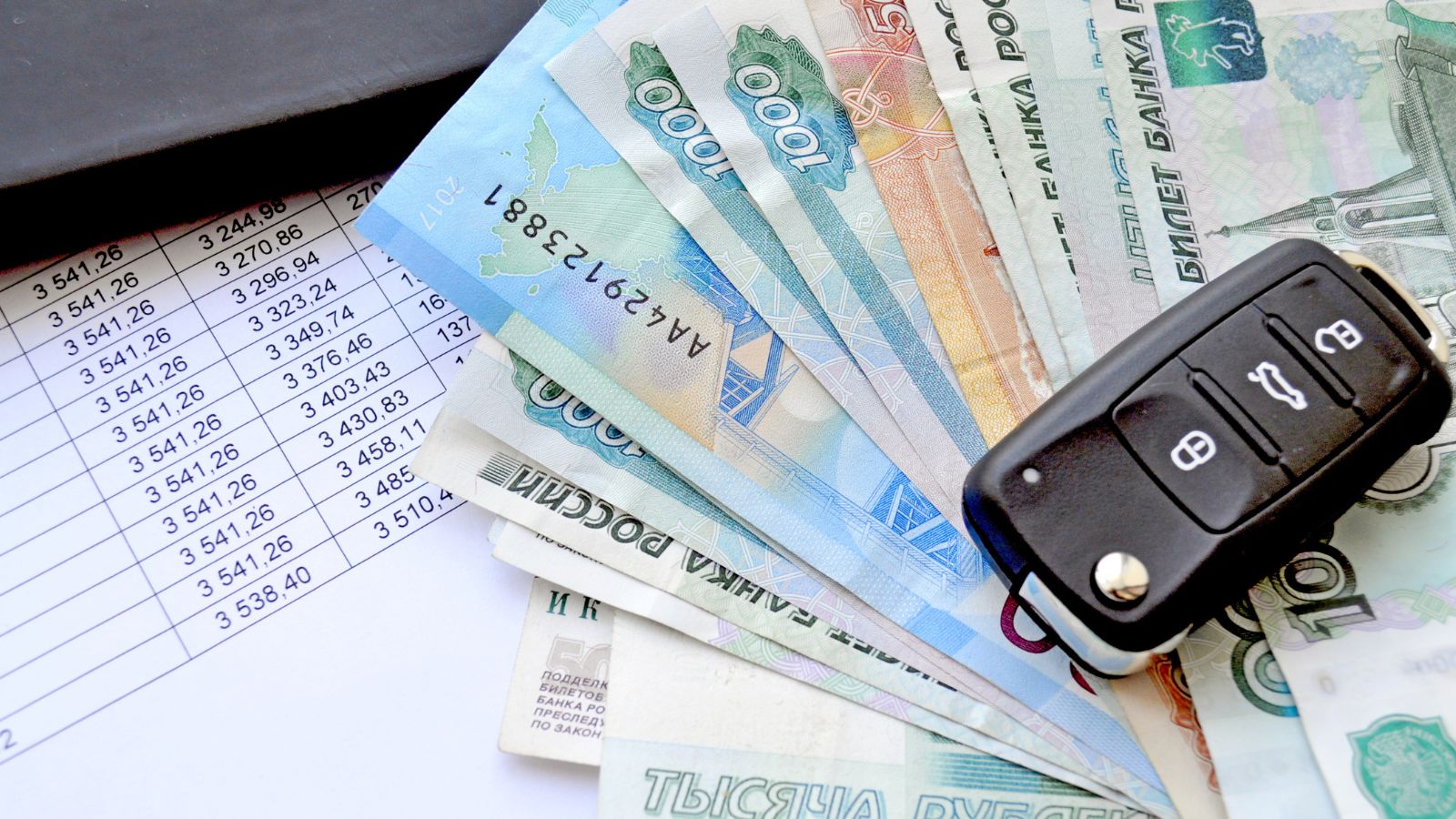
The most damaging mistake is telling the salesperson the maximum monthly payment before settling the vehicle’s price. A buyer may think this creates a useful boundary. In practice, it gives the dealership a number around which the rest of the transaction can be structured. The car’s selling price, financing term, down payment, interest rate, trade-in credit, fees, and optional products can all influence the final payment significantly.
That is why consumer agencies repeatedly tell shoppers to think beyond the monthly figure. The Financial Consumer Agency of Canada advises buyers to compare prices, negotiate when possible, and look at the total cost rather than only the payment or interest rate. The U.S. Federal Trade Commission similarly recommends getting a written out-the-door price before discussing financing. A private affordability limit is still important, but it works best as an internal guardrail, not as the dealership’s opening target during serious vehicle price negotiations.
The Payment Becomes a Powerful Anchor

A monthly-payment number can become an anchor, shaping the discussion around whether the dealer can get close to that figure rather than whether the underlying price is competitive. Research on anchoring shows that numbers introduced early can influence later judgments and payments, even when people know other information matters. In a showroom, a stated payment ceiling can become the convenient reference point for every counteroffer made afterward.
That changes the buyer’s question from “What is the lowest total price?” to “Can this fit the payment I mentioned?” Those are not the same negotiation. Consumer Reports has long warned that once a salesperson knows the highest payment a shopper can tolerate, the deal can be structured to use much of that capacity. The safer approach is to keep the monthly budget private while negotiating a transparent purchase price first. Payment calculations come later, after the important variables are visible and understood.
A Longer Loan Can Make Almost Any Payment Look Better

The easiest way to make an expensive vehicle look more affordable is often to stretch the loan. A longer term divides the balance across more payments, so the monthly number falls even when the buyer has not received a meaningful discount on the car. That can make a salesperson appear to have “found room” in the budget without lowering the purchase price at all for the buyer.
Canadian federal guidance gives a useful illustration. On a $25,000 vehicle financed at 5%, the Financial Consumer Agency of Canada shows a total cost of $26,974 over 36 months and $29,681 over 84 months. The longer term lowers the regular payment but adds $2,707 to the total cost in that example. It also keeps the buyer in debt much longer. When the negotiation begins with a payment target, term length can quietly become the tool that makes the number work neatly on paper.
A Small Monthly Difference Can Hide Thousands in Cost

A small monthly difference can look trivial while representing a much larger difference over the life of a loan. That is one reason payment-first shopping makes comparison difficult. A buyer comparing $620 with $650 may focus on the $30 gap, even though the two offers could have different loan lengths, rates, amounts financed, or upfront cash requirements. Without those details, the payment alone says very little about which deal truly costs less.
The Consumer Financial Protection Bureau illustrates the effect with a $20,000 loan at 4.75%. Its example shows a 36-month payment of $597 with $1,498 in total interest, compared with a 72-month payment of $320 and $3,024 in total interest. The lower payment is easier on the monthly budget, but the interest cost is more than twice as high. Negotiating the total amount financed and APR makes those trade-offs visible before the payment becomes emotionally persuasive to the buyer.
The Trade-In Can Blur What the New Car Really Costs

A trade-in creates another moving part that can make a monthly-payment negotiation hard to read. A dealer can offer what looks like a generous trade value while being less flexible on the new vehicle’s price, or vice versa. If everything is discussed as one payment, the buyer may struggle to tell which part of the deal actually improved. The Federal Trade Commission specifically recommends negotiating the new car’s price before discussing the trade-in.
Negative equity adds another complication. If the old vehicle is worth less than the remaining loan balance, the shortfall may be rolled into the new financing. The payment can still be adjusted with a longer term or more cash down, making the transaction seem manageable even though the new loan now includes old debt. Buyers are better positioned when they know the trade-in’s approximate market value, exact payoff amount, and new vehicle price as clearly separate numbers.
More Money Down Can Be Mistaken for a Dealer Discount

A larger down payment can be used to make a target payment appear achievable. Putting more cash down is not inherently bad; it reduces the amount borrowed and may even help produce a better interest rate. The problem arises when the negotiation treats extra cash as though it were a discount from the dealer. A lower payment created by the buyer contributing another $2,000 is not the same as a $2,000 reduction in vehicle price.
The CFPB notes that the more money a shopper puts down, the less must be financed. That makes down payment one of several levers capable of changing the monthly number. Buyers should therefore keep two questions separate: how much they are willing to pay for the vehicle and how much cash they want to contribute upfront. When those decisions are blended together, a deal can feel cheaper though the seller has conceded little on price.
Add-Ons Can Disappear Inside the Payment

Optional products are especially easy to overlook when attention stays fixed on the payment. Extended warranties, GAP products, credit insurance, tire-and-wheel coverage, theft products, and dealer-installed accessories can all increase the amount financed. Spread over a long loan, an expensive add-on may change the monthly number by an amount that feels modest, even though the buyer is committing to pay the full price plus financing costs.
Federal consumer guidance emphasizes reviewing the total amount being financed and understanding optional services before signing. The CFPB states that optional add-ons included in a loan raise both the monthly payment and the total amount that must be repaid. The FTC has also brought cases alleging “payment packing,” in which unwanted products were inserted into deals while consumers focused on an agreed payment. The practical defense is simple: demand itemized prices for every optional product and decide whether each one is worthwhile separately beforehand.
The Interest Rate Can Fade Into the Background

The interest rate deserves its own negotiation, but a payment-first conversation can make it fade into the background. In dealer-arranged financing, the lender may quote the dealership a “buy rate,” while the contract rate offered to the customer can be higher. The CFPB explains that the difference may compensate the dealer, which is one reason shoppers should compare outside financing before accepting the dealership’s offer.
A buyer who has already announced a monthly ceiling may be less likely to notice that a higher rate still fits inside it. That matters because APR is a price: it reflects the cost of borrowing and directly affects the total amount repaid. Preapproval from a bank or credit union gives the buyer a benchmark before entering the finance office. If the dealership beats it, that is useful. If not, the buyer has an alternative instead of negotiating from one payment number with no reference.
Rebates and Promotions Become Harder to Evaluate

Rebates and promotional financing complicate a payment-centered deal. Manufacturers sometimes offer cash incentives, reduced interest rates, or special financing on particular models. Eligibility may depend on the vehicle, credit profile, loan term, or other conditions. If a buyer is focused on reaching a monthly target, it can be difficult to tell whether a lower payment came from dealer discounting, a manufacturer incentive, a larger down payment, or a different loan structure.
That distinction matters because incentives are not always interchangeable. A low-rate promotion may require a shorter repayment term, while a cash rebate may work differently with standard financing. The FTC advises shoppers to ask which incentives and rebates apply and to get the details in writing. A better negotiation keeps manufacturer money visible as its own line item. That way, the dealer’s price concession can be evaluated separately from a program the automaker was offering to qualified customers anyway.
Losing the Ability to Walk Away Destroys Leverage

Negotiating power depends heavily on the ability to walk away. Once a shopper has announced a payment ceiling and emotional commitment to a particular car, that ability can shrink quickly. The conversation becomes less about whether the deal is objectively good and more about finding some combination of numbers that allows the purchase to happen. Urgency or fear that the vehicle will disappear can make that pressure stronger.
Negotiation research describes the best alternative to a negotiated agreement, or BATNA, as a major source of bargaining power. In car buying, that alternative might be another dealer, a comparable vehicle, a factory order, or simply waiting. Consumer Reports likewise recommends being willing to leave when the numbers do not work. The most useful mindset is that the car is replaceable and the budget is not. A buyer with credible alternatives can reject a payment that merely looks acceptable and keep searching.
No Competing Quotes Means Little Real Bargaining Power

Walking into a dealership with no competing quotes makes the payment mistake even more costly. Without outside prices, the buyer has little evidence that the vehicle itself is being sold competitively. A salesperson may reduce the monthly figure and present the change as progress, but the shopper cannot easily tell whether another dealer would have offered a lower out-the-door price from the start.
The FTC recommends requesting written out-the-door prices before visiting a dealership because they make offers easier to compare and help expose fees or add-ons. Consumer Reports also advises getting multiple bids and using them as leverage. A simple email request for the total price of a specific vehicle can shift the negotiation away from vague affordability language and toward numbers that can be checked side by side. Competition creates an alternative. If one dealer will not move, another written quote gives the buyer somewhere else to go.
The Better Strategy Puts the Monthly Payment Last

The strongest replacement for payment-first bargaining is a step-by-step process. First, decide privately what the household can afford. Then research the vehicle and collect written out-the-door quotes. Negotiate the selling price before discussing a trade-in. Evaluate the trade separately, compare financing offers, choose a loan term deliberately, and review every optional product by its actual price. Only then should the monthly payment be calculated as the result of the deal itself.
That sequence matches guidance from the FTC, CFPB, Consumer Reports, and the Financial Consumer Agency of Canada. It does not guarantee that every dealership will discount a vehicle, especially when supply is tight or a model is unusually desirable. What it does is protect the buyer from confusing affordability with value. The monthly payment remains important because it must fit the budget. It simply belongs at the end of the arithmetic, not at the beginning of the negotiation process.
19 Used Cars Canadians Should Avoid in 2026 (Based on Owner Complaints)

Buying a used car in Canada can feel safe until repair bills start stacking up. Owner complaints tell a different story than glossy listings. Transmission failures, electrical problems, and weak winter reliability show up again and again in consumer reports. Many of these issues appear after warranties expire, when owners least expect them. Some vehicles look affordable upfront, but become expensive to keep on the road. Others struggle in cold weather, urban driving, or long highway commutes. Here are 19 used cars Canadians should avoid in 2026 (based on owner complaints).
19 Used Cars Canadians Should Avoid in 2026 (Based on Owner Complaints)