


























Canadian winter has a way of exposing the difference between showroom appeal and real-world usefulness. A feature that feels premium in September can become frustrating once freezing rain, road salt, slush, black ice, and deep cold become part of the daily commute.
These 17 car features often sound excellent on paper, especially when they promise comfort, convenience, safety, or style. But once Canadian winter arrives, they can require extra maintenance, careful expectations, or a second look before they become trusted companions on icy mornings and storm-dark highways.
Panoramic Glass Roofs
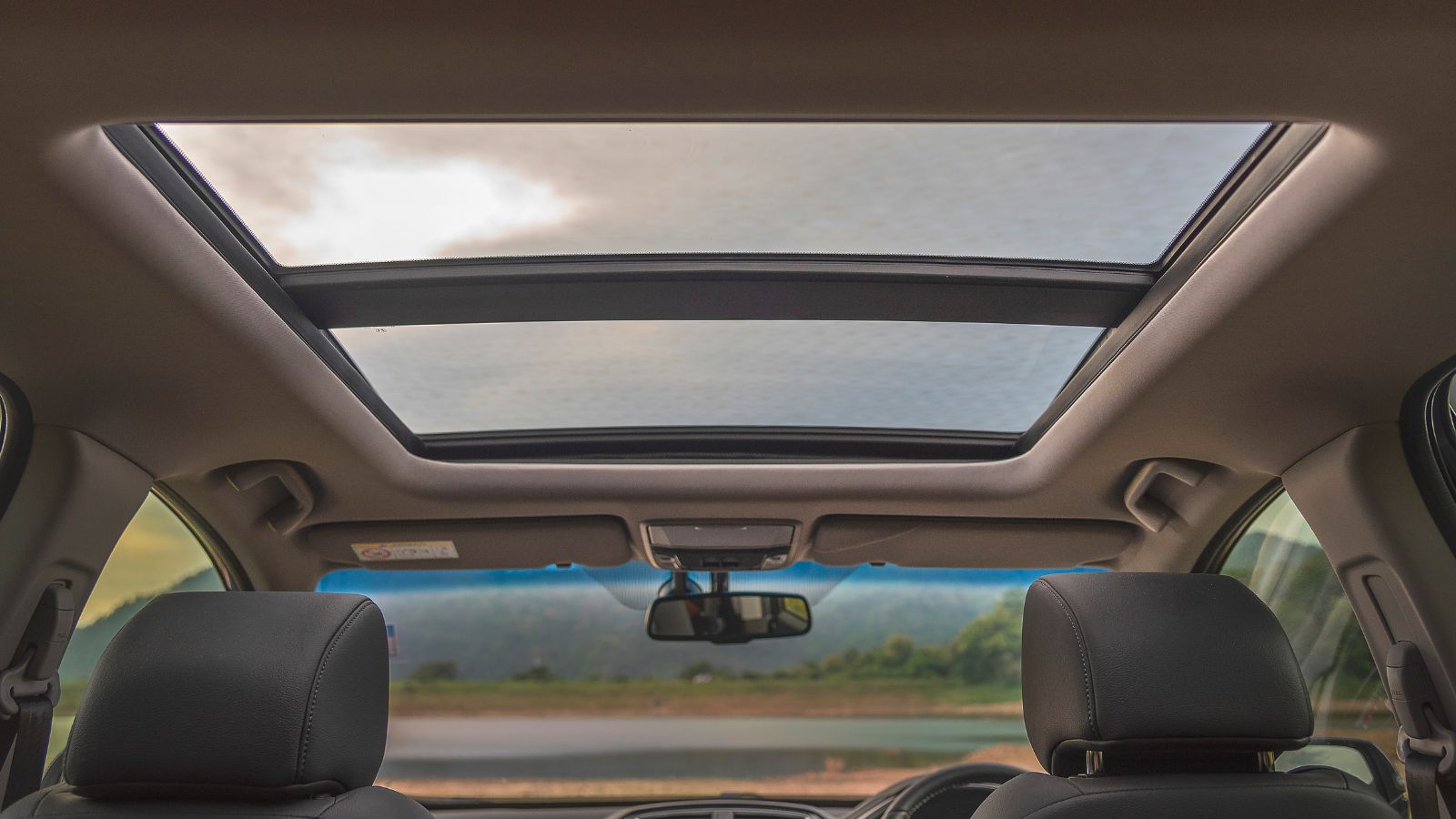
A panoramic roof can make a cabin feel open and upscale, especially during bright fall drives or summer road trips. In winter, however, the same wide glass panel becomes another surface that collects snow, frost, and freezing rain. If a vehicle is parked outside overnight in Saskatoon, Quebec City, or Thunder Bay, the roof can be buried before the morning commute even begins.
The issue is not that panoramic roofs are unsafe by design. The problem is the extra care they demand. Ice around seals, blocked drains, and heavy snow loads can turn a luxury feature into a maintenance worry. Drivers also need to clear the roof before driving, because snow sliding forward during braking can cover the windshield. What looked like a premium upgrade at the dealership can become one more frozen surface to scrape before sunrise.
Flush Door Handles
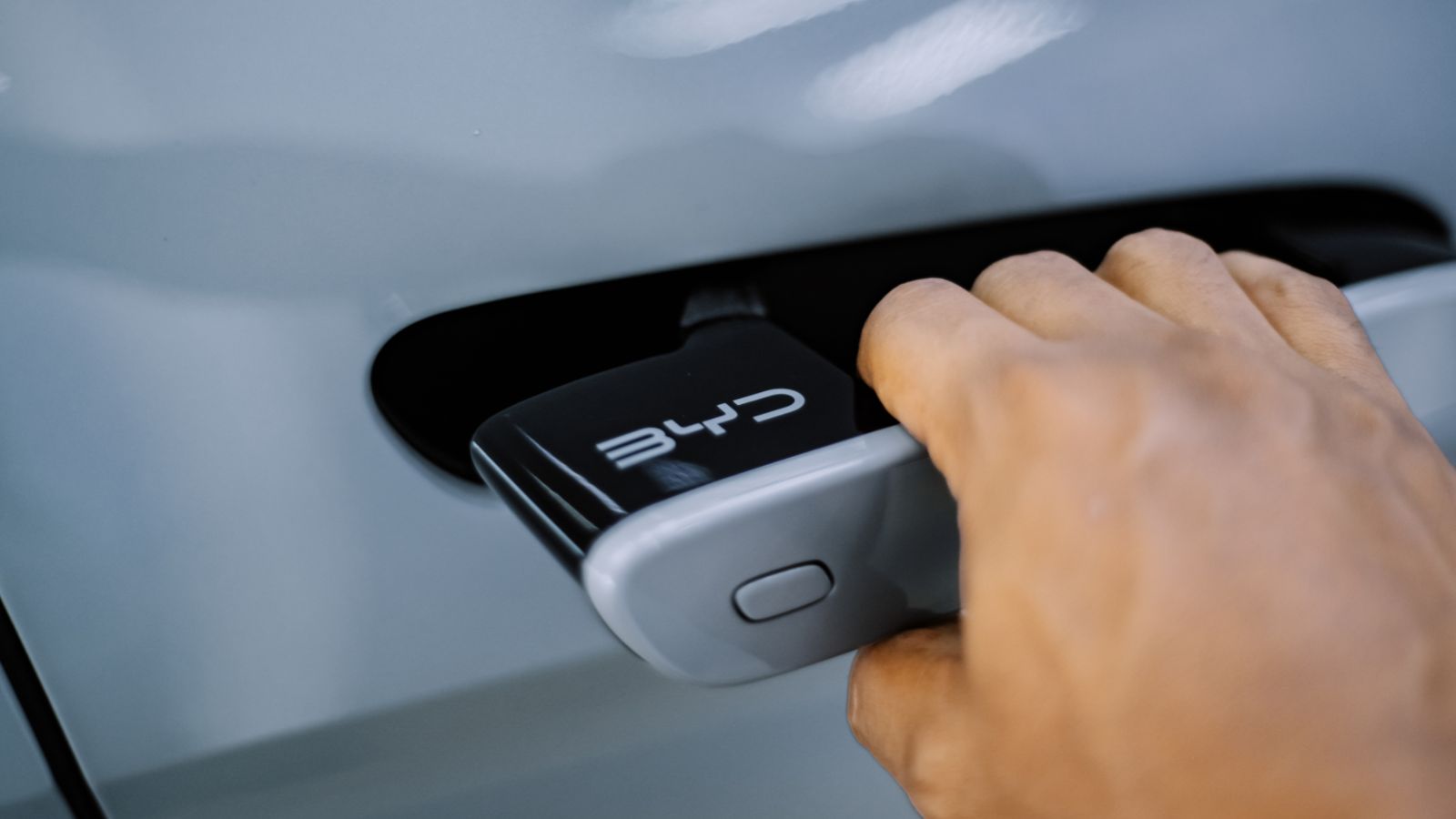
Flush door handles look sleek, reduce visual clutter, and help many modern vehicles appear more aerodynamic. They are especially common on electric vehicles and newer luxury models. In dry weather, they feel futuristic: a touch, a motorized pop-out, and the door opens with little effort.
Canadian winter can make that sequence less elegant. Freezing rain can seal the handle into the door, wet snow can pack into the gap, and cold temperatures can make small electronic or mechanical movements feel sluggish. Even a simple layer of ice can turn a quick school drop-off into a wrestling match with the driver’s door. The feature is not necessarily a deal-breaker, but it depends heavily on garage access, regular de-icing, and how well the automaker designed the handle for repeated freeze-thaw cycles.
Large Wheels With Low-Profile Tires

Large wheels often make a vehicle look sharper, sportier, and more expensive. They fill the wheel arches nicely and can improve steering feel on dry pavement. On a warm test drive, a crossover on 20- or 21-inch wheels may feel composed and responsive.
Winter exposes the trade-off. Low-profile tires have shorter sidewalls, which means less cushion between the rim and the road. That matters when freeze-thaw cycles create potholes, ruts, and broken pavement across Canadian cities. A sharp hit can damage a tire, bend a rim, or leave a driver waiting for roadside help in freezing weather. Large wheels can also make winter tire packages more expensive. For many Canadians, smaller wheels with taller winter tires quietly become the smarter seasonal setup, even if they look less dramatic.
All-Season Tires Marketed as Year-Round Convenience
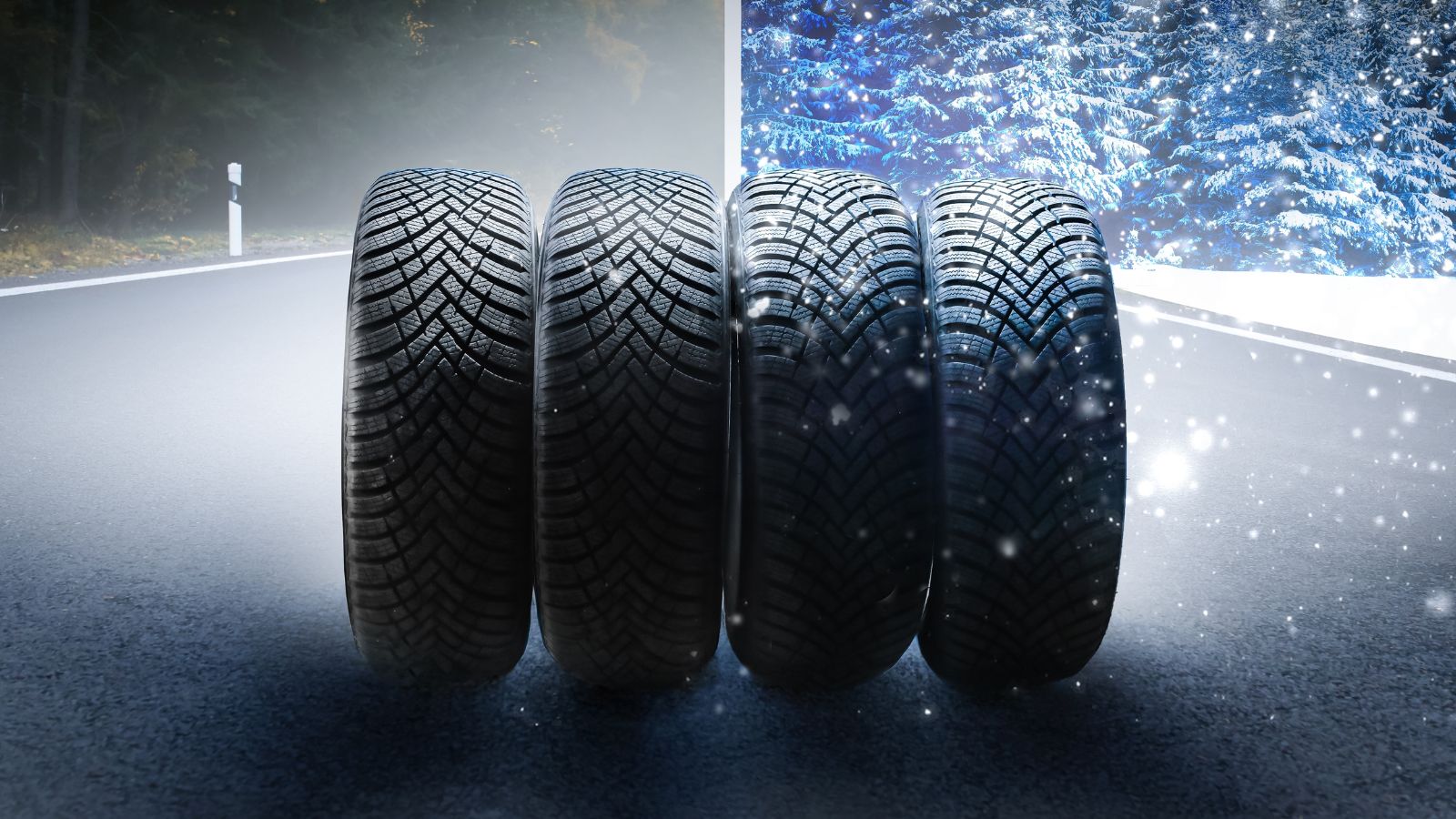
All-season tires sound practical because the name suggests one set can handle everything. For milder coastal areas or drivers who rarely face heavy snow, that convenience can be appealing. It also avoids the cost and hassle of seasonal tire swaps, storage, and appointment backlogs.
The problem is that much of Canada does not experience mild winter consistently. Cold temperatures change rubber behaviour, and snow or ice demands tread designed for winter grip. Transport Canada recommends winter tires on all wheels for cold, snowy, or icy conditions because they use softer rubber and more appropriate tread patterns. The “all-season” label can create false confidence, especially during sudden cold snaps or freezing rain. A tire that feels fine in October can feel nervous on a January hill, turning a convenient feature into a risky compromise.
All-Wheel Drive Confidence
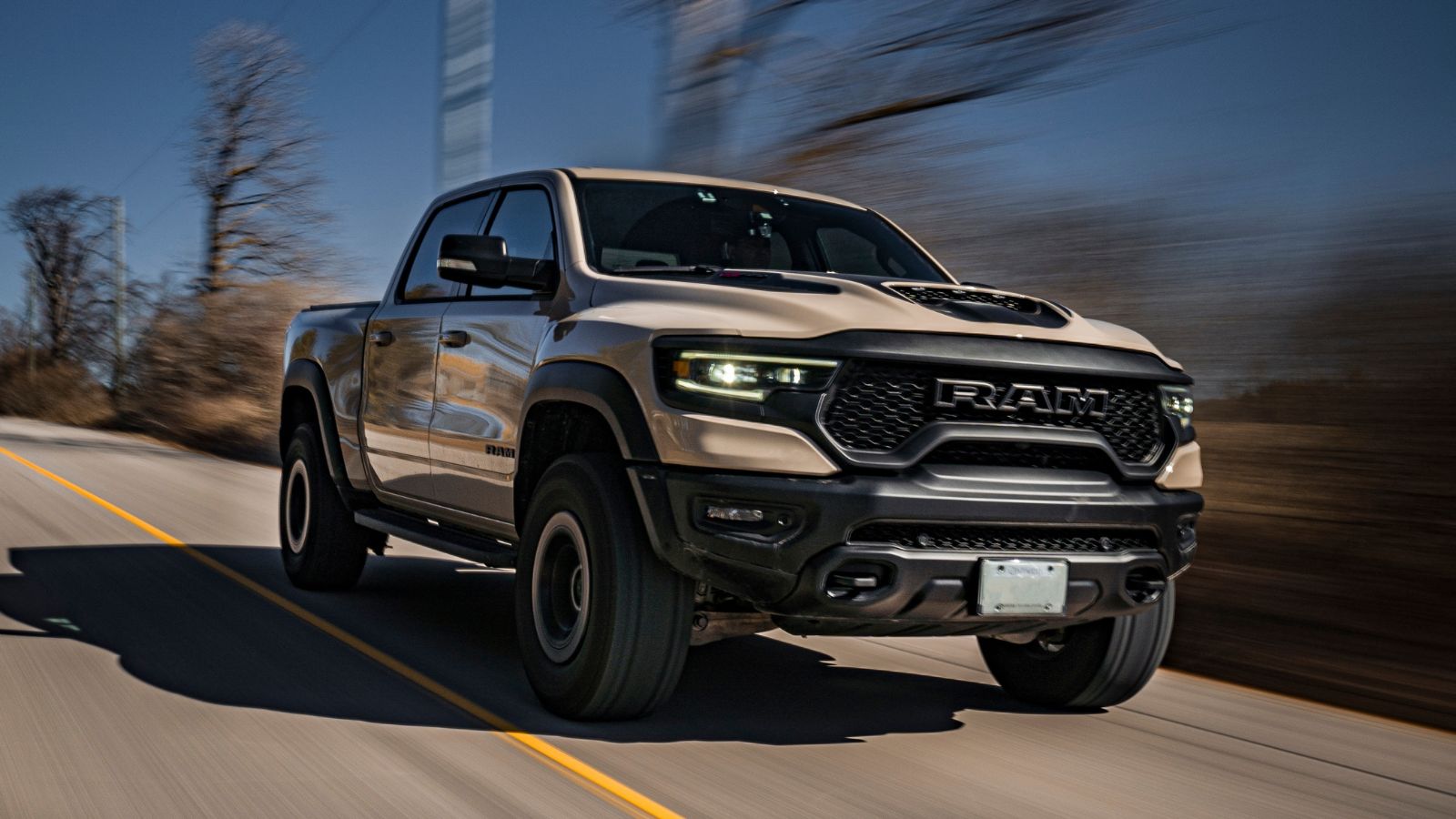
All-wheel drive is one of the most popular features in Canada, and for good reason. It helps a vehicle get moving on snowy roads, climb slippery driveways, and feel more stable when traction is uneven. For families outside major cities, it can be genuinely useful.
The trouble begins when all-wheel drive is treated like a substitute for winter tires or cautious driving. AWD helps acceleration, but it does not magically shorten stopping distances on ice. It also cannot change the laws of physics during a fast corner on packed snow. A driver in an AWD SUV can still slide through an intersection if the tires are wrong or the speed is too high. The feature sounds like winter armour, but it is only one part of a broader safety package that includes tires, visibility, speed, and judgment.
Automatic High Beams

Automatic high beams are designed to improve nighttime visibility without dazzling oncoming drivers. They can be especially appealing in Canada, where winter means long stretches of darkness and rural roads with limited lighting. When the system works well, it reduces the need to constantly switch between high and low beams.
Snowstorms can make the experience less seamless. Blowing snow reflects light back toward the driver, and sensors may struggle when headlights, taillights, or road markings are partly obscured. If headlights are coated in slush or road grime, visibility can drop even further. Transport Canada advises drivers to clear lights before driving in winter, which matters more when lighting systems depend on clean lenses and sensors. Automatic high beams remain useful, but winter reminds drivers that “automatic” does not mean maintenance-free.
Rain-Sensing Wipers
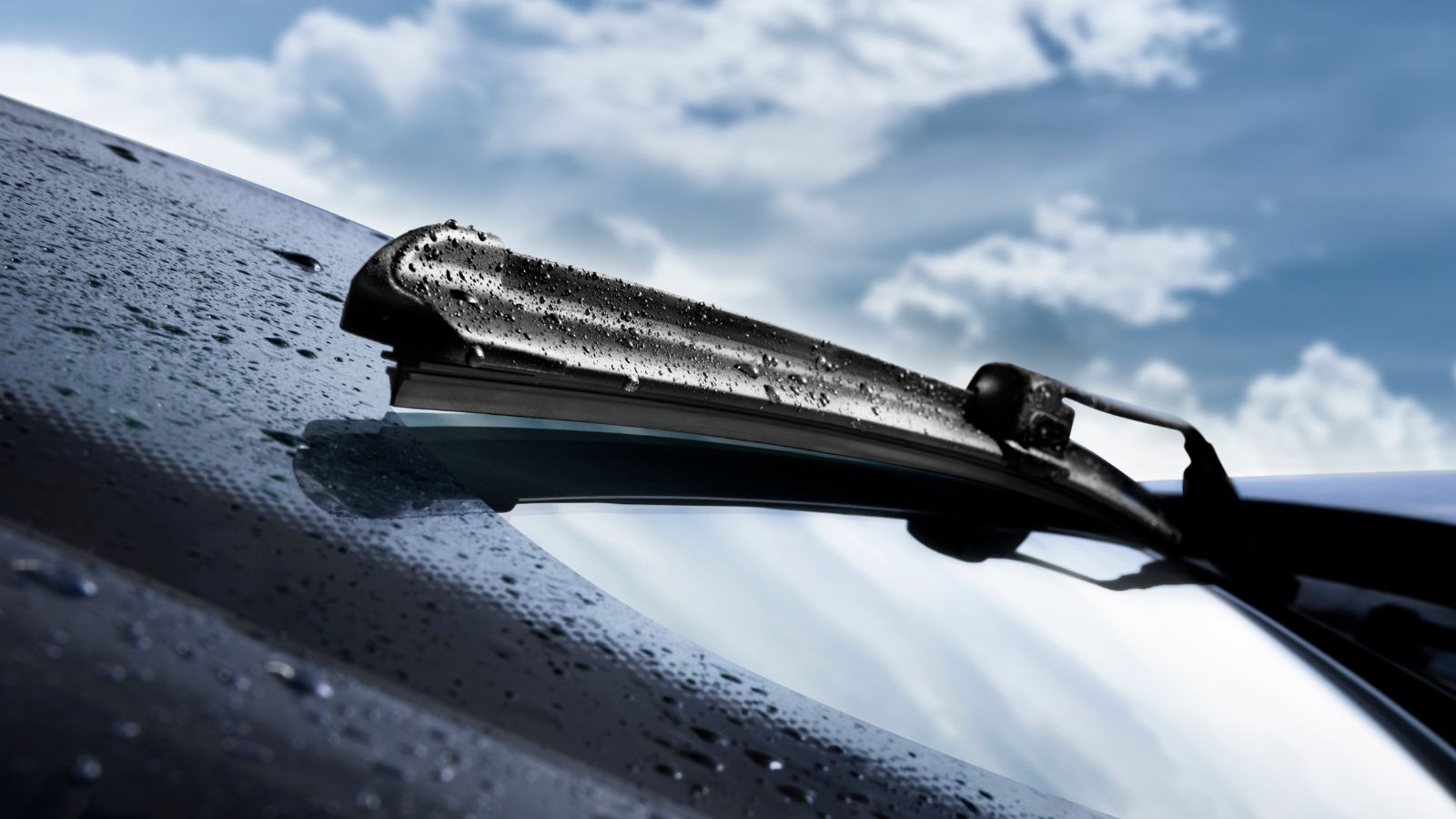
Rain-sensing wipers feel like a small luxury until weather becomes complicated. They detect moisture on the windshield and adjust wiper activity automatically, which can reduce distraction during light rain or spray. In fall, that convenience often feels effortless.
Winter makes moisture harder to interpret. Freezing rain, slushy spray, road salt film, and melting snow can confuse the system or cause wipers to drag across partially frozen glass. If blades are stuck to the windshield, activating them can damage rubber or strain the motor. Transport Canada recommends checking wipers, replacing streaking blades, and using winter-ready wipers. The feature is still helpful, but it works best when paired with winter washer fluid, good blades, and a driver who turns the system off before the car freezes overnight.
Hidden Rear Wipers and Sloped Rear Glass
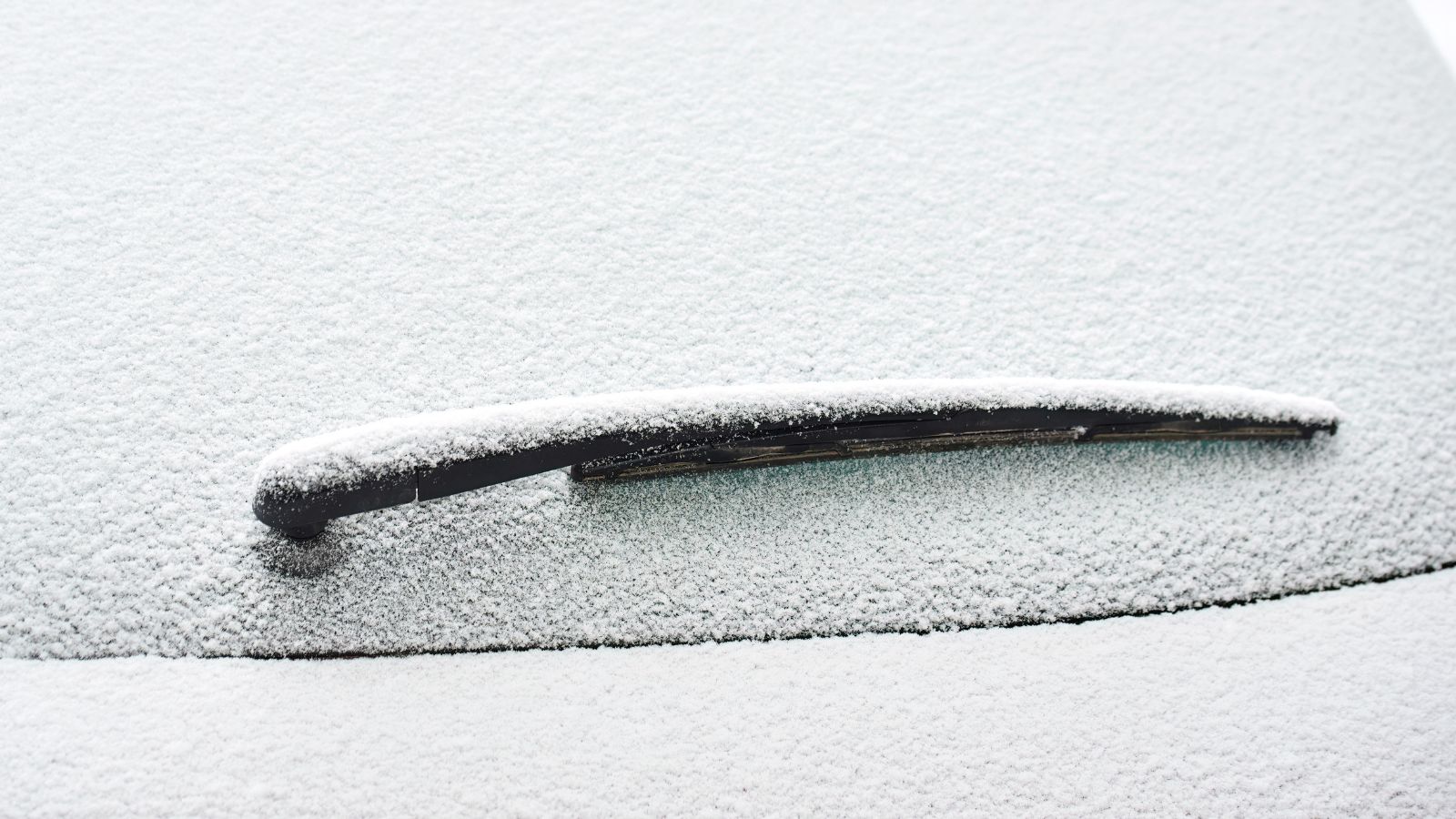
Some vehicles hide the rear wiper under a roof spoiler for a cleaner look. Others skip the rear wiper entirely on sedans, relying on airflow to keep the rear glass clear. In dry conditions, that design choice can look tidy and modern.
Winter changes the airflow equation. Slush, salt mist, and dirty snow can coat rear glass quickly, especially on hatchbacks and SUVs where road spray curls behind the vehicle. If the wiper is tucked away, ice can build around it and make it harder to free. If there is no rear wiper, the backup camera may become the driver’s main rearward reference, and that camera can also get covered. The result is a feature that looks elegant in a showroom but demands extra cleaning when visibility matters most.
Touchscreen Climate Controls
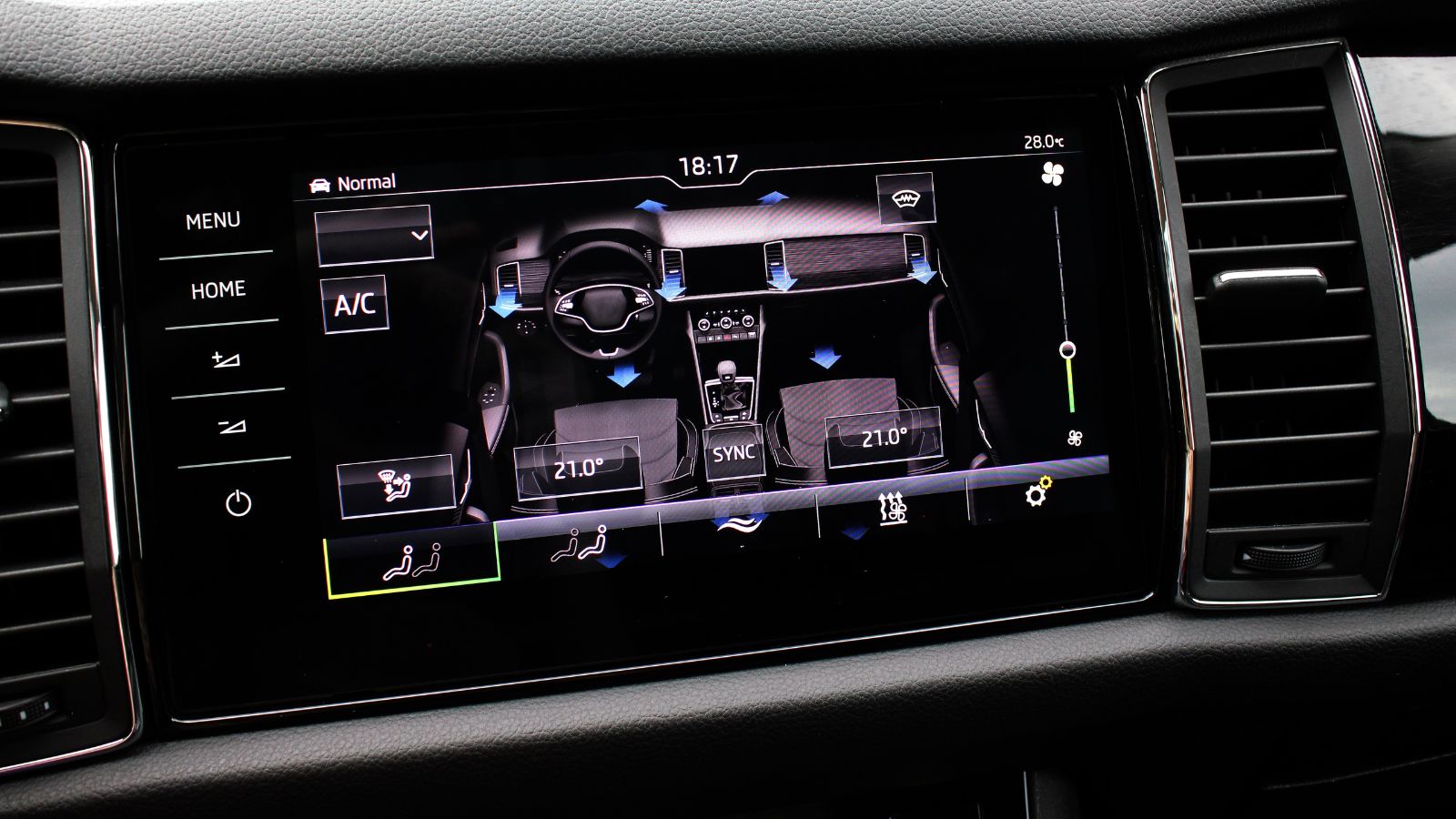
Touchscreen climate controls help create a clean dashboard and allow automakers to update layouts through software. They can also reduce physical buttons and make a cabin look more modern. In warm weather, adjusting fan speed or seat heat through a screen may not feel like a major inconvenience.
During Canadian winter, climate controls become urgent. Drivers often need to adjust defrost, temperature, fan direction, and heated seats quickly while wearing gloves and watching slippery roads. A buried menu or slow screen response can feel frustrating when windows begin fogging. Transport Canada specifically highlights the importance of a working heater and defroster for winter readiness. Physical knobs are not glamorous, but they can be easier to use by feel. A beautiful screen is less impressive when clear glass is needed immediately.
Capacitive Buttons
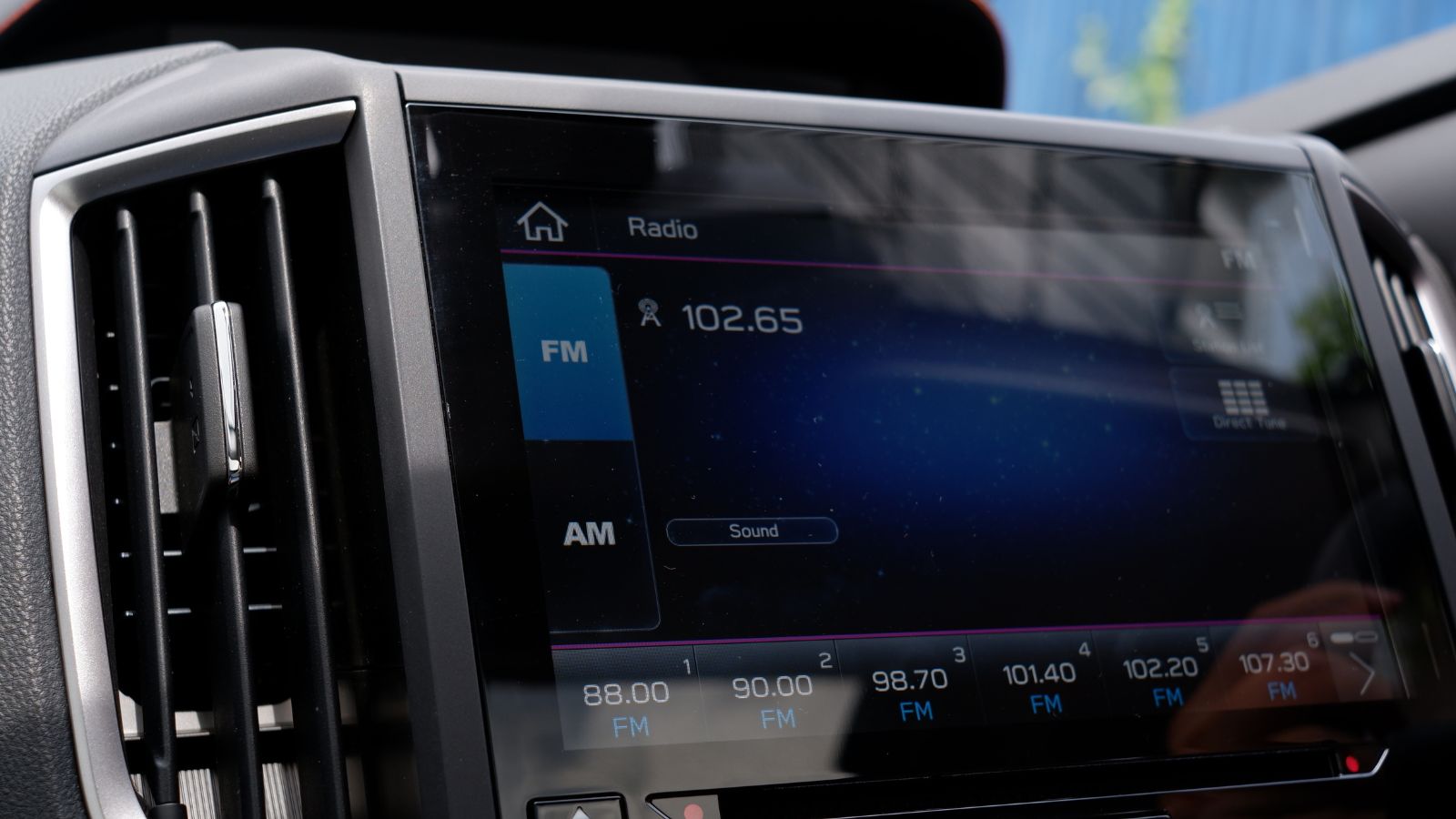
Capacitive buttons and touch-sensitive sliders give interiors a minimalist, high-tech look. They appear on steering wheels, centre consoles, climate panels, and lighting controls. In a bright showroom, they can seem more advanced than traditional switches.
Winter often reveals why many drivers still prefer tactile controls. Gloves can reduce accuracy, cold fingers may not register cleanly, and bumps on icy roads make touch surfaces harder to operate precisely. A driver trying to raise the cabin temperature or change defrost settings may need to look down longer than expected. That extra glance matters when roads are slick and stopping distances are longer. Capacitive controls are not inherently unsafe, but they can make simple winter tasks feel unnecessarily fussy compared with buttons that click, turn, or toggle.
Adaptive Cruise Control

Adaptive cruise control is useful on open highways, automatically adjusting speed to maintain a gap from traffic ahead. On long summer drives, it can reduce fatigue and smooth out speed changes. Many shoppers see it as a major safety and comfort upgrade.
In winter, expectations need to be realistic. Snow, ice, salt, and grime can block radar sensors or cameras that the system depends on. Consumer Reports and other safety groups warn that obstructed sensors can compromise driver-assistance features. Even when the system remains active, icy roads may require gentler braking and more space than the software anticipates. Adaptive cruise control can still help in suitable conditions, but heavy snow, freezing rain, and poor lane visibility are moments for full driver attention rather than quiet trust in automation.
Lane-Keeping Assist
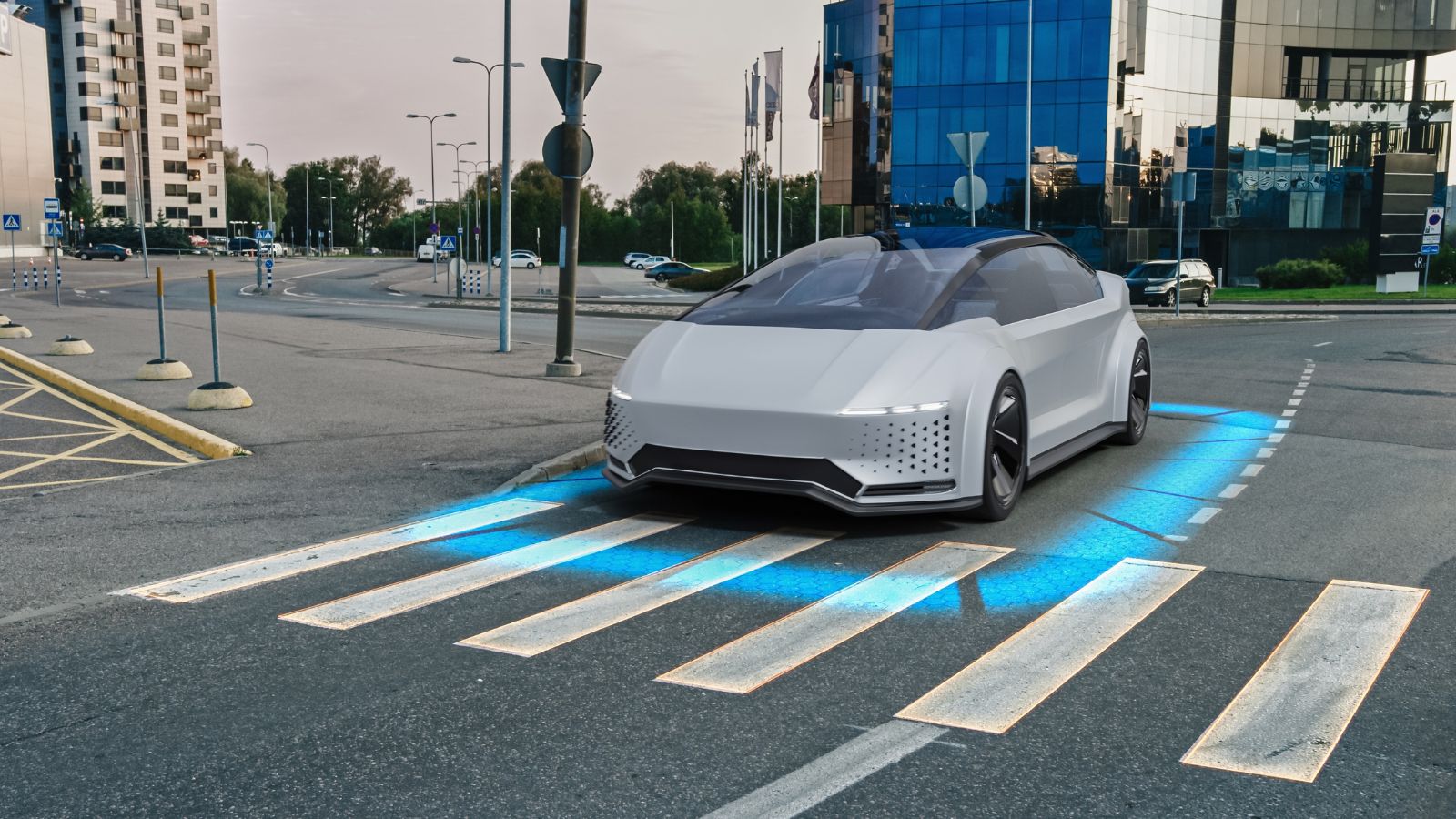
Lane-keeping assist sounds especially reassuring during long drives. It can alert drivers when the vehicle drifts and may provide steering support to keep it centred. On clear pavement with visible lane markings, the feature can reduce fatigue and add another layer of awareness.
Canadian winter often hides the very markings the system needs. Snow-covered lanes, faded paint, slush ridges, construction scars, and glare from wet pavement can all reduce reliability. Research presented through the Canadian Association of Road Safety Professionals has noted degraded ADAS performance in winter conditions, including detection delays. A driver on Highway 401 during lake-effect snow or on a prairie road during blowing snow may find the system unavailable or inconsistent. It is a helpful assistant in good conditions, not a substitute for reading the road.
Parking Sensors

Parking sensors are excellent in tight garages, urban lots, and crowded shopping centres. They can prevent low-speed bumps and make large SUVs easier to place. For Canadian drivers squeezing into snow-narrowed parking spots, the idea sounds extremely useful.
The catch is that winter covers bumpers with exactly the material sensors dislike: snow, ice, salt, and packed slush. A sensor can beep constantly, stop detecting properly, or show an error message after a storm. Snowbanks also confuse distance judgment because they may be soft in one area and frozen solid in another. A driver backing toward what looks like harmless powder may actually be approaching a hard ridge left by a plow. Parking sensors remain helpful, but they need clean surfaces and human caution around winter’s uneven obstacles.
360-Degree Cameras
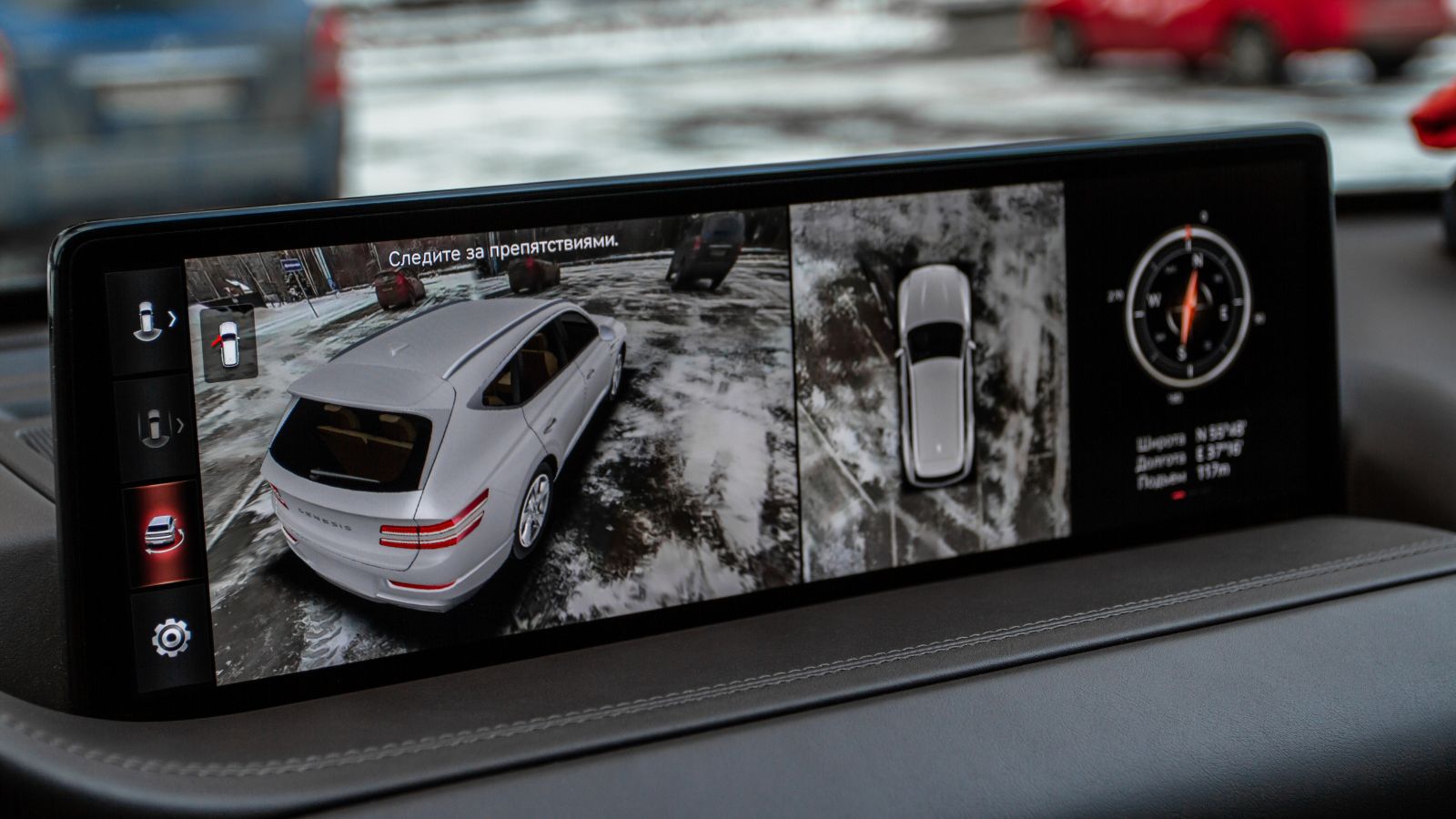
A 360-degree camera system can make a vehicle feel easier to manoeuvre, especially in crowded driveways or underground parking garages. It stitches views from multiple cameras into a top-down image, helping drivers see curbs, posts, pedestrians, and tight corners.
Winter quickly turns cameras into tiny salt collectors. Backup cameras and side cameras sit close to road spray, and a thin film of grime can blur the image before the driver notices. Snow piles also distort the sense of space because the camera may show a white mound without revealing whether it is fluffy snow or hardened ice. Transport Canada advises clearing snow from windows and lights, and the same winter habit should extend to cameras and sensors. A 360-degree view is only as good as the lenses feeding it.
Electric-Only Range Displays
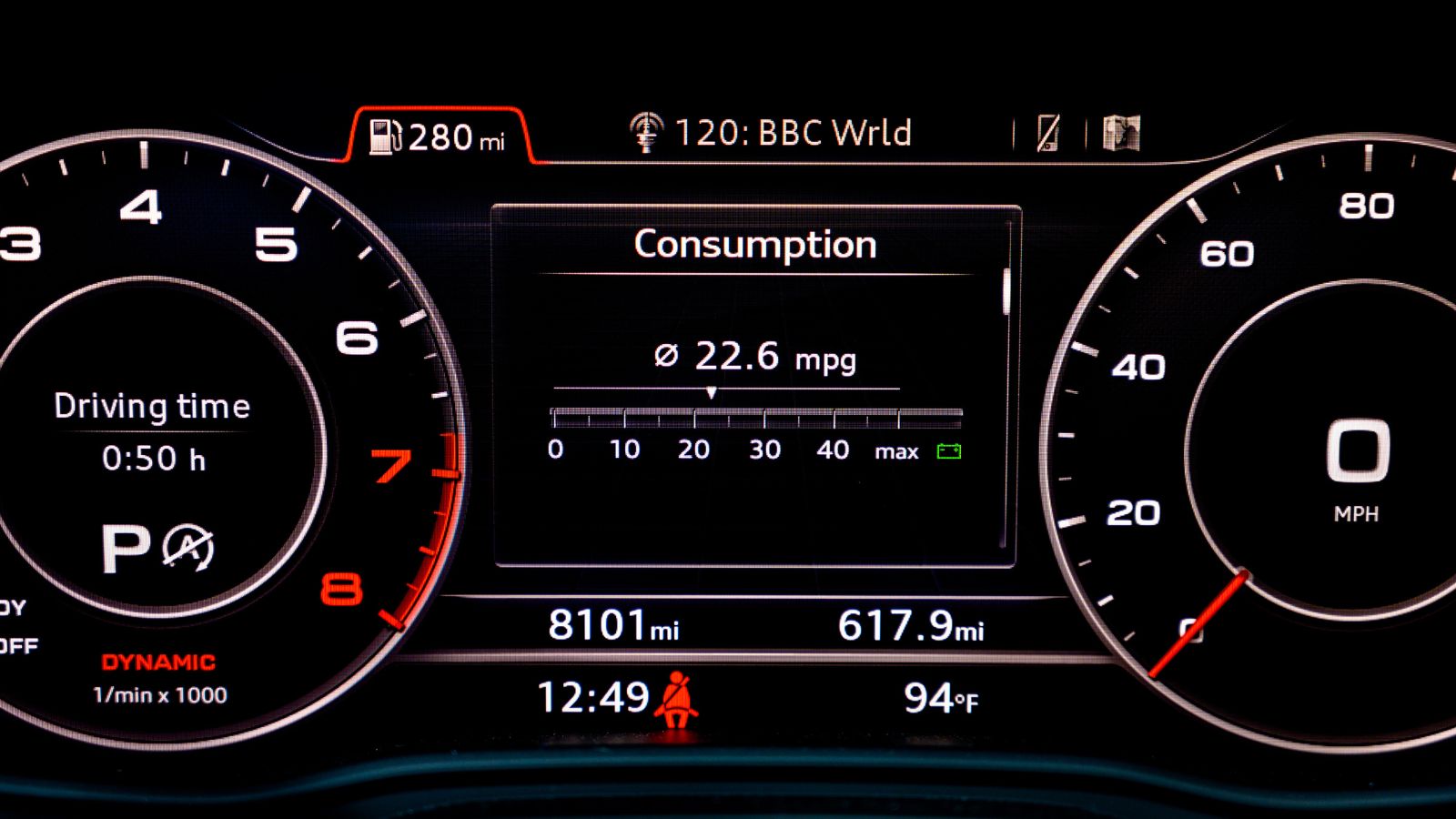
Electric vehicles and plug-in hybrids often provide detailed range estimates, and the display can feel reassuring in mild weather. A number on the screen helps drivers plan errands, commutes, and charging stops with confidence. In winter, however, that number can change faster than expected.
Cold weather affects batteries, cabin heating demand, charging speed, and rolling resistance. CAA and BCAA winter testing found electric vehicles drove 14 to 39 percent less than their official range in cold conditions. Natural Resources Canada has also acknowledged that a cold winter day can mean a meaningful range reduction. The feature itself is not the problem; the problem is believing the number without context. Canadian winter makes range planning more conservative, especially on highways where chargers may be far apart.
Heat Pumps
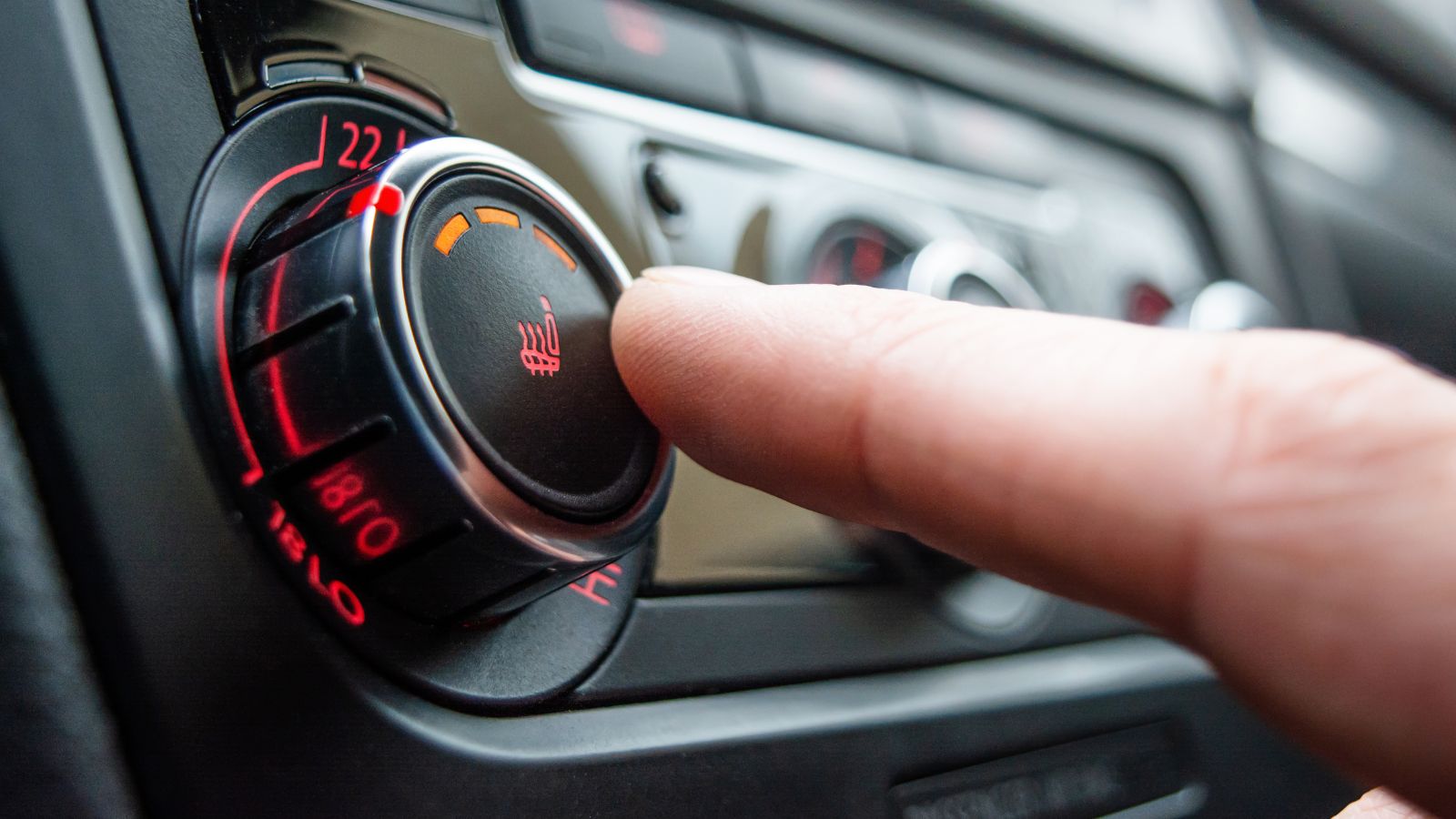
Heat pumps are promoted as efficient cabin-heating systems, especially in electric vehicles. They can use less energy than resistance heating in many conditions, helping preserve range while keeping occupants comfortable. In moderate cold, they can be a real advantage.
The limitation is that extreme cold changes the equation. When temperatures plunge, the system may need backup heating or more energy to maintain cabin comfort and battery temperature. Academic research on EV thermal management has emphasized that cold climates require careful battery and cabin heat strategies. For drivers in Vancouver, a heat pump may feel like an elegant solution. In Winnipeg or northern Alberta, it may still be useful, but it is not magic. The feature sounds simple, while the winter reality depends on temperature, route length, charging habits, and vehicle design.
Power Tailgates
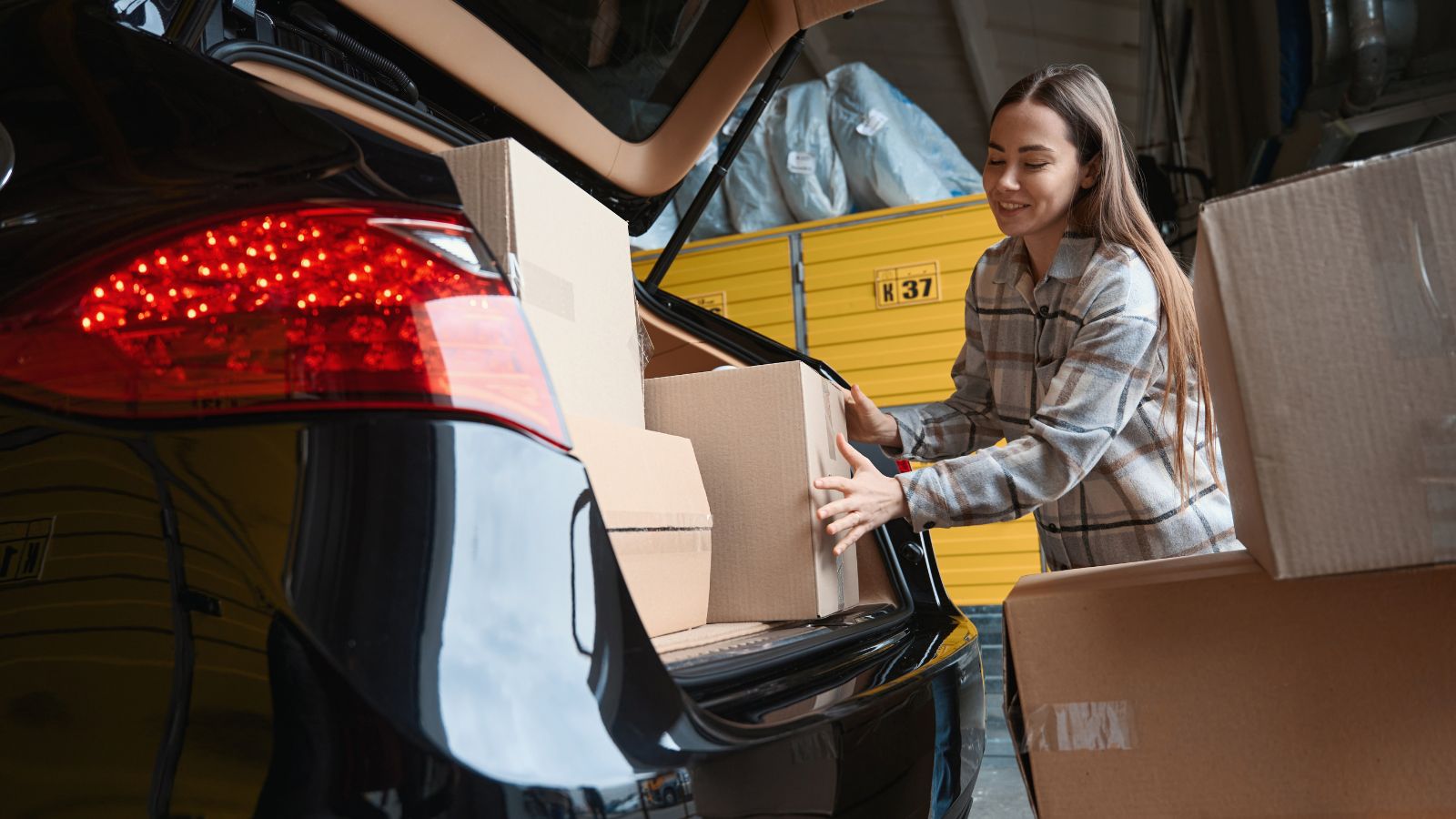
Power tailgates are convenient when loading groceries, hockey bags, strollers, or luggage. A button press can open the rear hatch smoothly, which feels especially premium on SUVs and crossovers. In fair weather, it is one of those features that quickly becomes a habit.
Winter adds resistance. Snow can sit on the hatch, ice can form around the seals, and packed slush can collect near hinges or the latch. If the system senses obstruction, it may stop halfway or refuse to open. If it does open, snow from the roof can slide into the cargo area. The feature remains useful, but winter asks for a slower routine: brush the hatch, clear the roof edge, and avoid forcing frozen seals. Convenience fades quickly when a powered mechanism is fighting ice.
Remote Start
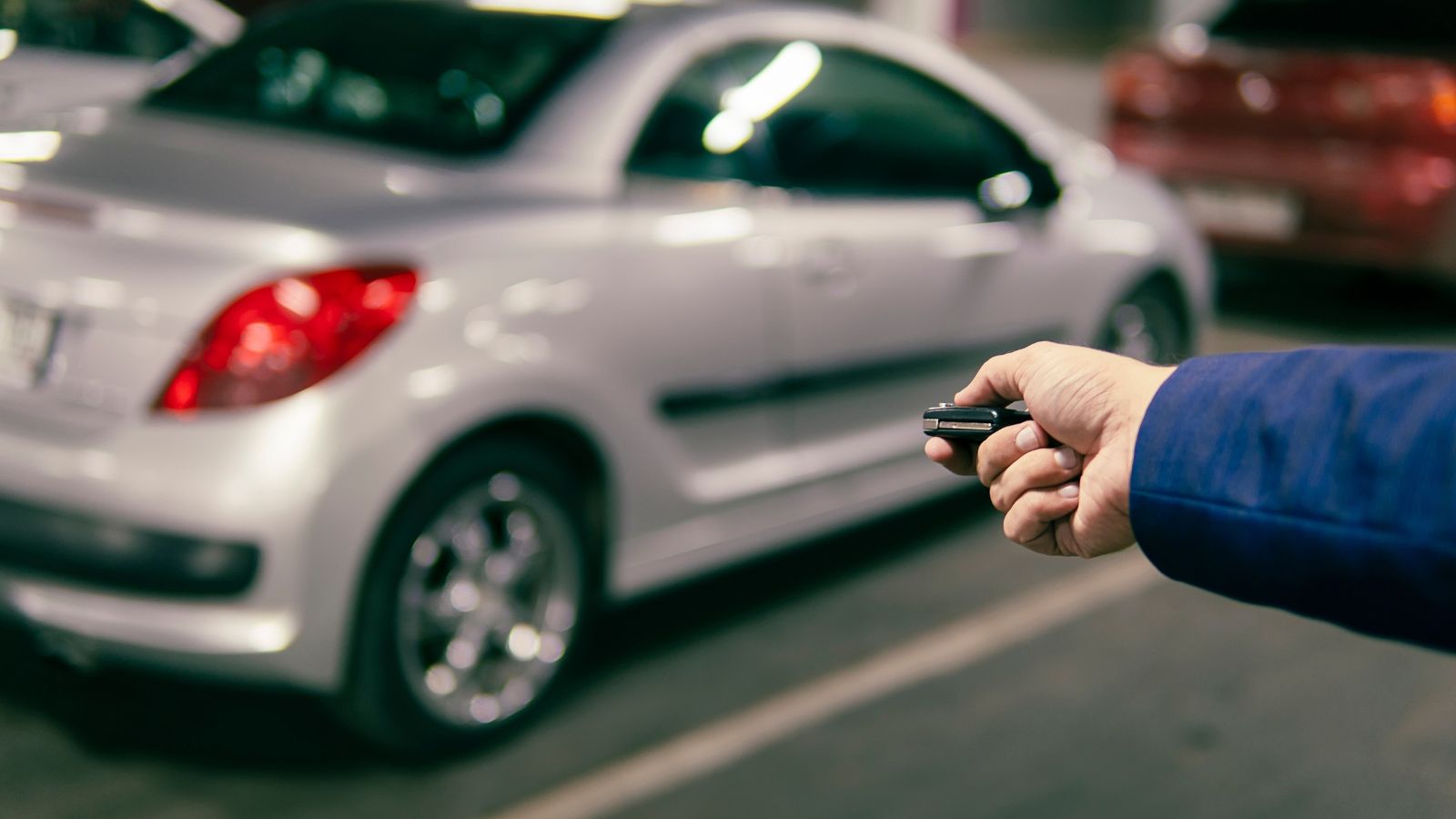
Remote start is one of the most loved winter features in Canada. It can warm the cabin, begin defrosting windows, and make the first few minutes of a cold morning more comfortable. For families with young children or drivers leaving before sunrise, it can feel indispensable.
The downside is that remote start can encourage habits that are not always practical or efficient. Long idling wastes fuel, contributes to emissions, and may be restricted by local anti-idling rules. It also does not replace proper snow removal. Transport Canada advises clearing snow from the hood, roof, windows, and lights before driving, and no remote-start cycle can do that work. The feature is genuinely useful, but it should be treated as a short comfort and defrost aid, not a winter-prep shortcut.
22 Things Canadians Do to Their Cars in Spring That Mechanics Hate

Spring brings relief to many Canadian drivers after months of snow, freezing temperatures, and icy roads that put serious strain on vehicles. As temperatures rise across the country, drivers begin washing cars, switching tires, and preparing vehicles for warmer weather and upcoming road trips. However, mechanics across Canada notice the same mistakes every spring when drivers attempt to recover from winter damage. Road salt, potholes, and harsh winter driving conditions often leave vehicles with hidden problems that drivers ignore. Some spring habits even create new mechanical issues that could have been avoided with proper maintenance. Here are 22 things Canadians do to their cars in spring that mechanics hate.