
















• About
  • Contact
AutoIgloo
  • News & Trends
    22 Spring Car Mistakes Canadians Make Every Year (That Cost Hundreds)

    15 Things That Can Make Police Pay Closer Attention to Your Car

    Why So Many Drivers Are Ditching EVs for Hybrids Again

    Canada’s EV Rebates Pass 44,700—Tesla Captures Just 1,009

    20 Used SUVs Canadians Should Think Twice About Buying

    20 Car Colours That Can Be Harder to Live With Than Expected

    The Road Trip Mistake That Can Overload Your Car Without You Knowing

    The Road Trip Mistake That Can Overload Your Car Without You Knowing

    23 Features That Are Making New Cars Harder (and Pricier) to Repair in Canada

    Nearly 75% of Canadians Want Mandatory Anti-Theft Technology in New Vehicles: Survey

    Why the Next Wave of Chinese EVs Could Force Canada’s Biggest Price War Yet

    Chinese-Made EV Imports Jump 41% in 10 Days as Canada’s Quota Reaches 9,235 Vehicles

  • Car Reviews
    21 Cars Canadians Are Starting to Regret Buying

    Why Some Drivers Regret Buying Big Wheels and Low-Profile Tires

    17 Vehicles That Are Quietly Getting Crushed by Insurance Costs in Canada

    Why So Many Drivers Are Nervous About Chinese-Made EV Batteries

    20 Used SUVs Canadians Should Think Twice About Buying

    20 Used SUVs Canadians Should Think Twice About Buying

    15 Vehicles That Are Starting to Feel Like a Bad Deal Around May Long Weekend

    15 Vehicles That Are Starting to Feel Like a Bad Deal Around May Long Weekend

    15 Vehicles That Are Starting to Scare Off Canadian Buyers

    15 Vehicles That Are Starting to Scare Off Canadian Buyers

    25 Vehicles That Make the Most Sense for Canadian Families in 2026

    16 Vehicles That Suddenly Look Smart for a Canadian Summer Road Trip

  • Buying Guides
    21 Used Car Features That Can Become Expensive Problems Later

    Why Some Canadians Are Choosing Front-Wheel Drive Over All-Wheel Drive

    20 Things Police Notice First When They Pull Over a Driver

    Why Some Buyers Regret Skipping the Test Drive

    15 Ways a Low Monthly Payment Can Fool Canadian Car Buyers

    16 Ways a Car Dealership Can Make a Monthly Payment Look Cheaper

    20 Things Police Notice First When They Pull Over a Driver

    The Simple Reason Your Car Windows Keep Fogging Up

    The Driving Position Mistake That Makes Long Trips More Painful

    22 Mistakes People Make During a Dealership Test Drive

    20 Cars Canadians Love Buying but Hate Owning Long Term

    Why Some Vehicles Are Nearly Impossible to Insure in Certain Canadian Cities

  • Comparisons
    21 Used Car Features That Can Become Expensive Problems Later

    Why Some Canadians Are Choosing Front-Wheel Drive Over All-Wheel Drive

    Canada’s Auto Fight Gets Uglier as BYD Threatens to Sue Trump Administration

    Tesla Vs. BYD: Are Chinese EV’s Actually Better for Canadians?

    17 Vehicles That Are Quietly Getting Crushed by Insurance Costs in Canada

    Why So Many Drivers Are Nervous About Chinese-Made EV Batteries

    20 Used SUVs Canadians Should Think Twice About Buying

    20 Used SUVs Canadians Should Think Twice About Buying

    16 Cars That Are a Nightmare to Repair Because Parts Are Backordered

    23 Cars Canadians Love That Have One Deal-Breaker Flaw

    21 Vehicles Insurance Companies Are Quietly Flagging as “High Risk” in Canada (2026 Update)

    19 Vehicles Canadians Regret Leasing (And the Ones They Don’t)

  • EVs & Hybrids
    16 Used-EV Surprises Canadians Don’t See Coming Until After They Buy

    The EV Charging Habit That Can Annoy Everyone Around You

    17 SUVs That Are Losing Their Appeal Fast in Canada

    GM Canada Says EV Sales Jumped More Than 30% as CUSMA Uncertainty Hangs Over Showrooms

    9 Auto Brands Canadians Are Watching Much More Closely Right Now

    Toyota Canada Says Electrified Vehicles Are Now Nearly 70% of Its Q2 Sales

    25 EV Charging Mistakes Canadians Make in March (That Wreck Range)

    Ottawa Orders New Study on Whether Canada’s EV Grid Can Handle the Next Wave of Chargers

    23 Features That Are Making New Cars Harder (and Pricier) to Repair in Canada

    Why the Cheapest EVs May Not Be the Best Deal After Three Winters

    Canada’s Auto Fight Gets Uglier as BYD Threatens to Sue Trump Administration

    Tesla Vs. BYD: Are Chinese EV’s Actually Better for Canadians?

  • More
    • Pricing & Deals
    • Winter Driving
    • Ownership & Maintenance
No Result
View All Result
AutoIgloo
  • News & Trends
    22 Spring Car Mistakes Canadians Make Every Year (That Cost Hundreds)

    15 Things That Can Make Police Pay Closer Attention to Your Car

    Why So Many Drivers Are Ditching EVs for Hybrids Again

    Canada’s EV Rebates Pass 44,700—Tesla Captures Just 1,009

    20 Used SUVs Canadians Should Think Twice About Buying

    20 Car Colours That Can Be Harder to Live With Than Expected

    The Road Trip Mistake That Can Overload Your Car Without You Knowing

    The Road Trip Mistake That Can Overload Your Car Without You Knowing

    23 Features That Are Making New Cars Harder (and Pricier) to Repair in Canada

    Nearly 75% of Canadians Want Mandatory Anti-Theft Technology in New Vehicles: Survey

    Why the Next Wave of Chinese EVs Could Force Canada’s Biggest Price War Yet

    Chinese-Made EV Imports Jump 41% in 10 Days as Canada’s Quota Reaches 9,235 Vehicles

  • Car Reviews
    21 Cars Canadians Are Starting to Regret Buying

    Why Some Drivers Regret Buying Big Wheels and Low-Profile Tires

    17 Vehicles That Are Quietly Getting Crushed by Insurance Costs in Canada

    Why So Many Drivers Are Nervous About Chinese-Made EV Batteries

    20 Used SUVs Canadians Should Think Twice About Buying

    20 Used SUVs Canadians Should Think Twice About Buying

    15 Vehicles That Are Starting to Feel Like a Bad Deal Around May Long Weekend

    15 Vehicles That Are Starting to Feel Like a Bad Deal Around May Long Weekend

    15 Vehicles That Are Starting to Scare Off Canadian Buyers

    15 Vehicles That Are Starting to Scare Off Canadian Buyers

    25 Vehicles That Make the Most Sense for Canadian Families in 2026

    16 Vehicles That Suddenly Look Smart for a Canadian Summer Road Trip

  • Buying Guides
    21 Used Car Features That Can Become Expensive Problems Later

    Why Some Canadians Are Choosing Front-Wheel Drive Over All-Wheel Drive

    20 Things Police Notice First When They Pull Over a Driver

    Why Some Buyers Regret Skipping the Test Drive

    15 Ways a Low Monthly Payment Can Fool Canadian Car Buyers

    16 Ways a Car Dealership Can Make a Monthly Payment Look Cheaper

    20 Things Police Notice First When They Pull Over a Driver

    The Simple Reason Your Car Windows Keep Fogging Up

    The Driving Position Mistake That Makes Long Trips More Painful

    22 Mistakes People Make During a Dealership Test Drive

    20 Cars Canadians Love Buying but Hate Owning Long Term

    Why Some Vehicles Are Nearly Impossible to Insure in Certain Canadian Cities

  • Comparisons
    21 Used Car Features That Can Become Expensive Problems Later

    Why Some Canadians Are Choosing Front-Wheel Drive Over All-Wheel Drive

    Canada’s Auto Fight Gets Uglier as BYD Threatens to Sue Trump Administration

    Tesla Vs. BYD: Are Chinese EV’s Actually Better for Canadians?

    17 Vehicles That Are Quietly Getting Crushed by Insurance Costs in Canada

    Why So Many Drivers Are Nervous About Chinese-Made EV Batteries

    20 Used SUVs Canadians Should Think Twice About Buying

    20 Used SUVs Canadians Should Think Twice About Buying

    16 Cars That Are a Nightmare to Repair Because Parts Are Backordered

    23 Cars Canadians Love That Have One Deal-Breaker Flaw

    21 Vehicles Insurance Companies Are Quietly Flagging as “High Risk” in Canada (2026 Update)

    19 Vehicles Canadians Regret Leasing (And the Ones They Don’t)

  • EVs & Hybrids
    16 Used-EV Surprises Canadians Don’t See Coming Until After They Buy

    The EV Charging Habit That Can Annoy Everyone Around You

    17 SUVs That Are Losing Their Appeal Fast in Canada

    GM Canada Says EV Sales Jumped More Than 30% as CUSMA Uncertainty Hangs Over Showrooms

    9 Auto Brands Canadians Are Watching Much More Closely Right Now

    Toyota Canada Says Electrified Vehicles Are Now Nearly 70% of Its Q2 Sales

    25 EV Charging Mistakes Canadians Make in March (That Wreck Range)

    Ottawa Orders New Study on Whether Canada’s EV Grid Can Handle the Next Wave of Chargers

    23 Features That Are Making New Cars Harder (and Pricier) to Repair in Canada

    Why the Cheapest EVs May Not Be the Best Deal After Three Winters

    Canada’s Auto Fight Gets Uglier as BYD Threatens to Sue Trump Administration

    Tesla Vs. BYD: Are Chinese EV’s Actually Better for Canadians?

  • More
    • Pricing & Deals
    • Winter Driving
    • Ownership & Maintenance
No Result
View All Result
AutoIgloo
No Result
View All Result

Home » News & Trends

Polestar Abandons Fight Against Trump’s U.S. Ban, Leaving Canada as Its North American Lifeline

Henry Sheppard by Henry Sheppard
July 20, 2026
Reading Time: 6 mins read
A A
Image Credit: Shutterstock

Image Credit: Shutterstock

473
SHARES
1.5k
VIEWS
Share on FacebookShare on Twitter

Polestar’s American experiment is ending not with a courtroom showdown, but with a strategic retreat. After the U.S. Commerce Department refused to authorize the Swedish electric-vehicle brand to sell vehicles from the 2027 model year onward, Polestar confirmed it will not appeal. The restriction is being enforced by the Trump administration under a connected-vehicle rule finalized during Joe Biden’s presidency, making the exit both a security-policy story and a warning about how quickly automotive trade barriers are evolving.

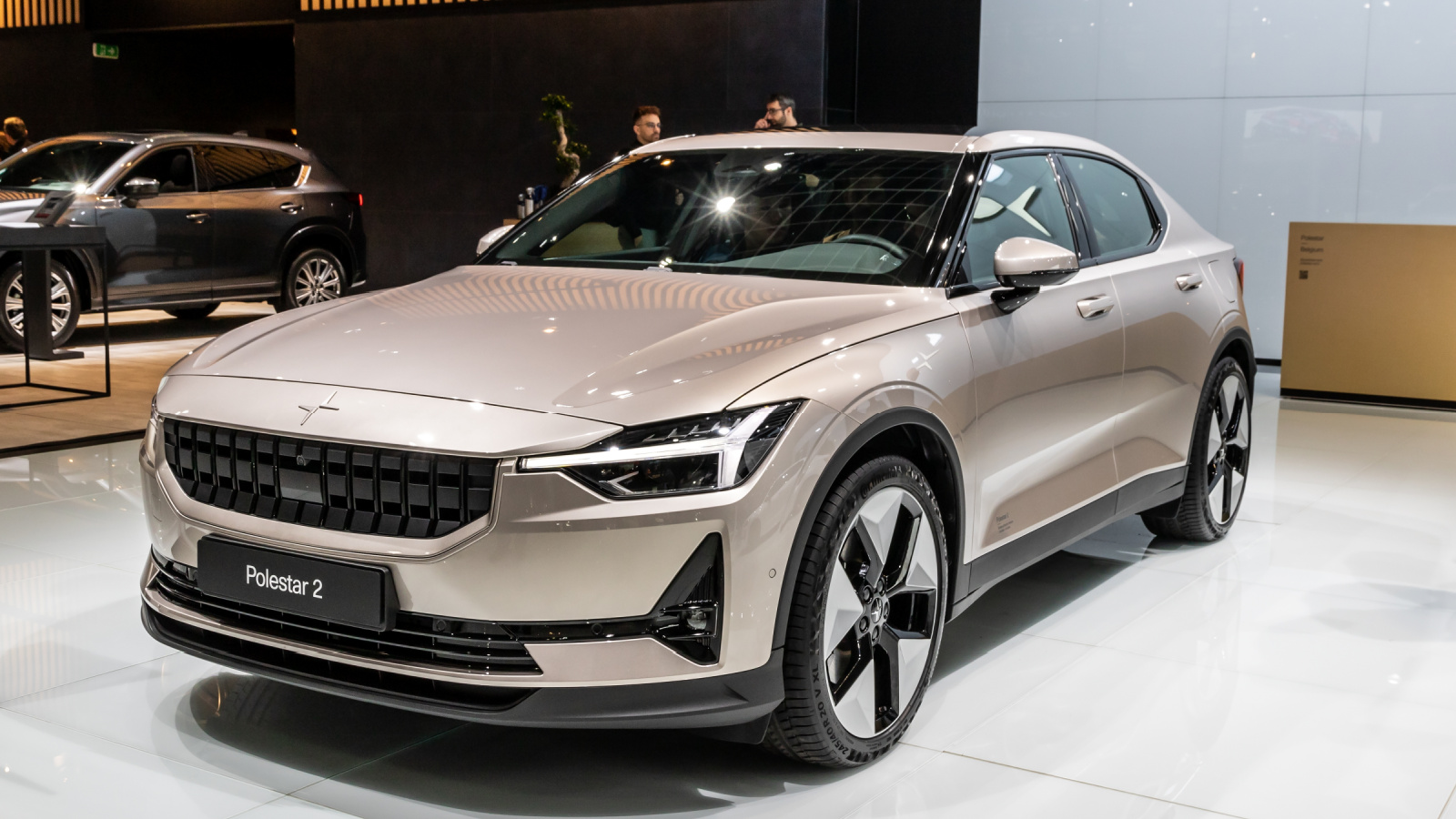
That leaves Canada as Polestar’s only continuing new-vehicle market in North America. Ottawa’s decision to reopen a limited channel for Chinese-built EV imports has already helped bring the Polestar 2 back to Canadian showrooms. Canada is not the company’s global saviour—Europe accounts for roughly four-fifths of its sales—but it has become the brand’s last practical bridge to North American buyers.

Polestar Chooses the Exit Ramp

Polestar had more than one possible route after the Commerce Department’s Bureau of Industry and Security denied its authorization. The company could have asked regulators to reconsider or eventually pursued a court challenge. Instead, a spokesperson confirmed on July 20 that Polestar would not appeal, saying the company had already held significant discussions with U.S. authorities and did not believe another fight would succeed. The decision turns what initially looked like a temporary regulatory dispute into an orderly withdrawal from future U.S. new-car sales.

The arithmetic helps explain the retreat. Only about 6% of Polestar’s first-quarter 2026 retail sales came from the United States, while roughly 78% came from Europe. Polestar says it will continue selling remaining U.S. inventory of the Polestar 3 and Polestar 4 and will keep supporting existing owners through its service network. Rather than spending heavily to defend a relatively small market, management is directing capital toward regions where the brand already has stronger recognition and a clearer path to growth.

The Ban Follows the Software, Not the Assembly Line

The U.S. restriction is broader than a conventional import tariff. The Connected Vehicle Rule targets vehicles and manufacturers with a sufficient connection to China or Russia when critical connectivity or automated-driving technology is involved. Covered systems include Bluetooth, cellular, satellite and Wi-Fi communications, along with software used for automated-driving functions. Software-related prohibitions begin with the 2027 model year, while restrictions involving certain hardware take effect later, beginning with the 2030 model year.

That structure is why moving assembly outside China was not enough to save Polestar. The Polestar 3 is produced at Volvo Cars’ plant in South Carolina, and the Polestar 4 has been assigned to production in South Korea, yet the rule can still bar a manufacturer with a prohibited corporate or technological nexus—even when a vehicle is assembled in the United States. The policy was finalized in January 2025 under the Biden administration and retained by President Donald Trump. Trump’s government did not create the rule, but it made the decisive enforcement call that shut Polestar out.

A Swedish Brand Meets a Chinese Ownership Test

Polestar presents itself as a Swedish performance-EV company, is headquartered in Gothenburg and traces its identity to Volvo’s performance division. U.S. regulators, however, were required to look beyond the badge on the hood. The company is majority-owned by China’s Geely Holding, and the connected-vehicle framework examines ownership, control, software and supply-chain relationships rather than relying only on a brand’s headquarters or the country stamped on a vehicle’s assembly record.

The result exposes a difficult divide between consumer identity and regulatory identity. A driver may see Scandinavian design, Google-based infotainment and a car assembled in South Carolina or South Korea. Washington may see a company whose ownership creates a sufficient nexus to China. The contrast became even sharper after Volvo Cars, another Geely-linked automaker, received U.S. authorization in May, although Volvo still has to meet the rule’s technical requirements. Public information does not establish that the two companies submitted identical compliance plans, but the different outcomes have understandably intensified questions from dealers and owners.

Dealers and Owners Face a Long Goodbye

Polestar’s decision lands hardest at street level. The company has 32 U.S. service centres connected to its retail network, many operated through Volvo dealerships that invested in facilities, equipment, employee training and premium showrooms built around the expectation of a growing product range. Those retailers can still sell remaining new inventory and used vehicles, but the absence of future model years changes the economics of every location. A showroom designed to introduce new technology risks becoming primarily a service centre once the final eligible vehicles are sold.

For shoppers, the wind-down has produced unusually aggressive bargains. Published offers have included discounts of as much as $25,000 on the Polestar 4 and roughly $23,000 on the Polestar 3. Those prices may tempt buyers who once considered the cars out of reach, but the discount is also compensation for uncertainty. Polestar says existing warranties will remain valid and owners will continue receiving service, software updates and customer support. Even so, drivers are reasonably asking how dense the service network will remain and whether resale values will suffer as the brand’s U.S. sales presence fades.

Canada Becomes the Last North American Showroom

Canada now carries a responsibility it never expected: preserving Polestar’s active retail presence on the continent. The company has specifically named Canada as one of the markets where it still sees room to invest and grow, alongside parts of Asia, Eastern Europe and Latin America. Once U.S. sales are limited to existing inventory, Canadian locations will be the only North American places where the brand can introduce future model years, take new factory orders and maintain the normal rhythm of launches, test drives and owner events.

There is a real audience for that strategy. Statistics Canada recorded 43,113 new zero-emission vehicle registrations in the first quarter of 2026, equal to 10.8% of all new registrations. In May alone, Canadians bought 18,308 new zero-emission vehicles, up 19.7% from a year earlier. Those numbers do not guarantee success for a premium niche brand, but they show that Canada remains a meaningful EV market. For Polestar, the value is larger than immediate volume: staying in Canada preserves brand visibility, customer relationships and a functioning North American retail and service ecosystem.

Ottawa’s Tariff Reversal Changed the Equation

Canada nearly closed the same door before reopening it. Ottawa imposed a 100% surtax on Chinese-made electric vehicles in October 2024, a measure that made the China-built Polestar 2 commercially difficult to sell. Under a new Canada-China arrangement, the federal government removed that surtax for an annual quota of 49,000 EVs beginning in 2026. Vehicles admitted within the quota face Canada’s normal 6.1% most-favoured-nation tariff, and the quota is scheduled to grow by 6.5% annually. The initial allotment represents less than 3% of Canada’s new-vehicle market.

Polestar moved quickly. The 2027 Polestar 2 returned to Canadian ordering in June with a starting MSRP of $69,900. The available Long Range Dual Motor version is rated at up to 447 kilometres of range, produces 421 horsepower and can accelerate from zero to 100 km/h in 4.5 seconds. It is not the low-cost Chinese EV many Canadians associate with the tariff debate, but its return demonstrates how directly trade policy can reshape a showroom. Washington’s rule closes Polestar out; Ottawa’s quota gives it another chance.

A Full Lineup Gives Canada More Strategic Weight

Canada matters because Polestar can offer more than leftover stock. Its Canadian site currently markets the Polestar 2, Polestar 3 and Polestar 4, while the company is preparing customer deliveries of the Polestar 5 and additional products. Polestar has also outlined a new Polestar 4 variant for late 2026, a next-generation Polestar 2 for 2027 and the Polestar 7 compact SUV for 2028. That pipeline gives Canadian retailers a continuing story to tell instead of asking customers to buy into a brand with no visible future.

The challenge is that this remains a premium lineup in a price-sensitive market. The returning Polestar 2 starts at $69,900 before freight and taxes, while representative Canadian offers place the Polestar 4 near $79,850 and the Polestar 3 above $108,000. Those prices put Polestar against established luxury brands with larger dealer networks and stronger resale histories. Canada can therefore provide continuity, but not automatic scale. The company will need competitive leasing, reliable service and confidence that parts and software support will remain stable for years, not merely through the current sales cycle.

Canada Is a Lifeline, Not a Rescue Plan

Polestar enters this retreat with genuine commercial momentum but heavy financial pressure. The company delivered 60,119 vehicles globally in 2025, a 34% increase, and generated more than US$3 billion in revenue. Yet it also reported a US$2.36-billion net loss, much of it connected to impairment charges, and ended the year with about US$1.16 billion in cash. Its record 30,423 retail sales in the first half of 2026 show that demand has not disappeared, but growth alone has not solved the profitability problem.

That is why Canada should be understood as a lifeline rather than a replacement for the United States. It keeps Polestar present in North America, supports future launches and gives the company access to a growing EV customer base under a more permissive trade regime. It cannot match the size of the U.S. market, and Polestar itself says Europe—already close to 80% of sales—will remain the main growth engine. Still, survival in the auto industry often depends on keeping strategic doors open. For Polestar, Canada is now the only North American door that has not been shut.


Recommended.

19 New Vehicles Canadians Will Regret Buying Without Checking Range Loss in Winter

19 New Vehicles Canadians Will Regret Buying Without Checking Range Loss in Winter

March 23, 2026
20 EVs Canadians Will Suddenly See Everywhere in 2026 (And What It Means for Prices)

22 Hybrids Canadians Are Choosing Instead of EVs in 2026

March 24, 2026

Trending.

9 Auto Brands Canadians Are Watching Much More Closely Right Now

Toyota Canada Says Electrified Vehicles Are Now Nearly 70% of Its Q2 Sales

July 7, 2026
Canada’s Auto Fight Gets Uglier as BYD Threatens to Sue Trump Administration

Tesla Vs. BYD: Are Chinese EV’s Actually Better for Canadians?

June 19, 2026
16 Vehicles That Are Going to Plummet in Resale Value If Chinese EVs Flood the Market

Polestar Abandons Fight Against Trump’s U.S. Ban, Leaving Canada as Its North American Lifeline

July 20, 2026
Why the Next Wave of Chinese EVs Could Force Canada’s Biggest Price War Yet

Chinese-Made EV Imports Jump 41% in 10 Days as Canada’s Quota Reaches 9,235 Vehicles

July 20, 2026
20 Things Police Notice First When They Pull Over a Driver

Why Some Buyers Regret Skipping the Test Drive

July 27, 2026
  • About
  • Contact
  • Privacy Policy
  • Disclaimer
  • Editorial Policies
  • Terms and Conditions
A Revir Media Group Website

2026 Autoigloo - © All rights reserved

No Result
View All Result
  • News & Trends
  • Car Reviews
  • Buying Guides
  • Comparisons
  • EVs & Hybrids
  • More
    • Pricing & Deals
    • Winter Driving
    • Ownership & Maintenance

2026 Autoigloo - © All rights reserved

This website uses cookies. By continuing to use this website you are giving consent to cookies being used. Visit our Privacy and Cookie Policy.