















Few compact SUVs are as closely matched as the Hyundai Tucson and Kia Sportage. They share broadly similar dimensions, powertrain philosophies, warranty coverage and technology, yet small differences can have an outsized effect when the vehicle is used for commuting, school runs, grocery trips and weekend travel.
For shoppers buying from U.S. showrooms in fall 2026, the relevant matchup is the 2026 Hyundai Tucson against the 2027 Kia Sportage. Hyundai has already revealed an entirely new 2027 Tucson, but says it will not reach the United States until early 2027. That makes the outgoing Tucson the vehicle buyers can realistically compare with Kia’s current Sportage today. Across these 12 areas, the contest comes down to value, powertrains, efficiency, comfort, space, technology, safety and long-term practicality.
Price Gives the Sportage an Early Advantage
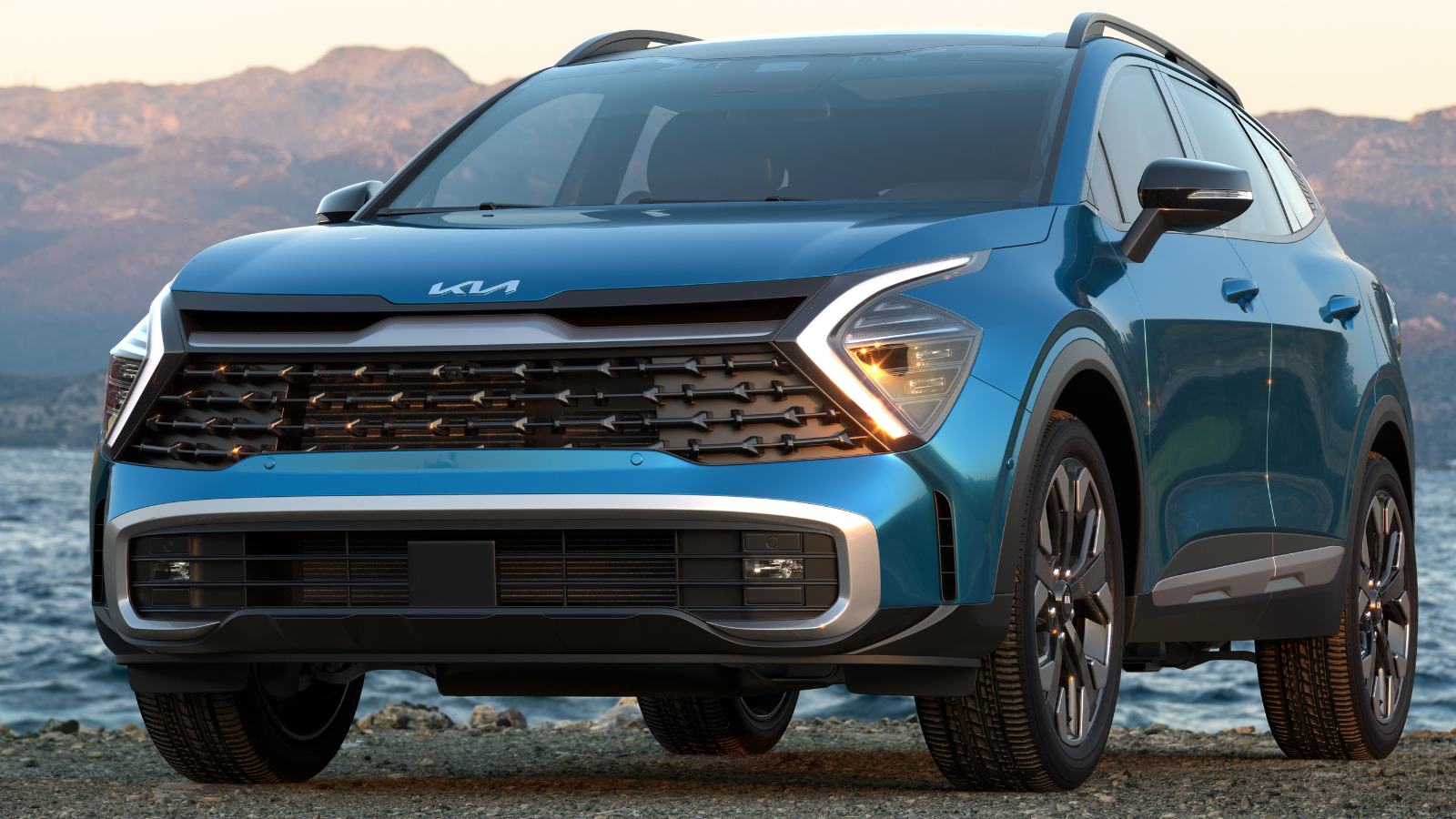
The Kia starts with a meaningful, if not enormous, price advantage. The 2027 Sportage LX carries a starting MSRP of $28,990 before destination and other charges, while Hyundai lists the 2026 Tucson SE at $29,700. That creates a $710 gap before shoppers begin adding all-wheel drive, packages or higher trims. In a segment where buyers often finance nearly every dollar of the purchase, even a modest MSRP difference can matter.
The comparison remains close one step above base. Kia prices the Sportage EX at $30,790, while the Tucson SEL begins at $31,050. Higher in the range, Hyundai’s Tucson Limited starts at $39,675 and Kia’s adventure-oriented Sportage X-Pro Prestige is $39,890, although those trims are not direct equipment matches. Kia therefore has the cleaner argument for shoppers focused on the lowest possible entry price. Hyundai remains competitively positioned, but it needs its equipment mix, dealership pricing or other ownership advantages to make up the difference.
The Gas Engines Are Almost Mirror Images

Anyone expecting one of these SUVs to deliver dramatically more conventional gasoline performance will be disappointed. Both use a naturally aspirated 2.5-liter four-cylinder producing 187 horsepower and 178 pound-feet of torque. Both pair that engine with an eight-speed automatic transmission, and both can be configured with front- or all-wheel drive depending on trim. On paper, the powertrain contest is essentially a draw.
The real issue is that 187 horsepower is adequate rather than exciting in compact SUVs of this size. Car and Driver recorded an 8.8-second zero-to-60-mph run from an all-wheel-drive Tucson Limited it tested. MotorTrend has recorded 9.3 seconds from a Sportage X-Pro AWD. Different vehicles, tires, conditions and testing procedures make those numbers unsuitable for a direct stopwatch comparison, but they illustrate the broader point: neither gasoline version is built around acceleration. Commuters should find both perfectly manageable, while drivers regularly merging into fast highway traffic may prefer either company’s hybrid.
The Hybrid Question Produces Two Different Winners
Hybrid shoppers get a more interesting matchup. The 2026 Tucson Hybrid combines a turbocharged 1.6-liter engine with an electric motor for 231 total horsepower and 271 pound-feet of combined torque. Kia’s 2027 Sportage Hybrid uses a similar formula but produces 232 horsepower and the same 271 pound-feet. Both use six-speed automatic transmissions rather than continuously variable transmissions, giving them a more conventional feel under acceleration.
Efficiency depends heavily on drivetrain. Kia rates front-drive Sportage Hybrid LX, S and EX versions at 40 mpg city, 42 highway and 41 combined. Hyundai’s front-drive Tucson Hybrid SE and SEL are rated at 40/35/38 mpg. AWD reverses the advantage: the Tucson Hybrid SE AWD reaches 38 mpg combined, while other Tucson Hybrid AWD trims are rated at 36 combined; Kia’s Sportage Hybrid AWD versions are rated at 35 combined. For warm-climate commuters, the Kia FWD hybrid looks particularly attractive. For buyers who insist on AWD, Hyundai’s numbers become considerably more competitive.
Tucson Feels Slightly More Polished on an Ordinary Commute
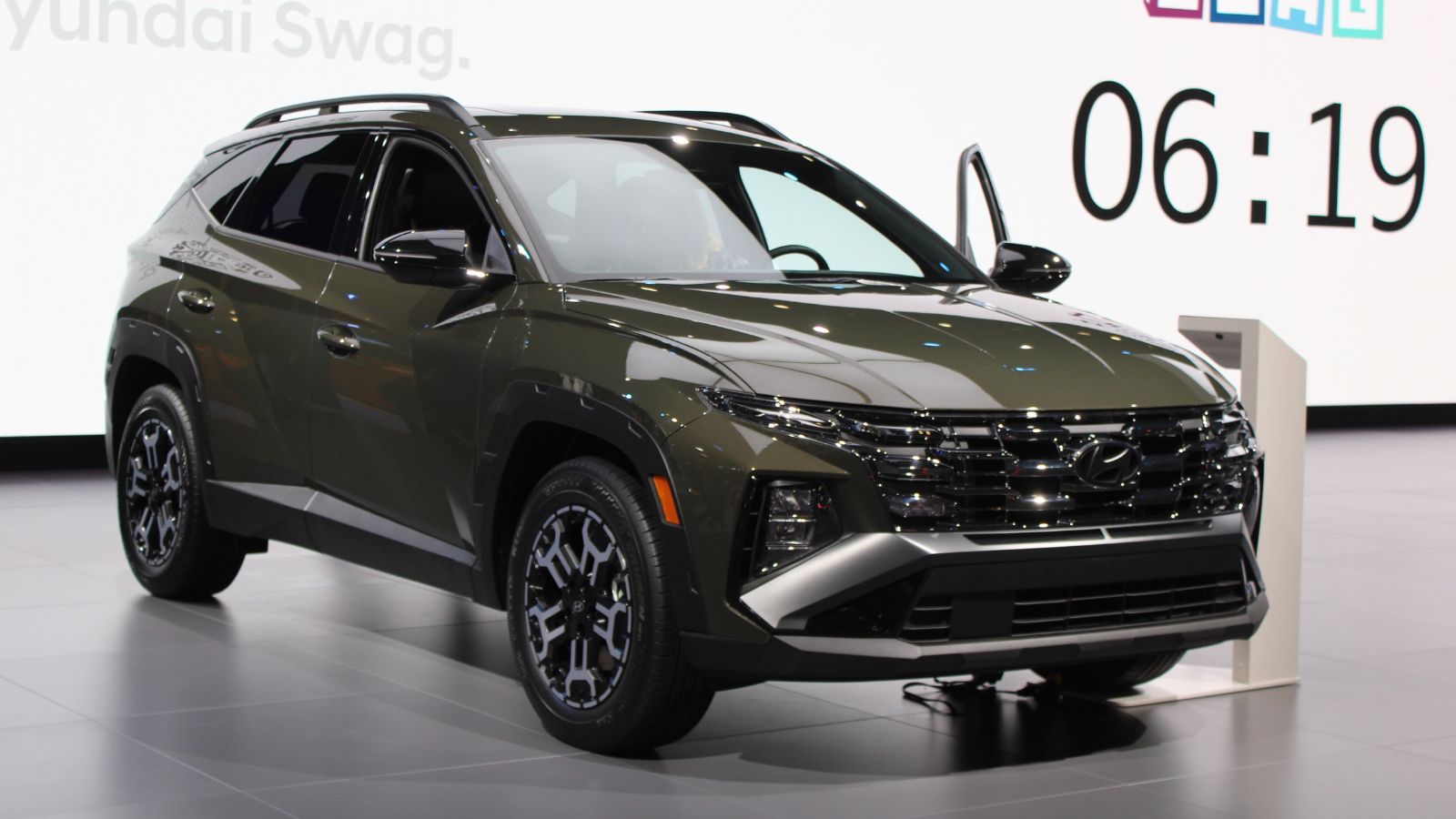
Straight-line performance is only one small part of daily driving. The Tucson’s strongest dynamic quality is refinement. Independent evaluations have praised its smooth ride, supportive seating and relatively quiet cruising character. Edmunds described the Tucson’s comfort as approaching luxury territory, while Car and Driver highlighted its quiet, refined demeanor. Those qualities matter far more during a 45-minute commute than a few tenths of a second in an acceleration test.
The Sportage is comfortable too. Edmunds praises its supportive seats, quiet cabin and soft suspension, noting that it absorbs broken pavement effectively. Its softer setup can, however, allow more body movement over rolling or uneven roads, and the standard gasoline engine remains one of the vehicle’s weaker points. Neither crossover is trying to behave like a sporty Mazda, and that is probably appropriate for their mission. For drivers who value calmness and composure above personality, the Tucson gets a narrow edge. The Sportage remains a comfortable daily vehicle, particularly when ordered as the smoother hybrid.
Passenger Space Is Almost Too Close to Separate
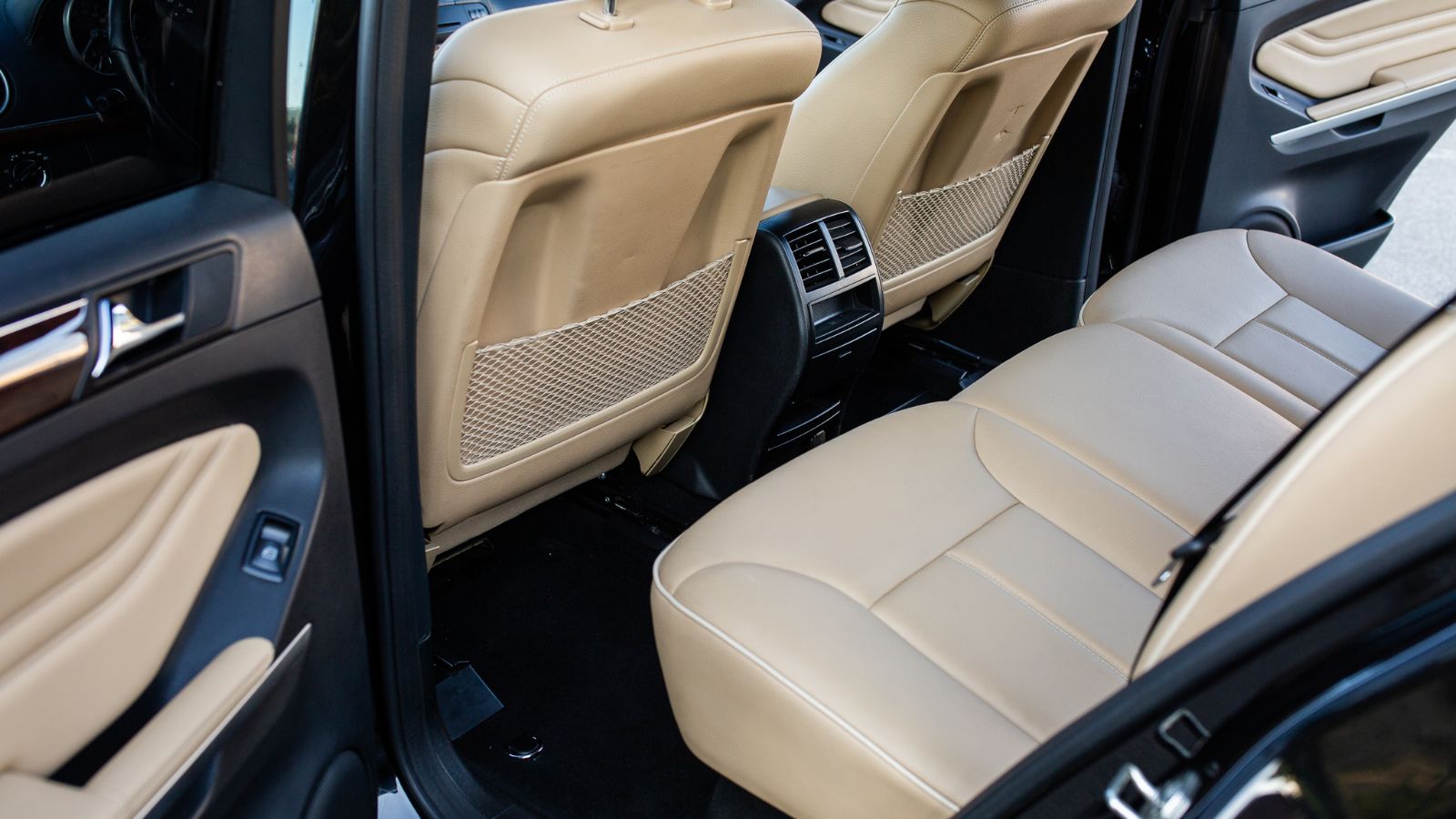
These two SUVs demonstrate how closely related their basic packaging is. Both use a 108.5-inch wheelbase, and both list 41.4 inches of front legroom and 41.3 inches in the second row. That rear-seat number is especially useful for families because it leaves substantial room for adults, teenagers and bulky child seats. There is little reason to choose one over the other based on legroom alone.
Hyundai squeezes that space into a slightly shorter body. The Tucson measures 182.7 inches long, while the current Sportage stretches 184.4 inches. The Hyundai also lists 57.6 inches of front shoulder room and 56.0 inches in back, fractionally more than Kia’s 57.5 and 55.6 inches. Base configurations without large sunroofs also give the Tucson a small headroom advantage. These are minor differences rather than reasons to reject either vehicle, but they make Hyundai’s packaging impressive. Families should find both genuinely adult-friendly in the second row, with Tucson holding a microscopic dimensional edge.
Cargo Space Ends in a Near-Dead Heat
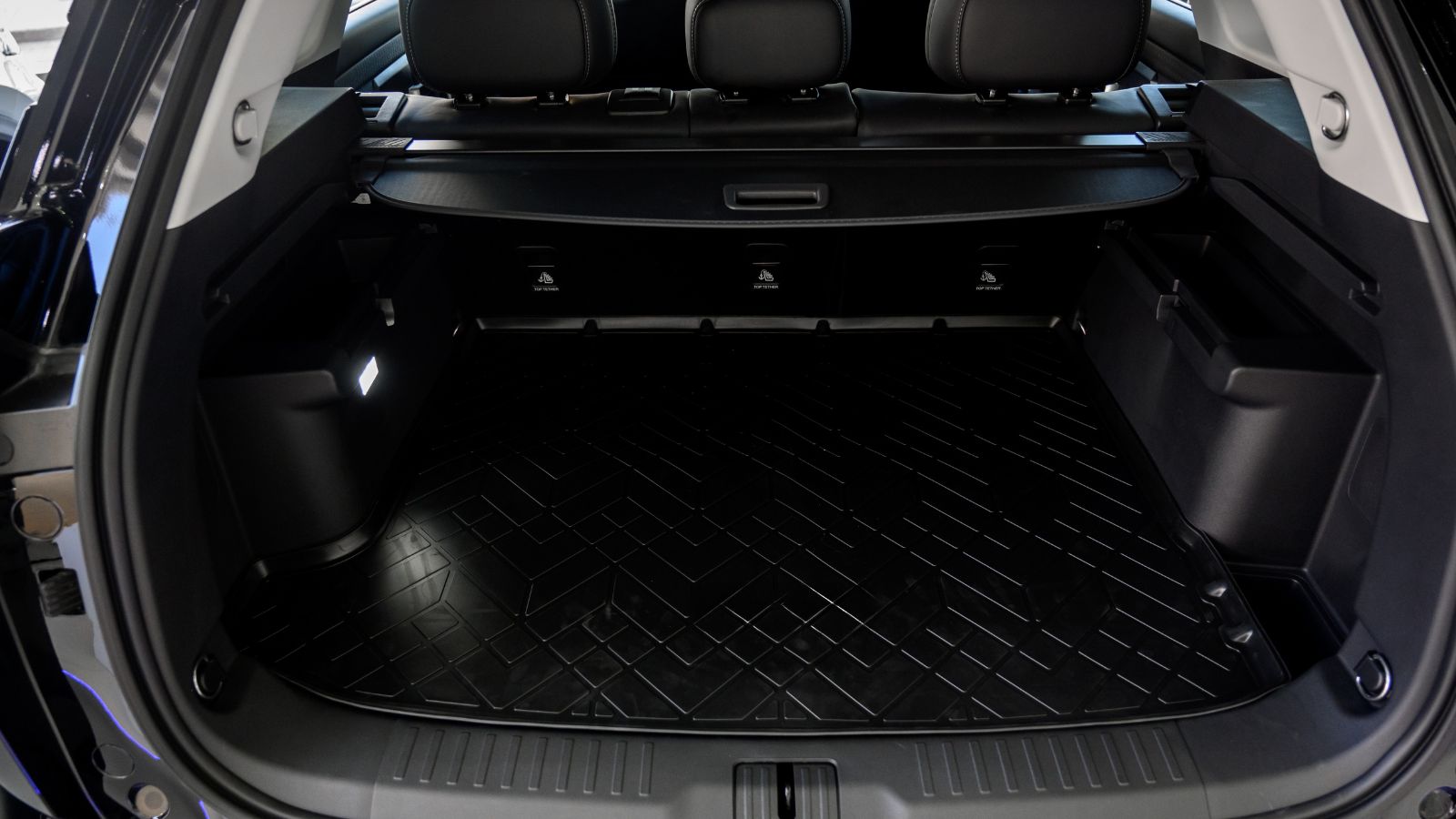
Cargo measurements produce one of the closest comparisons anywhere in this matchup. Using the manufacturers’ SAE figures, Kia lists 39.6 cubic feet behind the Sportage’s rear seats and 74.1 cubic feet with them folded. Hyundai lists 38.7 cubic feet behind the Tucson’s second row and 74.8 cubic feet with the seats down. In other words, Kia provides roughly 0.9 cubic foot more before folding the seats, while Hyundai recovers about 0.7 cubic foot once the rear row is lowered.
Those differences are unlikely to decide whether a stroller, grocery run or set of suitcases fits. Both rank as genuinely useful compact SUVs rather than vehicles whose sloping rooflines sacrifice practicality for styling. Hyundai also uses a low cargo floor and broad opening effectively, while Kia equips the Sportage with a dual-level cargo floor on relevant configurations. For most households, this category is effectively a tie. The Sportage gets the tiniest advantage for routine grocery-hauling with five occupants aboard; the Tucson has marginally more SAE volume in maximum-cargo mode.
Both Treat a Large Touchscreen as Standard Equipment
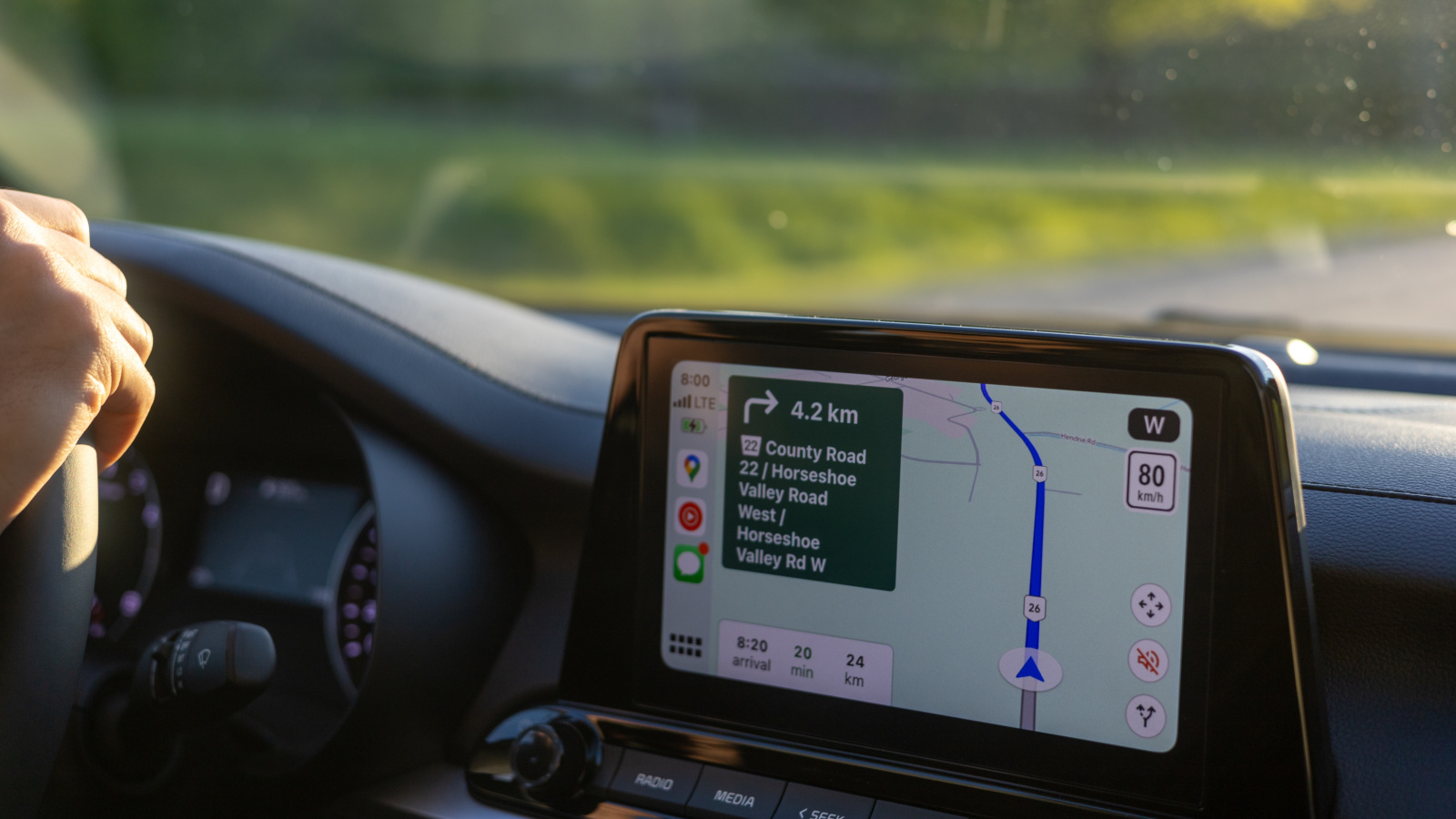
Technology is no longer something buyers must reserve for luxury trims. Hyundai equips every 2026 Tucson with a 12.3-inch touchscreen, wireless Apple CarPlay and wireless Android Auto. Higher Tucson trims can add a 12.3-inch digital instrument cluster, navigation, wireless charging, a head-up display, Bose premium audio and Hyundai’s Digital Key technology. The Limited can therefore feel substantially more expensive inside than the badge or price suggests.
Kia takes a similarly aggressive approach. The 2027 Sportage LX also includes a 12.3-inch touchscreen along with wireless Apple CarPlay and Android Auto. Higher versions offer dual 12.3-inch panoramic displays, navigation, wireless charging and Harman Kardon audio. Neither interface is flawless. Edmunds has criticized the Tucson for placing too many functions on flat touch-sensitive controls, while the Sportage uses a panel that can switch functions between climate and media controls, an arrangement some users may need time to learn. Kia has the flashier presentation; Hyundai’s system earns strong marks for responsiveness.
Driver-Assistance Features Can Affect Which Trim Makes Sense
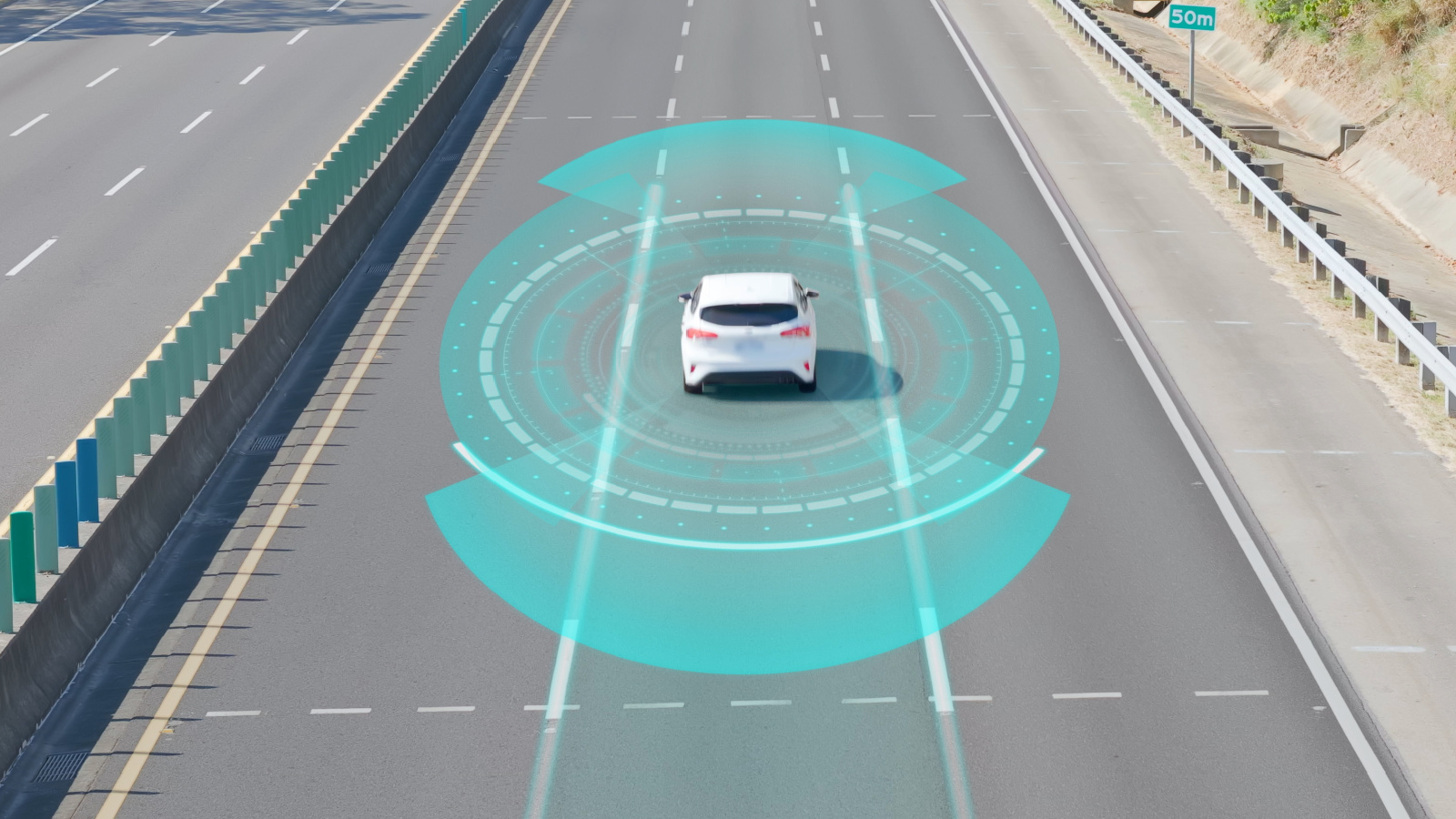
The feature sheets become important when shopping lower trims. Hyundai makes Safe Exit Warning standard across the Tucson range, and the Insurance Institute for Highway Safety lists blind-spot detection and lane-departure warning and prevention as standard equipment on the 2026 Tucson. Higher trims can add technology including Blind-Spot View Monitor, a Surround View Monitor and Remote Smart Parking Assist, which can move the vehicle into or out of certain parking situations while the driver is outside.
Kia says the base 2027 Sportage includes 13 collision-avoidance and safety-assist features, with as many as 22 driver-assistance features available elsewhere in the range. More sophisticated versions can add a 360-degree Surround View Monitor, Blind-Spot View Monitor and Highway Driving Assist. One distinction worth checking carefully on a window sticker is blind-spot equipment: on the Sportage LX, Kia lists blind-spot detection as part of an available convenience package rather than universally standard. Buyers choosing inexpensive trims should therefore compare actual standard equipment, not merely the longest feature lists advertised for each model.
AWD Capability Is Similar, but Tucson Can Tow More
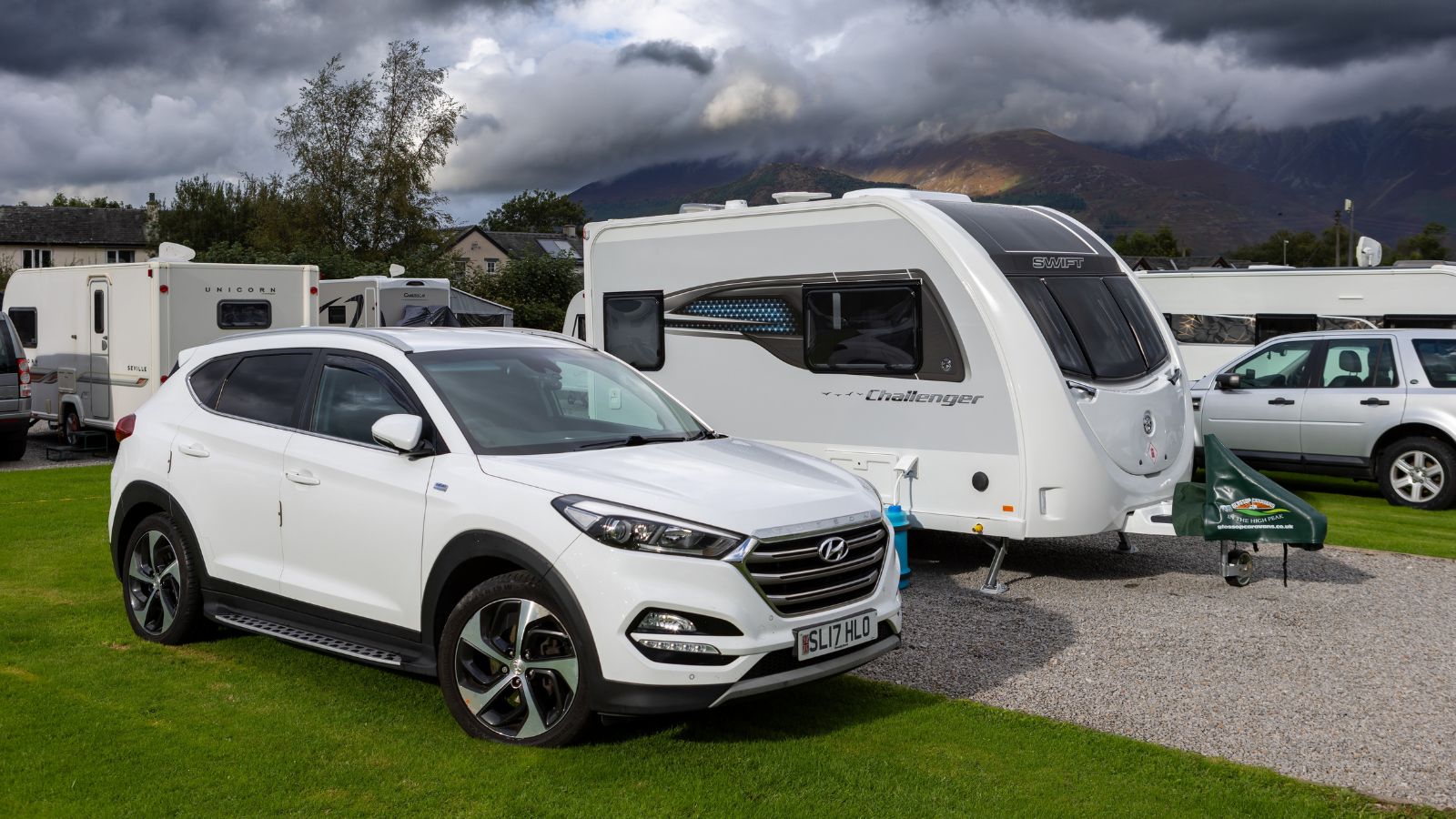
Neither SUV is a substitute for a traditional off-roader, but both offer enough clearance and traction technology for snow, gravel roads and ordinary outdoor recreation. Front-drive versions list 7.1 inches of ground clearance, while AWD configurations reach 8.3 inches. Kia makes Snow, Mud and Sand terrain modes available on several AWD Sportage trims and standard on the X-Line and X-Pro-oriented configurations where specified, strengthening the Sportage’s outdoorsy positioning.
Hyundai counters with a useful towing advantage. The 2026 gasoline Tucson is rated to tow as much as 2,750 pounds with trailer brakes, compared with 2,500 pounds for the 2027 gasoline Sportage. Unbraked limits are essentially equal at roughly 1,650 pounds. That difference will not matter to commuters who never attach a trailer, but it can matter to someone hauling a small utility trailer, lightweight camper or recreational equipment. Sportage has the more deliberate adventure image; Tucson quietly has the higher published braked-trailer number.
Safety Results Give Both Strong Credentials
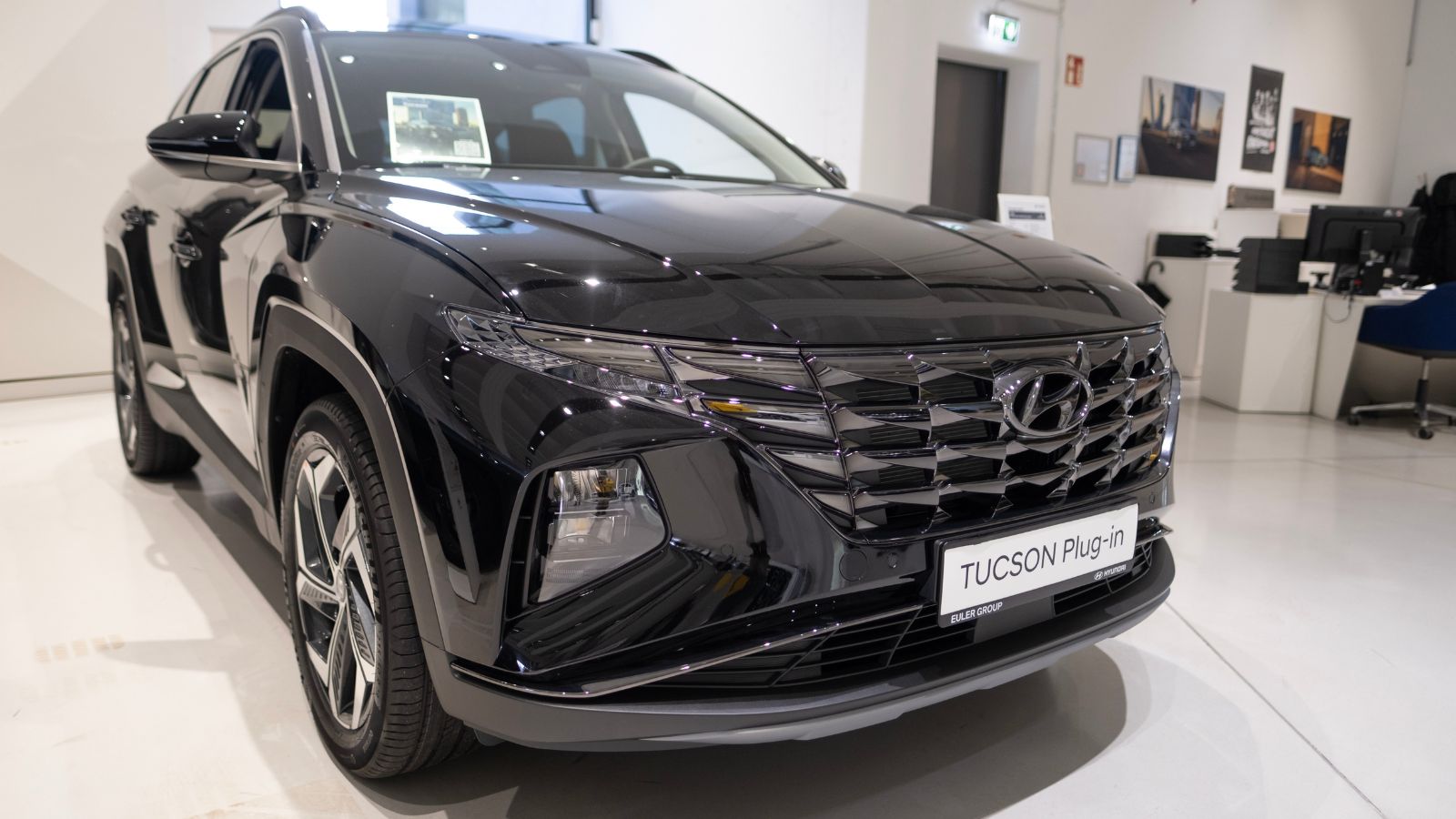
The 2026 Tucson earned an IIHS Top Safety Pick+ award. IIHS gave it Good ratings in the small-overlap front, updated moderate-overlap front and updated side evaluations. Its standard front crash-prevention systems also received Good evaluations for both vehicle-to-vehicle and pedestrian scenarios. That provides a reassuring set of independent results for a vehicle commonly used to transport families.
The latest IIHS award published for the current Sportage generation is also a 2026 Top Safety Pick+, applying to vehicles built after May 2025. Those qualifying Sportages earned Good scores in the same three principal crashworthiness categories. One important model-year caveat remains: the vehicle being priced by Kia today is the 2027 Sportage, while IIHS’s published award is specifically for the 2026 model. Shoppers should not automatically transfer a safety award to a different model year until the testing organization does so. Even with that distinction, both nameplates have strong recent crash-test records and extensive active-safety technology.
Hyundai Wins a Few Important Warranty Details
Hyundai and Kia are both unusually generous compared with much of the mainstream market. Hyundai lists a five-year/60,000-mile new-vehicle limited warranty and a 10-year/100,000-mile powertrain limited warranty for the Tucson. Kia likewise advertises a five-year/60,000-mile basic limited warranty and 10-year/100,000-mile powertrain coverage, subject in both cases to the manufacturers’ eligibility rules and warranty limitations.
The less obvious differences favour Hyundai. Its 2026 Tucson specification sheet lists five years of roadside assistance with unlimited mileage and seven years of anti-perforation coverage with unlimited mileage. Kia lists roadside assistance for five years or 60,000 miles and anti-perforation coverage for five years or 100,000 miles. Kia’s coverage is still excellent, and warranty terms should always be checked for transferability and exclusions before purchase. Still, someone planning to accumulate mileage quickly may appreciate Hyundai’s unlimited-mile roadside provision. Long-term ownership is another category where the Tucson quietly makes a strong case despite costing slightly more initially.
The Sportage Is the Better Everyday Buy—By a Small Margin
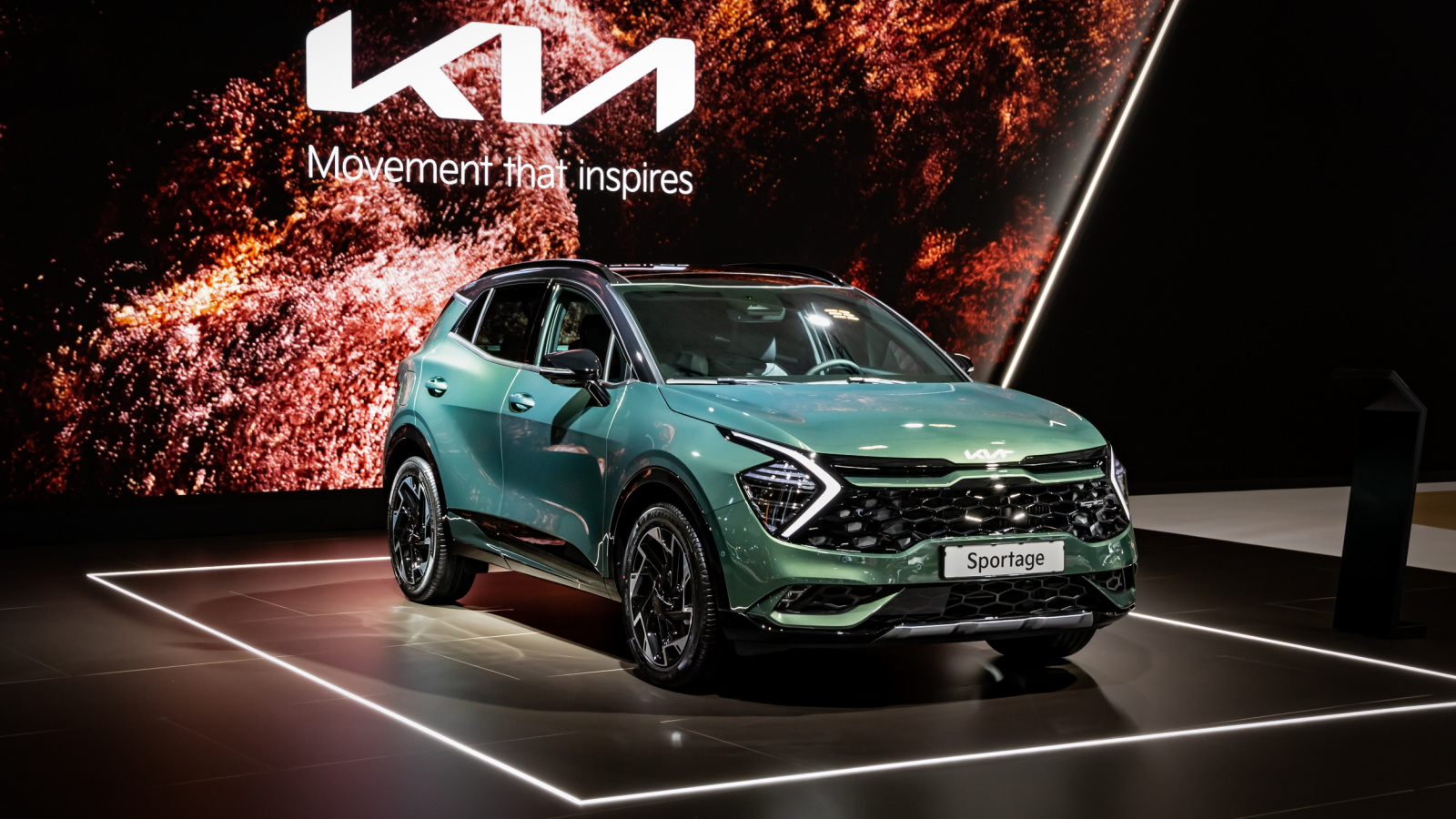
For a buyer walking into a dealership today, the 2027 Sportage earns the overall recommendation. Its lower base MSRP, exceptionally roomy cabin, fractionally larger behind-the-seat cargo area, generous standard screen and connectivity package, and excellent 41-mpg-combined rating from the FWD hybrid make it an unusually complete everyday vehicle. The Sportage Hybrid is particularly convincing because it addresses the gasoline model’s biggest weakness—leisurely performance—while delivering substantially better fuel economy.
The Tucson remains close enough that personal priorities can reverse the verdict. It offers a polished ride, slightly higher maximum SAE cargo volume, a 2,750-pound braked towing rating, stronger EPA numbers on certain AWD hybrid configurations and some superior warranty details. There is also a timing issue: Hyundai has already revealed an entirely redesigned Tucson that is scheduled to reach the U.S. in early 2027. Buyers who prefer Hyundai may therefore decide either to purchase the proven 2026 model now or wait for the new generation. For pure value and day-to-day usefulness today, however, the Sportage wins narrowly.
19 Used Cars Canadians Should Avoid in 2026 (Based on Owner Complaints)
Buying a used car in Canada can feel safe until repair bills start stacking up. Owner complaints tell a different story than glossy listings. Transmission failures, electrical problems, and weak winter reliability show up again and again in consumer reports. Many of these issues appear after warranties expire, when owners least expect them. Some vehicles look affordable upfront, but become expensive to keep on the road. Others struggle in cold weather, urban driving, or long highway commutes. Here are 19 used cars Canadians should avoid in 2026 (based on owner complaints).
19 Used Cars Canadians Should Avoid in 2026 (Based on Owner Complaints)