

















For years, the Toyota RAV4 has been one of the easiest compact SUVs to recommend in Canada. The formula was rarely dramatic: sensible running costs, useful space, available electrification, strong resale expectations, and a reputation that made ownership feel relatively low-risk. The completely redesigned 2026 model now has to prove that familiar formula still works in a market crowded with increasingly capable alternatives.
Toyota has made some substantial changes. The Canadian RAV4 is now electrified across the lineup, all-wheel drive is standard, safety technology has been upgraded, and the plug-in hybrid has become considerably more capable. Yet there are also unanswered questions surrounding crash-test results, first-year redesign durability, theft exposure, and increasingly impressive competitors. These 13 considerations show where the new RAV4 remains exceptionally strong—and where Canadian buyers should look more carefully before calling it the safest bet.
The RAV4’s Biggest Advantage Is Still Trust
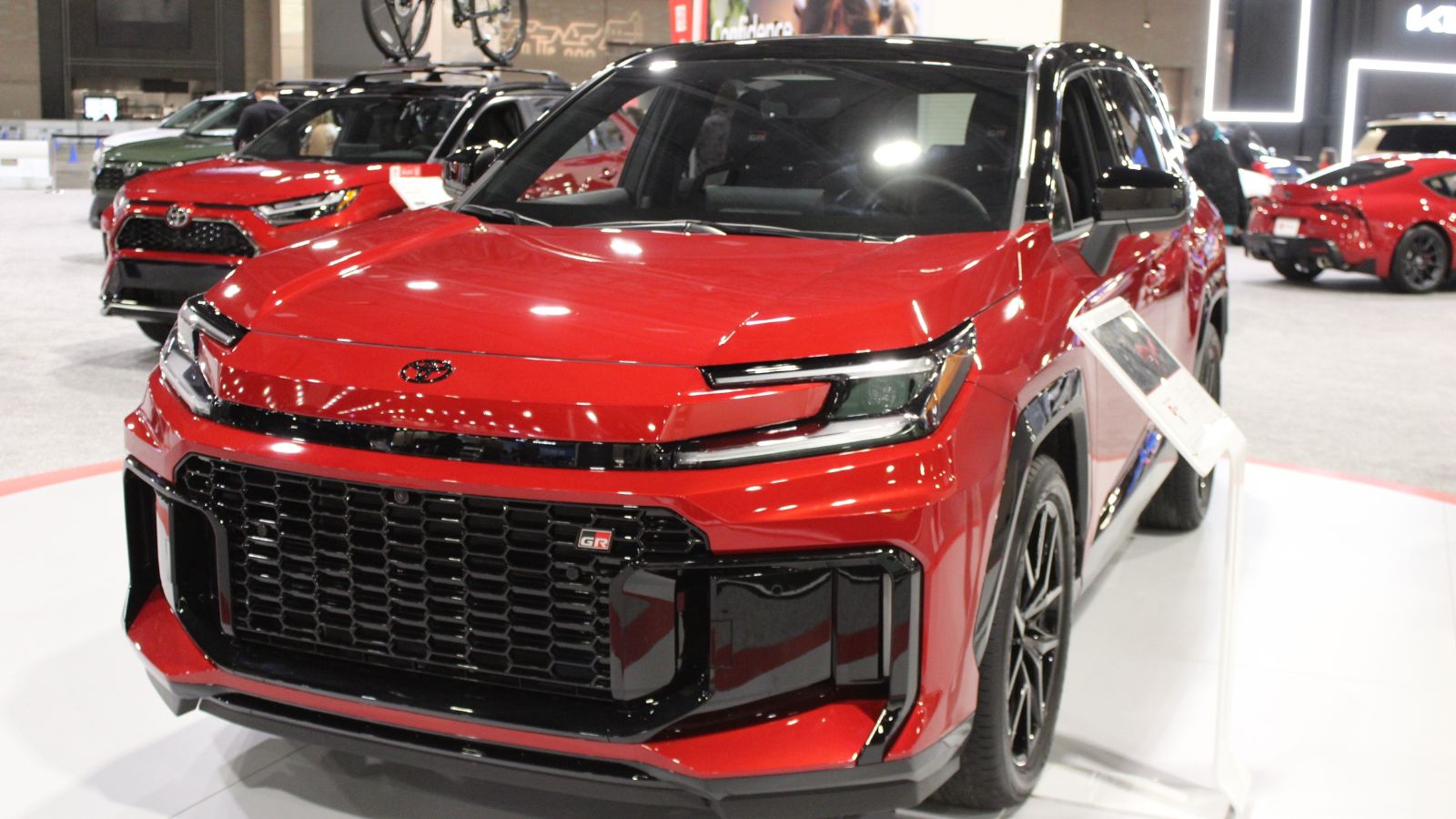
Few vehicles arrive at a redesign with as much built-in credibility in Canada. Toyota says more than 940,000 RAV4s have reached Canadian roads since the nameplate arrived here in 1996. In 2025 alone, Toyota reported 75,573 Canadian RAV4 sales, making it the country’s top-selling passenger vehicle when pickup trucks are excluded. That kind of volume turns the RAV4 from merely another crossover into something familiar to Canadian households.
Popularity does not automatically prove that a vehicle will be reliable, economical, or right for every family. It does, however, help explain why the RAV4 feels like a low-risk purchase to so many shoppers. Canadian dealers, technicians, used-car buyers, and owners have decades of experience with the nameplate. AutoTrader’s testing of the redesigned model also noted the reputation for reliability that helped build its position. The new generation therefore starts with something competitors cannot manufacture overnight: a huge reservoir of owner familiarity.
Going Hybrid-Only Makes More Sense Than It First Appears
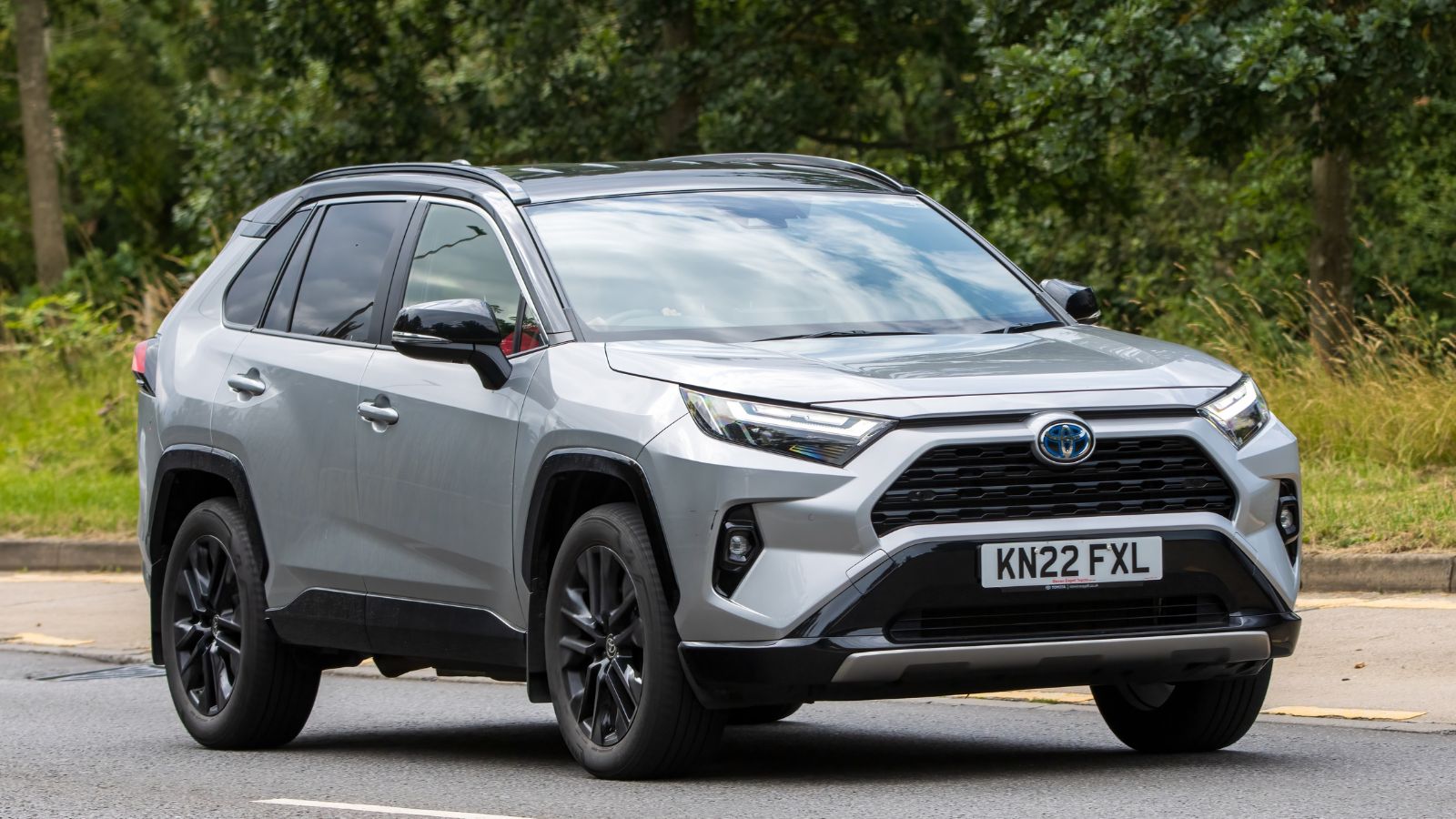
One of Toyota’s biggest changes for 2026 is the disappearance of the conventional gasoline-only RAV4 in Canada. The lineup now revolves around the fifth-generation Toyota Hybrid System, while buyers wanting more electric driving can move up to a plug-in hybrid. The regular Canadian hybrid produces 236 net horsepower, up from 219 horsepower in the previous model, so Toyota did not trade performance away simply to improve efficiency.
Fuel consumption is arguably the more important number. The LE AWD is rated at an estimated 5.5 L/100 km combined, while even the more adventure-oriented Woodland is rated at 6.2 L/100 km. In independent Canadian testing, AutoTrader managed approximately 5.0 L/100 km in a non-Woodland RAV4 over hundreds of kilometres. For households putting substantial kilometres on a vehicle every year, efficiency like that can turn the hybrid system from an environmental talking point into a practical ownership advantage.
Standard AWD Is Useful—But It Does Not Make Winter Tires Optional
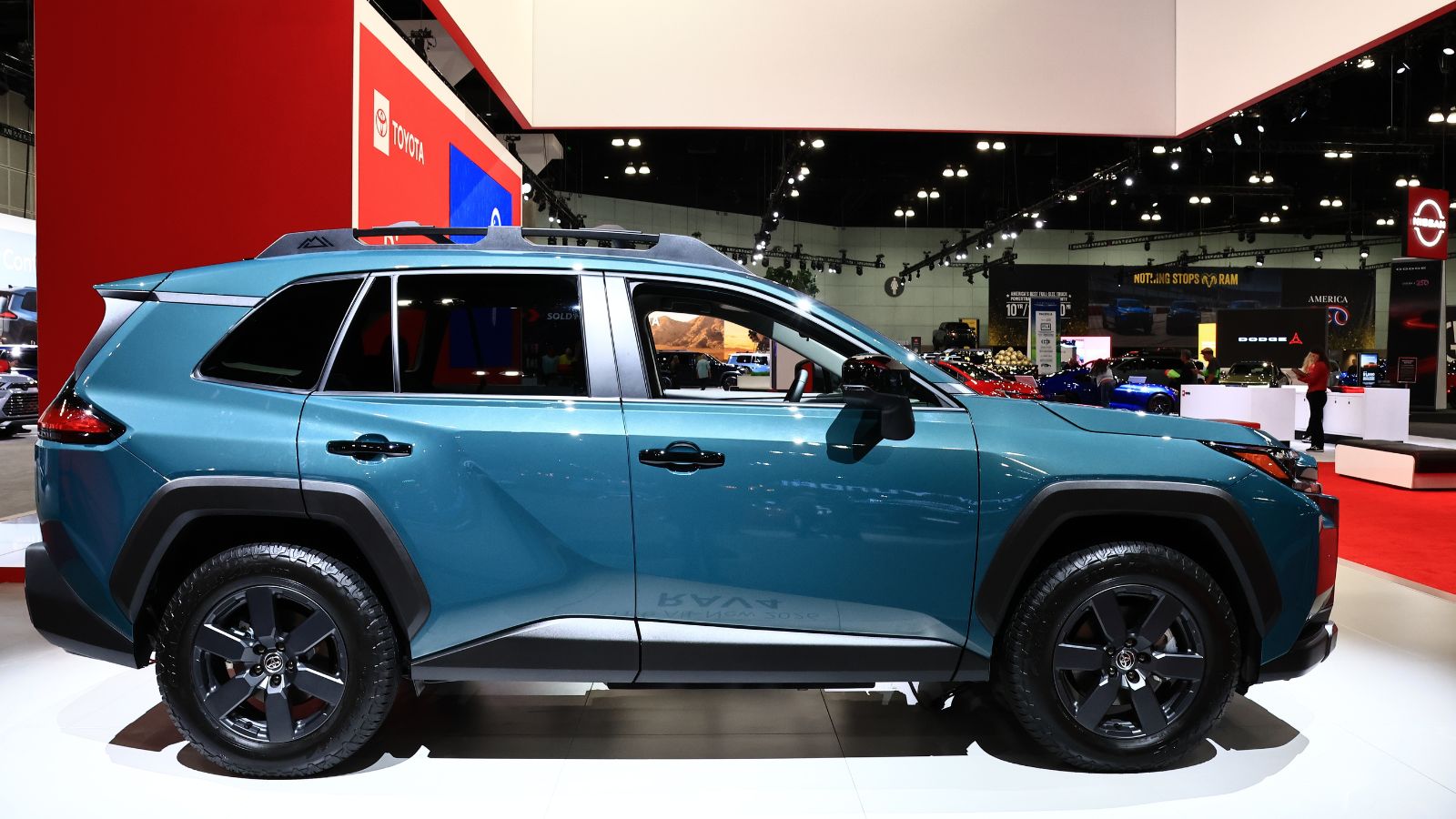
Every 2026 RAV4 sold in Canada comes with all-wheel drive. That is an unusually straightforward approach in a segment where drivetrains and powertrains can vary considerably by trim. The hybrid system uses electric assistance at the rear axle to provide additional traction when required, making AWD available without turning the RAV4 into an especially thirsty compact SUV. For snowy driveways, slushy intersections, and changing highway conditions, that standard equipment is easy to appreciate.
Still, AWD should not be confused with winter preparedness. Transport Canada advises motorists to install four winter tires and notes that tires designed for summer or all-season use begin losing elasticity once temperatures fall below roughly 7°C. AWD can help a vehicle accelerate when traction is limited, but tires remain responsible for braking, turning, and maintaining contact with the road. A RAV4 on proper winter tires is therefore a much stronger Canadian proposition than one whose owner assumes AWD alone can defeat January weather.
The Base Hybrid Makes a Strong Value Argument
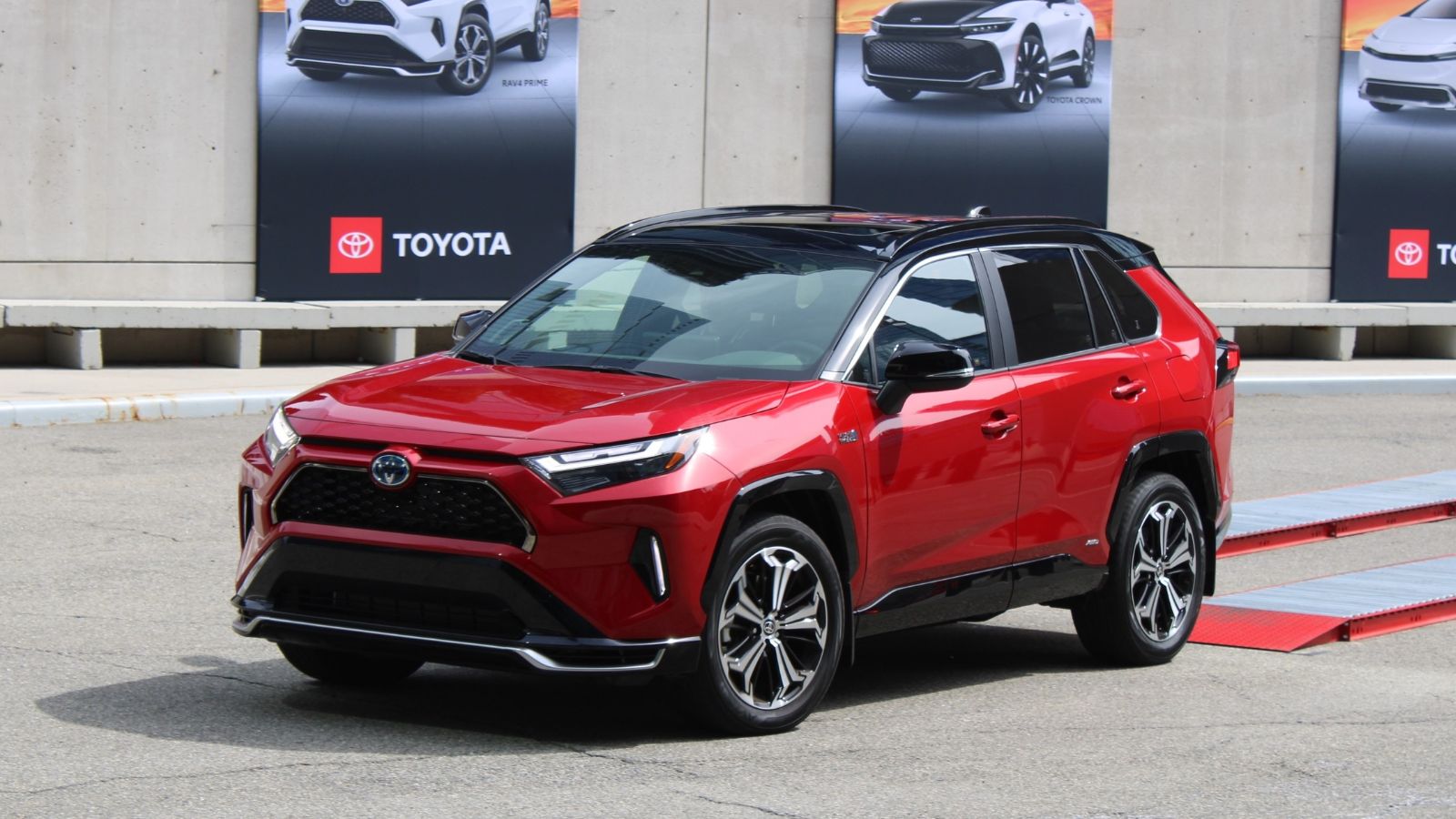
Toyota set the Canadian starting MSRP of the RAV4 LE AWD at $37,500 before delivery-related charges and taxes. The XLE starts at $41,300, while the Woodland sits at $47,000. Higher trims climb past $50,000, including the Limited at $52,000 and XSE Technology Package at $52,450. That means the RAV4 can become expensive, but Toyota has made its efficient hybrid system and AWD standard even at the entry point.
That matters when the comparison shifts to other hybrid compact SUVs. AutoTrader’s Canadian head-to-head with the Honda CR-V noted that buyers must move to the $45,900 CR-V Sport Hybrid to obtain Honda’s electrified powertrain, while Toyota starts its hybrid RAV4 thousands of dollars lower. The comparison is not perfectly trim-for-trim, and equipment matters enormously, but the basic equation is difficult to ignore. Canadians wanting AWD and hybrid fuel economy without moving into an upper-middle trim still get an unusually accessible combination from Toyota.
Toyota Safety Sense 4.0 Adds an Impressive Standard Safety Layer

The redesigned RAV4 receives Toyota Safety Sense 4.0 as standard equipment. Toyota says the latest system improves detection capabilities for functions such as the pre-collision system and lane-tracing assistance. Blind-spot monitoring and rear cross-traffic alert are also standard across the Canadian lineup, rather than being restricted to expensive trims. The result is a relatively comprehensive collection of collision-avoidance and driver-assistance technology before a buyer starts adding packages.
Higher versions can go further. The XSE Technology Package adds features including front cross-traffic alert with braking, Lane Change Assist, Traffic Jam Assist and Advanced Park. Those technologies do not eliminate the driver’s responsibility, and even sophisticated assistance systems have operating limitations. Still, putting major collision-warning and lane-support functions in the base model matters. Families shopping primarily on price do not have to sacrifice the core active-safety package, while shoppers wanting more sophisticated assistance can add features without changing to another model entirely.
The New Crash-Test Story Is Not Finished Yet

This is where the phrase “safest bet” needs some qualification. The 2026 RAV4 is a complete redesign, so crash ratings earned by the previous generation cannot simply be transferred to the new vehicle. The Insurance Institute for Highway Safety’s published RAV4 information for the prior design specifically applies through the 2025 model year. Meanwhile, the U.S. National Highway Traffic Safety Administration included both the 2026 RAV4 Hybrid and Plug-in Hybrid among vehicles selected for its testing program.
Canadian reviewers have made the same distinction. In an August 2026 RAV4 PHEV review, AutoTrader noted that neither IIHS nor NHTSA crash-test results for the redesigned model were available at the time of testing. That does not mean the new RAV4 is unsafe. It means there is not yet the same mature independent crash-data record that existed for its predecessor. Buyers placing crash-test performance above every other consideration should verify the newest published ratings before purchase rather than assuming continuity.
It Still Understands What Families Actually Need
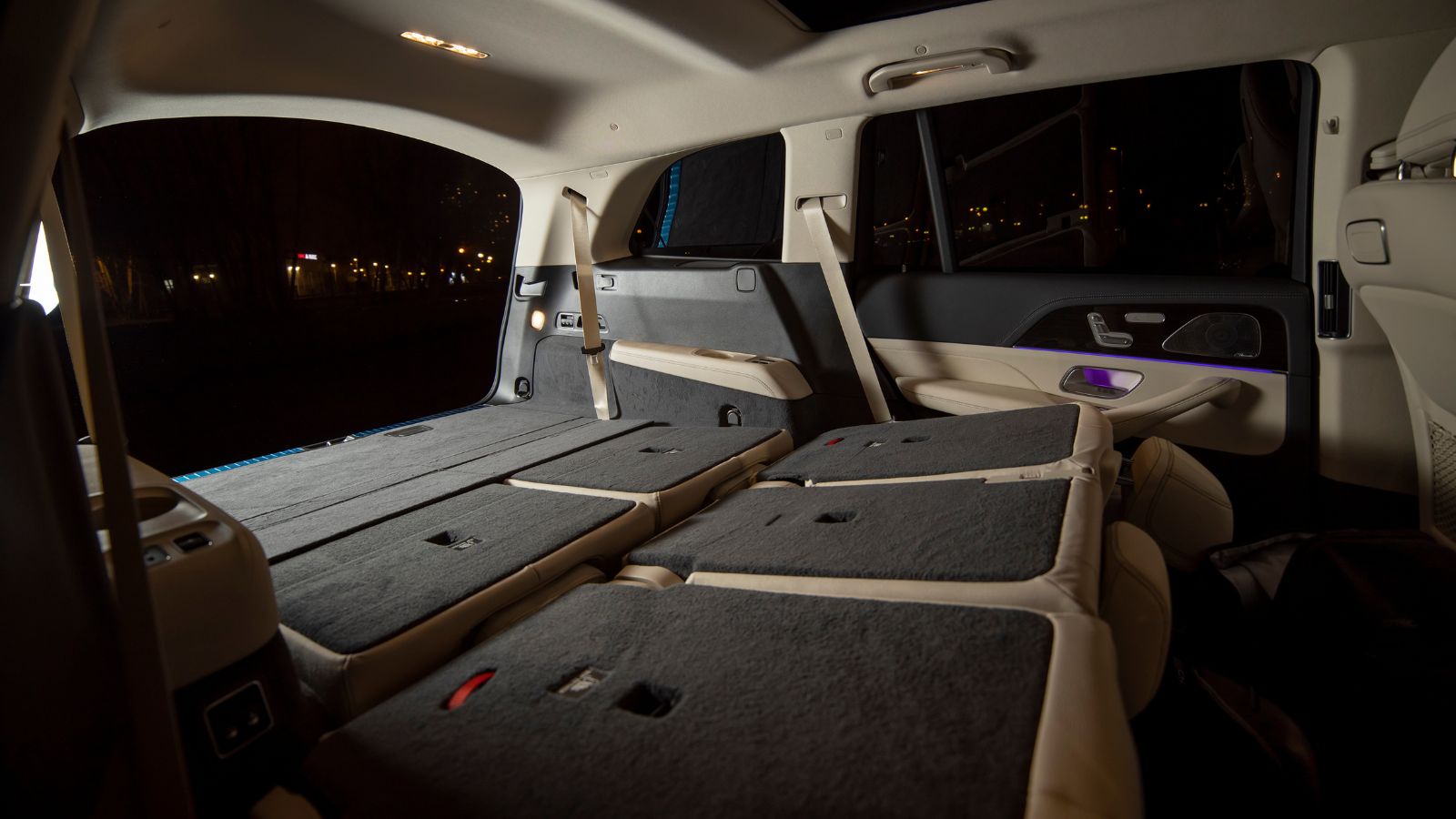
Compact SUVs succeed when ordinary tasks feel easy, and the RAV4 remains strong in that department. AutoTrader measured 1,070 litres of cargo capacity behind the second row and 1,994 litres with the 60/40-split rear seats folded. The rear seats create a flat cargo area, and Toyota has filled the cabin with bins, shelves, cupholders and storage spaces rather than treating practicality as an afterthought.
Those measurements translate into the things that rarely appear in flashy advertisements: a stroller beside groceries, hockey equipment on Saturday morning, luggage for a Thanksgiving drive, or a large box that unexpectedly needs to come home from the hardware store. The Honda CR-V remains an exceptionally practical rival and actually offers slightly more maximum cargo volume in AutoTrader’s comparison, while its wider-opening rear doors can simplify child-seat access. The Toyota counters with slightly more room behind the second row and additional small-item storage. Neither wins by knockout, but the RAV4 remains highly family-friendly.
The Plug-In Hybrid Is Compelling—If It Will Actually Be Plugged In
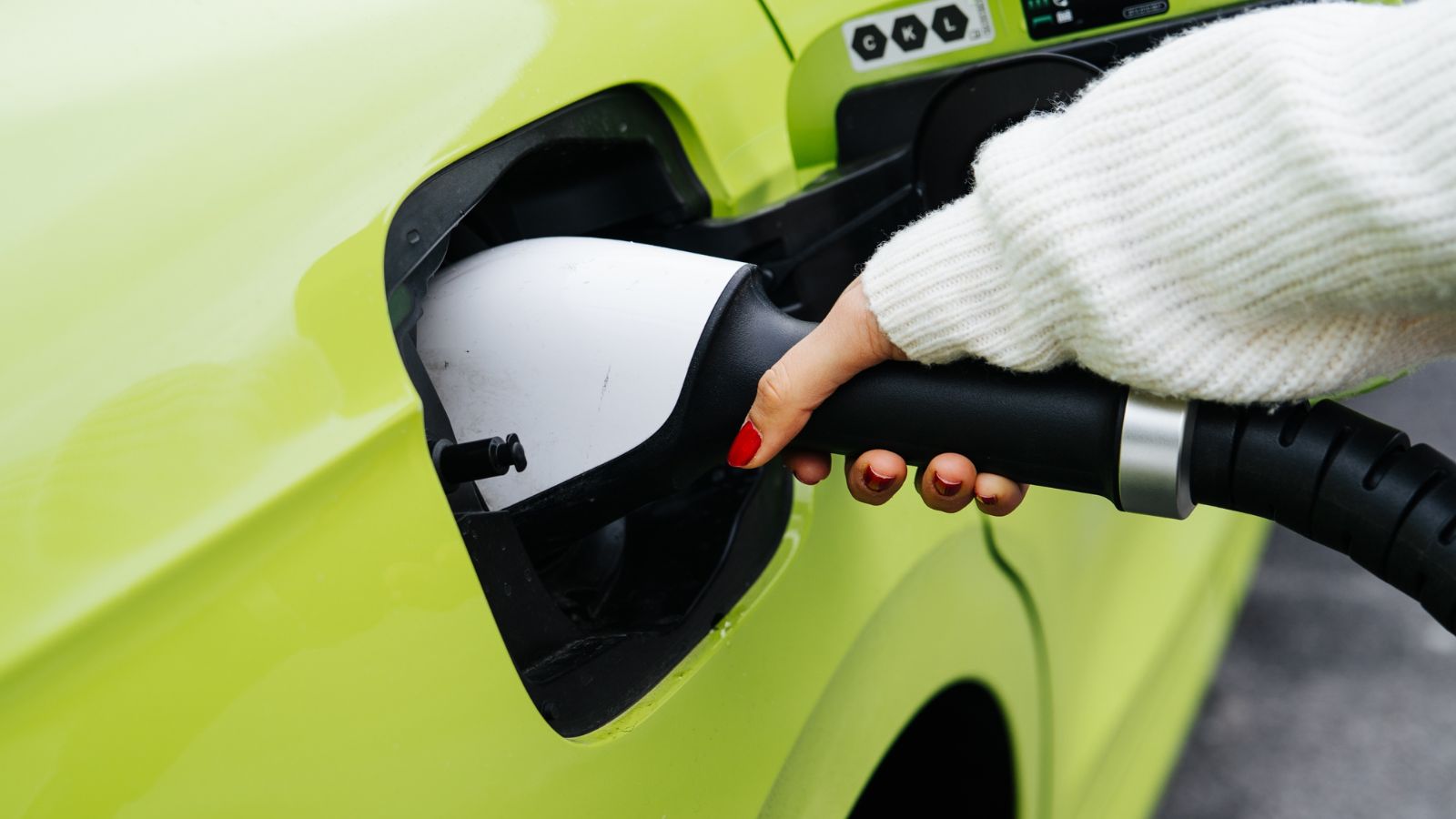
The 2026 RAV4 Plug-in Hybrid substantially expands what this nameplate can do. Toyota rates the system at up to 324 horsepower, while Canadian specifications provide as much as 89 kilometres of electric driving range depending on trim and conditions. Pricing begins at $48,750 before delivery-related charges and taxes, creating a sizable jump over the $37,500 regular hybrid but providing much greater electric capability and considerably more performance.
The financial logic depends heavily on how the vehicle will be used. A household that can charge at home and regularly covers daily trips within the electric range may go for long stretches using little gasoline. Once the battery’s usable charge is depleted, the vehicle continues operating as a hybrid, so long-distance trips do not require dependence on charging infrastructure. However, paying the PHEV premium while rarely plugging it in wastes much of the reason for buying one. For many Canadians, the less expensive conventional hybrid remains the simpler sweet spot.
Warranty Coverage and Residual-Value Strength Lower Some Ownership Risk

Toyota backs its hybrid components in Canada for eight years or 160,000 kilometres and its hybrid battery for 10 years or 240,000 kilometres, subject to warranty terms. That matters because electrification is now unavoidable in the RAV4 lineup. A buyer does not have to treat the traction battery as an unprotected, extraordinarily expensive component immediately after the basic vehicle warranty expires.
The brand also enters this generation with strong resale credentials. Canadian Black Book named Toyota its 2026 Overall Brand winner for SUVs and trucks for the fourth consecutive year, while Toyota led manufacturers across multiple residual-value categories. That award applies to the brand rather than proving that this particular new RAV4 will lead its class after four years, an important distinction. Still, residual-value forecasts influence leasing, trade-in expectations, and total ownership costs. When combined with the long hybrid-battery warranty, Toyota’s resale position helps explain why the RAV4 continues to appeal to risk-conscious buyers.
Canadian Production Gives the RAV4 an Unusual Local Connection
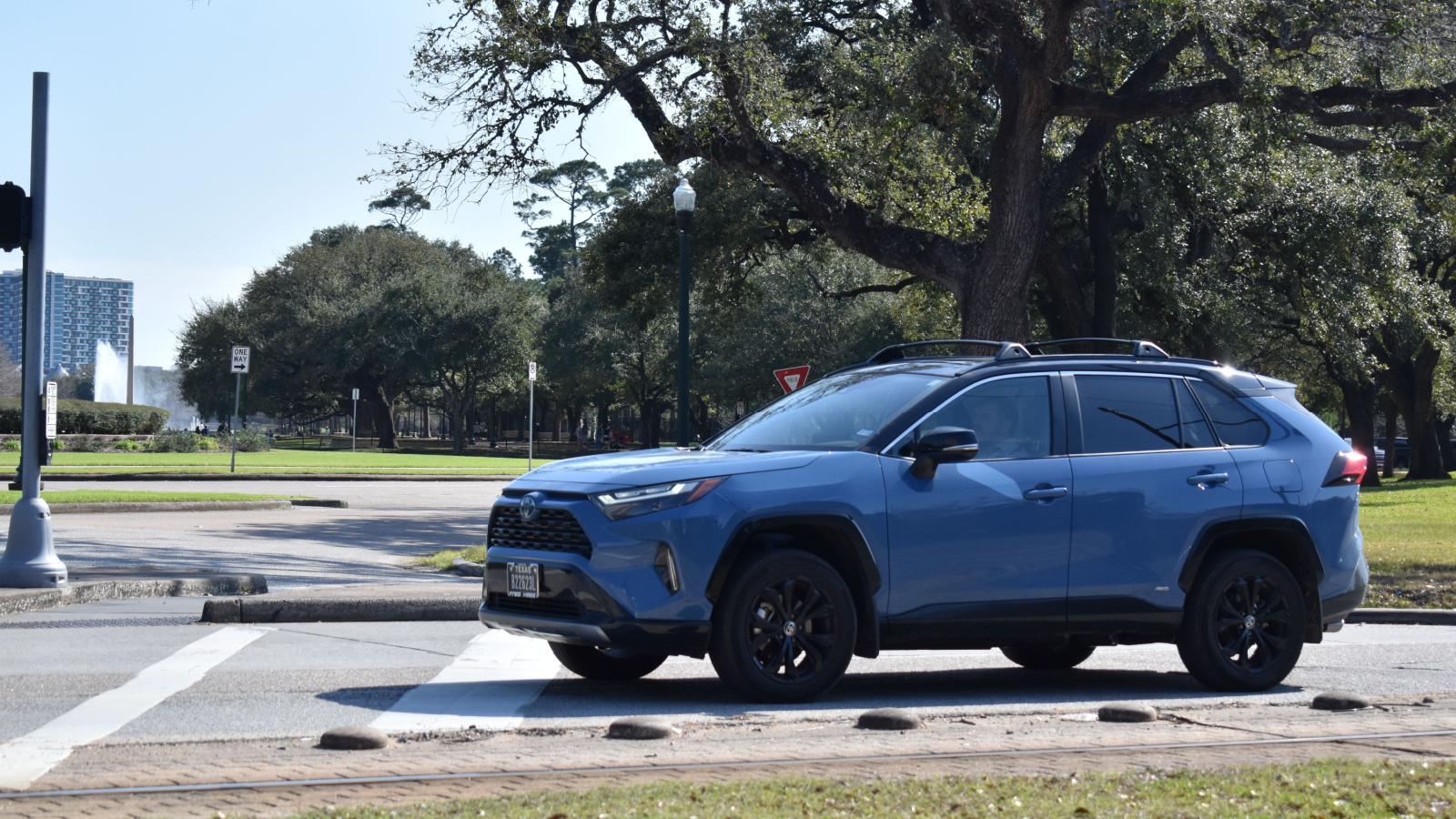
The standard 2026 RAV4 Hybrid sold in Canada is not merely designed for Canadian conditions—it is assembled in Ontario. Toyota Motor Manufacturing Canada began production of the sixth-generation model in January 2026. Toyota says more than four million RAV4s have been produced by TMMC since production began there, and the automaker invested more than $1.1 billion in the new generation, pushing its cumulative Canadian investment beyond $12 billion.
There is some nuance: the RAV4 Plug-in Hybrid is imported from Japan, while Canadian-market conventional hybrids come from Canadian production. Local assembly by itself does not guarantee that an individual vehicle will be trouble-free. However, TMMC carries an impressive manufacturing record. Its North Plant received a Silver award in the 2026 J.D. Power U.S. Initial Quality Study plant rankings and has accumulated multiple plant-quality honours over its history. For Canadians who value domestic auto manufacturing, that adds another reason to keep the RAV4 near the top of the list.
Auto Theft Is the RAV4’s Most Uncomfortable Canadian Weakness
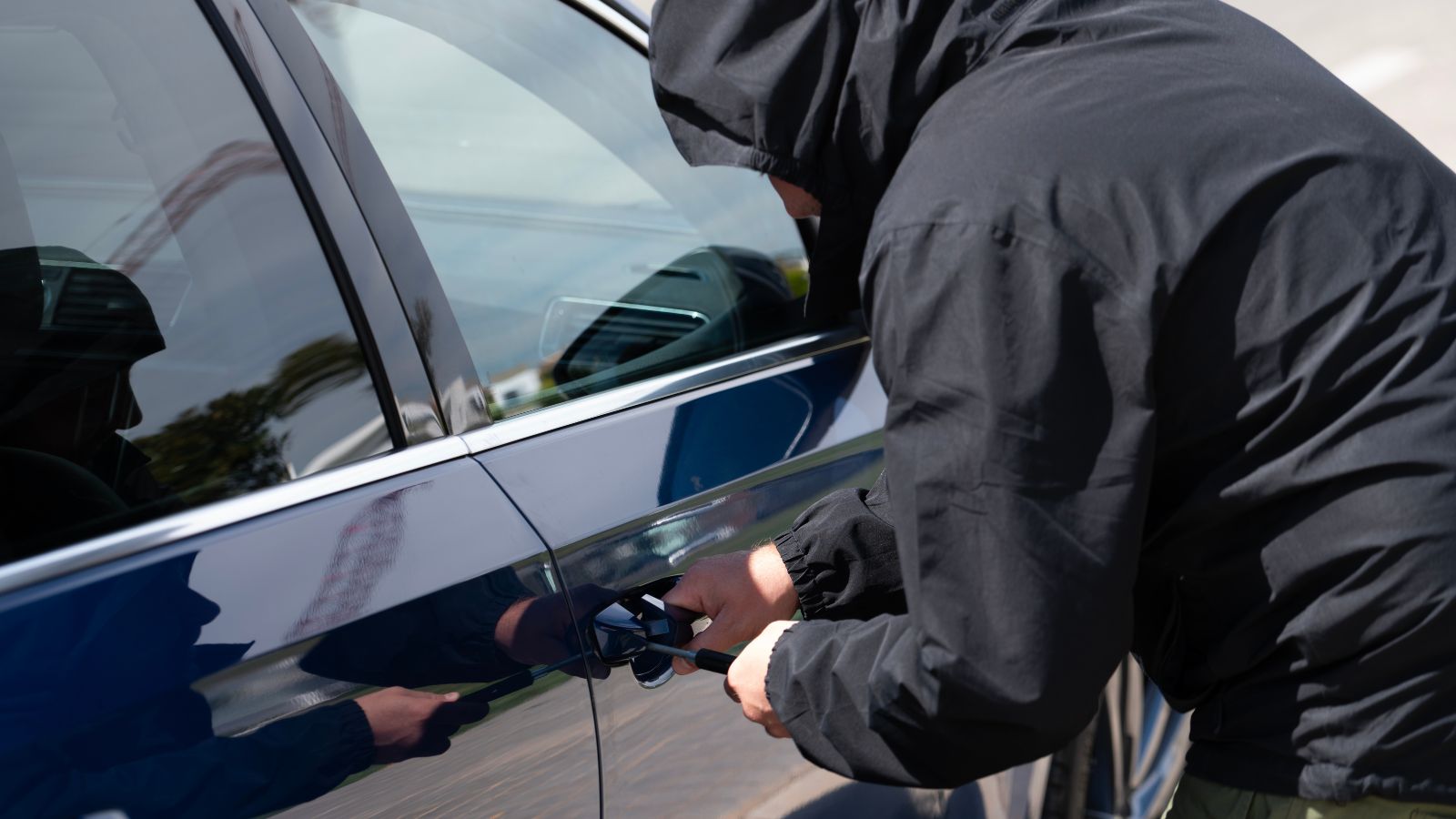
Any discussion of low-risk RAV4 ownership in Canada has to include theft. Équité Association ranked the Toyota RAV4 as Canada’s most stolen vehicle by total thefts in its 2024 national data, with 2,080 thefts among 554,086 insured examples. Équité linked the model’s attractiveness to criminals partly to its demand, serviceability, and resale value. The organization also reported that auto-theft claims exceeded $1 billion nationally during that period.
Those numbers require context. They largely concern older RAV4s already on Canadian roads and should not be treated as a measured theft rate for the redesigned 2026 model. High sales volume also means there are simply more RAV4s available to target. Encouragingly, Équité reported an 18 per cent year-over-year drop in Canadian private-passenger vehicle thefts during 2025, although claims still totalled an estimated $900 million. Nevertheless, buyers in theft-heavy regions should consider insurance costs and layered anti-theft precautions before assuming a RAV4 is automatically the lowest-risk choice.
The Driving Experience Is Better, but Rivals Can Feel More Polished

Toyota has improved the new RAV4 without turning it into a sports crossover. AutoTrader rated the regular 2026 model 8.5 out of 10 overall and praised its smooth ride, straightforward controls, improved braking feel and efficient powertrain. The AWD hybrid’s 236 horsepower provides enough performance for highway merging and passing, while the chassis is tuned primarily for comfortable, predictable everyday driving rather than aggressive cornering.
Refinement is where the RAV4 leaves an opening for competitors. AutoTrader criticized the engine for becoming loud under heavy acceleration and described much of the cabin as visually drab. In its direct Canadian comparison, the publication found the Honda CR-V Hybrid quieter and smoother in the way its gasoline and electric power sources work together. Car and Driver reached a similar general conclusion, giving the RAV4 strong marks for efficiency and practicality while ranking the CR-V more highly overall. Buyers should therefore test both; Toyota’s spreadsheet advantages do not automatically make it the most pleasant crossover from the driver’s seat.
The Verdict: It Is Still a Safe Bet, but Not an Automatic One
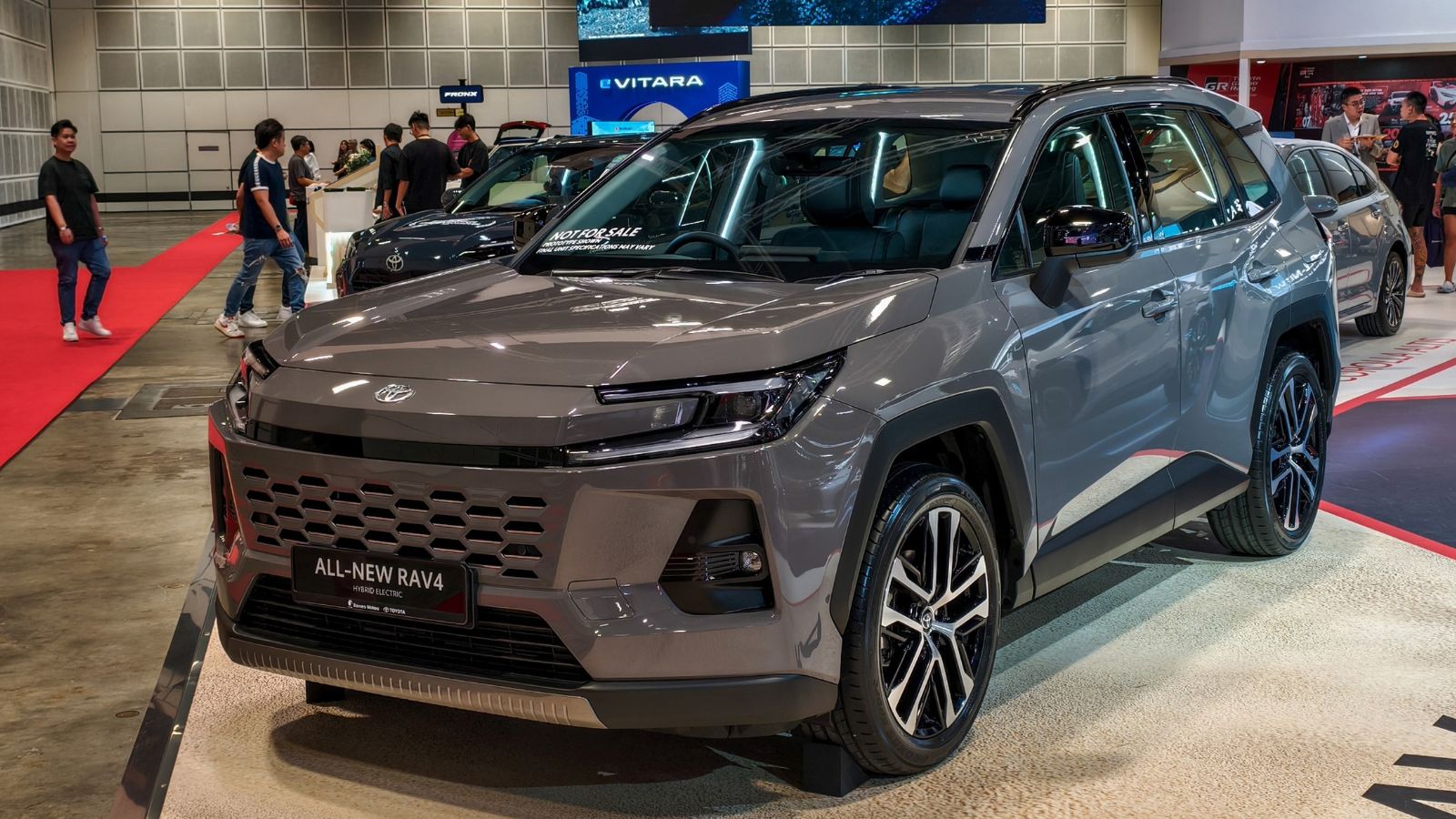
Taken as a complete ownership proposition, the 2026 RAV4 remains extremely difficult to dismiss. It starts at $37,500 with hybrid power and AWD, delivers exceptionally competitive fuel economy, carries substantial hybrid-system warranty coverage, offers useful cargo space and includes a serious suite of standard driver-assistance equipment. Canadian reviewers have responded positively: AutoTrader named the RAV4 its 2026 Best Compact SUV and Best Overall SUV, and its direct comparison placed the Toyota ahead of the CR-V Hybrid largely because of efficiency, equipment and value.
Calling it the unequivocally “safest” choice would go too far. The redesigned model still needs a mature record of long-term reliability and independent crash-test performance, the RAV4 name remains heavily targeted by Canadian vehicle thieves, and competitors can deliver more polished cabins or driving experiences. Yet for a household seeking one compact SUV that minimizes compromises rather than dominating one narrow category, the regular RAV4 Hybrid remains one of Canada’s strongest low-drama choices.
19 Used Cars Canadians Should Avoid in 2026 (Based on Owner Complaints)

Buying a used car in Canada can feel safe until repair bills start stacking up. Owner complaints tell a different story than glossy listings. Transmission failures, electrical problems, and weak winter reliability show up again and again in consumer reports. Many of these issues appear after warranties expire, when owners least expect them. Some vehicles look affordable upfront, but become expensive to keep on the road. Others struggle in cold weather, urban driving, or long highway commutes. Here are 19 used cars Canadians should avoid in 2026 (based on owner complaints).
19 Used Cars Canadians Should Avoid in 2026 (Based on Owner Complaints)