


















The compact SUV market leaves very little room for quiet achievers. Models such as the Toyota RAV4 and Honda CR-V dominate shopping lists, while the Mitsubishi Outlander often sits just outside the spotlight despite offering some genuinely unusual advantages. For 2026, Mitsubishi has given its family crossover an important mechanical update, replacing the old 2.5-litre engine with a turbocharged mild-hybrid powertrain while retaining standard Super All-Wheel Control and its rare third-row seating.
The bigger question is whether those ingredients make the Outlander a genuinely smart alternative or simply an SUV with a few interesting tricks. Across 12 key areas, including performance, comfort, technology, practicality, safety, fuel economy, pricing, and long-term ownership, the Outlander proves more competitive than its reputation suggests — although several compromises keep it from becoming the automatic choice in this crowded segment.
It Looks More Expensive Than Its Reputation Suggests
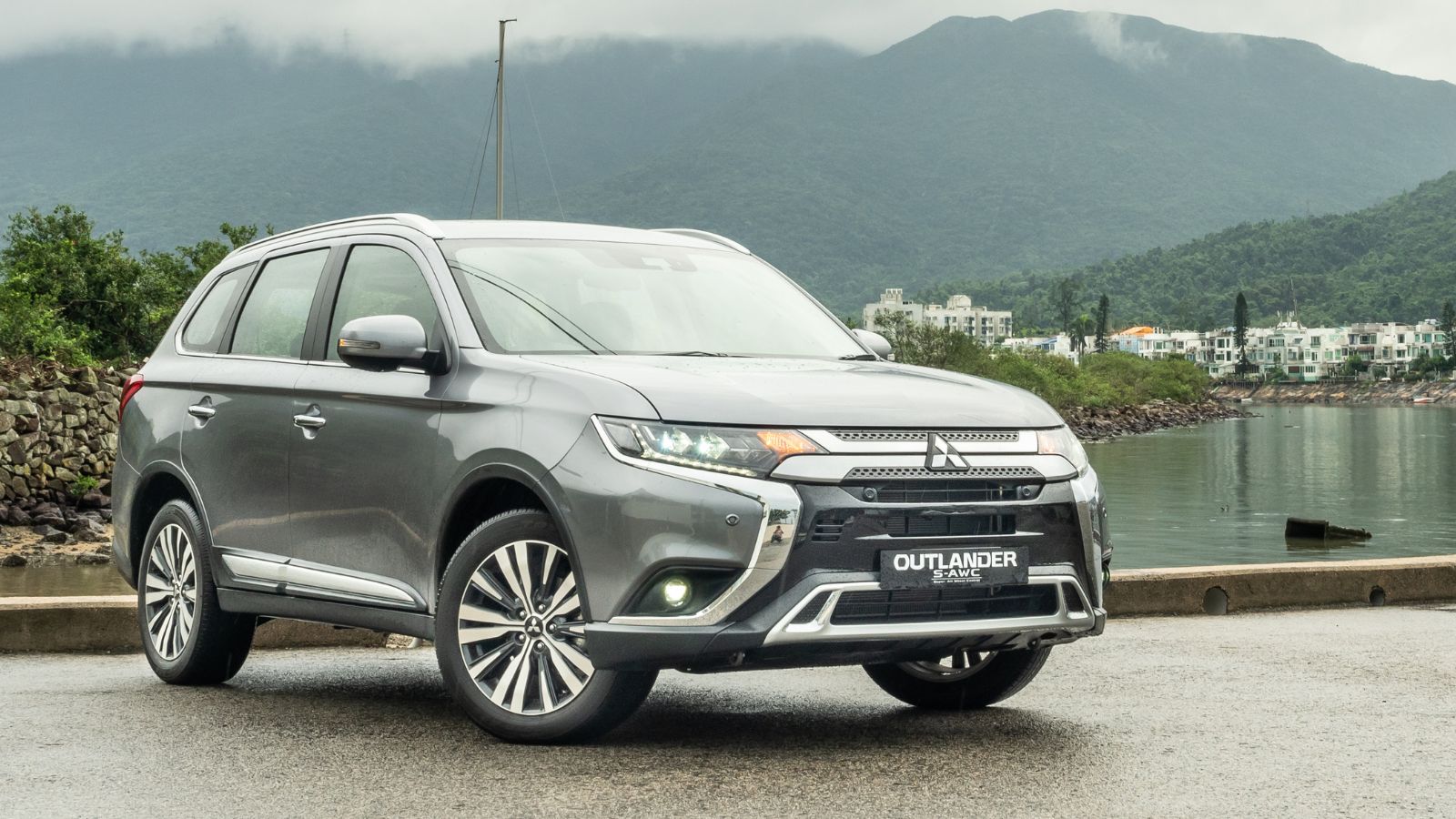
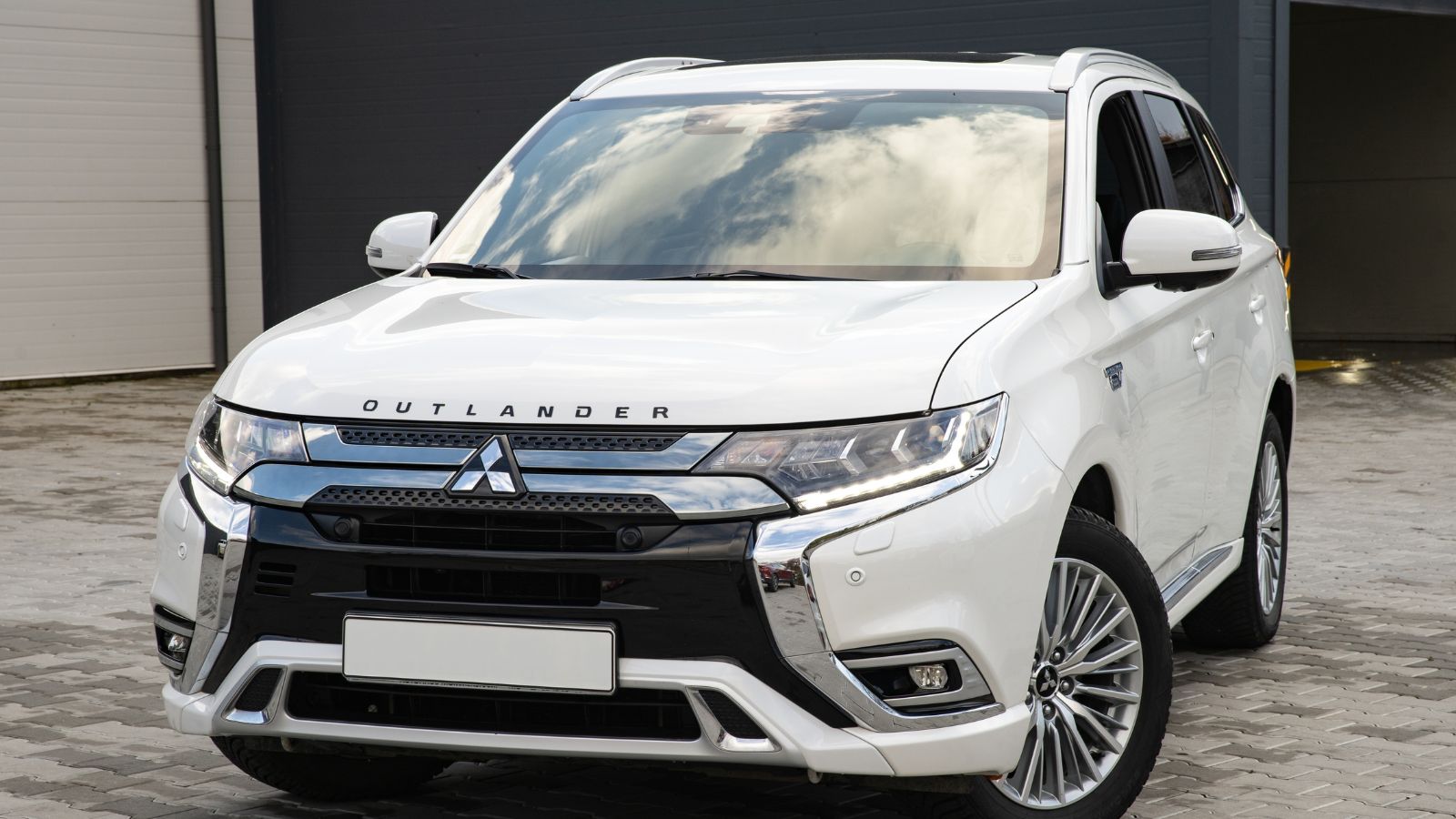
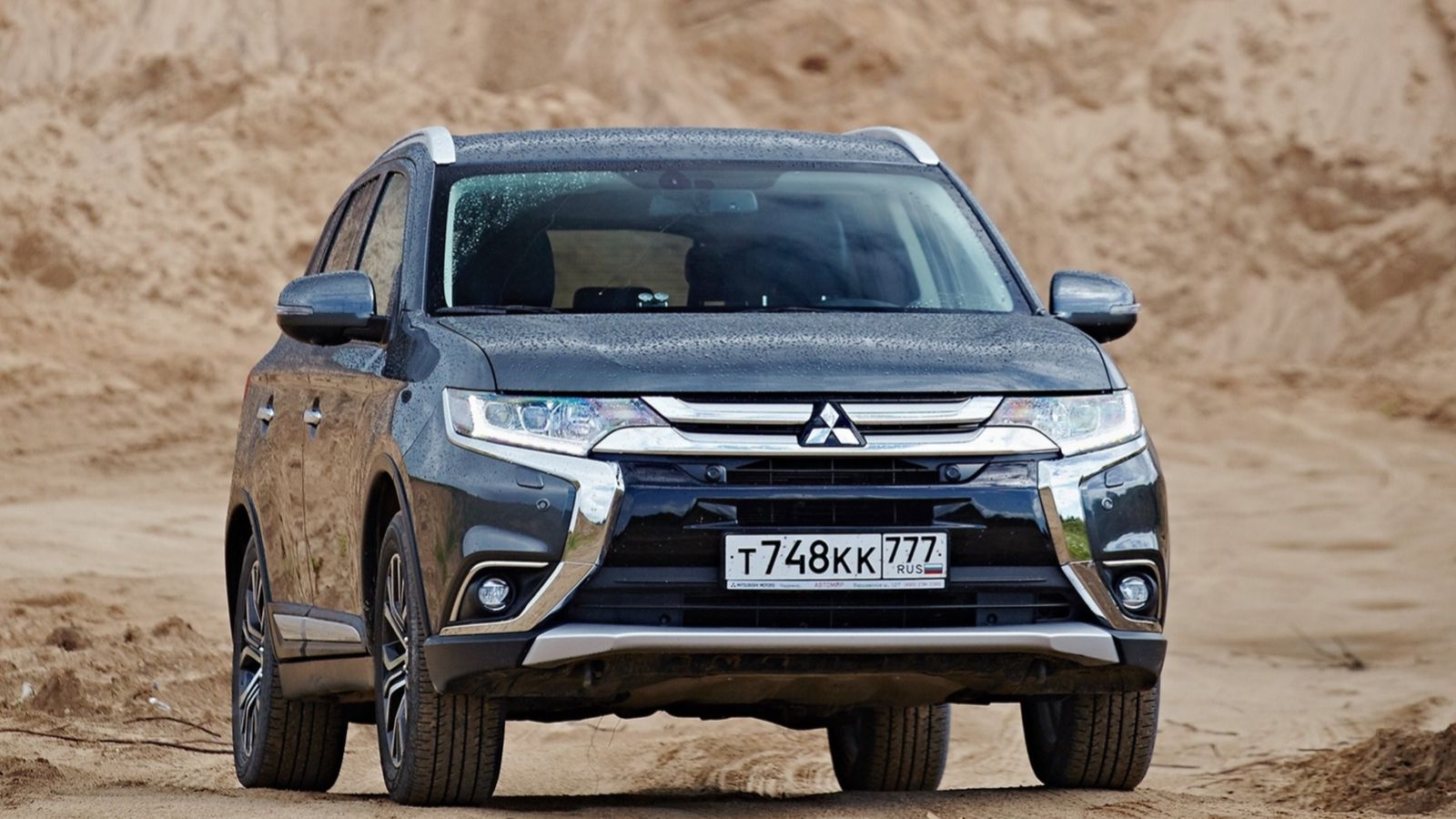
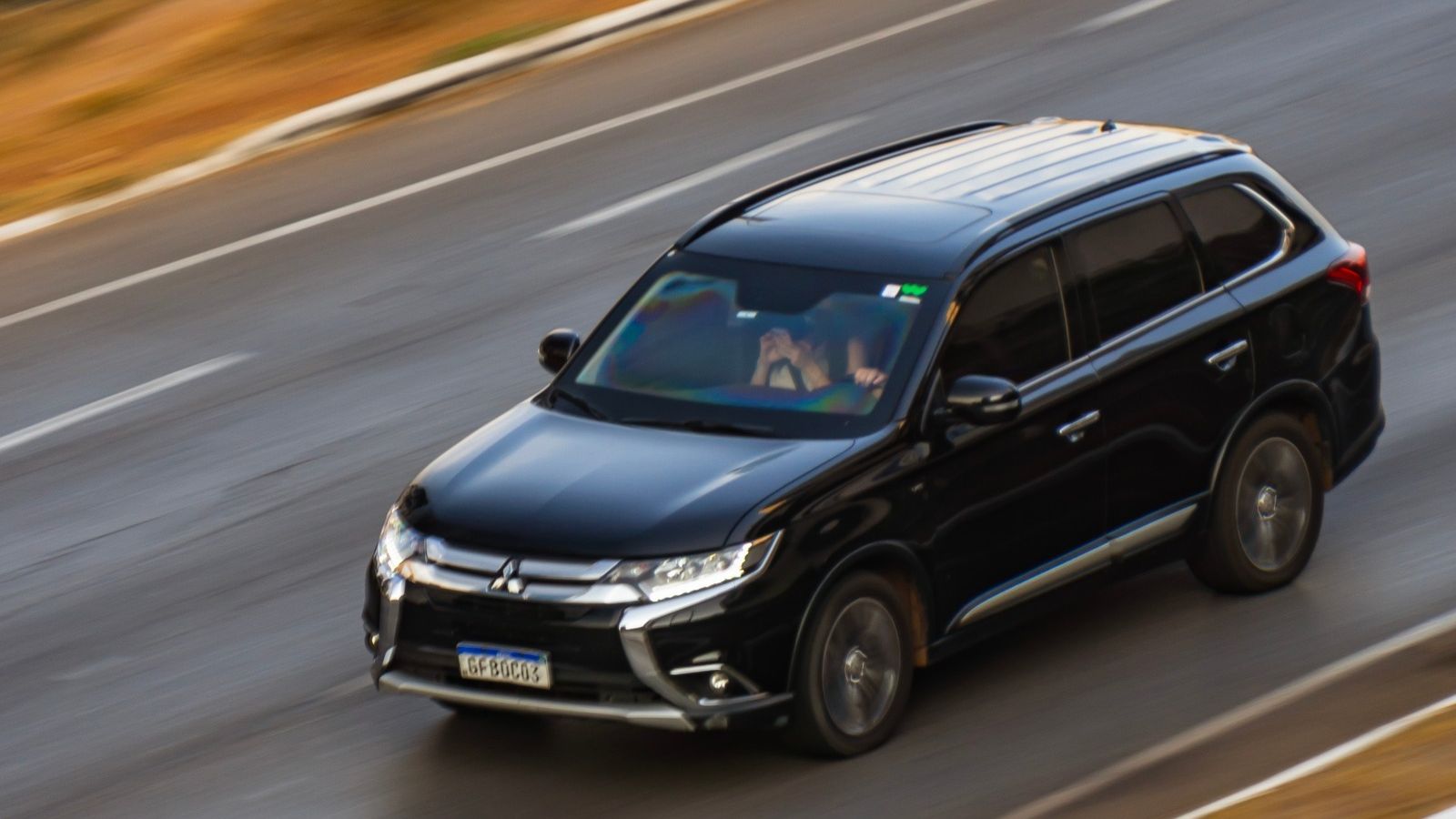
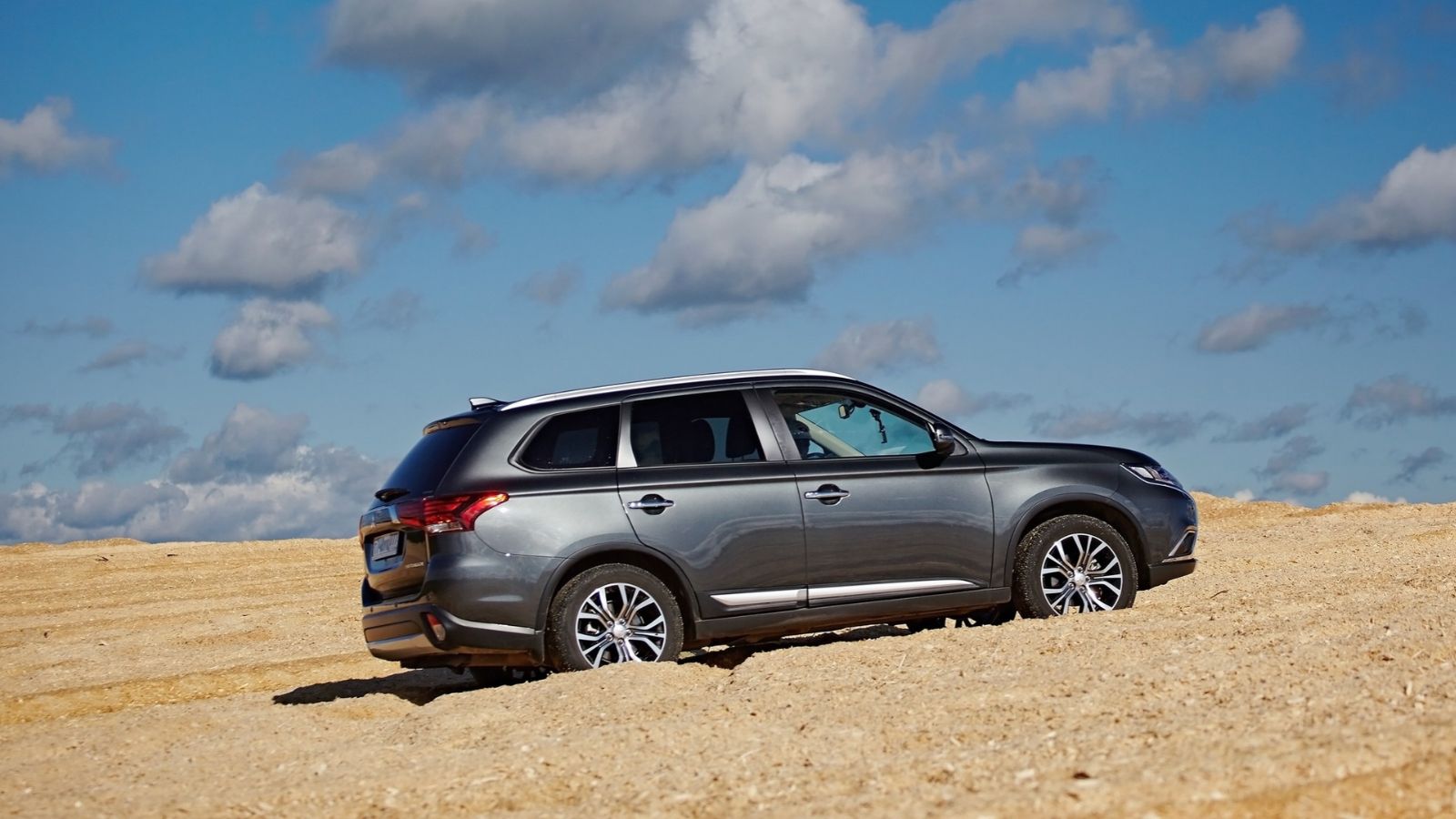
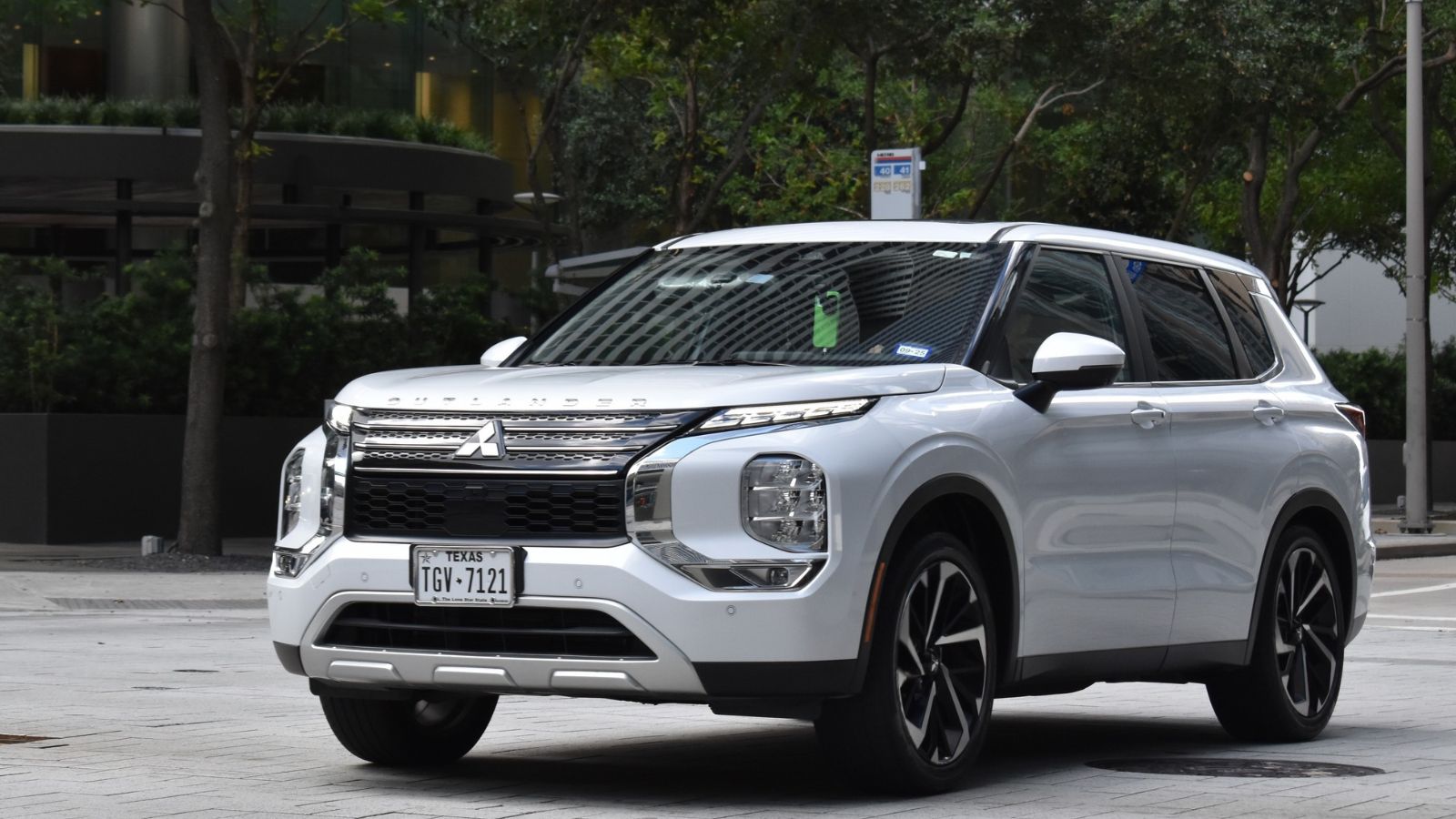
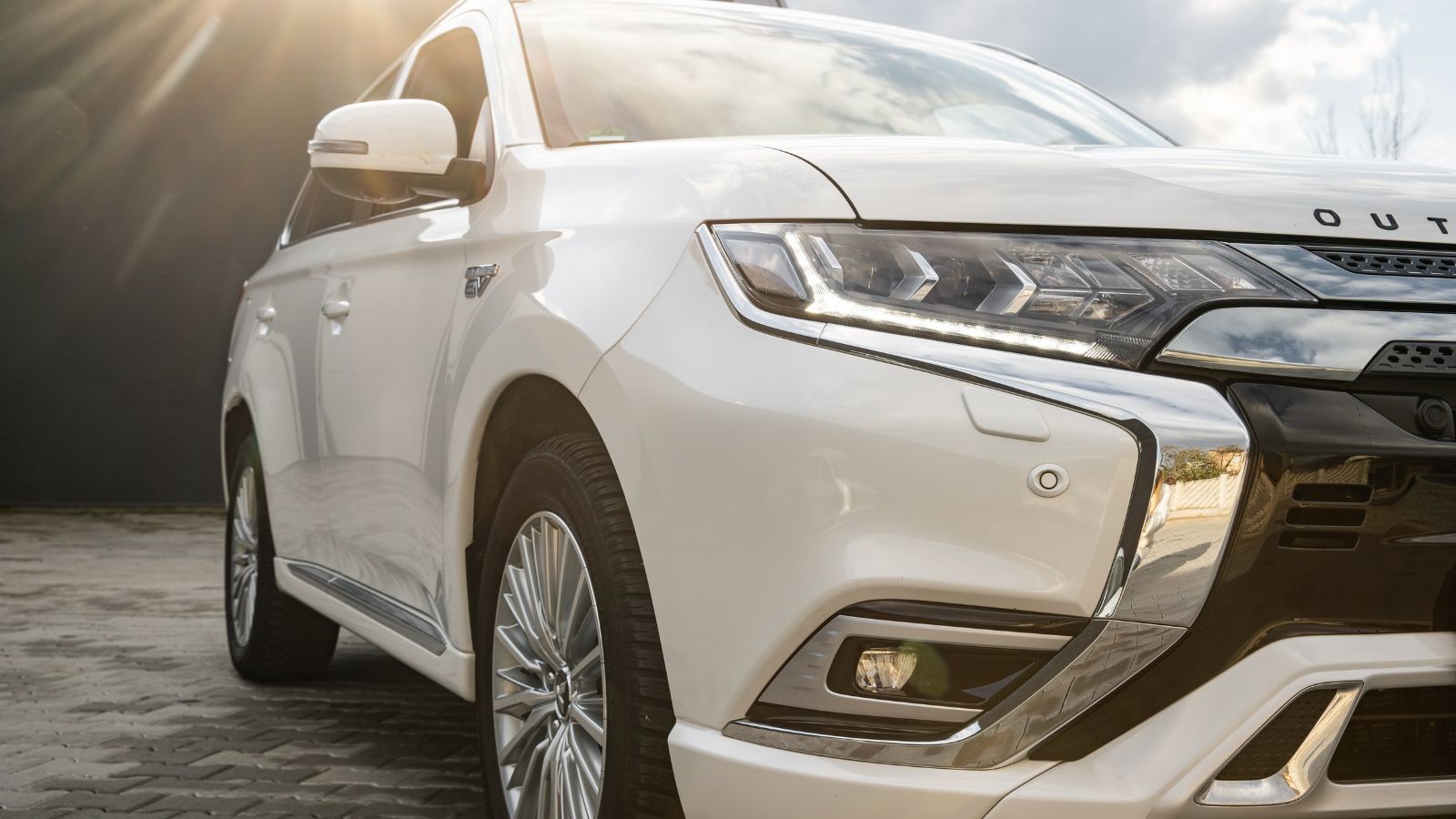
The Outlander has gradually become one of Mitsubishi’s most convincing designs, partly because it refuses to disappear into the sea of anonymous compact crossovers. Its broad front end, upright proportions, distinctive lighting treatment, and available 20-inch wheels create considerably more road presence than the brand’s modest market position might suggest. The overall shape also avoids looking too sporty or excessively rugged, making it reasonably well suited to the family buyers Mitsubishi is targeting.
The more important transformation happens inside. Higher trims can be fitted with leather-appointed seating, while the GT Premium receives brick-brown semi-aniline leather appointments and contrasting stitched details. Independent reviewers have repeatedly singled out the cabin as one of the Outlander’s strongest qualities, with AutoTrader describing the upper-level interior as approaching entry-luxury territory. That impression matters because many shoppers encountering an Outlander after testing better-known competitors may discover that Mitsubishi no longer feels like the obvious budget alternative.
The New Mild-Hybrid Engine Is Better, but Not Exciting
The biggest mechanical change for 2026 is under the hood. Mitsubishi replaced the previous 2.5-litre naturally aspirated four-cylinder with a 1.5-litre turbocharged four-cylinder supported by a 48-volt mild-hybrid system and belt-driven starter-generator. Output stands at 174 horsepower and 206 lb-ft of torque, compared with 181 horsepower and 181 lb-ft from the outgoing engine. A continuously variable transmission remains part of the package.
That additional torque is useful in everyday driving, particularly when pulling away from intersections or dealing with stop-and-go traffic. The electrical assistance is designed to support those low-speed moments rather than turn the Outlander into a full hybrid. The limitation becomes clearer at highway speeds. Independent tests describe passing performance as modest, and Consumer Reports recorded relatively leisurely acceleration. Families expecting effortless power with several passengers aboard may therefore find the engine merely adequate. The Outlander’s personality remains centred on relaxed transportation rather than enthusiastic acceleration.
Comfort Matters More Here Than Sportiness
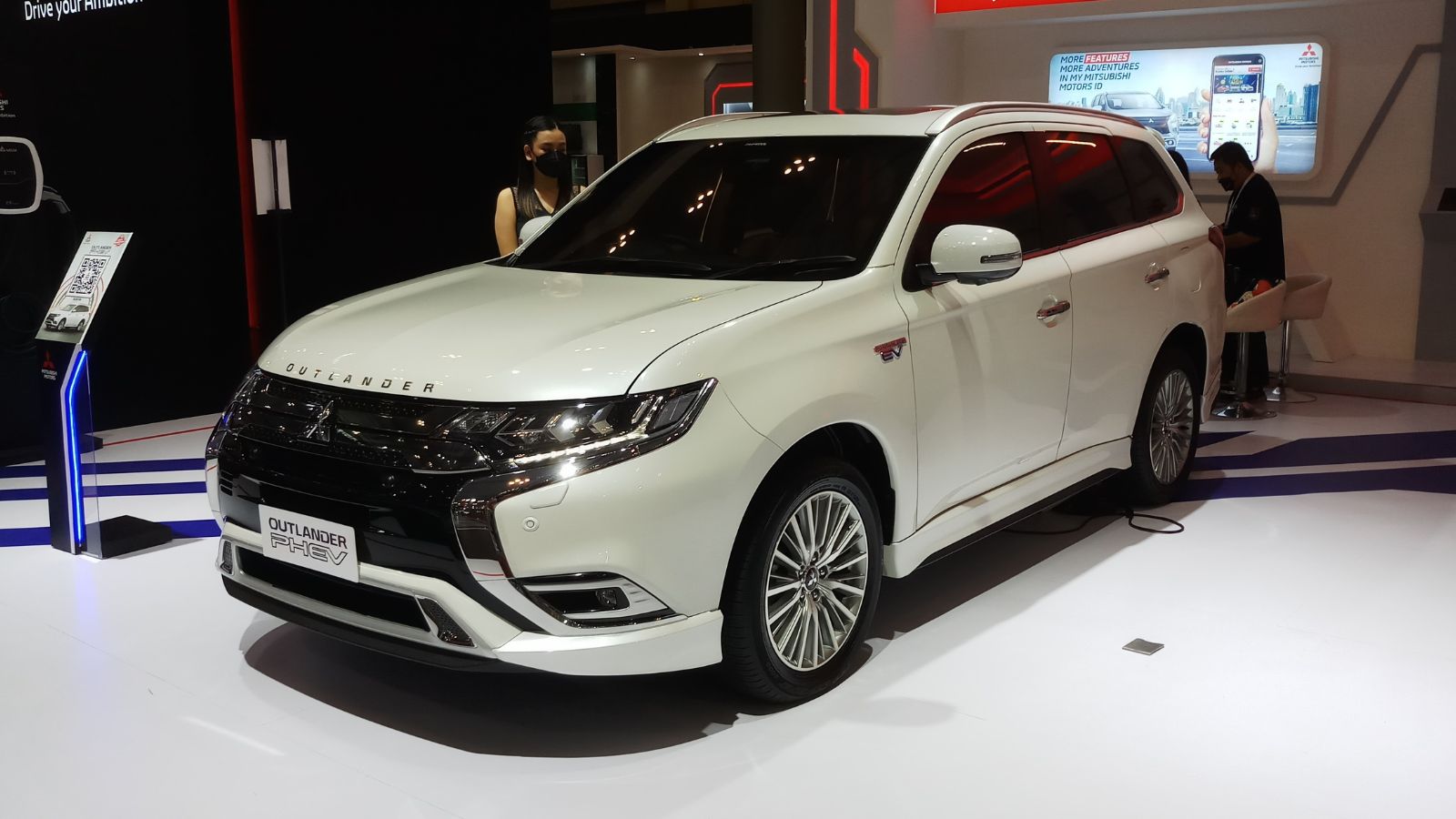
Few families buy a three-row crossover because they want to attack a winding road, and Mitsubishi appears comfortable acknowledging that reality. The Outlander is generally at its best when driven at an unhurried pace, where its supportive seats, insulated cabin, and easy controls matter more than steering feedback. AutoTrader found the front seats comfortable and the overall ride biased toward softness, while longer-distance testing has also highlighted the vehicle’s quiet cruising character.
There are limits to that comfort-first approach. Reviews differ somewhat on suspension behaviour over rough pavement, with Consumer Reports finding the vehicle bouncy on certain surfaces and other testers describing it as composed and refined. The optional 20-inch wheels can also reduce the cushioning provided by the tires. Steering is another recurring criticism, with some reviewers finding it vague or lacking feedback. None of that makes the Outlander difficult to drive; it simply reinforces its role as a family cruiser rather than one of the segment’s sharper-driving choices.
Standard S-AWC Is a Real Canadian Advantage
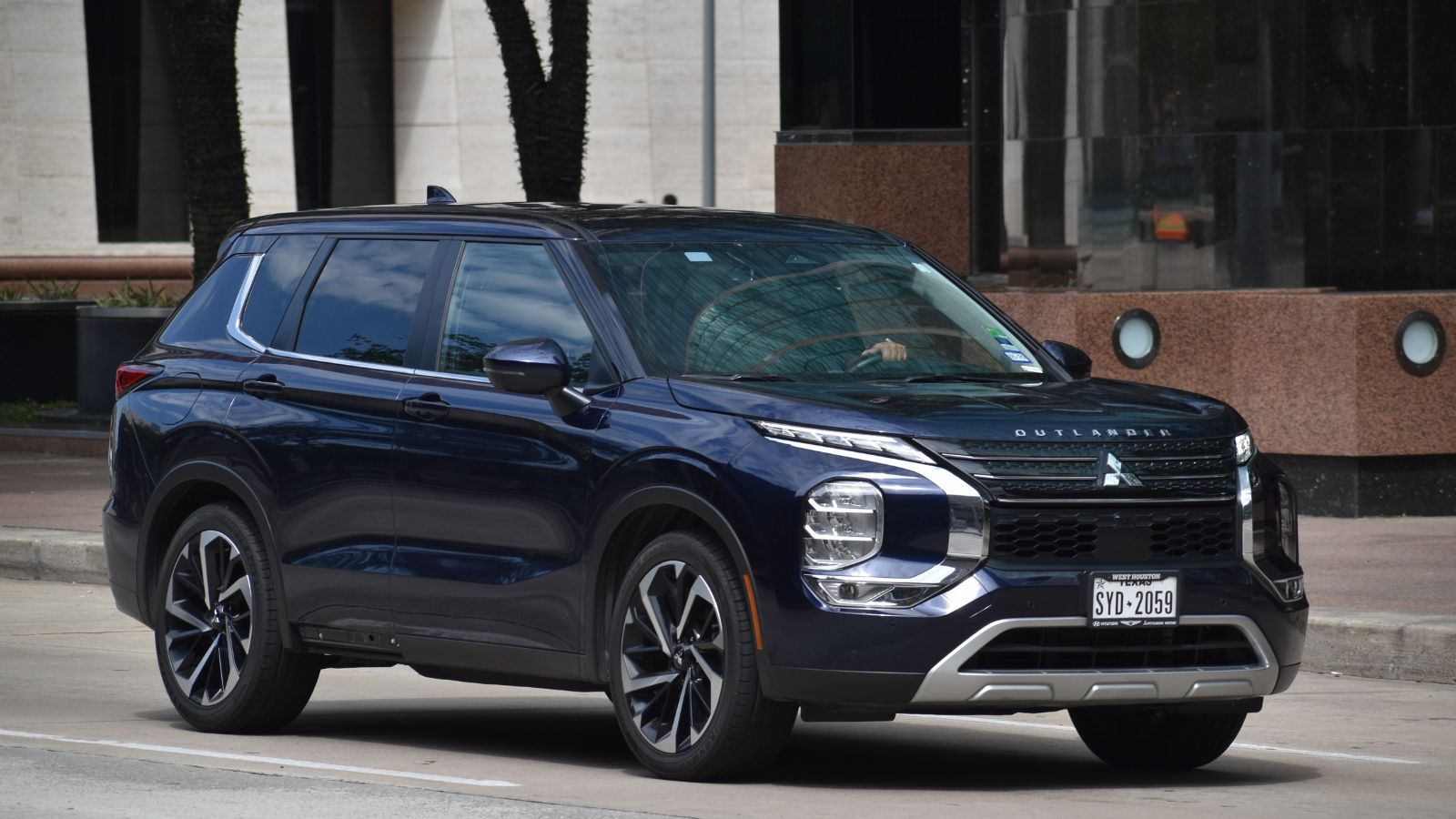
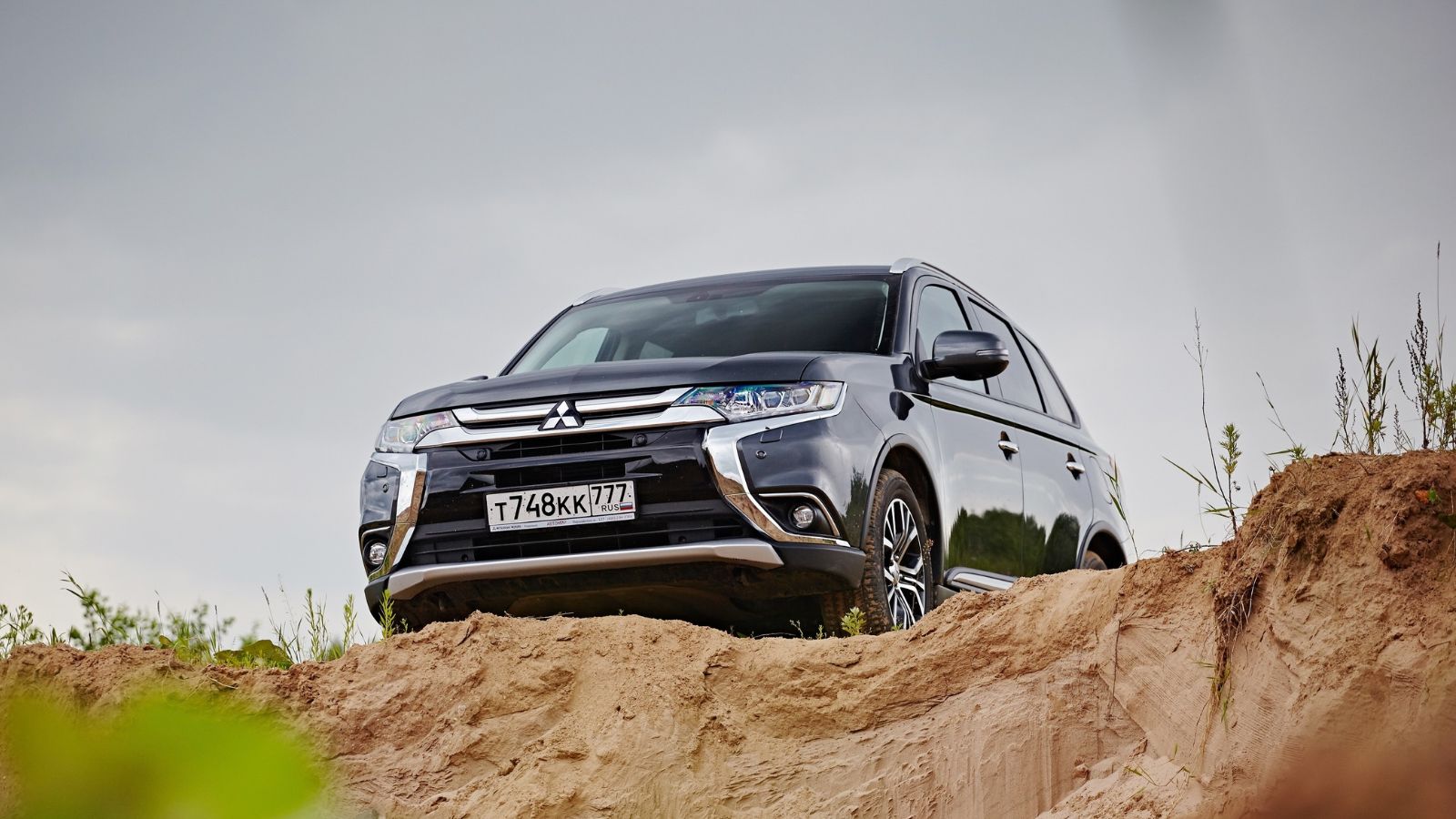
One of the Outlander’s most useful selling points in Canada is something buyers do not have to add through an expensive option package: Mitsubishi’s Super All-Wheel Control system is standard across the Canadian lineup. The system does more than simply send power to another axle when the front tires begin slipping. It integrates all-wheel-drive control with Active Yaw Control, stability systems, braking inputs, and vehicle sensors to manage traction and directional stability.
Drivers can also select from six modes — Normal, Eco, Tarmac, Gravel, Snow, and Mud — using a physical selector. Snow mode is designed for slippery and snow-covered roads, while Gravel and Mud alter the system’s responses for lower-traction surfaces. That does not eliminate the need for appropriate winter tires or careful driving, but the hardware is meaningful for Canadian families facing snow, slush, freezing rain, cottage roads, or poorly cleared residential streets. In a category where all-wheel drive is frequently optional, Mitsubishi including S-AWC from the entry trim strengthens the Outlander’s value argument.
The Cabin Is One of the Outlander’s Best Surprises
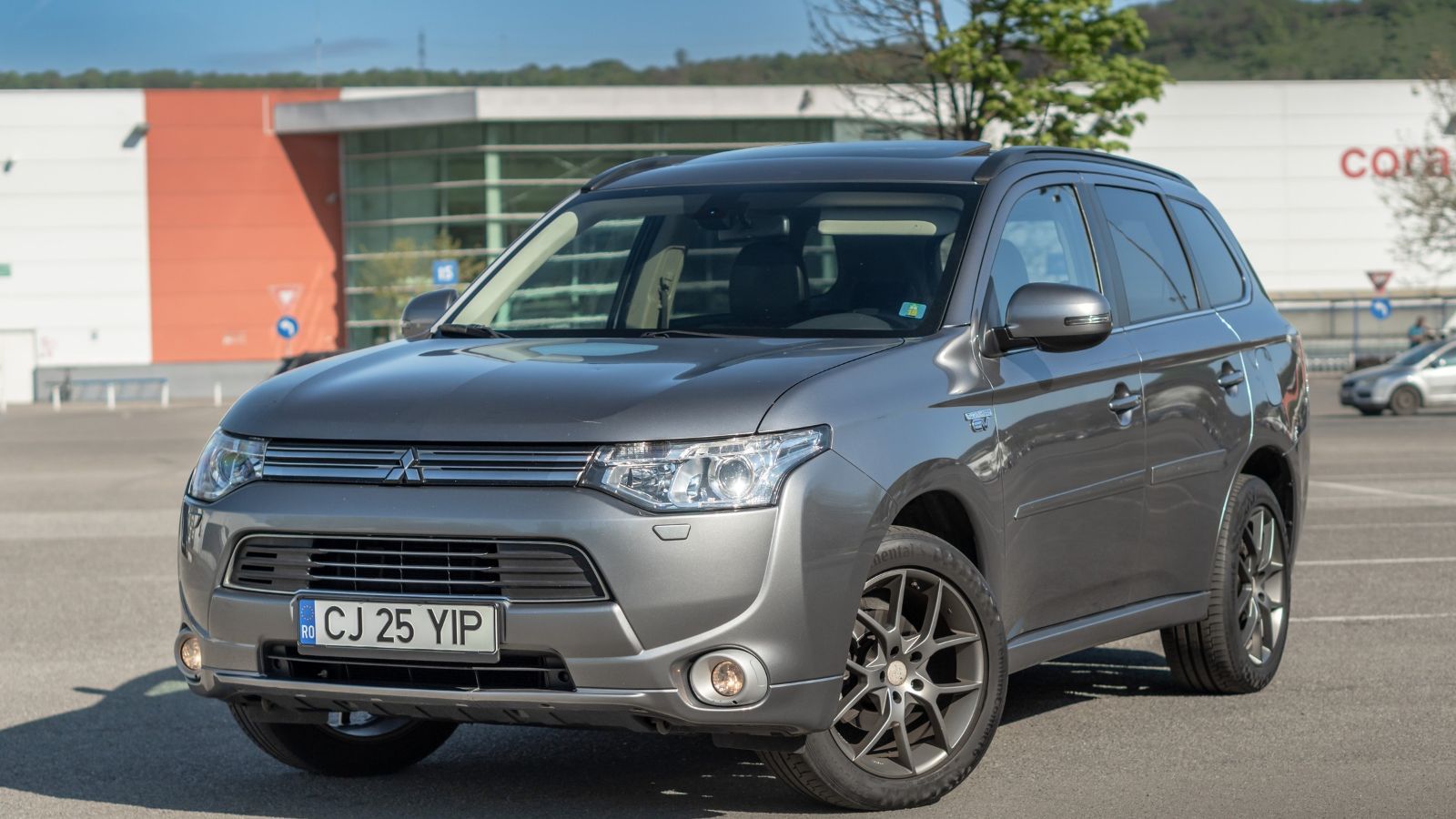
The current Outlander makes its strongest case when someone actually sits inside it. Even lower trims receive a relatively modern cabin layout, while moving through the lineup brings increasingly premium materials and features. The SEL includes leather-appointed seats, ventilated front seats, heated second-row seats, and driver-seat memory. The GT Premium goes further with semi-aniline leather appointments, brown stitching, and a digital rearview mirror.
Those features create an interesting contrast with Mitsubishi’s underdog image. Buyers may enter expecting a plainly finished value vehicle and instead find padded surfaces, substantial-looking controls, and options normally associated with considerably more expensive SUVs. The front seats are widely praised for support, and the sliding second-row bench provides flexibility between passenger and third-row space. Practical physical controls also remain for frequently used functions rather than hiding everything behind menus. The result is not a genuine luxury interior, but the Outlander can feel far more upscale than its badge or starting price initially suggests.
Mitsubishi Finally Gets the Technology Basics Right
Family vehicles increasingly live or die by technology that needs to work every day without becoming annoying. The 2026 Outlander starts with a 12.3-inch infotainment touchscreen, wireless Apple CarPlay and Android Auto, and an eight-speaker Dynamic Sound Yamaha Premium audio system. A wireless phone charger arrives from the SE trim, while higher versions add embedded navigation, a 12.3-inch digital instrument display, a multi-view camera system, and eventually a 10.8-inch head-up display.
The Yamaha partnership is particularly unusual in this price category. GT, GT Premium, and NOIR versions upgrade to a 12-speaker Dynamic Sound Yamaha Ultimate system. Mitsubishi also changed the construction around the speakers and added sound-deadening measures to improve audio quality and cabin refinement. More importantly for everyday use, the Outlander still provides physical climate controls and an actual drive-mode dial. Technology therefore supplements familiar controls rather than replacing them entirely, which may be especially welcome during winter drives when gloves, rough roads, and quick adjustments make touchscreen-only interfaces frustrating.
The Third Row Is Useful — As Long as Expectations Stay Realistic
Seven-passenger seating immediately makes the Outlander unusual among compact SUVs. Every Canadian 2026 Outlander includes a third row, providing an emergency solution when another child needs a ride home, grandparents join a short family outing, or the school carpool suddenly grows. The second row slides and reclines, allowing occupants to trade some middle-row space for additional room in the back.
The numbers explain why Mitsubishi describes the layout as 5+2 seating. Third-row legroom is only 475 millimetres, or 18.7 inches, dramatically less than the 1,014 millimetres available in the second row. Independent reviewers consistently describe the rearmost seats as best suited to children and short journeys. Adults will find access and legroom restrictive. That means the Outlander should not be confused with a larger three-row SUV such as a Honda Pilot or Toyota Grand Highlander. Its advantage is flexibility: five people can travel comfortably most of the time, with two additional positions available when circumstances demand them.
Cargo Space Becomes Much Better When the Third Row Disappears
Keeping all seven seats in use inevitably costs cargo room. Mitsubishi lists 308 litres of space behind the third row, which is enough for groceries or a few smaller bags but can become restrictive on a family trip. Folding the third row transforms the Outlander into a much more practical five-passenger crossover, opening 866 litres behind the second row. Folding that row as well increases maximum capacity to 1,822 litres.
Those figures do not make the Mitsubishi the cargo champion of the segment. The Honda CR-V, for example, offers considerably more space when configured as a five-seater. However, the Outlander compensates with versatility rather than outright volume. Its second row uses a 40/20/40 split and can slide to balance passenger and cargo needs. The 2026 model is also rated to tow up to 907 kilograms, or 2,000 pounds, when properly equipped. That is enough for modest utility trailers, smaller recreational equipment, or other light-duty family uses without pretending to offer truck-like capability.
Safety Is Strong, Although the Best Driver Aids Cost More
The Outlander carries a substantial list of standard safety hardware. Canadian models include 11 airbags, Forward Collision Mitigation, rear automatic emergency braking, Blind Spot Warning, Rear Cross Traffic Alert, and Lane Departure Warning. The Insurance Institute for Highway Safety gives the 2026 mild-hybrid Outlander a Good rating in its small-overlap front test and updated side-impact evaluation. Its headlights also earn a Good rating, while pedestrian front-crash prevention is rated Good.
The catch is how Mitsubishi distributes some of its more advanced driver-assistance technology. Lane Departure Prevention, Active Blind Spot Assist, Lane Keep Assist, traffic-sign recognition, and adaptive cruise control with stop-and-go functionality are concentrated in the GT and higher trims, although regular adaptive cruise control appears earlier in the range. That prevents the Outlander from being the segment’s most generous safety-tech package at entry level. Still, the core collision-avoidance equipment is meaningful, and the strong crash-test results reinforce its credentials as a family vehicle rather than relying purely on electronic features.
Fuel Economy Improves, but Full Hybrids Still Have the Edge
The 48-volt mild-hybrid system does improve efficiency compared with the previous Outlander, but buyers should understand what “mild hybrid” means. It cannot travel meaningful distances on electric power alone like a conventional hybrid. Instead, the electrical system assists the engine, recovers energy during braking and deceleration, and supports smoother automatic stop-start operation. Natural Resources Canada rates the 2026 Outlander at 9.4 L/100 km in the city, 7.8 on the highway, and 8.7 combined.
Those numbers are respectable for a standard-AWD seven-seat crossover, but they no longer look exceptional beside the newest hybrid competition. Toyota’s 2026 RAV4, for example, has moved to an all-hybrid Canadian lineup, while Honda also offers conventional-hybrid CR-V trims. Buyers travelling significant annual kilometres may therefore save more fuel with a full hybrid. Mitsubishi’s own alternative is the Outlander PHEV, which offers substantially more electric capability but also carries a much higher purchase price. Efficiency is improved, just not class-leading.
Pricing Is Where the Outlander Starts Making More Sense
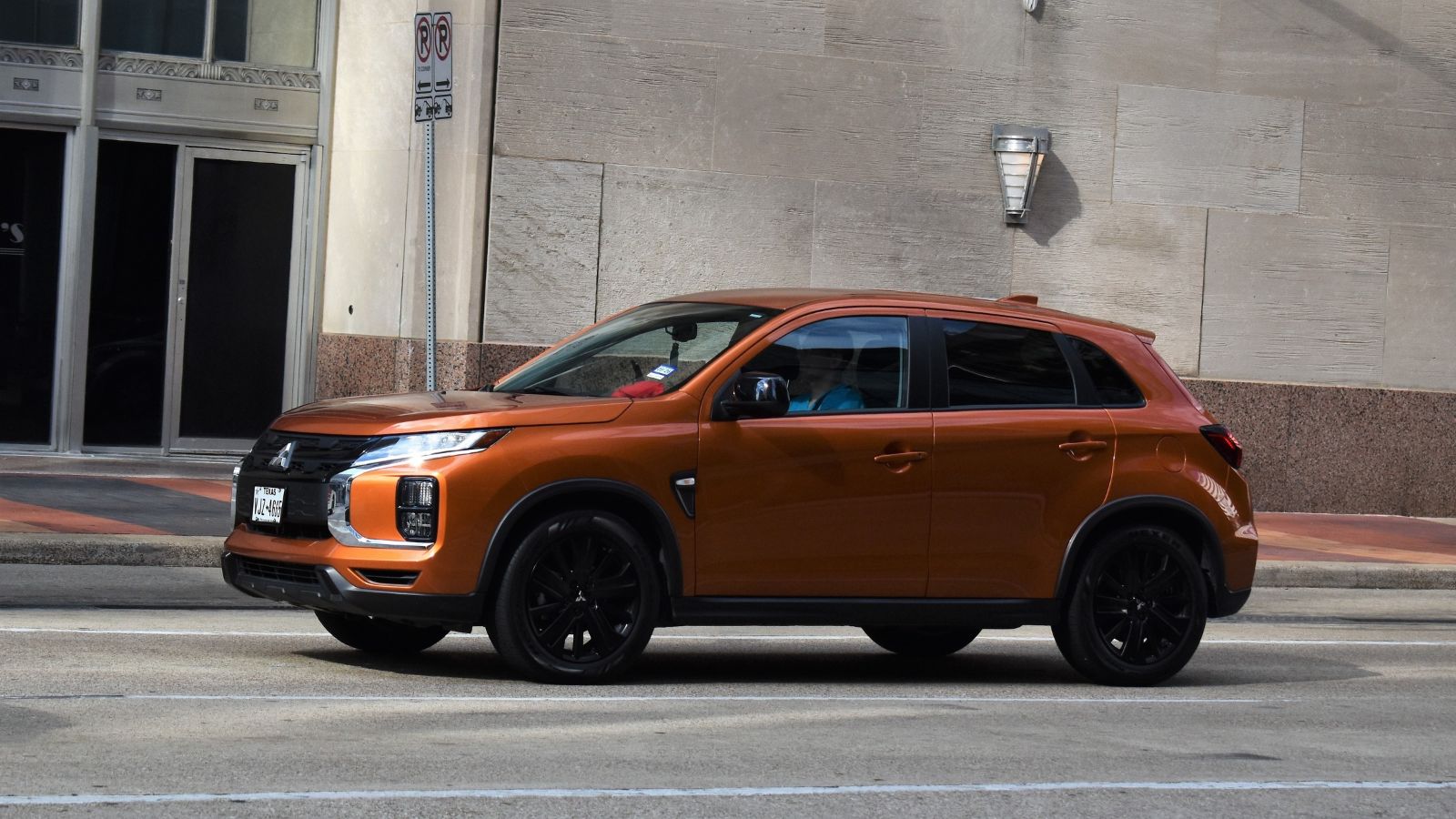
Canadian pricing gives the Outlander one of its strongest arguments. The 2026 ES S-AWC starts at an MSRP of $36,398, with standard all-wheel drive, seven-passenger seating, a 12.3-inch touchscreen, heated front seats, wireless smartphone integration, and Yamaha audio already included. The SE rises to $39,098 and adds equipment such as a panoramic sunroof, three-zone climate control, wireless charging, a heated steering wheel, and a hands-free power liftgate.
From there, the LE is $42,198, SEL $44,898, GT $47,398, GT Premium $48,398, and NOIR $49,748 before applicable freight, taxes, and other charges. That broad trim spread allows buyers to stop before the price climbs into territory where more powerful hybrid competitors become increasingly tempting. The mid-level versions arguably make the strongest case because they combine the Outlander’s standard AWD and occasional third-row flexibility with desirable comfort equipment. Loaded trims are attractive, but value becomes less decisive as the price approaches $50,000.
The Warranty Makes Long-Term Ownership Easier to Consider
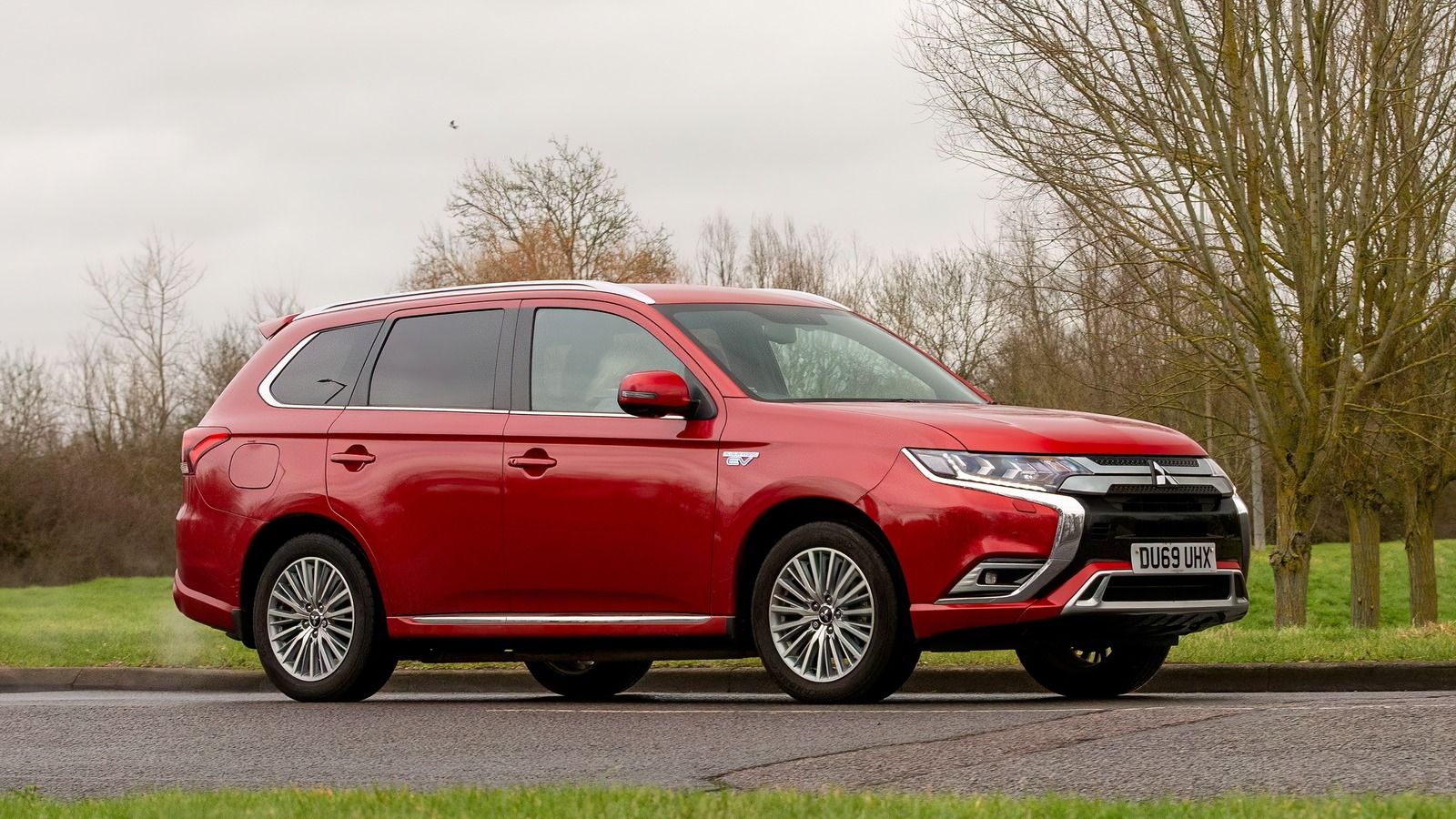
A new powertrain can create understandable hesitation, particularly when a vehicle is expected to handle years of commuting, school runs, winter starts, and family road trips. Mitsubishi counters that uncertainty with unusually long Canadian warranty coverage. The 2026 Outlander carries a 10-year/160,000-kilometre limited powertrain warranty, a five-year/100,000-kilometre new-vehicle limited warranty, and five years of unlimited-kilometre roadside assistance, subject to Mitsubishi’s warranty terms and exclusions.
That does not automatically prove the new 1.5-litre mild-hybrid system will be more reliable than every competitor. Long-term durability evidence for a newly introduced powertrain simply takes years to accumulate. What the warranty does provide is additional protection during a period when many owners of competing vehicles would already be outside their original powertrain coverage. For families planning to buy rather than cycle through short leases, that has genuine financial value. It also helps explain why the Outlander deserves consideration from cautious shoppers despite Mitsubishi having a smaller Canadian dealer and ownership footprint than Toyota or Honda.
So, Is the Outlander Still Underrated?
The answer is largely yes, although not because the Outlander secretly beats every rival. Its weaknesses are real. The mild-hybrid engine is not especially powerful, fuel economy cannot match the strongest full hybrids, steering feel attracts mixed reviews, and the third row is far too tight to function as everyday adult seating. Families needing maximum cargo room or genuine three-row comfort should shop elsewhere.
What makes the Outlander underrated is how many useful qualities it combines at the same time. Standard S-AWC, occasional seven-seat capacity, an unexpectedly upscale cabin, strong standard technology, respectable safety performance, competitive pricing, and unusually long warranty coverage create a package that looks better in person than it often does on paper. Mitsubishi’s challenge is that many shoppers automatically begin and end with the RAV4 or CR-V. For buyers willing to test something outside those default choices, however, the 2026 Outlander remains one of the compact SUV market’s more interesting family-oriented alternatives.
19 Used Cars Canadians Should Avoid in 2026 (Based on Owner Complaints)
Buying a used car in Canada can feel safe until repair bills start stacking up. Owner complaints tell a different story than glossy listings. Transmission failures, electrical problems, and weak winter reliability show up again and again in consumer reports. Many of these issues appear after warranties expire, when owners least expect them. Some vehicles look affordable upfront, but become expensive to keep on the road. Others struggle in cold weather, urban driving, or long highway commutes. Here are 19 used cars Canadians should avoid in 2026 (based on owner complaints).
19 Used Cars Canadians Should Avoid in 2026 (Based on Owner Complaints)