


























Home charging is often presented as one of the simplest advantages of electric-vehicle ownership: park at night, plug in, and wake up ready to drive. The surprise can arrive when a seemingly straightforward charger purchase turns into a small electrical project.
The charger mounted on the wall may represent only one part of the bill. Electrical capacity, wiring distance, permits, labour, outdoor installations, utility requirements and building type can all change the final price substantially. Some households need little more than an existing outlet, while others discover that faster charging requires upgrades they never considered when buying the vehicle. These 12 reasons explain why home charging quotes can climb so quickly—and why two EV owners buying similar chargers can face dramatically different installation costs.
The Charger Price Is Only the Starting Point

One of the easiest mistakes is budgeting around the price displayed on the charger box. A Level 2 charging unit can already represent a noticeable purchase, particularly when it includes Wi-Fi connectivity, scheduling, energy monitoring or other smart features. U.S. Department of Energy consumer guidance places Level 2 equipment across a broad price range, illustrating just how different a basic unit can be from a premium networked model.
Then comes everything needed to make that equipment work safely. Natural Resources Canada identifies the charging unit, available electrical capacity, permit requirements and labour as separate factors affecting the cost of a home installation. That means a homeowner who finds a charger at an attractive sale price has not necessarily found a cheap charging solution. In an uncomplicated garage with suitable electrical service nearby, installation can remain relatively straightforward. In another house, the identical charger can trigger new wiring, breakers, inspections or electrical upgrades, turning what looked like an accessory purchase into a much larger home-improvement expense.
Level 2 Charging Usually Means New 240-Volt Electrical Work
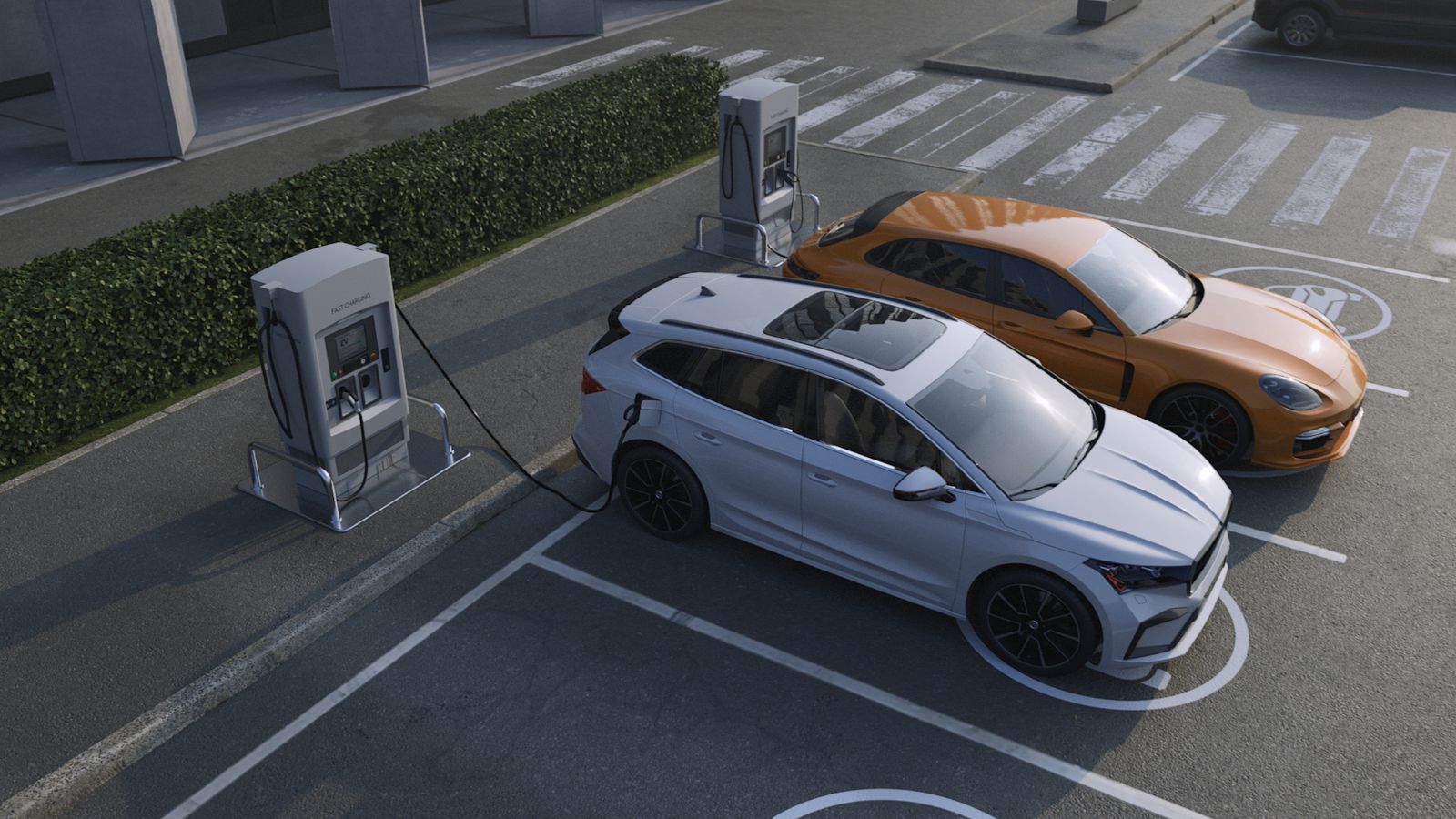
Many EV buyers understandably want Level 2 charging because it can replenish a vehicle considerably faster than an ordinary household outlet. Natural Resources Canada lists Level 1 charging at 120 volts, while Level 2 uses 208 or 240 volts. Depending on the vehicle and charger, Level 2 can add roughly 16 to 97 kilometres of range per charging hour, compared with roughly 3 to 8 kilometres from Level 1 equipment.
That faster charging does not appear magically after the charger is screwed to a wall. A home may need a suitable dedicated circuit, breaker, wiring and either a properly installed receptacle or a hardwired connection. Canadian ENERGY STAR guidance notes that Level 2 installations may involve dedicated circuits ranging from 20 to 100 amps. For someone whose garage already has suitable electrical infrastructure, that requirement may be manageable. For an owner staring at a finished garage with no nearby 240-volt circuit, however, the electrician is effectively installing infrastructure for another major household appliance—and the quote begins reflecting much more than the charger itself.
An Older or Heavily Loaded Electrical Service Can Change Everything
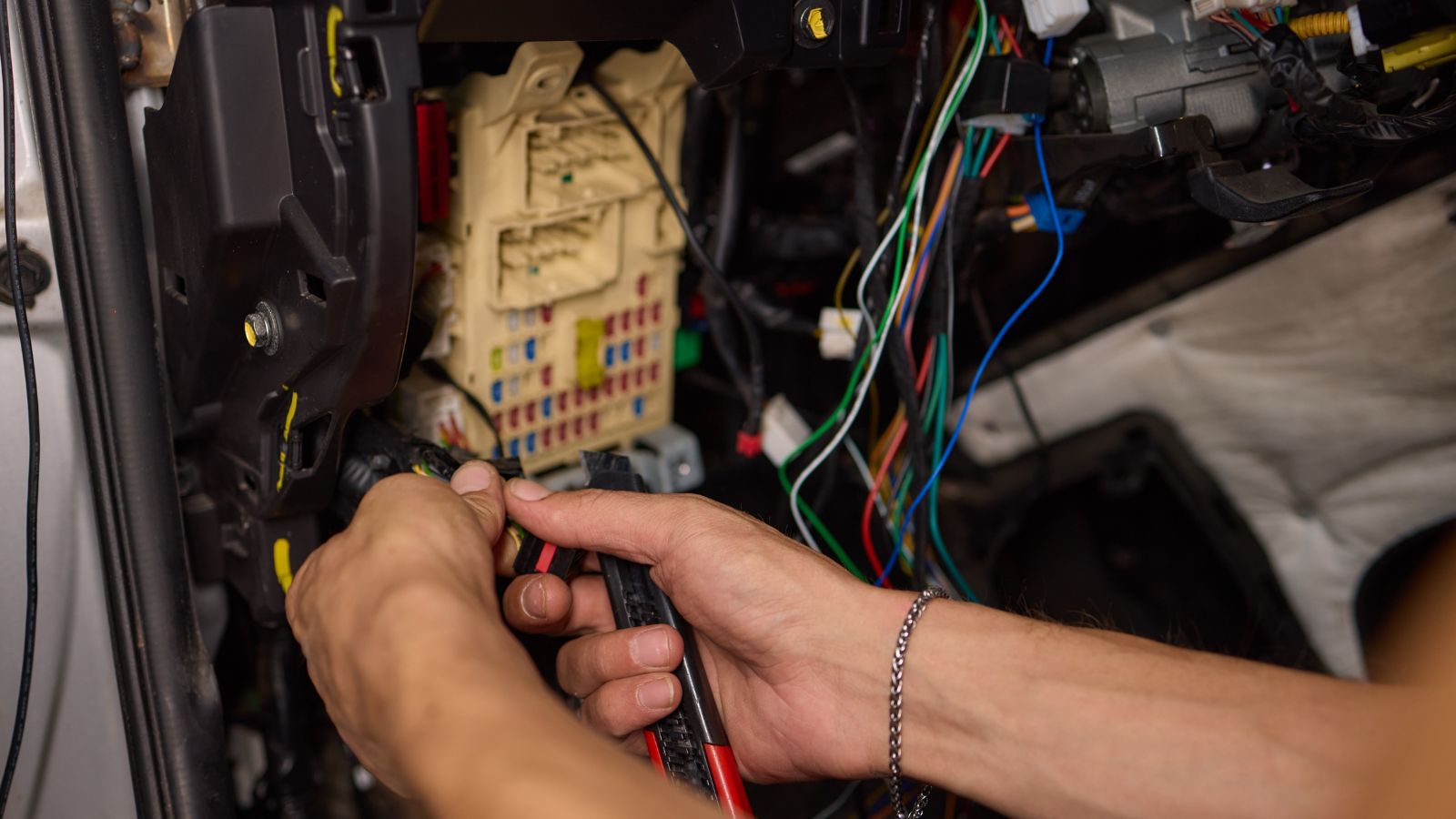
A charger installation can expose a limitation that was invisible during the vehicle purchase: the house may not have enough spare electrical capacity. Electricians do not simply look for an unused breaker position and declare the installation safe. They also have to consider the home’s electrical load and whether the service can accommodate sustained EV charging alongside heating, cooking, laundry, air conditioning and other equipment.
Utilities specifically tell customers to investigate this issue. Toronto Hydro warns that adding an EV charger may require an electrical service upgrade or a new meter, although an upgrade is not necessary in every home. FortisBC similarly recommends considering the home’s existing service capacity—such as 100-amp or 200-amp service—and whether space and capacity exist for another 240-volt circuit. This is where sticker shock can become serious. A homeowner expecting a charger and a few hours of electrician labour may instead learn that the project involves changes to the panel or electrical service before the charger can safely operate.
The Distance From the Panel to the Car Matters More Than It Seems
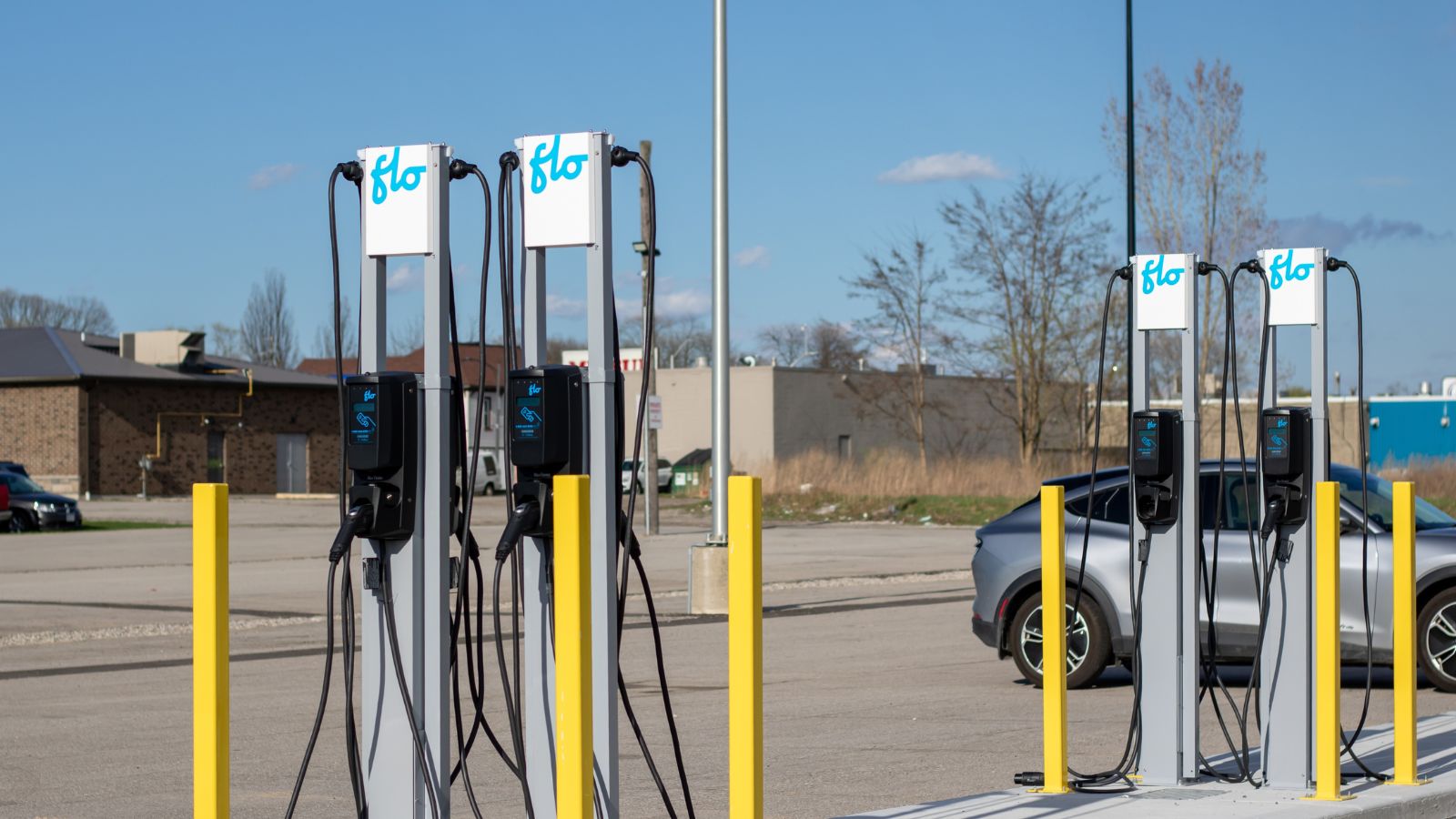
A charger located a few feet from an electrical panel is a very different project from one mounted on the opposite side of a house. Longer runs require more conductor and conduit, more labour and potentially more invasive construction. The U.S. Department of Energy identifies wiring distance and trenching as important variables when estimating charging-infrastructure costs, which is why installers often ask about the panel and parking location before providing a firm quote.
The surface between those two points matters as well. Running a cable through accessible unfinished space can be relatively straightforward. Reaching a driveway, remote parking pad or separate structure may mean drilling, cutting, trenching or restoring finished surfaces. DOE guidance notes that trenching through hardscape such as pavement or concrete is considerably more expensive than working through softer ground. The practical lesson is simple: two neighbours can buy the same EV and the same wall charger yet receive very different quotes merely because one electrical panel sits beside the garage while the other’s power source is far from the parking space.
Outdoor Parking Can Add Another Layer of Hardware and Labour
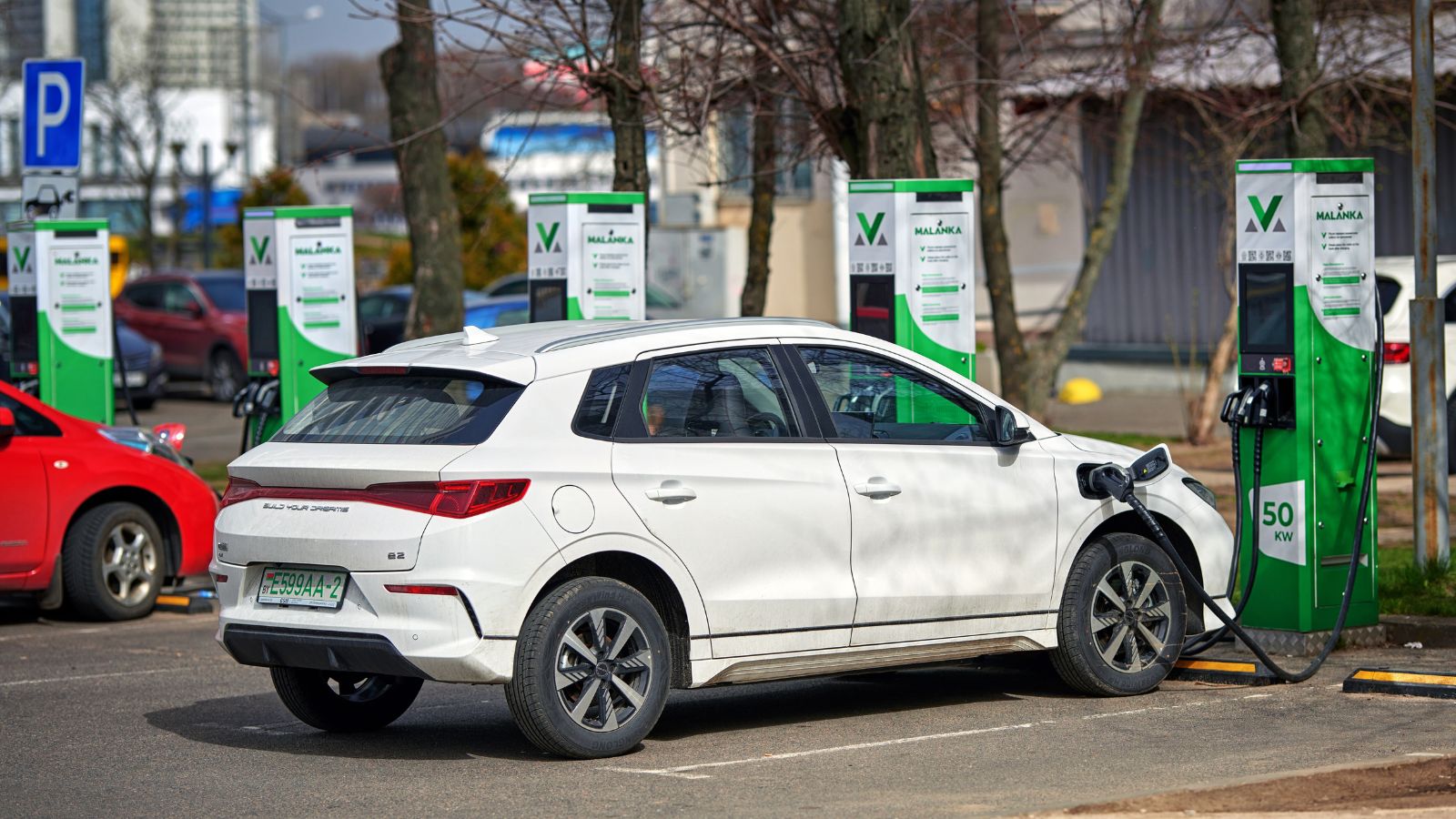
Not every EV spends the night inside an attached garage. Millions of vehicles are parked on driveways, beside homes or in other exposed locations, and those conditions affect charger selection. Natural Resources Canada specifically advises owners with outdoor parking to choose equipment carrying an appropriate outdoor rating. U.S. Department of Energy guidance likewise says outdoor EV charging is safe when suitable outdoor-rated equipment is installed.
The complication is often less about rain itself and more about getting electricity safely to the parking location. An outdoor charger may require additional conduit, appropriate fittings, mounting work or a longer electrical route. A detached garage can create the same problem on a larger scale if sufficient power was never supplied to the structure. Suddenly, what appeared to be a simple charger installation includes work between buildings or across part of the property. For an owner who assumed every Level 2 installation was essentially a wall-mounted appliance swap, the amount of construction involved can make the final estimate feel surprisingly disproportionate to the charger hanging at the end of it.
Permits and Inspections Are Real Parts of the Installation
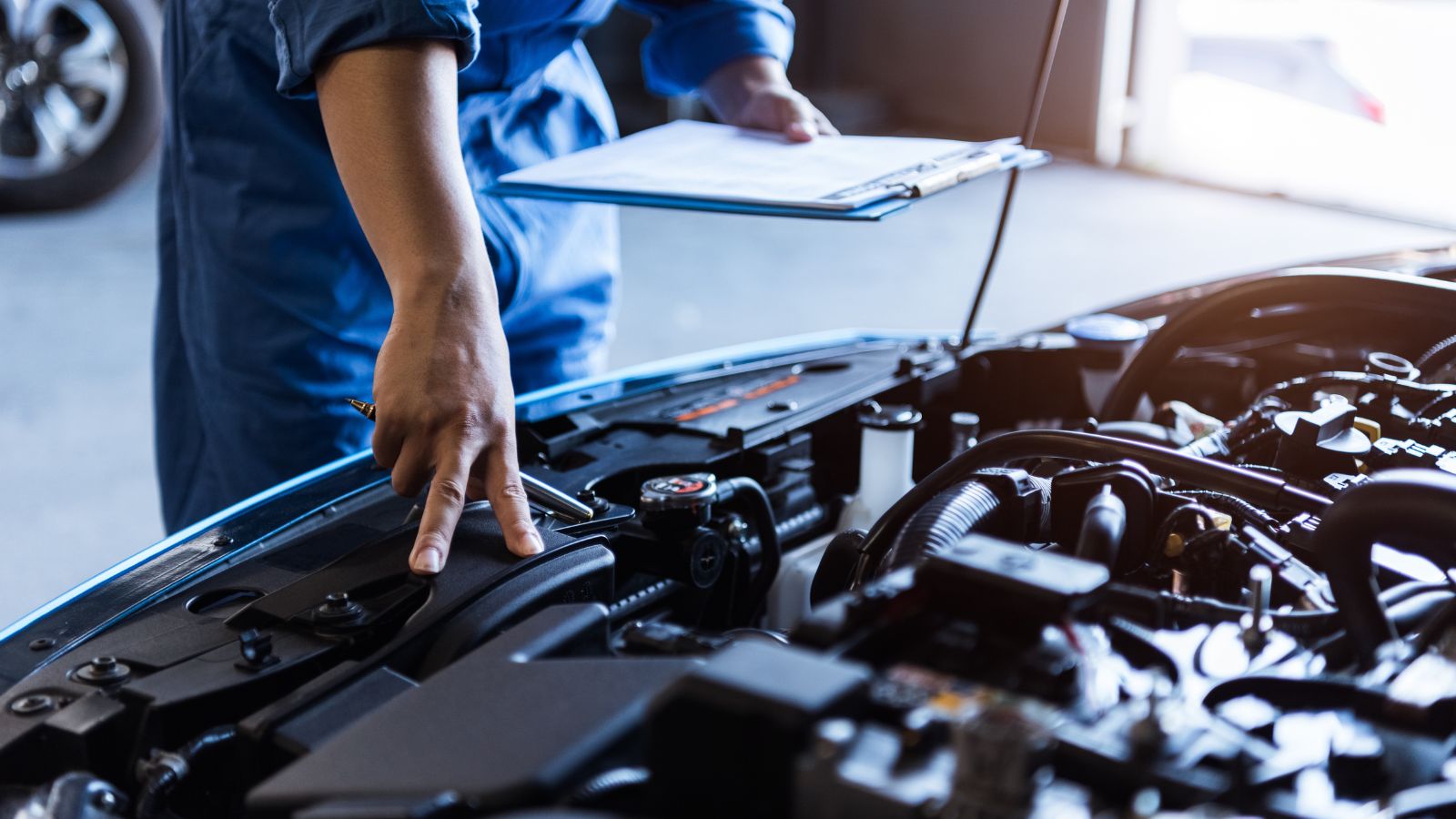
Electrical work is regulated, and a properly completed EV charger installation can involve paperwork and inspection costs that buyers may not have included in their mental budget. Requirements vary by jurisdiction, but Natural Resources Canada advises that Level 2 chargers generally involve licensed electrical professionals who can determine capacity and deal with electrical permitting requirements.
Ontario provides a clear example. The Electrical Safety Authority says a Licensed Electrical Contractor performing home EV-charging work must file the required notification before installation, with the completed work subject to the applicable electrical-safety process. Once compliant work has been accepted, documentation such as an ESA Certificate of Acceptance provides a permanent record that can matter for insurance and eventual resale. Permit and inspection charges may not be the largest line on every quote, but they illustrate why comparing the retail cost of a charger with a professional installed price is misleading. The finished project includes not only physical equipment but also qualified labour, code compliance and verification that a high-powered appliance has been safely connected to the home.
Chasing the Fastest Possible Home Charger Can Raise the Bill
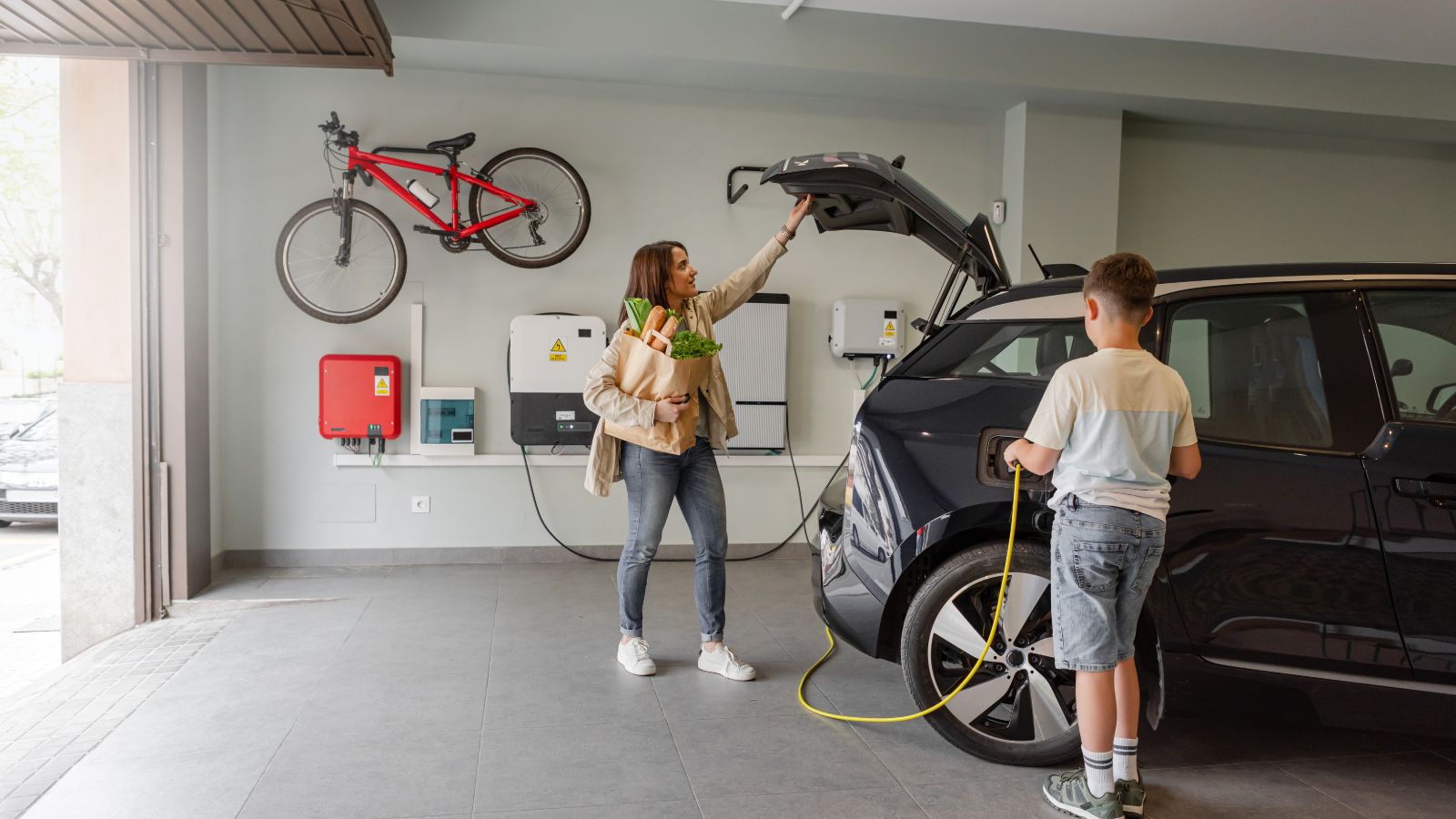
More charging power sounds inherently better, especially after buying an EV capable of accepting substantial AC charging rates. Yet many households do not actually need the fastest Level 2 setup their vehicle can support. Canadian guidance shows that Level 2 installations encompass a wide range of circuit sizes, rather than a single universal configuration. Natural Resources Canada has also noted that installing capacity with future vehicles in mind can help avoid redoing work later.
There is still a trade-off. Higher-power charging equipment can require a larger circuit and appropriately sized electrical components. U.S. Department of Energy material has identified amperage rating as one factor affecting equipment cost because higher-powered hardware has to accommodate greater current. The temptation to “future-proof everything” can therefore expand an installation beyond what today’s commute requires. A vehicle parked for ten or twelve hours every night may not need to recover its entire battery in the shortest theoretically possible time. Matching charging speed to actual driving habits can sometimes prevent owners from paying for electrical capacity that rarely provides a practical benefit.
Load Management Can Add Cost—But Potentially Prevent a Bigger Upgrade
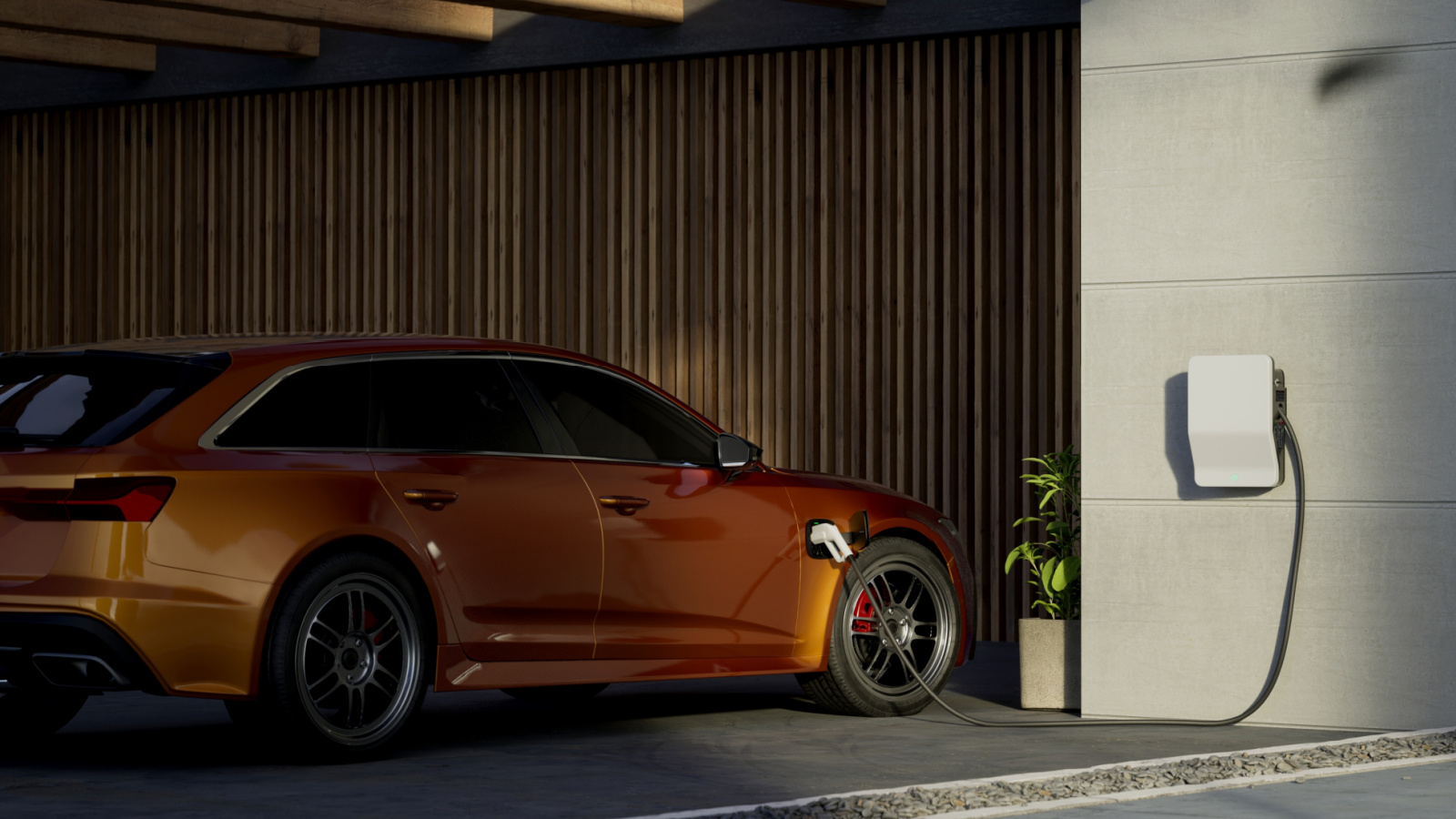
A lack of spare electrical capacity does not always mean tearing into the house for a full service upgrade. EV power-management equipment offers another approach. These systems can monitor household demand or coordinate the charger with another large appliance, temporarily limiting EV charging when the home’s electrical load approaches its safe capacity.
BC Hydro explains that power-management devices can, in some installations, avoid the need for an electrical service upgrade. One approach shares capacity with an appliance such as a clothes dryer; another monitors the home’s overall demand and reduces or interrupts charging when necessary. The utility currently provides an additional rebate of up to $200 for qualifying single-family installations using eligible devices. The catch is that the device itself becomes another component of the project. An owner may initially react badly to seeing extra hardware on the electrician’s estimate, but the comparison that matters is not “charger versus charger plus management device.” It is often “management device versus the potentially greater expense of increasing the home’s electrical-service capacity.”
Sometimes the Utility Has to Become Part of the Project
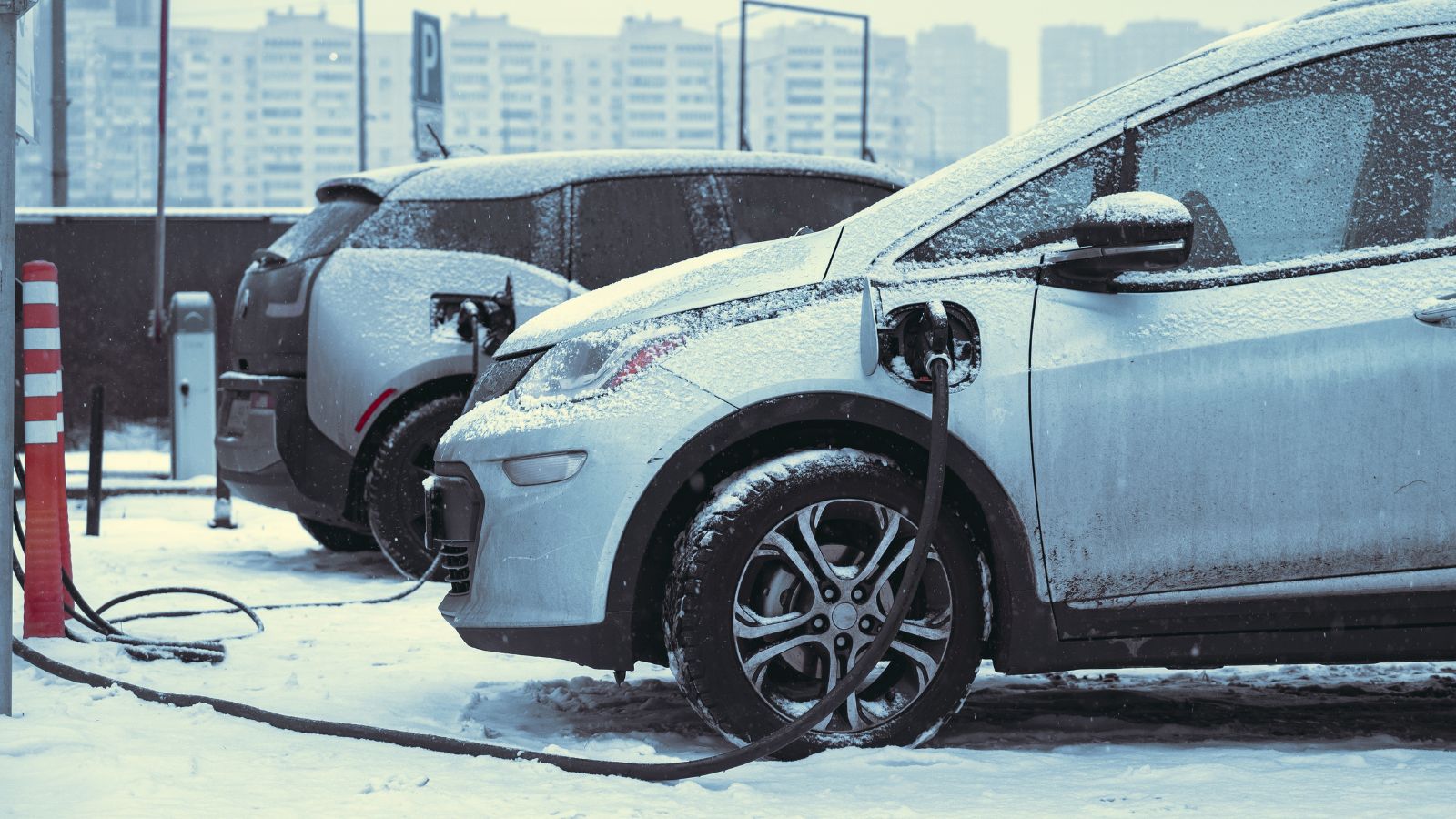
Homeowners can control what happens inside their house, but certain charging installations reach beyond the main panel. If the existing electrical service cannot support the proposed additional load, changes may require coordination with the electricity provider. Toronto Hydro tells residential customers needing an electrical-service upgrade for new equipment such as EV charging to submit a service-connection request, with additional site requirements possible depending on the situation.
FortisBC similarly notes that customers may need to request an amperage increase or other changes to their electricity service. Its EV guidance even points out that unusually large residential upgrades can fall into more involved service-extension categories. That does not mean every EV owner needs utility construction—most do not. But it explains some of the most dramatic quotes. The electrician may discover that the problem is not merely a missing breaker inside the garage. The available supply to the property itself may need attention. At that point, charger installation becomes an electrification project involving the home’s service equipment and possibly utility-controlled infrastructure.
Condo and Apartment Charging Can Be a Completely Different Project
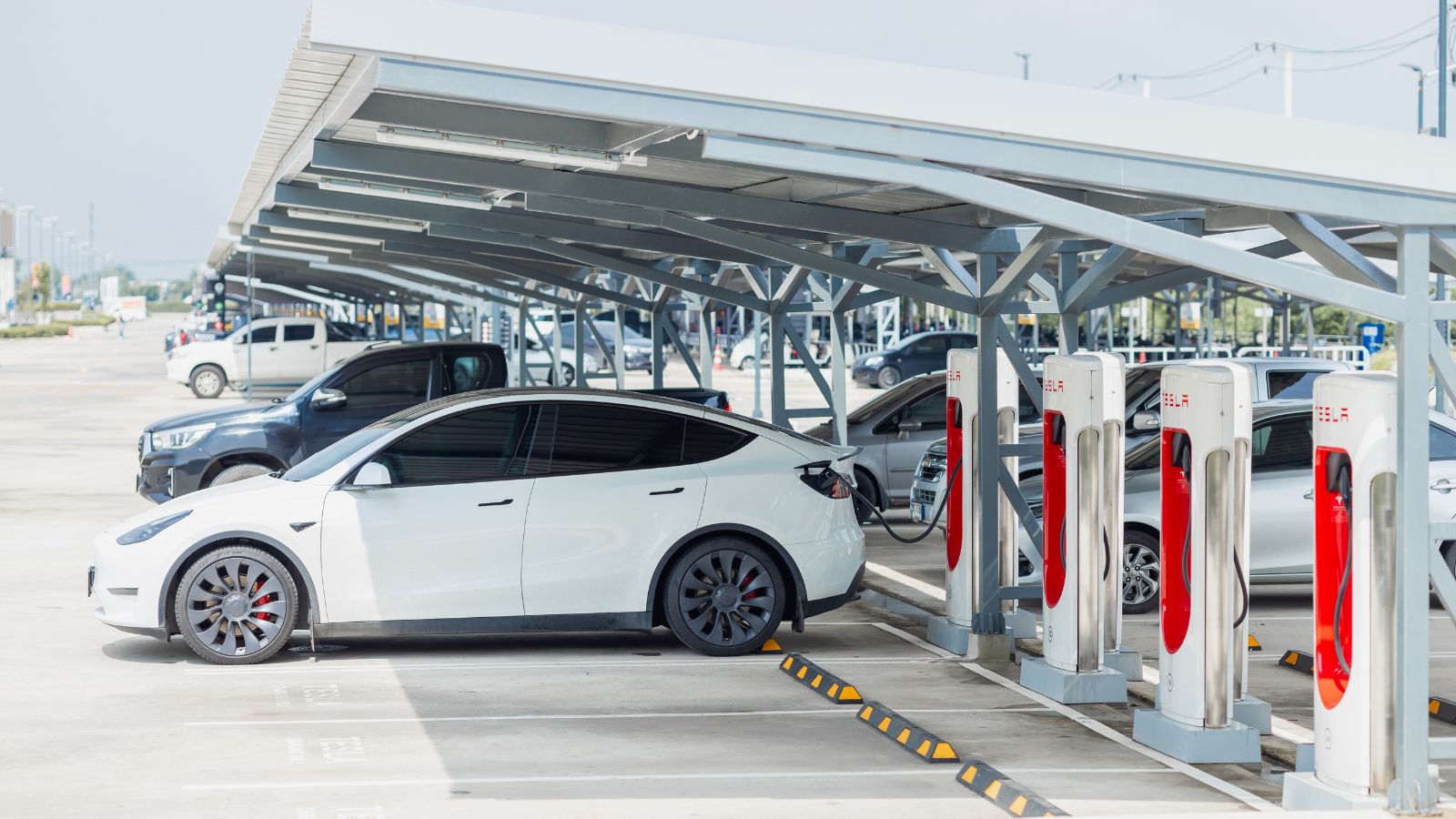
For owners with private driveways, the decision may involve one household and one electrical panel. A condo parking stall can involve a board or strata council, property management, engineers, shared electrical infrastructure, approval procedures and potentially dozens or hundreds of future chargers. Natural Resources Canada specifically describes multi-unit residential charging as more complicated because additional decision-makers and building-wide electrical considerations become involved.
Its multi-unit charging guidance identifies potential costs including engineering, permits, electrical work, construction, conduit, networking, physical modifications and possible transformer or service upgrades. Shared garages may also need systems that allocate available electrical capacity instead of assuming every vehicle can draw maximum power simultaneously. Current BC Hydro programs reflect that complexity by distinguishing EV-ready planning, building infrastructure and the chargers themselves, with pre-approval required for several rebate pathways. A condo owner who imagined simply hiring an electrician to install a charger beside one assigned stall can therefore discover that the real project begins much farther upstream in the building’s electrical system.
Rebates Help, but They Do Not Make Every Installation Cheap
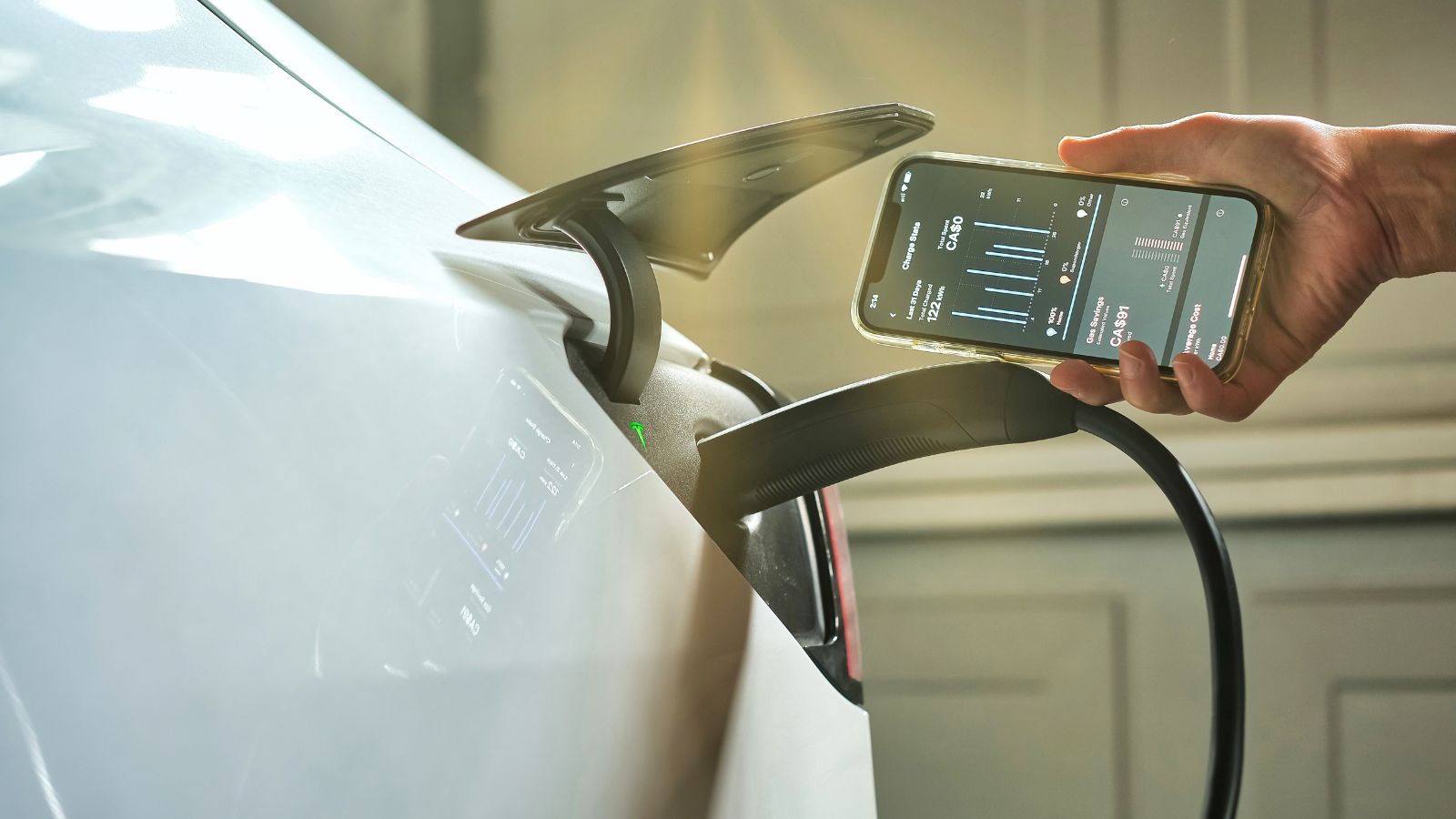
Government and utility incentives can soften home-charging costs, but the size and rules of those incentives vary substantially. In British Columbia, the current CleanBC Go Electric program offers eligible single-family-home applicants up to 50% of eligible charger costs, capped at $350 under the standard rebate. Additional qualifying utility offers may apply in certain circumstances.
Québec takes a different approach. Its current Écorecharge program provides eligible EV owners a $600 grant toward the purchase and installation of an eligible home charging station. Multi-unit situations can qualify for considerably different support depending on the project. These programs demonstrate why buyers should investigate incentives before construction begins rather than simply subtracting a guessed rebate from the electrician’s quote. Eligibility can depend on the charger, installation date, documentation and other program rules, and some programs require pre-approval. A generous-sounding incentive can still leave substantial expenses when the expensive part of the project is a long cable run, service upgrade or building-wide electrical modification rather than the wall-mounted charger.
Some Owners Discover They Never Needed an Expensive Setup
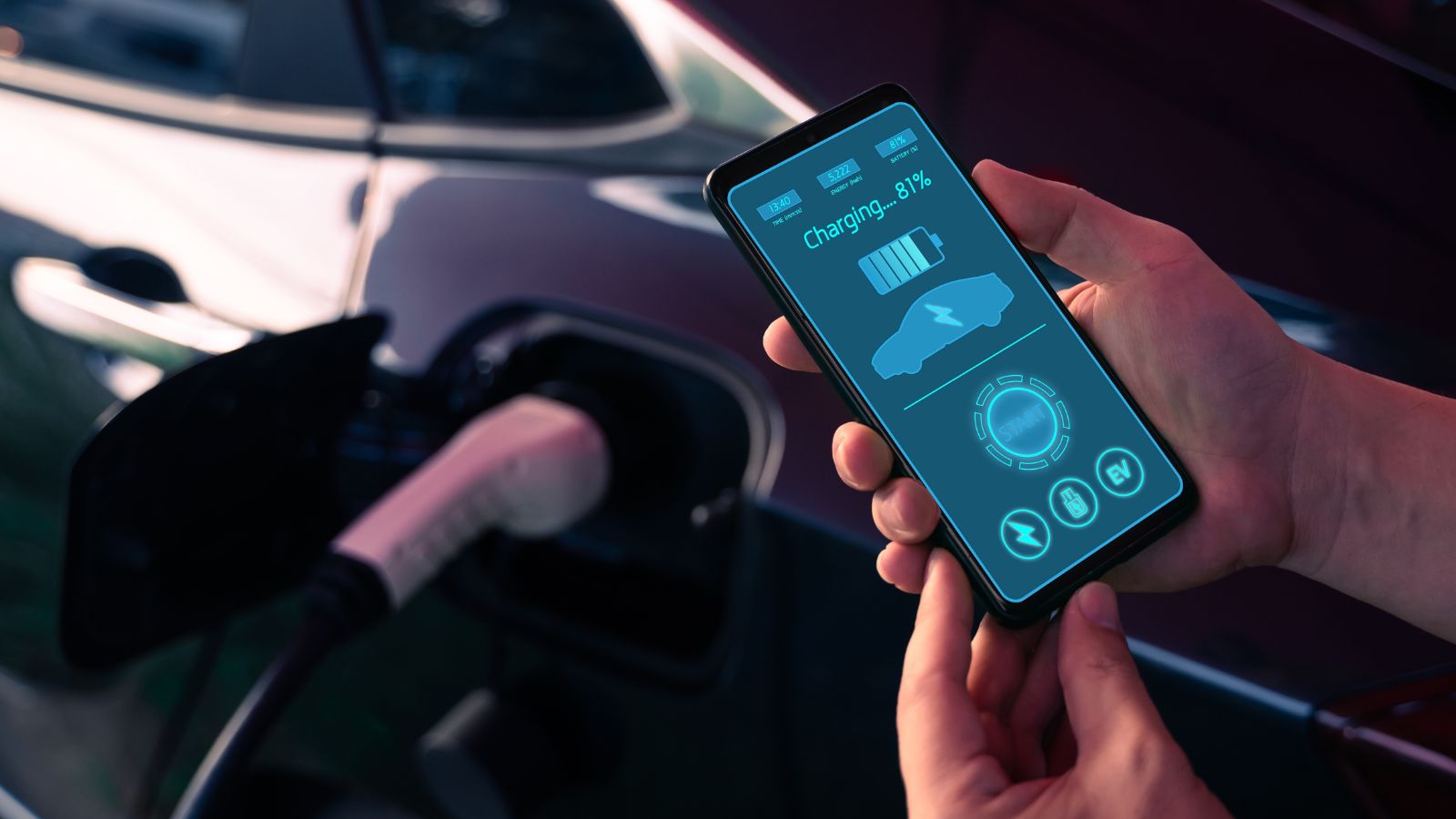
Perhaps the most overlooked option is also the simplest: not every driver needs Level 2 charging. Natural Resources Canada estimates Level 1 charging can add roughly 3 to 8 kilometres of range per hour from a standard 120-volt source. Its recent EV guidance says the average Canadian drives about 20,000 kilometres annually, or approximately 55 kilometres per day, although individual driving patterns obviously vary widely.
For a short-distance commuter whose vehicle remains parked for long stretches overnight, Level 1 may cover much or all routine driving, particularly if occasional faster public charging is available when needed. U.S. Department of Energy guidance similarly notes that many EV owners can meet their daily range requirements through overnight Level 1 charging when a suitable dedicated outlet is available near the vehicle. Level 2 remains valuable for larger batteries, longer commutes, irregular schedules and households needing faster turnaround. The important lesson is that the cheapest home-charging project may begin by calculating actual daily energy needs before ordering the fastest charger the electrical system can possibly support.
19 Used Cars Canadians Should Avoid in 2026 (Based on Owner Complaints)

Buying a used car in Canada can feel safe until repair bills start stacking up. Owner complaints tell a different story than glossy listings. Transmission failures, electrical problems, and weak winter reliability show up again and again in consumer reports. Many of these issues appear after warranties expire, when owners least expect them. Some vehicles look affordable upfront, but become expensive to keep on the road. Others struggle in cold weather, urban driving, or long highway commutes. Here are 19 used cars Canadians should avoid in 2026 (based on owner complaints).
19 Used Cars Canadians Should Avoid in 2026 (Based on Owner Complaints)