


























A dashboard once asked drivers to manage little more than a radio, heater, and a few warning lights. In many newer vehicles, that same space has become a layered digital control centre handling navigation, media, climate settings, phone connections, vehicle preferences, and sometimes essential functions. The result can feel impressive during a showroom demonstration yet frustrating in everyday traffic.
Some buyers are therefore treating infotainment design as seriously as fuel economy, reliability, or cargo space. Their concern is not technology itself, but how much attention, learning, maintenance, and trust the system demands over years of ownership. These 12 reasons explain why a growing number of drivers are seeking vehicles with clearer menus, dedicated buttons, and fewer screen-dependent tasks.
Simple Adjustments Can Demand Too Much Attention
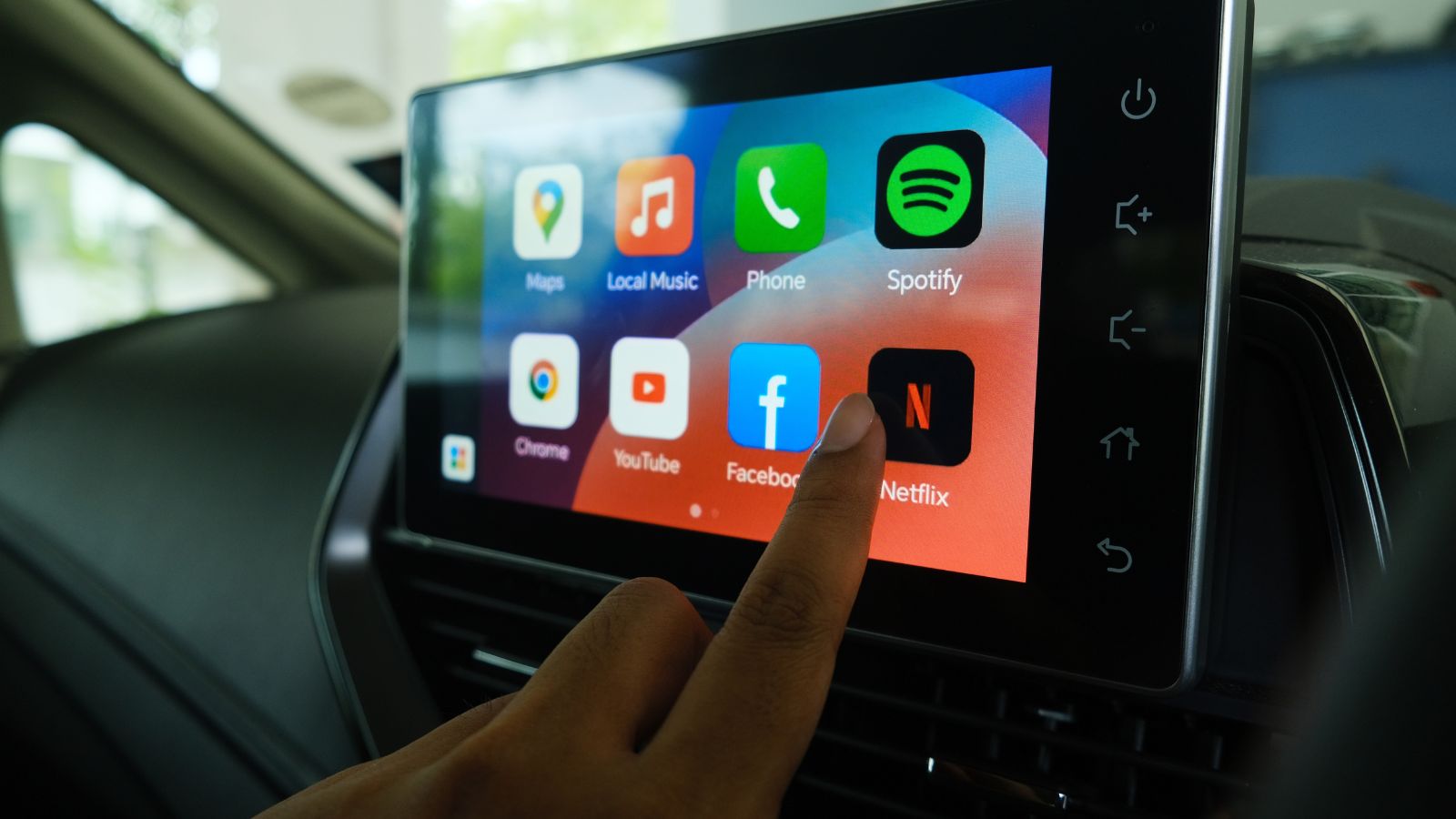
A simple adjustment can become a multi-step task when it requires opening a menu, finding an icon, and confirming a selection. That matters because driving already demands constant visual scanning and rapid decisions. University of Washington researchers reported that simulator participants drifted within their lanes 42% more often while interacting with a touchscreen. Their touchscreen speed and accuracy also dropped 58% when driving.
The concern is less about one tap than the accumulated attention required by several taps. NHTSA’s voluntary design guidance recommends limiting individual off-road glances to two seconds and total eyes-off-road time for a task to 12 seconds. A driver trying to change an audio source in rain or dense traffic may quickly exceed what feels comfortable. For buyers who frequently travel through busy intersections, construction zones, or unfamiliar roads, a straightforward control layout can feel like a genuine safety feature rather than an old-fashioned preference every day.
Physical Controls Work Without Constant Visual Confirmation
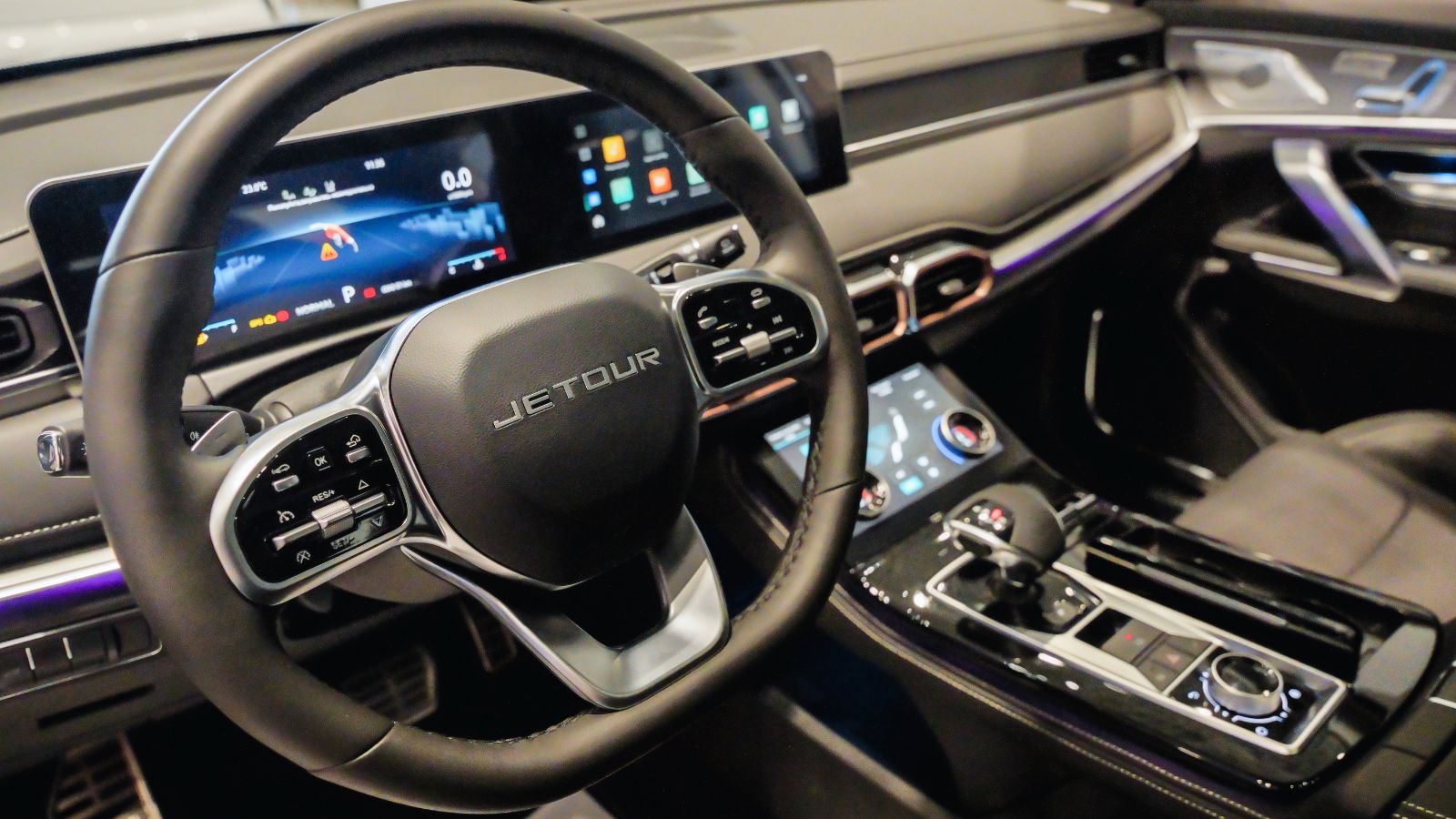
Physical controls offer something a flat glass panel cannot fully reproduce: a fixed location, a distinct shape, and tactile feedback. Once familiar with a cabin, drivers can often adjust a rotary volume knob or fan-speed switch by feel. A touchscreen usually asks for visual confirmation because the same surface changes function as menus change. That difference becomes more noticeable on rough pavement, where a finger can miss a small digital target.
The debate has moved beyond nostalgia. Euro NCAP’s 2026-era safety protocols encourage separate physical controls for basic functions, while road-safety groups have highlighted comparative tests in which traditional buttons allowed tasks to be completed faster than touchscreen interfaces. Drivers who keep vehicles for many years may also value consistency: a knob behaves the same after every start, regardless of software version or profile settings. For them, tactile controls reduce both mental effort and the irritation of correcting accidental taps.
Important Functions Are Being Buried in Menus
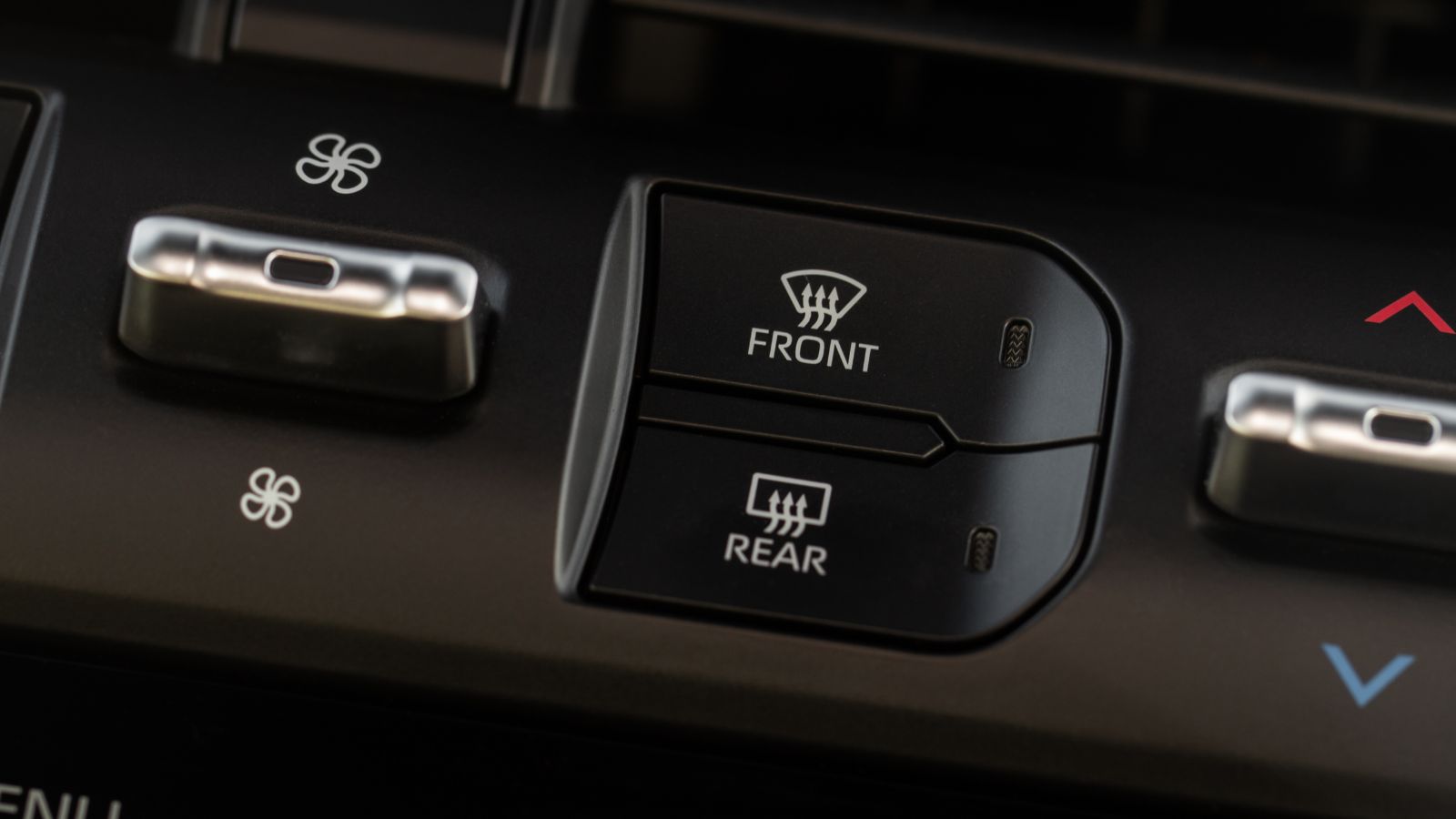
Screen-heavy cabins become especially controversial when climate controls, defrosters, seat heaters, or mirror settings are buried below the home screen. These are not novelty features. They may need adjustment quickly when windows fog, sunlight changes, or temperatures swing. A permanent button is immediately available; a digital control may disappear behind navigation, a phone projection screen, or a pop-up message.
Owner data reflects that frustration. J.D. Power’s 2025 Initial Quality Study said infotainment remained the most problematic vehicle category and noted more touchscreen complaints as manufacturers placed non-audio functions such as climate controls, garage-door controls, and glove-box releases into displays. The issue is often not that the function fails completely. It is that the driver must remember where the function moved, wait for a screen to load, or dismiss another layer first. Buyers increasingly see dedicated controls for heating and visibility as practical safeguards rather than design clutter.
Voice Commands Are Not Always the Easy Alternative
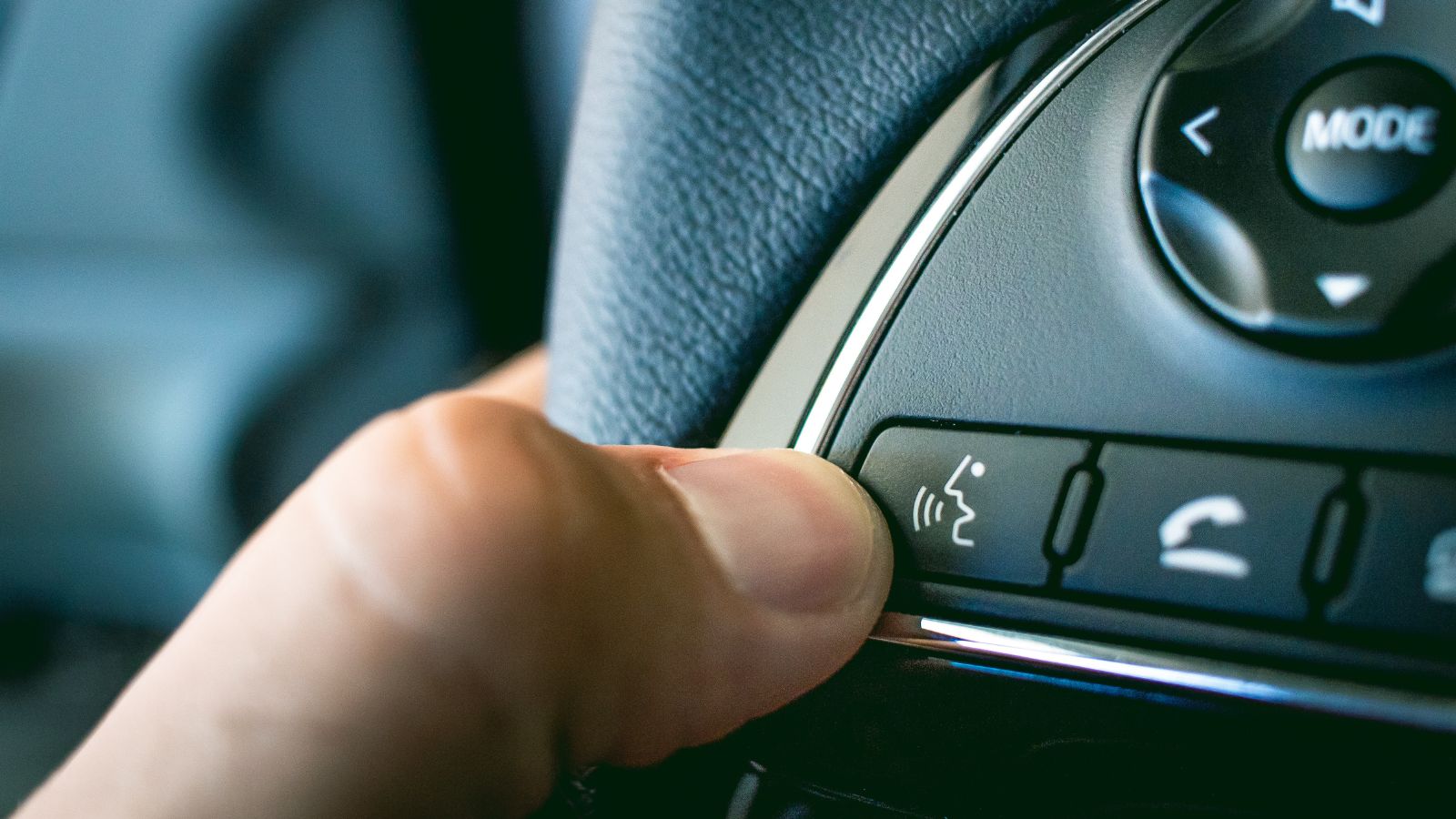
Voice control is presented as the answer to touchscreen distraction, but speaking a command does not make a task effortless. Systems can misunderstand names, addresses, accents, or phrasing. When the first attempt fails, the driver may repeat the command, look toward the display, or abandon the process and begin tapping through menus. A convenience feature can become a longer interaction than the physical control it replaced.
AAA Foundation research comparing age groups found that voice-command tasks took longer to complete than center-stack or console interactions, even though drivers felt voice control was less demanding. That gap between perception and performance matters. A driver may believe attention has stayed on the road while devoting effort to wording, listening, correcting, and confirming a request. Buyers who carry passengers, drive in noisy conditions, or use uncommon destinations may prefer systems that offer voice assistance without making it the primary route to basic functions.
Software Glitches Can Undermine Confidence
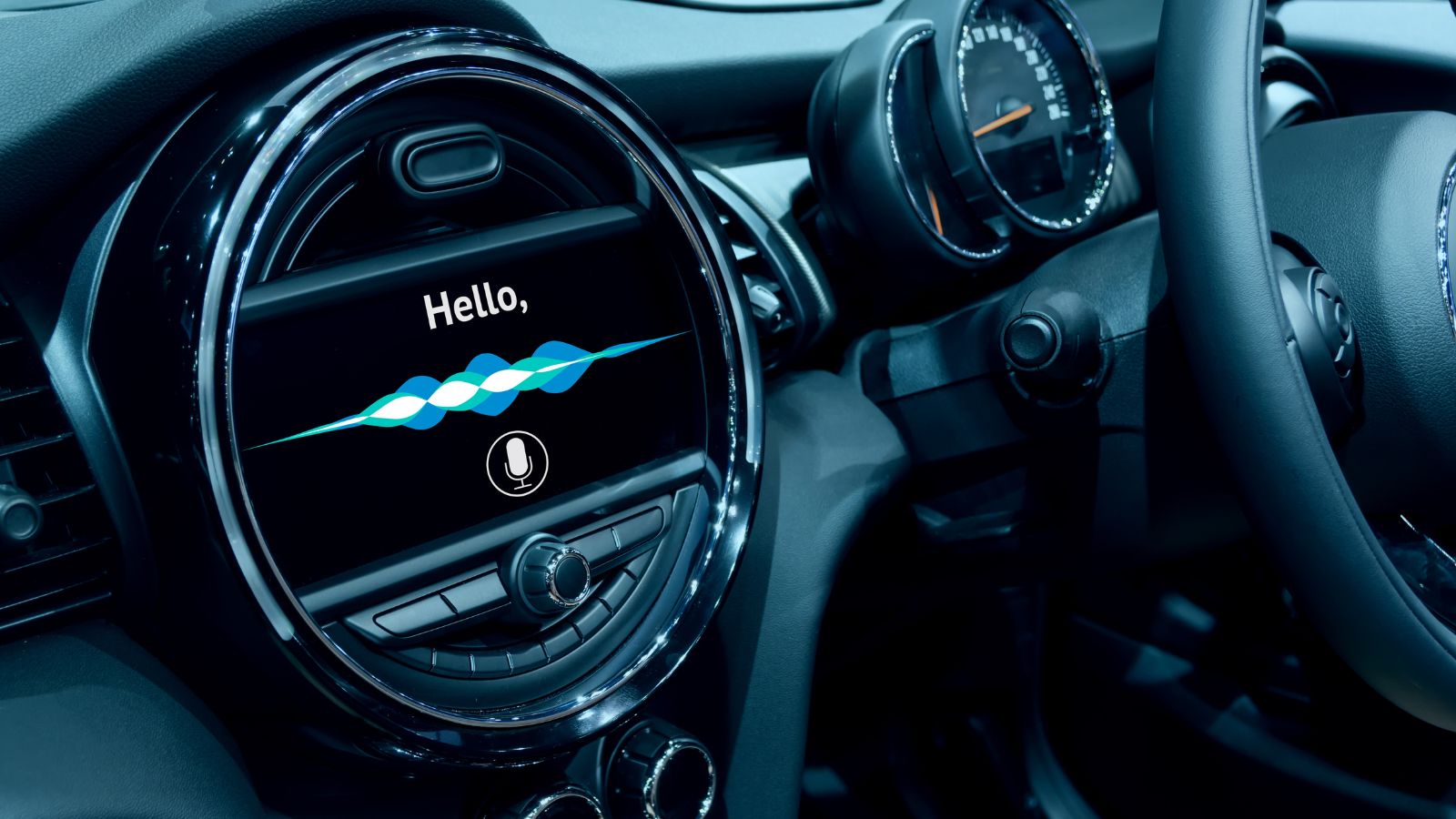
A modern infotainment system behaves more like a computer than a traditional radio. It can freeze, reboot, disconnect, load slowly, or lose saved preferences. Even minor faults become memorable when they occur during a commute and affect navigation, audio, calling, or vehicle settings at once. Drivers who expect a car to start and behave consistently may see that uncertainty as an unnecessary ownership burden.
The concern is supported by current owner data. J.D. Power’s 2026 Vehicle Dependability Study found infotainment was the most problematic of nine vehicle categories, with 56.7 reported problems per 100 vehicles after three years of ownership. Its 2026 Initial Quality Study also found infotainment was the only category that worsened year over year. Not every complicated system is unreliable, and simpler screens can fail too. Still, each added connection, app, profile, and software layer creates another place where the experience can go wrong or require troubleshooting.
Updates Can Change Controls Owners Already Learned
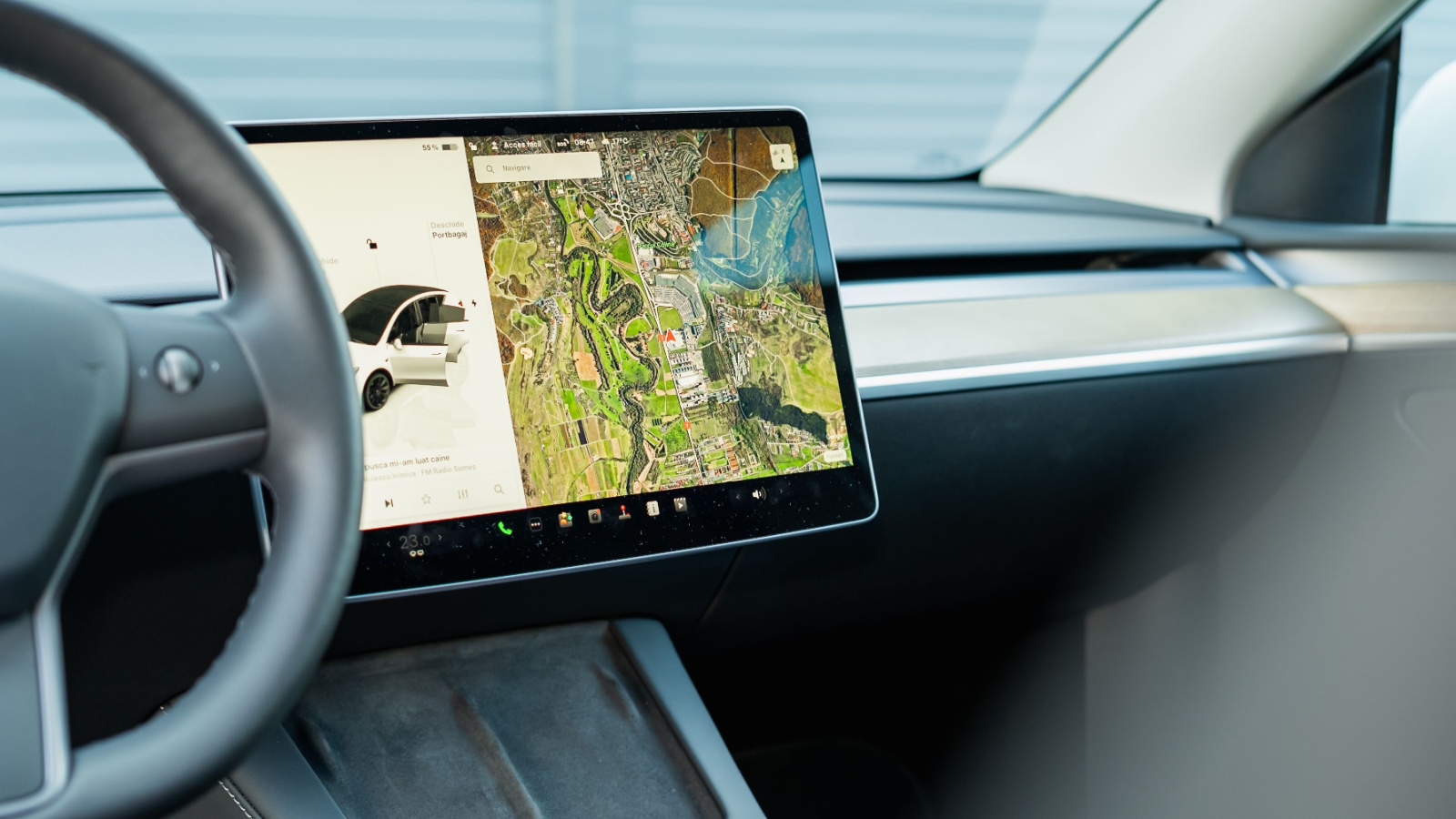
Over-the-air updates can repair bugs and add features without a dealership visit, but they also make the cabin less permanent. An update may rearrange icons, revise menus, alter warning sounds, or change how a familiar feature responds. For a driver who has built muscle memory over months, even a well-intended redesign can create hesitation at the exact moment a control is needed.
Owner reactions suggest that updates do not always feel transformative. In J.D. Power’s 2026 dependability study, 40% of owners said their vehicle received a software update during the previous year. Only 27% of that group felt the update improved the vehicle, while 58% noticed no difference. This does not mean updates are inherently undesirable; security fixes and reliability improvements can be valuable. The objection is uncertainty. Some buyers prefer a vehicle whose core controls remain recognizable, with updates improving performance quietly rather than changing the interface they learned.
Phone Integration Adds Another Layer of Complexity

Many drivers rely on Apple CarPlay or Android Auto because their phones contain maps, contacts, podcasts, and music services. That can make a complex factory system feel redundant. Instead of learning a navigation platform or account structure, some buyers would rather have dependable phone projection, a responsive screen, and a few well-placed buttons.
The complication is that integration itself can become a source of trouble. J.D. Power’s 2026 dependability study identified Android Auto and Apple CarPlay connectivity as the industry’s most frequently reported problem for a third consecutive year, at 8.9 problems per 100 vehicles. AAA Foundation testing found both platforms demanded less from drivers than the five native systems evaluated, although their workload still varied by vehicle. This creates a buying preference: drivers may avoid feature-packed proprietary systems and look for simpler hardware that connects reliably, because more built-in capability does not produce an easier or more stable experience.
Connected Systems Raise Privacy Questions
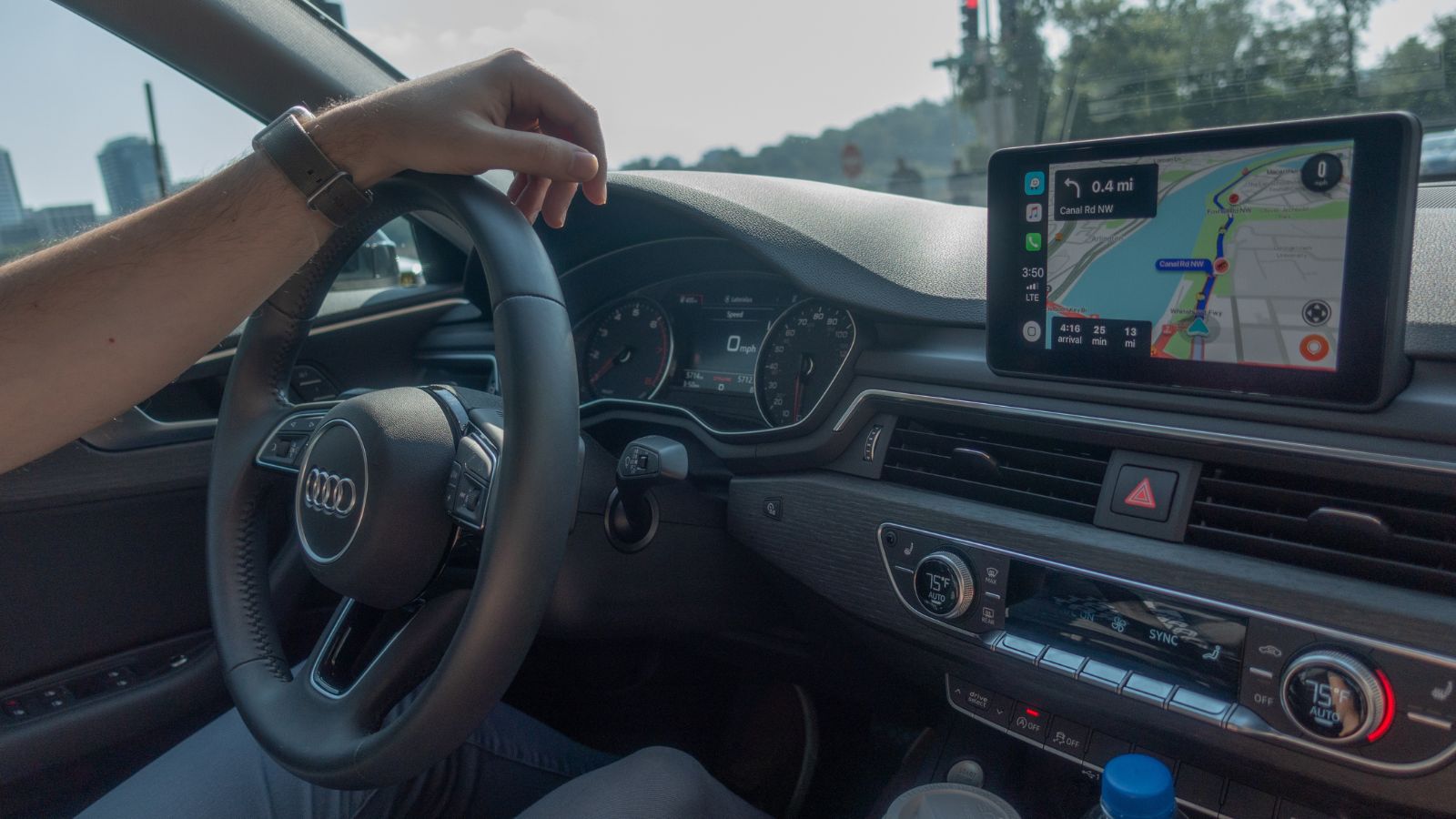
Connected infotainment systems can collect or transmit far more than a traditional radio ever could. Depending on the vehicle and services enabled, data may include location, driving behaviour, app activity, voice interactions, or information synced from a phone. Privacy settings are often spread across the dashboard, mobile app, account portal, and lengthy terms, making informed consent difficult for owners.
The concern became concrete in January 2026, when the U.S. Federal Trade Commission finalized an order settling allegations that General Motors and OnStar collected and sold precise geolocation and driving-behaviour data without adequate notice and consent. The order imposed restrictions and required clearer choices, including ways to opt out of certain collection. The case does not mean every connected vehicle handles data the same way. It does show why some buyers now ask what a car records, who receives it, and whether core functions remain usable after data-sharing options are disabled.
The Learning Burden Is Not Equal for Every Driver
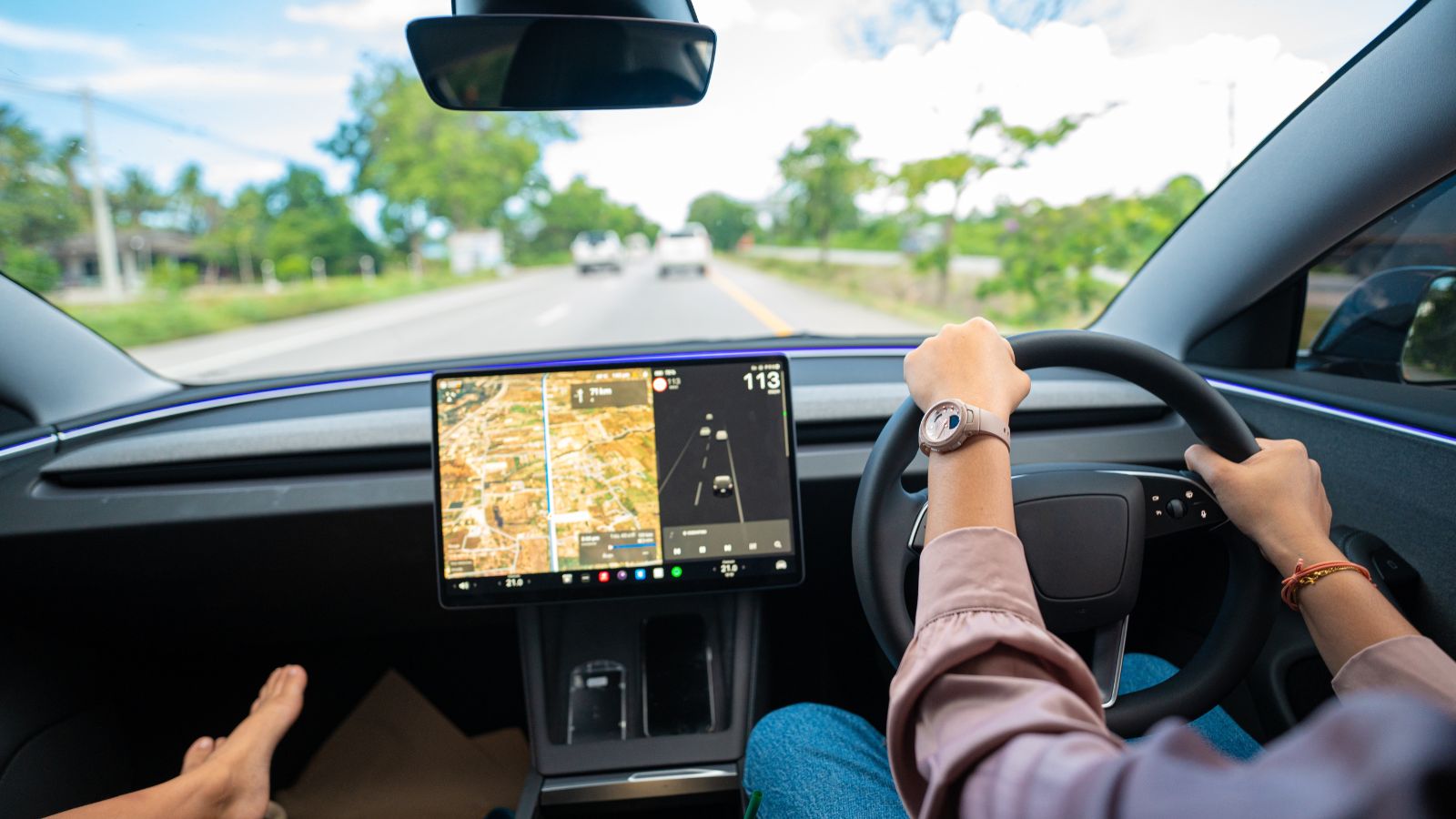
Complex interfaces can be challenging for anyone, but the learning burden is uneven. Small icons, layered menus, unfamiliar gestures, and delayed feedback may be harder for drivers dealing with reduced vision, slower processing, limited hand dexterity, or limited familiarity with smartphone-style controls. A vehicle shared across generations reveals these differences.
AAA Foundation researchers tested 128 drivers in two age groups using native systems in six 2018 vehicles. Older participants experienced higher cognitive and visual demand and took longer to complete tasks across interaction modes. Navigation and text-messaging tasks required more than 24 seconds for both age groups, while the age-related gap became visible during complex tasks. The lesson is not that older drivers cannot use technology. It is that good design should accommodate a wider range of abilities. Families buying a shared car may therefore prioritize large labels, shallow menus, physical shortcuts, and controls that make sense without a tutorial.
One Screen Failure Can Affect Several Functions
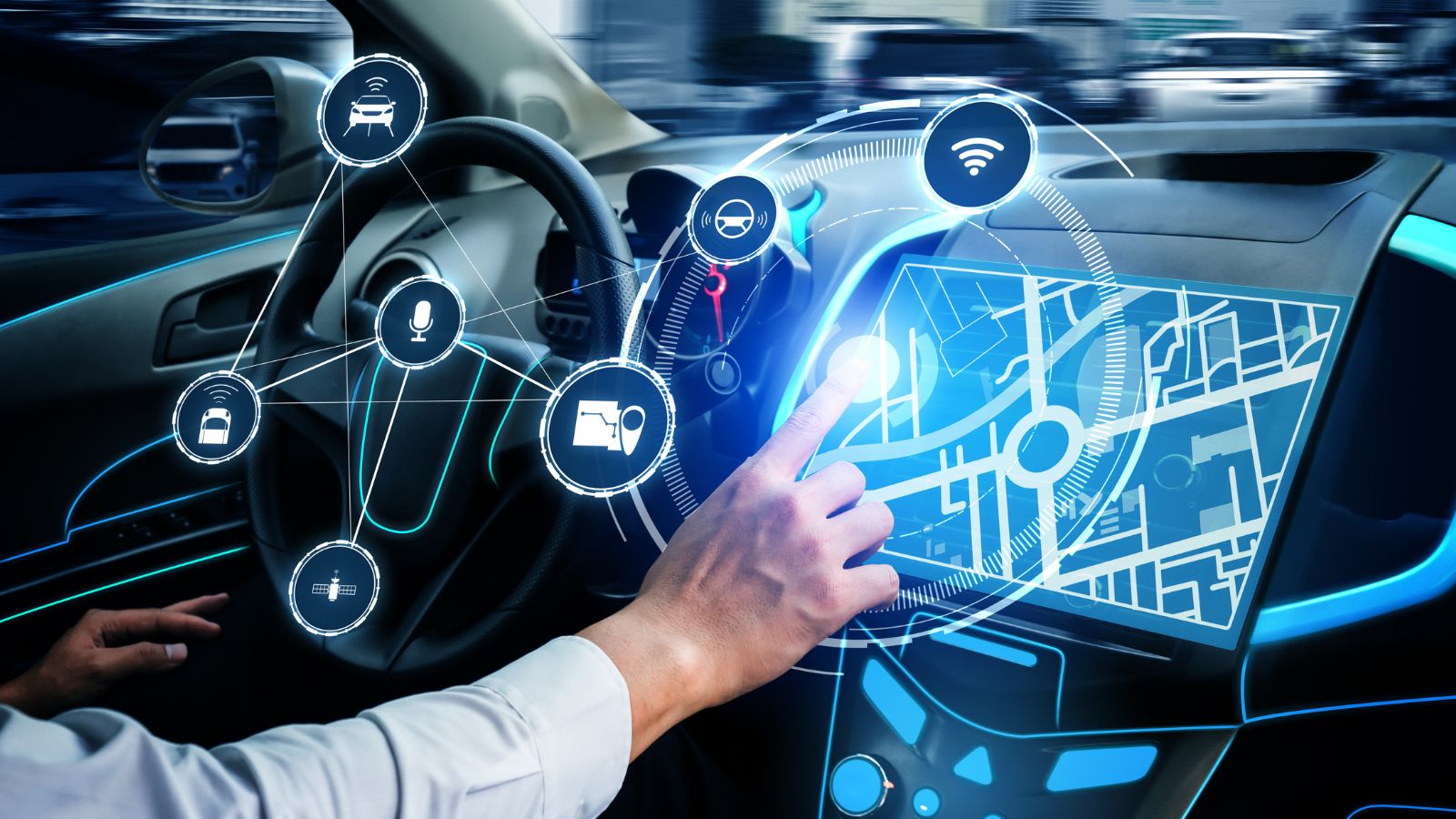
When a radio fails, the vehicle usually retains its gauges, climate settings, and reversing aids. In an integrated digital cockpit, one display or software module may support several functions at once. That concentration can turn a blank screen from an entertainment inconvenience into a visibility or information problem, particularly when the rear-view camera or warning indicators depend on the same electronic chain.
A 2026 NHTSA recall involving 45,562 Honda Prologue vehicles described software defects that could blank the instrument cluster and centre infotainment display. The fault could remove speed and warning information and prevent the rear-view camera image from appearing in reverse. The remedy was updated software. Recalls are model-specific and should not be treated as proof that every large-screen vehicle is unsafe. They do illustrate the stakes of integration. Some buyers prefer separate, redundant controls so a single crash, reboot, or failed module cannot remove several useful functions together.
Digital Features May Age Faster Than the Vehicle
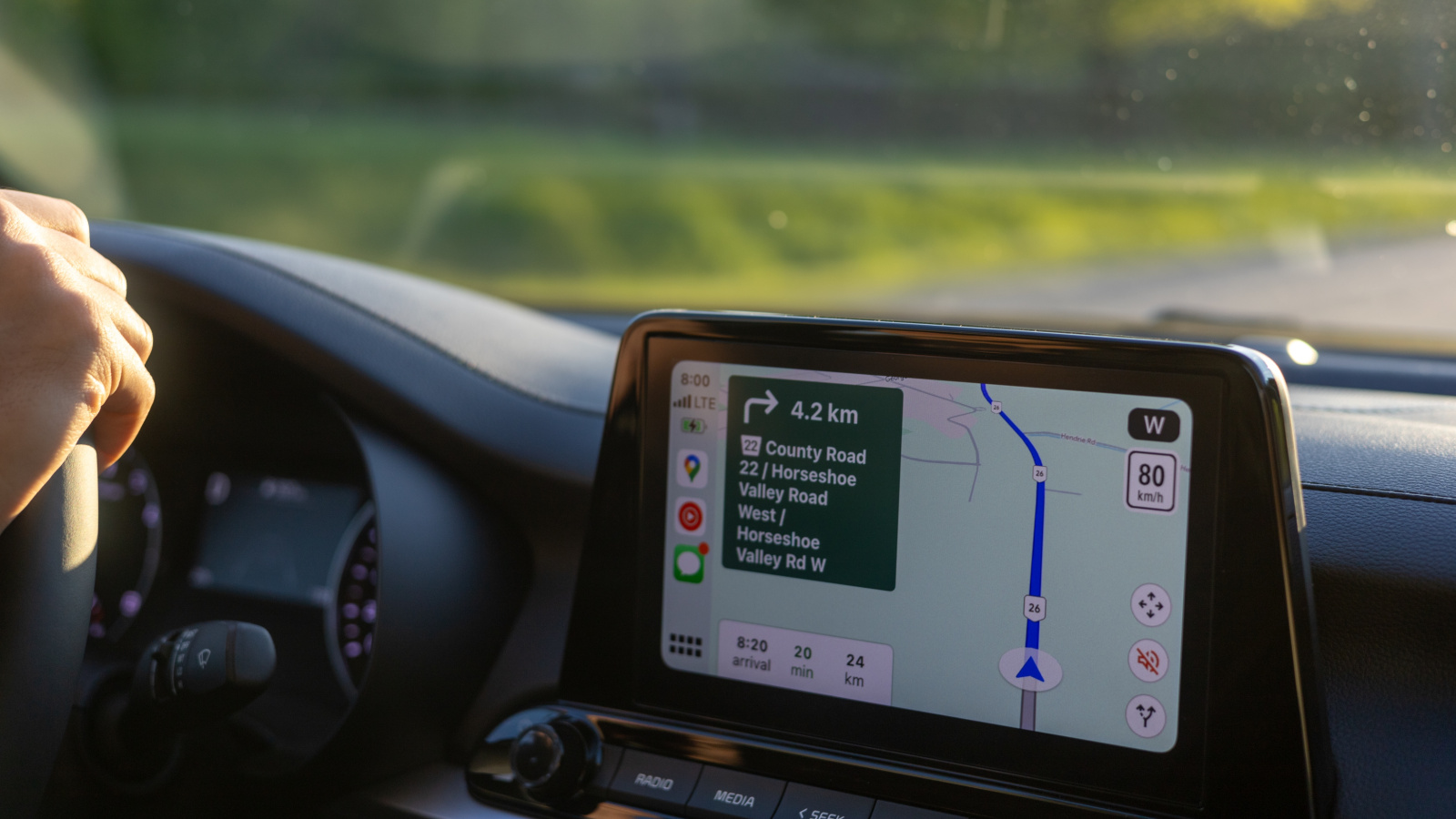
Cars remain on the road far longer than phones, apps, and mobile networks stay current. That mismatch worries owners who plan to keep a vehicle for a decade or more. Navigation databases can age, app stores can close, subscriptions can change, and cellular hardware may become incompatible even though the engine, battery, seats, and body remain serviceable.
The shutdown of 3G networks demonstrated the problem. A Congressional Research Service brief noted that vehicle safety technologies could be affected and that older cars would lose connected services. Consumer Reports documented vehicles that lost functions such as automatic crash notification or remote services when upgrades were unavailable. The mechanical car did not suddenly wear out; part of its digital ecosystem stopped being supported. Drivers who know obsolete electronics at home may therefore favour vehicles whose essential comfort and safety functions work locally, without relying on a distant server, subscription, or network generation.
Safety Organizations Are Beginning to Push Back
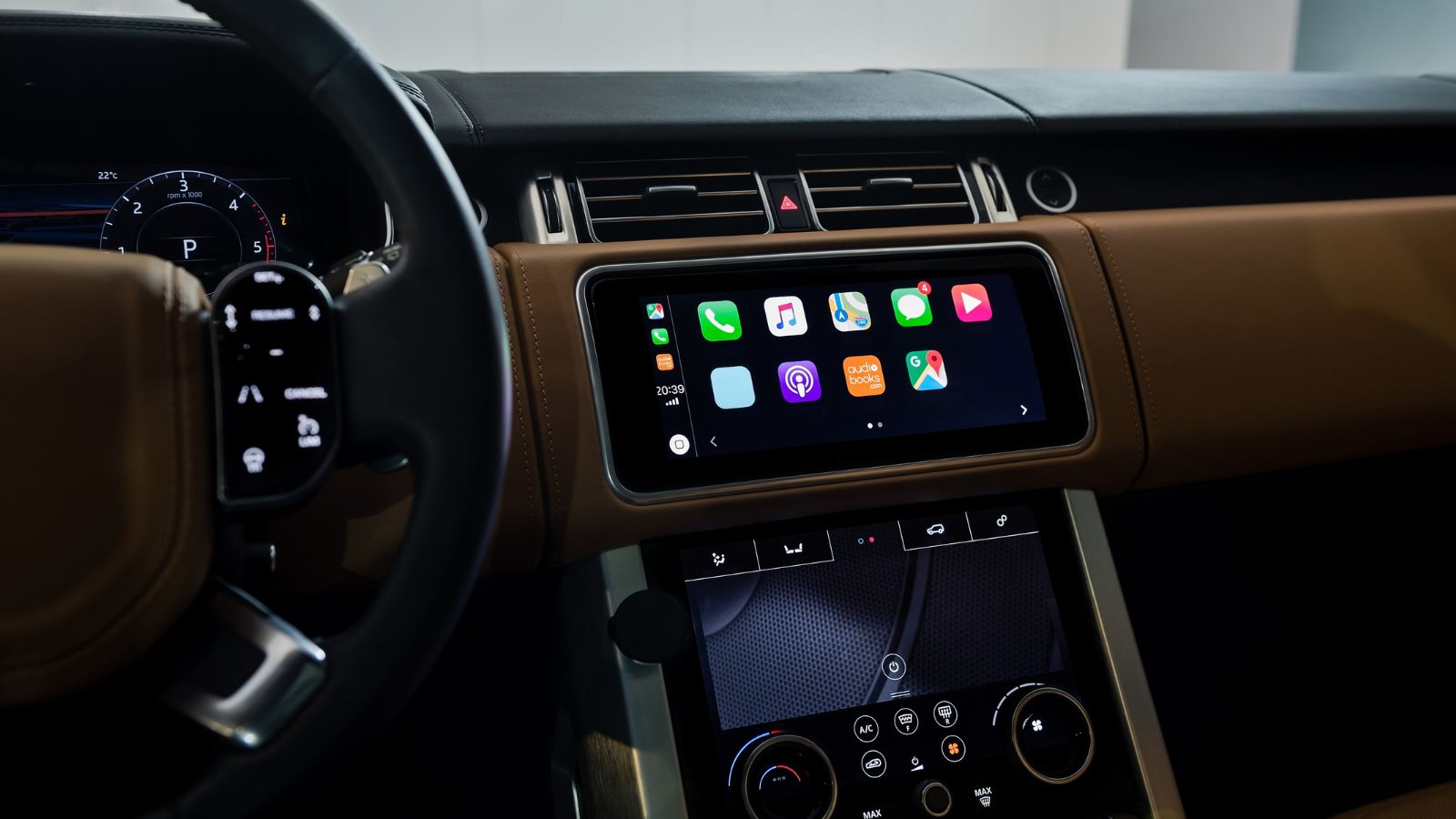
The strongest sign of changing attitudes is that safety organizations and manufacturers are reconsidering all-screen cabins. Euro NCAP’s protocols for 2026 through 2028 place greater emphasis on intuitive operation and physical access to important functions. Although its star ratings are not laws, they influence vehicle development, fleet purchasing, and public perceptions of safety across multiple markets.
Owner feedback points in the same direction. In J.D. Power’s 2026 Initial Quality Study, 46% of owners who described a distraction-related vehicle problem identified the infotainment system or touchscreen as the source. That finding does not call for eliminating screens; maps, cameras, and flexible displays can be useful. It suggests that the best systems may combine digital capability with permanent shortcuts and restrained menu design. Drivers avoiding complex infotainment are not necessarily rejecting progress. Many are asking for technology that fades into the background, works predictably, and leaves the central task—driving—easier to manage safely.
22 Things Canadians Do to Their Cars in Spring That Mechanics Hate

Spring brings relief to many Canadian drivers after months of snow, freezing temperatures, and icy roads that put serious strain on vehicles. As temperatures rise across the country, drivers begin washing cars, switching tires, and preparing vehicles for warmer weather and upcoming road trips. However, mechanics across Canada notice the same mistakes every spring when drivers attempt to recover from winter damage. Road salt, potholes, and harsh winter driving conditions often leave vehicles with hidden problems that drivers ignore. Some spring habits even create new mechanical issues that could have been avoided with proper maintenance. Here are 22 things Canadians do to their cars in spring that mechanics hate.