
























A used vehicle can look completely ready for a new owner while a lender still has a legal claim attached to it. That makes buying a financed vehicle different from an ordinary private sale: the condition of the car matters, but so does the condition of its paperwork.
An outstanding loan is not automatically a reason to walk away. The important question is whether the debt and any registered security interest can be identified, paid and formally cleared before the transaction leaves the buyer exposed. Across Canada, the details vary by province and territory, but the basic precautions are remarkably similar. These 20 checks cover ownership, liens, payout arrangements, written documentation and the vehicle-history issues that should still be investigated even when most of the attention is focused on the remaining loan.
Confirm the Seller Is Actually the Owner
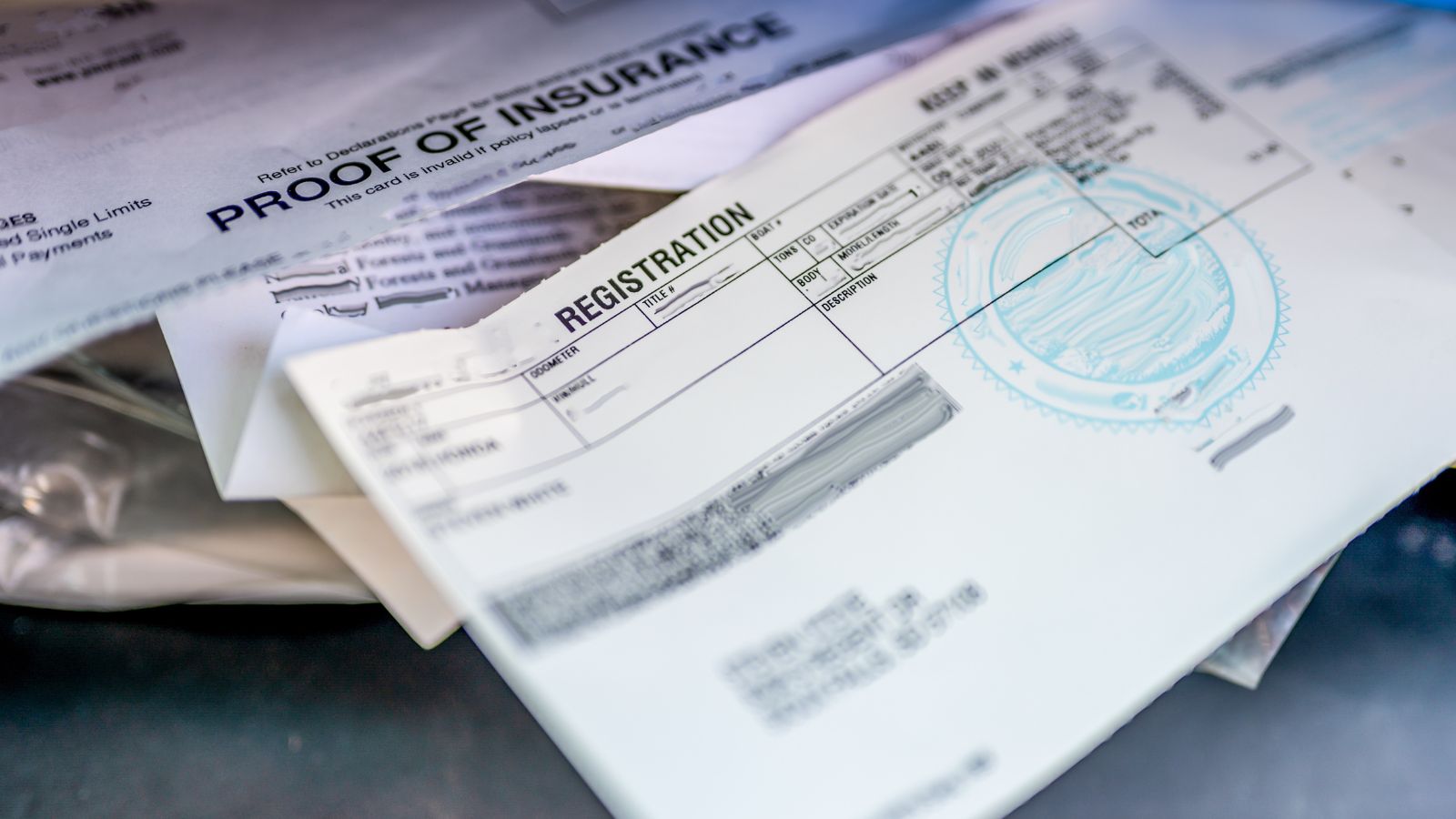
Before discussing loan balances or arranging payment, the buyer should establish exactly who is selling the vehicle. Government-issued identification should be compared with the name shown on the relevant registration or ownership documentation. Provincial consumer guidance regularly recommends this basic step because a legitimate seller should be able to explain clearly how the vehicle came into their possession.
This can expose problems before money changes hands. Imagine a seller named Chris advertising a late-model SUV but presenting registration belonging to an unrelated person named Daniel. There may be an innocent explanation, such as an estate or family transfer, but the buyer needs documentation rather than a story. Alberta specifically advises private-sale buyers to confirm valid identification and proof of ownership, while ICBC recommends comparing the seller’s information with vehicle registration. Ontario’s regulator also warns that illegal dealers known as curbsiders frequently sell vehicles that are not registered in their own names. A financing complication becomes much harder to resolve when the person receiving the money is not clearly the person entitled to sell the vehicle.
Match the VIN Everywhere It Appears
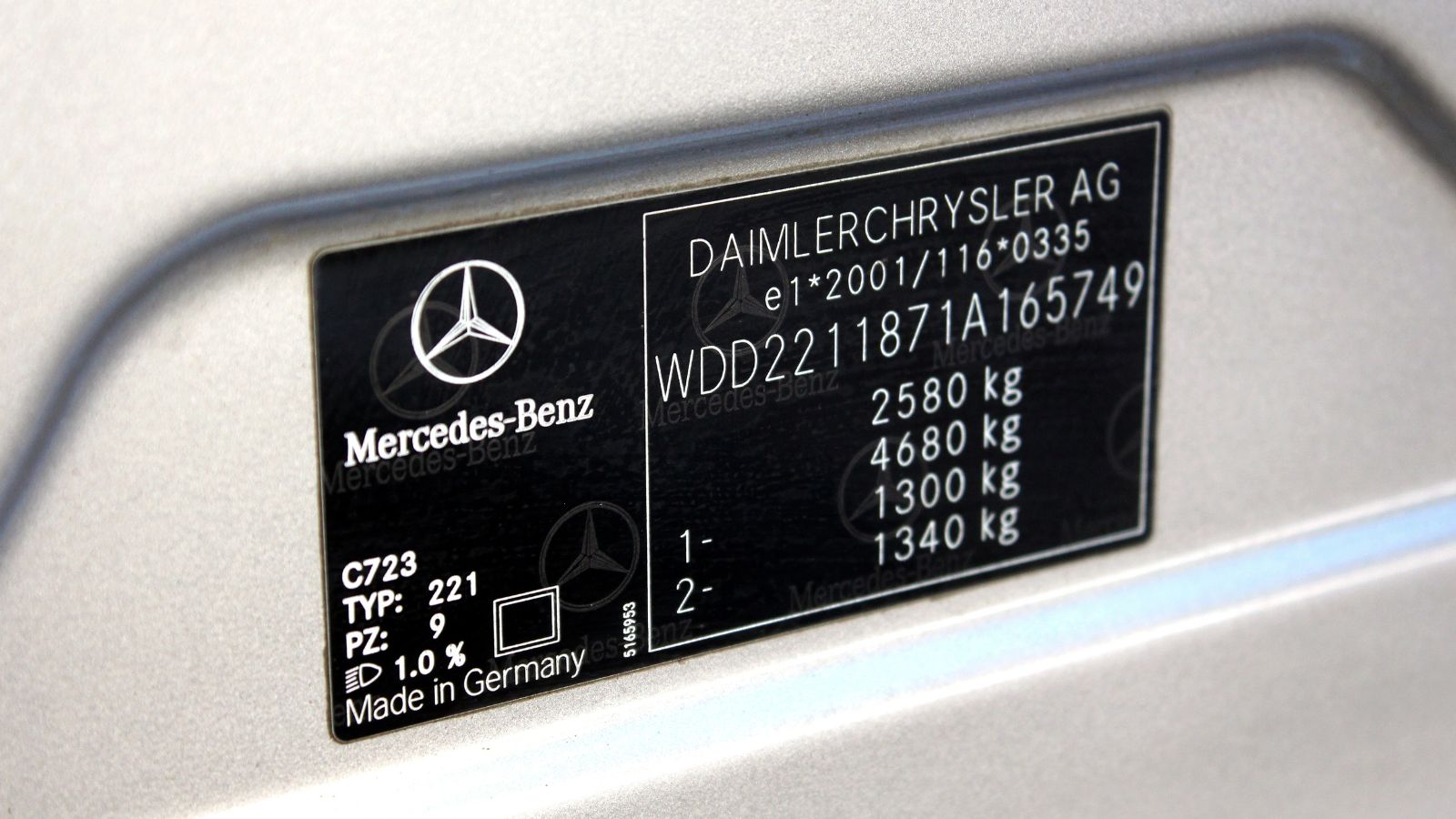
The vehicle identification number is the key that connects the physical vehicle to lien searches, registration records, recalls and much of its recorded history. Before ordering reports, buyers should compare the VIN displayed on the dashboard with the number shown on registration and other vehicle documents. Alberta specifically advises checking that these numbers match and looking for signs that the VIN has been tampered with.
A single incorrect character can create a dangerously reassuring result. A lien search performed using a mistyped VIN may return no relevant registration even though the actual vehicle is encumbered. Buyers should therefore work from the VIN physically attached to the vehicle and compare it with paperwork before trusting any database search. The same principle helps identify more serious problems, including switched identification or documentation belonging to another vehicle. ICBC similarly tells buyers to ensure that details such as make, model and VIN match the registration documents. With a financed vehicle, getting this number right is especially important because the buyer is not merely researching mechanical history; the VIN may determine whether a lender’s registered claim is discovered before the sale.
Run an Official Lien Search

A seller saying, “There’s only a little left on the loan,” is disclosure, not verification. Buyers should conduct the appropriate personal-property or security-interest search for the province or territory involved. The Financial Consumer Agency of Canada directs used-car buyers to search for liens and notes that these searches generally require the VIN and may carry a fee.
This is not an obscure risk affecting only unusual vehicles. CARFAX Canada says roughly 40% of used vehicles checked through its reports in 2025 had a registered lien. The number reflects vehicles checked through that company’s service rather than every used vehicle sold in Canada, but it illustrates why an outstanding security interest should not be treated as exceptional. Provincial systems differ: Ontario buyers can obtain lien information through the Used Vehicle Information Package, Alberta provides Personal Property Registry searches, B.C. uses its Personal Property Registry and Quebec buyers consult the RDPRM. The safest approach is to treat the official search as a required part of the transaction rather than something reserved for sellers who seem suspicious.
Search Beyond the Vehicle’s Current Province

Vehicles move. Someone buying a car currently registered in Alberta could be looking at a vehicle previously financed or registered in British Columbia, Saskatchewan or Ontario. Federal guidance specifically warns that a vehicle can have a lien in more than one province or territory, making the vehicle’s geographic history relevant to the financing investigation.
B.C.’s insurance corporation similarly advises that a lien search should be conducted in another jurisdiction when the vehicle came from somewhere else. Buyers can research the registration history and then determine which provincial searches are appropriate, or use a reputable vehicle-history service offering broader Canadian lien coverage. CARFAX Canada, for example, says its nationwide lien product searches government records in the Canadian jurisdictions in which the vehicle is currently or historically registered, subject to stated coverage limitations. A clean search in the current province should therefore not automatically end the investigation when the records show several moves. One missed jurisdiction can undermine an otherwise careful transaction, especially with newer vehicles that have changed owners or provinces quickly.
Look for More Than One Claim Against the Vehicle

The bank financing the original purchase may not be the only party with an interest in a car. The Financial Consumer Agency of Canada notes that vehicles can have more than one lien and that businesses such as garages may also have lien rights in certain circumstances. That makes it important to review the complete search results instead of merely confirming that the seller’s named auto lender appears.
Consider a pickup whose owner openly discloses a bank loan. The buyer finds that loan in the registry and assumes everything matches. A closer review, however, could reveal another registered interest associated with a different creditor. Paying the bank alone would not necessarily resolve the second registration. The specific legal effect depends on the jurisdiction and the nature of the interest, so unexpected registrations deserve investigation before the transaction proceeds. Buyers should identify every matching registration and ask who placed it, what it secures and what must happen for it to be discharged. A seller who cannot explain an additional claimant is giving the buyer a strong reason to delay payment until the records are understood.
Identify the Secured Party, Not Just the Seller’s Lender
A lien search does more than produce a simple yes-or-no answer. Depending on the registry or report, it can identify the debtor, secured party and other registration details. CARFAX Canada says its lien reports can show the debtor’s information, the secured party or financing institution, the registering agent and the collateral classification linking the registration to the vehicle.
Those details should be compared with what the seller has disclosed. If the seller says the loan is with one financial institution but the lien search names another, the discrepancy needs an explanation. It could reflect a loan assignment, refinancing arrangement, older registration or another legitimate circumstance, but the buyer should not guess. The secured party is particularly important because it is the organization whose interest ultimately needs to be addressed. Buyers should obtain contact information independently whenever possible rather than relying exclusively on a phone number supplied in a text message by the seller. When tens of thousands of dollars may be changing hands, verifying who is actually entitled to release the registered interest is a reasonable safeguard, not unnecessary bureaucracy.
Get a Current Payout Amount

The number shown on the seller’s banking app is useful, but it should not automatically be treated as the amount required to clear the loan. Buyers should ask the seller to obtain a current payout figure from the lender, ideally in a document or through a process that can be independently confirmed. The goal is to establish exactly what the creditor requires to satisfy the debt connected with the vehicle.
Canadian lenders illustrate why the distinction matters. Scotiabank, for example, tells auto-finance customers that they can view their current loan balance online but directs them to contact the bank when they require a payout. Industry guidance for financed-car sales similarly distinguishes the payoff amount from a regular account balance because accrued amounts and other loan-specific adjustments can affect the final figure. A seller who owes “about $18,000” on a $24,000 vehicle has not provided enough information to structure a safe closing. Before anyone decides how much goes to the lender and how much goes to the seller, the transaction needs a reliable payout number tied to the correct loan and vehicle.
Compare the Payout With the Agreed Sale Price
Once the payout figure is known, buyers should determine whether the vehicle has positive or negative equity. If the agreed purchase price exceeds the amount required to clear the financing, the transaction is relatively straightforward: enough money can be directed toward the debt, with the balance handled according to the sale agreement. A more difficult situation arises when the seller owes more than the car is being sold for.
The Financial Consumer Agency of Canada defines negative equity as owing more on a vehicle than the vehicle is worth and warns that a seller may have to provide additional money to cover the difference. Suppose a buyer agrees to pay $25,000 but the lender requires $29,500 to close the loan. The buyer’s $25,000 cannot, by itself, eliminate a $29,500 obligation. Someone must fund the remaining $4,500. That shortfall should be solved before ownership changes hands. A seller promising to “keep making payments afterward” leaves the buyer dependent on another person’s future financial behaviour while the creditor’s security interest may still affect the vehicle.
Keep the Lender in the Payment Loop

When a lien is active, sending the entire purchase price to the seller and trusting that the seller will later pay the lender creates an avoidable gap. A more controlled arrangement is to structure the transaction so the amount required to satisfy the debt reaches the creditor as part of the closing process, with any remaining proceeds handled separately.
Canadian automotive-finance guidance describes lender-direct payouts as a common way of handling financed private sales. One practical arrangement can involve the buyer and seller completing the payoff through the lending institution, allowing the required portion of the purchase funds to be applied to the debt. The exact process depends on the lender, so buyers should obtain instructions directly rather than improvising. If a $30,000 vehicle has a verified $21,000 payout, the transaction can be organized around those two figures instead of transferring $30,000 to the seller with nothing but a promise. The objective is not to dictate one universal payment method; it is to minimize the period in which the buyer has paid for a vehicle while the secured debt remains unresolved.
Do Not Assume Ownership Transfer Erases the Lien

Changing the name on registration paperwork does not automatically make a creditor’s rights disappear. Federal guidance explains that registered liens remain on a vehicle until the underlying debt is fully paid. Quebec’s RDPRM is even more explicit: a change in vehicle ownership does not terminate a creditor’s rights when a registered debt has not been discharged.
B.C. warns buyers about the practical consequence. ICBC says that if someone purchases a vehicle carrying a lien and the previous owner fails to pay the debt, the vehicle may be repossessed. That makes “We can transfer it now and deal with the bank next week” one of the riskiest shortcuts in this type of purchase. A completed registration transaction may make the buyer feel like the undisputed owner, but the financing records can tell a different story. Buyers should therefore treat the lien-clearing process and ownership-transfer process as connected parts of the same transaction, not independent tasks that can safely be separated by an open-ended promise.
Require Written Proof the Lender Has Released Its Interest

Payment confirmation and lien release documentation serve different purposes. After the debt is fully satisfied, buyers should obtain reliable written evidence that the creditor no longer claims an interest in the vehicle. CARFAX Canada describes a lien release letter as an official document from the lienholder confirming the loan has been paid and that the lender no longer has a legal claim against the vehicle.
Major lenders use similar documentation. Scotiabank, for example, says it issues a lien release letter after a qualifying auto-finance loan has been fully paid, confirming that the bank no longer has an interest in the collateral. This is much stronger evidence than a screenshot showing a transfer or a seller forwarding a message saying the account “should be closed.” Documentation should identify the relevant borrower or loan and be consistent with the vehicle involved. Buyers should retain copies with the bill of sale and other transaction records. If a registry still shows the lien later, written lender confirmation can become an important piece of evidence while the discrepancy is investigated.
Verify That the Registry Has Actually Been Updated
Even after a loan has been repaid, the public lien record may not disappear instantly. CARFAX Canada warns that a seller can have fully paid the underlying debt while the lien continues to appear until the lender and provincial system complete the cancellation or deregistration process. That creates an awkward period in which the financial obligation may be gone but the public record still raises a warning.
The time involved can differ by lender and jurisdiction. Scotiabank, for example, says its lien-release letters for certain auto loans are sent within seven to 10 business days after final payment. Quebec’s RDPRM also explains that when a loan is repaid early, the creditor must request that the registered right be removed. Buyers should therefore distinguish between “the seller says it was paid” and “the public registration now shows the result expected after discharge.” When practical, rerunning the appropriate lien search provides a cleaner end to the transaction. A short delay may be inconvenient, but discovering an unresolved registration after the purchase can be considerably more troublesome.
Put the Lien Arrangement in Writing
A financed private sale has more moving parts than a simple exchange of money for keys, so the written agreement should reflect that reality. The contract or bill of sale should identify the buyer, seller, vehicle, VIN and agreed price, while also documenting any special conditions surrounding the existing loan, deposits and final payment.
Alberta’s standard bill-of-sale guidance specifically recommends including information about liens or encumbrances, whether the vehicle has been paid in full, the payment method, payment terms and special conditions. Quebec’s consumer protection office similarly advises people buying privately to record transaction details in a written contract and obtain written evidence of deposits. A useful condition could state that the purchase depends on the disclosed lien being paid and released according to an agreed process. The exact wording may require legal advice in a high-value or complicated transaction, but silence is rarely helpful. If disagreement later arises over who was supposed to pay a $6,000 shortfall or whether a deposit was refundable when the lien could not be cleared, written terms can be far more useful than competing memories.
Question a Seller Who Has Owned the Vehicle Only Briefly

Very recent ownership does not automatically signal wrongdoing, but it deserves an explanation—especially when financing is still attached to the vehicle. Ontario’s motor-vehicle regulator lists vehicles that are not registered in the seller’s name, or have been registered to the seller for only a short period, among the warning signs associated with curbsiders posing as private sellers.
There can also be technical reasons why timing matters. Quebec’s RDPRM warns that some rights can be registered within specified periods after a transaction, including seven days in certain circumstances and 30 days for some property coming from outside Quebec. Its guidance tells buyers to consider how long the seller has owned the vehicle when interpreting a search that currently shows no registered right. The rules are province-specific and should not be generalized across Canada, but the broader lesson is useful: a freshly transferred vehicle deserves extra scrutiny. If someone bought a car last week and is already selling it while financing questions remain unresolved, the buyer should understand the complete chain of ownership before proceeding.
Run a Full Vehicle-History Report Too
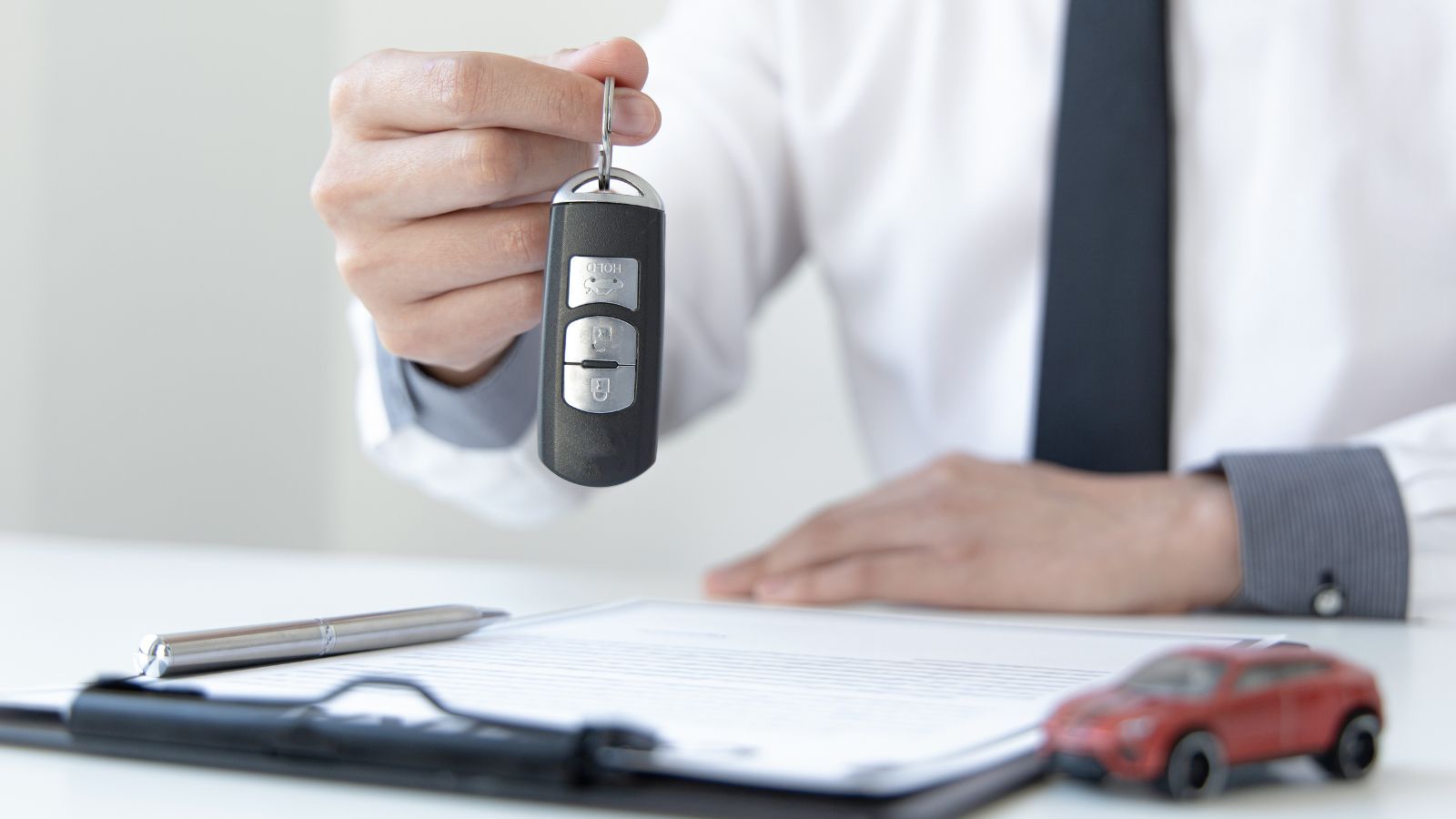
A lien search answers a narrow but critical question: whether registered financial claims exist. It does not replace a broader investigation into the car itself. Federal guidance notes that vehicle-history reports may provide information about accidents, damage, recalls, service records and registration status in addition to lien information, depending on the provider and available data.
That matters because clearing a $15,000 loan does not turn a damaged vehicle into a good purchase. A buyer might successfully arrange a lender payout only to discover later that the same car had a significant collision history, unexplained registration changes or other information that would have affected the price. ICBC recommends both a lien search and a vehicle-history report rather than treating one as a substitute for the other. The report should also be obtained independently or verified carefully, especially when a seller supplies one. Financial due diligence protects against inheriting someone else’s debt; vehicle-history due diligence helps prevent a buyer from paying clean-car money for a vehicle whose past tells a much more complicated story.
Check the VIN Against Canada’s Stolen-Vehicle Database
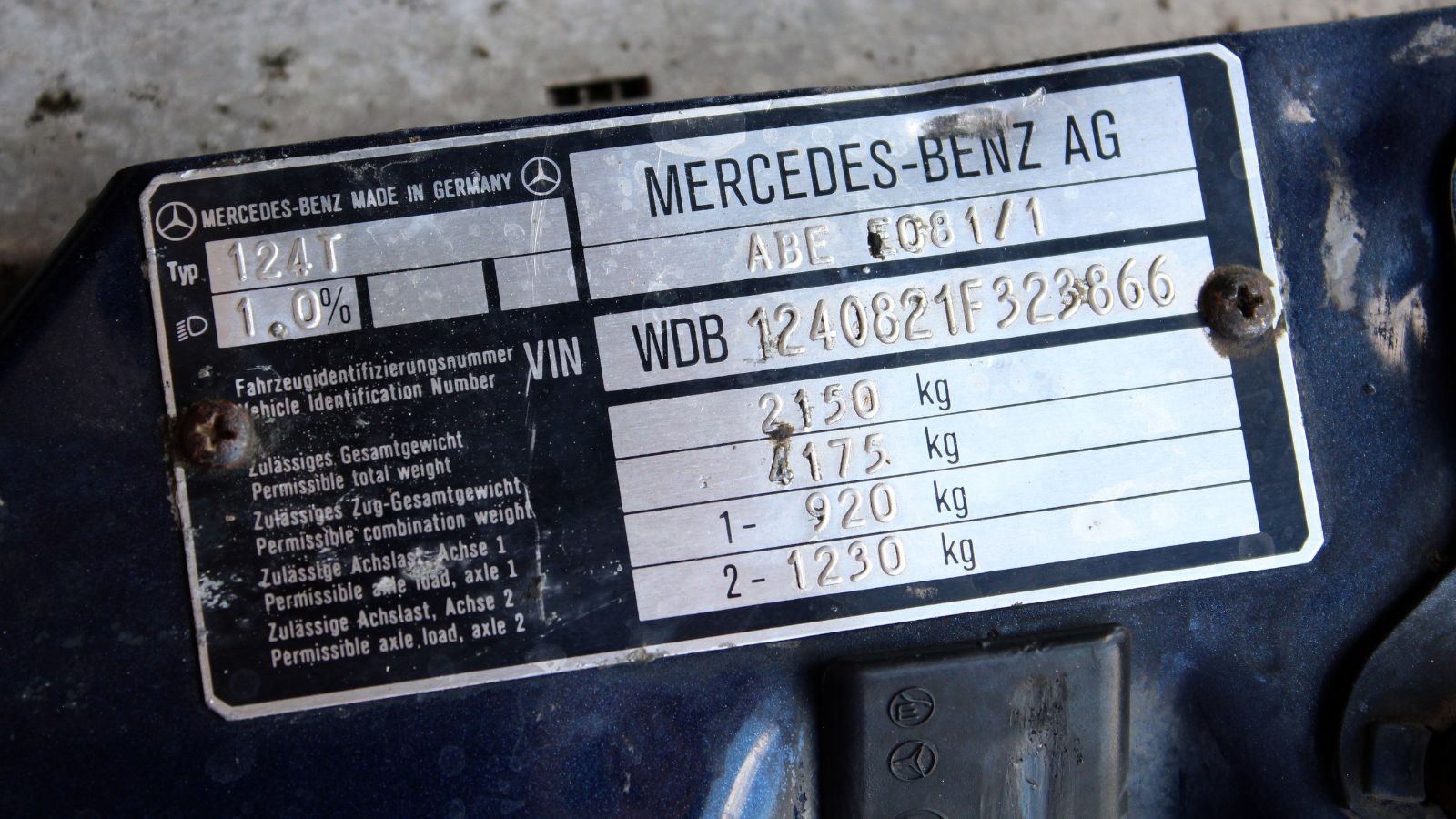
A vehicle with a believable financing story can still have another problem entirely. The Canadian Police Information Centre provides a public search that allows people to check whether a motor vehicle identified by VIN has been reported stolen to police. CPIC is managed by the RCMP on behalf of Canada’s law-enforcement community.
The database covers motor vehicles with VINs, including cars, trucks, SUVs, motorcycles and several other vehicle types. CPIC says vehicle data on its public site is updated daily. A result indicating a possible stolen vehicle should not be treated as something for a buyer and seller to resolve privately; CPIC advises contacting local police for confirmation and assistance. Both Alberta’s government and ICBC recommend a stolen-vehicle search as part of private used-car due diligence. This check takes on added significance when the seller, registration and financing documents do not align cleanly. A lender’s name appearing in a lien record may make a deal look legitimate, but buyers should still establish that the physical vehicle itself is not recorded as stolen property.
Verify the Vehicle’s Branding or Status
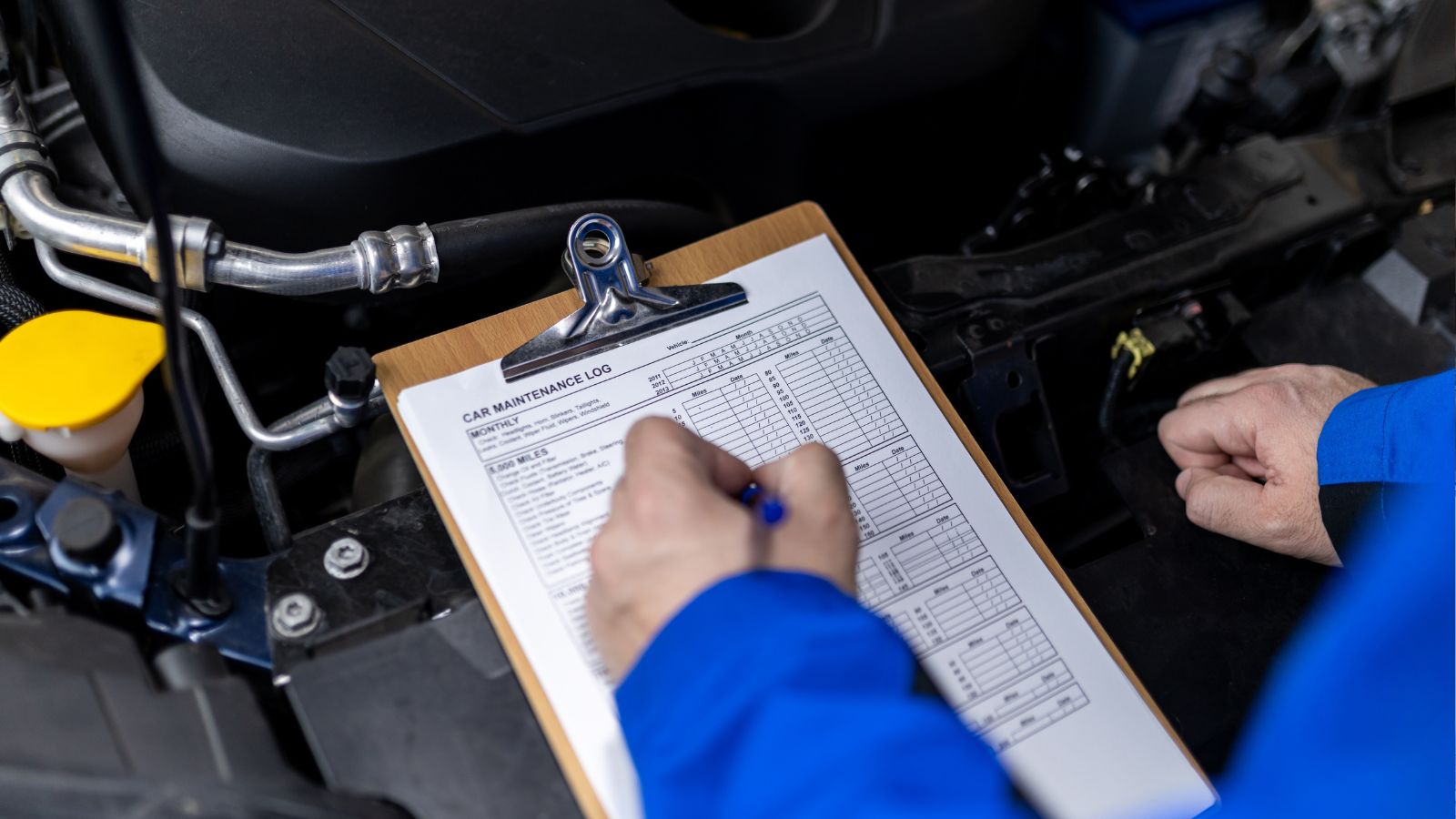
Financing paperwork can consume so much attention that buyers overlook the vehicle’s legal status. Provincial branding systems identify vehicles with histories such as salvage, rebuilt or irreparable status. In Ontario, for example, the Mandatory Vehicle Branding Program records classifications associated with serious damage, and only vehicles branded “None” or “Rebuilt” can be driven on Ontario roads.
Those labels have important limitations as well. Ontario notes that a “None” brand does not necessarily prove a vehicle has never been damaged, while a rebuilt vehicle is one that was previously classified as salvage and subsequently met the required structural process. B.C. likewise provides vehicle statuses that can include normal, rebuilt, salvage, altered or non-repairable. Buyers should review the status shown in official records and compare it with the seller’s explanation and any history report. A lender agreeing to release a lien says nothing about whether a heavily damaged vehicle was repaired well. Paying off someone else’s loan should never become the reason a buyer overlooks a history that could materially change the vehicle’s value or suitability.
Compare Historical Odometer Readings
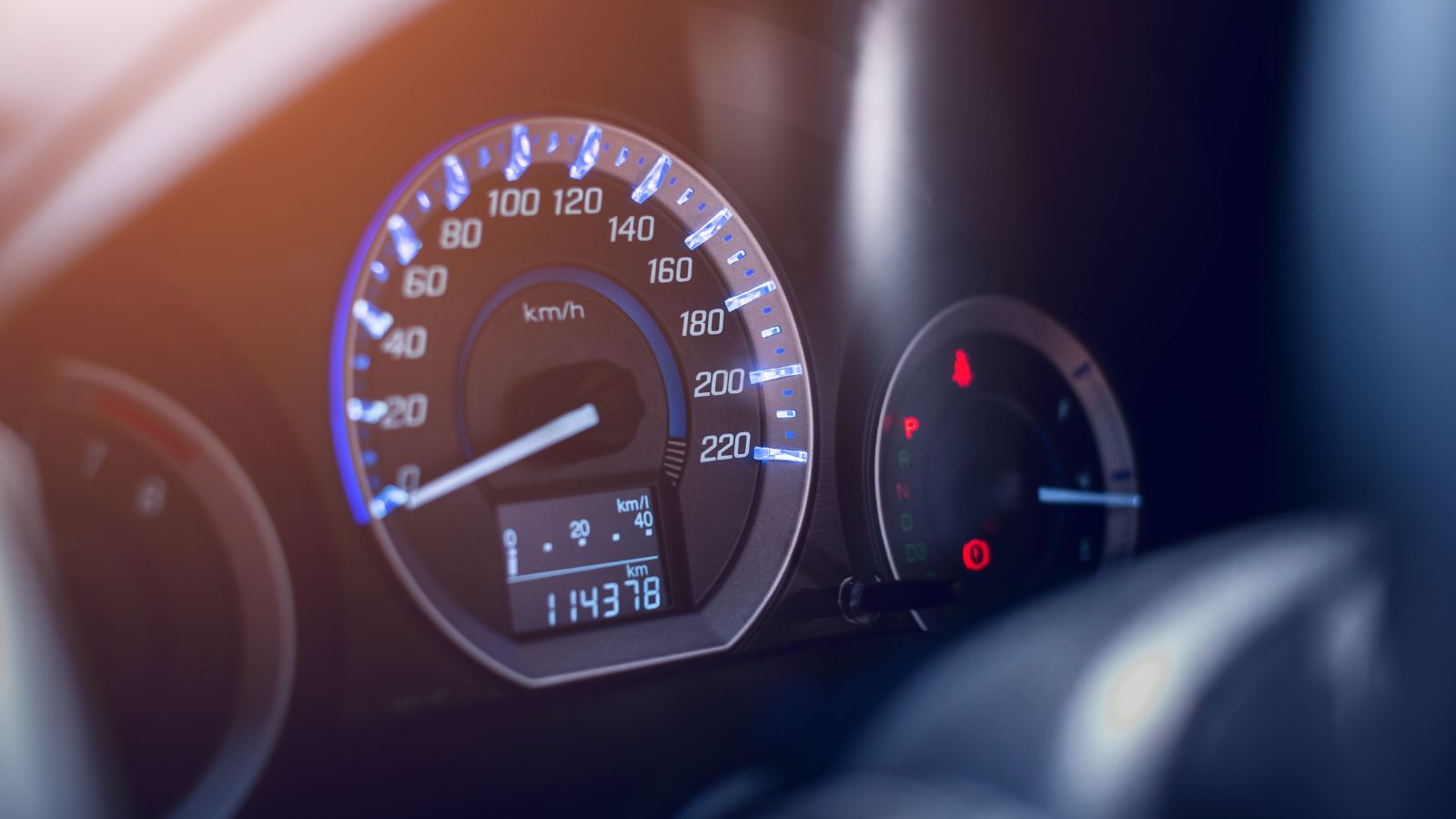
Mileage affects price, maintenance expectations and the plausibility of a vehicle’s story. Where historical odometer records are available, buyers should compare them with the current dashboard reading and look for unusual declines or unexplained gaps. Ontario’s Used Vehicle Information Package includes odometer information in the province’s registration history, while OMVIC recommends reviewing historical readings when trying to identify possible rollbacks.
OMVIC also warns that dishonest private sellers and curbsiders can tamper with odometers, and that detecting alteration may be difficult without historical information. Imagine a five-year-old sedan displaying 62,000 kilometres while an older record already showed 108,000. That inconsistency would warrant investigation regardless of how well the loan payoff is organized. Mileage can also help buyers assess the credibility of maintenance records and the asking price. A financed vehicle may create pressure to close quickly because the seller wants to eliminate a payment, but the buyer should not allow the seller’s financial urgency to shorten normal due diligence. Clearing a lien safely is only worthwhile if the vehicle being acquired is accurately represented.
Get an Independent Mechanical Inspection

Debt status and mechanical condition are entirely separate risks. A clean lien discharge prevents a creditor problem; it does not reveal a failing transmission, structural repair, corrosion or overdue maintenance. Provincial guidance repeatedly recommends independent inspection before buying privately. Alberta advises getting a safety inspection, while ICBC strongly recommends having a serious used-vehicle candidate checked by a professional mechanic.
ICBC also notes that a licensed body shop may be useful when previous collision damage raises structural concerns. Quebec’s consumer office similarly encourages buyers to have a used vehicle examined before purchase so the condition can inform the decision and negotiation. Ideally, the inspection should be performed by a facility chosen by the buyer rather than relying only on an old inspection provided by the seller. Consider the buyer who carefully clears a $12,000 lien and then learns the car needs $5,000 of immediate mechanical work. The financing issue may have been handled perfectly, but the purchase can still be poor. The safest transaction clears both the financial uncertainty and the mechanical uncertainty before becoming final.
Check for Outstanding Safety Recalls
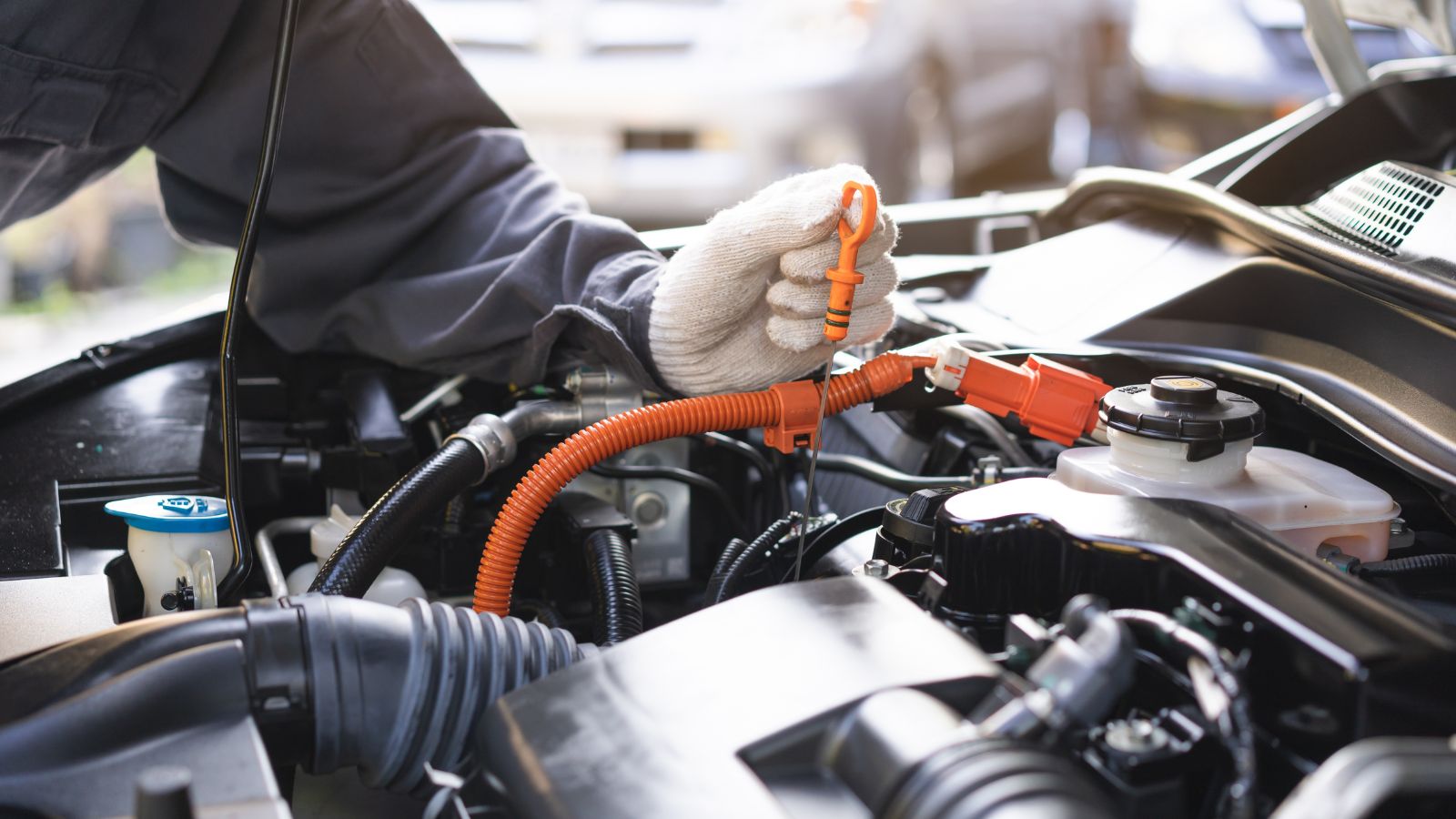
A final VIN-based check should examine unresolved safety recalls. Transport Canada maintains the Motor Vehicle Safety Recalls Database and directs used-vehicle buyers to check for recalls before purchase. It also provides links to manufacturer VIN lookup systems and advises that an authorized dealer can often confirm whether recall repairs for a particular vehicle remain outstanding.
Recall work can range from relatively minor corrections to defects involving critical systems. The presence of a recall does not automatically make a used vehicle a bad purchase, particularly because manufacturers generally provide prescribed recall remedies, but the buyer should know what remains unfinished. Transport Canada recommends asking the seller to complete outstanding repairs before pickup when appropriate and registering a used vehicle with the manufacturer so future notices reach the new owner. This is an especially useful final check in a transaction dominated by loan paperwork: after verifying ownership, lien payout and discharge, the buyer should still confirm that the vehicle itself does not carry an unresolved manufacturer safety issue that was overlooked during negotiations.
19 Used Cars Canadians Should Avoid in 2026 (Based on Owner Complaints)

Buying a used car in Canada can feel safe until repair bills start stacking up. Owner complaints tell a different story than glossy listings. Transmission failures, electrical problems, and weak winter reliability show up again and again in consumer reports. Many of these issues appear after warranties expire, when owners least expect them. Some vehicles look affordable upfront, but become expensive to keep on the road. Others struggle in cold weather, urban driving, or long highway commutes. Here are 19 used cars Canadians should avoid in 2026 (based on owner complaints).
19 Used Cars Canadians Should Avoid in 2026 (Based on Owner Complaints)