




















• About
  • Contact
AutoIgloo
  • News & Trends
    Canada-U.S. Auto Tariff Talks Go Down to the Wire With 50% Duties Three Days Away

    Magna, Linamar and Martinrea Shares Sink as Trump Threatens Canadian Auto Supply Chain

    15 “Tech Add-Ons” That Sound Cool but Can Void Coverage or Spike Your Premium

    New Home EV Charger Launches in Canada With 11.5-kW Charging Without Requiring a Bigger Electrical Panel

    Canadian Collision Repair Values Fall Again as 60,000-Order Study Shows Shop Efficiency Slipping

    Canadian Auto Dealers Warn Trump’s Tariff Threat Killed the Relief Industry Was Counting On

    BYD’s New Canadian Page Touts Five-Minute Charging That Still Works at -30°C

    BYD’s New Canadian Page Touts Five-Minute Charging That Still Works at -30°C

    BYD Quietly Adds Canada to Its Global Website With a ‘Coming Soon’ Page as U.S. Auto Fight Deepens

    BYD Quietly Adds Canada to Its Global Website With a ‘Coming Soon’ Page as U.S. Auto Fight Deepens

    19 Things That Can Make Your Car Insurance Claim Get Denied

    Canada Will Unveil New U.S. Retaliation Today as Auto Trade Fight Moves Into Its Next Phase

  • Car Reviews
    18 Things That Can Make a Car Unsafe for Winter Road Trips

    Why Some Drivers Are Avoiding Vehicles With Complex Infotainment Systems

    21 Cars Canadians Are Starting to Regret Buying

    Why Some Drivers Regret Buying Big Wheels and Low-Profile Tires

    17 Vehicles That Are Quietly Getting Crushed by Insurance Costs in Canada

    Why So Many Drivers Are Nervous About Chinese-Made EV Batteries

    20 Used SUVs Canadians Should Think Twice About Buying

    20 Used SUVs Canadians Should Think Twice About Buying

    15 Vehicles That Are Starting to Feel Like a Bad Deal Around May Long Weekend

    15 Vehicles That Are Starting to Feel Like a Bad Deal Around May Long Weekend

    15 Vehicles That Are Starting to Scare Off Canadian Buyers

    15 Vehicles That Are Starting to Scare Off Canadian Buyers

  • Buying Guides
    25 EV Charging Mistakes Canadians Make in March (That Wreck Range)

    Why Some Canadians Are Choosing Hybrids Over Full EVs Again

    22 Signs a Car Has Been in a Serious Crash Even if the Report Looks Clean

    21 Things That Make a Used Car Listing Seem Suspicious

    23 Features That Are Making New Cars Harder (and Pricier) to Repair in Canada

    Why Some Buyers Regret Choosing the Cheapest Trim Level

    18 Things That Can Make a Car Unsafe for Winter Road Trips

    Why Some Drivers Are Avoiding Vehicles With Complex Infotainment Systems

    22 Things Canadians Should Know Before Buying a Diesel Vehicle

    22 Things Canadians Should Know Before Buying a Diesel Vehicle

    15 Ways a Low Monthly Payment Can Fool Canadian Car Buyers

    The Car Buying Mistake That Gives Dealers More Control

  • Comparisons
    25 EV Charging Mistakes Canadians Make in March (That Wreck Range)

    Why Some Canadians Are Choosing Hybrids Over Full EVs Again

    21 Used Car Features That Can Become Expensive Problems Later

    Why Some Canadians Are Choosing Front-Wheel Drive Over All-Wheel Drive

    Canada’s Auto Fight Gets Uglier as BYD Threatens to Sue Trump Administration

    Tesla Vs. BYD: Are Chinese EV’s Actually Better for Canadians?

    17 Vehicles That Are Quietly Getting Crushed by Insurance Costs in Canada

    Why So Many Drivers Are Nervous About Chinese-Made EV Batteries

    20 Used SUVs Canadians Should Think Twice About Buying

    20 Used SUVs Canadians Should Think Twice About Buying

    16 Cars That Are a Nightmare to Repair Because Parts Are Backordered

    23 Cars Canadians Love That Have One Deal-Breaker Flaw

  • EVs & Hybrids
    20 Signs Your Car Battery Is About to Leave You Stranded

    Canadian Auto Jobs Become a Central Fault Line as Ottawa Reveals Why It Rejected U.S. Vehicle Terms

    25 EV Charging Mistakes Canadians Make in March (That Wreck Range)

    Why Some Canadians Are Choosing Hybrids Over Full EVs Again

    The EV Charging Habit That Can Annoy Everyone Around You

    Canada Is Missing an EV-Battery Export Opening as EU Lithium Demand Heads for a 9-to-12-Fold Jump: Report

    16 Used-EV Surprises Canadians Don’t See Coming Until After They Buy

    The EV Charging Habit That Can Annoy Everyone Around You

    17 SUVs That Are Losing Their Appeal Fast in Canada

    GM Canada Says EV Sales Jumped More Than 30% as CUSMA Uncertainty Hangs Over Showrooms

    9 Auto Brands Canadians Are Watching Much More Closely Right Now

    Toyota Canada Says Electrified Vehicles Are Now Nearly 70% of Its Q2 Sales

  • More
    • Pricing & Deals
    • Winter Driving
    • Ownership & Maintenance
No Result
View All Result
AutoIgloo
  • News & Trends
    Canada-U.S. Auto Tariff Talks Go Down to the Wire With 50% Duties Three Days Away

    Magna, Linamar and Martinrea Shares Sink as Trump Threatens Canadian Auto Supply Chain

    15 “Tech Add-Ons” That Sound Cool but Can Void Coverage or Spike Your Premium

    New Home EV Charger Launches in Canada With 11.5-kW Charging Without Requiring a Bigger Electrical Panel

    Canadian Collision Repair Values Fall Again as 60,000-Order Study Shows Shop Efficiency Slipping

    Canadian Auto Dealers Warn Trump’s Tariff Threat Killed the Relief Industry Was Counting On

    BYD’s New Canadian Page Touts Five-Minute Charging That Still Works at -30°C

    BYD’s New Canadian Page Touts Five-Minute Charging That Still Works at -30°C

    BYD Quietly Adds Canada to Its Global Website With a ‘Coming Soon’ Page as U.S. Auto Fight Deepens

    BYD Quietly Adds Canada to Its Global Website With a ‘Coming Soon’ Page as U.S. Auto Fight Deepens

    19 Things That Can Make Your Car Insurance Claim Get Denied

    Canada Will Unveil New U.S. Retaliation Today as Auto Trade Fight Moves Into Its Next Phase

  • Car Reviews
    18 Things That Can Make a Car Unsafe for Winter Road Trips

    Why Some Drivers Are Avoiding Vehicles With Complex Infotainment Systems

    21 Cars Canadians Are Starting to Regret Buying

    Why Some Drivers Regret Buying Big Wheels and Low-Profile Tires

    17 Vehicles That Are Quietly Getting Crushed by Insurance Costs in Canada

    Why So Many Drivers Are Nervous About Chinese-Made EV Batteries

    20 Used SUVs Canadians Should Think Twice About Buying

    20 Used SUVs Canadians Should Think Twice About Buying

    15 Vehicles That Are Starting to Feel Like a Bad Deal Around May Long Weekend

    15 Vehicles That Are Starting to Feel Like a Bad Deal Around May Long Weekend

    15 Vehicles That Are Starting to Scare Off Canadian Buyers

    15 Vehicles That Are Starting to Scare Off Canadian Buyers

  • Buying Guides
    25 EV Charging Mistakes Canadians Make in March (That Wreck Range)

    Why Some Canadians Are Choosing Hybrids Over Full EVs Again

    22 Signs a Car Has Been in a Serious Crash Even if the Report Looks Clean

    21 Things That Make a Used Car Listing Seem Suspicious

    23 Features That Are Making New Cars Harder (and Pricier) to Repair in Canada

    Why Some Buyers Regret Choosing the Cheapest Trim Level

    18 Things That Can Make a Car Unsafe for Winter Road Trips

    Why Some Drivers Are Avoiding Vehicles With Complex Infotainment Systems

    22 Things Canadians Should Know Before Buying a Diesel Vehicle

    22 Things Canadians Should Know Before Buying a Diesel Vehicle

    15 Ways a Low Monthly Payment Can Fool Canadian Car Buyers

    The Car Buying Mistake That Gives Dealers More Control

  • Comparisons
    25 EV Charging Mistakes Canadians Make in March (That Wreck Range)

    Why Some Canadians Are Choosing Hybrids Over Full EVs Again

    21 Used Car Features That Can Become Expensive Problems Later

    Why Some Canadians Are Choosing Front-Wheel Drive Over All-Wheel Drive

    Canada’s Auto Fight Gets Uglier as BYD Threatens to Sue Trump Administration

    Tesla Vs. BYD: Are Chinese EV’s Actually Better for Canadians?

    17 Vehicles That Are Quietly Getting Crushed by Insurance Costs in Canada

    Why So Many Drivers Are Nervous About Chinese-Made EV Batteries

    20 Used SUVs Canadians Should Think Twice About Buying

    20 Used SUVs Canadians Should Think Twice About Buying

    16 Cars That Are a Nightmare to Repair Because Parts Are Backordered

    23 Cars Canadians Love That Have One Deal-Breaker Flaw

  • EVs & Hybrids
    20 Signs Your Car Battery Is About to Leave You Stranded

    Canadian Auto Jobs Become a Central Fault Line as Ottawa Reveals Why It Rejected U.S. Vehicle Terms

    25 EV Charging Mistakes Canadians Make in March (That Wreck Range)

    Why Some Canadians Are Choosing Hybrids Over Full EVs Again

    The EV Charging Habit That Can Annoy Everyone Around You

    Canada Is Missing an EV-Battery Export Opening as EU Lithium Demand Heads for a 9-to-12-Fold Jump: Report

    16 Used-EV Surprises Canadians Don’t See Coming Until After They Buy

    The EV Charging Habit That Can Annoy Everyone Around You

    17 SUVs That Are Losing Their Appeal Fast in Canada

    GM Canada Says EV Sales Jumped More Than 30% as CUSMA Uncertainty Hangs Over Showrooms

    9 Auto Brands Canadians Are Watching Much More Closely Right Now

    Toyota Canada Says Electrified Vehicles Are Now Nearly 70% of Its Q2 Sales

  • More
    • Pricing & Deals
    • Winter Driving
    • Ownership & Maintenance
No Result
View All Result
AutoIgloo
No Result
View All Result

Home » News & Trends

Canada-U.S. Trade Deal Fell Apart After Washington Left Ontario-Built Ford and GM Trucks Out of Auto Tariff Relief

Nate Brewer by Nate Brewer
August 23, 2026
Reading Time: 6 mins read
A A
Photo Credit: Shutterstock

Photo Credit: Shutterstock

488
SHARES
1.6k
VIEWS
Share on FacebookShare on Twitter

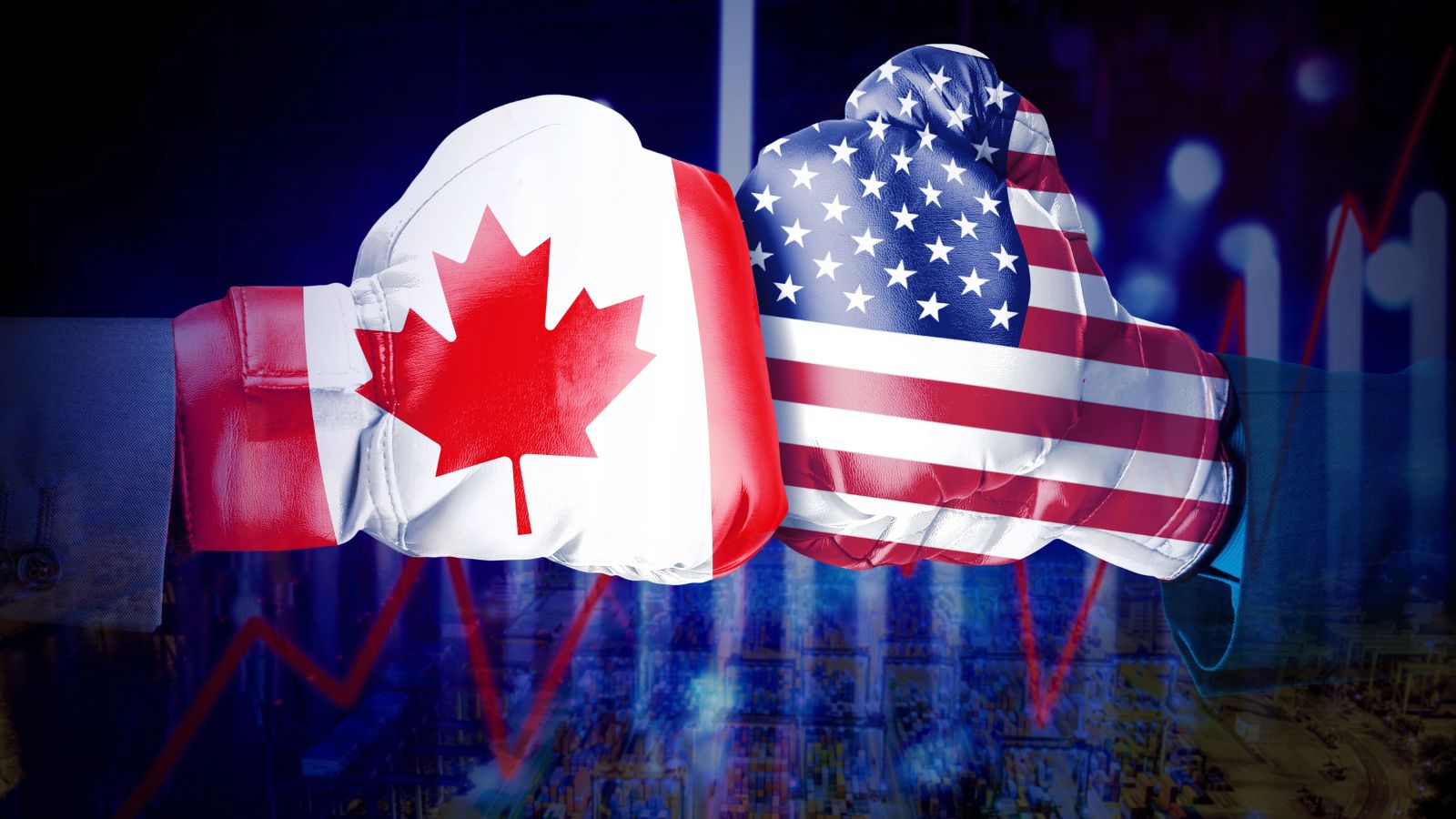
Canada and the United States appeared close to a trade breakthrough before a dispute over some of Ontario’s most important vehicles helped push the negotiations over the edge. Ottawa wanted favourable tariff treatment being discussed for light-duty automobiles to extend to medium- and heavy-duty trucks, while Washington resisted. That distinction put Ford Super Duty trucks tied to Oakville production and Chevrolet Silverados assembled in Oshawa directly in the dispute.

The truck disagreement was not the only reason Prime Minister Mark Carney suspended negotiations. U.S. proposals touching Canadian trade policy, culture, language and sovereignty also became unacceptable to Ottawa. Still, the truck carve-out turned an abstract tariff negotiation into a highly visible question: whether a new continental trade arrangement could leave major Canadian assembly lines structurally less competitive.

The Truck Carve-Out Became a Breaking Point

The final days of negotiations centred partly on how deeply Washington would reduce its automotive tariffs. Canada wanted the more favourable treatment being discussed for light-duty vehicles to cover medium- and heavy-duty trucks as well. According to reporting on the negotiations, U.S. officials resisted that extension. Carney subsequently identified Ford’s F-350, F-450 and F-550 and GM’s Silverado among the Canadian-made vehicles that could have been disadvantaged under the proposed structure.

That distinction mattered because tariffs do not have to stop production outright to alter investment decisions. A truck assembled in Ontario that carries a materially higher border cost than a comparable U.S.-built vehicle becomes harder to price competitively in its largest export market. For automakers deciding where to allocate future production, tooling and suppliers, even a seemingly technical tariff classification can influence billions of dollars in long-term commitments. The Canadian side therefore treated truck coverage as an industrial issue rather than a narrow customs dispute.

Ford’s Oakville Bet Made the Dispute Especially Sensitive

Ford is in the middle of transforming its Oakville Assembly Complex for production of the 2027 Super Duty, giving the tariff dispute an unusually immediate connection to Canadian workers. Ford says the Ontario facility is ramping up for the truck program, which includes the heavy-duty pickups highlighted during the failed negotiations. The company’s earlier production plan envisioned capacity for as many as 100,000 Super Duty trucks annually at Oakville and was designed to secure roughly 1,800 Canadian jobs.

For employees, the timing is difficult to ignore. Ford has publicly introduced workers preparing the plant for the Super Duty program, including employees whose families have been connected to Oakville manufacturing across generations. The transition has involved a major overhaul of the facility rather than a simple model change. That is why an agreement offering stronger treatment to passenger vehicles while leaving the new Ontario truck program exposed would have landed badly in Ottawa. Canada was being asked to accept uncertainty precisely as a major assembly plant was preparing its next chapter around trucks.

Oshawa Shows How Much Is Already Invested in Canadian Trucks

GM’s Oshawa operation makes the stakes equally tangible. In June, the company announced that the plant had produced more than 500,000 Chevrolet Silverado pickups since truck production resumed in November 2021. The milestone vehicle was a Sharkskin metallic grey Silverado HD with the Z71 off-road package. Oshawa is also GM’s only North American assembly plant capable of producing both light-duty and heavy-duty Silverado pickups on the same line.

GM is preparing the facility for its next generation of gasoline-powered full-size pickups with a C$343-million investment. The company says Oshawa has received about C$1.5 billion in investment since 2020, part of approximately C$3.3 billion committed to its Canadian operations over that period. Against that background, Ottawa’s objection was straightforward: a trade compromise that protected some automotive products while leaving strategically important Ontario-built trucks at a disadvantage could weaken the economics supporting investments that have already been made.

A Much Broader Auto Compromise Had Been Within Reach

Only days before the breakdown, negotiators were discussing a substantial reduction in U.S. automotive tariffs. The U.S. proposal under consideration could have lowered the headline tariff on Canadian vehicles from 25% to 15%, while Canada was pressing for a 10% rate. Another unresolved question involved how much North American content could be deducted when calculating the tariff. Ottawa preferred broader recognition of regional content, while Washington favoured treatment tied more directly to U.S.-made components.

That helps explain why the collapse felt abrupt. Canadian officials had publicly described meaningful progress, and the United States delayed the implementation of its newest tariffs for three days while talks continued. Steel and aluminum relief was also under discussion. Yet a deal that looked increasingly possible at the beginning of the week became unacceptable once the final package was assessed. The truck issue effectively exposed the difference between lowering tariffs in general and creating terms under which important Canadian factories could actually remain competitive.

Canada’s Auto Industry Cannot Easily Separate Itself From the U.S.

Canadian vehicle manufacturing remains deeply integrated with the American market. Federal data show that more than 90% of Canadian-made vehicles and about 60% of Canadian-made auto parts are exported to the United States. Canada produced more than 1.2 million passenger vehicles in 2025, while the automotive manufacturing industry supports approximately 125,000 direct jobs and more than 500,000 workers when the wider sector is included.

Parts routinely cross the border during production, which means a pickup assembled in Ontario cannot be viewed simply as a wholly Canadian product competing against a wholly American one. Existing U.S. auto tariffs have already distinguished between U.S. and non-U.S. content in CUSMA-compliant Canadian vehicles. Ottawa’s push for broader regional-content recognition reflected the manufacturing system that developed under decades of continental free trade. A tariff structure favouring U.S.-specific content more aggressively could gradually encourage automakers and suppliers to relocate additional stages of production south of the border.

The Disagreement Went Beyond Trucks and Tariff Percentages

Carney has made clear that automotive treatment was only part of the final rupture. According to his account of the negotiations, Washington introduced demands affecting Canada’s ability to negotiate with other countries and raised issues touching Canadian culture, French-language protections and sovereignty. The prime minister said those matters were not negotiable. Canada had been willing to make concessions elsewhere, including dropping remaining retaliatory tariffs on strategic sectors if U.S. duties were reduced enough to make Canadian exports economically viable.

Ottawa was also prepared to encourage provinces to return American alcohol to store shelves and consider administrative measures around supply management without changing the system’s fundamental quotas or tariffs. That combination shows why the final dispute cannot accurately be reduced to one truck model. The larger question was how much policy independence Canada would trade for improved U.S. market access. The excluded trucks became the clearest industrial example of a broader Canadian conclusion that Washington was asking for too much while providing insufficient certainty in return.

The Failed Deal Has Already Produced Real Tariffs

With no agreement, the United States allowed its new 50% tariffs to take effect on roughly C$28 billion of Canadian goods, or about US$20 billion at the figures cited in contemporary reporting. Products affected include goods ranging from furniture and clothing to dairy products, cement, wine and sporting equipment. Unlike many earlier measures, the new duties do not provide the same CUSMA exemption that protected much of Canadian trade during previous rounds of the tariff conflict.

Canada has responded by announcing dollar-for-dollar counter-tariffs scheduled to begin September 8. Ottawa says the measures will concentrate on U.S. steel, dairy products, appliances, agricultural equipment, pulp and paper, electronics and other targeted imports. Carney has acknowledged that retaliation will carry domestic costs, including higher prices and less choice for Canadians. That admission captures the uncomfortable economics of a tariff fight: retaliatory duties can create negotiating pressure and protect selected producers, but households and businesses on both sides of the border can ultimately absorb part of the bill.

The Bigger Question Now Moves Toward CUSMA

The breakdown arrives at an especially difficult moment for continental trade. U.S. Trade Representative Jamieson Greer said after the negotiations failed that no new talks were planned immediately. At the same time, Canada, the United States and Mexico are entering a consequential period for reviewing CUSMA. Washington has already signalled interest in tougher rules of origin and stronger incentives for production to take place inside the United States, particularly in the automotive sector.

The truck dispute could therefore become a preview of a much larger argument. Canada’s auto industry was built around the idea that North American production could operate as an integrated system, with vehicles and components crossing borders under predictable rules. Washington is increasingly emphasizing the location of individual stages of production. Ottawa, meanwhile, is trying to defend Canadian assembly while diversifying trade and investment beyond the United States. Oakville and Oshawa now sit at the centre of that strategic divide—and the failed deal shows how difficult bridging it may become.


Recommended.

21 Driving Habits That Could Get Canadians Fined Without Realizing It

21 Driving Habits That Could Get Canadians Fined Without Realizing It

June 2, 2026
19 Small Car Expenses That Quietly Wreck a Canadian Budget

16 Car Habits That Make Mechanics Cringe

August 19, 2026

Trending.

⁠$28 Billion in Canadian Goods Face 50% Trump Tariffs at Midnight as Deal Still Isn’t Final

Canada-U.S. Trade Deal Fell Apart After Washington Left Ontario-Built Ford and GM Trucks Out of Auto Tariff Relief

August 23, 2026
Quebec’s BRP Prepares 2027 Vehicle Reveal Tonight as Canadian Manufacturer Pushes New Can-Am Lineup

Quebec’s BRP Prepares 2027 Vehicle Reveal Tonight as Canadian Manufacturer Pushes New Can-Am Lineup

August 17, 2026
Doug Ford Says U.S. ‘Wasn’t Budging’ on 25% Auto Tariffs as Ontario Puts ‘Every Single Tool’ on the Table

Doug Ford Says U.S. ‘Wasn’t Budging’ on 25% Auto Tariffs as Ontario Puts ‘Every Single Tool’ on the Table

August 23, 2026
Mexico Pushes U.S. to Cut Auto Tariff From 25% to 5%–10% — and Give Canadian Parts More Room

Ottawa’s Chinese-EV Quota Opens Canada to 6.1% Tariffs Instead of the Former 100% Surtax

August 22, 2026
19 Things That Can Make Your Car Insurance Claim Get Denied

Foreign Insurer Can Apply to Enter Canada’s Auto-Insurance Market Starting Today

August 17, 2026
  • About
  • Contact
  • Privacy Policy
  • Disclaimer
  • Editorial Policies
  • Terms and Conditions
A Revir Media Group Website

2026 Autoigloo - © All rights reserved

No Result
View All Result
  • News & Trends
  • Car Reviews
  • Buying Guides
  • Comparisons
  • EVs & Hybrids
  • More
    • Pricing & Deals
    • Winter Driving
    • Ownership & Maintenance

2026 Autoigloo - © All rights reserved

This website uses cookies. By continuing to use this website you are giving consent to cookies being used. Visit our Privacy and Cookie Policy.


