

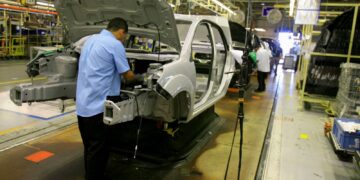























Buying a new car in Canada rarely ends at the sticker price. Many buyers walk in expecting one number and leave signing for another. Dealerships often stack extra charges that seem small at first. Together, they can add thousands to your final cost. Some fees are legal and required. Others are optional but presented as mandatory. The difference is not always clear during a fast sales process. Knowing what to watch for can save serious money. Here are 15 “Hidden Fees” Canadians keep paying at dealerships in 2026.
Documentation Fees

Documentation fees appear on almost every deal sheet. Dealers claim they cover paperwork, processing, and filing costs. In Canada, these fees often range from $499 to $899. Some luxury dealers charge over $1,200. The issue is not the fee itself, but the lack of standard pricing. Two dealerships selling the same car can charge very different amounts. Buyers rarely question it during negotiations. On a $45,000 SUV, this fee quietly pushes the price higher. You can sometimes negotiate it down. Many buyers do not try, assuming it is fixed and required.
Freight and PDI Charges

Freight and pre-delivery inspection fees are common on new vehicles. These charges cover shipping and dealer preparation. For many cars, this ranges from $1,800 to $2,500. Larger SUVs and trucks often exceed $3,000. For example, a $52,000 midsize SUV may carry a $2,200 freight charge. This fee is usually listed separately from the MSRP. Buyers often feel blindsided when they see the full breakdown. Unlike some fees, this one is harder to remove. Still, understanding it early helps avoid sticker shock later in the process.
Dealer Add-Ons

Dealerships often install extras before the car hits the lot. These include nitrogen tires, wheel locks, or paint protection. Packages can cost between $1,200 and $4,000. A $38,000 sedan can quickly become a $42,000 purchase. Sales staff may present these as already included. That does not mean you must accept them. Many buyers feel pressured when inventory is limited. The value of these add-ons rarely matches the price. Asking for removal or discounts can reduce the impact. Ignoring them can inflate your loan without adding real benefit.
Market Adjustment Fees

High-demand vehicles often carry market adjustment fees. These are pure markups based on demand. Popular hybrids and EVs see the biggest increases. Buyers have reported $3,000 to $10,000 added to base prices. A $55,000 electric SUV can easily reach $63,000. Dealers justify this with supply shortages. The fee is not regulated in most provinces. That makes it harder to challenge. Shopping around can reveal better pricing. Some dealerships avoid these markups entirely. Many buyers still pay them due to long waitlists and limited availability.
VIN Etching Fees
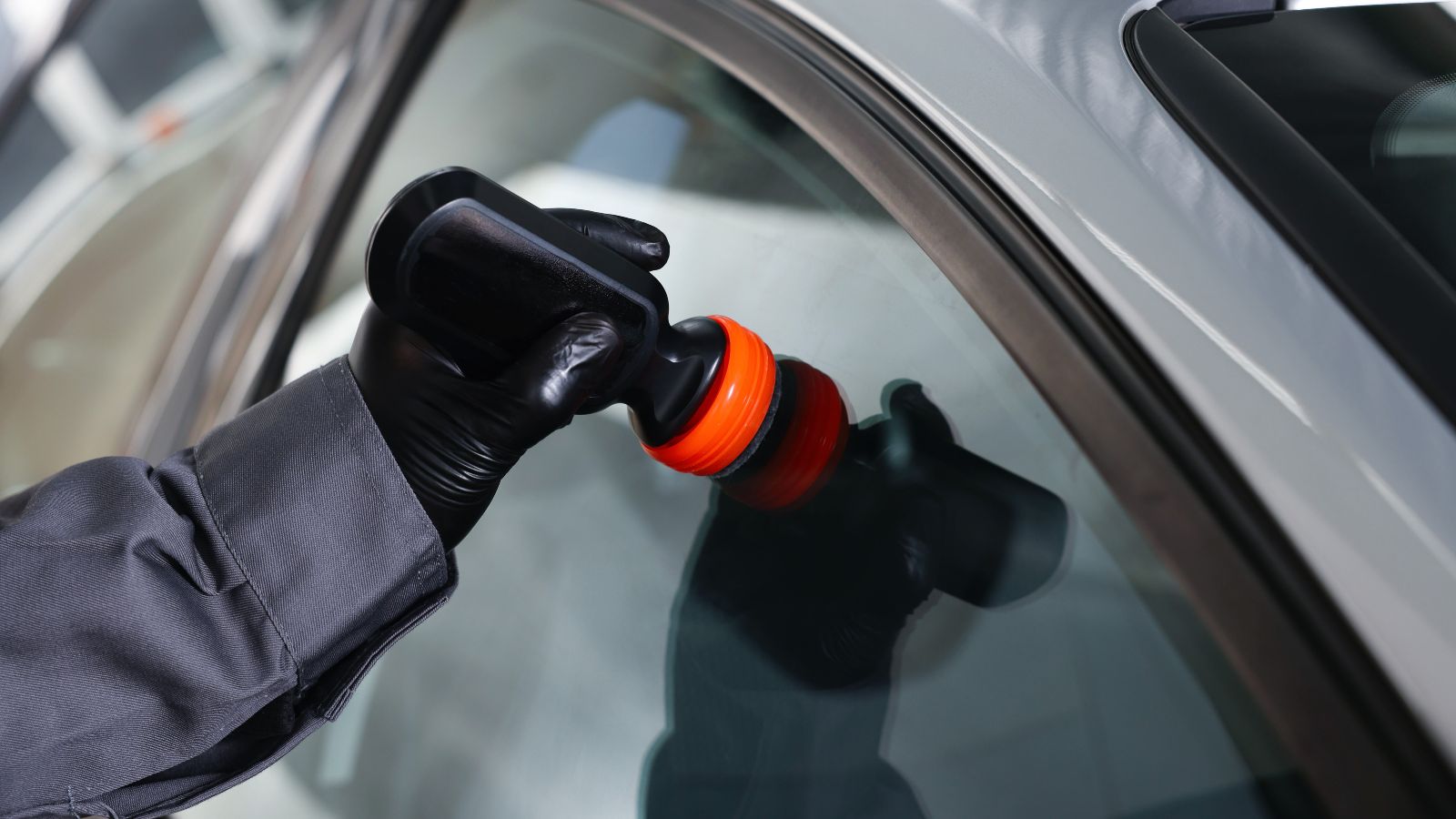
VIN etching involves engraving your vehicle identification number on windows. Dealers say it helps prevent theft. The typical cost ranges from $300 to $800. Insurance companies sometimes offer small discounts for it. The actual service costs far less than the charged amount. Many buyers never request it. Yet it appears on contracts as a pre-installed feature. A $60,000 luxury sedan may include this without discussion. You can often decline or request removal. Leaving it unchecked adds cost without clear value for most drivers.
Extended Warranty Markups

Extended warranties can provide peace of mind. They also carry high profit margins for dealers. Prices often range from $2,000 to $5,000. Coverage terms vary widely. A $48,000 crossover may come with a $3,200 warranty offer. Buyers feel pressure to decide quickly. Sales staff may warn about expensive repairs. These warranties are negotiable in many cases. Third-party options may cost less. Not all drivers need extended coverage. Reviewing the fine print helps avoid paying more than necessary. Many buyers accept the first offer without comparison.
Tire and Rim Protection Plans

Tire and rim protection plans sound useful in harsh Canadian conditions. These plans usually cost between $800 and $2,000. Coverage includes repairs or replacements from road damage. The value depends on your driving habits. Urban drivers may not benefit as much. Dealers often bundle this with financing offers. A $50,000 SUV purchase can include a $1,500 protection plan. Buyers rarely calculate the real risk. Some insurance policies already provide similar coverage. Declining this option can reduce monthly payments. Accepting it without review adds unnecessary expense.
Finance Office Fees

The finance office introduces another layer of charges. These include loan setup and processing fees. Costs can range from $200 to $900. Buyers often focus on monthly payments rather than the total cost. This makes small fees easier to hide. On a $45,000 vehicle, even a $500 fee increases the loan amount. Interest applies to that amount over time. Not all dealerships charge this fee. Asking for a breakdown helps reveal it. Many buyers sign quickly and miss this line entirely.
Credit Insurance Add-Ons

Credit insurance covers payments if you face illness or job loss. Dealers offer it during financing discussions. Monthly costs seem small at first. Over time, they add hundreds or thousands. A typical plan can cost $20 to $60 per month. On a five-year loan, that becomes $1,200 or more. Buyers often feel safer accepting it. The coverage terms can be restrictive. Some policies have strict eligibility rules. This product is optional in most cases. Skipping it can lower your total financing cost significantly.
Paint Protection Packages

Paint protection is marketed as essential for preserving resale value. Dealers charge between $900 and $2,500 for these packages. They may include coatings or sealants. Many buyers assume factory paint needs extra care. Independent detailing shops often charge less for similar services. A $70,000 luxury SUV may include a $1,800 package by default. The actual benefit varies widely. Some coatings wear off within a few years. Asking for removal or price adjustments can help. Accepting it blindly adds cost without guaranteed long-term value.
Rustproofing Fees
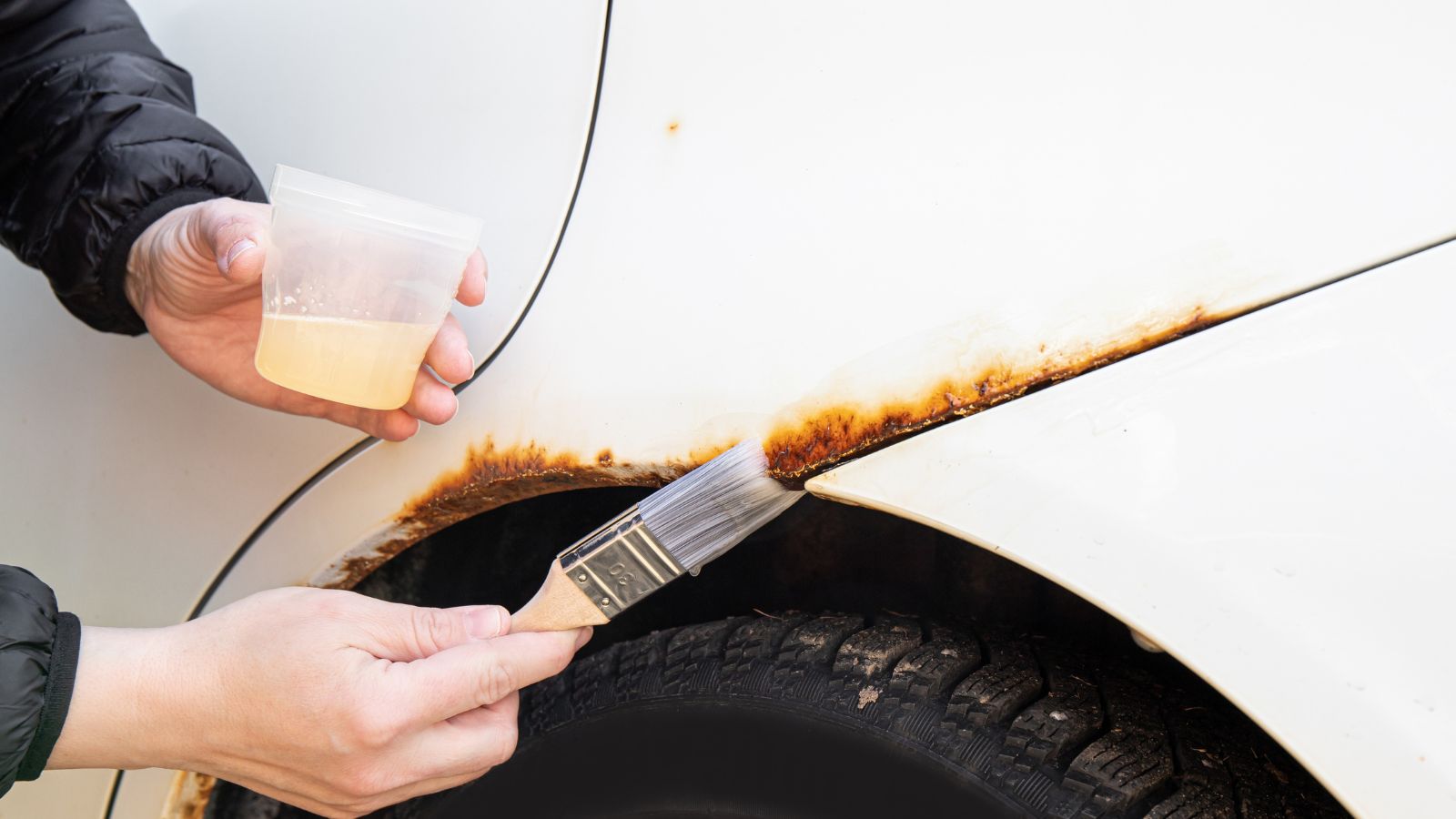
Rustproofing remains a popular upsell in Canada. Dealers charge between $600 and $1,500 for this service. Modern vehicles already have corrosion protection. The added treatment may offer limited benefit. Buyers in snowy regions feel more inclined to accept it. A $42,000 compact SUV may include a $900 rustproofing fee. Independent shops often charge less for similar treatments. The service can also be applied later. Agreeing at the dealership usually costs more. Reviewing your needs helps avoid unnecessary spending at purchase time.
Admin Fees for Leasing

Leasing comes with its own set of charges. Admin fees are common during lease setup. These can range from $300 to $1,000. Buyers often focus on monthly lease rates. The upfront costs receive less attention. A $55,000 vehicle lease may include a $750 admin fee. This amount increases your initial payment. Not all dealerships apply the same charges. Comparing lease offers helps highlight differences. Some fees are negotiable. Accepting them without review raises the overall cost of leasing significantly.
Delivery or Prep Fees

Some dealerships add extra delivery or prep fees. These are separate from freight charges. Costs usually fall between $200 and $800. Dealers claim they cover cleaning and final checks. Many buyers assume this is part of standard service. On a $47,000 sedan, a $500 prep fee can go unnoticed. The work involved is often minimal. Asking for clarification helps identify overlap with other charges. In some cases, this fee can be removed. Ignoring it increases your purchase price unnecessarily.
Trade-In Adjustment Fees
Trade-in transactions can include hidden adjustments. Dealers may reduce your trade-in value through fees. These adjustments are not always clearly explained. A car valued at $15,000 may be reduced to $13,800. The difference appears as reconditioning or inspection costs. Buyers focus on the new car price instead. This shifts attention away from the trade-in details. Reviewing both sides of the deal is important. Negotiating the trade-in separately can help. Missing this step often results in losing money without realizing it.
Registration and Licensing Add-Ons
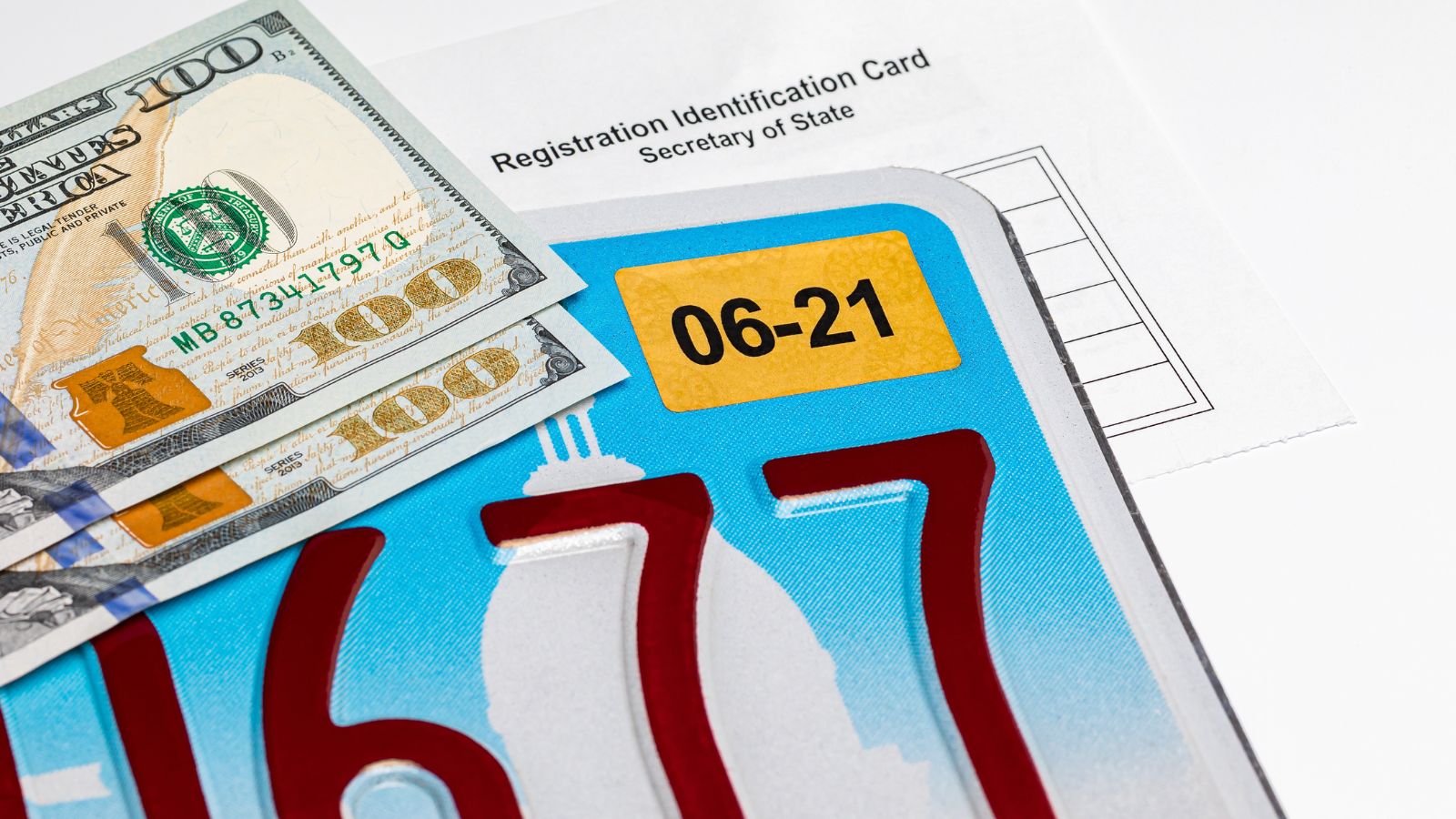
Registration and licensing fees are required. Some dealerships inflate these costs. Actual government fees are fixed by the province. Dealers may add service charges on top. These can range from $100 to $400 extra. Buyers often trust the breakdown without question. On a $40,000 purchase, this adds a small but real increase. Asking for itemized details helps reveal the difference. Paying only the required amount is possible. Accepting bundled pricing makes it harder to spot inflated charges.
22 Things Canadians Do to Their Cars in Spring That Mechanics Hate
Spring brings relief to many Canadian drivers after months of snow, freezing temperatures, and icy roads that put serious strain on vehicles. As temperatures rise across the country, drivers begin washing cars, switching tires, and preparing vehicles for warmer weather and upcoming road trips. However, mechanics across Canada notice the same mistakes every spring when drivers attempt to recover from winter damage. Road salt, potholes, and harsh winter driving conditions often leave vehicles with hidden problems that drivers ignore. Some spring habits even create new mechanical issues that could have been avoided with proper maintenance. Here are 22 things Canadians do to their cars in spring that mechanics hate.