

























Canada’s car market is changing fast. Emissions rules, electrification, and shifting buyer tastes are reshaping dealership lots. Some familiar vehicles are quietly disappearing while new models step in. Many of these outgoing cars built loyal followings across Canadian cities and long highway routes. Owners liked their reliability, practicality, or simple driving feel. When they vanish, drivers notice. New replacements often bring hybrid systems, EV platforms, or crossover designs. Still, plenty of Canadians will miss the originals. Nostalgia often arrives the moment a model leaves production. Here are 15 cars Canadians will miss once they’re gone (and what’s replacing them).
Chevrolet Malibu
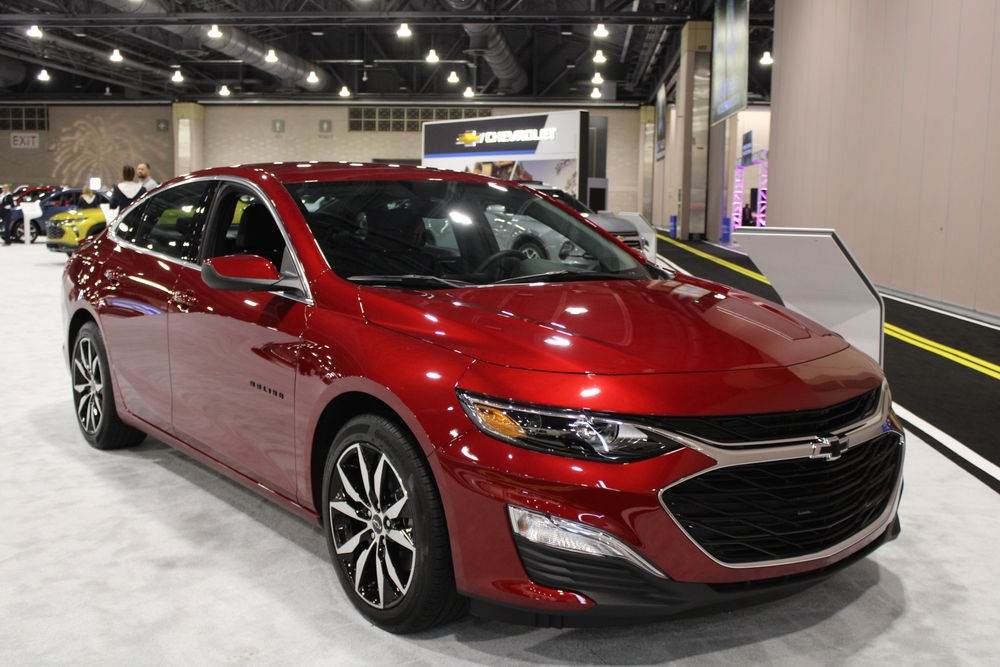
The Chevrolet Malibu has served Canadian commuters for decades. It offered a quiet ride, a large trunk, and straightforward controls. Many rental fleets and daily drivers relied on it. The sedan also handled long highway trips with little fuss. Yet buyers have shifted toward SUVs. Sales dropped sharply across North America during the past decade. Chevrolet plans to end Malibu production after the 2025 model year. That leaves many loyal owners disappointed. Its replacement will not be another sedan. Instead, Chevrolet focuses on electric crossovers like the Equinox EV. Canadians gain more tech and range. Still, many drivers will miss Malibu’s simple and predictable nature.
Dodge Charger
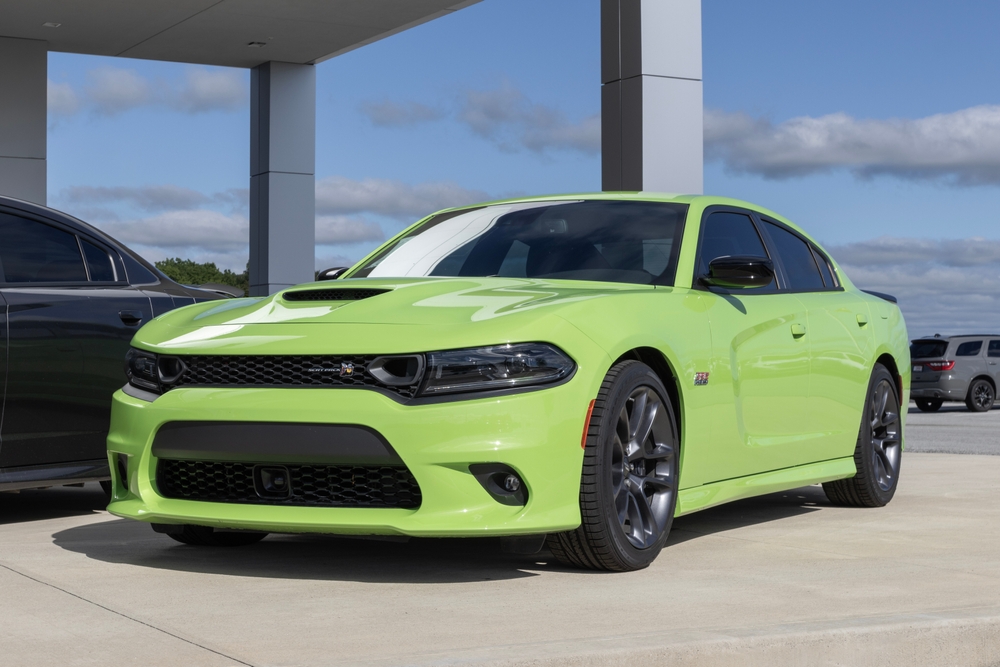
The Dodge Charger built a reputation around loud engines and bold styling. Canadian drivers loved its V8 power during winter highway drives. Police departments also relied on it for years. The sedan stood out in a world filled with SUVs. Dodge ended production of the gasoline Charger in 2023. That decision marked the end of the muscle car era. A new Charger arrives soon, but it looks very different. The replacement includes electric power and smaller turbo engines. Some enthusiasts welcome the change. Others worry the personality will disappear. Canadians who grew up hearing that V8 rumble will miss the old Charger deeply.
Dodge Challenger
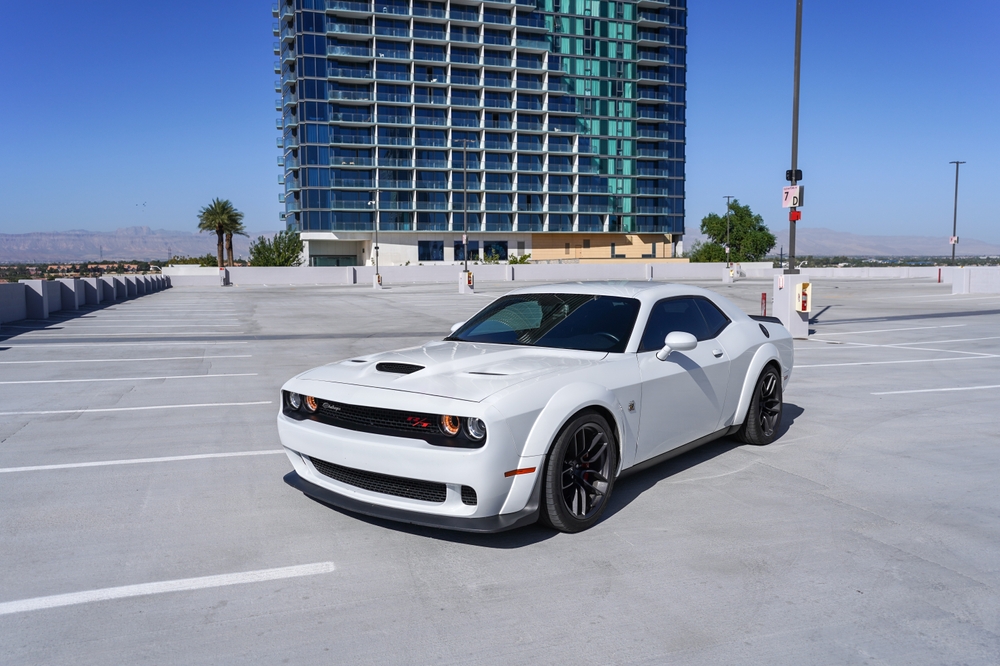
The Dodge Challenger retained classic muscle-car styling longer than most rivals. Wide bodies, loud exhaust notes, and huge engines defined its personality. Canadian buyers enjoyed its straight-line speed and retro design. It never pretended to be subtle. Dodge officially ended Challenger production in 2023. That decision shocked long-time fans across North America. The future replacement shares its platform with the new Charger. It may use electric power or smaller engines. Performance numbers might improve. Yet many enthusiasts say the experience will feel different. The original Challenger captured nostalgia in a way few modern cars managed. Canadians will miss that unmistakable presence.
Nissan Maxima
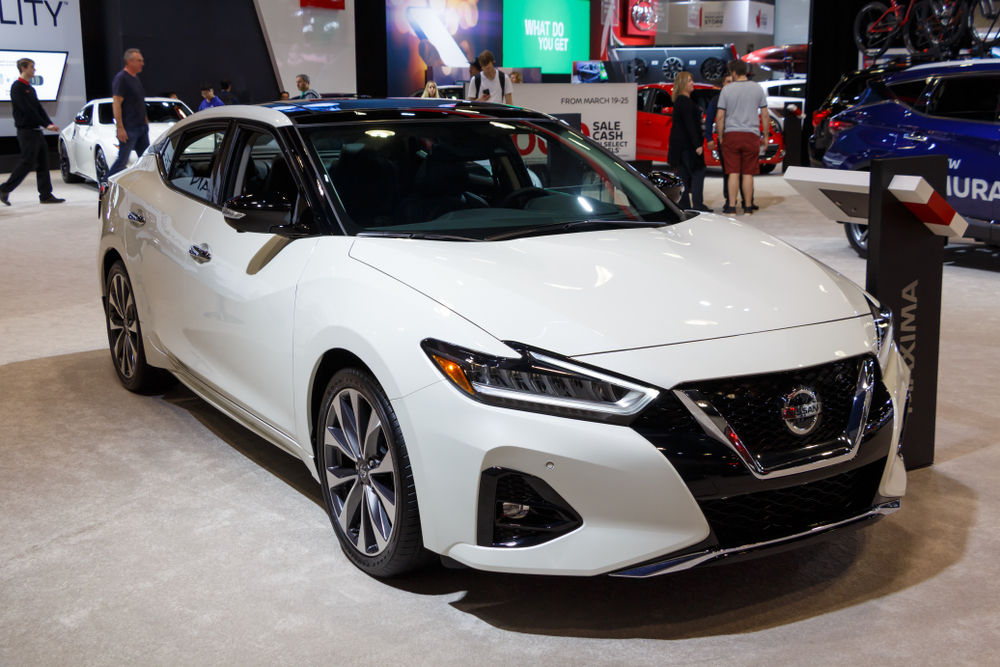
The Nissan Maxima once represented affordable performance luxury. Many Canadian drivers called it a four-door sports car. It offered strong V6 power and comfortable seating. Highway driving felt smooth and relaxed. Nissan stopped producing the Maxima after the 2023 model year. Sales had declined as SUVs gained popularity. Buyers now prefer crossovers with similar space. Nissan plans electric sedans and crossovers instead. One future model may replace Maxima’s position in the lineup. It will likely run on a new EV platform. That brings modern technology and range. Still, Canadians who enjoyed Maxima’s strong engine will miss that traditional driving feel.
Toyota Avalon
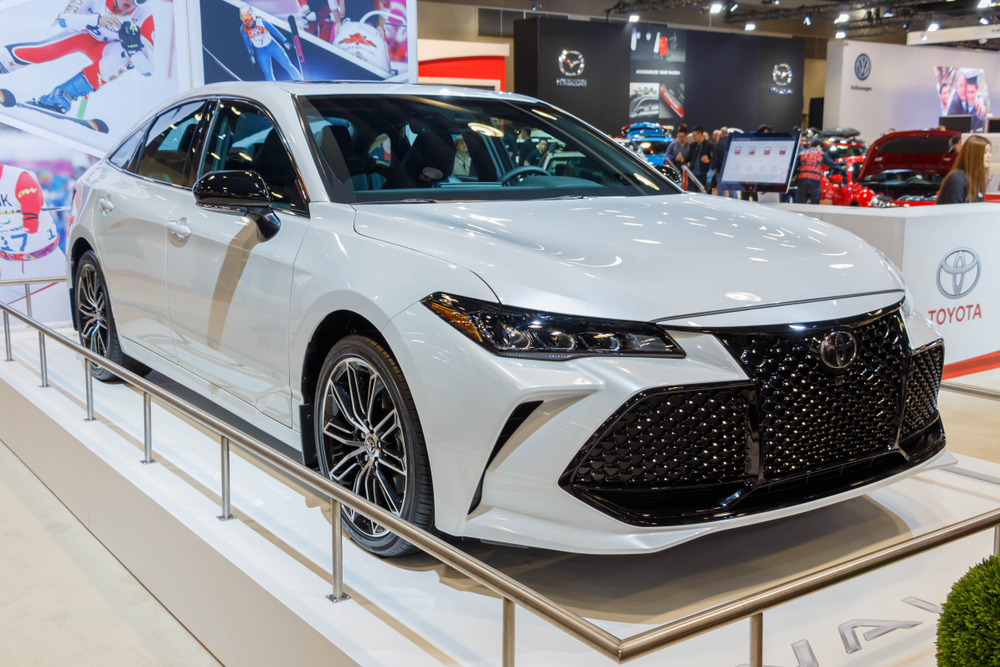
The Toyota Avalon served Canadians who wanted quiet luxury without a premium brand price. It offered generous rear seating and a smooth ride. Many owners kept their Avalon for more than a decade. Reliability helped build that reputation. Toyota discontinued the Avalon after the 2022 model year. The company replaced it with the Crown. The Crown sits higher and uses a hybrid powertrain. It blends sedan and crossover design elements. Some buyers like its modern look. Others prefer the traditional sedan shape of the Avalon. The older car felt calm and familiar. Canadians who valued comfort and simplicity will miss Avalon’s relaxed character.
Kia Stinger
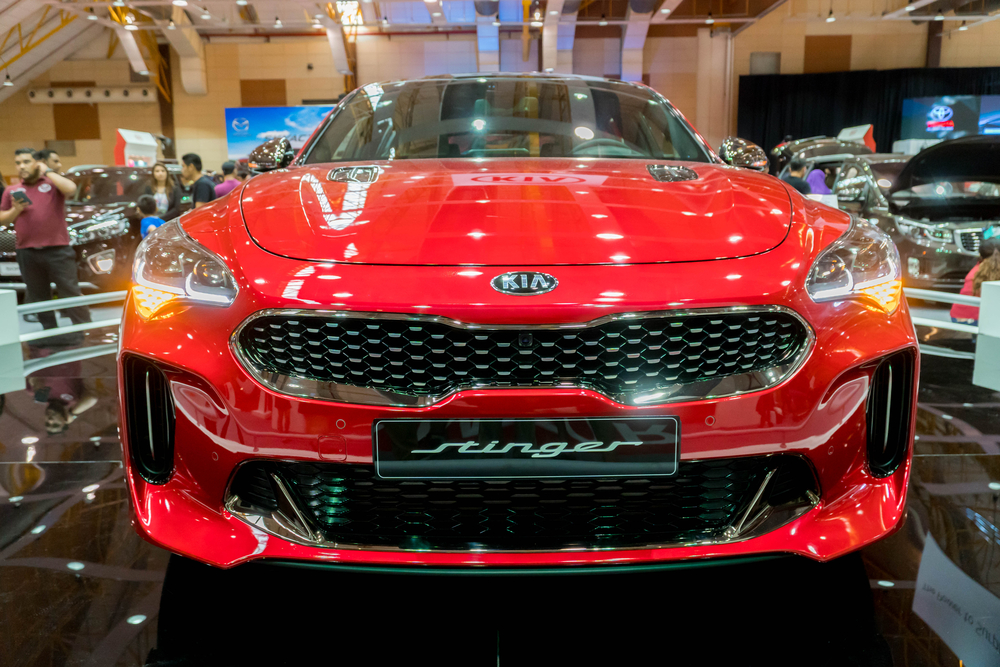
The Kia Stinger surprised many drivers when it launched. A Korean brand produced a genuine sports sedan. The Stinger offered Rear Wheel Drive and strong turbo engines. Canadian reviewers praised its handling and performance value. Yet sales stayed limited despite positive feedback. Kia ended Stinger production in 2023. The company now focuses on electric vehicles and SUVs. A future EV performance sedan may replace it eventually. That model will likely use Kia’s dedicated electric platform. It may deliver faster acceleration. Still, the Stinger proved that affordable performance could exist outside luxury brands. Canadian enthusiasts will miss that rare combination.
Chrysler 300
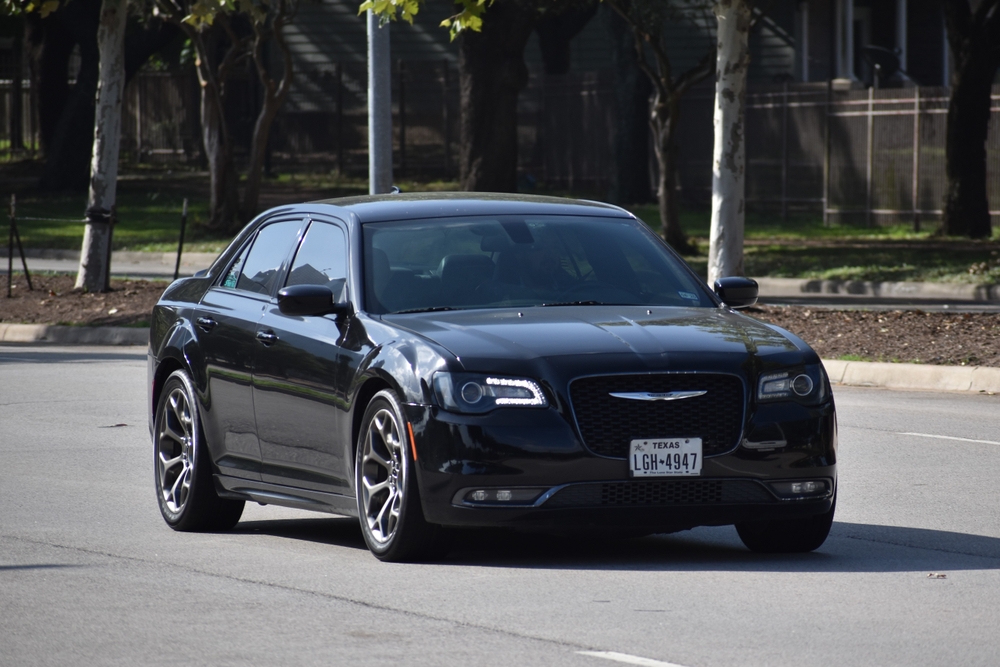
The Chrysler 300 stood apart with bold styling and large proportions. Canadian buyers often choose it for highway comfort and strong engines. It’s optional V8 delivered surprising performance. The car also served government and limousine fleets. Chrysler ended 300 production in 2023. That decision removed one of the last traditional American sedans. The brand plans to offer electric vehicles in the future. A large electric sedan may appear later this decade. Technology and range will improve dramatically. Yet the old 300 carried a distinctive personality. Few cars matched its mix of presence and simplicity. Canadians will remember that classic design long after production ended.
Ford Edge
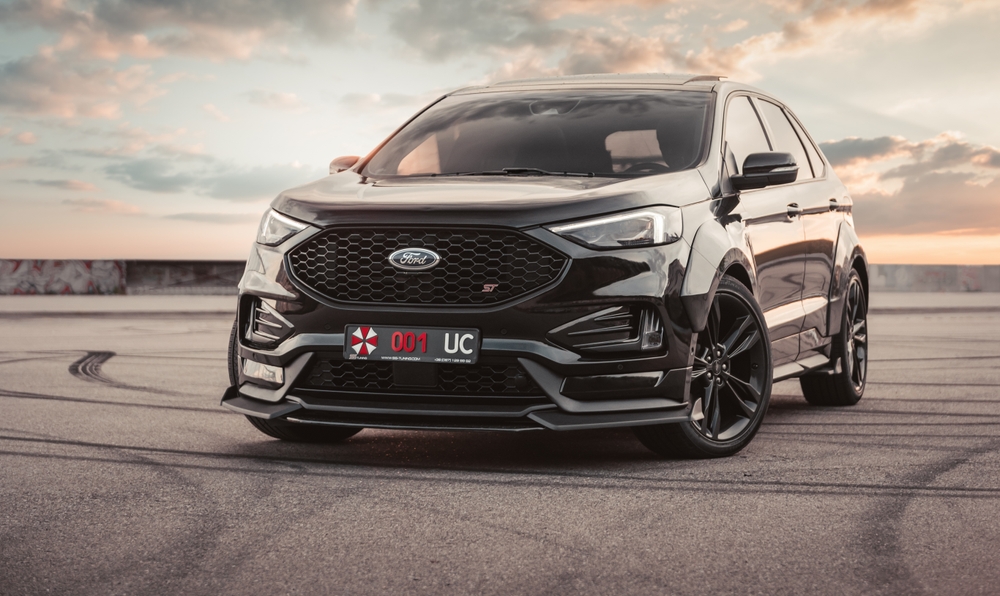
The Ford Edge filled a sweet spot between compact and large SUVs. Canadian families liked its roomy interior and comfortable ride. It also handled winter roads well with All Wheel Drive. Many drivers considered it a practical highway cruiser. Ford plans to end Edge production for North America after 2024. The company shifts focus toward electric crossovers and trucks. One future replacement may be an electric SUV built on a new platform. That change brings better efficiency and modern software. Still, the Edge earned loyalty through simple practicality. Canadians who drove it daily may miss its balanced size and familiar design.
Toyota C-HR
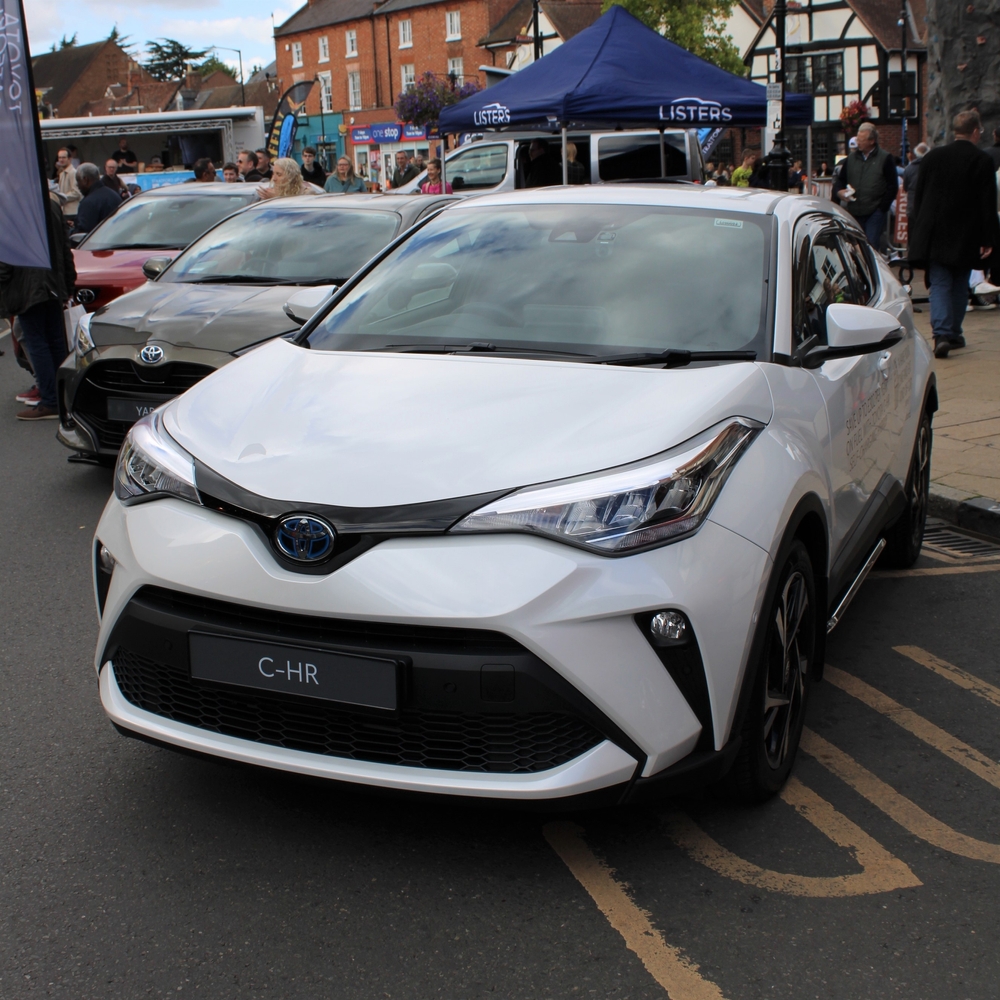
The Toyota C-HR stood out with bold styling and sharp lines. It targeted younger buyers who wanted something different. Canadian cities saw plenty of these small crossovers during recent years. Yet the vehicle lacked All Wheel Drive. That limitation mattered in snowy provinces. Toyota ended C-HR sales in Canada after 2022. The brand now focuses on newer hybrid crossovers. Models like the Corolla Cross fill the same market space. They offer better practicality and are available with All Wheel Drive. That suits Canadian weather better. Still, the C-HR gave buyers a quirky design option. Some drivers will miss that playful personality.
Honda Insight
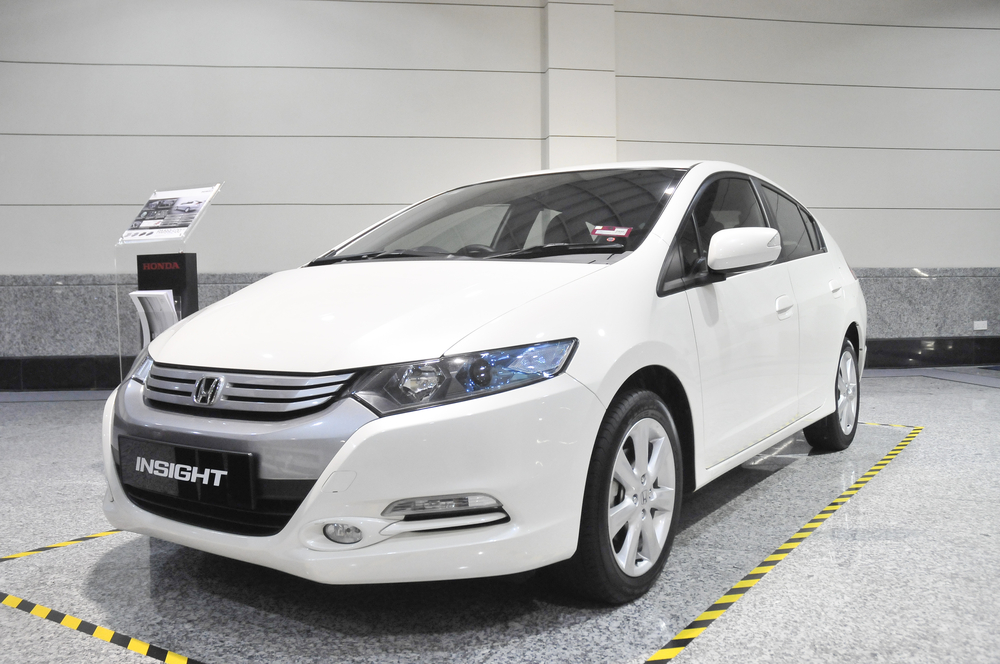
The Honda Insight delivered excellent fuel economy without looking unusual. It used a hybrid system similar to the Honda Accord Hybrid. Canadian drivers liked its quiet ride and clean styling. The car also felt familiar to drivers switching from gasoline sedans. Honda ended Insight production in 2022. The Civic Hybrid now replaces its role in the lineup. That model offers similar efficiency with stronger brand recognition. Honda also improves battery technology across its hybrids. Still, the Insight quietly built a loyal following. It proved that hybrids could feel normal and comfortable. Canadians who owned one appreciated that understated approach.
Mazda6
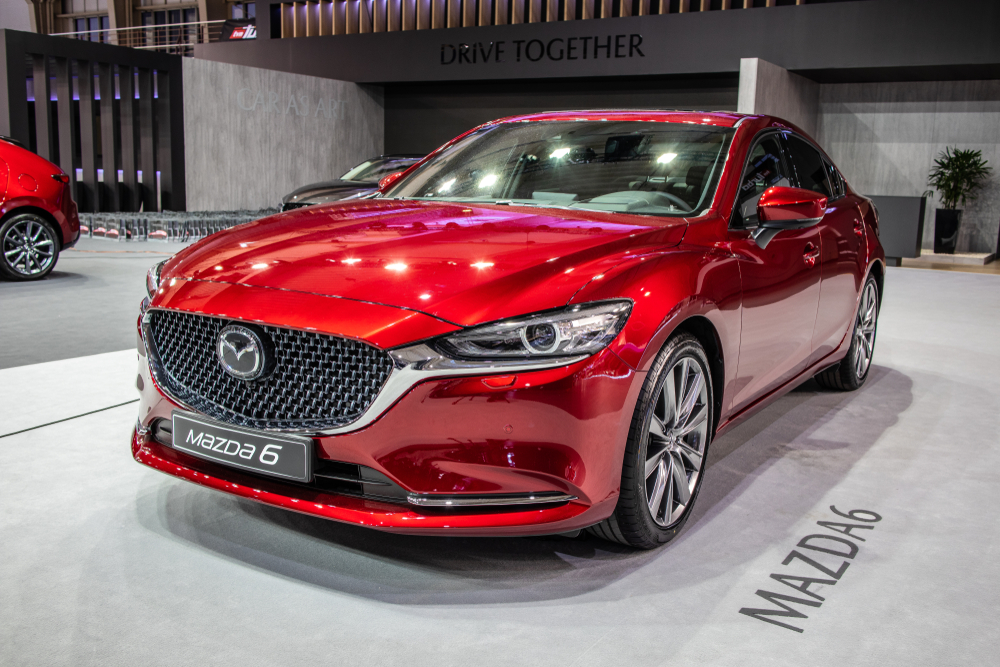
The Mazda6 earned praise for driving feel and elegant styling. Many Canadian reviewers called it the driver’s sedan. It balanced handling and comfort better than most family cars. The interior also felt more premium than expected. Mazda stopped selling the Mazda6 in North America after 2021. SUVs and crossovers had taken over the segment. Mazda now focuses on vehicles like the CX-5 and CX-50. Those crossovers provide similar refinement with higher seating positions. Future Mazda electrified models may appear as well. Still, drivers who loved engaging sedans will miss the Mazda6. It offered a personality rarely found in family cars.
Volkswagen Passat
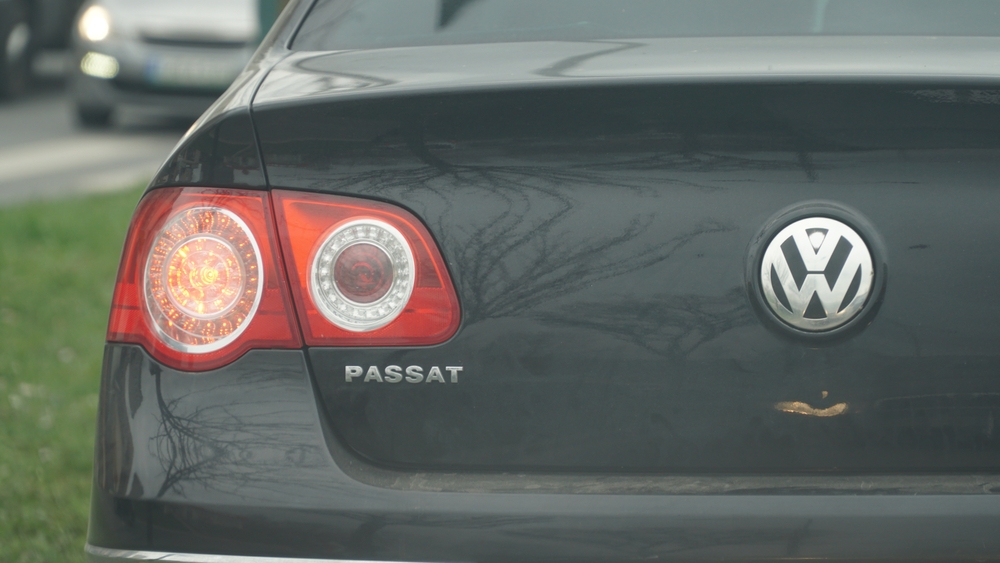
The Volkswagen Passat once served as a dependable family sedan. Canadian buyers appreciated its spacious rear seats and smooth highway ride. Many taxis and fleet vehicles used the model for years. Volkswagen ended Passat production for North America in 2022. The company now shifts its attention toward electric vehicles. Models in the ID lineup lead that transition. One future electric sedan may eventually replace the Passat’s role. It will likely offer advanced driver systems and long-range batteries. Yet the original Passat remained simple and practical. Canadians who valued straightforward family transportation will miss that familiar presence.
Hyundai Veloster
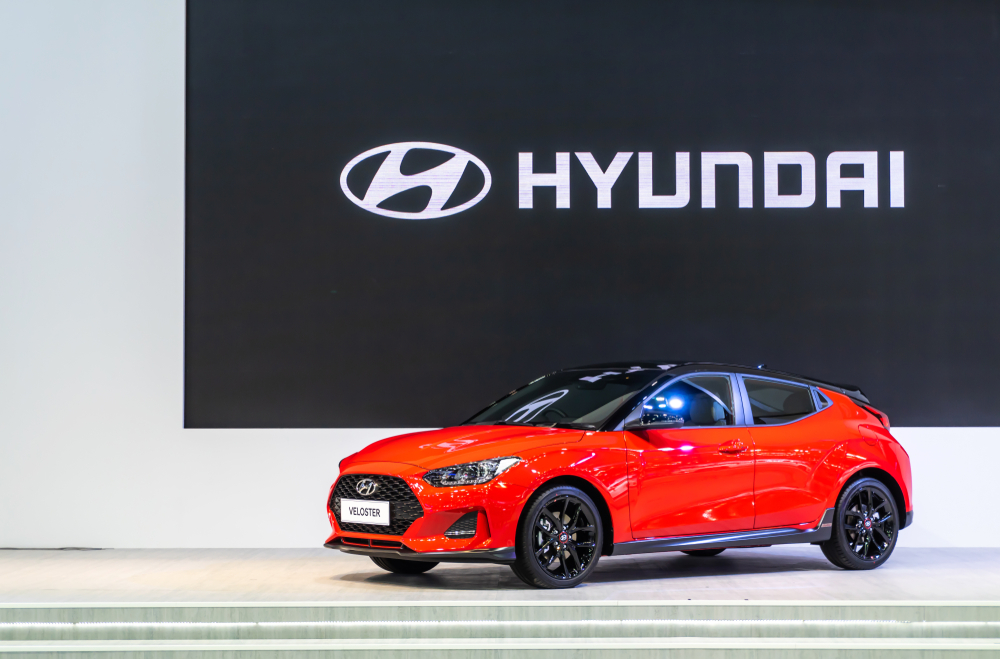
The Hyundai Veloster stood out immediately with its unusual three-door design. One side had two doors while the other had one. That layout sparked curiosity wherever it appeared. Canadian drivers enjoyed its playful personality and turbocharged performance versions. Hyundai discontinued the Veloster in 2022. The brand chose to focus on the Elantra N instead. That sedan carries the performance spirit forward. It delivers impressive power and sharp handling. Still, the Veloster felt different from anything else on the road. Its quirky design built a loyal fan base. Canadians who liked unusual cars will miss its bold character.
Ford Fusion
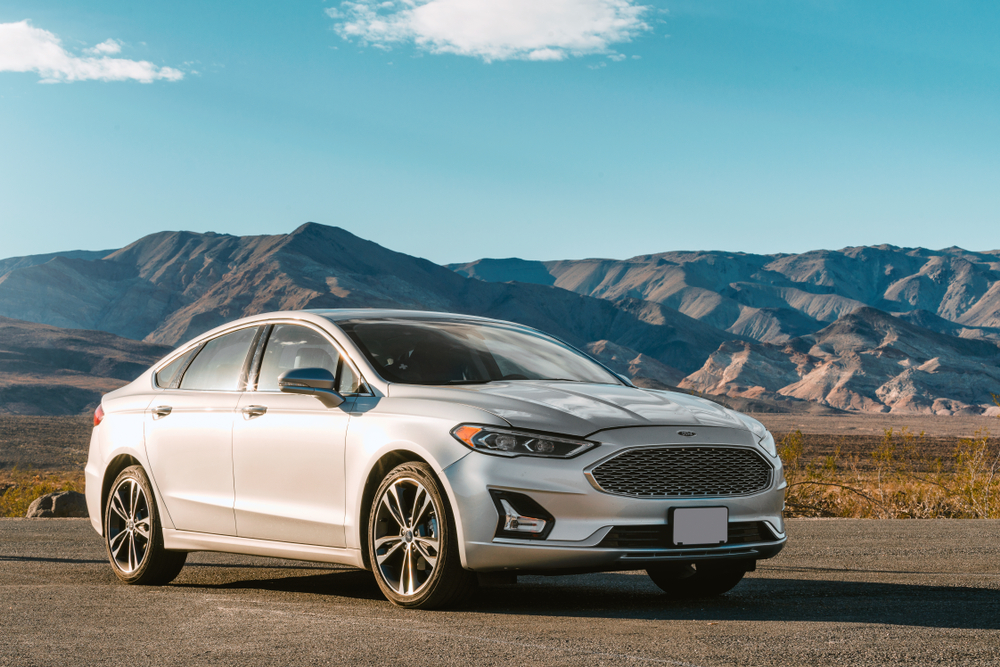
The Ford Fusion once ranked among Canada’s most common midsize sedans. It offered strong safety ratings and comfortable interiors. Hybrid versions also delivered excellent fuel economy. Many government fleets relied on the model. Ford ended Fusion production in 2020 as sedan demand declined. The company redirected resources toward SUVs and trucks. Vehicles like the Escape and Mustang Mach-E now fill similar roles. Those models offer higher seating and modern technology. Still, the Fusion served families faithfully for years. Canadians appreciated its balanced mix of comfort and efficiency. Its quiet departure marked the end of an era for Ford sedans.
Chevrolet Camaro
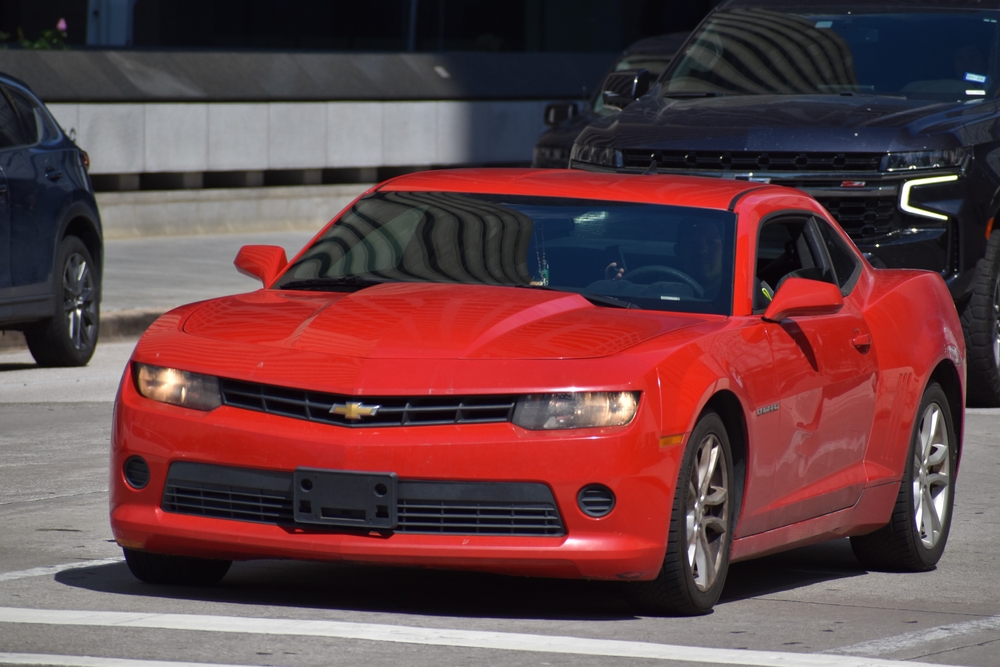
The Chevrolet Camaro has built decades of history with Canadian drivers. It represented accessible performance and bold styling. Many enthusiasts grew up dreaming about owning one. The latest generation delivered serious power and track capability. Chevrolet ended Camaro production in 2024. The company hinted at a future replacement using electric technology. That model may keep the Camaro name alive. Performance numbers could rise dramatically with electric motors. Yet the sound and feel of a gasoline muscle car remain unique. Canadian car culture will feel that absence. Many drivers will miss the Camaro’s unmistakable roar and classic presence.
22 Things Canadians Do to Their Cars in Spring That Mechanics Hate

Spring brings relief to many Canadian drivers after months of snow, freezing temperatures, and icy roads that put serious strain on vehicles. As temperatures rise across the country, drivers begin washing cars, switching tires, and preparing vehicles for warmer weather and upcoming road trips. However, mechanics across Canada notice the same mistakes every spring when drivers attempt to recover from winter damage. Road salt, potholes, and harsh winter driving conditions often leave vehicles with hidden problems that drivers ignore. Some spring habits even create new mechanical issues that could have been avoided with proper maintenance. Here are 22 things Canadians do to their cars in spring that mechanics hate.