
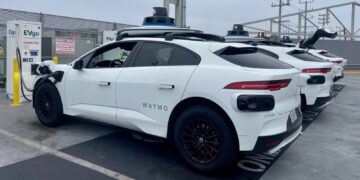

























Summer road trips still carry a certain Canadian optimism: a full tank, a loose itinerary, and the idea that driving is the affordable way to take a real break. The surprise comes later, when the total climbs through small charges that felt harmless on their own. A campground fee here, a parking app there, a toll, a pet surcharge, an overpriced lunch at the wrong exit.
That pattern matters more now because domestic travel has been strong. Statistics Canada reported that Canadians took 90.6 million domestic trips in the second quarter of 2025, the highest second-quarter total since the current survey began in 2018, while spending on visits within Canada reached $20.3 billion. Here are 16 road-trip costs that routinely slip past the first draft of the budget.
Fuel Price Swings
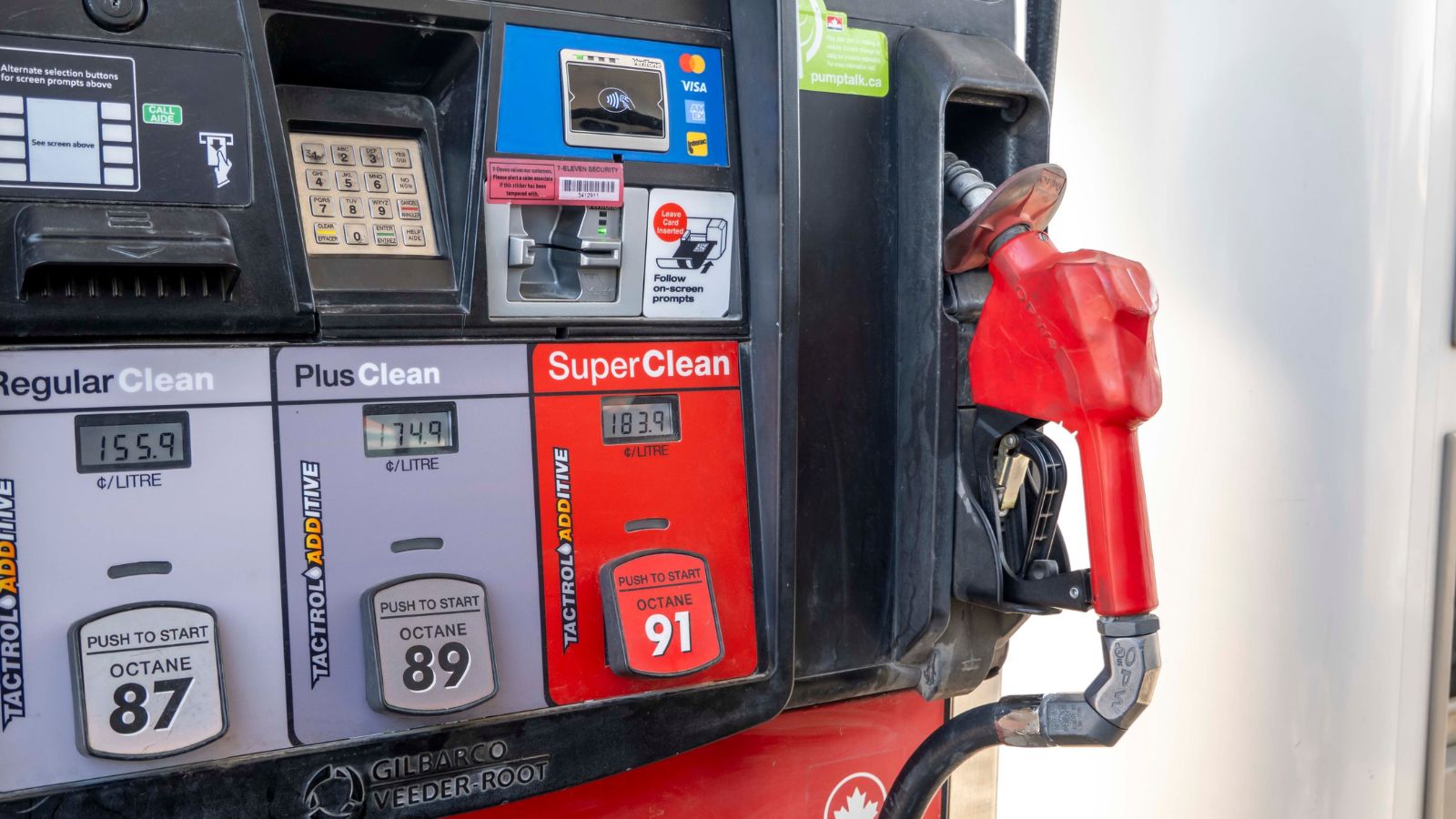
Gas is the cost most travellers remember to include, but many still budget it as if the price will stay flat from departure to return. In reality, a summer route that cuts across provinces, mountain corridors, resort towns, or remote stretches can expose a driver to several different pricing environments in a single week. That matters because road-trip fuel bills are shaped not just by distance, but by terrain, traffic, idling, detours, and the simple bad luck of filling up in a high-price region right before the return leg.
The underestimate usually starts with a neat, optimistic calculation. Someone plugs a single litres-per-100-kilometres number into a map, multiplies by one average pump price, and calls it done. But a loaded vehicle, a roof box, stop-and-go cottage traffic, and heat-driven air-conditioning use can stretch that number fast. What looks like a manageable expense on paper can become one of the biggest line items by the time the odometer rolls back home.
Pre-Trip Maintenance
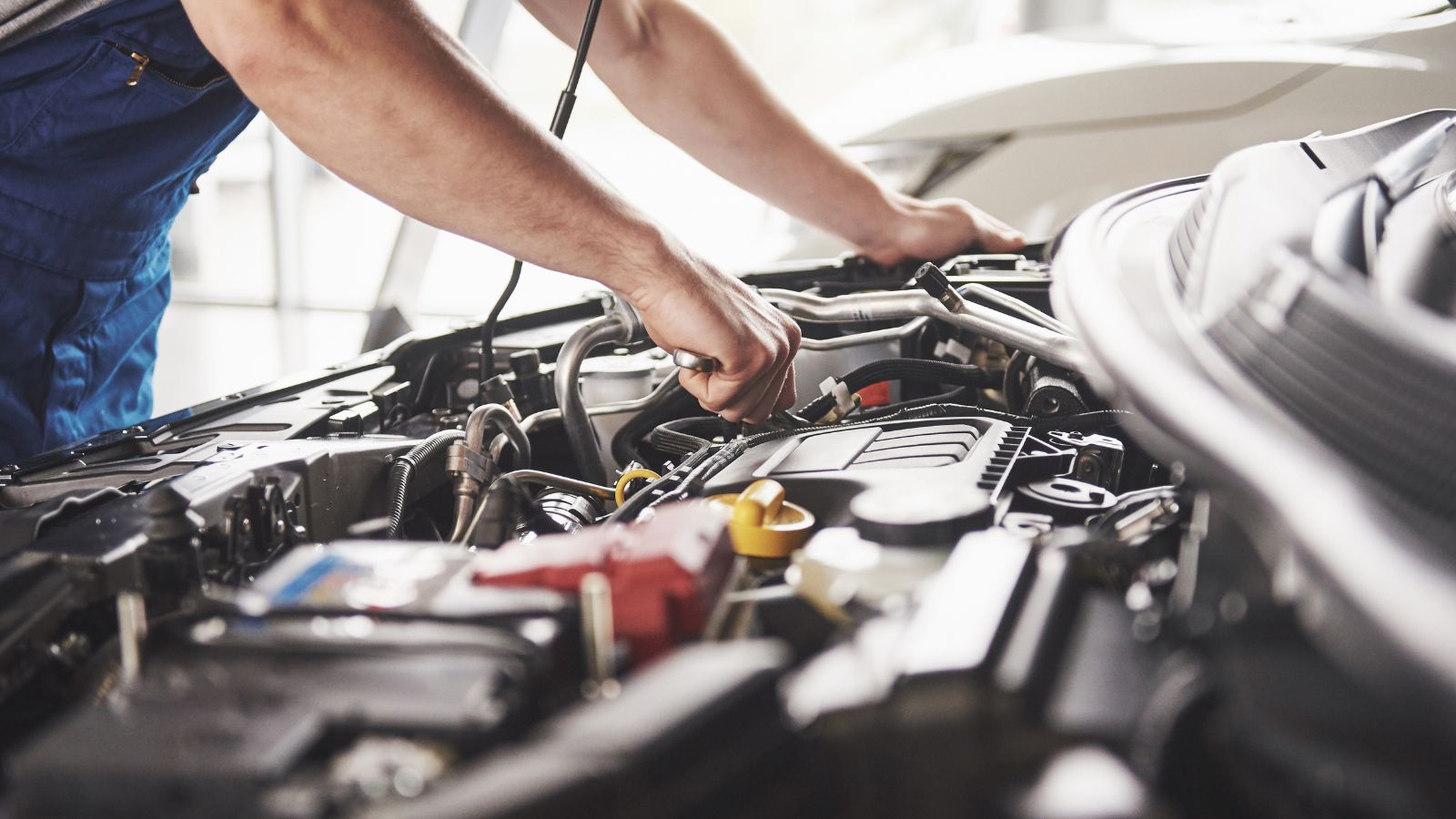
A road trip does not create mechanical problems from scratch, but it has a habit of exposing the ones a car was already carrying. A battery that felt acceptable on city errands, brakes that were “good enough for now,” or coolant that had not been checked in months can all become expensive once the vehicle is hours away from home. Many Canadians budget for the vacation itself and treat maintenance as separate household spending, even though a summer drive often demands that service before the first bag goes in the trunk.
That distinction is what throws off the math. A fluid top-up, tire inspection, battery test, brake check, or air-conditioning service may not feel like part of the trip, but it is often the price of taking the trip safely. CAA and CAA-Quebec both stress checking systems such as brakes, tires, battery, and coolant before summer travel, and hot weather can speed wear on weak batteries. The bill is easier to swallow in a local garage than on the shoulder of a highway, but it still belongs in the travel budget.
Tire Wear and Tire Pressure

Tires are usually treated as a maintenance issue rather than a travel expense, which is exactly why they get underestimated. A long summer drive adds highway heat, rough shoulders, potholes near campgrounds, gravel turnoffs, and a heavier-than-normal load from coolers, bikes, or luggage. Even drivers who avoid a full blowout can come home with abnormal wear, a puncture repair, or a replacement they had not planned to buy until autumn.
There is also a fuel angle that many people miss. Natural Resources Canada has noted that under-inflated tires increase fuel use, which means tire neglect quietly fattens the gas bill before it ever becomes a safety problem. CAA guidance also emphasizes checking the spare, a detail travellers often forget until the moment it is needed. On a road trip, tires can cost money in three ways at once: reduced efficiency, faster wear, and emergency fixes bought far from the best price.
Last-Minute Gear and Emergency Supplies
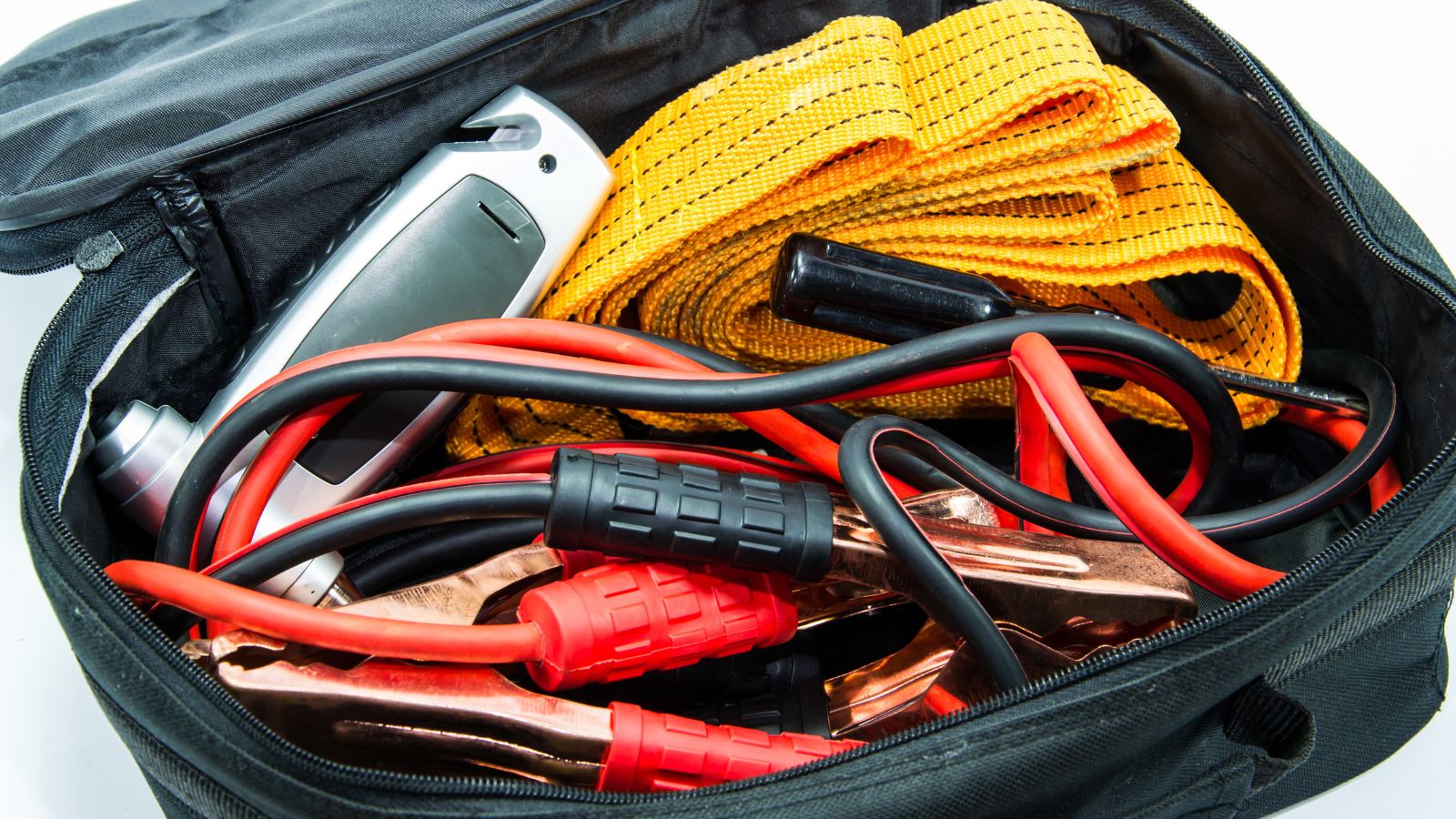
The romantic version of a road trip assumes the car already contains everything needed. The real version usually involves a stop the day before departure for a cooler, flashlight, phone mount, windshield fluid, folding chairs, rain gear, a first-aid kit, or a few “small” camping items that somehow add up to a triple-digit receipt. These purchases often get mentally filed under household shopping, but they are frequently triggered by the trip itself.
Statistics Canada’s tourism data tracks pre-trip expenditures such as luggage and camping equipment for a reason: these are genuine travel costs, and they move meaningfully with travel demand. CAA and federal emergency-preparedness guidance both recommend carrying basic supplies rather than assuming the road will stay cooperative. A family that realizes at the last minute it also needs a power bank, roadside triangles, or extra water usually pays convenience pricing. The trip budget looks tidy only because these purchases are hiding outside it.
Roadside Assistance, Towing, and Recovery Fees
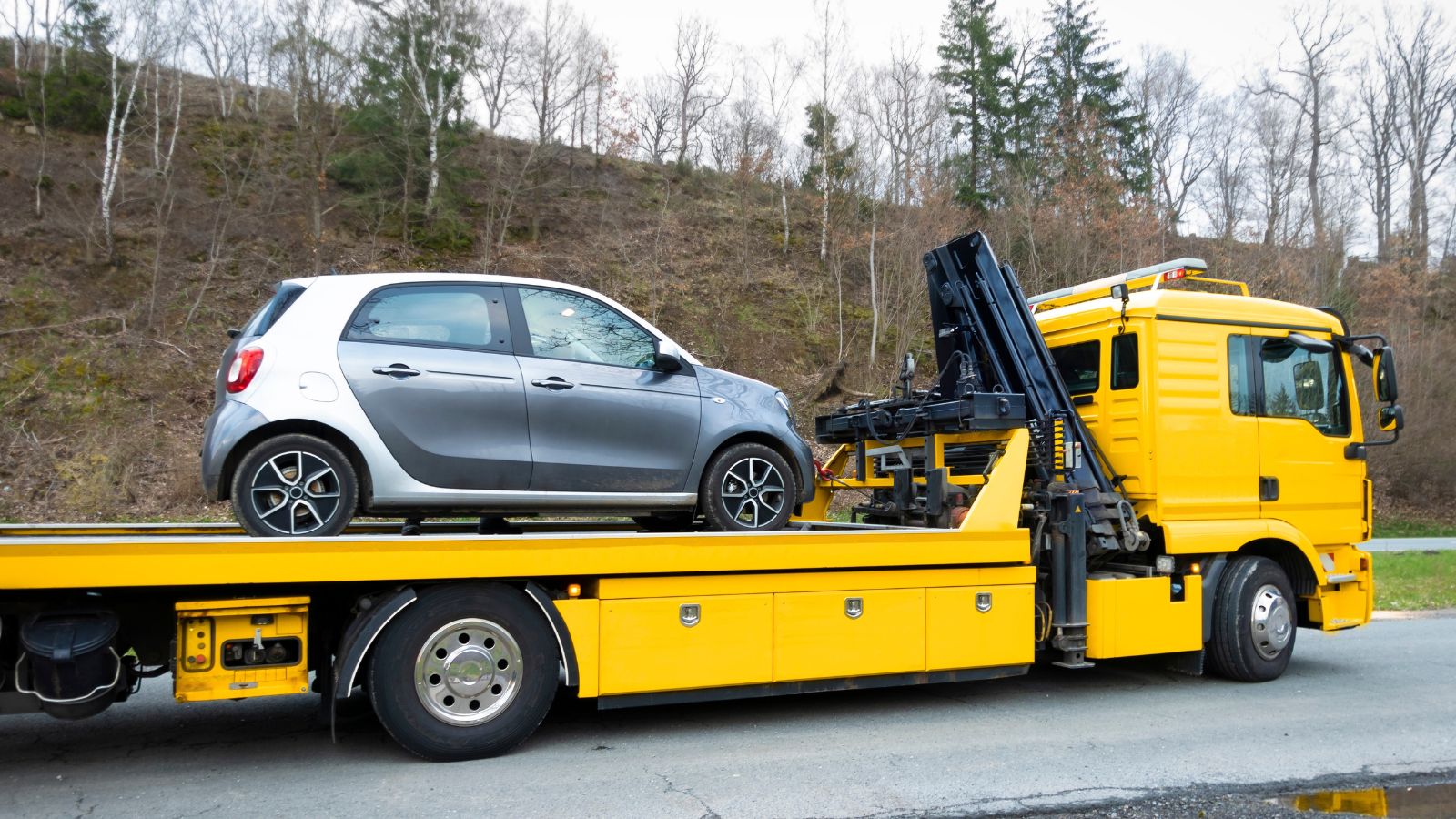
Many Canadians assume that if something goes wrong, roadside help is either free, cheap, or fully handled by an existing membership. Sometimes it is. Sometimes it is not. Membership tiers vary, towing distances are limited, and the biggest surprise often arrives after the tow itself: storage, repairs, parts, labour, and other charges that are not covered simply because the service truck showed up. That gap can turn a minor roadside incident into a budget breaker.
CAA’s own membership terms make that distinction clear. Coverage can be valuable, but costs beyond the included towing distance, along with parts, labour, repairs, impound, and storage, may still land on the driver. The mistake is budgeting for a trip as though breakdown support were a yes-or-no expense. It is more accurate to think of it as layered risk. A small annual fee can reduce the damage, but it does not erase the financial shock of trouble in a remote area on a busy summer weekend.
Accommodation on “Driving Days”

Road trips are often sold as flexible because they avoid airfare, but the overnight stop is where flexibility gets expensive. A route that looks easy on a map can become too long once traffic, weather, construction, and attraction stops start eating the day. Suddenly the plan needs one more motel, one more hotel, or a larger room because the family is too tired to continue. The extra night never appeared in the original budget, yet it becomes unavoidable once the road dictates the schedule.
This cost also rises in stronger travel markets. Statistics Canada has shown domestic accommodation spending increasing in recent periods, and current hotel performance data point to higher average daily rates in Canada. That does not mean every room is unaffordable, but it does mean “we’ll just grab something on the way” is not always a cheap strategy. In busy corridors, the choice may be between an expensive room, a long detour, or an exhausted driver pressing on longer than planned.
Campsite Nightly Fees

Camping is still one of the easiest ways to reduce a summer travel bill, but it is no longer the near-free fallback many people imagine. A family that talks about “just camping” may be thinking in old prices while booking into a modern system that charges by campground type, season, electrical service, and sometimes region. Once a site has power, proximity to popular beaches or lakes, and a peak-season calendar, the nightly total can look much closer to budget motel territory than expected.
Official park pricing shows why. Ontario Parks’ 2026 fee schedules place many regular frontcountry sites well above the casual estimate people still carry in their heads, and British Columbia’s latest updates pushed average summer nightly rates higher in many parks. The hidden problem is not only the base fee. Travellers also forget that campgrounds often trigger extra spending elsewhere, from ice and firewood to showers, snacks, and replacement gear for a wetter, muddier, or colder night than expected.
Reservation and Booking Fees

A road trip can be full of small administrative charges that feel too minor to matter until they appear repeatedly. Reservation fees are a classic example. Travellers focus on the campsite, cabin, or shuttle price and forget the non-refundable amount attached to making, changing, or cancelling the booking. These are not dramatic charges, but they multiply quickly on a trip with several stops, a flexible route, or weather-driven changes.
Parks systems make this especially clear. Ontario Parks requires a non-refundable reservation fee, Parks Canada adds online or phone reservation fees to many bookings, and BC Parks notes transaction fees plus additional charges for phone bookings and modifications. The cost is easy to ignore because it rarely defines a trip on its own. Yet families that shift dates, rebook popular parks, or adjust plans on the fly can end up paying for the same night of travel more than once before they ever arrive.
Park Entry and Day-Use Permits

Canadians often think of nature as the “cheap” part of the vacation. The drive is the big expense, and the trailhead or beach stop feels free. In practice, many of the country’s most popular destinations have entry systems, day-use permits, shuttle rules, or layered access requirements that turn a supposedly simple stop into a paid activity. Provincial parks, national parks, and peak-season locations rarely operate on pure spontaneity anymore.
Ontario Parks publishes day-use fees that vary by park and season, and some high-demand locations require advance planning even for a daytime visit. In Banff, the lesson is even sharper: the Parks Canada shuttle to Lake Louise and Moraine Lake carries its own fare and reservation fee, and the shuttle ticket does not include park entry. That is how a traveller ends up paying for access twice in one day without ever feeling extravagant. Scenic stops look free from the highway, but the actual access system often is not.
Ferries, Bridges, and Toll Roads
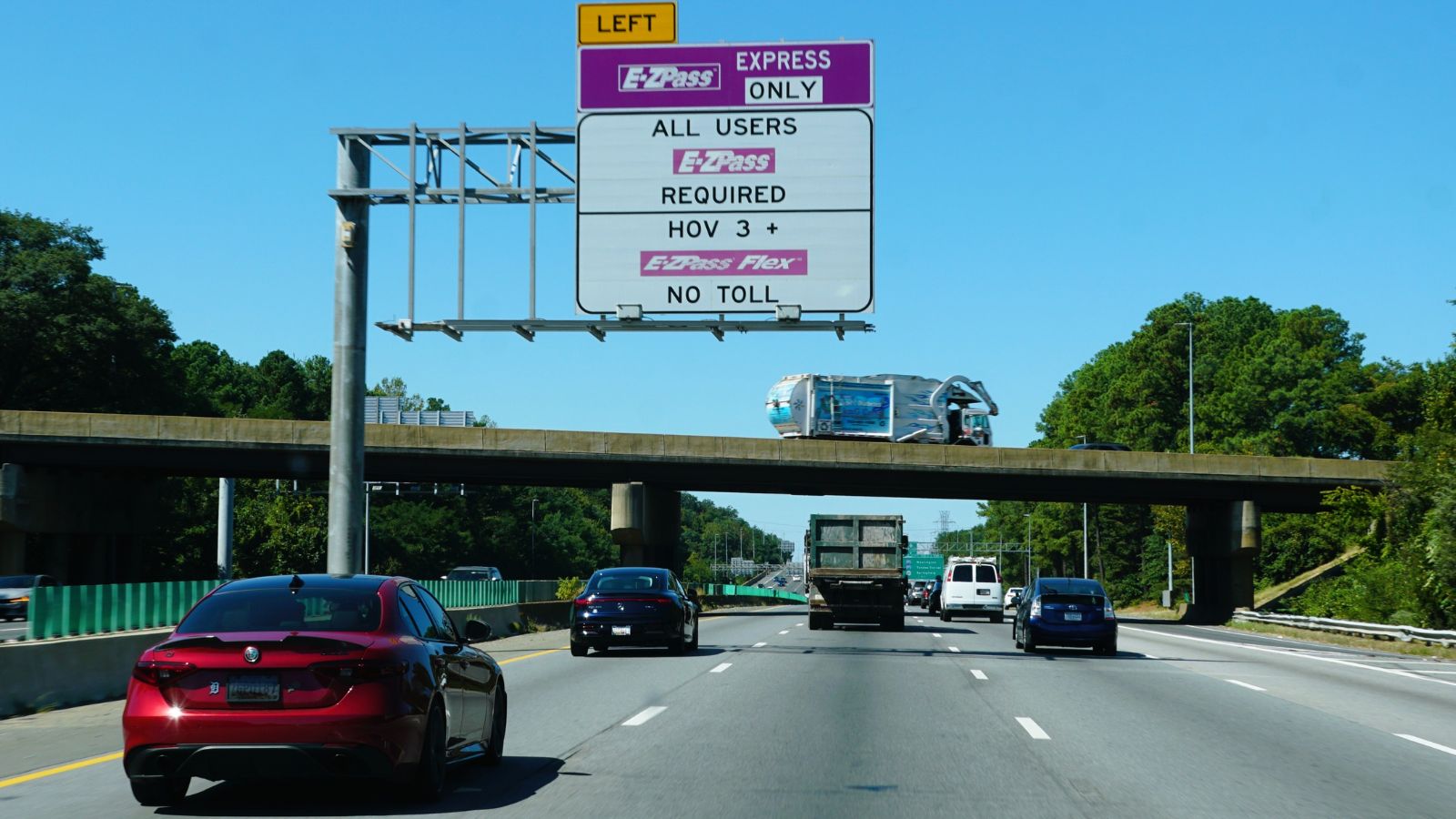
Not every road trip is really just a road trip. In Canada, a map can quietly route travellers onto ferries, major bridges, or toll highways that add real money in a hurry. Atlantic crossings, island routes, and urban express alternatives are easy to justify in the moment because they save time or open a more scenic itinerary. The cost only starts to sting when the family adds up the vehicle charge, passenger charges, surcharges, and return trip.
The official rates show how quickly this category expands. Confederation Bridge tolls, Marine Atlantic fares and fuel surcharges, and 407 ETR’s trip, camera, and per-kilometre charges all illustrate the same point: the convenience fee is never just one number. A driver who budgets only for fuel may feel blindsided by a crossing that costs more than lunch for four. The trouble is not that these charges are hidden; it is that they are often absent from the first draft of a trip plan.
Food Bought on the Road

Food is one of the most underestimated road-trip categories because it rarely arrives as one large charge. It comes as coffee, breakfast sandwiches, bottled water, a patio lunch in a tourist town, snacks at a gas station, and one tired dinner ordered because nobody wants to cook or unpack the cooler. Each stop feels manageable. The sum can rival a hotel night by the end of a week.
That creep has been happening against a backdrop of higher food prices. Statistics Canada reported higher year-over-year prices for food purchased from stores in March 2026, while restaurant food also rose. The Canada Food Price Report for 2026 projected further overall increases, reinforcing what many travellers are already noticing at the cash register. On a summer drive, food is rarely just groceries versus restaurants. It is convenience, timing, and limited options, which is why the final number usually runs ahead of the careful estimate.
Parking
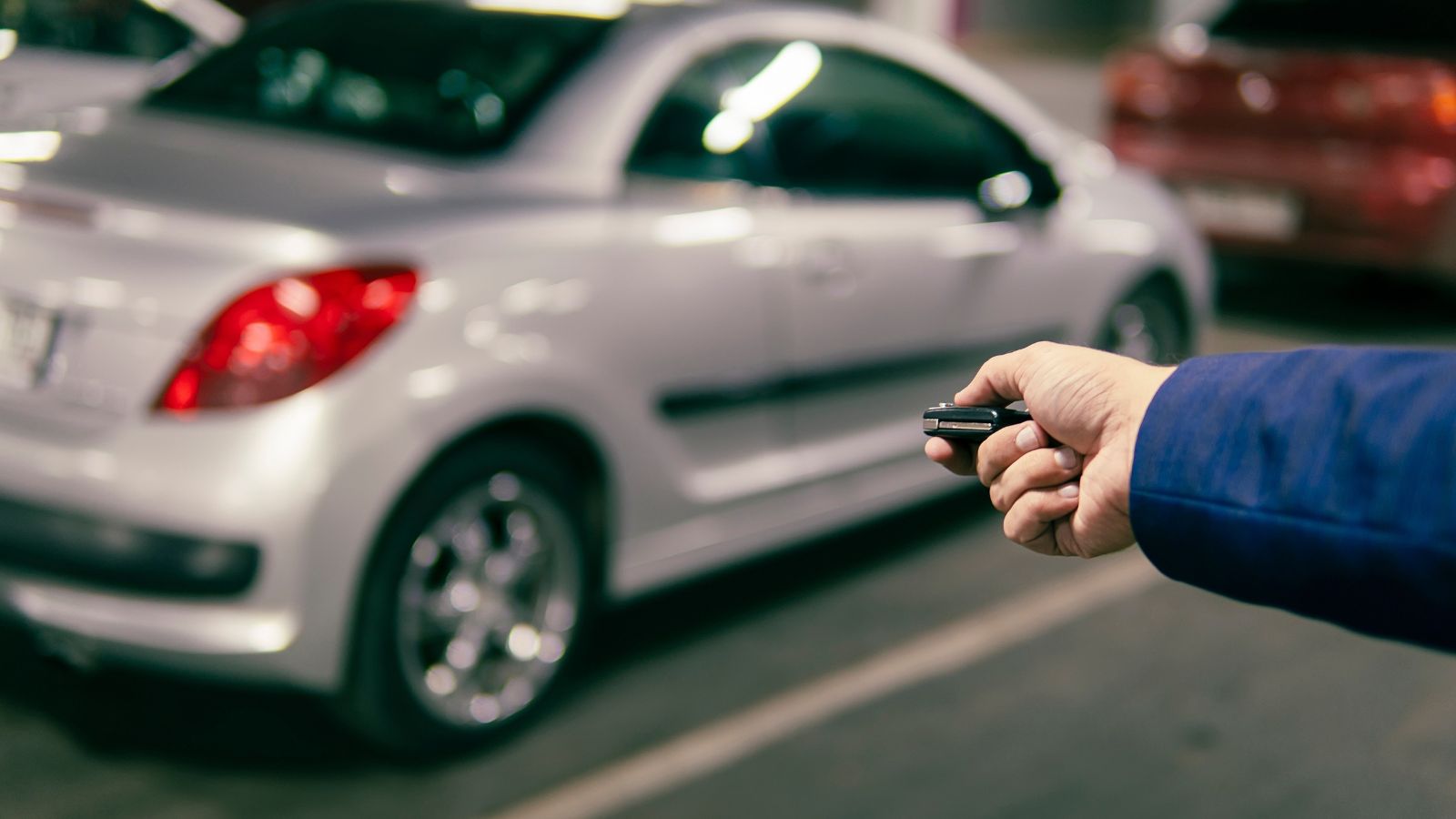
Parking is the cost travellers resent because it feels optional right until it is not. Downtowns, waterfronts, beaches, trailheads, and major attractions all have different systems, and many of them are designed for short stops rather than full-day sightseeing. A family that budgets for fuel and lodging but forgets parking can get nickeled and dimed from breakfast through sunset, especially in cities where the car is left near the hotel and used only occasionally.
Canadian examples make the point. Toronto’s official parking information shows a wide range of hourly on-street rates, while Vancouver’s meter pricing varies by location, demand, and time of day and is adjusted over time. Add the risk of fines for overstaying or paying incorrectly, and the category becomes more than a small inconvenience. It is a recurring travel cost. Even one “cheap” day in a popular district can end with a parking bill that feels absurdly high for a car that barely moved.
Mobile Data and Roaming

Road trips near the United States border, through international ferry routes, or across regions with patchy service can create a modern travel bill that older budgets never considered. Phones now handle maps, bookings, music, tickets, weather, and family communication, so the temptation is to keep everything running exactly as it does at home. That is convenient until a line accidentally roams or a cross-border detour activates a daily charge that no one noticed in the moment.
The good news is that Canadian wireless rules offer some protection: the CRTC caps data roaming charges at $100 per billing cycle unless the account holder agrees to more. The bad news is that smaller roaming costs still add up, and the CRTC has acknowledged that Canadians often face flat daily charges for travel use. In other words, the catastrophic bill is less likely than it once was, but the annoying, avoidable one remains common. On a road trip, connectivity now deserves its own line in the budget.
Rental-Car Extras

Some summer drives happen in a personal vehicle, but many do not. Travellers renting a car for a fly-and-drive, a repair gap, or a larger family trip often focus on the advertised daily rate and assume the big work is done. The problem is that the quoted rate is often only the starting point. Additional drivers, optional damage coverage, refuelling charges, and other extras can inflate the total before the vehicle leaves the lot.
Canadian rental rules make this more concrete than many people realize. Enterprise Canada states an additional authorized driver charge of $15 per day in many cases, while Avis Canada notes an extra-driver fee at most Canadian locations and warns that refuelling and other optional items can be extra. That means a couple sharing the wheel for a week may be paying a meaningful premium for something that felt basic. The rental car is not just transportation; it is a menu of add-ons disguised as convenience.
Pet Travel Fees

Bringing a pet often sounds cheaper than arranging care at home, and sometimes it is. But a pet-friendly road trip can generate its own chain of expenses: hotel cleaning fees, ferry kennel charges, pet-friendly cabin upgrades, supplies, and the occasional change in route or accommodation choice because not every stop welcomes animals equally. The family dog may be part of the fun, but the budget impact is real.
The fees vary enough to catch people off guard. Marine Atlantic publishes kennel pricing and notes that pets must be added during booking, while major Canadian hotels in destination markets openly charge nightly pet fees that can be substantial. Other carriers, such as BC Ferries, let pets travel free under certain rules, which only adds to the confusion because travellers assume all operators work the same way. They do not. Pet travel costs are inconsistent, route-specific, and easy to underestimate until the reservation is finalized.
Attraction Tickets and Activity Stops

The final trap is the one that looks most deserved: “since we’re already here” spending. A road trip passes a museum, gondola, wildlife park, boat cruise, or historic site, and suddenly the family is paying for an unplanned half day because the destination is too tempting to skip. These are usually good memories. They are just not always in the original budget.
Statistics Canada has shown strong growth in recreation and entertainment spending within domestic travel, which helps explain why this line item keeps surprising people. Pricing structures also change the total. The Royal Ontario Museum, for example, uses a date-based ticketing calendar rather than one fixed everyday price. Promotions such as the Canada Strong Pass can reduce some admission costs for some visitors during some periods, but they do not make all paid stops free. The lesson is simple: experiences are often where the road-trip budget quietly breaks open.
22 Things Canadians Do to Their Cars in Spring That Mechanics Hate
Spring brings relief to many Canadian drivers after months of snow, freezing temperatures, and icy roads that put serious strain on vehicles. As temperatures rise across the country, drivers begin washing cars, switching tires, and preparing vehicles for warmer weather and upcoming road trips. However, mechanics across Canada notice the same mistakes every spring when drivers attempt to recover from winter damage. Road salt, potholes, and harsh winter driving conditions often leave vehicles with hidden problems that drivers ignore. Some spring habits even create new mechanical issues that could have been avoided with proper maintenance. Here are 22 things Canadians do to their cars in spring that mechanics hate.