


























The Canadian vehicle market is heading into summer with more tension than calm. Trade friction is still hanging over cross-border auto supply, dealer lots are moving into the stronger spring selling season, and family SUVs and trucks remain the categories that hold pricing power best when uncertainty rises. That does not mean every model is about to jump overnight, but it does mean some vehicles look more exposed than others.
These 14 vehicles stand out because they sit right where pressure tends to build fastest: U.S. assembly, strong demand, higher-margin trim mixes, or segments where Canadians keep showing up even when prices are not especially friendly. In a market like this, a “price increase” does not always arrive as a headline. Sometimes it shows up through firmer MSRPs, weaker incentives, or fewer affordable trims on the ground.
Ford F-150
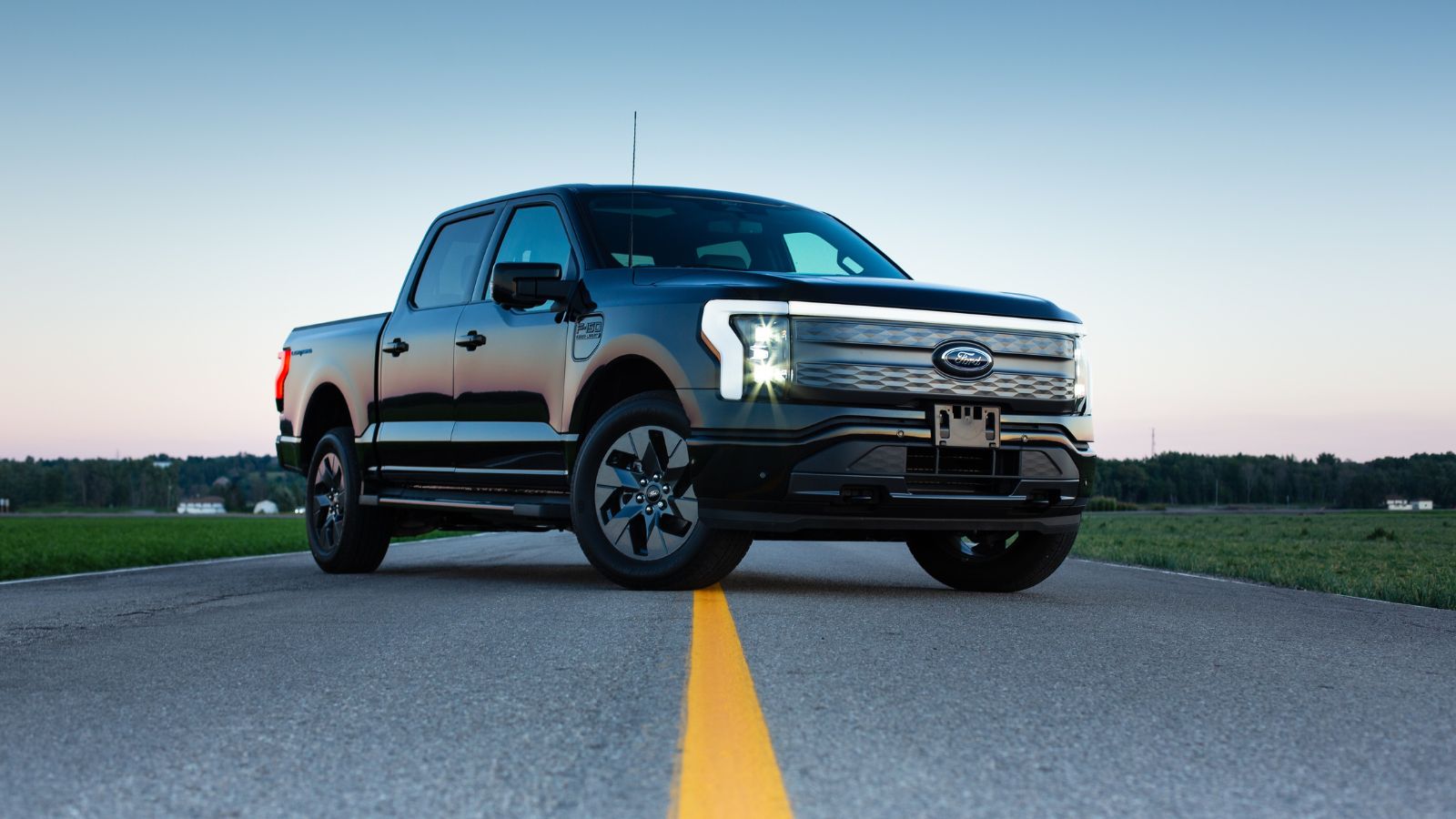
Few vehicles are more obvious candidates than the Ford F-150. Ford says the F-Series held the pickup sales crown in Canada for a 60th consecutive year, and Ford’s own plant information shows the F-150 is built at Dearborn Truck Plant in Michigan and Kansas City Assembly in Missouri. That matters because a high-volume truck with U.S. assembly exposure is exactly the kind of nameplate buyers watch when cross-border costs get messy.
The F-150 also lives in a part of the market that usually stays resilient once work season and cottage season ramp up. Contractors, fleets, and personal-use truck buyers do not disappear just because pricing gets tougher. In practice, that means the truck may not need a dramatic sticker change to feel more expensive. Reduced incentives, fewer lower trims, or a heavier mix of upscale versions could get the job done before summer officially settles in.
Ford Bronco
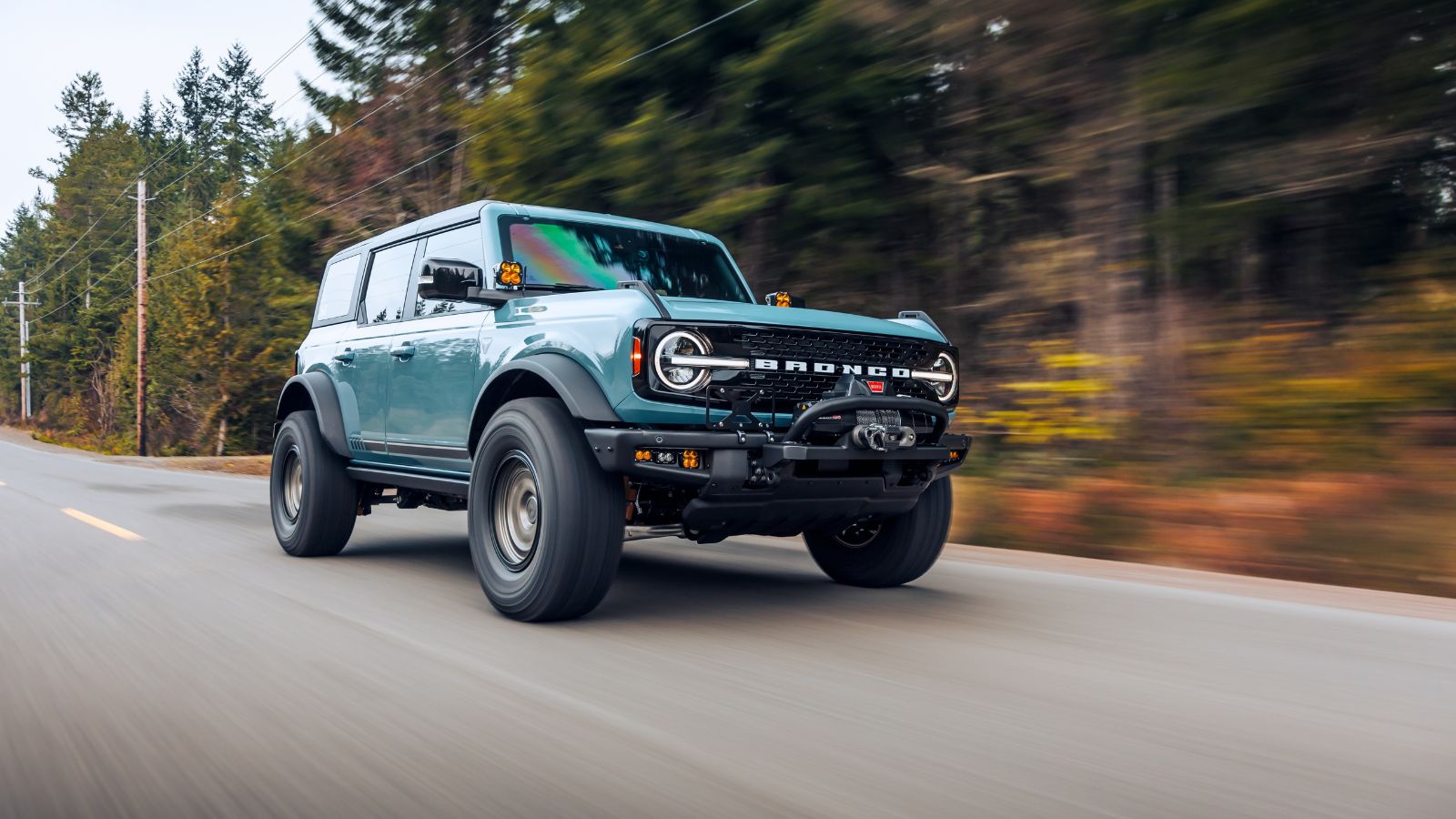
The Bronco has the kind of profile that can turn modest cost pressure into noticeable price firmness. Ford restarted Bronco production at its Michigan Assembly Plant after a major overhaul that included a $750 million upgrade and 2,700 jobs. It is also the sort of vehicle that becomes more desirable as weather improves, with interest rising among buyers who want a summer-ready 4×4 rather than a commuter crossover.
That seasonal timing matters in Canada. Even when the broader market feels cautious, adventure-oriented SUVs can tighten quickly once spring trips, camping plans, and weekend-use shopping begin. A Bronco does not need a formal, across-the-board price hike to feel pricier. If dealers hold back on discounting, or if well-equipped trims dominate incoming inventory, buyers can feel the squeeze fast. In this market, the Bronco looks more likely to get firmer than softer.
Ford Explorer
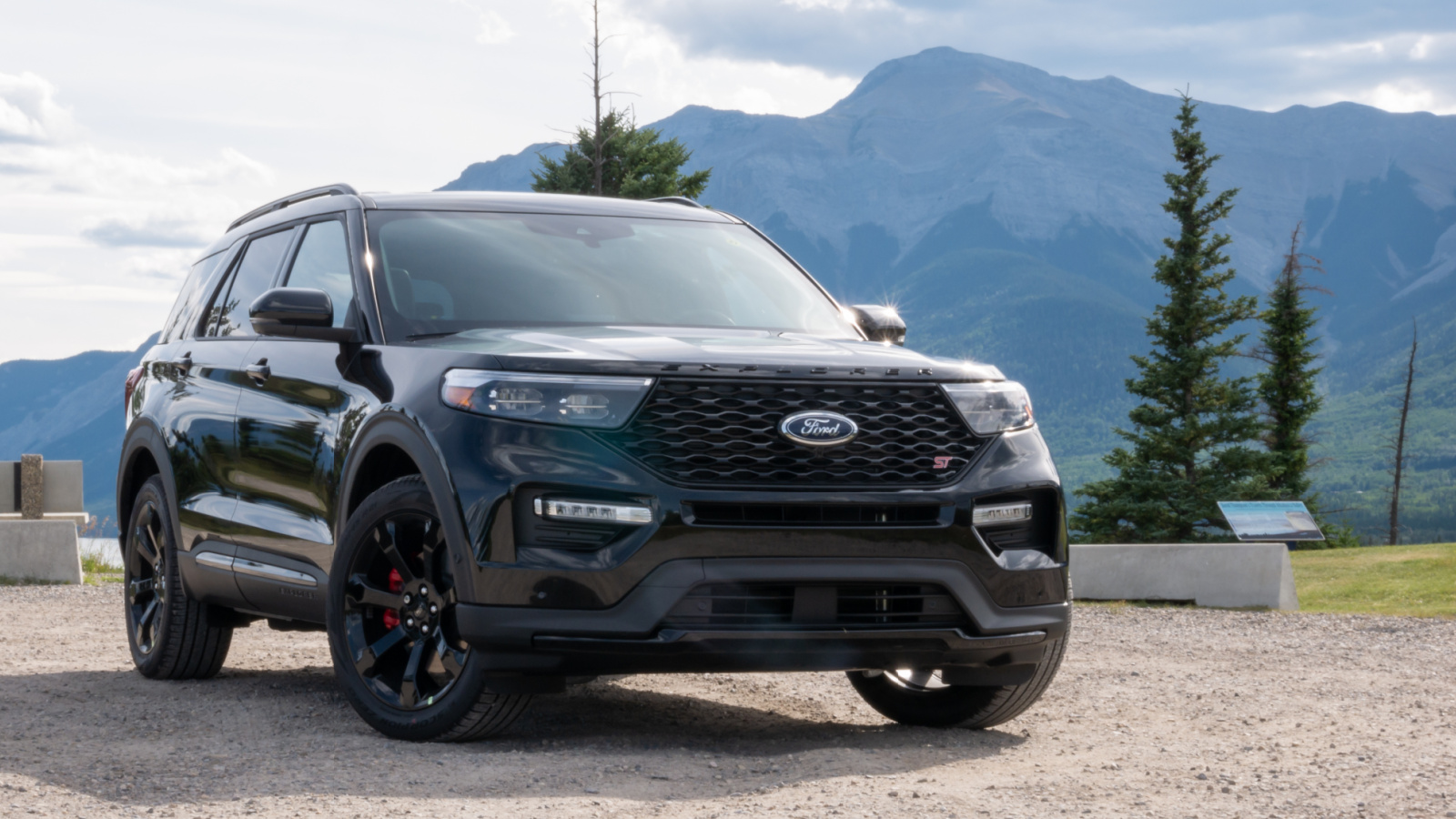
The Ford Explorer sits in the middle of one of Canada’s most dependable family-vehicle categories: the three-row SUV. Ford’s global plant directory lists the Explorer as a current product of Chicago Assembly, which opened in 1924 and remains Ford’s oldest continuously operating auto plant. That combination of U.S. production and broad mainstream appeal makes the Explorer a vehicle worth watching as spring turns into summer.
This is also the type of SUV that rarely needs a huge push to hold its value in market terms. Families shopping for all-wheel drive, extra space, and road-trip practicality usually do not have an endless list of true substitutes, especially once financing, inventory, and trim availability start shifting at the same time. If pricing pressure shows up through less aggressive lease support or fewer entry-level units on lots, the Explorer could easily feel more expensive without any dramatic public announcement.
Ford Expedition
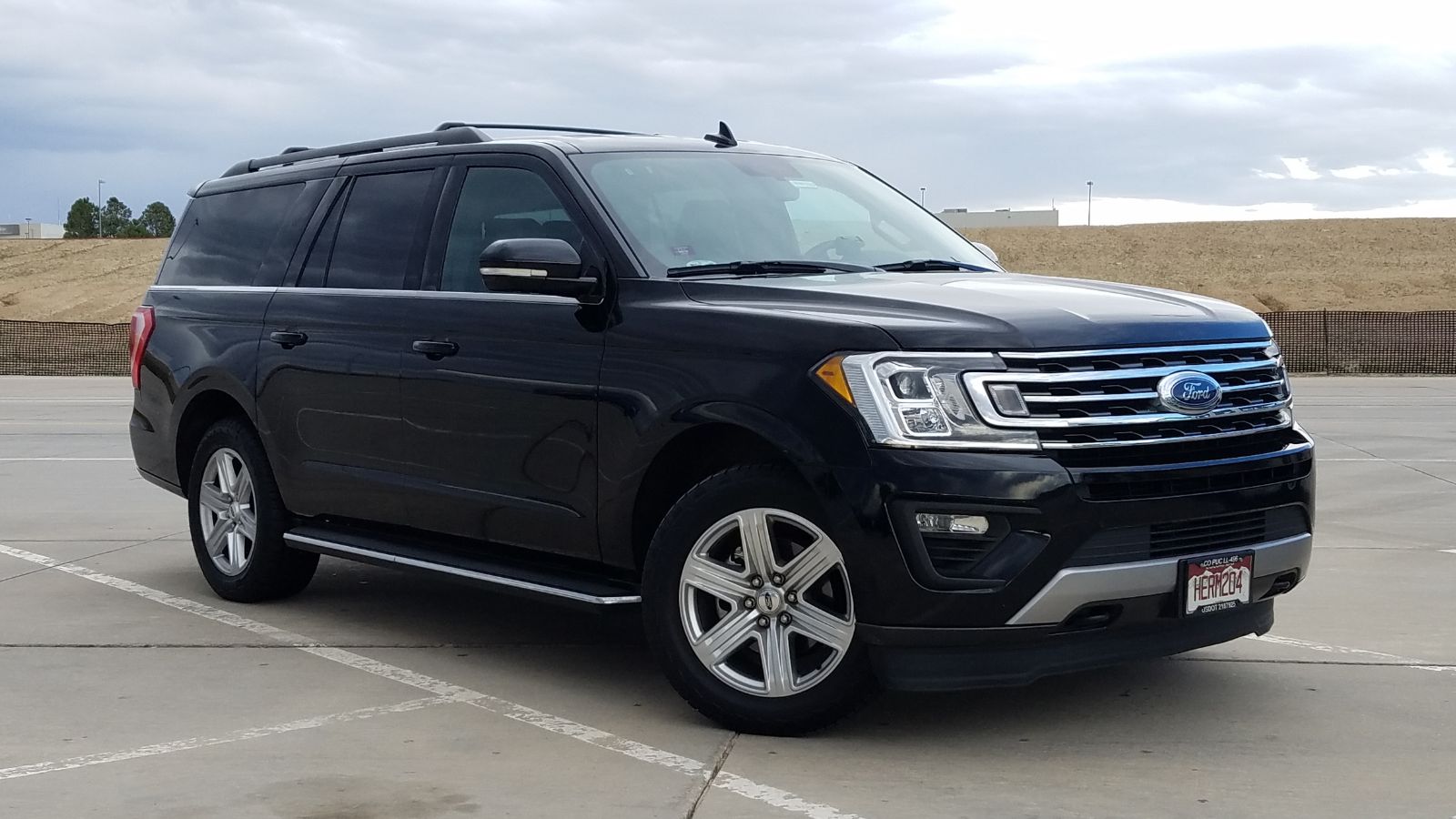
The Expedition already plays in a pricey corner of the market, which is exactly why even small changes matter. Ford’s plant data shows the Expedition is produced at Kentucky Truck Plant, and Ford’s Canadian model page highlights features like the multifunction split gate with a 500-pound capacity. Big, body-on-frame family SUVs are not impulse purchases, but buyers in this segment usually care more about utility, towing, and space than chasing the absolute lowest monthly payment.
That tends to protect pricing. When a vehicle is already positioned as a full-size, high-capability choice, it does not take much for transaction prices to firm up. Add U.S. assembly exposure, a premium-heavy trim mix, and the usual summer demand from travel-minded households, and the Expedition starts looking vulnerable to upward movement. It may not be the highest-volume SUV on this list, but it is one of the likelier ones to feel more expensive in a hurry if market conditions stay tense.
Jeep Wrangler
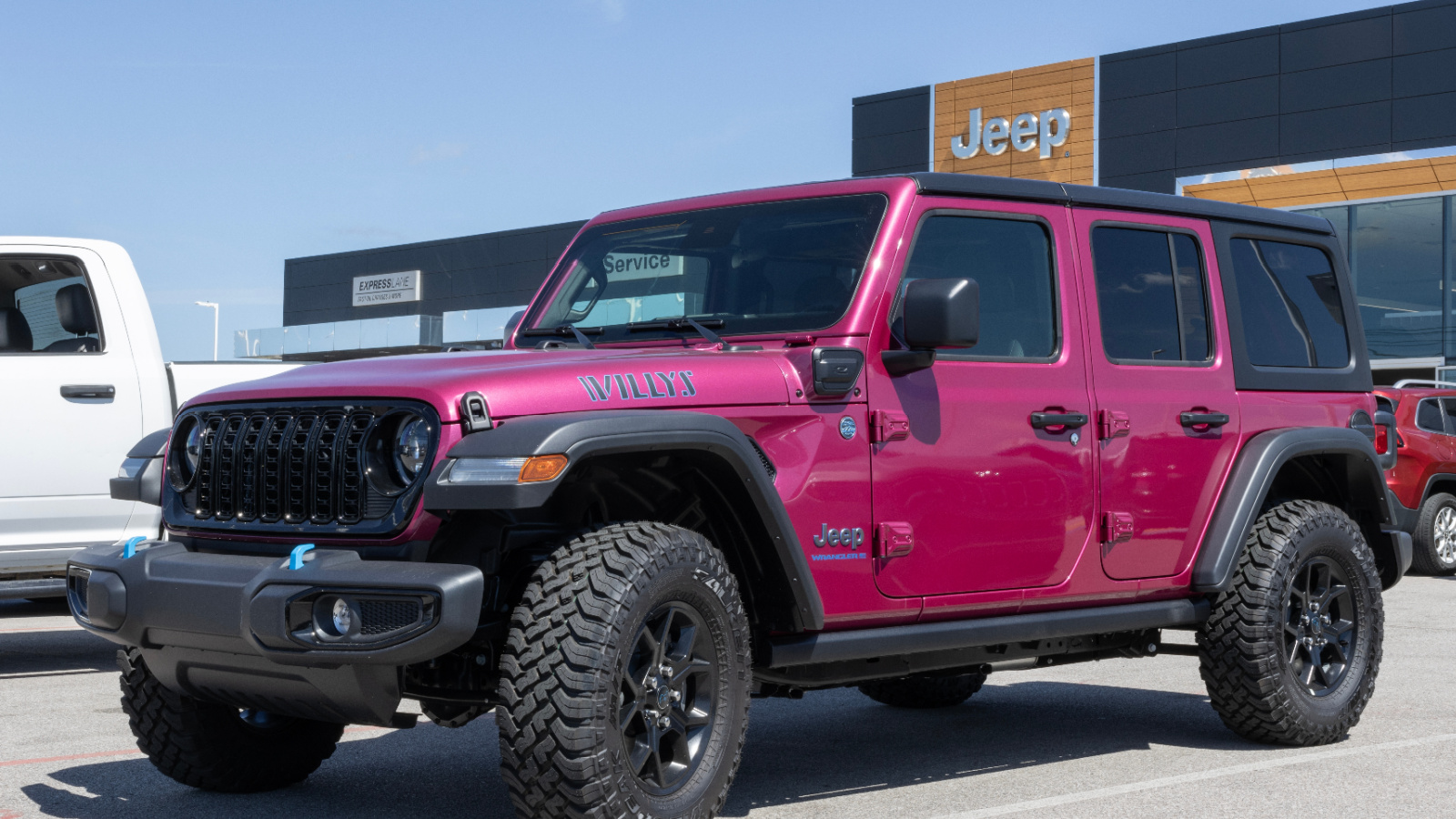
The Wrangler is one of the easiest vehicles to picture getting pricier once the weather turns. Jeep Canada lists the 2025 Wrangler starting at $42,245, and Stellantis has long emphasized that the Wrangler is built in Toledo, Ohio. AutoTrader also named it Canada’s Best Adventure Vehicle for 2025, which fits the model’s reputation as a lifestyle buy as much as a transportation choice.
That matters because adventure vehicles often stop behaving like ordinary utility models in spring. Buyers who spent winter waiting suddenly start shopping for trail use, cottage use, or open-air summer fun, and the Wrangler’s emotional pull tends to reduce the importance of small price differences. In a market already dealing with trade friction, that can be enough. Even if MSRP barely moves, softer incentives or thinner supply of cheaper trims could leave Canadian shoppers paying more by the time summer demand is in full swing.
Jeep Grand Cherokee
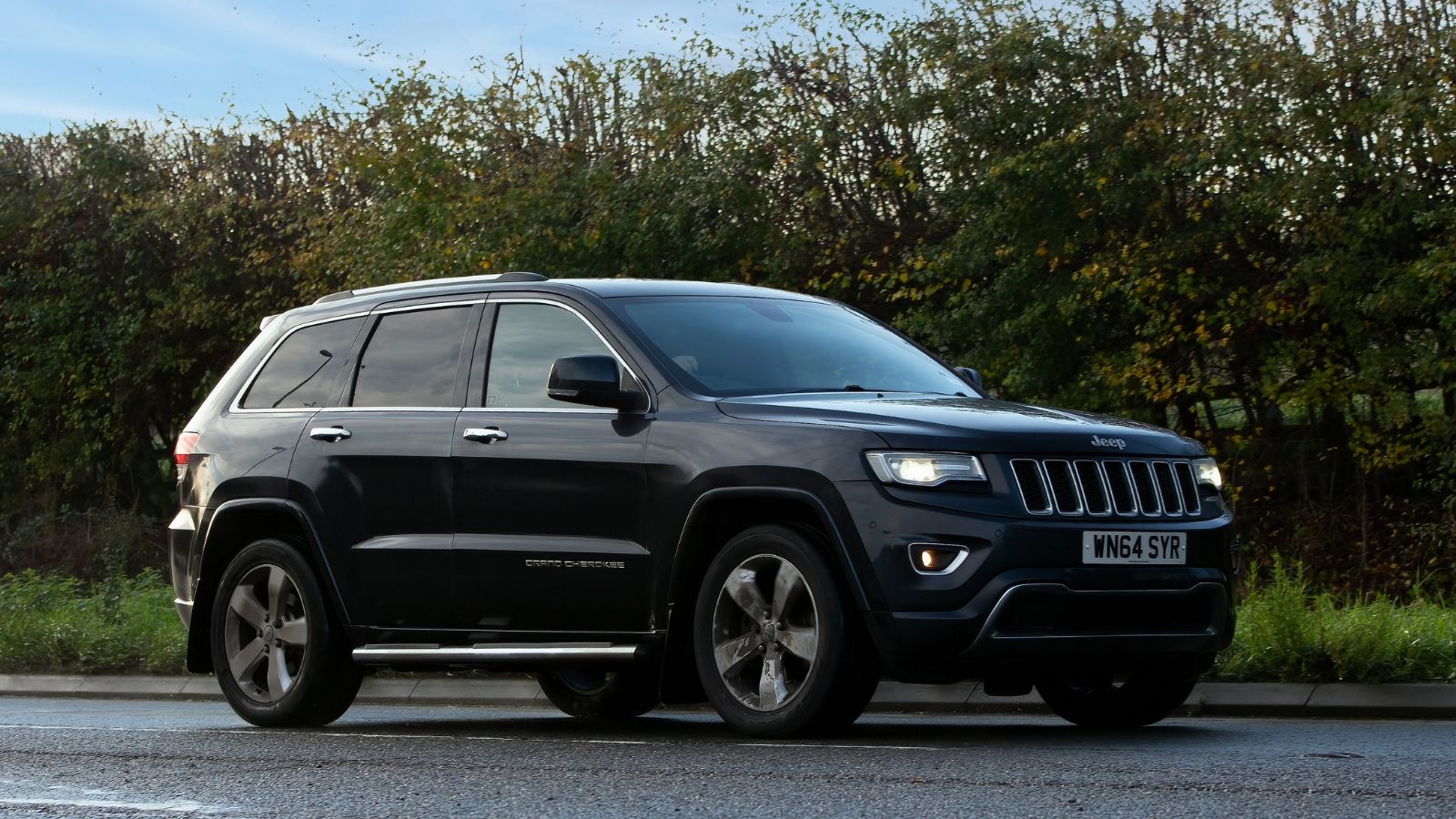
The Grand Cherokee remains one of Jeep’s most important products, and the pressure points around it are easy to spot. Jeep calls it the “Most Awarded SUV Ever,” while the Detroit Assembly Complex Mack plant was built to produce the next-generation Grand Cherokee and its electrified variants. In Canada, even the Grand Cherokee L Altitude sits at a starting point above $60,000, which shows how far this nameplate has moved upmarket.
That pricing position cuts both ways. It gives Jeep room to make money on richer trims, but it also means Canadian buyers are already entering premium territory before adding options. If U.S.-built inventory becomes costlier or less flexible on incentives, the Grand Cherokee could feel that quickly. It is still mainstream enough to draw broad demand, yet upscale enough that discounts do a lot of the affordability work. When those supports weaken, the price pain becomes visible fast.
Chevrolet Silverado 1500
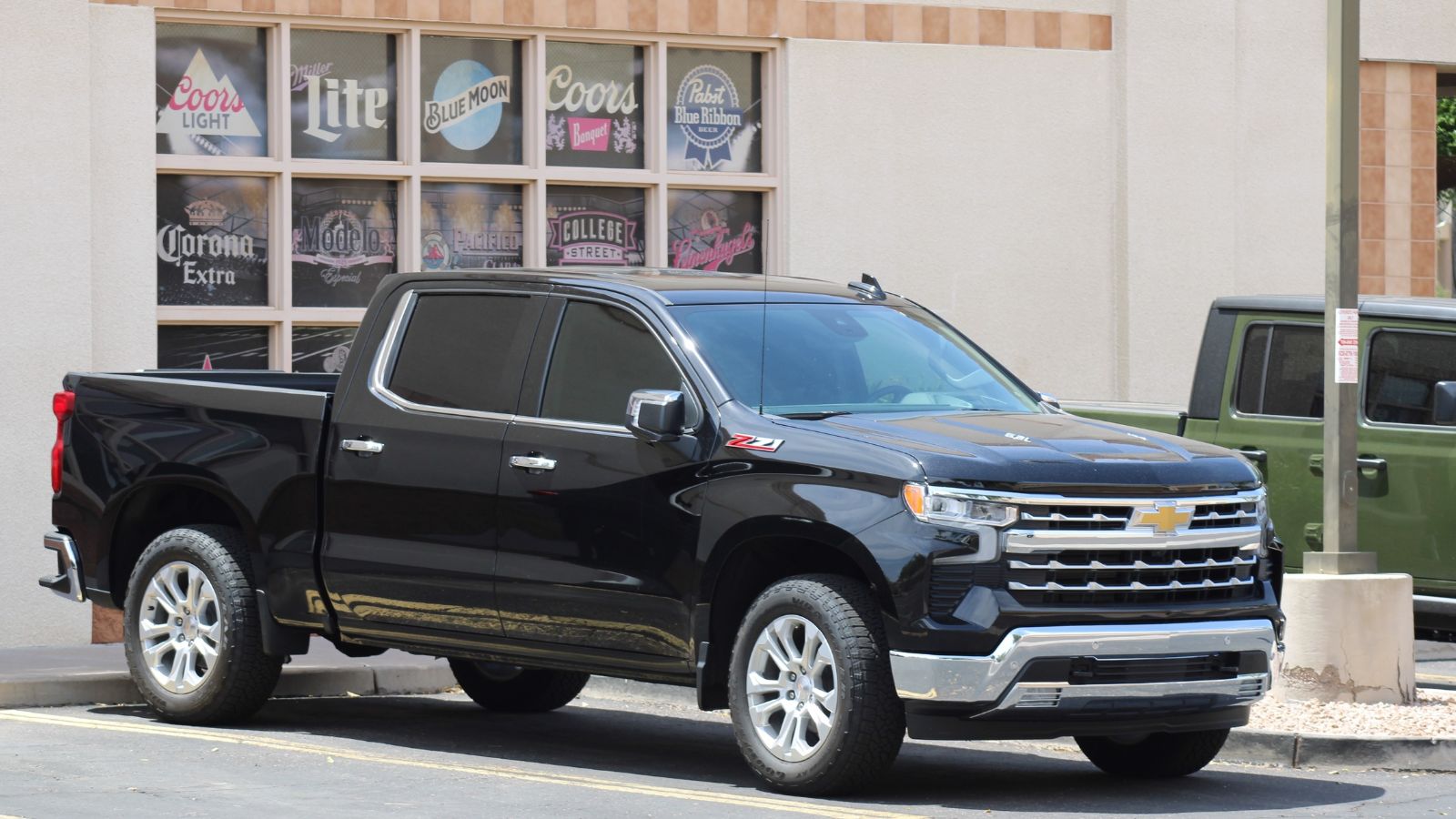
The Silverado 1500 belongs on any Canadian watchlist because it sits right at the centre of the truck market. Chevrolet’s Canadian build-and-price tool shows the 2025 Silverado 1500 lineup opening above $51,000, while GM says Fort Wayne Assembly builds the Silverado 1500 and Sierra 1500 and produced more than 292,000 of those trucks last year. Production is also split across other plants, including Oshawa, which means supply mix can shift depending on region and trim.
That flexibility helps GM, but it does not remove pricing risk. In fact, it can make it harder for buyers to predict which versions will stay relatively affordable and which will not. Trucks are already a category where low incentives matter more than people expect, because one weaker rebate can meaningfully change the monthly cost. With Canadian truck demand still strong and trade uncertainty still present, the Silverado looks like the kind of model that could get more expensive without a flashy headline saying so.
GMC Sierra 1500
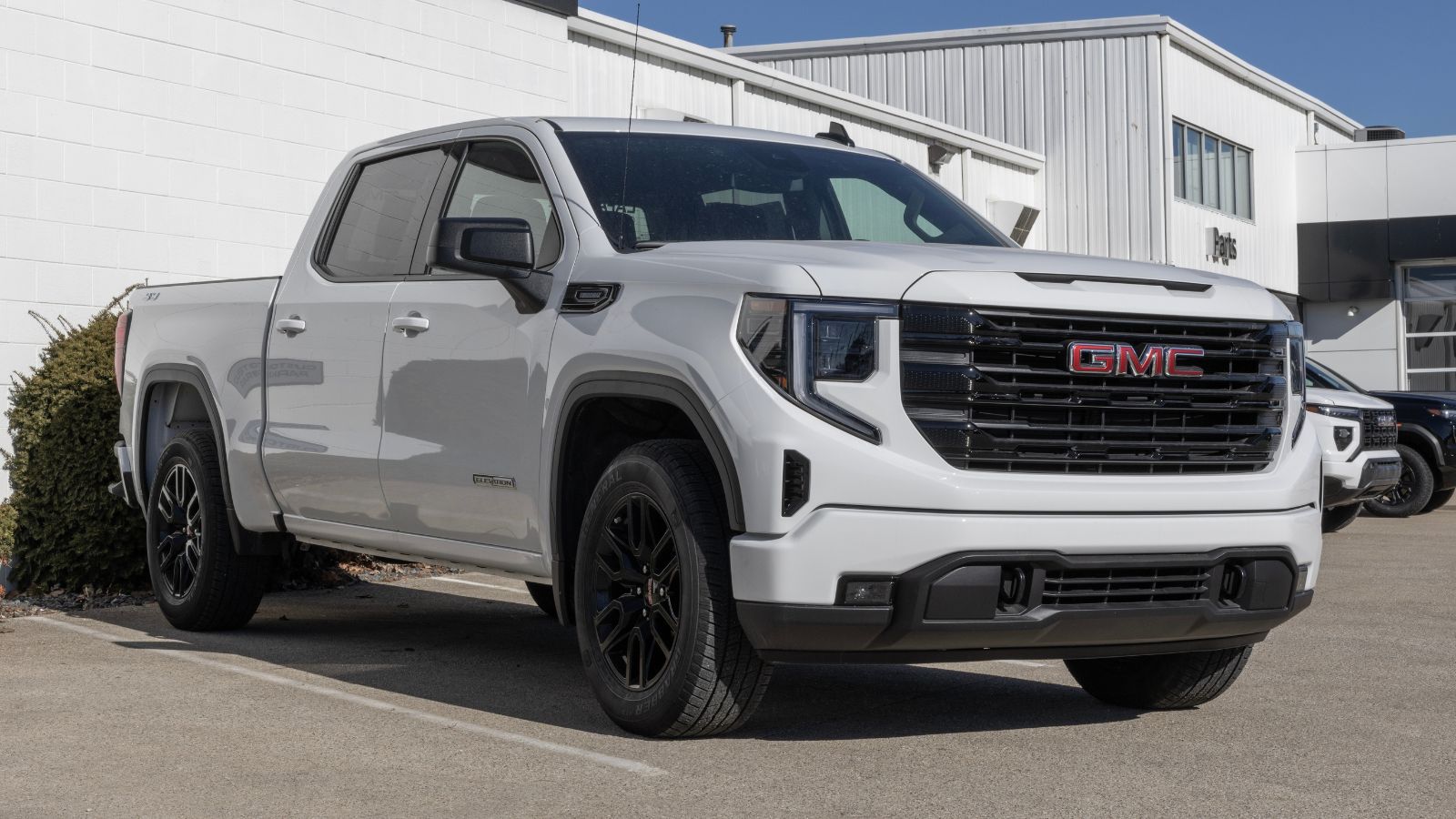
The Sierra 1500 is often overshadowed by the Silverado in volume terms, but that can actually make it more exposed to pricing firmness. GMC Canada’s build-and-price page shows the 2026 Sierra 1500 starting at $52,998, and GM identifies Fort Wayne as a key production site for the light-duty Sierra. The Sierra also leans harder into premium positioning, with Denali and AT4 trims giving dealers and the brand a stronger margin cushion.
That upscale mix matters in Canada, where buyers increasingly treat loaded pickups as luxury-adjacent daily drivers rather than simple work tools. A market that is already willing to spend on high-content trucks usually does not require aggressive discounting to keep moving. If cross-border cost pressure lingers and dealers receive a pricier mix of trims, the Sierra could feel more expensive sooner than many mainstream buyers expect. For shoppers already stretching into the segment, even a modest shift could be noticeable before summer.
Chevrolet Tahoe
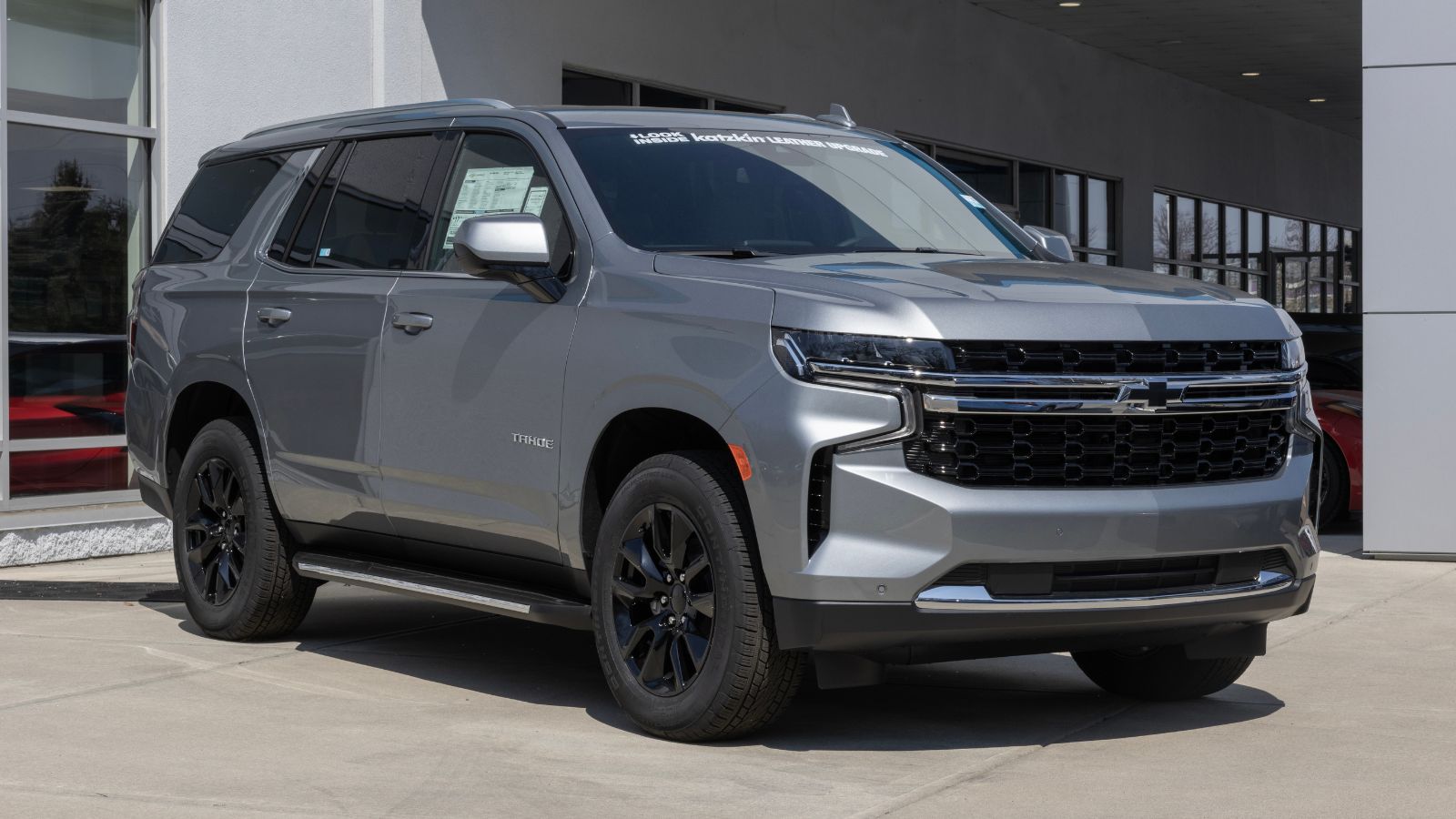
The Tahoe is one of those vehicles that can become more expensive simply because there are not many real substitutes for what it offers. Chevrolet’s Canadian build-and-price tool shows the 2025 Tahoe starting at $83,443, and GM says Arlington Assembly in Texas builds the company’s full portfolio of full-size SUVs, including the Tahoe. That is a narrow, profitable segment, and profitable segments are usually the last place automakers rush to discount.
The Tahoe also benefits from timing. Summer means family travel, towing, long drives, and a renewed appetite for big utility. Buyers looking specifically for a body-on-frame, full-size SUV usually enter the process knowing they are shopping in a high-cost category already. That reduces the shock value of smaller increases in MSRP or weaker incentives. In Canada, where full-size SUVs already sit in thin air price-wise, the Tahoe does not need much extra pressure to start looking meaningfully more expensive.
Cadillac Escalade
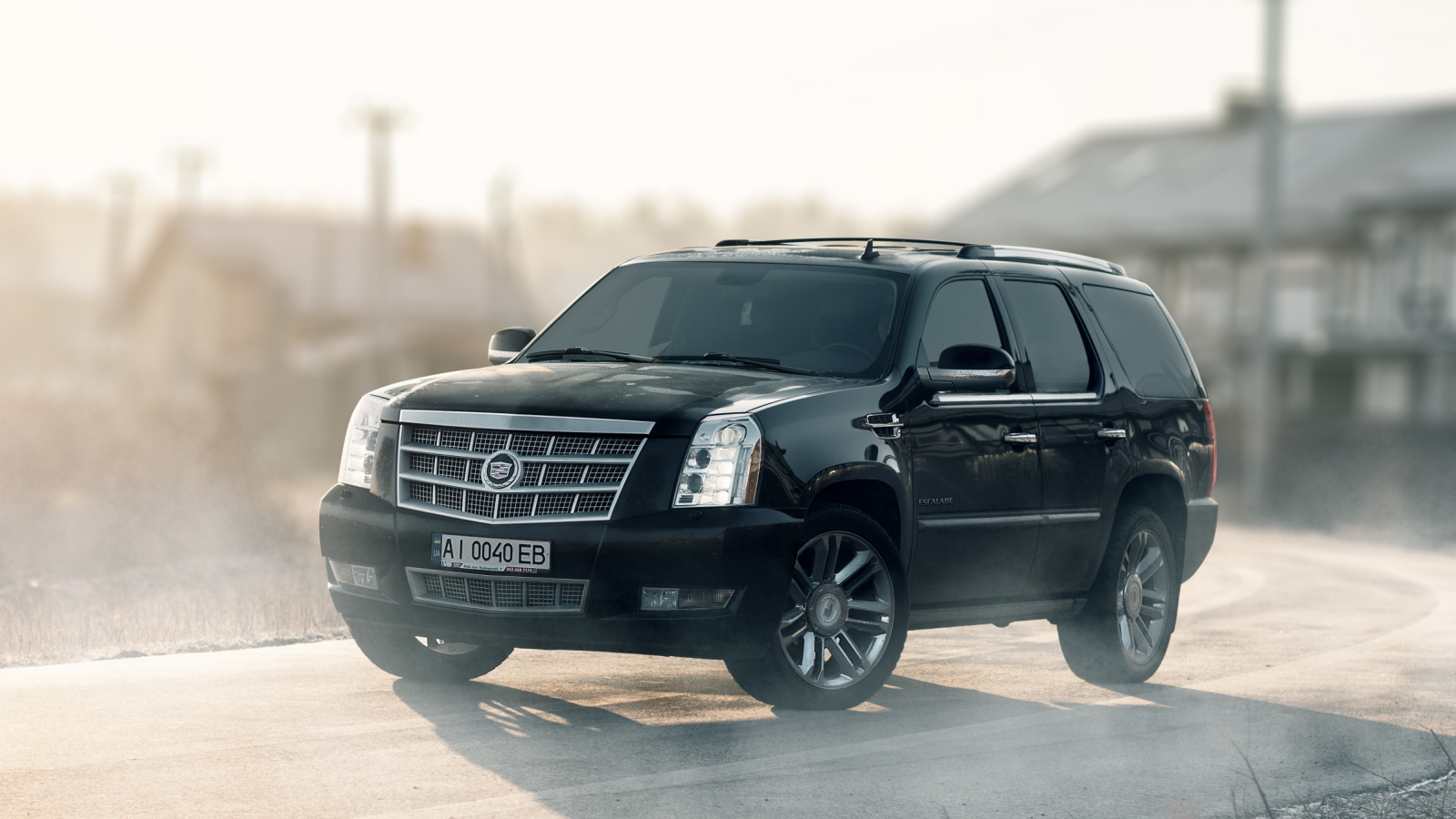
The Escalade is a different kind of pricing story because it does not need mass-market demand to hold firm. GM says Arlington Assembly builds the Escalade alongside the Tahoe and Yukon, and the company has noted that Cadillac led the full-size luxury SUV segment in the U.S. for nine straight years. Cadillac’s Canadian site continues to pitch the Escalade as a top-tier luxury flagship built around technology, comfort, and presence rather than value.
That kind of vehicle can absorb cost pressure more easily than a mainstream crossover because buyers are already shopping for status, scale, and equipment. In other words, this is not a segment where a few thousand dollars necessarily kills demand. If anything, firmer pricing can become part of the exclusivity story. For Canadian shoppers, the risk is not just a headline MSRP bump. It is also the possibility that dealers keep inventory tight and remain far less motivated to negotiate as summer demand for premium SUVs remains healthy.
Honda Pilot
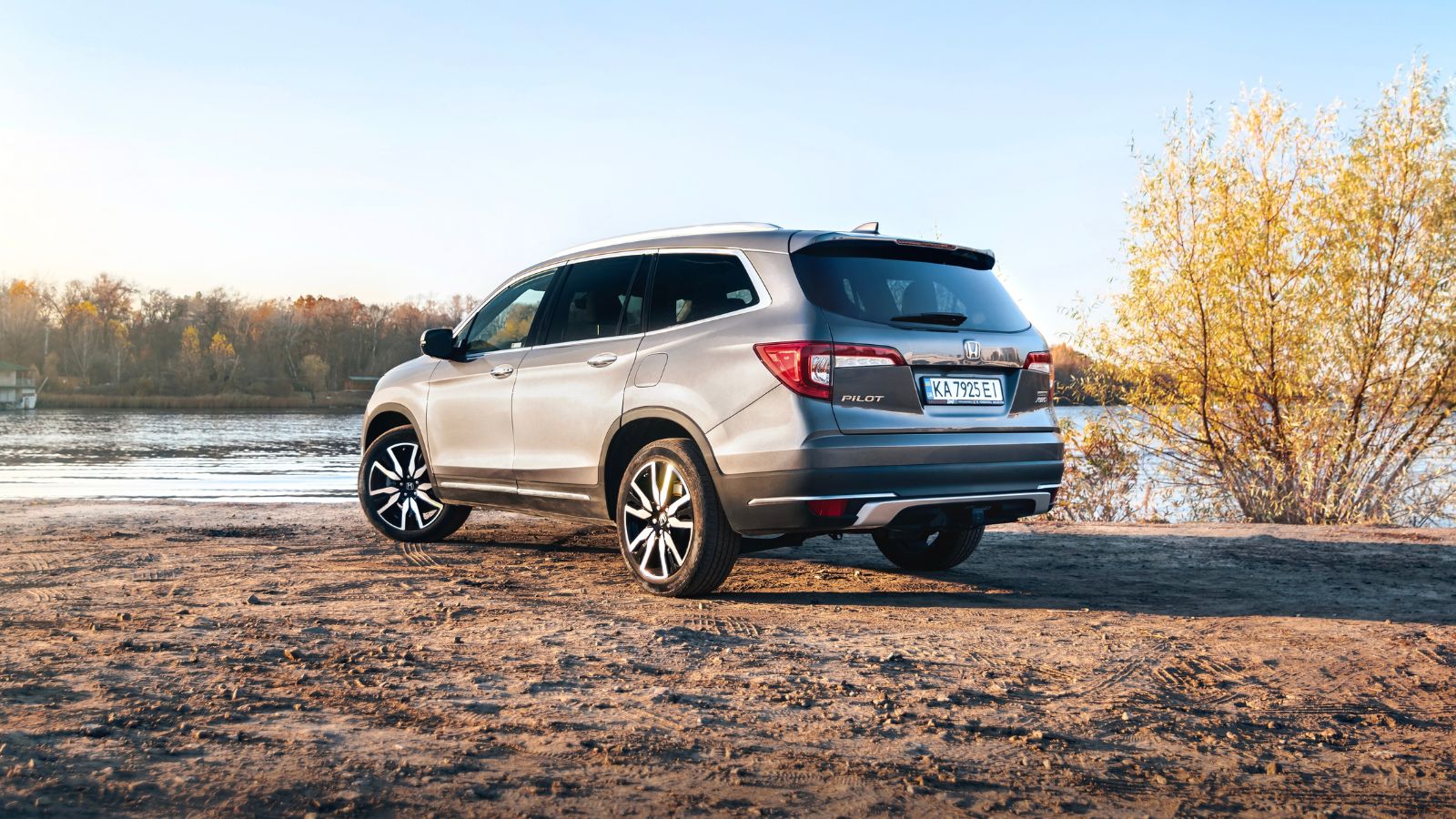
The Pilot is quieter than some of the flashier names here, but that is exactly why it deserves attention. Honda’s Alabama Auto Plant says it began mass production of the current Pilot in 2022, and Honda notes that the facility has surpassed 5 million vehicles with total investment reaching $3 billion. Honda Canada’s 2025 Pilot specifications also show a 285-horsepower V6 across the lineup, reinforcing that this remains a serious three-row family hauler rather than a bargain-basement choice.
The Pilot’s strength is that it lives in a very practical space: family duty, road-trip comfort, and standard all-wheel-drive appeal in Canada. Vehicles like that can get more expensive simply because shoppers keep coming back to them. They are not bought on novelty; they are bought because they solve problems well. In a market where incentives can vanish quickly and replacement inventory may cost more, the Pilot looks like the sort of sensible SUV that becomes less attainable almost by stealth.
Toyota Grand Highlander
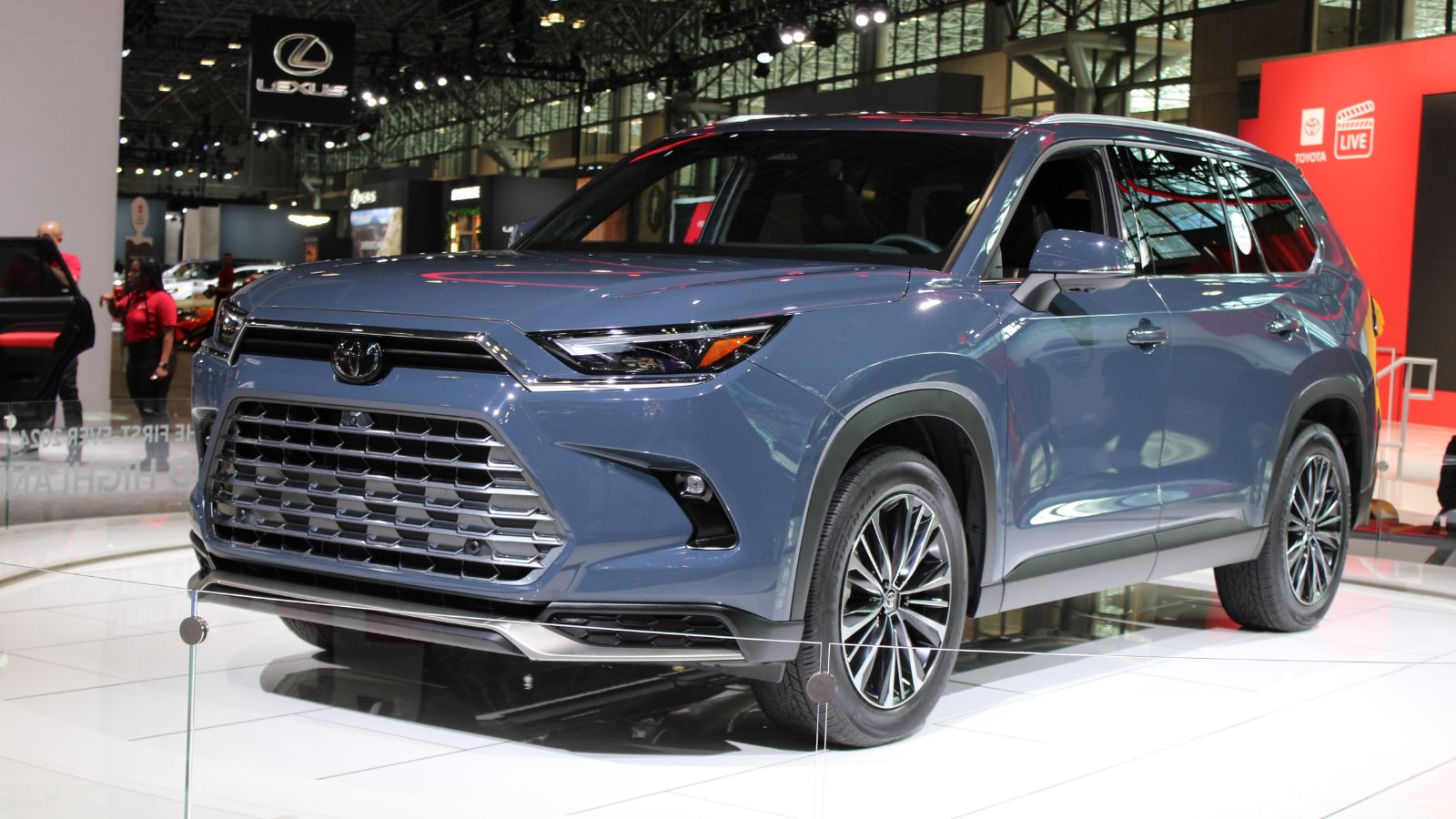
The Grand Highlander has several ingredients that can push pricing upward quickly. Toyota Canada said the 2025 Grand Highlander arrived with a starting MSRP of $50,860, and Toyota’s own plant information shows the Grand Highlander and Lexus TX are built in Princeton, Indiana. Toyota’s Canadian model page also leans into the vehicle’s adult-sized third row and available Hybrid MAX powertrain, two features that help separate it from smaller, cheaper family SUVs.
That matters because shoppers are not just buying space here. They are buying space without giving up Toyota’s reputation for resale, efficiency-minded options, and everyday usability. Models with that mix tend to hold stronger pricing power than generic three-row SUVs. The Grand Highlander has also been one of those vehicles that buyers actively seek out rather than merely stumble across. In Canada, that is often enough to support firmer transaction prices, especially if incoming U.S.-built stock gets caught in a more expensive supply environment.
Lexus TX
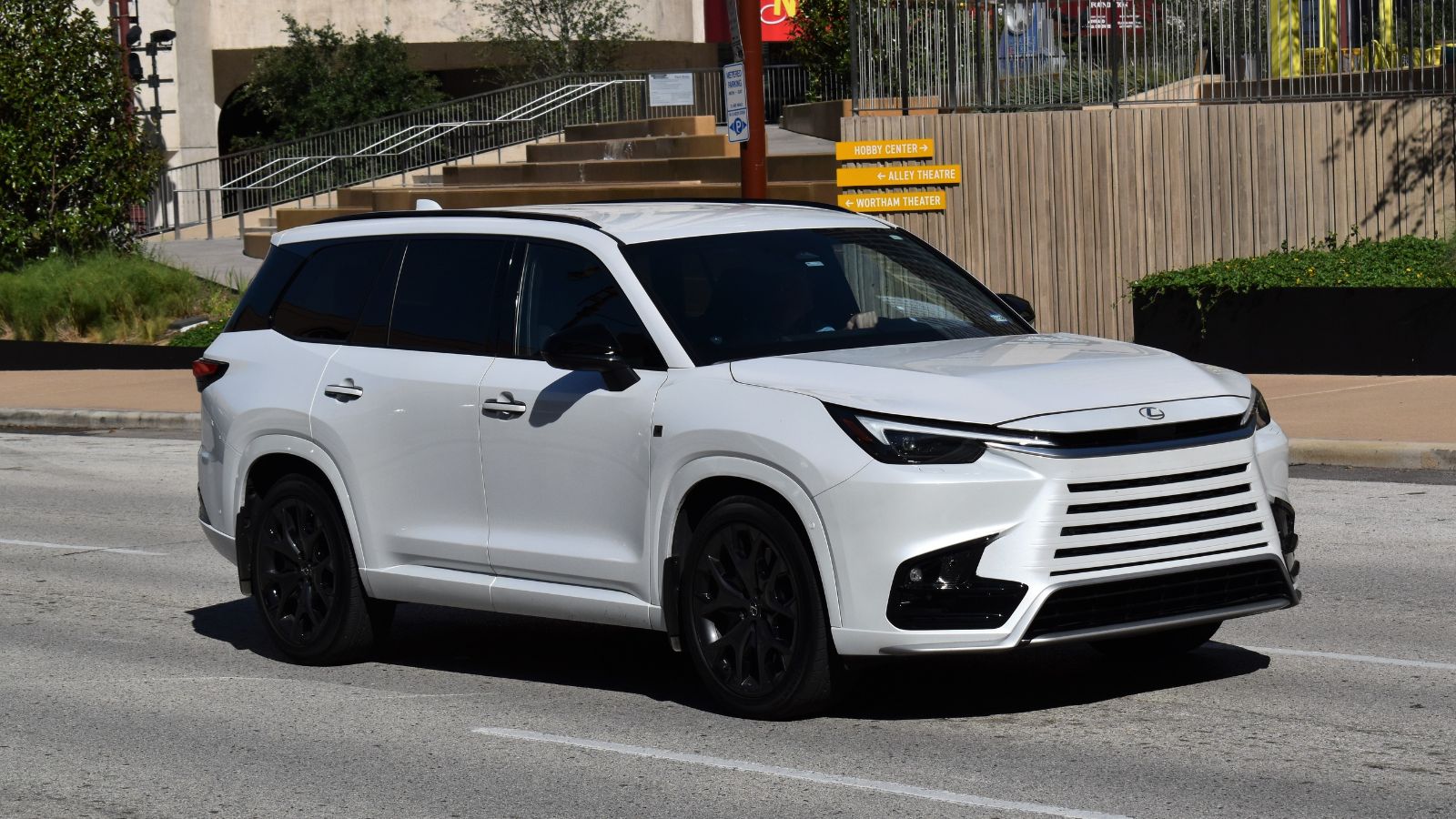
The Lexus TX feels especially exposed because it sits at the intersection of luxury demand and mainstream family practicality. Lexus Canada said the 2026 TX went on sale with a starting MSRP of $69,605, while Lexus Pressroom noted the model is assembled exclusively at Toyota Motor Manufacturing Indiana. The TX is not just another premium SUV either; Lexus positioned it as a three-row vehicle with ten model and grade configurations, including both gas and hybrid choices.
That breadth gives Lexus a lot of room to manage pricing through trim mix rather than blunt across-the-board increases. If lower-entry versions become harder to find while richer configurations dominate shipments, the TX can feel more expensive very quickly. Canadian buyers who want a luxury badge but still need usable third-row room do not have endless alternatives. That scarcity of true rivals is powerful. In a tense cost environment, the TX looks like one of the clearest candidates to get pricier before summer without much warning.
Volkswagen Atlas
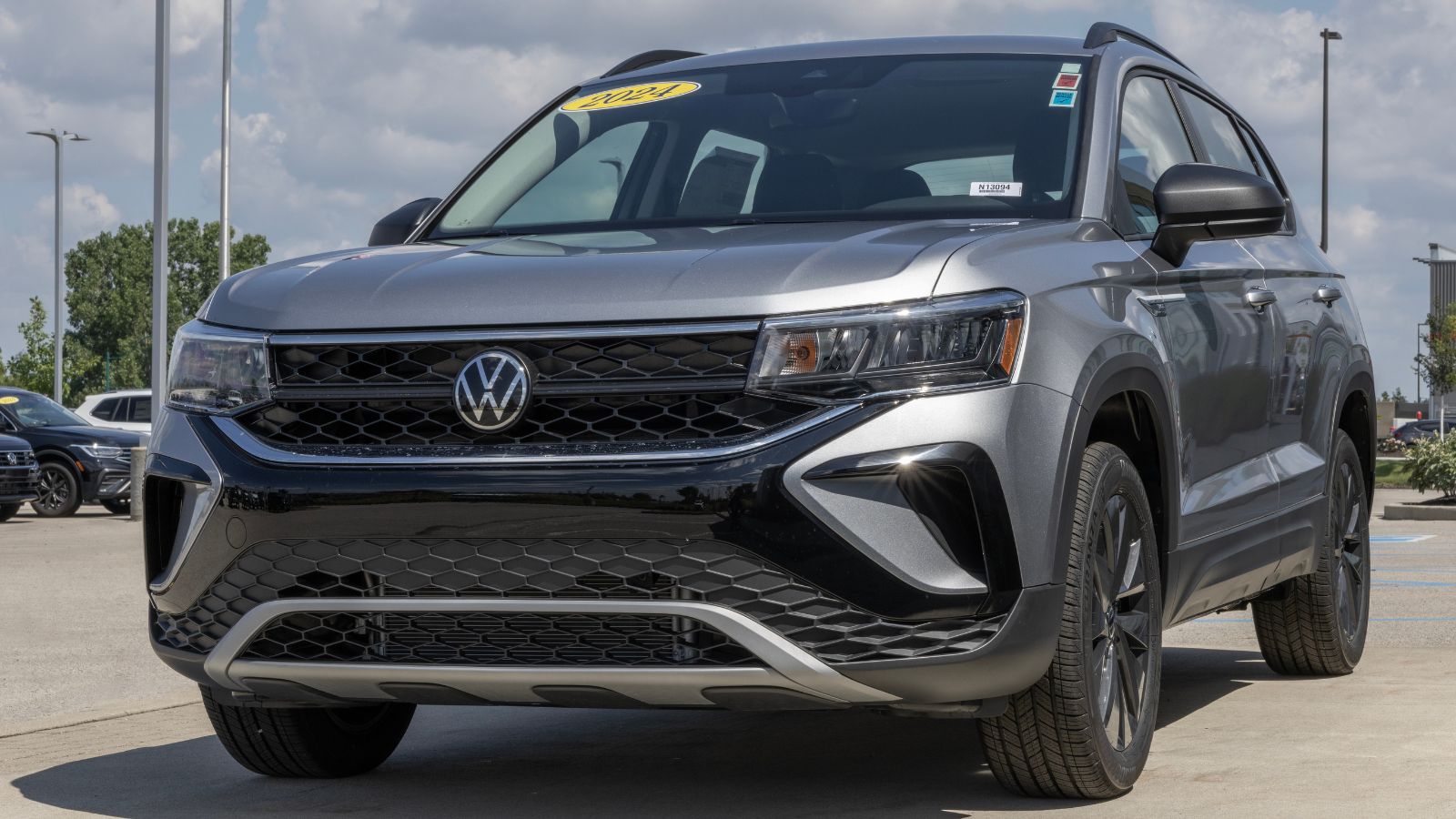
The Atlas is worth watching because Volkswagen is clearly leaning harder into it. Volkswagen said in April 2026 that Chattanooga would prioritize the Atlas as U.S. ID.4 assembly concluded, and a few days later the company celebrated production of the one-millionth Atlas family SUV at that same Tennessee plant. Volkswagen Canada also highlights the 2026 Atlas as a seven-seat SUV with 269 horsepower and 5,000 pounds of towing capacity, which places it squarely in the family-plus-utility sweet spot.
That production shift suggests focus, and focused plants usually mean the automaker sees the model as strategically important. In Canada, that matters because the Atlas appeals to buyers who need real space but do not necessarily want to jump all the way to a Tahoe or Expedition. If the brand senses steady demand and a tighter cost backdrop at the same time, the room for bargain pricing shrinks fast. The Atlas may not be the first model shoppers worry about, but it is one of the smarter ones to track.
22 Things Canadians Do to Their Cars in Spring That Mechanics Hate

Spring brings relief to many Canadian drivers after months of snow, freezing temperatures, and icy roads that put serious strain on vehicles. As temperatures rise across the country, drivers begin washing cars, switching tires, and preparing vehicles for warmer weather and upcoming road trips. However, mechanics across Canada notice the same mistakes every spring when drivers attempt to recover from winter damage. Road salt, potholes, and harsh winter driving conditions often leave vehicles with hidden problems that drivers ignore. Some spring habits even create new mechanical issues that could have been avoided with proper maintenance. Here are 22 things Canadians do to their cars in spring that mechanics hate.