
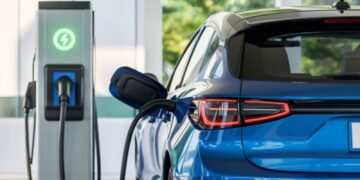

























March in Canada feels like a coin toss. One day it melts, the next it freezes again. That shift quietly messes with electric vehicle range more than most drivers expect. Charging habits that worked in deep winter or mild spring suddenly stop making sense. Batteries react differently to temperature swings, wet roads, and short trips. Many drivers keep old routines and lose range without noticing why. These small mistakes add up over weeks and reduce confidence in EV driving. A few simple changes can fix most of them quickly. Here are 25 EV charging mistakes Canadians make in March (that wreck range).
Charging Immediately After a Cold Drive
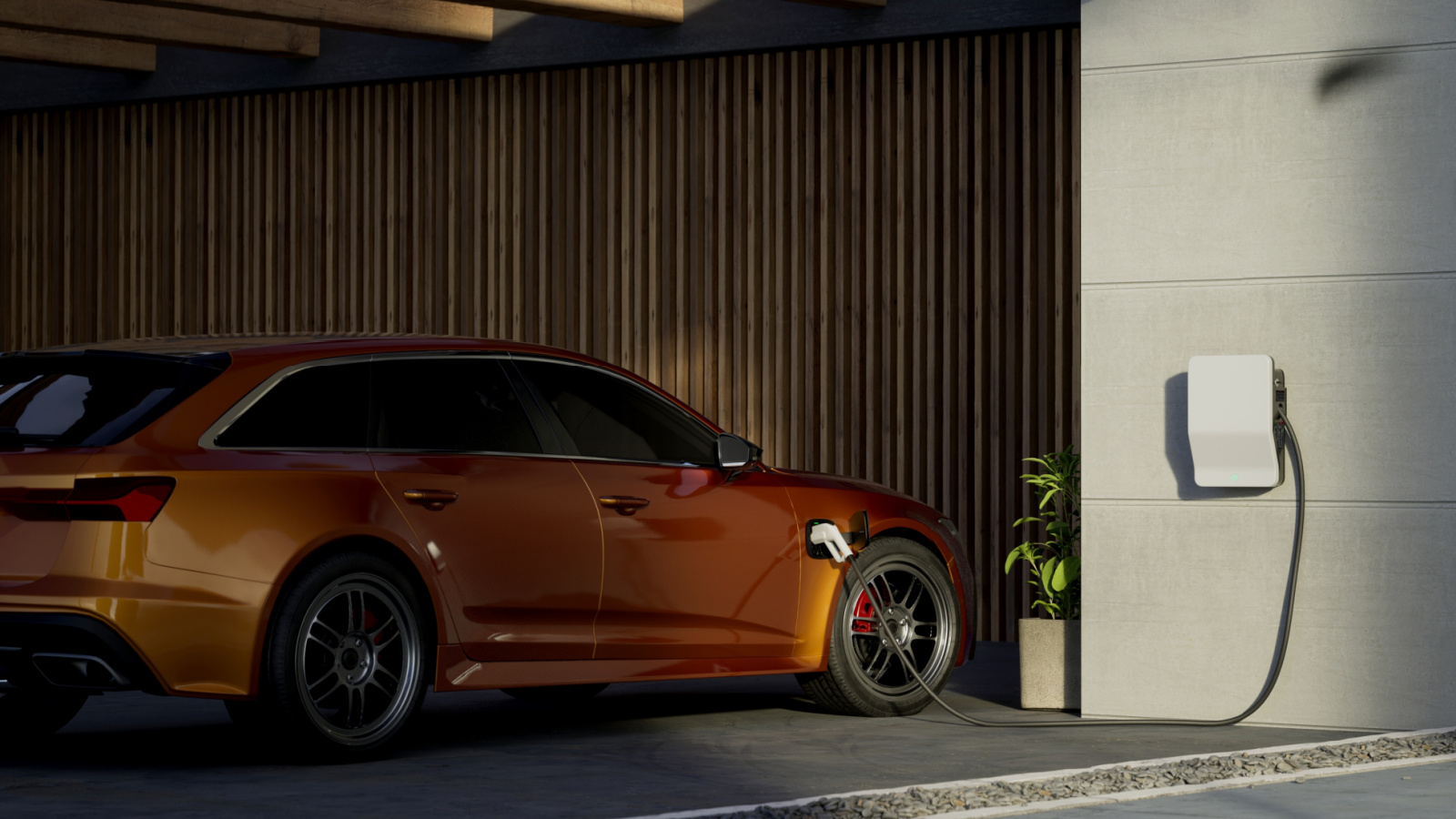
Many drivers plug in right after parking in freezing conditions. The battery is still cold from the drive. Charging a cold battery is slower and less efficient. The system may limit charging speed to protect itself. That means you get less usable energy for the same time spent plugged in. Waiting a short while helps the battery warm slightly. Even better, use scheduled charging if available. This allows the car to prepare itself. In March, temperature swings make this mistake more common. Drivers assume the battery is ready, but it often is not.
Ignoring Battery Preconditioning
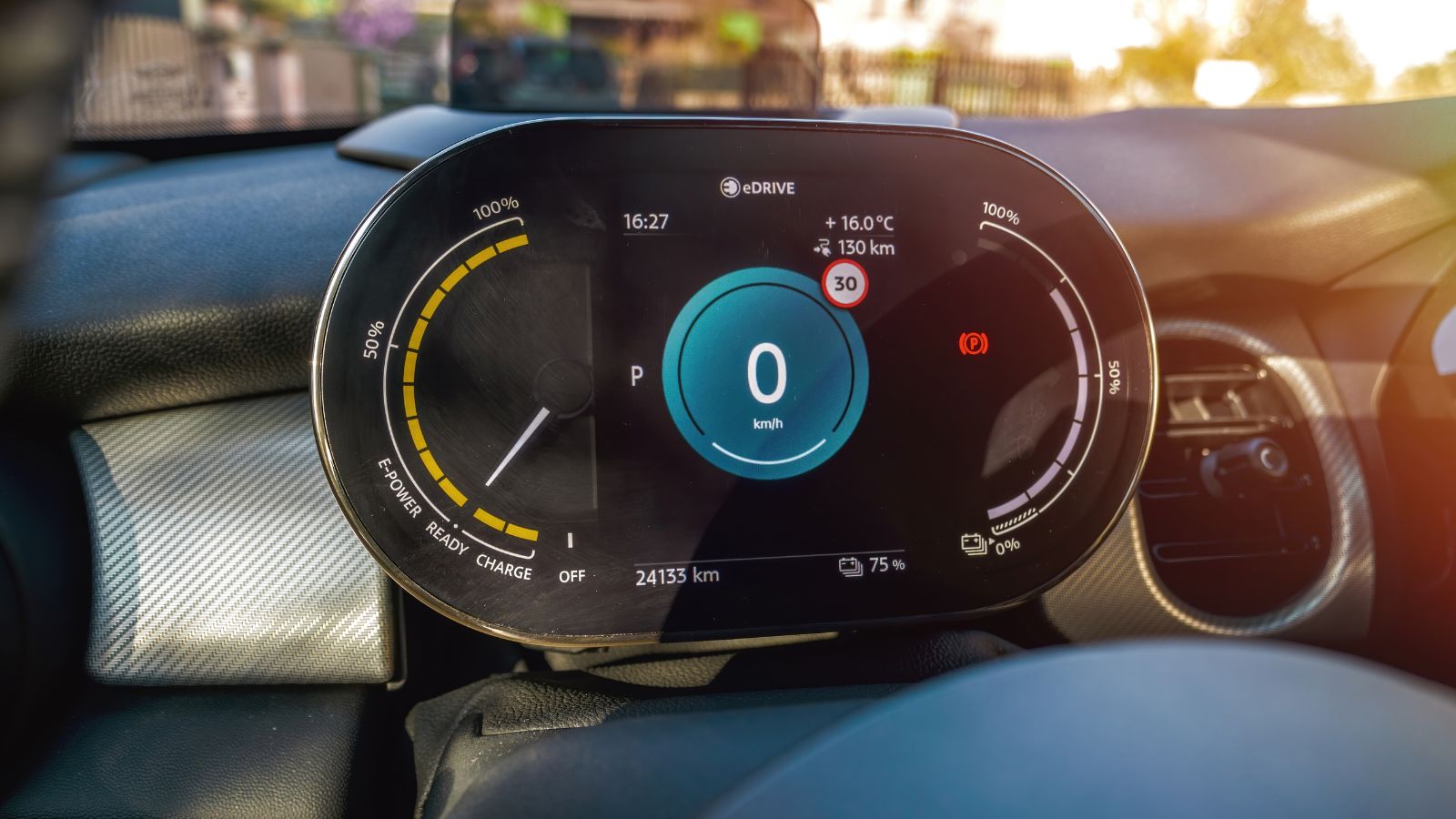
Preconditioning is often overlooked outside peak winter. March still has cold mornings that affect battery performance. Skipping preconditioning means the battery starts charging at a disadvantage. It cannot accept power efficiently when cold. This leads to longer sessions and lower range gains. Many EVs allow preconditioning through apps or navigation. Using it before fast charging helps a lot. It also improves driving efficiency right after departure. Drivers who skip this step lose both time and energy. In March, this mistake shows up during unpredictable cold snaps.
Charging 100 Percent Daily
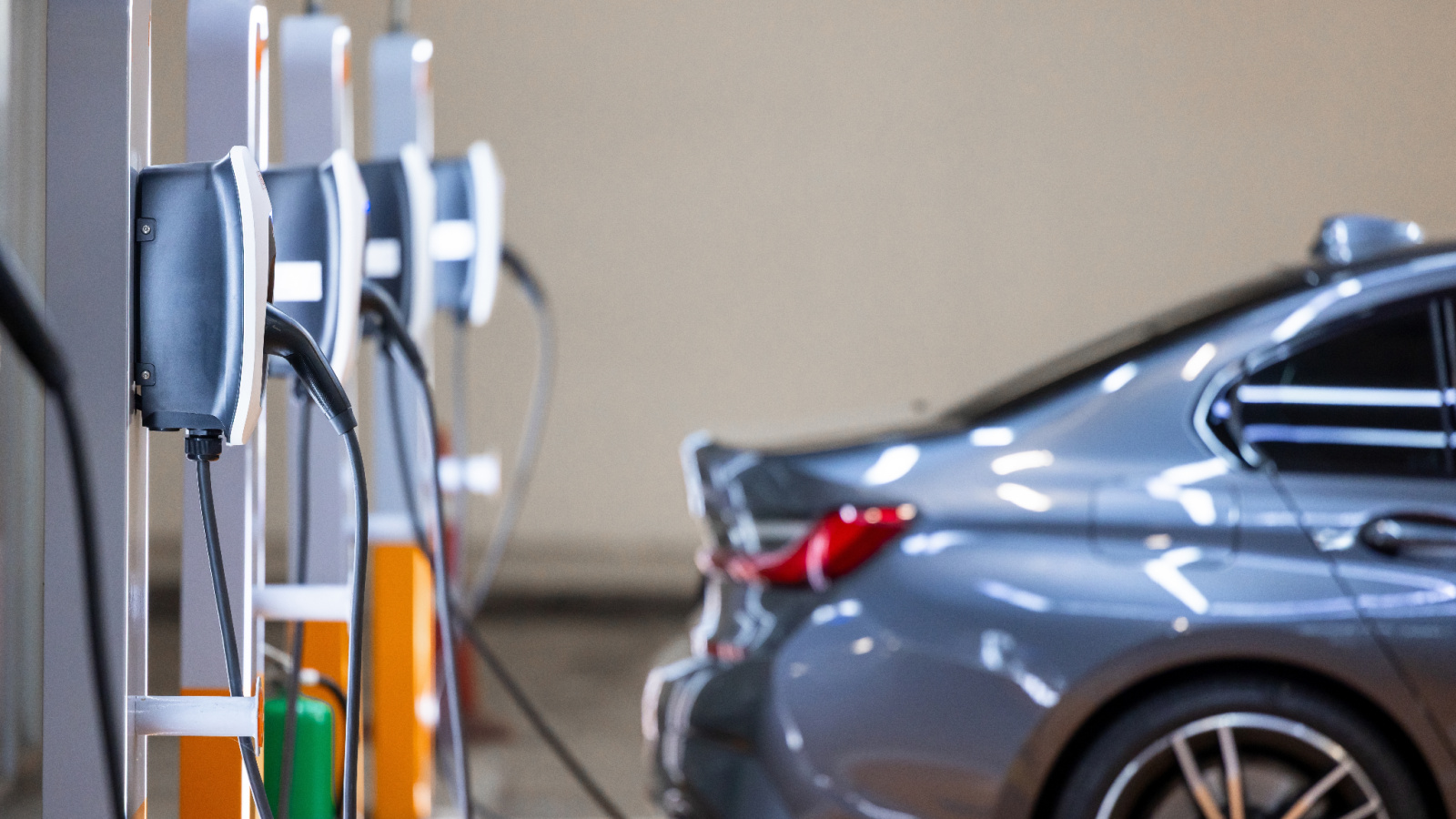
Charging to full every day feels safe. It is not always helpful for battery health or range stability. Batteries prefer partial cycles for long-term performance. Charging to 80 or 90 percent is often enough for daily driving. March conditions increase energy use due to wet roads and heating needs. Drivers may overcompensate by charging each night fully. This habit can slowly reduce battery efficiency over time. It also limits regenerative braking at the start of trips. Keeping a buffer improves both performance and flexibility.
Letting the Battery Drop Too Low
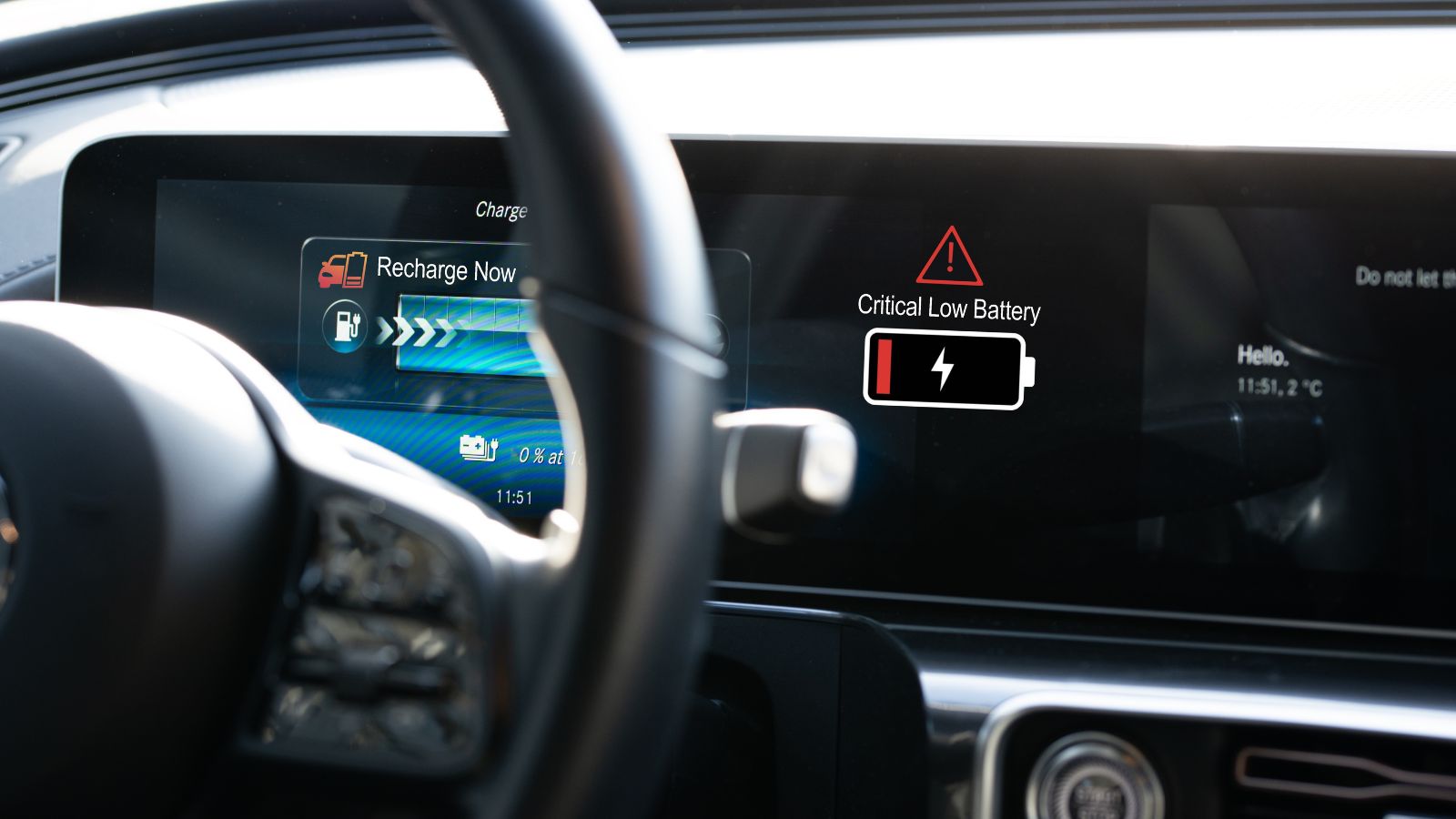
Running the battery close to empty stresses the system. Cold weather makes this worse. March mornings can still be freezing. A low battery struggles more in those conditions. Charging from very low levels also takes longer. Drivers may get stuck waiting at chargers more often. Keeping the battery above 20 percent helps maintain stability. It also gives room for unexpected detours. Many drivers ignore this during short trips. Over time, this habit reduces usable range and convenience.
Using Fast Chargers Too Often
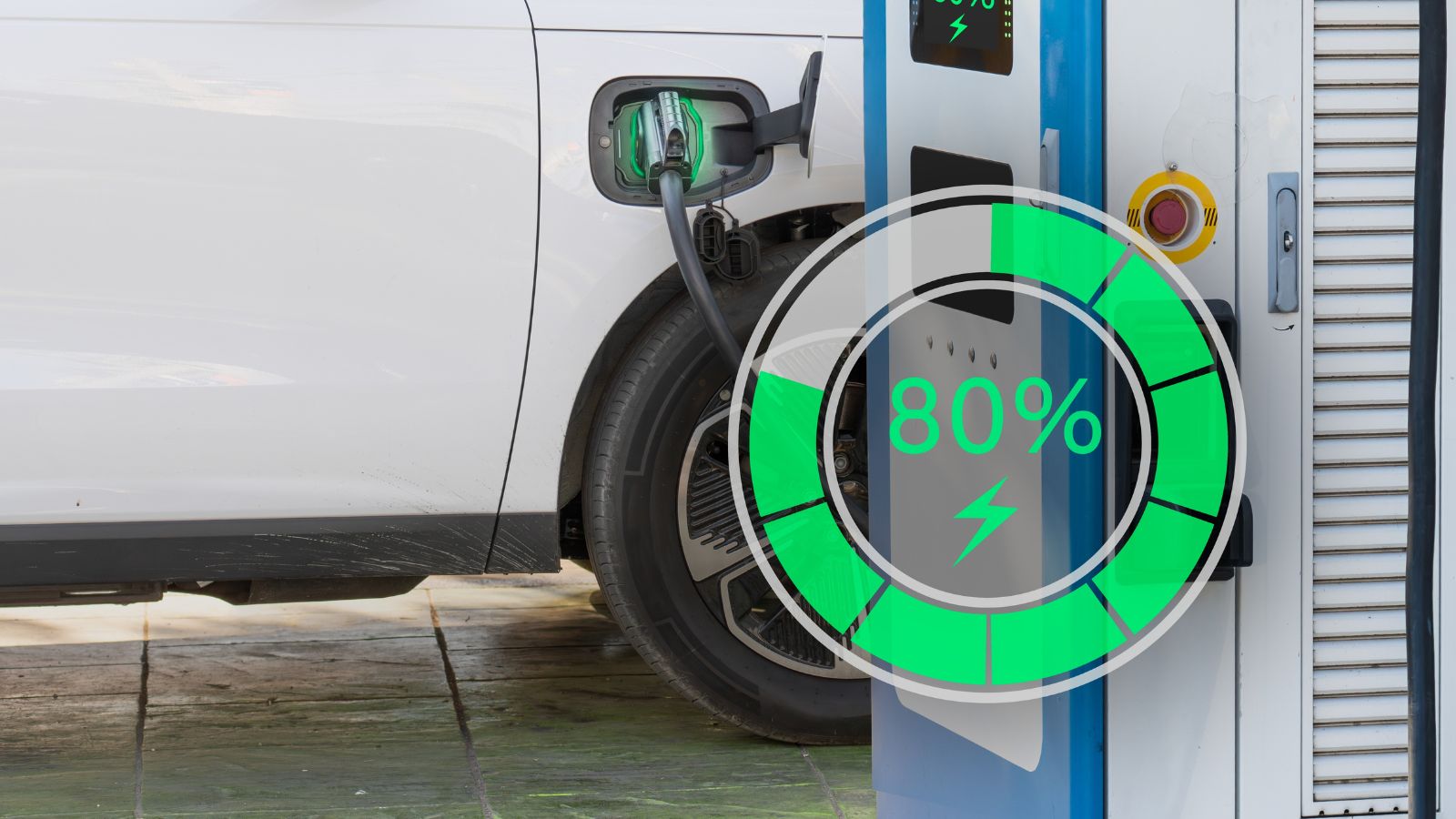
Fast charging is convenient, but overusing it has downsides. It generates more heat and stress inside the battery. In March, temperature swings make this impact less predictable. Drivers rely on fast chargers during road trips or busy weeks. That is fine occasionally. Using them daily reduces long-term efficiency. Slower charging methods are gentler and more consistent. Mixing both methods works better. Many drivers treat fast charging as the default. That habit quietly affects range over months.
Not Adjusting Charging for Warmer Days
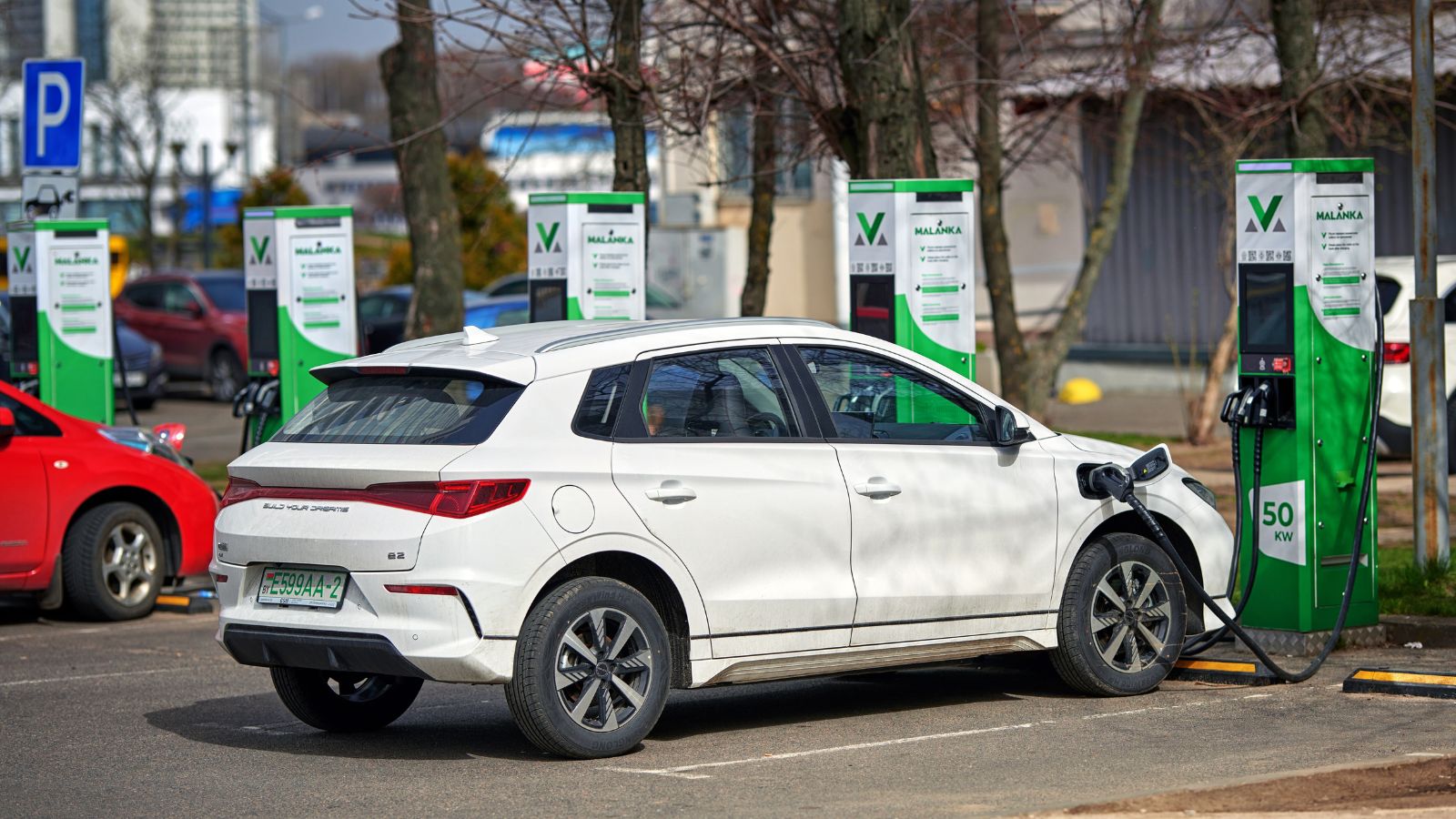
March brings warmer afternoons after cold mornings. Some drivers keep winter charging habits all day. They charge longer than needed or too frequently. Warmer conditions improve battery performance. Charging strategies should adapt to that change. Overcharging wastes time and electricity. It also keeps the battery at high levels unnecessarily. Paying attention to daily temperatures helps optimize charging. Many drivers ignore this transition period. They miss out on easy efficiency gains.
Parking Outside Without Planning Charging
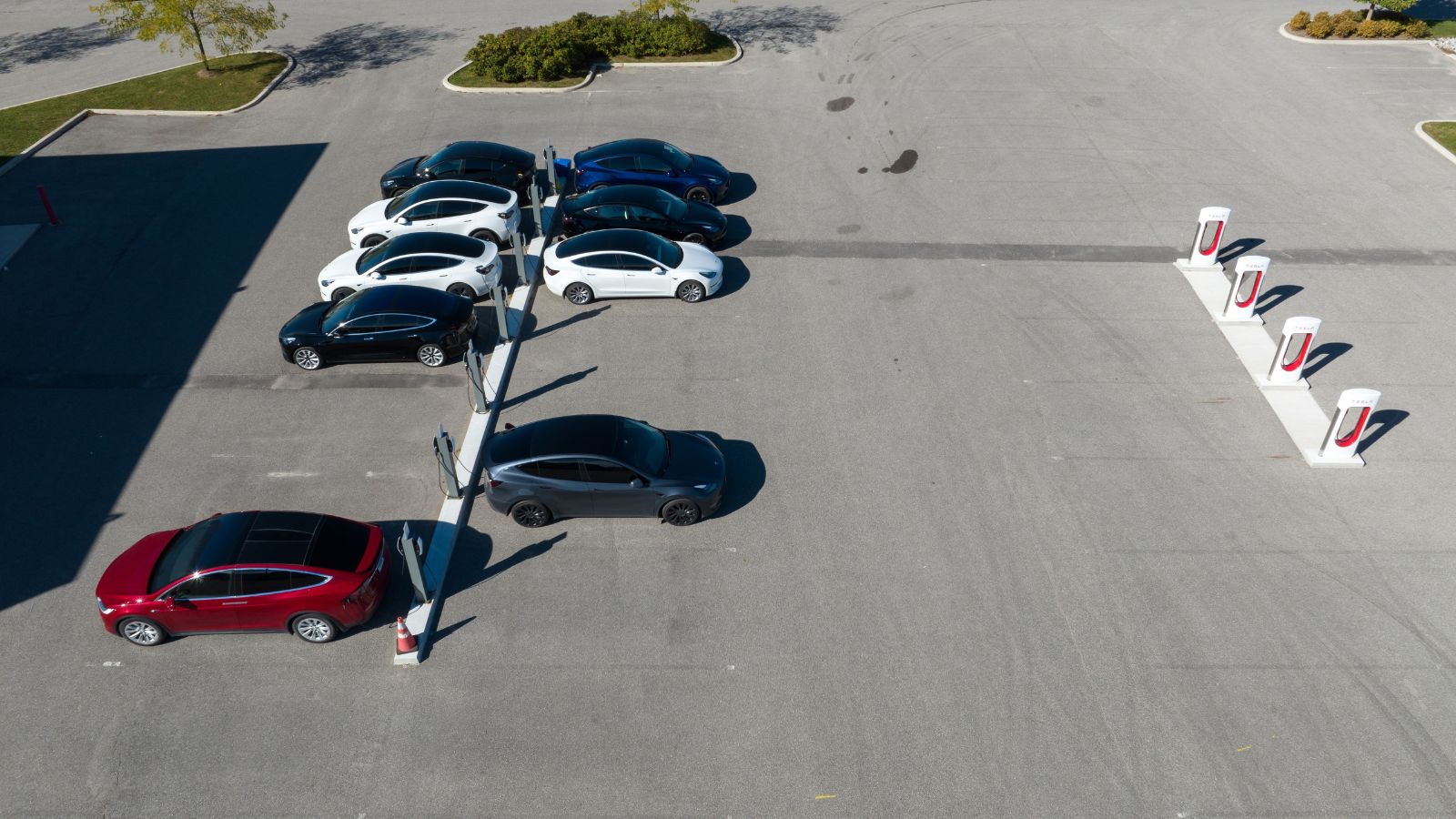
Leaving the car outside overnight affects battery temperature. Cold exposure reduces charging efficiency the next morning. March nights can still be very cold in many regions. Drivers who park outside often skip planning their charging times. Charging during the coldest hours slows everything down. Scheduling charging closer to departure helps. The battery stays warmer and performs better. This small adjustment improves both speed and range. Many drivers overlook this simple fix.
Charging During Peak Cold Hours
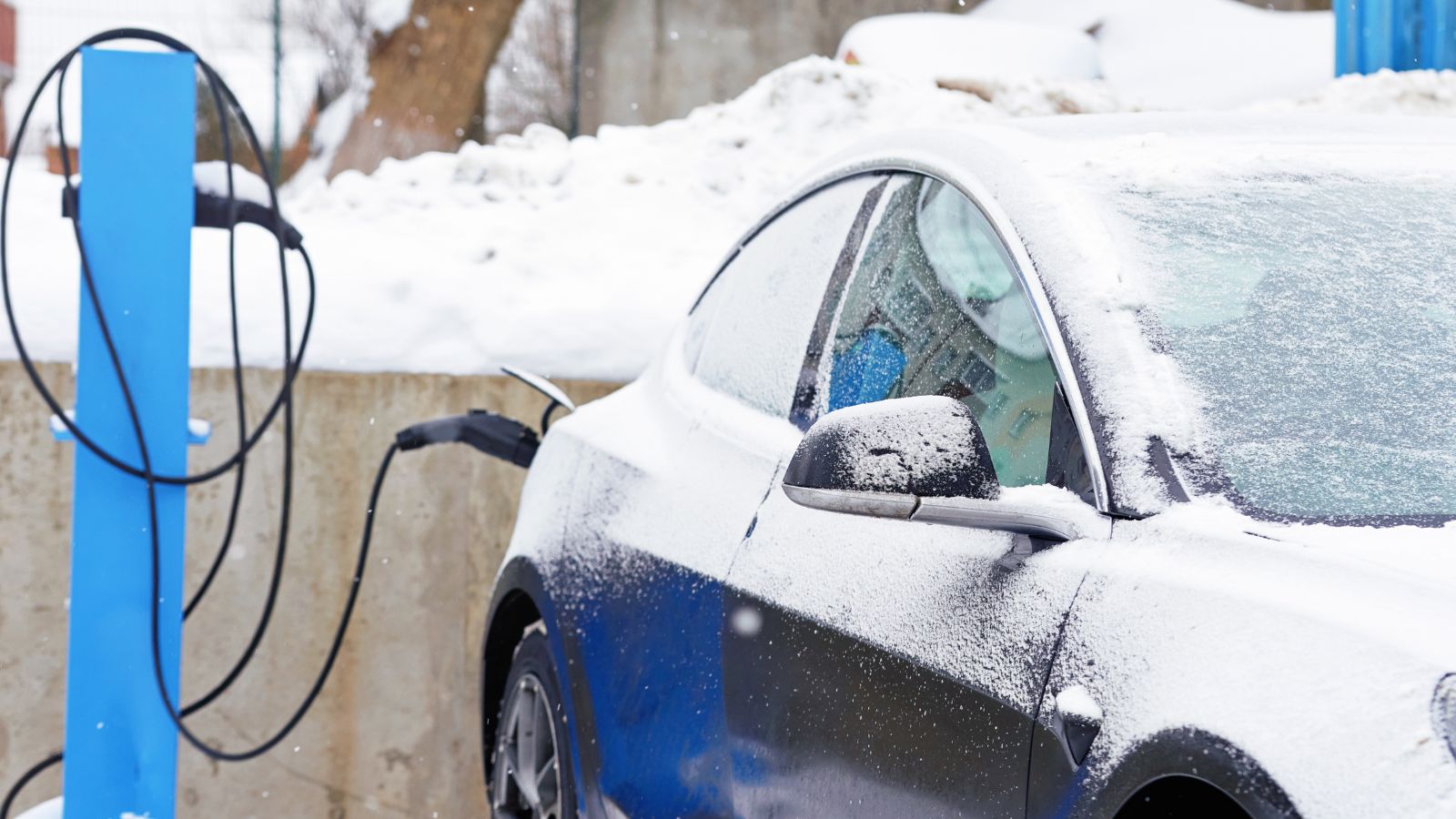
Charging late at night feels convenient. It is often the coldest time of day. Cold batteries charge slower and less efficiently. March temperatures can drop sharply overnight. Drivers who charge during these hours lose potential range gains. Charging in early morning or evening works better. The battery is slightly warmer then. Time-of-use electricity plans also play a role. Many drivers focus only on cost savings. They ignore how temperature affects charging performance.
Skipping Software Updates

EV software updates often include charging improvements. They adjust how the battery handles temperature and power flow. Many drivers delay updates for weeks. In March, these updates can make a noticeable difference. They improve efficiency during changing weather. Skipping them means missing out on optimized charging behavior. Some updates also improve route planning for charging stops. Keeping the system current helps maintain range. Ignoring updates creates avoidable inefficiencies.
Using Cabin Heat While Charging Unnecessarily
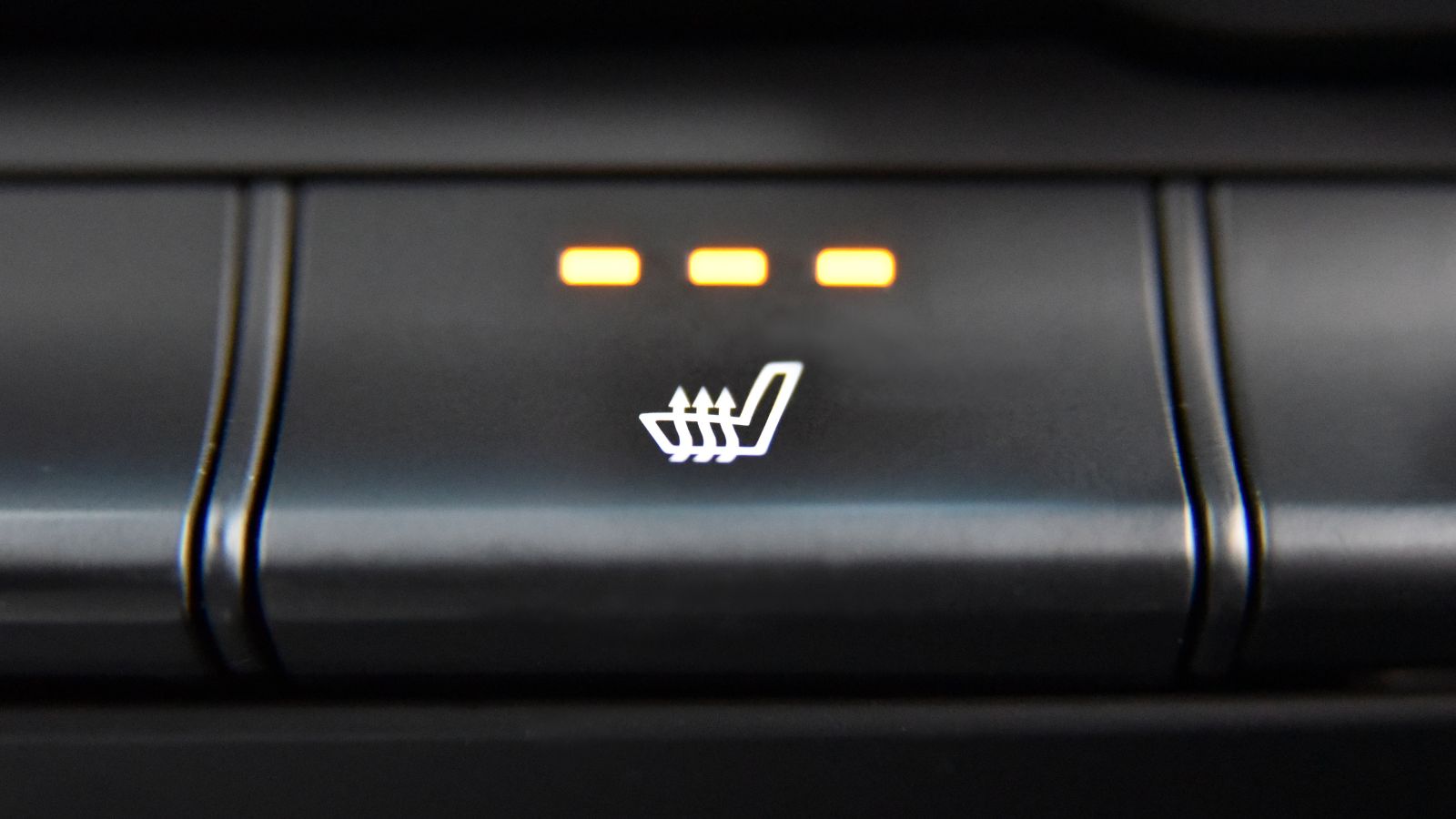
Running cabin heat while charging drains energy. It reduces the amount of power that goes into the battery. March weather tempts drivers to warm the cabin often. This habit slows charging sessions. It also increases overall energy use. Preconditioning before plugging in works better. Once charging starts, limiting cabin use helps. Many drivers sit inside the car while charging. They use heating without realizing the impact. This small behavior reduces range gains over time.
Not Monitoring Charging Speed
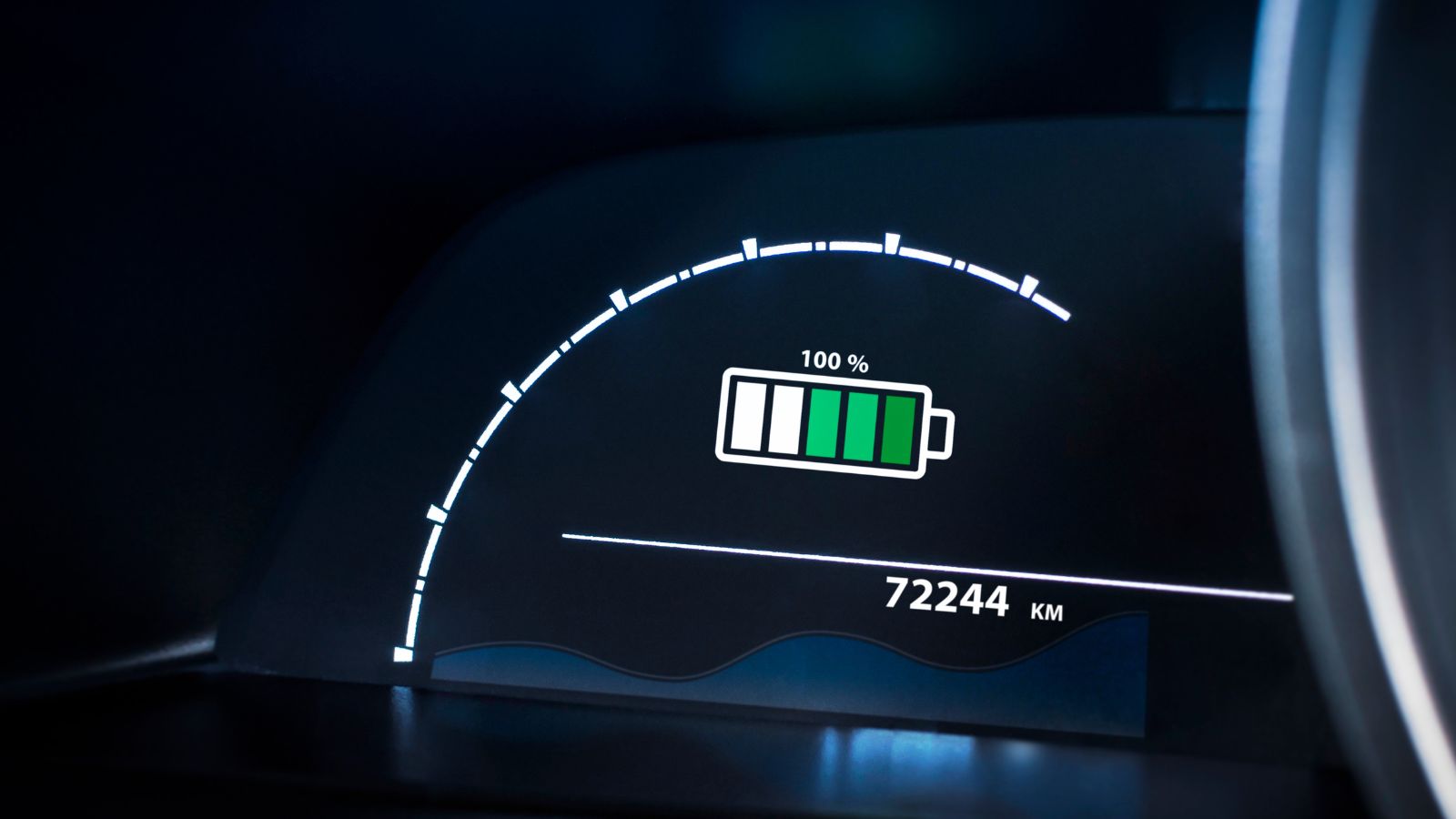
Drivers often assume the charger is working at full speed. That is not always true. Cold temperatures and battery conditions affect charging rates. March adds more variability to this. A charger may deliver less power than expected. Not checking the charging speed leads to poor planning. Drivers may leave too early or wait too long. Monitoring the rate helps adjust expectations. It also highlights potential issues with the charger. Ignoring this detail wastes time and energy.
Relying on Public Chargers Without Backup Plans
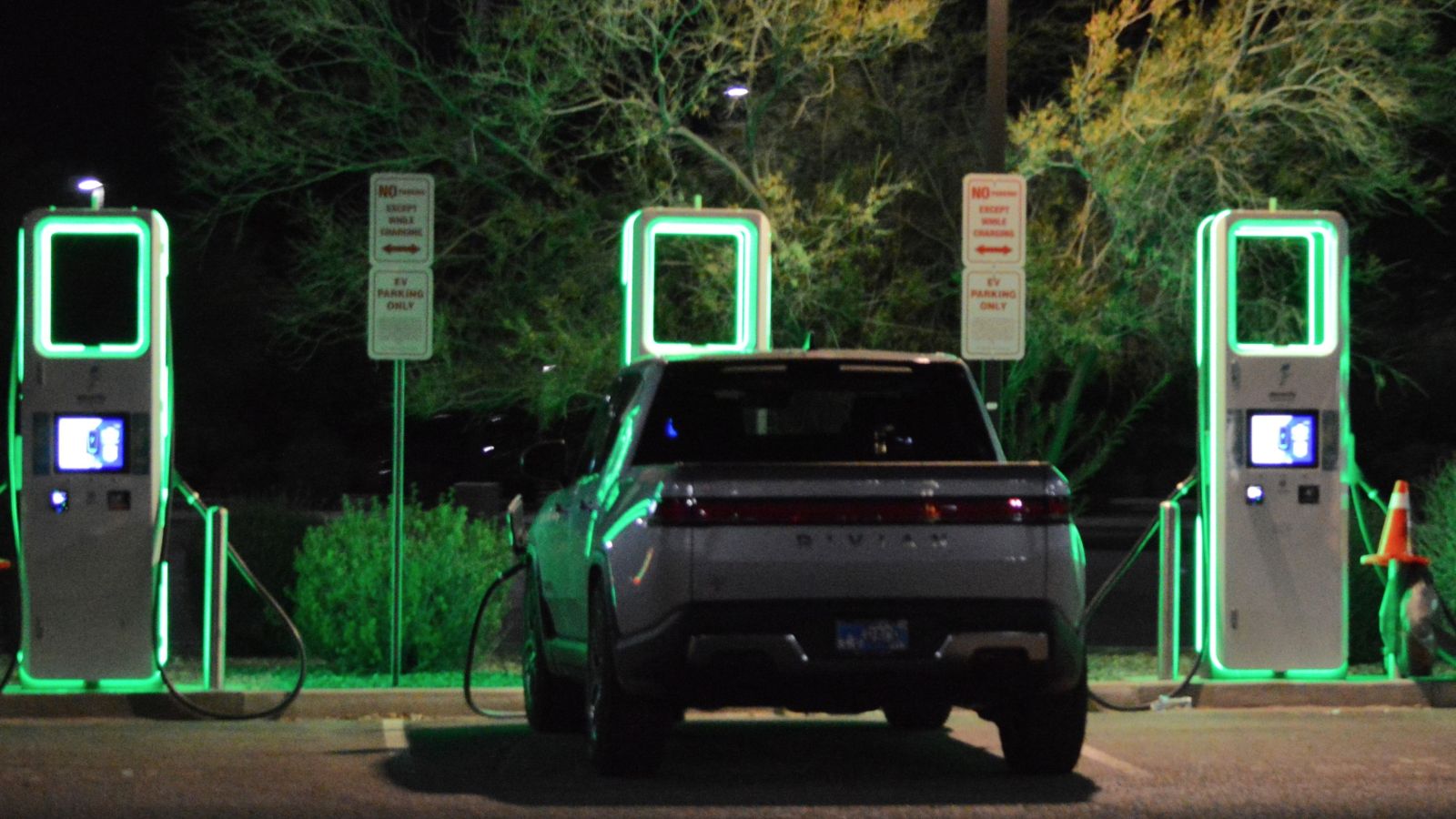
Public charging networks are not always reliable in March. Snowmelt, outages, and high demand can affect availability. Many drivers plan trips around a single charging stop. When that charger is busy or offline, it creates unnecessary stress. Searching for alternatives wastes time and drains the battery. Keeping a backup location in mind makes a big difference. It also helps avoid last-minute detours. Checking charger status through apps before arrival adds another layer of confidence. Drivers who plan ahead maintain a better range and avoid sudden disruptions.
Charging in Wet Conditions Without Care
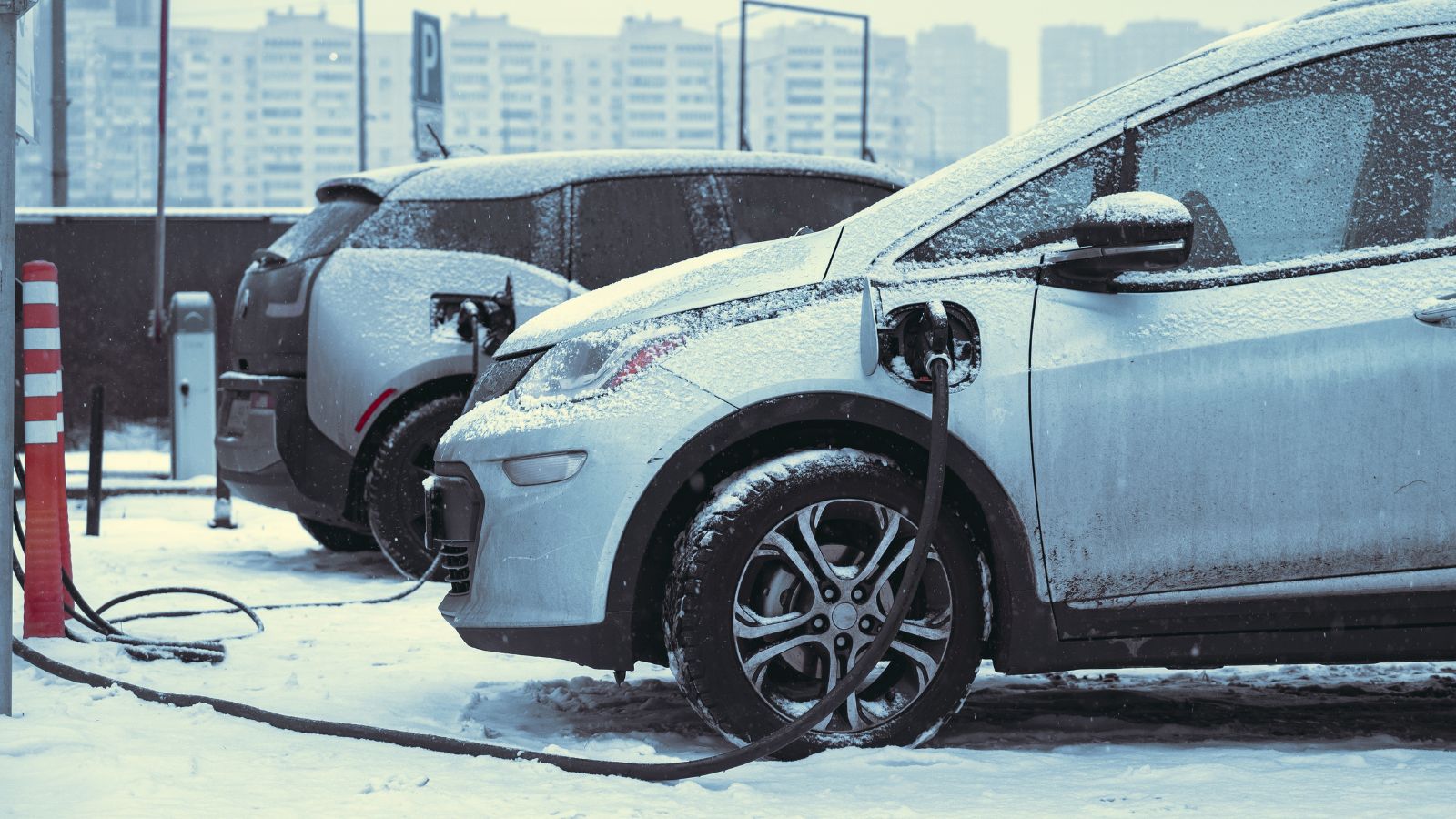
March brings slush, puddles, and constant moisture. Charging in these conditions requires a bit more attention. Many drivers plug in quickly without checking the connectors. Dirt and water can affect the connection quality. This leads to slower or inconsistent charging sessions. Wiping the connector before use helps maintain efficiency. It also protects the equipment over time. Ignoring these small steps can create bigger issues later. Taking a moment to check conditions keeps charging smoothly. Consistency matters more during unpredictable weather.
Overlooking Tire Pressure Before Charging Trips
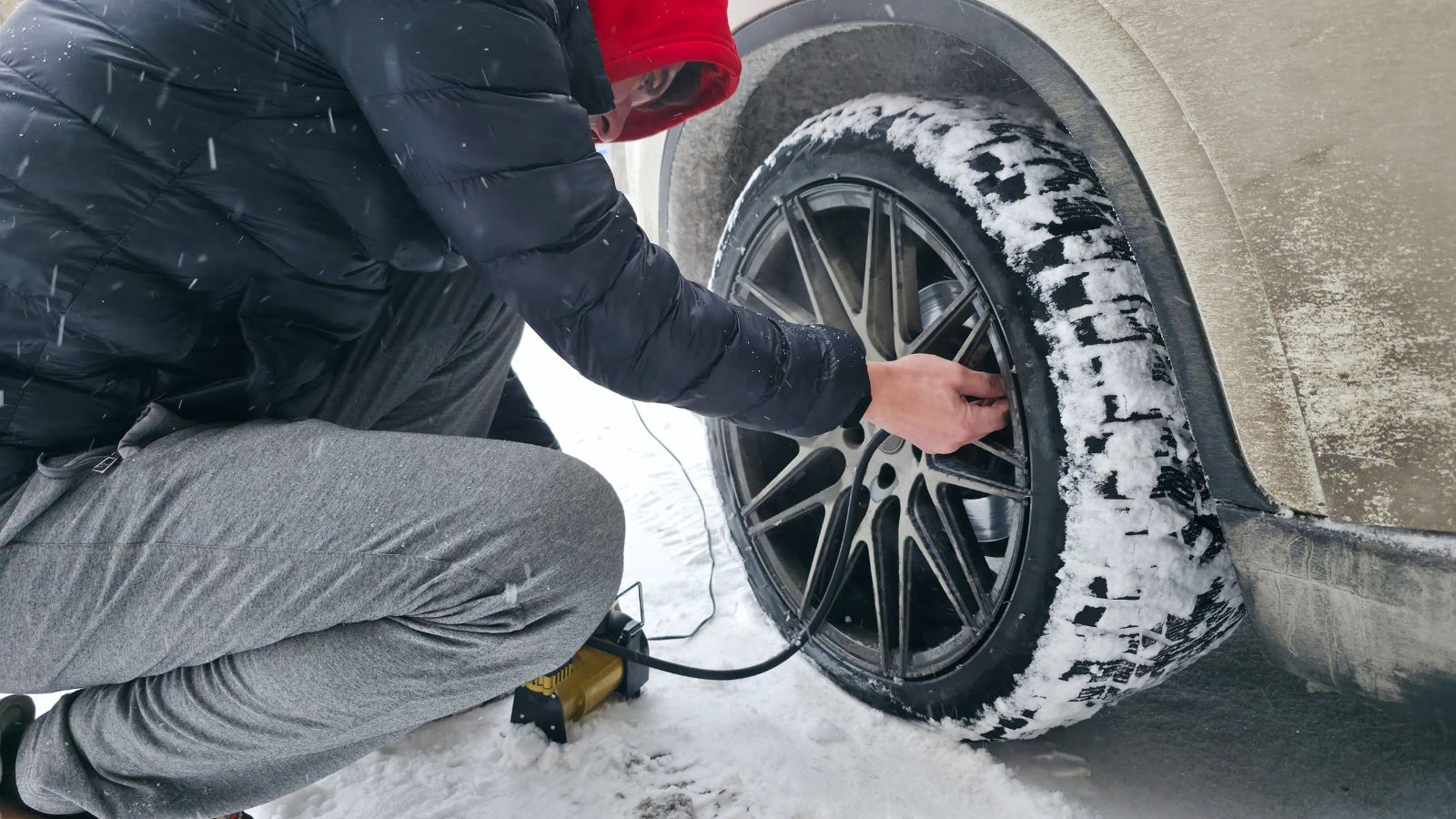
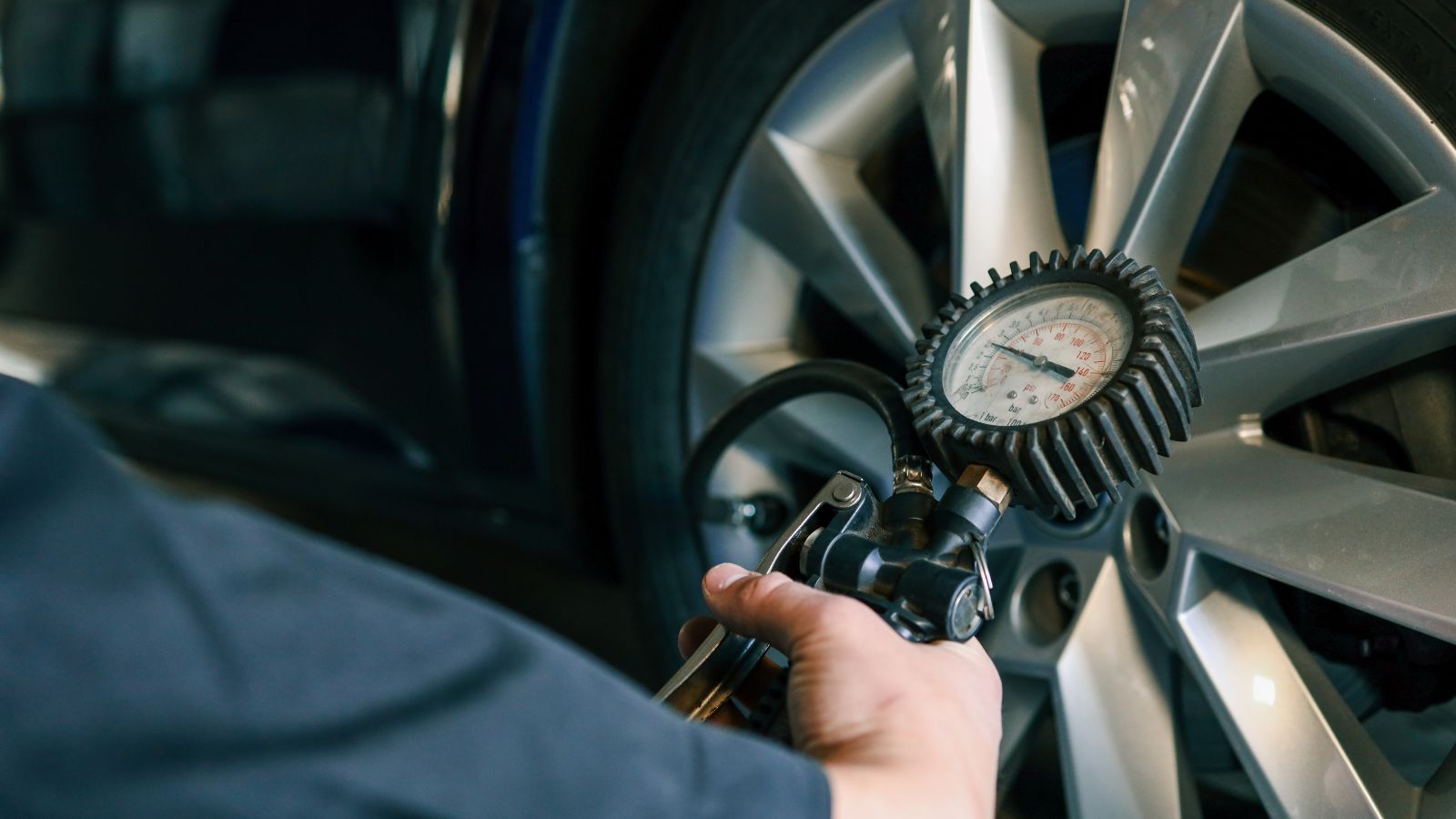
Tire pressure drops in cold weather, even in March. Many drivers forget to check it regularly. Low pressure increases resistance on the road. This forces the vehicle to use more energy. As a result, the charging frequency goes up. Drivers may think the battery is losing efficiency. In reality, the tires are the issue. Checking pressure takes only a few minutes. It helps maintain a steady range and smoother driving. This simple habit supports better charging outcomes over time.
Not Using Scheduled Charging Features
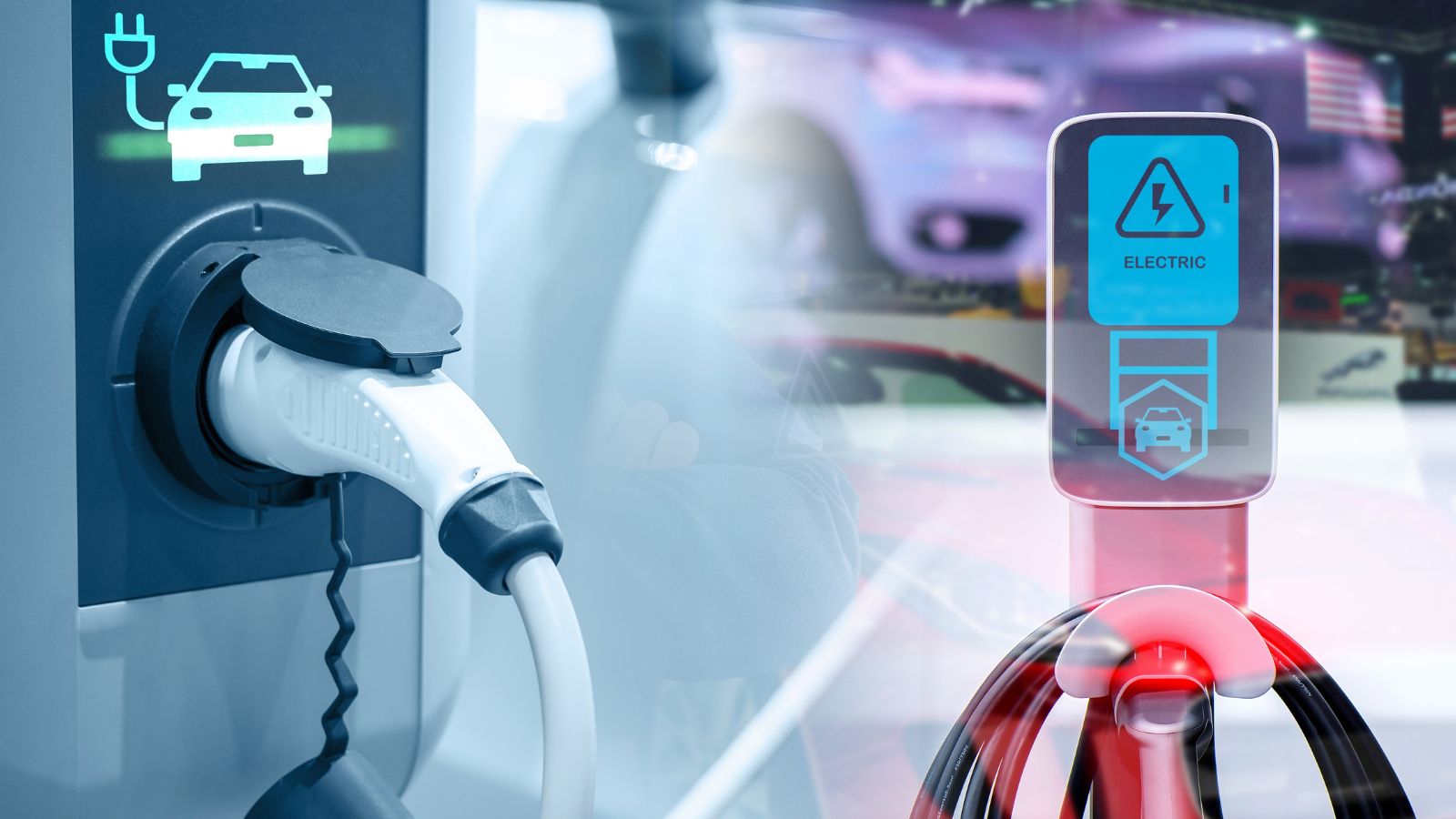
Scheduled charging helps align battery temperature with charging times. Many drivers ignore this feature completely. March conditions make timing more important than usual. Charging just before departure keeps the battery in a better state. It also improves efficiency right at the start of a drive. Without scheduling, charging may happen at less-than-ideal times. This reduces overall effectiveness. Setting a simple schedule can improve both convenience and range. It is an easy adjustment that delivers consistent results.
Charging After Short Trips Only
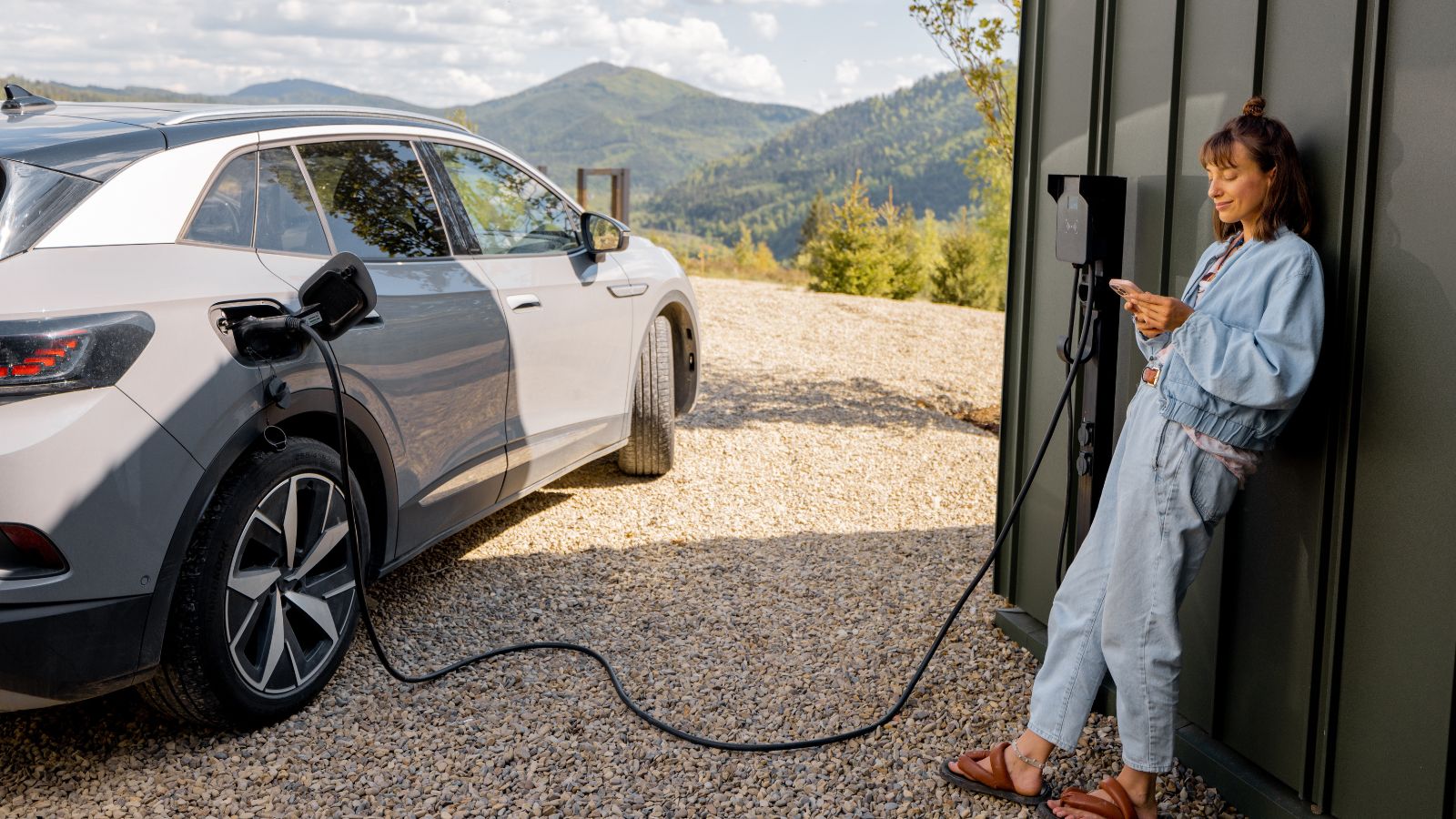
Some drivers plug in after every short errand. This habit builds quickly during colder months. In March, it becomes less useful. Frequent small charging sessions are not always efficient. The battery may not need energy yet. These repeated cycles can also take up time unnecessarily. Charging based on actual need works better. Allowing the battery to drop slightly before charging helps balance usage. Many drivers continue winter habits without adjusting. This leads to inefficient charging patterns.
Ignoring Wind and Road Conditions
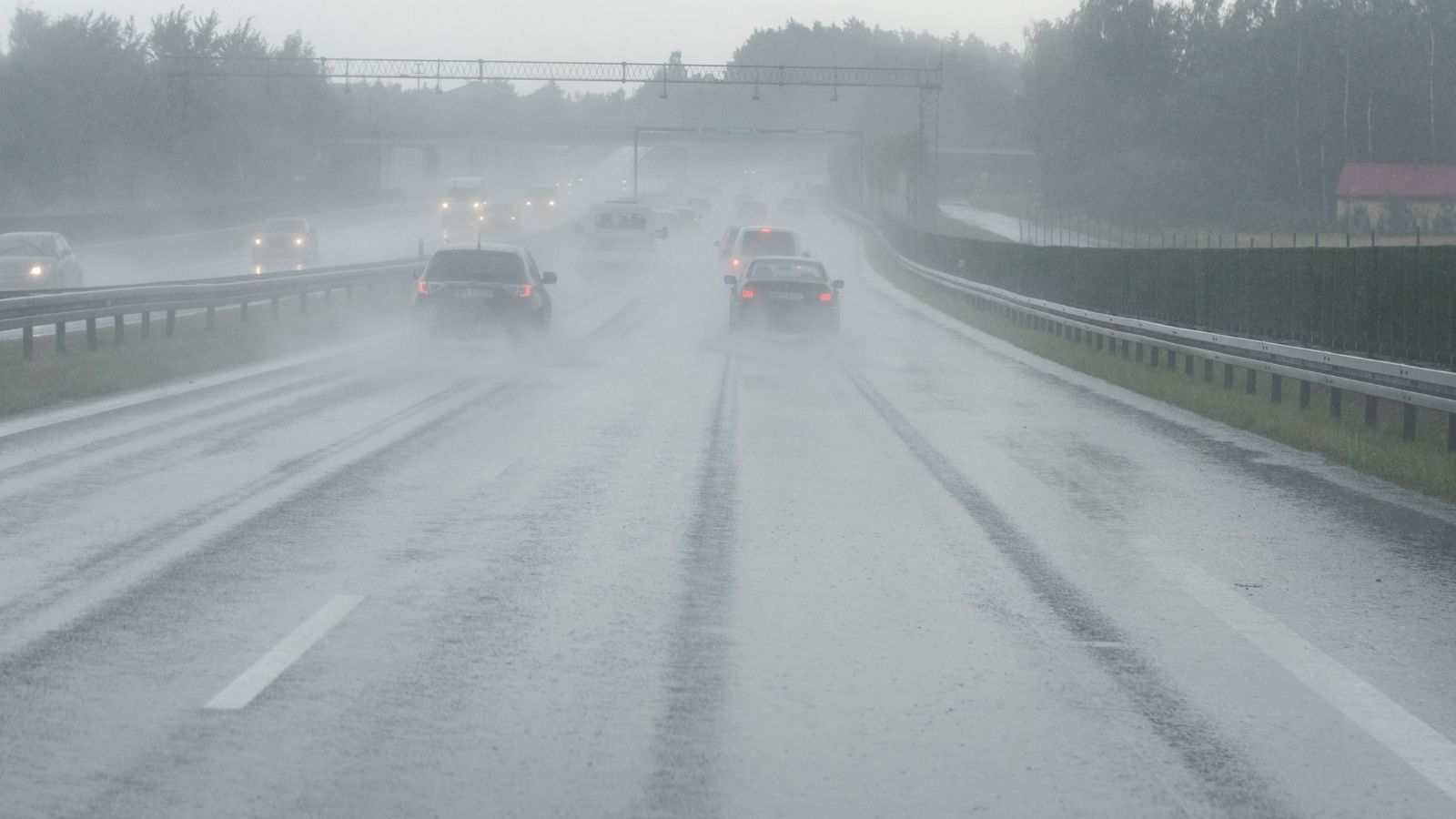
Range is not only about temperature. Wind and wet roads also affect energy use. March often brings strong winds and slushy surfaces. These conditions increase resistance while driving. The vehicle consumes more power than expected. Drivers may not account for this in their plans. Charging stops become more frequent as a result. Paying attention to weather conditions helps adjust expectations. It also improves route planning. Ignoring these factors leads to avoidable range drops during trips.
Not Warming the Battery Before Fast Charging Stops
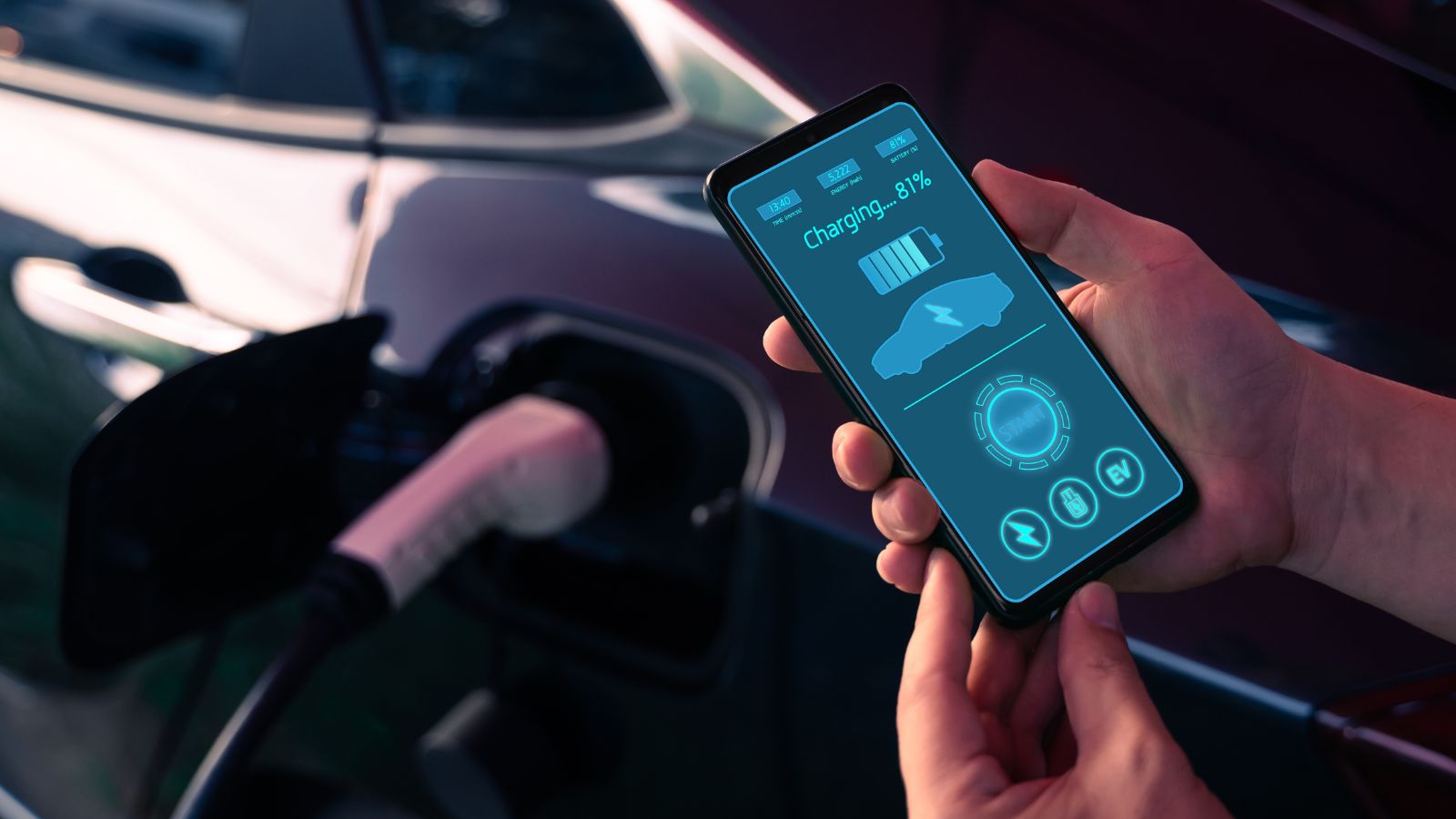
Fast charging works best with a warm battery. Many drivers arrive at chargers without preparation. In March, mornings can still be quite cold. A cold battery limits charging speed. This leads to longer waiting times at stations. Preconditioning the battery before arrival improves performance. It allows the system to accept higher power levels. Skipping this step reduces efficiency. Drivers who plan ahead save both time and energy. It makes fast charging more effective overall.
Charging to Full Before Long Drives in Cold Weather
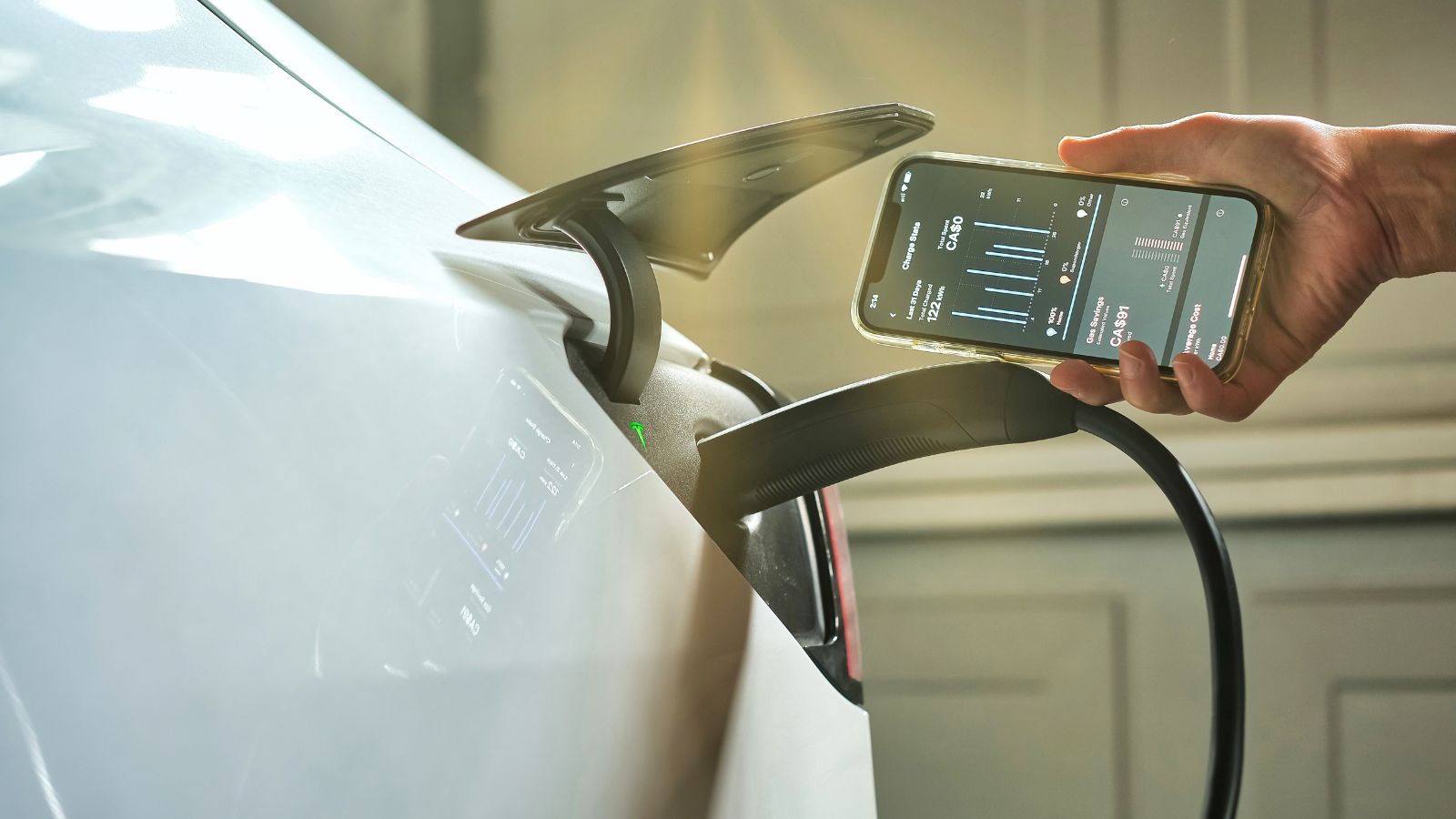
Starting a trip with a full battery seems logical. However, it has downsides in cold conditions. Regenerative braking is limited when the battery is full. This reduces energy recovery during driving. Charging slightly below full allows a better balance. It improves efficiency once on the road. Many drivers overlook this detail. They assume maximum charge always equals maximum range. In reality, a small buffer can help. Adjusting this habit leads to better performance during longer drives.
Using the Wrong Charger Type for the Situation
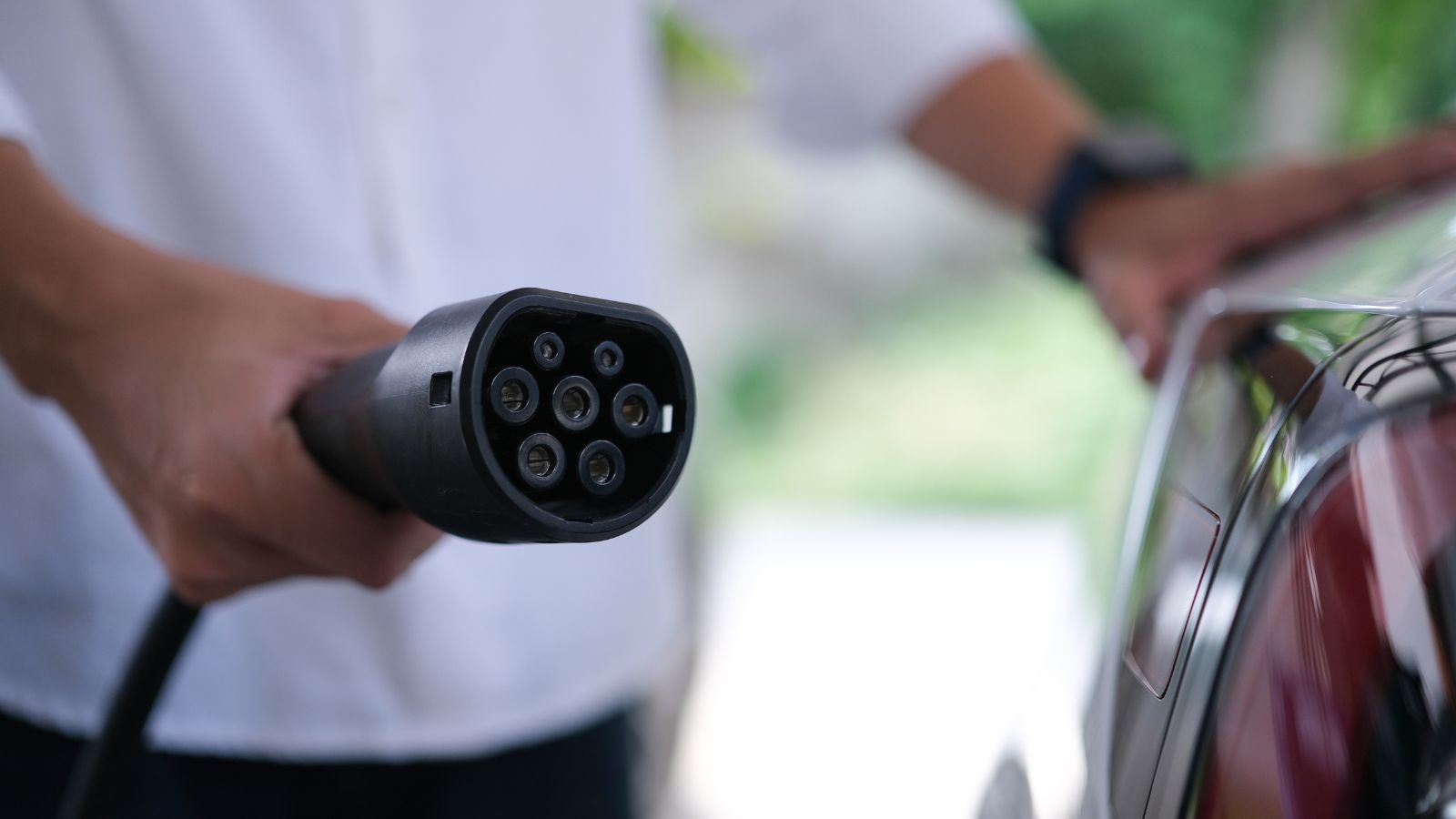
Different chargers serve different purposes. Some drivers do not consider this when planning. Using a slow charger during a short stop wastes time. Relying on fast chargers for daily use adds unnecessary strain. March conditions require more thoughtful choices. Matching the charger to the situation improves results. It also helps manage time more effectively. Understanding these differences makes charging smoother. Many drivers treat all chargers the same. That approach often leads to inefficiency.
Leaving the Car Plugged in Too Long
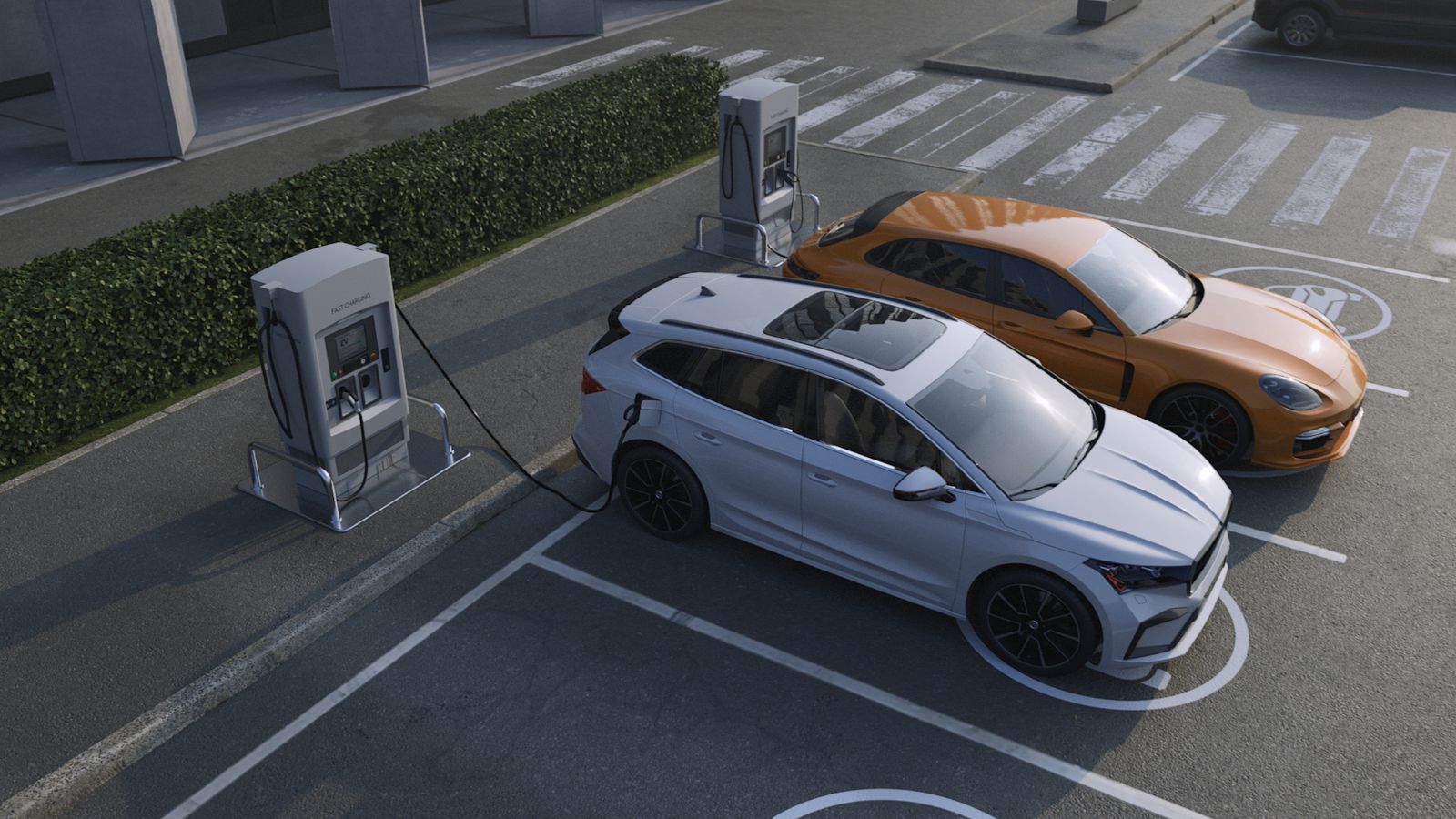
Once the battery reaches its target level, charging stops. Leaving the car plugged in after that offers no benefit. It can keep the battery at a high state for longer than needed. March temperature swings add another layer of unpredictability. Disconnecting after charging helps maintain balance. It also keeps charging spots available for others. Many drivers forget to unplug. This habit does not improve range. Managing charging time more actively leads to better outcomes.
Not Tracking Energy Consumption Patterns

Modern EVs provide detailed energy data. Many drivers never look at it. March conditions cause noticeable changes in consumption. Tracking usage helps identify patterns quickly. It shows how weather and driving style affect range. Without this information, drivers rely on guesswork. Small adjustments become harder to make. Reviewing data regularly improves awareness. It also supports smarter charging decisions. Ignoring these insights limits overall efficiency. A little attention goes a long way.
Charging Without Considering Route Elevation

Elevation plays a bigger role than many expect. Climbing hills requires more energy than flat driving. March trips often include mixed terrain. Drivers who ignore elevation may underestimate energy needs. This leads to unexpected range drops. Charging slightly more before hilly routes helps. It provides a safety margin during the drive. Planning with elevation in mind improves reliability. Many drivers focus only on distance. That approach misses an important factor.
Assuming Range Estimates Are Always Accurate
Range estimates change based on recent driving conditions. March weather makes these estimates less predictable. Wet roads and wind can reduce actual range. Drivers often trust the displayed number too much. Planning based on it alone can be risky. Keeping a buffer improves reliability. It allows for unexpected changes during the trip. Understanding how estimates work helps avoid surprises. Many drivers learn this after a close call. A cautious approach works better.
Treating March Like Winter or Spring Only
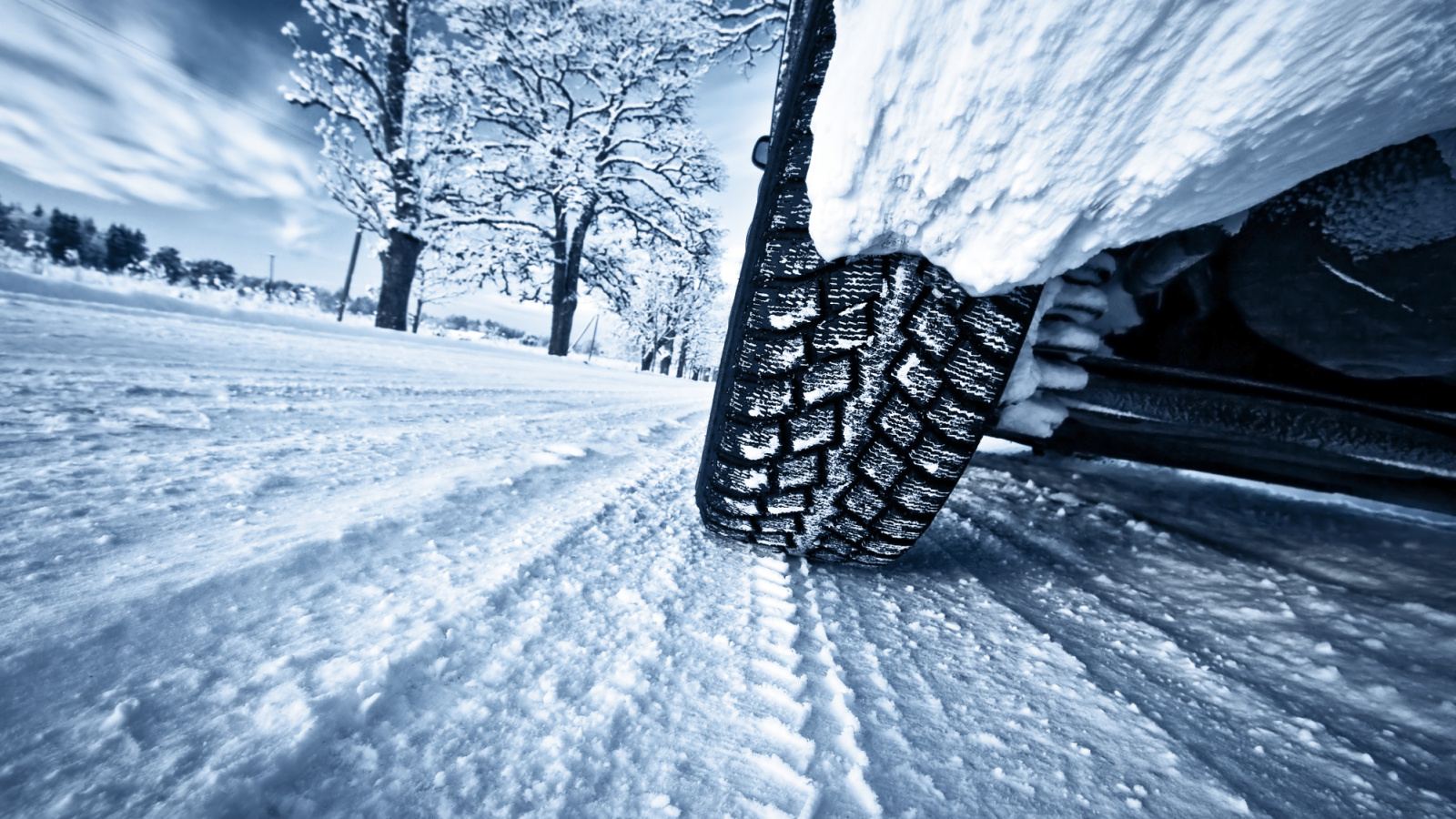
March does not behave like a single season. Conditions shift quickly from day to day. Charging habits need to adapt to these changes. Using winter routines all month is not effective. Switching too early to spring habits can also cause issues. Paying attention to daily conditions matters more. Flexibility improves both efficiency and range. Many drivers stick to one approach. That limits performance. Adapting regularly keeps charging strategies effective.
22 Things Canadians Do to Their Cars in Spring That Mechanics Hate

Spring brings relief to many Canadian drivers after months of snow, freezing temperatures, and icy roads that put serious strain on vehicles. As temperatures rise across the country, drivers begin washing cars, switching tires, and preparing vehicles for warmer weather and upcoming road trips. However, mechanics across Canada notice the same mistakes every spring when drivers attempt to recover from winter damage. Road salt, potholes, and harsh winter driving conditions often leave vehicles with hidden problems that drivers ignore. Some spring habits even create new mechanical issues that could have been avoided with proper maintenance. Here are 22 things Canadians do to their cars in spring that mechanics hate.