





















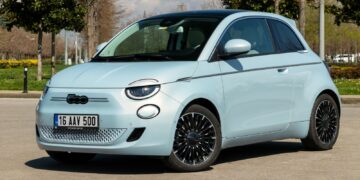




Car ownership is no longer just about the payment, the fuel bill, or the occasional oil change. In 2026, the vehicles that feel hardest to keep are often the ones with expensive tires, complex electronics, steep insurance premiums, luxury-brand repair bills, or resale values that have fallen faster than expected. With average new-vehicle transaction prices still hovering near historic highs and full-coverage insurance taking a bigger bite out of household budgets, even once-desirable models can begin to feel financially heavy.
Here are 17 cars and vehicles that are starting to feel too expensive to keep in 2026, especially for owners who are past the warranty period, driving more than expected, or watching resale values soften.
Tesla Model S
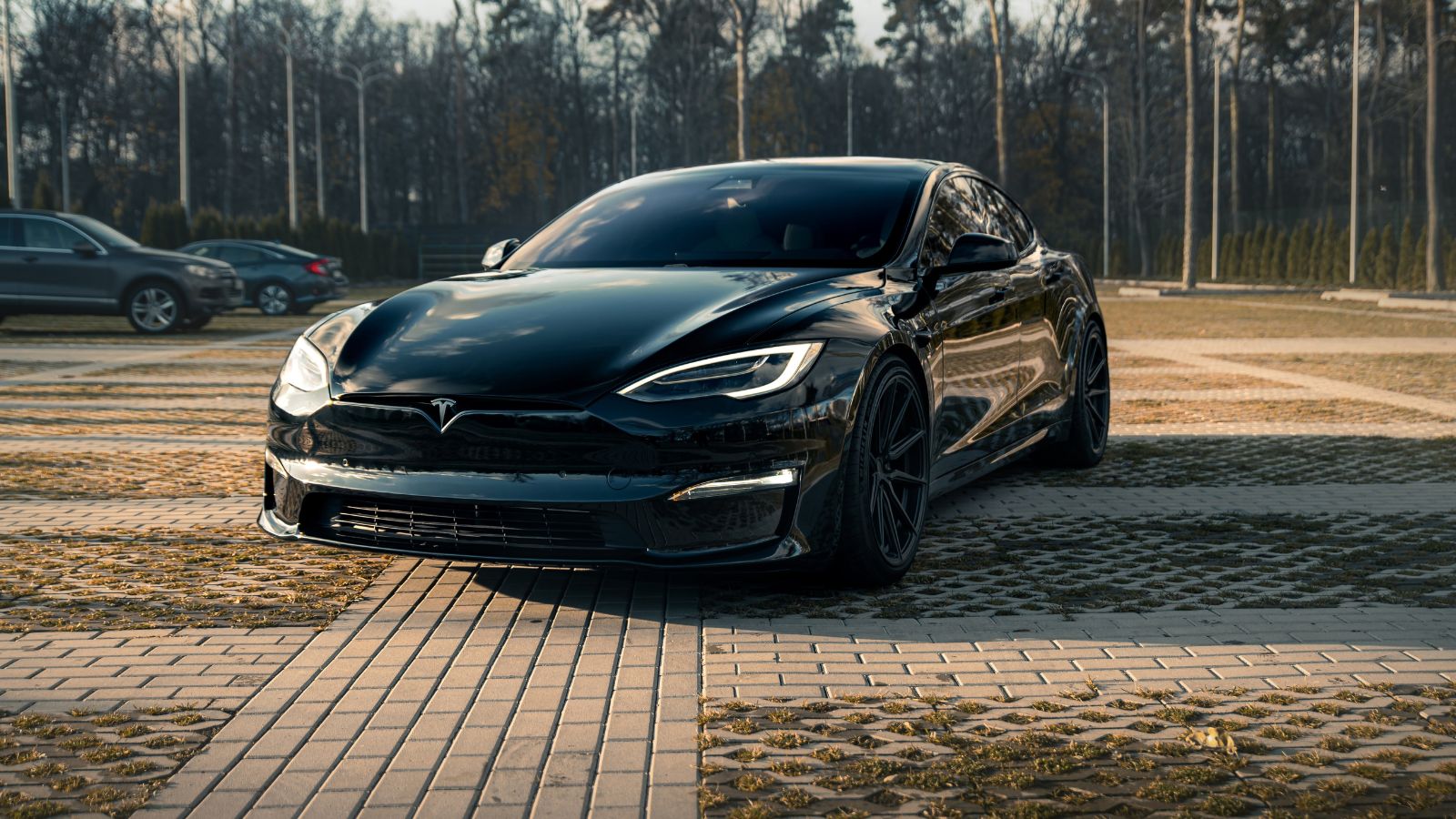
The Tesla Model S still carries the image of a technology flagship, but that status can become expensive once the car ages. Insurance is one of the biggest pain points. High-performance trims, specialized body repairs, expensive sensors, and limited repair networks can push premiums well above what many owners expected when the car was new. A minor collision can involve cameras, calibration, aluminum bodywork, or battery-adjacent components, which means the repair bill may not feel minor at all.
Depreciation adds another problem. Luxury EVs have been hit by rapid technology cycles, shifting incentives, price cuts, and changing used-EV demand. A Model S that once seemed like a futuristic long-term keeper can look financially awkward when newer EVs offer more range, faster charging, or lower entry prices. For owners holding older examples outside warranty, the combination of insurance, tires, electronic repairs, and resale uncertainty can make the car feel much more expensive than its quiet cabin suggests.
Tesla Model X
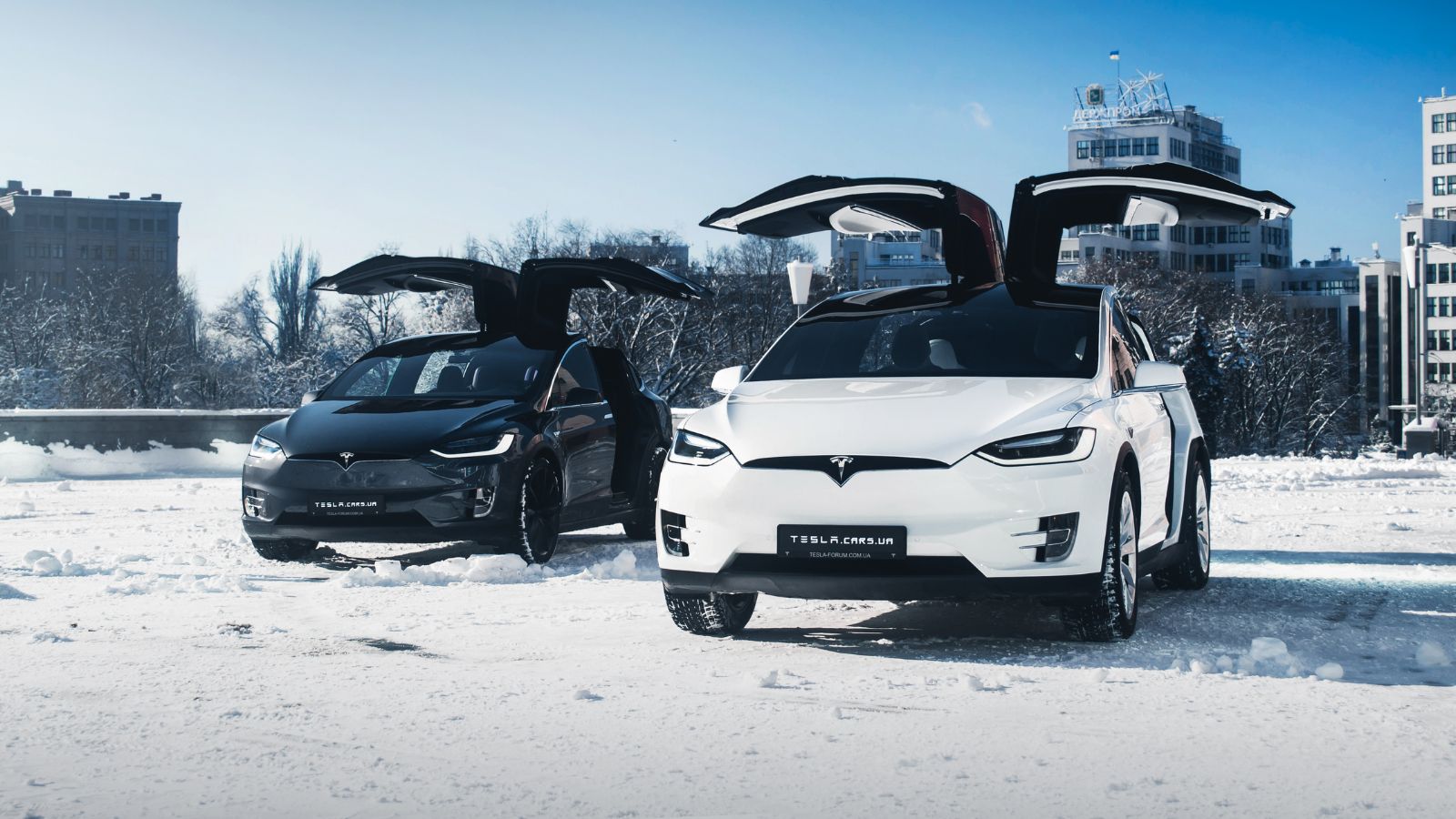
The Tesla Model X is roomy, quick, and distinctive, but its complexity is exactly why ownership can become costly. The falcon-wing doors are a defining feature, yet they also add mechanical and electronic complexity that most ordinary SUVs do not have. Large wheels, heavy curb weight, performance tires, and expensive glass can turn routine ownership into a steady stream of high-dollar maintenance decisions.
Resale value is another pressure point. Luxury electric SUVs have faced some of the steepest used-market corrections, especially as buyers compare older models with newer EVs offering improved charging speeds and updated software. Owners who bought at higher prices may now be carrying a vehicle that costs more to insure than expected while being worth less than they hoped. For families using it as a daily hauler, the Model X can shift from dream EV to a very expensive household appliance.
Nissan Leaf
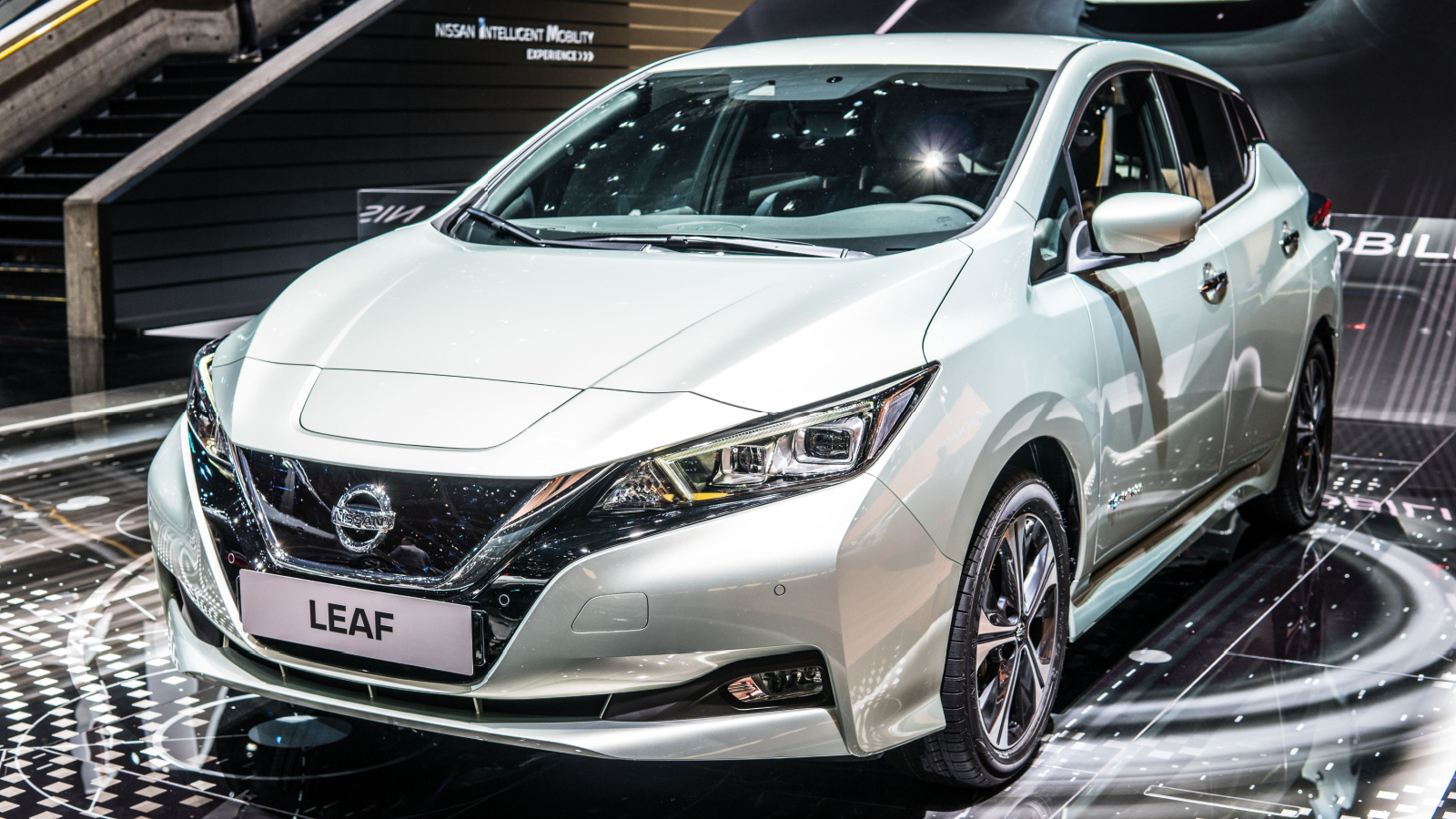
The Nissan Leaf helped make electric driving mainstream, but in 2026 many older examples are beginning to feel financially tricky to keep. Its biggest issue is not usually daily running cost; it is long-term usefulness. Earlier Leafs had modest range even when new, and battery degradation can make winter commuting, highway driving, or multi-stop errands feel more restrictive over time.
Depreciation has also been brutal. Used-EV buyers are increasingly focused on range, charging speed, battery warranty, and thermal management, and the Leaf often struggles against newer electric options. A low resale value might sound helpful for buyers, but it can be frustrating for current owners who are trying to trade out of one. When battery concerns, shrinking practical range, and weak resale value arrive together, the Leaf can feel cheap to run but expensive to own.
Volkswagen ID.4
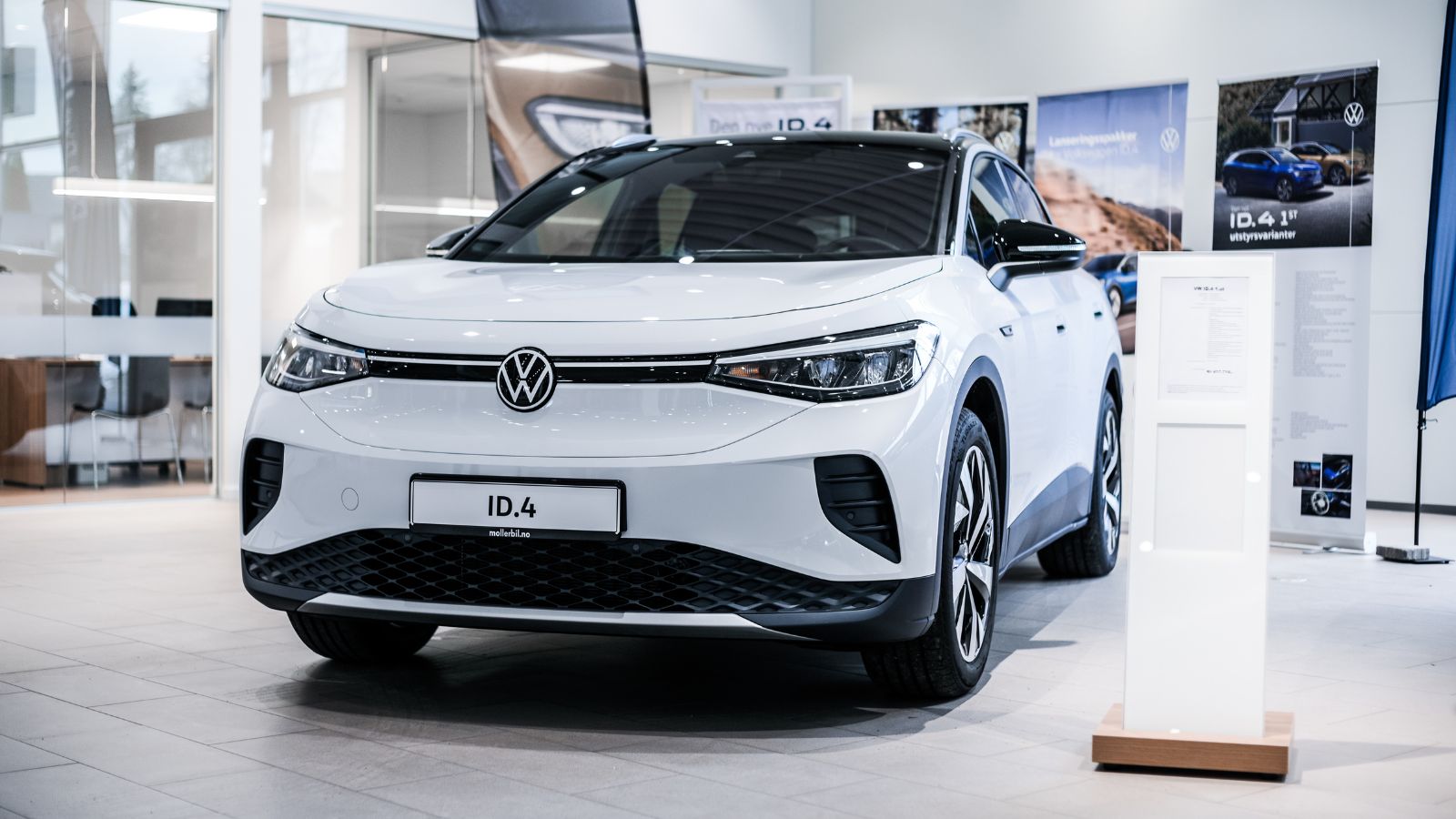
The Volkswagen ID.4 arrived as a practical electric crossover, but some owners are now finding that EV economics are not always as simple as skipping gas stations. Insurance, tire wear, depreciation, and software-related frustration can all change the ownership experience. Like many EVs, the ID.4 is heavy, which can make replacement tires more expensive than expected if the vehicle is driven hard or used heavily for commuting.
Resale softness is the bigger concern. The used-EV market has become more sensitive to charging speed, range, incentives, and brand perception. A family that bought an ID.4 expecting low running costs may still save on fuel, yet lose more through depreciation than anticipated. That gap matters when household budgets are already under pressure. For owners who need predictable long-term value, the ID.4 can feel less like a bargain EV and more like a moving target.
BMW X5
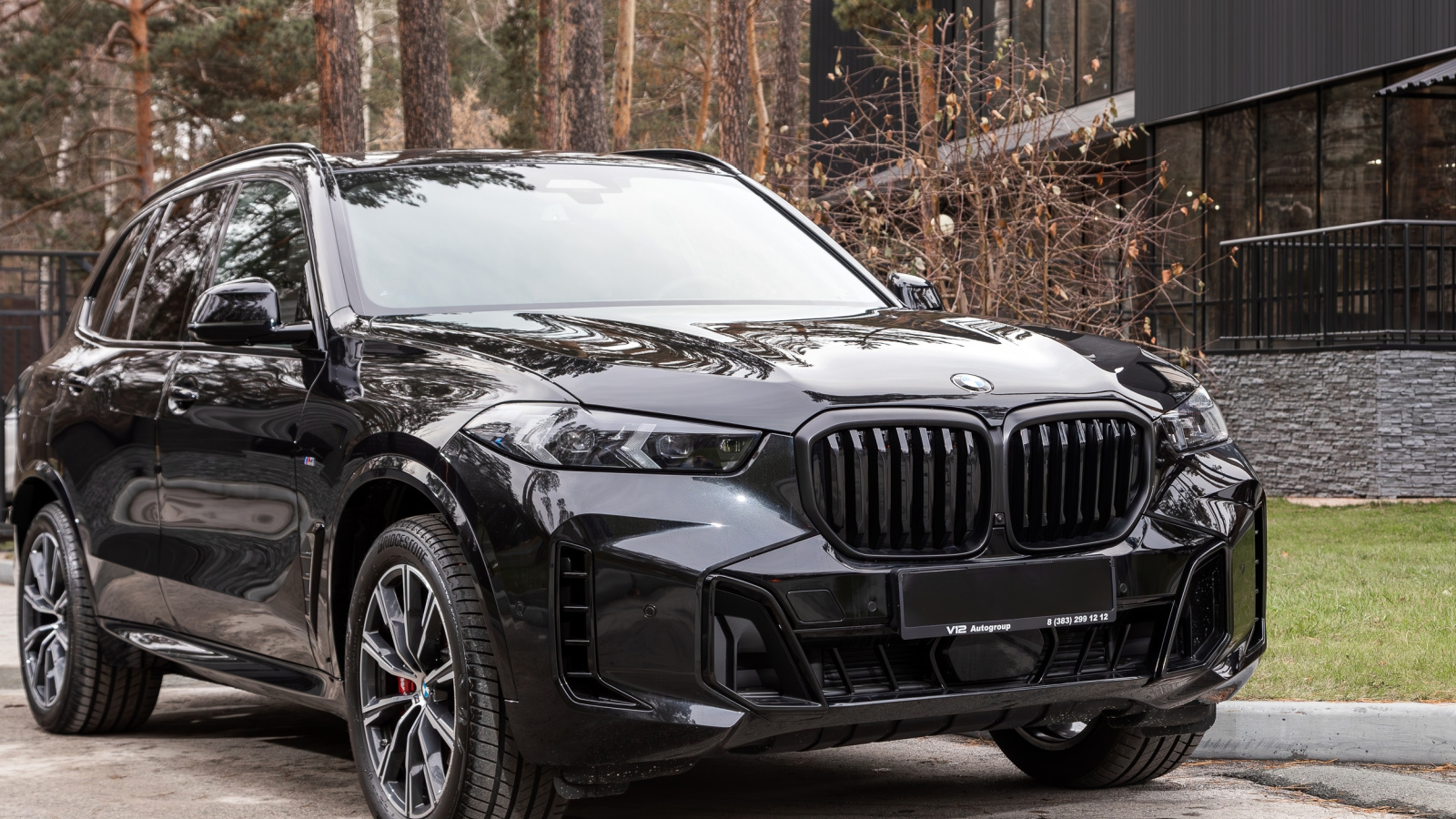
The BMW X5 remains one of the benchmark luxury SUVs, but keeping one past the warranty period can become a costly commitment. It has the performance, comfort, and badge appeal many buyers want, yet those strengths come with premium tires, sophisticated suspension components, complex electronics, and higher labor rates. Even routine service can feel expensive compared with mainstream SUVs.
The X5 also sits in a category where depreciation and repair costs can collide. A used example may look tempting because the purchase price drops sharply from new, but maintenance does not become cheaper just because the vehicle is older. Owners can face luxury-car repair bills on a vehicle that is no longer worth luxury-car money. For drivers who bought one used as an “affordable” premium upgrade, 2026 may be the year the real cost of keeping it becomes hard to ignore.
Mercedes-Benz GLE
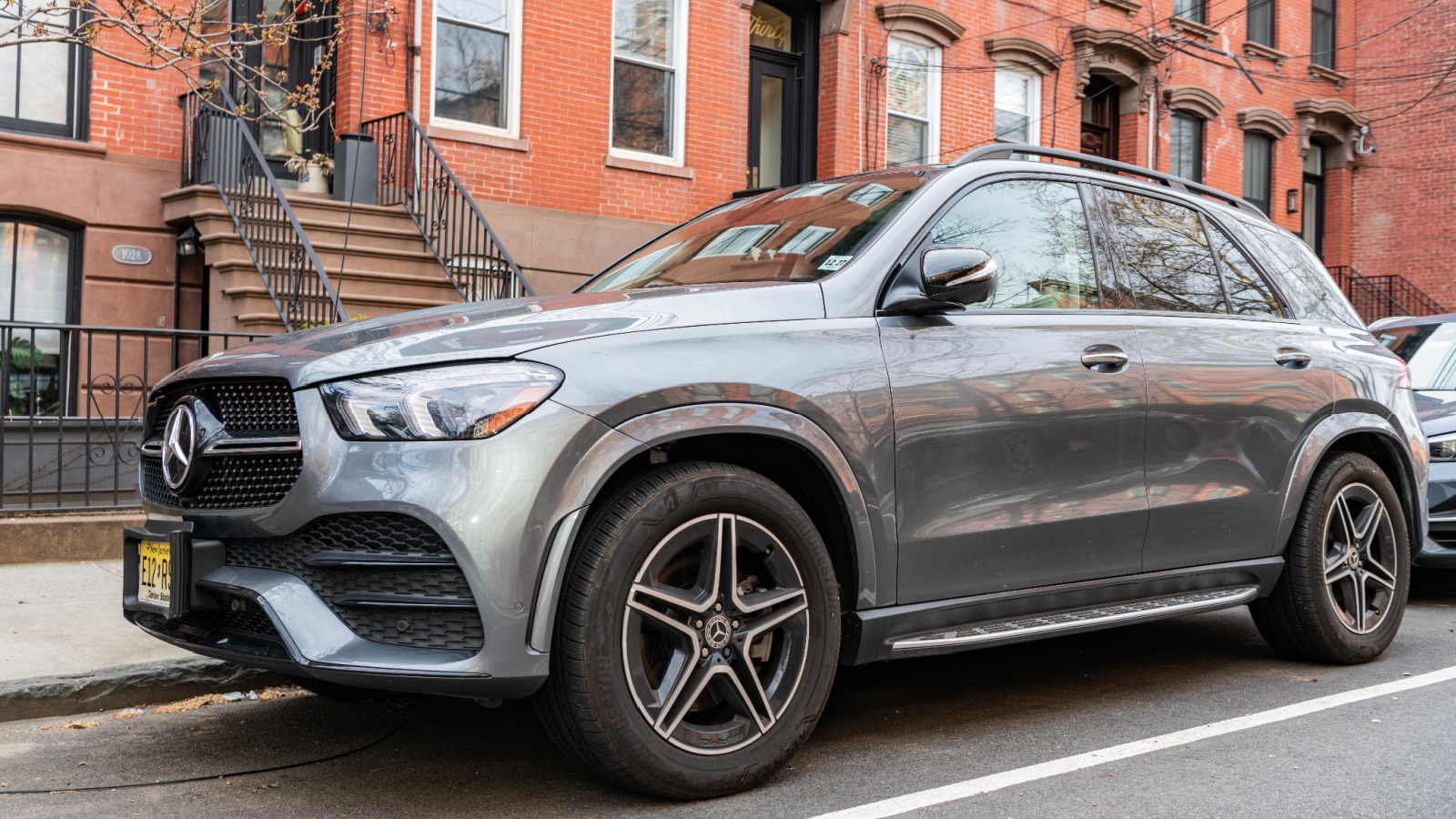
The Mercedes-Benz GLE offers a polished cabin, smooth powertrains, and a prestige badge, but it can become expensive as miles accumulate. Luxury SUVs use advanced driver-assistance hardware, air suspension systems, high-end infotainment, and model-specific parts that can increase repair costs. A small electronic or suspension issue can quickly become a multi-visit diagnostic problem.
The challenge is that many GLE owners do not feel the pressure until the warranty fades. At that point, dealer maintenance, brake work, tires, and electronics can turn a comfortable family SUV into a recurring budget item. Depreciation can make matters worse because the resale value may not keep pace with the cost of maintaining the vehicle properly. It is still a desirable SUV, but desire alone does not soften a repair invoice.
Land Rover Range Rover
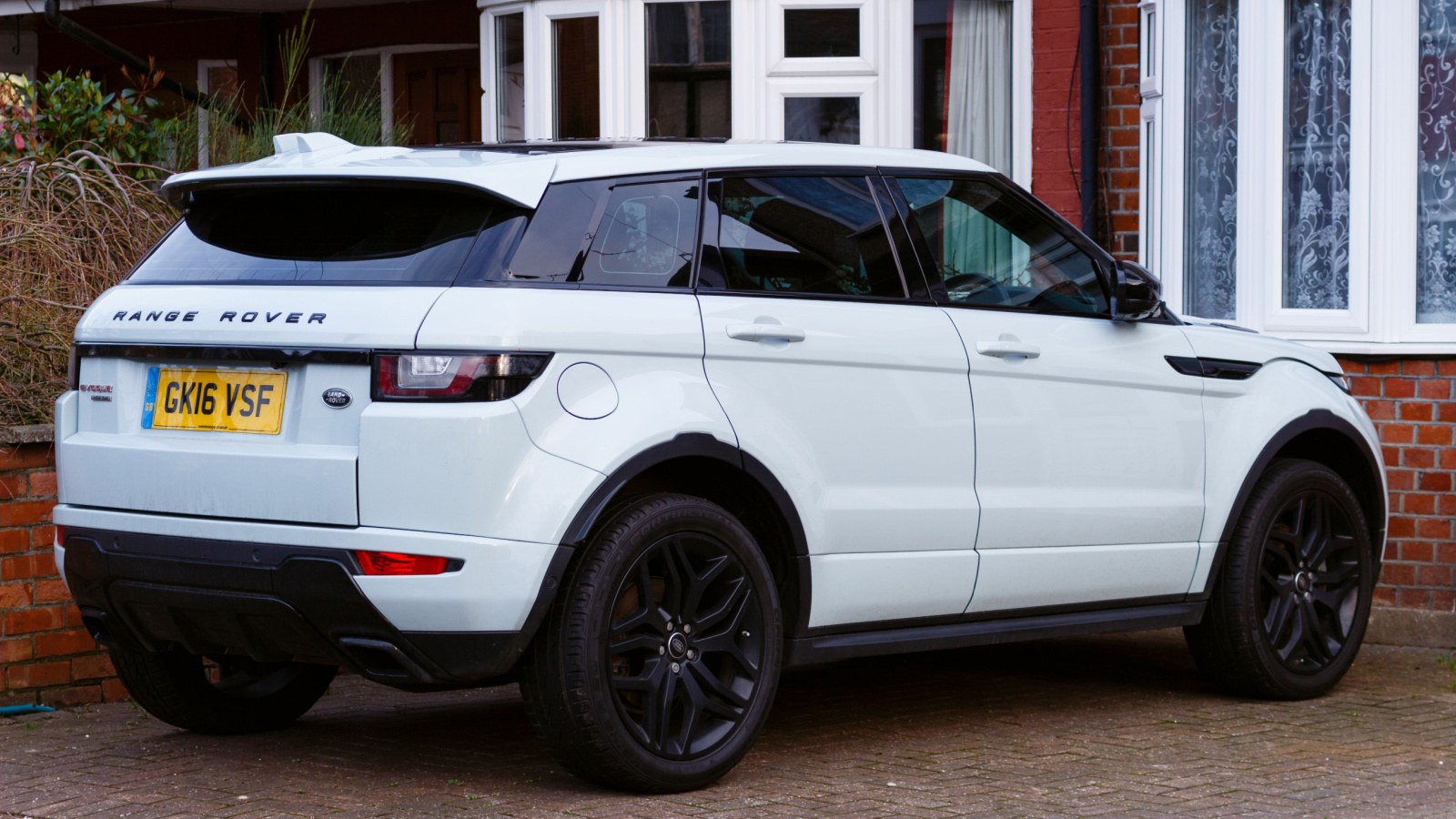
The Range Rover has always carried a premium ownership profile, and 2026 is no exception. Few SUVs combine luxury, off-road ability, and status quite like it, but that blend comes with expensive parts, specialized service, and complex systems. Air suspension, advanced drivetrains, luxury electronics, and high-end interior materials can all age expensively.
For owners, the emotional pull of a Range Rover can clash with the practical math. Depreciation can be steep, while maintenance and repair costs remain high. That means an older Range Rover may become affordable to buy but still behave like a six-figure vehicle when something breaks. A family using one for everyday errands may discover that the brand’s charm is less persuasive when the service advisor starts listing the recommended work.
Jeep Grand Cherokee
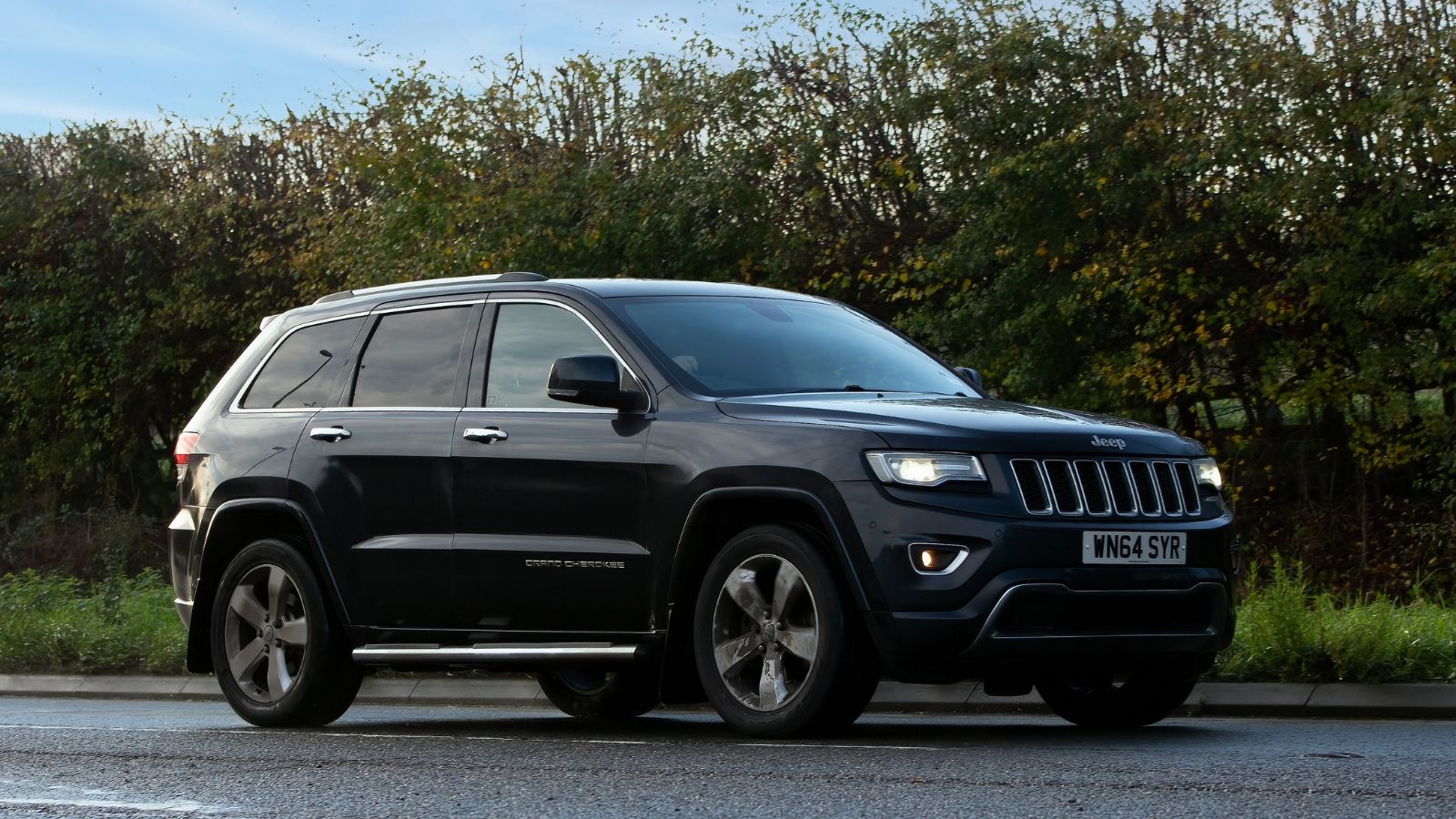
The Jeep Grand Cherokee can feel like the ideal all-purpose SUV: comfortable enough for commuting, capable enough for bad weather, and familiar enough to seem sensible. The cost issue comes from how broad and complex the lineup has become. Higher trims, larger engines, four-wheel-drive systems, air suspension, and luxury-style features can make repairs more expensive than the Jeep badge might suggest.
Fuel economy can also become a sore spot, especially for owners who bought larger-engine versions or spend a lot of time in city traffic. Add insurance, tires, brakes, and possible suspension work, and the Grand Cherokee can become costly to keep once it ages. It is not necessarily a bad vehicle, but it can surprise owners who expected rugged simplicity and instead got premium-SUV bills wrapped in a familiar name.
Ram 1500
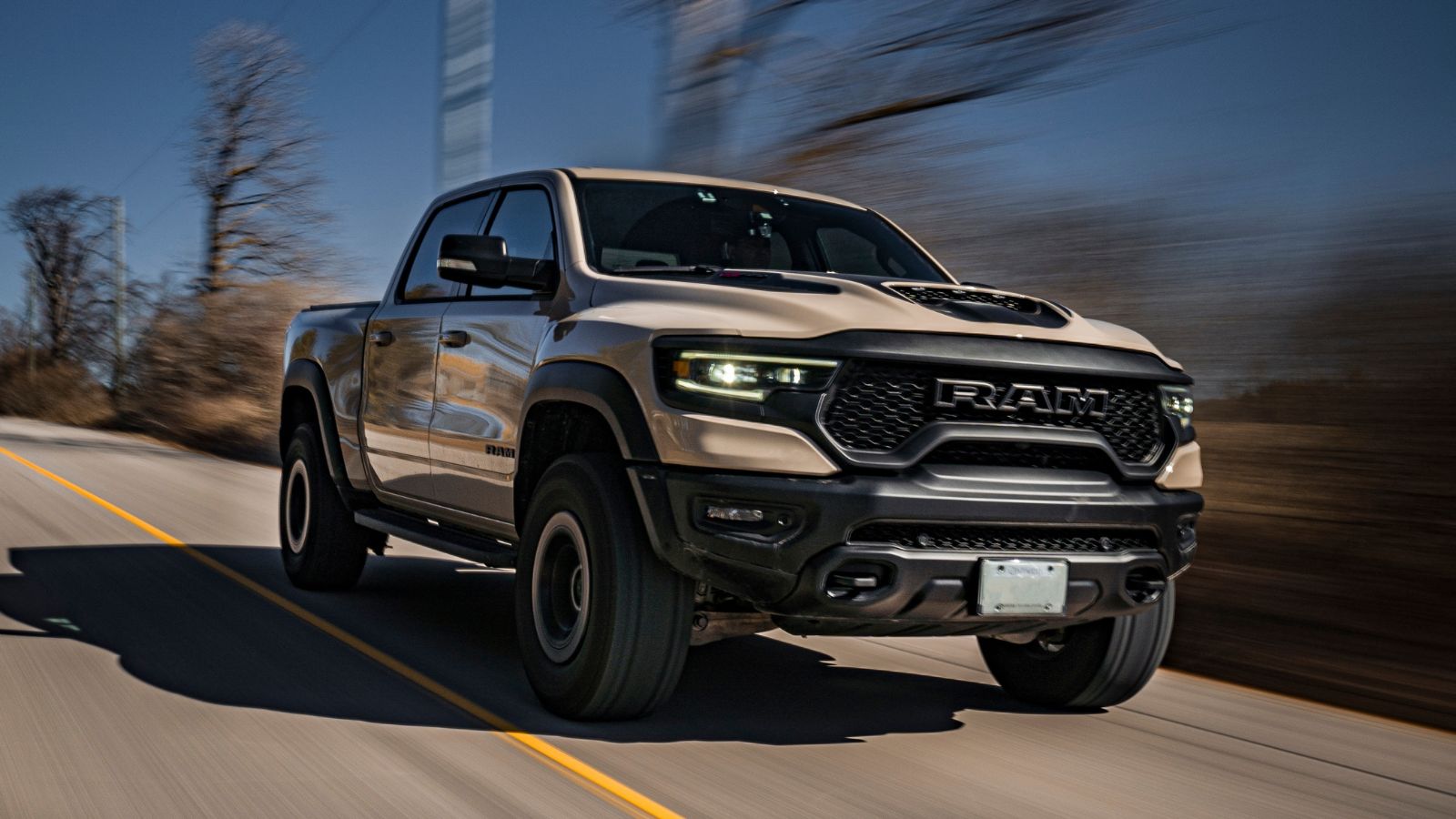
The Ram 1500 is comfortable, capable, and often praised for its refined ride, but full-size truck ownership is rarely cheap in 2026. Fuel costs, large tires, brake wear, insurance, and repair expenses can all add up quickly. Owners who use the truck for commuting rather than towing may begin to question whether they need that much vehicle every day.
The bigger issue is that modern pickups have become luxury products as much as work tools. Higher trims can include air suspension, giant screens, leather interiors, advanced safety systems, and complicated powertrains. Those features make the truck feel special when new, but they can become expensive liabilities later. A Ram 1500 that once felt like a practical do-everything vehicle may start to feel like a costly habit when maintenance, fuel, and financing all arrive at once.
Ford F-150 Lightning
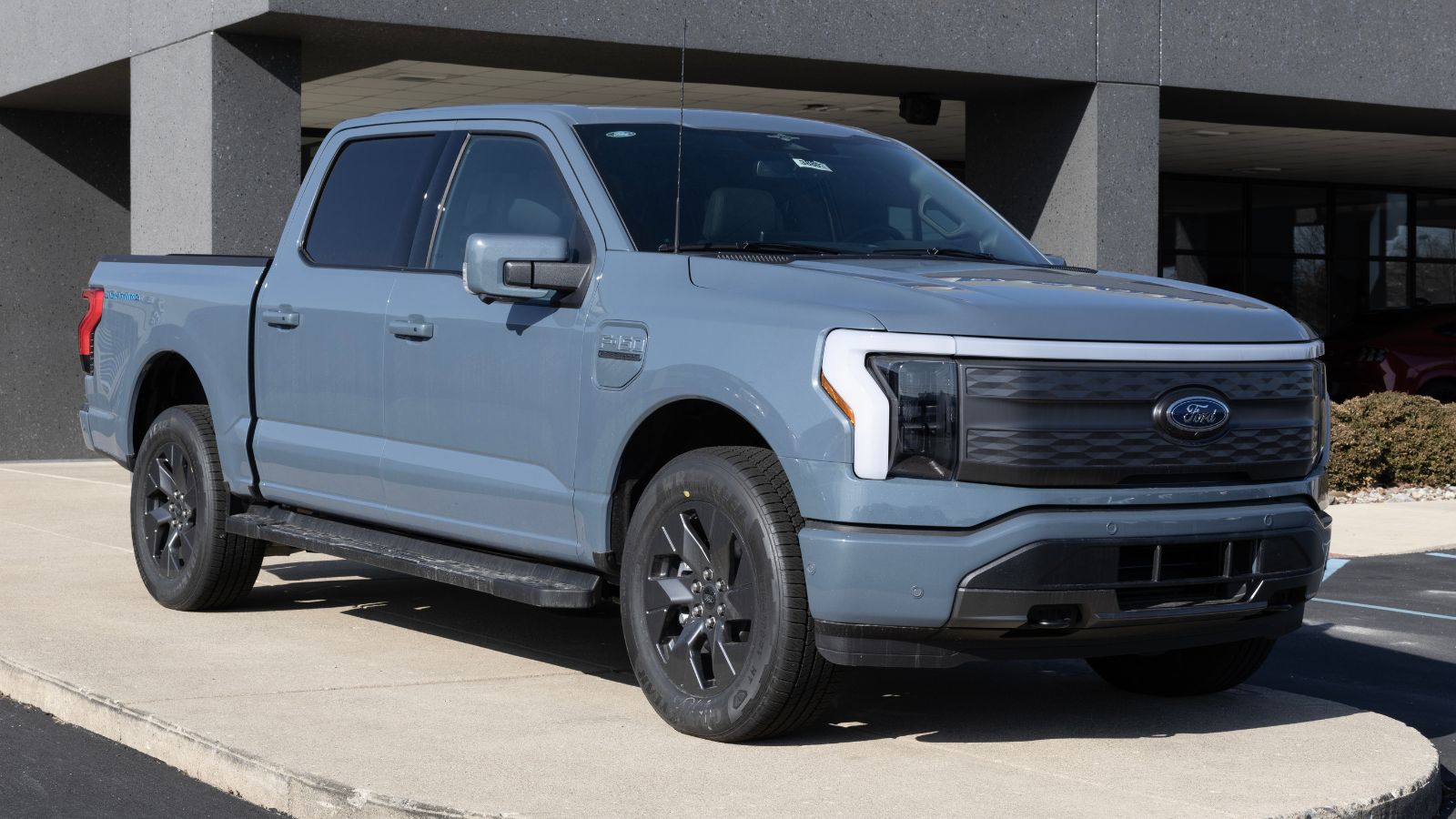
The Ford F-150 Lightning is one of the most important electric trucks on the market, but keeping one can be more expensive than early EV optimism suggested. Electricity may be cheaper than gasoline in many situations, yet ownership costs also include insurance, tires, depreciation, charging setup, and the financial risk of fast-changing EV technology. A heavy electric pickup can go through tires faster than some owners expect.
Resale uncertainty is another factor. Electric trucks are still a developing market, and buyers are watching range, towing performance, charging availability, and incentives closely. Owners who bought the Lightning as a future-proof truck may find that newer models and shifting EV demand complicate its value story. It can still be excellent for the right household, but it is not automatically cheap to keep simply because it plugs in.
Cadillac Escalade
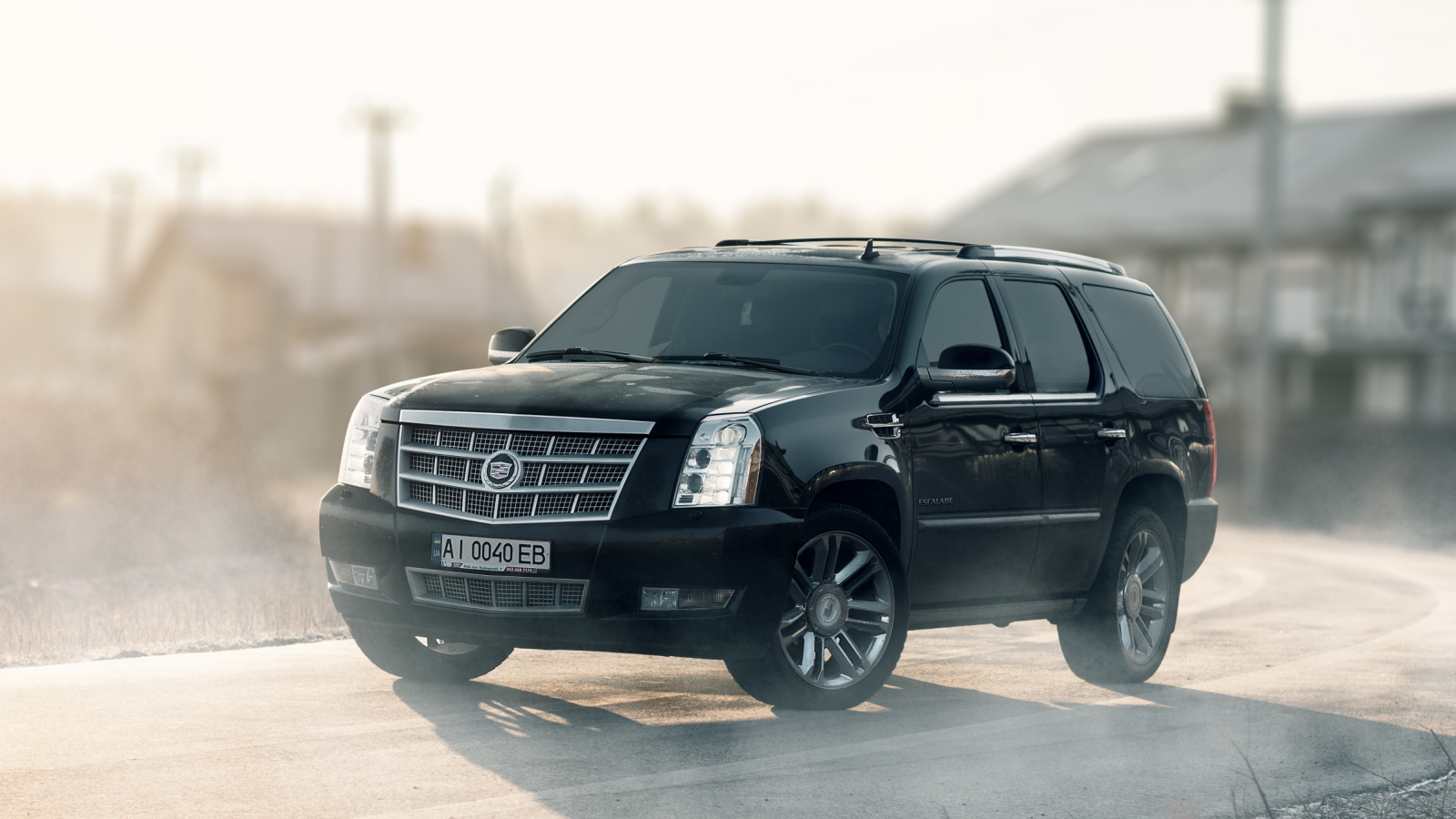
The Cadillac Escalade is a symbol of large-scale luxury, but it also brings large-scale costs. Everything about it is expensive: tires, brakes, fuel, insurance, repairs, and depreciation. Its size and technology make it comfortable and commanding, yet those same traits can make ownership feel heavy when the vehicle is no longer new.
For families, the Escalade can be especially tempting because it combines space, status, and road-trip comfort. The problem is that a large luxury SUV does not become economical just because it is used. Premium parts, advanced electronics, and high repair costs remain part of the deal. When insurance and fuel bills are added to ordinary maintenance, the Escalade can start to feel less like a reward and more like a rolling household expense.
Audi Q5
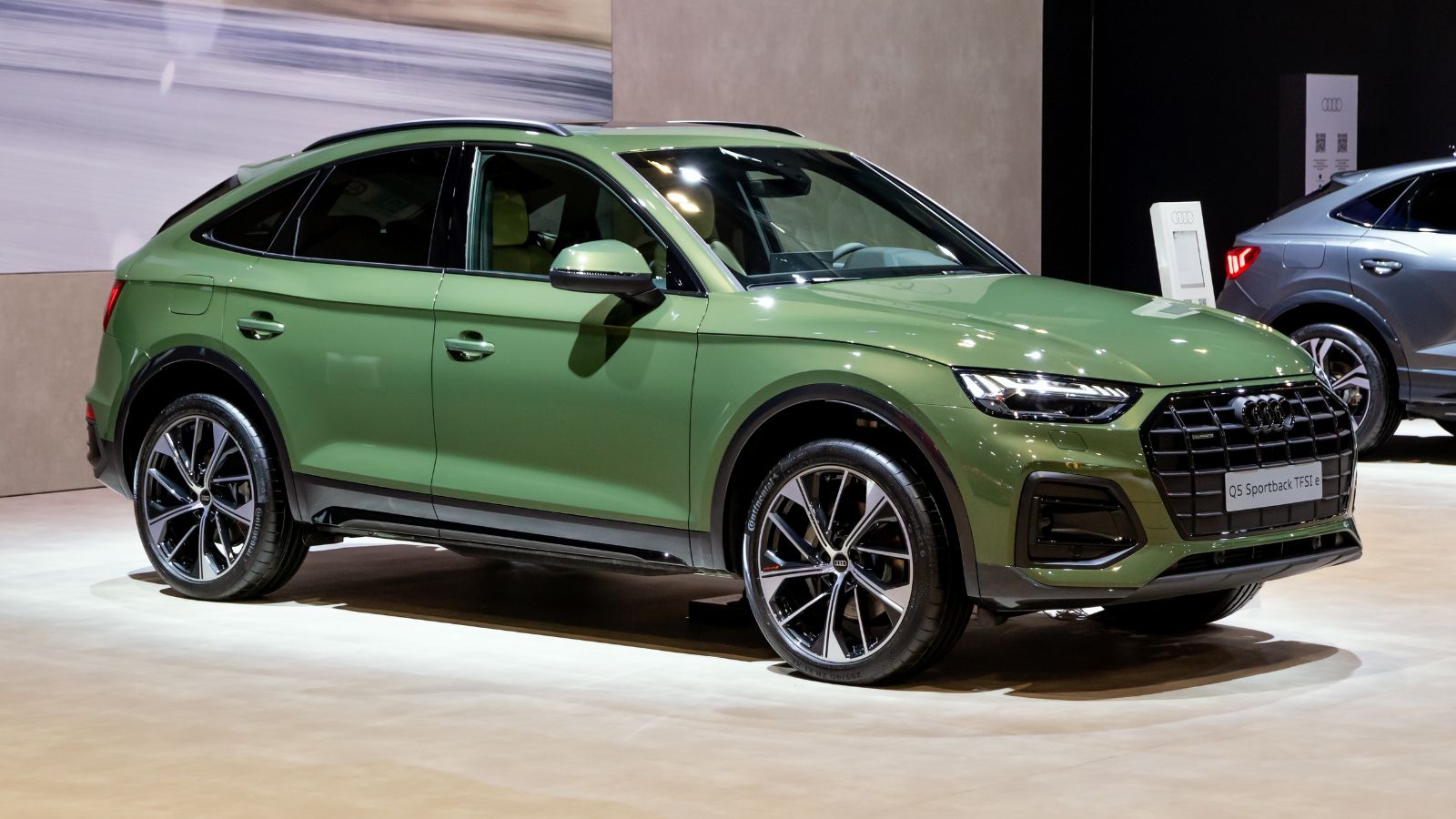
The Audi Q5 is often seen as a sensible luxury crossover, but that middle-ground image can hide expensive ownership realities. It is smaller and more understated than many luxury SUVs, yet it still carries premium-brand repair costs. Turbocharged engines, quattro all-wheel drive, advanced infotainment, and luxury electronics can all increase service complexity as the vehicle ages.
Insurance can also be higher than many mainstream crossovers because repair costs matter to insurers. Owners who bought a Q5 as a refined daily driver may not expect it to behave like a budget car, but the total cost can still feel irritating. The Q5’s appeal is subtle rather than flashy, which can make the bills feel even more frustrating. It may not look extravagant in the driveway, but it can still spend like a luxury vehicle.
Dodge Charger
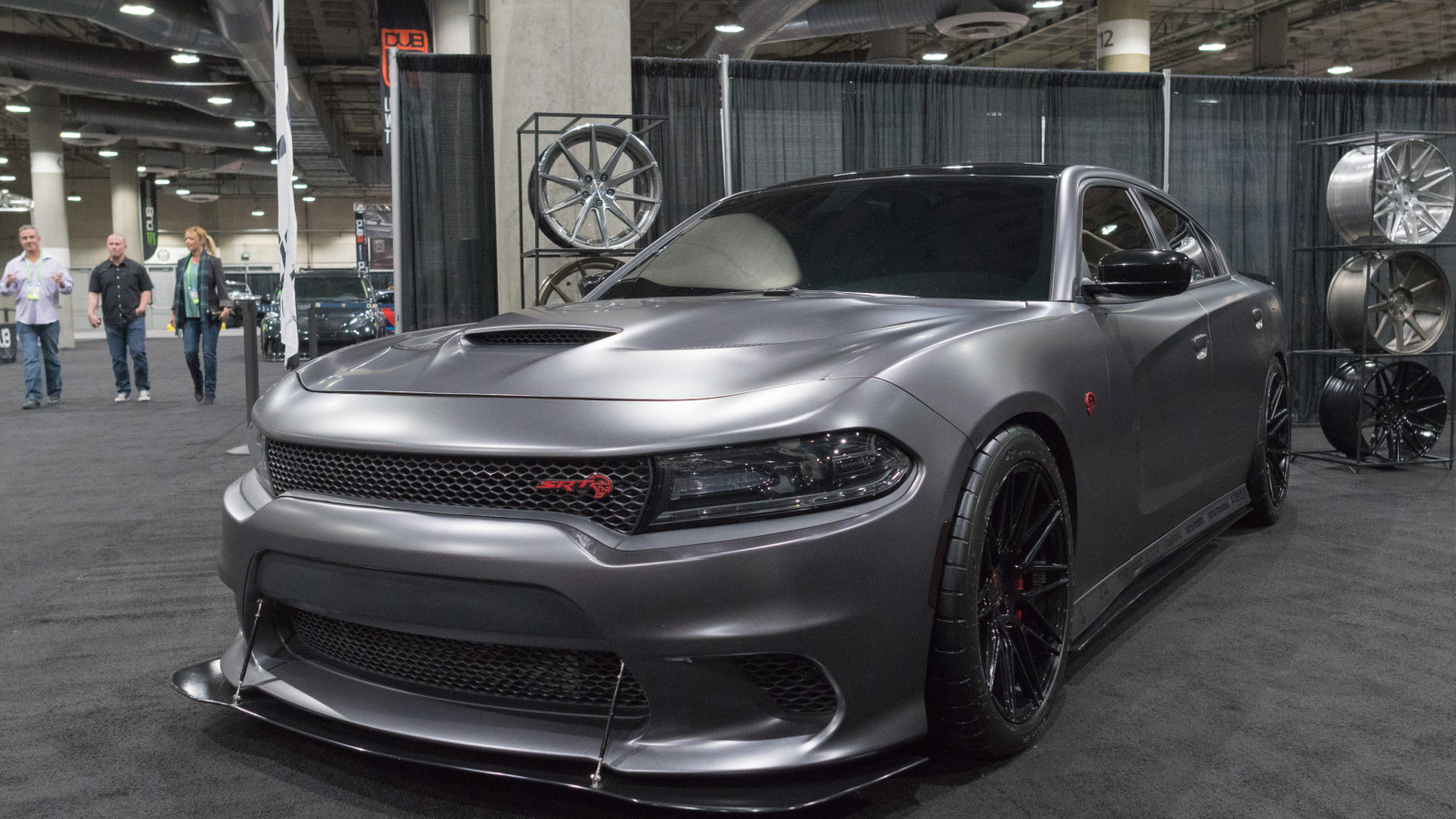
The Dodge Charger has personality, space, and muscle-car appeal, but it can be expensive to keep for reasons beyond maintenance. Insurance is a major factor, especially for performance trims. Vehicles associated with speed, theft risk, and higher claim costs often carry premiums that make ownership less appealing over time.
Fuel and tires are also part of the equation. Large engines, rear-wheel-drive performance, and enthusiastic driving can make the Charger more expensive than a typical family sedan. As the market shifts toward more efficient vehicles and electrified options, older gasoline performance sedans may become harder to justify as daily drivers. For owners who love the sound and presence, the emotional case remains strong. The financial case is becoming harder to defend.
Dodge Challenger
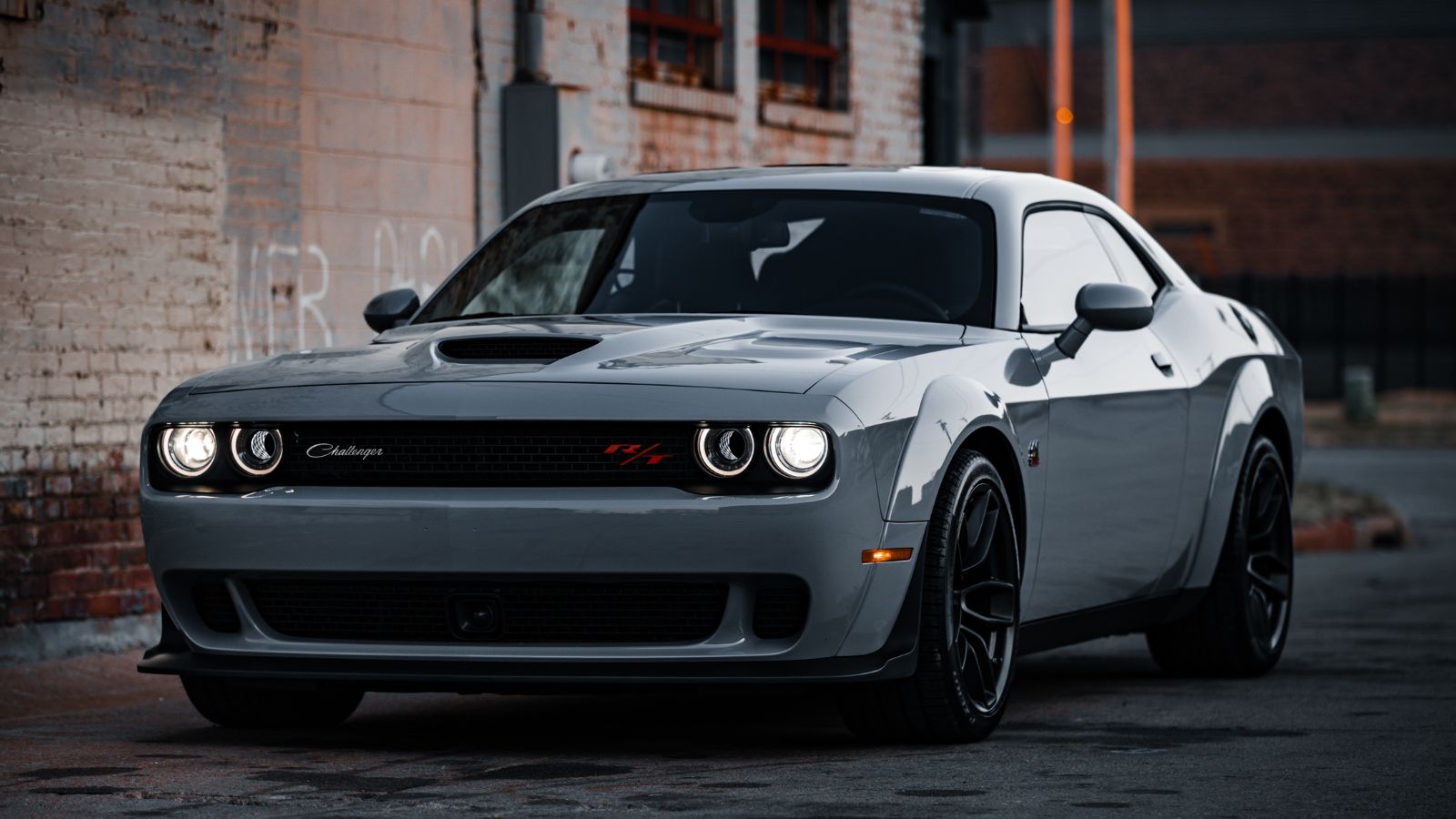
The Dodge Challenger shares many of the Charger’s ownership pressures, but its coupe format can make the math feel even less practical. It is loved for its retro styling and powerful engine choices, yet those strengths can raise insurance, fuel, and tire costs. Performance trims in particular can be costly to insure and maintain.
The Challenger also sits in a changing market. As new-car choices move toward crossovers, hybrids, and EVs, a large gasoline coupe can feel increasingly like a specialty vehicle. That is fine for an enthusiast weekend car, but less ideal for someone using it as daily transportation. Owners may still enjoy every start-up and highway merge, yet in 2026 the Challenger’s running costs can make it feel like a toy being funded from a practical-car budget.
Infiniti QX80
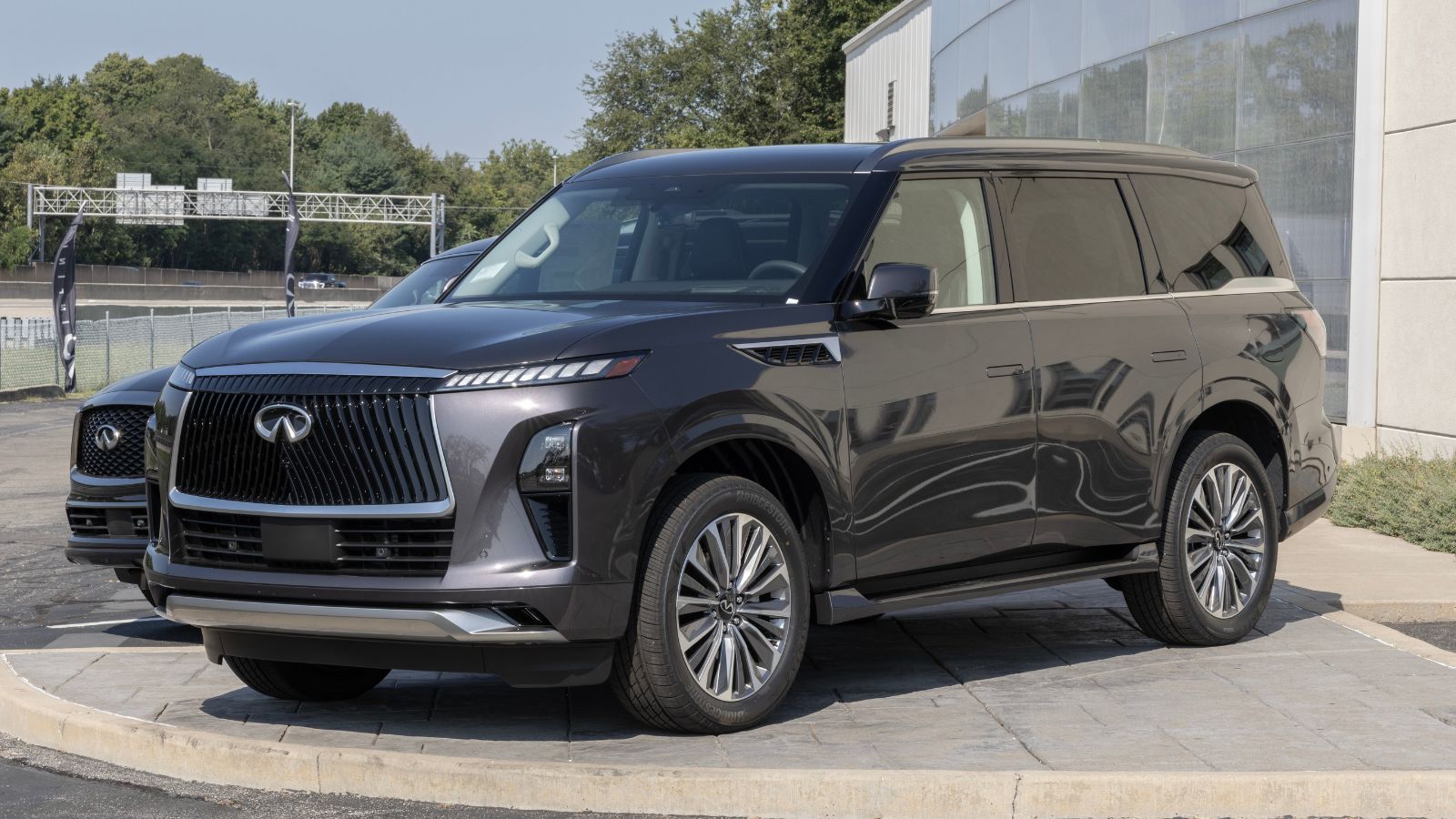
The Infiniti QX80 can be attractive on the used market because depreciation has made some examples look surprisingly affordable. That bargain can be misleading. It is still a large luxury SUV with a thirsty powertrain, big tires, expensive components, and luxury-level repair expectations. The purchase price may fall, but the cost of keeping it properly maintained does not shrink at the same speed.
Depreciation is the QX80’s most painful ownership factor. Large luxury SUVs can lose value quickly, especially when buyers worry about fuel economy and newer technology. For owners who bought new or nearly new, the trade-in reality can be jarring. For used buyers, the danger is different: a low entry price can disguise high ongoing costs. Either way, the QX80 can feel expensive from both directions.
Porsche Cayenne
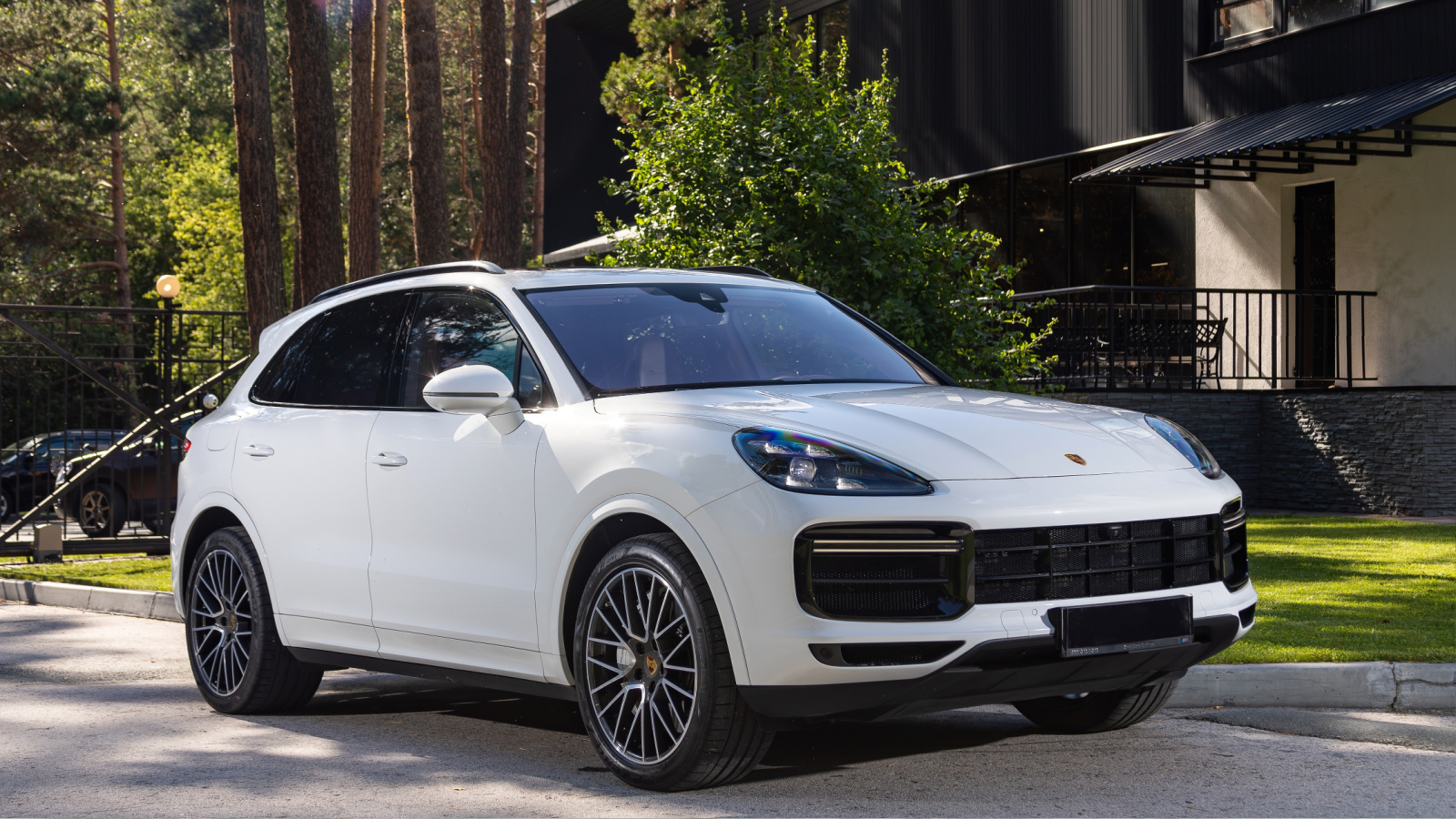
The Porsche Cayenne is one of the best-driving luxury SUVs, but it is not a casual ownership experience. Porsche parts, performance tires, specialized service, and complex drivetrains can keep running costs high. Even routine maintenance can feel premium, and deferred service can quickly become a much larger problem.
The Cayenne’s appeal is that it does almost everything well: family duty, long trips, bad weather, and spirited driving. The ownership challenge is that it asks owners to pay for that breadth of ability year after year. A used Cayenne may look like a smart way into Porsche ownership, but the service history matters enormously. In 2026, anyone keeping one needs to budget like an enthusiast, not like a mainstream SUV owner.
Volvo XC90 Recharge
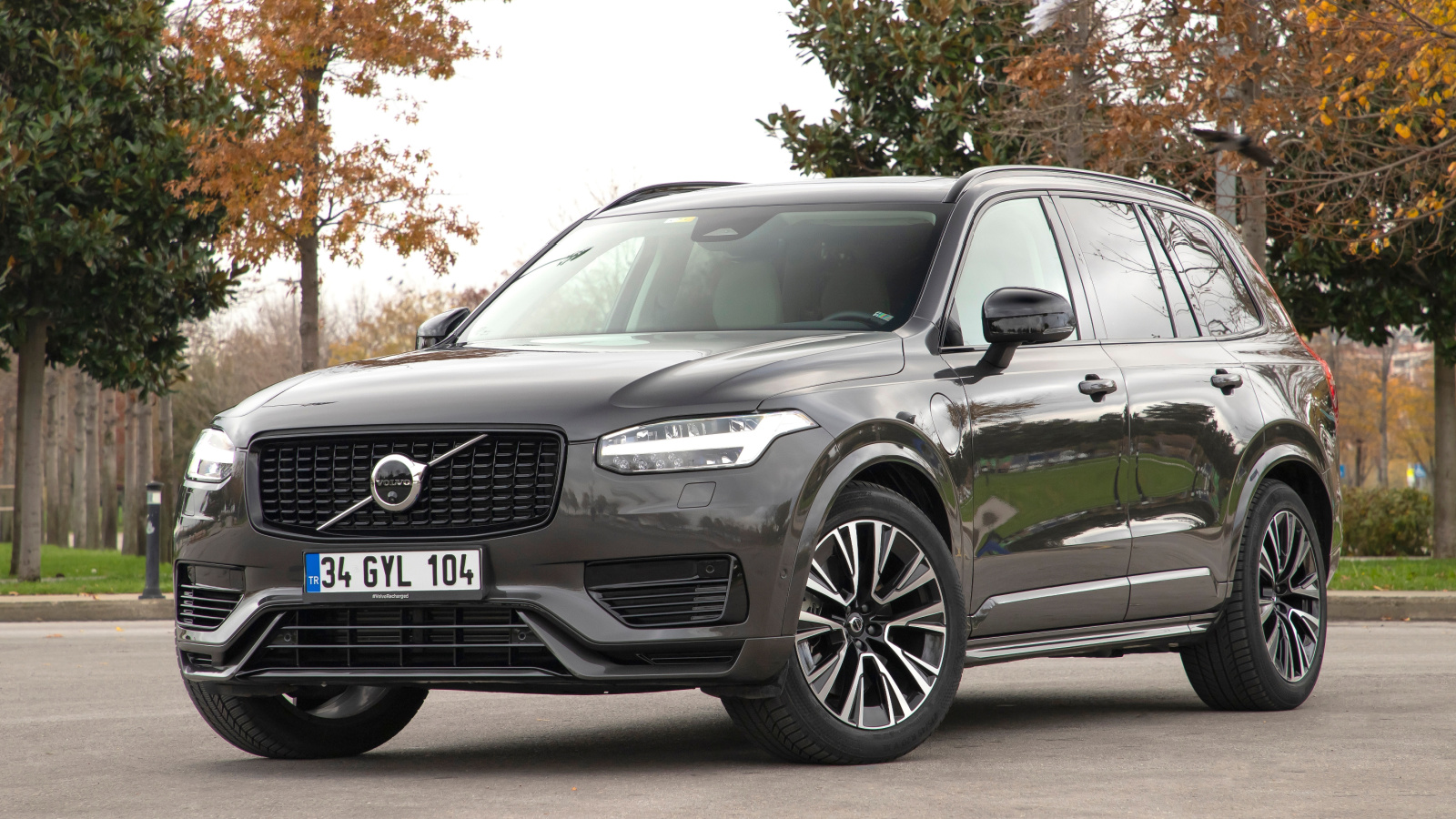
The Volvo XC90 Recharge appeals to families that want safety, space, and plug-in hybrid efficiency. The problem is that plug-in hybrids can combine two worlds of complexity. Owners have a gasoline engine, electric motor, battery system, charging hardware, and advanced electronics all living in one premium SUV. That can be rewarding when everything works smoothly, but expensive when diagnostics become complicated.
The XC90 Recharge can still make sense for households with short commutes and regular charging. However, owners who do mostly highway driving or rarely plug in may not see the fuel savings they expected. When premium-brand maintenance, tires, software issues, and hybrid-system complexity enter the picture, the vehicle can feel costly to keep. It is thoughtful and refined, but not automatically frugal.
Mini Cooper
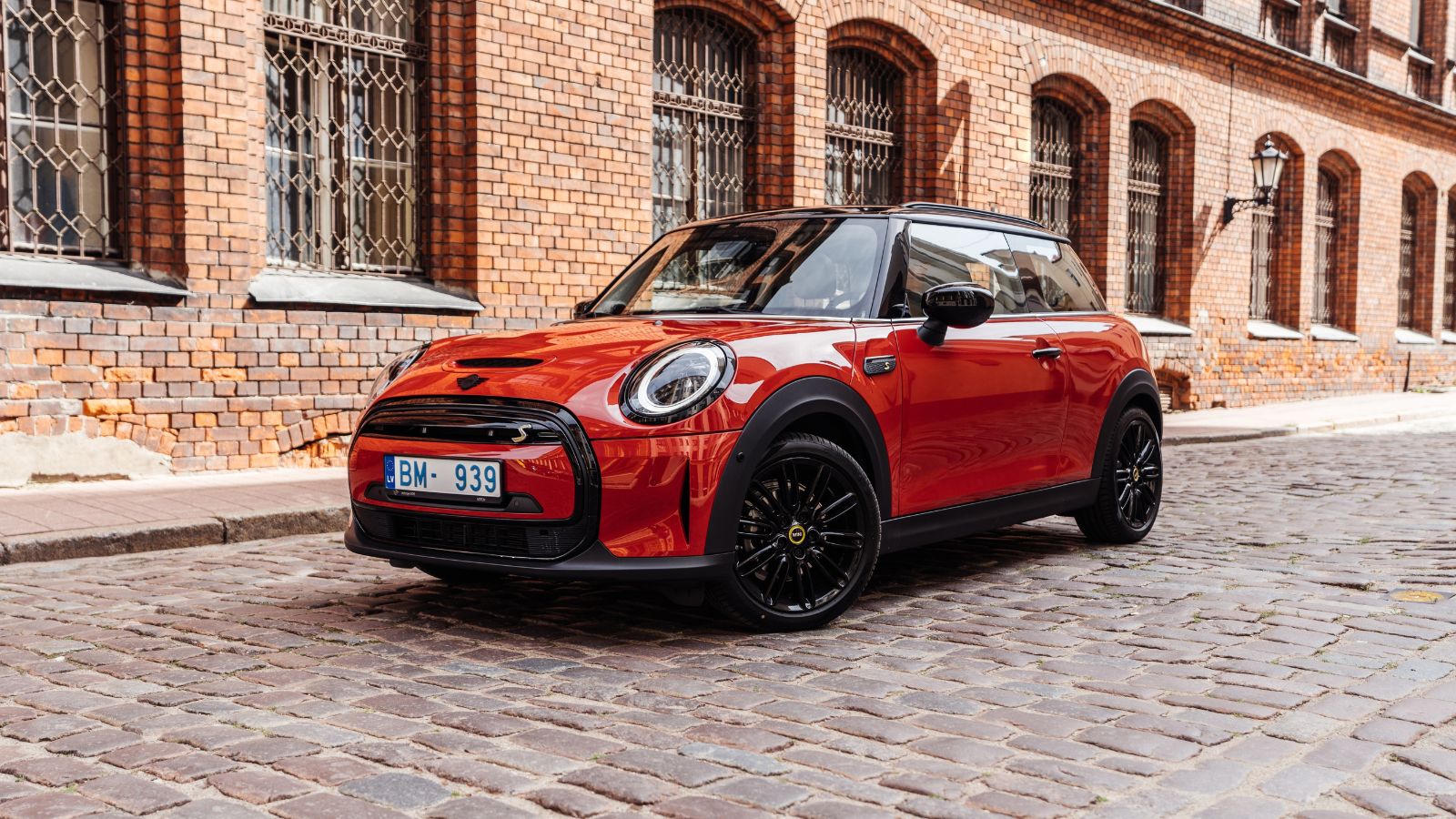
The Mini Cooper looks small, cheerful, and inexpensive to live with, but ownership can surprise people. Its compact size does not always mean compact repair bills. Mini’s BMW connection, tight engine packaging, premium parts, and specialized service needs can make maintenance more expensive than shoppers expect from such a small car.
Depreciation and practicality also matter. A Mini can be fun in the city, but limited cargo space, firm ride quality, and higher repair costs may wear down the charm for owners who need a low-cost daily driver. The car’s personality is its strength, but personality does not pay for repairs. In 2026, a used Mini can still be delightful, yet keeping one long term may require more budget discipline than its playful styling suggests.
22 Things Canadians Do to Their Cars in Spring That Mechanics Hate

Spring brings relief to many Canadian drivers after months of snow, freezing temperatures, and icy roads that put serious strain on vehicles. As temperatures rise across the country, drivers begin washing cars, switching tires, and preparing vehicles for warmer weather and upcoming road trips. However, mechanics across Canada notice the same mistakes every spring when drivers attempt to recover from winter damage. Road salt, potholes, and harsh winter driving conditions often leave vehicles with hidden problems that drivers ignore. Some spring habits even create new mechanical issues that could have been avoided with proper maintenance. Here are 22 things Canadians do to their cars in spring that mechanics hate.