


























A clean vehicle history report can feel reassuring, but it is not the same as a physical inspection. Some crashes are repaired privately, recorded late, or never reach the databases that power commercial reports. Serious damage can still leave fingerprints in the body, suspension, interior, electronics, and even the way a vehicle moves on the road. These 22 warning signs can help separate ordinary wear from clues that a car may have been through a much harder impact than the paperwork suggests.
Uneven Gaps Around Body Panels
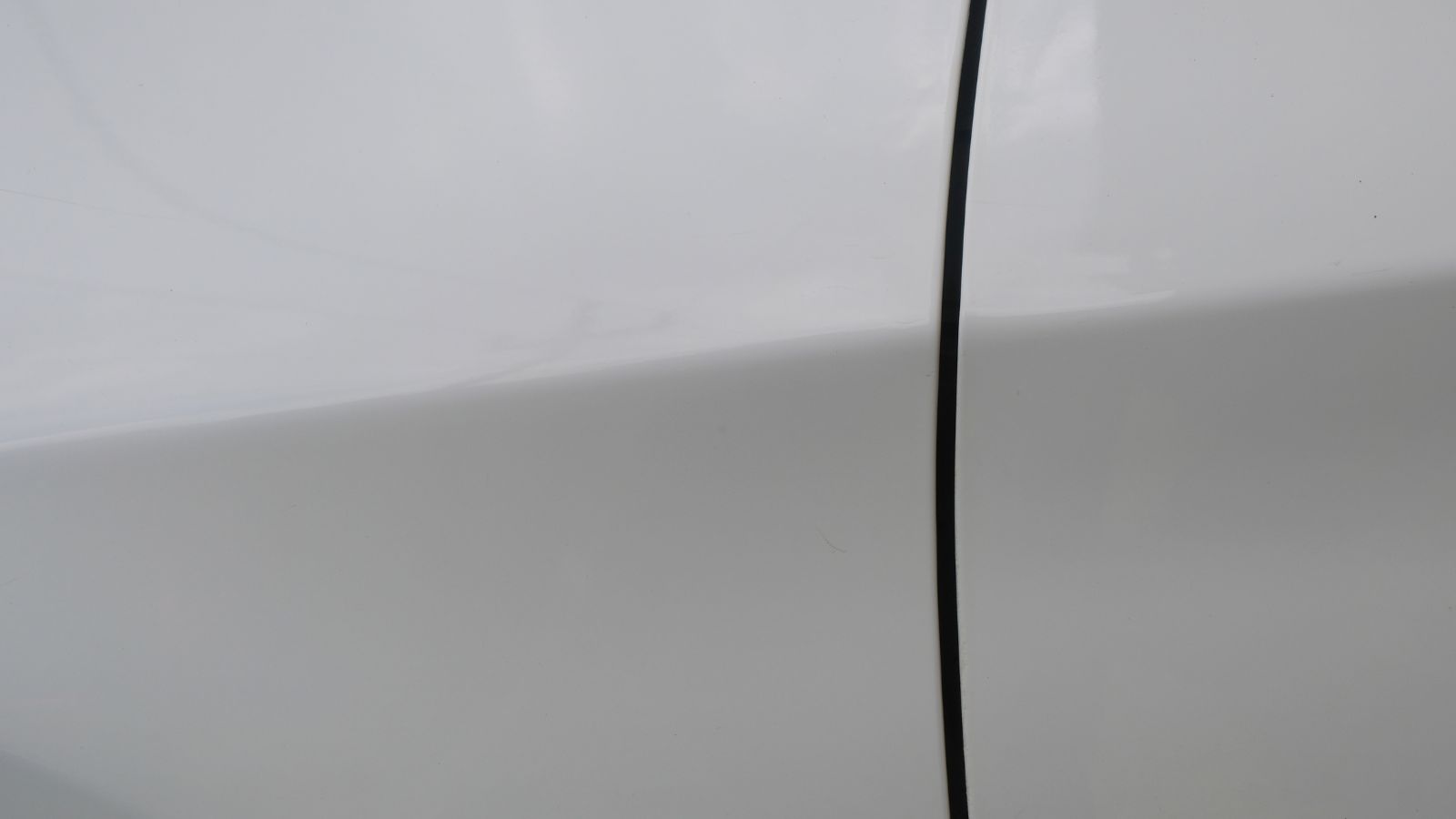
Factory body panels usually line up with fairly consistent gaps around the hood, fenders, doors, trunk, and tailgate. When one side has a tight seam and the other side has a noticeably wider opening, it may point to panels that were removed, replaced, or forced back into position after a collision. A sedan with one front fender sitting slightly proud of the hood can look harmless in photos, but the misalignment may reflect deeper repair work beneath the surface.
Panel gaps do not prove crash damage on their own, because factory tolerances and aging hinges can vary. The concern grows when several nearby panels are off at once, such as a hood, bumper, and headlight that all sit unevenly on the same corner. That pattern often deserves a closer inspection before price, mileage, or a clean report carries too much weight.
Paint That Looks Slightly Different From Panel to Panel
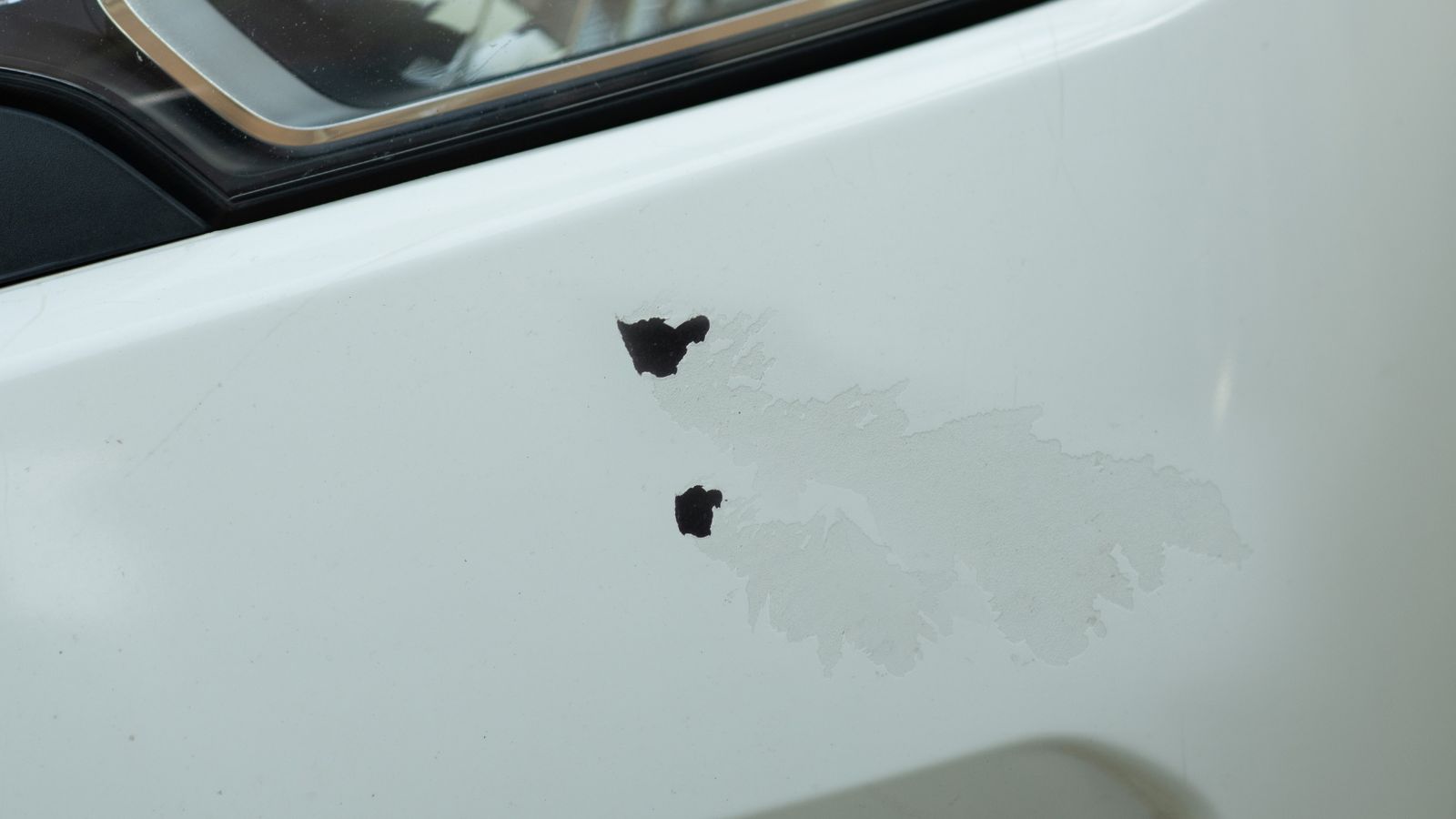
Mismatched paint is one of the most common clues that a vehicle has had bodywork. Modern paint matching is sophisticated, but even a skilled repair shop can struggle to perfectly blend metallic, pearl, or tri-coat finishes. A silver door that looks a shade colder than the rear quarter panel, or a black bumper that reflects light differently than the hood, can suggest replacement or refinishing.
The best time to check paint is in natural daylight, not under dealership lights or in a shadowed driveway. Standing at an angle helps reveal differences in colour, gloss, and texture. A serious crash may require multiple panels to be repainted, and the repaired area may look “too perfect” compared with stone-chipped or sun-aged panels nearby. That contrast can be more revealing than a scratch or dent.
Overspray on Rubber, Glass, or Trim
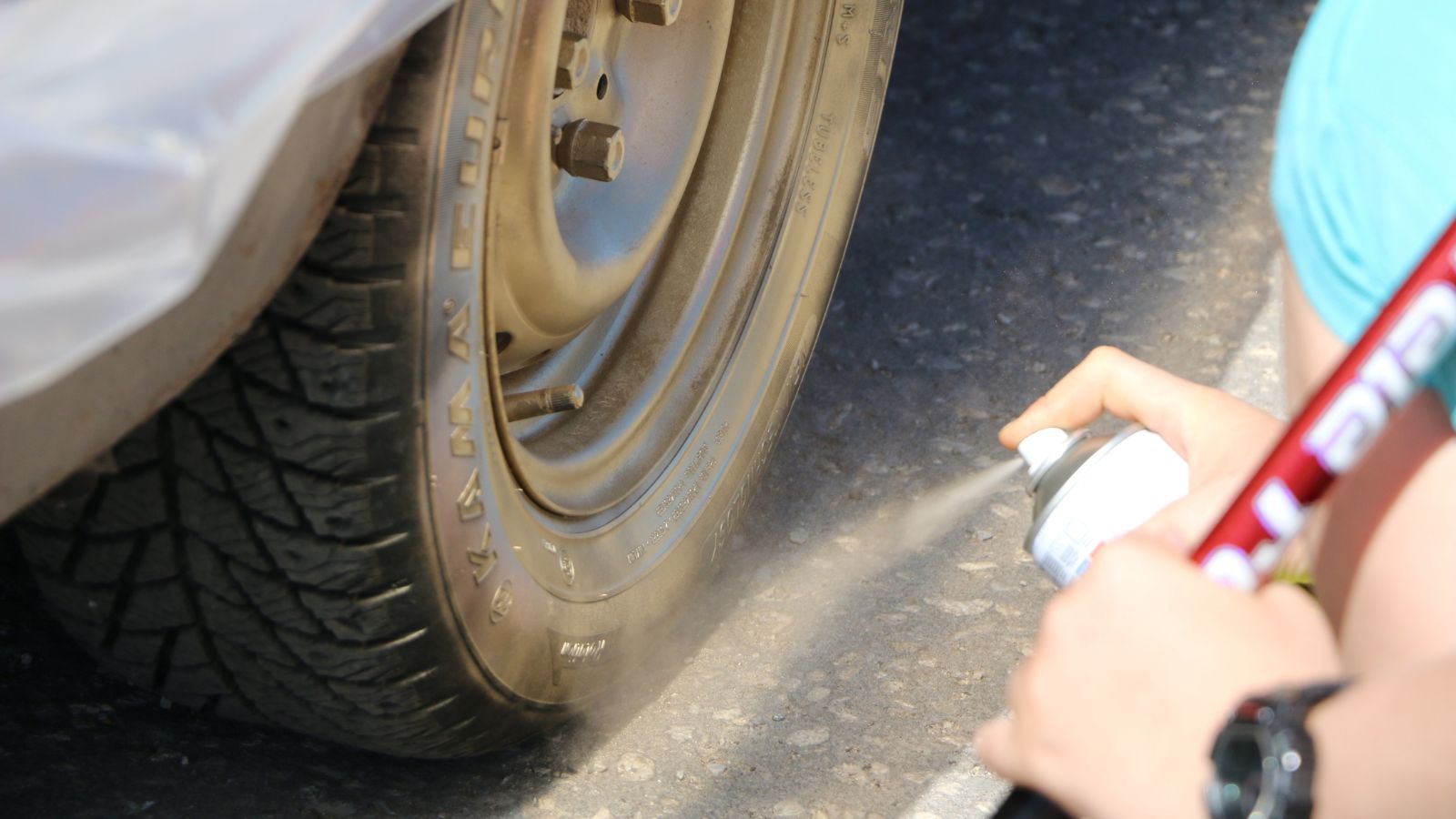
Overspray happens when paint lands where it should not, often because surrounding parts were not removed or masked carefully during repair. Look along window seals, door weatherstripping, wheel-well liners, plastic trim, headlight edges, and the inside of door jambs. A faint line of body-coloured paint on black rubber can be a small but meaningful clue that the area was refinished.
Professional collision repair usually involves careful preparation, but rushed or budget repairs may leave behind obvious traces. A buyer might notice rough paint on a door hinge, a foggy edge on a taillight, or tiny specks inside the fuel door. None of these details automatically mean the car was unsafe, but they do show that paintwork occurred. The next question is why it was needed and how deep the damage went.
Ripples or Waves in Reflections

A straight body panel should reflect lines smoothly. When reflections from a garage door, curb, or building appear wavy across a door skin or quarter panel, the metal underneath may have been repaired with filler or uneven pulling. This is especially telling on long, flat surfaces such as pickup beds, SUV doors, and rear quarter panels, where distortions are easier to spot.
A small parking-lot ding can also create distortion, so context matters. The bigger warning sign is a broad area that looks glossy from one angle but wavy from another. Serious side impacts often require panel straightening, filler, sanding, and refinishing. When that repair is not done to a high standard, the body may look smooth at a glance but betray itself through uneven reflections.
Doors, Hood, or Trunk That Do Not Close Cleanly
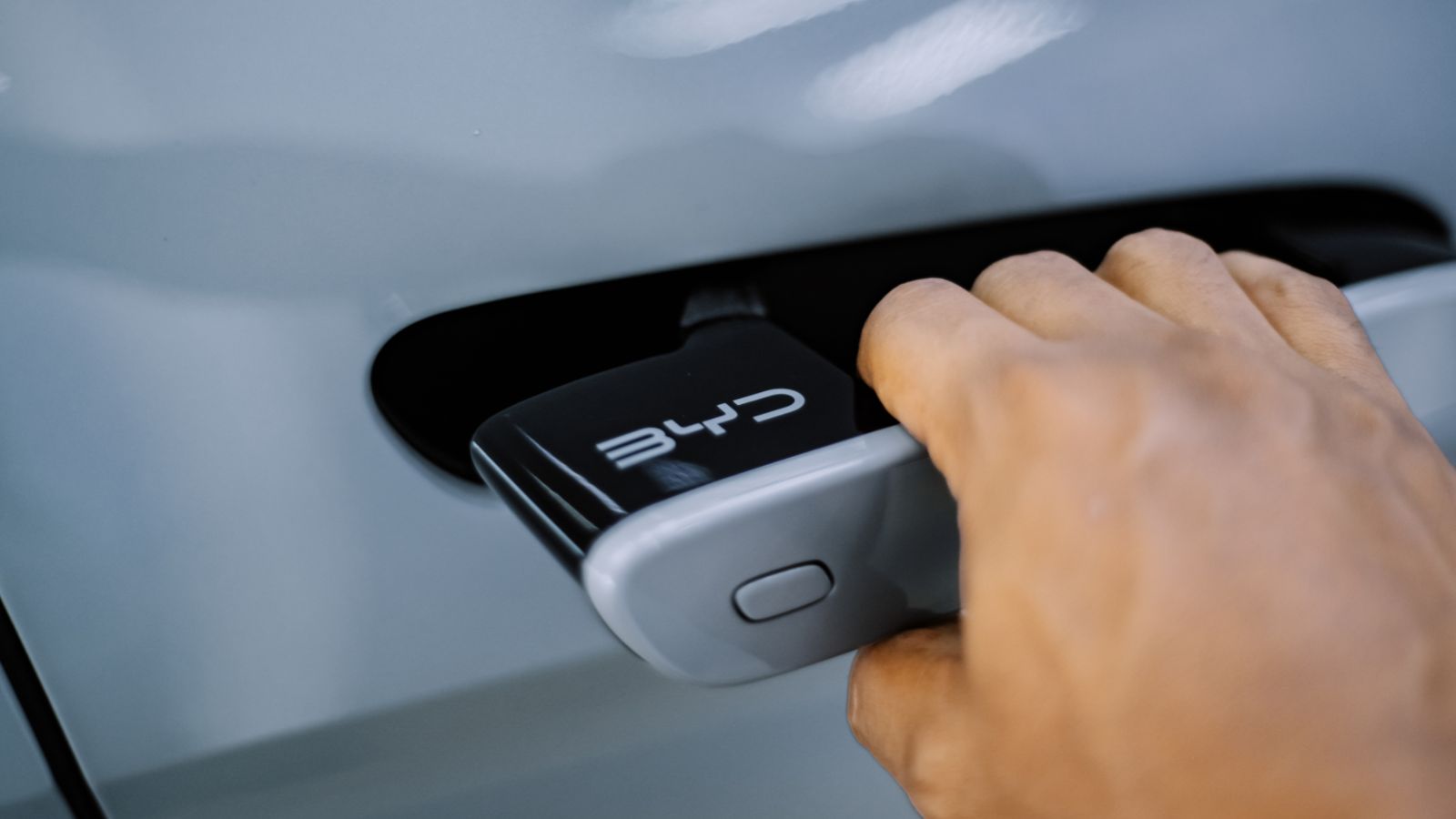
A properly aligned door, hood, or trunk should open and close without unusual force. If a door needs to be lifted, slammed, or pushed in a particular place, the opening may no longer be square. After a crash, hinges, latches, striker plates, and body openings can be adjusted to make panels fit, but the result may still feel slightly wrong.
This is easy to miss during a quick walkaround because sellers often open doors before a buyer arrives. Each door should be tested separately, along with the hood and trunk. A hatch that pops back up, a hood that sits high on one side, or a door that rubs the weatherstrip may point to previous structural movement. It can also lead to leaks, wind noise, and accelerated wear later.
Headlights or Taillights That Do Not Match
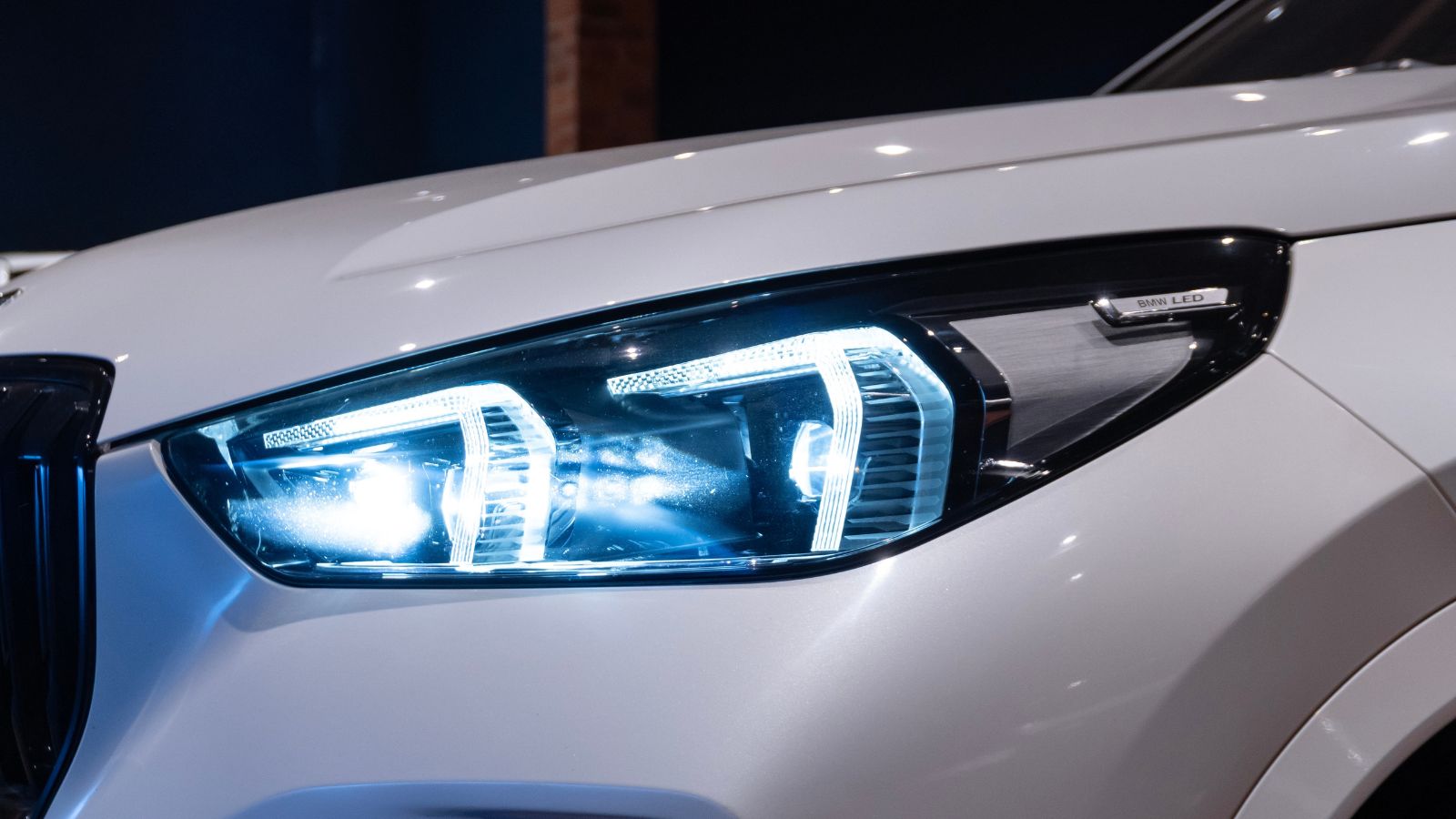
A newer-looking headlight on one side and an aged, cloudy headlight on the other can suggest the newer unit was replaced after an impact. The same applies to taillights, fog lights, reflectors, and side markers. A front-end collision often damages lamps, brackets, bumper covers, grille pieces, and radiator supports, so mismatched lights can be the visible tip of a larger repair.
Lighting clues are especially useful because plastic lenses age with sunlight and road grit. If one lamp is crystal clear while the other is yellowed or pitted, ask why. Replacement lamps are not a problem by themselves; many are changed after minor bumps or moisture failure. The concern is when a new lamp appears beside uneven panel gaps, fresh paint, or bent mounting points nearby.
Bumper Covers That Fit Poorly

Modern bumper covers are plastic shells attached to brackets, clips, absorbers, sensors, and reinforcement bars. After a crash, the cover may be replaced while hidden components behind it receive less attention. Look for uneven spacing where the bumper meets the fender, hood, trunk, headlights, or taillights. Loose corners, sagging edges, or missing clips may show the repair was incomplete.
A shiny bumper on an otherwise weathered vehicle can also raise questions. The colour may be close, but the texture or gloss may differ from nearby panels. On vehicles with parking sensors or radar modules, bumper replacement can also involve calibration concerns. A bumper that looks cosmetic can hide structural brackets, crash absorbers, and electronics that affect safety systems and repair costs.
Bent Metal Around the Radiator Support
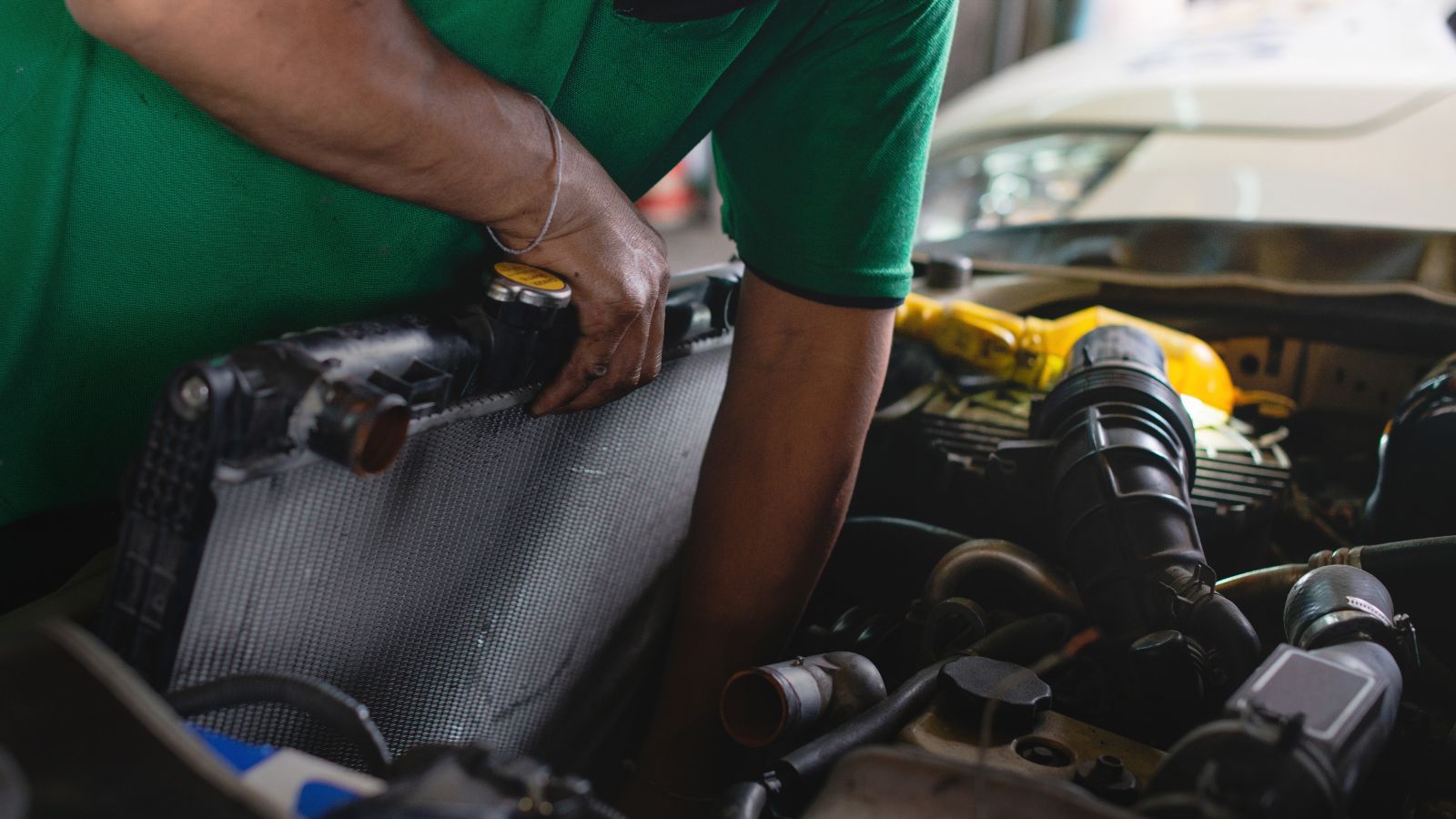
The radiator support area can reveal evidence of a front impact that exterior panels hide. With the hood open, look at the metal or composite structure around the headlights, grille, radiator, condenser, and hood latch. Wavy metal, cracked plastic supports, fresh bolts, non-factory welds, or uneven seams can suggest that the front of the vehicle absorbed a significant hit.
This area matters because front crashes often affect cooling systems, air-conditioning condensers, hood latches, crash sensors, and structural mounting points. A car may drive normally during a short test drive yet still have poorly repaired front-end damage. If the hood latch looks new but the surrounding metal looks distorted, the repair deserves a professional inspection before the vehicle is treated as clean.
Fresh Bolts, Missing Clips, or Disturbed Fasteners
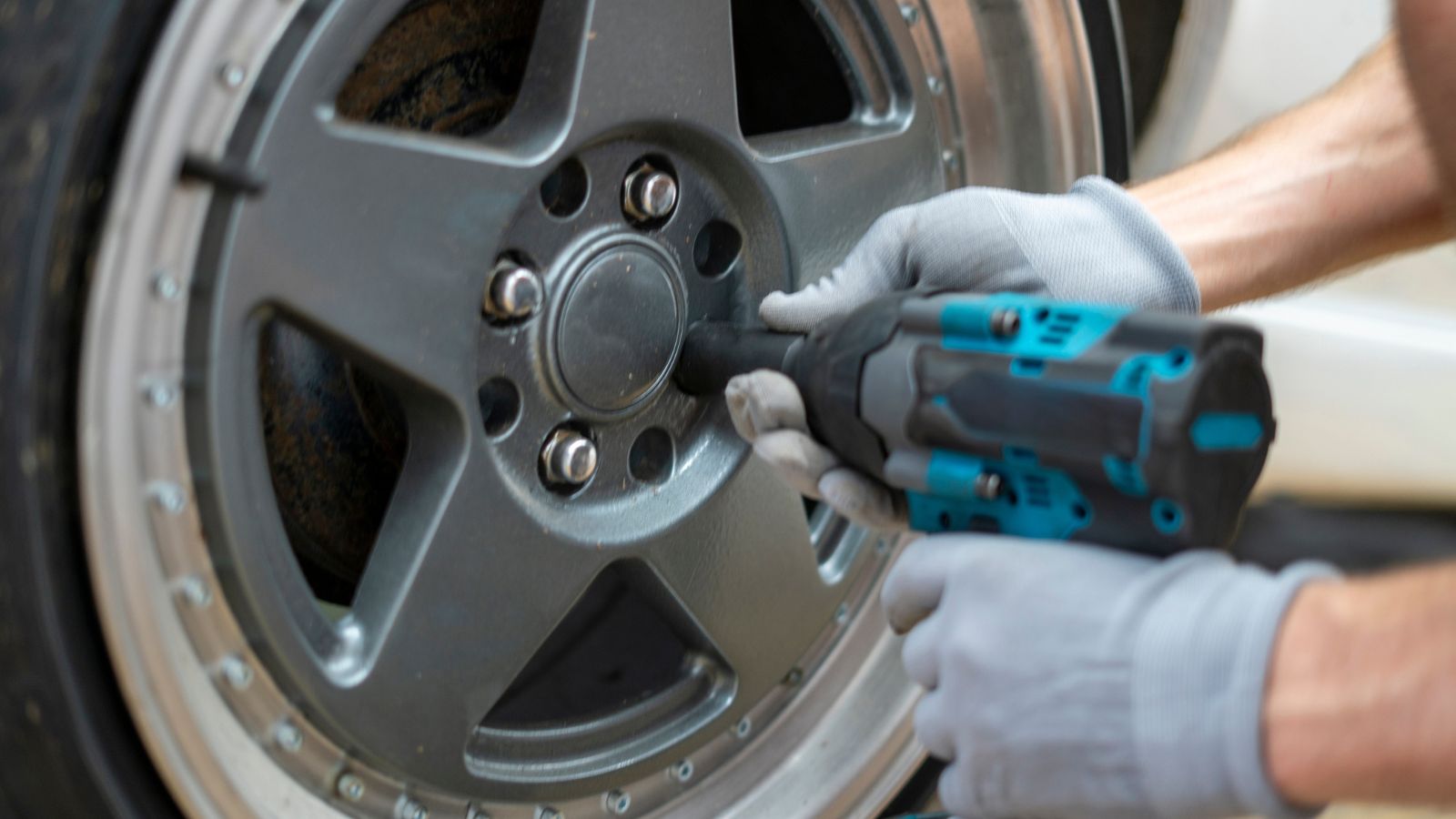
Factory bolts are often painted over during manufacturing, leaving a smooth, consistent finish. When bolts around fenders, doors, hood hinges, trunk hinges, or bumper brackets show chipped paint, tool marks, mismatched finishes, or replacement hardware, it can indicate those parts were removed. Parts removal is normal for some repairs, but it becomes suspicious when it clusters around one damaged corner.
Missing push clips and improvised fasteners are also telling. A wheel-well liner held with mismatched clips, a bumper tab secured with a screw, or a hood hinge with bright new bolts can suggest hurried reassembly. Serious crash repairs involve many pieces being removed and refitted. Fasteners often preserve the story long after the exterior has been polished.
Uneven Tire Wear
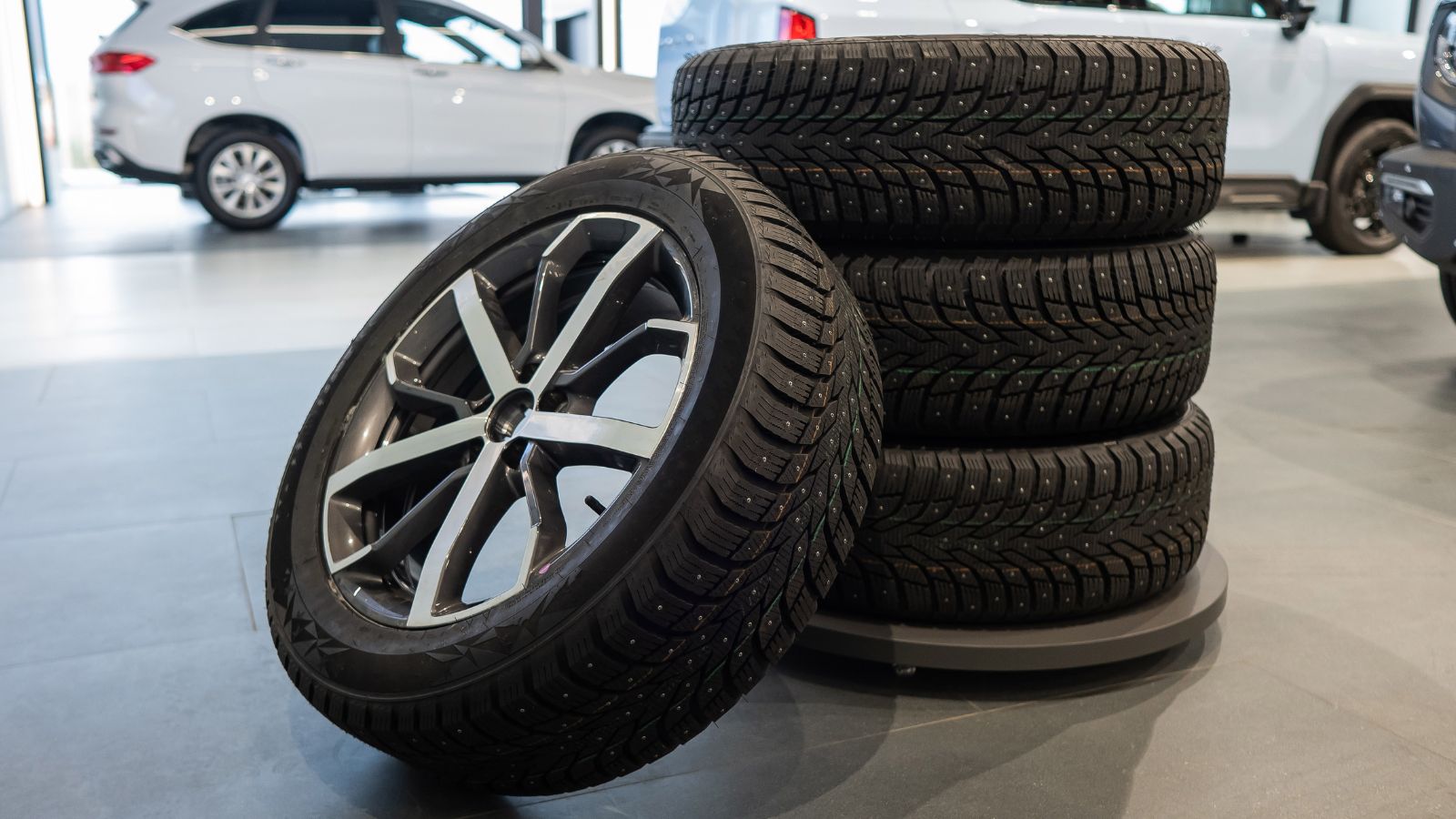
Tires can reveal alignment and suspension problems that bodywork hides. Excessive wear on one edge, cupping, feathering, or patchy tread may point to wheel alignment, steering, or suspension issues. Sometimes the cause is ordinary neglect, but after a serious crash, bent suspension arms, subframes, struts, or mounting points can make proper alignment difficult.
Uneven tires should be read as part of a larger pattern. A car with a clean-looking body but one front tire worn heavily on the inside edge may have struck a curb, pothole, or another vehicle hard enough to disturb geometry. New tires can mask the problem temporarily, so receipts and alignment printouts matter. A recent tire replacement on only one axle deserves a closer question.
Steering Wheel Off-Centre on a Straight Road
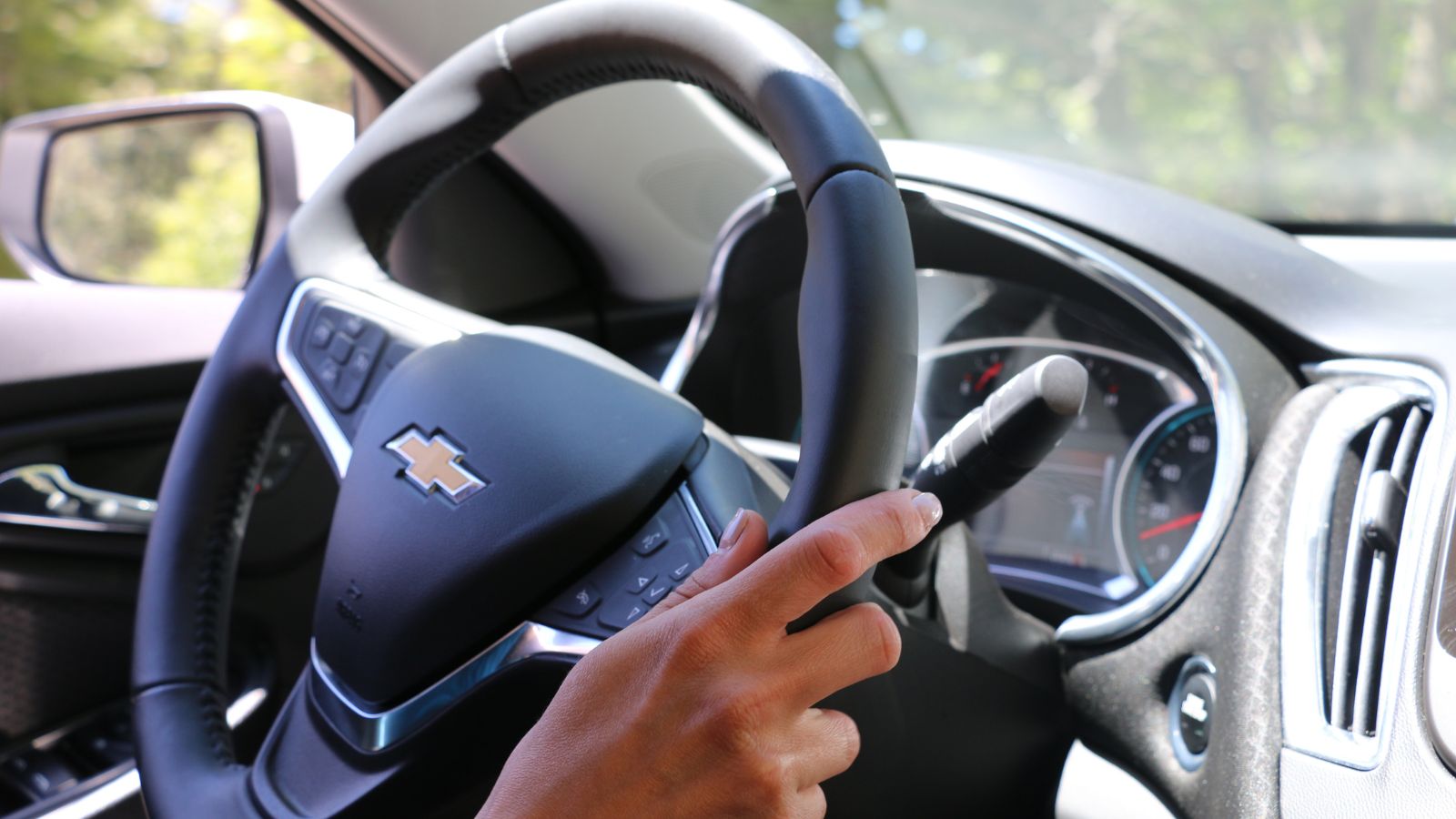
During a test drive, the steering wheel should sit nearly centred when the vehicle travels straight on a level road. If the wheel points left or right while the car tracks forward, the alignment may be off. That can happen after normal tire or suspension work, but it can also occur when a crash bends steering or suspension components.
The safest test is gentle and controlled, not hands-off driving. Watch how the vehicle behaves on a smooth road at city and highway speeds. If the steering wheel is crooked, the car wanders, or correction is constantly needed, the issue may go beyond a simple alignment. A serious impact can move parts just enough to make the car feel subtly unsettled.
Pulling, Shuddering, or Vibration on the Test Drive

A vehicle that pulls to one side, shudders under braking, or vibrates at speed may be showing signs of impact-related damage. Bent wheels, damaged hubs, warped brake components, misaligned suspension, and compromised tires can all create symptoms that a clean report will not describe. Some problems only appear above a certain speed, which is why a short parking-lot drive is not enough.
The pattern matters. A slight pull on a crowned road may be normal, but persistent pulling on different roads is not. Vibration that comes through the steering wheel may suggest front-end issues, while vibration through the seat can point farther back. A serious crash can affect several systems at once, so the test drive should feel calm, straight, and predictable.
Suspension Noises Over Bumps
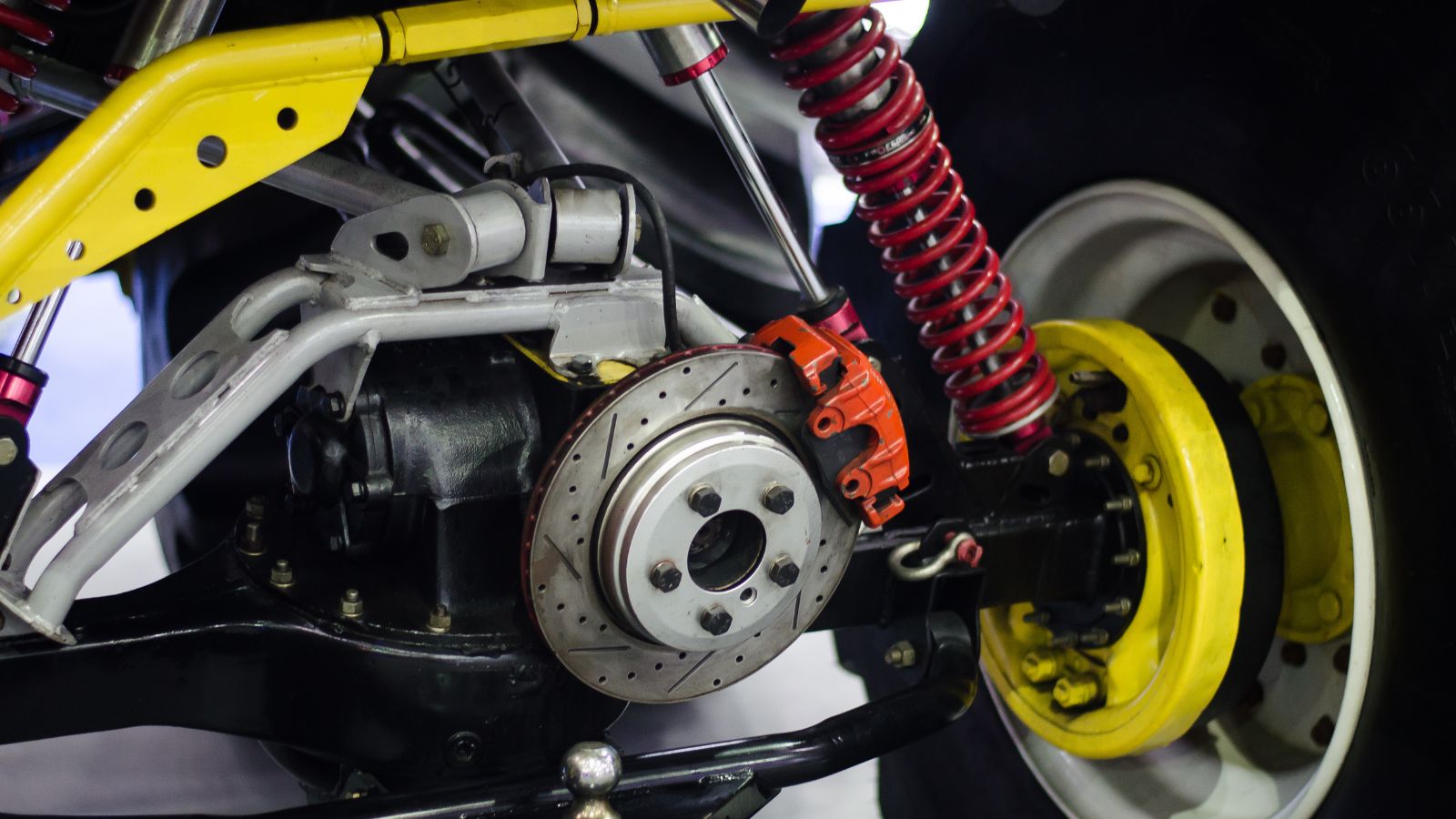
Clunks, knocks, creaks, or metallic rattles over bumps can point to worn or damaged suspension parts. Used cars can make noises for ordinary reasons, but crash damage raises the stakes because control arms, struts, mounts, ball joints, tie rods, and subframes may have absorbed force. A repaired exterior can look excellent while the suspension still carries the evidence.
A good test drive includes slow turns, gentle braking, rough pavement, and moderate acceleration. Listen with the radio off and windows partly down. A single dull clunk from one corner, especially near a visibly repaired panel, should not be dismissed as “just age.” Suspension issues affect handling, tire wear, braking stability, and long-term repair costs.
Airbag Warning Lights or Questionable Airbag Covers
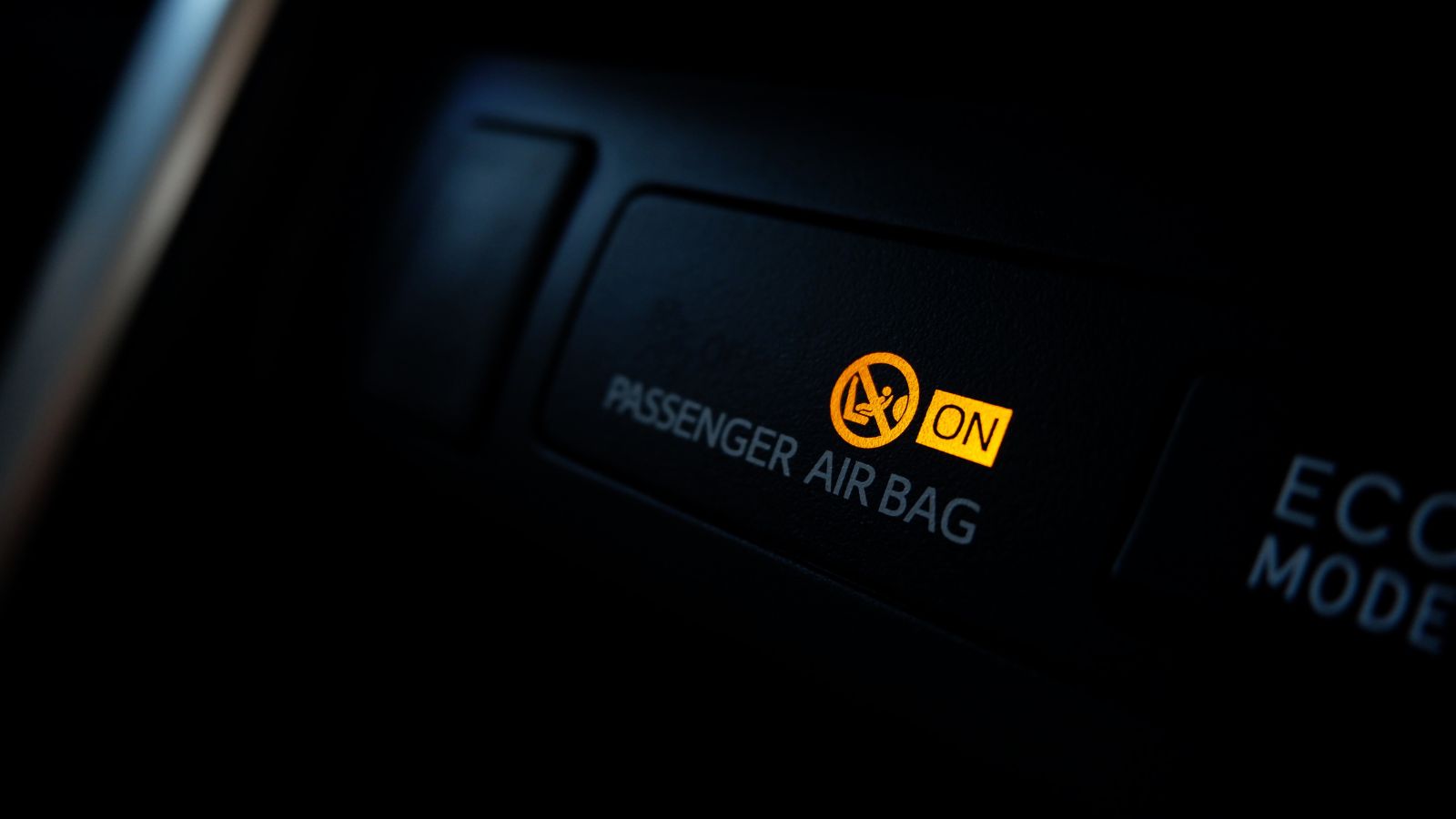
Airbags are designed to deploy in moderate to severe crashes, and any warning light related to the supplemental restraint system deserves attention. A lit airbag light can mean the system has detected a fault, and that fault may involve sensors, wiring, modules, seat belt pretensioners, or previous crash repairs. It should never be waved away as a harmless dashboard quirk.
Interior clues can also matter. A passenger airbag cover that sits unevenly, a steering wheel centre pad with a different texture, or dashboard trim that does not match surrounding pieces may suggest airbag work. Proper airbag replacement is safety-critical and often expensive. If a seller cannot provide repair documentation, an independent scan and inspection are essential.
Seat Belts That Look Replaced or Do Not Retract Properly

Seat belts can lock during a crash, and many modern systems use pretensioners that tighten belts during an impact. After a serious collision, belts and pretensioners may require replacement. Warning signs include belts that retract slowly, webbing that looks newer than the rest of the interior, buckles with different wear levels, or trim around the belt anchor that does not sit correctly.
A family SUV with a spotless history report but a driver’s belt that drags or bunches may simply need cleaning. However, when belt problems appear with airbag lights, replaced trim, or evidence of body repair, the story changes. Seat belts are primary safety equipment, not cosmetic parts. Their condition should match the vehicle’s age, mileage, and claimed history.
Interior Panels That Do Not Match or Sit Flush
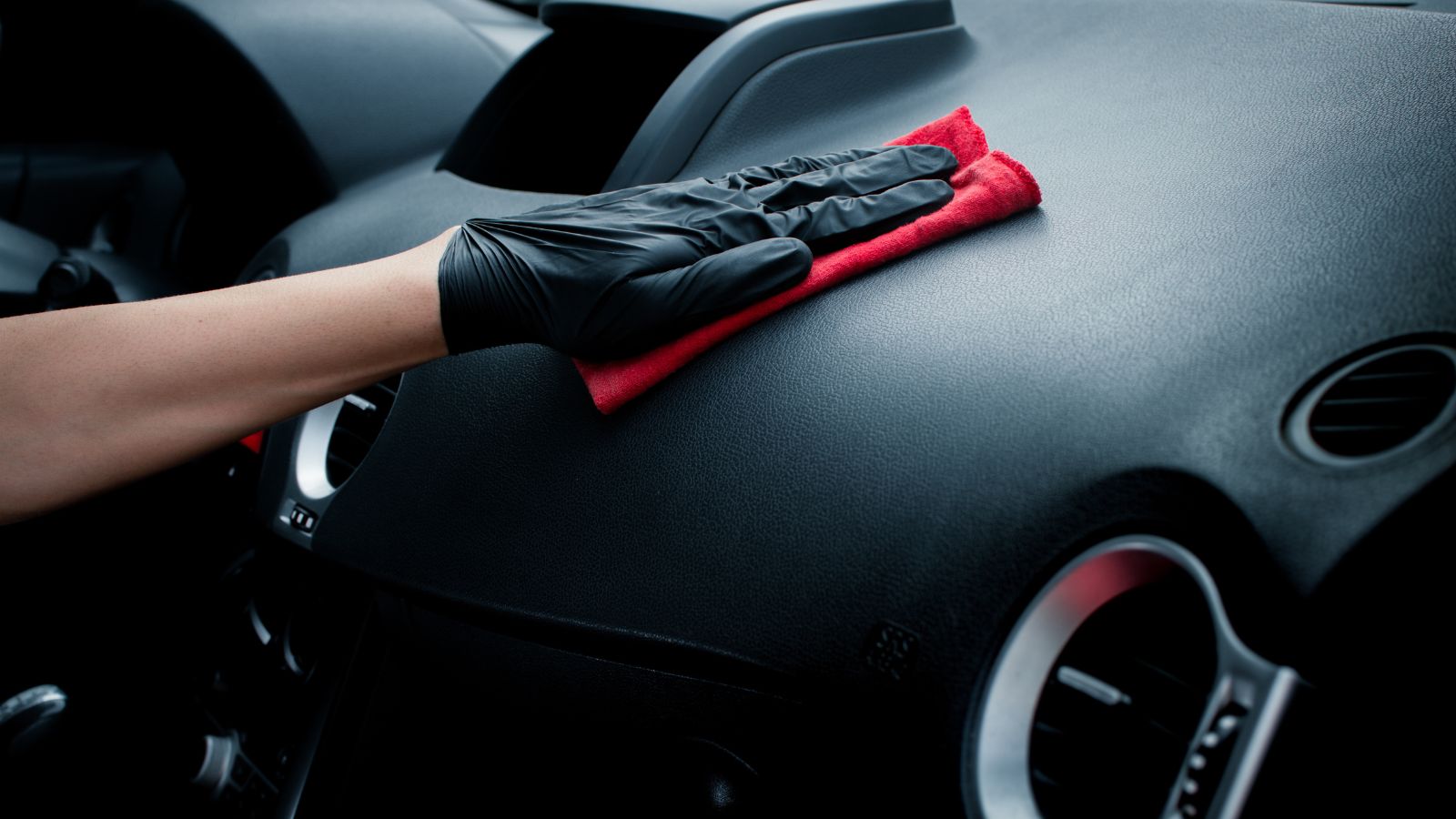
Crash repair can involve removing dashboard pieces, pillar trim, door cards, console parts, and cargo-area panels. If interior panels do not match in colour, grain, or fit, it may indicate previous disassembly. Pay close attention to A-pillars, lower dash panels, knee bolsters, door trim, and cargo trim near rear quarter panels, because these areas can be disturbed during structural or airbag repairs.
Interior mismatch is easy to rationalize in older vehicles, especially if clips break with age. Still, a panel that sits loose near an airbag location or a door card that does not align with a repaired door should invite deeper inspection. Small rattles and gaps can reveal that the vehicle was taken apart and reassembled after a bigger event than the report shows.
Trunk Floor or Spare Tire Well Damage
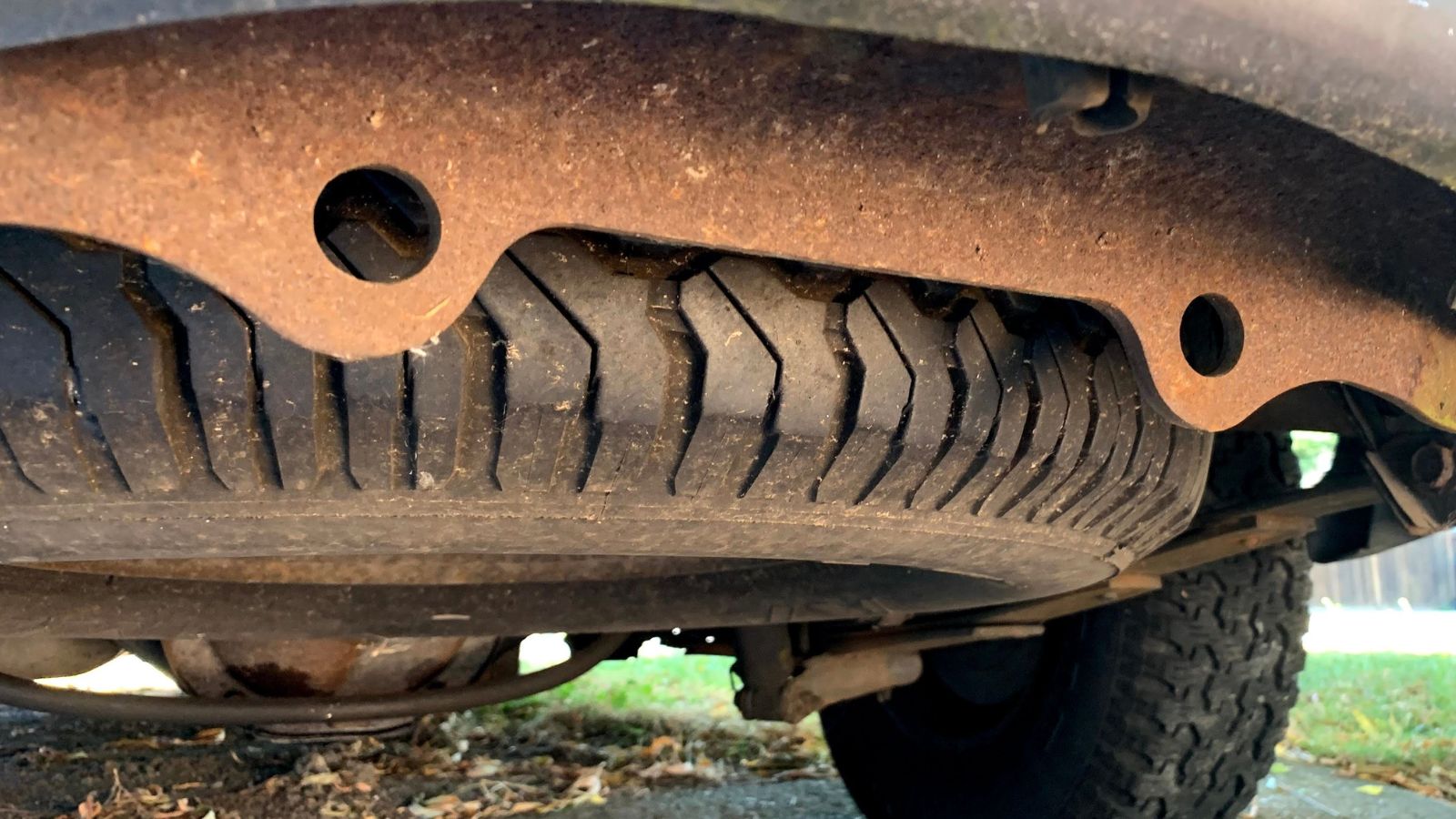
Rear-end collisions often leave clues in the trunk or cargo area. Lift the cargo floor, remove the spare tire cover, and inspect the well, seams, sealant, and metal surfaces. Ripples, fresh seam sealer, mismatched paint, rust in odd places, or a spare tire well that looks distorted can indicate rear structural repair.
This area is important because a bumper cover can hide a lot. A vehicle may receive a new rear bumper and taillight while the trunk floor, rear body panel, or quarter panels remain imperfectly repaired. Water pooling in the spare tire well is another warning sign. It can point to poor sealing after bodywork and may lead to corrosion, mould, and electrical issues.
Fresh Undercoating or Unusual Weld Seams Underneath
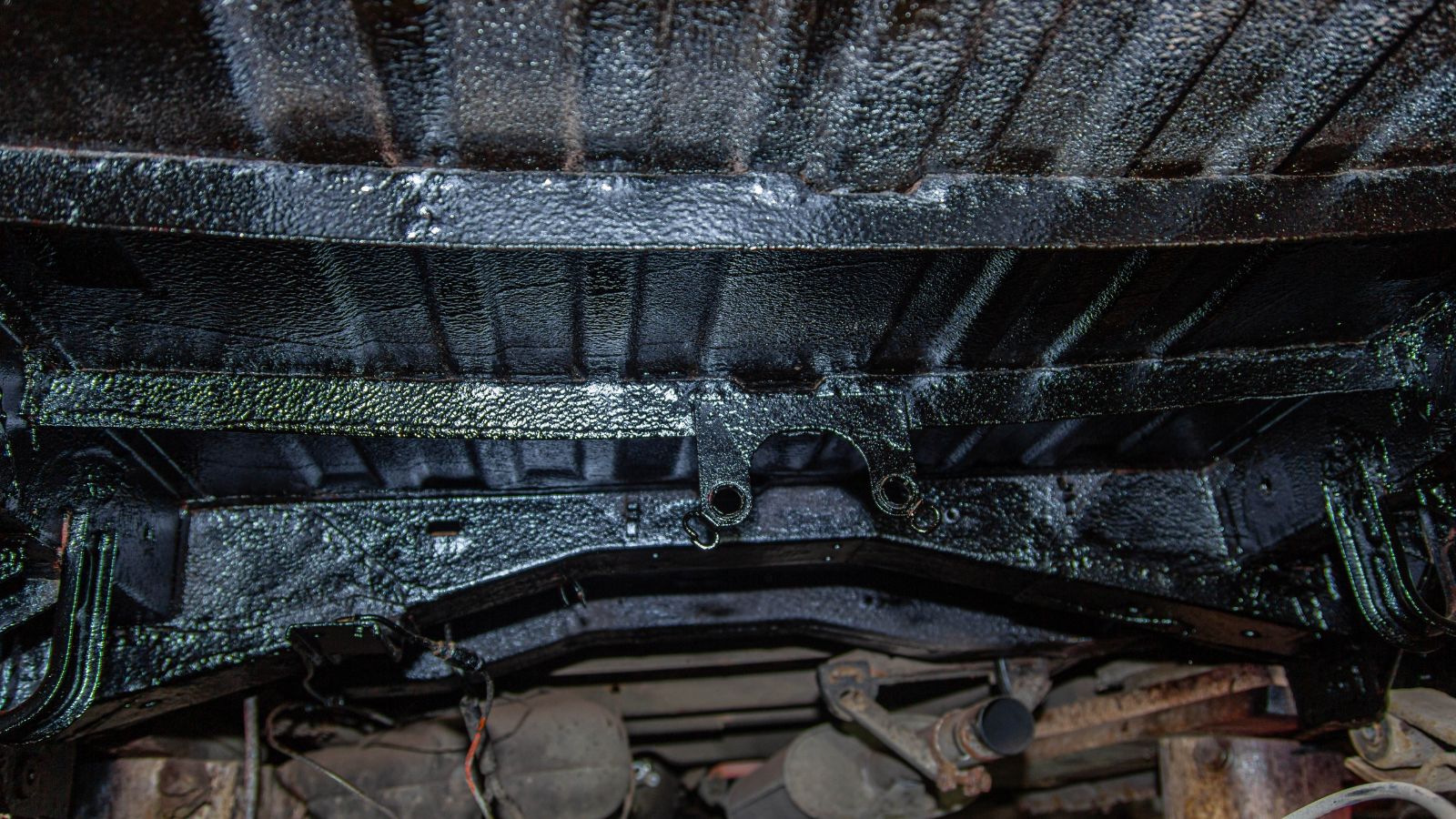
The underside of a vehicle often tells a more honest story than the polished exterior. Fresh black undercoating on only one section, visible weld seams, bent pinch welds, crushed jacking points, or misaligned underbody shields can suggest previous damage. Collision repairs near rocker panels, floor pans, and frame rails may leave signs that are hard to erase completely.
A flashlight is useful, but a professional lift inspection is better. The concern is not that every scrape underneath means a crash; winter roads, gravel, and poor jacking can also leave marks. The red flag is asymmetry. If one side looks freshly coated while the other side shows normal age, the fresh material may be hiding repair work or corrosion that followed damage.
Water Leaks or Wind Noise After Body Repair
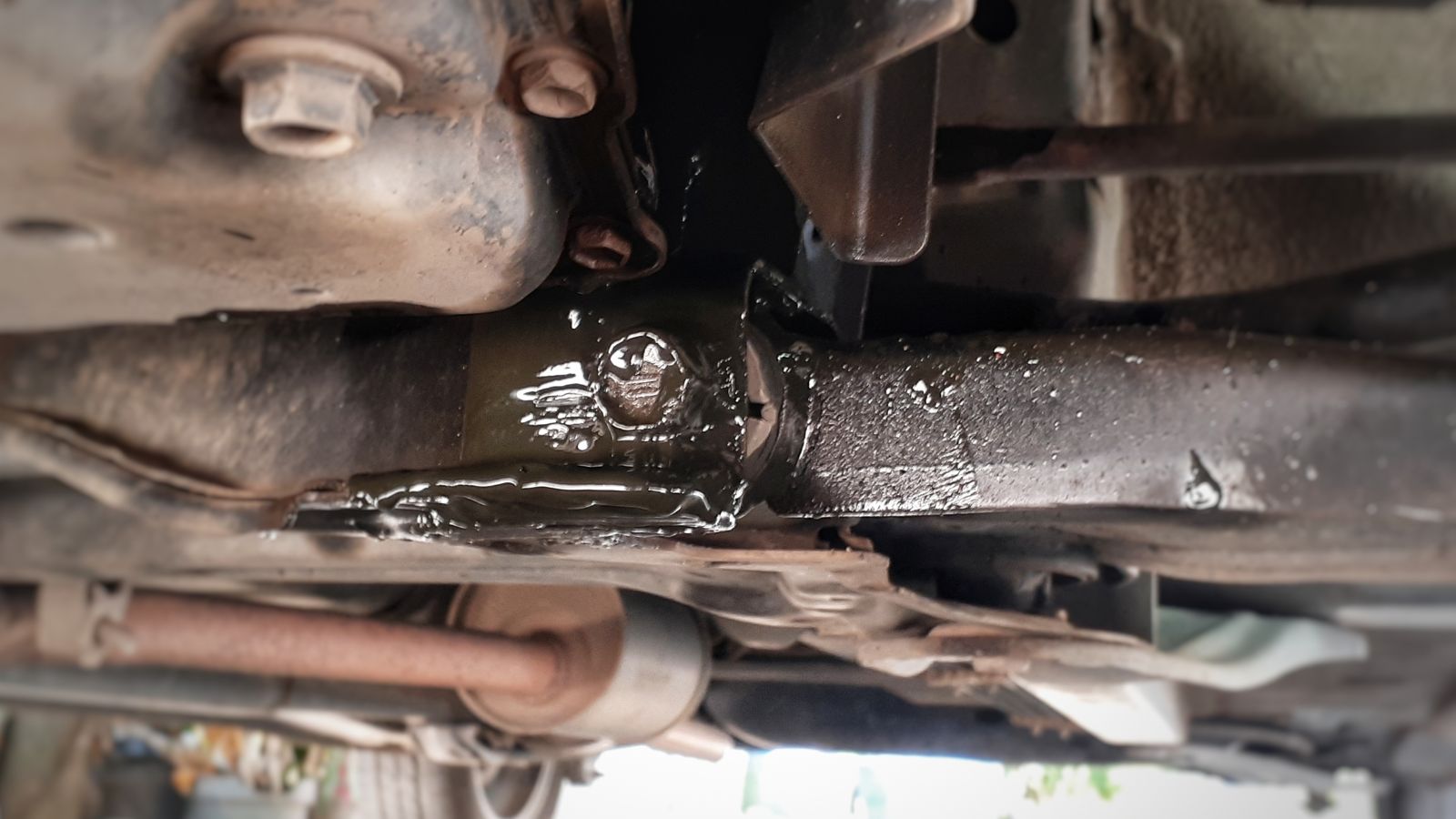
A car that has been hit hard may never seal quite the same if doors, glass, weatherstripping, or body openings were not restored correctly. Wind noise around one door, damp carpets, fogging windows, or water in the trunk can point to misalignment. These symptoms often appear after the sale, especially during the first heavy rain or highway drive.
The human example is familiar: a buyer notices a faint whistle at highway speed and later finds wet carpet after a storm. That small annoyance can become mould, electrical corrosion, and recurring diagnosis costs. Door and hatch seals depend on precise alignment. When a crash shifts openings or panels, even slightly, water and air can find a path inside.
Driver Assistance Features That Behave Oddly
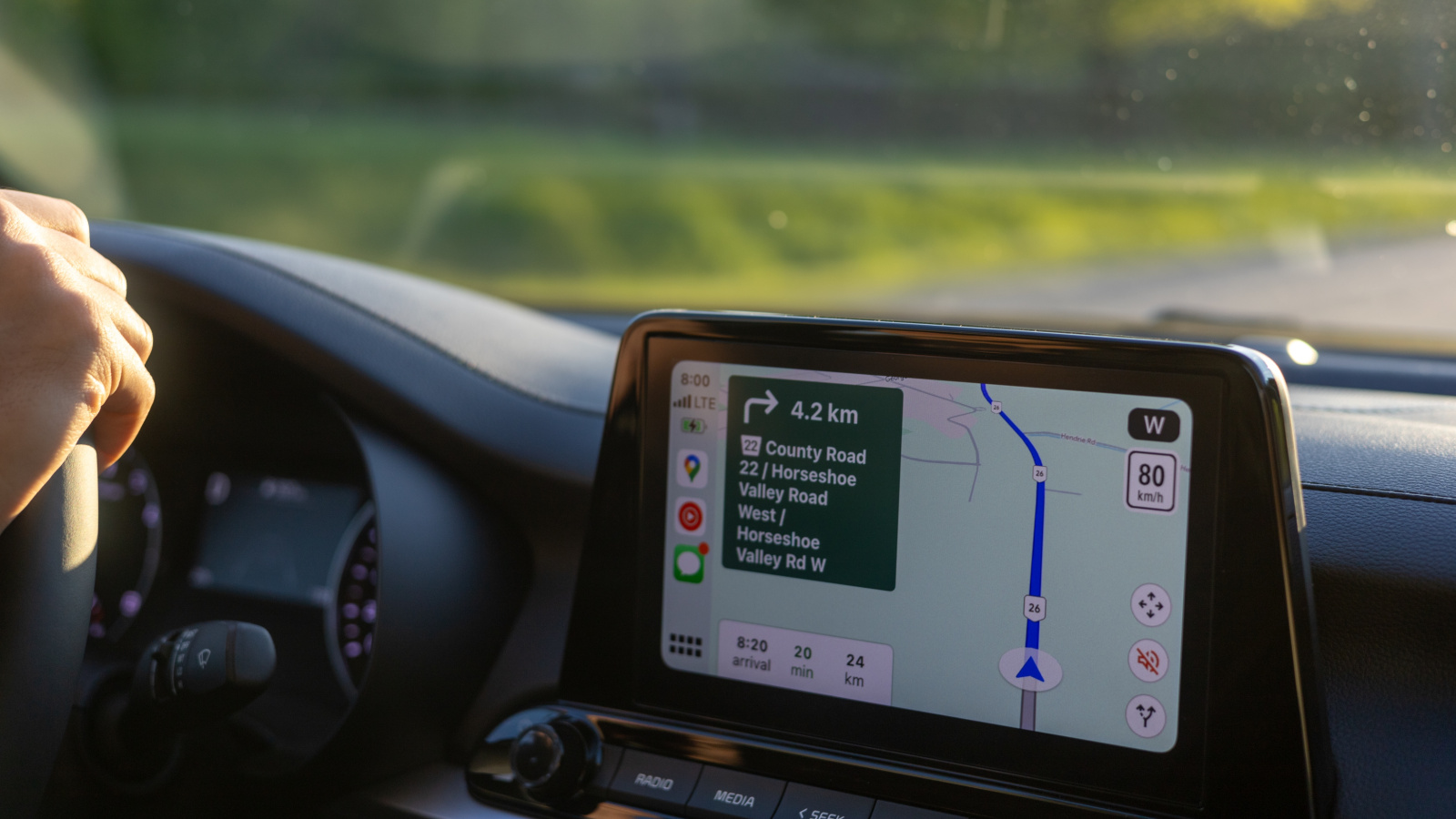
Modern vehicles may have cameras, radar sensors, ultrasonic sensors, and other hardware behind bumpers, windshields, grilles, mirrors, and body panels. A collision that disturbs those areas can require calibration. Warning messages for lane keeping, adaptive cruise control, automatic emergency braking, blind-spot monitoring, or parking sensors should be taken seriously.
These systems can fail quietly or behave inconsistently if sensors are blocked, misaligned, or improperly calibrated. A replaced windshield, bumper, grille, mirror, or emblem may seem cosmetic, but it can affect the sensors behind or attached to it. If a vehicle has recent front, rear, side, or glass work, repair invoices should show whether the required calibrations were performed.
VIN Stickers or Labels That Are Missing on Panels
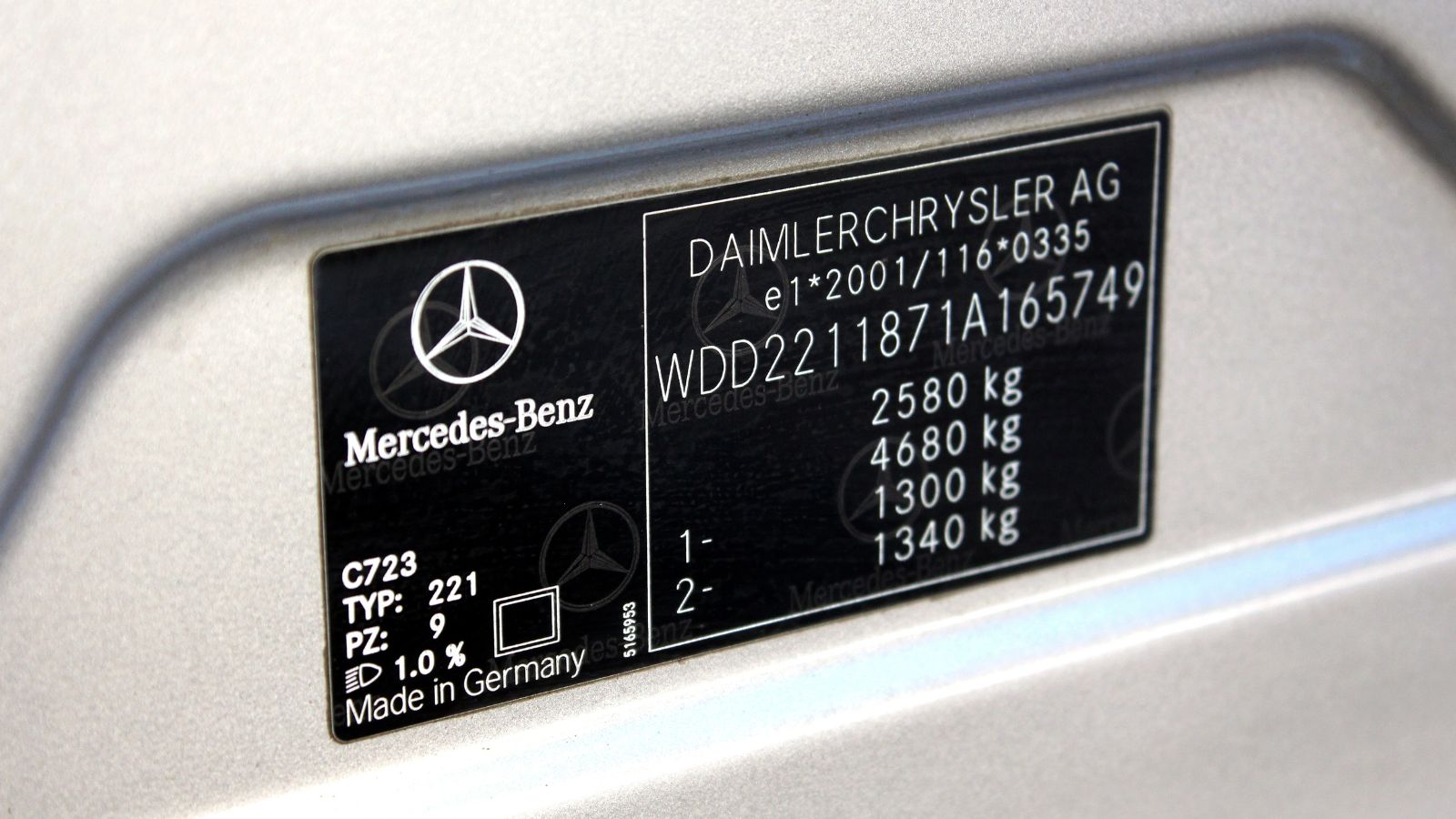
Many vehicles have VIN labels, certification labels, emissions labels, or factory information stickers in door jambs, under the hood, or on original body panels. Missing, painted-over, torn, or mismatched labels may indicate a panel was replaced or refinished. This does not automatically mean fraud, but it is a useful clue when evaluating a supposedly clean vehicle.
A replaced door after a parking-lot scrape may be perfectly acceptable if documented. The concern is when multiple labels are missing in areas that line up with other crash clues. For example, a missing fender label, newer headlight, disturbed bolts, and uneven hood gap all tell the same story. Labels are small, but they can help confirm whether panels are original.
Glass With Different Dates or Brands
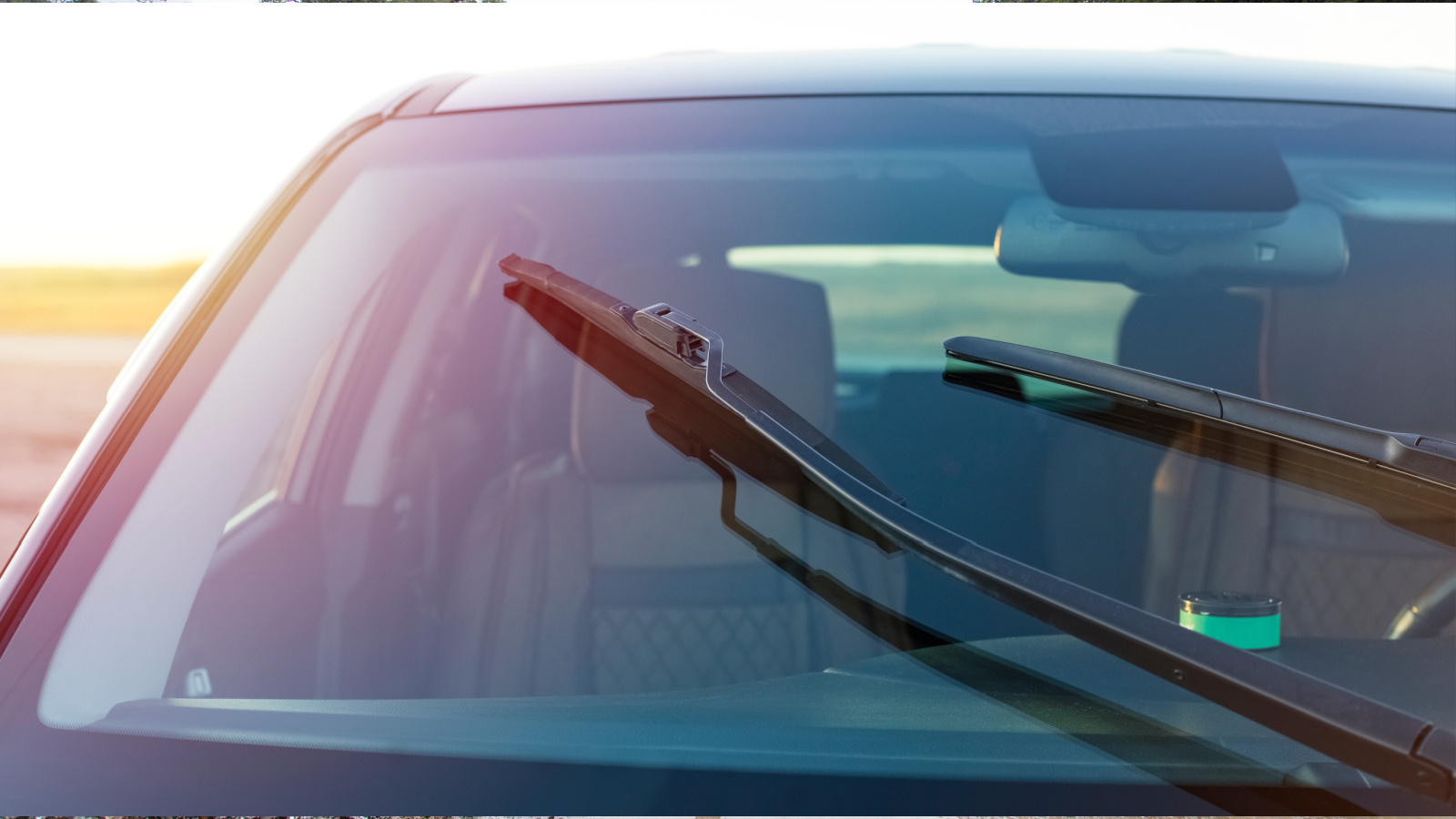
Automotive glass often carries markings that identify the manufacturer and production information. If one side window or quarter glass is a different brand or appears newer than the rest, it may have been replaced. Glass replacement can happen because of theft, vandalism, road debris, or weather damage, but side and rear glass changes can also follow a serious impact.
Windshield replacement is common and not automatically alarming. The warning sign is a pattern: mismatched glass on the same side as repaired paint, replaced trim, or a damaged pillar area. Side impacts and rollovers can break glass and disturb window frames. If the glass story does not match the seller’s explanation, a closer inspection of nearby body structure is worthwhile.
A Vehicle That Looks Too Fresh in Only One Area

A used car should show wear in a broadly consistent way. If one quarter panel, bumper, wheel, headlight, or door looks unusually fresh compared with the rest of the vehicle, there may be a reason. A newly painted panel beside faded paint, a spotless wheel beside three curb-marked wheels, or a flawless bumper on a high-mileage vehicle can reveal recent repair.
This clue is subtle because sellers often detail cars before showing them. The issue is uneven aging rather than cleanliness. Road rash, stone chips, sun fade, and small scratches usually accumulate across exposed areas. When only one corner looks new, it may have been rebuilt after impact. That does not always make the car a bad buy, but it should change the inspection standard.
Repair Records That Do Not Match the Vehicle’s Condition
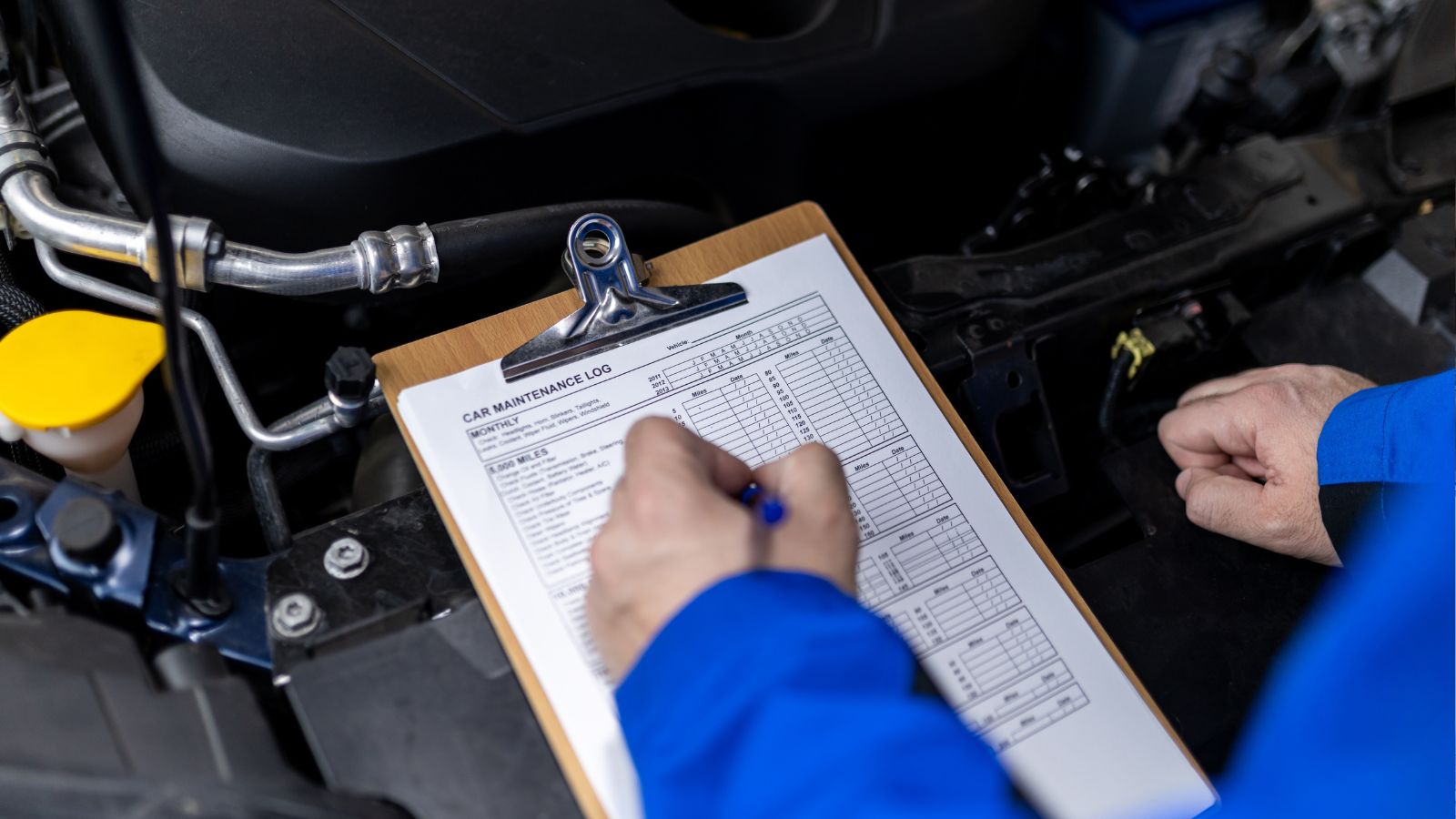
A clean report is more convincing when it comes with consistent service records, repair invoices, inspection results, and a seller who can answer basic questions. When the body shows signs of repair but the paperwork is vague, missing, or unusually thin, caution is reasonable. Vehicle history reports can miss private repairs, delayed records, and work that was never submitted to a database.
Ask for invoices, alignment printouts, parts receipts, warranty documents, and inspection reports. A properly repaired car may have a clear paper trail from a reputable shop. A risky car often has the opposite: shiny paint, no explanation, and pressure to buy quickly. The gap between what the vehicle shows and what the paperwork proves can be the strongest warning sign of all.
22 Things Canadians Do to Their Cars in Spring That Mechanics Hate
Spring brings relief to many Canadian drivers after months of snow, freezing temperatures, and icy roads that put serious strain on vehicles. As temperatures rise across the country, drivers begin washing cars, switching tires, and preparing vehicles for warmer weather and upcoming road trips. However, mechanics across Canada notice the same mistakes every spring when drivers attempt to recover from winter damage. Road salt, potholes, and harsh winter driving conditions often leave vehicles with hidden problems that drivers ignore. Some spring habits even create new mechanical issues that could have been avoided with proper maintenance. Here are 22 things Canadians do to their cars in spring that mechanics hate.