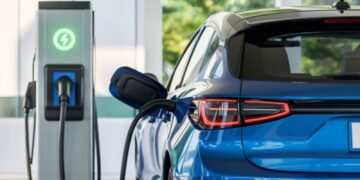























Canadian buyers have become more cautious, and the mood around certain vehicles has changed quickly. A model that once looked like an easy choice can start feeling risky when insurance premiums rise, recalls pile up, theft headlines spread, or resale values become harder to predict.
This look at 15 vehicles focuses on models that may be giving Canadian shoppers pause for practical reasons: ownership costs, reliability concerns, EV uncertainty, theft exposure, repair complexity, and market timing. None of these vehicles is automatically a bad purchase. Many still have strong fan bases and real strengths. The issue is that the buying decision now comes with more homework than it used to.
Toyota RAV4
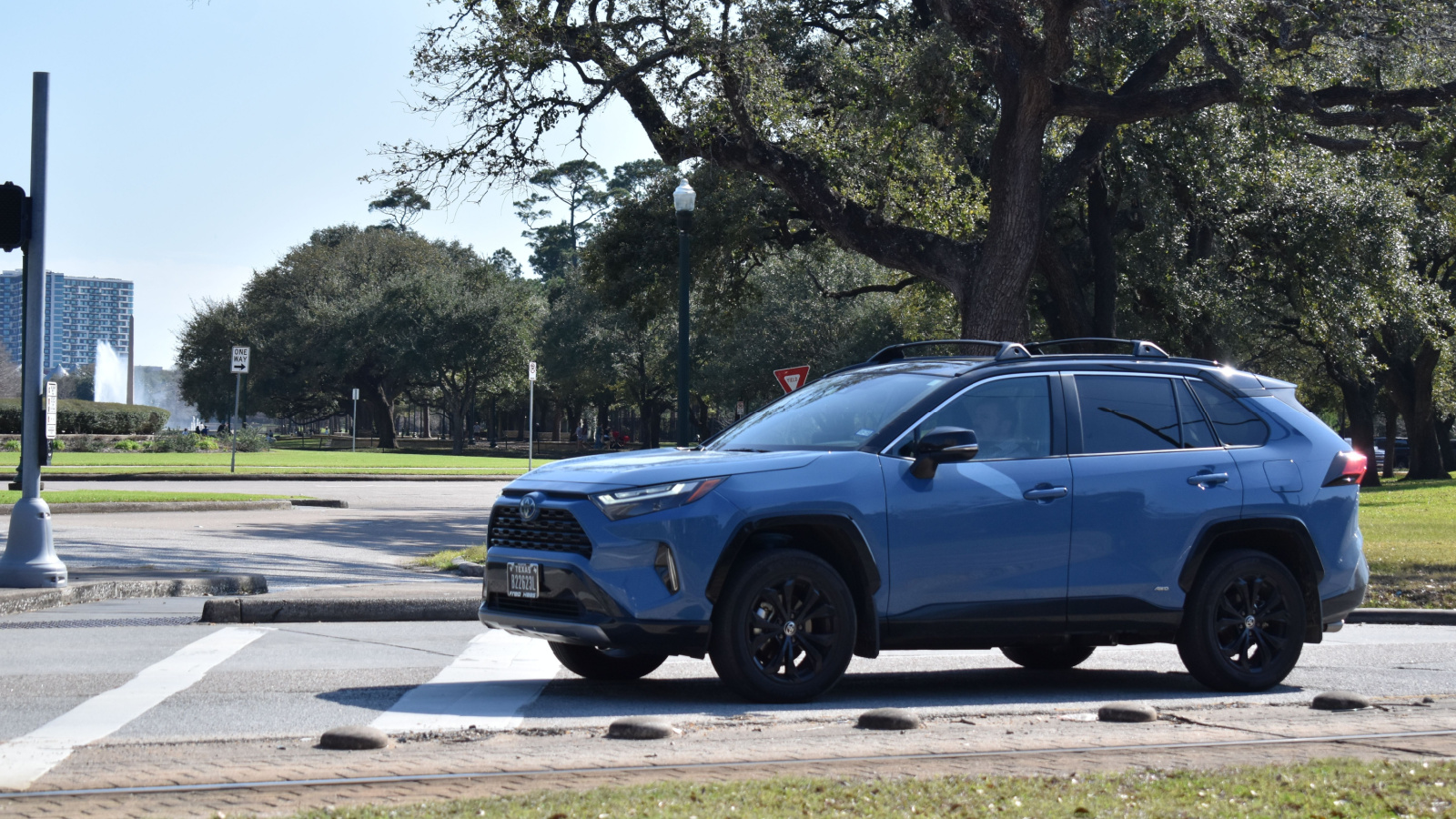
The Toyota RAV4 has long been one of Canada’s default compact SUV choices, which is exactly why hesitation around it feels so unusual. Its reputation for durability remains strong, but popularity can create its own problem. High demand keeps used prices firm, and theft attention has become a real concern in several Canadian markets. When a practical family SUV starts requiring extra anti-theft planning, some buyers begin to rethink the total cost.
For shoppers in Ontario, Quebec, and major urban centres, the concern is not only whether the vehicle is reliable. It is whether insurance, availability, and theft-prevention requirements make ownership feel less carefree. A buyer looking at a late-model RAV4 may still love the fuel economy and resale strength, but the calculation now often includes security devices, parking arrangements, and possible insurance questions before the deal feels comfortable.
Toyota Highlander
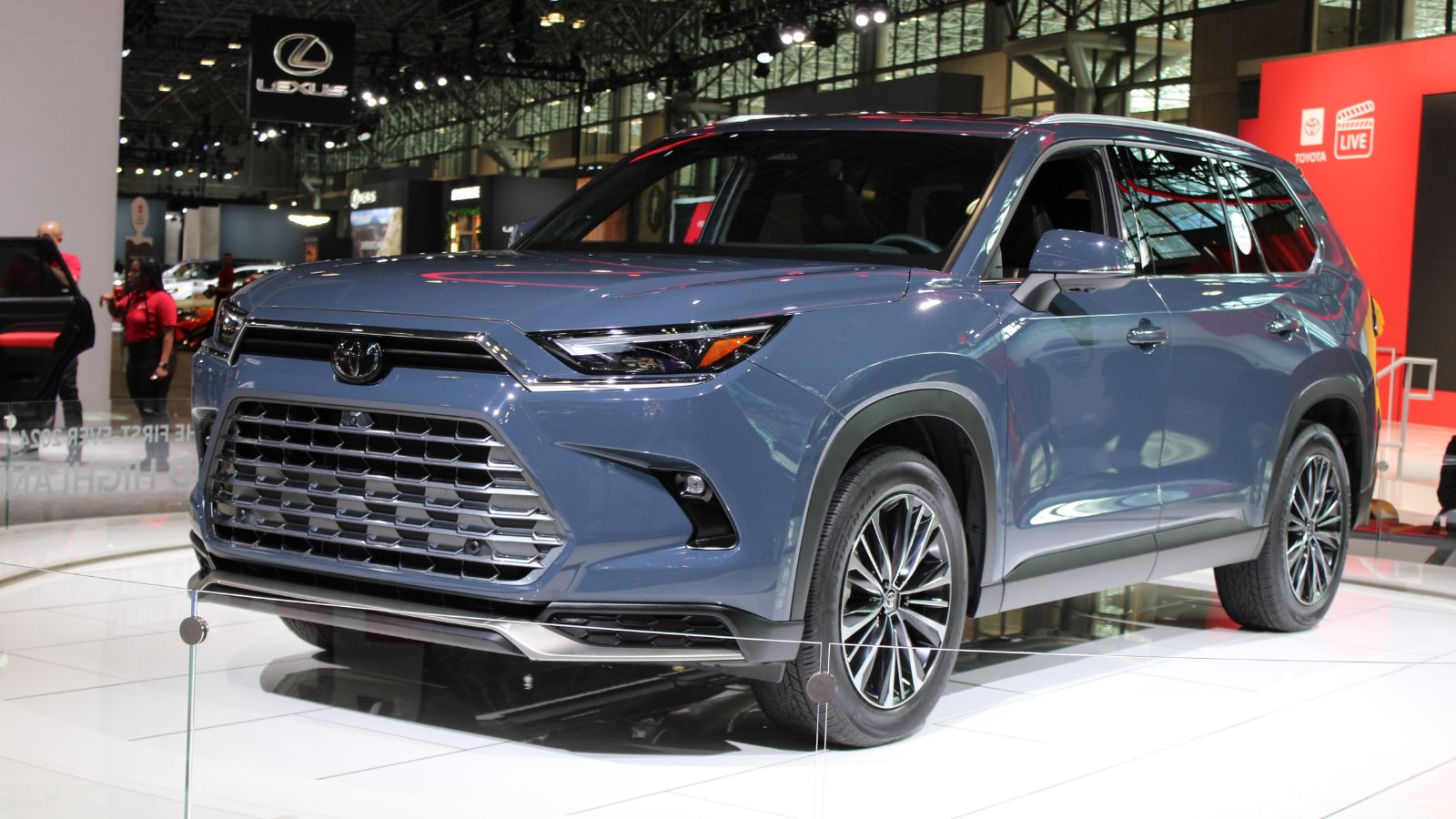
The Toyota Highlander has the kind of family-friendly image that usually reassures buyers: three rows, a trusted badge, and strong resale history. Yet that same desirability has made it a high-profile theft target in Canada. For a household buying a three-row SUV to reduce stress, the idea of paying more attention to driveway security can feel like an unwelcome twist.
The Highlander also sits in a price band where shoppers are increasingly sensitive to financing costs. A used example can still command a premium, especially in hybrid form, and that reduces the margin of safety if monthly payments are already stretched. It remains a capable SUV, but buyers who once saw it as a safe, simple choice may now pause over theft exposure, insurance friction, and the reality that Toyota’s reputation often comes with Toyota-level pricing.
Lexus RX
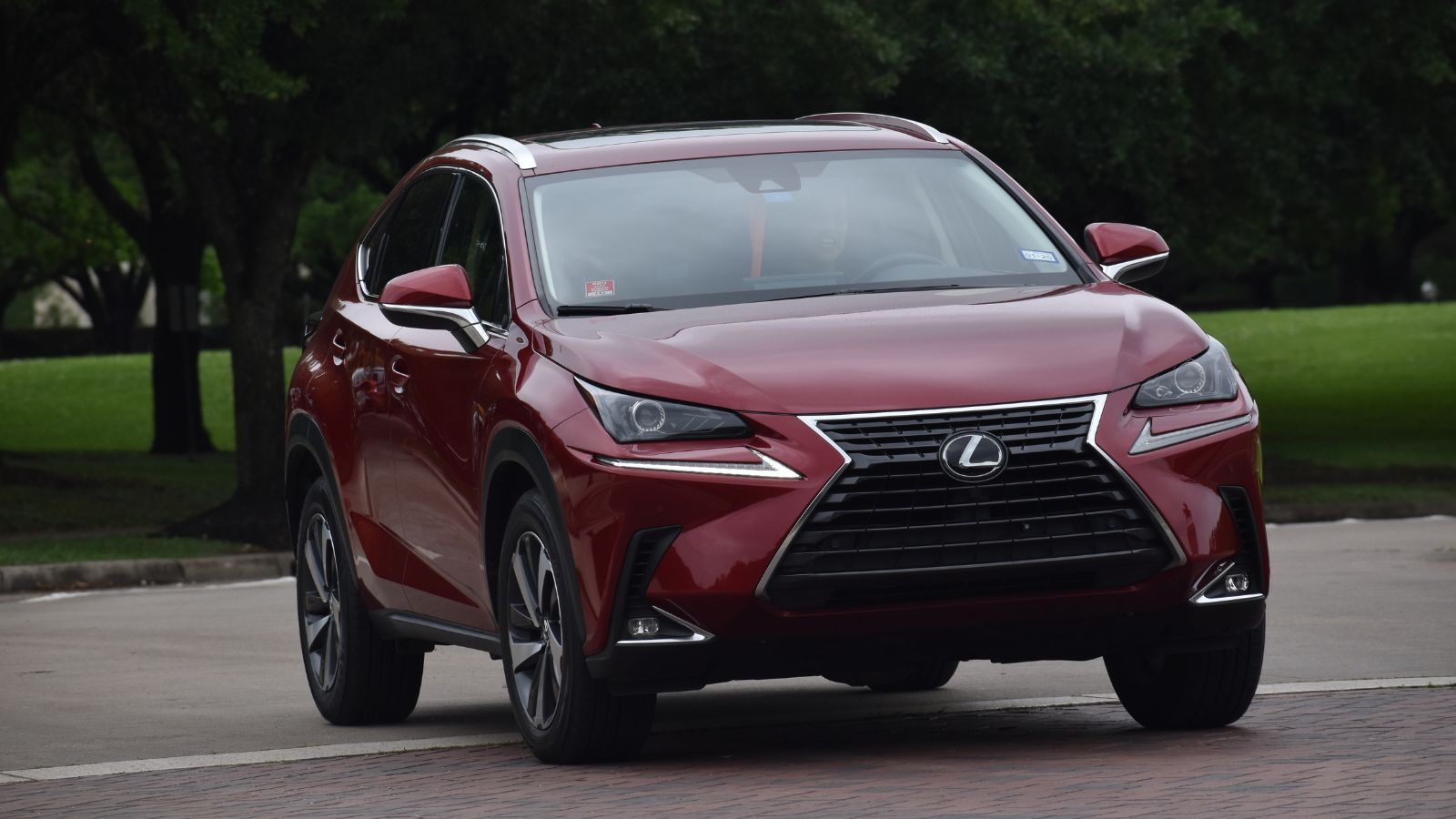
The Lexus RX built its name on comfort, quietness, and Toyota-family reliability, but Canadian buyers are paying closer attention to its theft profile. In many neighbourhoods, the RX has shifted from “smart luxury SUV” to “vehicle that might need extra protection.” That can change the mood around a purchase, especially when an owner expects premium convenience rather than added security routines.
The financial side matters too. Luxury SUVs can carry higher repair costs, more expensive insurance, and a steeper entry price than mainstream alternatives. Even when reliability is strong, a stolen-vehicle surcharge, tracking-device requirement, or higher comprehensive coverage can affect the ownership experience. The RX still appeals to buyers who want refinement without German-brand complexity, but the theft conversation has made some Canadians less relaxed about parking one outside overnight.
Ram 1500
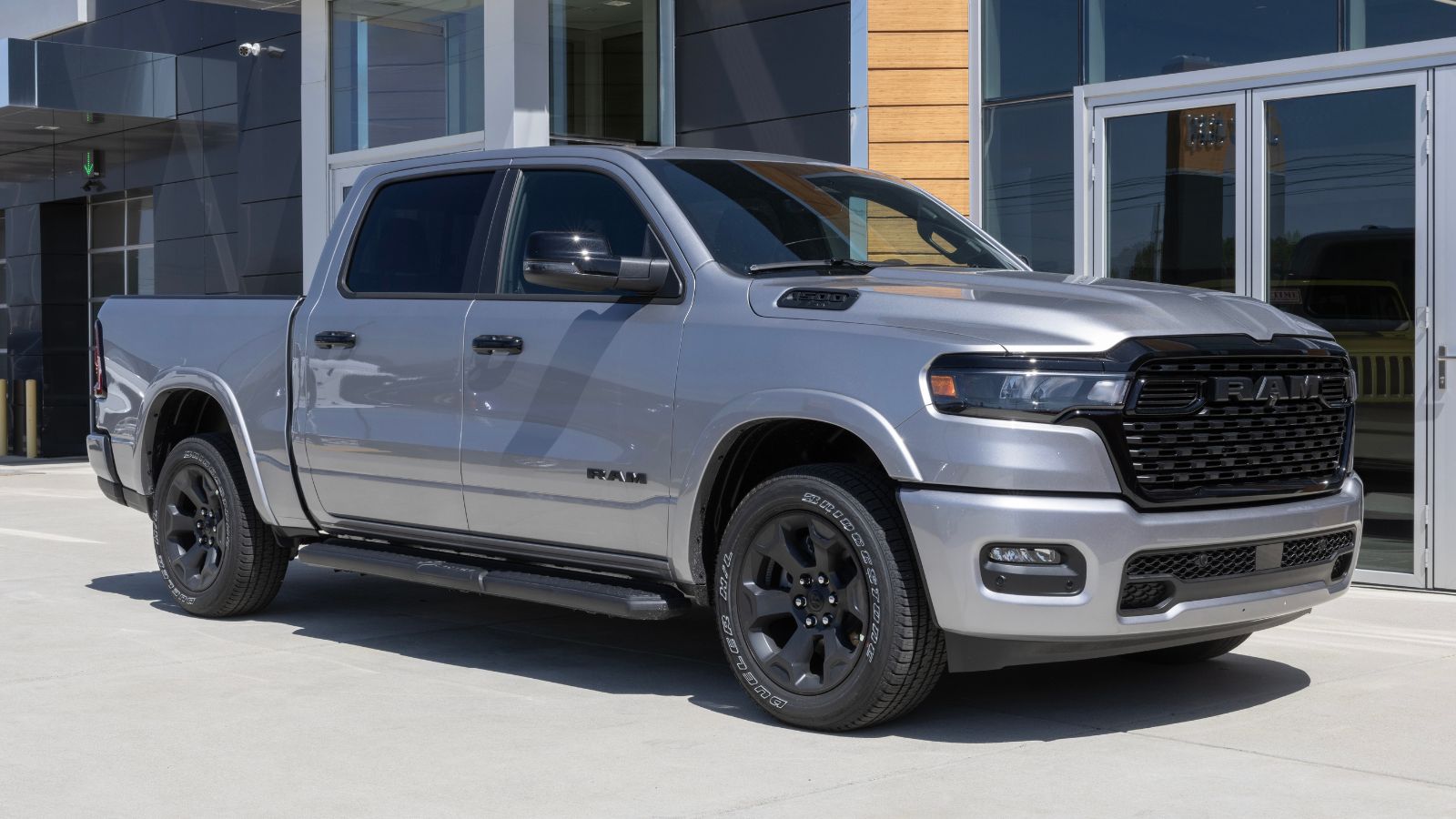
The Ram 1500 remains one of Canada’s most familiar pickup choices, especially for drivers who like its ride comfort and cabin design. The hesitation comes from two directions: full-size truck ownership costs and theft exposure. Fuel, tires, insurance, and financing all add up quickly, and buyers who do not truly need truck capability may find the monthly reality harder to justify.
The Ram’s popularity also makes it visible. Full-size pickups are useful, valuable, and easy to resell through legitimate and illegal channels, which keeps them on the radar for thieves. For rural drivers, contractors, and towing households, the truck can still make perfect sense. For buyers mainly drawn in by image, incentives, or a low advertised payment, the fear is different: the truck may be easy to buy but expensive to live with.
Jeep Wrangler 4xe
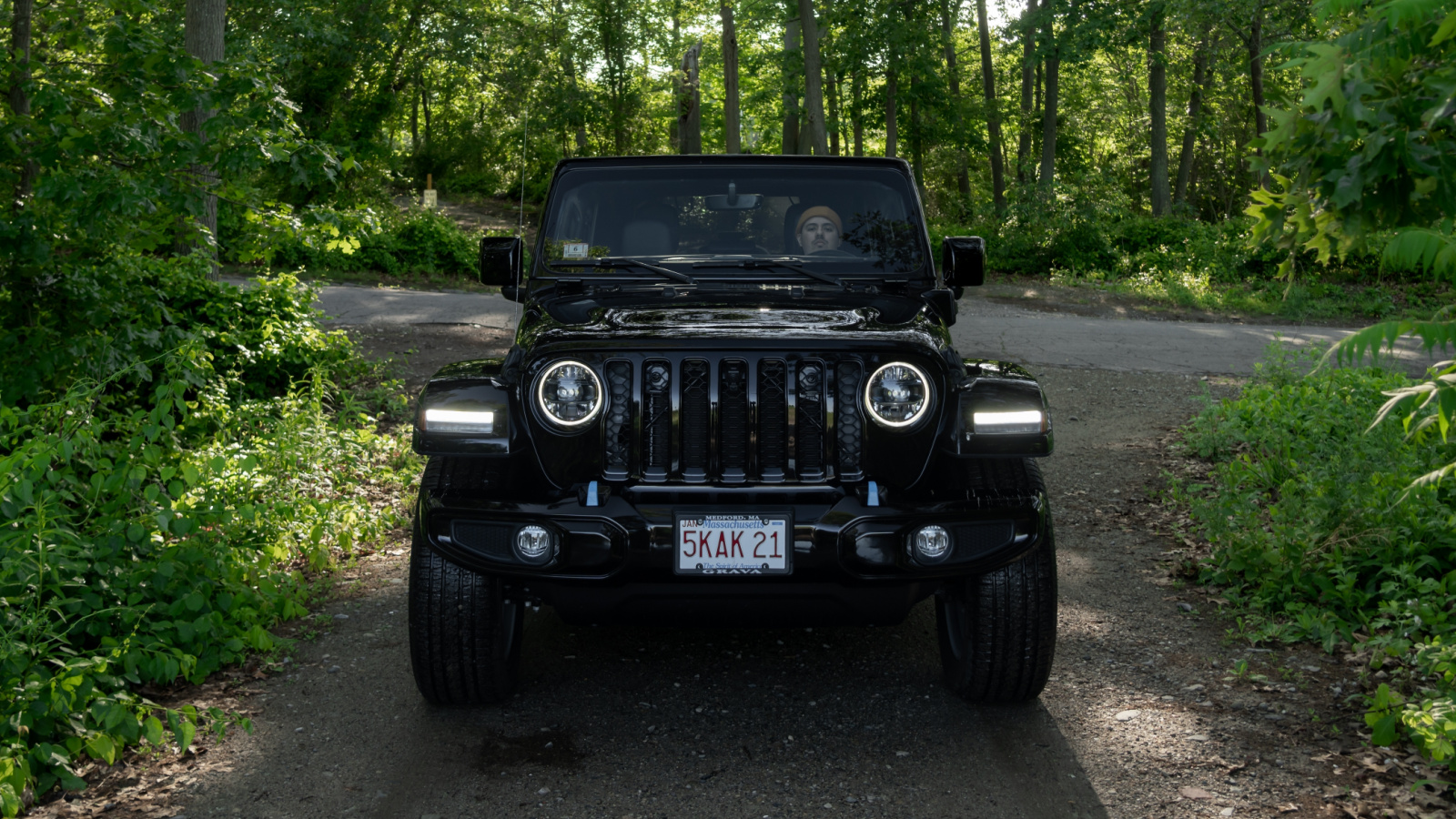
The Jeep Wrangler 4xe promised a compelling blend: open-air Jeep character with plug-in hybrid efficiency. That sounded especially attractive when fuel prices were high and EV curiosity was rising. But plug-in hybrids are more complex than regular gas vehicles, and recent fire-risk and software-related recall headlines have made some shoppers nervous about whether the 4xe adds too many moving parts to an already specialized vehicle.
The concern is not that every Wrangler 4xe is troublesome. It is that buyers considering one must think beyond styling and off-road appeal. Charging habits, battery-related recall completion, warranty status, and dealer familiarity all become part of the decision. A weekend adventurer might still love the idea, but a commuter who simply wants lower fuel bills may wonder whether a conventional hybrid or simpler SUV would feel less stressful.
Ford F-150 Lightning
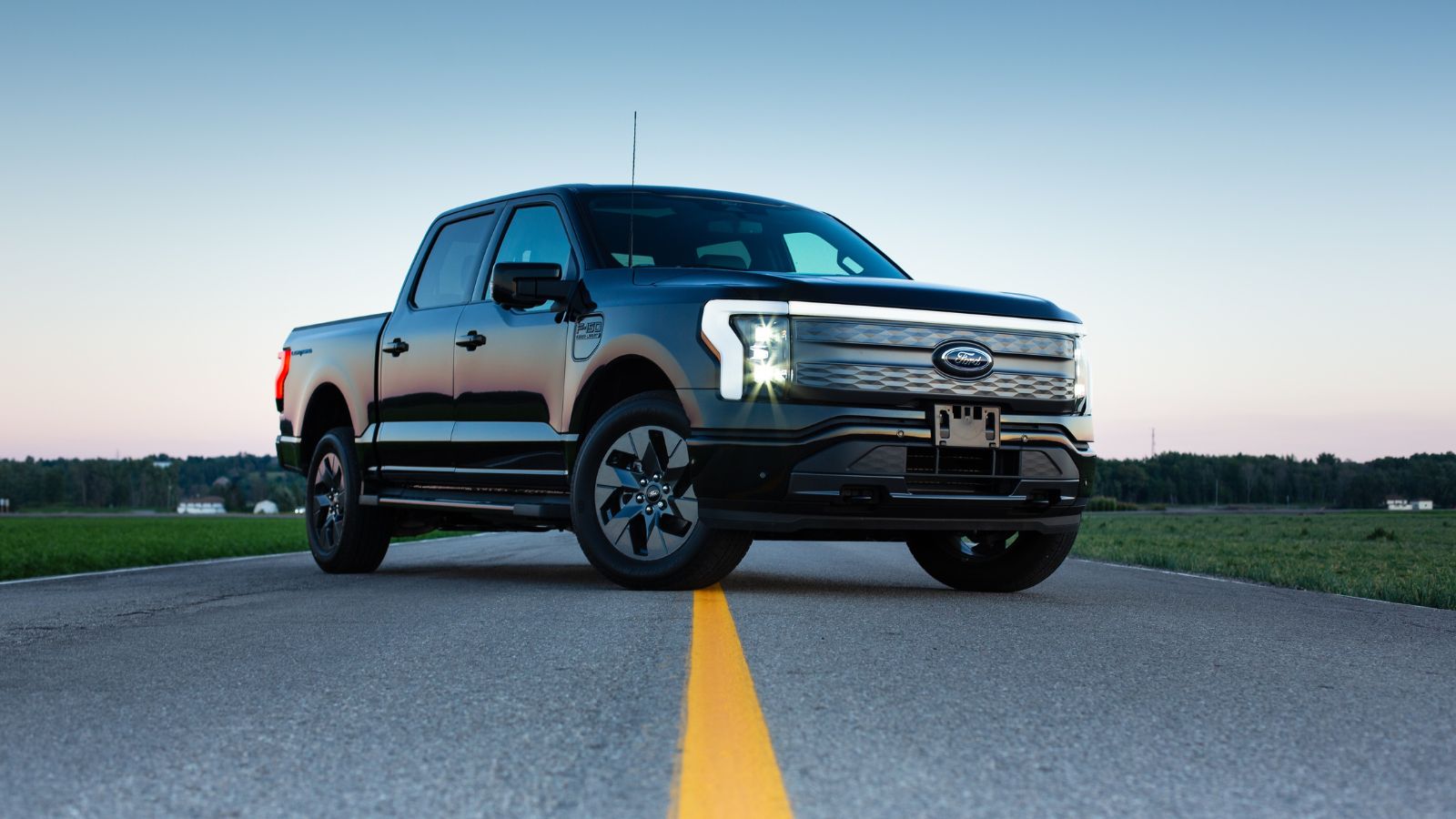
The Ford F-150 Lightning gave Canadian truck buyers a glimpse of an electric workhorse future. It is quick, quiet, and useful in ways many gas trucks are not, especially with onboard power features. Still, electric pickups face a tougher sales pitch in Canada because range, charging speed, cold-weather performance, towing range, and battery recall headlines all matter more when distances are long and winters are harsh.
The Lightning also arrived during a period when EV incentives, resale values, and charging expectations became less predictable. For a buyer replacing a gas truck, the question is no longer just whether the Lightning is impressive. It is whether it fits towing routes, job sites, cottage trips, and winter schedules without creating anxiety. That uncertainty can scare off shoppers who like the technology but need the truck to feel boringly dependable.
Volkswagen ID.4
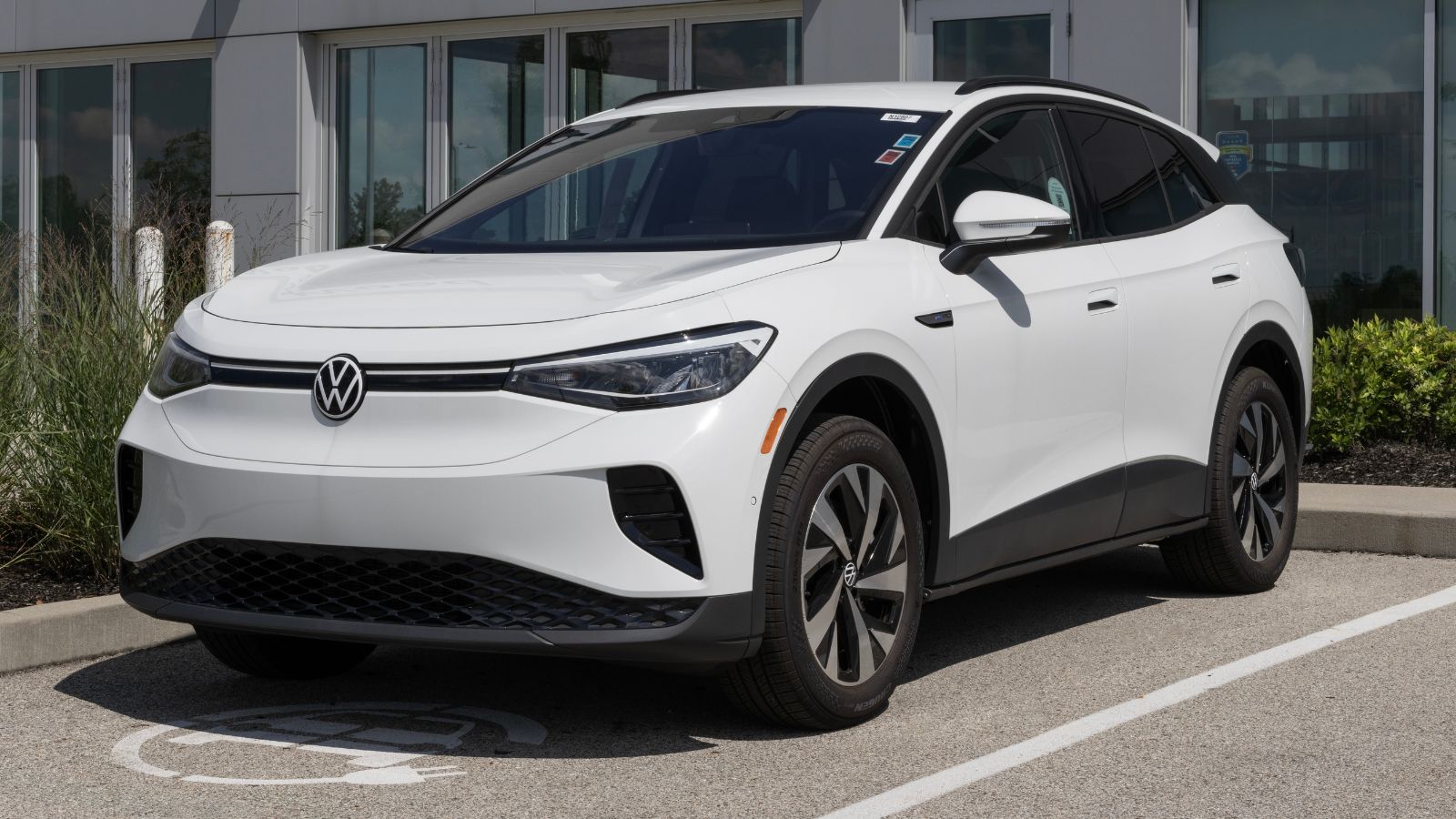
The Volkswagen ID.4 entered the market as a practical electric crossover rather than a flashy experiment. That made it appealing to Canadians who wanted an EV with familiar SUV proportions. However, recall attention around door handles, software, and owner-experience concerns has made some buyers more cautious. An EV buyer already thinking about charging access may not want additional worries about electronics or service scheduling.
The ID.4’s challenge is partly timing. Canadian EV shoppers have become more selective as incentives changed and competing models multiplied. A vehicle that once benefited from limited electric SUV choices now has to prove itself against Tesla, Hyundai, Kia, Ford, Chevrolet, and others. For value-focused buyers, the ID.4 can still be attractive at the right price, but the fear is paying too much for an EV whose reputation is still settling.
Nissan Rogue
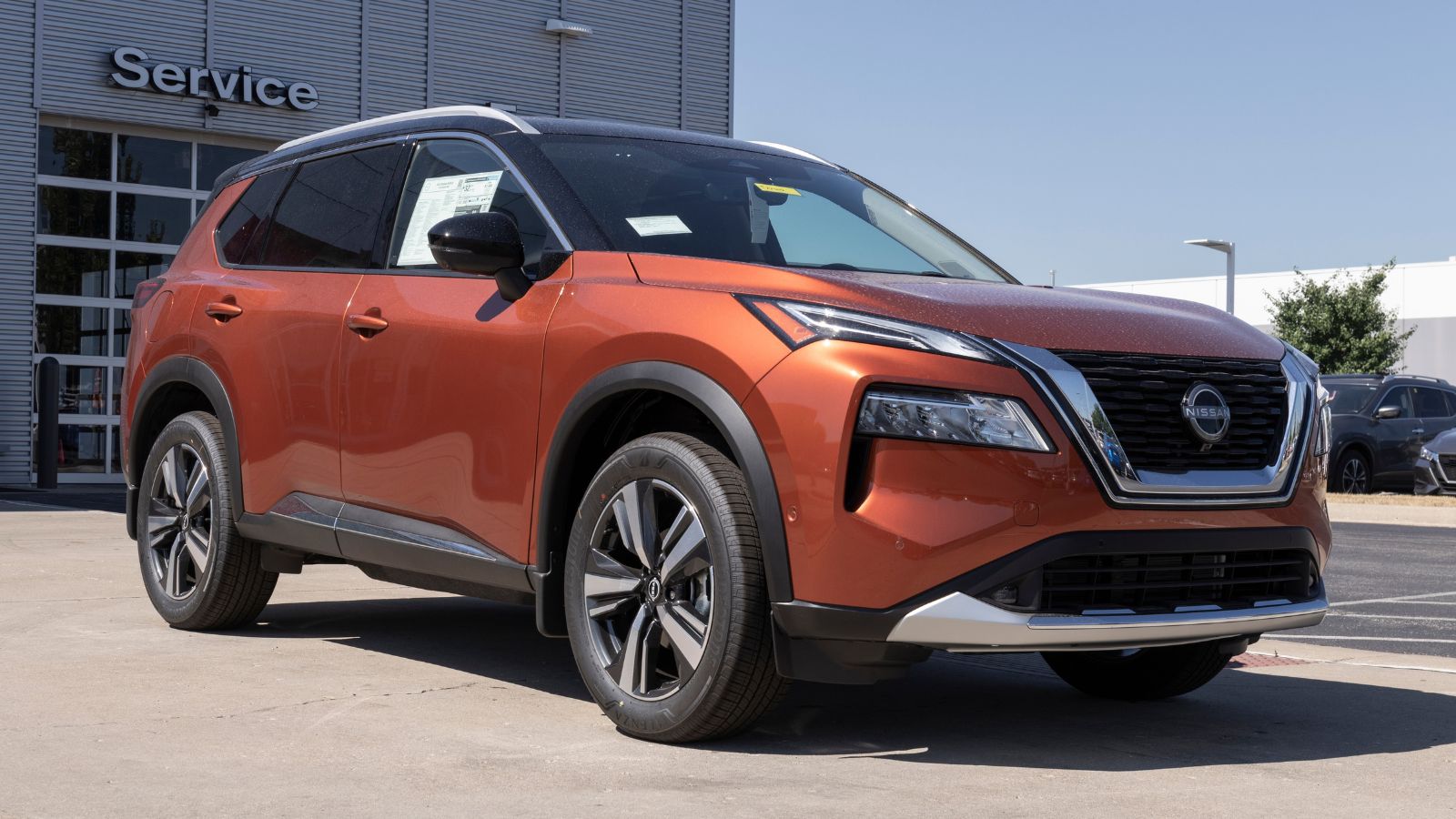
The Nissan Rogue is a mainstream Canadian favourite because it delivers the basics many households want: space, comfort, available all-wheel drive, and relatively approachable pricing. Recent recall attention around certain VC-Turbo engines, however, has made some buyers more careful. Engine-related language tends to alarm shoppers more than minor trim or software issues because it touches the heart of long-term ownership confidence.
For used buyers, the Rogue now demands closer inspection of model year, engine type, service history, and recall completion. A clean example with documentation may still be a sensible purchase, especially if priced well against rivals such as the CR-V, RAV4, Tucson, and Forester. But the old assumption that a compact SUV is automatically a low-drama choice no longer works. Buyers are increasingly asking what version, what engine, and what paper trail comes with it.
Infiniti QX50
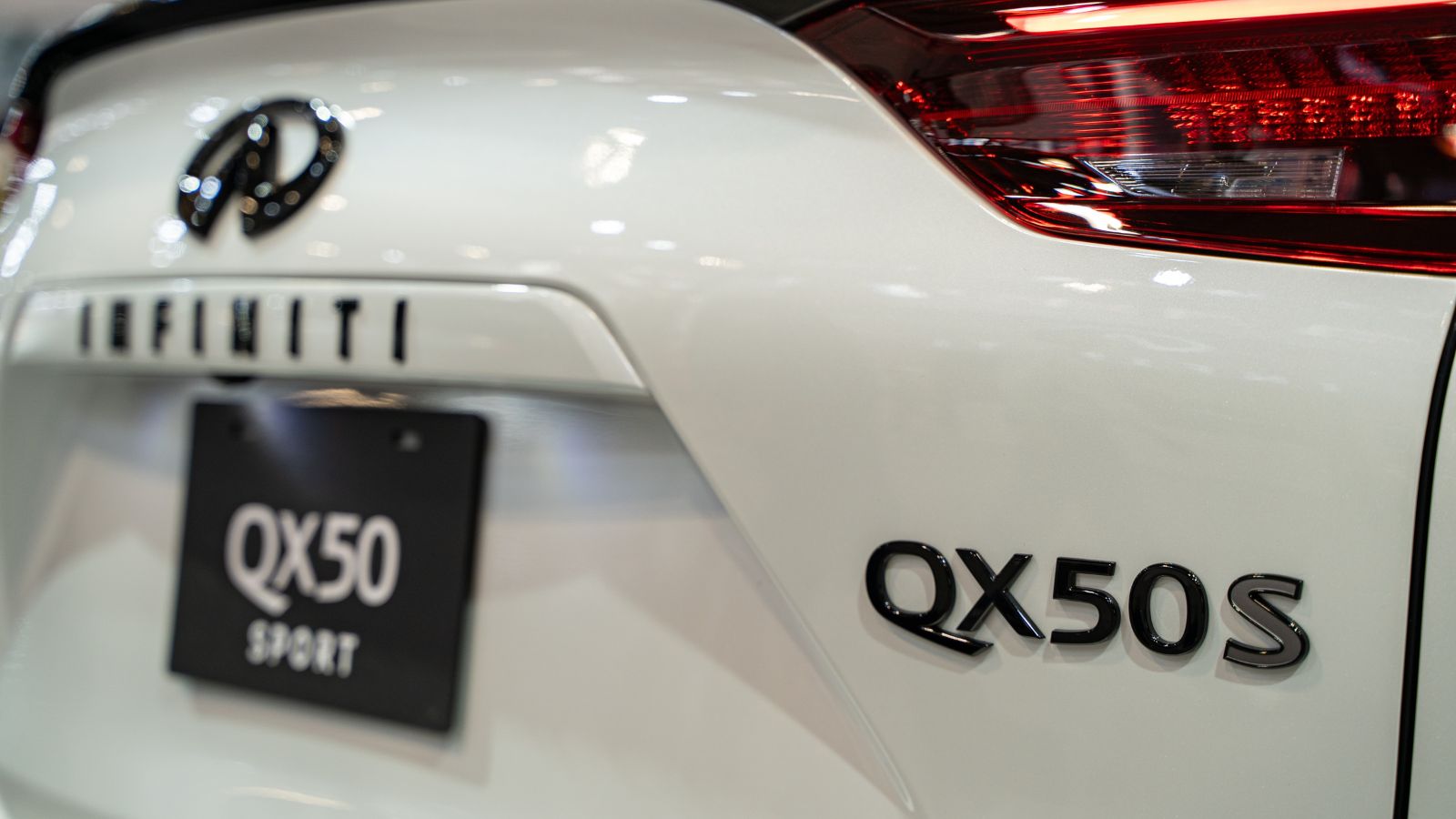
The Infiniti QX50 has often appealed to shoppers who want luxury features without paying German luxury prices. The hesitation now comes from its connection to Nissan’s variable-compression turbo engine family and the broader uncertainty that can follow a complicated powertrain. Innovative engineering can be impressive, but used-luxury buyers often prefer proven simplicity when repair bills are out of warranty.
In Canada, Infiniti also faces a brand-perception challenge. Luxury buyers may compare the QX50 with Lexus, Acura, BMW, Mercedes-Benz, and Volvo, while value-conscious shoppers may wonder whether a loaded mainstream SUV is easier to own. If an engine-related recall or inspection enters the conversation, the QX50 becomes harder to buy casually. It may still offer comfort and features, but it asks buyers to be more technical than many expected.
Kia Seltos
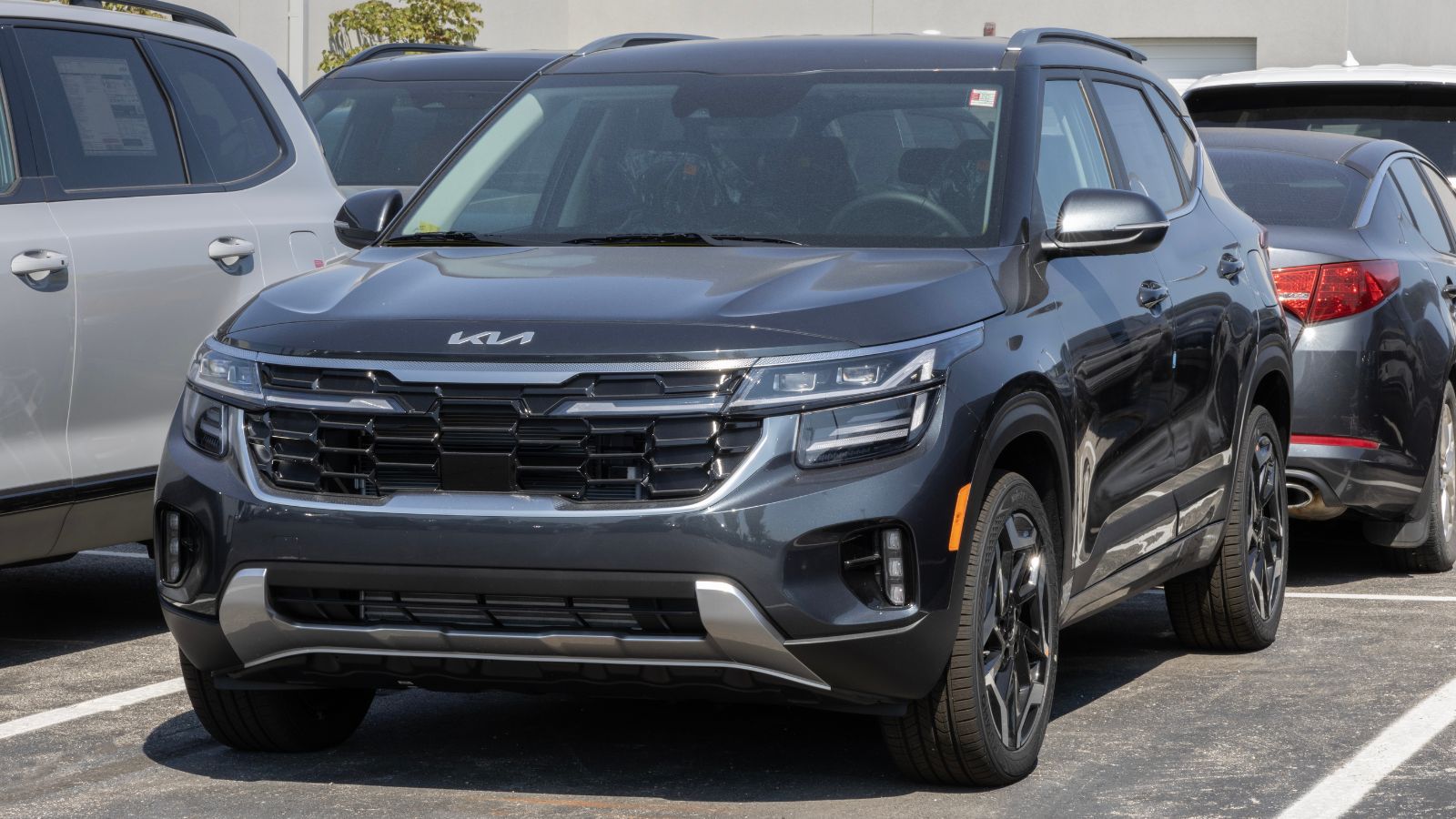
The Kia Seltos became popular by offering small-SUV practicality, sharp styling, and an attractive feature list for the money. That formula works well in Canada, where buyers often want all-wheel drive without moving into a larger, pricier SUV. Still, fire-risk recall history affecting certain Kia models has made some shoppers more cautious, particularly when advice includes parking away from structures until repairs are complete.
The Seltos also competes in a crowded space where confidence matters. A buyer comparing it with a Subaru Crosstrek, Toyota Corolla Cross, Mazda CX-30, or Honda HR-V may focus heavily on reliability perception and insurance comfort, not just equipment. Kia has made major gains in design and warranty appeal, but a safety recall can linger in a shopper’s mind. For many Canadians, the Seltos remains tempting, but verification has become essential.
Kia Sportage
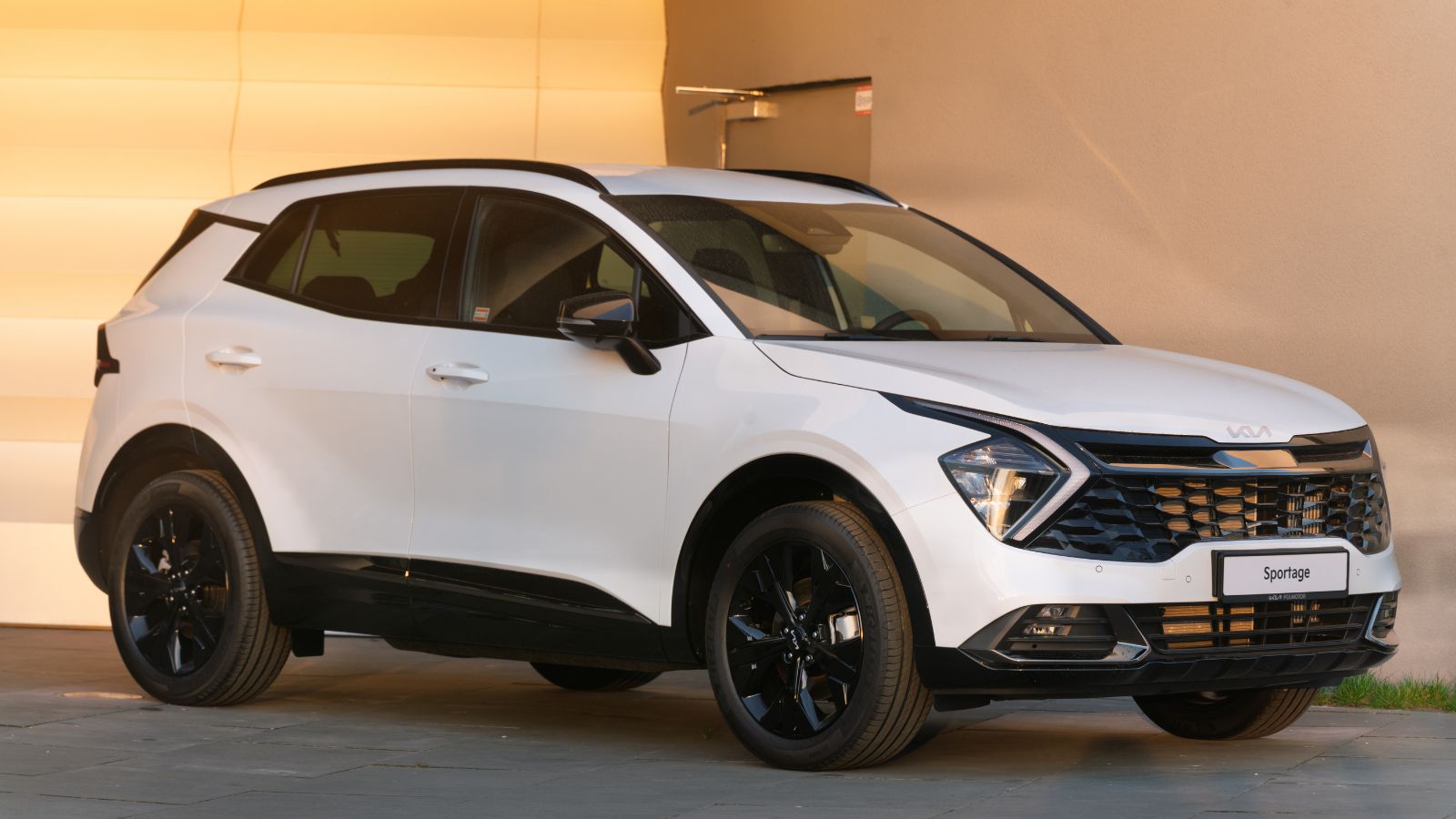
The Kia Sportage has grown into a more polished compact SUV, with hybrid options, bold styling, and a cabin that feels more expensive than older Kia products. That progress is real, but Canadian buyers are also watching recall history and long-term dependability more closely. When a vehicle is packed with technology at a competitive price, some shoppers wonder whether future repairs could erase the initial value advantage.
The Sportage’s challenge is that it competes against some of the strongest names in the country: RAV4, CR-V, Tucson, Forester, CX-5, and Rogue. In that crowd, buyers often use any recall or reliability concern as a reason to move to another option. A well-maintained Sportage can still make a lot of sense, especially with warranty coverage, but shoppers are less likely to treat the low payment and generous features as the whole story.
Tesla Model Y
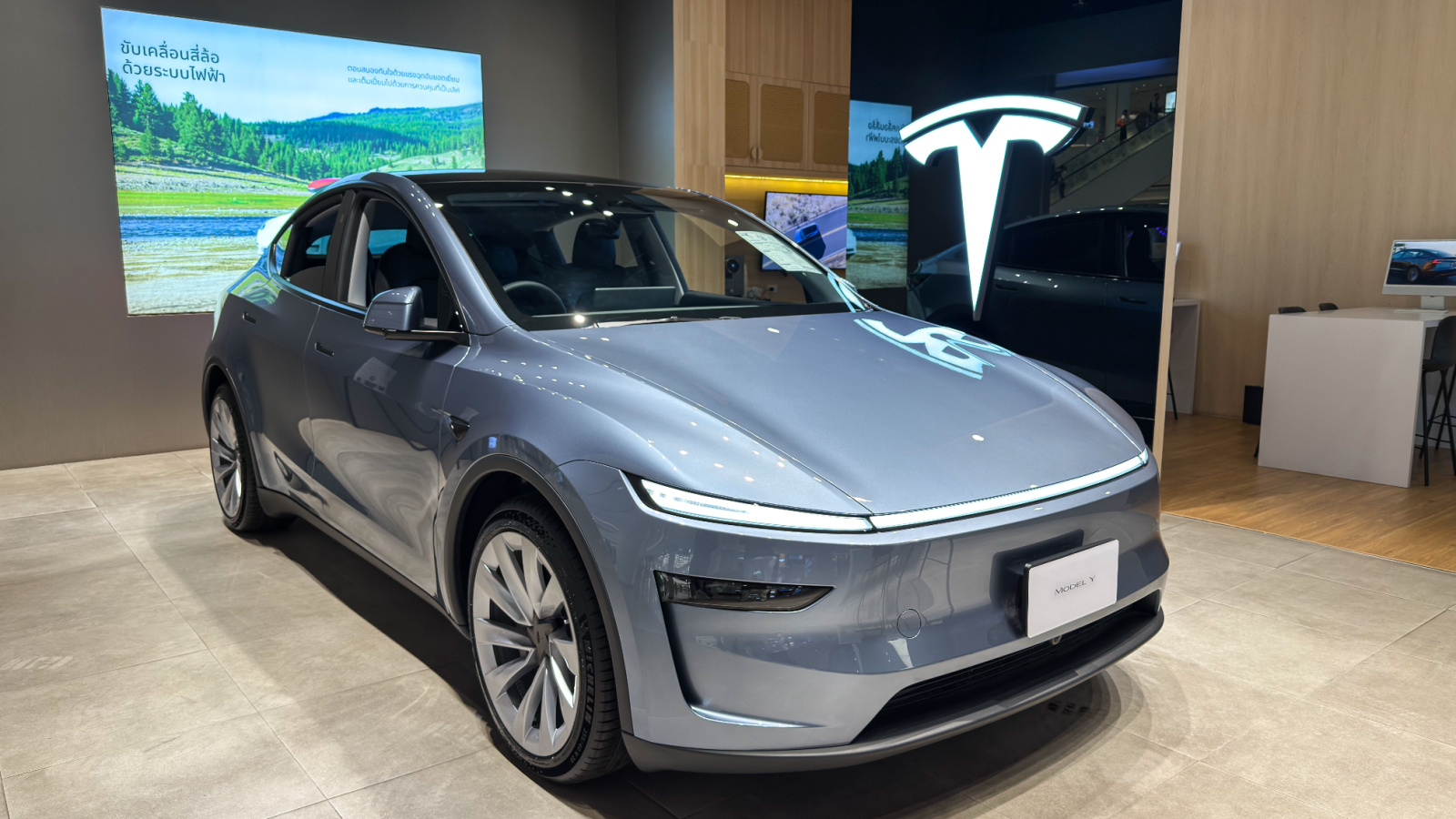
The Tesla Model Y remains one of the most recognizable EVs in Canada, and its charging network, software ecosystem, and performance still attract buyers. The concern is that the broader EV environment has changed. Federal incentive uncertainty, shifting resale values, political noise around Tesla, and questions about repair costs have made some shoppers slower to commit than they were a few years ago.
The Model Y also faces a more competitive market. Hyundai, Kia, Ford, Volkswagen, Chevrolet, and others now offer electric crossovers with familiar dealer networks and improving range. Some buyers still see Tesla as the default EV choice, but others are asking harder questions about insurance, collision repair wait times, depreciation, and whether the ownership experience matches the hype. The vehicle is not disappearing from wish lists, but blind enthusiasm has cooled.
Ford F-150 PowerBoost Hybrid
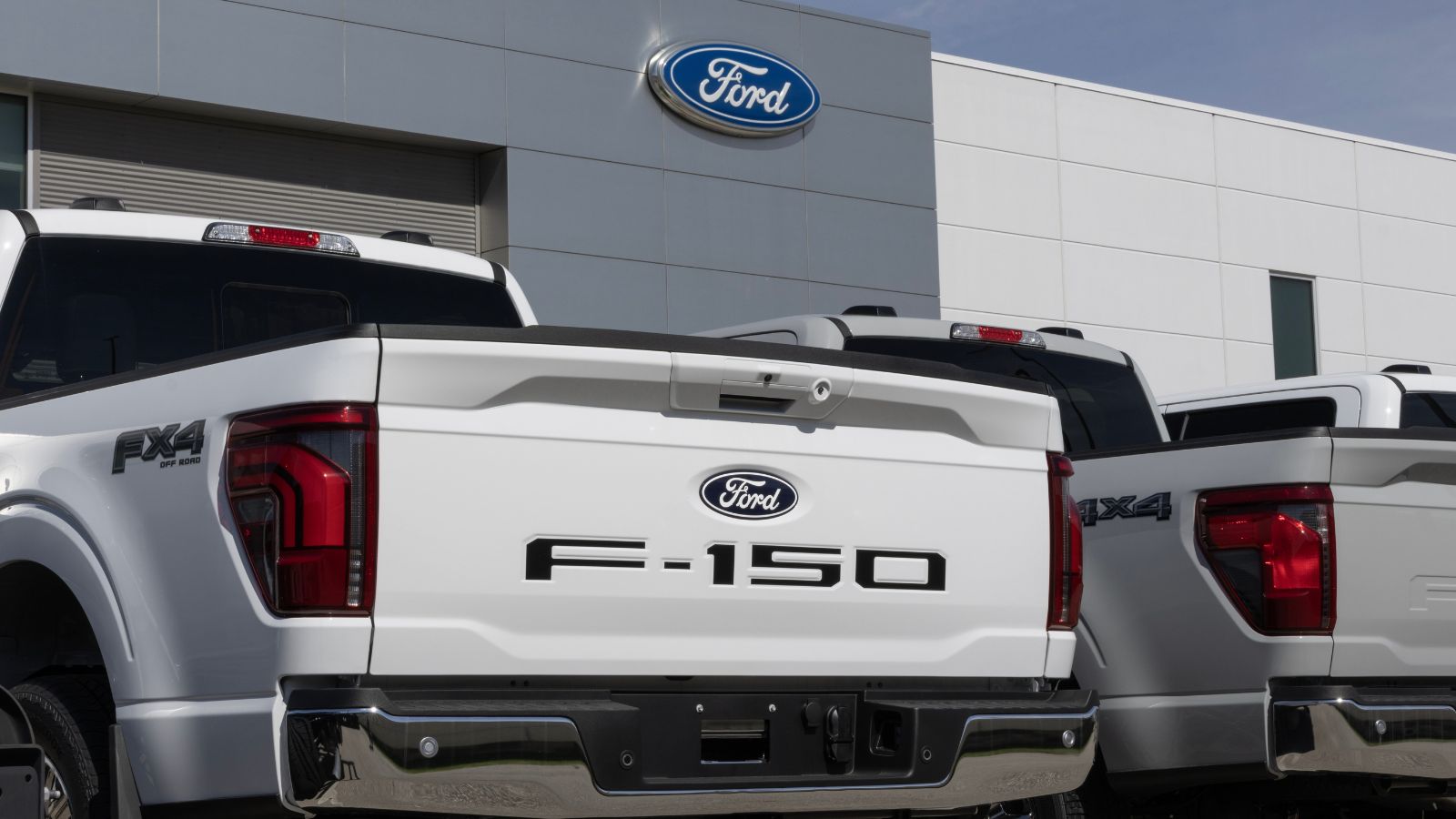
The Ford F-150 PowerBoost Hybrid sounds ideal on paper: full-size truck capability with better fuel efficiency and onboard power usefulness. For Canadian drivers who tow, camp, work remotely, or face storm outages, that combination can be genuinely appealing. The hesitation comes from reliability perception around the hybrid system and the added complexity compared with a conventional gas F-150.
Truck buyers tend to be practical. If a vehicle is expected to haul materials, tow trailers, or handle long winter drives, confidence matters as much as features. A hybrid truck can save fuel, but it also introduces batteries, electric motors, software, and specialized diagnostics. Buyers looking at used PowerBoost models may now pay closer attention to warranty coverage, service records, and whether fuel savings are enough to justify any extra repair anxiety.
Chevrolet Colorado and GMC Canyon
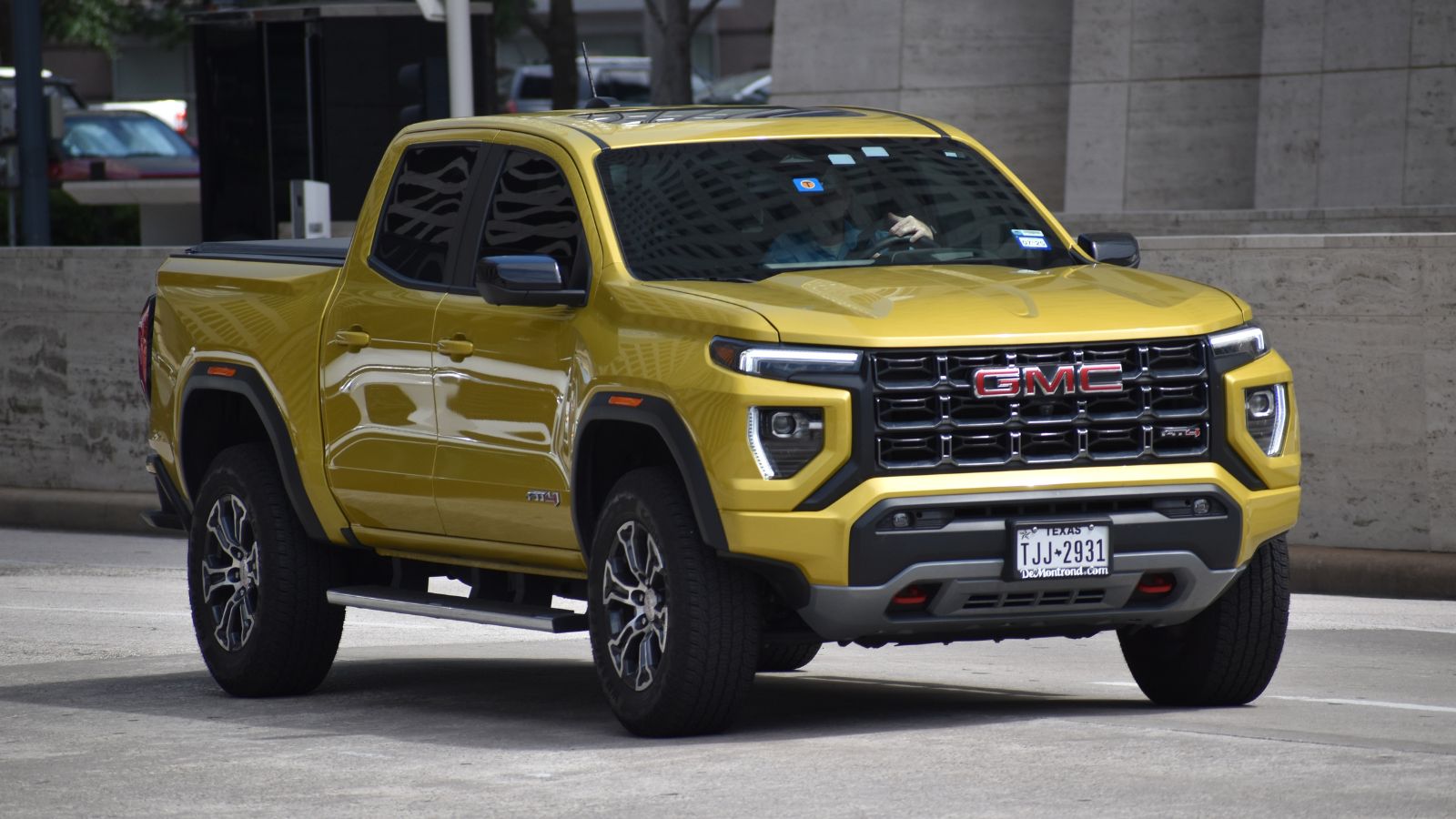
The Chevrolet Colorado and GMC Canyon attract buyers who want truck usefulness without the size and fuel appetite of a full-size pickup. That makes sense in Canadian cities, suburbs, and cottage regions where parking and fuel costs matter. But reliability rankings and early-generation concerns can make shoppers uneasy, especially when newer trucks carry high prices that no longer feel “small” or simple.
Mid-size trucks often live a harder life than crossovers. They tow, haul, commute, and travel on rough roads, which makes durability especially important. If a buyer hears about below-average predicted reliability or repeated service concerns, the value case weakens quickly. The Colorado and Canyon can still be appealing for the right driver, but Canadians expecting an inexpensive, low-risk alternative to a full-size truck may find the math less comforting.
Land Rover Range Rover
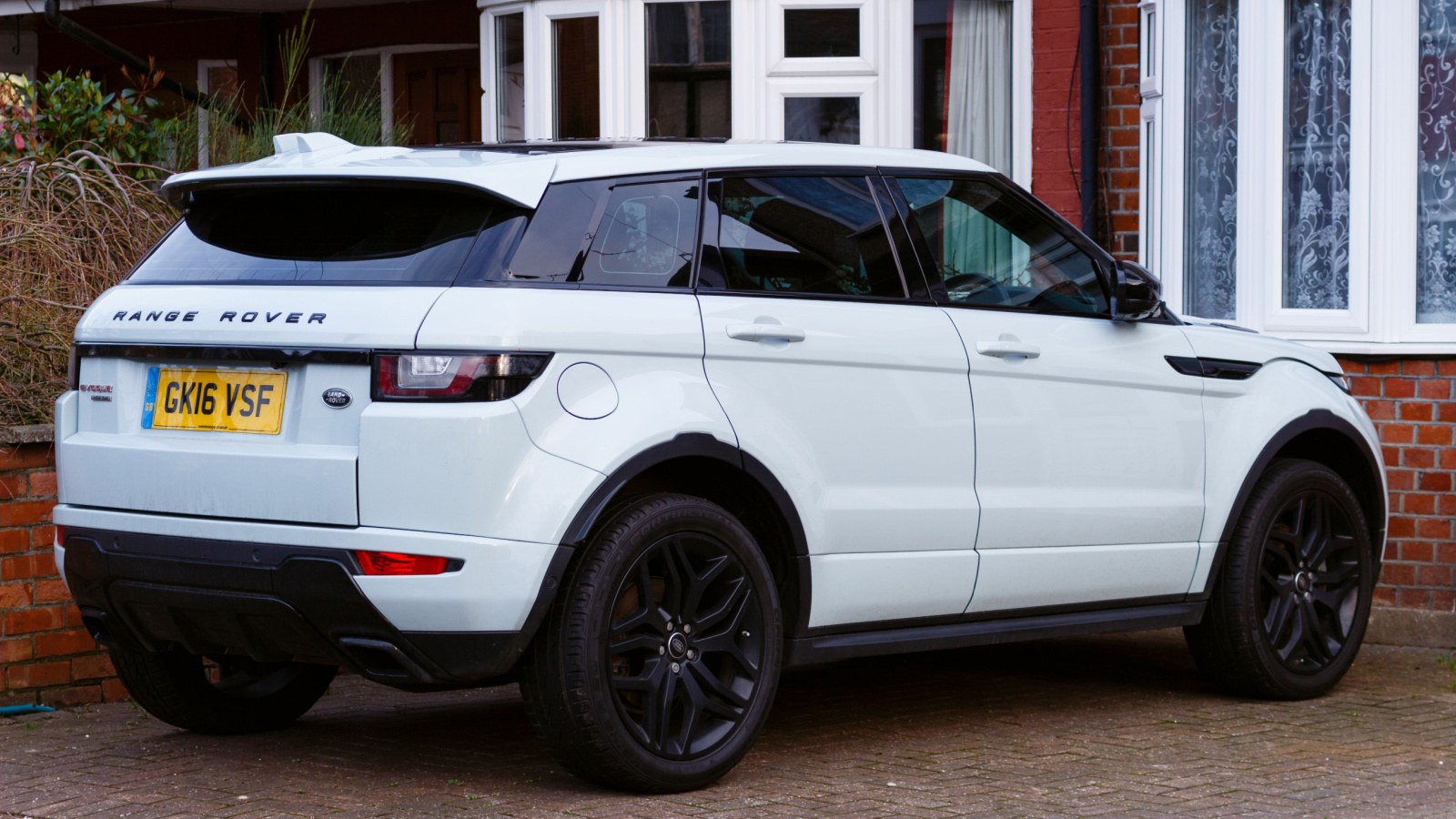
The Range Rover has always sold on presence, luxury, and capability, not bargain ownership. What is changing is the level of buyer caution. High purchase prices, expensive repairs, insurance considerations, and theft attention can make even affluent shoppers pause. In Canada, where winter ability matters, the Range Rover’s image is powerful—but so is the fear of a costly ownership surprise.
The emotional pull remains strong. Few SUVs combine status and off-road credibility as convincingly. But a buyer stretching to afford one may face a very different reality than the showroom suggests. Tires, brakes, electronics, air suspension, and insurance can all be expensive. Add theft risk to the discussion, and the vehicle begins to feel less like a reward and more like a responsibility. For some Canadians, that is enough to walk away.
Hyundai Nexo
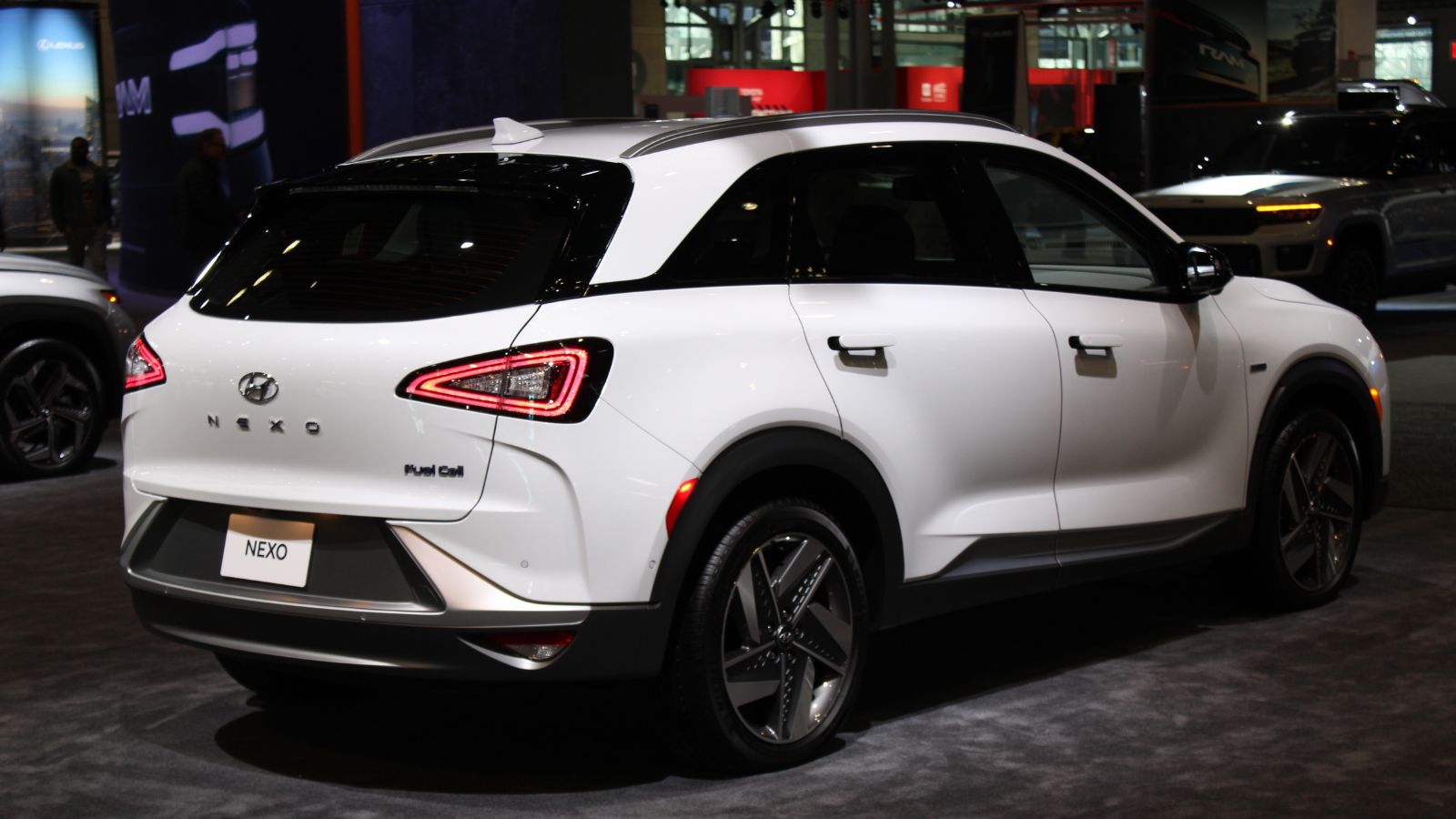
The Hyundai Nexo is rare in Canada, but rarity is part of what can scare buyers off. Hydrogen fuel-cell technology is fascinating, and the Nexo offers quiet electric driving without traditional plug-in charging. The problem is infrastructure. A vehicle can be advanced and still be impractical if refuelling access is limited to very specific regions and routines.
Recent fire-risk recall attention involving hydrogen components has added another layer of caution. Even if the affected population is small, the phrase “hydrogen leak” naturally gets attention from shoppers. The Nexo may suit a very specific driver near reliable refuelling infrastructure who understands the technology and limitations. For most Canadians, however, the concern is simple: an unusual vehicle can become difficult to own, difficult to resell, and difficult to recommend casually.
22 Things Canadians Do to Their Cars in Spring That Mechanics Hate

Spring brings relief to many Canadian drivers after months of snow, freezing temperatures, and icy roads that put serious strain on vehicles. As temperatures rise across the country, drivers begin washing cars, switching tires, and preparing vehicles for warmer weather and upcoming road trips. However, mechanics across Canada notice the same mistakes every spring when drivers attempt to recover from winter damage. Road salt, potholes, and harsh winter driving conditions often leave vehicles with hidden problems that drivers ignore. Some spring habits even create new mechanical issues that could have been avoided with proper maintenance. Here are 22 things Canadians do to their cars in spring that mechanics hate.