


























A trade-in number can feel reassuring when it appears online, over the phone, or in an email. Then the vehicle reaches the dealership, and the offer suddenly moves. That shift is not always a trick, but it is rarely random. Trade-in values are built from condition, mileage, history, demand, paperwork, financing, taxes, and the dealer’s plan for reselling the car. Small details can become real money once the appraiser sees the vehicle in person. These 12 reasons explain why a dealership’s trade-in offer can change after arrival and why the first number is often only a starting point.
The Online Estimate Was Built on Self-Reported Condition

Most early trade-in offers begin with information entered by the owner: mileage, trim, accident history, mechanical condition, tire wear, options, and whether the vehicle has warning lights. A car described as “very good” online may look closer to “average” after a technician sees curb rash, smoke odor, worn tires, or an oil leak. That single condition change can move the number because valuation tools separate vehicles into quality tiers.
A common example is a family SUV that photographs well after a quick wash but arrives with mismatched tires and a cracked windshield. The online figure may have assumed a clean, retail-ready vehicle. Once the appraiser sees needed repairs, the offer may drop. On some instant-offer platforms, the dealer is expected to inspect and test-drive the vehicle before finalizing the amount, and the offer can rise or fall if the inspection does not match the original description.
The Dealer’s Inspection May Reveal Reconditioning Costs

A dealership does not usually value a trade-in as a private buyer would. It has to estimate what the vehicle will cost to prepare for resale. That can include detailing, safety inspection, tires, brakes, windshield repair, paint correction, warning-light diagnosis, fluid leaks, recall checks, and sometimes auction transport if the car will not stay on the lot. These costs are often subtracted before the final offer is presented.
This is why recent repairs can matter. A seller who brings receipts for new tires, brake work, a battery, or scheduled maintenance may reduce the dealer’s reconditioning risk. A vehicle needing the same work may receive a lower offer even if it looks similar from the outside. For example, two compact cars with the same mileage can appraise hundreds or even thousands apart if one needs tires and the other has documented maintenance.
Mileage, Trim, and Options May Not Match the Quote
Trade-in tools are sensitive to exact details. A vehicle with the wrong trim, engine, drivetrain, package, or mileage can be priced incorrectly before arrival. A front-wheel-drive version of a crossover can be worth less than an all-wheel-drive version in snowbelt markets, while a base trim without driver-assistance technology may not compare well with similar listings that include popular packages.
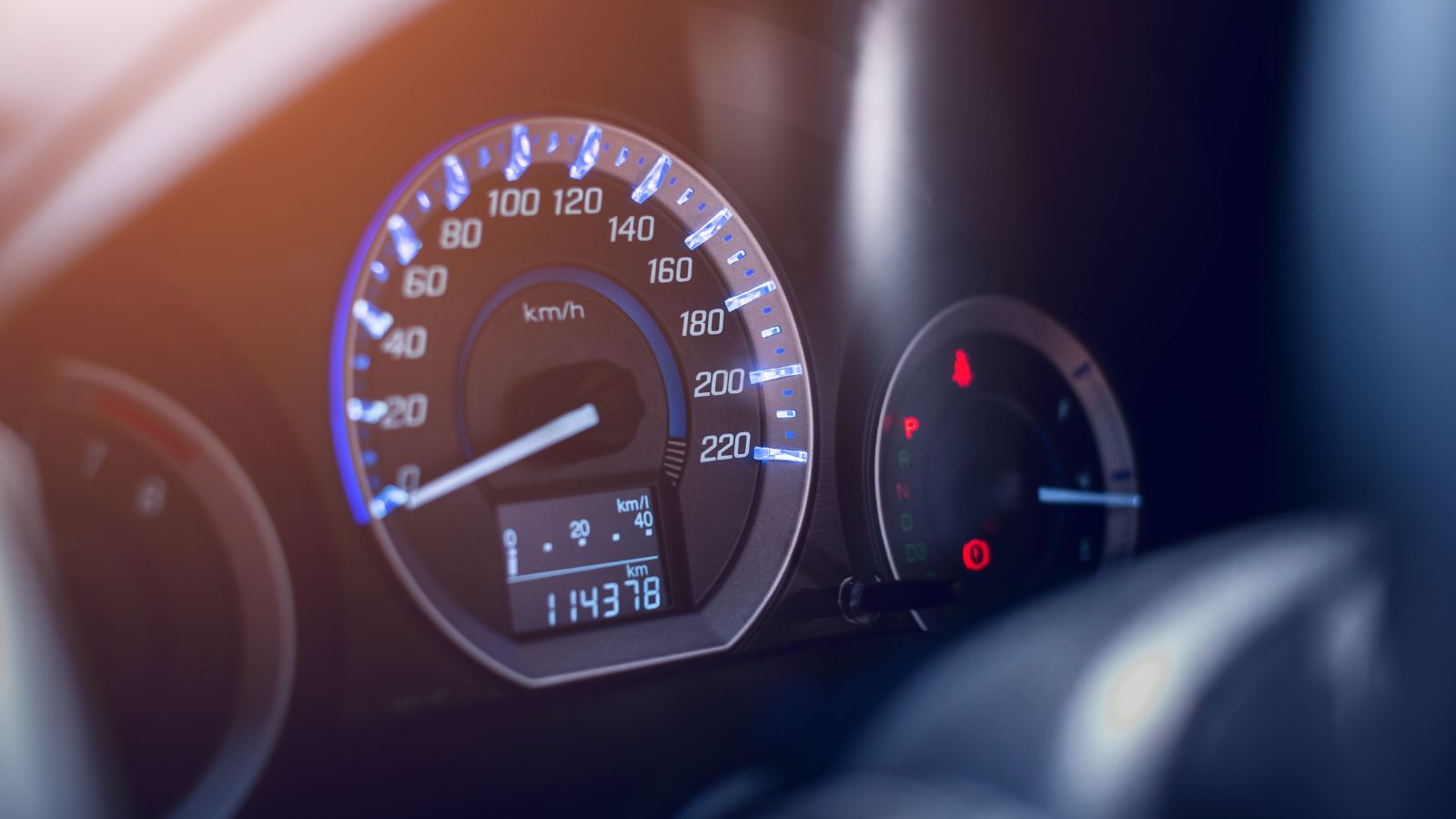
Mileage also receives close attention. An appraiser may compare the odometer to service records, inspection stickers, and vehicle history data. If the online quote used 78,000 miles but the odometer shows 82,500, the change may not seem dramatic, yet it can push the vehicle into a different pricing bracket. If wear on pedals, seats, or tires does not match the mileage, the dealer may pause the appraisal until the history is checked more carefully.
Vehicle History Can Change the Math Quickly

A clean-looking vehicle can carry history that affects resale confidence. Accident records, prior fleet use, multiple ownership changes, inconsistent maintenance, salvage branding, flood notation, or insurance-loss records can reduce what a dealer is willing to pay. Buyers often react strongly to a history report, so the dealer has to consider how easily the car can be resold.
The financial impact varies by severity. A minor cosmetic accident may not move the number much, but structural repairs, airbag deployment, or severe damage can make a large difference. A sedan with a perfect exterior but a severe accident record may be worth less than another sedan with more visible wear but a cleaner history. That can feel unfair at the counter, yet history follows the VIN long after repairs are completed.
Wholesale Prices May Have Moved Since the First Quote

Trade-in values are tied to wholesale markets, not just retail listings. Dealers often watch auction data because that is where many used vehicles are bought and sold between businesses. If wholesale prices soften after an initial estimate, the dealer may adjust the offer to reflect what similar vehicles are bringing at auction. When prices rise, some offers may improve, especially for high-demand models.
Used-car values can move faster than many owners expect. A dealer may quote a pickup early in the month, then see auction values fall because fuel prices rise or similar inventory floods the market. The opposite can happen when supply tightens and buyers compete for clean used vehicles. A trade-in number that looked reasonable one week can look expensive to the dealer the next, especially if the vehicle is likely headed to auction.
Local Demand May Be Different From Online Averages

National pricing tools are useful, but trade-in values are local decisions. A convertible may draw stronger money in a warm coastal city than in a market heading into winter. A four-wheel-drive truck may command more attention in rural or snowy regions than in an urban market where parking costs and fuel economy matter more. Dealers appraise with their own customers in mind.
Location also affects color, body style, and brand desirability. A small hatchback may be easy to sell near a university or dense downtown area, while a large SUV may sit longer if local buyers are watching fuel costs. If the dealership already has five similar vehicles on the lot, it may reduce the offer to account for slower turnover. The trade-in is not being valued in the abstract; it is being judged by how quickly it can become cash again.
Open Recalls, Title Brands, or Flood Concerns Add Risk

Certain problems do not always show up in photos or a quick phone conversation. Open safety recalls, title brands, flood indicators, rebuilt status, theft history, or inconsistent title records can make a dealership more cautious. Some issues are fixable, but they can delay resale. Others may make the vehicle difficult to finance, insure, certify, or retail through that dealer’s normal channels.
Flood concerns are a good example. A vehicle may start and drive normally, but water intrusion can create long-term electrical problems, corrosion, mold, and airbag-system concerns. An appraiser who notices musty odor, silt under carpets, condensation in lights, or strange electrical behavior may lower the offer or send the vehicle to wholesale. Even without obvious damage, a branded title can reduce the pool of future buyers.
Loan Payoff and Negative Equity Can Reshape the Deal

Sometimes the trade-in offer itself does not change, but the owner’s equity position changes the deal. If the loan payoff is higher than expected, the buyer may discover that the trade-in does not cover the old balance. That difference is negative equity. Dealers may roll it into the next loan if the lender allows it, but that makes the new loan larger and can change the payment dramatically.
Consider a car appraised at $18,000 with a loan payoff of $21,000. The vehicle did not lose value at the counter; the transaction has a $3,000 shortfall. In real negotiations, that can feel like the dealer lowered the offer because the new payment suddenly rises. Negative equity is common enough that regulators warn buyers to read contracts carefully, especially when advertisements promise to “pay off” a trade regardless of balance.
Trade-In Tax Savings Can Blur the Real Offer

In places where trade-ins reduce taxable purchase price, the dealership’s number may have more value than it appears at first glance. Ontario provides a clear example: a buyer with a $10,000 trade-in on a $25,000 vehicle pays HST only on the $15,000 difference. That tax treatment can make a dealer’s lower trade-in offer closer to a private-sale result once tax savings and convenience are included.
This can also make negotiations confusing. A dealer may discuss “total savings,” while the customer focuses on the raw trade-in amount. Both numbers matter, but they are not the same. A private buyer might offer more, yet require advertising, test drives, payment risk, and a separate tax calculation on the replacement vehicle. A dealership trade-in is usually less than private-sale retail value, but tax credits and transaction simplicity can narrow the gap.
The Dealer May Be Balancing Two Transactions

A trade-in is usually tied to another purchase. That means the offer can be influenced by the new or used vehicle being bought, the selling price, rebates, financing, add-ons, and the dealership’s overall margin. A dealer might show a generous trade-in number while being less flexible on the purchase price. Another might discount the vehicle being sold but appraise the trade more conservatively.
This is why the “out-the-door” total matters. A buyer who focuses only on the trade-in may miss documentation fees, protection products, service contracts, paint coatings, or other add-ons that change the final cost. A higher trade-in offer is not automatically the better deal if the replacement vehicle is overpriced. The cleanest comparison separates the trade-in value, selling price, taxes, fees, financing terms, and optional products.
Missing Documents, Keys, or Accessories Can Reduce Value
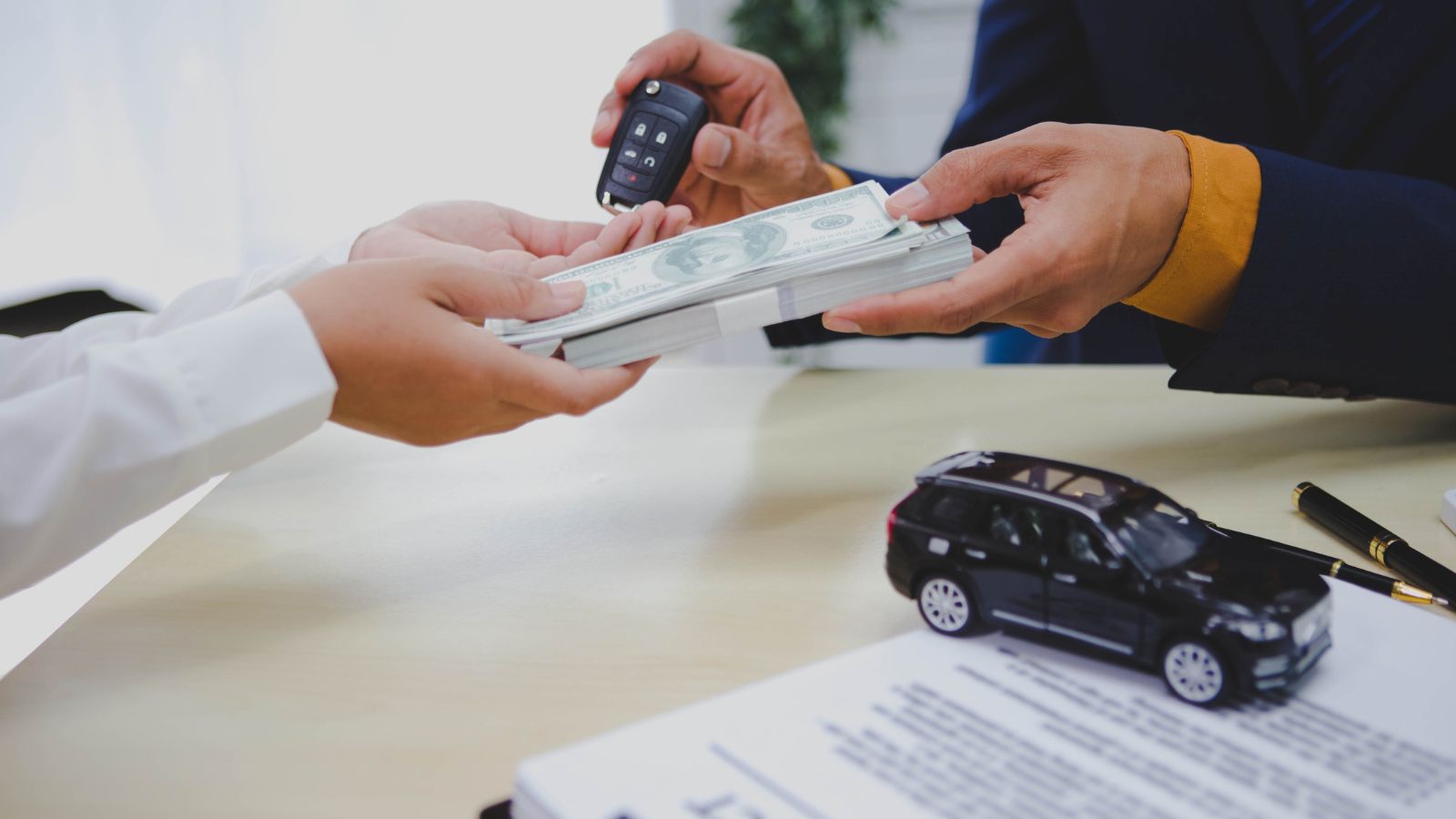
The final offer can change when the vehicle arrives without items the first quote assumed would be included. Missing title paperwork, registration, lienholder details, manuals, charging cables, wheel-lock keys, service records, cargo covers, removable seats, or a second key fob can all complicate resale. Some missing items are minor. Others create real cost, delay, or buyer hesitation.
Modern smart keys are a good example because replacement and programming can be expensive. If a dealership expected two keys but receives one, it may reduce the offer or require the missing key before finalizing the number. The same logic applies to electric vehicles missing mobile charging equipment or trucks missing original accessories that affect desirability. Small items in the glovebox can carry more value than they seem to.
Competing Appraisals and Written Terms Matter at Arrival

Trade-in offers are easier to defend when they are documented. A written estimate with VIN, mileage, condition assumptions, expiration date, payoff treatment, and whether the number is contingent on inspection gives both sides a clearer starting point. Without that, a phone quote can become a vague memory, especially if different staff members handle the appointment.
Competing appraisals also help reveal whether a changed offer is reasonable. If three dealers value the same vehicle within a narrow range and one dealership drops sharply after arrival, the owner has leverage to ask why. The explanation may be legitimate, such as a history issue or mechanical fault. It may also expose a weak quote designed only to bring the customer into the showroom. Written details make that difference easier to spot.
22 Things Canadians Do to Their Cars in Spring That Mechanics Hate

Spring brings relief to many Canadian drivers after months of snow, freezing temperatures, and icy roads that put serious strain on vehicles. As temperatures rise across the country, drivers begin washing cars, switching tires, and preparing vehicles for warmer weather and upcoming road trips. However, mechanics across Canada notice the same mistakes every spring when drivers attempt to recover from winter damage. Road salt, potholes, and harsh winter driving conditions often leave vehicles with hidden problems that drivers ignore. Some spring habits even create new mechanical issues that could have been avoided with proper maintenance. Here are 22 things Canadians do to their cars in spring that mechanics hate.