


























Quietly efficient vehicles have a way of looking cheaper than they really are. A low fuel-consumption number can feel like the whole story, especially when gas prices dominate headlines and showroom pitches. But ownership costs rarely move in a straight line from the pump to the household budget.
That is why these 15 reasons matter. Some fuel-sipping vehicles save money exactly as promised, but others bring higher purchase prices, insurance bills, financing costs, repair complexity, or real-world efficiency gaps that chip away at the expected payoff. The result is a more complicated picture in which “great on gas” can still translate into a surprisingly expensive ownership experience.
A Higher Sticker Price Starts the Meter Running Early
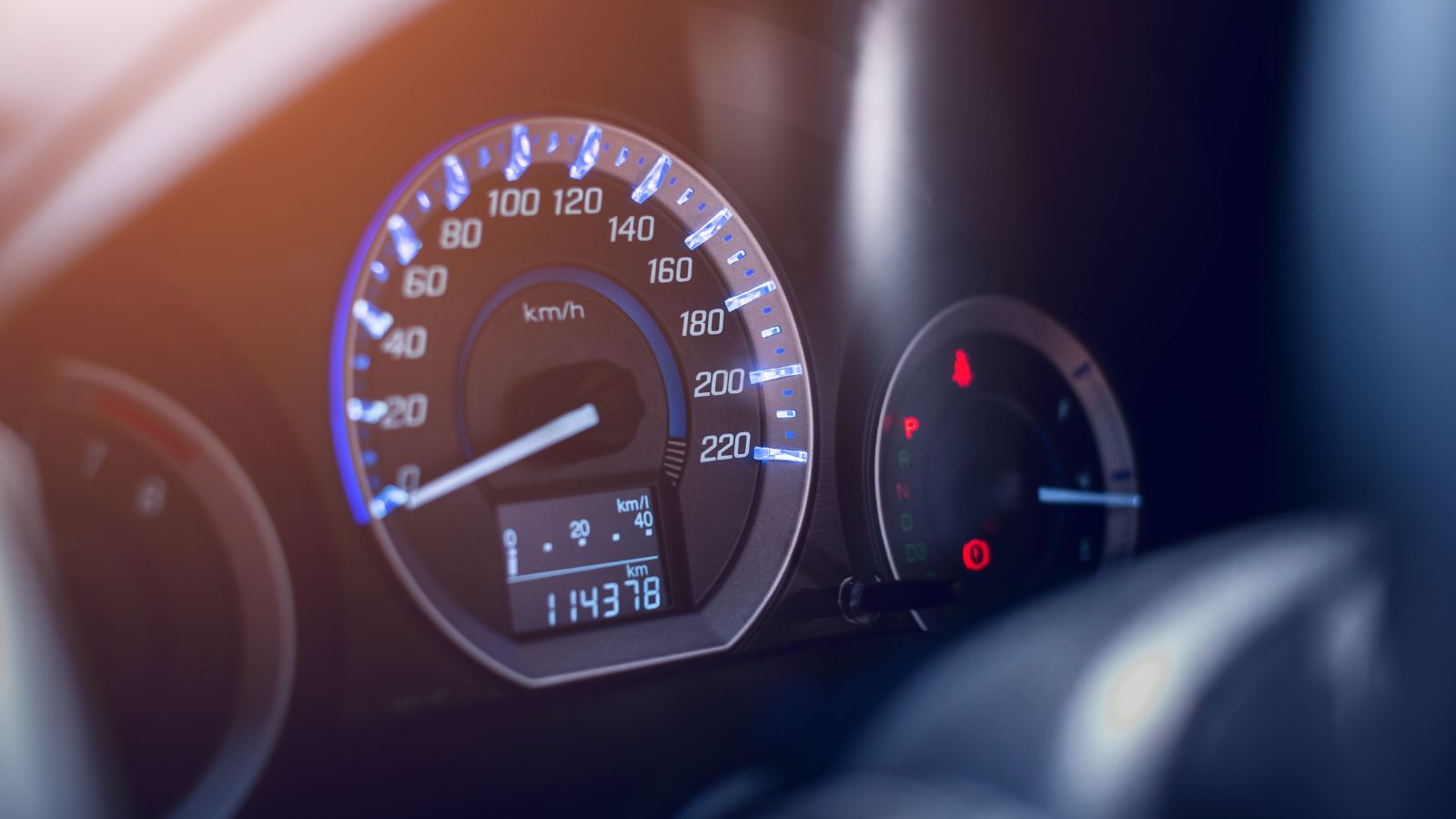
One of the most common reasons a fuel-efficient vehicle costs more than expected is simple: it often starts with a higher purchase price. Automakers frequently package their best fuel economy in trims with hybrid systems, smaller turbocharged engines, advanced transmissions, or upgraded technology bundles. That can make the monthly fuel bill look friendlier while quietly pushing the amount financed upward from day one. A buyer who saves at the pump but spends thousands more upfront may need years of driving before the math finally turns favorable.
That gap matters because total ownership cost is shaped by more than gasoline. AAA’s 2025 ownership analysis showed that depreciation remained the largest annual ownership expense for a new vehicle, far ahead of fuel alone. In real life, that means the bargain feeling of a gas-sipper can fade quickly when the initial transaction price was already stretched. A vehicle does not need to be wasteful at the pump to be expensive overall; it only needs to start from a price point that erases much of the expected savings.
Depreciation Can Outweigh Fuel Savings
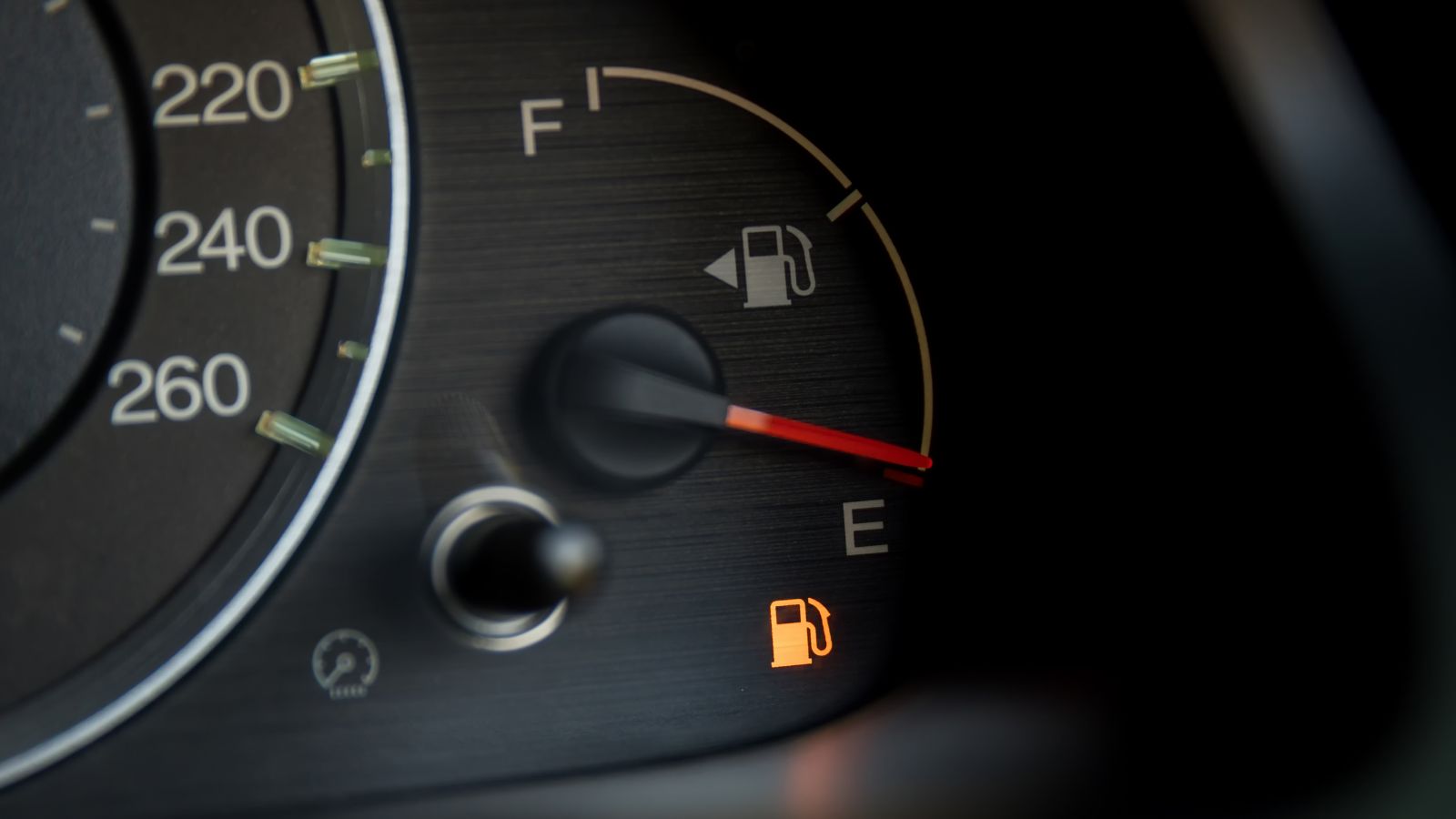
Fuel economy is easy to notice because it shows up every week. Depreciation is harder to feel in real time, but it can be far more expensive. Even vehicles marketed as economical can lose thousands of dollars in value over the first few years, especially if they were bought new at a premium price. A driver may celebrate spending less on gasoline while the vehicle quietly sheds value in the background. That is why two cars with similar fuel bills can produce very different long-term ownership outcomes.
AAA’s 2025 data put average annual depreciation at more than four thousand dollars, making it the single biggest ownership cost in its study. That is an uncomfortable contrast for anyone focused mainly on fuel consumption. A model that saves a few hundred dollars a year at the pump can still end up costing more if its resale value softens faster than expected or if its original price was high enough to create a larger dollar-value decline. Great fuel economy helps, but it does not cancel the harsh arithmetic of value loss.
Insurance Prices Follow Risk, Not MPG

Many drivers assume a smaller, thriftier vehicle will automatically be cheaper to insure. Sometimes that is true, but the relationship is far weaker than people expect. Insurance premiums reflect repair costs, theft exposure, claim history, injury risk, local conditions, and model-specific loss patterns far more than fuel economy. A highly efficient vehicle loaded with cameras, sensors, specialized lighting, or expensive body panels can still generate an insurance quote that feels out of step with its modest size and economical image.
The reason becomes clearer when looking at IIHS and HLDI research. Their insurance-loss data is organized around what insurers actually pay under different kinds of coverage, and those losses vary widely by make and model. In other words, a car can be excellent on gas and still be expensive to insure because it is frequently stolen, costly to repair after minor crashes, or associated with higher claim severity. For household budgets, that means a smart fuel number on the window sticker may not translate into a smart insurance bill after all.
Loan Interest Keeps Adding Cost After the Purchase

A fuel-efficient vehicle can look affordable when attention stays fixed on fuel savings, but financing changes the picture fast. If the vehicle costs more upfront, the loan balance is larger, and interest gets charged on that larger amount month after month. Long loan terms can soften the monthly payment enough to make the purchase feel comfortable, yet they often increase the total amount paid significantly over time. The owner ends up saving some money at the pump while surrendering more to the lender.
That dynamic is especially important in today’s finance market. Experian’s recent automotive finance reporting showed average new-vehicle loan amounts and monthly payments remaining high, with interest rates still meaningfully shaping total cost. When shoppers stretch to buy the efficient trim or hybrid version, they may focus on operating savings and overlook borrowing cost. Over a long term, that extra interest can consume a large share of the gasoline savings that justified the purchase in the first place. Efficiency helps, but financed efficiency is never free.
Window-Sticker Fuel Economy Is Only a Starting Point
Official fuel economy ratings are useful, but they are not a personal guarantee. Both EPA and Natural Resources Canada make that clear: test figures are designed for comparison, while real-world results vary with speed, temperature, traffic, terrain, maintenance, cargo, and driving style. That variation is one of the biggest reasons some supposedly frugal vehicles disappoint their owners. A buyer may plan a budget around an advertised number, only to discover that everyday commuting delivers something meaningfully worse.
This gap becomes especially frustrating because the vehicle itself may not be faulty at all. The problem is often expectation rather than engineering. A compact crossover stuck in stop-and-go traffic, carrying passengers and gear, or driven at steady highway speeds above the ideal test profile may never match the headline efficiency figure that helped close the sale. The savings are still there in relative terms, but they can be smaller than expected in absolute dollars. When the real-world number slips enough, the whole ownership story starts to feel more expensive.
Cold Weather and Short Trips Punish Efficient Vehicles
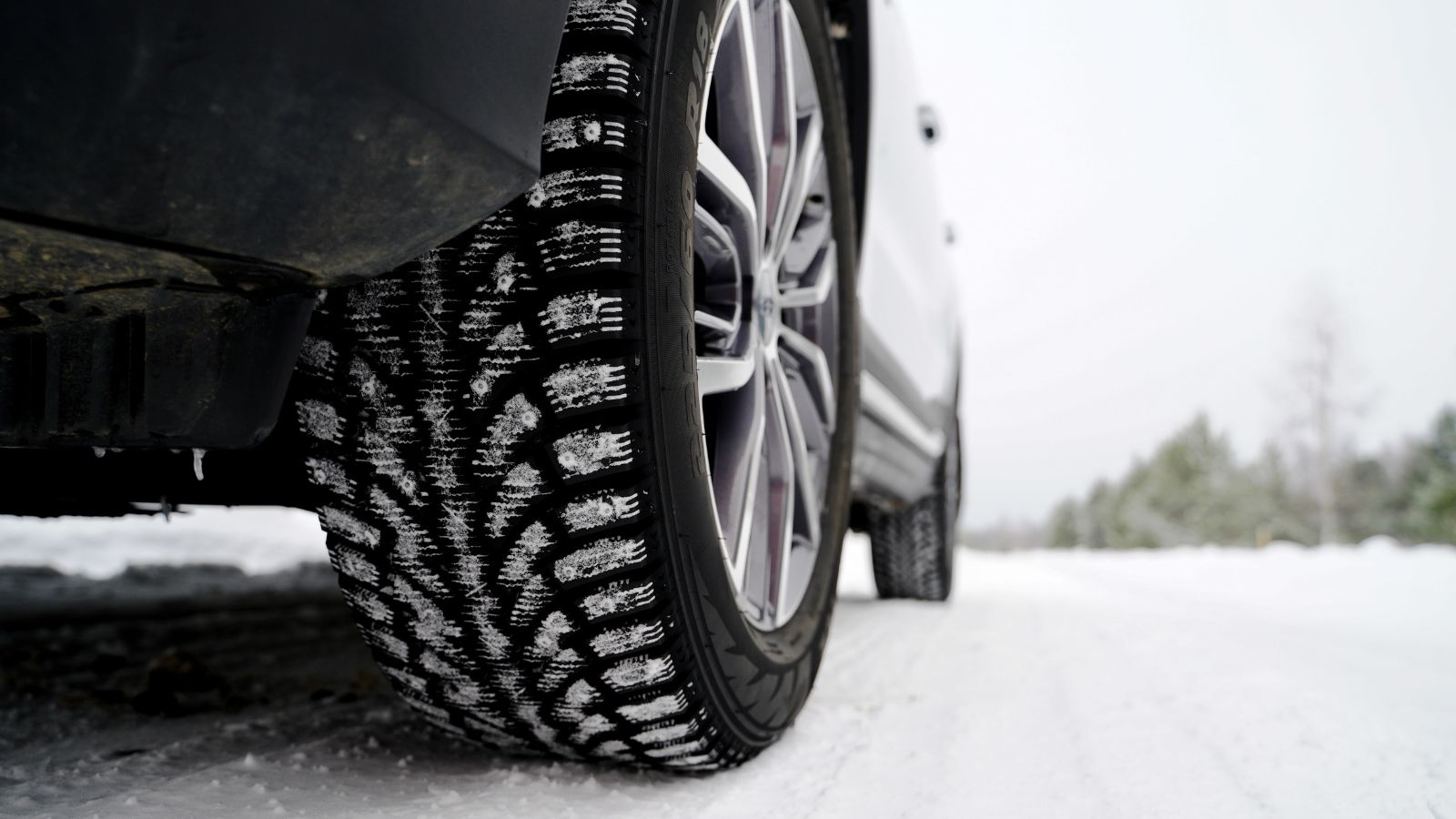
Fuel-efficient vehicles often shine under ideal conditions, but short trips and cold weather can drain those gains quickly. EPA and the U.S. Department of Energy both note that cold temperatures increase mechanical friction, delay warm-up, and make accessories such as defrosters and heaters pull more energy. Short urban trips are especially punishing because the vehicle spends a larger share of time operating before it reaches peak efficiency. That means a driver doing school runs, errands, or brief commutes may see far less benefit than expected.
Hybrids can be especially revealing here. DOE notes that hybrid fuel economy can drop sharply in cold-weather city driving and on short trips. That does not make hybrids a bad buy; it just means their best-case reputation can create unrealistic expectations in climates or routines that work against them. A household choosing a vehicle mainly for city efficiency may feel blindsided when winter driving or repeated short hops erase a noticeable chunk of the projected savings. On paper, the vehicle still looks economical. In daily life, it may feel far less magical.
Some Efficient Engines Ask for More Expensive Fuel
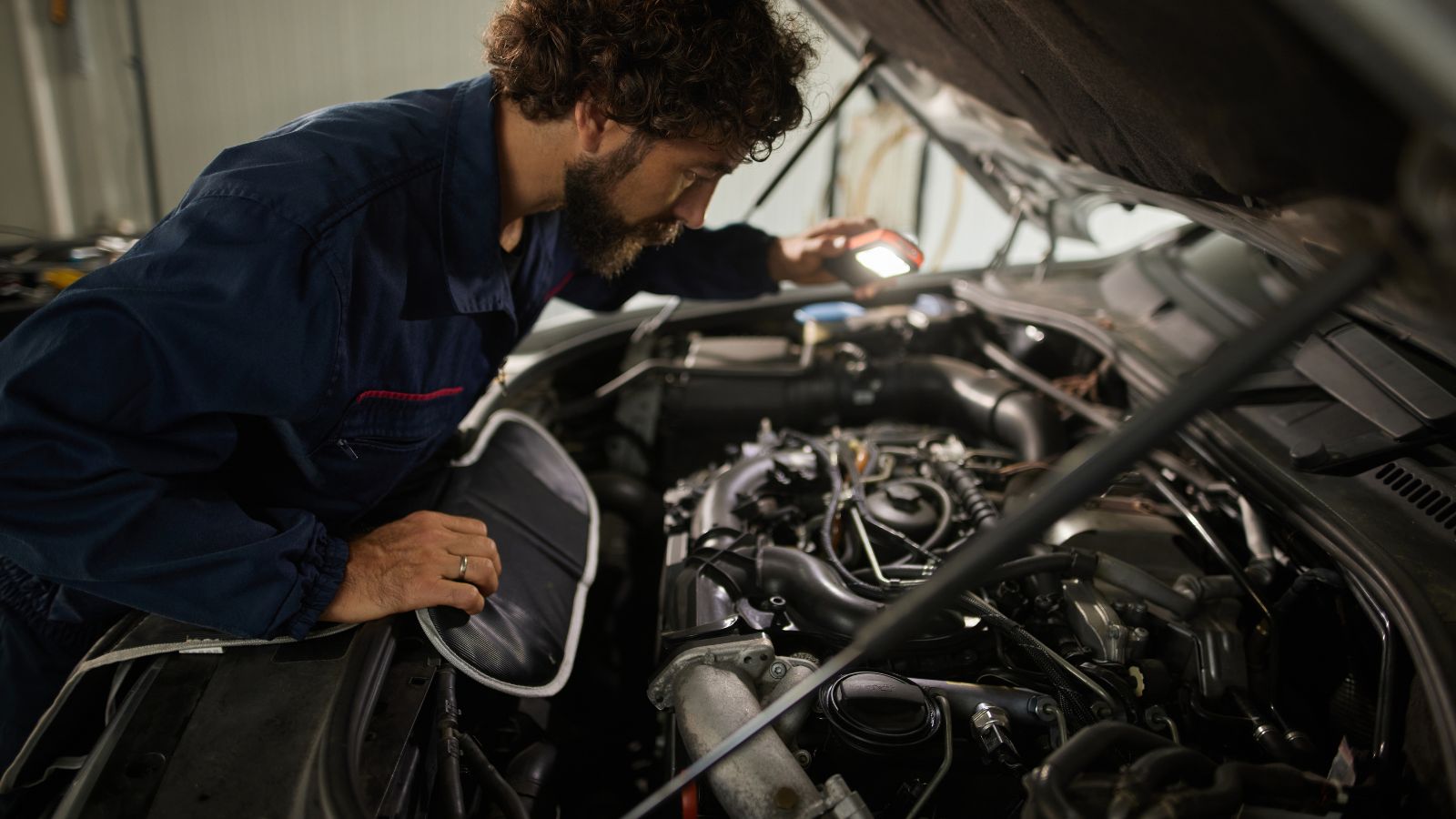
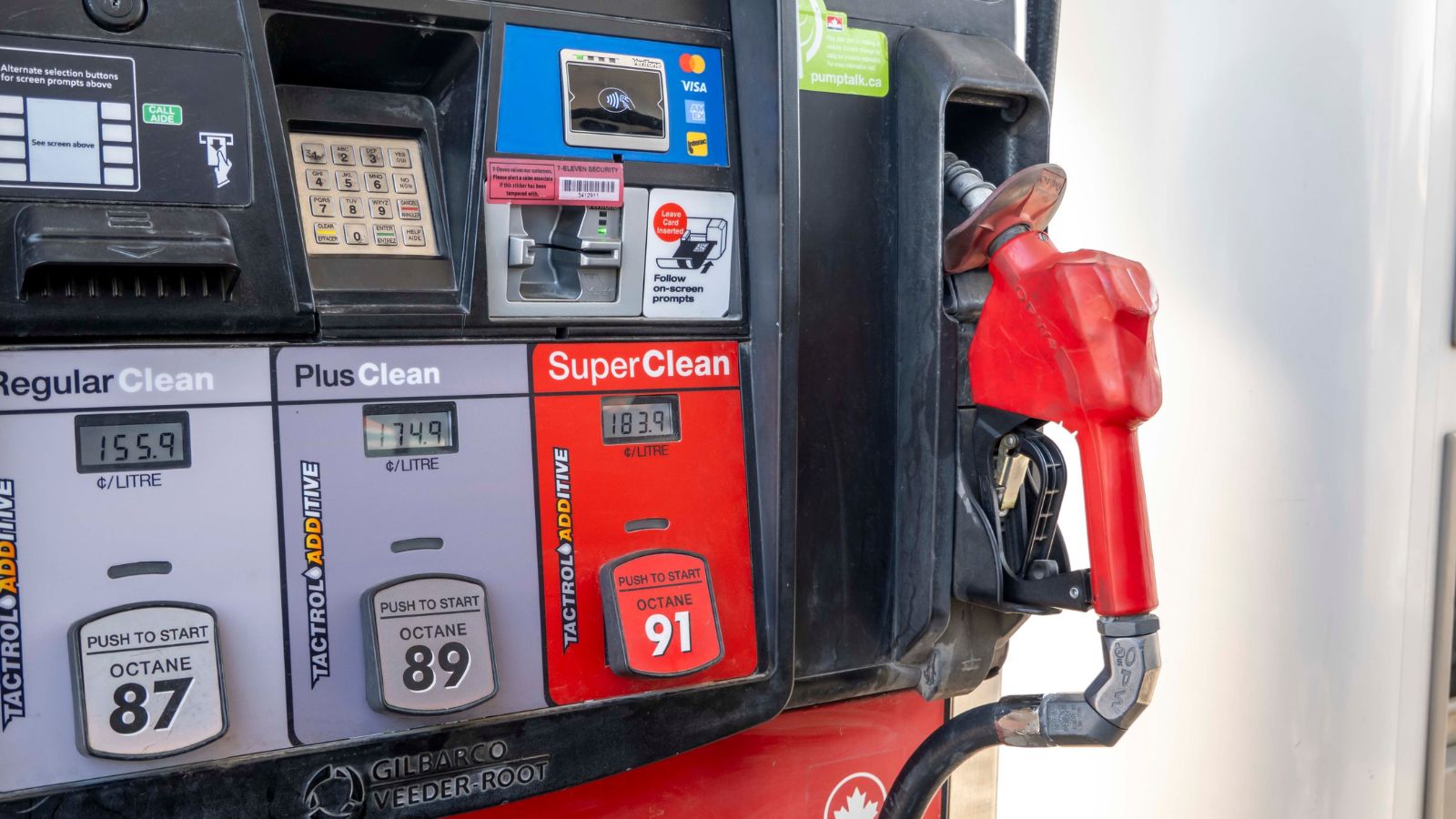
Not every fuel-sipping vehicle runs happily on regular gasoline. Some efficient models use turbocharged or higher-compression engines that call for premium fuel, while others strongly recommend it for best performance and economy. That creates an easy-to-miss trap: a buyer sees an impressive fuel economy figure but does not fully account for paying more per litre or per gallon every time the tank is filled. The vehicle may use less fuel overall, yet the price of that fuel quietly narrows the expected savings.
This is where the details in the owner’s manual matter more than marketing language. Consumer Reports has recently highlighted the difference between engines that merely recommend premium and those that truly require it, and the financial distinction can be significant over a year of driving. A vehicle that squeezes out better mileage with a premium-only setup may still cost more to operate than expected because the fuel budget was built around regular-grade prices. A strong mpg figure feels reassuring, but it does not reveal the full price of each fill-up.
Tires Can Turn an Economy Car Into a Costly One
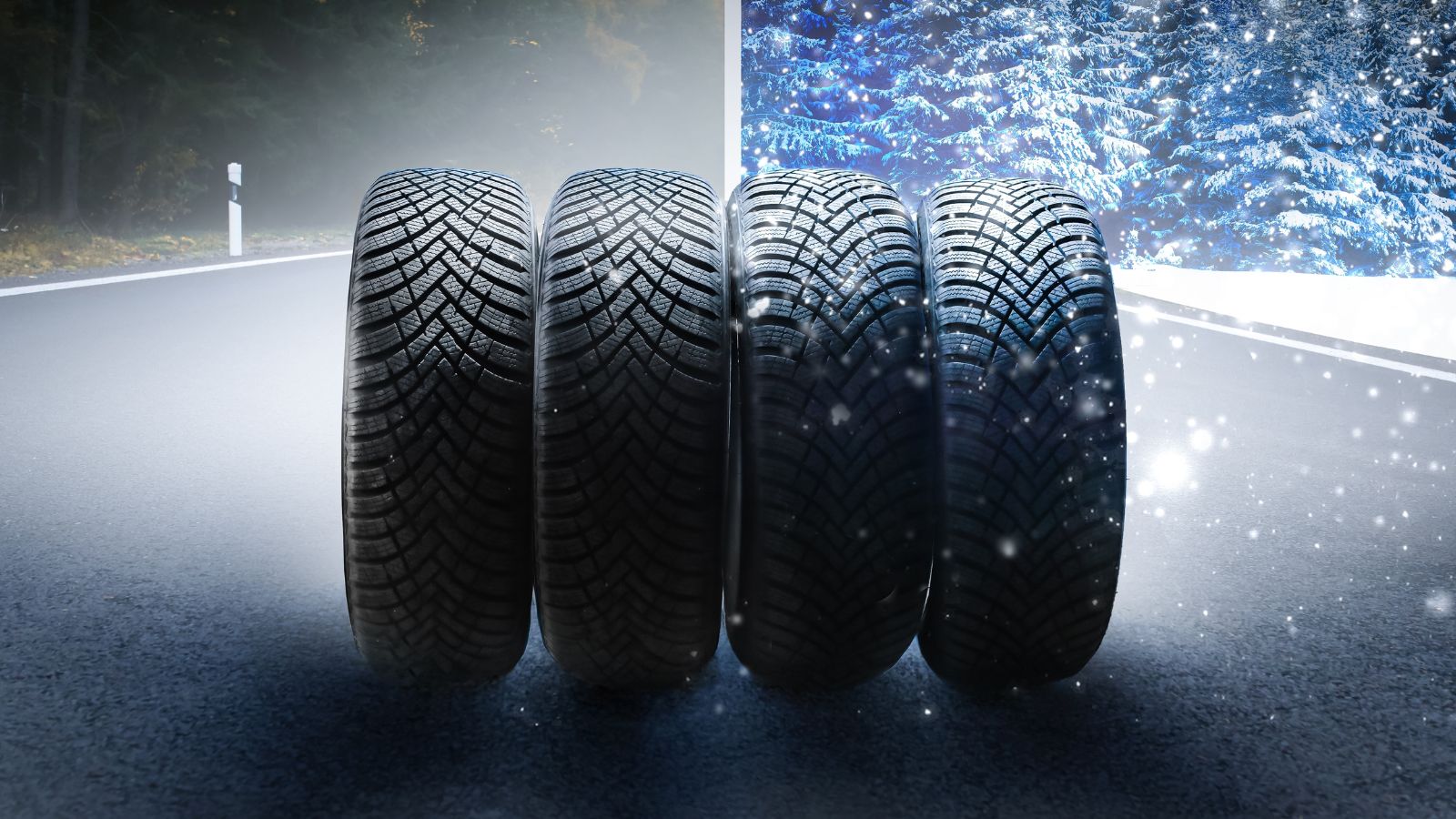
Tires are one of the most overlooked reasons an efficient vehicle can cost more than expected. Many modern gas-sippers ride on large wheels with low-profile tires because buyers want sporty looks and upscale trim features. Those tires often cost more to replace, wear faster in rough conditions, and offer less forgiveness against pothole damage. The result is a surprisingly expensive maintenance item on a vehicle that was supposed to be chosen for thrift and practicality.
AAA includes tires within ownership-cost calculations for a reason: they are not a minor afterthought. Consumer Reports also notes that larger tire sizes typically cost more, and tire design can affect both replacement expense and fuel economy. That means the efficient trim with stylish wheels can hit the owner twice—once at the tire shop and again through slightly worse rolling efficiency than a more modest setup. For many households, the realization comes late: the car was cheap to feed, but not nearly as cheap to keep properly shod.
Maintenance Never Disappears Just Because Fuel Use Is Low
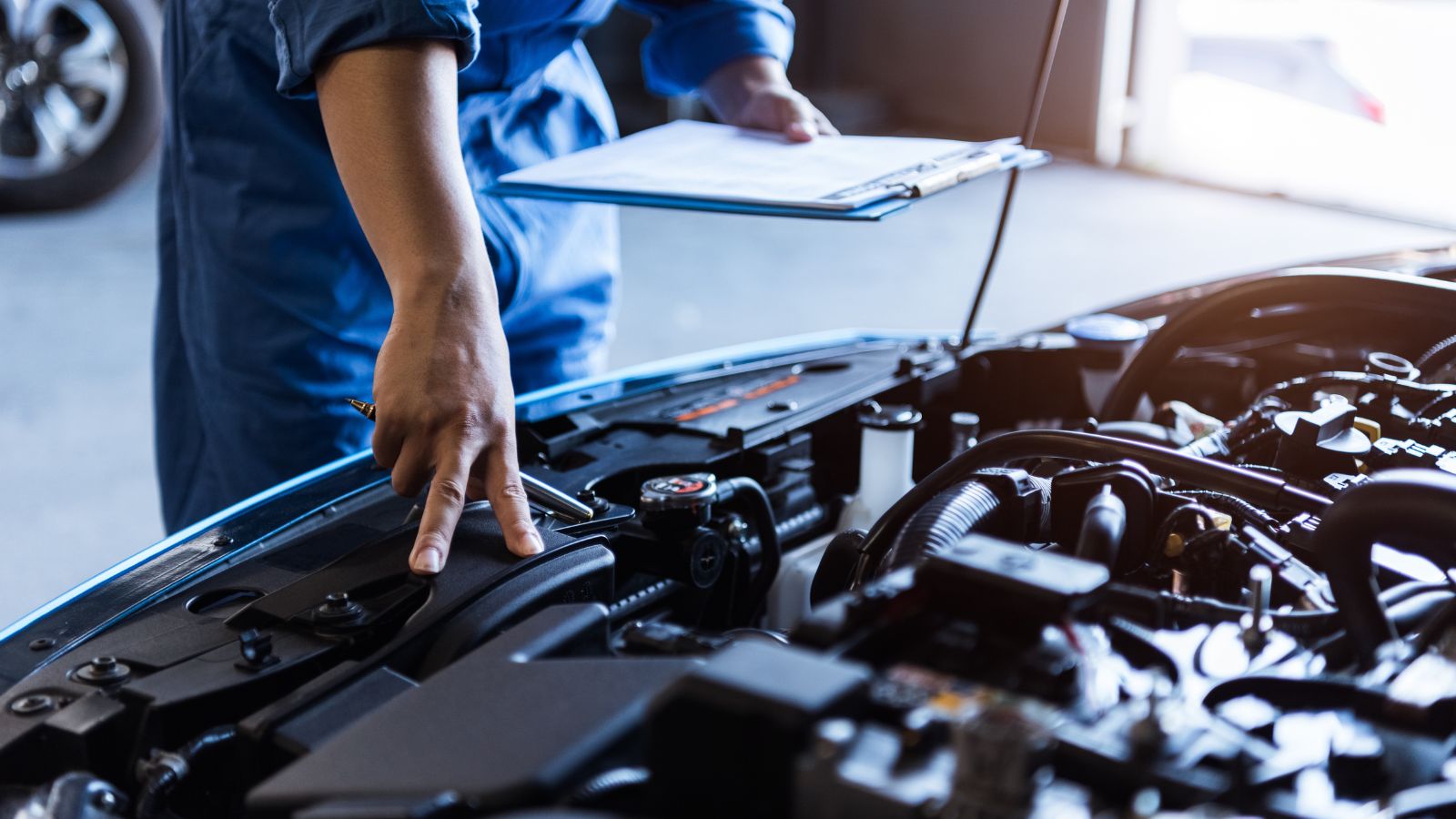
A vehicle that burns less fuel still needs service, parts, fluids, filters, brakes, alignments, and tires. That seems obvious, yet many buyers still fall into the mental shortcut of treating fuel economy as a stand-in for overall affordability. AAA’s ownership studies keep separating fuel from maintenance and repair for exactly this reason. The categories move independently. A car can sip fuel and still ask for steady spending on routine upkeep, especially as it ages beyond its freshest years.
That reality matters more in an era of rising service costs. BLS data has shown motor vehicle maintenance and repair remaining a meaningful inflation category, reminding drivers that the service lane has become a more expensive place than many remember. Even when an efficient vehicle is mechanically sound, the cumulative cost of ordinary upkeep can still surprise owners who were focused mostly on gasoline savings. Oil changes may be less frequent on some models, and brake wear may improve on others, but no fuel economy rating exempts a vehicle from the basic economics of maintenance.
Repair Complexity Makes Small Accidents More Expensive
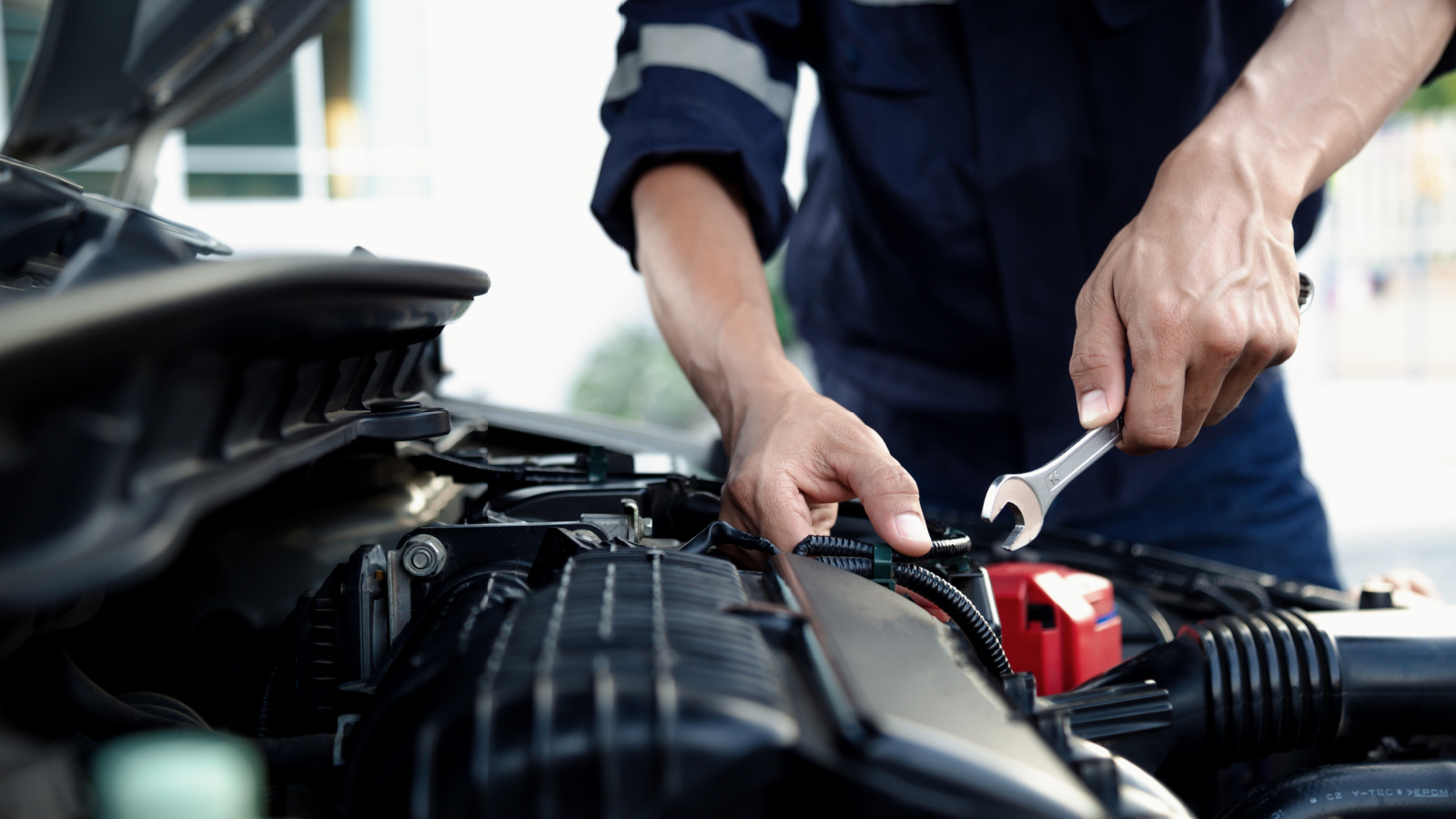
One of the biggest modern cost surprises is that a seemingly modest, fuel-efficient vehicle can be extremely expensive to repair after a minor crash. Bumpers that once held little more than plastic and paint may now hide radar modules, parking sensors, cameras, and wiring. A light front-end tap or a cracked windshield can trigger diagnostic work and recalibration procedures that were not part of car ownership a decade ago. The vehicle still uses little fuel, but one ordinary repair bill can wipe out months of pump savings.
IIHS and CCC have both pointed to this growing calibration burden. Recent industry data shows calibration fees averaging hundreds of dollars per repairable claim, while IIHS has documented how crash-avoidance technology can complicate repairs even as it improves safety. This is an especially frustrating ownership cost because it often arrives unexpectedly. The driver chose the vehicle for efficiency and sensible running costs, then learns that modern convenience and safety hardware make simple repairs less simple and less cheap than the old “economy car” stereotype would suggest.
Windshields and Headlights Are No Longer Cheap Parts
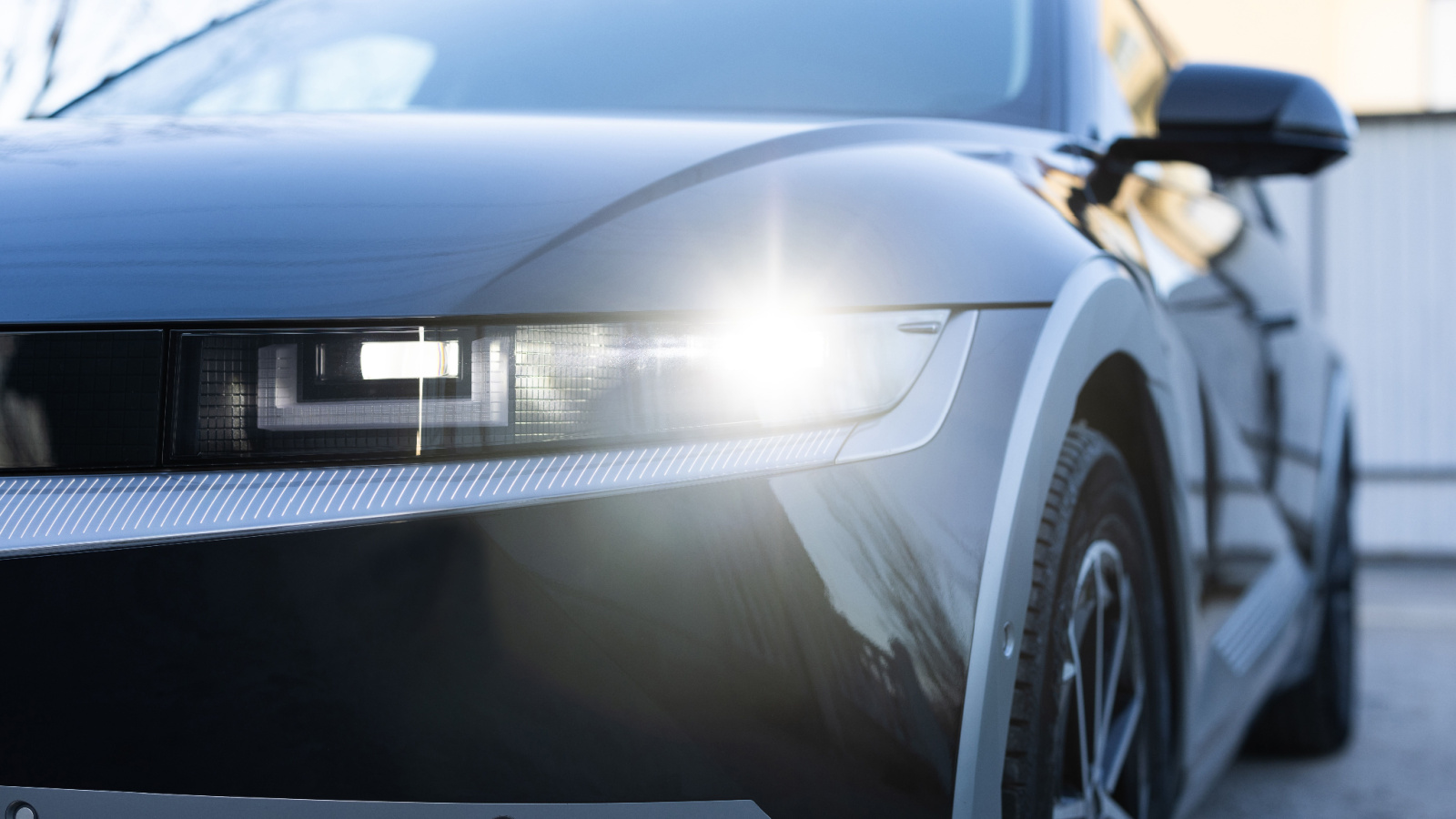
Fuel-efficient vehicles are often marketed as practical transportation, but many now carry expensive lighting and glass technology that would have seemed luxurious not long ago. A windshield may support forward-facing cameras that require precise recalibration after replacement. Headlights may be LED assemblies rather than simple bulbs, meaning damage can force replacement of larger, pricier units. These costs do not show up in a fuel economy comparison, yet they matter a great deal when normal wear, road debris, or a minor collision enters the picture.
IIHS has noted that vehicles with front crash prevention are more likely to generate high-dollar glass claims, largely because of the calibration requirements tied to camera-based systems. Kelley Blue Book has also reported that headlight replacement costs can range from inexpensive halogen fixes to thousands for advanced LED or laser assemblies. For owners, this is where the old promise of an economical runabout collides with modern hardware reality. The vehicle may still save money every week at the pump, but one cracked windshield or damaged headlamp can feel like an ambush.
Fees and Taxes Rise With Vehicle Price

Many buyers calculate ownership around the monthly payment and fuel bill, but taxes and fees are often tied directly to the vehicle’s transaction price. That matters because efficient powertrains or trims frequently cost more upfront. The higher the purchase price, the more a buyer may pay in sales tax, registration-related charges, and other ownership fees depending on where the vehicle is registered. These costs do not improve range, comfort, or reliability; they simply increase the amount it takes to get and keep the car legally on the road.
AAA’s ownership framework includes license, registration, and taxes as a distinct cost category, which is a useful reminder that efficient vehicles are not exempt from price-based add-ons. A buyer might think the premium over a less-efficient version is manageable, only to discover the out-the-door number grew more than expected once mandatory charges were stacked on top. That can be especially discouraging because those extra costs arrive before any fuel savings have had time to materialize. Economical operation may still come later, but the opening bill can feel stubbornly expensive.
Hybrid and Specialized Parts Can Change the Long-Term Math
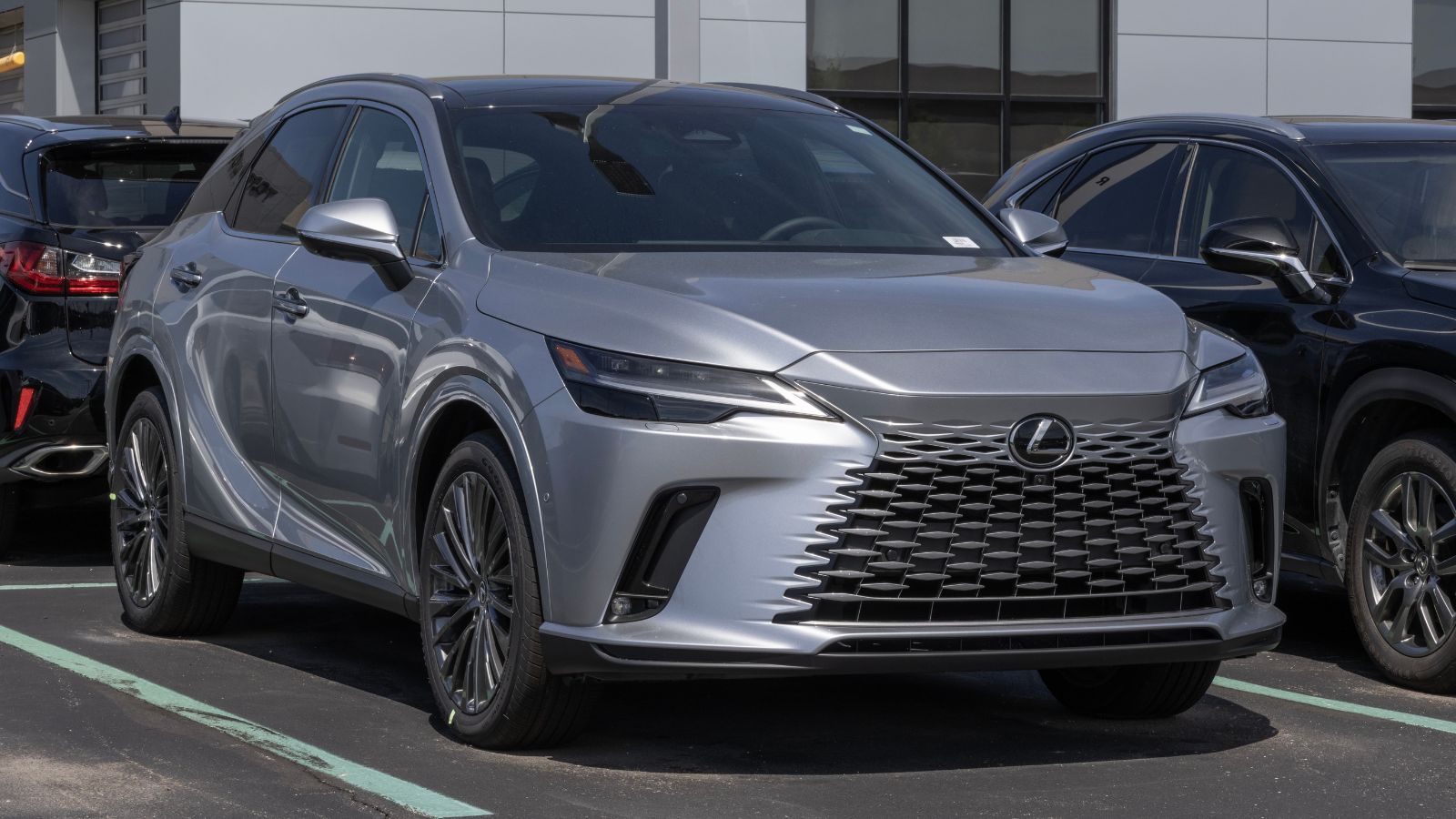
Some of the most efficient vehicles on the road achieve their savings with hybrid systems, specialized electronics, or powertrains that are more complex than a basic naturally aspirated gas engine. Most of the time, that complexity works smoothly and reliably. But when parts eventually fail outside warranty, repair costs can be different from what owners of simpler vehicles expect. The risk is not that every efficient car becomes a repair disaster; it is that the occasional big-ticket component can alter the ownership math more than buyers anticipated.
Battery warranties help reduce this concern, and they are substantial. EPA and manufacturer policies show long coverage windows for major electrified components, with several brands offering battery protection well beyond standard powertrain terms. Still, warranties end, and vehicles age. For the second or third owner in particular, the question shifts from fuel savings to long-term repair exposure. An efficient vehicle can remain a smart buy, but it is not unusual for used-car shoppers to underestimate how much specialized components matter once the car is old enough for major repairs to become part of the conversation.
Strong Demand for Efficient Models Can Inflate Used Prices
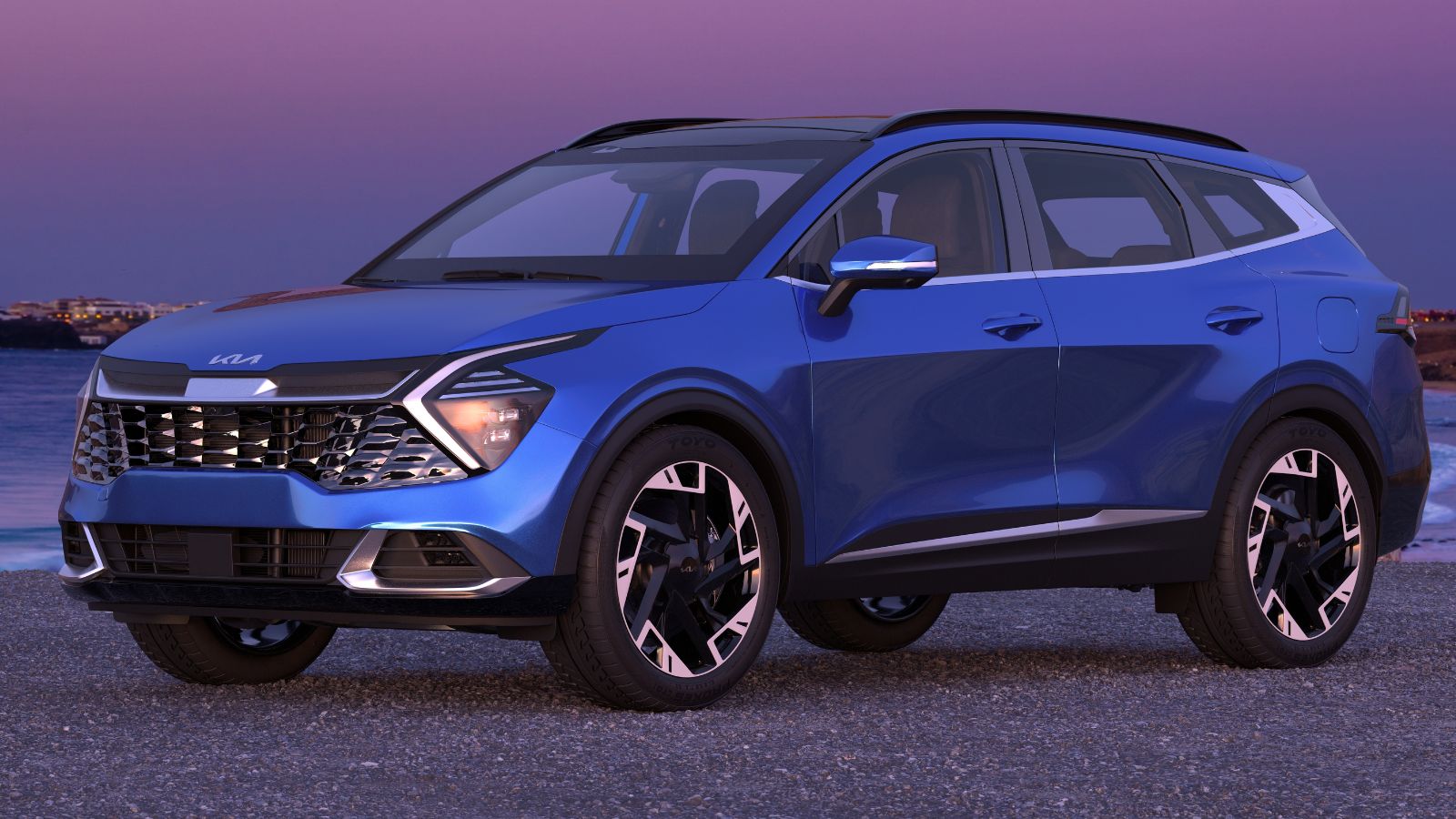
Efficiency has become a selling point powerful enough to lift resale values and asking prices in the used market. That can be good news for sellers, but it is not always great for buyers. A vehicle with a reputation for thrift may command such a strong premium that the buyer effectively prepays years of expected fuel savings upfront. In that situation, the ownership experience can still feel expensive even though the car performs exactly as advertised at the pump.
This is where the emotional side of car shopping can complicate the financial side. When gas prices rise or efficiency becomes a major consumer focus, certain used hybrids and compact crossovers attract intense interest. The practical reputation becomes part of the price. Buyers then enter ownership having already paid a demand premium, which leaves less room for fuel savings to create a genuine net advantage. The vehicle may indeed be efficient, but it may also be so prized for that quality that much of the economic benefit was captured by the previous owner or the dealer.
“Economy” Trims Often Aren’t the Ones Dealers Stock Most

Another hidden reason some supposedly economical vehicles cost more than expected is inventory reality. The version with the best advertised efficiency is not always the inexpensive base model people imagine. Dealers often stock better-equipped trims with larger screens, upgraded wheels, driver-assistance packages, or appearance upgrades because those versions are easier to market and more profitable. The fuel economy headline survives, but the actual vehicle available on the lot may be carrying thousands in extras that have little to do with saving money.
That matters because shoppers often compare categories, not actual inventory. A person arrives expecting a modestly priced fuel-saver and leaves considering a higher trim because it is what is available, what was test-driven, or what seems easiest to finance. The monthly number still feels rational because the vehicle is “good on gas,” but the total transaction has drifted upward. In practice, the buyer ends up paying for comfort, tech, and presentation while mentally attributing the whole purchase to fuel savings. The mismatch only becomes obvious after the excitement of the deal fades.
Saving Fuel Does Not Automatically Mean Low Total Ownership Cost
The broadest reason these vehicles cost more than expected is that fuel economy is only one column in a much larger spreadsheet. AAA’s annual ownership work, BLS household spending data, and insurer repair research all point in the same direction: the real cost of owning a vehicle comes from a layered mix of depreciation, insurance, maintenance, financing, taxes, repairs, and fuel. A model can perform brilliantly in one column and still disappoint once the rest are added up.
That is why some “great on gas” vehicles leave owners with mixed feelings. The vehicle may have delivered exactly what the advertisement promised at the pump while failing to deliver the cheap overall experience the buyer had imagined. That is not necessarily a flaw in the vehicle itself. It is often a flaw in the way modern car shopping reduces a complicated financial decision to one headline number. Fuel economy still matters, sometimes enormously. It just matters most when it is weighed alongside every other cost that follows the purchase home.
22 Things Canadians Do to Their Cars in Spring That Mechanics Hate

Spring brings relief to many Canadian drivers after months of snow, freezing temperatures, and icy roads that put serious strain on vehicles. As temperatures rise across the country, drivers begin washing cars, switching tires, and preparing vehicles for warmer weather and upcoming road trips. However, mechanics across Canada notice the same mistakes every spring when drivers attempt to recover from winter damage. Road salt, potholes, and harsh winter driving conditions often leave vehicles with hidden problems that drivers ignore. Some spring habits even create new mechanical issues that could have been avoided with proper maintenance. Here are 22 things Canadians do to their cars in spring that mechanics hate.