


























Car ownership in Canada has changed fast. Buyers now face monthly fees for features once included. Heated seats, remote start, and even safety tools sometimes sit behind paywalls. Many drivers feel frustrated paying twice for the same hardware. Harsh winters make some of these features feel essential, not optional. Automakers say subscriptions fund software updates and new services. Drivers often see them as unnecessary add-ons. The gap between value and cost keeps growing each year. Canadians are pushing back and skipping these fees. Here are 23 cars with subscription features Canadians refuse to pay for.
BMW X5
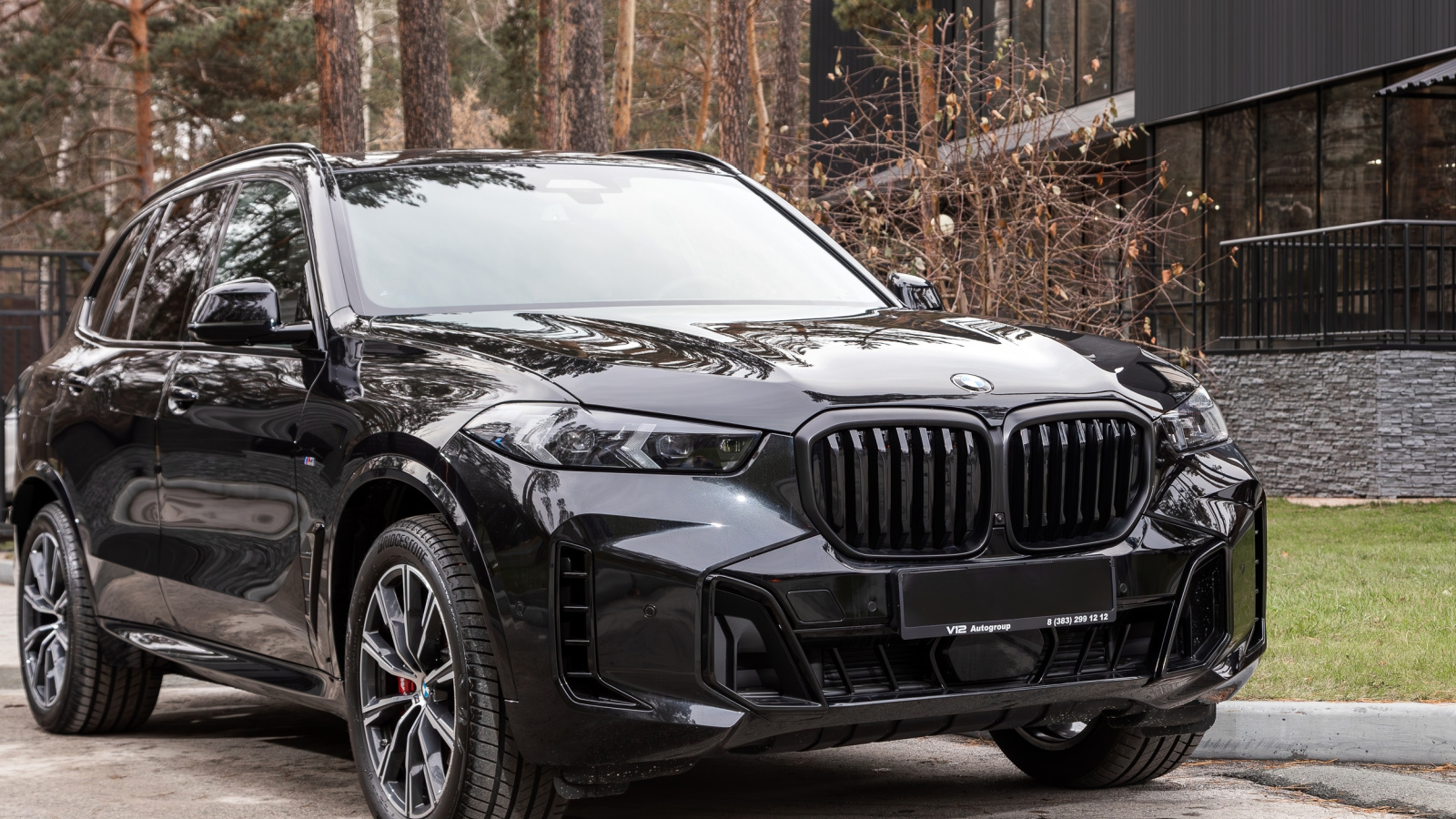
The BMW X5 drew attention for charging monthly fees for heated seats. Canadians found this especially frustrating during long winters. The hardware already exists inside the vehicle. Drivers feel they should not rent what they already own. BMW later walked back some subscription plans after backlash. Still, the idea left a lasting impression. Owners worry about future locked features. It also raises resale concerns for second buyers. Many Canadians now double-check feature availability before purchase. The X5 remains popular, but trust took a hit. Subscription fatigue is real among loyal BMW buyers.
Mercedes-Benz EQS
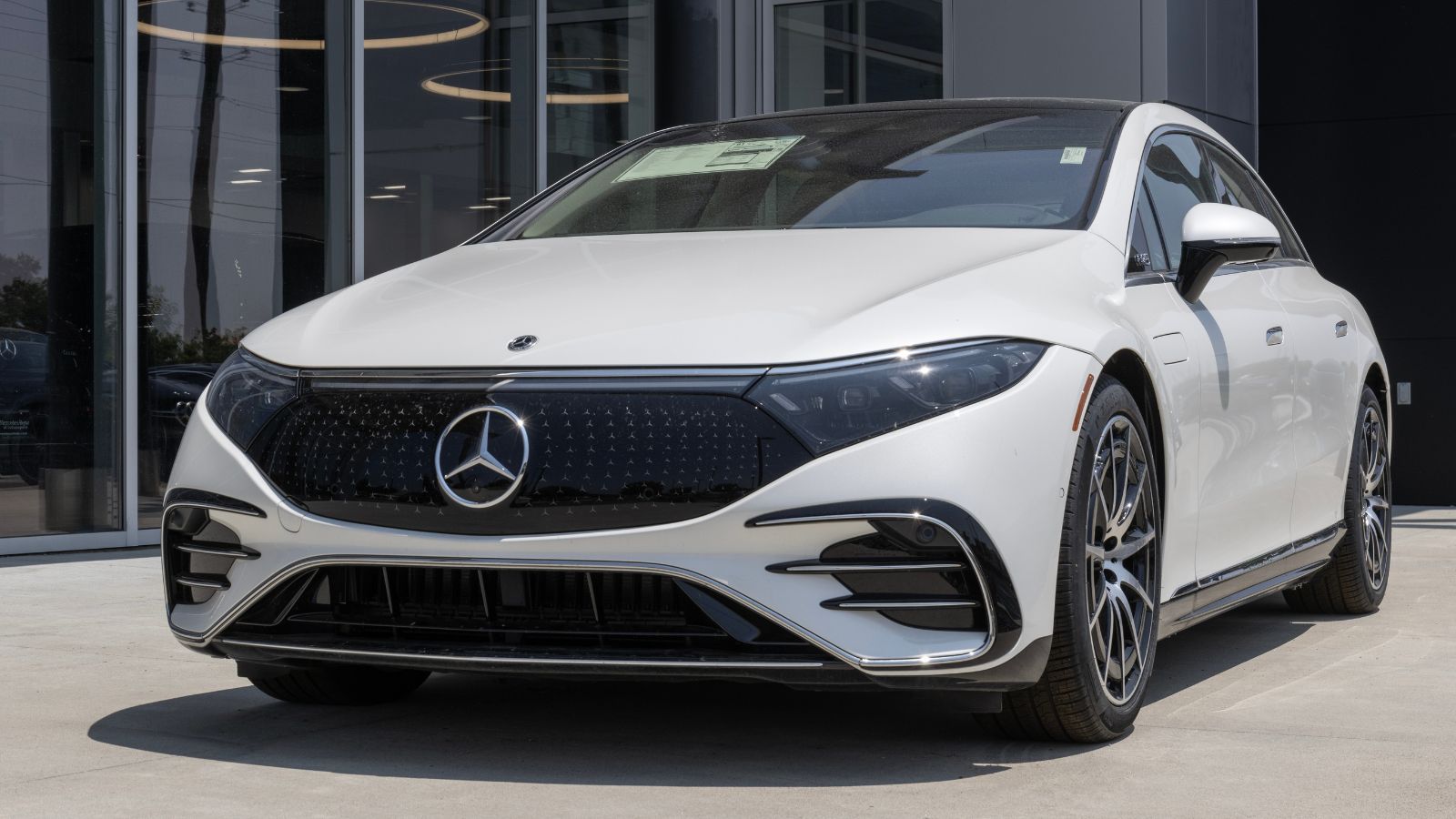
The EQS introduced subscriptions for performance boosts and rear steering features. Buyers pay extra to unlock faster acceleration. Canadians see this as paying for software limits. The car already has the capability built in. Luxury buyers expect full access after purchase. Monthly fees feel like a downgrade. Cold climate driving also demands full performance access. Some owners skip upgrades entirely. Others look at competing brands without paywalls. Mercedes argues it allows customization. Many drivers disagree with the model. The EQS remains advanced, but subscriptions dampen excitement for many Canadians.
Toyota Crown
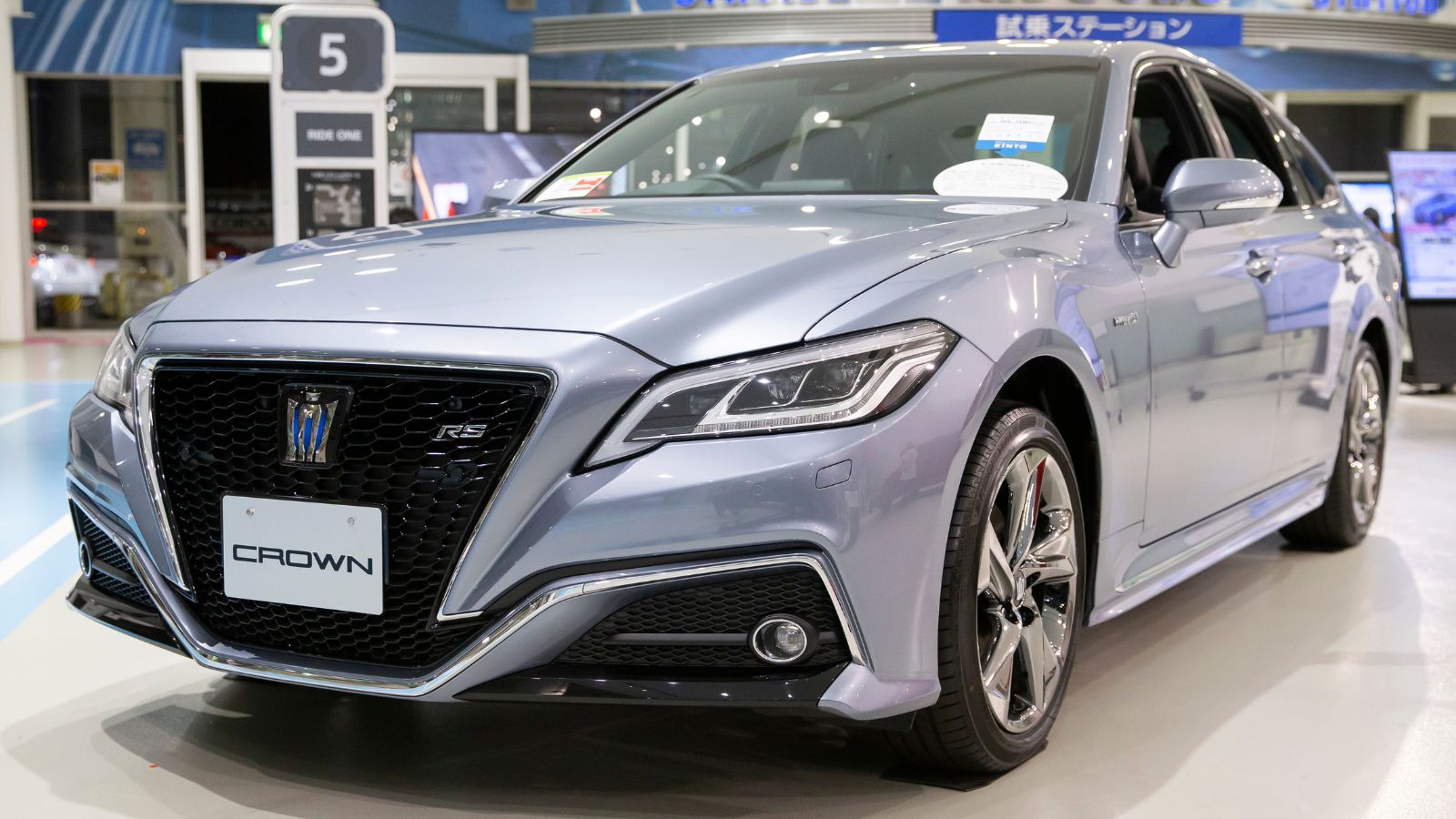
The Toyota Crown includes subscription-based remote services through its app. Features like remote start and tracking require ongoing payments. Canadians expect remote start as standard. It is almost essential in the winter months. Paying yearly for such a basic feature feels unreasonable. Toyota’s reliability still attracts buyers. However, subscriptions reduce perceived value. Many drivers ignore connected services altogether. Others use aftermarket solutions instead. The Crown offers a smooth ride and a strong hybrid system. Still, the subscription model creates hesitation. Canadians prefer simple ownership without recurring costs attached to everyday convenience.
Tesla Model 3
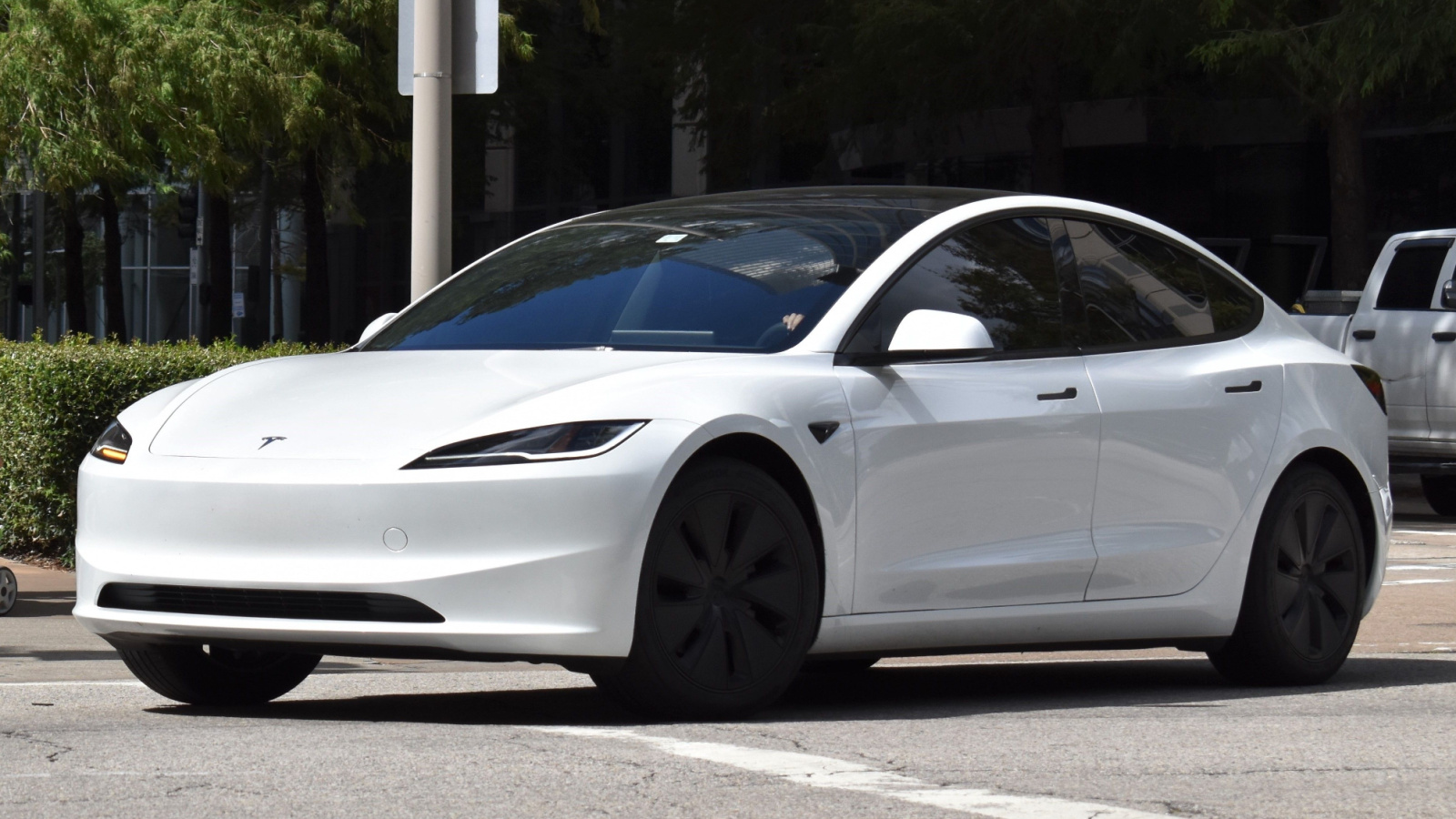
Tesla charges for premium connectivity and some software features. Navigation visuals, streaming, and live traffic data require a subscription. Canadians appreciate Tesla’s tech, but not its constant fees. Internet-based features feel essential in modern vehicles. Drivers question why connectivity is not included. Some skip the subscription and use their phones. Others feel the car experience becomes limited without paying. Tesla also sells performance boosts through software upgrades. This adds to the perception of locked potential. The Model 3 still leads in EV adoption. Yet, subscription fatigue continues to grow among Canadian owners.
Audi A4
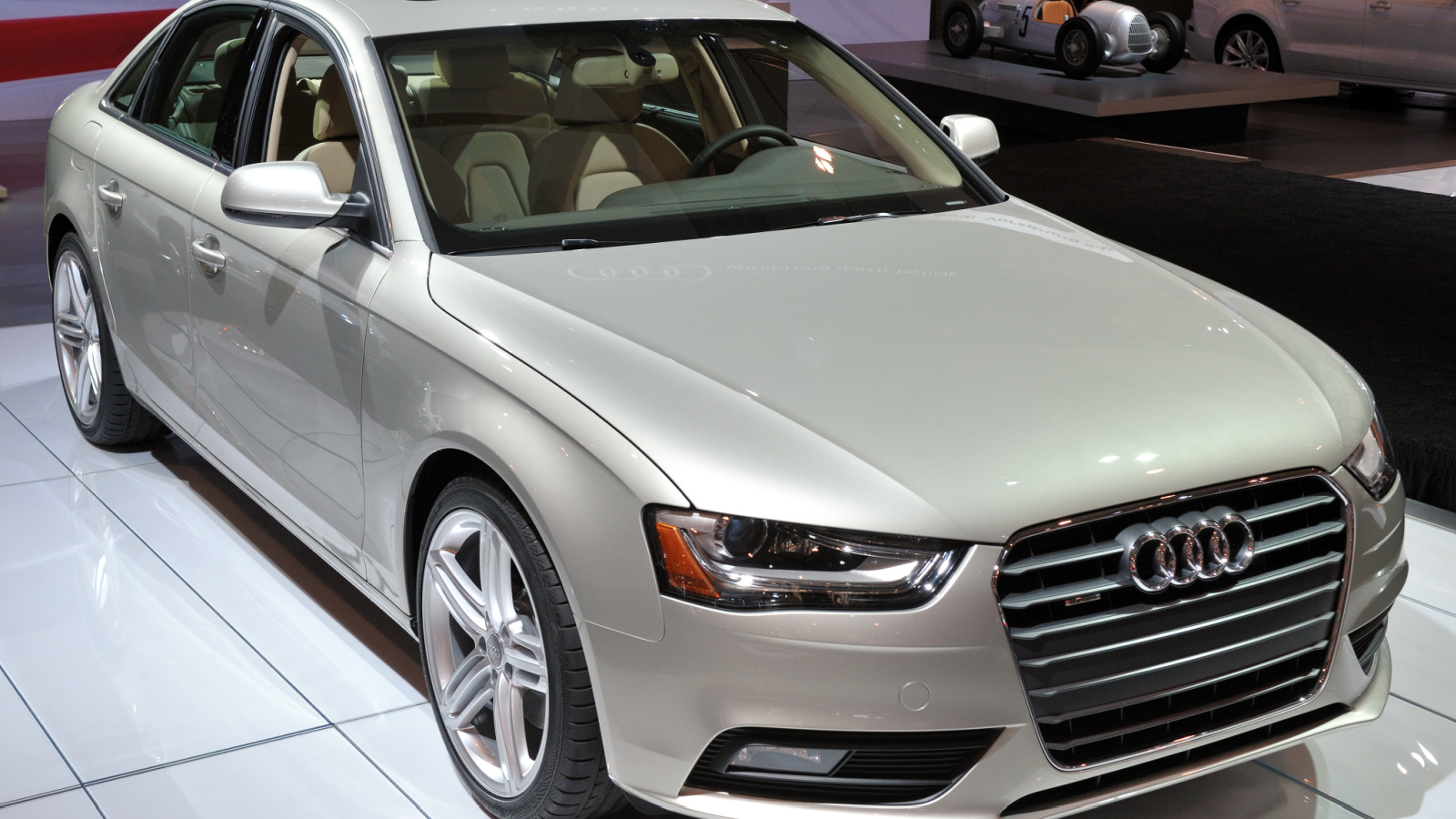
Audi offers subscription packages for navigation and connected services. Many features rely on Audi Connect plans. Canadians often find these services overpriced. Smartphone integration already covers many needs. Paying extra for basic connectivity feels unnecessary. The A4 remains a refined and comfortable sedan. However, buyers expect full digital functionality upfront. Subscription systems add complexity to ownership. Some drivers simply ignore these features. Others look at brands offering free long-term connectivity. Audi’s design and performance still appeal. Yet, subscription models reduce overall satisfaction for value-conscious Canadian buyers.
Ford F-150
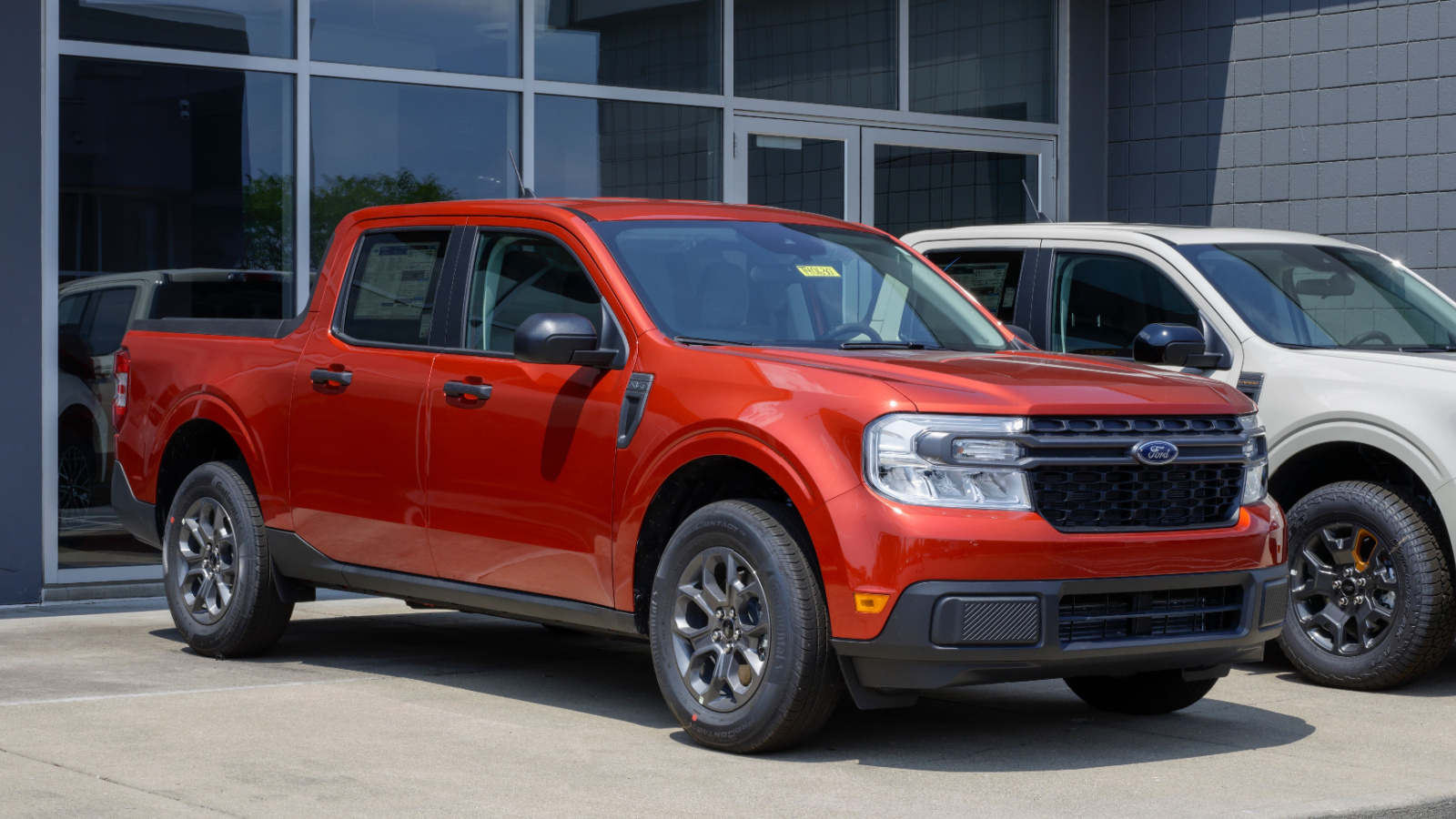
The F-150 includes subscription-based BlueCruise hands-free driving. This feature requires ongoing payments after a trial period. Canadian truck buyers value practicality over subscriptions. Paying monthly for driver assistance feels unnecessary. Many drivers prefer traditional systems without fees. BlueCruise works well on highways, but adoption is mixed. Cost remains the biggest barrier. Some owners choose not to renew after trials. Others feel it should be included in higher trims. The F-150 remains Canada’s best-selling truck. Still, subscription features create debate among loyal buyers who prefer straightforward ownership costs.
Hyundai Tucson
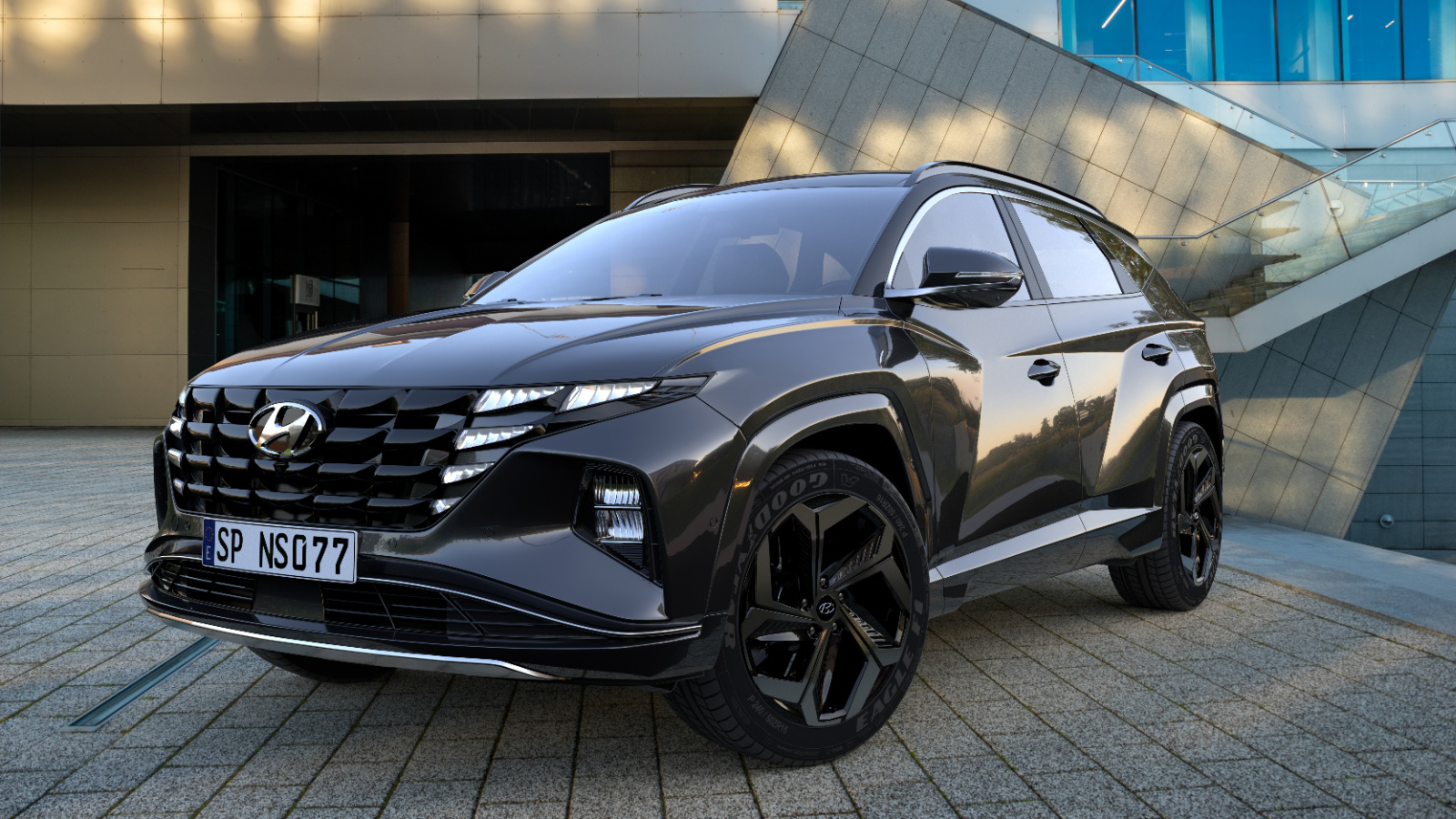
Hyundai offers Bluelink services with subscription-based features. Remote start and vehicle tracking are part of the package. Canadians expect remote start as standard equipment. Winter conditions make it essential for daily driving. Subscription fees feel like an added burden. Hyundai does include some free trial periods. However, long-term costs discourage continued use. Many owners stop renewing after initial access ends. The Tucson offers strong value otherwise. Its design and fuel efficiency remain appealing. Still, subscriptions reduce its competitive edge. Canadians prefer vehicles with fewer recurring costs and simpler ownership experiences.
Subaru Outback
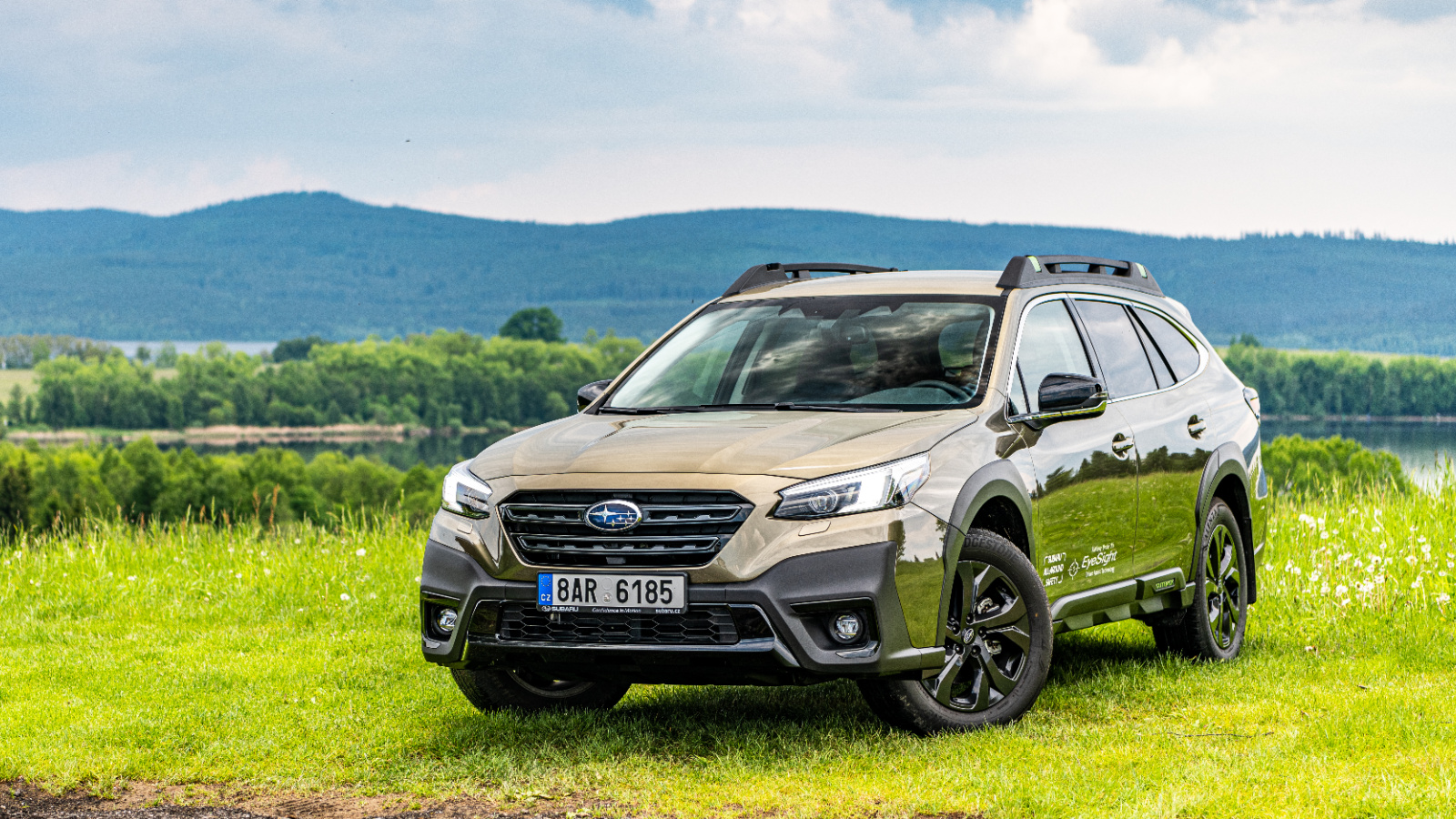
The Outback includes Starlink services requiring subscriptions for full access. Safety and remote features sit behind paywalls. Subaru buyers value reliability and practicality. Subscription fees feel out of place in this segment. Canadians rely heavily on remote start during winter. Paying for it annually frustrates many owners. Some features also require active subscriptions for emergency services. This raises concerns about long-term usability. The Outback remains popular for all-weather capability. However, subscription systems complicate ownership. Many Canadians prefer vehicles that keep essential features available without extra ongoing costs.
Chevrolet Silverado
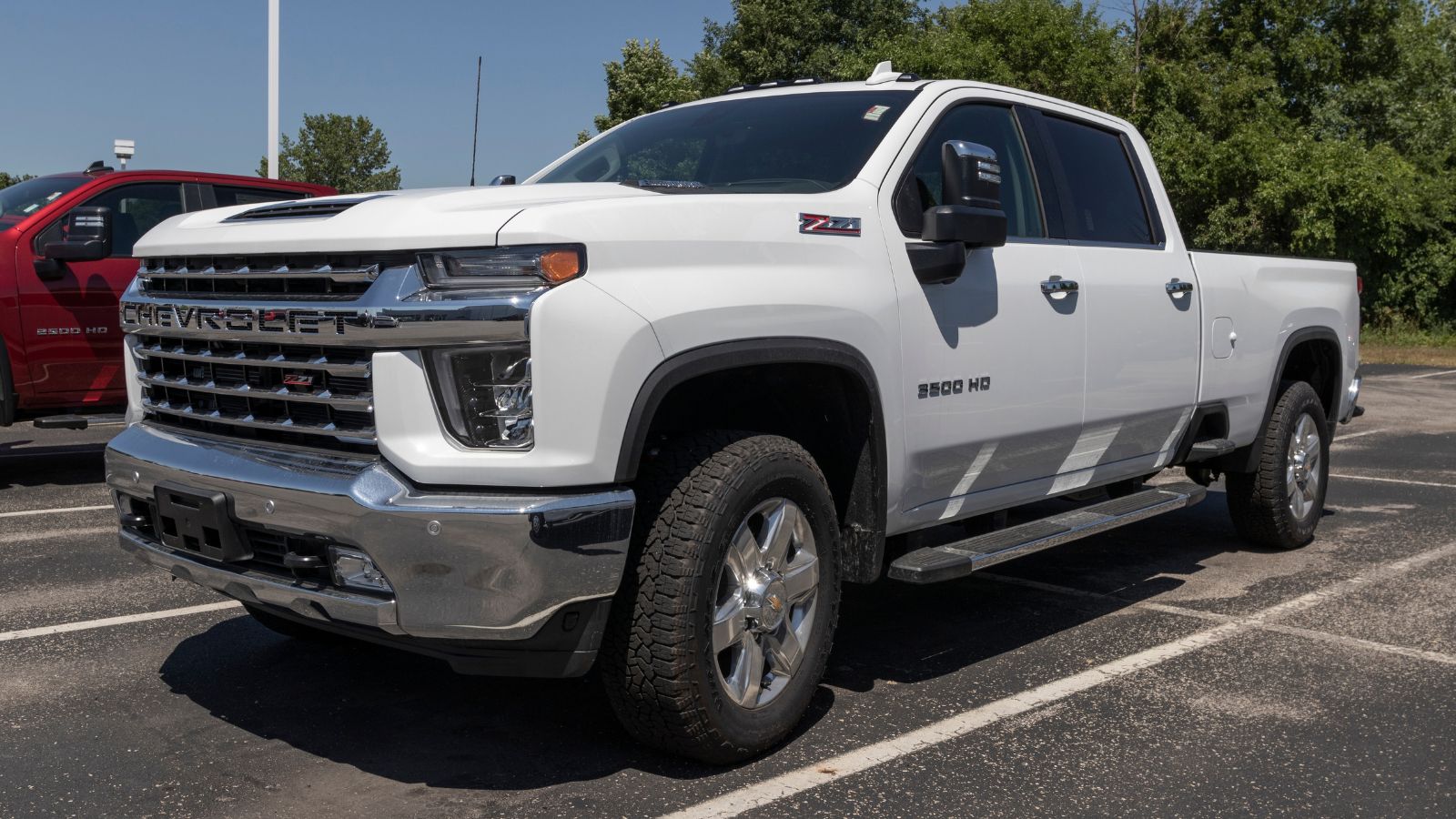
Chevrolet bundles many connected features under subscription plans. OnStar services require monthly payments after trial periods. Canadians question the value of these packages. Emergency services are useful but not always necessary. Remote access features overlap with smartphone apps. Many drivers skip subscriptions after initial trials. Truck buyers focus on durability and towing capability. Added fees feel unnecessary for core usage. The Silverado remains strong in performance. Still, subscription models create friction. Canadians prefer paying once rather than committing to recurring service fees for features they may rarely use.
Volkswagen Golf GTI
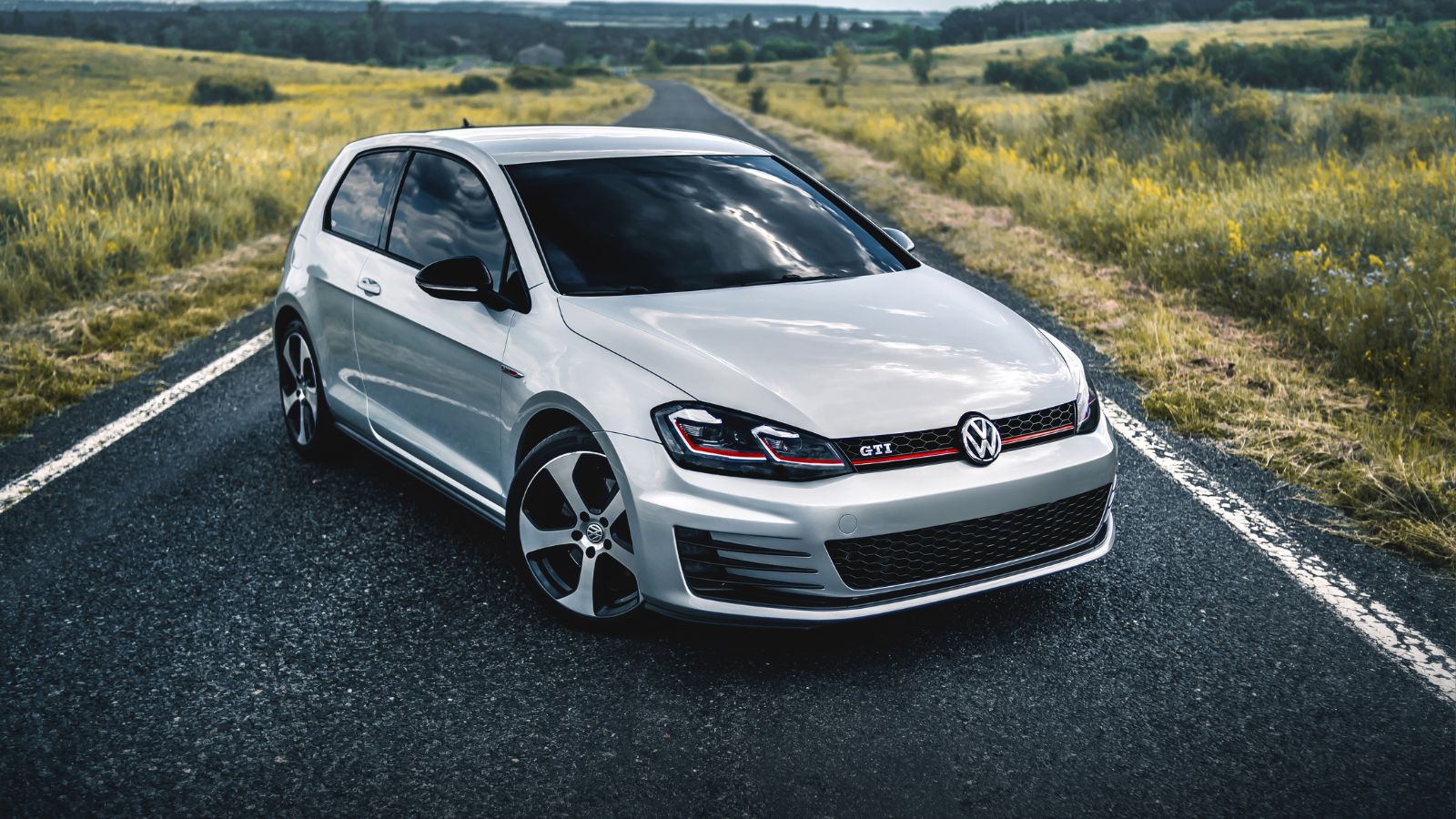
Volkswagen includes subscription services through its Car-Net system. Features like remote access and diagnostics require payment. Canadian buyers expect simplicity in compact cars. Subscriptions feel like overcomplication. The GTI is known for driving fun and practicality. Adding recurring costs shifts focus away from value. Many drivers rely on smartphone integration instead. Paid services often go unused after trials. The GTI still delivers strong performance. However, subscription fatigue impacts ownership satisfaction. Canadians prefer straightforward features without hidden ongoing costs, especially in affordable performance vehicles.
Nissan Rogue
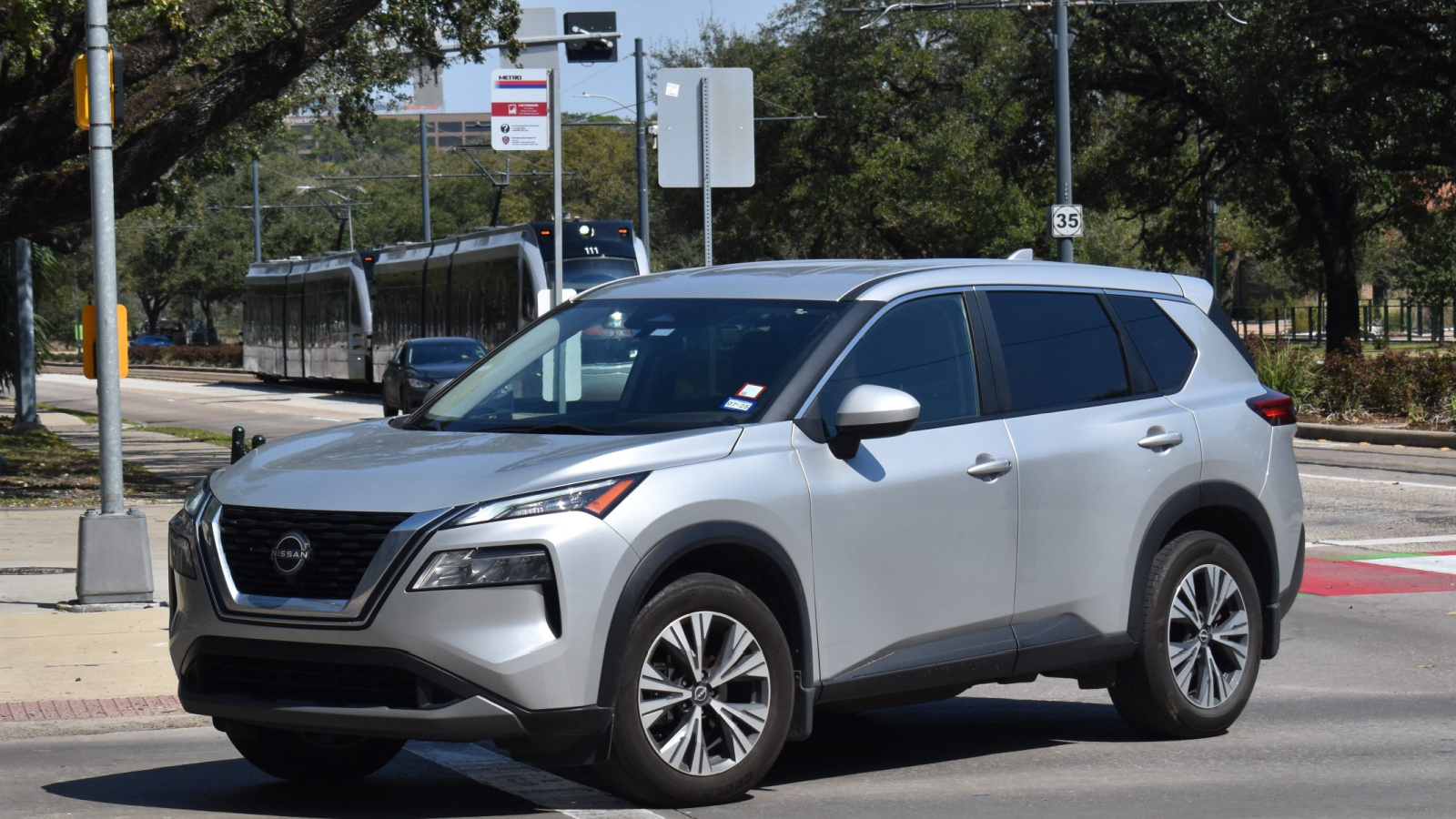
The Rogue includes subscription-based connected services. Remote start and app-based controls require payment. Canadians view remote start as essential in cold climates. Charging for it creates frustration. Nissan offers trial periods to ease adoption. However, many owners cancel afterward. The Rogue remains practical and fuel-efficient. Yet, subscriptions reduce its appeal. Buyers compare it with competitors offering free features. Recurring costs add up over time. Canadians prefer vehicles that deliver full functionality upfront. Subscription models create hesitation among budget-conscious families considering the Rogue for daily use.
Volvo XC90
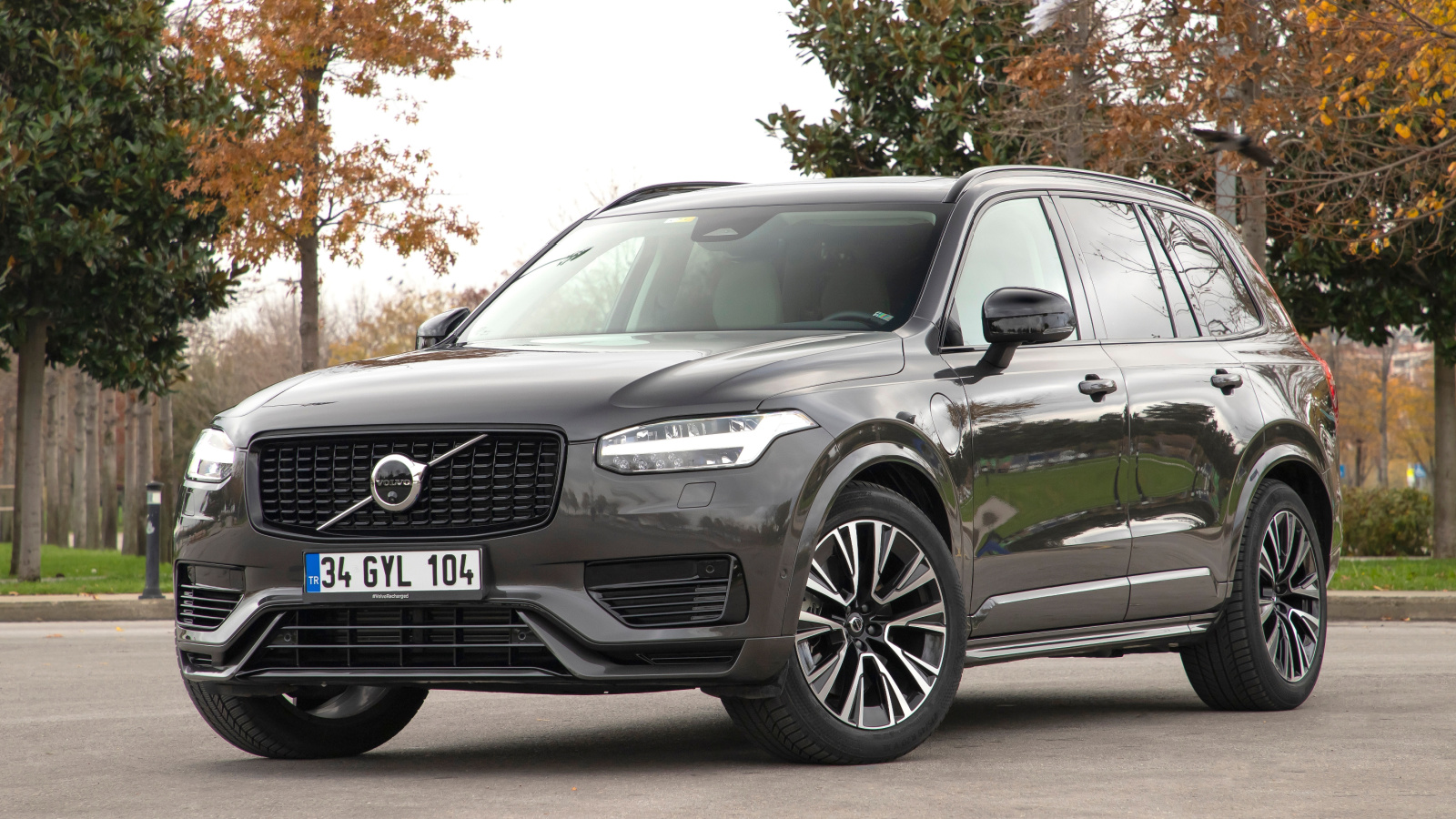
Volvo offers subscription services for digital features and apps. Connectivity and remote functions often require ongoing payments. Canadian luxury buyers expect full access at purchase. Subscriptions feel like reduced value in this segment. The XC90 excels in safety and comfort. However, paywalled features create frustration. Many drivers ignore optional services entirely. Others question long-term ownership costs. Volvo promotes software updates through subscriptions. Canadians remain skeptical about recurring fees. The XC90 still attracts families seeking safety. Yet, subscription models impact overall satisfaction and perceived ownership experience.
Mazda CX-5
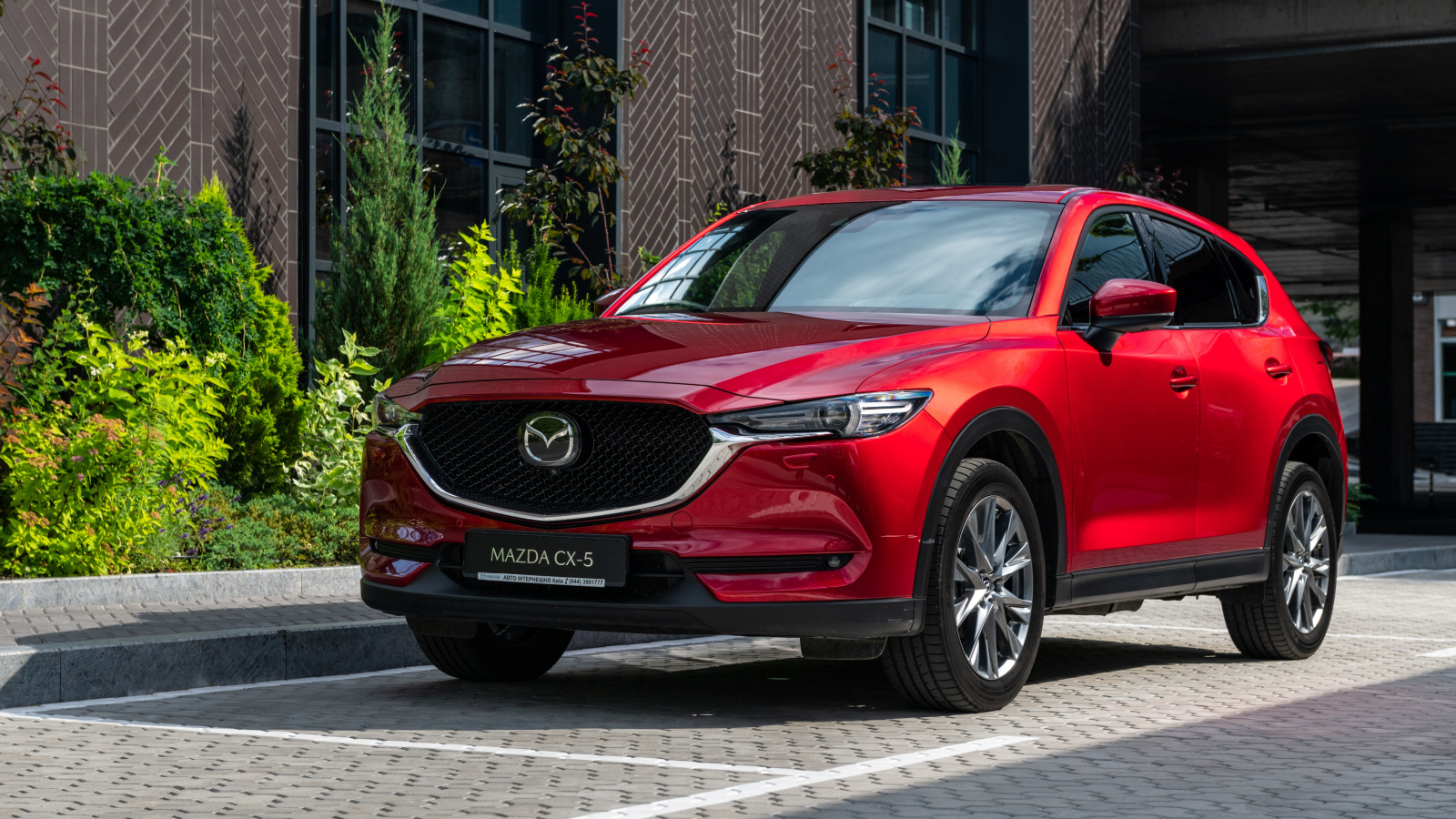
Mazda includes connected services through its MyMazda app. Remote start requires a subscription after the initial periods. Canadians appreciate Mazda’s driving feel and reliability. Subscription fees feel out of place in this value segment. Many drivers expect remote features to be included. Paying extra reduces perceived affordability. Some owners choose aftermarket solutions instead. Others simply skip remote access entirely. The CX-5 remains popular for comfort and design. However, subscriptions introduce friction. Canadians prefer clear pricing without recurring charges attached to everyday convenience features in practical SUVs.
Jeep Grand Cherokee
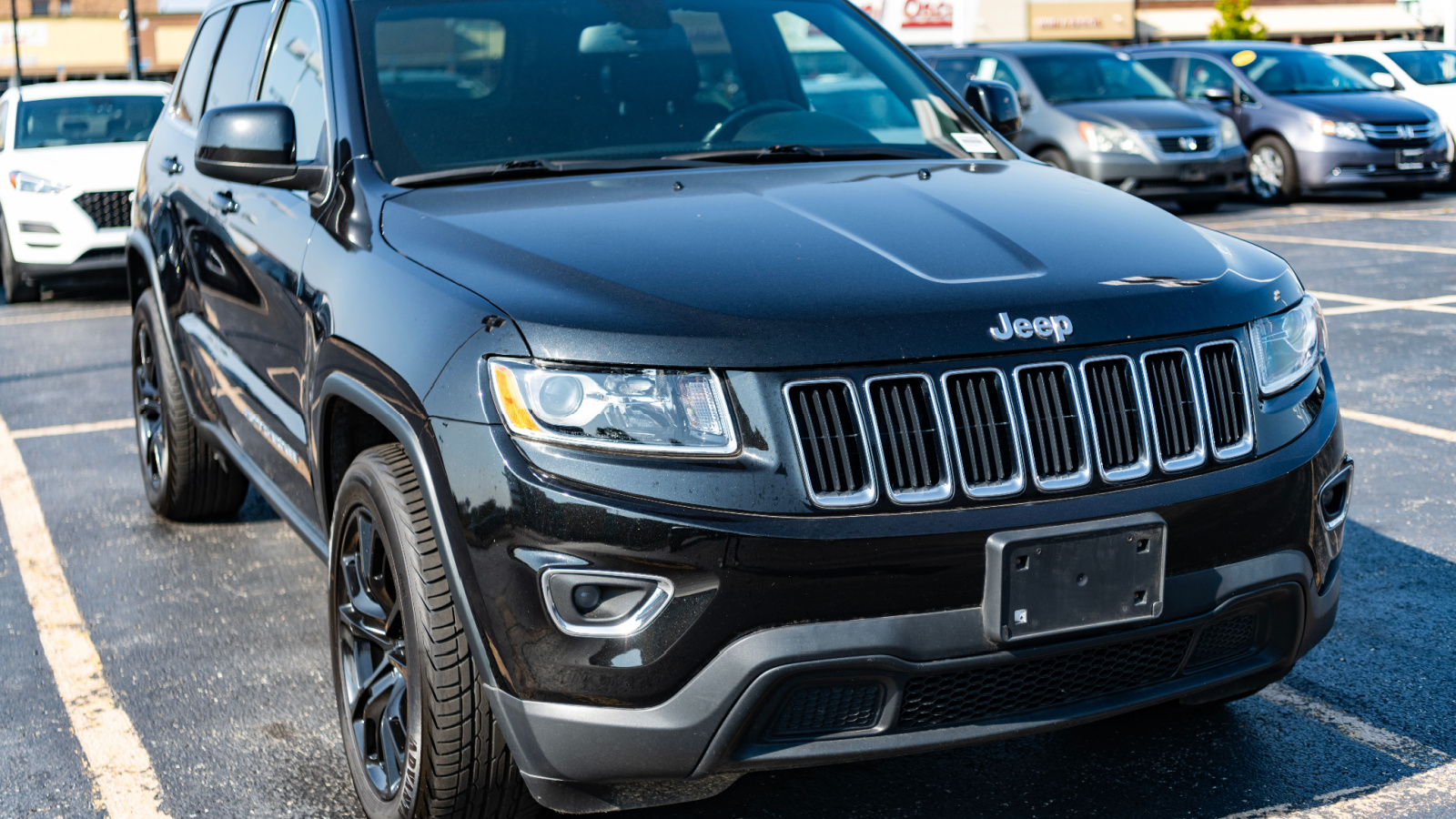
Jeep offers connected services through subscription plans. Remote start and navigation features require payment. Canadian buyers expect rugged capability and convenience. Subscription fees feel unnecessary in this segment. The Grand Cherokee excels in off-road performance. However, digital features behind paywalls create frustration. Many owners avoid renewing services after trials. Others rely on built-in systems without connectivity. Jeep’s brand loyalty remains strong. Still, subscriptions impact satisfaction. Canadians prefer vehicles that provide essential features without extra monthly commitments, especially in higher-priced SUVs.
Kia Sportage
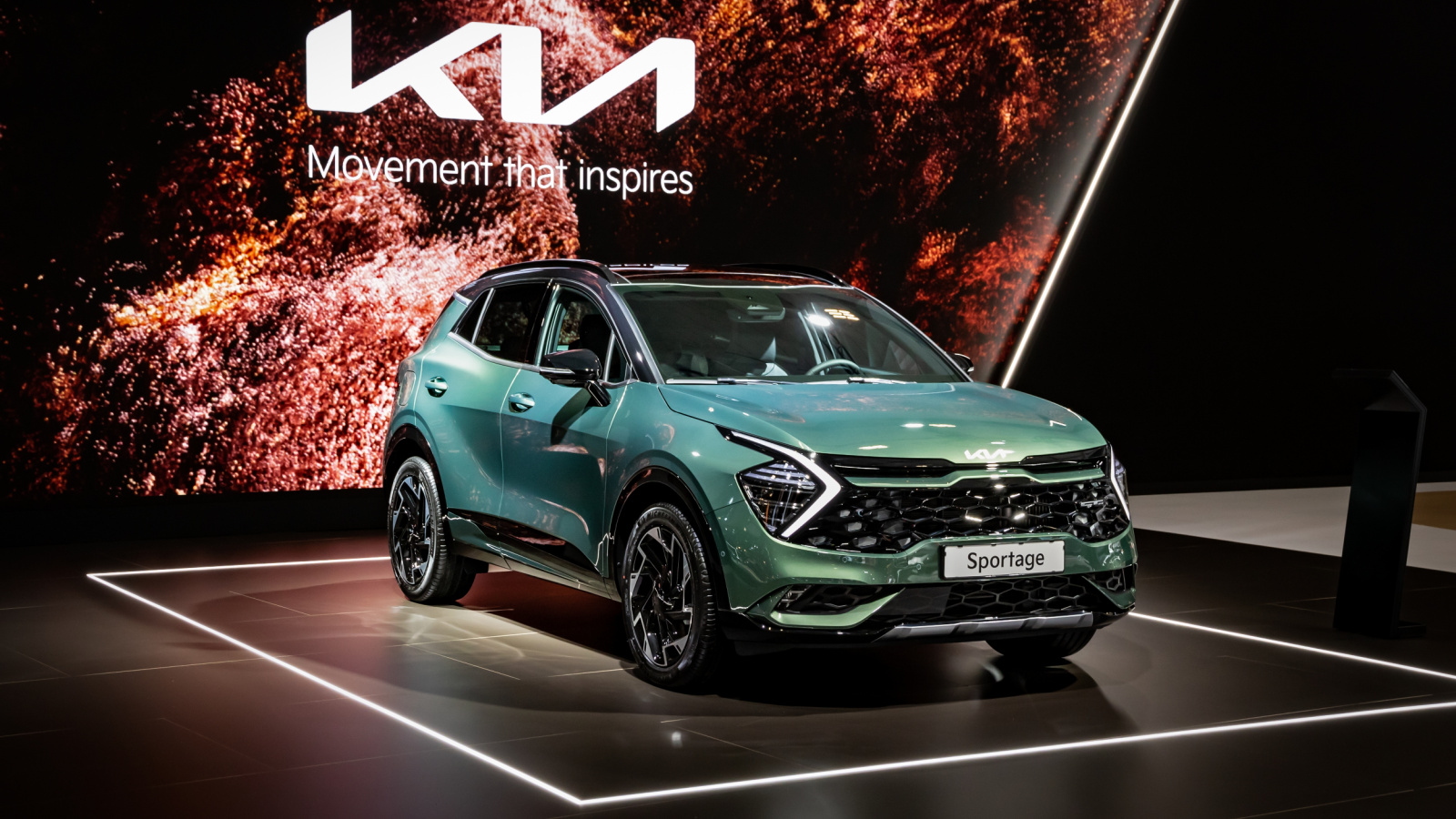
Kia includes subscription-based services through Kia Connect. Remote start and vehicle tracking require payment. Canadians value affordability in compact SUVs. Subscription fees reduce that advantage. Many drivers expect these features to be included. Kia offers free trials initially. However, long-term costs discourage continued use. The Sportage remains stylish and practical. Yet, subscriptions create hesitation. Buyers compare it with competitors offering free connectivity. Canadians prefer clear ownership costs. Recurring fees for basic features feel unnecessary in this price range.
Honda CR-V
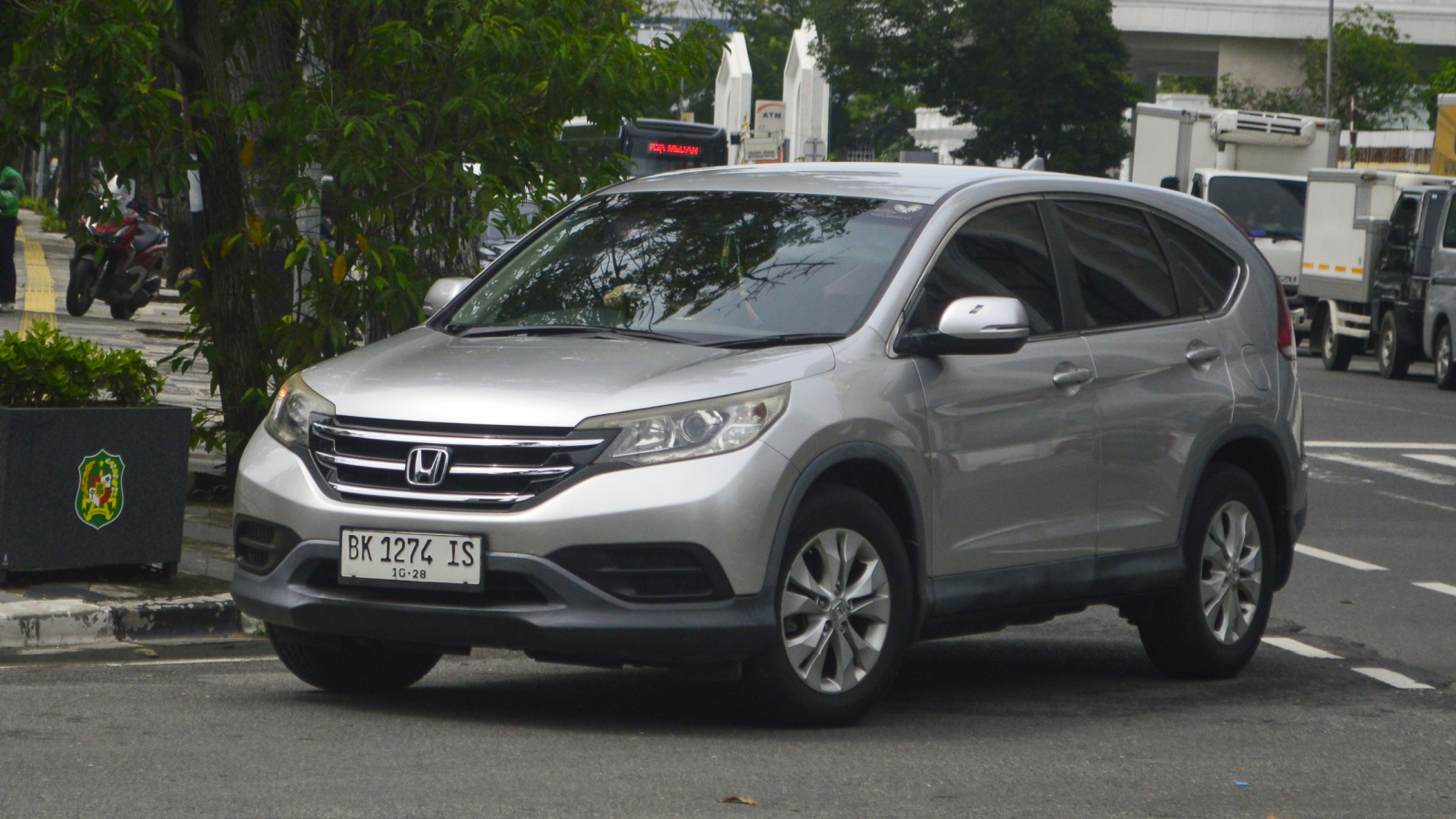
The CR-V includes subscription services for remote features. Canadians expect Honda to focus on simplicity and reliability. Charging for remote start feels unexpected. Many drivers rely on this feature daily in winter. Subscription fees create frustration among loyal buyers. The CR-V remains efficient and practical. However, recurring costs reduce its appeal. Some owners skip the service entirely. Others consider alternative models. Canadians prefer straightforward ownership without extra fees. The CR-V still sells well, but subscription models create mixed reactions among long-time fans.
Genesis GV70
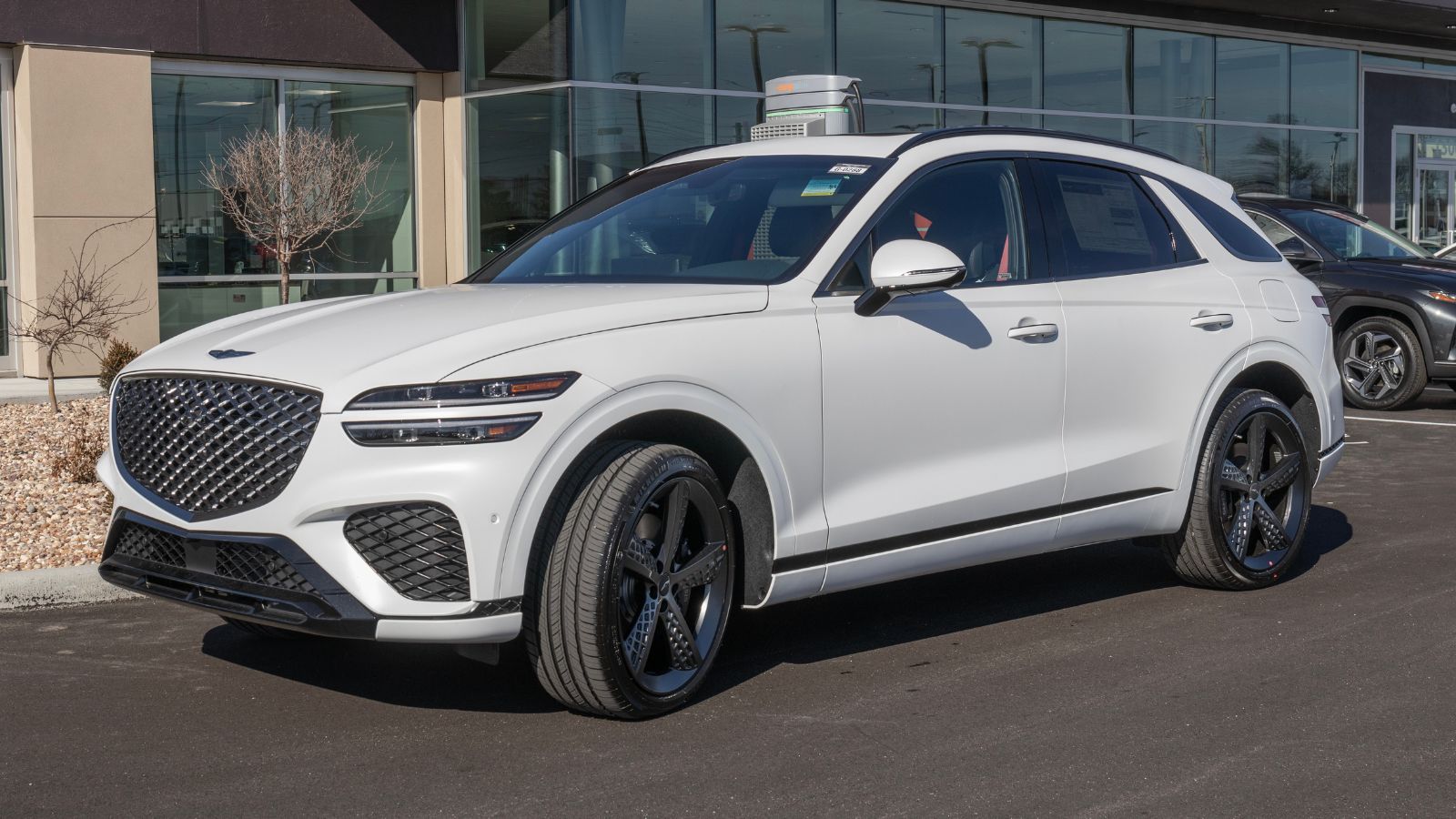
Genesis offers subscription services for connected features. Remote access and concierge services require payment. Canadian luxury buyers expect premium experiences included. Subscriptions feel like added friction. The GV70 delivers strong performance and design. However, recurring fees reduce perceived value. Many owners use free trial periods only. Afterward, interest drops significantly. Canadians prefer one-time pricing in luxury vehicles. Genesis competes well on quality. Yet, subscription models remain a concern. Buyers want full access without ongoing costs attached to features already built into the vehicle.
Ram 1500
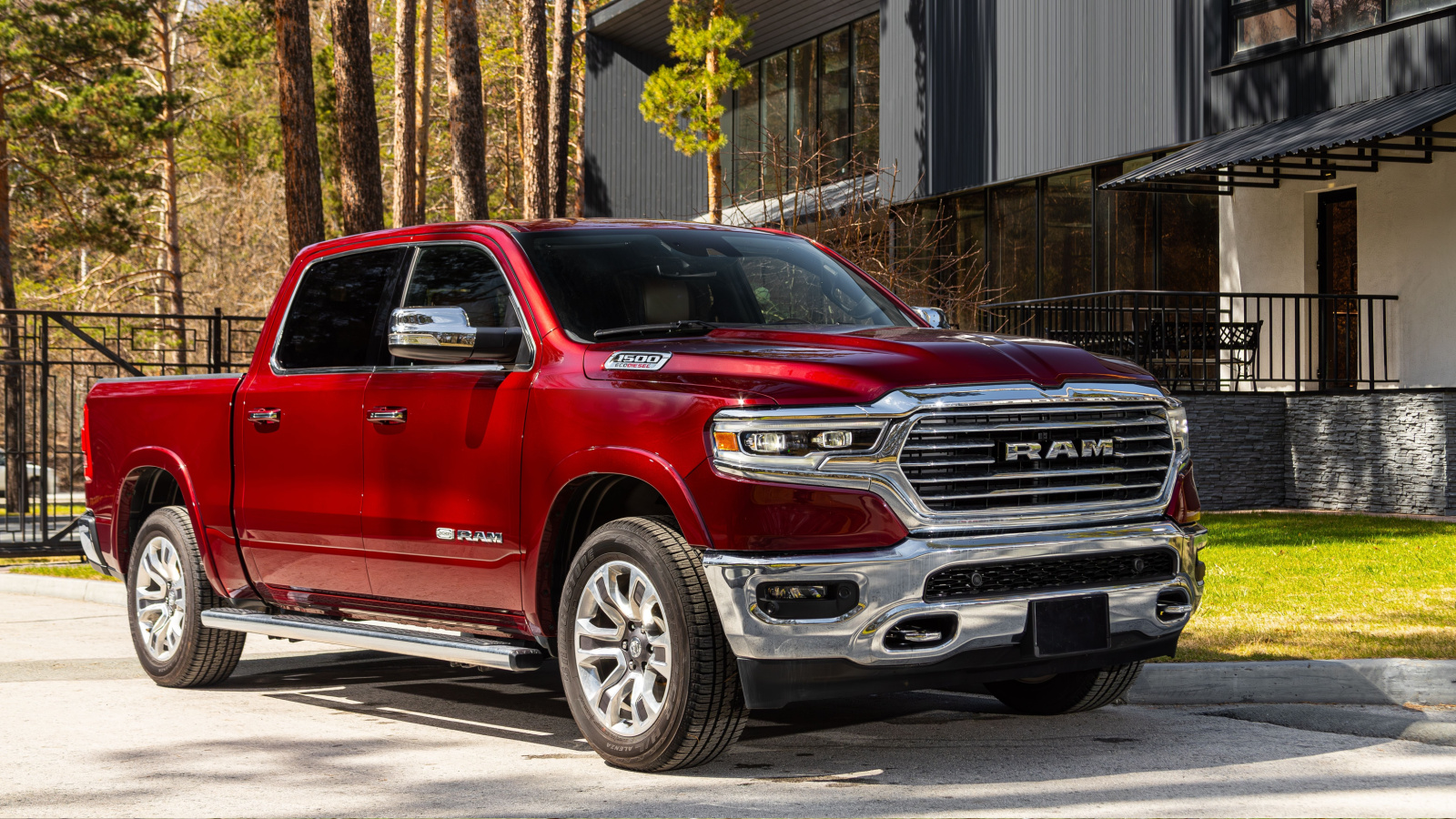
The Ram 1500 includes subscription-based connected services. Features like navigation and remote access require payment. Canadian truck buyers value practicality. Subscription fees feel unnecessary for daily use. Many drivers skip these services entirely. Others rely on smartphone apps instead. The Ram 1500 excels in comfort and towing. However, subscriptions reduce satisfaction. Buyers expect full functionality upfront. Recurring costs add complexity to ownership. Canadians prefer straightforward trucks without hidden fees. The Ram remains popular, but subscription fatigue is growing among owners.
Lexus RX
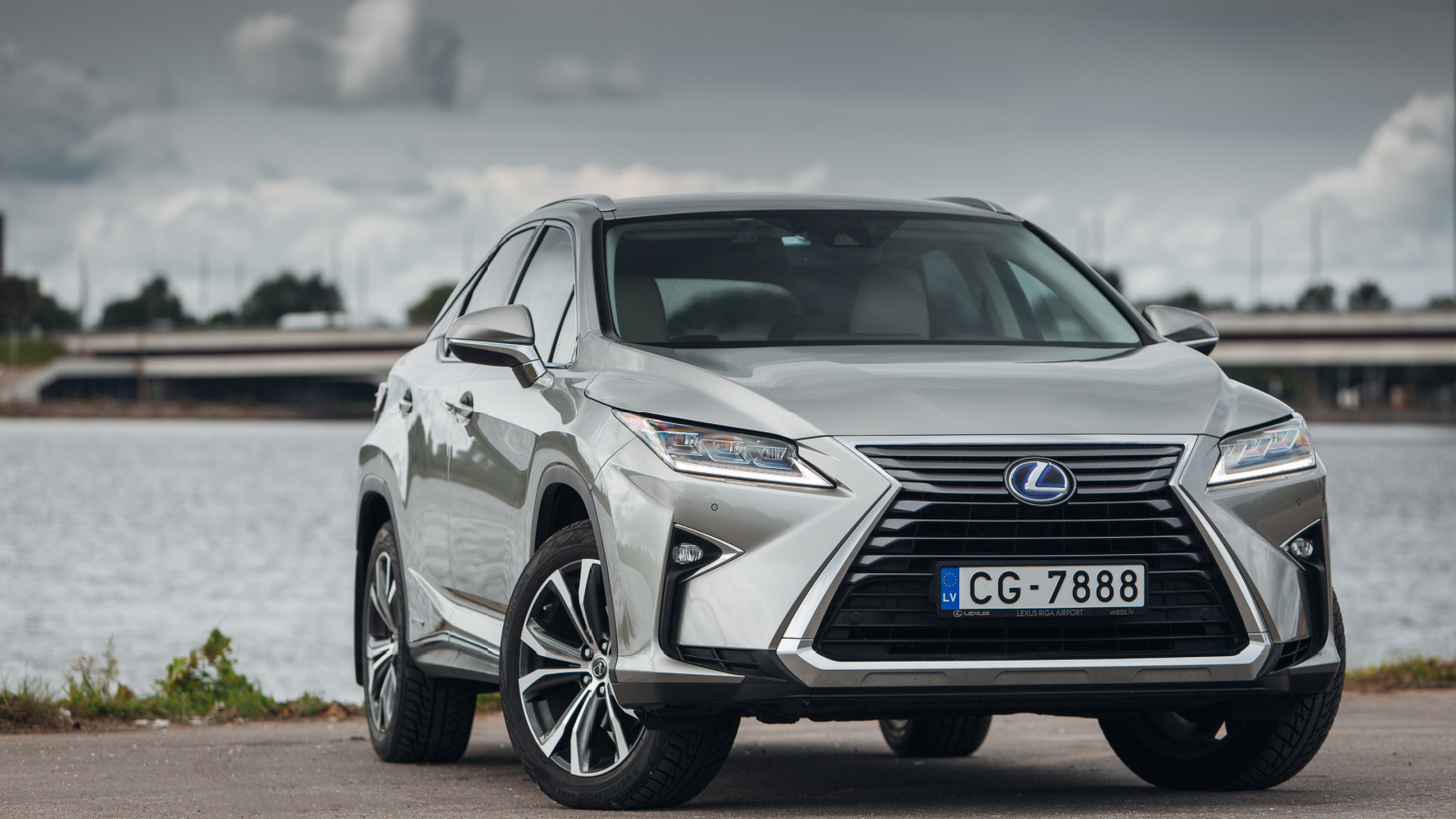
Lexus includes subscription services for connected features. Remote start and app access require payment. Canadian buyers expect reliability and ease of use. Subscriptions feel like an added hassle. The RX offers comfort and strong resale value. However, recurring fees reduce perceived ownership simplicity. Many owners skip subscription services entirely. Others rely on traditional key fobs. Lexus maintains strong brand loyalty. Still, subscription models create hesitation. Canadians prefer vehicles that keep essential features available without ongoing costs, especially in premium segments.
Hyundai Palisade
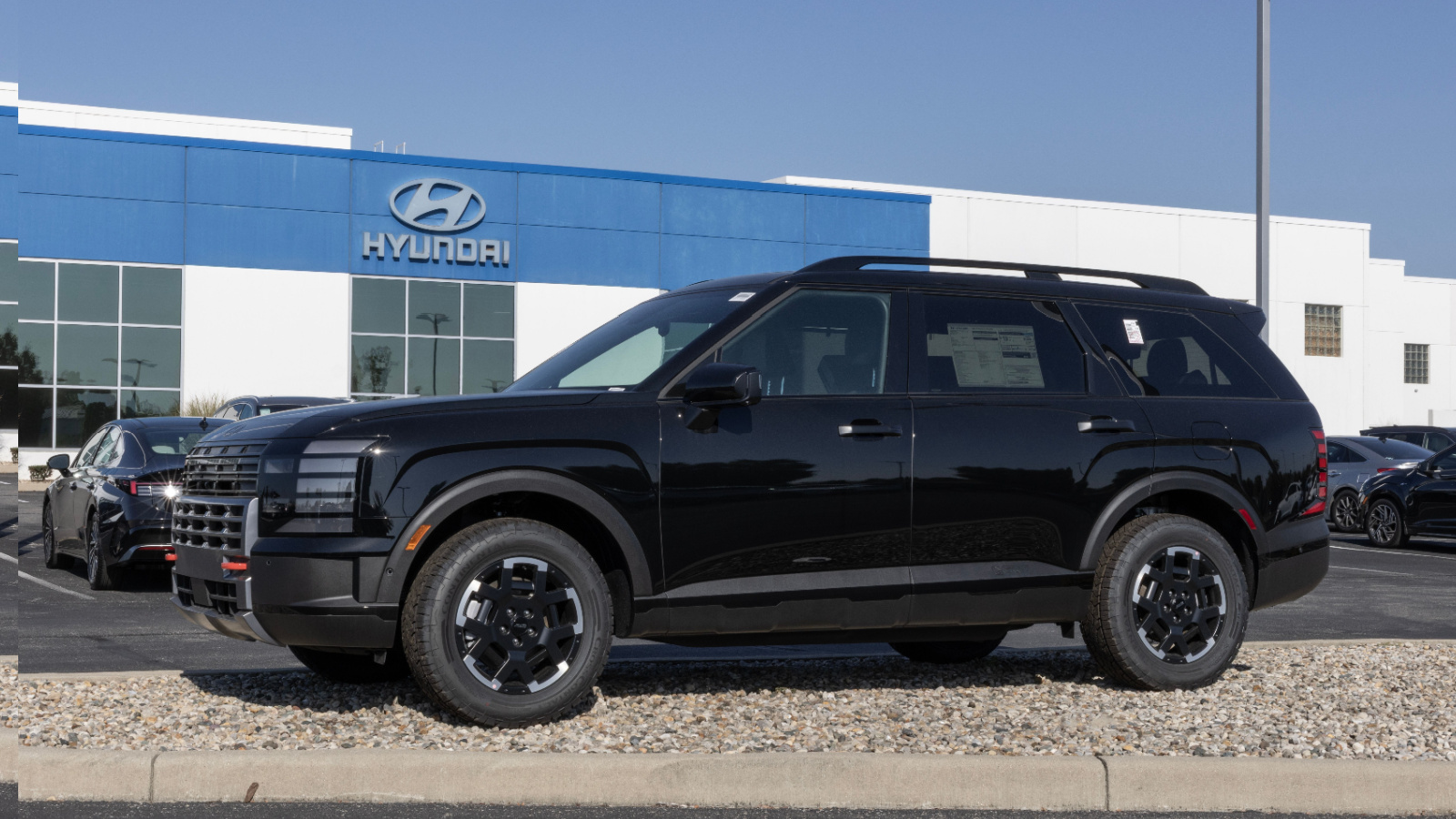
The Palisade includes subscription-based Bluelink services. Remote start and tracking require payment after trials. Canadians expect these features to be included in family SUVs. Subscription fees feel unnecessary. The Palisade offers comfort and space for families. However, recurring costs reduce its value perception. Many owners avoid renewing services. Others look at competitors offering free features. Hyundai’s design and reliability remain appealing. Still, subscriptions create friction. Canadians prefer simple ownership without monthly commitments tied to basic convenience features.
Ford Mustang Mach-E
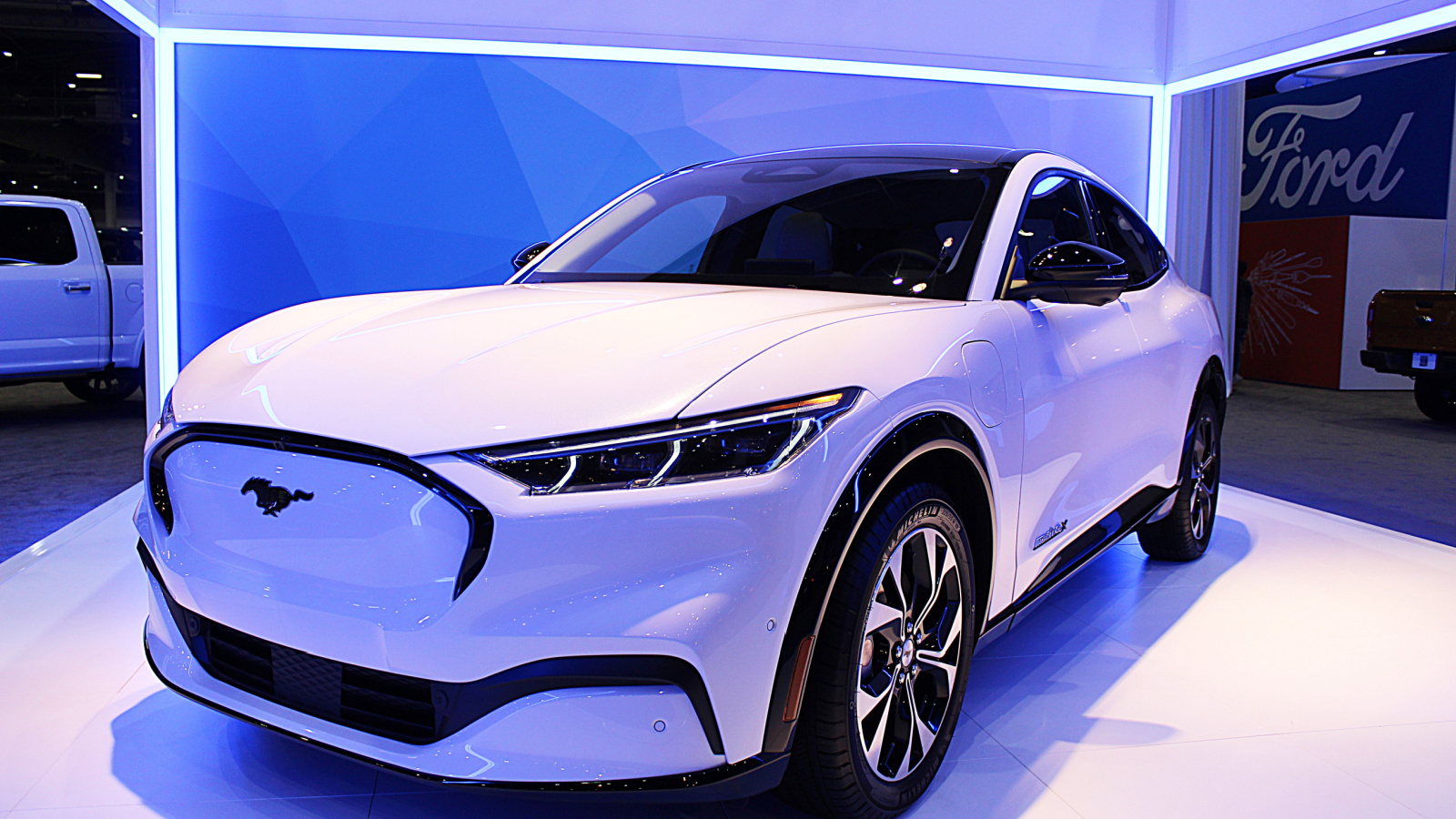
The Mach-E includes subscription-based BlueCruise features. Hands-free driving requires ongoing payments. Canadians appreciate advanced technology. However, recurring fees reduce appeal. Many drivers prefer traditional driver assistance systems. Paying monthly for automation feels unnecessary. The Mach-E remains popular among EV buyers. Still, subscription fatigue affects long-term satisfaction. Some owners skip renewals after trials. Others question the value of paid software upgrades. Canadians prefer clear pricing without hidden costs. Subscription models create hesitation in an already evolving EV market.
Toyota RAV4
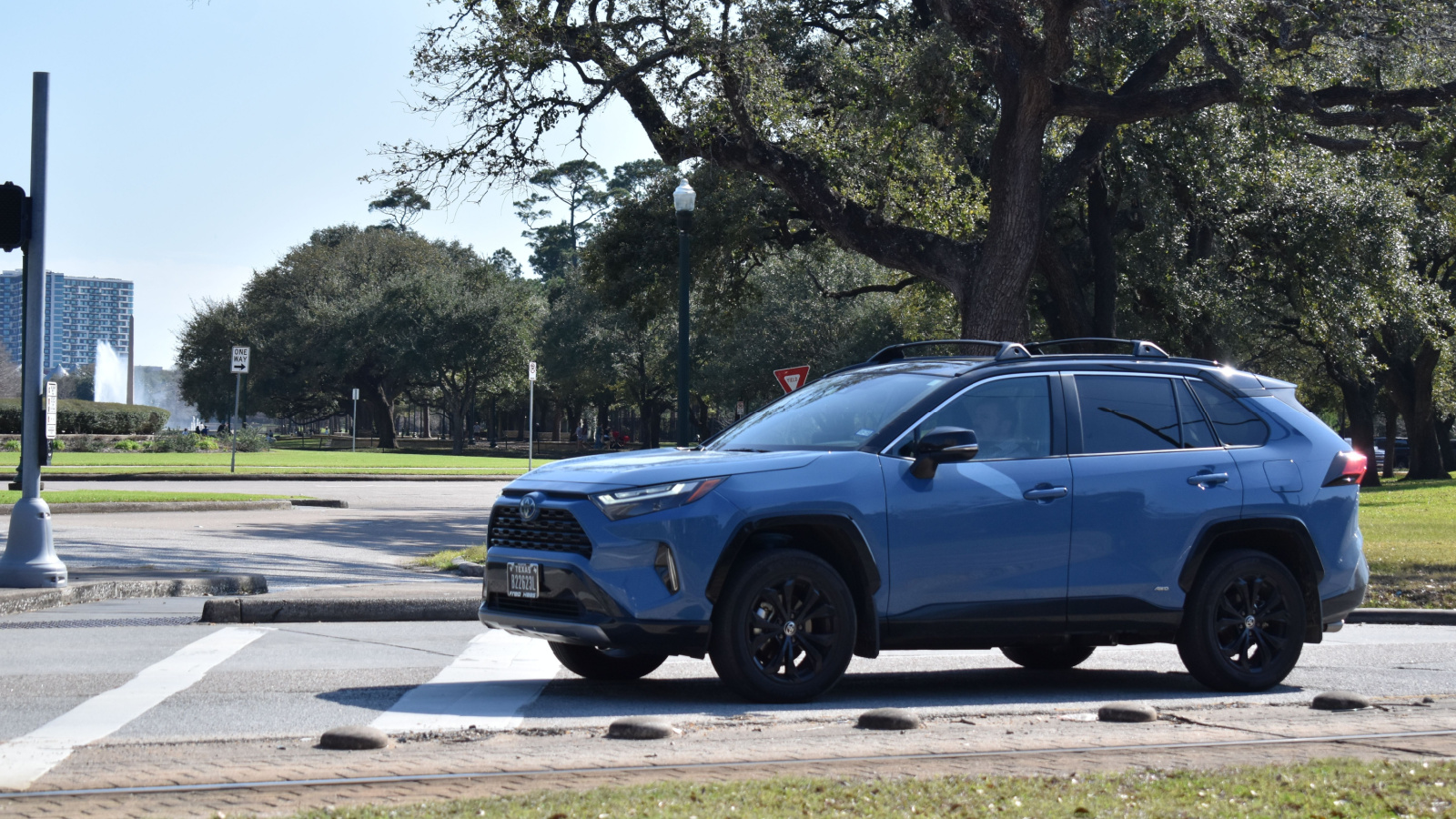
The RAV4 includes subscription-based connected services. Remote start and tracking require payment. Canadians expect these features to be standard. The RAV4 is known for reliability and practicality. Subscription fees reduce its appeal slightly. Many owners ignore connected services. Others rely on simpler alternatives. Toyota’s reputation remains strong. However, recurring costs create frustration. Buyers prefer vehicles that deliver full value upfront. The RAV4 continues to sell well. Still, subscription models are not widely embraced among Canadian drivers.
Chevrolet Equinox
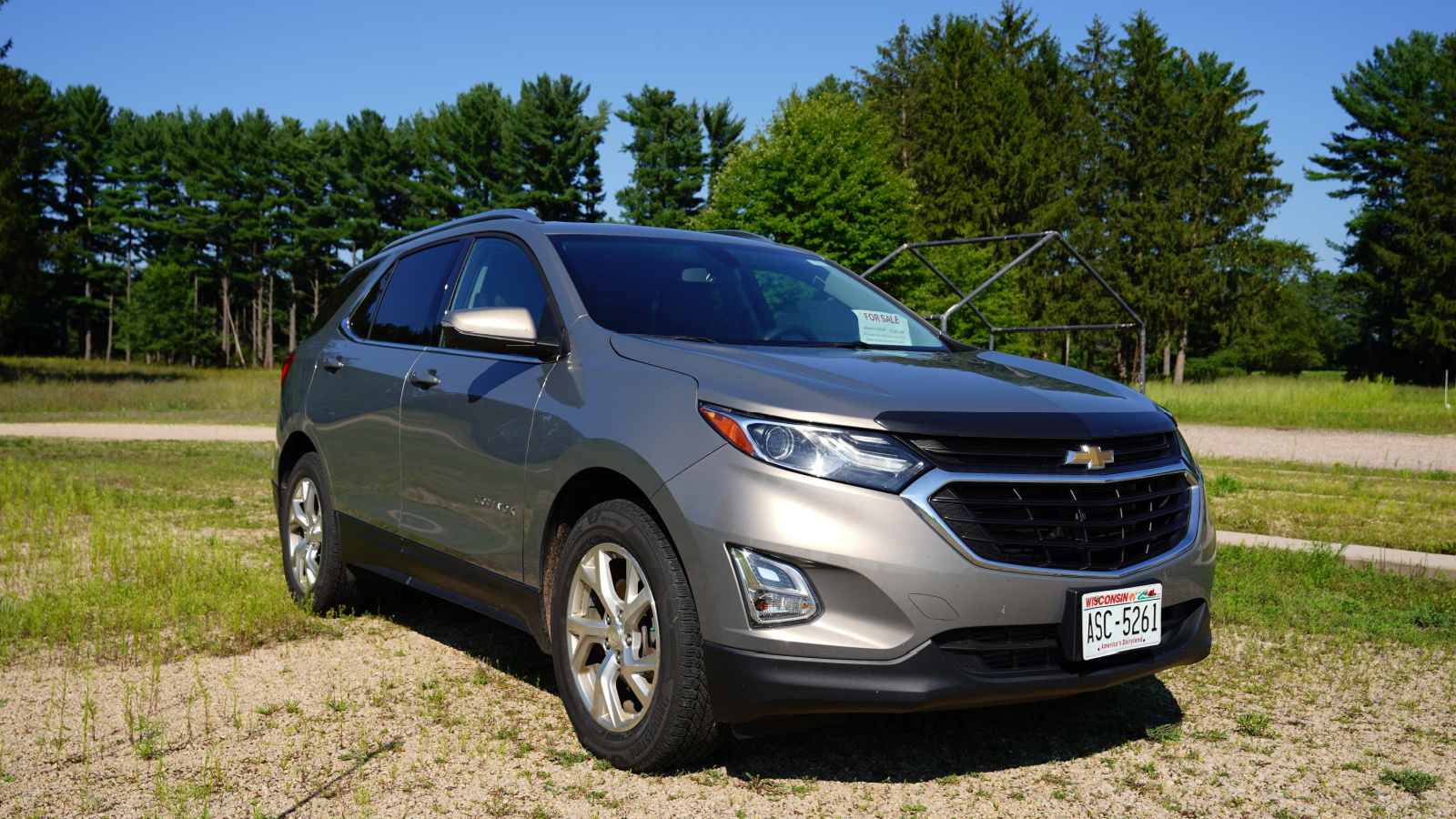
The Equinox includes subscription-based OnStar services. Remote access and safety features require payment. Canadians question the long-term value. Many features overlap with smartphone capabilities. Subscription fees add unnecessary cost. The Equinox remains practical and affordable. However, recurring charges reduce satisfaction. Many owners cancel after trial periods. Others skip services entirely. Chevrolet continues to promote connected features. Canadians remain cautious about subscriptions. They prefer clear pricing and full access. Subscription fatigue continues to shape buying decisions across this segment.
22 Things Canadians Do to Their Cars in Spring That Mechanics Hate

Spring brings relief to many Canadian drivers after months of snow, freezing temperatures, and icy roads that put serious strain on vehicles. As temperatures rise across the country, drivers begin washing cars, switching tires, and preparing vehicles for warmer weather and upcoming road trips. However, mechanics across Canada notice the same mistakes every spring when drivers attempt to recover from winter damage. Road salt, potholes, and harsh winter driving conditions often leave vehicles with hidden problems that drivers ignore. Some spring habits even create new mechanical issues that could have been avoided with proper maintenance. Here are 22 things Canadians do to their cars in spring that mechanics hate.