Used-car values in Canada are no longer moving in one neat direction. Prices remain high enough to make shoppers cautious, yet certain models are starting to show the weaker side of the resale market as incentives change, inventory improves, technology ages, and ownership costs become harder to ignore.
These 15 cars are not necessarily bad vehicles, but they carry signals that can make resale more fragile: fast-changing EV standards, luxury-brand depreciation, expensive repairs, recall histories, or a market crowded with similar choices. In a country where trade-in value often decides whether a purchase still feels smart three or four years later, quiet resale weakness can matter as much as the monthly payment.
Nissan Leaf
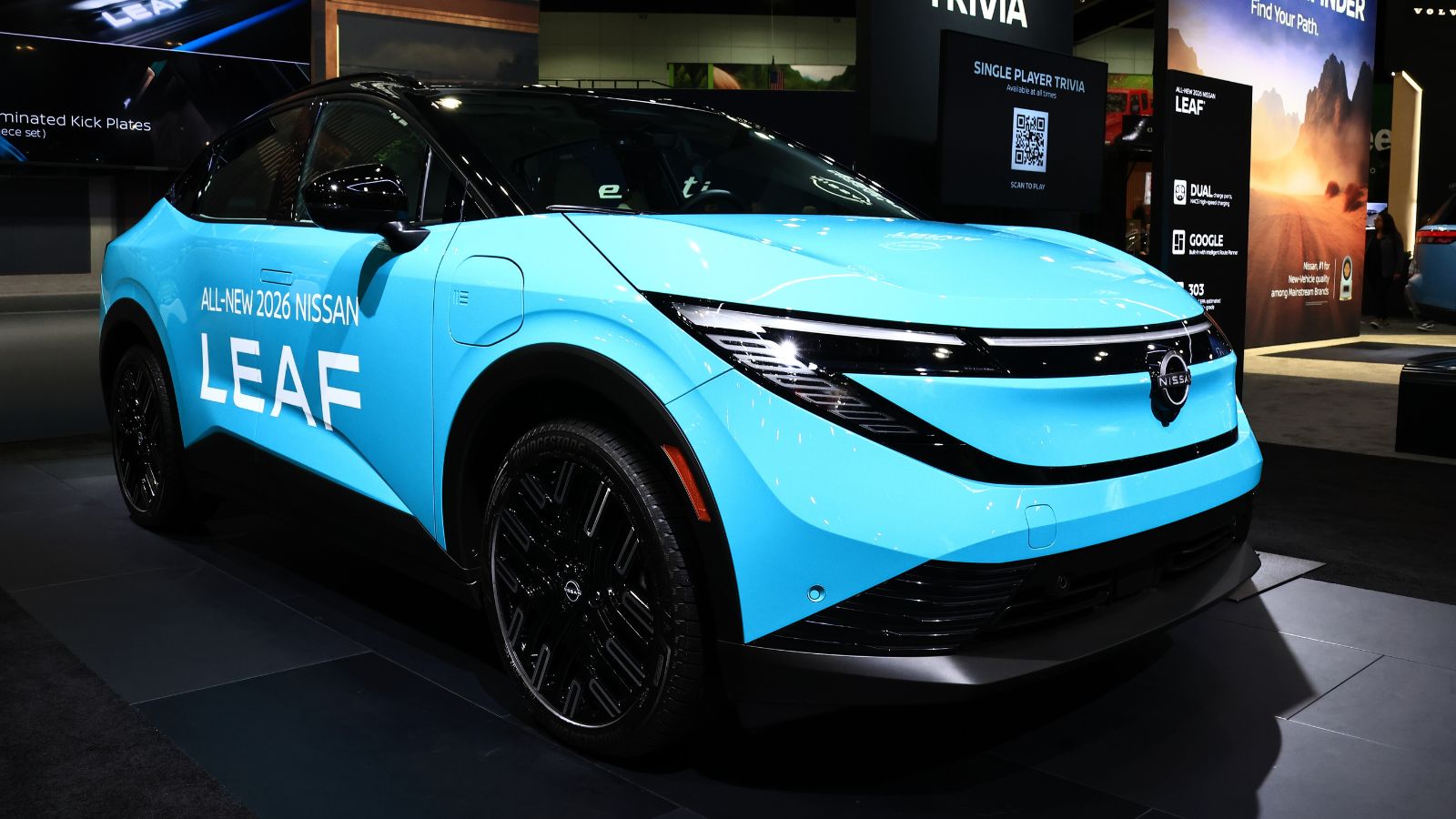
The Nissan Leaf has long been one of Canada’s most recognizable entry points into electric driving, especially for urban commuters who wanted lower running costs without paying luxury-EV prices. Its problem is that resale buyers now compare it against newer EVs with longer range, faster charging, more active thermal battery management, and more modern interiors. A used Leaf can look inexpensive at first glance, but that affordability often reflects how much value has already disappeared from the original price.
The Leaf also sits in one of the toughest resale categories: older mainstream EVs. Recent depreciation studies have repeatedly placed it among the fastest-depreciating vehicles after five years, with losses above 60% in some U.S. market analyses. In Canada, where cold-weather range matters and charging habits vary widely by region, buyers tend to ask hard questions about battery health. That caution can turn a once-practical commuter car into a softer trade-in than owners expected.
Volkswagen ID.4
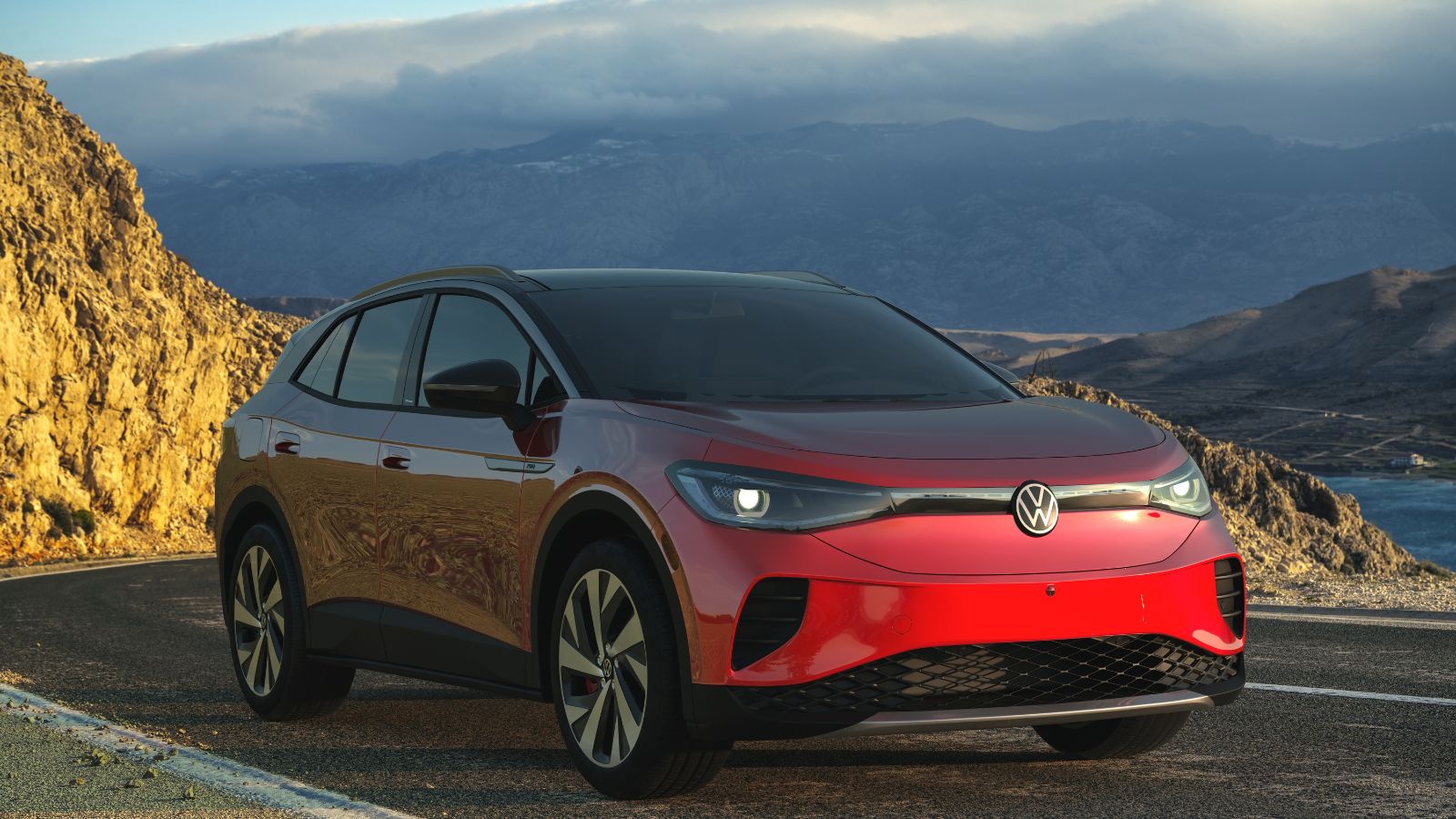
The Volkswagen ID.4 arrived with mainstream-brand credibility and crossover practicality, two things that should have helped it hold value. But the used market has become far more demanding. Buyers weighing a used ID.4 now compare it with newer EVs offering longer range, faster software updates, stronger charging networks, and more aggressive new-vehicle discounts. When new EV pricing shifts, lightly used EVs often feel the pressure almost immediately.
The ID.4’s resale challenge is not simply that it is electric. It is that it competes in a fast-moving segment where technology ages visibly. A three-year-old gas SUV can still feel familiar, but a three-year-old EV can seem behind if charging speed, interface performance, or range no longer matches current expectations. Depreciation research has ranked the ID.4 among weaker five-year performers, and that makes it a model Canadian owners should watch closely if they plan to trade rather than keep it long-term.
Tesla Model S
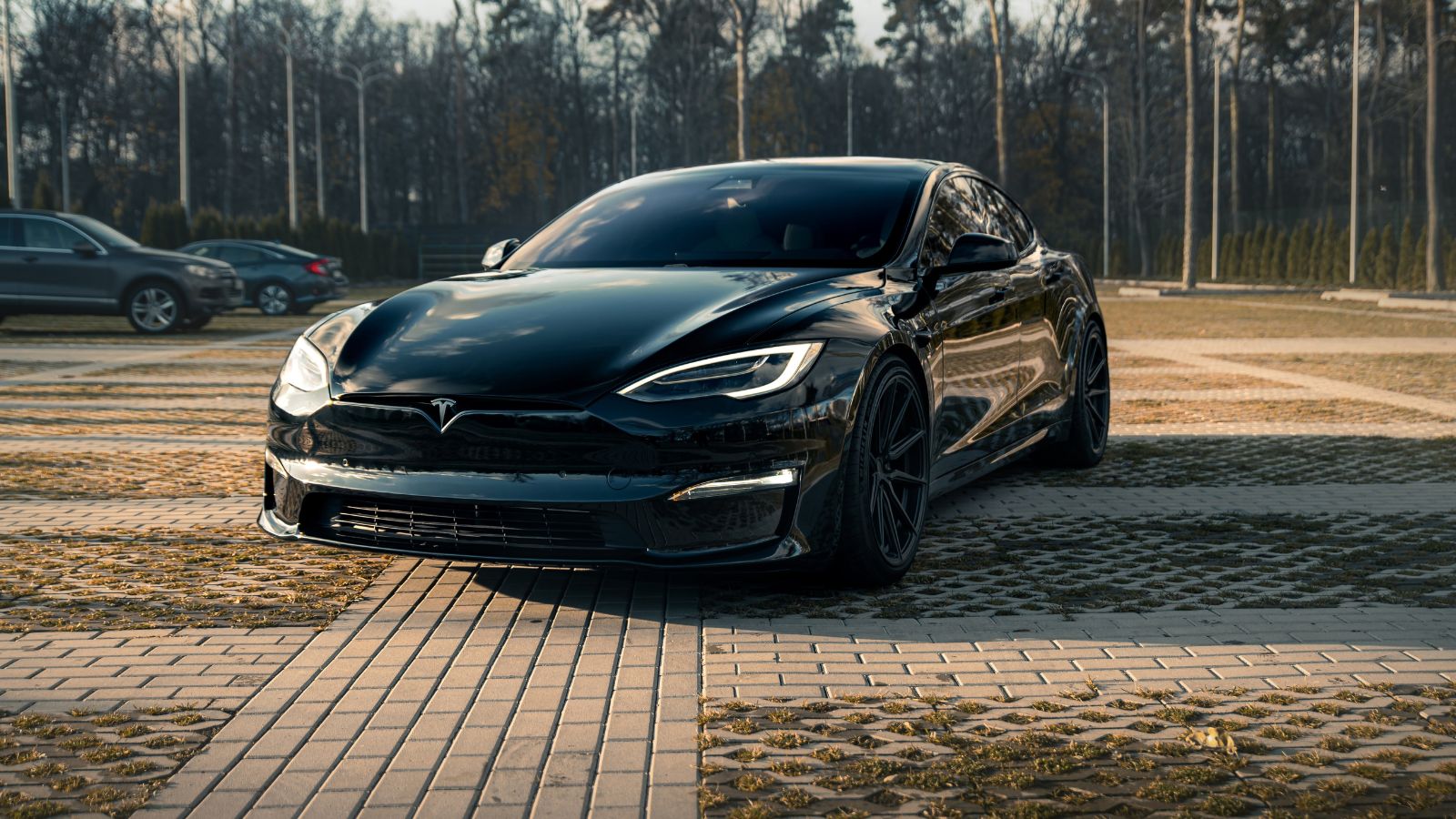
The Tesla Model S still carries prestige, performance, and brand recognition, but resale value has become more complicated than the badge suggests. Early buyers paid luxury-car money for technology that once felt years ahead of the market. Today, used examples compete not only with newer Teslas but also with cheaper new EVs, improved charging options from rival brands, and frequent pricing shifts that can reset buyer expectations almost overnight.
Luxury EV depreciation has been especially sharp because the original purchase prices were high and technology moved quickly. A Model S that once seemed like a future-proof purchase can face questions about battery condition, infotainment age, warranty status, repair costs, and whether a newer Model 3 or Model Y delivers enough of the same experience for less money. For Canadian sellers, that can mean a surprisingly wide gap between emotional value and actual trade-in value.
Tesla Model X
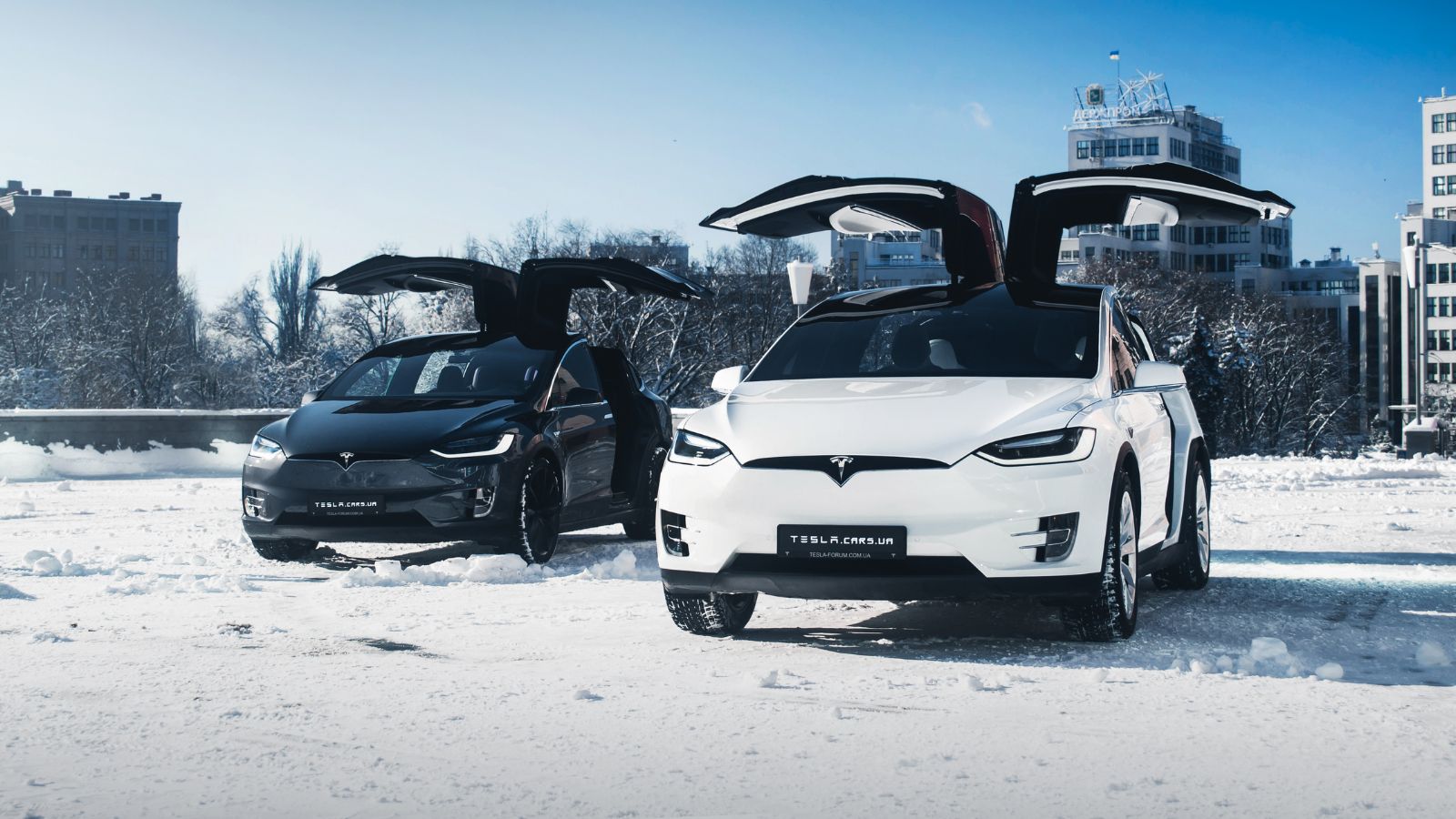
The Tesla Model X has the kind of features that draw attention on a lot: dramatic rear doors, strong acceleration, seating flexibility, and a premium EV image. Those same features can become resale complications once the vehicle ages. Buyers considering a used Model X often worry about complex repairs, expensive components, and whether earlier versions feel dated beside newer electric SUVs with simpler packaging and better price points.
The Model X also suffers from the broader luxury-EV problem. Expensive EVs can lose value quickly when newer models offer more range, better software, and lower entry prices. In Canada, where winter range and service access matter, shoppers may be cautious about buying a high-mileage premium EV outside warranty. The result is a vehicle that still feels impressive in daily use but may disappoint owners when the trade-in estimate arrives.
Ford Mustang Mach-E
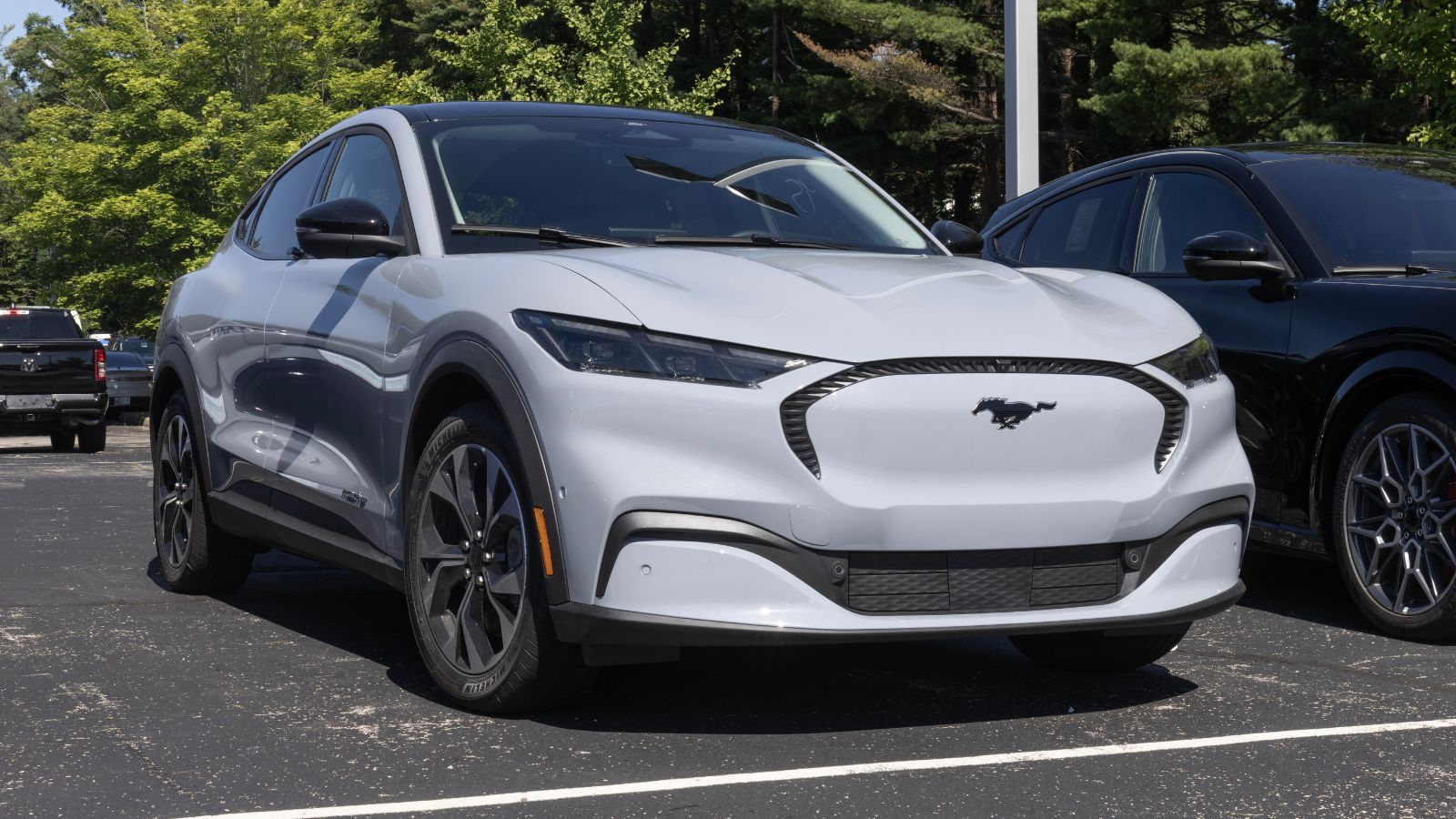
The Ford Mustang Mach-E seemed positioned for strong resale because it blended a familiar brand with EV performance and crossover utility. Yet its used-market path has become less certain as EV shoppers grow more selective. A used Mach-E now competes with newer EVs, discounted inventory, and a steady stream of rival crossovers. When buyers can cross-shop so easily, resale strength becomes harder to defend.
The Mach-E’s challenge is amplified by the way EV values react to incentives and pricing changes. If a new EV receives support through rebates, financing programs, or manufacturer discounts, a used version must be priced low enough to make sense. In Canada, that calculation can vary by province and charging access. The Mach-E may still be enjoyable and practical, but it is quietly moving into the zone where owners need to pay close attention to market timing.
Chevrolet Bolt EV
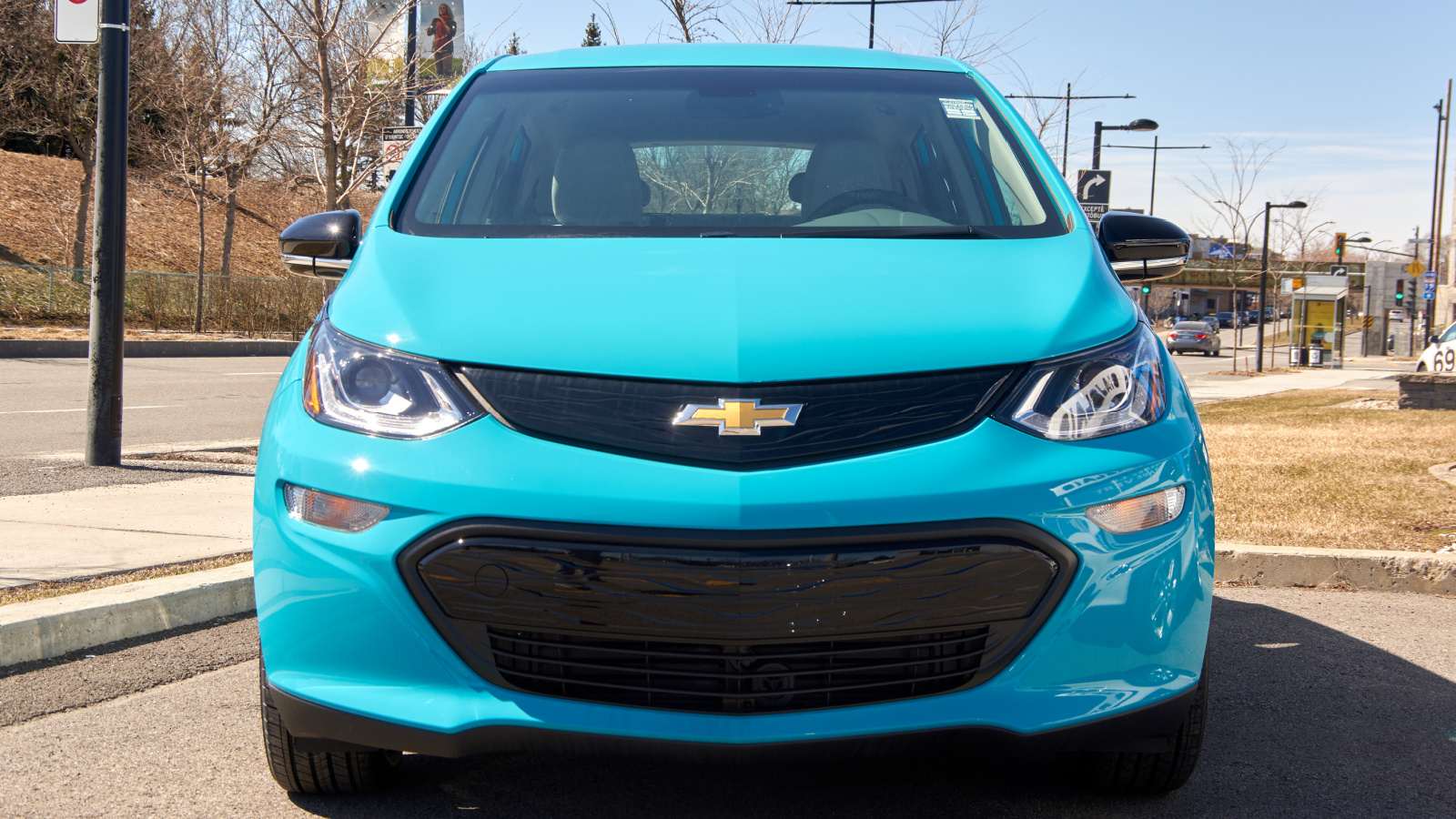
The Chevrolet Bolt EV earned a loyal following because it offered useful range in a compact, relatively affordable package. For many Canadian commuters, especially those with home charging, it made a lot of sense. But resale value has been affected by two big issues: the battery-fire recall history and the rapid evolution of the small-EV market. Even when recall repairs are completed, the story can follow the vehicle in buyer perception.
The Bolt’s used value can also be difficult to read because some examples received major battery-related work while others may require careful documentation. Buyers often want proof that recall obligations were handled properly, and that extra due diligence can cool demand. The Bolt can be a strong used buy at the right price, but from the seller’s side, it may feel like the market is pricing in every headline, every battery concern, and every newer EV alternative.
Jaguar I-Pace
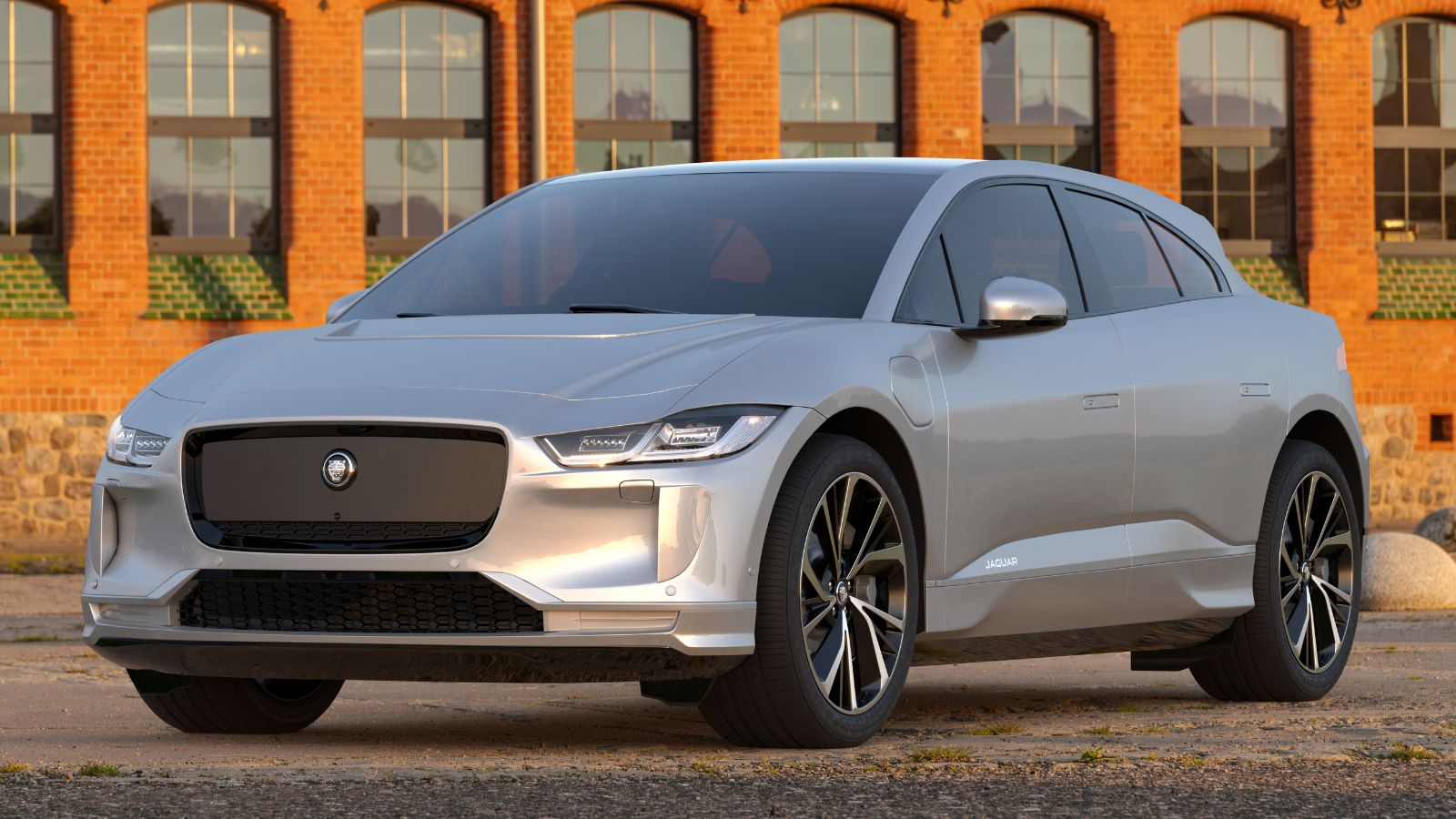
The Jaguar I-Pace was once one of the most striking luxury EVs on the road, combining performance, style, and rarity. Those same qualities have not protected it from steep depreciation. Luxury vehicles already tend to fall hard after the first owner, and luxury EVs add another layer: rapid battery and software progress. A used I-Pace can look like a bargain compared with its original price, which is exactly the problem for owners selling one.
The Canadian market can be especially unforgiving to a niche luxury EV. Buyers may worry about service access, repair costs, parts availability, winter range, and long-term battery confidence. Depreciation studies have repeatedly placed the I-Pace among the steepest value losers in recent years. It may still be rewarding to drive, but resale buyers often treat it like a high-risk luxury experiment rather than a safe long-term asset.
BMW 7 Series
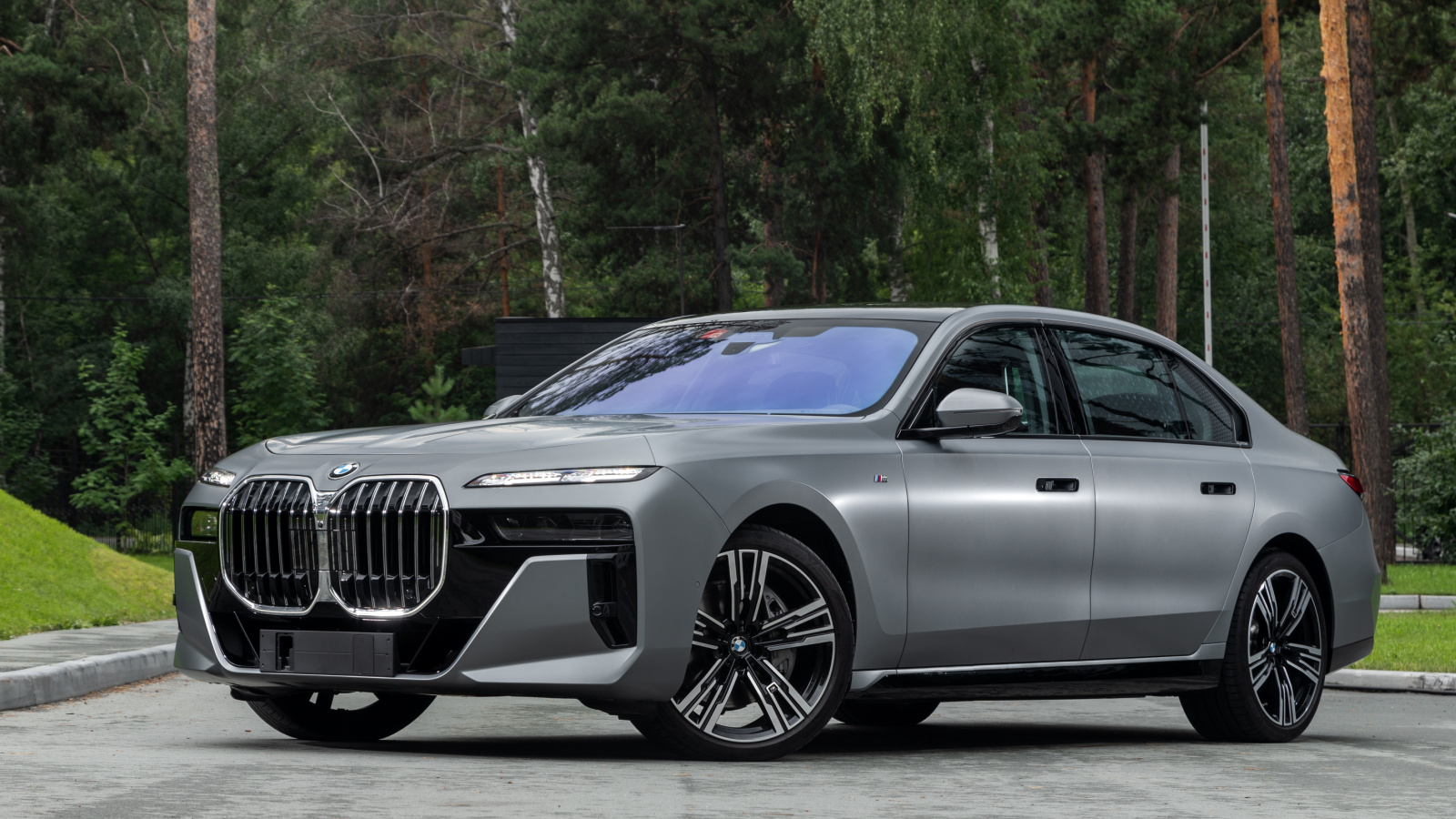
The BMW 7 Series has a classic resale problem: it is extremely expensive new and intimidatingly complex used. Buyers love the idea of a flagship sedan at a fraction of its original price, but they also know that maintenance, electronics, air suspension, luxury features, and out-of-warranty repairs can be costly. That fear tends to push used prices down sharply, even when the car still looks prestigious.
In Canada, the market for large luxury sedans is also smaller than it once was. Many buyers who can afford the running costs now prefer SUVs, while value-focused shoppers avoid the risk altogether. Depreciation studies have consistently placed the 7 Series among heavy five-year losers. For the first owner, the quiet shock comes when a car that once signalled executive success is valued like a complicated used gamble.
BMW 5 Series Plug-In Hybrid
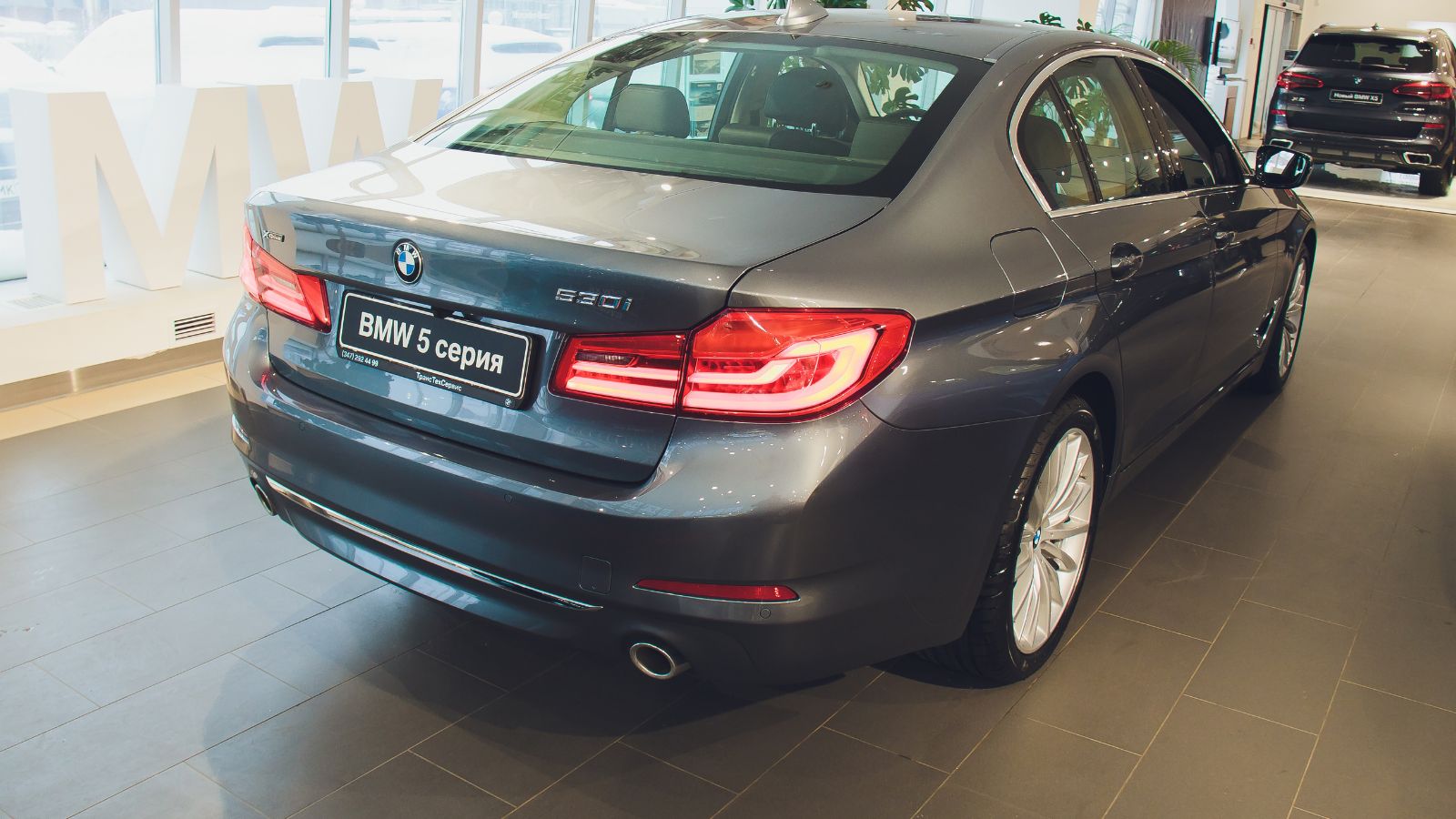
The BMW 5 Series plug-in hybrid can seem like the perfect compromise: premium comfort, lower fuel use, and short-distance electric driving. But plug-in hybrids can be awkward in resale markets when buyers are unsure about battery condition, charging habits, or whether the electric range is still meaningful. A conventional luxury sedan is already depreciation-prone; adding electrified hardware can make the ownership story harder to explain.
The Canadian buyer pool for used plug-in luxury sedans is narrower than it appears. Some shoppers want a full EV, some want a simple gas car, and others prefer a hybrid from a brand known for low running costs. That leaves premium plug-in sedans squeezed in the middle. When warranty coverage fades, resale buyers may demand a large discount to offset perceived complexity, making the 5 Series hybrid a quiet resale risk.
Infiniti QX80
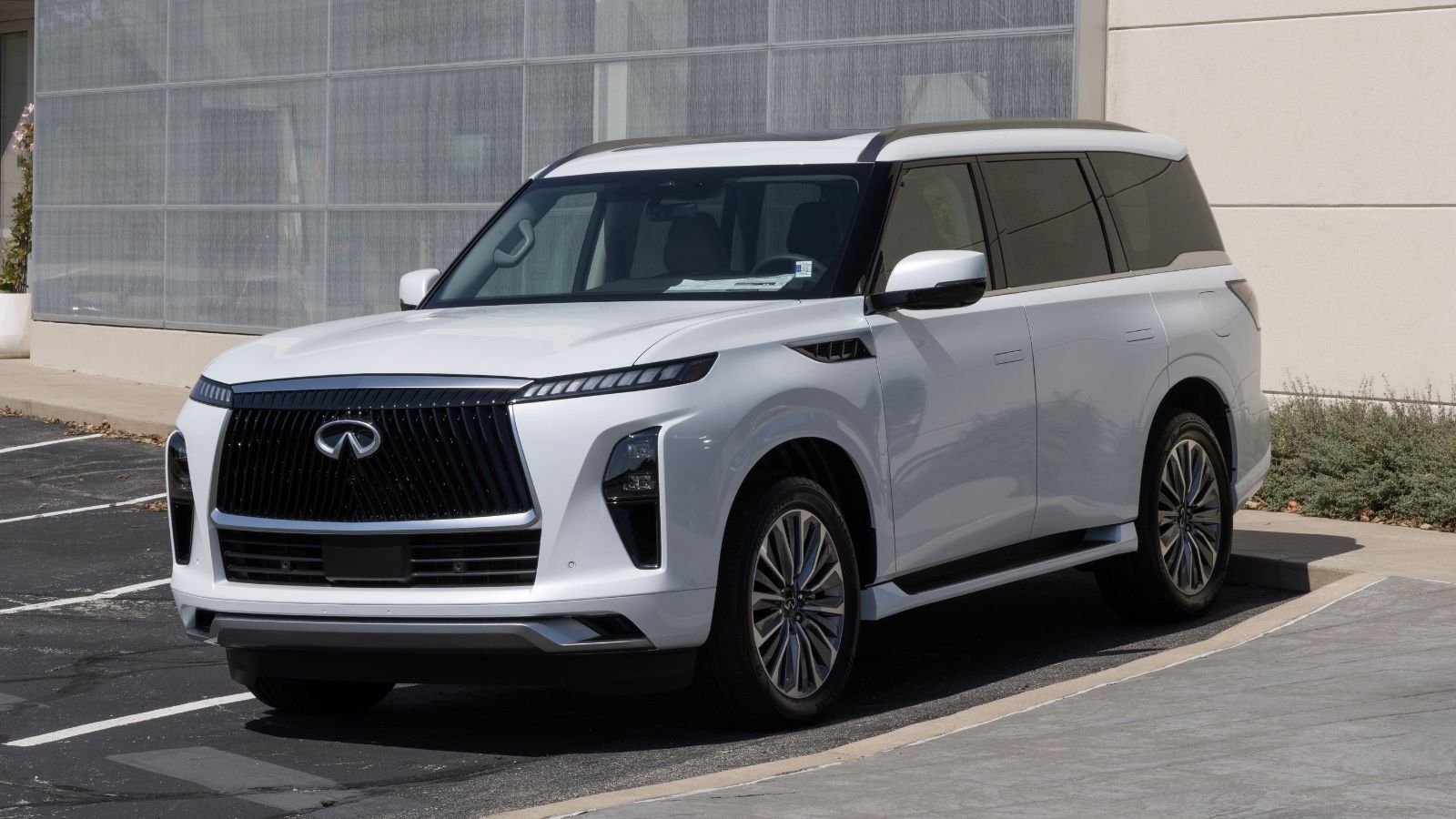
The Infiniti QX80 has presence, power, and family-hauling ability, but the resale market has become less forgiving toward large luxury SUVs that drink fuel and feel dated quickly. A vehicle this size makes sense for certain families, cottage owners, or towing needs, yet rising ownership costs can narrow the buyer pool. When fuel prices are sensitive and payments are high, resale values for big premium SUVs can soften fast.
Depreciation studies have ranked the QX80 among the steepest five-year value losers, with losses above 60% in some recent analyses. That does not mean there is no demand, but it suggests buyers expect a deep discount. In Canada, where buyers often compare it with used Lexus, Toyota, GMC, or Chevrolet alternatives, the Infiniti badge may not command enough loyalty to protect resale value.
Infiniti QX60
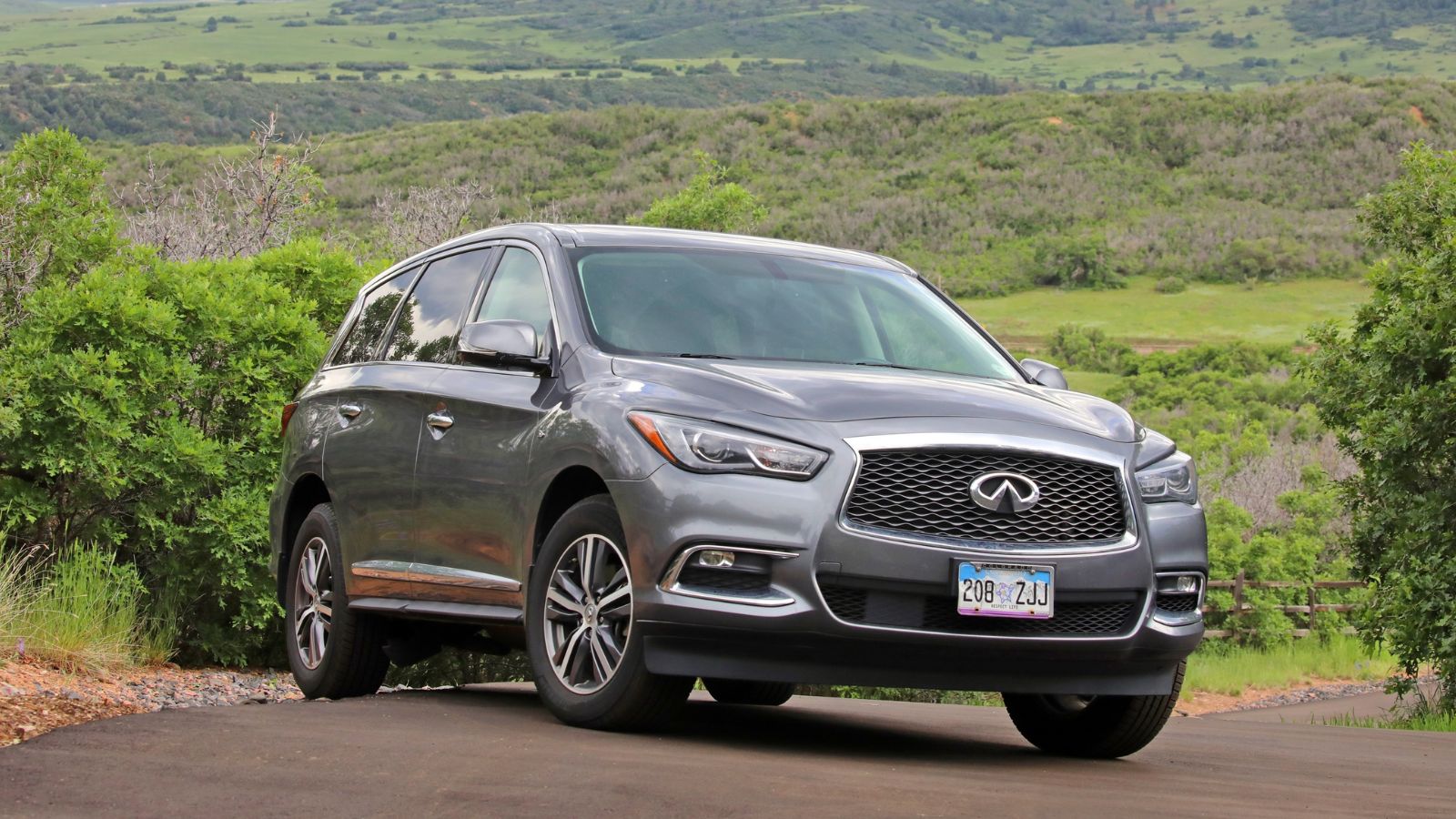
The Infiniti QX60 is more mainstream-friendly than the QX80, but it faces its own resale pressure. Three-row family SUVs are popular in Canada, yet the segment is crowded with strong competitors from Toyota, Honda, Hyundai, Kia, Mazda, and Subaru. When families shop used, they often prioritize reliability reputation, fuel economy, safety tech, and predictable repair costs over premium branding. That can put the QX60 in a difficult middle ground.
Recent depreciation studies have also flagged the QX60 as a weaker value-retention performer. The issue is not that the vehicle lacks comfort or usefulness; it is that buyers have many alternatives. A used Highlander, Pilot, Telluride, or CX-90 may feel easier to justify. When a premium three-row SUV lacks the strongest brand pull, resale values can quietly drift lower than owners expected at trade-in time.
Ford Escape
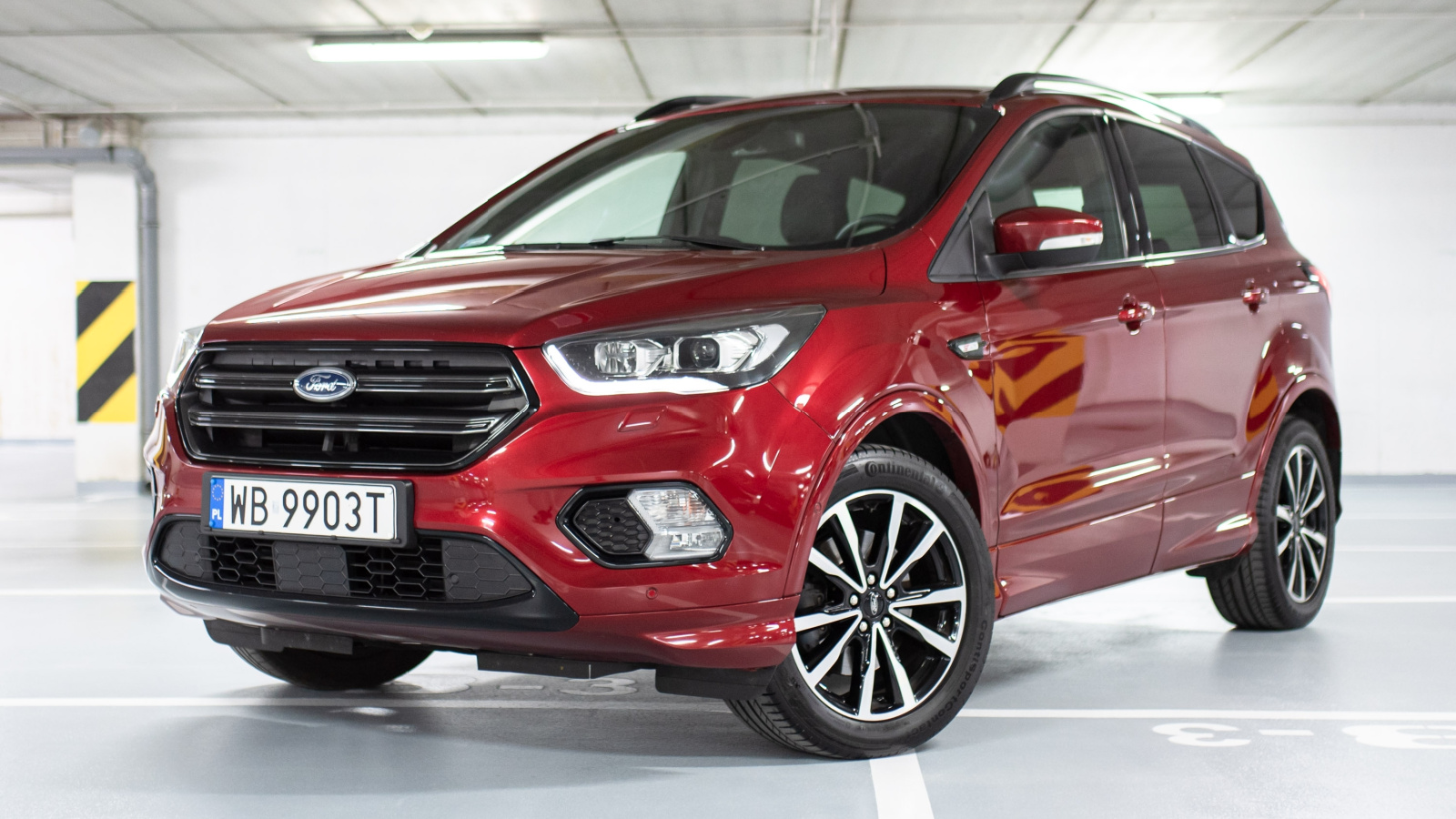
The Ford Escape is a familiar name in Canada and appears often on used lots, which is part of its resale challenge. Popularity can help liquidity, but abundant supply can also limit pricing power. Buyers shopping compact SUVs have endless alternatives, including the Toyota RAV4, Honda CR-V, Mazda CX-5, Hyundai Tucson, Kia Sportage, and Nissan Rogue. In that crowd, the Escape must compete heavily on price.
Recall history can also affect perception. Transport Canada has documented recalls involving certain Ford SUVs, including issues related to fuel injectors on some 1.5L EcoBoost models and block-heater concerns on certain vehicles. Even when repairs are free and completed, buyers may use recall histories as negotiation leverage. The Escape can still be practical, but it may not deliver the resale confidence many Canadians associate with the strongest compact SUVs.
Jeep Grand Cherokee 4xe
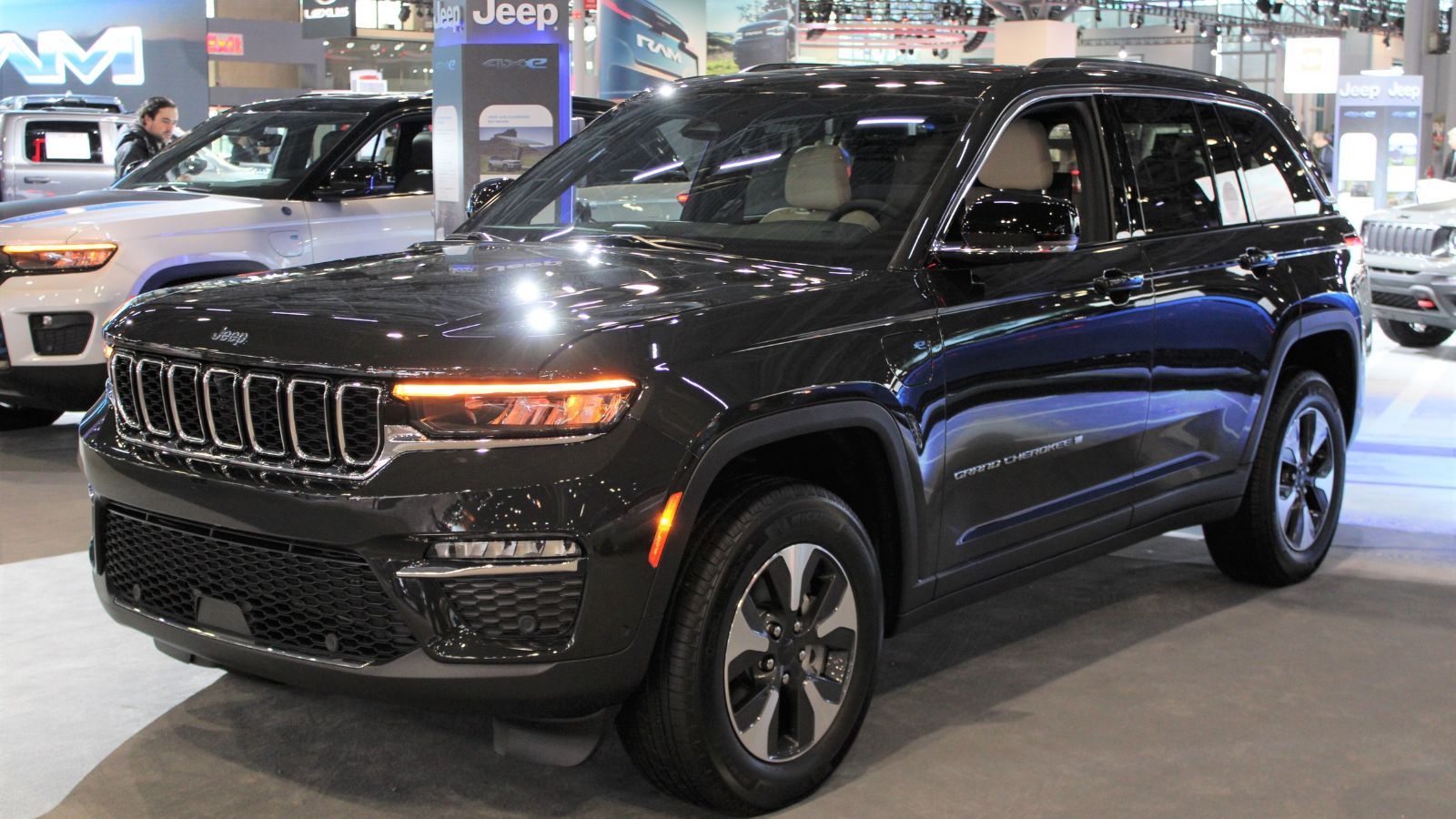
The Jeep Grand Cherokee 4xe should have a compelling resale story: a recognizable SUV name, plug-in hybrid capability, and premium trims that suit Canadian weather and cottage-country use. The challenge is that plug-in hybrid luxury SUVs can be expensive and complex once they age. Buyers must assess gas-engine condition, battery performance, charging behaviour, software updates, and whether the vehicle’s electric range still fits their routine.
The broader Grand Cherokee family has also faced recall attention in recent years, including Transport Canada notices involving certain model years and components. For resale, that does not automatically make the vehicle undesirable, but it does add friction. Used buyers often prefer simplicity when spending serious money. A Grand Cherokee 4xe with incomplete records or uncertain charging history may need a meaningful discount to move, especially beside conventional SUVs with clearer ownership stories.
Dodge Hornet
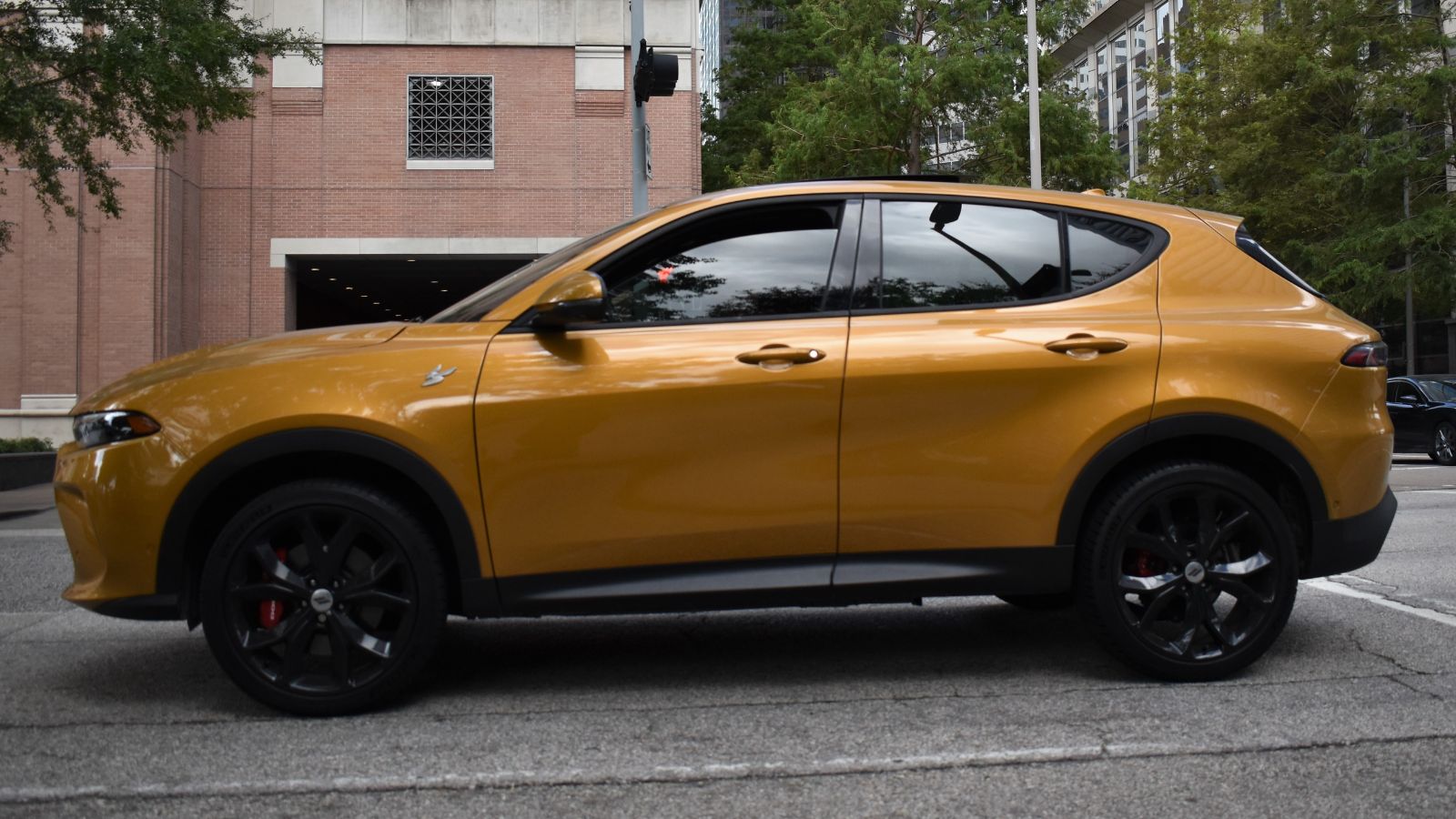
The Dodge Hornet is still relatively new, but resale risk can appear early when a vehicle enters a crowded segment without a deeply established identity. Compact crossovers are everywhere in Canada, and buyers often default to known quantities. The Hornet’s performance angle gives it character, but character alone does not always protect resale value when shoppers are comparing monthly payments, insurance, fuel costs, and long-term reliability reputation.
Depreciation trackers have already placed the Hornet among weaker residual-value performers in some listings-based rankings. That early signal matters because resale confidence is partly psychological. If buyers believe a model is obscure, expensive to insure, or uncertain long-term, they ask for a lower price. For owners, the danger is not immediate failure; it is that the market may quietly decide the Hornet needs a discount before it has had time to build loyalty.
Nissan Ariya
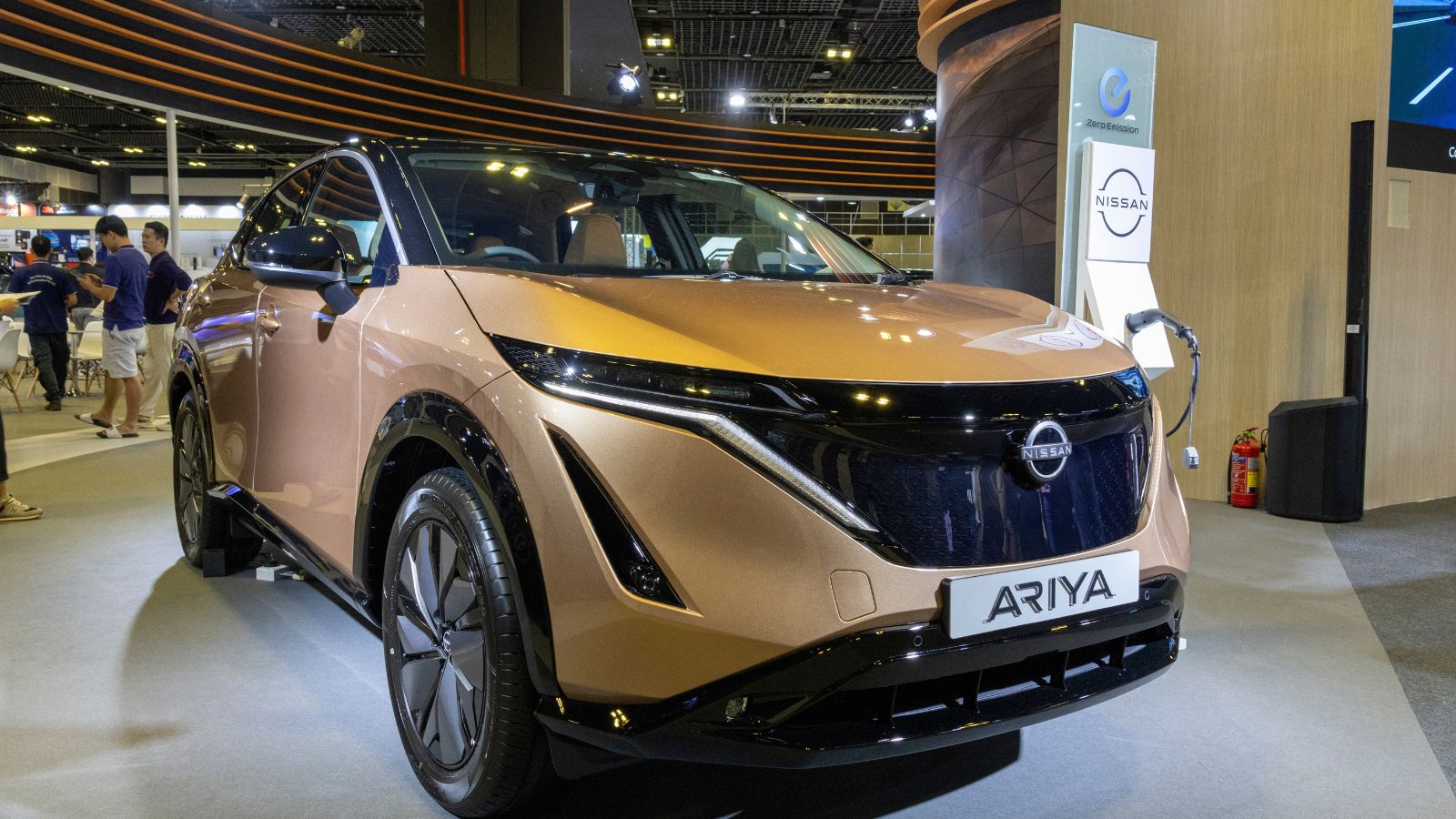
The Nissan Ariya is more advanced and polished than the Leaf, but it faces a difficult resale environment. Electric crossovers are multiplying quickly, and buyers increasingly compare range, charging speed, software, cargo space, warranty terms, and price incentives across brands. A model that enters the market at a premium can lose ground if rivals become cheaper, more recognizable, or more widely supported by charging infrastructure.
The Ariya also carries the burden of being an EV from a brand whose older Leaf models became known for steep depreciation. That does not mean the Ariya will follow the same path, but buyer perception can be sticky. Depreciation rankings have placed it among weaker residual-value names in some forecasts, and Canadian shoppers may hesitate if new-EV incentives or manufacturer pricing make a brand-new alternative feel close in cost.
22 Things Canadians Do to Their Cars in Spring That Mechanics Hate

Spring brings relief to many Canadian drivers after months of snow, freezing temperatures, and icy roads that put serious strain on vehicles. As temperatures rise across the country, drivers begin washing cars, switching tires, and preparing vehicles for warmer weather and upcoming road trips. However, mechanics across Canada notice the same mistakes every spring when drivers attempt to recover from winter damage. Road salt, potholes, and harsh winter driving conditions often leave vehicles with hidden problems that drivers ignore. Some spring habits even create new mechanical issues that could have been avoided with proper maintenance. Here are 22 things Canadians do to their cars in spring that mechanics hate.