


























Canadian drivers already face a costly ownership season, and summer can expose weak spots fast: hot-weather battery strain, long-distance fuel burn, tire wear, air-conditioning repairs, insurance pressure, and road-trip reliability worries. Vehicles that look appealing on a showroom floor or used-car lot can become far more expensive once real-world ownership begins.
Here are 18 cars, SUVs, trucks, and electrified models that could become some of the biggest ownership money pits in Canada this summer, especially for buyers stretching their budget, taking on longer commutes, or planning heavy road-trip use.
Jeep Grand Cherokee 4xe
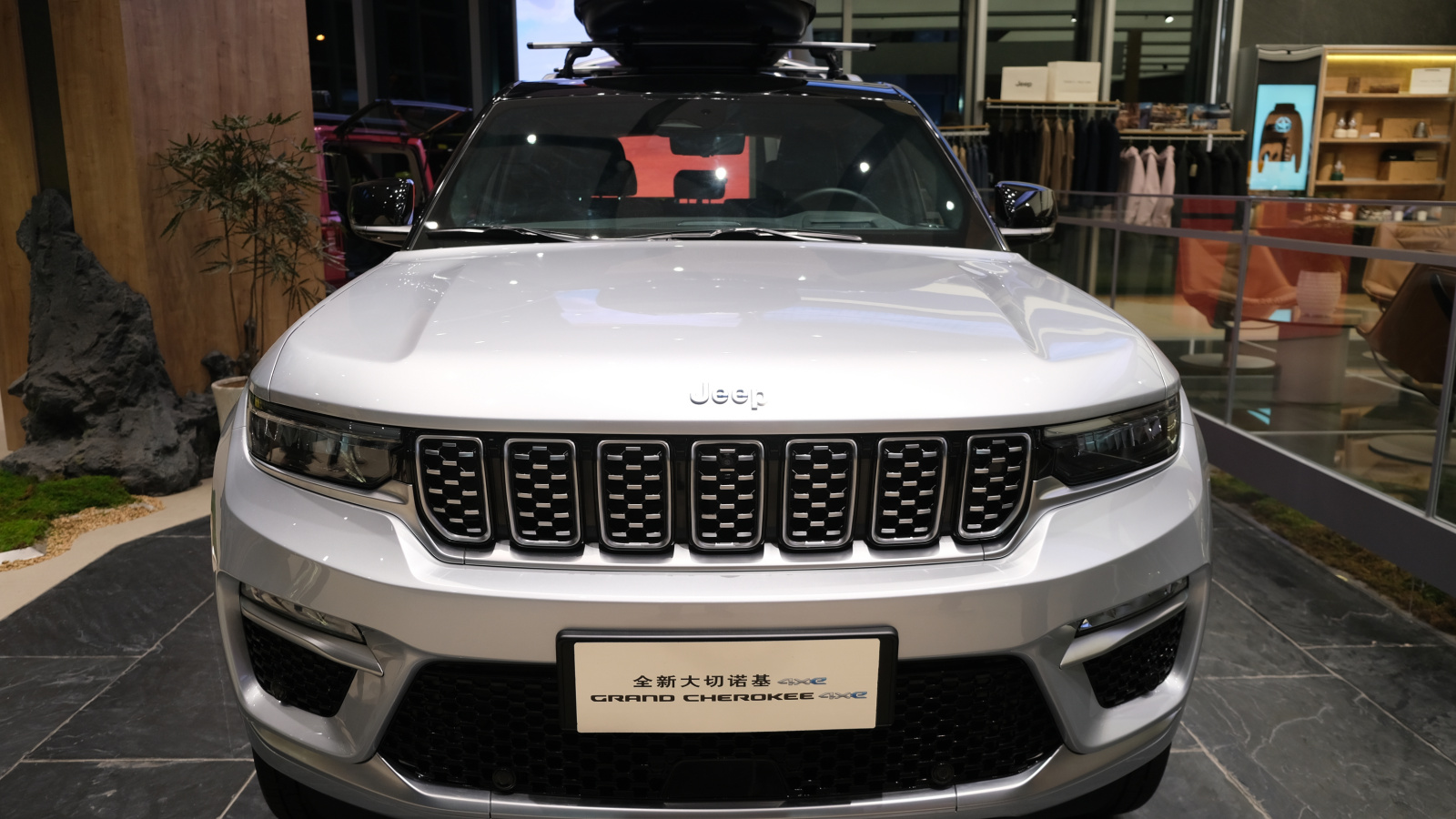
The Jeep Grand Cherokee 4xe has the kind of showroom appeal that makes it easy to justify: premium cabin, plug-in hybrid efficiency, serious SUV presence, and enough power to make a family hauler feel special. The ownership story can become more complicated when buyers start pricing tires, brakes, insurance, and plug-in hybrid service. In Canada, where many owners use SUVs year-round, the 4xe’s weight and complexity can turn routine wear into a larger expense than expected.
The bigger worry is that plug-in hybrid systems combine gasoline hardware with high-voltage components, which can add diagnostic time and repair complexity. A summer road trip with charging limitations, dealership delays, or a recall-related service visit can quickly turn a supposedly practical SUV into an expensive planning exercise. For shoppers attracted by fuel savings, the real question is whether those savings can offset the premium purchase price and potential repair exposure.
Jeep Wrangler 4xe
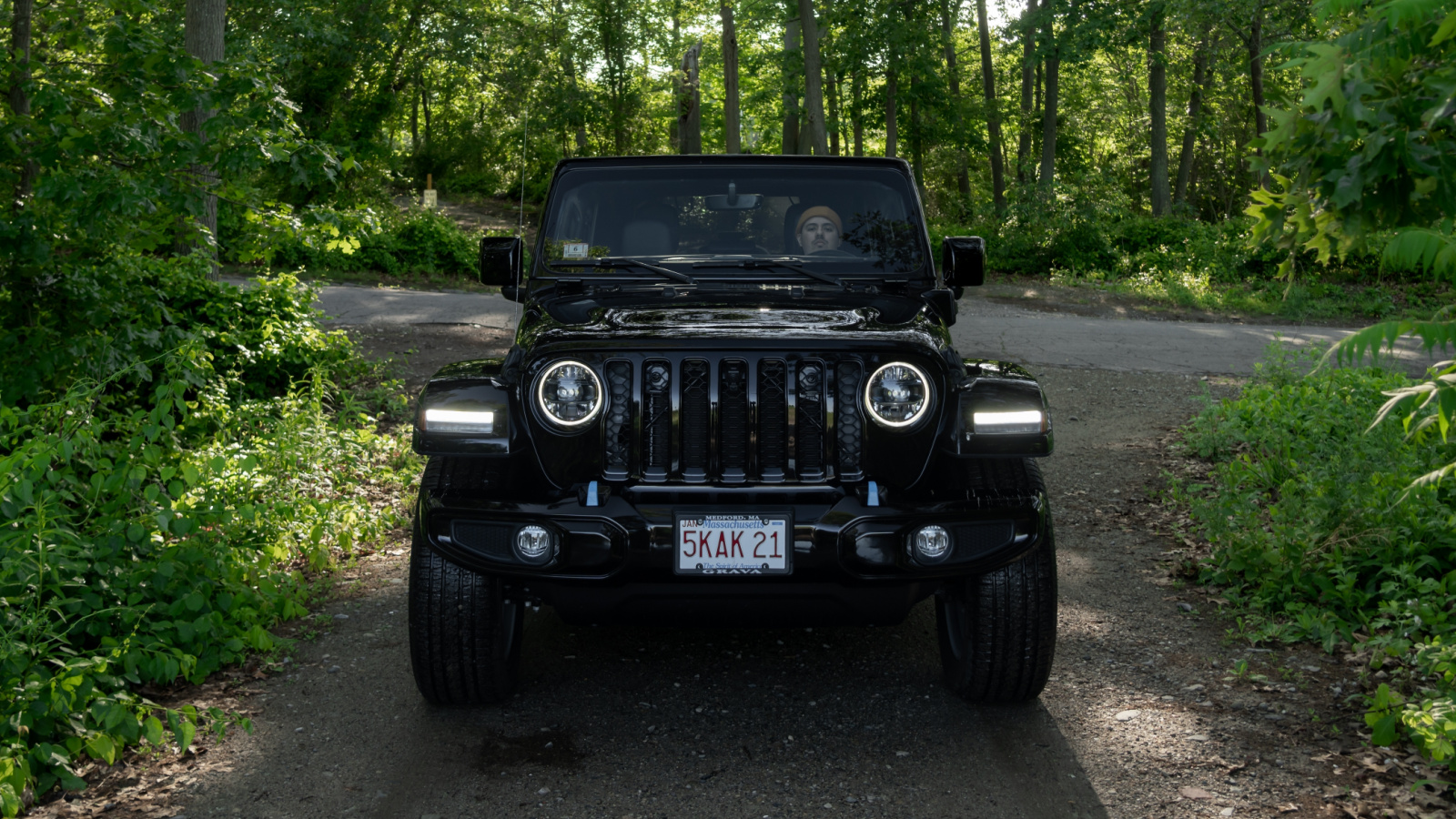
The Jeep Wrangler 4xe is easy to love for emotional reasons. It delivers open-air driving, off-road credibility, instant electric torque, and a greener image than a traditional Wrangler. But as a daily driver in Canada, especially during summer travel season, it can become costly in ways that are not obvious at purchase. Large all-terrain tires, removable body hardware, complex hybrid packaging, and relatively high insurance costs can all add pressure.
Wranglers also tend to invite accessories, lift kits, roof racks, and weekend abuse, which can raise ownership costs further. The 4xe version adds plug-in hybrid equipment to a vehicle already known for compromises in refinement and efficiency. If a buyer mainly wants a commuter with occasional cottage-road capability, the ownership math can get shaky. The Wrangler 4xe may still be fun, but fun is rarely the same thing as cheap.
Chrysler Pacifica Hybrid
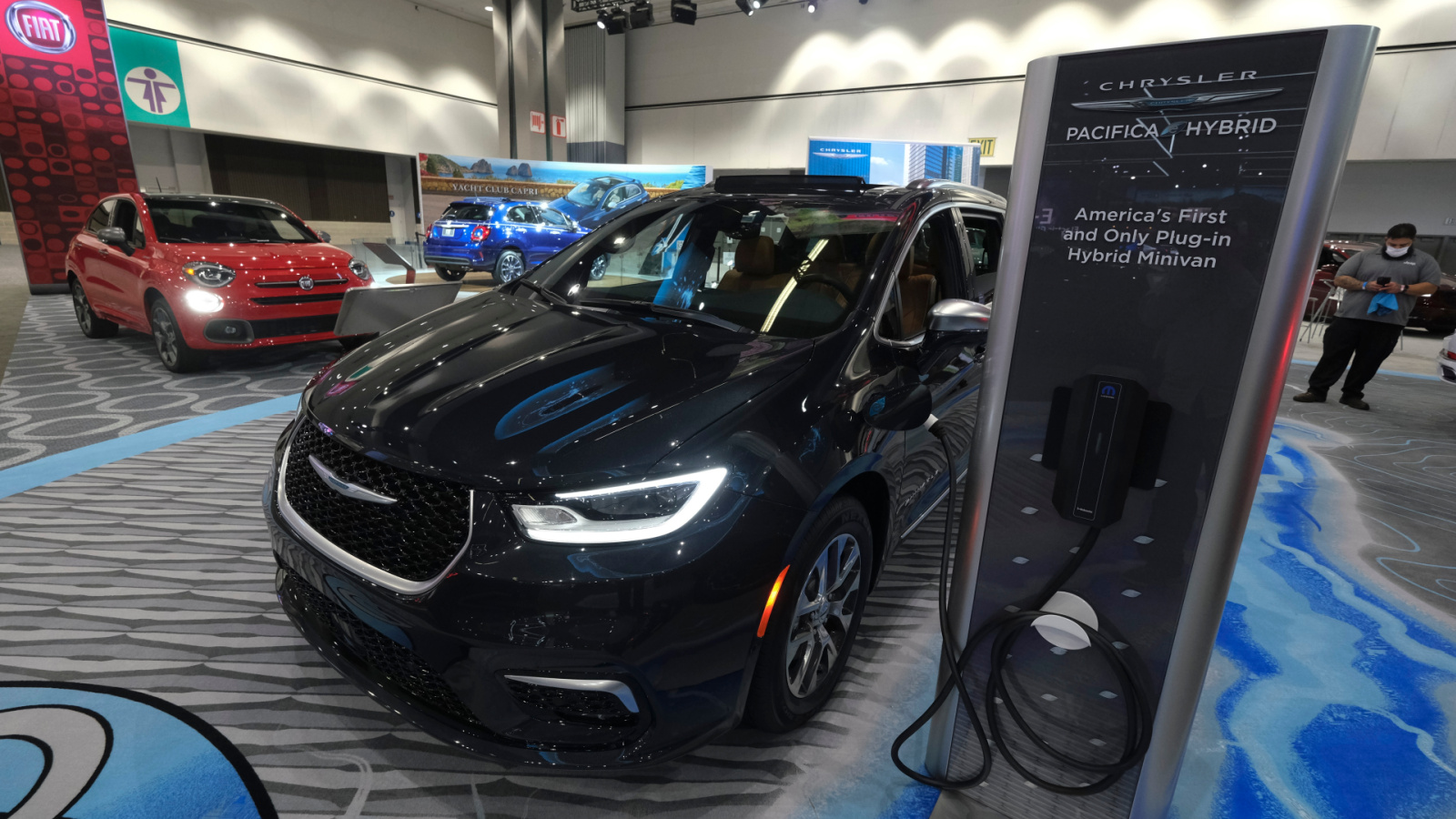
The Chrysler Pacifica Hybrid remains one of the few plug-in hybrid minivans available, and that makes it attractive to Canadian families trying to reduce fuel use without giving up space. Sliding doors, three-row practicality, and electric commuting range create a strong case on paper. The risk is that family vehicles often get used hard, especially during summer, with loaded cabins, long highway runs, and constant air-conditioning demand.
A minivan that carries kids, luggage, pets, sports gear, and vacation supplies needs to be dependable above all else. When hybrid-system concerns, battery-related service, or recall anxiety enter the picture, the ownership experience can feel less reassuring. Even when warranty coverage applies, downtime matters. A family that relies on one vehicle can face rental costs, disrupted travel, and dealership scheduling headaches. For used buyers, battery history and recall completion should be checked carefully before signing anything.
Kia EV9
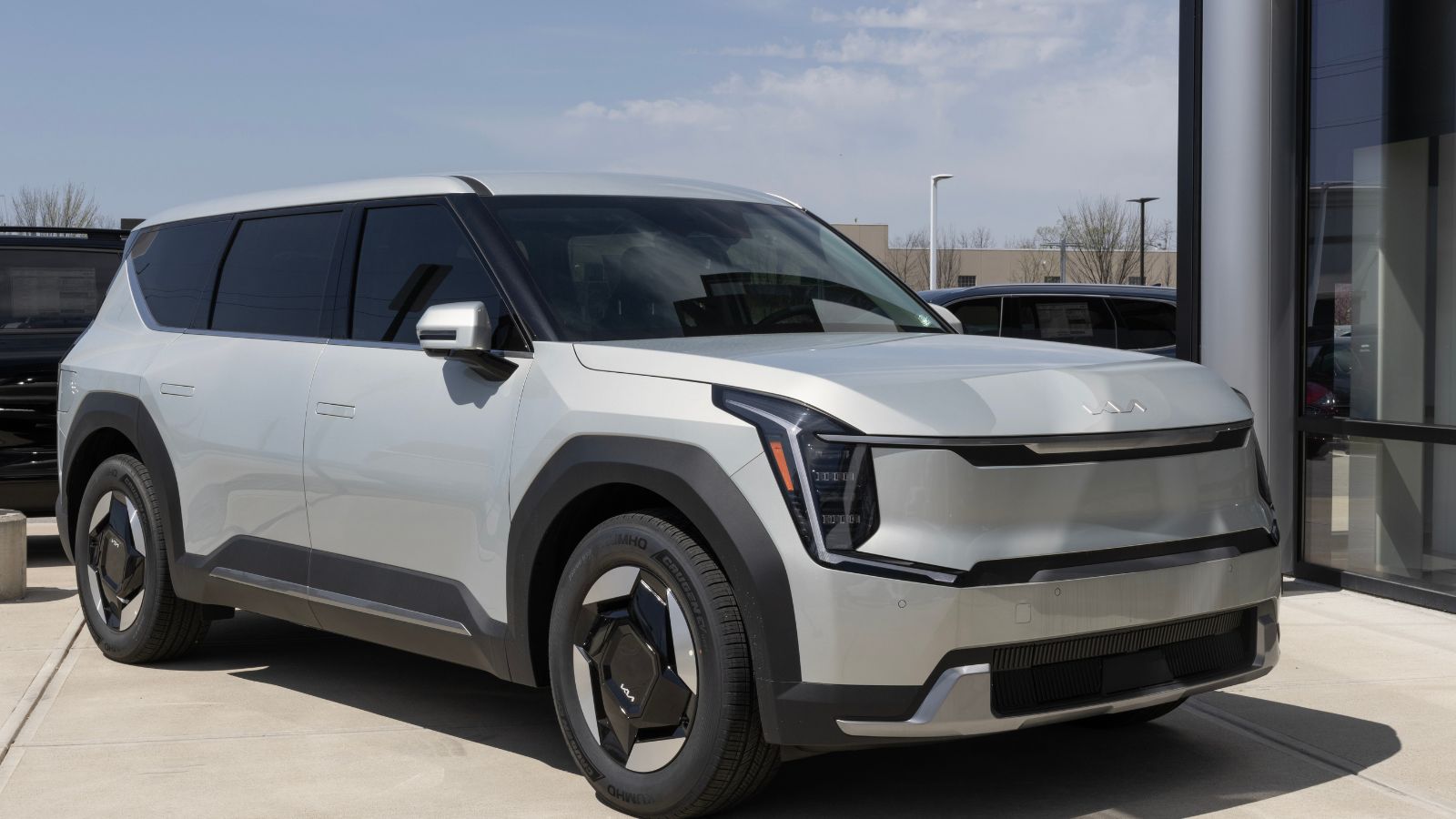
The Kia EV9 is one of the most interesting electric SUVs on sale because it brings three-row EV packaging to a more mainstream badge. For Canadian buyers who want a large family EV, that sounds like progress. The ownership concern is that big electric SUVs remain expensive machines: heavy tires, high purchase prices, insurance uncertainty, charging planning, and depreciation risk can all become part of the bill.
Summer road trips can highlight the EV9’s strengths and weaknesses. Charging stops may work beautifully on well-planned routes, but less convenient infrastructure can create delays in rural or high-demand travel corridors. The EV9’s technology-rich cabin also means more software, sensors, and electronics than buyers may be used to. Even if the driving experience feels modern and quiet, a large new EV platform can carry early-owner risk. Buyers should budget like they are buying a premium vehicle, not merely a Kia badge.
Kia EV6
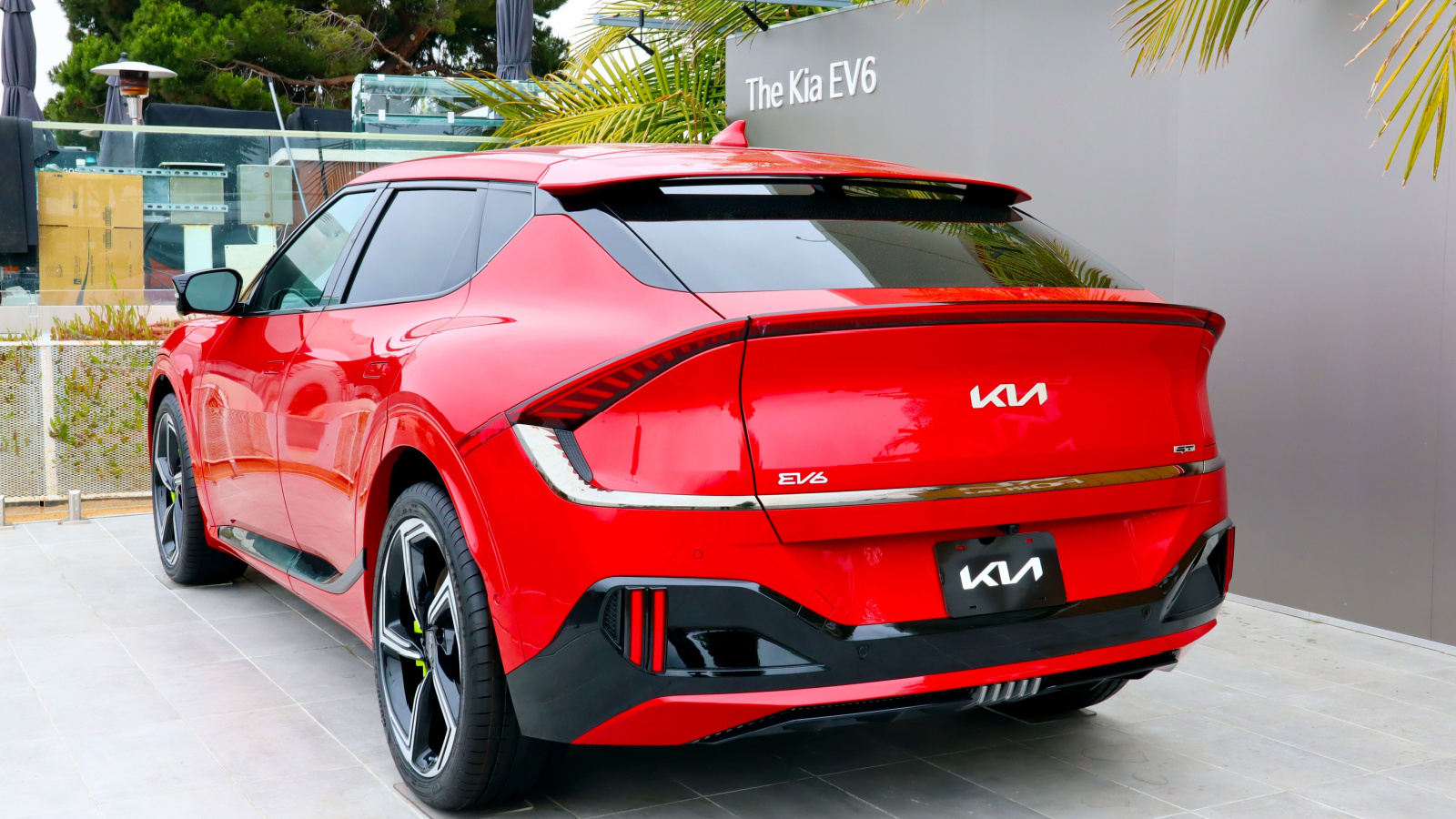
The Kia EV6 delivers sharp styling, quick acceleration, and an EV experience that can feel far more upscale than its brand history suggests. It also lands in a segment where depreciation, charging reliability, tire wear, and electronic issues can heavily affect ownership costs. For Canadians who rack up highway kilometres in summer, range loss from speed, cargo, climate control, and charging conditions can become part of the real-world cost equation.
The EV6’s biggest risk is not that it is a bad car; it is that ownership depends on infrastructure, software, and specialized service. A conventional gasoline crossover can often be repaired by a wide range of shops, while EV diagnostics may require dealer-level support. Replacement tires can also be expensive because EVs are heavy and deliver instant torque. For shoppers buying used, battery health, service history, and fast-charging habits deserve close attention.
Honda Prologue
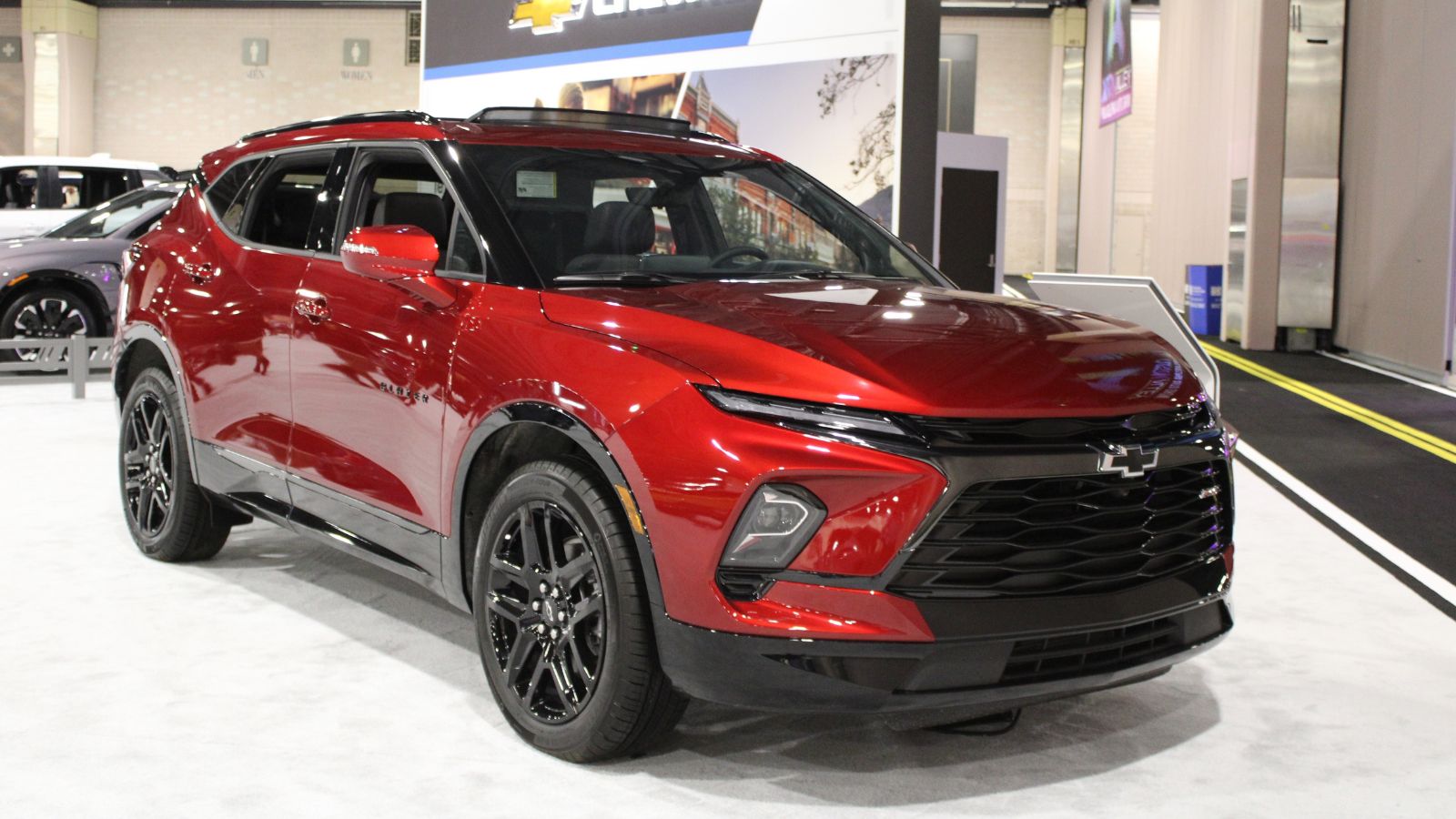
The Honda Prologue carries a trusted badge, which may cause some shoppers to assume typical Honda ownership costs. That assumption deserves caution. The Prologue is an electric SUV developed on General Motors’ Ultium platform, making it different from Honda’s familiar gasoline and hybrid products. For Canadian owners, that means dealership experience, software updates, charging behaviour, and parts logistics may matter as much as the Honda logo.
The Prologue’s money-pit risk comes from expectations. A buyer who thinks of Civics, Accords, and CR-Vs may not be prepared for EV depreciation, charging planning, specialized tires, and the cost of repairing a large battery-electric crossover. Summer travel can also test range and charging networks in ways daily commuting does not. The Prologue may prove practical for the right driver, but it should be budgeted as a relatively new EV platform, not as a traditional low-cost Honda appliance.
Ford F-150 Lightning
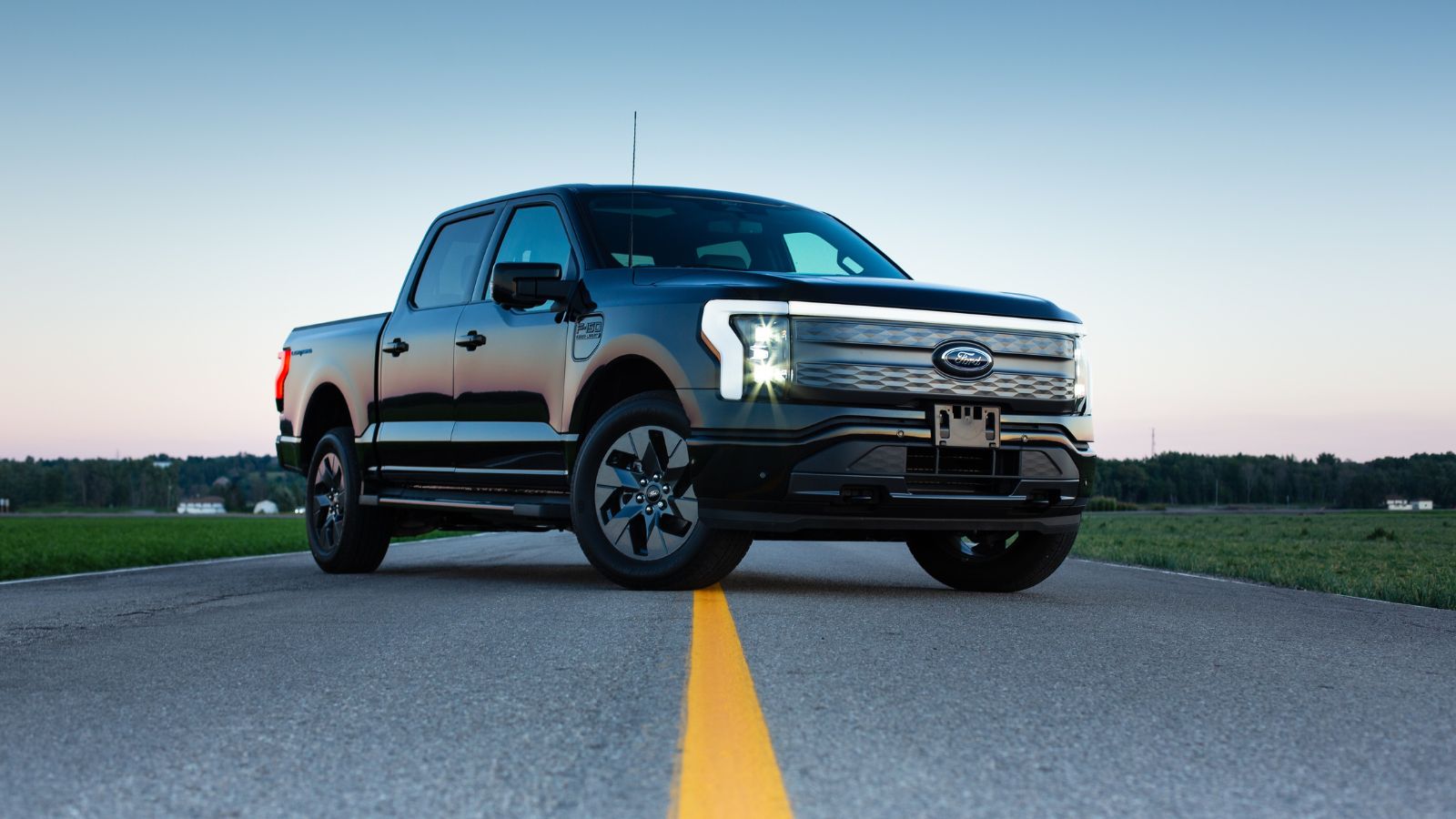
The Ford F-150 Lightning looks like a brilliant idea for Canadian truck buyers: familiar F-Series shape, instant torque, quiet operation, and the ability to run tools or campsite equipment. The cost picture changes when it is used like a real truck. Towing, payload, highway speed, cold-weather battery history, and fast-charging needs can all affect operating costs and convenience, especially for owners who travel far from urban chargers.
Summer can be revealing for Lightning owners who tow boats, campers, or work trailers. Range can drop sharply under load, which may turn a simple trip into a charging puzzle. Tires and insurance can also be expensive because the truck is heavy and technologically advanced. The Lightning still has genuine strengths, but buyers expecting gasoline-truck flexibility with lower running costs may be disappointed. It works best when charging access and use case are carefully matched.
Volkswagen ID.4
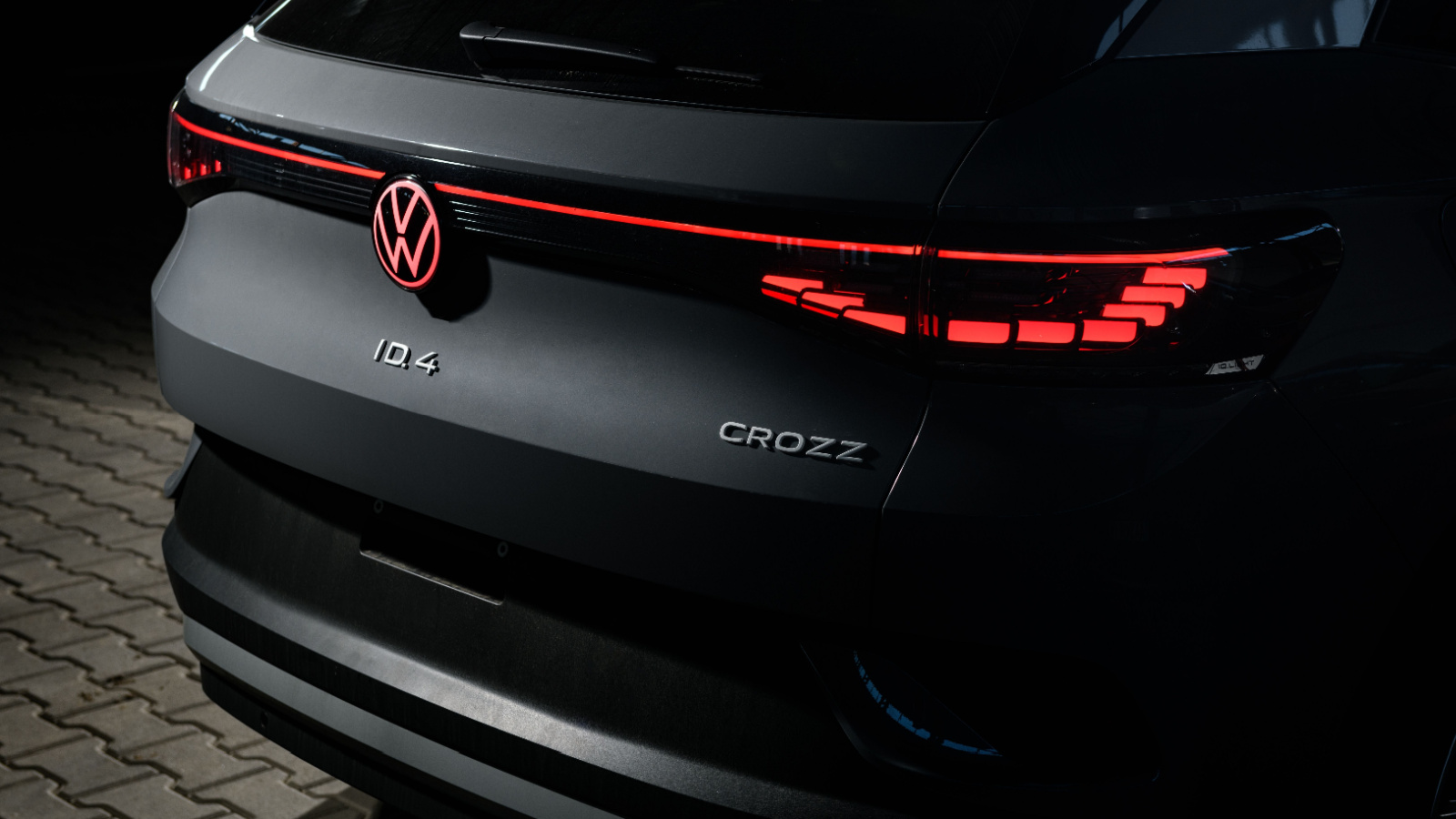
The Volkswagen ID.4 offers a comfortable, practical EV shape that appeals to families moving out of gasoline compact SUVs. The issue is that affordability can be misleading once ownership details are included. EV tires, charging accessories, software updates, depreciation, and dealer service capacity can all influence the true cost. Canadian buyers also need to consider whether their home, condo, or apartment situation supports convenient charging.
The ID.4’s ownership risk is greatest for drivers who depend heavily on public charging or who buy used without understanding battery and software history. A summer road trip with several charging stops can be smooth in the right corridor and frustrating in the wrong one. Like many modern EVs, the ID.4 is less about oil changes and more about electronics, charging performance, and warranty confidence. It can be sensible, but it is not automatically inexpensive.
Mazda CX-90
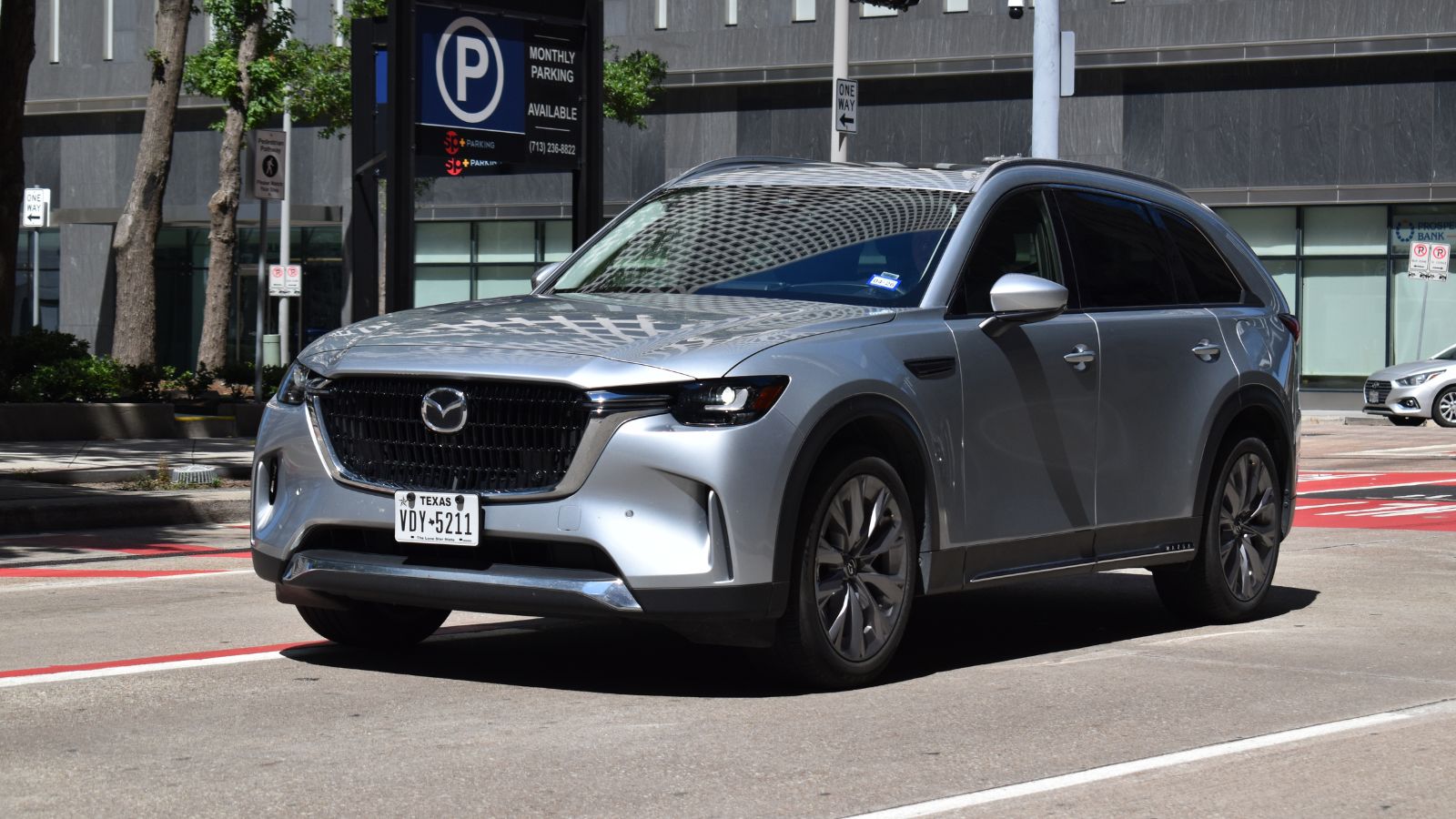
The Mazda CX-90 feels more upscale than many mainstream three-row SUVs, and that is part of its appeal. It offers a premium cabin, available turbo inline-six power, and an optional plug-in hybrid system. But new powertrains can bring uncertainty, and the CX-90’s complexity may surprise shoppers who associate Mazda mainly with simple, efficient compact vehicles. A family SUV with luxury-like engineering can carry luxury-like repair exposure over time.
Summer adds typical three-row SUV stress: loaded highway trips, roof boxes, hot cabins, and constant climate-control use. The CX-90’s larger tires, advanced drivetrain, and higher purchase price can all push ownership costs above expectations. For buyers considering the plug-in hybrid, home charging access and real-world electric usage matter. Without regular charging, the efficiency advantage shrinks while the complexity remains. The CX-90 may be rewarding to drive, but budget-conscious families should price it carefully.
Range Rover Evoque
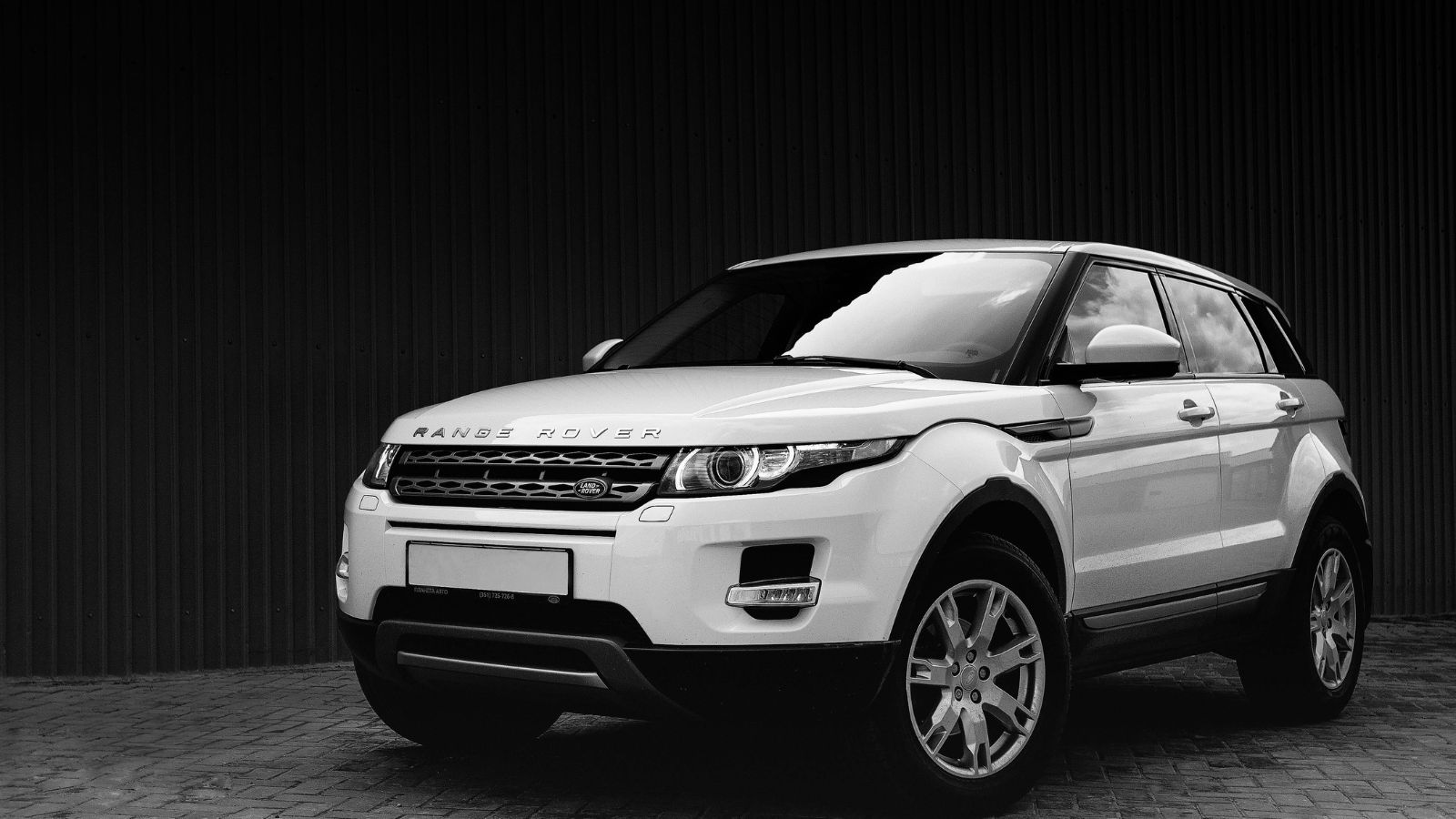
The Range Rover Evoque sells style, badge prestige, and compact luxury in a package that looks perfectly suited to urban Canada. The problem is that small size does not always mean small ownership costs. Premium parts, specialized service, complex electronics, and depreciation can make the Evoque expensive long after the initial excitement fades. Summer buyers may be especially drawn to its looks, only to discover that image has a maintenance bill attached.
Used Evoques can be particularly tempting because depreciation makes them look affordable beside mainstream crossovers. That is where the money-pit risk rises. A lower purchase price does not lower the cost of Land Rover parts, diagnostics, or labour. Air-conditioning faults, electrical issues, suspension wear, and oil leaks can become painful if warranty coverage is gone. For anyone shopping used, a pre-purchase inspection and full service records are not optional; they are the financial safety net.
Range Rover
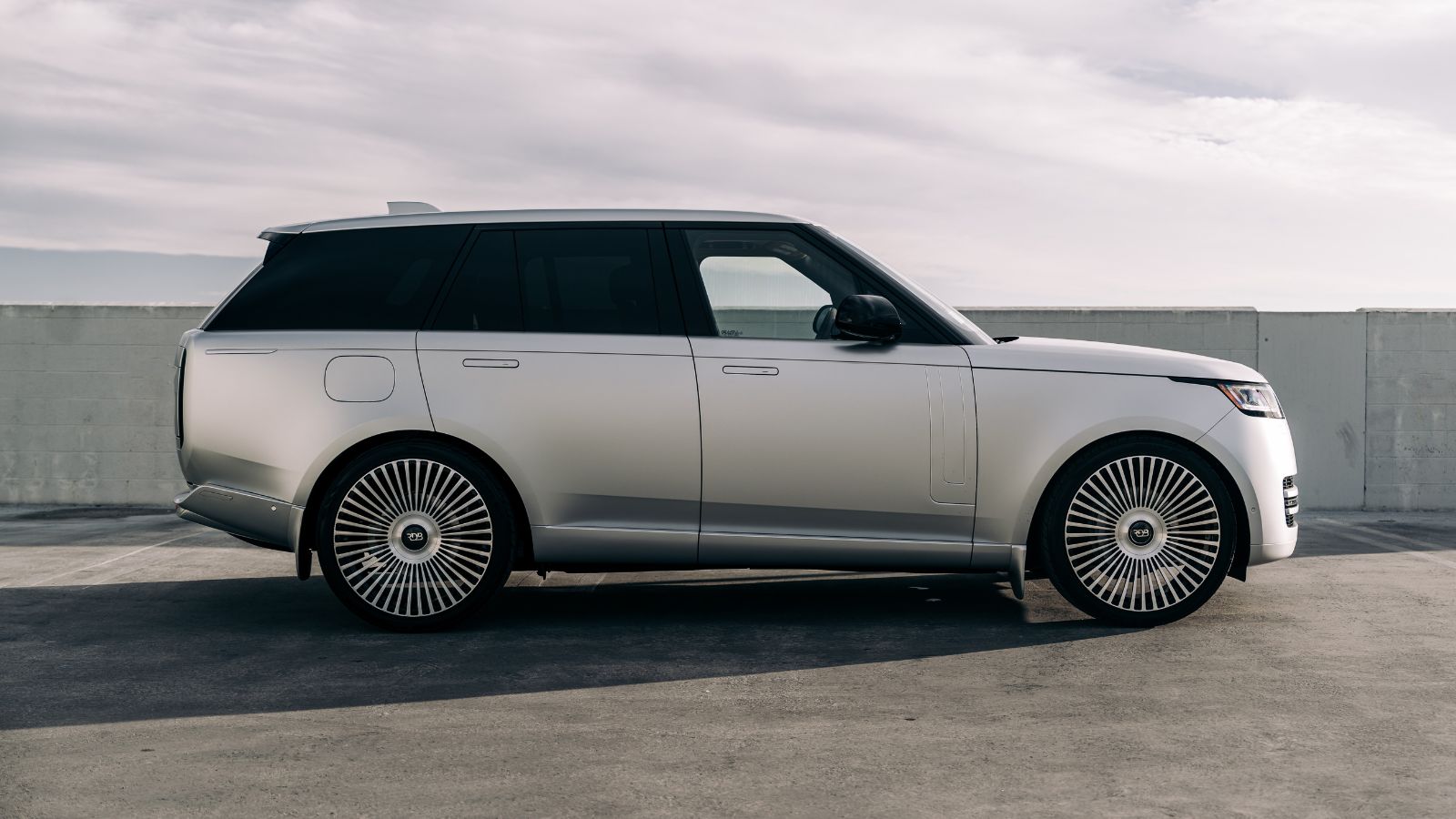
A full-size Range Rover can feel like the ultimate Canadian luxury SUV: commanding view, refined cabin, strong engines, and winter-ready image. It can also become one of the most expensive vehicles to keep on the road once depreciation, maintenance, tires, brakes, insurance, and electronics are considered. Even routine work can be costly because the vehicle is large, complex, and positioned at the top of the luxury market.
Summer ownership can expose costs that winter glamour hides. Large wheels mean expensive tires, long highway trips increase fuel use, and complex cooling or air-conditioning systems become essential in hot weather. A used Range Rover may look like a bargain after someone else absorbs depreciation, but repairs still match the original luxury price class. The best ownership experience usually belongs to drivers with warranty coverage, a trusted specialist, and a repair fund that does not depend on luck.
BMW X5
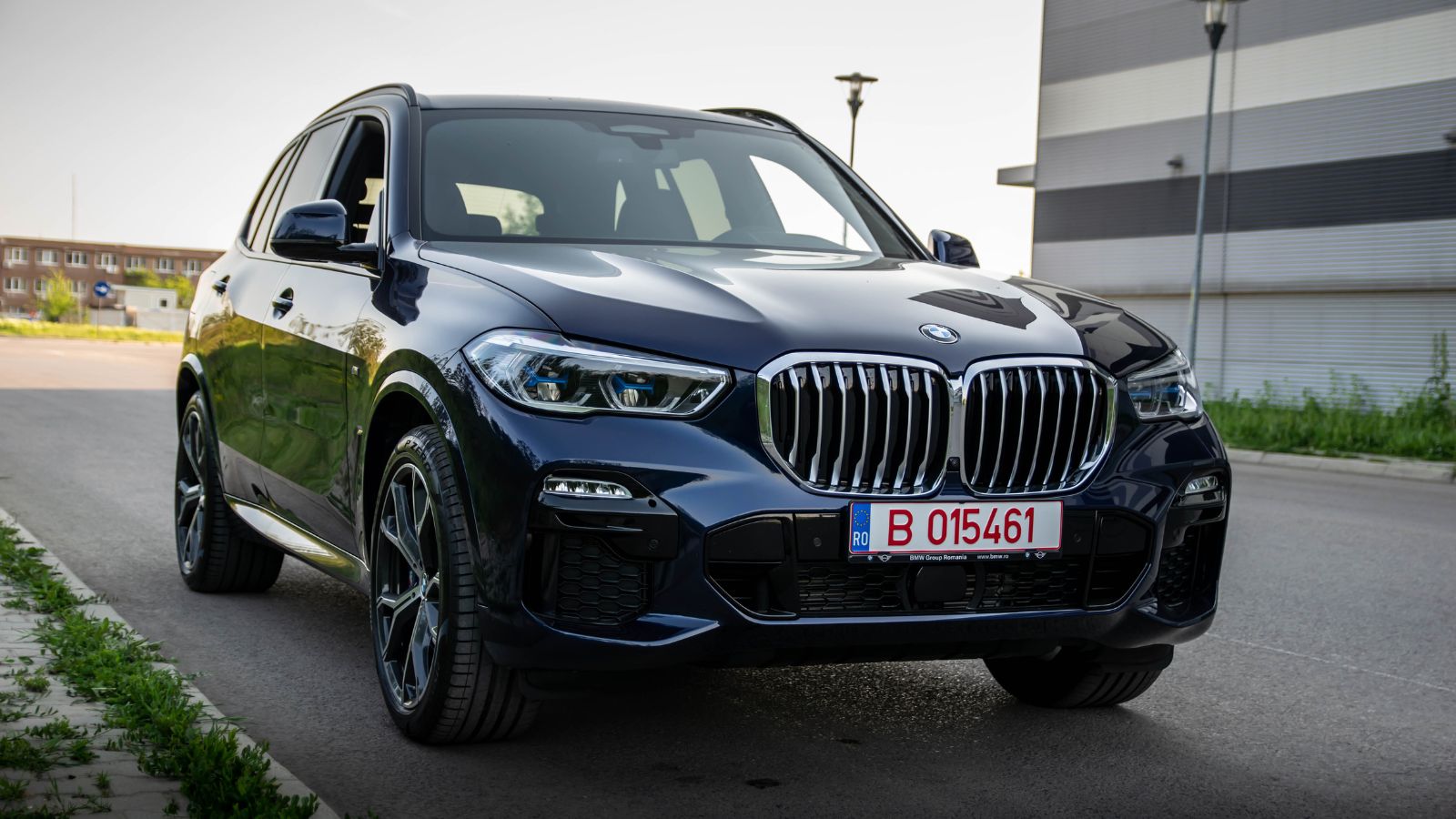
The BMW X5 blends performance, comfort, and daily practicality better than many luxury SUVs. That balance is exactly why used examples are so appealing. The ownership concern is that a vehicle engineered to feel athletic and premium can become costly as kilometres accumulate. Tires, brakes, suspension parts, cooling systems, electronics, and turbocharged powertrain components are rarely cheap, especially through dealer service channels.
In Canada, the X5 often lives a hard life: winter salt, summer highway trips, cottage roads, and family hauling. Buyers who stretch to afford the purchase price may underestimate what happens when maintenance catches up. Run-flat tires, large wheel packages, and advanced driver-assistance sensors can all add to the bill. The X5 can be an excellent SUV for owners who maintain it properly, but deferred maintenance turns it from premium transportation into an expensive guessing game.
BMW X7
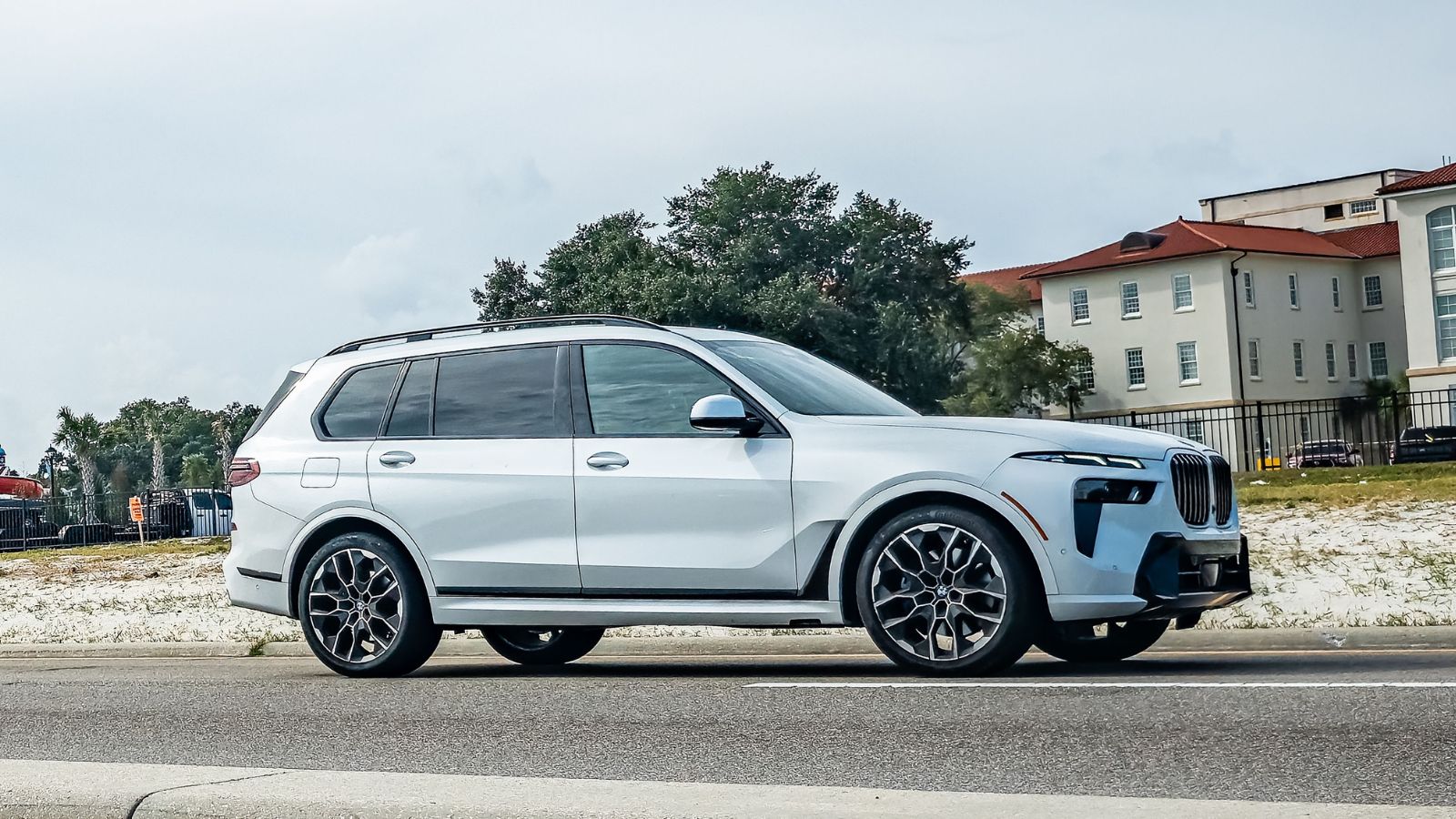
The BMW X7 offers big-family luxury with a driving feel that is unusually polished for its size. It also carries big-family luxury costs. Everything is larger: tires, brakes, body panels, glass, suspension components, and fuel bills. A heavily optioned X7 can also include advanced electronics, air suspension, complex climate control, and high-end interior features that are wonderful when working and painful when not.
Canadian summer travel is exactly the kind of use case that sells the X7: loaded cabins, long distances, and comfortable highway cruising. But that same use increases wear and exposes the cost of keeping a large premium SUV in top condition. Used examples may look attractive once depreciation hits, yet the maintenance profile remains tied to an expensive flagship. The X7 is best approached as a luxury vehicle with luxury reserves required, not as a discounted three-row family bargain.
Mercedes-Benz GLE
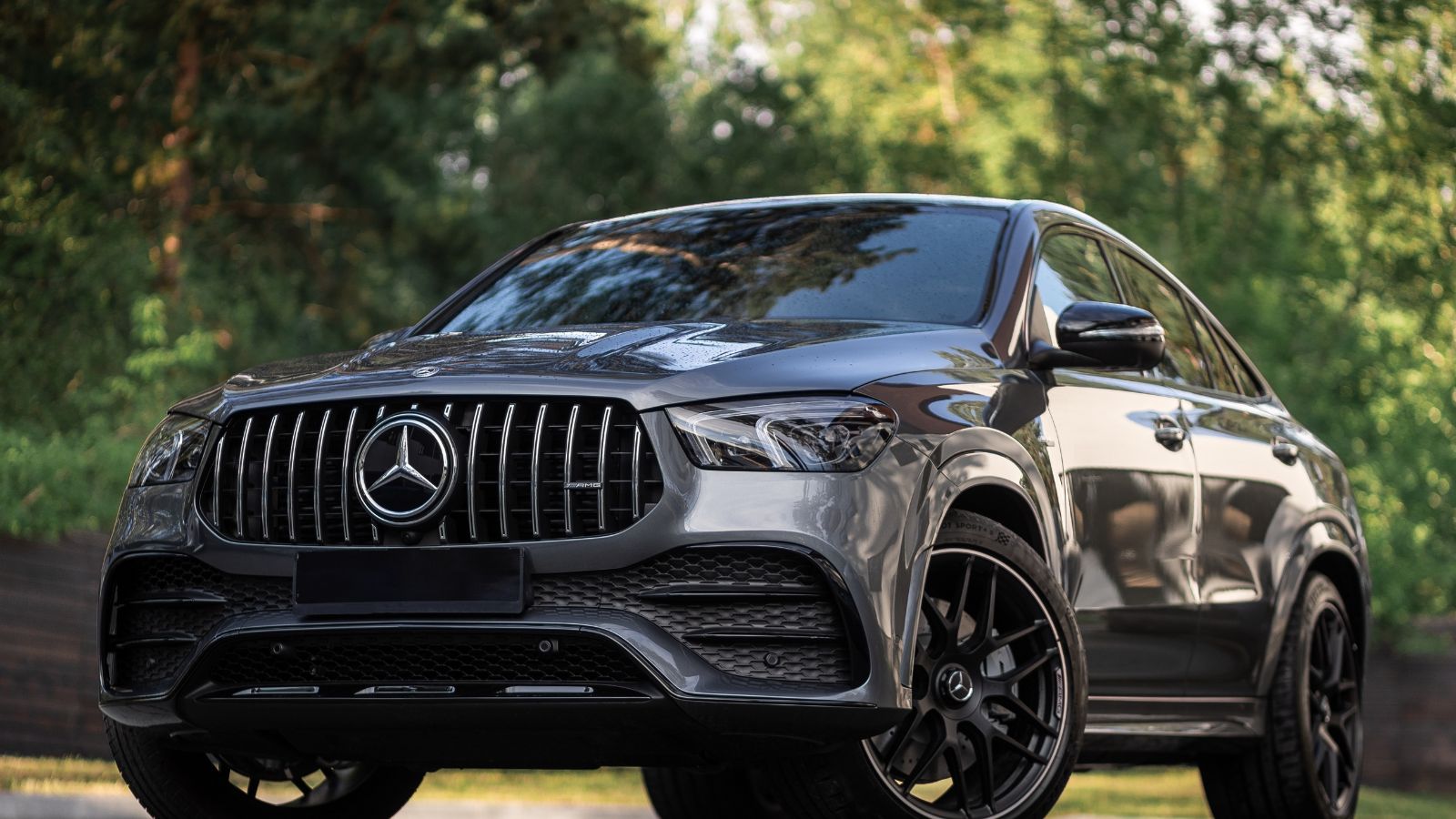
The Mercedes-Benz GLE offers the comfort, badge value, and technology that many luxury SUV buyers want. It can also bring the kind of repair complexity that turns ownership expensive after the warranty period. Advanced suspension systems, high-end infotainment, driver-assistance sensors, turbocharged engines, and premium interior electronics all raise the stakes. When something fails, diagnosis alone can cost more than a basic repair on a mainstream crossover.
In Canada, the GLE’s ownership costs can climb with winter tire packages, summer performance tires, brake service, and insurance. Long summer trips may make the cabin feel worth every dollar, but maintenance does not become cheaper because the vehicle is used for family duty. Buyers shopping used should be cautious of examples with incomplete service history or warning lights dismissed as minor. A GLE can be satisfying, but ownership should be planned like a premium commitment.
Audi Q7
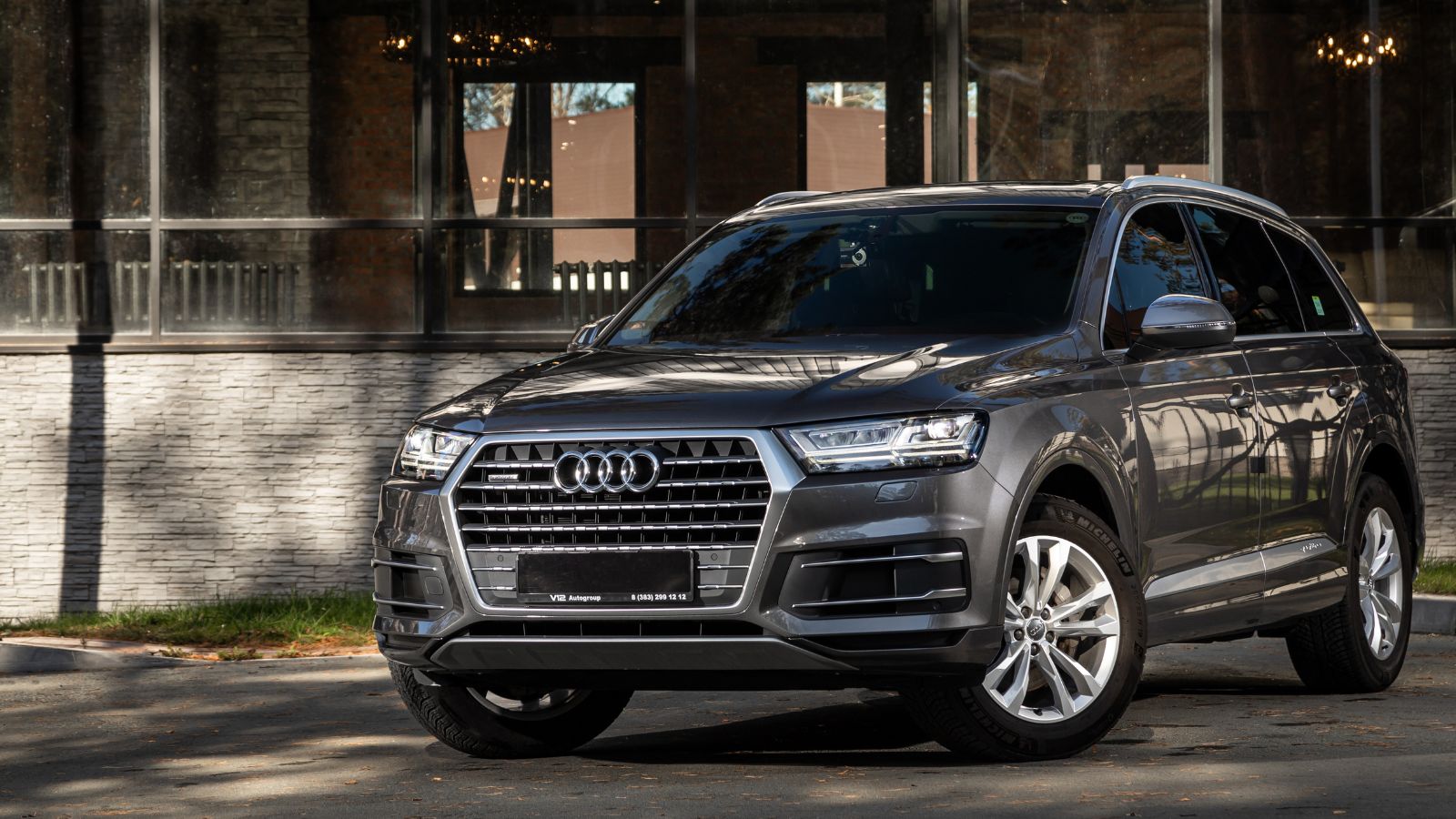
The Audi Q7 is a polished three-row SUV with a quiet cabin, strong highway manners, and an understated luxury image. It can also become expensive because its strengths depend on sophisticated engineering. Quattro all-wheel drive, turbocharged powertrains, large brakes, complex electronics, and tight engine packaging can all increase repair bills. A used Q7 that appears affordable can still carry the cost structure of a high-end German SUV.
Summer ownership can add pressure through long-distance family travel, towing small trailers, and heavy air-conditioning use. Large tires and brake components are not cheap, and electronic or cooling issues can become stressful far from home. The Q7 is not a vehicle to buy casually because the monthly payment fits. It rewards careful maintenance and punishes neglect. For Canadian buyers, a detailed inspection and proof of regular servicing can make the difference between refined ownership and a repair-heavy summer.
Ram 1500
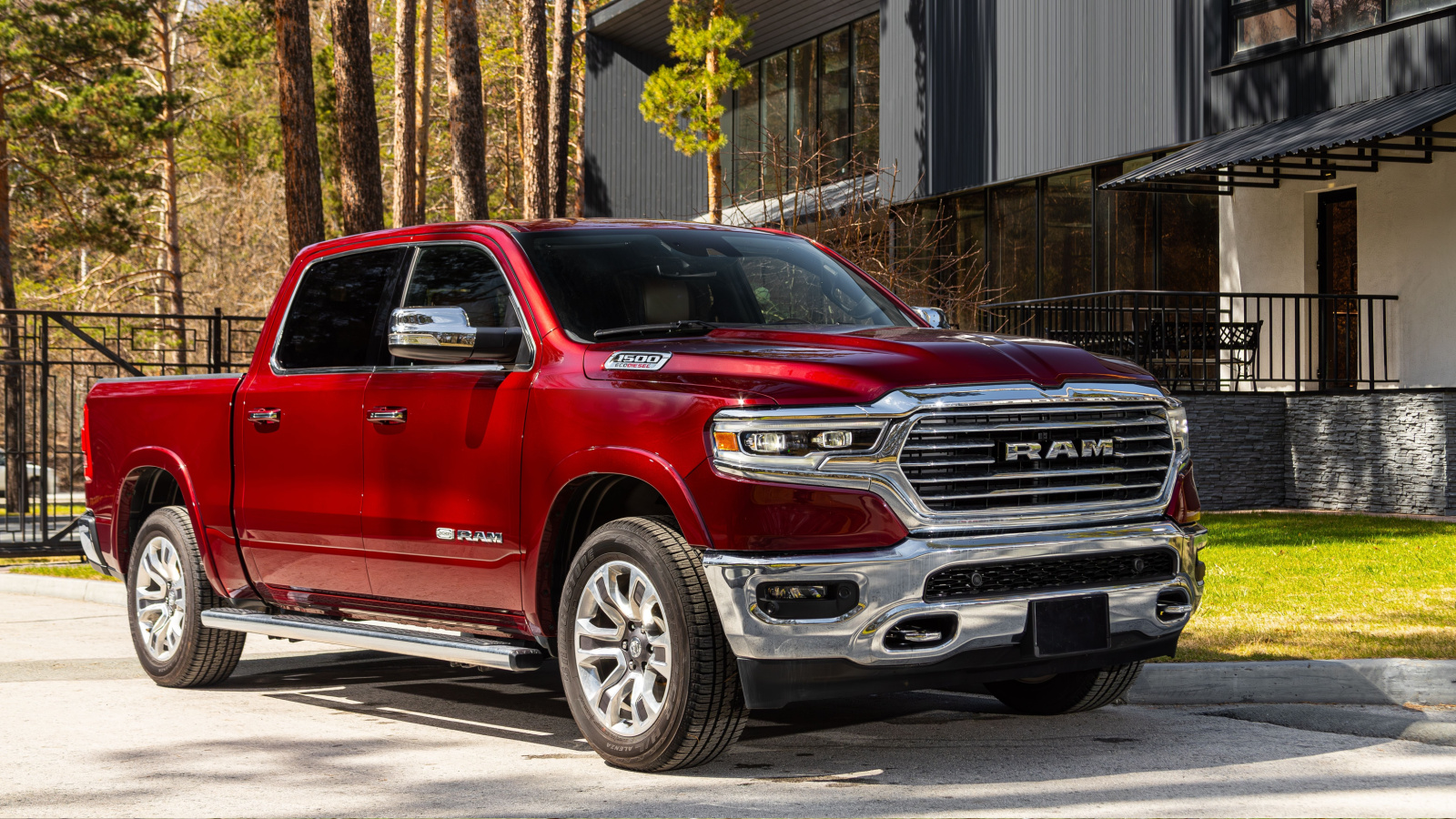
The Ram 1500 remains popular because it is comfortable, capable, and often discounted aggressively enough to pull buyers out of SUVs. The hidden cost is that a full-size pickup still brings full-size expenses. Fuel, tires, brakes, insurance, depreciation, and financing can all be substantial, especially for higher trims with large wheels, air suspension, advanced electronics, and V8 power. Summer fuel prices can make that reality harder to ignore.
A Ram 1500 used for commuting rather than work can become an expensive lifestyle purchase. Long weekend drives, towing, camping gear, and cottage trips may justify the capability, but empty-bed daily driving does not. Buyers should also consider that trucks can be costly to insure and repair, particularly after collision damage or theft-related claims. The Ram 1500 can be a strong tool when its capability is needed, but as a comfort vehicle, it may drain a budget faster than expected.
22 Things Canadians Do to Their Cars in Spring That Mechanics Hate

Spring brings relief to many Canadian drivers after months of snow, freezing temperatures, and icy roads that put serious strain on vehicles. As temperatures rise across the country, drivers begin washing cars, switching tires, and preparing vehicles for warmer weather and upcoming road trips. However, mechanics across Canada notice the same mistakes every spring when drivers attempt to recover from winter damage. Road salt, potholes, and harsh winter driving conditions often leave vehicles with hidden problems that drivers ignore. Some spring habits even create new mechanical issues that could have been avoided with proper maintenance. Here are 22 things Canadians do to their cars in spring that mechanics hate.