





















• About
  • Contact
AutoIgloo
  • News & Trends
    Stellantis Puts 800,000 Connected Work Vehicles Under New Monitoring System — Canada Rollout Not Named

    More Than 2,000 Brampton Auto Jobs Hang in the Balance as Stellantis Workers Begin Strike Vote

    Waymo Picks Singapore for Its First Southeast Asian Robotaxi Market With All-Electric Jaguar Fleet

    Waymo’s Toronto Robotaxis Face a Major Canadian Winter Test as Experts Warn Snow Can Confuse Sensors

    Canadian Gas Prices Jump More Than Three Cents to Nearly $1.80/L as $1.85 Looms

    Canadian Gasoline Falls 2.9 Cents, but Diesel Remains Near $2.64 a Litre

    ⁠Oil Drops 2% but Stays Near $100 as Canadian Drivers Face Another Volatile Fuel Day

    Trump Waives 100% Tariffs on Major Russian-Oil Buyers as Canadian Drivers Face High Fuel Prices

    Ottawa Commits $18.5 Million to Volvo-Owned Quebec Plant to Help Protect 1,265 Auto-Sector Jobs

    Ottawa Commits $18.5 Million to Volvo-Owned Quebec Plant to Help Protect 1,265 Auto-Sector Jobs

    Stellantis Launches Up to $7,500 in Canadian Jeep Discounts as Tariff Fight Squeezes Auto Market

    Stellantis Explores China-Built Jeep Imports for Canada as 2,200 Brampton Jobs Hang in the Balance

  • Car Reviews
    Honda Asked Suppliers for 30% Parts Cost Cuts as $9.4-Billion Savings Drive Hits Global Supply Chain

    Why Some Buyers Are Choosing Older Hondas Over Newer SUVs

    18 Things That Can Make a Car Unsafe for Winter Road Trips

    Why Some Drivers Are Avoiding Vehicles With Complex Infotainment Systems

    21 Cars Canadians Are Starting to Regret Buying

    Why Some Drivers Regret Buying Big Wheels and Low-Profile Tires

    17 Vehicles That Are Quietly Getting Crushed by Insurance Costs in Canada

    Why So Many Drivers Are Nervous About Chinese-Made EV Batteries

    20 Used SUVs Canadians Should Think Twice About Buying

    20 Used SUVs Canadians Should Think Twice About Buying

    15 Vehicles That Are Starting to Feel Like a Bad Deal Around May Long Weekend

    15 Vehicles That Are Starting to Feel Like a Bad Deal Around May Long Weekend

  • Buying Guides
    18 Things That Can Make a Car Harder to Park Than Expected

    Why Some Buyers Regret Choosing the Sport Package

    The Traffic Stop Mistake That Can Turn a Warning Into a Ticket

    20 Things Canadians Should Check Before Buying a Vehicle With a Loan Still Owing

    The Dealership Fee That Buyers Should Always Ask About

    The Dealership Fee That Buyers Should Always Ask About

    23 Features That Are Making New Cars Harder (and Pricier) to Repair in Canada

    Why Some Canadians Are Avoiding Cars With Expensive Windshields

    18 Red Flags a Used Vehicle May Be a Money Pit

    The Car Buying Mistake That Makes Negotiating Almost Impossible

    Why Some Canadians Are Regretting Buying Vehicles With No Spare Tire

    Why Some Canadians Are Regretting Buying Vehicles With No Spare Tire

  • Comparisons
    Honda Asked Suppliers for 30% Parts Cost Cuts as $9.4-Billion Savings Drive Hits Global Supply Chain

    Why Some Buyers Are Choosing Older Hondas Over Newer SUVs

    25 EV Charging Mistakes Canadians Make in March (That Wreck Range)

    Why Some Canadians Are Choosing Hybrids Over Full EVs Again

    21 Used Car Features That Can Become Expensive Problems Later

    Why Some Canadians Are Choosing Front-Wheel Drive Over All-Wheel Drive

    Canada’s Auto Fight Gets Uglier as BYD Threatens to Sue Trump Administration

    Tesla Vs. BYD: Are Chinese EV’s Actually Better for Canadians?

    17 Vehicles That Are Quietly Getting Crushed by Insurance Costs in Canada

    Why So Many Drivers Are Nervous About Chinese-Made EV Batteries

    20 Used SUVs Canadians Should Think Twice About Buying

    20 Used SUVs Canadians Should Think Twice About Buying

  • EVs & Hybrids
    Geely Auto’s Core Profit Jumps 46% as Chinese EV Expansion Accelerates — With Canada Now Opening to Geely-Owned Lotus

    Geely Confirms Canadian Vehicle Sales for 2027 as Chinese Automakers Challenge Established Brands

    18 Cars That Will Feel Dated Fast as New Chinese EVs Arrive

    12 EVs Now Price Below $41,000 in Canada—Fiat 500e Falls Under $30,000 With Rebate

    The Used EV Question Canadians Should Ask Before Buying One

    The Used EV Question Canadians Should Ask Before Buying One

    Why Some EV Owners Are Getting Sticker Shock From Home Charging Setups

    Why Some EV Owners Are Getting Sticker Shock From Home Charging Setups

    20 Signs Your Car Battery Is About to Leave You Stranded

    Canadian Auto Jobs Become a Central Fault Line as Ottawa Reveals Why It Rejected U.S. Vehicle Terms

    25 EV Charging Mistakes Canadians Make in March (That Wreck Range)

    Why Some Canadians Are Choosing Hybrids Over Full EVs Again

  • More
    • Pricing & Deals
    • Winter Driving
    • Ownership & Maintenance
No Result
View All Result
AutoIgloo
  • News & Trends
    Stellantis Puts 800,000 Connected Work Vehicles Under New Monitoring System — Canada Rollout Not Named

    More Than 2,000 Brampton Auto Jobs Hang in the Balance as Stellantis Workers Begin Strike Vote

    Waymo Picks Singapore for Its First Southeast Asian Robotaxi Market With All-Electric Jaguar Fleet

    Waymo’s Toronto Robotaxis Face a Major Canadian Winter Test as Experts Warn Snow Can Confuse Sensors

    Canadian Gas Prices Jump More Than Three Cents to Nearly $1.80/L as $1.85 Looms

    Canadian Gasoline Falls 2.9 Cents, but Diesel Remains Near $2.64 a Litre

    ⁠Oil Drops 2% but Stays Near $100 as Canadian Drivers Face Another Volatile Fuel Day

    Trump Waives 100% Tariffs on Major Russian-Oil Buyers as Canadian Drivers Face High Fuel Prices

    Ottawa Commits $18.5 Million to Volvo-Owned Quebec Plant to Help Protect 1,265 Auto-Sector Jobs

    Ottawa Commits $18.5 Million to Volvo-Owned Quebec Plant to Help Protect 1,265 Auto-Sector Jobs

    Stellantis Launches Up to $7,500 in Canadian Jeep Discounts as Tariff Fight Squeezes Auto Market

    Stellantis Explores China-Built Jeep Imports for Canada as 2,200 Brampton Jobs Hang in the Balance

  • Car Reviews
    Honda Asked Suppliers for 30% Parts Cost Cuts as $9.4-Billion Savings Drive Hits Global Supply Chain

    Why Some Buyers Are Choosing Older Hondas Over Newer SUVs

    18 Things That Can Make a Car Unsafe for Winter Road Trips

    Why Some Drivers Are Avoiding Vehicles With Complex Infotainment Systems

    21 Cars Canadians Are Starting to Regret Buying

    Why Some Drivers Regret Buying Big Wheels and Low-Profile Tires

    17 Vehicles That Are Quietly Getting Crushed by Insurance Costs in Canada

    Why So Many Drivers Are Nervous About Chinese-Made EV Batteries

    20 Used SUVs Canadians Should Think Twice About Buying

    20 Used SUVs Canadians Should Think Twice About Buying

    15 Vehicles That Are Starting to Feel Like a Bad Deal Around May Long Weekend

    15 Vehicles That Are Starting to Feel Like a Bad Deal Around May Long Weekend

  • Buying Guides
    18 Things That Can Make a Car Harder to Park Than Expected

    Why Some Buyers Regret Choosing the Sport Package

    The Traffic Stop Mistake That Can Turn a Warning Into a Ticket

    20 Things Canadians Should Check Before Buying a Vehicle With a Loan Still Owing

    The Dealership Fee That Buyers Should Always Ask About

    The Dealership Fee That Buyers Should Always Ask About

    23 Features That Are Making New Cars Harder (and Pricier) to Repair in Canada

    Why Some Canadians Are Avoiding Cars With Expensive Windshields

    18 Red Flags a Used Vehicle May Be a Money Pit

    The Car Buying Mistake That Makes Negotiating Almost Impossible

    Why Some Canadians Are Regretting Buying Vehicles With No Spare Tire

    Why Some Canadians Are Regretting Buying Vehicles With No Spare Tire

  • Comparisons
    Honda Asked Suppliers for 30% Parts Cost Cuts as $9.4-Billion Savings Drive Hits Global Supply Chain

    Why Some Buyers Are Choosing Older Hondas Over Newer SUVs

    25 EV Charging Mistakes Canadians Make in March (That Wreck Range)

    Why Some Canadians Are Choosing Hybrids Over Full EVs Again

    21 Used Car Features That Can Become Expensive Problems Later

    Why Some Canadians Are Choosing Front-Wheel Drive Over All-Wheel Drive

    Canada’s Auto Fight Gets Uglier as BYD Threatens to Sue Trump Administration

    Tesla Vs. BYD: Are Chinese EV’s Actually Better for Canadians?

    17 Vehicles That Are Quietly Getting Crushed by Insurance Costs in Canada

    Why So Many Drivers Are Nervous About Chinese-Made EV Batteries

    20 Used SUVs Canadians Should Think Twice About Buying

    20 Used SUVs Canadians Should Think Twice About Buying

  • EVs & Hybrids
    Geely Auto’s Core Profit Jumps 46% as Chinese EV Expansion Accelerates — With Canada Now Opening to Geely-Owned Lotus

    Geely Confirms Canadian Vehicle Sales for 2027 as Chinese Automakers Challenge Established Brands

    18 Cars That Will Feel Dated Fast as New Chinese EVs Arrive

    12 EVs Now Price Below $41,000 in Canada—Fiat 500e Falls Under $30,000 With Rebate

    The Used EV Question Canadians Should Ask Before Buying One

    The Used EV Question Canadians Should Ask Before Buying One

    Why Some EV Owners Are Getting Sticker Shock From Home Charging Setups

    Why Some EV Owners Are Getting Sticker Shock From Home Charging Setups

    20 Signs Your Car Battery Is About to Leave You Stranded

    Canadian Auto Jobs Become a Central Fault Line as Ottawa Reveals Why It Rejected U.S. Vehicle Terms

    25 EV Charging Mistakes Canadians Make in March (That Wreck Range)

    Why Some Canadians Are Choosing Hybrids Over Full EVs Again

  • More
    • Pricing & Deals
    • Winter Driving
    • Ownership & Maintenance
No Result
View All Result
AutoIgloo
No Result
View All Result

Home » News & Trends

The Roadside Mistake That Can Make a Breakdown More Dangerous

Nate Brewer by Nate Brewer
June 23, 2026
Reading Time: 7 mins read
A A
Photo Credit: Shutterstock

Photo Credit: Shutterstock

465
SHARES
1.5k
VIEWS
Share on FacebookShare on Twitter

A breakdown becomes frightening fast when a vehicle stops where it was never meant to sit: beside fast-moving traffic. The biggest roadside mistake is treating the shoulder like a safe waiting room instead of a temporary danger zone. A flat tire, dead battery, overheating engine, or minor collision can quickly become more serious when people stand near the vehicle, walk around traffic, or assume hazard lights are enough.

This covers 12 ways that one roadside mistake can make a breakdown more dangerous, from choosing the wrong stopping spot to standing in the crush zone while waiting for help. The goal is simple: reduce panic, improve visibility, and keep people away from the path of moving vehicles.

Stopping Too Close to Moving Traffic
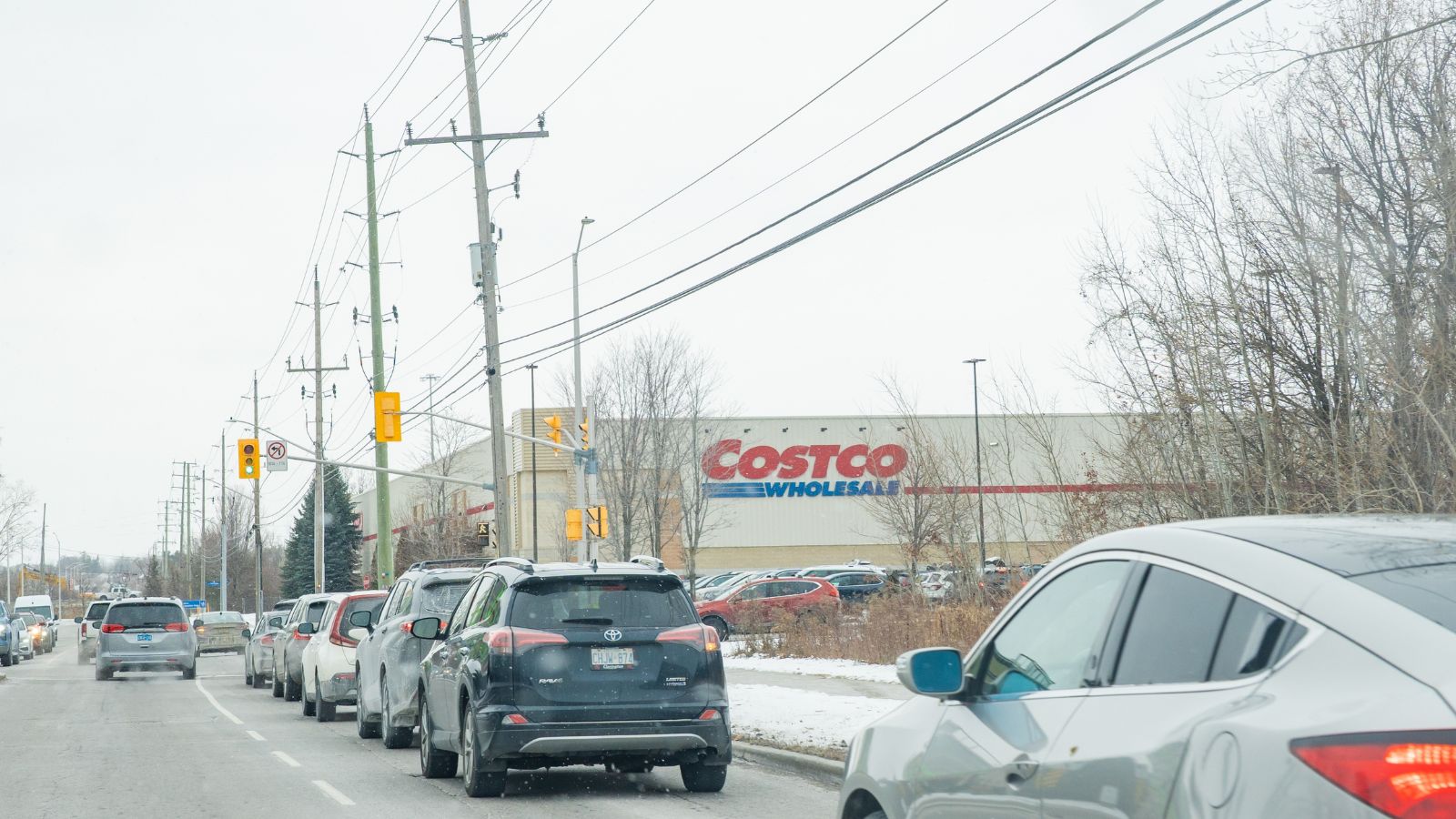
Photo Credit: Shutterstock

The first mistake often happens before the vehicle fully stops. A driver feels the tire wobble, sees steam from the hood, or hears a warning chime and immediately pulls onto the narrowest part of the shoulder. That reaction is understandable, but it can leave the vehicle sitting inches from live traffic. On highways, the speed difference between a stopped car and passing traffic is enormous, and even a slight drift by another driver can become catastrophic.

A safer stop usually means moving as far away from the travel lane as the situation allows. That could mean reaching a wider shoulder, exit ramp, service road, parking lot, or rest area rather than stopping at the first patch of pavement. The key is not to keep driving a badly damaged vehicle, but to avoid stopping in the most exposed place unless there is no other choice.

Standing Beside the Vehicle

Photo Credit: Shutterstock

Many people step out after a breakdown because it feels active and responsible. They want to inspect the tire, check the bumper, open the hood, or wave down help. The problem is that standing beside the vehicle places a person close to traffic and often in a driver’s blind spot. A stopped car can also be pushed forward or sideways if struck from behind, turning the area around it into a dangerous zone.

When leaving the vehicle is necessary, the safest move is usually to exit on the side away from traffic and get behind a guardrail, barrier, embankment, or other protected area. If there is no safe place outside, staying belted inside may be safer in some circumstances. The worst option is lingering between the vehicle and traffic while making calls or checking damage.

Forgetting That Hazard Lights Are Only a Warning
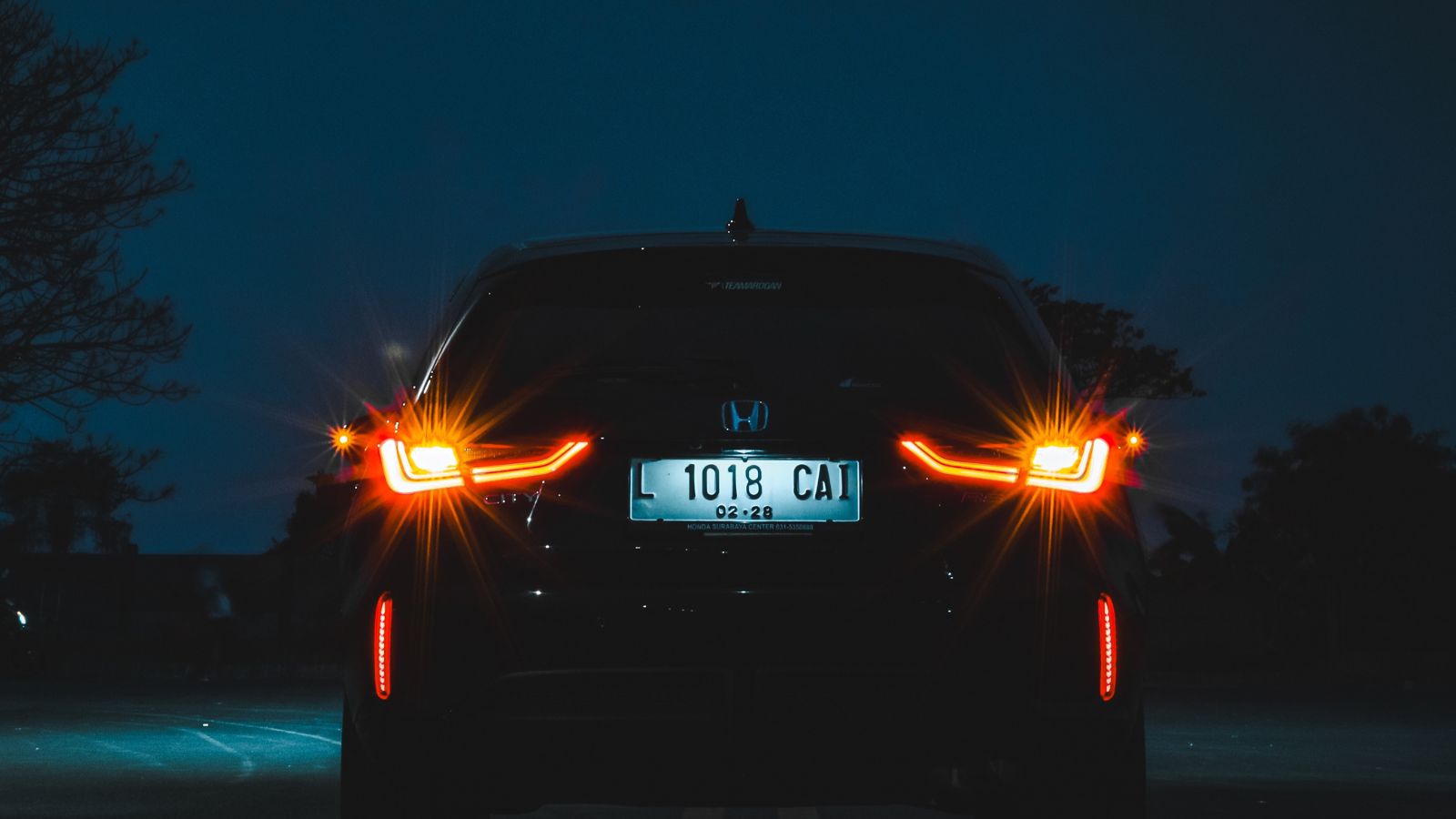
Image Credit: Shutterstock

Hazard lights help, but they do not create protection. They alert drivers that something unusual is happening, yet they cannot force another motorist to slow down, move over, or notice the stopped vehicle in time. Rain, fog, glare, curves, hills, and distracted driving can all reduce the value of flashing lights. A vehicle with hazards on is more visible, but it is still vulnerable.

This is why breakdown safety depends on layers: hazards, distance from traffic, a safe waiting position, reflective equipment, and clear communication with roadside assistance. Drivers sometimes assume that clicking the hazard button solves the problem. It is only the beginning. The vehicle still needs to be positioned as far from traffic as possible, and people should avoid standing near the lane.

Changing a Tire in a Bad Location
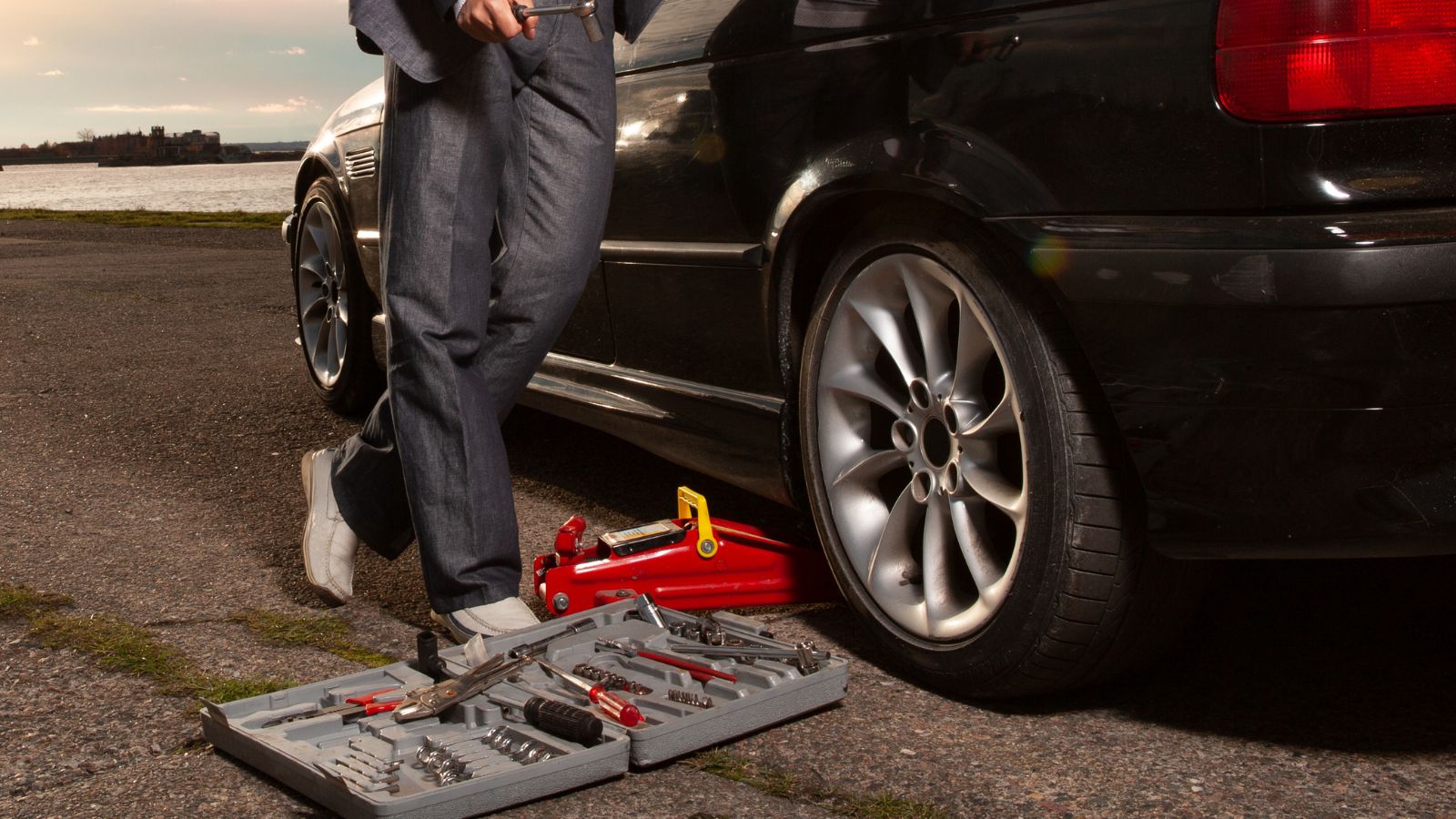
Photo Credit: Shutterstock

Changing a tire on the roadside can look simple in a parking lot and feel completely different on a highway shoulder. The work requires crouching near the pavement, focusing on lug nuts, placing a jack correctly, and staying close to the disabled wheel. That means attention is pulled away from traffic exactly when danger is highest. If the flat is on the traffic side, the risk becomes even greater.

A tire can be replaced later; a life cannot. If the vehicle is in a narrow shoulder, around a curve, near a ramp, or in poor visibility, calling roadside assistance or law enforcement is often the safer decision. Even experienced drivers can misjudge how close passing vehicles are when trucks, wind, and speed make the shoulder feel unstable.

Waiting Behind or In Front of the Vehicle
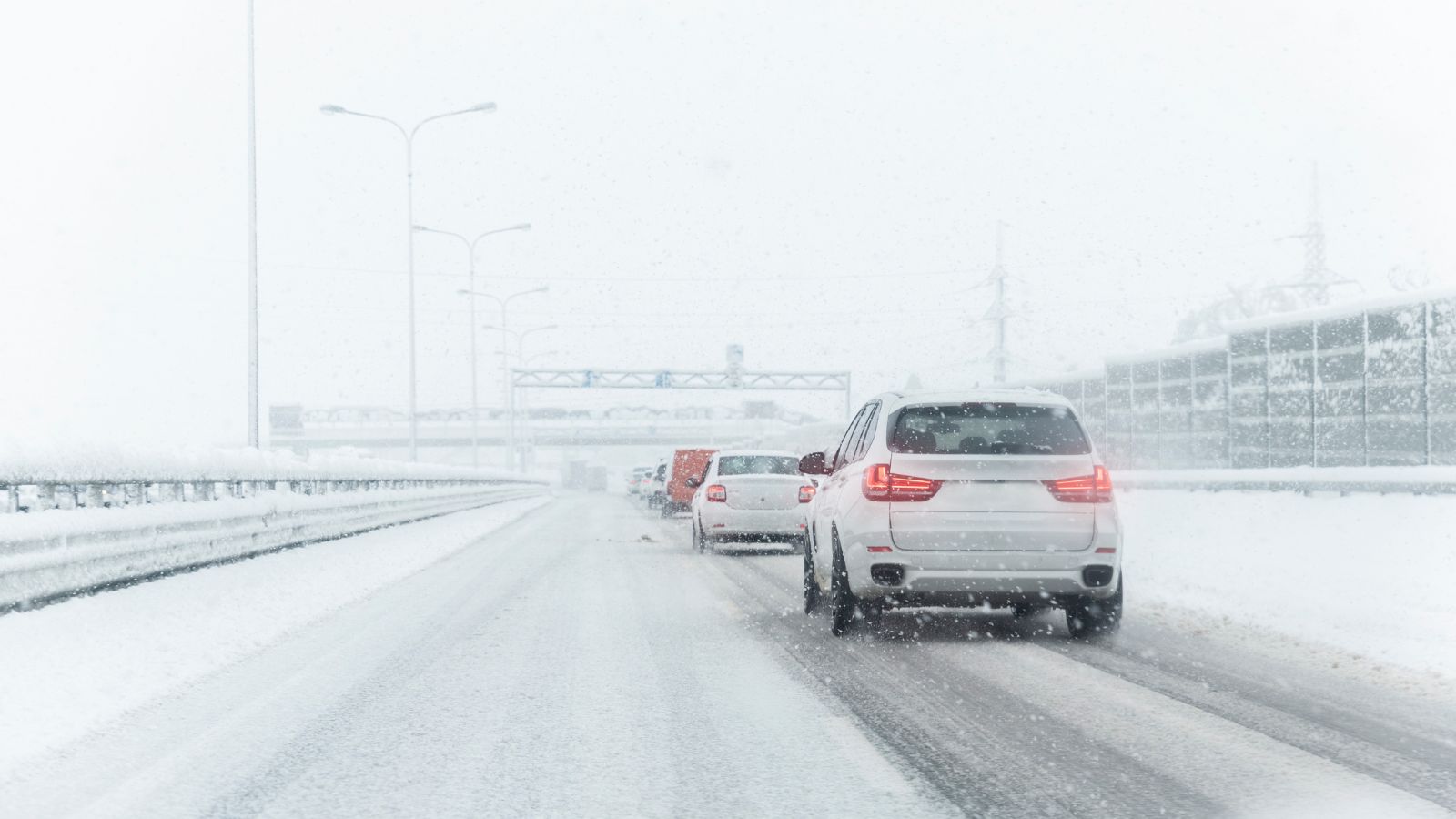
Image Credit: Shutterstock

One of the most dangerous waiting spots is directly behind or in front of a disabled vehicle. Behind the car, a person may be in the path of a rear-end collision. In front of it, a person can be pinned if the vehicle is pushed forward. These positions can feel natural because people often walk around the car to inspect damage, retrieve items, or watch for the tow truck.

A better waiting spot is away from the road and away from the vehicle’s potential path if it is hit. Behind a barrier is ideal when available. If no barrier exists, distance matters. Standing well off the shoulder is usually safer than leaning on the car, sitting on the trunk, or waiting between vehicles. The goal is to avoid being part of the crash scene if another driver fails to react.

Assuming the Shoulder Is a Safe Lane

Image Credit: Shutterstock

The shoulder looks like empty pavement, but it is not built to function like a regular lane. It may contain debris, uneven surfaces, rumble strips, drainage grates, soft edges, or broken asphalt. Other drivers may also use the shoulder illegally or drift onto it while distracted. Emergency vehicles, tow trucks, and road crews may need access to the same space.

A breakdown on the shoulder should be treated as temporary exposure, not a place to solve every problem. Small decisions matter: keeping wheels turned away from traffic when appropriate, avoiding sudden door openings, and minimizing movement around the vehicle. A shoulder can provide room to escape the travel lane, but it does not remove the risk created by speed, limited space, and human error.

Calling for Help Without Giving a Precise Location

Photo Credit: Shutterstock

A breakdown becomes more dangerous when help cannot find the vehicle quickly. Many drivers call roadside assistance and describe the location as “near the highway” or “a few miles past an exit,” which can delay response. On divided highways, giving the wrong direction of travel can send help to the opposite side. In rural areas, poor landmarks can add even more confusion.

A clearer call includes highway name, direction of travel, nearest exit, mile marker, cross street, visible landmarks, vehicle description, and whether anyone is in immediate danger. Phone location sharing can help, but it should not replace spoken details. A tow operator or dispatcher needs enough information to approach safely, position the service vehicle correctly, and avoid unnecessary searching in high-speed traffic.

Walking Along the Road for Help

Image Credit: Shutterstock

When a gas station or exit appears nearby, walking may seem reasonable. In reality, pedestrians on highway shoulders are extremely vulnerable. Drivers do not expect people to be walking beside high-speed traffic, especially at night or in bad weather. A short walk can also become longer than expected because exits, ramps, fences, and barriers may not provide a safe path.

Unless there is an immediate threat such as fire, it is often safer to call for help and remain in a protected location near the vehicle rather than walking along the road. If walking is unavoidable, moving as far from traffic as possible and staying visible is critical. Dark clothing, low light, and narrow shoulders create a dangerous mix that drivers may recognize too late.

Ignoring Visibility at Night or in Bad Weather

Image Credit: Shutterstock

Darkness changes everything about a breakdown. A stopped vehicle may blend into shadows, rain spray, snow, fog, or the glare from approaching headlights. Drivers may not understand that a vehicle is stopped until they are very close. Even reflective paint, taillights, and hazards can be harder to interpret when visibility is poor or traffic is heavy.

Visibility should be treated as an emergency tool. Reflective triangles, bright clothing, a flashlight, and interior lights can help create a clearer warning, but they must be used without stepping into traffic. In winter weather, snowbanks may limit escape routes and reduce shoulder width. In heavy rain, standing water and spray can make the roadside even harder for passing drivers to read.

Letting Passengers Scatter Around the Scene
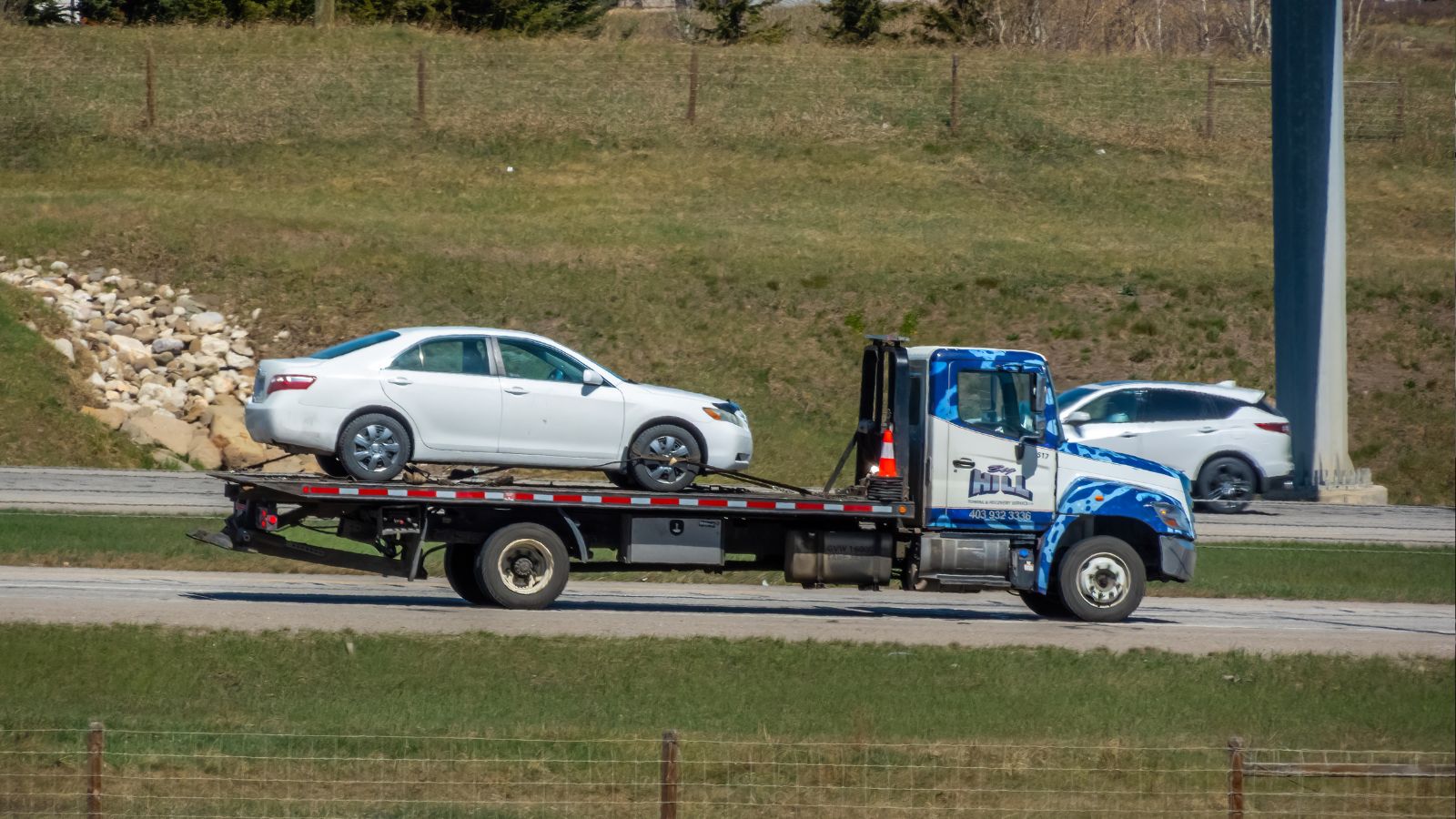
Photo Credit: Shutterstock

A breakdown with passengers can become chaotic. One person looks under the hood, another opens the trunk, a child steps out to see what happened, and someone else walks toward the shoulder to make a phone call. The more people move around the vehicle, the harder it becomes to keep everyone away from traffic. Panic spreads quickly when no one knows where to stand.

A safer response gives everyone one clear instruction: stay belted if remaining inside is safest, or exit away from traffic and move together to a protected location. Children and pets need extra attention because they may not understand how dangerous the shoulder is. Keeping the group together also makes it easier for police, tow operators, or roadside technicians to assess the scene.

Standing Too Close to Tow Trucks and Responders
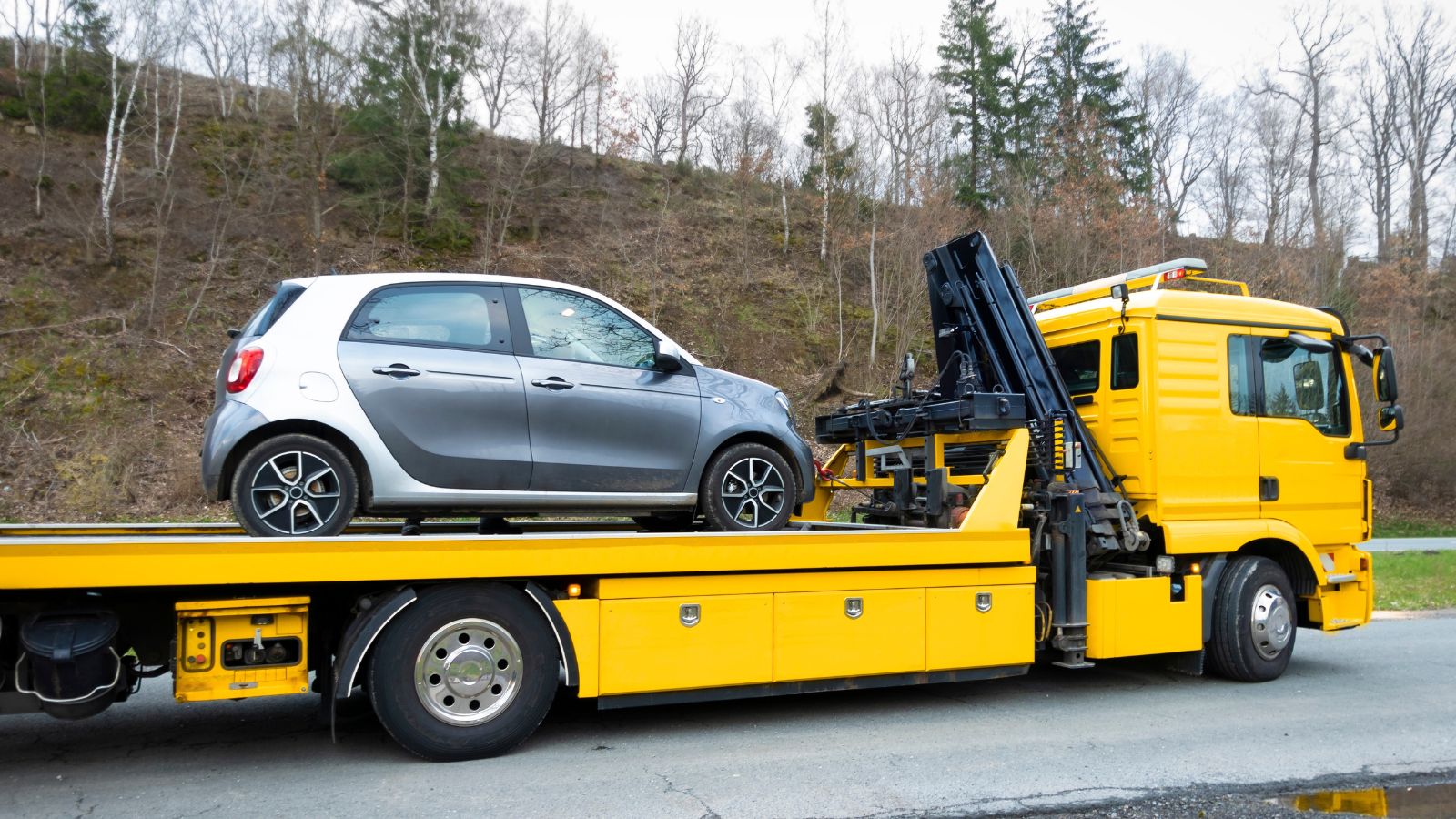
Photo Credit: Shutterstock

When help arrives, many drivers relax and step closer to the action. That is another risky moment. Tow operators, police officers, firefighters, and roadside technicians often work inches from moving traffic while positioning equipment, loading vehicles, or setting warning devices. A driver standing nearby can distract responders or place themselves in the same danger zone.

The safer choice is to follow instructions and stay well away from the work area. Move-over laws exist because roadside workers face real struck-by risks, and a disabled vehicle can attract attention while still being hard to avoid. Letting trained responders control the scene gives them space to work and keeps bystanders from drifting into blind spots, cables, ramps, or traffic lanes.

Failing to Prepare Before a Breakdown Happens
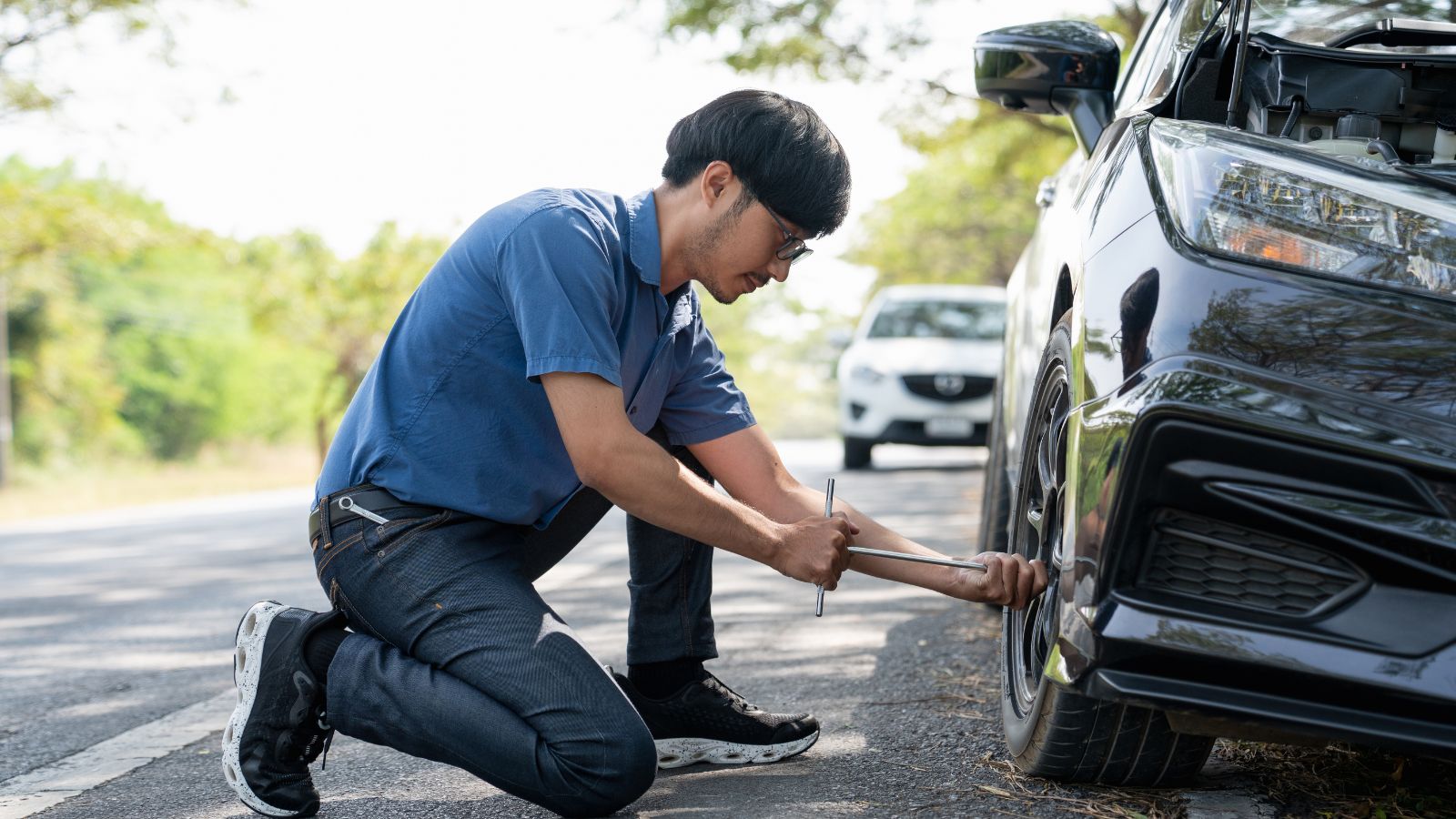
Photo Credit: Shutterstock

The roadside mistake often starts long before the breakdown. A vehicle without a safety kit, reflective gear, charged phone, flashlight, or roadside assistance plan leaves the driver with fewer options when something goes wrong. In that moment, people improvise, and improvisation beside traffic can be dangerous. A simple kit can reduce the need to wander around the vehicle or take unnecessary risks.

Preparation does not need to be complicated. Useful items include a reflective vest, warning triangles, flashlight, phone charger, basic first-aid supplies, gloves, water, and emergency contact information. Routine maintenance also reduces breakdown risk in the first place. Tire pressure, battery health, coolant levels, belts, and warning lights may seem ordinary, but they can prevent a stressful roadside stop from happening at highway speed.

22 Things Canadians Do to Their Cars in Spring That Mechanics Hate

Image Credit: Shutterstock

Spring brings relief to many Canadian drivers after months of snow, freezing temperatures, and icy roads that put serious strain on vehicles. As temperatures rise across the country, drivers begin washing cars, switching tires, and preparing vehicles for warmer weather and upcoming road trips. However, mechanics across Canada notice the same mistakes every spring when drivers attempt to recover from winter damage. Road salt, potholes, and harsh winter driving conditions often leave vehicles with hidden problems that drivers ignore. Some spring habits even create new mechanical issues that could have been avoided with proper maintenance. Here are 22 things Canadians do to their cars in spring that mechanics hate.


Recommended.

Canada-U.S. Auto Tariff Talks Go Down to the Wire With 50% Duties Three Days Away

Canadian Auto Tariff Deal Fell Apart After Written U.S. Terms Didn’t Match What Ottawa Thought It Had Agreed To

August 25, 2026
18 Cars That Will Feel Dated Fast as New Chinese EVs Arrive

24 EVs That Are Great… If You Have Home Charging (And Not If You Don’t)

April 10, 2026

Trending.

Chinese EV Price Pressure Gets a New Benchmark as Voyah Opens $63,420 Luxury MPV Orders

Europe’s EV Share Jumps to 30.5% as Electric-Car Sales Blow Past Forecasts

September 17, 2026
GM Readies New Gas and Duramax Engines for Silverado HD and Sierra HD Ahead of November Production

GM’s New V8s Put Canadian Auto Jobs Back in Focus at St. Catharines Plant

September 19, 2026
Canada’s Auto Industry Says Tariff Fight Has Already Cost the Sector More Than $100 Billion

Trump’s 50% Canada Auto-Tariff Threat Is Now Forcing Automakers to Plan Around a January 1 Deadline

September 27, 2026
Canada’s Ballard Puts a 250,000-Mile Performance Guarantee Behind Hydrogen Buses

Canada’s Ballard Puts a 250,000-Mile Performance Guarantee Behind Hydrogen Buses

October 2, 2026
Volvo Starts Scoring How Drivers Brake and Corner for Insurance Discounts — Canada Is Left Out of First Rolloutv

Volvo Plans 13 New Models by 2030 as EV and Hybrid Battle Intensifies

September 17, 2026
  • About
  • Contact
  • Privacy Policy
  • Disclaimer
  • Editorial Policies
  • Terms and Conditions
A Revir Media Group Website

2026 Autoigloo - © All rights reserved

No Result
View All Result
  • News & Trends
  • Car Reviews
  • Buying Guides
  • Comparisons
  • EVs & Hybrids
  • More
    • Pricing & Deals
    • Winter Driving
    • Ownership & Maintenance

2026 Autoigloo - © All rights reserved

This website uses cookies. By continuing to use this website you are giving consent to cookies being used. Visit our Privacy and Cookie Policy.


