





















• About
  • Contact
AutoIgloo
  • News & Trends
    Lucid Launches 1,070-HP Gravity GT-S in U.S. — Canadian Buyers Are Left Out

    Stellantis Shares Drop About 3% as Canada-U.S. Tariff Fight Reopens Fears Over Canadian Plants

    Canada-U.S. Auto Tariff Talks Go Down to the Wire With 50% Duties Three Days Away

    Canadian Auto Tariff Deal Fell Apart After Written U.S. Terms Didn’t Match What Ottawa Thought It Had Agreed To

    Canada’s Auto Tariff Fight Enters Final 48 Hours With LeBlanc Still in Washington and No Deal Announced

    Canada’s Ambassador Says U.S. Auto Fine Print Threatened the Survival of Canadian Truck Assembly

    Doug Ford Says U.S. ‘Wasn’t Budging’ on 25% Auto Tariffs as Ontario Puts ‘Every Single Tool’ on the Table

    Doug Ford Says U.S. ‘Wasn’t Budging’ on 25% Auto Tariffs as Ontario Puts ‘Every Single Tool’ on the Table

    ⁠$28 Billion in Canadian Goods Face 50% Trump Tariffs at Midnight as Deal Still Isn’t Final

    Canada-U.S. Trade Deal Fell Apart After Washington Left Ontario-Built Ford and GM Trucks Out of Auto Tariff Relief

    23 Things That Make Canadian Commutes More Expensive Than People Realize

    Canada’s Car-Theft Drop Is Real — But Nearly 21,000 Vehicles Were Still Stolen in Six Months

  • Car Reviews
    18 Things That Can Make a Car Unsafe for Winter Road Trips

    Why Some Drivers Are Avoiding Vehicles With Complex Infotainment Systems

    21 Cars Canadians Are Starting to Regret Buying

    Why Some Drivers Regret Buying Big Wheels and Low-Profile Tires

    17 Vehicles That Are Quietly Getting Crushed by Insurance Costs in Canada

    Why So Many Drivers Are Nervous About Chinese-Made EV Batteries

    20 Used SUVs Canadians Should Think Twice About Buying

    20 Used SUVs Canadians Should Think Twice About Buying

    15 Vehicles That Are Starting to Feel Like a Bad Deal Around May Long Weekend

    15 Vehicles That Are Starting to Feel Like a Bad Deal Around May Long Weekend

    15 Vehicles That Are Starting to Scare Off Canadian Buyers

    15 Vehicles That Are Starting to Scare Off Canadian Buyers

  • Buying Guides
    25 EV Charging Mistakes Canadians Make in March (That Wreck Range)

    Why Some Canadians Are Choosing Hybrids Over Full EVs Again

    22 Signs a Car Has Been in a Serious Crash Even if the Report Looks Clean

    21 Things That Make a Used Car Listing Seem Suspicious

    23 Features That Are Making New Cars Harder (and Pricier) to Repair in Canada

    Why Some Buyers Regret Choosing the Cheapest Trim Level

    18 Things That Can Make a Car Unsafe for Winter Road Trips

    Why Some Drivers Are Avoiding Vehicles With Complex Infotainment Systems

    22 Things Canadians Should Know Before Buying a Diesel Vehicle

    22 Things Canadians Should Know Before Buying a Diesel Vehicle

    15 Ways a Low Monthly Payment Can Fool Canadian Car Buyers

    The Car Buying Mistake That Gives Dealers More Control

  • Comparisons
    25 EV Charging Mistakes Canadians Make in March (That Wreck Range)

    Why Some Canadians Are Choosing Hybrids Over Full EVs Again

    21 Used Car Features That Can Become Expensive Problems Later

    Why Some Canadians Are Choosing Front-Wheel Drive Over All-Wheel Drive

    Canada’s Auto Fight Gets Uglier as BYD Threatens to Sue Trump Administration

    Tesla Vs. BYD: Are Chinese EV’s Actually Better for Canadians?

    17 Vehicles That Are Quietly Getting Crushed by Insurance Costs in Canada

    Why So Many Drivers Are Nervous About Chinese-Made EV Batteries

    20 Used SUVs Canadians Should Think Twice About Buying

    20 Used SUVs Canadians Should Think Twice About Buying

    16 Cars That Are a Nightmare to Repair Because Parts Are Backordered

    23 Cars Canadians Love That Have One Deal-Breaker Flaw

  • EVs & Hybrids
    25 EV Charging Mistakes Canadians Make in March (That Wreck Range)

    Why Some Canadians Are Choosing Hybrids Over Full EVs Again

    The EV Charging Habit That Can Annoy Everyone Around You

    Canada Is Missing an EV-Battery Export Opening as EU Lithium Demand Heads for a 9-to-12-Fold Jump: Report

    16 Used-EV Surprises Canadians Don’t See Coming Until After They Buy

    The EV Charging Habit That Can Annoy Everyone Around You

    17 SUVs That Are Losing Their Appeal Fast in Canada

    GM Canada Says EV Sales Jumped More Than 30% as CUSMA Uncertainty Hangs Over Showrooms

    9 Auto Brands Canadians Are Watching Much More Closely Right Now

    Toyota Canada Says Electrified Vehicles Are Now Nearly 70% of Its Q2 Sales

    25 EV Charging Mistakes Canadians Make in March (That Wreck Range)

    Ottawa Orders New Study on Whether Canada’s EV Grid Can Handle the Next Wave of Chargers

  • More
    • Pricing & Deals
    • Winter Driving
    • Ownership & Maintenance
No Result
View All Result
AutoIgloo
  • News & Trends
    Lucid Launches 1,070-HP Gravity GT-S in U.S. — Canadian Buyers Are Left Out

    Stellantis Shares Drop About 3% as Canada-U.S. Tariff Fight Reopens Fears Over Canadian Plants

    Canada-U.S. Auto Tariff Talks Go Down to the Wire With 50% Duties Three Days Away

    Canadian Auto Tariff Deal Fell Apart After Written U.S. Terms Didn’t Match What Ottawa Thought It Had Agreed To

    Canada’s Auto Tariff Fight Enters Final 48 Hours With LeBlanc Still in Washington and No Deal Announced

    Canada’s Ambassador Says U.S. Auto Fine Print Threatened the Survival of Canadian Truck Assembly

    Doug Ford Says U.S. ‘Wasn’t Budging’ on 25% Auto Tariffs as Ontario Puts ‘Every Single Tool’ on the Table

    Doug Ford Says U.S. ‘Wasn’t Budging’ on 25% Auto Tariffs as Ontario Puts ‘Every Single Tool’ on the Table

    ⁠$28 Billion in Canadian Goods Face 50% Trump Tariffs at Midnight as Deal Still Isn’t Final

    Canada-U.S. Trade Deal Fell Apart After Washington Left Ontario-Built Ford and GM Trucks Out of Auto Tariff Relief

    23 Things That Make Canadian Commutes More Expensive Than People Realize

    Canada’s Car-Theft Drop Is Real — But Nearly 21,000 Vehicles Were Still Stolen in Six Months

  • Car Reviews
    18 Things That Can Make a Car Unsafe for Winter Road Trips

    Why Some Drivers Are Avoiding Vehicles With Complex Infotainment Systems

    21 Cars Canadians Are Starting to Regret Buying

    Why Some Drivers Regret Buying Big Wheels and Low-Profile Tires

    17 Vehicles That Are Quietly Getting Crushed by Insurance Costs in Canada

    Why So Many Drivers Are Nervous About Chinese-Made EV Batteries

    20 Used SUVs Canadians Should Think Twice About Buying

    20 Used SUVs Canadians Should Think Twice About Buying

    15 Vehicles That Are Starting to Feel Like a Bad Deal Around May Long Weekend

    15 Vehicles That Are Starting to Feel Like a Bad Deal Around May Long Weekend

    15 Vehicles That Are Starting to Scare Off Canadian Buyers

    15 Vehicles That Are Starting to Scare Off Canadian Buyers

  • Buying Guides
    25 EV Charging Mistakes Canadians Make in March (That Wreck Range)

    Why Some Canadians Are Choosing Hybrids Over Full EVs Again

    22 Signs a Car Has Been in a Serious Crash Even if the Report Looks Clean

    21 Things That Make a Used Car Listing Seem Suspicious

    23 Features That Are Making New Cars Harder (and Pricier) to Repair in Canada

    Why Some Buyers Regret Choosing the Cheapest Trim Level

    18 Things That Can Make a Car Unsafe for Winter Road Trips

    Why Some Drivers Are Avoiding Vehicles With Complex Infotainment Systems

    22 Things Canadians Should Know Before Buying a Diesel Vehicle

    22 Things Canadians Should Know Before Buying a Diesel Vehicle

    15 Ways a Low Monthly Payment Can Fool Canadian Car Buyers

    The Car Buying Mistake That Gives Dealers More Control

  • Comparisons
    25 EV Charging Mistakes Canadians Make in March (That Wreck Range)

    Why Some Canadians Are Choosing Hybrids Over Full EVs Again

    21 Used Car Features That Can Become Expensive Problems Later

    Why Some Canadians Are Choosing Front-Wheel Drive Over All-Wheel Drive

    Canada’s Auto Fight Gets Uglier as BYD Threatens to Sue Trump Administration

    Tesla Vs. BYD: Are Chinese EV’s Actually Better for Canadians?

    17 Vehicles That Are Quietly Getting Crushed by Insurance Costs in Canada

    Why So Many Drivers Are Nervous About Chinese-Made EV Batteries

    20 Used SUVs Canadians Should Think Twice About Buying

    20 Used SUVs Canadians Should Think Twice About Buying

    16 Cars That Are a Nightmare to Repair Because Parts Are Backordered

    23 Cars Canadians Love That Have One Deal-Breaker Flaw

  • EVs & Hybrids
    25 EV Charging Mistakes Canadians Make in March (That Wreck Range)

    Why Some Canadians Are Choosing Hybrids Over Full EVs Again

    The EV Charging Habit That Can Annoy Everyone Around You

    Canada Is Missing an EV-Battery Export Opening as EU Lithium Demand Heads for a 9-to-12-Fold Jump: Report

    16 Used-EV Surprises Canadians Don’t See Coming Until After They Buy

    The EV Charging Habit That Can Annoy Everyone Around You

    17 SUVs That Are Losing Their Appeal Fast in Canada

    GM Canada Says EV Sales Jumped More Than 30% as CUSMA Uncertainty Hangs Over Showrooms

    9 Auto Brands Canadians Are Watching Much More Closely Right Now

    Toyota Canada Says Electrified Vehicles Are Now Nearly 70% of Its Q2 Sales

    25 EV Charging Mistakes Canadians Make in March (That Wreck Range)

    Ottawa Orders New Study on Whether Canada’s EV Grid Can Handle the Next Wave of Chargers

  • More
    • Pricing & Deals
    • Winter Driving
    • Ownership & Maintenance
No Result
View All Result
AutoIgloo
No Result
View All Result

Home » News & Trends

Canadian Auto Tariff Deal Fell Apart After Written U.S. Terms Didn’t Match What Ottawa Thought It Had Agreed To

Nate Brewer by Nate Brewer
August 25, 2026
Reading Time: 6 mins read
A A
Photo Credit: Shutterstock

Photo Credit: Shutterstock

465
SHARES
1.5k
VIEWS
Share on FacebookShare on Twitter

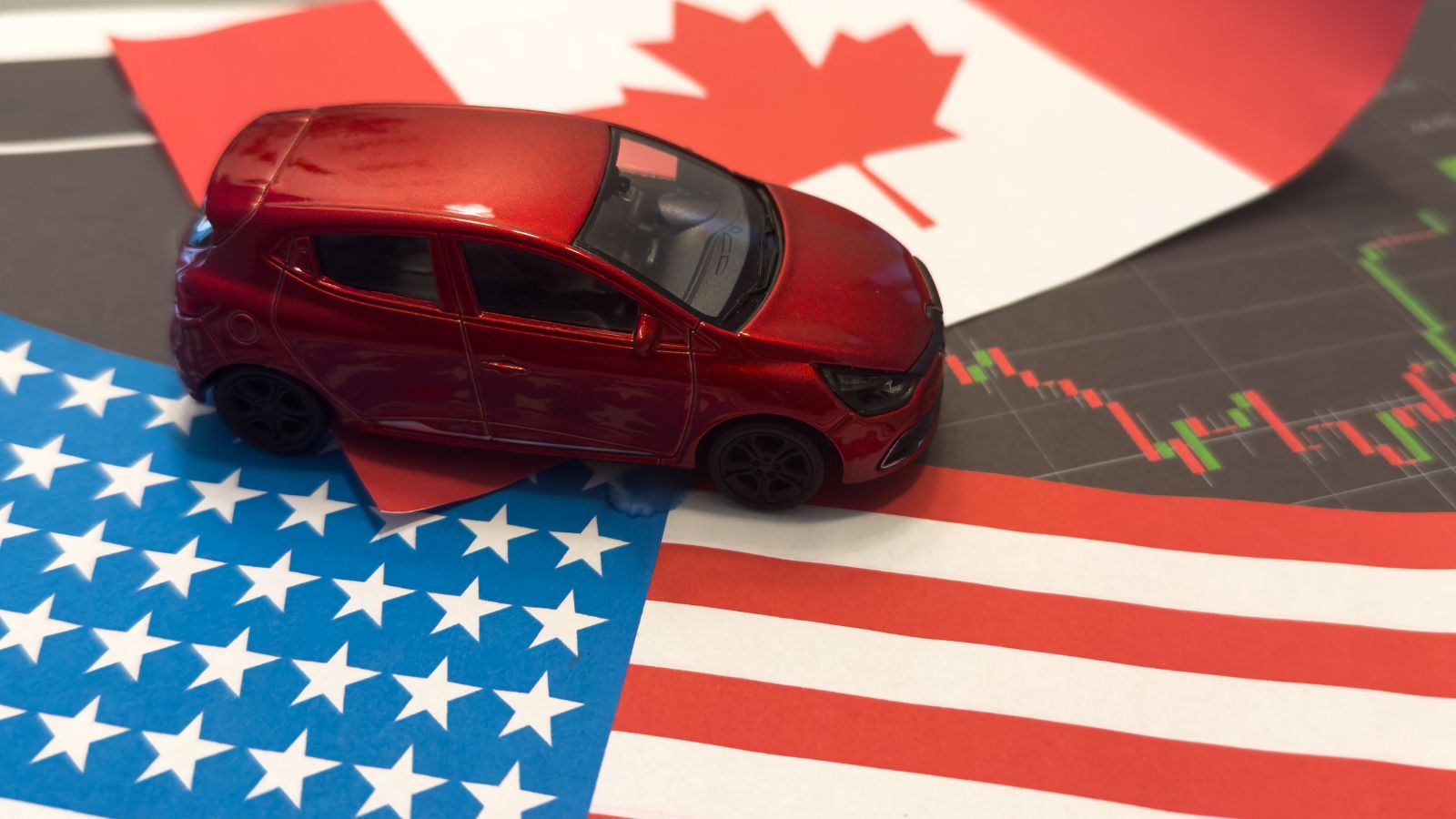
For several tense days, Canada and the United States appeared close to pulling their trade relationship back from the edge. Then negotiators began examining exactly what the proposed agreement would mean in practice. According to Canada’s ambassador to Washington, Mark Wiseman, the written terms repeatedly failed to match Ottawa’s understanding of what had already been settled.

The breakdown was not tied to one disputed sentence or one industry. Autos became one of the clearest examples, particularly the treatment of medium- and heavy-duty vehicles and Canadian content. Combined with disagreements over Canada’s ability to pursue other trade relationships and protect language and cultural policies, the differences became large enough for Prime Minister Mark Carney to call negotiators home rather than sign an agreement his government believed could undermine Canadian industries.

The Fine Print Changed the Meaning of the Deal

Wiseman described a negotiating process in which the broad understanding reached between the two sides looked increasingly different once those understandings were translated into formal documents. His analogy was striking: it was like shaking hands on a house purchase and then discovering that important parts of the property or deal were not actually included. The Canadian concern, he said, was not that one technical disagreement had suddenly appeared. It was that discrepancies kept appearing as negotiators worked through the language. When differences consistently produced what Ottawa regarded as the least favourable interpretation for Canada, confidence in the package itself began to erode.

That distinction is important because the negotiations had appeared genuinely close. On August 18, Carney said substantial progress had been made, and Washington postponed a threatened 50% tariff until the end of August 21. Earlier indications had created expectations that an agreement could significantly reduce tariffs on major Canadian industries. By late August 21, however, Carney said last-minute changes in the proposed U.S. terms were unfair, uneconomic and serious enough to call the reliability of the agreement into question. The failure therefore was not simply an inability to agree on headline tariff percentages. Ottawa concluded that the detailed obligations underneath those percentages could leave Canada with a very different bargain from the one it believed it was negotiating.

Autos Became the Clearest Test of the Gap

Automotive tariffs showed how a seemingly significant concession could look less attractive once its coverage was examined. Reuters reported that the proposed agreement would have reduced the top-line U.S. tariff on Canadian passenger vehicles and light-duty trucks from 25% to 15%. Steel and aluminum tariffs would also have been reduced from 50% to 25%. On paper, those reductions represented meaningful relief for industries that had spent months dealing with higher cross-border costs. Canada was prepared to remove remaining retaliatory tariffs on strategic U.S. products if Washington reduced its own duties enough to make Canadian exports economically viable.

The problem was what the auto arrangement apparently did not cover. Negotiators remained divided over medium- and heavy-duty trucks, with Washington resisting the relief Canada wanted for those categories. Canadian officials argued that leaving significant vehicle classes outside the arrangement would create an uneven structure in which some Canadian assembly remained exposed to substantially higher U.S. tariffs. Wiseman stressed that the truck dispute was an example rather than the sole cause of the collapse. Still, it illustrated why Ottawa was unwilling to judge the package only by the advertised passenger-vehicle rate. For an assembly industry making long-term investment decisions, the definitions written underneath a tariff number can matter as much as the number itself.

Truck Assembly Turned Into a Question of Industrial Survival

Canada’s insistence on covering medium- and heavy-duty vehicles was rooted in a larger concern about whether manufacturers would continue investing in Canadian truck production if U.S. market access became structurally less competitive. Public explanations of the dispute pointed to Canadian operations connected to Ford and General Motors as examples of what could be exposed. Carney argued that excluding certain truck categories had no compelling economic rationale from Canada’s perspective and could gradually make producing those vehicles north of the border less attractive. The issue was therefore about more than temporarily absorbing a tariff bill. It concerned where the next generation of production mandates, tooling and capital investment would be placed.

Automakers make those decisions years in advance, and trade rules can change the calculation dramatically. Canadian plants do not operate as isolated national factories serving only Canadian customers. They sit inside a continental production system in which vehicles and components move repeatedly across the border. If one category of Canadian production permanently carries a greater tariff burden than competing U.S. output, companies gain a financial incentive to shift future investment. That explains why Ottawa treated details around vehicle classifications as strategically important. A concession that lowered tariffs on some vehicles while leaving other Canadian-made trucks exposed could provide immediate relief while quietly weakening the economic case for maintaining a broad Canadian assembly footprint.

Canada’s Auto Dependence Made the Stakes Unusually High

The numbers help explain Ottawa’s sensitivity. The federal government says Canada produced more than 1.2 million passenger vehicles in 2025, while more than 90% of Canadian-made vehicles and roughly 60% of Canadian-made auto parts are exported to the United States. The industry directly supports about 125,000 Canadian jobs and hundreds of thousands more through suppliers, dealerships and related services. That concentration means a tariff that appears manageable in a less integrated industry can have much larger consequences for automotive manufacturing. A plant can only absorb additional costs for so long before production schedules, investment plans or future models are reconsidered.

Statistics Canada has quantified that exposure another way. In 2024, about 76.4% of payroll jobs in automobile and light-duty motor vehicle manufacturing were supported by U.S. demand, representing roughly 27,000 jobs in that specific manufacturing category. Integration also runs southward: federal briefing material says Canadian-assembled vehicles contain approximately 50% U.S. content by value on average. That means tariffs on Canadian vehicles can hit products containing substantial American labour and parts. This is why Canadian industry representatives argue that disrupting production in Ontario does not neatly transfer all the benefits to the United States; it can also raise costs and disrupt assembly operations on the American side of the border.

The Disagreement Spread Far Beyond Cars

By the final stage, the dispute had expanded beyond tariff schedules. Carney said Washington sought terms that would interfere with Canada’s ability to protect the French language and Canadian culture. He also said U.S. demands threatened Canada’s flexibility to establish trading relationships with other countries. Canadian officials viewed those questions as fundamentally different from negotiating a tariff quota or rules-of-origin formula. Ottawa had been willing to encourage provinces to restore U.S. alcohol sales and discuss administrative changes related to supply management, but Carney said changing the underlying supply-management system or accepting limits on Canadian sovereignty was not on offer.

The trade-policy issue was particularly significant because Canada has been attempting to reduce its dependence on the U.S. market. That effort has accelerated as American tariffs have increased. A provision restricting future trade agreements could therefore undercut one of Ottawa’s main responses to U.S. economic pressure. Language and culture created an equally sensitive domestic issue, particularly in Quebec. Wiseman said the ability to protect and promote French was non-negotiable. Once those subjects were combined with disagreements on automobiles and other strategic industries, the negotiations were no longer simply about finding a mutually acceptable tariff rate. They had become a debate over how much freedom Canada would retain to set domestic and international economic policy.

Washington and Ottawa Tell Different Stories About the Collapse

The two governments have offered sharply different explanations for who changed the bargain. U.S. Trade Representative Jamieson Greer has argued that Canada walked away from a package that would have delivered substantial tariff relief. According to U.S. descriptions reported after the breakdown, the arrangement would have reduced duties affecting Canadian steel, aluminum, automobiles and other products. Ottawa does not dispute that some headline rates would have fallen. Its argument is that the conditions, exclusions and additional demands attached to those reductions eventually made the overall arrangement unacceptable.

Carney’s account is almost the reverse. He said Canada entered the final negotiations prepared to compromise in several areas but encountered new U.S. terms late in the process. After talks were suspended on August 21, the United States allowed a new round of 50% tariffs on Canadian goods to take effect. Ottawa announced plans for retaliatory measures beginning September 8, alongside additional support for tariff-affected workers and businesses. The dispute is now therefore about credibility as much as economics: Canada says it needs an agreement whose written rules can be relied upon, while Washington maintains that Ottawa rejected tariff relief that was available.

The Next Auto Threat Could Be Much Bigger

The breakdown did not freeze the dispute at existing tariff levels. On August 24, President Donald Trump threatened to raise tariffs on all Canadian-made cars, trucks and automotive parts to 50% beginning January 1, 2027. The threat had not yet been implemented through a formal order when it was announced, but financial markets reacted quickly. Reuters reported declines in shares of Ford, Stellantis, General Motors, Toyota and Honda after the statement, reflecting concern about how deeply a Canadian auto shock could spread through the North American industry. Parts produced in Canada are incorporated into vehicles assembled in the United States, making a blanket tariff much harder to isolate geographically.

There is still a path back to negotiations, but neither side is presenting September 8 as an automatic extension of the failed talks. Wiseman said communications with U.S. officials continued, while Carney said Canada would return to the negotiating table when Washington approached Canadian industries as part of a genuine partnership rather than as subsidiaries of the American economy. That leaves an unusually unstable outlook for automakers. The failed agreement showed that even when governments appear close on headline numbers, the definitions governing content, vehicle categories and future policy can determine whether the deal protects Canadian production or merely delays a much larger restructuring of the industry.


Recommended.

18 Red Flags a Used Vehicle May Be a Money Pit

10 Reasons the Canadian Car Market Feels Different Heading Into Summer

April 30, 2026
17 Dashboard Warning Lights Canadians Should Never Ignore

17 Dashboard Warning Lights Canadians Should Never Ignore

June 10, 2026

Trending.

⁠$28 Billion in Canadian Goods Face 50% Trump Tariffs at Midnight as Deal Still Isn’t Final

Canada-U.S. Trade Deal Fell Apart After Washington Left Ontario-Built Ford and GM Trucks Out of Auto Tariff Relief

August 23, 2026
Quebec’s BRP Prepares 2027 Vehicle Reveal Tonight as Canadian Manufacturer Pushes New Can-Am Lineup

Quebec’s BRP Prepares 2027 Vehicle Reveal Tonight as Canadian Manufacturer Pushes New Can-Am Lineup

August 17, 2026
Mexico Pushes U.S. to Cut Auto Tariff From 25% to 5%–10% — and Give Canadian Parts More Room

Ottawa’s Chinese-EV Quota Opens Canada to 6.1% Tariffs Instead of the Former 100% Surtax

August 22, 2026
Doug Ford Says U.S. ‘Wasn’t Budging’ on 25% Auto Tariffs as Ontario Puts ‘Every Single Tool’ on the Table

Doug Ford Says U.S. ‘Wasn’t Budging’ on 25% Auto Tariffs as Ontario Puts ‘Every Single Tool’ on the Table

August 23, 2026
19 Things That Can Make Your Car Insurance Claim Get Denied

Foreign Insurer Can Apply to Enter Canada’s Auto-Insurance Market Starting Today

August 17, 2026
  • About
  • Contact
  • Privacy Policy
  • Disclaimer
  • Editorial Policies
  • Terms and Conditions
A Revir Media Group Website

2026 Autoigloo - © All rights reserved

No Result
View All Result
  • News & Trends
  • Car Reviews
  • Buying Guides
  • Comparisons
  • EVs & Hybrids
  • More
    • Pricing & Deals
    • Winter Driving
    • Ownership & Maintenance

2026 Autoigloo - © All rights reserved

This website uses cookies. By continuing to use this website you are giving consent to cookies being used. Visit our Privacy and Cookie Policy.


