


























A monthly car payment often feels like the number that decides affordability, but the real cost begins after the contract is signed. The price of keeping a vehicle on the road is shaped by insurance, fuel, maintenance, tires, taxes, depreciation, financing, parking, technology, add-ons, driving habits, and resale value. These 12 costs explain why a seemingly manageable payment can grow into a much larger household expense.
The difference is not always dramatic at first; it shows up through renewal notices, repair invoices, fuel stops, and trade-in surprises. For many drivers, the car that looked affordable on paper becomes expensive because the payment was treated as the whole budget instead of only one line in it.
Insurance Can Change the Whole Budget

Insurance is often the first major cost that appears after the excitement of buying a vehicle. Two cars with similar payments can carry very different premiums because insurers consider repair costs, theft rates, driver history, location, claims trends, and vehicle technology. A small SUV with expensive sensors may cost more to insure than an older sedan with a similar purchase price.
This is where many buyers get caught. A payment that fits comfortably can suddenly feel tight once the insurance quote arrives. In Canada, rising repair and claim costs have been tied to higher vehicle prices, parts costs, and maintenance expenses. In the United States, motor vehicle insurance is tracked as a major private-transportation expense. The practical lesson is simple: the insurance quote should be checked before the purchase contract is signed, not after the keys are handed over.
Fuel Turns Driving Habits Into a Monthly Bill
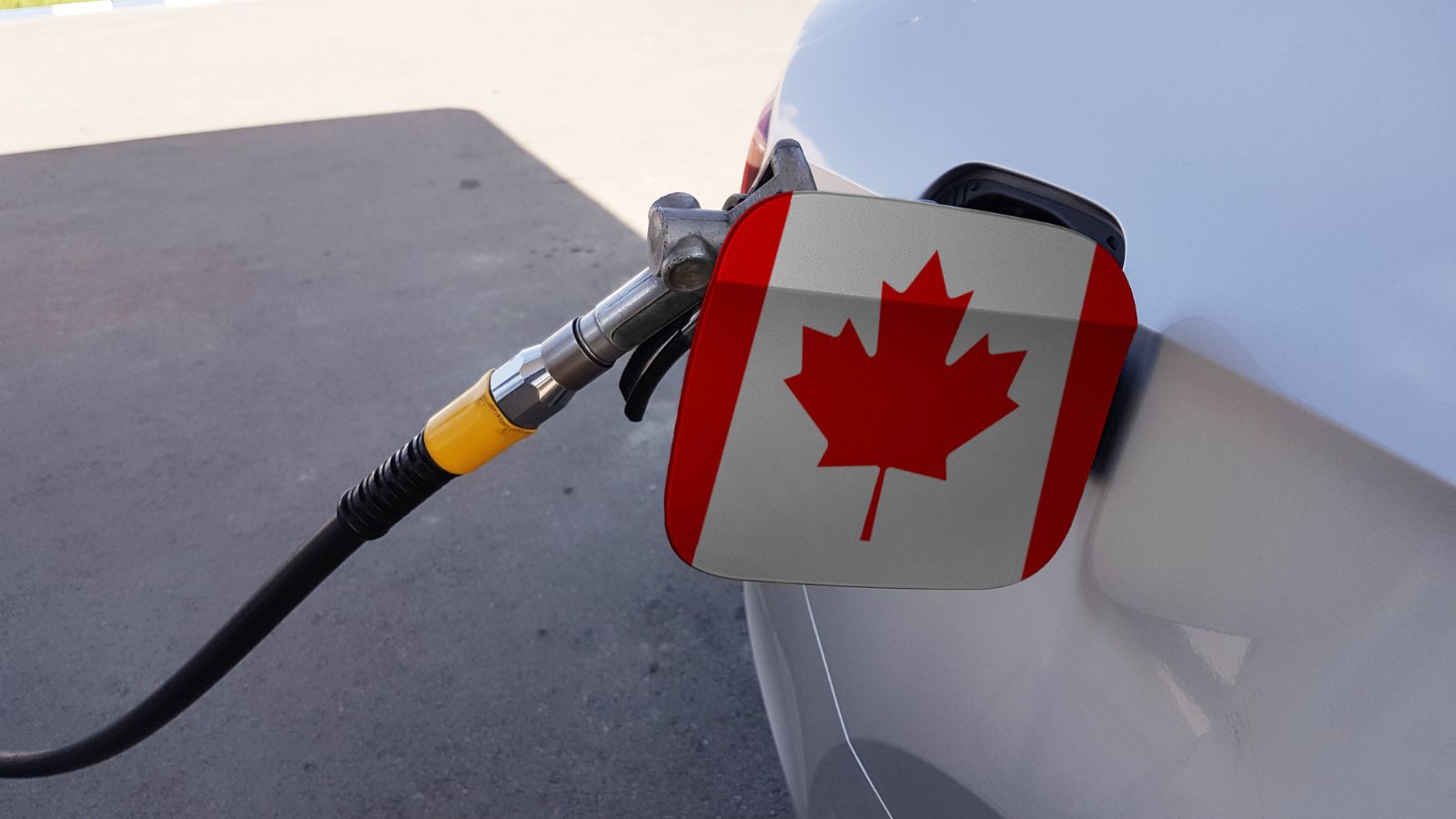
Fuel costs do not care how affordable the payment looked at the dealership. A long commute, weekend errands, school runs, cold-weather idling, and stop-and-go traffic can turn a slightly thirsty vehicle into a steady budget drain. Even when gas prices ease, a driver covering thousands of miles a year still feels every difference between a fuel-efficient vehicle and a heavier one.
The numbers can become surprisingly personal. A driver who moves from a compact car to a midsize SUV may not notice the extra fuel cost on one trip, but it adds up across 12 months. Official fuel-economy tools exist because the sticker price does not show the full operating picture. A vehicle that costs less to buy can become more expensive to live with if its fuel use does not match the owner’s real routine.
Maintenance Is a Schedule, Not a Surprise
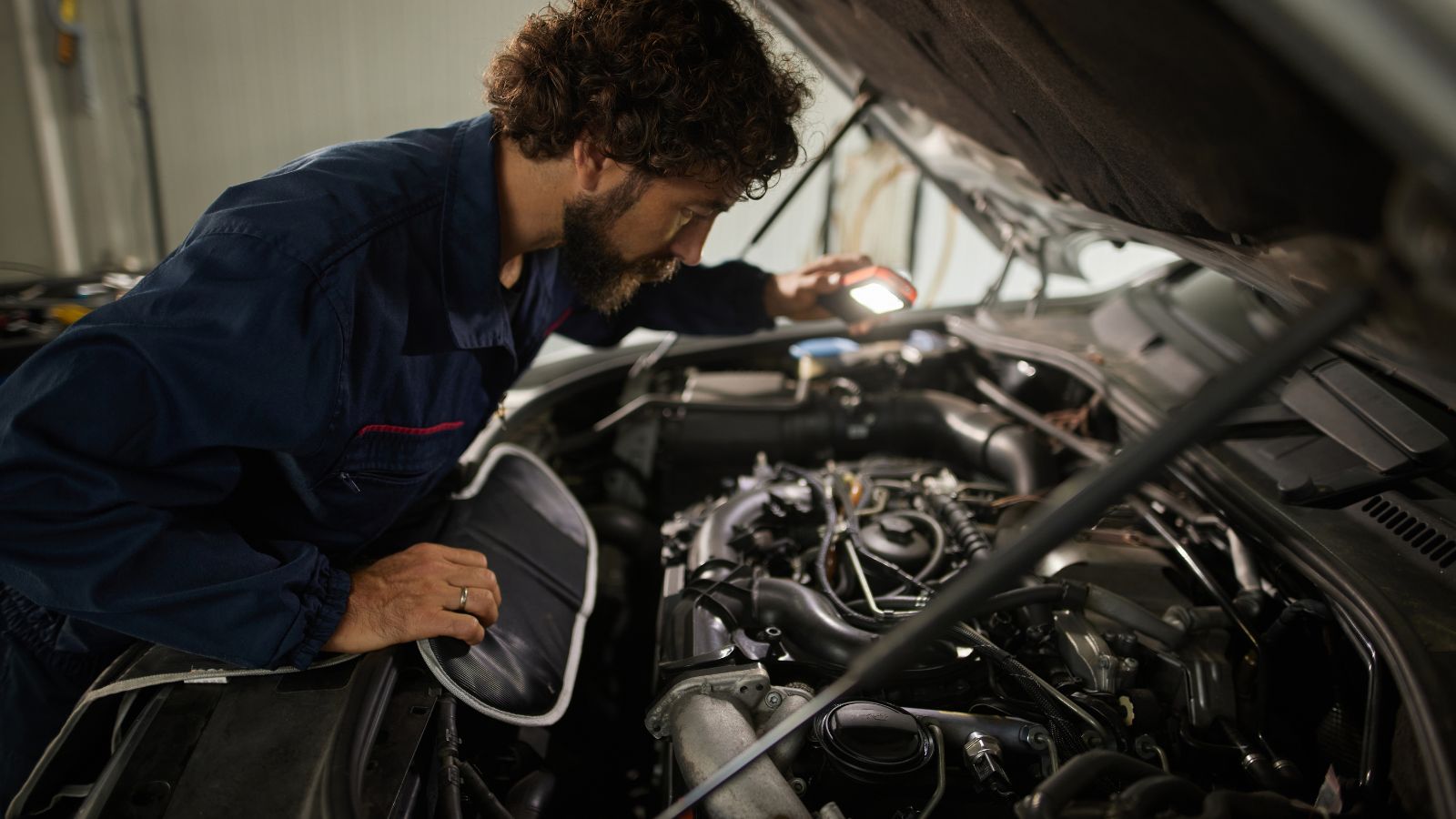
Maintenance is not a random inconvenience; it is part of ownership. Oil changes, filters, fluids, brake service, alignments, batteries, wiper blades, and inspections arrive on schedules that continue long after the first payment. Skipping them may save money for a month, but it can turn ordinary wear into a much larger repair later.
The problem is that maintenance often feels optional until something breaks. A driver might delay a $120 service and later face a repair that costs several times more. Recent price data shows maintenance and repair costs remain a meaningful part of transportation inflation, and common warning-light repairs can run into the hundreds. The more complicated the vehicle, the more important it becomes to budget for routine work instead of treating it as an emergency.
Tires and Wear Items Arrive in Sets
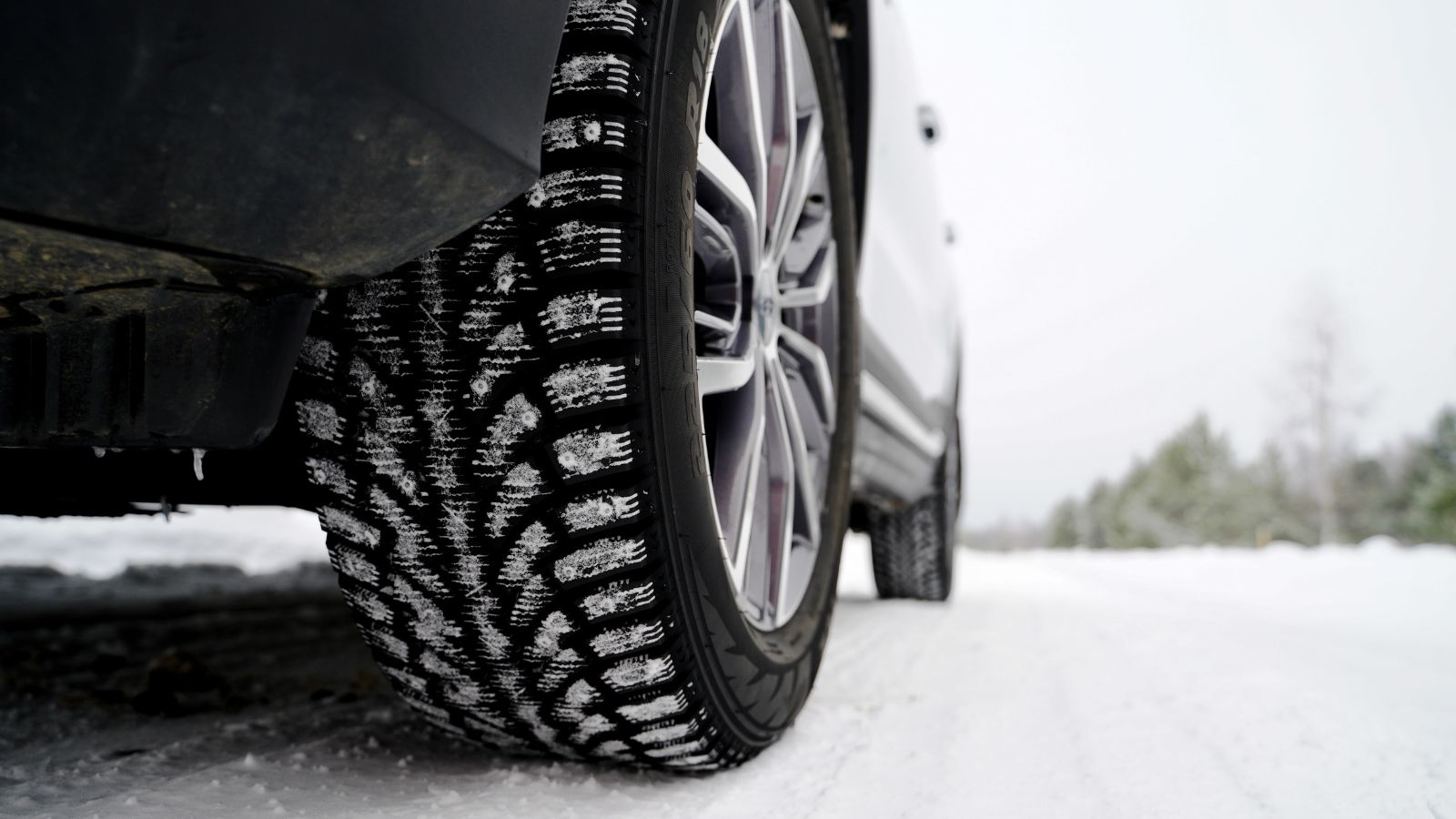
Tires are easy to forget because they wear slowly, but they rarely fail one dollar at a time. A full set can arrive as a large bill, especially on SUVs, trucks, performance trims, or vehicles with uncommon wheel sizes. Add seasonal tires, rotations, balancing, puncture repairs, and tire-pressure sensors, and the cost becomes more than an occasional inconvenience.
Tire condition also affects fuel economy and safety. Underinflation can shorten tire life, increase fuel use, and make handling worse. A driver who ignores pressure checks may pay twice: first at the pump, then at the tire shop. This is why the cheapest vehicle on the lot is not always cheap to own. A model with oversized wheels or expensive tire specifications can quietly raise the cost of every kilometre or mile driven.
Depreciation Is the Cost Many Drivers Never See
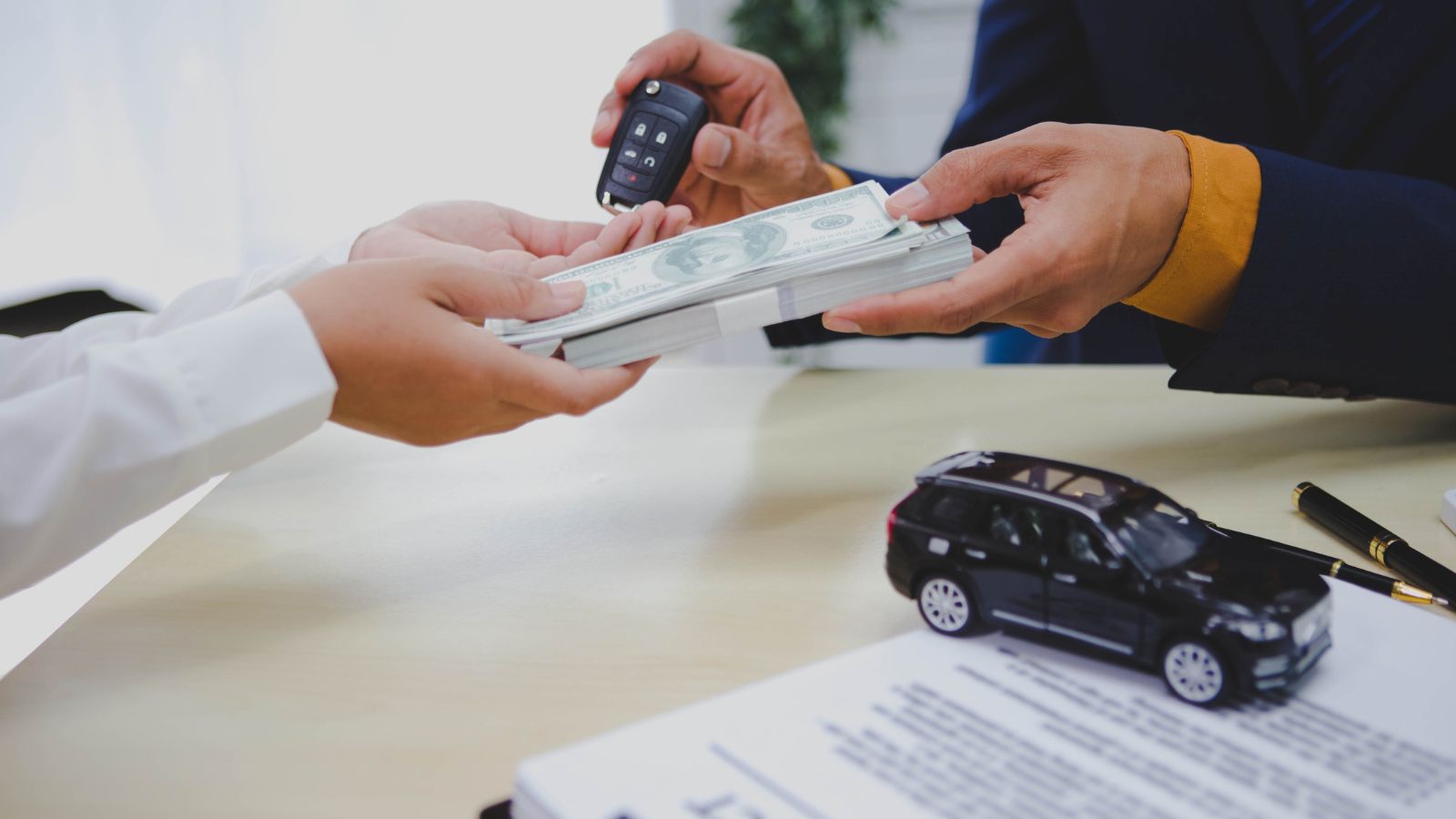
Depreciation does not arrive as a bill, which makes it easier to ignore. Yet it can be one of the largest ownership costs. The loss becomes visible when the vehicle is traded, sold, refinanced, or written off after a crash. A car that still looks new in the driveway may have already lost a large share of its original value.
This matters because depreciation can erase the apparent savings from a low monthly payment. A longer loan can keep payments manageable while the vehicle loses value faster than the balance falls. Some vehicles retain value well, while others drop sharply because of brand reputation, market demand, fuel costs, reliability concerns, or rapid technology changes. Resale value is not just a future problem; it shapes the real cost from the day the vehicle is purchased.
Loan Interest Can Outgrow the Sticker Price

The monthly payment hides more than many buyers realize. Interest, loan length, credit score, down payment, and fees all determine how much the vehicle truly costs. A longer term can make a payment look manageable, but it can also keep the borrower paying interest for years after the new-car feeling has faded.
Average vehicle payments have remained high, especially for new vehicles, and large loan amounts make every rate difference matter. A buyer comparing two vehicles by payment alone may miss the fact that one deal carries thousands more in finance charges. The safer comparison is the total amount paid over the life of the loan. That number often reveals whether the payment is affordable or simply stretched thin across more months.
Registration, Taxes, and Fees Keep Coming Back
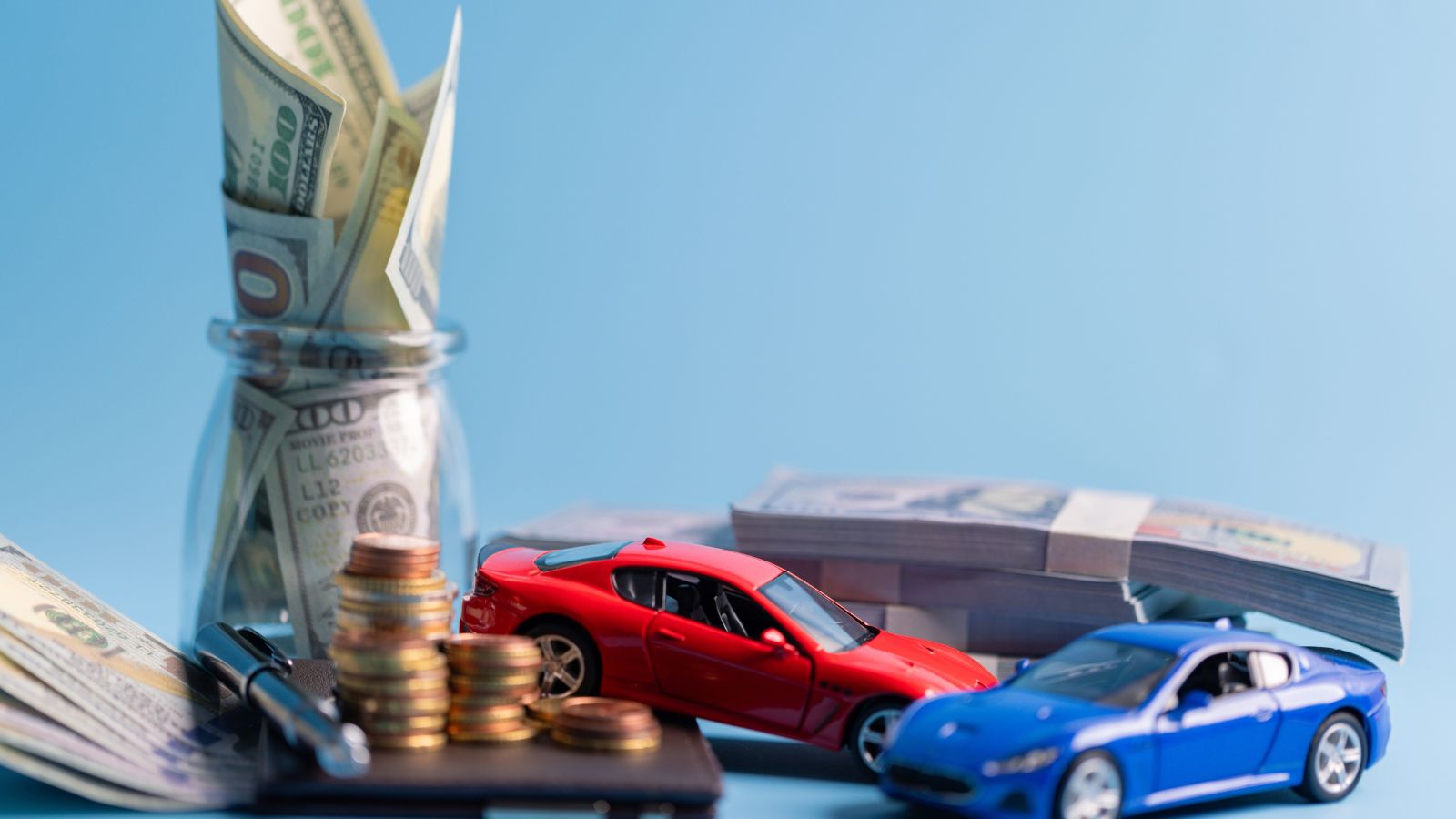
The payment may be fixed, but taxes and vehicle fees are not always one-time expenses. Registration renewals, licensing fees, inspection charges, emissions tests, documentation fees, title fees, property taxes in some areas, and local charges can all add to ownership costs. These items are easy to overlook because they feel administrative rather than mechanical.
They still affect affordability. A household may budget for the payment and insurance, then get surprised by renewal costs six months later. Larger, heavier, newer, or higher-value vehicles can sometimes carry higher fees depending on jurisdiction. This is one reason ownership calculators include license, registration, and tax categories alongside fuel and maintenance. The government paperwork is part of the cost of driving, not a side note.
Parking, Tolls, and Congestion Can Be Real Expenses
A vehicle that sits still can still cost money. Paid parking, residential permits, workplace parking, downtown garages, toll roads, bridge fees, towing, and traffic delays can all change the real cost of ownership. These costs vary dramatically by city, which is why two drivers with the same vehicle can have very different budgets.
Congestion adds another hidden layer. Time lost in traffic is not always entered into a household spreadsheet, but it affects fuel use, productivity, stress, and maintenance wear. In major urban areas, congestion studies have put a dollar value on time lost by drivers. For someone commuting daily into a busy core, the “cheap” vehicle may not feel cheap once parking and traffic become part of the monthly routine.
Modern Repairs Are More Complex Than They Look
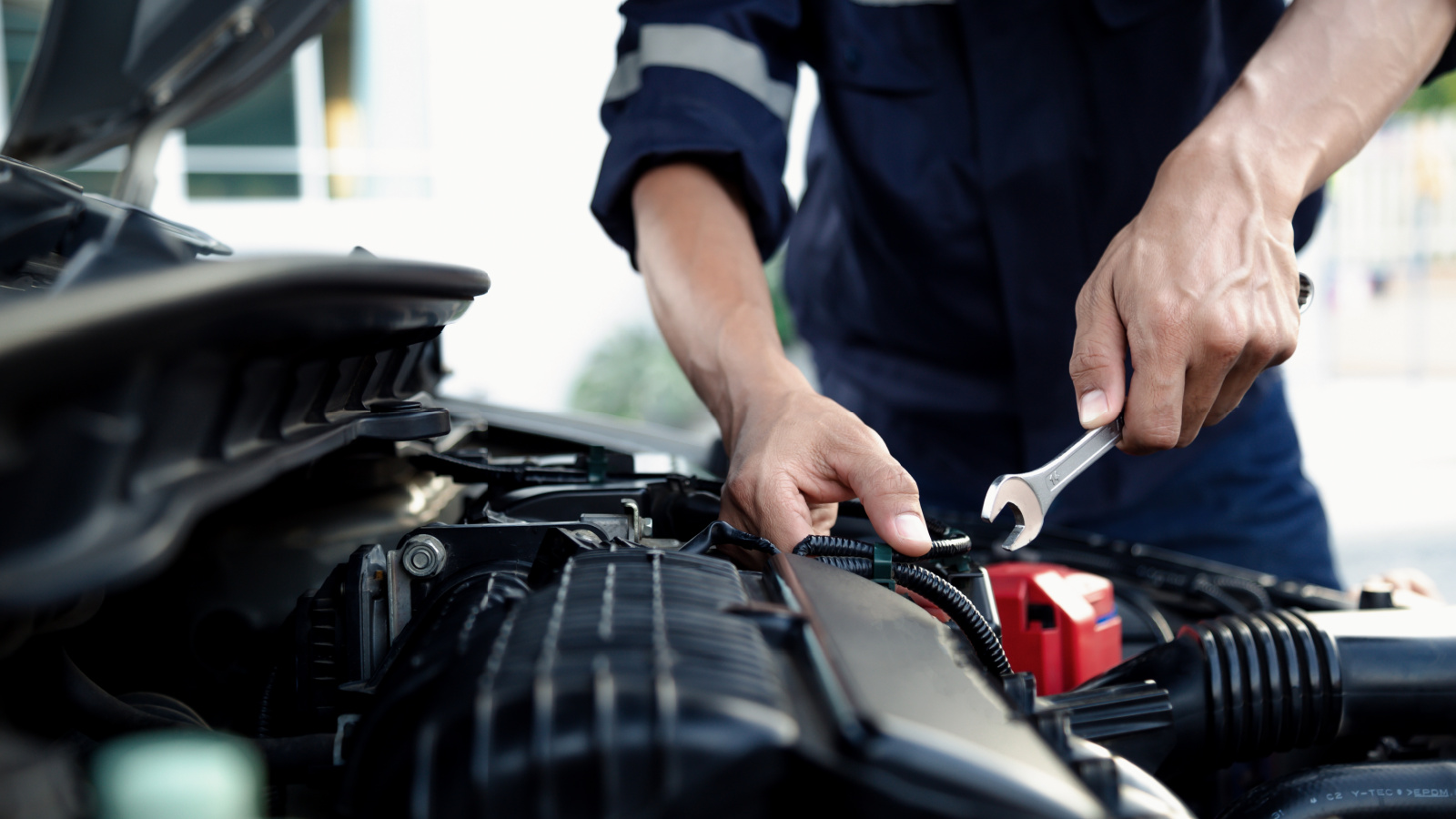
Newer vehicles often bring better safety features, but they can also bring higher repair complexity. Cameras, radar sensors, parking sensors, blind-spot monitors, lane-keeping systems, and windshield-mounted equipment may need calibration after repairs. A minor bumper hit or windshield replacement can involve more than paint, glass, and labour.
This is why repair bills can shock owners who bought a vehicle partly for its technology. Advanced driver-assistance systems can make driving safer, but the parts and calibration procedures can raise repair estimates. Collision repair data has repeatedly pointed to vehicle complexity as a cost driver. A driver choosing a technology-heavy trim should think beyond the monthly payment and consider what happens after a cracked windshield, parking-lot tap, or mirror replacement.
Add-Ons Can Become Part of the Debt

Dealer add-ons can seem small when folded into financing, but they can raise the real cost for years. Extended warranties, service contracts, tire-and-wheel packages, paint protection, anti-theft products, nitrogen-filled tires, VIN etching, and gap-related products may be useful in some situations, but they are not automatically good value. The danger comes when buyers focus only on the monthly change.
A product that adds “only” a few dollars a month may cost far more once interest is included. Consumer protection agencies have repeatedly warned about unwanted, unclear, or overpriced add-ons in auto financing. The most careful buyers ask what each product costs separately, whether it is optional, whether it duplicates existing coverage, and what happens if it is cancelled. The real cost is clearer when every extra is priced outside the payment.
Vehicle Size and Lifestyle Mismatch Add Up

A vehicle should match the life it will actually live. A truck bought for occasional hauling may spend most of its time commuting. A three-row SUV may carry one person most weekdays. A performance trim may bring higher fuel, tire, brake, insurance, and repair costs without adding daily usefulness. The payment may fit, but the ownership pattern may not.
This mismatch is common because buying decisions are emotional as well as practical. A family may choose extra capability for peace of mind, only to discover that the extra weight, tires, fuel use, and parking challenges are present every day. Ownership-cost calculators compare gas, hybrid, and electric vehicles because the right answer depends on annual mileage, driving mix, local energy prices, and real use. The best bargain is often the vehicle that fits the routine, not the fantasy.
Resale Value and Negative Equity Shape the Next Purchase

The final cost of a car often appears when it is time to move on. If the loan balance is higher than the vehicle’s market value, the owner has negative equity. That can make trading difficult, especially if the unpaid balance gets rolled into the next loan. The next payment may look like a fresh start, but part of it may be old debt.
This cycle can quietly trap drivers. Long terms, small down payments, fast depreciation, high interest rates, and frequent trade-ins all increase the risk. Recent market data shows negative equity has become a major issue for many trade-in buyers. The most useful safeguard is patience: keeping a vehicle longer, paying extra when possible, and knowing the trade-in value before shopping again. The real cost of one car can follow a driver into the next one.
22 Things Canadians Do to Their Cars in Spring That Mechanics Hate

Spring brings relief to many Canadian drivers after months of snow, freezing temperatures, and icy roads that put serious strain on vehicles. As temperatures rise across the country, drivers begin washing cars, switching tires, and preparing vehicles for warmer weather and upcoming road trips. However, mechanics across Canada notice the same mistakes every spring when drivers attempt to recover from winter damage. Road salt, potholes, and harsh winter driving conditions often leave vehicles with hidden problems that drivers ignore. Some spring habits even create new mechanical issues that could have been avoided with proper maintenance. Here are 22 things Canadians do to their cars in spring that mechanics hate.