





















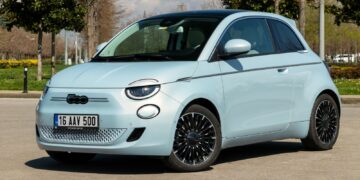




Canadian summer road trips have changed. Fuel prices, crowded highways, longer domestic routes, unpredictable weather, and the need to pack more gear into one vehicle can make an ordinary drive feel more expensive than expected. That is why some vehicles suddenly look more sensible than flashy for 2026.
The smartest picks are not always the biggest, quickest, or most luxurious. They are the ones that balance fuel efficiency, comfort, cargo room, range, all-weather confidence, and real-world usefulness. These 16 vehicles stand out because they fit the way many Canadians actually travel in summer: long highway stretches, cottage roads, mountain passes, ferry lineups, national parks, family visits, and weekends where every litre of fuel and every cubic foot of cargo space matters.
Hyundai Tucson Hybrid
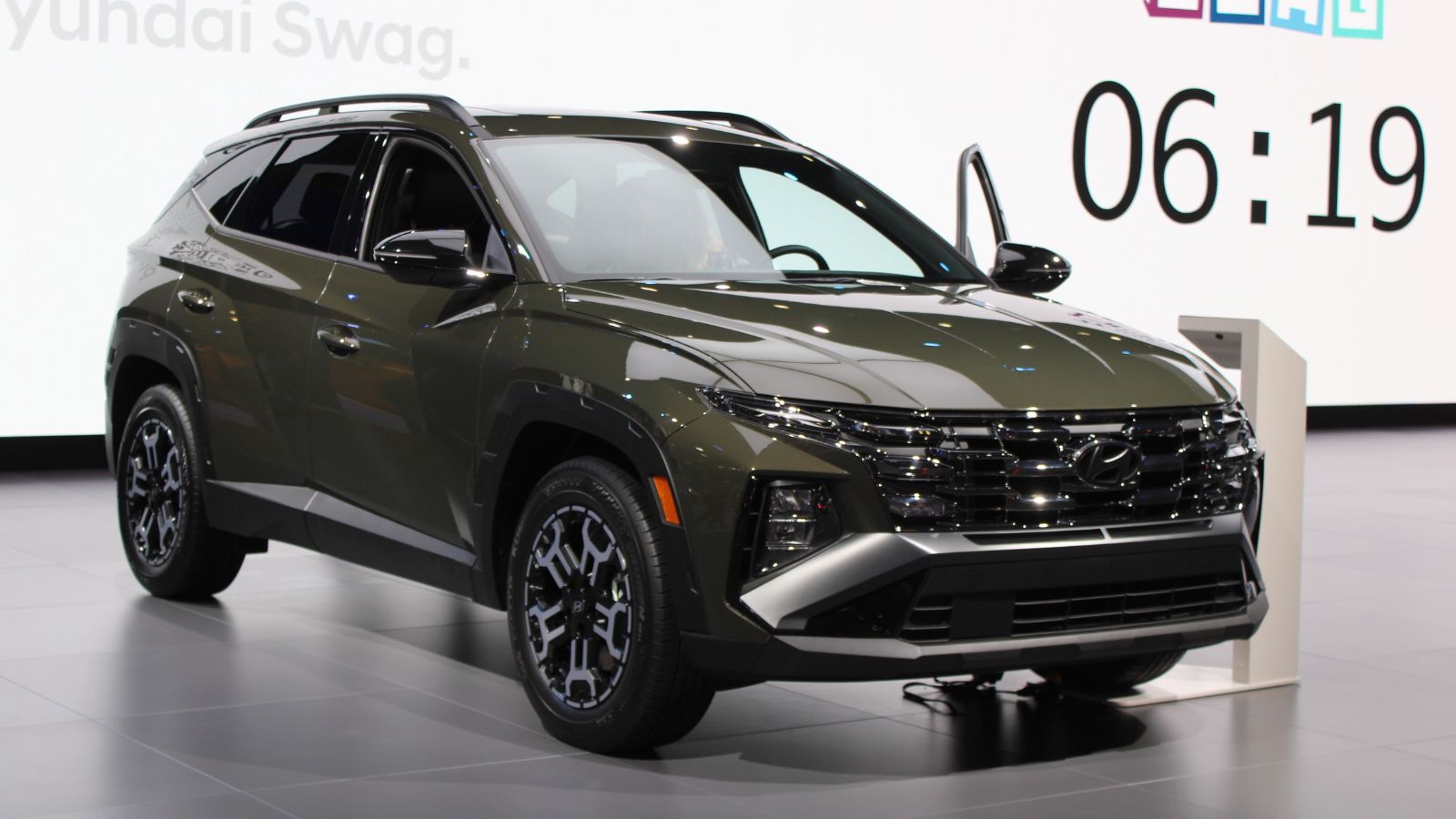
The Hyundai Tucson Hybrid makes sense for Canadian summer travel because it offers a practical cabin, available all-wheel drive, and fuel consumption that can undercut many gas-only compact SUVs. Canadian data for the Tucson Hybrid shows estimates as low as 6.7 L/100 km, while the Tucson lineup also offers generous cargo space with the rear seats up. That combination is valuable when a road trip includes luggage, groceries, beach gear, and a few unplanned purchases along the way.
The Tucson also feels well suited to travellers who want technology without moving into luxury pricing. Its cabin is modern, its ride is comfortable, and its hybrid system gives it more relaxed power delivery in stop-and-go traffic around popular summer destinations. That can matter in places such as Niagara, Banff, Whistler, or Prince Edward County, where the final 20 kilometres can take longer than expected. The Tucson Hybrid’s strength is that it feels easy to live with before, during, and after the trip.
Toyota RAV4 Hybrid
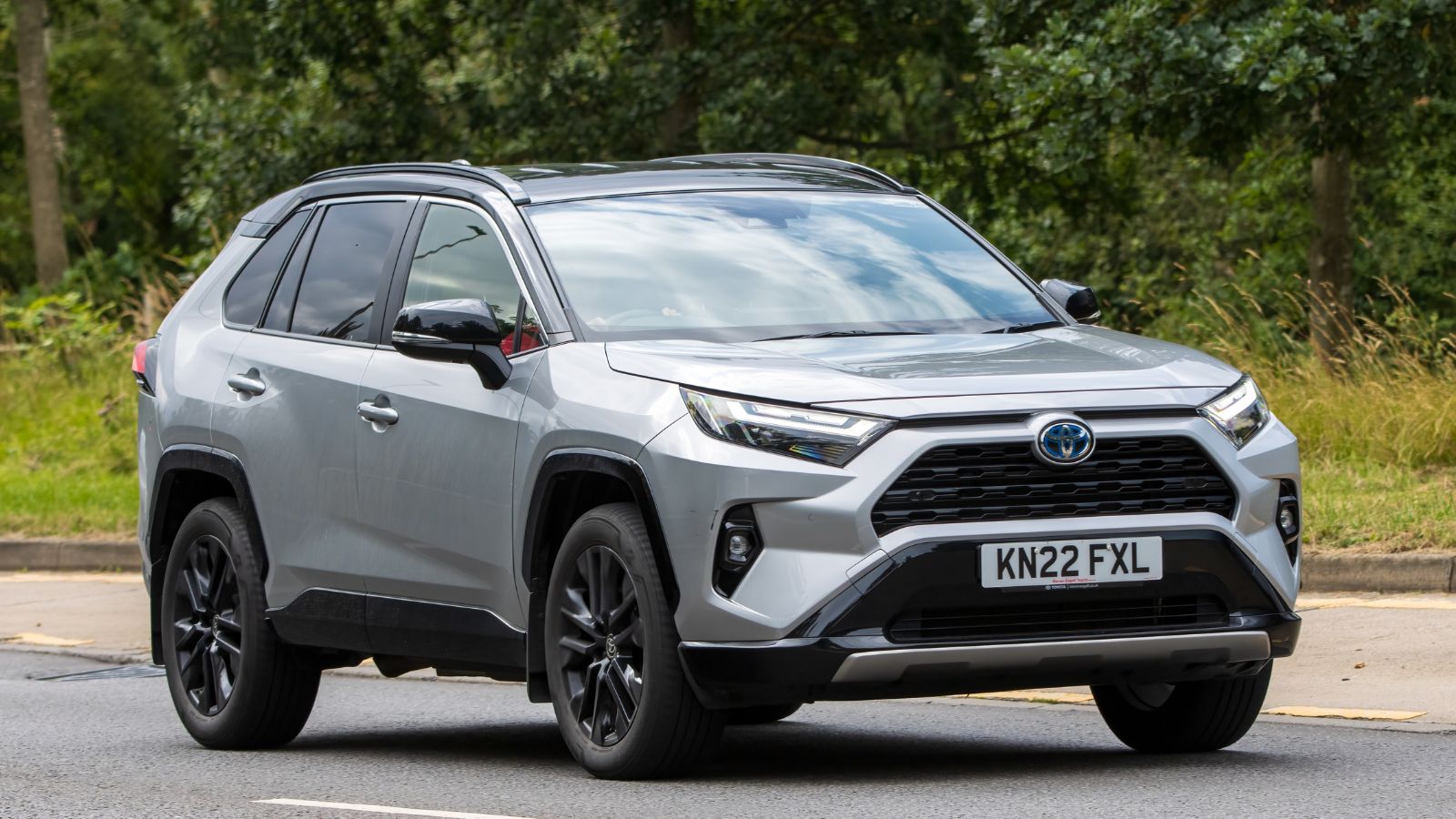
The Toyota RAV4 Hybrid looks especially practical for Canadian road trips because it combines the familiar compact-SUV shape with standard hybrid efficiency. For 2026, the RAV4 lineup has moved deeper into hybrid territory, which makes the model feel better aligned with rising fuel costs and long-distance summer driving. Its official Canadian fuel-consumption figures sit in the low-to-mid 5 L/100 km range depending on trim, which is unusually efficient for an SUV that can still handle camping gear, coolers, luggage, and light cottage-road duty.
It also benefits from being the kind of vehicle many travellers already understand. There is no learning curve around charging stops, no need to plan every break around an EV charger, and no major sacrifice in ground clearance or cargo flexibility. For families driving from Toronto to Muskoka, Calgary to Banff, or Vancouver to the Okanagan, the RAV4 Hybrid’s appeal is simple: it reduces fuel anxiety without asking drivers to give up the SUV format that works so well for Canadian summer travel.
Hyundai IONIQ 5
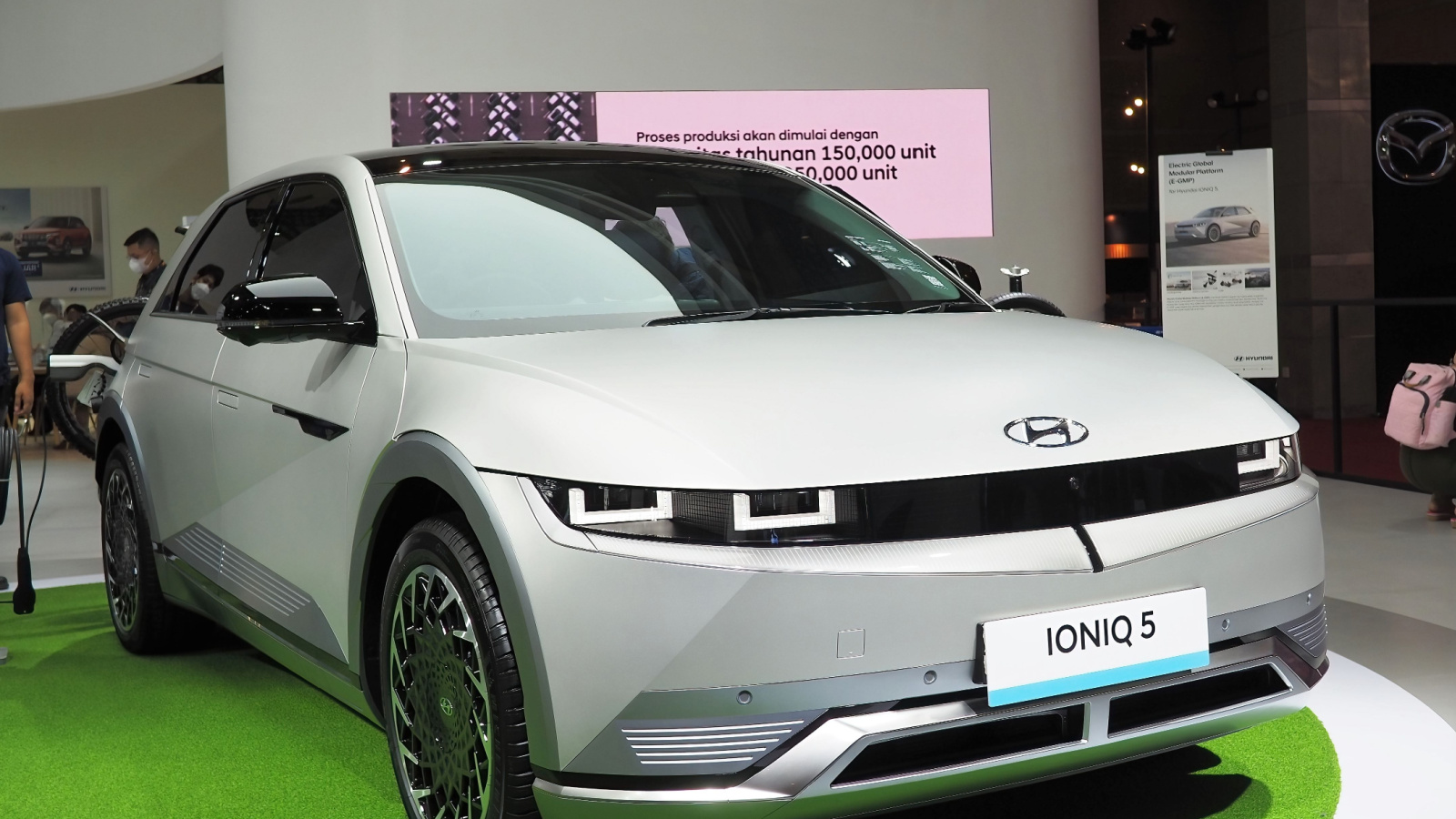
The Hyundai IONIQ 5 looks increasingly road-trip ready because its range and charging capability have improved enough to make many Canadian routes feel realistic. Hyundai Canada lists the 2026 IONIQ 5 with up to 504 km of driving range and highlights its 800-volt charging architecture. That matters because EV road trips depend not only on range, but also on how quickly the vehicle can add distance during breaks.
The IONIQ 5 also has a cabin that feels unusually comfortable for long drives. Its flat-floor EV layout creates a sense of openness, and the rear-seat space can surprise people used to compact SUVs. For travellers who plan routes around major corridors, hotels with chargers, or national charging networks, the IONIQ 5 can turn fuel stops into coffee stops. It still requires planning in remote areas, but for many summer trips between Canadian cities and popular destinations, it now looks more practical than risky.
Honda CR-V Hybrid
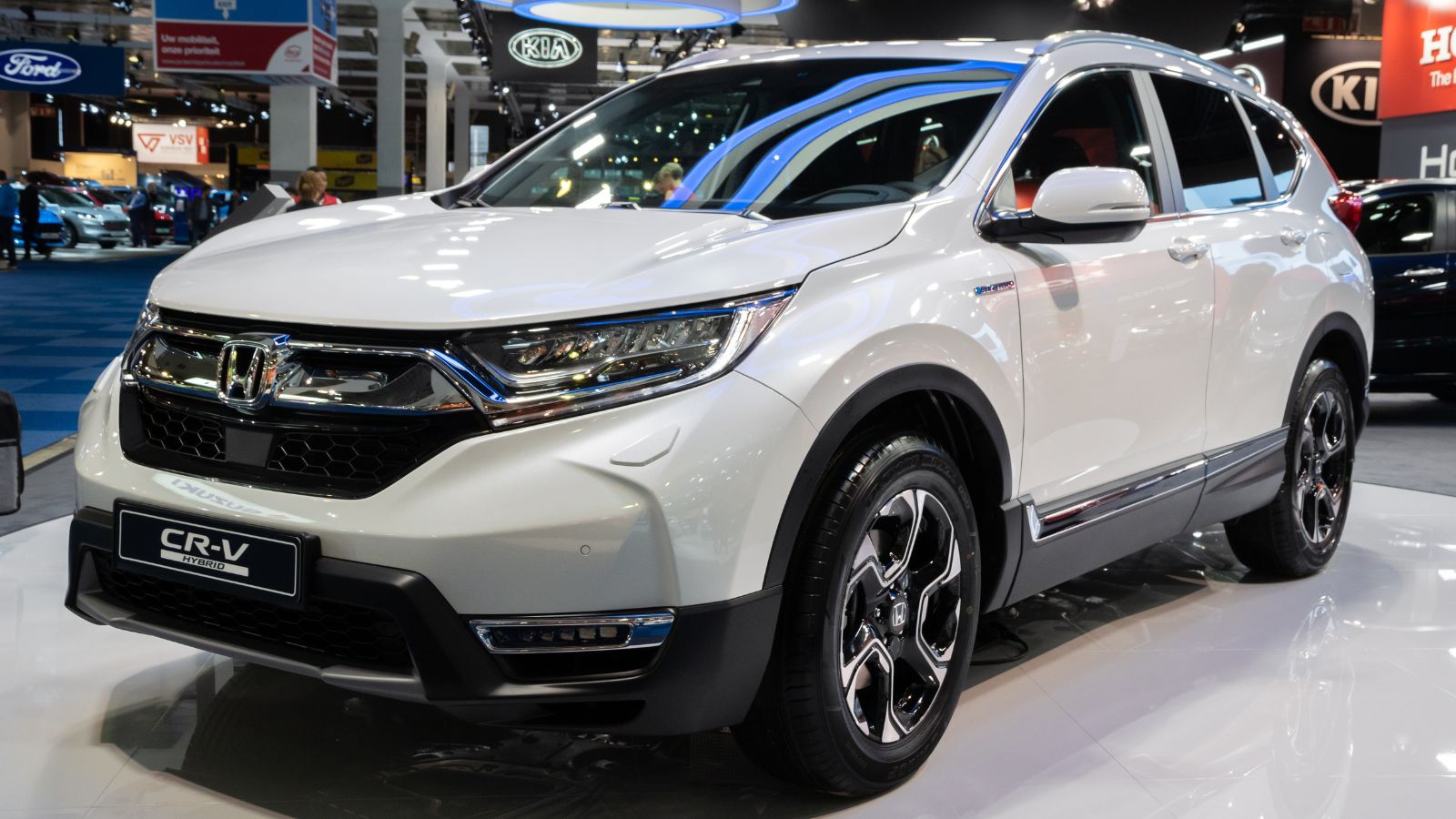
The Honda CR-V Hybrid earns its road-trip reputation by feeling calm, roomy, and efficient without trying too hard. The 2026 CR-V Hybrid is rated as low as 6.4 L/100 km combined in Canada, giving it a strong efficiency advantage over many non-hybrid compact SUVs. That matters on long summer routes where fuel stops become more noticeable, especially when a family vehicle is loaded with passengers, sports gear, snacks, and overnight bags.
The CR-V’s real strength is packaging. It has a spacious second row, a practical cargo area, and a cabin layout that feels built for long hours rather than short test drives. The hybrid system also suits mixed driving well, moving smoothly through city exits, park roads, and highway cruising. It is not the most adventurous-looking SUV on the list, but that may be why it suddenly looks smart. For many Canadians, the best summer road-trip vehicle is the one that quietly keeps everyone comfortable and the fuel bill under control.
Subaru Outback
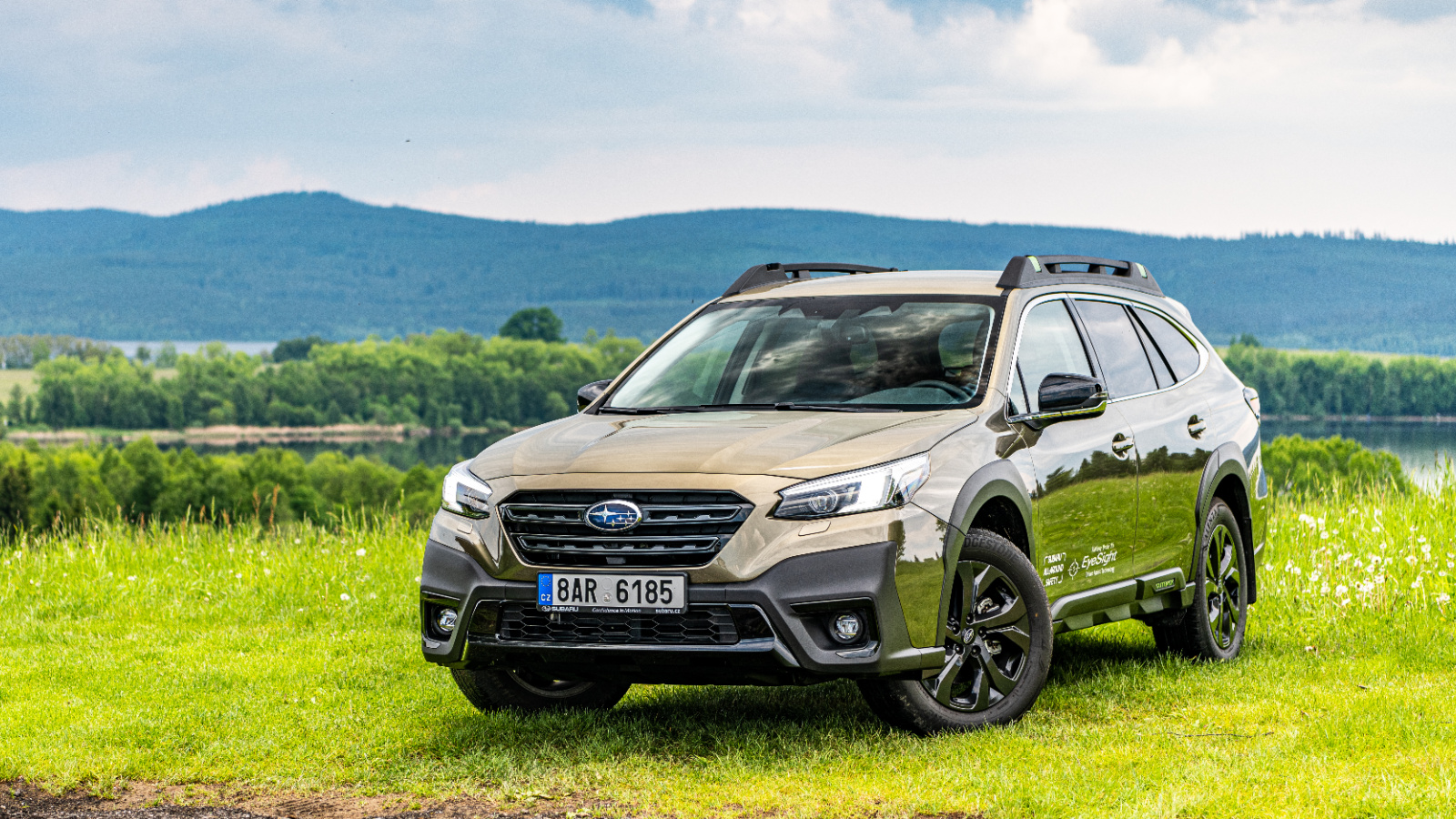
The Subaru Outback remains one of the more convincing choices for travellers who expect pavement to end before the scenery does. Its standard all-wheel drive, wagon-like cargo area, and generous ground clearance make it a natural fit for gravel access roads, provincial parks, trailheads, ski-town summer escapes, and wet-weather driving. Subaru Canada lists the 2026 Outback with 220 mm of ground clearance on many versions, while the Wilderness trim pushes that even higher.
What makes the Outback smart is that it does not feel like overkill. Many Canadians do not need a full truck or body-on-frame SUV for summer travel, but they do need confidence when the road turns rough or muddy. The Outback fills that middle ground well. It can carry bikes, hiking packs, tents, and pets while still behaving like a comfortable highway cruiser. For drivers who prioritize traction, visibility, and cargo versatility over flashy styling, the Outback’s long-running formula still makes sense.
Toyota Sienna Hybrid
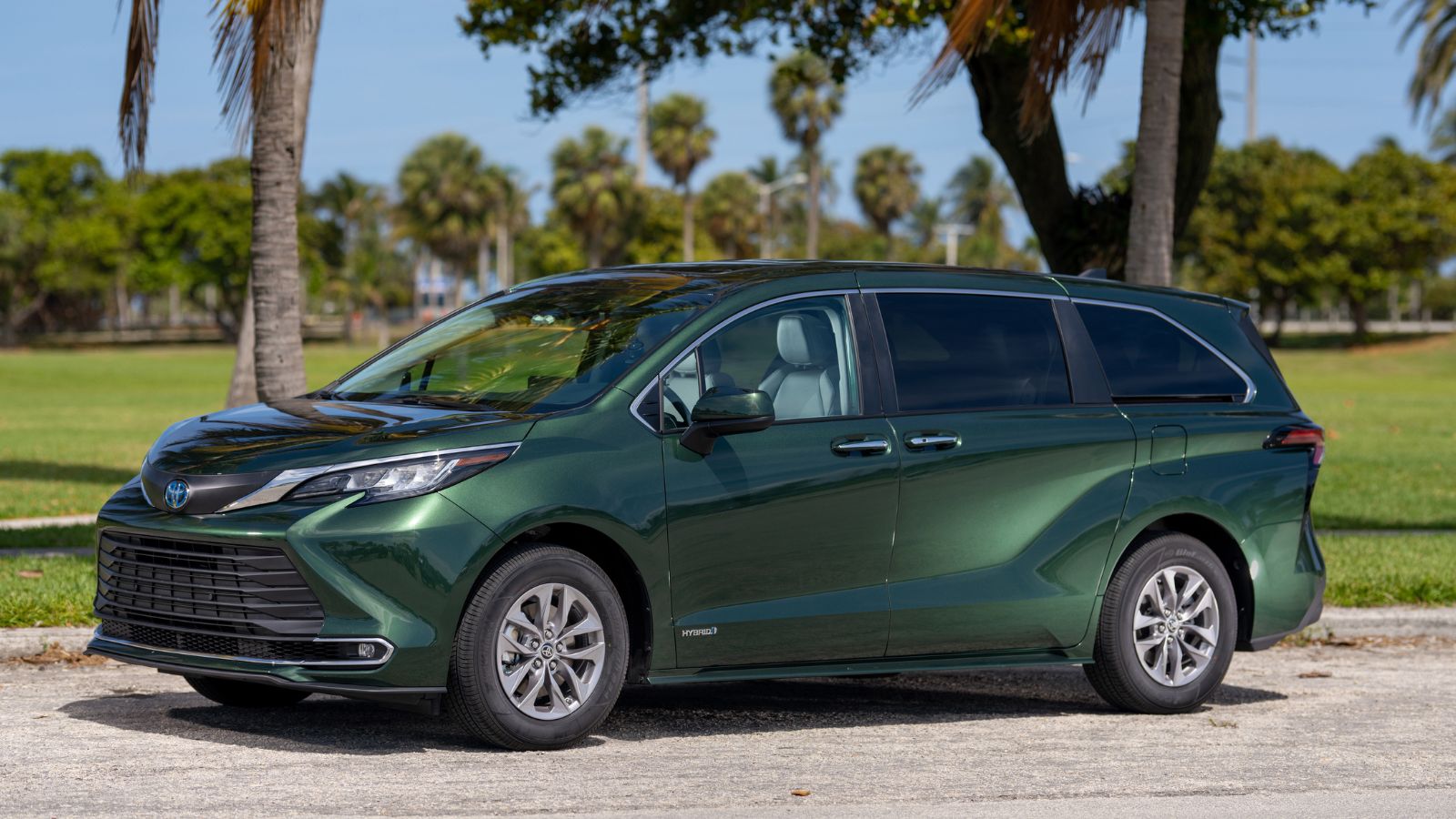
The Toyota Sienna Hybrid looks like a road-trip cheat code for larger families. Every current Sienna sold in Canada uses a hybrid powertrain, and front-wheel-drive models are rated around 6.6 L/100 km combined, with all-wheel-drive versions close behind. That is remarkable for a vehicle that can carry seven or eight people, swallow a serious amount of luggage, and keep passengers separated enough to reduce back-seat tension on long summer drives.
Its advantage becomes obvious on real trips. Sliding doors help in tight hotel parking lots, kids can climb in without swinging doors into nearby cars, and the cabin is better suited to long-distance family travel than many three-row SUVs. The Sienna also has available all-wheel drive, which matters for cottage roads, rainy highways, and shoulder-season travel. Minivans rarely win style contests, but when the destination is several provinces away and the family brings everything except the kitchen sink, the Sienna suddenly looks very smart.
Kia Carnival Hybrid
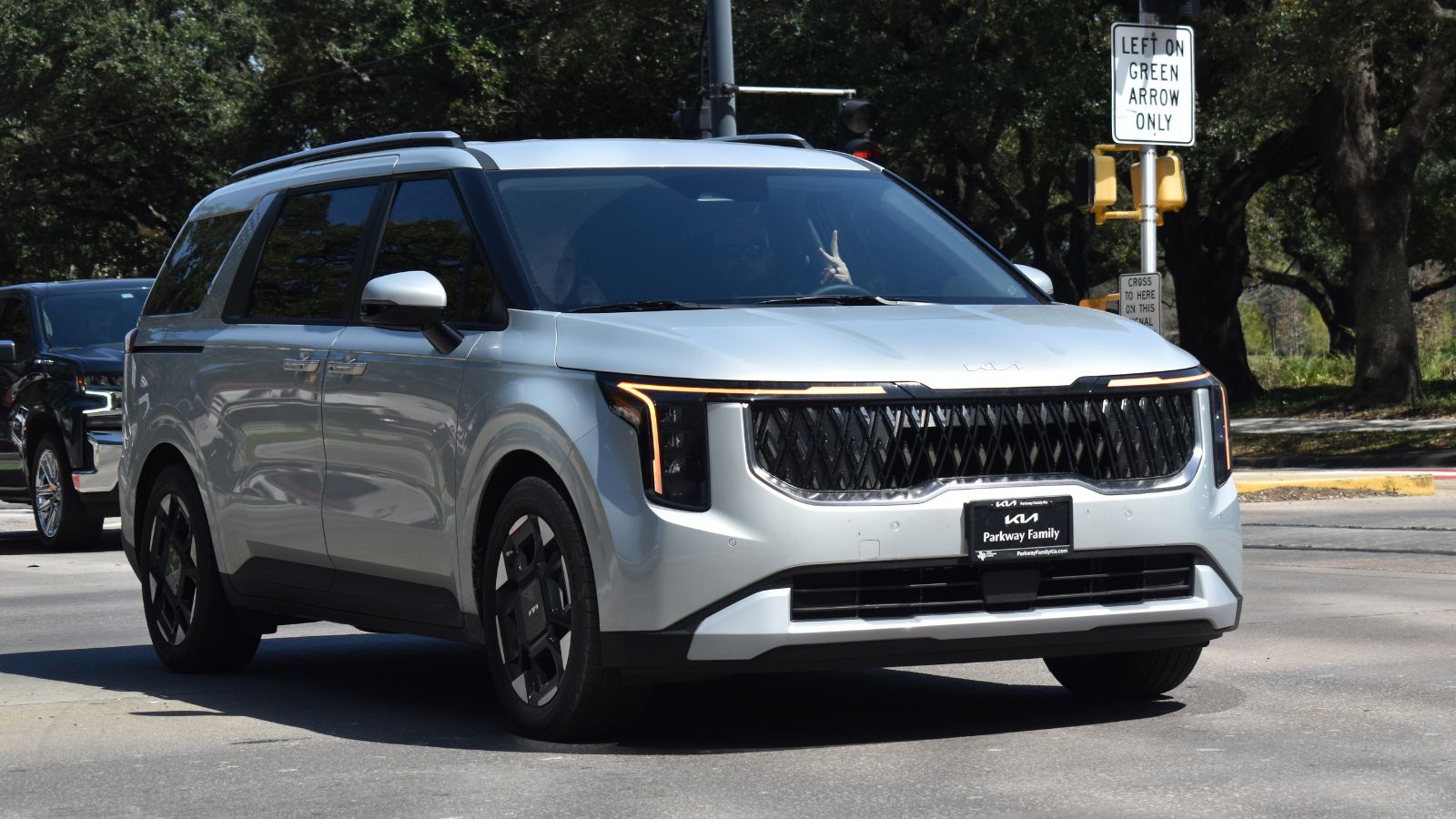
The Kia Carnival Hybrid brings minivan practicality to drivers who may not want to admit they need a minivan. Its hybrid version gives the Carnival a major efficiency improvement compared with traditional gas-only people movers, with Canadian listings showing estimated fuel consumption around 7.2 L/100 km combined. That makes it far more appealing for long summer trips, especially when fuel costs are being multiplied by a full cabin and a loaded cargo area.
The Carnival’s appeal is also emotional in a quiet way. Road trips often reveal whether a vehicle is truly comfortable, and the Carnival’s wide cabin, flexible seating, and family-focused layout help prevent small annoyances from becoming long-drive problems. It can handle grandparents, children, coolers, folding chairs, and sports bags without turning every stop into a packing puzzle. For Canadians planning multi-day drives, reunion trips, or beach weekends, the Carnival Hybrid looks less like a compromise and more like a practical upgrade.
Ford Maverick Hybrid
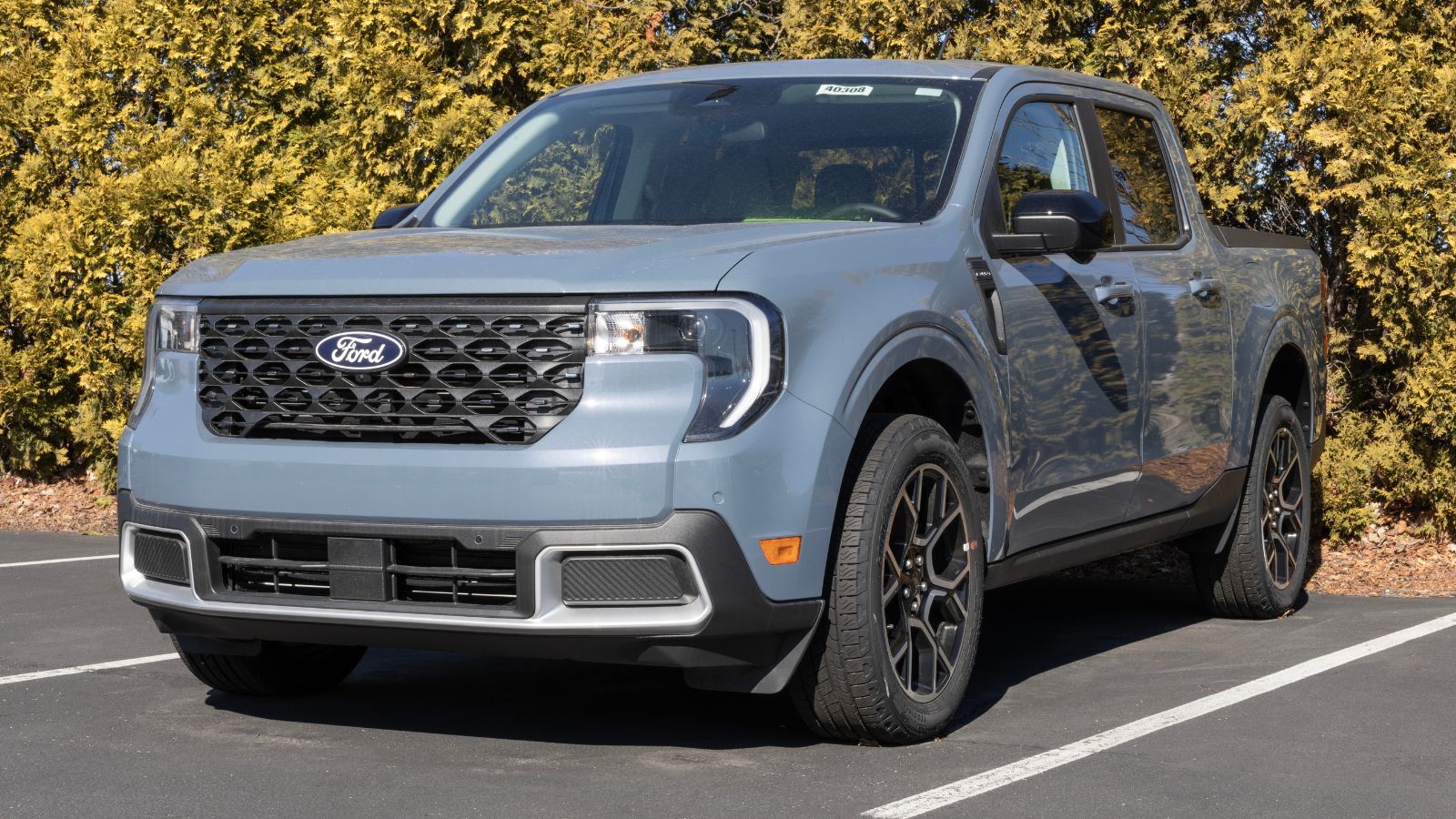
The Ford Maverick Hybrid suddenly looks smart because it solves a very Canadian problem: needing truck usefulness without wanting truck fuel bills. Canadian Ford information lists the Maverick Hybrid with fuel-use estimates around 5.4 L/100 km city and a range calculation based on a 54.1-litre tank. That makes it unusually efficient for a pickup, especially for drivers carrying bikes, gardening supplies, camping gear, fishing equipment, or cottage tools.
The Maverick is not a traditional full-size truck, and that is the point. Many summer trips involve bulky rather than extremely heavy cargo: a barbecue, a cooler, a paddleboard rack, muddy boots, or bags of firewood. An open bed makes those jobs easier, while the hybrid powertrain keeps daily driving costs closer to a small crossover than a large pickup. For Canadians who want one vehicle for errands, commuting, and weekend escapes, the Maverick Hybrid is one of the few trucks that can feel genuinely rational.
Mazda CX-50 Hybrid
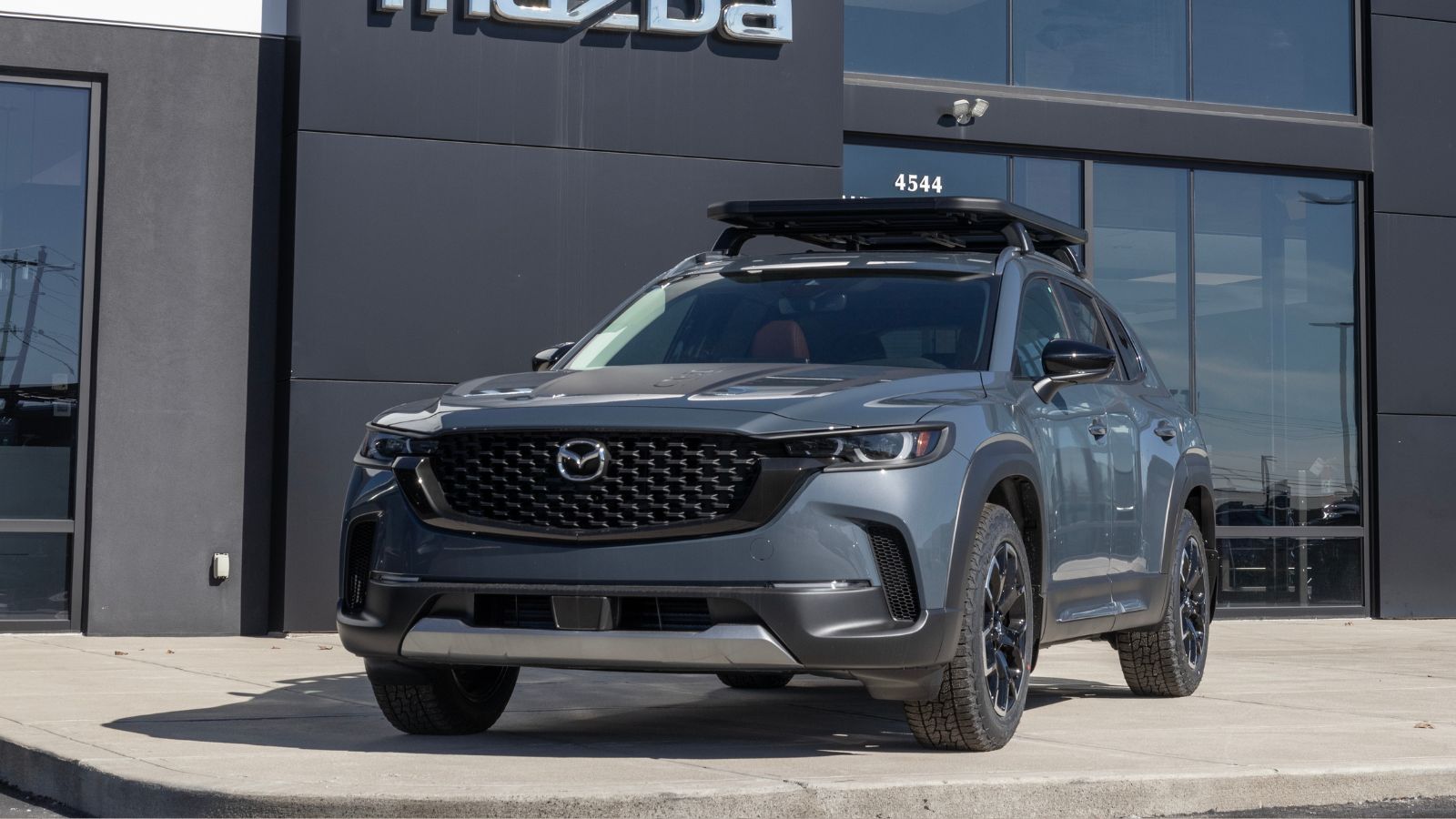
The Mazda CX-50 Hybrid looks smart for drivers who want efficiency but still care about how a vehicle feels on the road. The hybrid version uses standard all-wheel drive and is rated by Mazda in the United States at 38 mpg combined, while Canadian information for the CX-50 Hybrid references Government of Canada fuel-economy testing. It also keeps the outdoorsy stance that makes the CX-50 feel more adventure-ready than a typical commuter crossover.
Its road-trip advantage is personality. Some efficient SUVs feel purely functional, but the CX-50 Hybrid adds sharper steering, a more premium-feeling cabin, and a wider, planted stance that can make long highway drives feel more composed. It is not the roomiest compact SUV, yet it offers enough cargo space for weekend gear and enough efficiency to make longer routes easier to justify. For couples or small families heading toward lakes, vineyards, mountain towns, or coastal highways, the CX-50 Hybrid brings a useful mix of economy and driving enjoyment.
Kia Sportage Hybrid
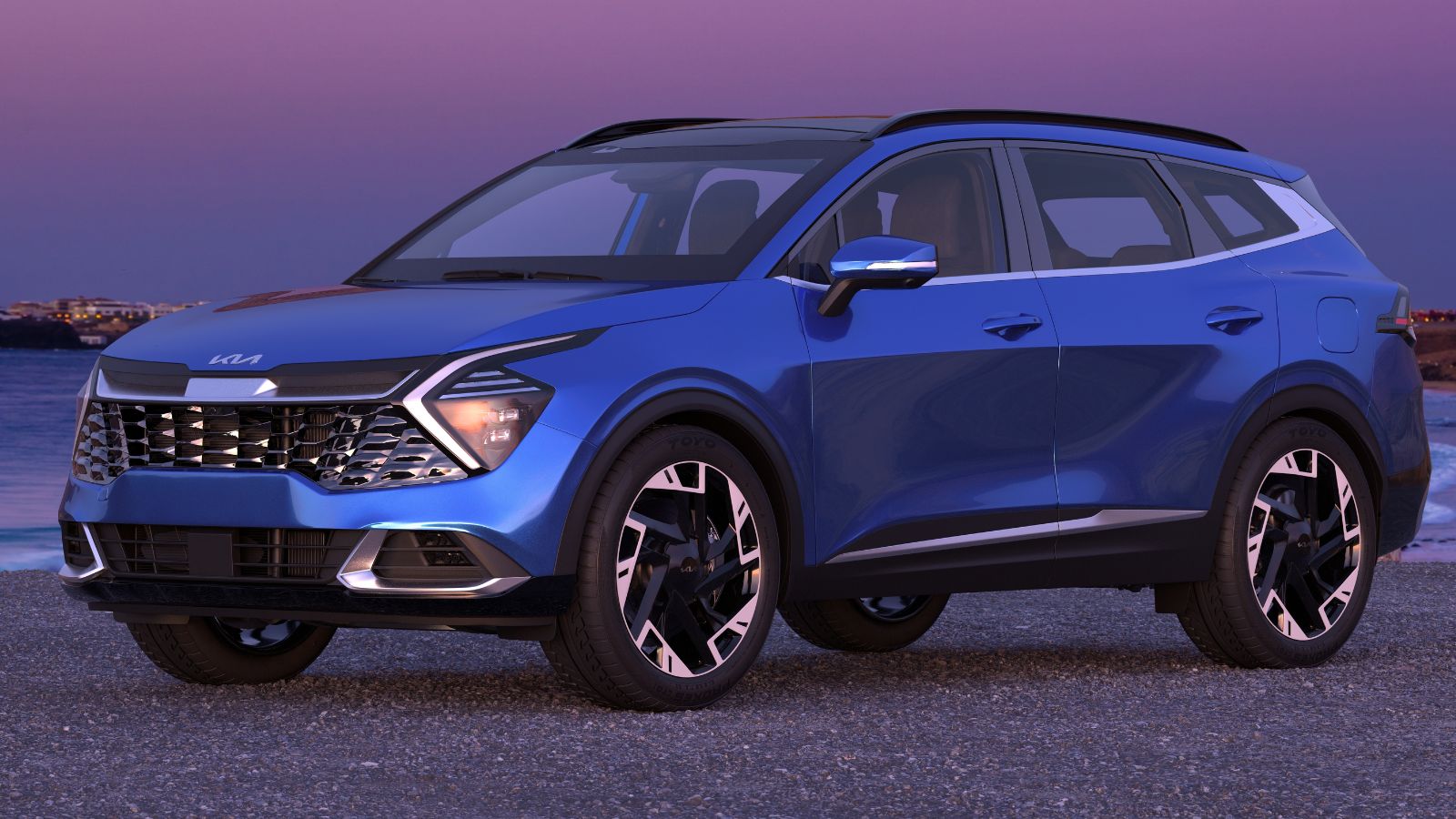
The Kia Sportage Hybrid has become a stronger road-trip contender because it blends efficiency with a surprisingly roomy interior. Canadian listings show the 2026 Sportage Hybrid AWD with estimated fuel consumption around 6.7 L/100 km combined, while Kia promotes the Sportage Hybrid’s generous rear-seat and cargo space in its North American materials. For a compact SUV, that makes it useful for families who need space but do not want to size up to a larger, thirstier vehicle.
Its shape helps, too. The Sportage has a boxier rear area than some rivals, which can make packing easier when the cargo includes coolers, duffel bags, folding chairs, and oddly shaped summer gear. The hybrid powertrain also adds extra punch compared with many base engines, which helps when merging onto highways or climbing through hilly routes. It is a sensible choice for Canadians who want one vehicle that can handle weekday commuting and summer escapes without making either feel like a compromise.
Toyota Corolla Cross Hybrid
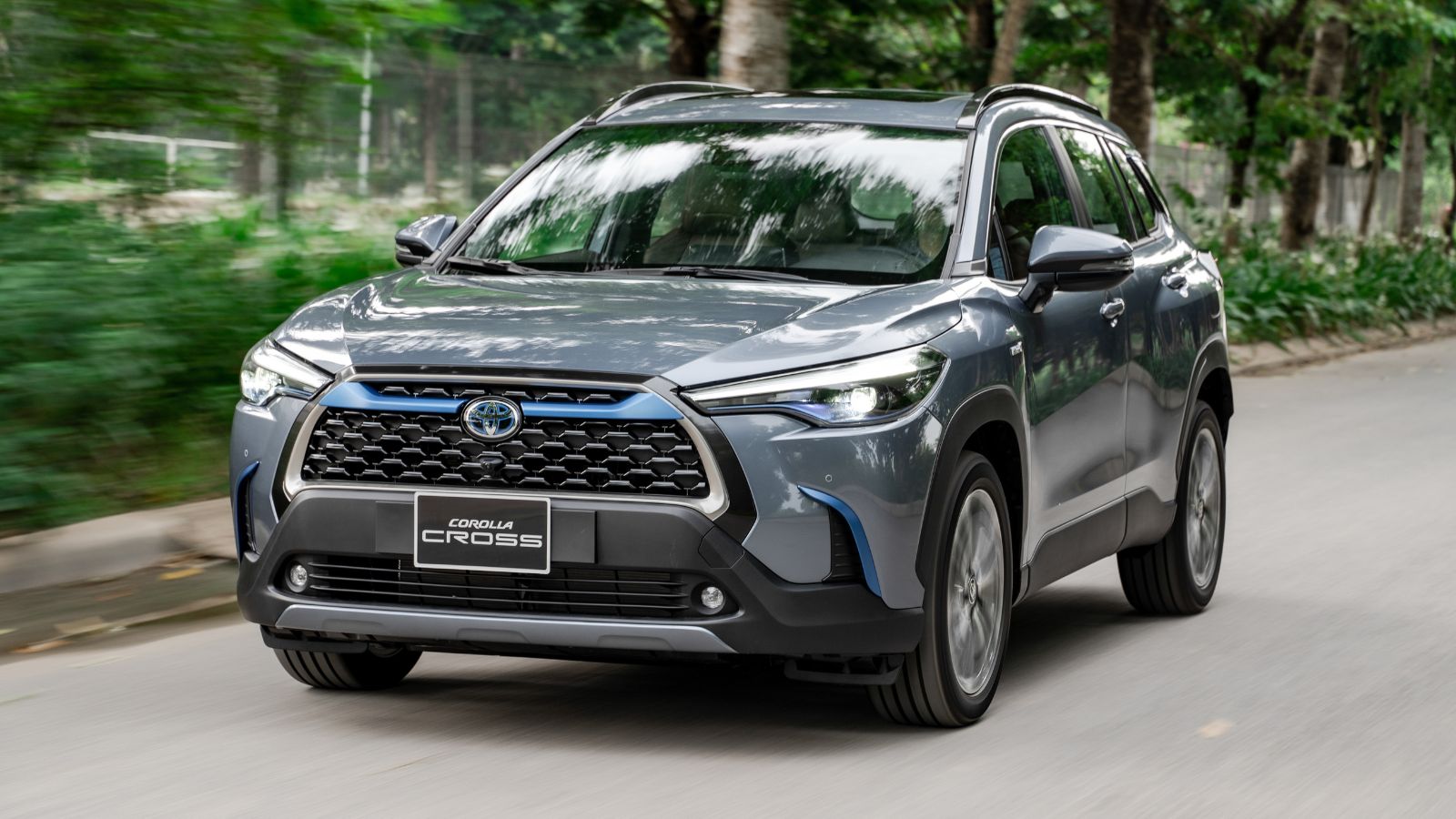
The Toyota Corolla Cross Hybrid suddenly looks smart because it offers the efficiency of a small hybrid with the shape and traction of a small SUV. Toyota Canada lists the 2026 Corolla Cross Hybrid AWD at 5.2 L/100 km city and 6.1 L/100 km highway, with 196 horsepower. That is a strong formula for road trips where the vehicle needs to be affordable to run, easy to park, and still useful on rainy days or gravel parking areas.
It is not built for huge families or major towing, but that limitation is part of its appeal. Many Canadian summer trips involve two people, one child, or a small group heading to a cottage, beach rental, festival, or national park. For that kind of travel, the Corolla Cross Hybrid offers enough ride height, enough cargo room, and excellent fuel economy. It also feels less bulky than larger SUVs in crowded downtowns or tight campground roads. For practical travellers, small can be a major advantage.
Toyota Prius AWD
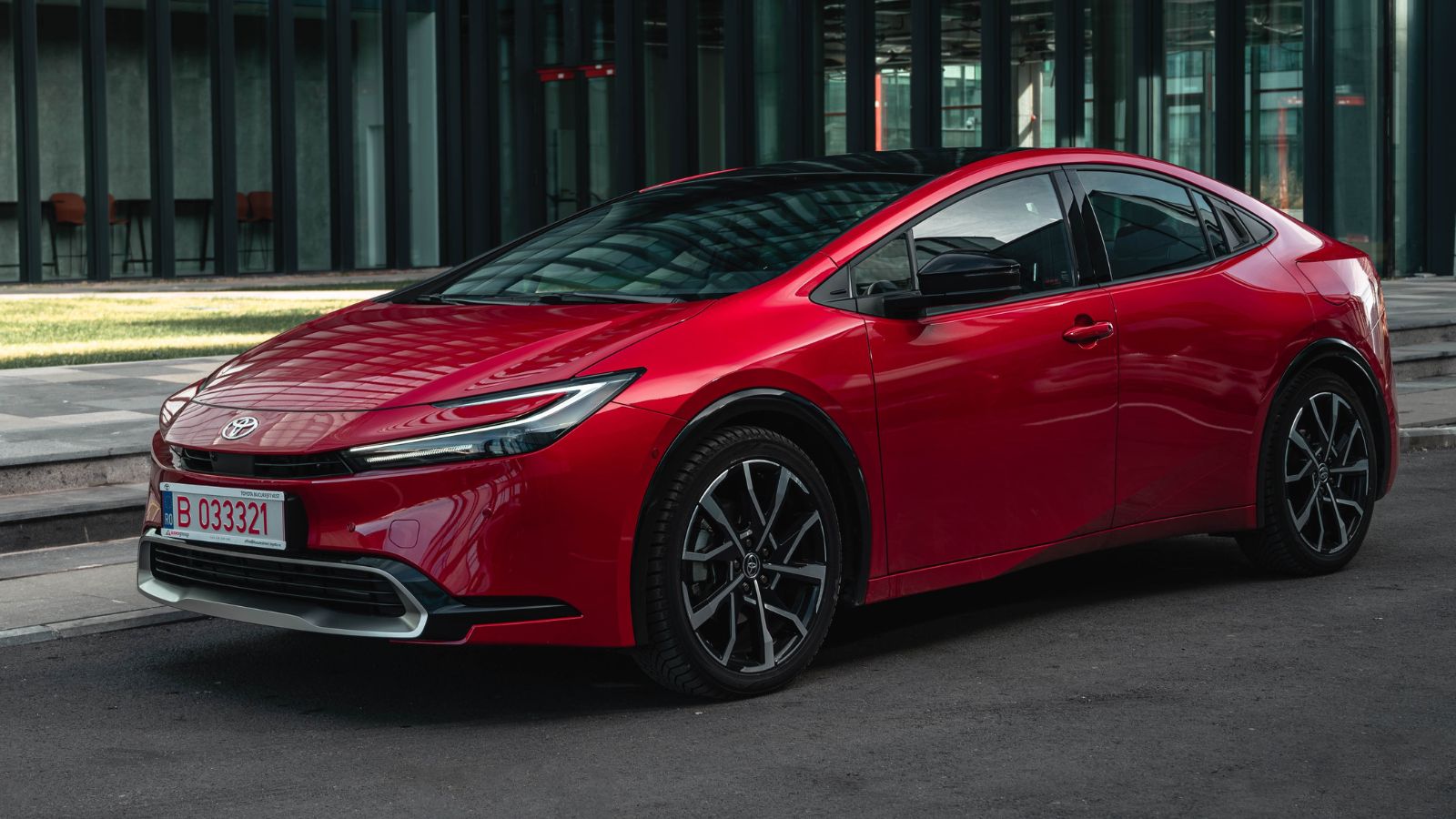
The Toyota Prius AWD has become easier to recommend now that efficiency is only part of its story. The 2026 Prius in Canada is rated around 4.8 L/100 km combined, and the current design is far more attractive than older Prius generations. For summer road trips, that fuel economy can make a long route feel less financially punishing, especially when gas prices rise before long weekends.
The AWD version adds another layer of usefulness for Canadian drivers. It will not replace an SUV on rough access roads, but it gives extra confidence in heavy rain, loose gravel, and changing weather. The hatchback layout also makes the Prius more practical than its sleek shape suggests, with enough room for luggage, soft bags, camera gear, and picnic supplies. It is a smart pick for couples, solo travellers, and efficiency-minded drivers who want to cover serious distance without stopping at every second gas station.
Honda Civic Hybrid Hatchback
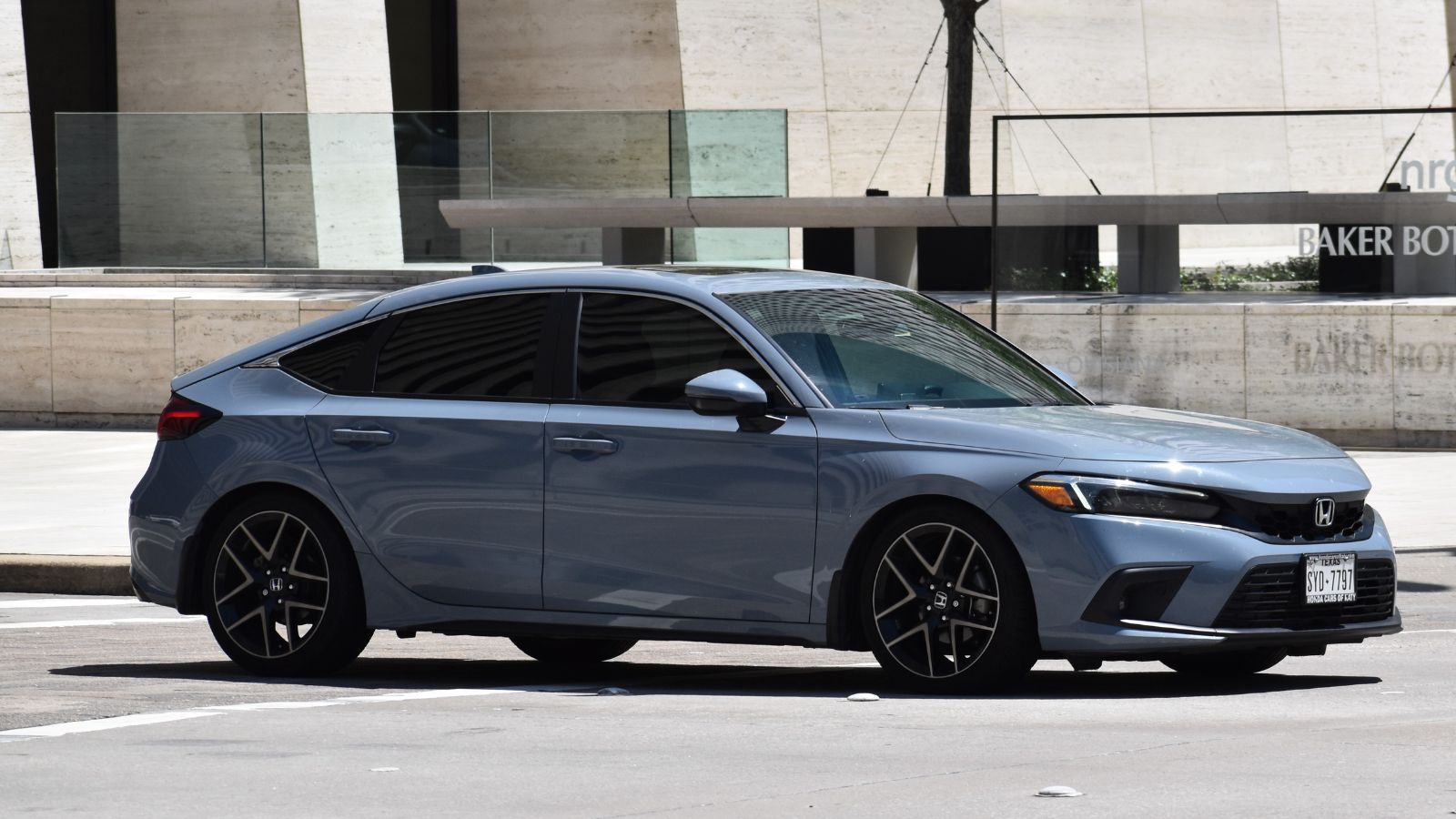
The Honda Civic Hybrid Hatchback is one of the most sensible choices for travellers who do not need an SUV. Honda’s U.S. specifications list the Civic Hatchback Hybrid at 50 mpg city and 45 mpg highway, while Canadian dealer data shows estimated consumption around 5.0 L/100 km combined. That makes it extremely efficient, but the hatchback body gives it more cargo flexibility than a conventional sedan.
Its road-trip charm comes from being light, responsive, and easy to manage. On long drives, not every advantage comes from size. A compact hatchback is easier to park in busy tourist towns, easier to fuel, and often more enjoyable on winding secondary roads. The Civic Hybrid also produces 200 horsepower, so it does not feel underpowered when passing slower traffic or climbing grades. For Canadians travelling light but often, the Civic Hybrid Hatchback proves that a smart summer vehicle does not have to be an SUV.
Tesla Model Y
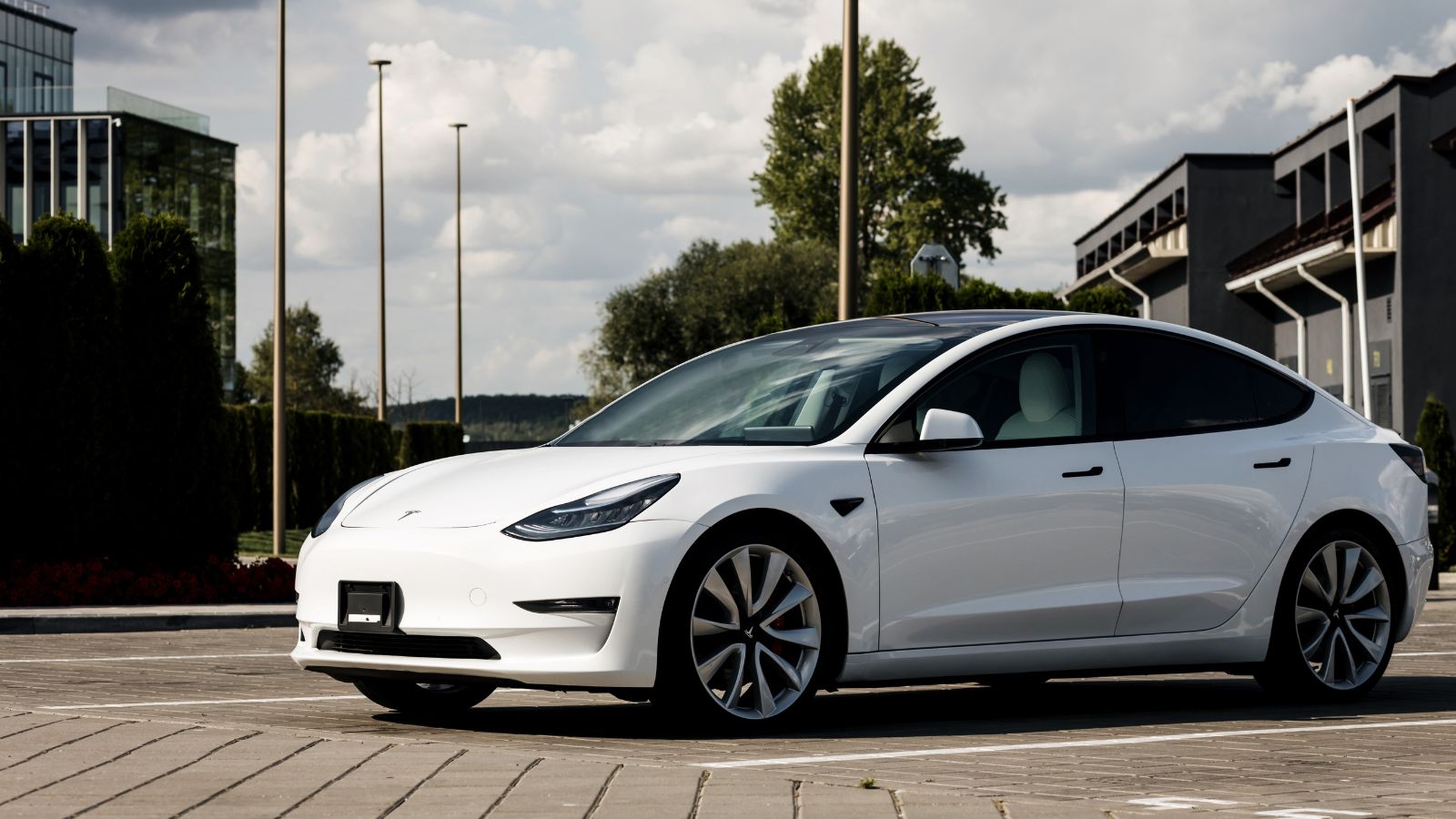
The Tesla Model Y remains one of the most obvious EV road-trip picks because of its range, cargo space, and charging ecosystem. Tesla Canada lists the Model Y Performance at 494 km of EPA-estimated range and 2,138 litres of cargo capacity, depending on configuration. The large cargo area, underfloor storage, and hatchback design make it easier to pack than many similarly sized crossovers.
Its biggest advantage is convenience for EV travellers. Tesla’s Supercharger network has long been one of the main reasons drivers feel comfortable taking electric vehicles on long routes. The Model Y also integrates charging stops into its navigation, reducing some of the planning burden that can make EV ownership intimidating. For Canadian summer trips along well-served corridors, it can feel less like an experiment and more like a normal family crossover that happens to skip gas stations entirely.
Chevrolet Equinox EV
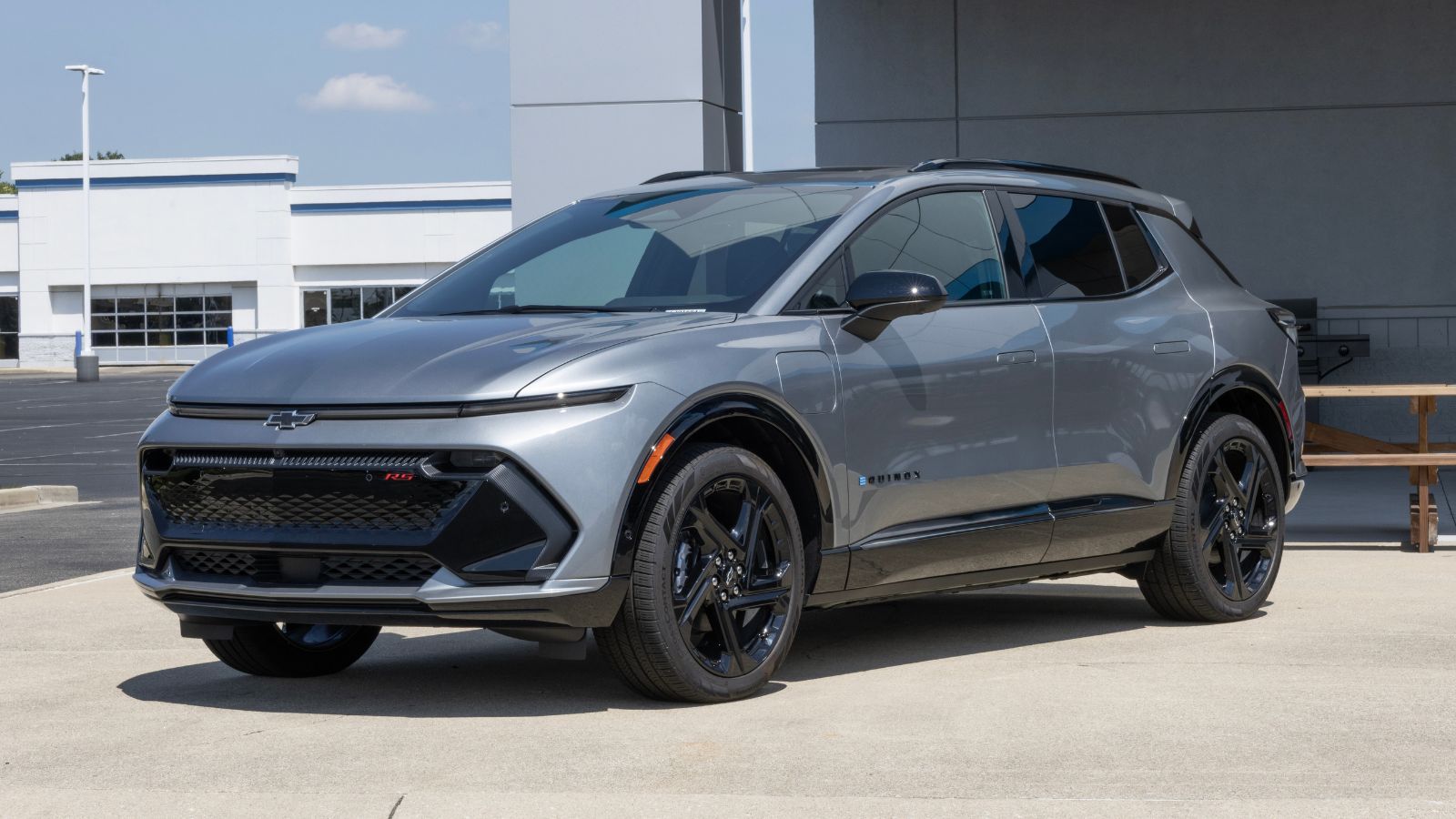
The Chevrolet Equinox EV looks smart because it brings long electric range into a more mainstream compact-SUV package. Chevrolet Canada lists the 2026 Equinox EV with up to 513 km of estimated range on a full charge in front-wheel-drive form. That figure is important because it places the Equinox EV in a range zone where many day trips and weekend routes can be handled with fewer charging stops.
It also feels familiar in the right ways. The Equinox name is already known to Canadian SUV shoppers, and the EV version keeps the approachable crossover format while adding a large digital interface and modern driver-assistance features. Cargo capacity is not class-leading, but it is useful enough for luggage, groceries, and summer gear. For drivers curious about going electric but unwilling to move into luxury pricing, the Equinox EV makes the road-trip argument easier: enough range, practical size, and a recognizable badge.
Kia EV9
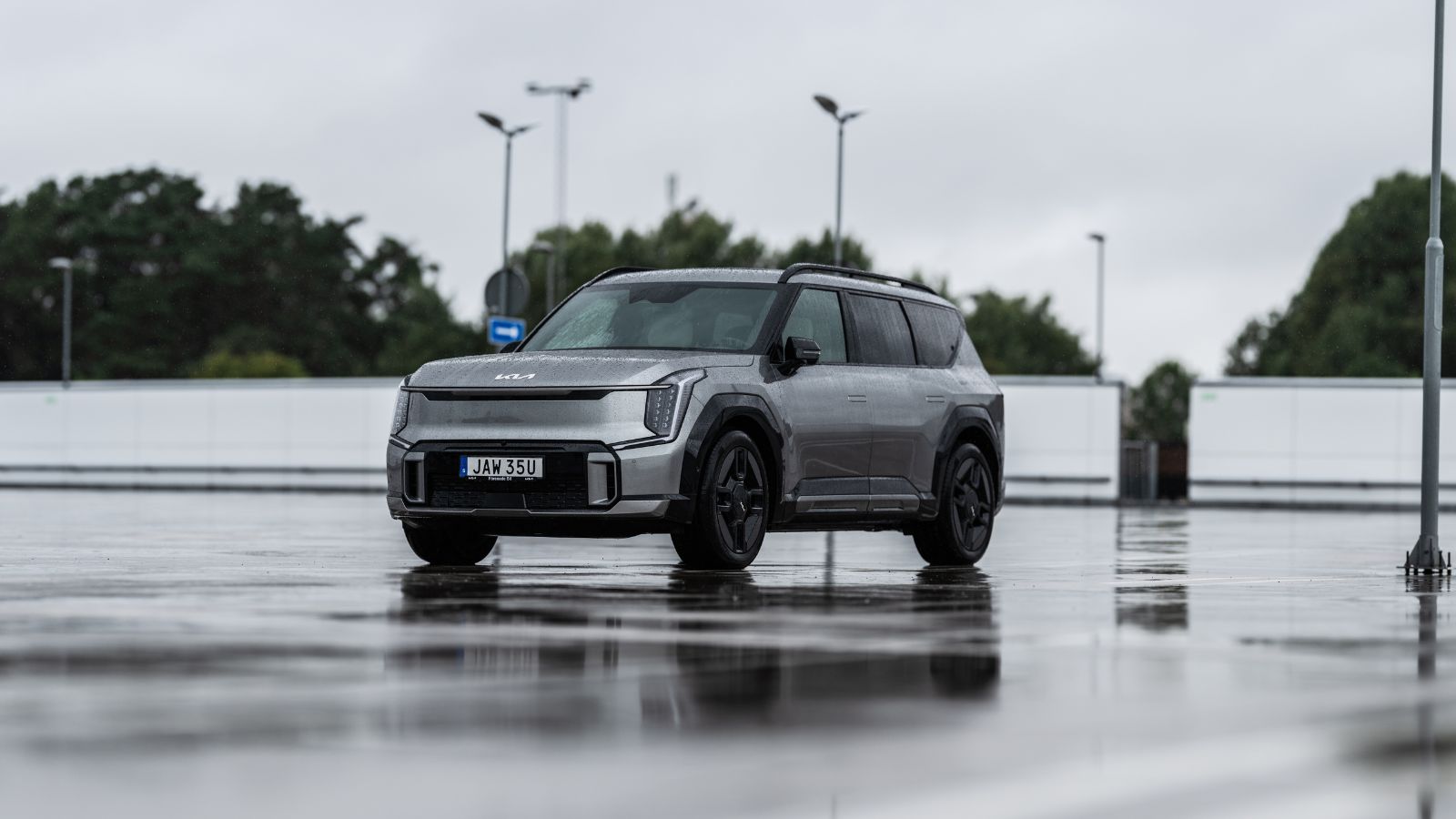
The Kia EV9 suddenly looks smart for families who want three rows without returning to a gas-powered large SUV. Kia Canada lists the EV9 with up to 491 km of range, while Kia materials emphasize its three-row electric-SUV layout. That combination makes it one of the more interesting summer road-trip vehicles for larger households, especially those that want EV driving but still need space for children, luggage, and relatives.
The EV9’s biggest advantage is that it treats passengers seriously. Many three-row SUVs have cramped third rows or limited cargo space once all seats are in use. The EV9 is still not magic—packing discipline matters—but its boxy shape and EV platform help create a spacious cabin. For a family heading to a cottage, campground, or interprovincial visit, the EV9 can reduce fuel costs while keeping the comfort and seating flexibility that long trips demand. It is expensive, but as a family road-trip tool, it has a clear purpose.
22 Things Canadians Do to Their Cars in Spring That Mechanics Hate

Spring brings relief to many Canadian drivers after months of snow, freezing temperatures, and icy roads that put serious strain on vehicles. As temperatures rise across the country, drivers begin washing cars, switching tires, and preparing vehicles for warmer weather and upcoming road trips. However, mechanics across Canada notice the same mistakes every spring when drivers attempt to recover from winter damage. Road salt, potholes, and harsh winter driving conditions often leave vehicles with hidden problems that drivers ignore. Some spring habits even create new mechanical issues that could have been avoided with proper maintenance. Here are 22 things Canadians do to their cars in spring that mechanics hate.