


























Used cars can look polished under showroom lights, but a clean exterior does not always mean a gentle past. Before a vehicle reaches a lot, it may have lived through hard driving, poor maintenance, rough repairs, flood exposure, or years of neglect hidden beneath fresh detailing.
These 20 signs help reveal when a used car may have been abused before it was offered for sale. Some clues are obvious, such as mismatched paint or worn tires. Others are quieter, like a musty cabin, uneven pedal wear, delayed shifting, or service records that do not match the mileage. Taken together, they can tell a far more honest story than the sales photos ever could.
Uneven Panel Gaps Around the Body
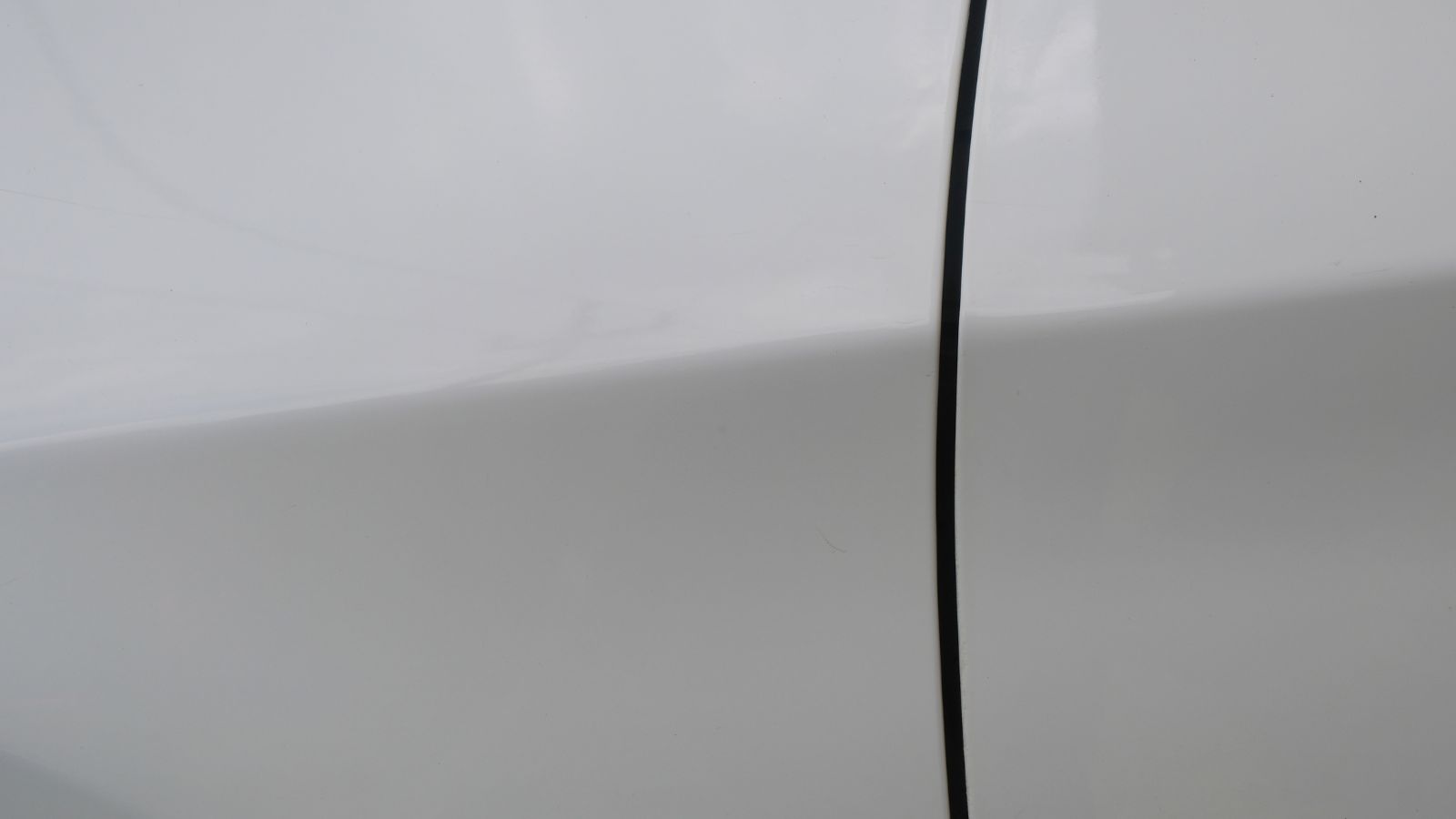
Panel gaps are among the simplest clues to spot, yet they often reveal some of the most expensive history. Doors, fenders, the hood, and the trunk should sit evenly with consistent spacing from one side to the other. When one gap is wide and the next is tight, the car may have been repaired after a crash or assembled with replacement panels that were never aligned properly.
A small difference is not always proof of major damage, especially on older vehicles, but obvious misalignment deserves attention. For example, a hood that sits slightly higher on one side may suggest past front-end impact or poor repair work. A buyer may notice the door closes with a dull thud on one side but requires extra force on the other. That kind of uneven fit can point to bent hinges, shifted body structure, or rushed cosmetic repairs.
Paint That Does Not Quite Match
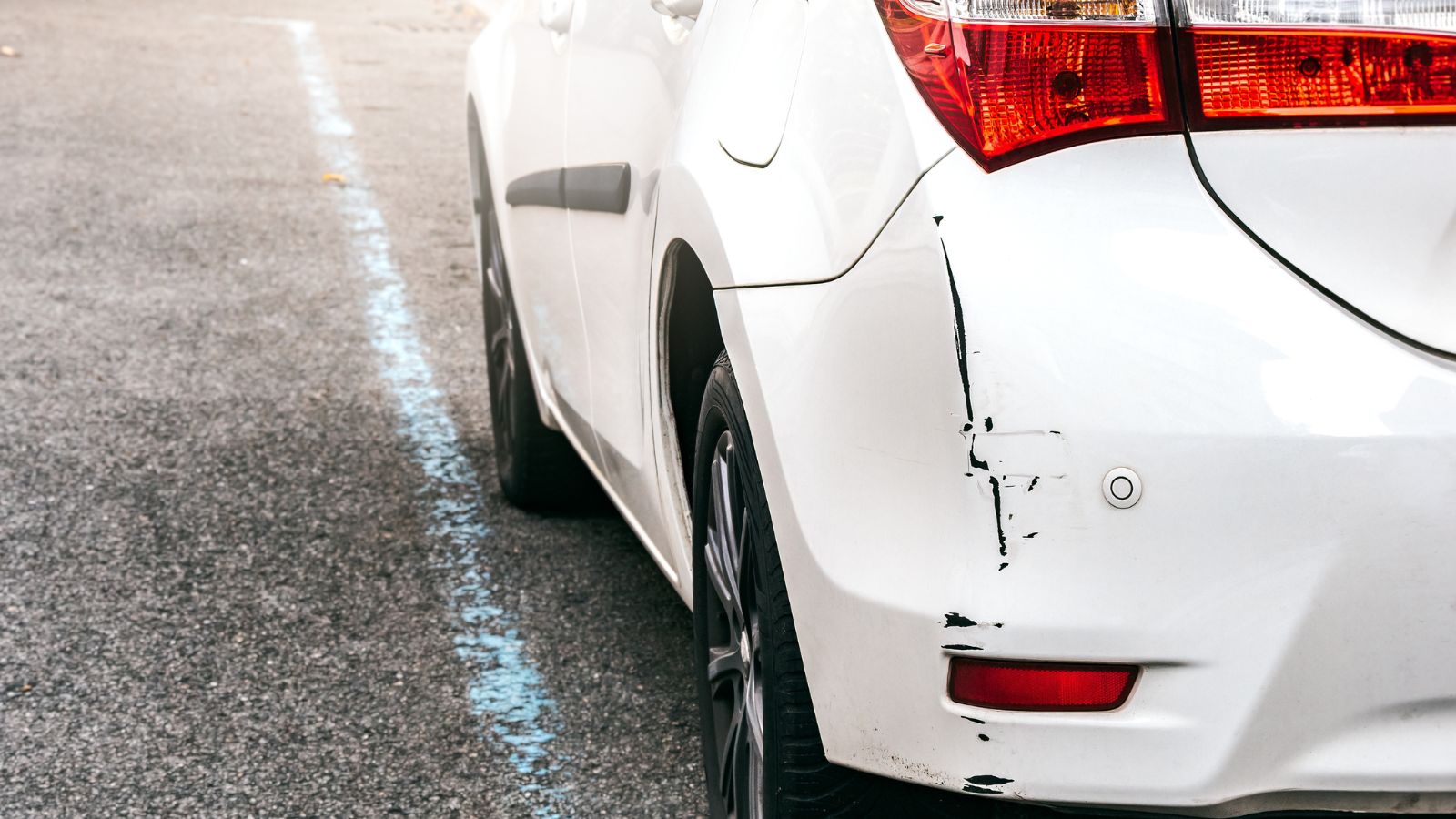
Fresh paint can make a tired car look appealing, but mismatched colour often tells a different story. A door that looks slightly brighter, a bumper with a different texture, or a fender that reflects light differently may indicate repainting after collision damage. Even professional repairs can leave small differences because factory paint ages with sun exposure, weather, and washing.
The key is to view the car in daylight rather than relying on indoor lighting. Walk around the vehicle from several angles and look for changes in gloss, orange-peel texture, or overspray on rubber seals and trim. A family sedan with one unusually flawless quarter panel beside duller original paint may have had that section repaired. Repainting is not automatically a dealbreaker, but unexplained paintwork should lead to questions about the damage behind it.
A Musty Smell Inside the Cabin
A used car’s interior can be vacuumed, shampooed, and sprayed with fragrance, but water damage often leaves behind a stubborn musty smell. Flood exposure is especially concerning because water can reach wiring, sensors, carpet padding, seat frames, and electronic modules. Even after cleaning, trapped moisture may create odours that return once the car sits in the sun.
A strong air freshener can be its own warning sign if it seems to be masking something. Check under floor mats, inside the trunk, beneath the spare tire cover, and around seat rails. Mud residue, damp carpet, or rust on metal brackets can suggest past water intrusion. A vehicle that smells like a basement after the doors have been closed for a few minutes may carry problems far deeper than upholstery.
Rust in Strange Interior Places
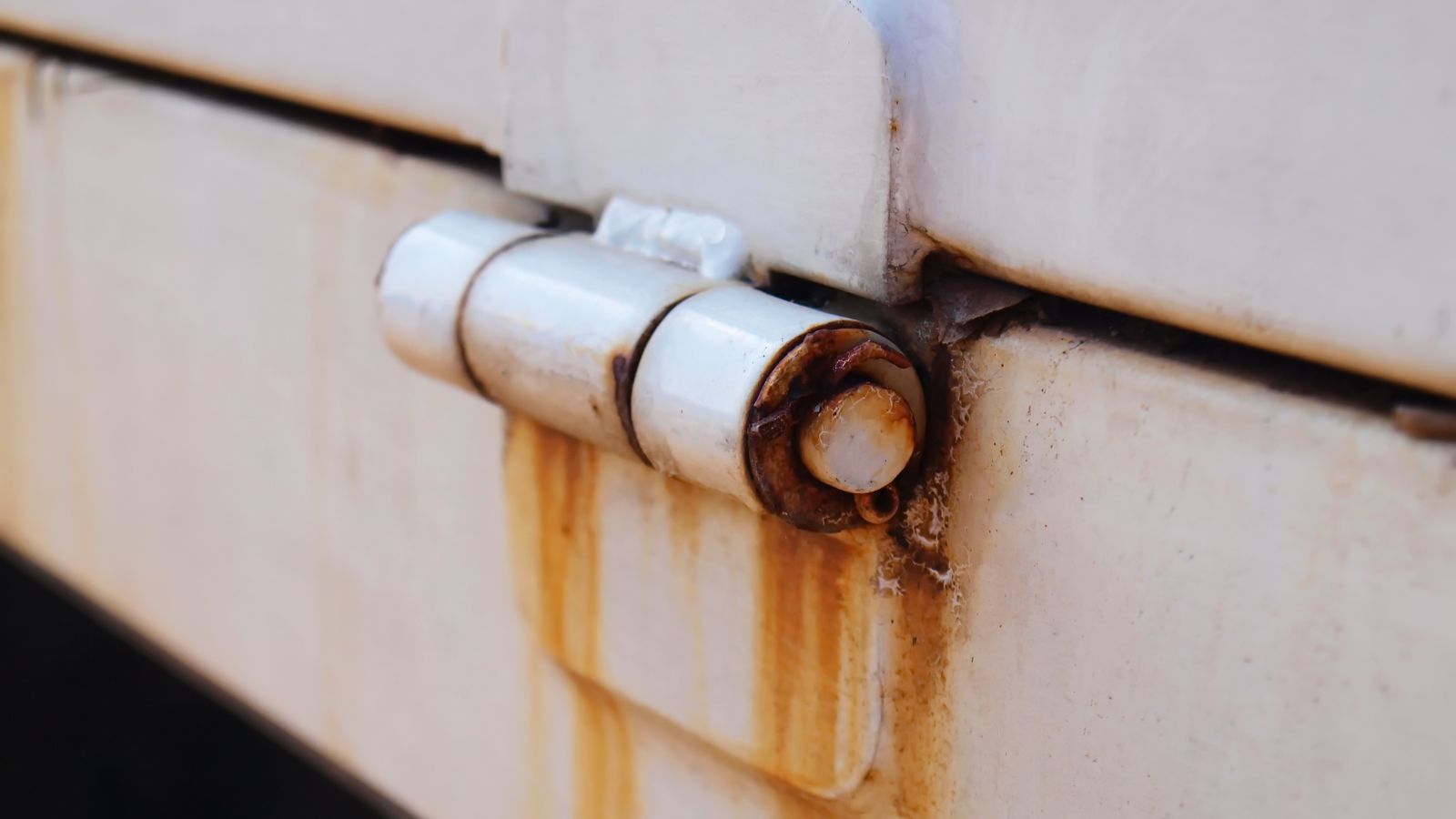
Surface rust underneath an older vehicle is common in many climates, but rust inside the cabin is more suspicious. Pedal arms, seat tracks, dashboard supports, trunk hinges, and metal brackets under seats should not be heavily corroded in a normal dry-use vehicle. When rust appears in these areas, it may point to flood exposure, long-term leaks, or severe neglect.
A buyer might see clean carpets but rusty seat bolts, which raises the question of whether the interior was recently cleaned or replaced. Water often settles low, leaving clues in places sellers may overlook. Rust around the trunk latch, under the dashboard, or inside light housings can also suggest moisture reached areas it should not. Interior corrosion matters because it may be connected to hidden electrical faults that appear later and cost far more than cosmetic repairs.
Tires With Uneven or Rapid Wear
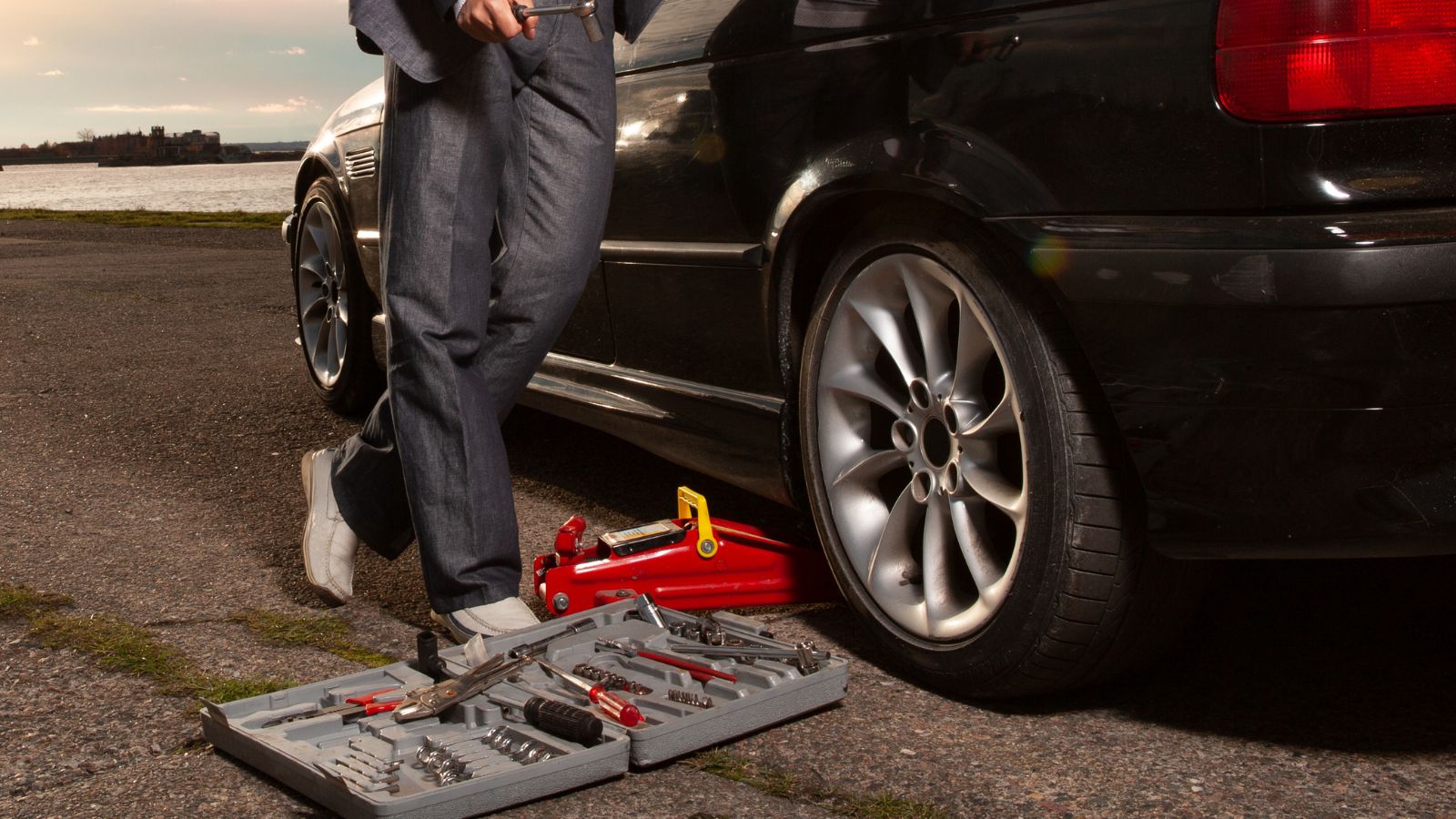
Tires can reveal abuse that the body does not show. Feathered edges, bald inner shoulders, cupping, or one tire worn much faster than the others may point to poor alignment, worn suspension parts, hard cornering, curb strikes, or neglected rotations. Since tires are a vehicle’s contact with the road, unusual wear is both a safety issue and a mechanical clue.
A low-mileage car with cheap replacement tires or uneven tread depth across the set deserves closer inspection. If the odometer shows modest use but the tires look heavily worn, the mileage claim may not match the car’s real history. Uneven wear can also suggest hidden accident damage that knocked the suspension out of position. A proper inspection should look beyond tread depth and ask why the wear pattern exists.
Pedals That Look Too Worn for the Mileage

Brake, accelerator, and clutch pedals are touched every time a vehicle is driven, which makes them useful truth-tellers. If a car claims very low mileage but the pedal rubber is worn smooth, cracked, or polished down on one side, the odometer reading may not reflect real use. Heavy pedal wear can also indicate stop-and-go driving, aggressive operation, or commercial use.
The same logic applies to the steering wheel, driver’s seat bolster, shift knob, and door armrest. A vehicle showing 35,000 miles should not usually have the cabin wear of a high-mileage taxi. Some parts can be replaced cheaply, but mismatched wear across the interior is harder to hide. When the mileage, maintenance stickers, title records, and physical condition do not agree, the safest assumption is that the story needs more proof.
Missing or Inconsistent Service Records
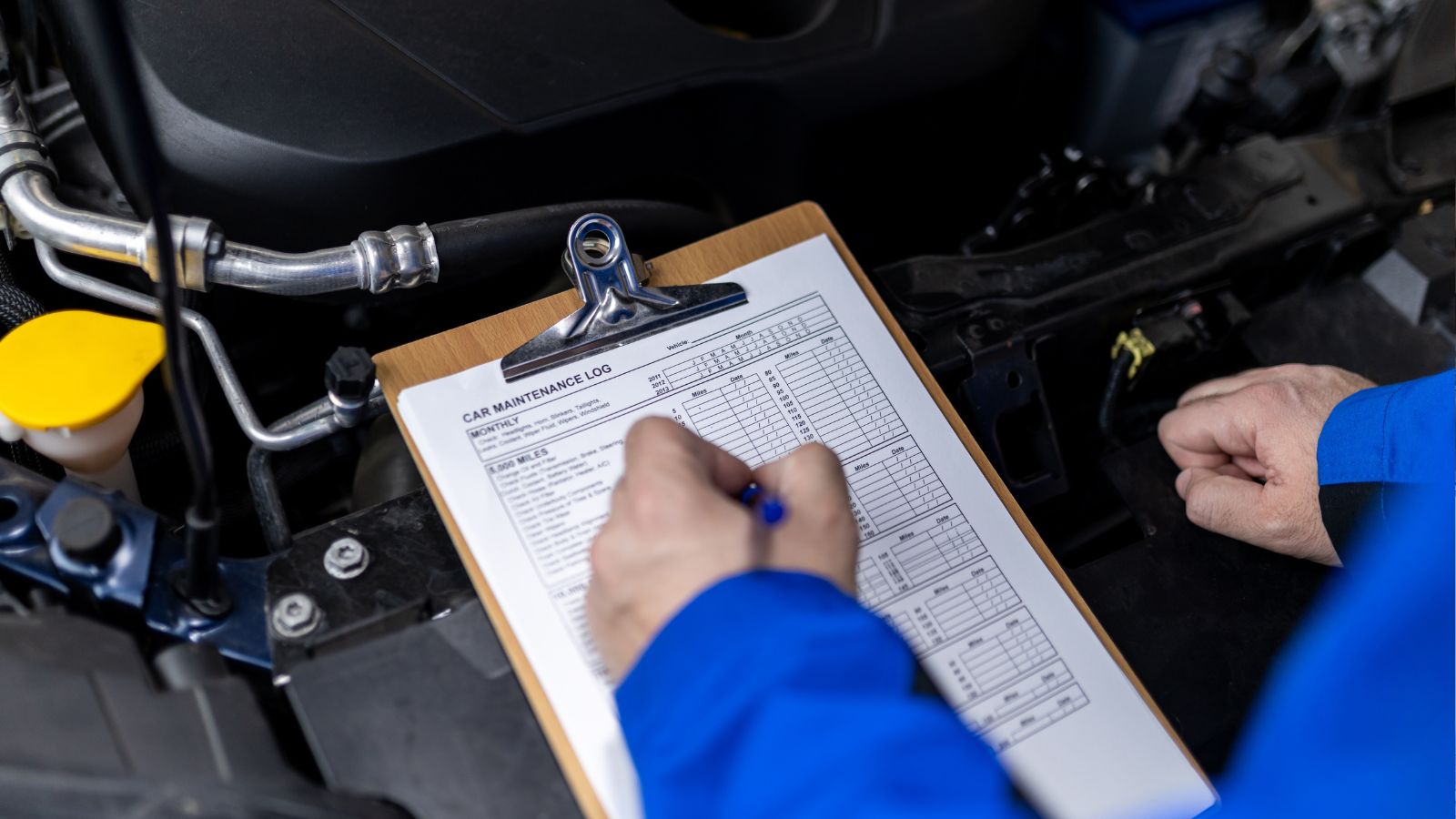
A clean service history is not a guarantee of a perfect car, but missing records can make abuse harder to rule out. Oil changes, brake work, tire rotations, transmission service, and recall repairs create a timeline of care. When the seller cannot provide records, or when the records suddenly stop for several years, it becomes harder to know whether the vehicle was maintained or merely cleaned up for resale.
Inconsistencies are especially important. A maintenance sticker showing higher mileage than the odometer, a title document with a different reading, or a long gap before auction sale can all raise questions. A car that received regular oil changes every few thousand miles tells a different story from one that has no evidence of basic upkeep. Lack of documentation should never be brushed aside simply because the vehicle looks shiny.
Fluid Leaks Under the Vehicle
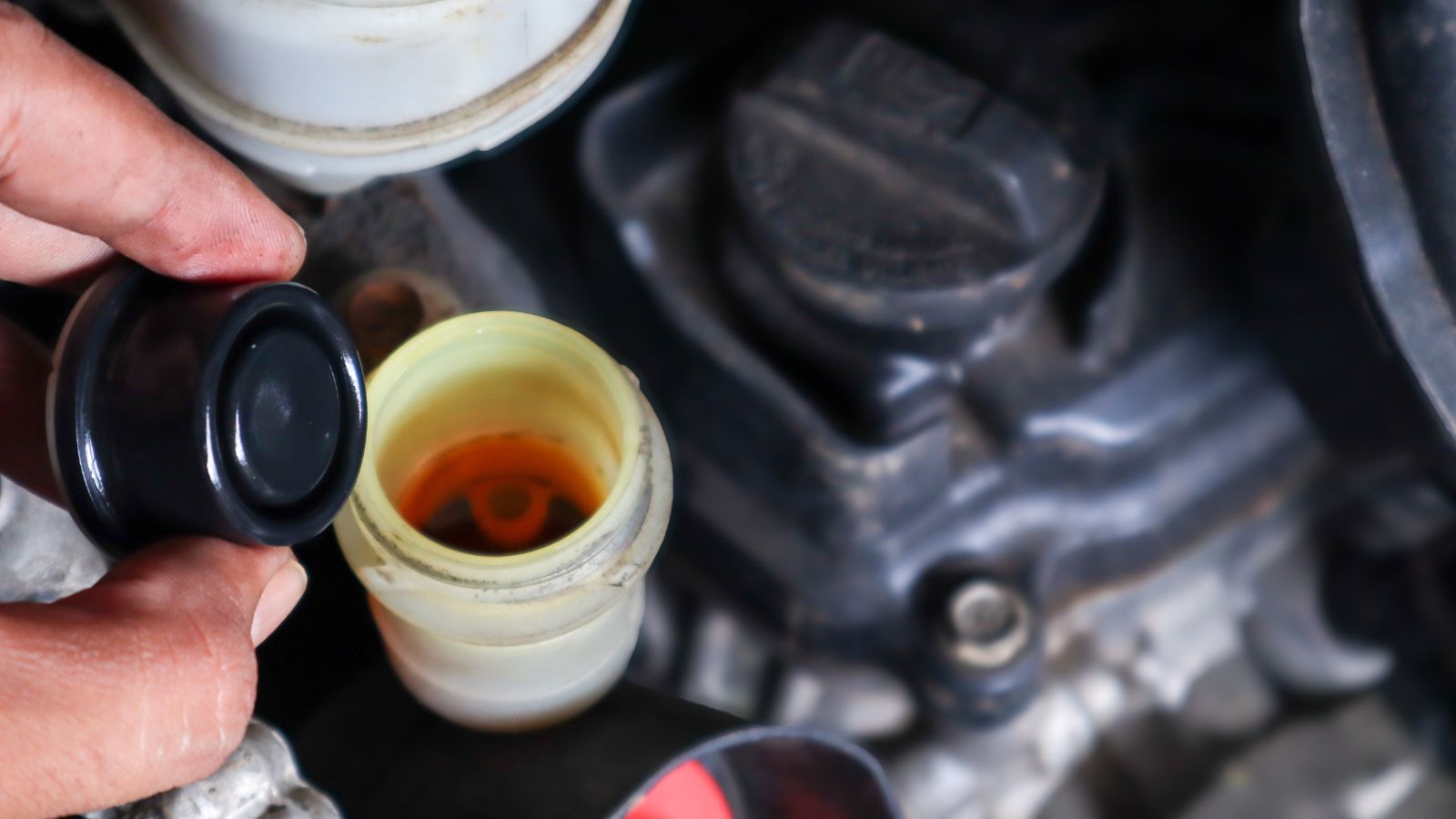
A few drops under a used car can mean anything from a minor gasket seep to a serious mechanical problem. Engine oil, transmission fluid, coolant, brake fluid, power steering fluid, and differential oil all have different colours and smells, but any active leak deserves attention. Abuse often shows up as neglected seals, overheated components, cracked hoses, or worn driveline parts.
The location of the leak matters. Oil around the valve cover may be manageable, while fluid near the transmission bell housing or brake lines can be far more concerning. A freshly detailed engine bay can hide leaks temporarily, so it helps to inspect after a test drive. If the underside looks wet, caked with oily dirt, or suspiciously steam-cleaned, the vehicle may be carrying deferred repairs that the next owner will inherit.
Burnt or Dirty Transmission Fluid

Transmission problems can turn a bargain used car into an expensive regret. Healthy automatic transmission fluid is typically cleaner and more consistent than fluid that has been overheated or neglected. A burnt smell, dark colour, or gritty feel can suggest hard use, towing beyond the vehicle’s comfort zone, overheating, or skipped maintenance.
The test drive may confirm the concern. Delayed engagement when shifting into drive, harsh gear changes, flares between gears, or shuddering during acceleration can all point to transmission wear. A seller may describe it as “normal for the model,” but that should not replace a professional diagnosis. Since modern transmissions can be costly to repair or replace, even subtle symptoms should be taken seriously before purchase.
Brakes That Grind, Pulse, or Pull

Brakes reveal how a car was driven and maintained. Grinding can suggest pads worn down to metal, pulsing can point to warped rotors, and pulling to one side may indicate uneven braking force, stuck calipers, or suspension issues. A car that has been driven aggressively or neglected may show brake problems long before the odometer looks alarming.
A careful test drive should include gentle braking, firmer stops, and low-speed manoeuvres in a safe area. Listen for scraping, squealing, or clicking, and feel for vibration through the pedal or steering wheel. One example is a vehicle that looks clean on the lot but shakes under braking from highway speed. That symptom may not appear in a slow parking-lot drive, which is why a complete test matters.
Suspension Noises Over Bumps
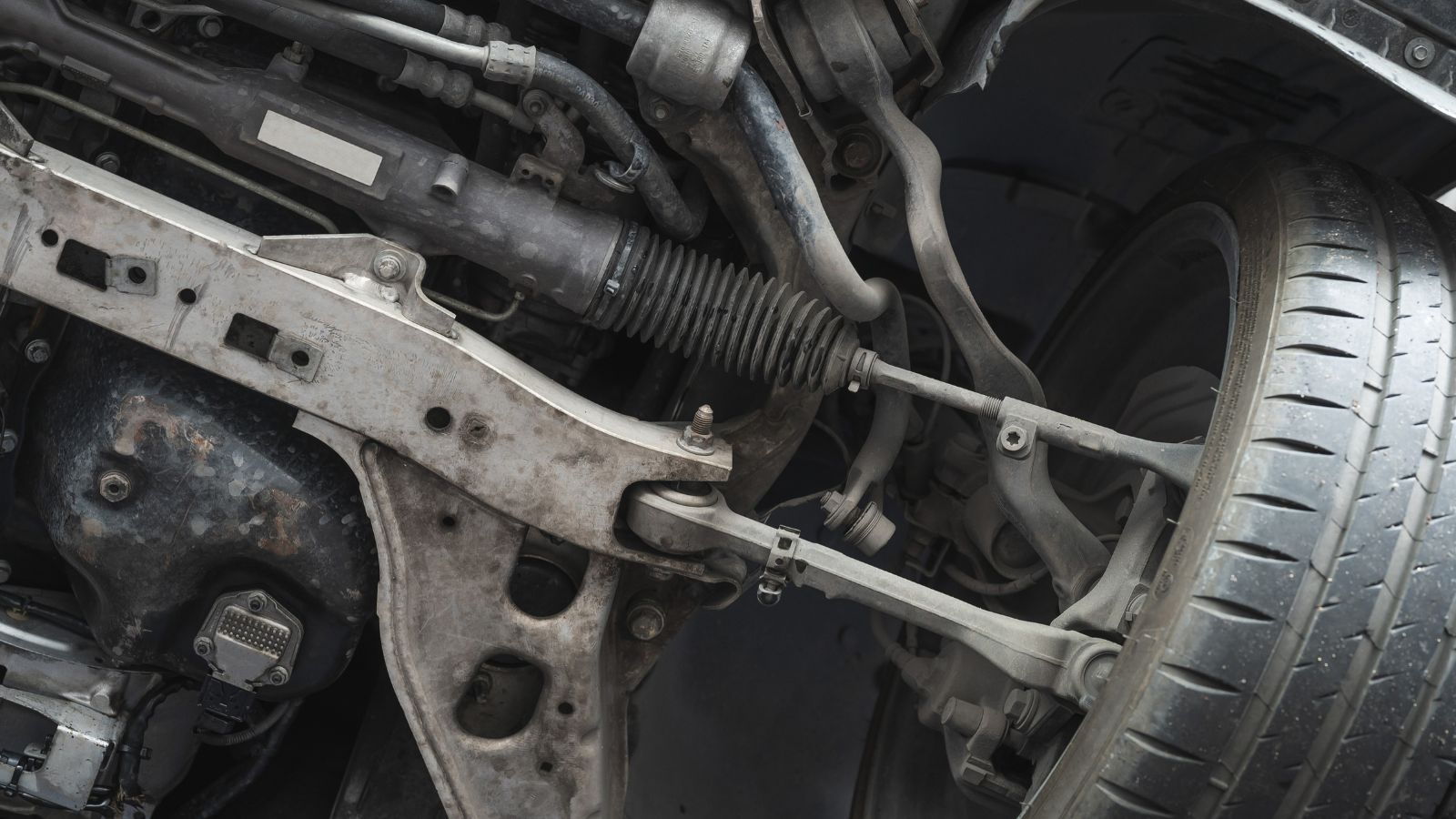
A used car that clunks, rattles, or knocks over bumps may be showing the effects of rough roads, curb hits, overloaded driving, or worn suspension parts. Struts, shocks, ball joints, control arms, bushings, and sway bar links all take punishment when a vehicle is driven hard. These parts affect comfort, tire wear, steering control, and braking stability.
Some sellers may dismiss suspension noise as “just a loose trim piece,” but repeated clunks from the front or rear deserve inspection. A car that bounces excessively after crossing a speed bump may have weak shocks or struts. Uneven ride height can also suggest sagging springs or previous impact damage. Suspension repairs can become expensive quickly, especially if several parts have worn together over time.
Steering That Wanders or Vibrates
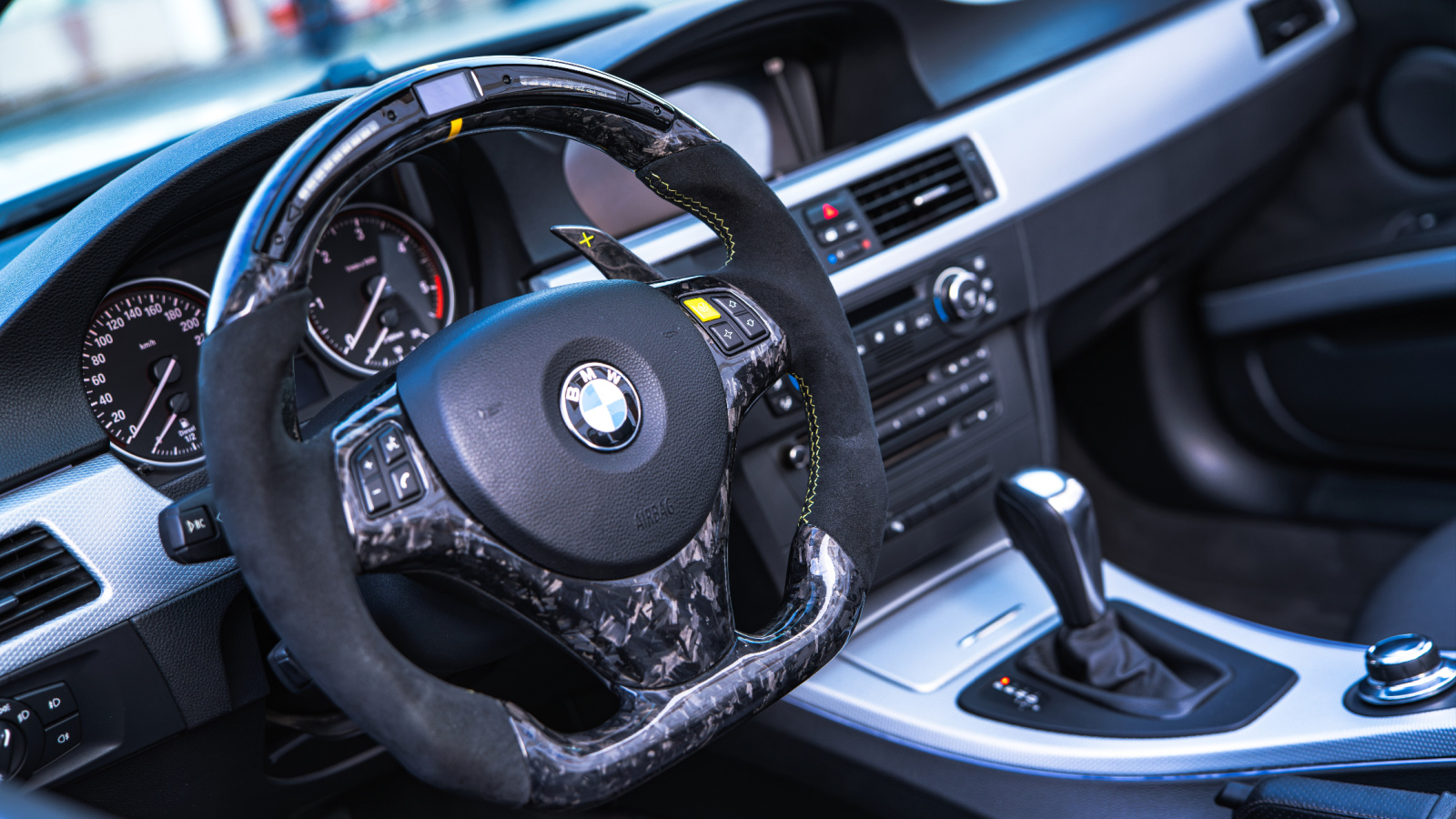
A properly maintained car should track straight on a level road with minimal correction. If it wanders, pulls, shakes, or feels loose through the steering wheel, the cause may be alignment trouble, worn tires, bent wheels, damaged suspension, or past collision repair. Hard impacts with potholes and curbs can leave behind problems that detailing cannot erase.
Vibration at certain speeds is another clue. A shake that appears around highway speed may suggest wheel balance problems, tire damage, or bent rims. A vibration while braking may involve rotors or suspension wear. The important point is that steering issues should never be treated as normal personality. They often reveal how the vehicle was treated before it reached the lot.
Warning Lights That Were Recently Cleared

Modern cars store diagnostic information when sensors detect problems. A dashboard with no warning lights may look reassuring, but lights can be cleared before a sale if the underlying issue has not been repaired. Some problems return after a short drive cycle, which means a quick test around the block may not be enough.
A scan tool can reveal pending codes, incomplete readiness monitors, or recent resets. For example, if emissions monitors are not ready, the battery may have been disconnected or codes may have been cleared recently. That does not prove fraud, but it does justify more questions. A pre-purchase inspection can check whether the car’s computer history matches the seller’s explanation.
Airbag or Safety System Concerns

Airbag history matters because deployed airbags usually mean the vehicle experienced a significant impact. After deployment, airbags and related components must be replaced correctly. Poor repairs, counterfeit parts, missing sensors, or unresolved safety faults can put occupants at risk if the car crashes again.
A warning light for airbags, seatbelts, stability control, or advanced driver-assistance systems should never be ignored. These systems rely on sensors, modules, wiring, and calibration. A car that was repaired cheaply after a crash may look fine from the outside while safety systems remain compromised. If the dashboard lights briefly behave strangely at startup or a warning stays on, the vehicle needs professional diagnosis before any purchase decision.
Mismatched Glass or Headlights

Factory glass and lighting often carry dates, logos, or markings that can help reveal repair history. One replacement windshield may be normal, especially in areas with road debris, but mismatched side glass, newer headlights on only one side, or moisture inside lamps can suggest collision repair, vandalism, flood exposure, or poor sealing.
Headlights are especially useful clues because they are often replaced after front-end impacts. If one headlight looks crystal clear while the other is yellowed, the newer part may mark the damaged side. Condensation inside lenses can indicate broken seals or previous water intrusion. These signs do not always mean the car was abused, but they should lead to a closer look at nearby panels, radiator supports, bumper mounts, and wiring.
A Freshly Cleaned Engine Bay

A clean engine bay can be a sign of pride, but it can also be a way to hide leaks. When every surface looks recently sprayed, polished, or steam-cleaned, it becomes harder to see old oil seepage, coolant stains, dusty leak trails, or power steering residue. A spotless engine on an otherwise average used car is worth a second look.
The best approach is to inspect before and after a test drive. Heat and pressure can bring leaks back to the surface. Look around gaskets, hoses, the radiator, the water pump area, and beneath the engine. A faint burning smell after driving may reveal oil contacting hot components. Cleaning is not proof of wrongdoing, but excessive detailing can erase clues that would normally help judge maintenance history.
Interior Wear That Feels Excessive
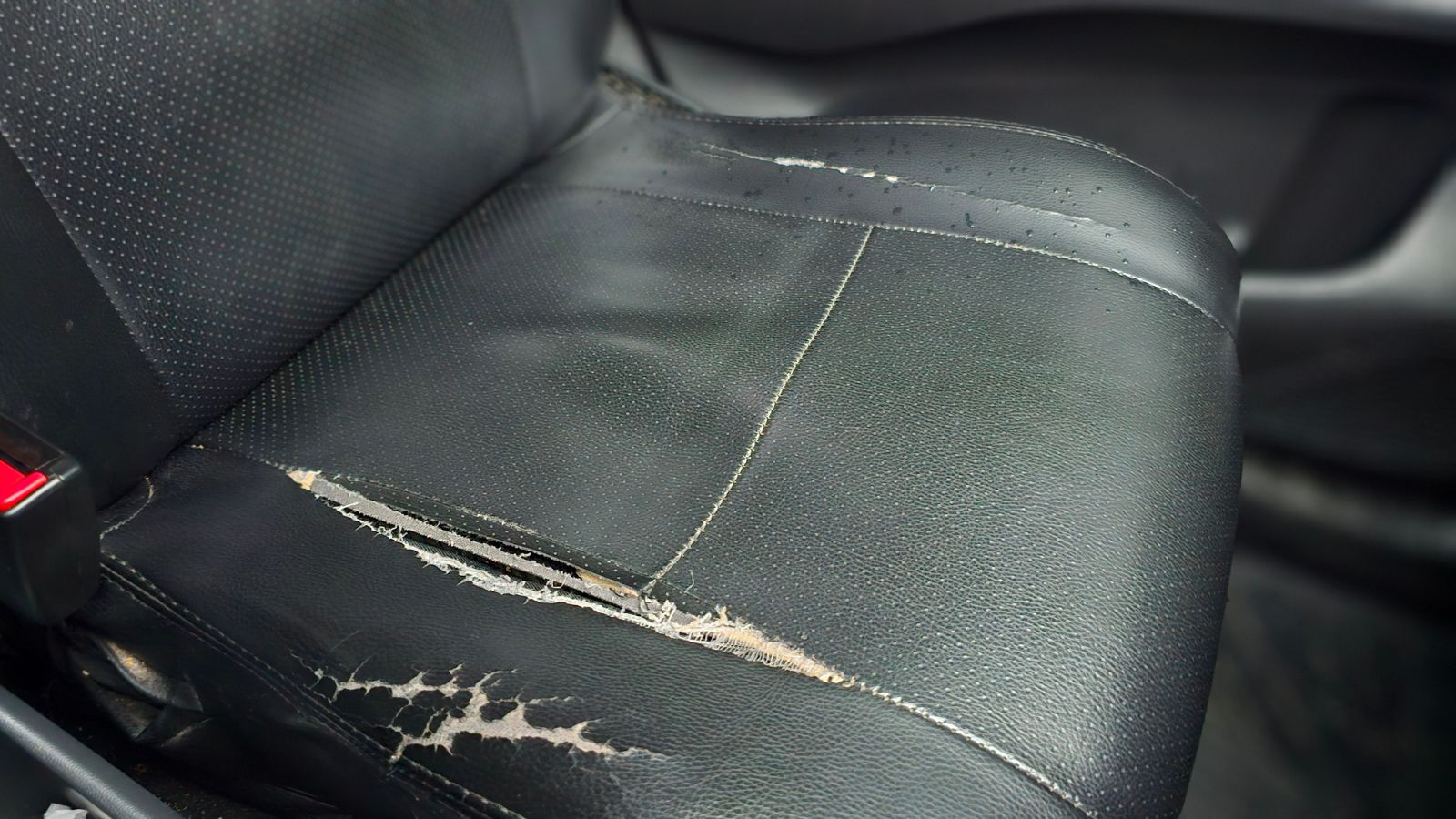
A worn cabin can reveal a hard life even when the exterior looks presentable. Torn seat bolsters, sagging cushions, broken vents, sticky buttons, cracked trim, and scratched cargo areas may suggest careless ownership, heavy use, children, pets, work duty, or ride-share service. Interior condition often reflects how the vehicle was treated day after day.
The most telling detail is whether the wear fits the mileage and vehicle type. A three-year-old commuter car with a collapsed driver’s seat, shiny steering wheel, and worn switchgear may have lived a much busier life than advertised. In trucks and SUVs, deep cargo scratches or damaged rear trim can suggest hauling or commercial use. Interior abuse does not always affect safety, but it can predict future repairs and lower resale value.
Evidence of Hard Towing or Overloading

Some vehicles are built to tow, but repeated heavy towing without proper maintenance can accelerate wear. Clues include a worn hitch receiver, scraped safety-chain loops, added trailer wiring, sagging rear suspension, overheated transmission fluid, upgraded rear springs, or unusual wear around the cargo area. None of these signs are bad by themselves, but together they can suggest a harder past.
A pickup or SUV that spent years towing near its limit may have stressed the transmission, brakes, cooling system, tires, and suspension. Overloading can also cause uneven tire wear and premature shock failure. A seller may simply say it was used “for weekend trips,” but the physical signs may tell a heavier story. Maintenance records become especially important when towing equipment is present.
Strange Exhaust Smoke or Smells

Exhaust can reveal engine health quickly. Blue smoke may suggest oil burning, white smoke after warm-up can point to coolant entering the combustion chamber, and black smoke may indicate fuel mixture problems. Strong fuel, burning oil, or sweet coolant smells after a test drive should not be dismissed as normal aging.
A cold start is especially useful because some problems are most visible after the vehicle has been sitting. Watch the tailpipe, listen for rough idle, and note whether smoke clears quickly or continues. A car that smokes during acceleration or after idling at a light may have internal wear that will not be solved with a simple tune-up. Exhaust symptoms often point to repairs that are expensive enough to change the value of the vehicle.
Title or History Report Red Flags

A vehicle history report cannot catch everything, but it can expose major issues such as salvage branding, insurance loss, flood records, odometer discrepancies, ownership changes, and some accident or repair events. A clean report should still be paired with a physical inspection, because private repairs and unreported damage may never appear in databases.
Red flags include rebuilt or salvage titles, mileage jumps, long registration gaps, repeated auction appearances, lemon-law buybacks, flood branding, or a pattern of short ownership. A car moving through several owners in a short period may have a persistent problem no one wanted to keep. The report is not the final word, but it is a useful starting point for asking sharper questions.
22 Things Canadians Do to Their Cars in Spring That Mechanics Hate

Spring brings relief to many Canadian drivers after months of snow, freezing temperatures, and icy roads that put serious strain on vehicles. As temperatures rise across the country, drivers begin washing cars, switching tires, and preparing vehicles for warmer weather and upcoming road trips. However, mechanics across Canada notice the same mistakes every spring when drivers attempt to recover from winter damage. Road salt, potholes, and harsh winter driving conditions often leave vehicles with hidden problems that drivers ignore. Some spring habits even create new mechanical issues that could have been avoided with proper maintenance. Here are 22 things Canadians do to their cars in spring that mechanics hate.