

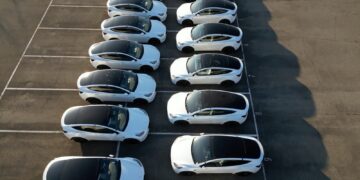




















Paint colour is often decided in a few emotional seconds, usually under flattering showroom lights. The harder question is how that finish behaves after months of sun, rain, road grime, parking-lot damage, automatic washes, and eventual resale. A shade that hides dust may be difficult to repair. A rare colour may retain value yet attract more attention than an owner wants. Even familiar neutrals can bring unexpected compromises involving heat, visibility, or oversupply in the used market. These 20 car colours and finishes show why appearance is only one part of the decision. None is universally bad, but each carries practical trade-offs that become clearer during everyday ownership than they were beside a polished demonstrator.
Solid Black
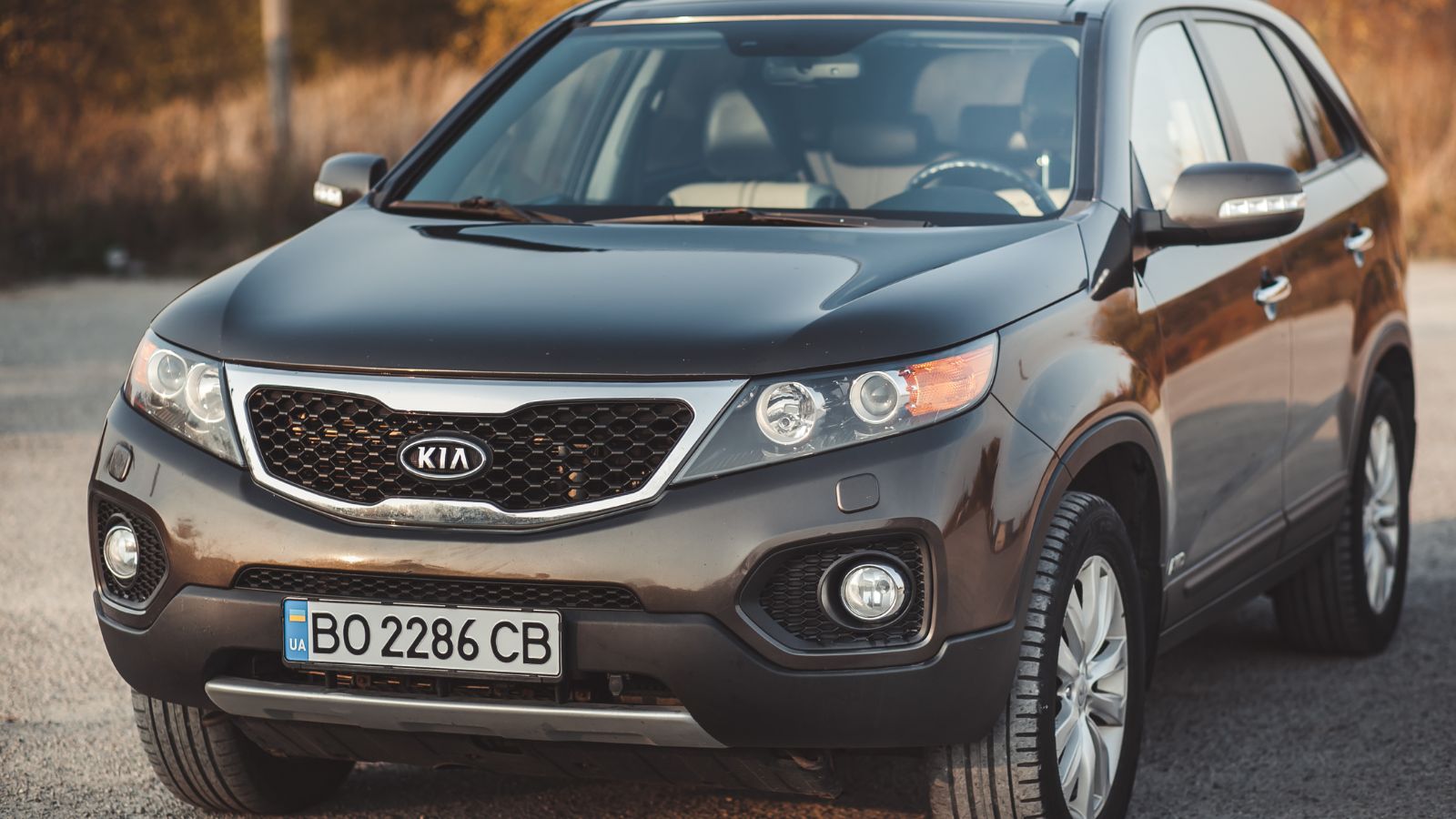
Solid black delivers the dramatic, mirror-like look that makes a vehicle seem more expensive under showroom lighting. Daily life is less forgiving. Pollen, pale dust, dried rain, fingerprints, and fine wash marks contrast sharply against the surface, so a freshly cleaned car can look neglected after one damp commute. Axalta’s 2025 global report placed black second at 23 percent, meaning used-car shoppers usually have plenty of similar alternatives.
Heat adds another compromise. Lawrence Berkeley National Laboratory testing found that a reflective silver test car’s roof could be as much as 25°C cooler than the roof of a comparable black car, while cabin air differed by roughly 5°C to 6°C. An Australian crash analysis also estimated a 12 percent higher daylight crash risk for black vehicles than white ones, though researchers cautioned that colour is only one factor. The elegant choice can therefore demand more cleaning, shade, and attention to visibility.
Metallic Black
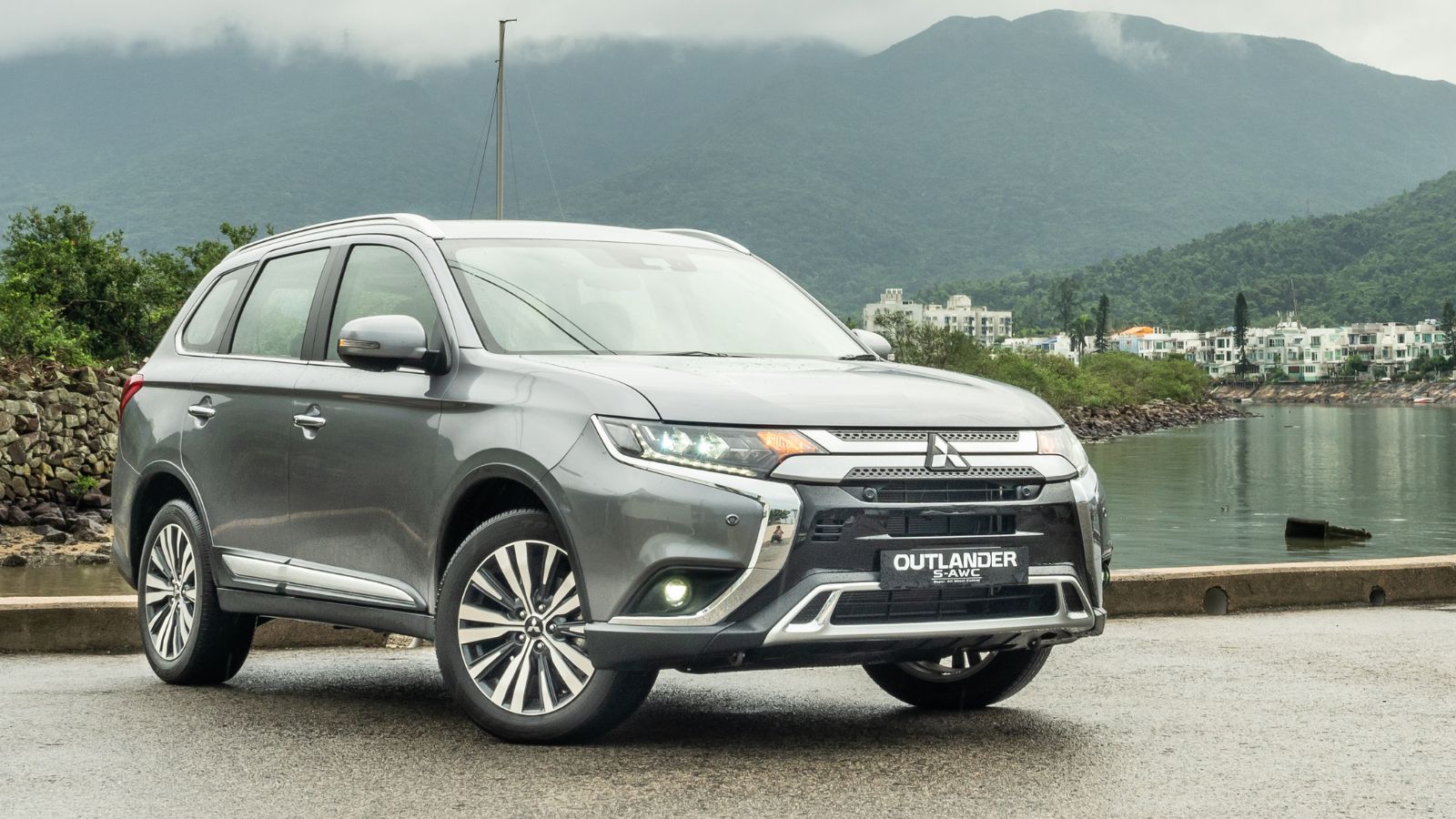
Metallic black seems more practical than plain black because its flakes add sparkle and disguise some dust. In reality, it keeps black’s inconveniences while introducing a harder repair problem. Swirls remain obvious in direct sun, water spots interrupt the metallic effect, and adjacent panels may look different from certain angles. The finish appears deepest only when exceptionally clean and evenly polished.
Refinish specialists call the angle-dependent shift in metallic and pearl paint “flop.” Axalta explains that aluminium flakes behave like tiny mirrors, so a repair may match head-on yet look lighter or darker from the side. PPG notes that application technique, curved bodywork, and how metallic or mica particles settle can alter apparent colour. After a scraped door or replaced bumper, a correct paint code does not guarantee an invisible match. Owners may face blending into neighbouring panels, extra labour, and inspection under several lighting conditions before the repair disappears.
Bright White
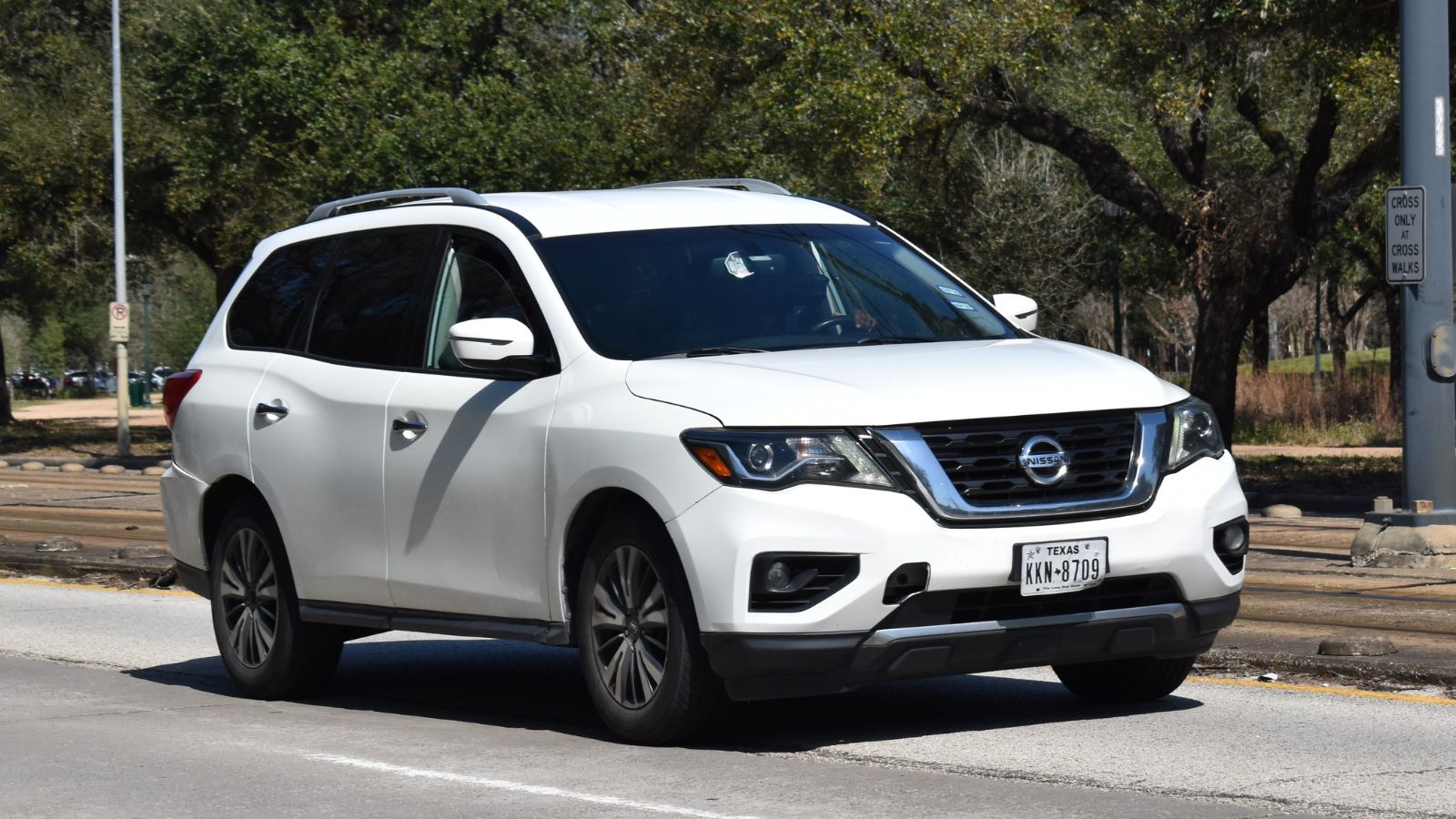
Bright white is widely treated as a sensible, low-maintenance choice, and it hides fine swirl marks better than black. Its weakness is contrast with contamination found near the road. Asphalt specks, rail dust, rust-coloured fallout, insects, and dark streaks around handles become obvious before ordinary dust does. White lower doors and rear bumpers often reveal winter slush or construction-zone driving more clearly than owners expect.
Popularity can also work against resale distinction. Axalta reported that white remained the world’s leading colour in 2025 at 29 percent. In a U.S. analysis of more than 1.2 million three-year-old vehicles, iSeeCars found white cars depreciated 32.1 percent, slightly worse than the 31 percent overall average. The study argued that abundant supply gives buyers room to shop for the cheapest comparable example. White remains practical in hot climates, but it is not automatically the easiest colour to keep spotless or the strongest financial choice.
Pearl White
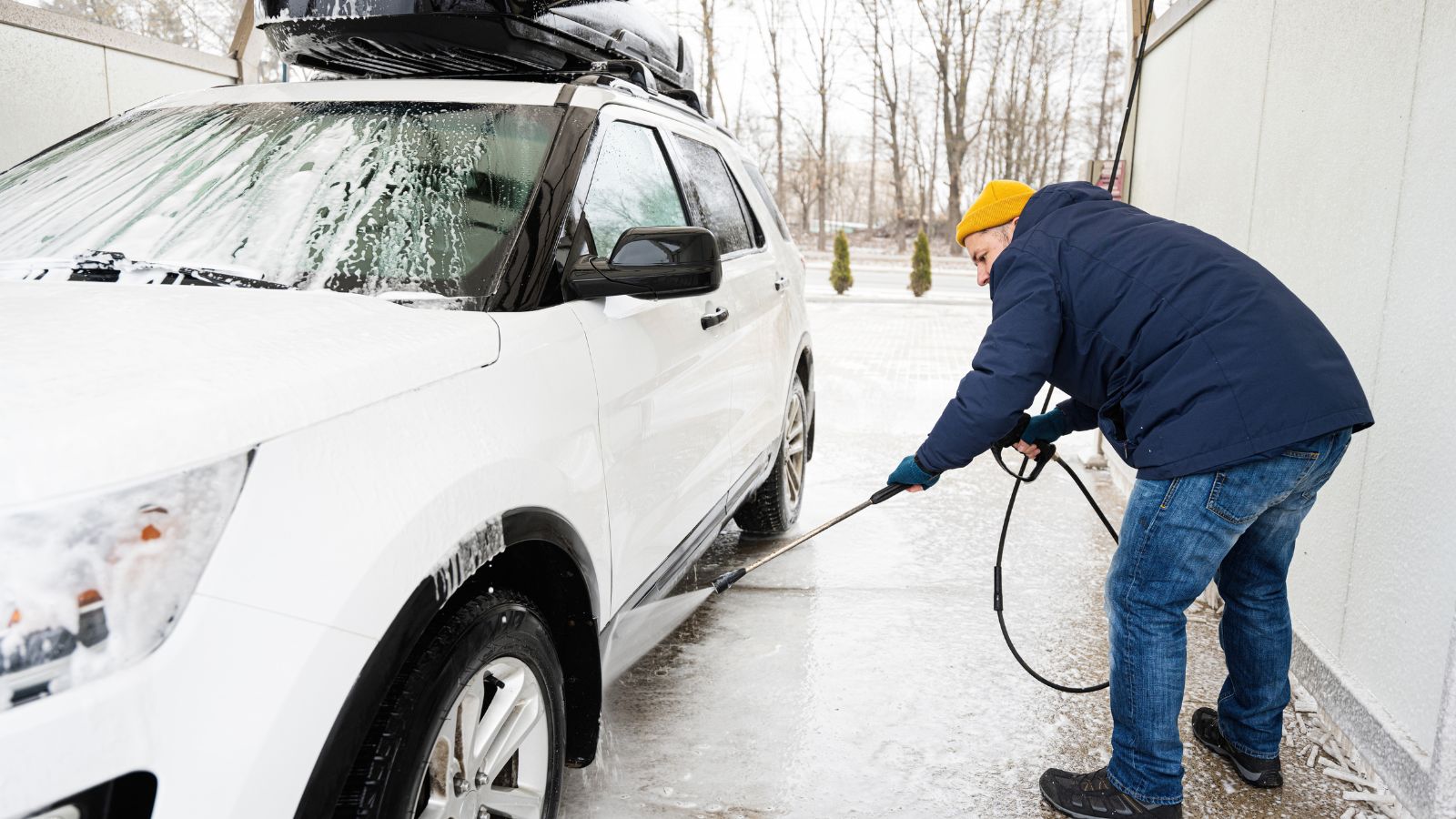
Pearl white has more visual depth than ordinary white, especially when sunlight reveals shimmer across curved panels. That premium appearance comes from extra effect layers, making collision repair less straightforward. A scrape may require more than matching one opaque coat. The ground shade, pearl layer, coat count, spray distance, and clearcoat can influence the result, so a repaired section may look correct indoors and different outside.
PPG’s tri-coat guidance describes a base layer, a translucent pearl-containing layer, and clearcoat. Because the middle layer is not fully opaque, application changes alter how light passes through and reflects back. Repairers prepare spray-out cards and blend beyond the damaged area to avoid a visible edge. That work can increase paint time and material use, particularly on broad panels. Pearl white still hides routine dust well, but one parking-lot dent can reveal why the original option price represented only part of its ownership cost.
Silver
Silver earned its reputation as an easy colour because it masks dust, light scratches, and dried road spray better than dark finishes. The surprise comes when visibility or repair enters the picture. Silver can blend with wet pavement, overcast skies, concrete barriers, and glare. A Monash University analysis estimated 10 percent higher daylight crash risk than white and 15 percent higher risk at dawn or dusk, although the authors stressed that findings have conflicted.
Silver is also sensitive to metallic-flake orientation. PPG notes that the same formula may appear different on plastic and metal, curved and flat surfaces, or when particles settle differently during spraying. A replaced bumper can therefore look warmer, darker, or coarser than the adjoining fender despite carrying the correct code. Silver’s 2025 global share was only 7 percent in Axalta’s report, so its old default status is fading while the repair challenges still remain today too.
Medium Gray
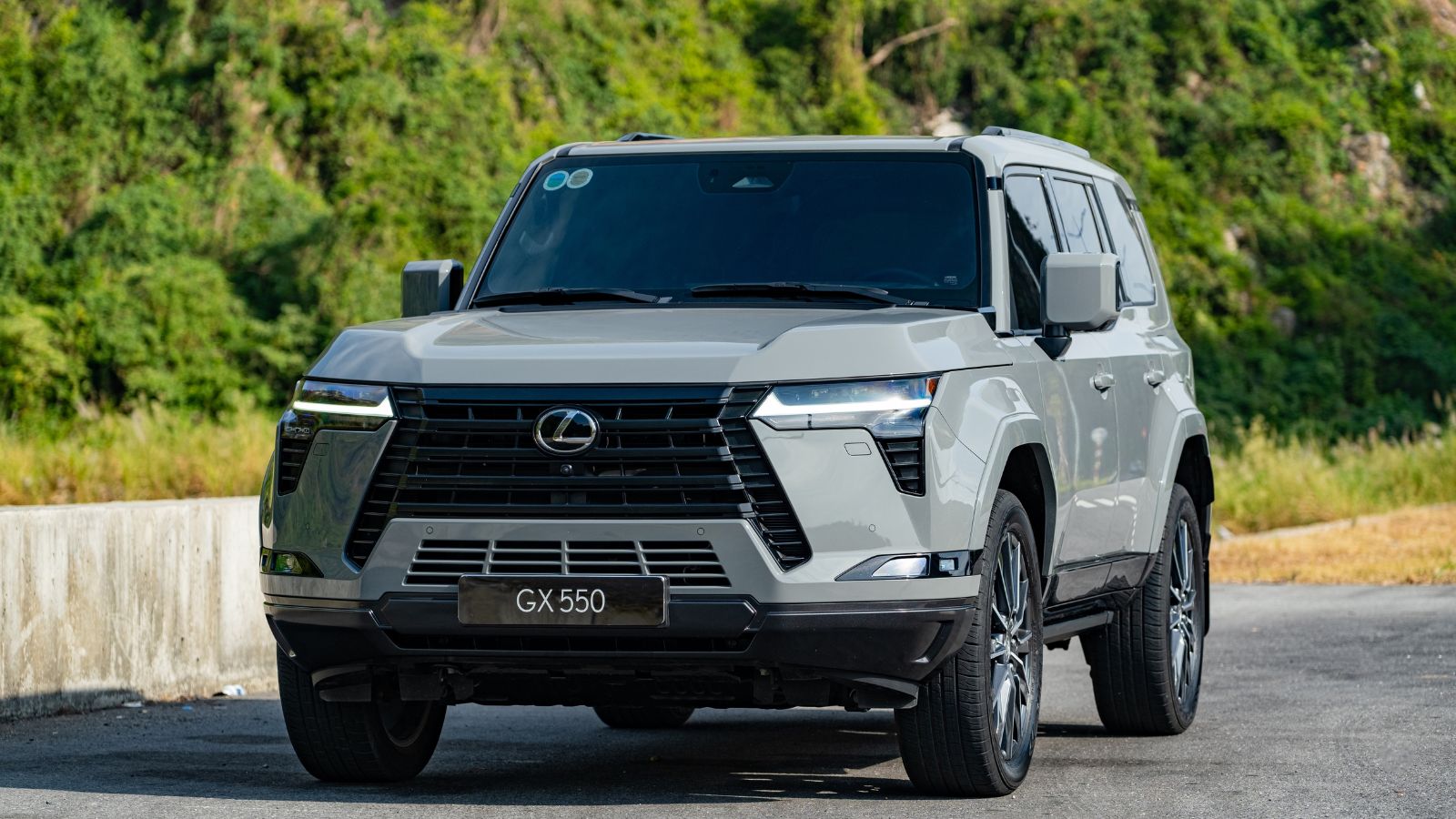
Medium gray promises sophistication without black’s constant cleaning, and it hides light dust and minor grime well. The drawback is that the same camouflage can flatten body lines and make a car less noticeable in rain, fog, or low-contrast urban surroundings. Owners may overlook scuffs because they blend into the paint until sunlight or a trade-in inspection exposes them.
Gray has become extremely common. Axalta ranked it third globally in 2025 at 22 percent, one point behind black, while BASF described gray as gaining share. That popularity makes it easy to order but less distinctive in a crowded used market. Monash researchers estimated an 11 percent higher daylight crash risk than white and a 25 percent increase at dawn or dusk that was marginally significant. Those figures do not prove gray is unsafe, but they support daytime running lights and extra care when the vehicle closely matches the surrounding road.
Charcoal Gray
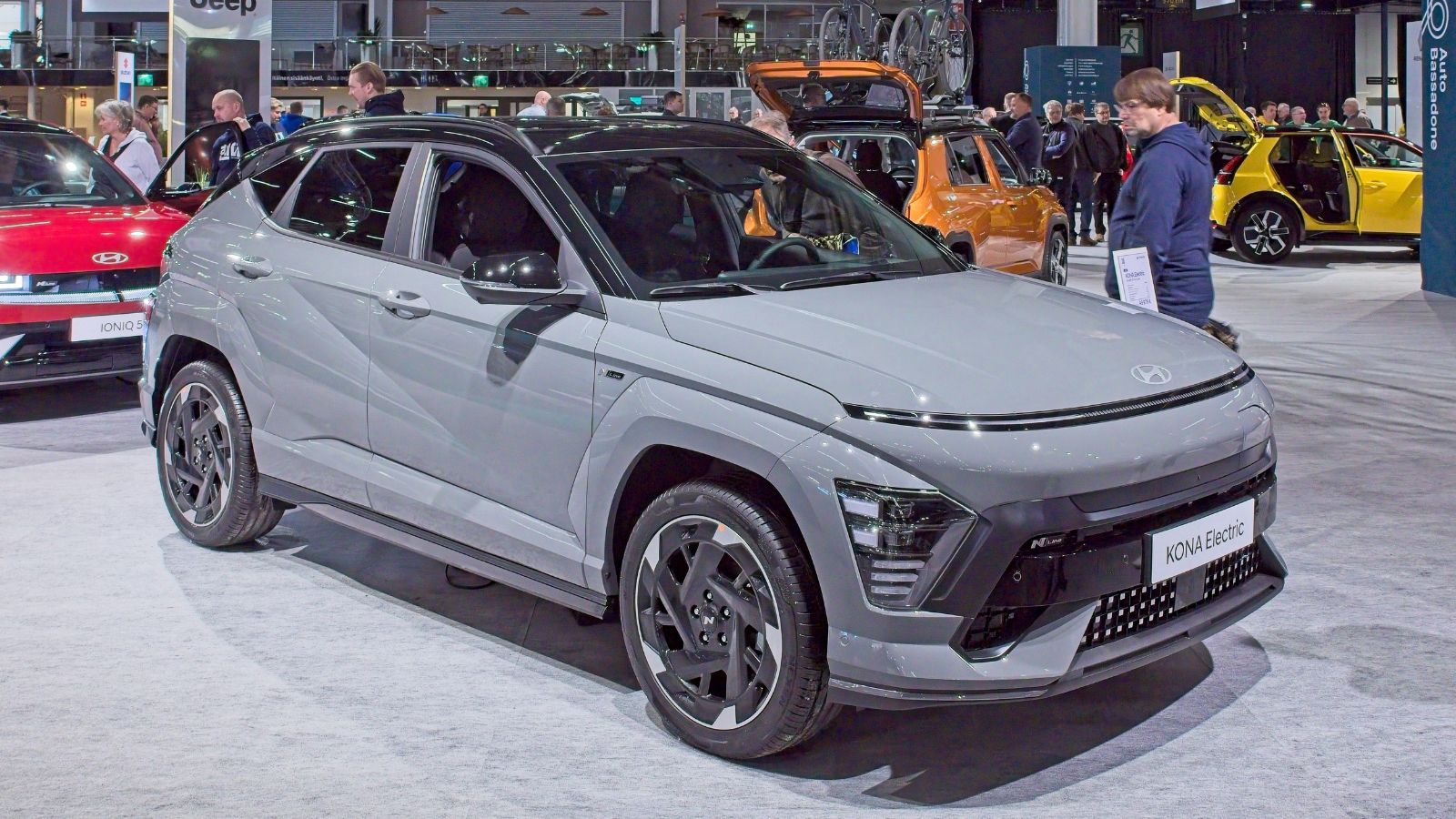
Charcoal gray often looks richer than ordinary gray and less severe than black on luxury sedans and performance SUVs. Yet it behaves more like black in daily life. Pale dust, mineral spots, salt residue, and micro-scratches remain visible, while the dark surface absorbs more solar energy than a light finish. On a large vehicle with a dark cabin, sophistication can mean hotter minutes after outdoor parking.
The colour also sits near the low-contrast end of the visibility spectrum. The Monash study grouped gray shades together and found elevated estimated daylight crash risk relative to white, while noting that shades vary widely within each registration category. That matters because pale gray and near-black charcoal do not behave identically. For ownership, charcoal combines the maintenance burden of dark paint with the anonymity of a common neutral. It can look immaculate after detailing, then advertise every dried droplet on the hood and roof.
Matte Gray
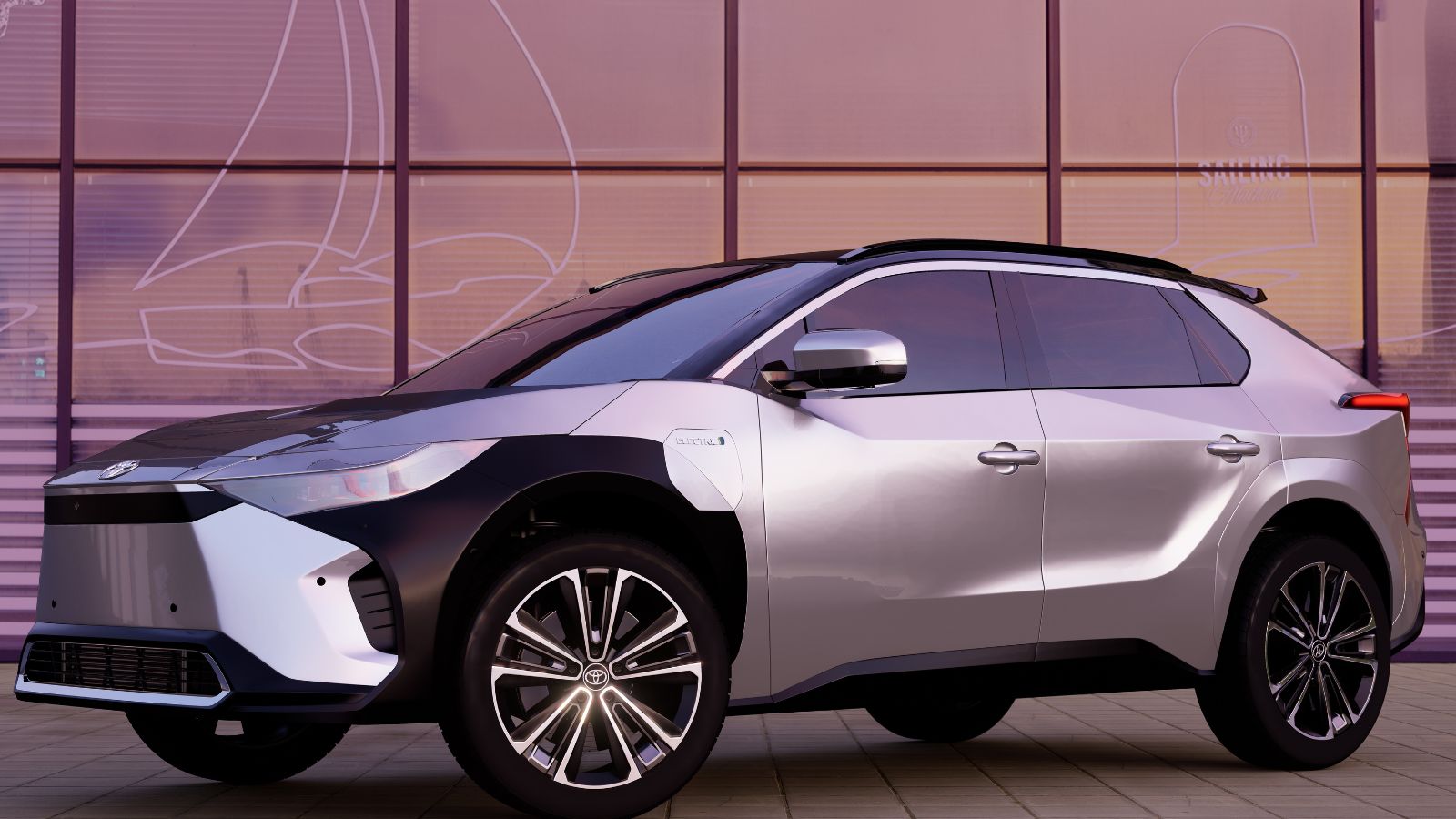
Matte gray turns an ordinary neutral into something distinctive by scattering light instead of producing conventional gloss. That effect changes care completely. Traditional polishing levels microscopic defects and restores shine, but shine is exactly what matte paint avoids. A polished patch can become glossier than the surrounding panel, making a small correction more conspicuous than the original mark.
Manufacturer guidance is strict. Hyundai warns owners not to use wax-finishing cleaners on matte paint and notes that localised repair may be impossible, requiring the whole part to be refinished. Kia gives similar advice and says restoring original quality after damage is difficult. Everyday habits need adjustment: no ordinary wax package at the automatic wash, no casual compound on a scratch, and no unknown detailing spray. Matte gray may hide some dust, but bird residue, oily fingerprints, and shiny rub marks can require immediate, specialised attention rather than a routine weekend polish.
Navy Blue
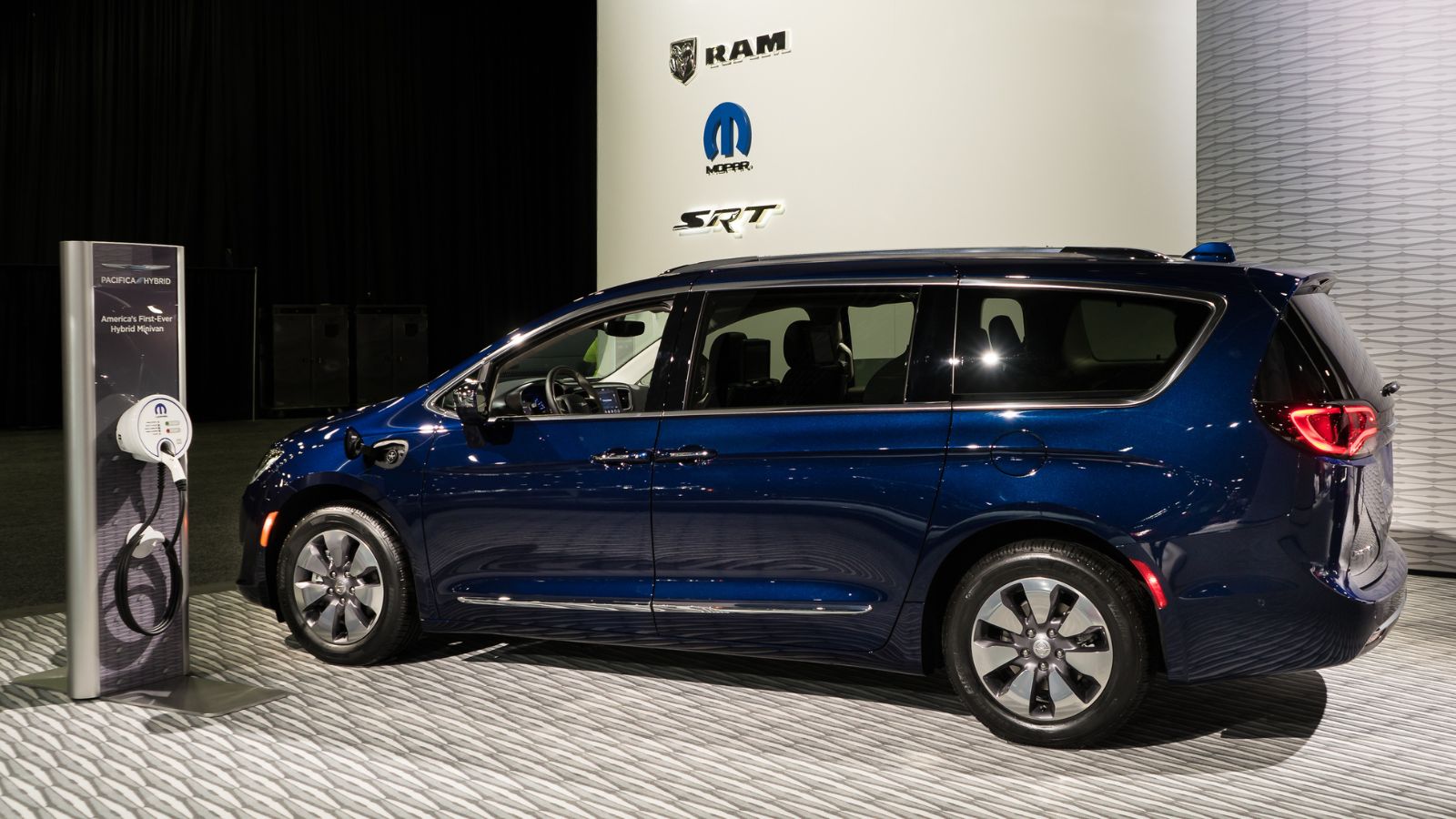
Navy blue is often chosen as the colourful alternative to black, but many owners discover that it lives almost exactly like black. In shade it can appear nearly black, while sunlight exposes swirls, dust, and uneven washing. Hard-water spots interrupt the deep tone. Dark blue also absorbs more solar energy than pale colours, so panels and the cabin can heat quickly outdoors.
Visibility is another concern. Monash University estimated a 7 percent higher daylight crash risk for blue vehicles than white ones, while warning that “blue” covered shades from almost black to nearly silver. That range prevents a simple ranking, yet explains why navy deserves more attention than sky blue. Blue represented 6 percent of the global market in Axalta’s 2025 report, making it the leading chromatic colour but far behind dominant neutrals. Navy provides personality, though it asks for black-car cleaning discipline and careful attention to low-light conspicuity concerns.
Bright Metallic Blue
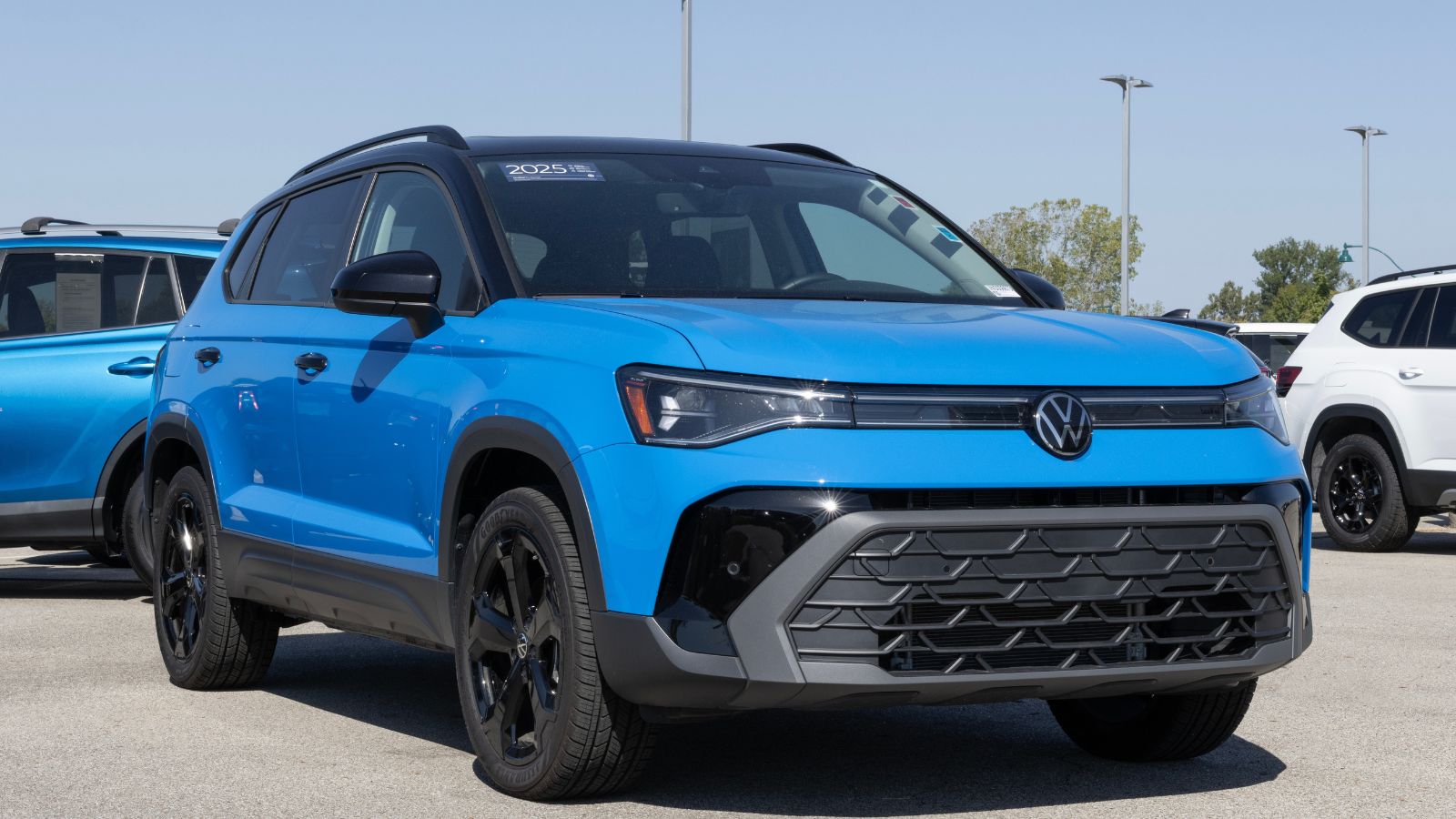
Bright metallic blue makes a vehicle easy to find and emphasises sculpted bodywork. The trade-off is sensitivity to lighting and repair technique. It may look electric in direct sun, muted under cloud, and darker beneath streetlights. After repair, a small difference in flake size or orientation can make one section appear lighter or darker as the viewer walks past.
Blue held 6 percent of the global new-vehicle colour market in Axalta’s 2025 report, far below white, black, or gray. That rarity can be appealing, but it may limit used panels and expose regional differences in taste. The 2025 iSeeCars study found blue vehicles depreciated 30.9 percent over three years, almost exactly the 31 percent average, so colour alone offered little financial protection. Bright blue is not necessarily a resale problem; it is simply less forgiving of indifferent repair work and dependent on the right shade for that particular vehicle model.
Solid Red
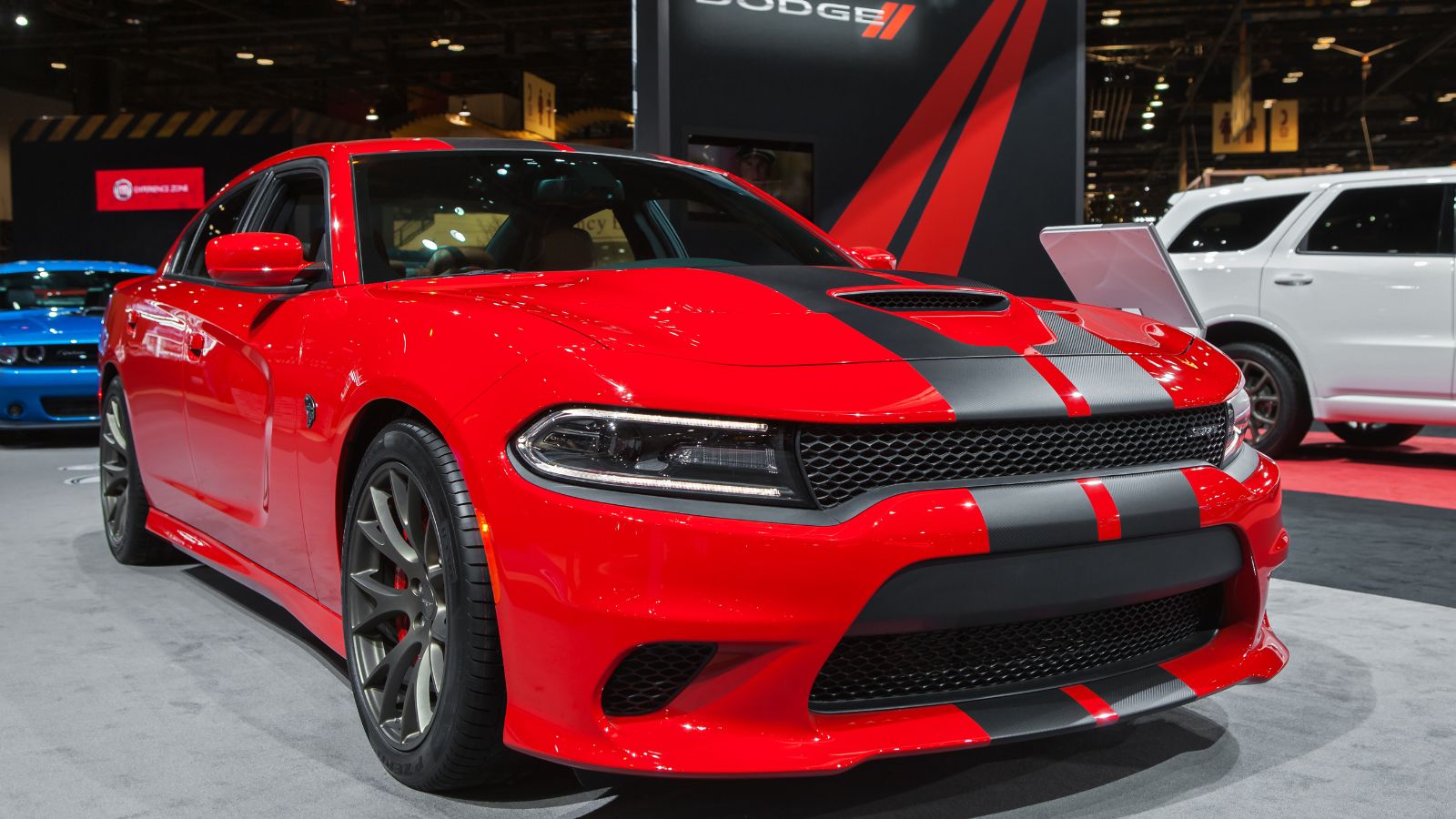
Solid red carries strong visual energy without the repair complexity of pearl finishes. Its challenge is that chips, fading differences, and panel mismatches attract attention across a saturated surface. A hood exposed to years of sun may not match a freshly painted fender, even when the original code is used. Chips reveal pale primer clearly, on noses and wheel arches.
Red performed well in iSeeCars’ 2025 analysis, losing 29.8 percent over three years compared with the 31 percent average. That suggests the warning that red ruins resale is too simplistic. Safety claims require caution: the Monash study estimated a 7 percent higher daylight crash risk than white, but vehicle type, environment, lighting, and shade complicate interpretation. Red can be rewarding and liquid in the used market, yet it benefits from shade, prompt stone-chip repair, and a professional body shop willing to match aged paint rather than trust the formula alone.
Candy Red
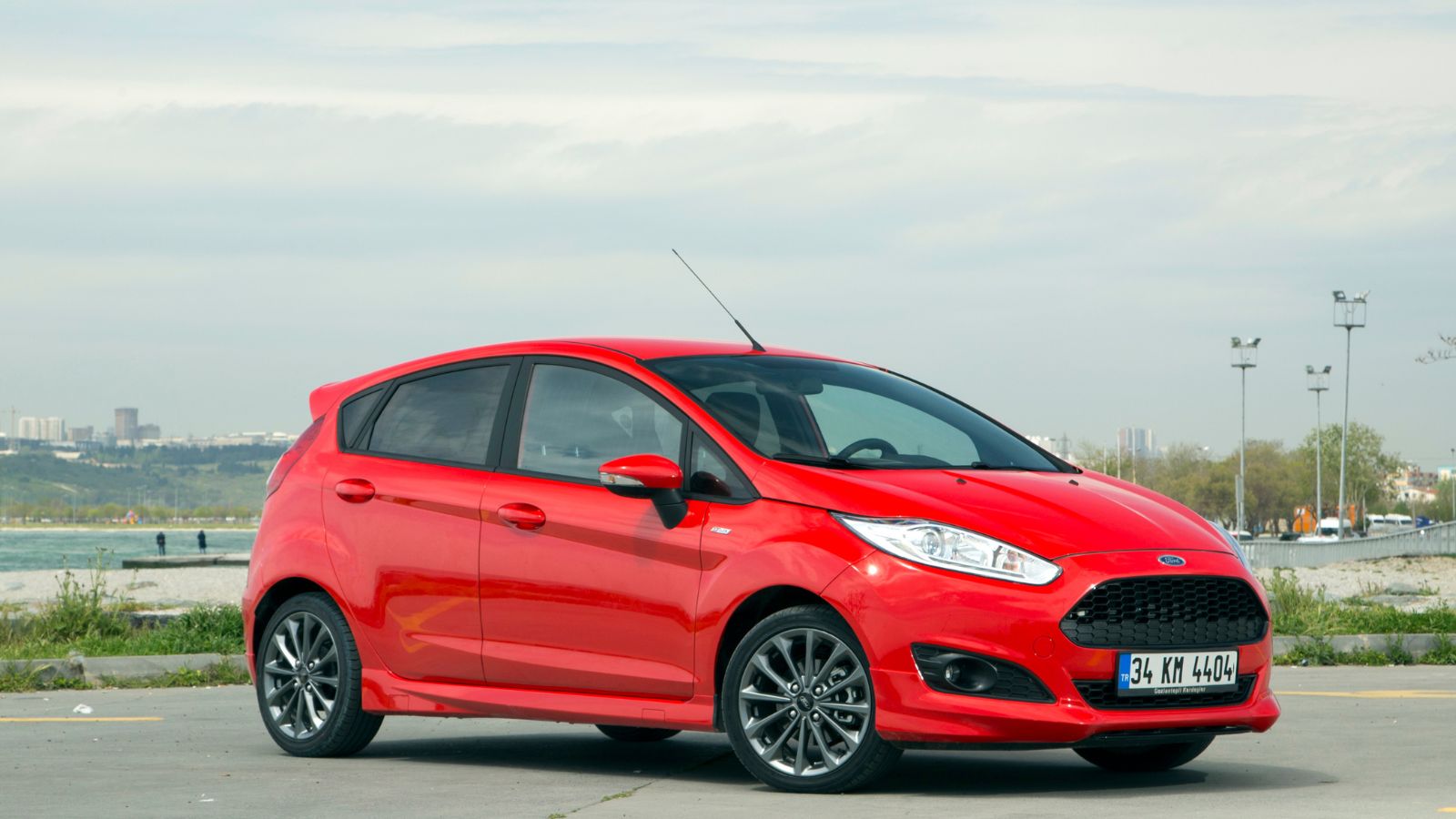
Candy red and translucent red finishes create depth that conventional solid paint cannot imitate. Mazda’s Soul Red Crystal is an example: PPG’s repair process uses a groundcoat, a tinted translucent layer, and final clearcoat. Colour changes as light travels through those layers, so coat number and thickness directly affect the result. A small scrape can therefore become a broad blending operation.
The difficulty appears after damage. PPG describes translucent colours as challenging because the final shade depends on undercoat and pigment layers, not one mixed formula. Spray-out testing and controlled application matter. A rushed repair can leave a door too dark head-on or too bright from an angle. Owners choose candy red because it makes an affordable model look exotic; the hidden compromise is that chips, bumper scuffs, and repairs may require a specialist with the correct system and adjoining panel area to blend the finish invisibly.
Burgundy or Maroon
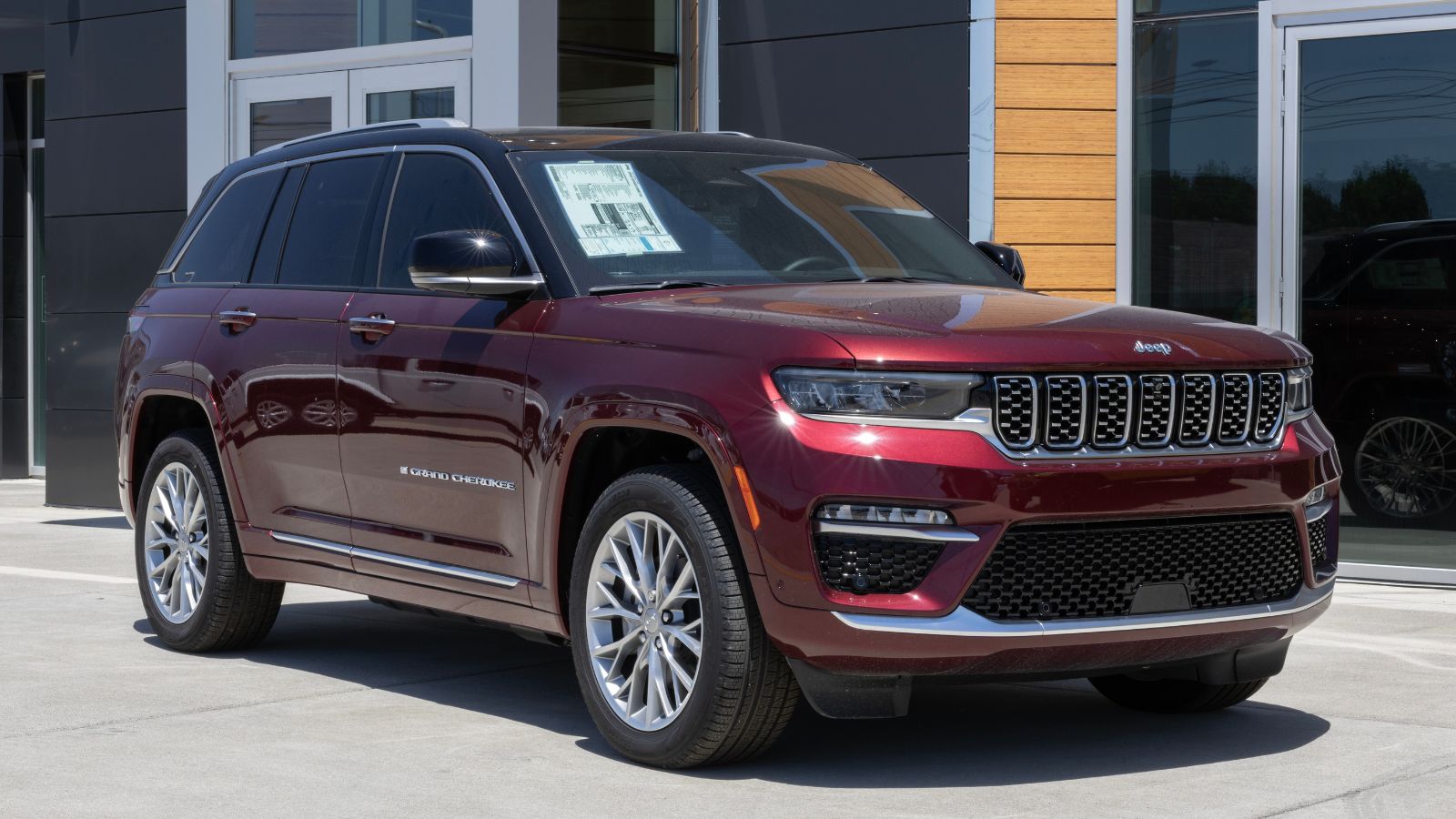
Burgundy and maroon promise red’s warmth with the discretion of a dark neutral. In daily use, they combine both. Dust and water spots show strongly, yet colour mismatches stand out because the red undertone changes with light. In underground parking, burgundy may look brown or black; outdoors, red becomes obvious. Touch-up paint can look acceptable in one setting and conspicuous in another.
Market data groups these shades under red, brown, or maroon, making resale conclusions difficult. The Monash crash study treated maroon separately and did not find its estimated differences from white statistically significant, while warning that official colour categories contain wide shade variation. That is important: a registration label says little about how visible burgundy is at dusk. The colour suits executive cars and large SUVs, but it benefits from careful washing, good repair lighting, and realistic expectations about how differently it can photograph and appear in person.
Yellow
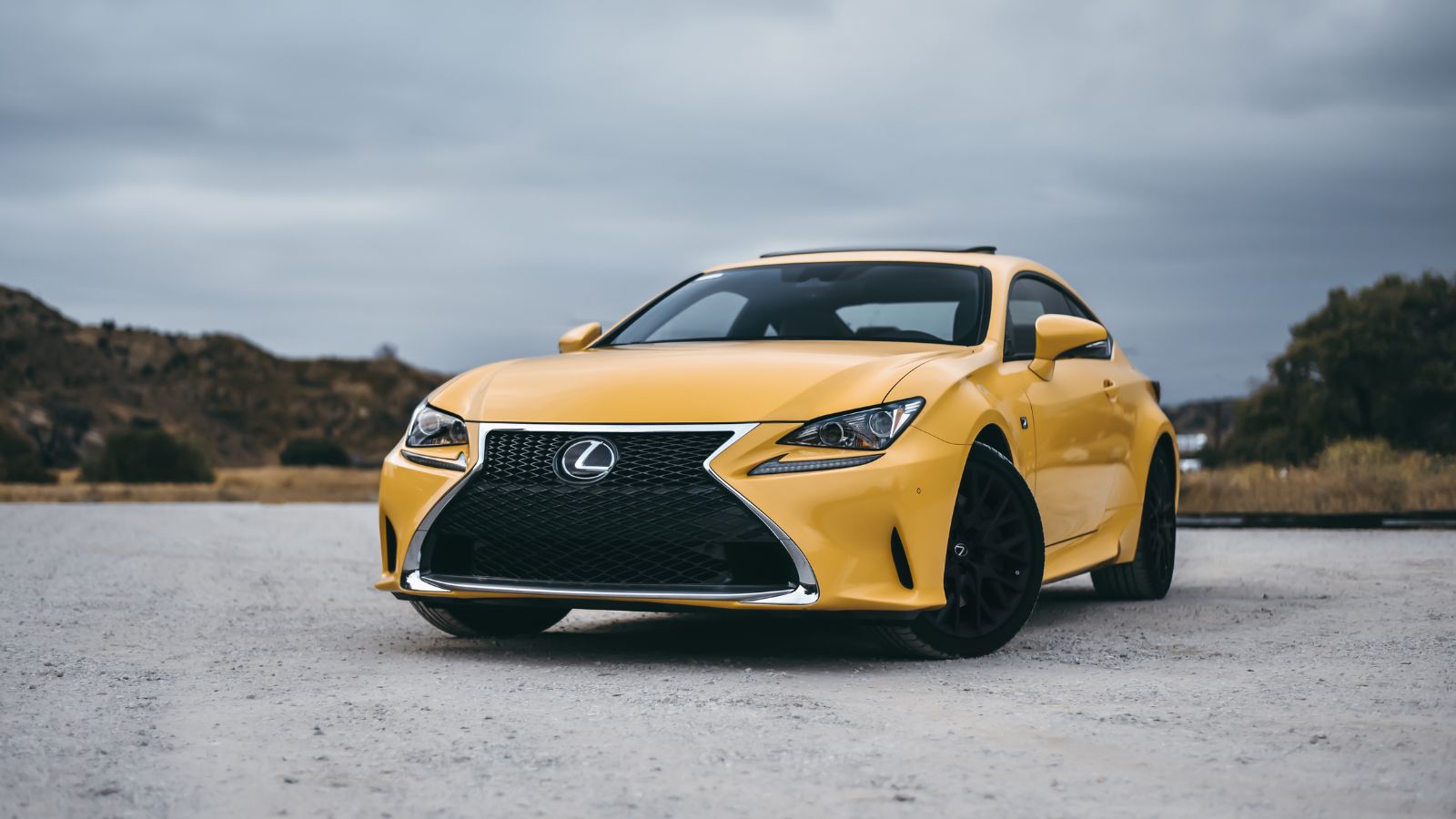
Yellow seems impractical until resale data complicates the assumption. In iSeeCars’ 2025 study, yellow vehicles depreciated 24 percent over three years, the best result among colours analysed and seven percentage points better than average. Researchers attributed that strength to limited supply meeting more demand than expected. A rare yellow sports car can therefore be easier to value than a common black one.
Living with yellow is public. The car is easy to locate, but it attracts attention when dirty, damaged, or parked badly. Dark insect residue, tar, and brake dust contrast sharply with bright paint, while stone chips interrupt an uninterrupted block of colour. Shade matters: pale yellow, mustard, and fluorescent yellow appeal to different buyers, so the favourable average is not a guarantee for every model. Yellow can reward owners financially, yet it offers little anonymity and demands confidence that the colour will remain appealing after delivery-day excitement fades.
Orange
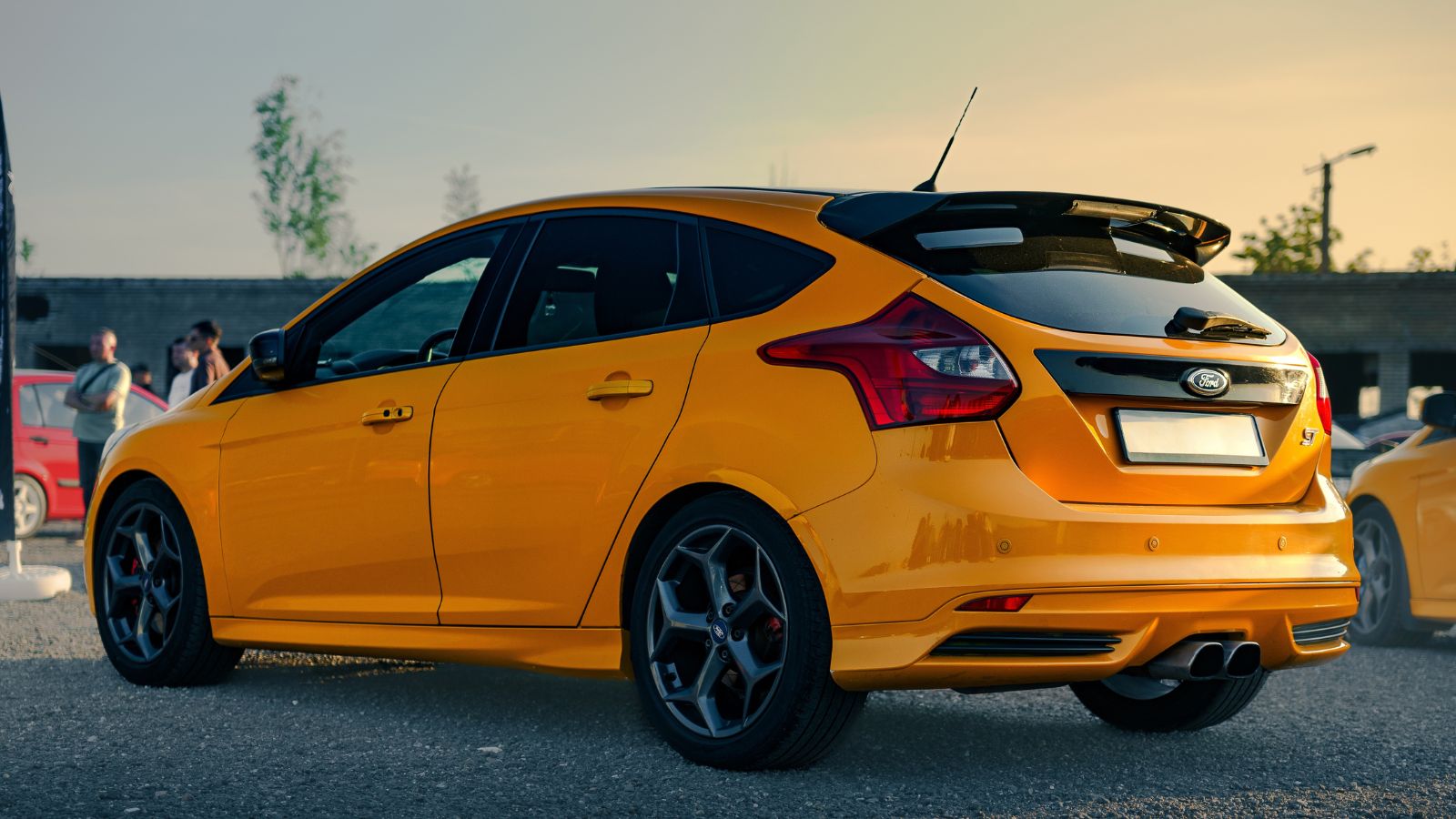
Orange has moved from novelty paint to a signal on trucks and sports models. iSeeCars found orange vehicles depreciated 24.4 percent over three years, second only to yellow. Among pickups, orange examples lost 16 percent, and the report linked that result to scarce supply and associations with Ford Raptor and Toyota TRD Pro. In the right segment, rarity becomes an asset.
The difficulty is that orange is model-dependent. A colour that looks purposeful on an off-road truck may feel awkward on a conservative sedan, narrowing buyers. Repairs can expose differences between solid, metallic, and pearl oranges, when bumpers and steel panels reflect light differently. Gray road film dulls saturation, while chips reveal pale underlayers. Orange ownership works best when the shade is part of the vehicle’s identity. Chosen only because it looked exciting under showroom lights, it can become tiring during business use or efforts to keep the colour vivid.
Bright Green
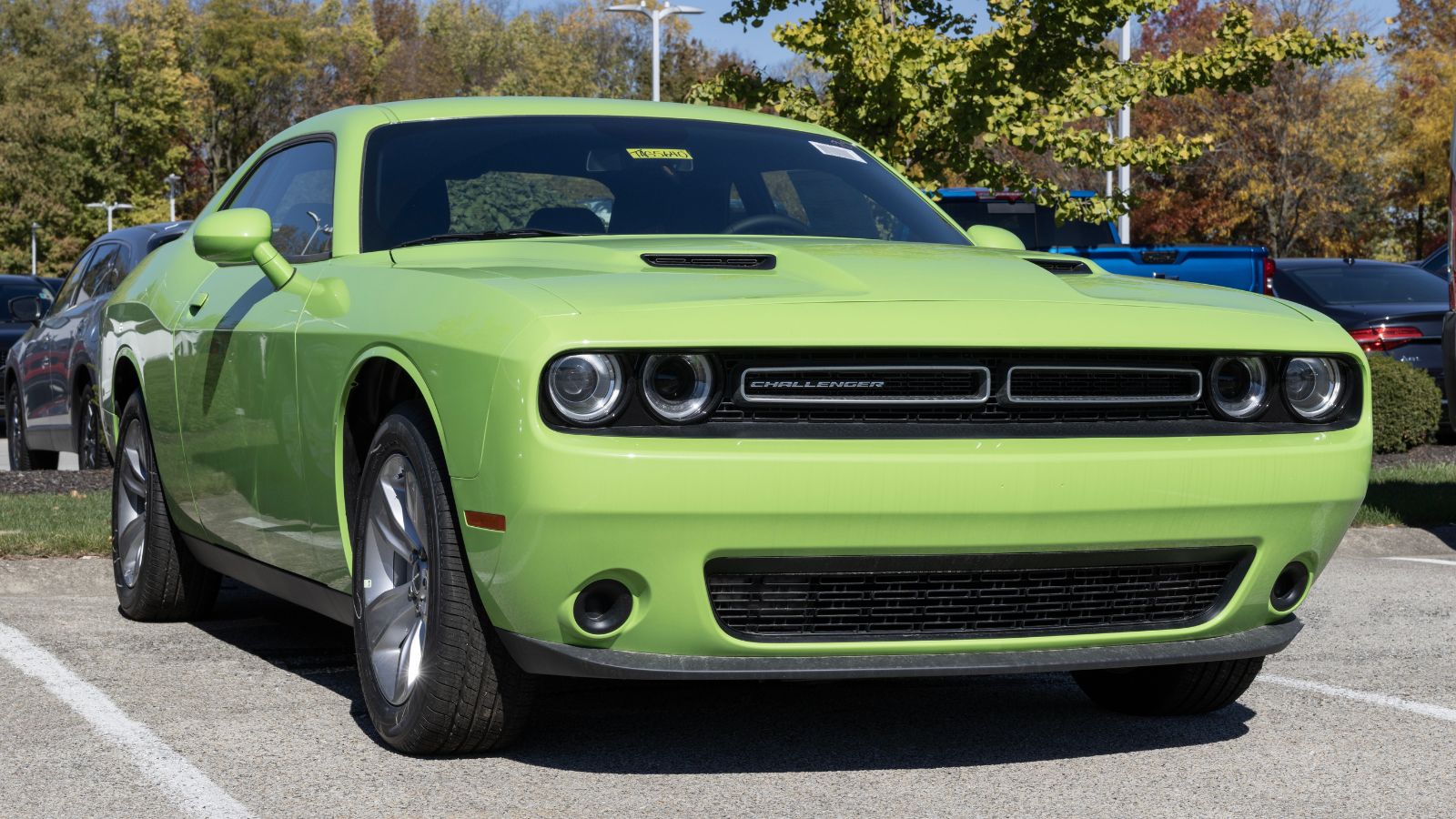
Bright green is rare enough to feel custom even as a factory option. That rarity can help resale: iSeeCars placed green third in its 2025 ranking, with 26.3 percent three-year depreciation versus 31 percent overall. BASF also reported green gaining momentum in 2025, reflecting a move toward nature-inspired colours. Scarcity, however, does not make every green easy to sell.
Lime, emerald, mint, and military-inspired greens appeal to different audiences and suit different body styles. Bright green draws attention to every repair, accessory mismatch, and dirty wheel arch. Metallic or pearl versions can shift between sun and shade, so touch-up work may appear darker or yellower. Correct-colour replacement panels are less likely to wait at a salvage yard than common white or gray ones, increasing the chance of refinishing. Green can be strong financially, but ownership is easier when the buyer loves the exact shade rather than merely wanting something uncommon.
Purple or Violet
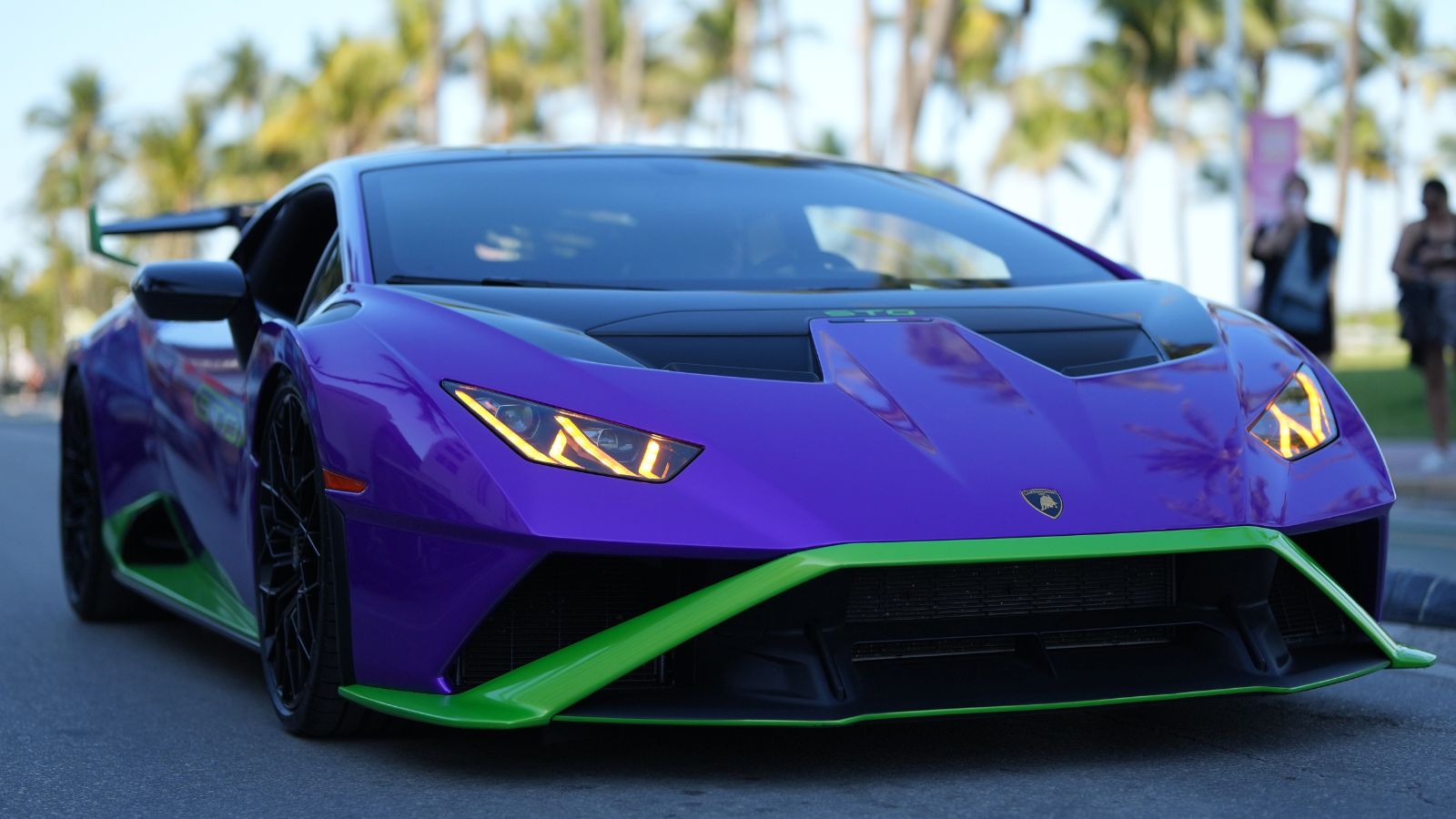
Purple and violet offer individuality that neutral colours cannot, but rarity creates friction. BASF’s 2025 report placed violet at only 1 percent in the Americas and Asia-Pacific. That means fewer comparable vehicles when judging resale prices, fewer used body panels in matching paint, and fewer buyers who consider the shade for daily use. It may be an asset on a special edition and a complication on a crossover.
Many purples are effect paints. Some look blue in cool light, red in warm light, or nearly black at night. PPG describes multi-layer pigments that change hue with viewing angle, while refinish guidance shows why pearl and metallic colours require multi-angle measurement. A repair matching from one direction may fail from another. Purple rewards lighting checks and professional blending, especially across doors or quarter panels. It remains memorable and expressive, but rarely offers discreet ownership, quick panel sourcing, or an uncomplicated sale.
Brown
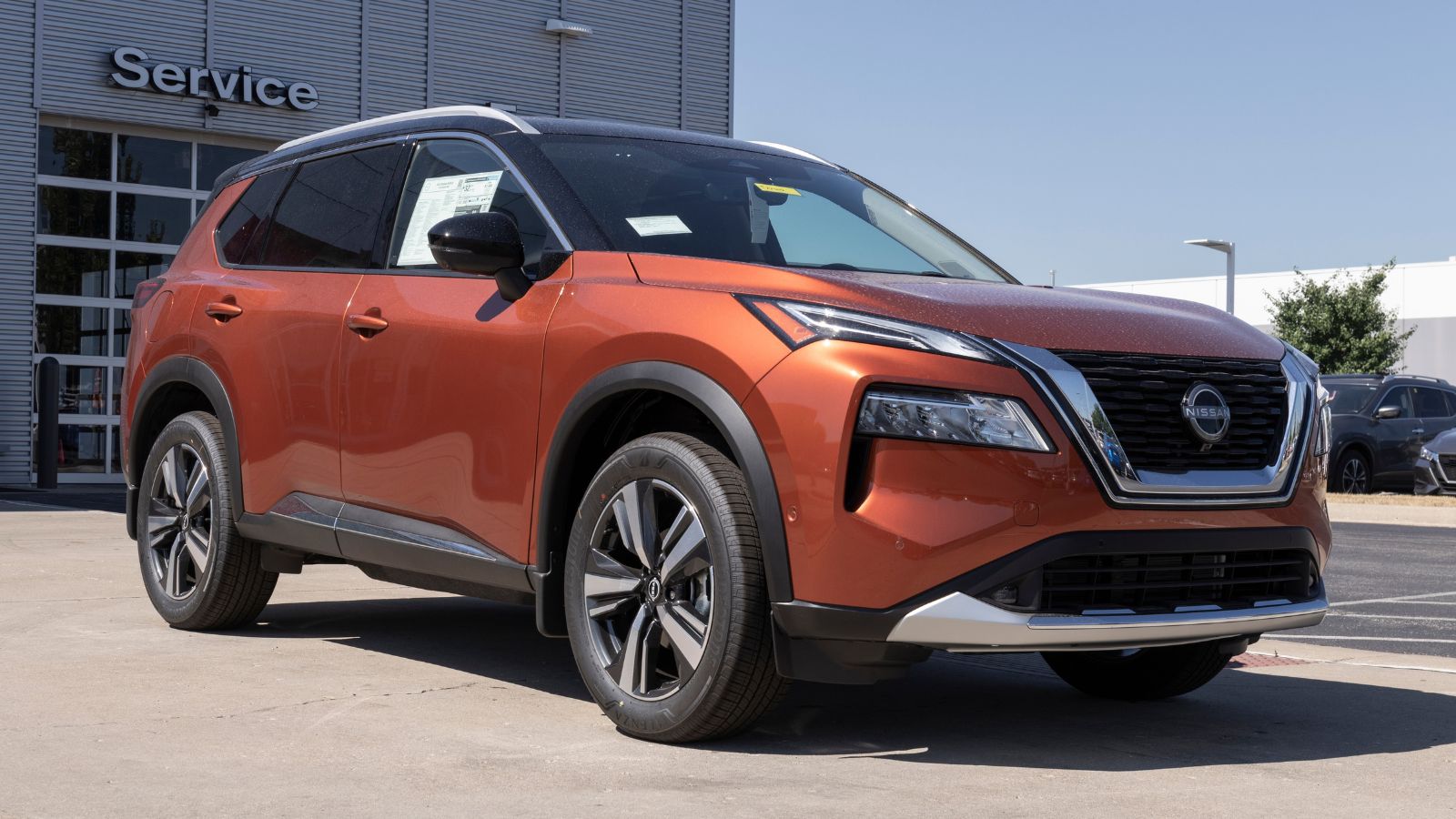
Brown can hide dust and road grime well, which sounds ideal for an SUV or pickup. The problem is that it can hide the crispness that made the vehicle attractive in the showroom. Mud, faded plastic trim, and dull tyres blend into the palette, so the vehicle may appear older before paint deteriorates. Some shift toward black, bronze, or maroon with light, complicating touch-ups.
Brown remains uncommon. BASF assigned it only 1 percent of the 2025 market in the Americas and Asia-Pacific, despite renewed interest in earthy shades. iSeeCars found brown vehicles depreciated 30.4 percent over three years, slightly better than the 31 percent average. That is respectable. Rich metallic brown can look luxurious on a wagon or SUV, while medium brown may evoke an earlier design era. The colour forgives dirt but not neglected trim, poor listing photographs, or a model whose shape does not support the earthy aesthetic.
Beige or Champagne
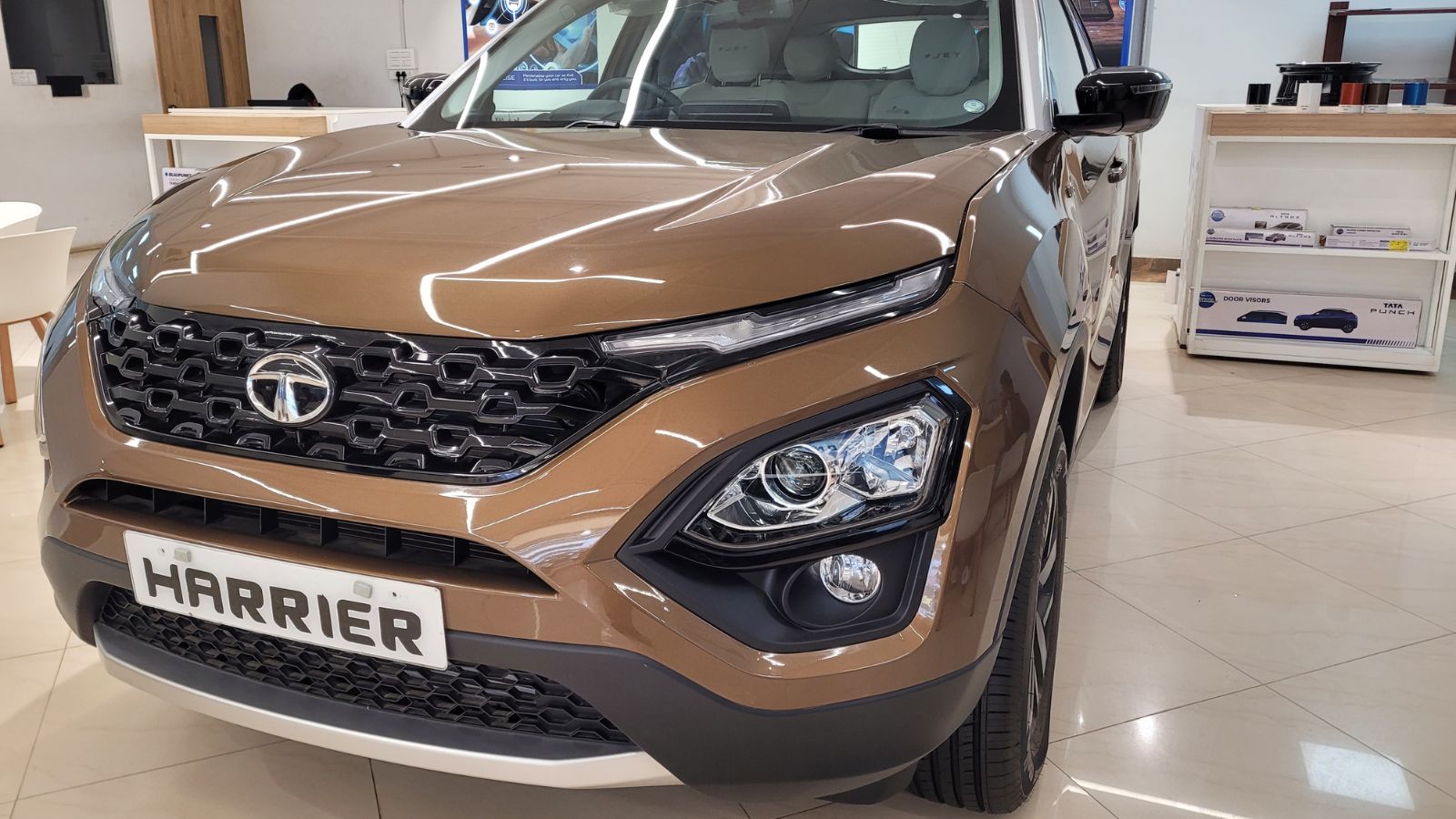
Beige and champagne are chosen for understatement, and they disguise dust, pollen, and light road film. Their challenge is visual ageing. Warm beige can look elegant beside a tan interior, then seem dated when fashion moves toward cooler gray or saturated green. Champagne metallic may look silver at noon and gold near sunset, making online listings and colour matching less predictable than its quiet name suggests.
BASF recorded beige at 2 percent globally in 2025 and only 1 percent in the Americas and Europe, confirming its small share. Yet iSeeCars found beige vehicles depreciated 29.5 percent over three years, better than average. The apparent contradiction reflects supply and demand: uncommon does not mean unwanted. Practical ownership depends on the model. Beige can flatter a luxury sedan or rugged SUV, but may narrow enthusiasm on a sporty hatchback. It stays presentable easily, though keeping it contemporary under changing light is harder.
Gold or Bronze
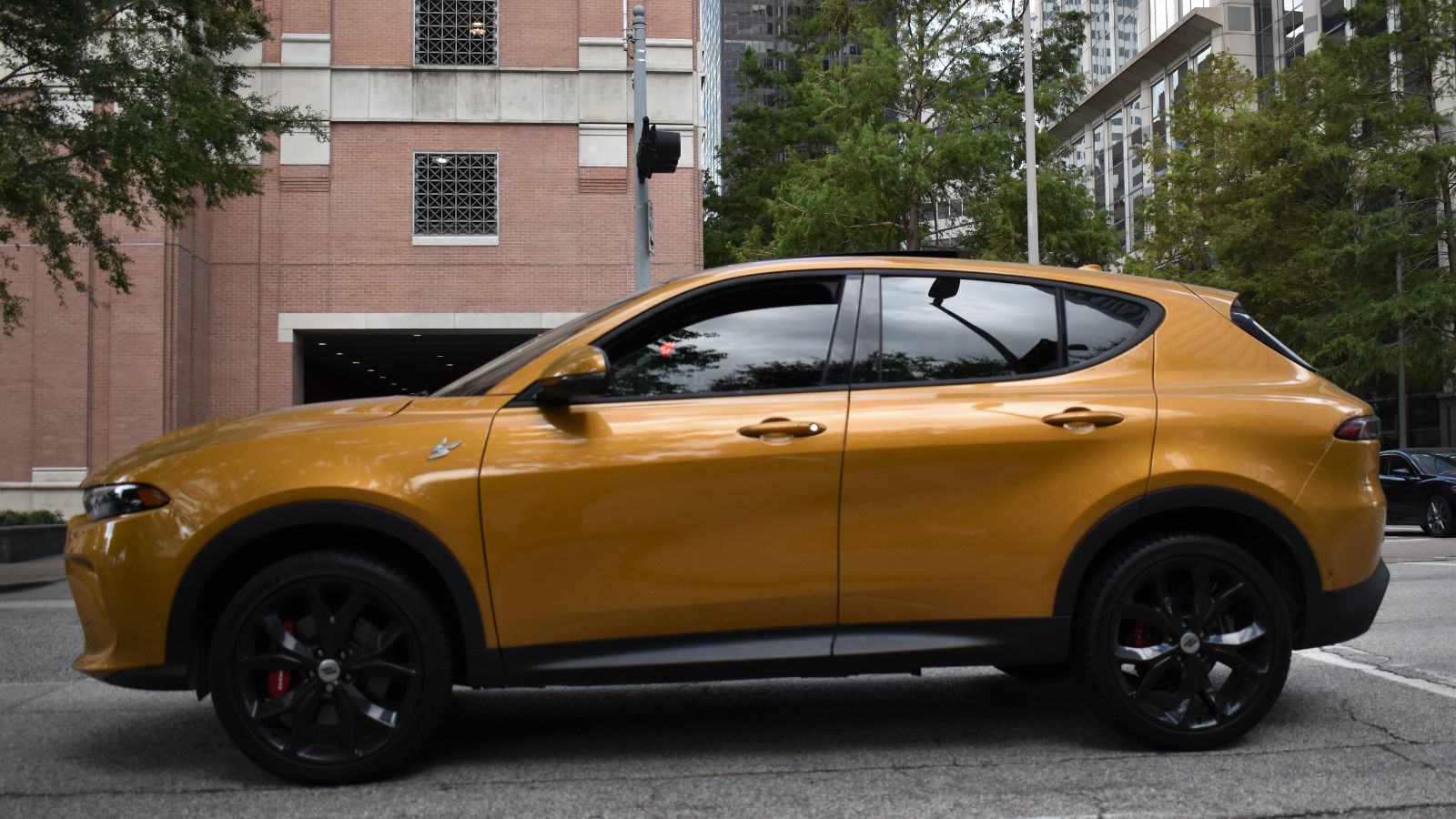
Gold and bronze make body creases glow in warm light, but they are taste-sensitive. Gold may read as luxurious, retro, or dated depending on the model and market. Bronze often appears brown in shade and orange in direct sun, so buyers may disagree about the colour. Metallic versions also bring the familiar challenge of angle-dependent matching after repair.
The warning is clear. iSeeCars’ 2025 analysis found gold vehicles depreciated 34.4 percent over three years, the worst result among colours studied and 3.4 percentage points above average. The estimated loss was $16,679, compared with $14,360 across all colours. That does not mean every bronze special edition will perform poorly, but rarity does not guarantee value. Gold and bronze can be beautiful when tied to a vehicle’s design theme. As colours, they require confidence, careful repair work, and acceptance that the next buyer may see “dated” where the first owner saw “distinctive”.
22 Things Canadians Do to Their Cars in Spring That Mechanics Hate
Spring brings relief to many Canadian drivers after months of snow, freezing temperatures, and icy roads that put serious strain on vehicles. As temperatures rise across the country, drivers begin washing cars, switching tires, and preparing vehicles for warmer weather and upcoming road trips. However, mechanics across Canada notice the same mistakes every spring when drivers attempt to recover from winter damage. Road salt, potholes, and harsh winter driving conditions often leave vehicles with hidden problems that drivers ignore. Some spring habits even create new mechanical issues that could have been avoided with proper maintenance. Here are 22 things Canadians do to their cars in spring that mechanics hate.