





















An Ontario woman’s experience with her electric vehicle has raised serious questions about battery reliability, warranty protection, and the financial risks of owning an aging EV. Yeing-Moi Jenny Didier, an Etobicoke resident who drives a 2018 Volkswagen e-Golf, was shocked to discover that repairing her vehicle’s high-voltage battery could cost $10,800, despite the car having travelled only 133,000 kilometres. The battery stopped working in September 2026, just five months after its eight-year warranty expired. Although Volkswagen has offered assistance with transporting the vehicle for specialized repairs, the company says the owner remains responsible for the cost. With the estimated repair bill approaching the vehicle’s resale value, the situation highlights an increasingly important concern for Canadians considering long-term electric vehicle ownership.
A Sudden Battery Problem Leaves an EV Owner Facing a Difficult Decision
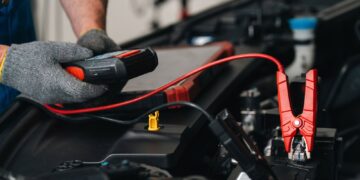
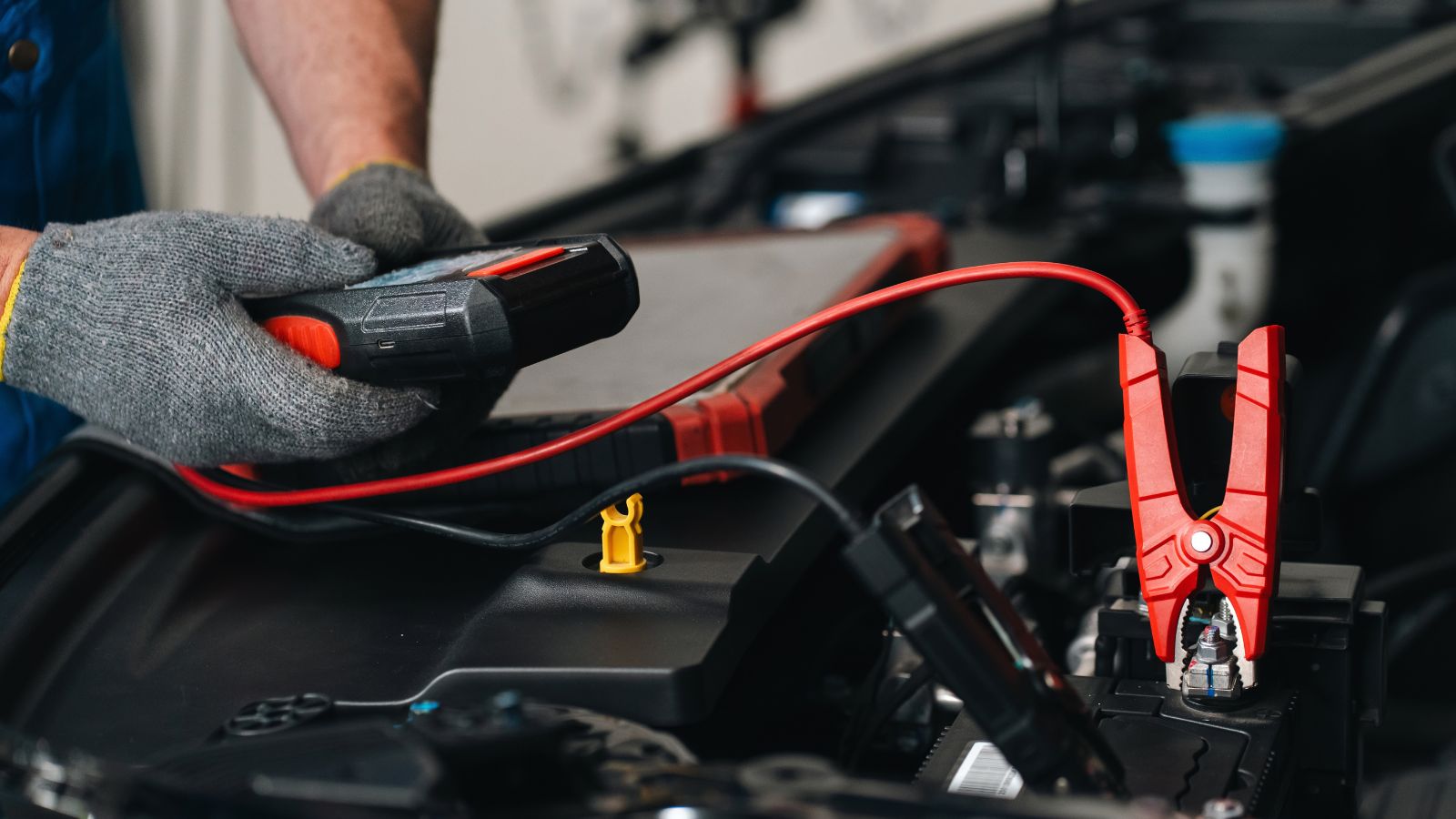
Didier had been an enthusiastic supporter of electric vehicles before her e-Golf developed a serious battery problem in September. The vehicle’s high-voltage battery stopped functioning, and the car had to be towed to a local Volkswagen dealership. What might initially have seemed like a repairable mechanical problem quickly became a significant financial concern. Unlike a conventional 12-volt battery replacement, work on an EV’s high-voltage battery system can involve specialized equipment, trained technicians, and expensive components. The situation left Didier facing an unexpected expense on a vehicle she had already owned for several years.
Her reaction was particularly understandable because the car had not reached the mileage limit commonly associated with EV battery warranties. Didier told CTV News that she had supported electric vehicles but was shocked by the situation. She initially hoped that a serious battery problem might result in a replacement, although she also considered repair a reasonable alternative. Instead, she discovered that the expired warranty could leave her responsible for a bill exceeding $10,000. The publicly reported details do not establish which individual battery component failed, making it important to distinguish the reported malfunction from a confirmed need to replace the entire battery pack.
Why the Battery Warranty Expired Despite Only 133,000 Kilometres
One of the most frustrating aspects of Didier’s situation is that her Volkswagen had travelled approximately 27,000 kilometres less than the warranty’s maximum distance. The 2018 e-Golf’s high-voltage battery warranty covered eight years or 160,000 kilometres, whichever came first. Although the mileage remained comfortably below that threshold, the time limit had expired approximately five months before the battery stopped working. Under this arrangement, remaining kilometres do not extend the warranty once its eight-year period has ended, even if the vehicle has experienced relatively moderate use.
The distinction is significant for electric vehicle owners who expect battery coverage to reflect how extensively their vehicles have been driven. Manufacturer warranties generally establish separate time and mileage limits, with coverage ending when the first threshold is reached. Volkswagen’s published high-voltage battery warranty information also distinguishes qualifying defects and excessive capacity loss from ordinary battery aging. However, those protections operate within the applicable warranty period and conditions. Didier’s experience demonstrates how a vehicle can remain below its mileage allowance while no longer qualifying for manufacturer-funded repairs. For Canadians purchasing used EVs, the original warranty start date can therefore be just as important as the odometer reading.
Volkswagen Offers Specialized Repairs but Won’t Cover the Bill
Volkswagen Canada has acknowledged Didier’s situation and explained that her vehicle does not require a complete battery replacement. In a statement provided to CTV News, the automaker indicated that the battery could be repaired. The company also offered to transport the e-Golf, at no charge, to a dealership equipped to handle specialized high-voltage battery repairs. Didier accepted that transportation arrangement. However, Volkswagen maintained that the vehicle was beyond its eight-year battery warranty, meaning the repair expense would remain the customer’s responsibility. The assistance with transportation does not amount to an agreement to pay for the actual repairs.
The distinction between repairing a battery and replacing the entire assembly is an important part of this case. High-voltage battery systems contain multiple components, including cells, modules, electrical connections, and monitoring electronics. Depending on the vehicle and the nature of the fault, some problems can be corrected without replacing the complete battery pack. That possibility can make a substantial difference to the final cost, particularly for older EVs. Nevertheless, a repairable battery does not automatically mean an affordable repair. Didier’s reported $10,800 estimate illustrates how specialized work can remain financially daunting even when a complete replacement is unnecessary. No completed repair or final paid invoice had been confirmed in the reporting.
The $10,800 Repair Could Cost as Much as the Vehicle Is Worth
The financial calculation becomes particularly difficult when the repair estimate is compared with the e-Golf’s reported resale value. Didier estimated that her vehicle would be worth approximately $10,000 to $12,000 on the used market. A $10,800 repair would therefore represent between 90% and 108% of that estimated value. In practical terms, she could spend almost as much restoring the vehicle as it might be worth after the work is completed. That creates a dilemma familiar to owners of aging vehicles: whether repairing an existing car makes financial sense compared with replacing it.
Didier also expressed concern about investing such a large amount without knowing whether another expensive problem might develop several months later. That concern does not establish that another failure is likely, but it illustrates why major repairs require consideration beyond their immediate cost. The vehicle’s overall condition, expected remaining service life, and the warranty accompanying the completed repair could all influence the decision. Selling the car in its current condition might avoid the repair expense, although a non-operational vehicle would likely attract substantially lower offers. For Didier, the question is no longer simply whether her Volkswagen can be repaired. It is whether paying for that repair represents a financially reasonable investment.
Independent EV Repair Specialists Could Offer Less Expensive Alternatives
The emergence of independent electric vehicle repair specialists may provide additional options for owners facing expensive dealership estimates. Bimmex Markham, an Ontario automotive repair business that services electric vehicles, was among the specialists consulted by CTV News. Service manager Shang Xue explained that technicians can sometimes open battery assemblies, inspect electrical connections and individual cells, and replace damaged components rather than the entire battery. According to Xue, approximately 90% of the battery-related cases arriving at his shop are repairable. He also indicated that customers may save between 30% and 50%, depending on the nature of the problem and the work required.
Those figures describe one repair specialist’s experience rather than a verified success rate for the entire EV industry. Not every battery design allows the same level of repair, and access to compatible components, diagnostic equipment, and properly trained technicians can affect what is possible. The Automobile Protection Association has also documented examples of specialist battery repairs that can cost substantially less than replacing a complete assembly. However, the exact savings depend on the damage involved. Didier indicated that she wanted to explore other possibilities before committing to the expensive repair. No confirmed lower-cost estimate specifically for her e-Golf had been reported, so potential independent-shop savings should not be mistaken for a guaranteed alternative.
Battery Research Shows Most EVs Last Longer Than Their Warranties
Despite the difficulties experienced by individual owners, broader research suggests that premature battery replacement is not a routine problem across the electric vehicle market. In January 2026, Canadian telematics company Geotab released an updated analysis covering more than 22,700 electric vehicles across 21 makes and models. The research found an average annual battery degradation rate of approximately 2.3%, compared with 1.8% in its earlier analysis. Battery degradation refers to the gradual loss of usable energy-storage capacity, which can reduce driving range over time. It is fundamentally different from a sudden malfunction that prevents a vehicle from operating.
Research published by EV battery analytics company Recurrent in November 2025 also provides useful perspective. Examining data from more than 30,000 electric vehicles, the company reported that fewer than 4% had undergone battery replacements outside major recalls. Replacement rates were substantially higher among the oldest EV generations than among newer vehicles. These findings suggest that many modern batteries remain functional well beyond their initial warranty periods. However, the figures do not eliminate the risk of expensive individual failures, nor do they guarantee a particular vehicle’s lifespan. Didier’s experience highlights the difference between favourable overall reliability statistics and the financial consequences when an uncommon but costly failure occurs.
Ontario Consumer Protection Rules Offer Important but Limited Safeguards
Ontario motorists have specific consumer protections when arranging vehicle repairs, although those protections do not automatically require manufacturers to cover repairs after a warranty expires. Provincial rules generally require repair businesses to provide written estimates unless customers instead authorize a maximum repair amount. When a written estimate is provided, the final charge cannot exceed it by more than 10%. Repair estimates must also identify the proposed work, parts, and labour charges. These requirements can help consumers understand a major expense before authorizing it, particularly when dealing with complicated high-voltage battery repairs.
There is another important distinction involving repair warranties. Ontario generally provides a minimum warranty of 90 days or 5,000 kilometres on qualifying new or reconditioned repair parts and related labour. However, the provincial regulation expressly excludes batteries from that statutory protection, making the repairer’s written warranty terms particularly important. Owners should establish which components and labour will be covered if a battery repair fails again. Manufacturer warranty disputes may sometimes be addressed through the Canadian Motor Vehicle Arbitration Plan, but that program restricts eligibility to recent vehicle model years. A 2018 e-Golf is outside its current age limits. Requesting a goodwill contribution directly from the automaker remains another possible approach, although assistance beyond the expired warranty is not guaranteed.
What This Case Means for Canadians Buying or Keeping an Older EV
Didier’s experience offers a practical reminder that electric vehicle ownership costs should be evaluated over the entire expected life of the car, not only while the original warranty remains active. The Canadian Automobile Association recommends checking battery health, age, remaining warranty coverage, and maintenance records before purchasing a used EV. A specialized pre-purchase inspection may also help identify existing problems. Buyers should confirm the original warranty start date rather than relying solely on the model year or mileage. Transport Canada’s recall database provides another useful check for outstanding safety recalls, although an individual battery malfunction does not necessarily indicate a recall-related defect.
For existing owners nearing the end of their battery warranty, obtaining a documented battery assessment and understanding available repair options may make future decisions easier. Comparing dealership estimates with assessments from qualified independent specialists can also reveal whether less expensive repairs are feasible. Owners facing unusually high expenses can request a detailed diagnosis and ask the manufacturer to review whether any goodwill assistance is available. The final outcome of Didier’s repair decision had not been confirmed in the available reporting. Her experience nevertheless illustrates a challenge that deserves attention as Canada’s EV fleet ages: batteries may last many years, but when an expensive failure does occur outside warranty coverage, the financial burden can be large enough to determine whether an otherwise usable vehicle stays on the road.