


























Panoramic sunroofs can make a vehicle feel brighter, wider, and more upscale at first glance. That airy feeling is a major reason automakers use them to dress up crossovers, sedans, and EVs alike. Yet many owners discover that a glass roof is not just a view; it is a system of seals, drains, motors, shades, glass panels, and added structure sitting above the cabin.
Twelve reasons explain why some car owners eventually regret choosing panoramic sunroofs, from heat and leaks to repair complexity, headroom loss, and resale hesitation. The feature is not automatically a mistake, but its drawbacks tend to show up slowly, usually after the new-car excitement has faded.
Cabin Heat Can Become Hard to Ignore
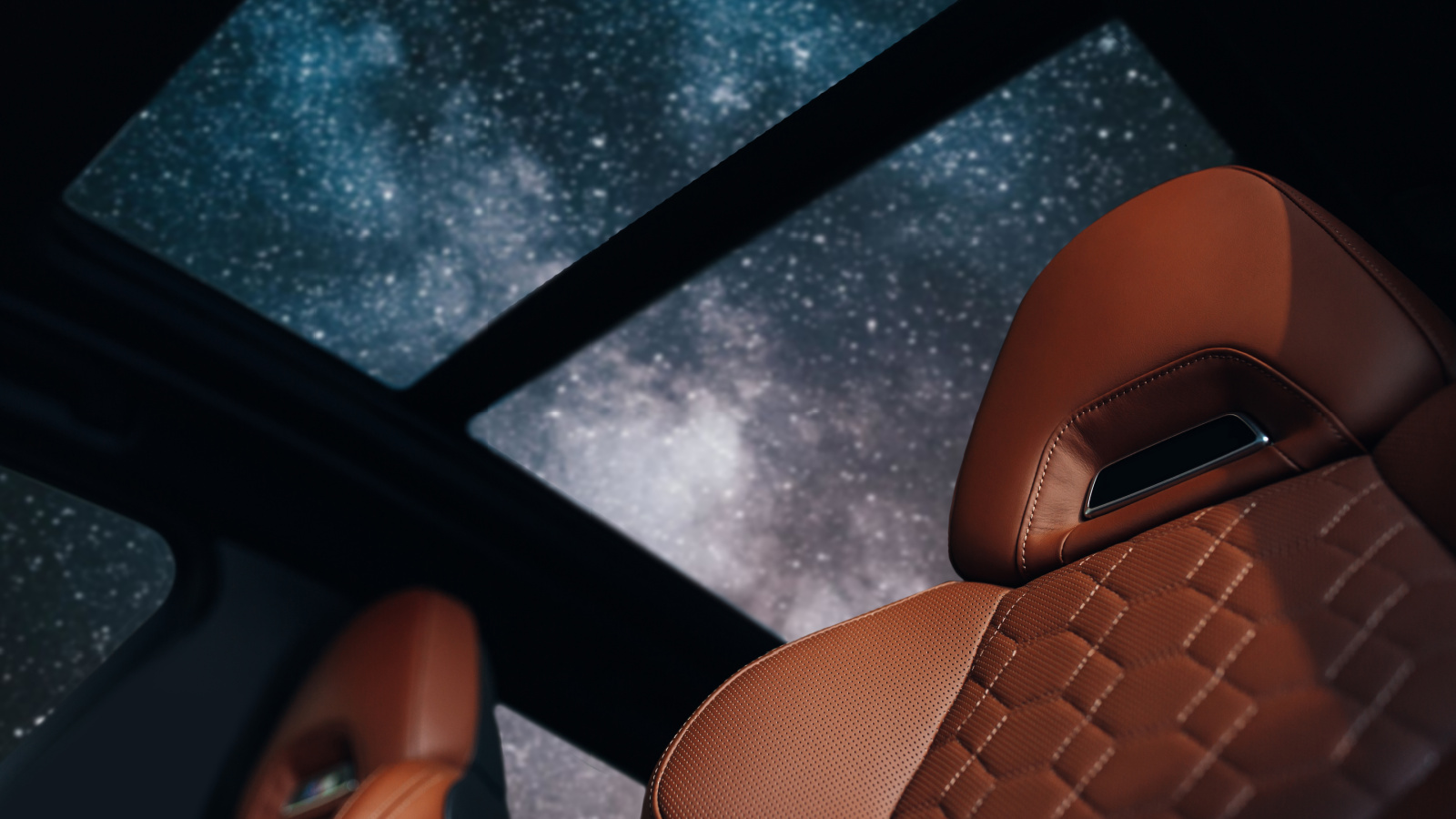
The first regret often arrives on a hot afternoon. A panoramic roof adds a wide area of glass above the cabin, which can make sunlight feel more direct even when the glass is tinted. In parked vehicles exposed to sun, cabin surfaces can heat far beyond outdoor temperatures, with dashboards and steering wheels becoming uncomfortable to touch. A solid roof naturally blocks that overhead solar load more completely.
Many owners tolerate the heat during a short test drive because the air conditioning is already running. Daily use feels different. A parent loading children into a dark crossover after work may notice the second row feels hotter because the glass roof sits directly overhead. Even with a power shade, heat can build through the roof area and make the cabin feel less calm than expected.
The Air Conditioner Has to Work Harder
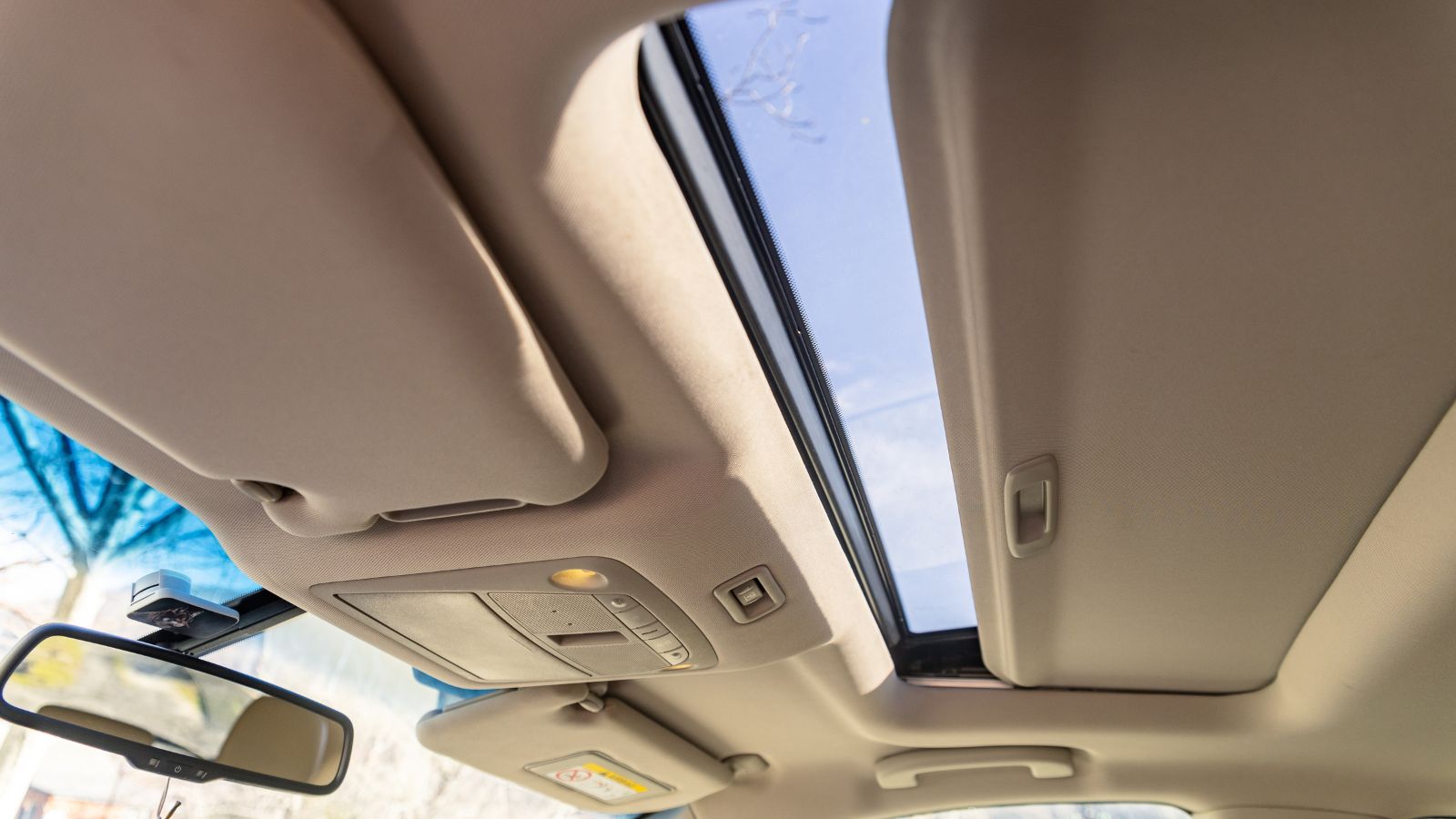
A panoramic sunroof does not single-handedly ruin fuel economy, but extra cabin heat can increase cooling demand. Vehicle air conditioning is one of the biggest auxiliary loads in a car, and research has shown that A/C use can meaningfully affect fuel use and electric range in severe heat. For EV and plug-in hybrid owners, that matters because climate control draws directly from stored energy.
The regret is usually subtle rather than dramatic. A driver may not notice a sudden change on the fuel gauge, but the vehicle can take longer to cool after sitting in sun. In a city commute with stop-and-go traffic, that means louder fans, colder settings, and more time waiting for comfort. The glass roof that felt luxurious in spring can feel less appealing during a humid heat wave.
Leaks Often Start With Tiny Drain Problems
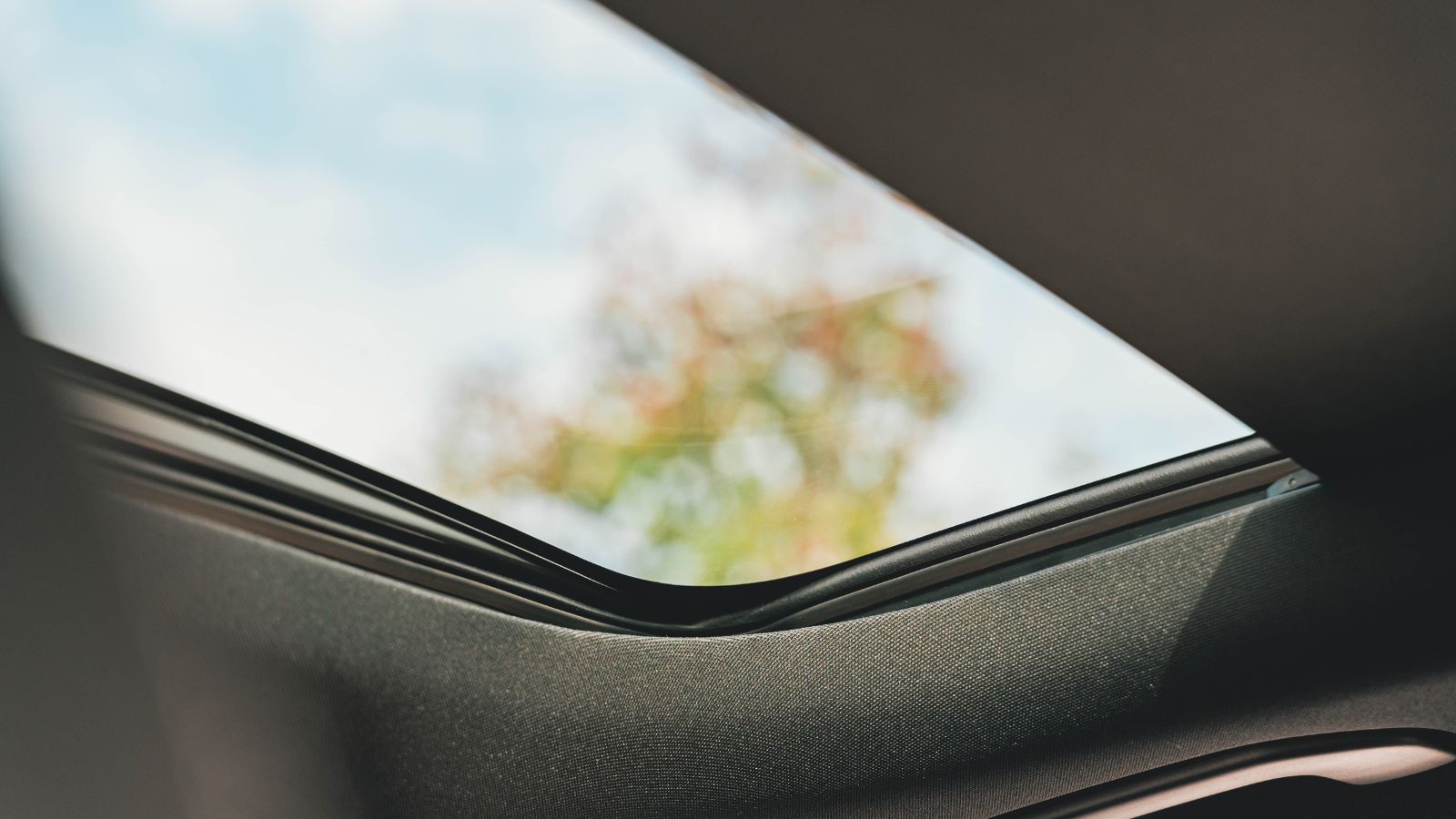
Most sunroofs are designed to manage small amounts of water that get past the outer seal. That water is supposed to travel through drainage channels and exit outside the vehicle. The trouble starts when leaves, dust, pollen, or road grit collect inside those channels. Once the drainage path slows or blocks, water can appear in places owners never expect, such as the headliner, pillars, carpet, or rear cargo area.
This is where regret becomes practical. A small wet spot after heavy rain may look harmless, but moisture trapped under carpet can create odors, corrosion concerns, and electrical headaches. Some owner manuals and service bulletins specifically warn that blocked drainage outlets can allow water into the cabin. A feature that looked maintenance-free at purchase can become another seasonal task, especially for cars parked near trees.
Repairs Can Require Major Disassembly
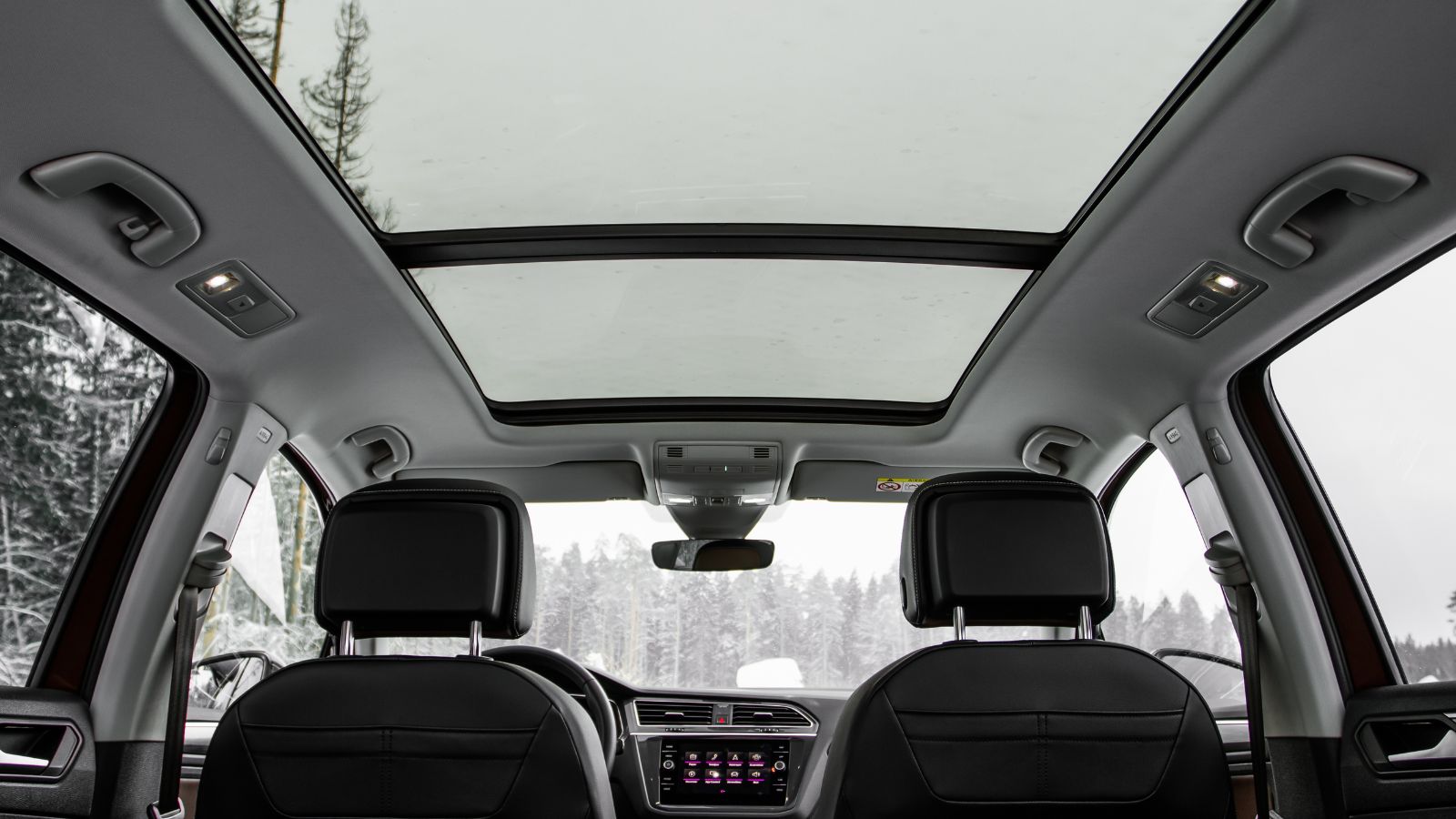
Panoramic sunroofs are not simple holes cut into the roof. They can include glass panels, tracks, cables, motors, shade assemblies, seals, drains, trim, and structural pieces. When something fails deep inside that system, access can be the expensive part. Removing interior trim or lowering the headliner takes time, care, and a technician who understands the roof system.
That is why a small symptom can produce a surprisingly large repair experience. A stuck shade, broken gear, or leaking corner may require more than a quick adjustment. In one long-term test vehicle example, a failed panoramic moonroof shade led to replacement parts, repeated disassembly, and nearly two weeks in the shop. Warranty coverage can soften the blow, but after the warranty ends, the same complexity can feel much less glamorous.
Shattered Glass Incidents Are Rare but Unsettling
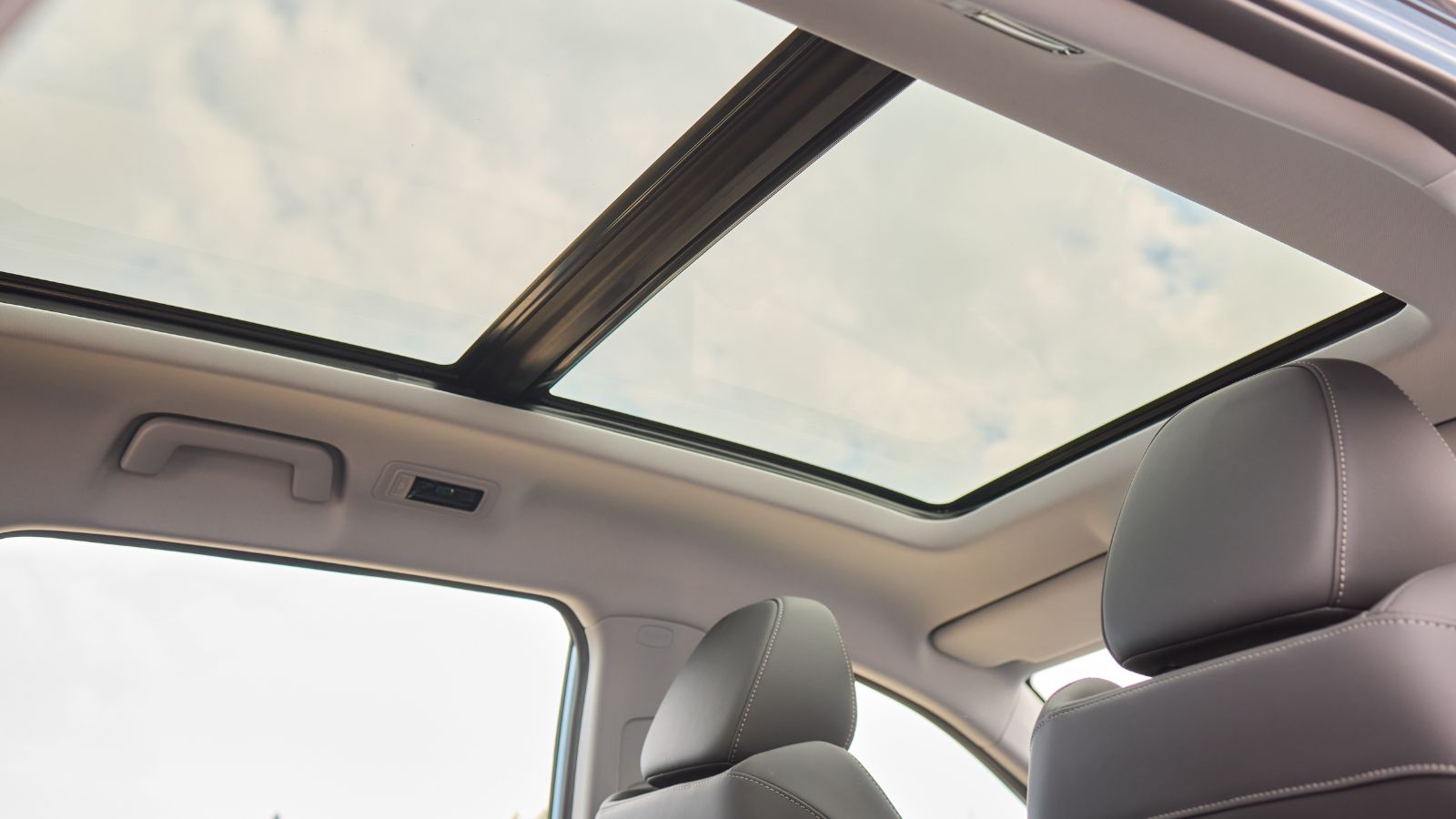
One of the most alarming panoramic roof complaints involves glass breaking suddenly. This is not an everyday occurrence for most drivers, but it has been serious enough to attract federal defect investigations and consumer reporting. When roof glass breaks, owners often describe a loud bang, followed by confusion over whether the vehicle was hit by road debris or the glass failed without an obvious impact.
Even when injuries are minor or absent, the emotional impact can be lasting. A driver with children in the back seat may never feel the same about a roof-sized glass panel overhead. Tempered glass is designed to crumble into small pieces rather than long sharp shards, but broken glass inside a cabin is still frightening. For some owners, that single risk outweighs years of extra sunlight.
Rattles and Wind Noise Can Spoil the Premium Feeling
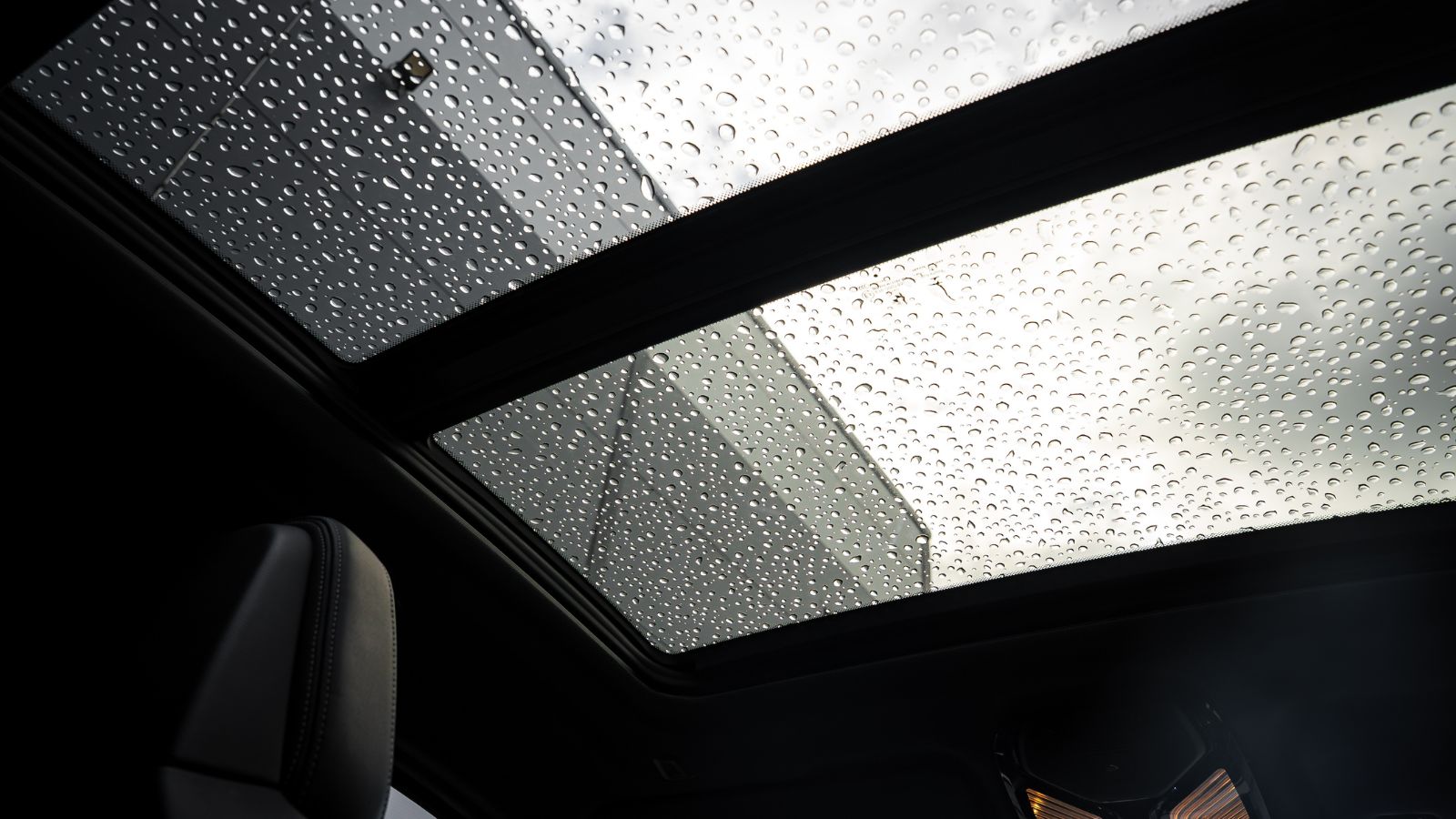
A panoramic roof is expected to make a vehicle feel upscale, so noises from the roof area can be especially irritating. Rubber seals age, panels need correct adjustment, and moving glass can rub against surrounding components. Some manufacturer service bulletins have addressed groaning noises from sunroof seals and recommended inspection, cleaning, lubrication, or adjustment.
The annoyance is not always loud at first. It may begin as a faint creak over driveways, a whistle at highway speed, or a rattle that appears only in cold weather. Because the sound comes from directly above the driver’s head, it can be harder to ignore than a dashboard squeak. A buyer who paid extra for refinement may feel cheated when the most expensive-looking feature becomes the source of cabin noise.
Added Weight Sits High on the Vehicle
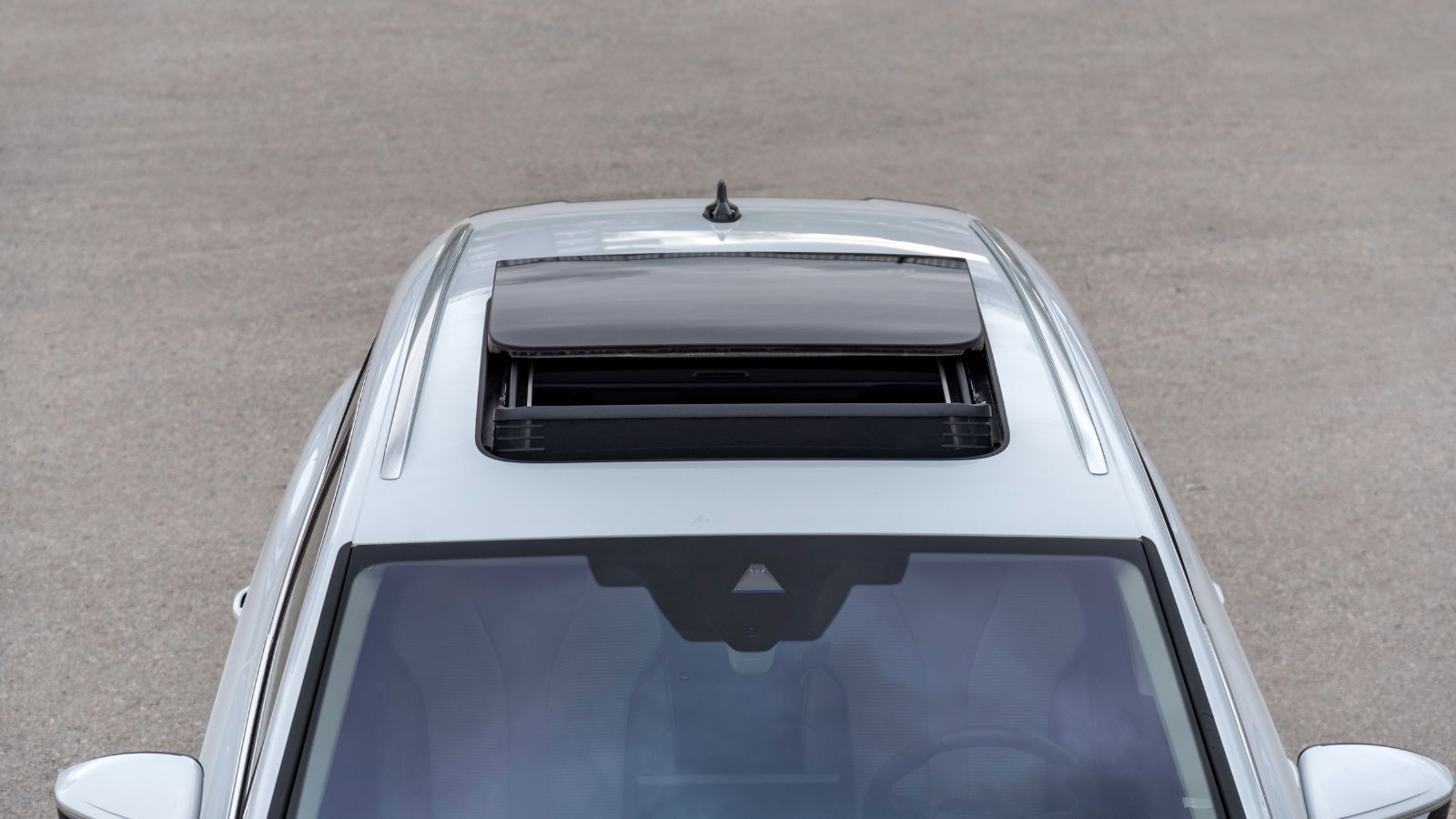
Panoramic roofs add glass, motors, frame components, tracks, wiring, and shade mechanisms near the highest point of the vehicle. That matters because weight placed high can raise the center of gravity slightly. In ordinary commuting, most drivers may never notice a dramatic handling difference, but the added mass can still work against efficiency and design simplicity.
The regret tends to appear among practical-minded owners. A compact SUV with a big roof may feel a little top-heavy compared with a simpler trim, or the owner may dislike carrying extra weight for a feature rarely opened. Automotive shopping guides have noted that panoramic roofs can add significant weight and may carry a small fuel-economy cost. For buyers focused on durability and low operating costs, the tradeoff can feel unnecessary.
Headroom Can Disappear Where It Matters Most
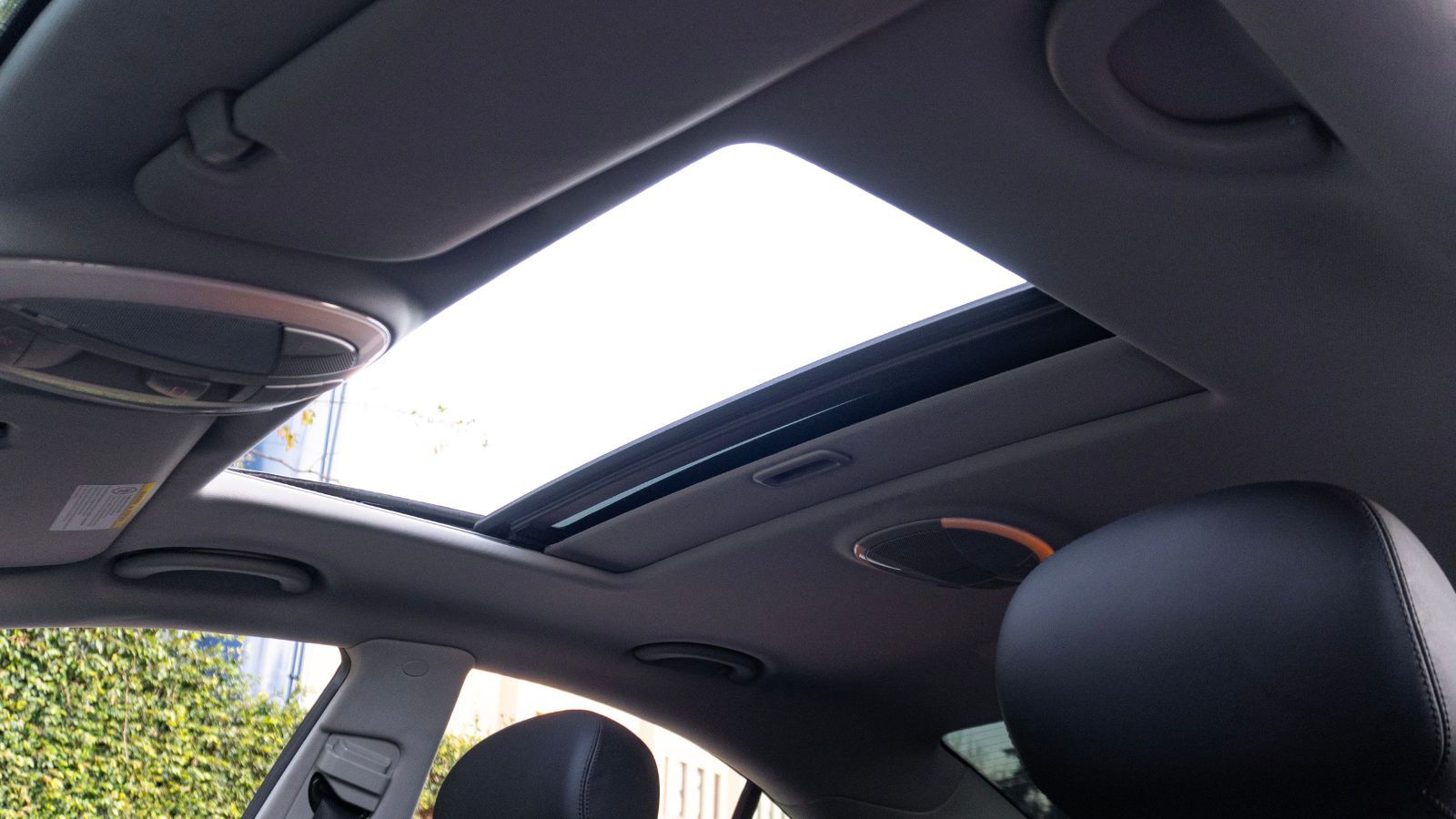
A glass roof often needs a cassette, shade mechanism, tracks, and interior trim below the metal roofline. That packaging can reduce headroom compared with a version of the same vehicle that has a solid roof. Taller drivers may notice it immediately, but the bigger surprise often comes from rear-seat passengers, child seats, or adults sitting in the second row.
The issue can be easy to miss in a showroom. People admire the light coming in and forget to check helmet space, hair clearance, or how upright passengers sit on longer drives. Some shopping guides warn that panoramic roofs can reduce overhead space by several inches. A feature meant to make the cabin feel open can ironically make the seating position feel tighter for tall occupants.
Power Shades Become Another Failure Point
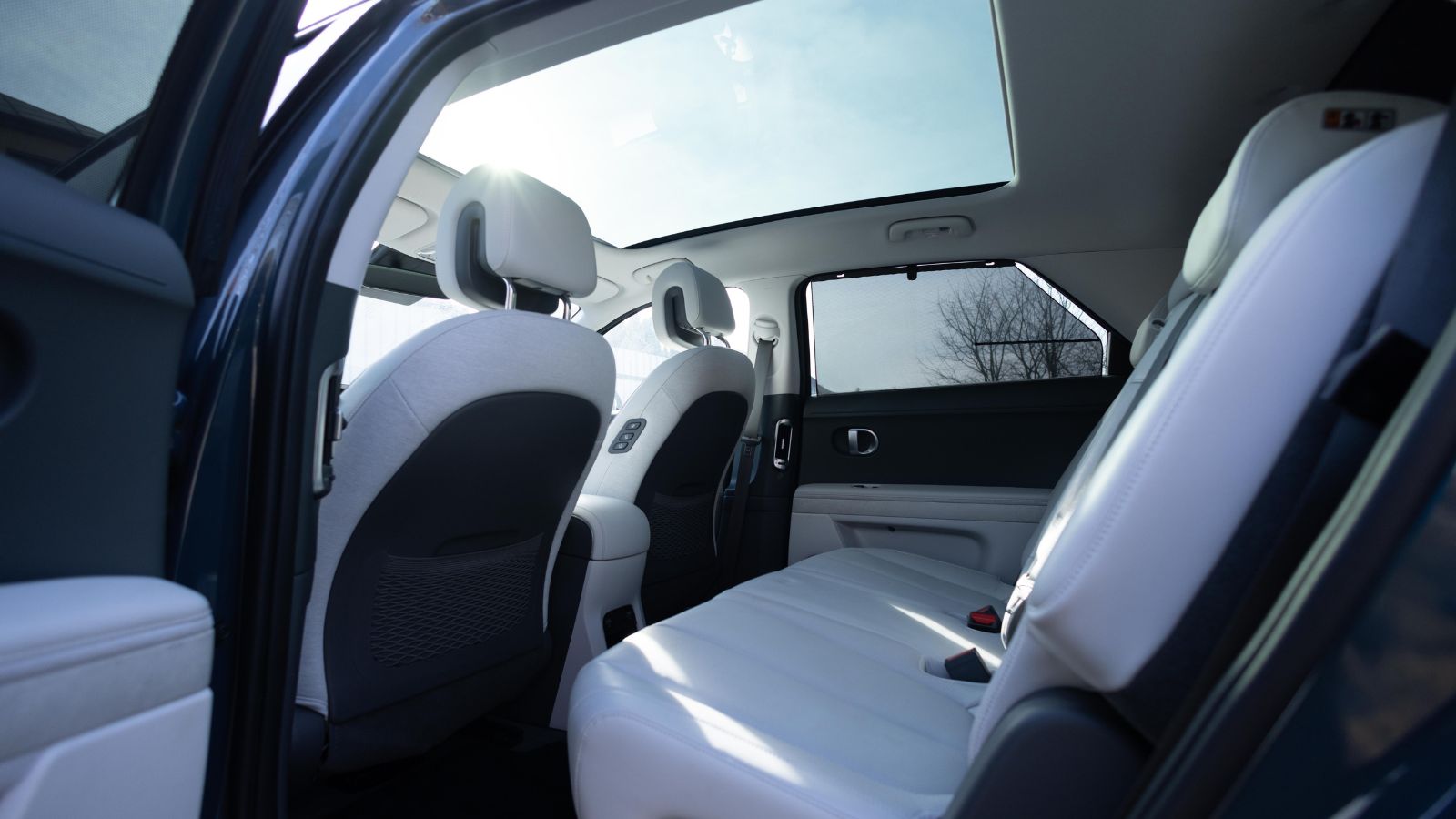
The glass is only one part of the system. Many panoramic roofs rely on a powered sunshade to control glare and heat. When that shade works smoothly, it feels refined. When it jams, sags, binds, or loses calibration, the owner may be left with glare overhead or a shade stuck in the wrong position. Unlike a simple manual cover, a power shade can involve motors, tracks, fabric, sensors, and control modules.
This is a common source of frustration because the shade is used constantly in hot climates. Owners may open and close it more often than the roof glass itself. A failed shade can also make the car feel unfinished, especially if passengers can see wrinkled fabric or hear the motor struggling. The repair may not affect drivability, but it can affect comfort every day.
Safety Worries Are Often Misunderstood
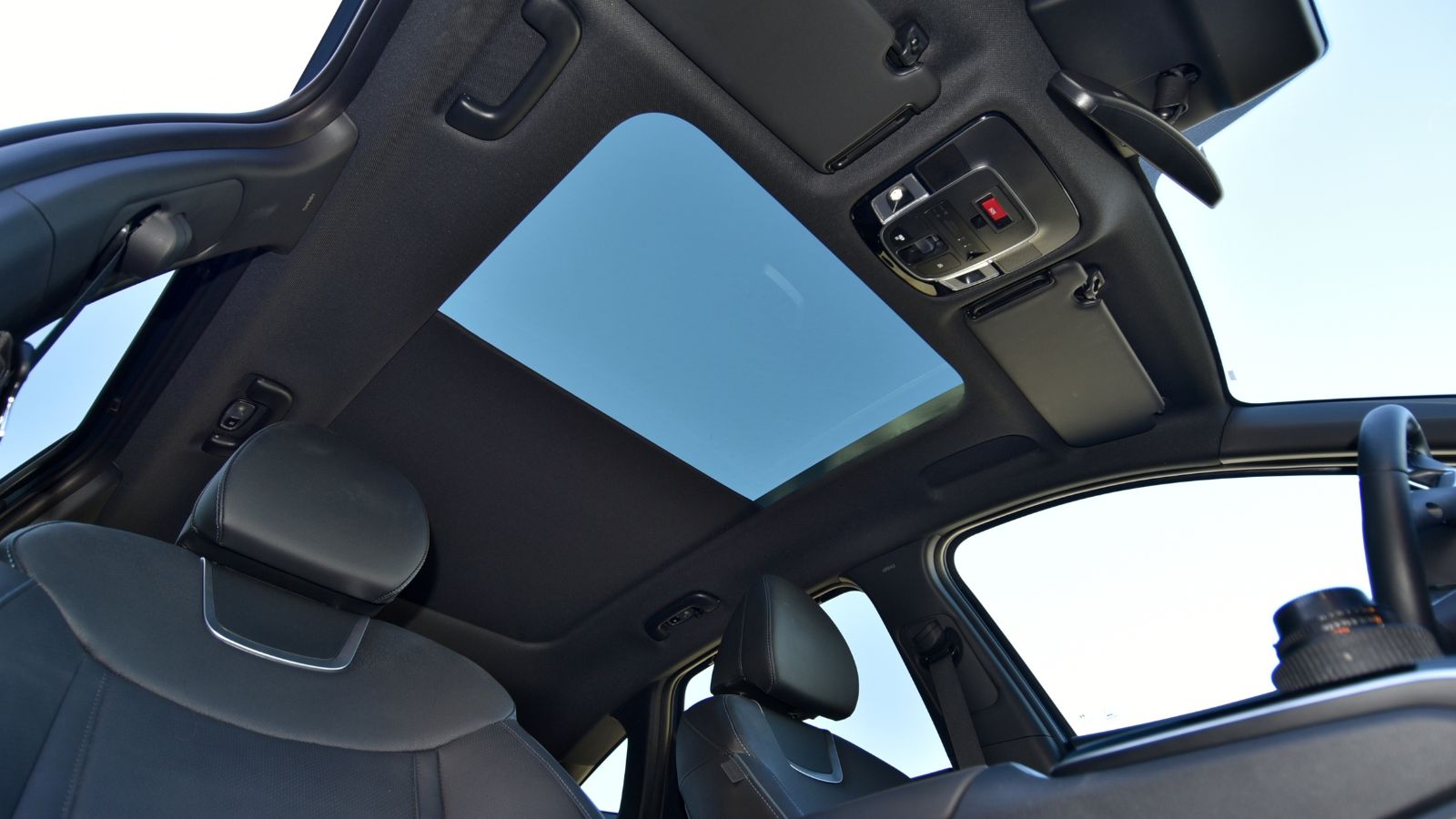
Some owners regret panoramic roofs because they worry the roof is automatically weaker in a crash. The reality is more nuanced. Modern vehicle roof strength depends heavily on the surrounding frame, pillars, and engineered structure, not simply the thin roof skin. Safety experts have noted that government crash-test results have not shown panoramic sunroofs to significantly weaken overall roof strength.
Still, the worry is understandable. In a rollover or severe crash, occupants care about roof crush, ejection, and broken glass. Federal glazing rules exist to reduce injuries from glazing impacts and help manage ejection risk, while roof-strength testing focuses on preserving survival space. A cautious buyer may still prefer the simplicity of metal overhead, especially if the vehicle uses tempered rather than laminated roof glass.
Winter and Tree Parking Make Maintenance Less Forgiving
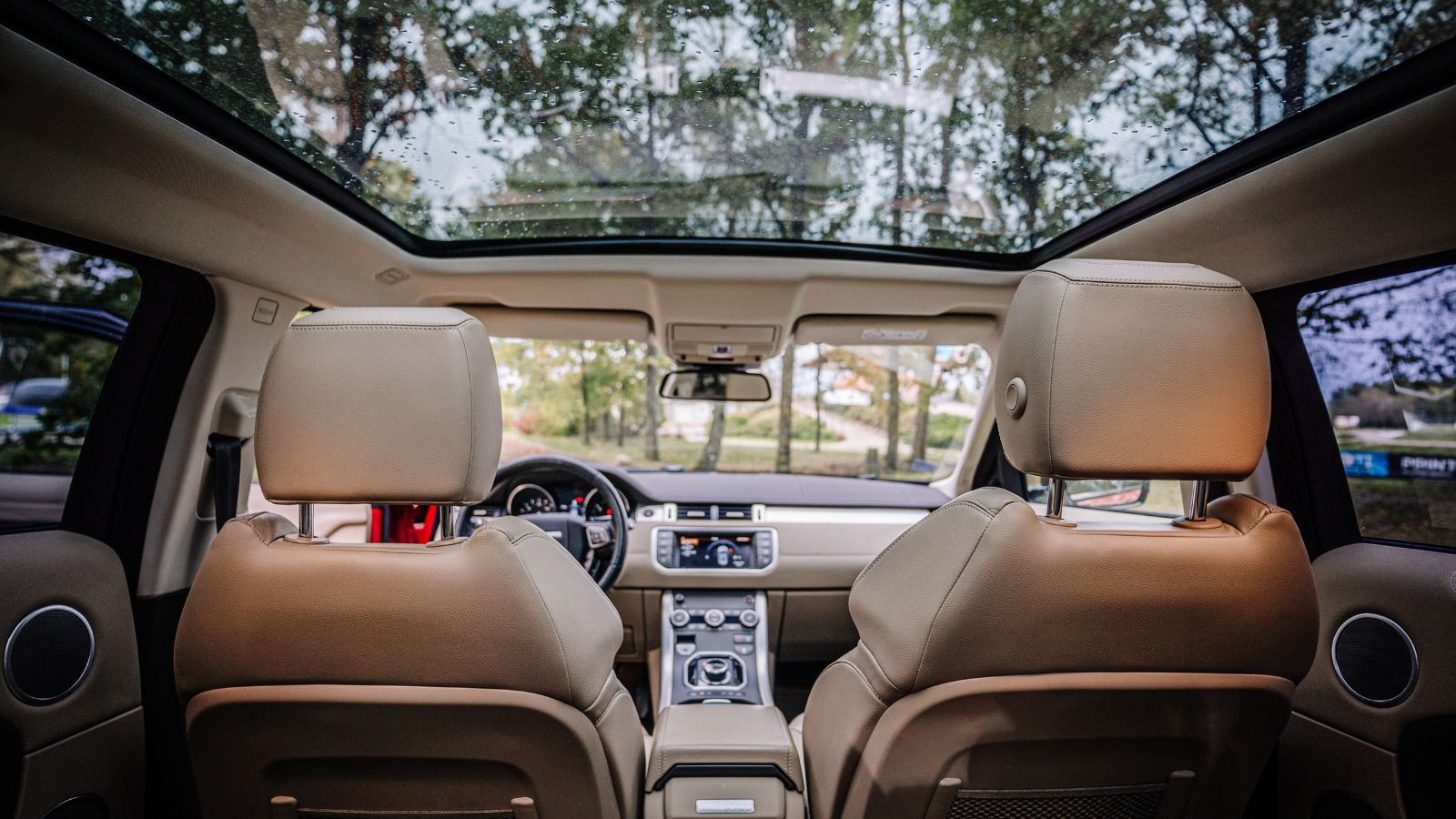
In cold or leafy climates, panoramic roofs can become more demanding than expected. Leaves and pollen can block drains, while freezing temperatures can turn leftover water into ice inside drainage paths. Some manufacturer instructions even warn owners to use washer fluid instead of plain water in cold weather when flushing specific roof drains, because water can freeze and block the path.
The regret often depends on where the vehicle lives. A garage-kept car in a dry climate may have few issues, while a street-parked vehicle under maples or pines may need regular drain checks. Snow, slush, freeze-thaw cycles, and spring debris create more chances for seals and drains to be stressed. The panoramic roof itself may be fine, but the ownership environment makes it less forgiving.
Resale Appeal Is Not Guaranteed
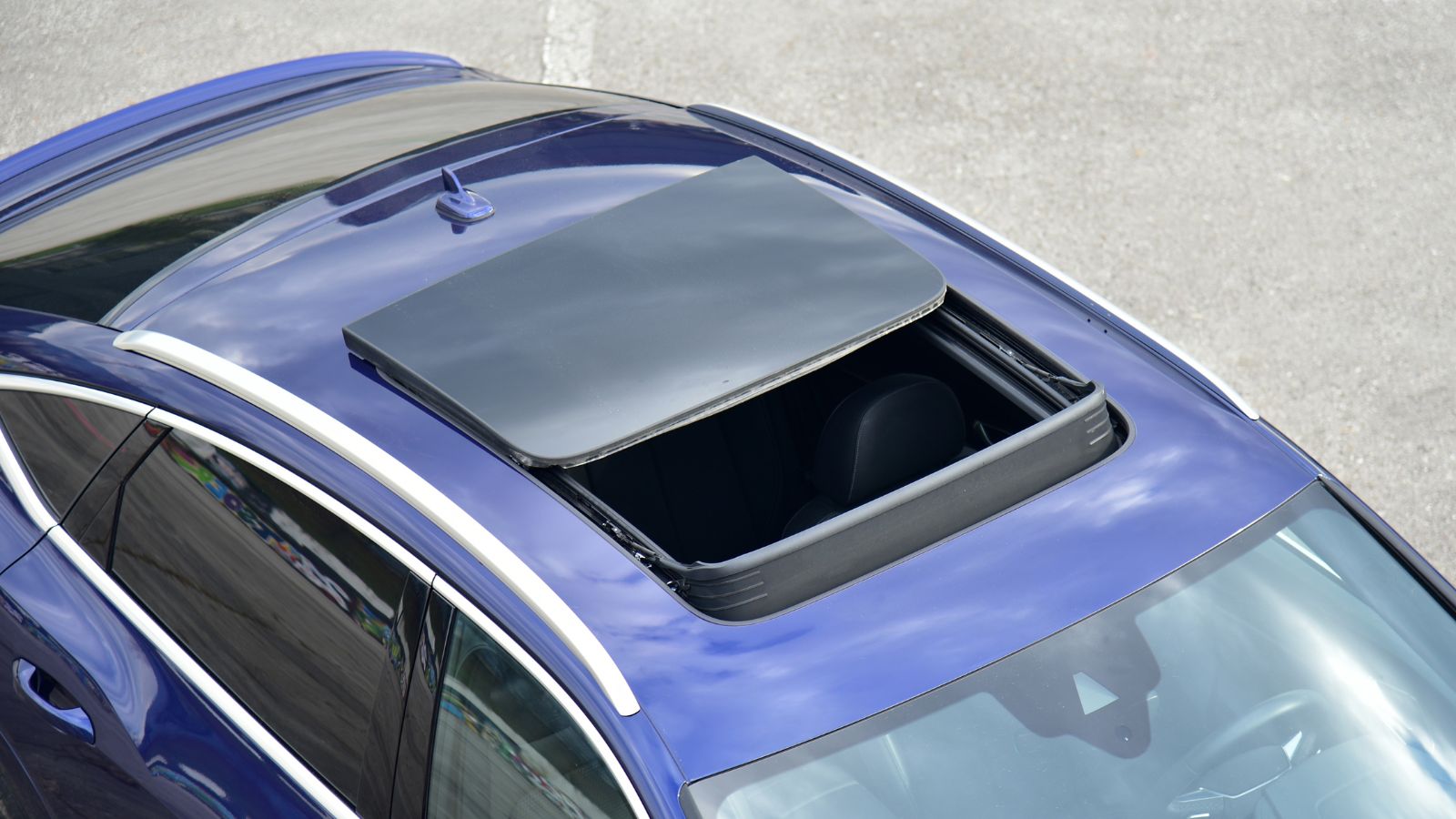
A panoramic sunroof can help a vehicle look more desirable in a listing, especially when buyers want a bright cabin. New-vehicle guides often describe the feature as an attractive option, sometimes available for a relatively modest package price. That does not mean every used buyer will pay extra for it later. Some shoppers see a glass roof and immediately think about leaks, rattles, broken shades, or expensive out-of-warranty repairs.
This is why the feature can become a mixed resale signal. A clean, dry, fully working panoramic roof may help a car stand out. A stained headliner, sluggish shade, drain smell, or wind noise can do the opposite. For long-term owners, the question becomes simple: the roof has to keep working perfectly to remain a selling point. Once problems appear, it becomes one more item buyers use to negotiate.
22 Things Canadians Do to Their Cars in Spring That Mechanics Hate

Spring brings relief to many Canadian drivers after months of snow, freezing temperatures, and icy roads that put serious strain on vehicles. As temperatures rise across the country, drivers begin washing cars, switching tires, and preparing vehicles for warmer weather and upcoming road trips. However, mechanics across Canada notice the same mistakes every spring when drivers attempt to recover from winter damage. Road salt, potholes, and harsh winter driving conditions often leave vehicles with hidden problems that drivers ignore. Some spring habits even create new mechanical issues that could have been avoided with proper maintenance. Here are 22 things Canadians do to their cars in spring that mechanics hate.