




















• About
  • Contact
AutoIgloo
  • News & Trends
    Li Auto Reboots Flagship Mega EV After Deliveries Collapse 63%, Adding Four LiDAR Sensors

    Li Auto Reboots Flagship Mega EV After Deliveries Collapse 63%, Adding Four LiDAR Sensors

    Li Auto’s Vehicle Margin Is Cut in Half as EV Deliveries Fall 11.5%

    Li Auto’s Vehicle Margin Is Cut in Half as EV Deliveries Fall 11.5%

    Toyota Puts 468-Km bZ on Sale in Canada at $45,985 as EV Price Fight Intensifies

    Toyota Cuts China bZ5 EV to About US$16,170 as Sales Sink Nearly 65%

    The EV Charging Habit That Can Annoy Everyone Around You

    China’s Gas-Car Production Falls 59% as EVs Reach 64.3% of Retail Sales

    China Moves to Block Under-Tested Cars as Its EV Makers Push Deeper Into Export Markets

    China Moves to Block Under-Tested Cars as Its EV Makers Push Deeper Into Export Markets

    9 Auto Brands Canadians Are Watching Much More Closely Right Now

    Hyundai Plans 58 New or Refreshed North American Models as USMCA Uncertainty Hangs Over Auto Investment

  • Car Reviews
    18 Things That Can Make a Car Unsafe for Winter Road Trips

    Why Some Drivers Are Avoiding Vehicles With Complex Infotainment Systems

    21 Cars Canadians Are Starting to Regret Buying

    Why Some Drivers Regret Buying Big Wheels and Low-Profile Tires

    17 Vehicles That Are Quietly Getting Crushed by Insurance Costs in Canada

    Why So Many Drivers Are Nervous About Chinese-Made EV Batteries

    20 Used SUVs Canadians Should Think Twice About Buying

    20 Used SUVs Canadians Should Think Twice About Buying

    15 Vehicles That Are Starting to Feel Like a Bad Deal Around May Long Weekend

    15 Vehicles That Are Starting to Feel Like a Bad Deal Around May Long Weekend

    15 Vehicles That Are Starting to Scare Off Canadian Buyers

    15 Vehicles That Are Starting to Scare Off Canadian Buyers

  • Buying Guides
    25 EV Charging Mistakes Canadians Make in March (That Wreck Range)

    Why Some Canadians Are Choosing Hybrids Over Full EVs Again

    22 Signs a Car Has Been in a Serious Crash Even if the Report Looks Clean

    21 Things That Make a Used Car Listing Seem Suspicious

    23 Features That Are Making New Cars Harder (and Pricier) to Repair in Canada

    Why Some Buyers Regret Choosing the Cheapest Trim Level

    18 Things That Can Make a Car Unsafe for Winter Road Trips

    Why Some Drivers Are Avoiding Vehicles With Complex Infotainment Systems

    22 Things Canadians Should Know Before Buying a Diesel Vehicle

    22 Things Canadians Should Know Before Buying a Diesel Vehicle

    15 Ways a Low Monthly Payment Can Fool Canadian Car Buyers

    The Car Buying Mistake That Gives Dealers More Control

  • Comparisons
    25 EV Charging Mistakes Canadians Make in March (That Wreck Range)

    Why Some Canadians Are Choosing Hybrids Over Full EVs Again

    21 Used Car Features That Can Become Expensive Problems Later

    Why Some Canadians Are Choosing Front-Wheel Drive Over All-Wheel Drive

    Canada’s Auto Fight Gets Uglier as BYD Threatens to Sue Trump Administration

    Tesla Vs. BYD: Are Chinese EV’s Actually Better for Canadians?

    17 Vehicles That Are Quietly Getting Crushed by Insurance Costs in Canada

    Why So Many Drivers Are Nervous About Chinese-Made EV Batteries

    20 Used SUVs Canadians Should Think Twice About Buying

    20 Used SUVs Canadians Should Think Twice About Buying

    16 Cars That Are a Nightmare to Repair Because Parts Are Backordered

    23 Cars Canadians Love That Have One Deal-Breaker Flaw

  • EVs & Hybrids
    20 Signs Your Car Battery Is About to Leave You Stranded

    Canadian Auto Jobs Become a Central Fault Line as Ottawa Reveals Why It Rejected U.S. Vehicle Terms

    25 EV Charging Mistakes Canadians Make in March (That Wreck Range)

    Why Some Canadians Are Choosing Hybrids Over Full EVs Again

    The EV Charging Habit That Can Annoy Everyone Around You

    Canada Is Missing an EV-Battery Export Opening as EU Lithium Demand Heads for a 9-to-12-Fold Jump: Report

    16 Used-EV Surprises Canadians Don’t See Coming Until After They Buy

    The EV Charging Habit That Can Annoy Everyone Around You

    17 SUVs That Are Losing Their Appeal Fast in Canada

    GM Canada Says EV Sales Jumped More Than 30% as CUSMA Uncertainty Hangs Over Showrooms

    9 Auto Brands Canadians Are Watching Much More Closely Right Now

    Toyota Canada Says Electrified Vehicles Are Now Nearly 70% of Its Q2 Sales

  • More
    • Pricing & Deals
    • Winter Driving
    • Ownership & Maintenance
No Result
View All Result
AutoIgloo
  • News & Trends
    Li Auto Reboots Flagship Mega EV After Deliveries Collapse 63%, Adding Four LiDAR Sensors

    Li Auto Reboots Flagship Mega EV After Deliveries Collapse 63%, Adding Four LiDAR Sensors

    Li Auto’s Vehicle Margin Is Cut in Half as EV Deliveries Fall 11.5%

    Li Auto’s Vehicle Margin Is Cut in Half as EV Deliveries Fall 11.5%

    Toyota Puts 468-Km bZ on Sale in Canada at $45,985 as EV Price Fight Intensifies

    Toyota Cuts China bZ5 EV to About US$16,170 as Sales Sink Nearly 65%

    The EV Charging Habit That Can Annoy Everyone Around You

    China’s Gas-Car Production Falls 59% as EVs Reach 64.3% of Retail Sales

    China Moves to Block Under-Tested Cars as Its EV Makers Push Deeper Into Export Markets

    China Moves to Block Under-Tested Cars as Its EV Makers Push Deeper Into Export Markets

    9 Auto Brands Canadians Are Watching Much More Closely Right Now

    Hyundai Plans 58 New or Refreshed North American Models as USMCA Uncertainty Hangs Over Auto Investment

  • Car Reviews
    18 Things That Can Make a Car Unsafe for Winter Road Trips

    Why Some Drivers Are Avoiding Vehicles With Complex Infotainment Systems

    21 Cars Canadians Are Starting to Regret Buying

    Why Some Drivers Regret Buying Big Wheels and Low-Profile Tires

    17 Vehicles That Are Quietly Getting Crushed by Insurance Costs in Canada

    Why So Many Drivers Are Nervous About Chinese-Made EV Batteries

    20 Used SUVs Canadians Should Think Twice About Buying

    20 Used SUVs Canadians Should Think Twice About Buying

    15 Vehicles That Are Starting to Feel Like a Bad Deal Around May Long Weekend

    15 Vehicles That Are Starting to Feel Like a Bad Deal Around May Long Weekend

    15 Vehicles That Are Starting to Scare Off Canadian Buyers

    15 Vehicles That Are Starting to Scare Off Canadian Buyers

  • Buying Guides
    25 EV Charging Mistakes Canadians Make in March (That Wreck Range)

    Why Some Canadians Are Choosing Hybrids Over Full EVs Again

    22 Signs a Car Has Been in a Serious Crash Even if the Report Looks Clean

    21 Things That Make a Used Car Listing Seem Suspicious

    23 Features That Are Making New Cars Harder (and Pricier) to Repair in Canada

    Why Some Buyers Regret Choosing the Cheapest Trim Level

    18 Things That Can Make a Car Unsafe for Winter Road Trips

    Why Some Drivers Are Avoiding Vehicles With Complex Infotainment Systems

    22 Things Canadians Should Know Before Buying a Diesel Vehicle

    22 Things Canadians Should Know Before Buying a Diesel Vehicle

    15 Ways a Low Monthly Payment Can Fool Canadian Car Buyers

    The Car Buying Mistake That Gives Dealers More Control

  • Comparisons
    25 EV Charging Mistakes Canadians Make in March (That Wreck Range)

    Why Some Canadians Are Choosing Hybrids Over Full EVs Again

    21 Used Car Features That Can Become Expensive Problems Later

    Why Some Canadians Are Choosing Front-Wheel Drive Over All-Wheel Drive

    Canada’s Auto Fight Gets Uglier as BYD Threatens to Sue Trump Administration

    Tesla Vs. BYD: Are Chinese EV’s Actually Better for Canadians?

    17 Vehicles That Are Quietly Getting Crushed by Insurance Costs in Canada

    Why So Many Drivers Are Nervous About Chinese-Made EV Batteries

    20 Used SUVs Canadians Should Think Twice About Buying

    20 Used SUVs Canadians Should Think Twice About Buying

    16 Cars That Are a Nightmare to Repair Because Parts Are Backordered

    23 Cars Canadians Love That Have One Deal-Breaker Flaw

  • EVs & Hybrids
    20 Signs Your Car Battery Is About to Leave You Stranded

    Canadian Auto Jobs Become a Central Fault Line as Ottawa Reveals Why It Rejected U.S. Vehicle Terms

    25 EV Charging Mistakes Canadians Make in March (That Wreck Range)

    Why Some Canadians Are Choosing Hybrids Over Full EVs Again

    The EV Charging Habit That Can Annoy Everyone Around You

    Canada Is Missing an EV-Battery Export Opening as EU Lithium Demand Heads for a 9-to-12-Fold Jump: Report

    16 Used-EV Surprises Canadians Don’t See Coming Until After They Buy

    The EV Charging Habit That Can Annoy Everyone Around You

    17 SUVs That Are Losing Their Appeal Fast in Canada

    GM Canada Says EV Sales Jumped More Than 30% as CUSMA Uncertainty Hangs Over Showrooms

    9 Auto Brands Canadians Are Watching Much More Closely Right Now

    Toyota Canada Says Electrified Vehicles Are Now Nearly 70% of Its Q2 Sales

  • More
    • Pricing & Deals
    • Winter Driving
    • Ownership & Maintenance
No Result
View All Result
AutoIgloo
No Result
View All Result

Home » News & Trends

Canadian Buyers Face Sticker Shock as Chinese EVs Enter the Market

Henry Sheppard by Henry Sheppard
July 14, 2026
Reading Time: 5 mins read
A A
Image Credit: Shutterstock

Image Credit: Shutterstock

465
SHARES
1.5k
VIEWS
Share on FacebookShare on Twitter

Canada’s long-awaited opening to Chinese electric vehicles was supposed to introduce a new class of affordable, technology-rich cars. Instead, the first wave is producing a very different image: a six-figure luxury SUV sitting in a Montreal showroom while mass-market models remain somewhere over the horizon.

That contrast explains the sticker shock now confronting Canadian buyers. Ottawa has lowered the tariff on a limited number of China-made EVs, but the policy never guaranteed that the earliest arrivals would be inexpensive—or that a vehicle valued below $35,000 at the border would cost the same at a dealership. Affordable choices may still emerge, yet the first months of the new market are exposing how tariffs, rebates, logistics, dealer networks and brand strategy can reshape a bargain before it reaches the sales floor.

The Affordability Promise Came With Fine Print

Canada’s new arrangement permits an initial annual quota of 49,000 electric vehicles from China at the regular 6.1 per cent tariff, replacing the previous 100 per cent surtax for vehicles admitted under the quota. The volume is scheduled to rise by 6.5 per cent annually. On paper, that creates a meaningful opening for brands that have built their global reputation on aggressive pricing, generous equipment and fast product development.

The affordable-vehicle commitment, however, is gradual. The share reserved for EVs with a free-on-board value of $35,000 or less begins at only 10 per cent in the second year and rises to 50 per cent in the fifth year. There is no comparable low-price reservation in the first year. For a family expecting half of the first shipment to arrive below $35,000, that timetable changes the story considerably. The policy creates a pathway for cheaper EVs; it does not require the market to deliver them immediately.

The First Arrival Is Luxury, Not Low-Cost

The first Chinese-owned and manufactured EVs entering under the new arrangement are from Lotus, the British performance brand controlled by China’s Geely. Its Eletre electric SUV starts at $119,900 in Canada. That is almost twice the average new-vehicle asking price of $62,830 recorded by AutoTrader in the first quarter of 2026, before buyers consider higher trims, options or sales tax.

Real showroom listings make the gap even more striking. Lotus Montréal has advertised new Eletre Touring models around $140,000 and Sport versions above $150,000, with GST, QST, registration and insurance still excluded. For a shopper who associated “Chinese EV” with a small BYD hatchback or an inexpensive urban commuter, the first sight of a nearly $150,000 vehicle can feel like a bait-and-switch. It is not evidence that every later entrant will be expensive, but it shows that the quota is being used first by a premium brand with an established Canadian retail presence.

Import Price and Showroom Price Are Different Numbers

The government’s $35,000 benchmark refers to the vehicle’s free-on-board value, not the final amount printed on a Canadian purchase agreement. In practical terms, it is an import-stage value. The retail price can still absorb ocean transport, insurance, port handling, regulatory work, inland shipping, dealership preparation, marketing, warranty reserves, options and profit margins. Provincial or federal sales taxes then arrive at the end.

That distinction matters even for genuinely inexpensive models. A compact EV entering below the threshold could still land several thousand dollars higher once it is prepared for sale. A model with winter equipment, a larger battery, all-wheel drive or a higher trim could move farther from the advertised entry price. Canadian buyers have seen a similar pattern across the auto market, where the cheapest trim is often scarce and the vehicles physically available carry additional equipment. The $35,000 figure should therefore be treated as a trade-policy threshold—not a promise of a $35,000 drive-away price.

The Missing Federal Rebate Gives Rivals a Head Start

Canada’s Electric Vehicle Affordability Program offers up to $5,000 for eligible battery-electric vehicles, but China-built models do not meet the program’s manufacturing rule. To qualify, an imported vehicle must be made in Canada or in a country that has a free-trade agreement with Canada. The final transaction value must also be $50,000 or less, except for Canadian-made vehicles, which are not subject to that cap.

That creates an immediate competitive disadvantage for a Chinese EV sitting beside an eligible rival. A hypothetical China-built model priced at $39,995 would effectively face a $5,000 gap against a qualifying vehicle sold for the same amount, even before provincial programs are considered. The difference can influence monthly payments as much as a major option package. Canada’s 2025 experience also showed how sensitive EV demand can be to incentives: zero-emission vehicle sales fell 35.7 per cent after federal and provincial support changed. Chinese brands may need to offset the missing rebate through lower prices, stronger warranties, promotional financing or unusually generous standard equipment.

Confirmed Mainstream Options Remain Scarce

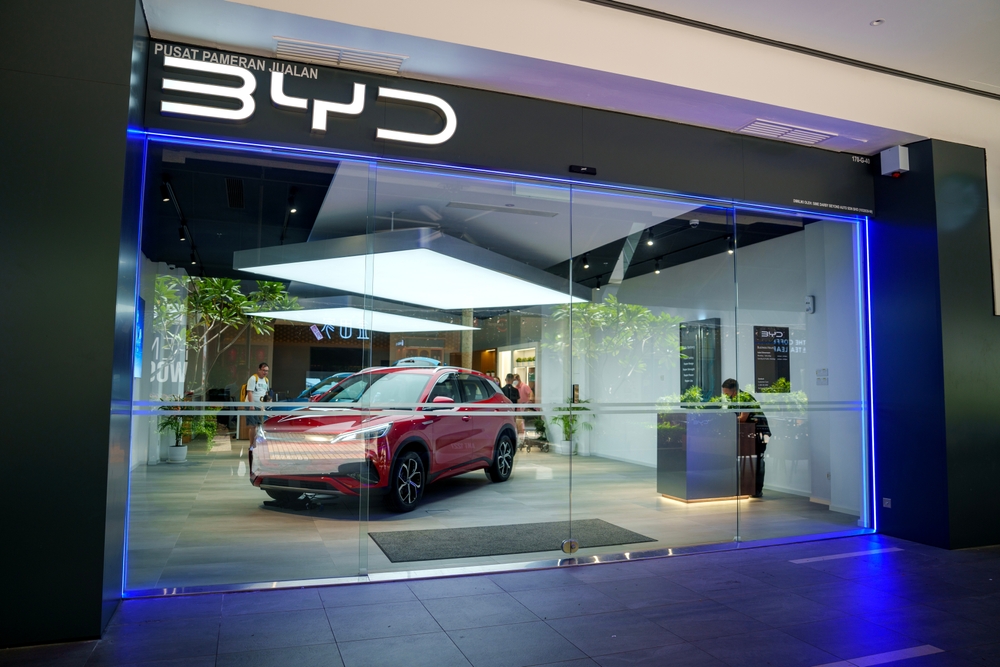
The mass-market phase is still developing. Chery has publicly said it aims to begin Canadian sales by the end of 2026, while BYD has been working through regulatory steps and told Reuters that sales would likely begin in 2027. Those timelines leave plenty of room for testing, regulatory approval, dealer recruitment and pricing decisions to change before customers can sign contracts.

The information vacuum has already produced confusion. In May, widely repeated claims that BYD had confirmed a late-2026 launch, more than 20 dealerships and a roughly $25,000 starting price were traced to an imposter social-media account and formally corrected. The episode is a warning against treating converted Chinese prices, overseas specifications or dealer rumours as Canadian facts. Until a manufacturer publishes official pricing, warranty coverage, financing terms and a delivery date, the promised bargain remains a forecast. Chery, BYD and other brands may eventually undercut established competitors, but Canadian buyers should distinguish confirmed market plans from viral price speculation.

China’s Cost Advantage Is Real—but It May Not Transfer Intact

Chinese manufacturers possess substantial structural advantages. The International Energy Agency says China accounted for nearly three-quarters of global electric-car production in 2025, while Chinese EV exports more than doubled to over 2.5 million units. Battery packs in China were about 30 per cent cheaper than in the United States and 35 per cent cheaper than in Europe, reflecting scale, supply-chain concentration, manufacturing experience and intense domestic competition.

Those savings do not automatically become a dollar-for-dollar discount overseas. Export markets require separate safety certification, software adaptation, language compliance, parts inventories, marketing and service support. Manufacturers may also use higher foreign prices to recover the cost of expansion or earn margins that are difficult to achieve in China’s fierce price war. Europe offers a useful caution: Chinese brands have gained share and expanded choice, but industry executives have signalled that they want to compete on technology and quality rather than recreate China’s deepest discounts. Canada may receive better-equipped EVs at lower prices without receiving China’s home-market price tags.

The Second Sticker Shock May Come After Purchase

A low purchase price is only one part of ownership. New brands must prove that replacement parts, collision repairs, software support and warranty service will remain accessible outside the largest cities. Insurance pricing will depend on repairability, parts availability, theft data and claims experience—information that Canadian insurers do not yet have for most incoming Chinese models. Buyers may need to request a firm insurance quote before placing a deposit rather than assuming an inexpensive EV will also be inexpensive to insure.

Resale value is another uncertainty. Canadian Black Book reported that four-year-old battery-electric vehicles experienced the sharpest depreciation in its 2025 study, with values down 14 per cent year over year; luxury and prestige vehicles also suffered some of the steepest declines. That does not predict the future value of a Chery or BYD, but it raises the stakes for an unfamiliar badge entering a volatile category. A strong warranty and low lease payment may reduce the risk, while a cash purchase from an untested brand transfers more of it to the buyer.

Competition Will Build Gradually

The new quota is large enough to attract attention but small enough to limit immediate disruption. Forty-nine thousand vehicles represent less than three per cent of Canada’s roughly 1.9-million-unit annual new-vehicle market. The allocation must also be shared among existing China-built imports, premium brands and future entrants. That makes a sudden nationwide flood of ultra-cheap EVs unlikely, particularly while companies are still establishing approvals, inventory and service networks.

Even limited competition could matter. Canada sold 169,972 zero-emission vehicles in 2025, then saw demand rebound after the new federal incentive arrived in February 2026. March alone produced 21,574 ZEV sales and a 12.2 per cent market share. Buyers are clearly responsive when price and policy move in their favour. The first Chinese EVs may be expensive, but later compact models could pressure established automakers to lower prices, increase standard equipment or improve financing. Sticker shock defines the opening act; the more important test will be whether genuine mass-market choices follow.


Recommended.

15 Cars That Are Becoming Harder to Resell in Canada

Why Some Drivers Are Returning to Sedans After Years of Buying SUVs

July 6, 2026
28 Vehicles That Look Affordable… Until You Price Out Parts in Canada

28 Vehicles That Look Affordable… Until You Price Out Parts in Canada

March 19, 2026

Trending.

⁠$28 Billion in Canadian Goods Face 50% Trump Tariffs at Midnight as Deal Still Isn’t Final

Canada-U.S. Trade Deal Fell Apart After Washington Left Ontario-Built Ford and GM Trucks Out of Auto Tariff Relief

August 23, 2026
Quebec’s BRP Prepares 2027 Vehicle Reveal Tonight as Canadian Manufacturer Pushes New Can-Am Lineup

Quebec’s BRP Prepares 2027 Vehicle Reveal Tonight as Canadian Manufacturer Pushes New Can-Am Lineup

August 17, 2026
Doug Ford Says U.S. ‘Wasn’t Budging’ on 25% Auto Tariffs as Ontario Puts ‘Every Single Tool’ on the Table

Doug Ford Says U.S. ‘Wasn’t Budging’ on 25% Auto Tariffs as Ontario Puts ‘Every Single Tool’ on the Table

August 23, 2026
Mexico Pushes U.S. to Cut Auto Tariff From 25% to 5%–10% — and Give Canadian Parts More Room

Ottawa’s Chinese-EV Quota Opens Canada to 6.1% Tariffs Instead of the Former 100% Surtax

August 22, 2026
19 Things That Can Make Your Car Insurance Claim Get Denied

Foreign Insurer Can Apply to Enter Canada’s Auto-Insurance Market Starting Today

August 17, 2026
  • About
  • Contact
  • Privacy Policy
  • Disclaimer
  • Editorial Policies
  • Terms and Conditions
A Revir Media Group Website

2026 Autoigloo - © All rights reserved

No Result
View All Result
  • News & Trends
  • Car Reviews
  • Buying Guides
  • Comparisons
  • EVs & Hybrids
  • More
    • Pricing & Deals
    • Winter Driving
    • Ownership & Maintenance

2026 Autoigloo - © All rights reserved

This website uses cookies. By continuing to use this website you are giving consent to cookies being used. Visit our Privacy and Cookie Policy.


