


























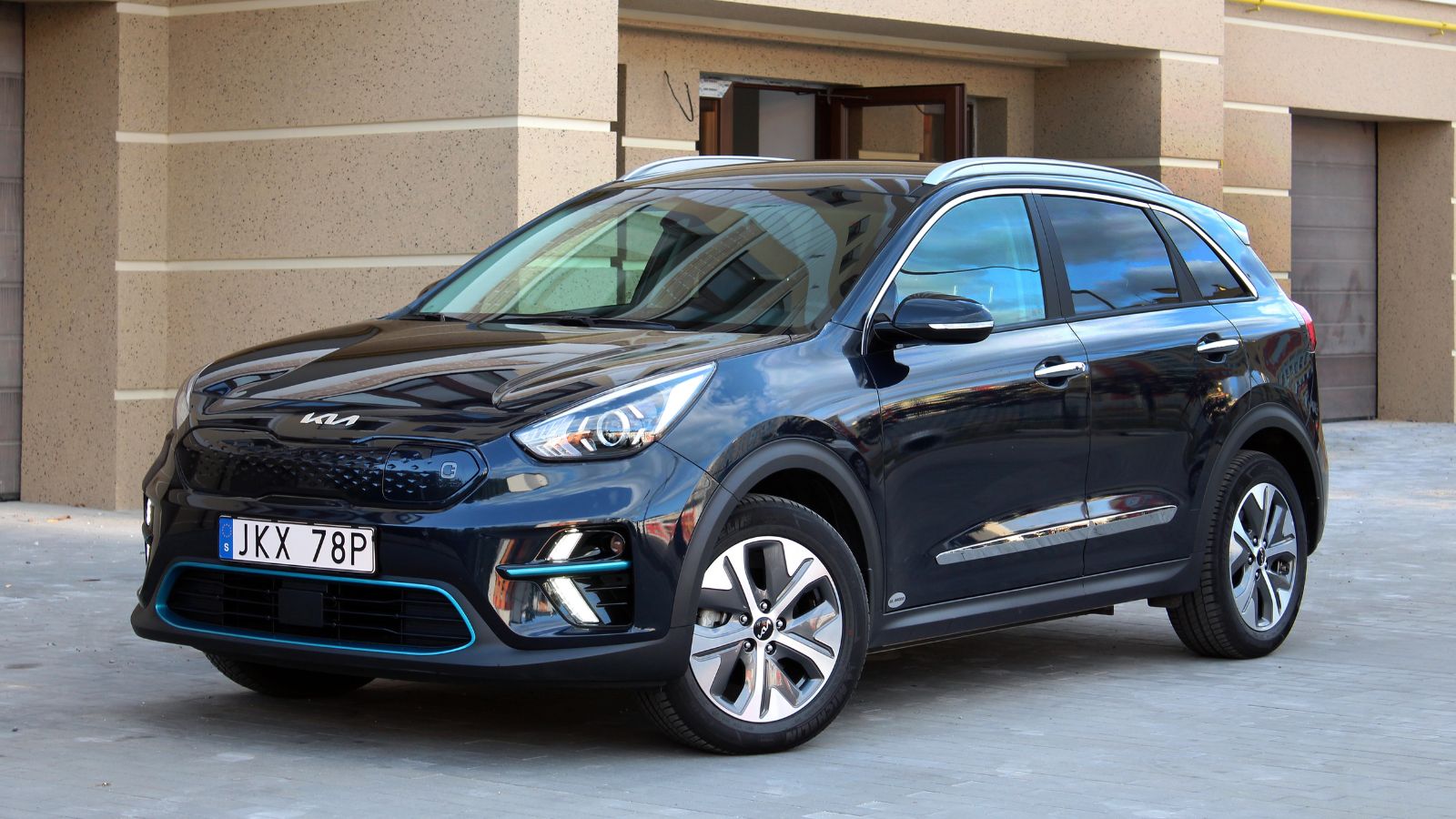
For several years, patience appeared to reward anyone shopping for a used electric vehicle. Prices fell rapidly, former luxury models landed within reach of mainstream buyers, and dealers struggled to explain why lightly used EVs had lost so much value. That pattern is now changing.
Used-EV prices are climbing again as demand strengthens and the most affordable vehicles leave dealer lots faster than they can be replaced. The shift does not mean every secondhand electric car has suddenly become expensive. It does, however, suggest that the unusually deep bargains seen during the market’s correction may be harder to find. Higher fuel costs, limited low-priced inventory and growing confidence in used EVs are creating a market where shoppers must move more quickly—and examine each deal more carefully.
Used EV prices reverse course
The average advertised price of a used EV in the United States reached $37,083 in May 2026. That represented a 3.8% increase from April and a 3.1% increase from a year earlier. Prices rose across 31 automotive brands, with increases recorded for major names including Tesla, Chevrolet, Hyundai and Volkswagen. The change was notable because used EVs had previously experienced some of the automotive market’s fastest depreciation.
Wholesale values strengthened even more sharply. By the middle of June, the Manheim EV index was 13.7% above its level from June 2025 and had increased 3.2% from May. Wholesale auctions are where many dealers acquire inventory, so higher auction prices can eventually appear on retail listings. A vehicle purchased by a dealer at a higher cost leaves less room for discounts once reconditioning, transportation, financing and sales expenses are added. The bargain sticker prices that attracted hesitant EV shoppers may therefore become less common.
The cheapest vehicles are selling first
The price increase is closely connected to what remains available. Used EVs had only 31 days of supply in May, down 7.5% from April and 23.3% from a year earlier. That was considerably tighter than the broader used-vehicle market, suggesting electric models were moving through dealerships faster than comparable gasoline and hybrid inventory.
Affordability pressure extends beyond EVs. Across the overall used market, vehicles priced below $15,000 had only 33 days of supply in May, compared with 45 days for all used vehicles. Sales and inventory of vehicles below $20,000 also declined as transactions shifted toward more expensive units. Consider a household hoping to replace an aging commuter car without accepting a large monthly payment. It may find several late-model vehicles online, but few within its actual budget. Once a reasonably priced EV with acceptable range and mileage appears, it can attract attention quickly, leaving slower shoppers with a more expensive selection.
Buyers are responding to fuel costs
Demand for used EVs is not rising solely because their technology has improved. The cost of operating a gasoline vehicle has once again become a larger consideration for households. Cox Automotive reported gasoline prices above $4 per gallon in the United States during parts of May and June, encouraging interest in electric cars and other fuel-efficient vehicles.
That interest is visible in sales figures. Dealers sold an estimated 42,923 used EVs in May, an increase of 5.5% from April and 24.7% from May 2025. Used EVs represented 2.8% of the used market, still a modest share but one that has been expanding. When fuel becomes more expensive, shoppers who previously viewed an EV as an environmental or technological purchase may begin treating it as a household cost decision. A lower monthly fuel bill becomes especially attractive for commuters who can charge at home, although the benefit varies with electricity rates, driving distance and access to reasonably priced charging.
The market’s average is changing with its inventory
An increase in the average price does not necessarily mean every individual EV appreciated by the same percentage. Market averages can rise when fewer inexpensive cars are available and a larger proportion of listings consists of newer, longer-range or more expensive models. That change in the mix can push the average higher even before a dealer raises the price of a specific vehicle.
However, the latest increase was not caused by vehicle mix alone. Used-EV asking prices rose across dozens of brands, indicating broader strength. At the same time, sales declines among lower-priced high-volume models can leave premium crossovers, luxury vehicles and newer lease returns representing more of the remaining inventory. The result can be frustrating for shoppers who remember seeing inexpensive Chevrolet Bolts, Nissan Leafs or older Tesla Model 3s only months earlier. Those vehicles may still exist, but examples with desirable battery condition, mileage and accident histories are likely to receive greater competition.
Lease returns could eventually restore supply
More used EVs are expected to enter the market as vehicles leased during earlier years are returned. Leasing has been especially important to the EV sector because it allowed drivers to try unfamiliar technology without accepting all of the long-term depreciation risk. As those contracts mature, dealers and auctions receive relatively young vehicles that can expand the range of brands, body styles and price points available to secondhand buyers.
That incoming supply has not yet been enough to prevent the recent tightening. Used-EV days of supply continued to fall in May even as off-lease vehicles and trade-ins helped increase overall market depth. This creates a race between two forces: more lease returns are arriving, but buyers are absorbing desirable inventory quickly. A larger wave of returns later in 2026 could reduce price pressure, particularly if fuel costs moderate or consumer demand weakens. Until that happens, the existence of more used EVs does not guarantee an abundance of affordable ones in the locations where demand is strongest.
Canada faces a different but connected market
Canada entered 2026 after a difficult year for new electric-vehicle sales. Statistics Canada reported that 169,972 new zero-emission vehicles were sold in 2025, a decline of 35.7% from 2024. Their share of total new-vehicle sales dropped from 13.8% to 8.7%, a reversal partly associated with changes to federal and provincial incentive programs.
The federal government launched the Electric Vehicle Affordability Program in February 2026, offering incentives of up to $5,000 on qualifying battery-electric and fuel-cell vehicles and up to $2,500 on qualifying plug-in hybrids. In February, Canadian ZEV sales rose 47.2% from a year earlier to 12,626 vehicles. Because the program is focused on eligible new purchases and leases, its effect on secondhand pricing will be indirect. Stronger new sales can eventually produce more trade-ins and lease returns, but that supply takes time to reach used lots. Canadians may therefore continue seeing large regional and model-by-model differences in used-EV availability.
A higher price does not eliminate the savings case
Even after recent increases, the purchase price is only one part of the ownership calculation. Battery-electric vehicles generally require fewer scheduled maintenance procedures because they have fewer moving components, no engine oil and regenerative braking that can reduce brake wear. U.S. Department of Energy estimates have placed average maintenance costs at approximately 6.1 cents per mile for battery-electric vehicles, compared with 10.1 cents for gasoline vehicles.
Battery condition remains one of the most important variables in a used purchase. Research summarized by the Department of Energy found that battery replacements caused by failure occurred in about 1.5% of roughly 15,000 plug-in vehicles from model years 2011 through 2023, excluding recalls. For 2016–2023 models, the rate was below 1%. Buyers should still confirm the remaining battery warranty, available battery-health information, winter range and charging compatibility. A cheap EV that cannot support a household’s routine may be poor value, while a slightly more expensive model with documented battery health could prove less costly over time.
The bargain window may be narrowing, not closing
The used-EV market is unlikely to move upward in a straight line. New EV transaction prices averaged $54,532 in May, down 4% from a year earlier, while manufacturer incentives remained equal to roughly 14% of the average price. Large new-vehicle discounts can place downward pressure on used values by giving shoppers a competitively priced alternative with a full warranty.
At the same time, used EVs are no longer being ignored. Their sales are rising, supply is turning over quickly, and wholesale values are outperforming the rest of the market. Later lease returns could improve selection, but the lowest-priced vehicles may continue disappearing first as budget-conscious shoppers compete for them. The practical lesson is not that every used EV should be purchased immediately. It is that yesterday’s price assumptions may no longer be reliable. Comparing current listings, confirming battery condition and calculating charging, insurance and financing costs have become essential before deciding whether a particular EV remains a bargain.