






















Car insurance costs are rising across Canada. Insurers are watching certain vehicles more closely than others. Theft rates, repair costs, and crash data influence premiums more than many drivers expect. Vehicles with expensive parts or high theft rates often attract extra fees. Sometimes insurers quietly add risk categories before drivers even notice. Popular vehicles can land on these lists simply because they appear in more claims. Others draw attention due to repair complexity or driver behavior patterns. Understanding which vehicles insurers monitor helps buyers avoid unexpected costs. Here are 19 cars that might become the next “Insurance Surcharge” targets in Canada.
Toyota RAV4
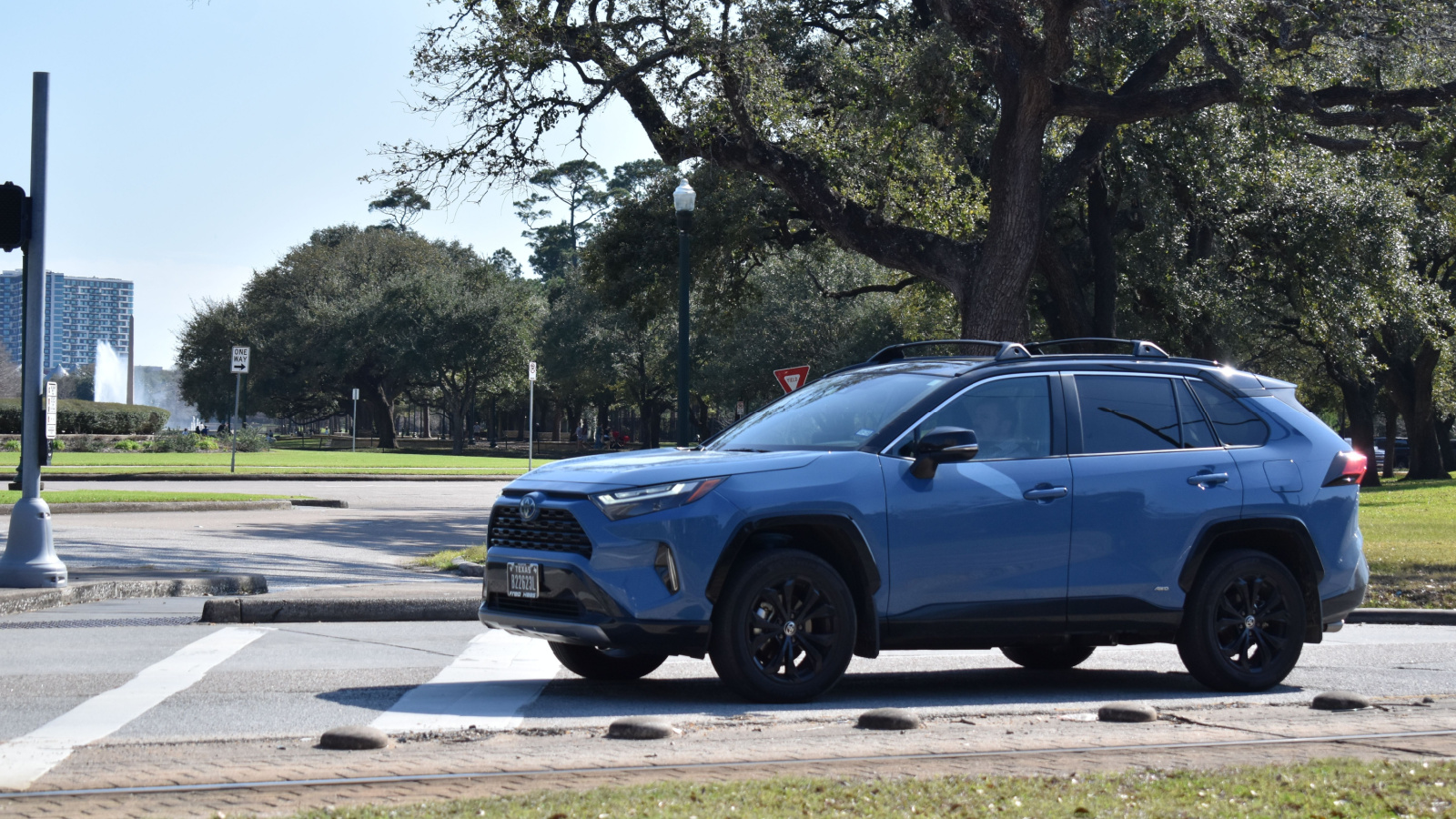
The Toyota RAV4 dominates Canadian sales charts. Popularity alone attracts insurer attention. High theft numbers have also raised concerns in several provinces. Organized theft rings often target SUVs that ship easily overseas. The RAV4 fits that profile. Replacement parts also cost more than many buyers expect. Advanced safety sensors raise repair costs after minor crashes. Even small bumper damage can involve radar calibration. Insurance companies watch claim frequency carefully. A vehicle appearing often in claims can trigger higher premiums. Because the RAV4 is everywhere, claim numbers climb quickly. That trend can push insurers to apply higher risk categories or targeted surcharges.
Honda CR-V
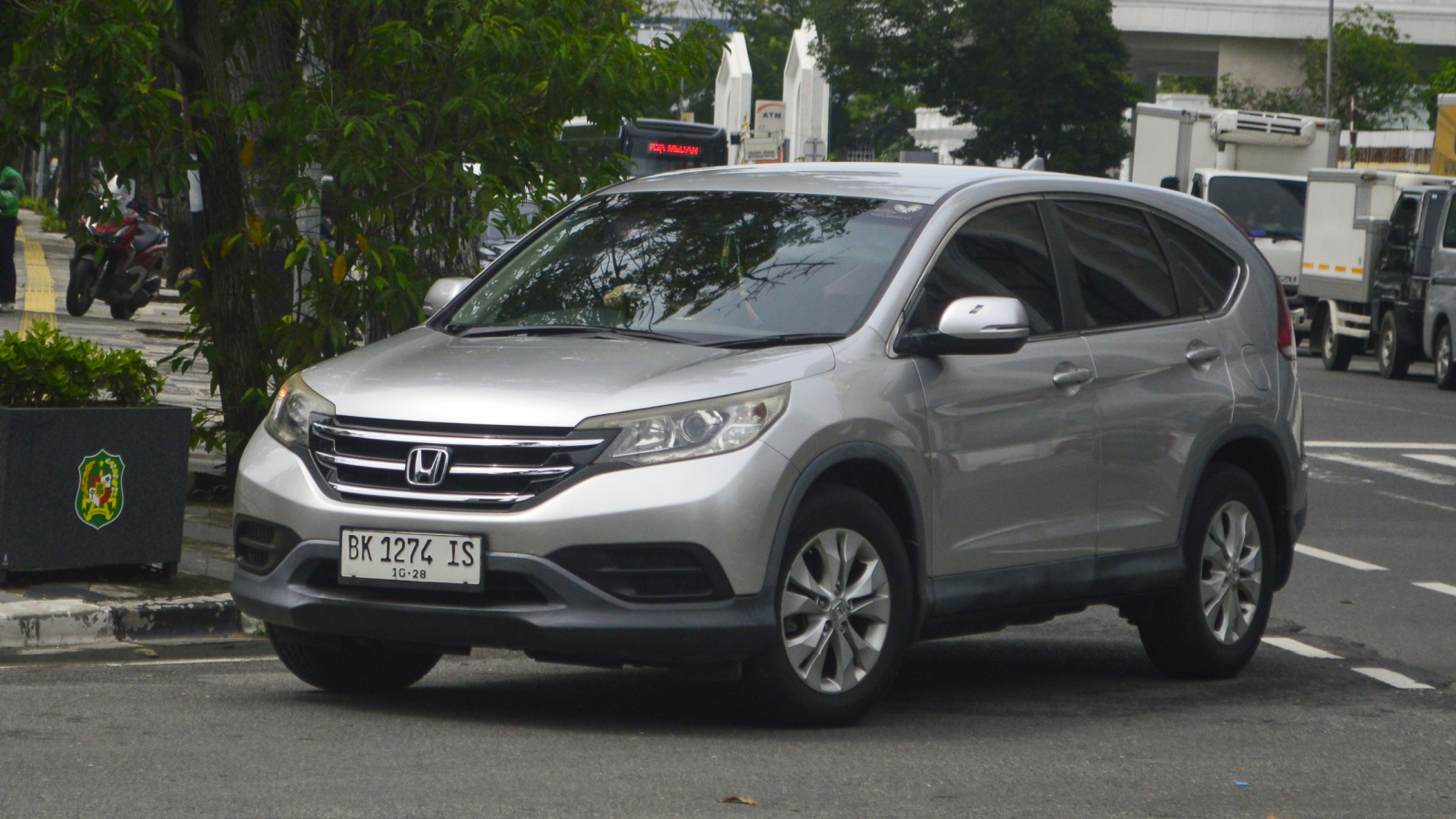
The Honda CR-V remains one of Canada’s favorite compact SUVs. Unfortunately, thieves love it too. Theft reports in Ontario and Quebec often mention this model. Strong resale value makes it attractive for export markets. Insurance companies track those theft numbers closely. Frequent theft claims raise insurer payouts. Repair costs have also climbed with newer technology. Cameras and sensors sit in vulnerable bumper areas. Minor collisions can require expensive recalibration work. Body panels also cost more than older models. These factors combine to raise claim severity. If theft and repair trends continue, the CR-V could face increased insurance scrutiny soon.
Lexus RX
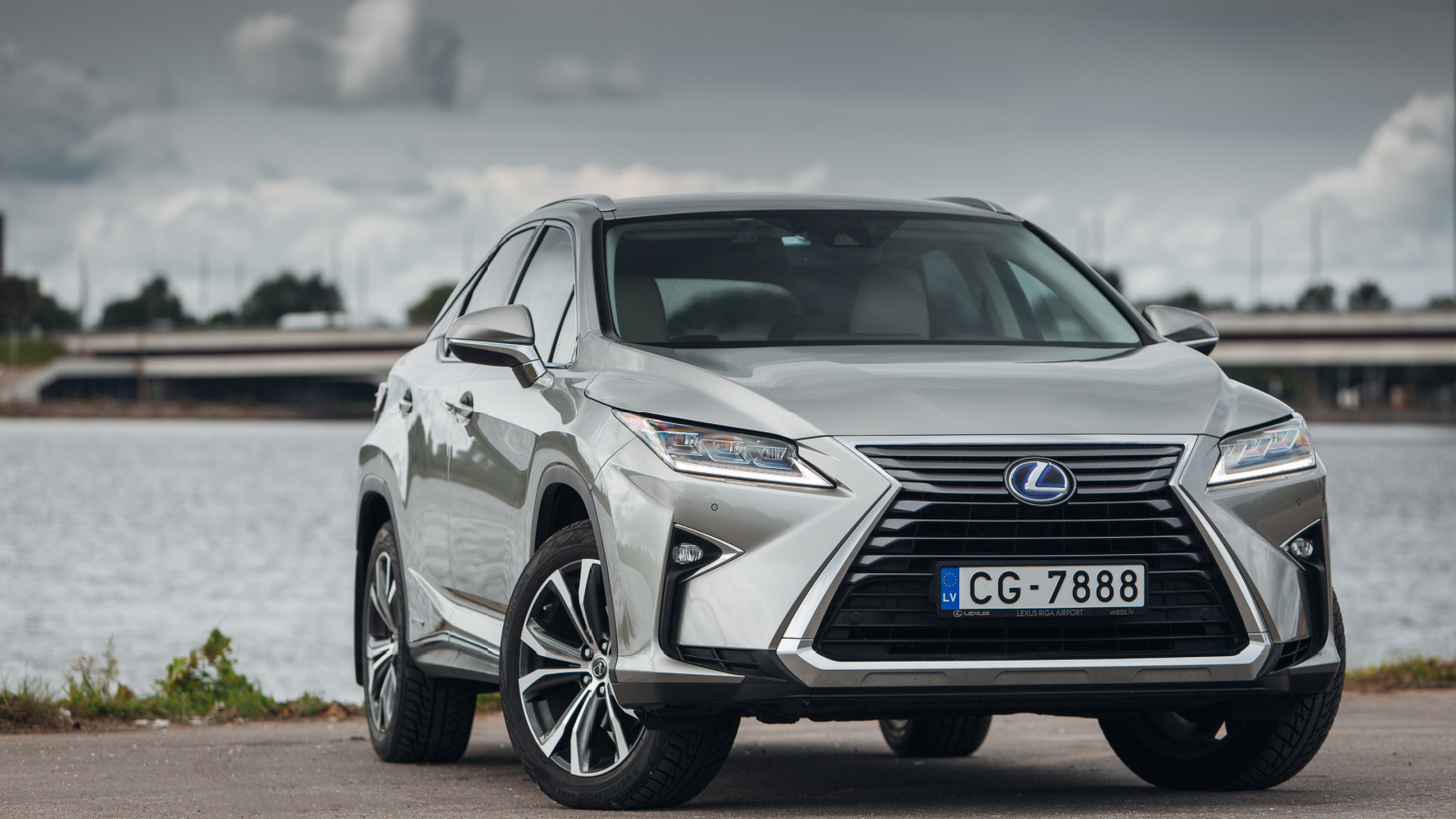
The Lexus RX is a luxury SUV with a loyal Canadian following. Luxury vehicles often carry a higher insurance risk. Parts cost more, and repairs take longer. The RX has also appeared in several theft investigations. Thieves target luxury crossovers because resale values remain strong. Export markets demand them. Repair complexity adds another layer of risk. Even small accidents involve expensive electronics and body panels. Radar systems and driver assist hardware raise repair bills. Insurance companies examine those costs carefully. When claim payouts climb, premiums often follow. That pattern makes the Lexus RX a possible future surcharge target.
Dodge Charger
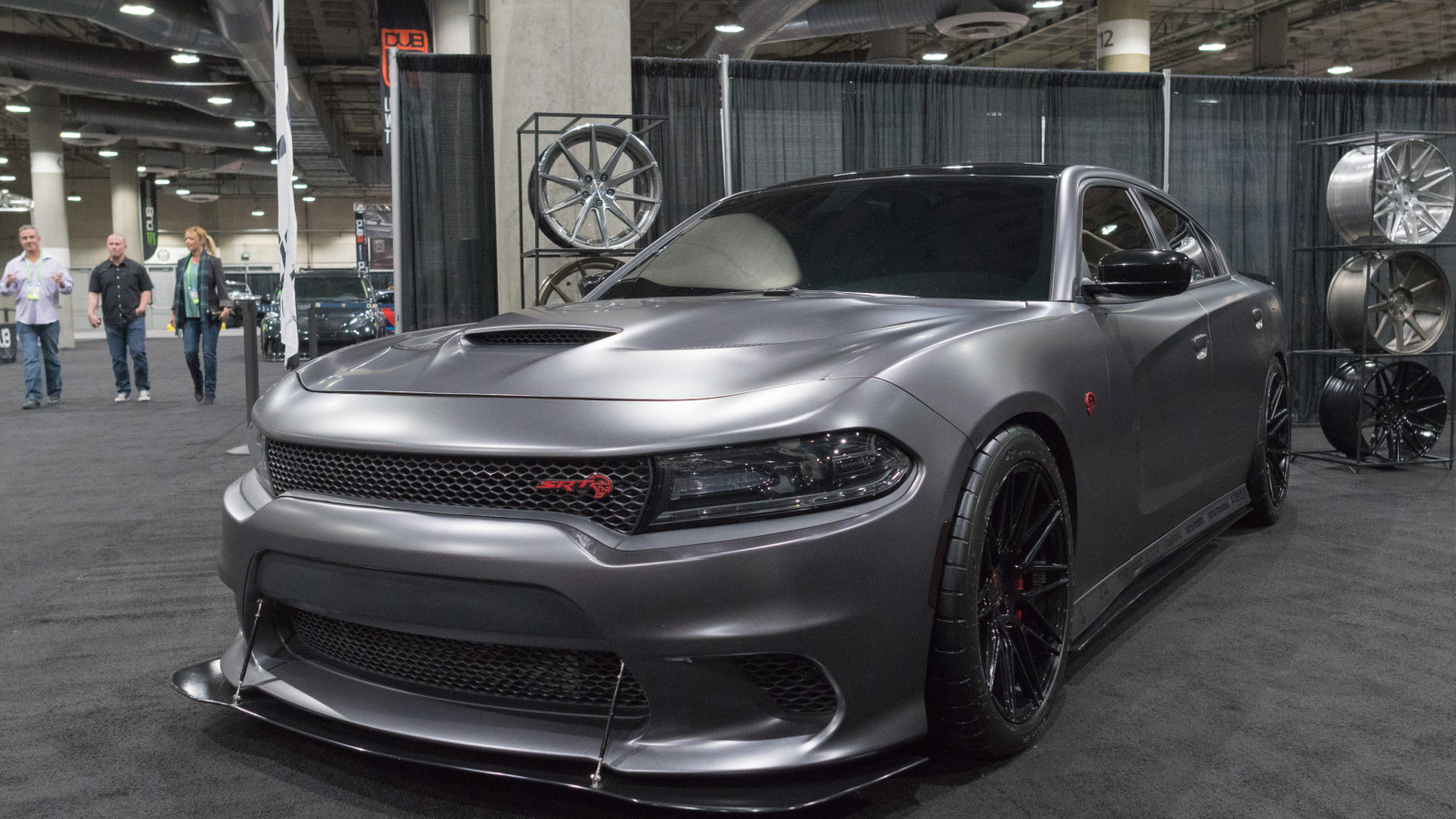
The Dodge Charger has a reputation that insurers watch closely. High horsepower attracts enthusiastic drivers. Performance cars often appear in collision claims. Insurance companies rely heavily on crash statistics. The Charger frequently appears in police reports involving speeding incidents. That data influences insurer pricing models. Repair costs also remain higher than average. Large engines and performance components raise replacement prices. Certain trims carry extremely powerful engines. Higher speeds mean more severe damage in accidents. Theft risk also exists for performance vehicles. These combined factors make the Charger a model insurers may flag for higher premiums.
Dodge Challenger
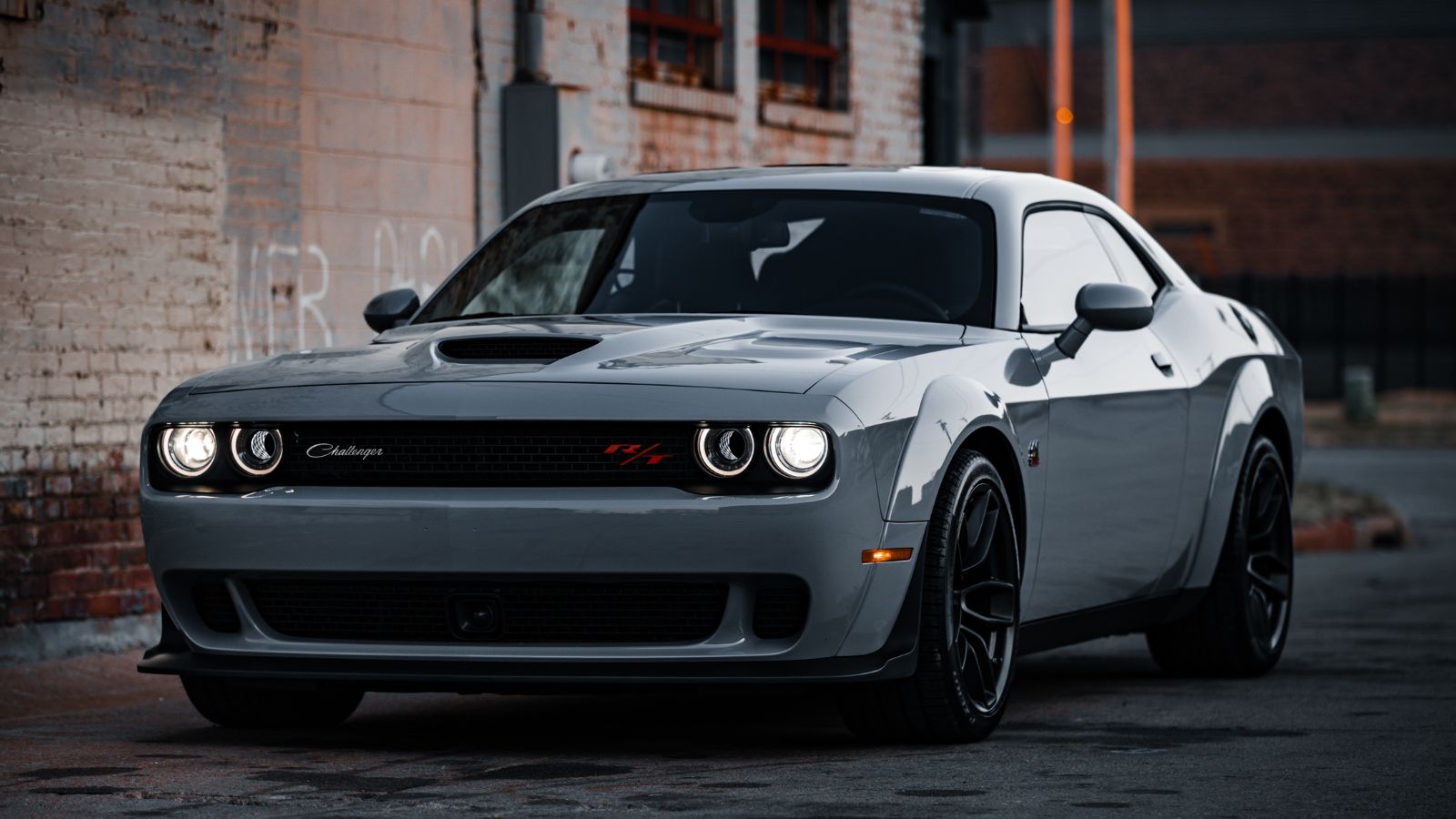
The Dodge Challenger shares many insurance concerns with the Charger. It is powerful, loud, and hard to ignore. Insurance companies study driver behavior patterns for these cars. Collision rates for performance coupes often run higher. Certain Challenger trims exceed 700 horsepower. That attracts buyers seeking maximum performance. Higher speeds increase accident severity. Repair costs also remain steep. Wide-body panels and performance tires cost more to replace. Theft risk appears in several Canadian cities. Muscle cars hold value in resale markets. Insurers track those risks closely. The Challenger may attract future surcharges if claim trends continue upward.
Ford F-150
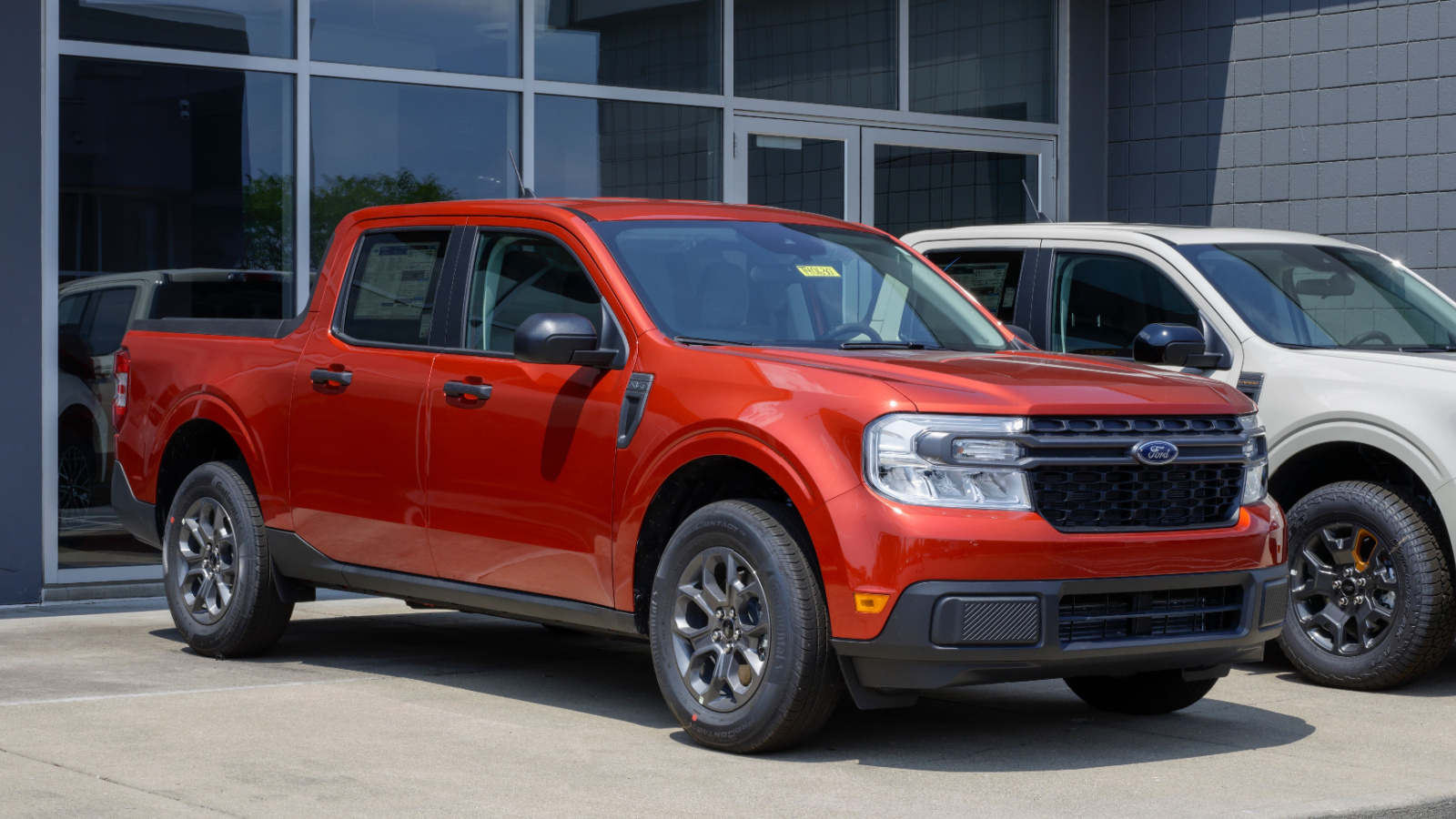
The Ford F-150 has dominated Canadian truck sales for years. With popularity comes higher claim volume. Insurance companies track claim frequency closely. More trucks on the road create more accident reports. Repair costs have also increased for modern pickups. Aluminum body panels require specialized repair work. That raises labor costs significantly. Trucks also carry advanced driver assistance systems now. Sensors and cameras sit behind bumpers and mirrors. Minor accidents can trigger expensive repairs. Theft numbers remain moderate but rising. Expensive trim levels add another risk factor. These trends make the F-150 a vehicle insurers monitor carefully.
Chevrolet Silverado
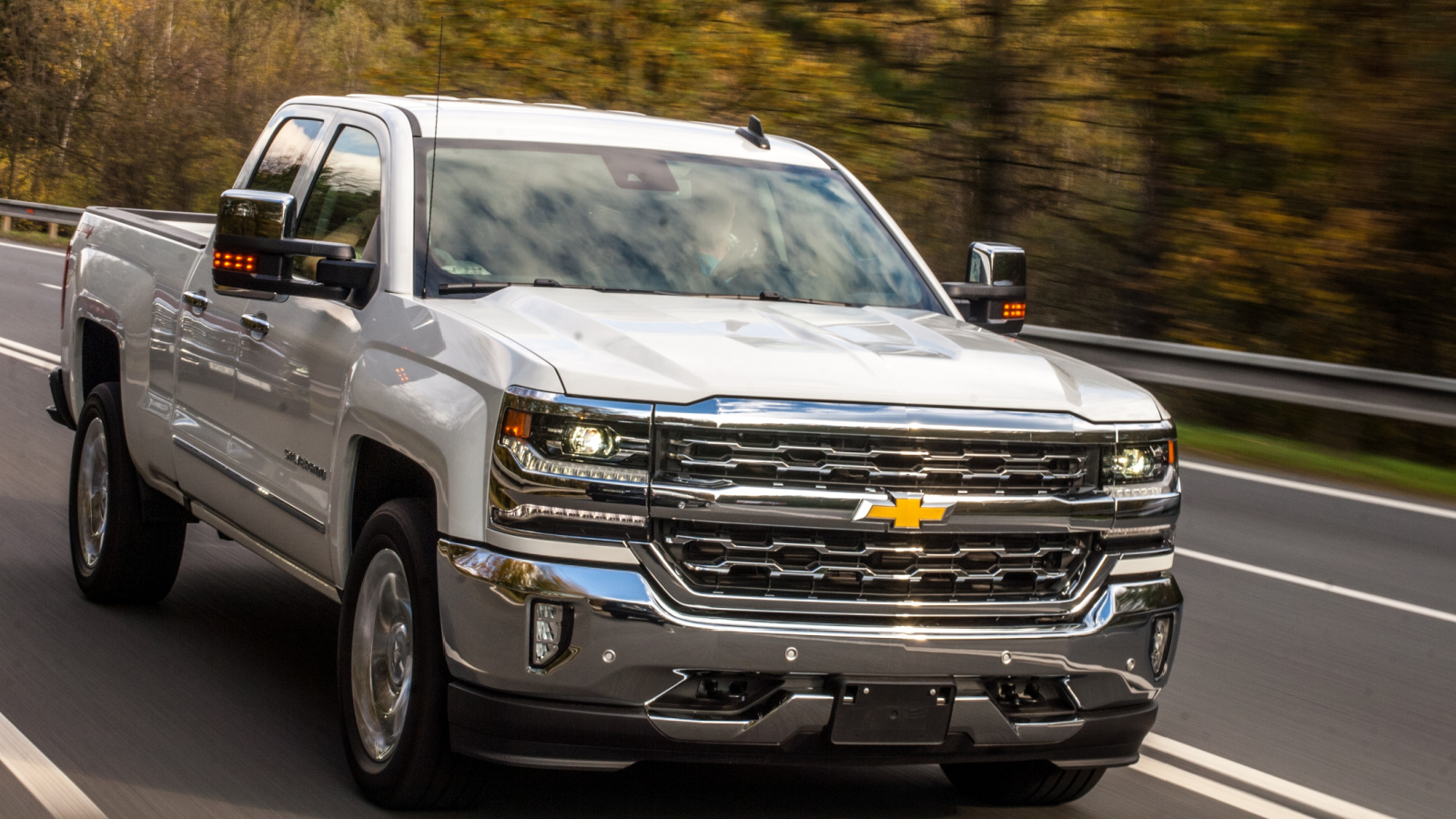
The Chevrolet Silverado competes directly with the Ford F-150. It also sells in huge numbers across Canada. High sales volume leads to more insurance claims overall. Pickup trucks often appear in work-related accidents. Commercial use increases risk exposure. Repair costs also continue climbing. Large body panels and heavy frames add complexity. Advanced technology in newer trims further raises repair bills. Some theft activity has appeared in urban areas. Trucks also carry expensive accessories like toolboxes or lifts. Those additions complicate claim payouts. With so many Silverado trucks on the road, insurers pay attention to its claim trends.
Jeep Grand Cherokee
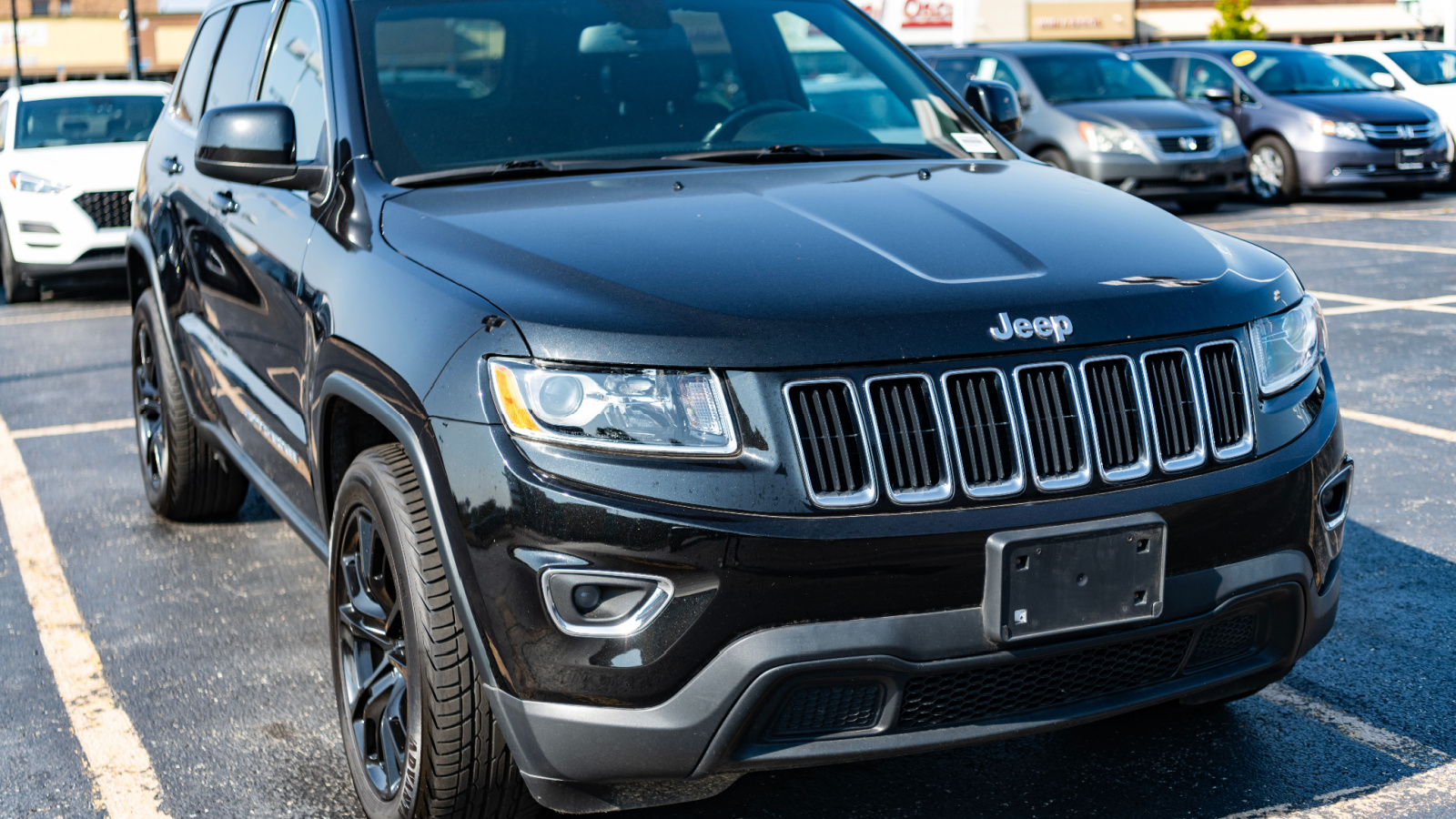
The Jeep Grand Cherokee mixes luxury and off-road capability. Insurance companies treat that combination carefully. Theft rates for this model have risen recently in Canada. Export demand plays a role. The Grand Cherokee also carries complex electronics. Modern trims include air suspension and driver assistance features. Repairing these systems can cost thousands. Off-road driving adds another insurance concern. Vehicles used in rough terrain face a higher risk of damage. Some drivers modify them with aftermarket parts. Modifications complicate insurance claims. With rising theft and repair costs, insurers may apply higher premiums to this SUV in the future.
Toyota Highlander
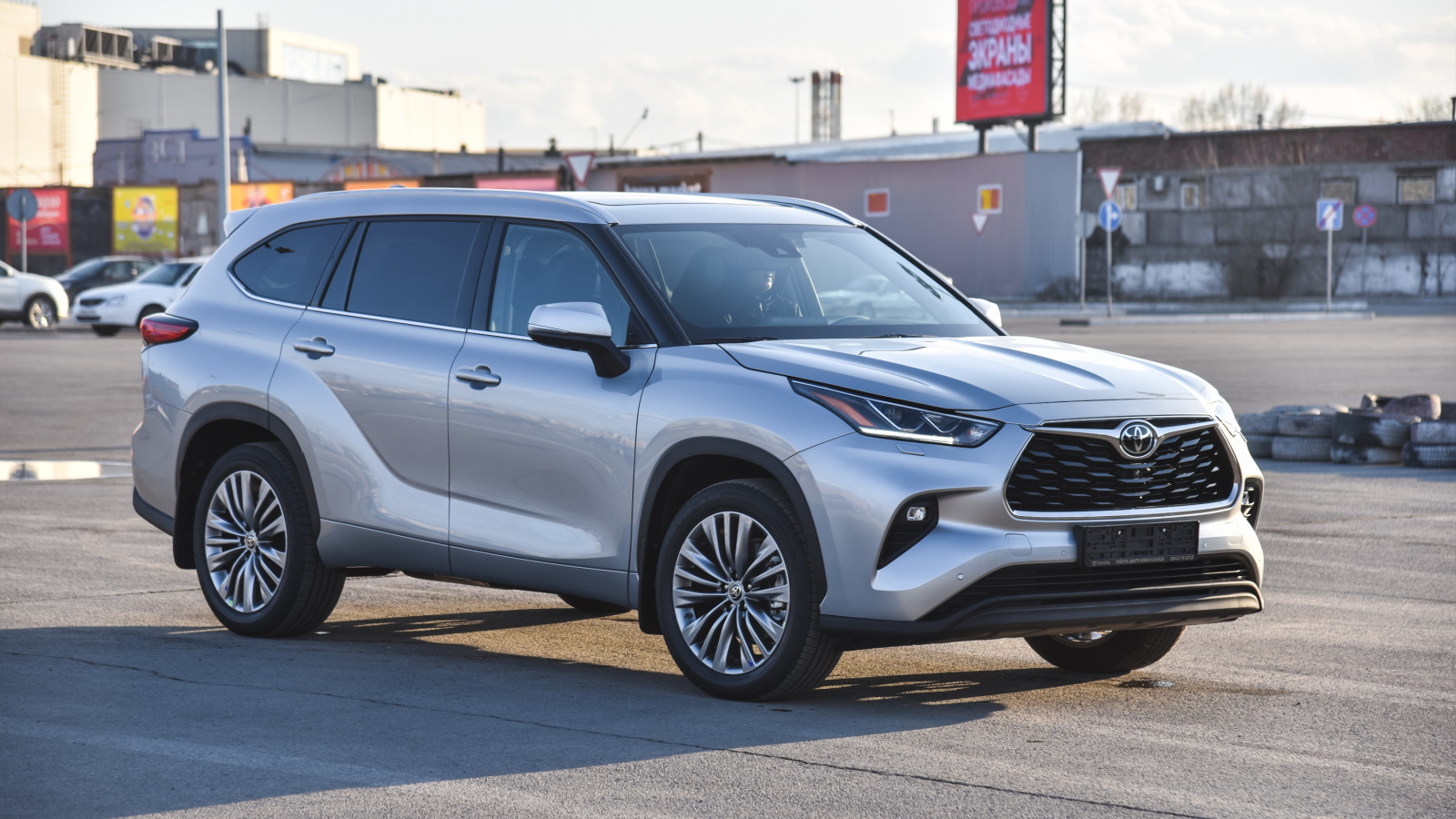
The Toyota Highlander appeals to families across Canada. Reliability draws many buyers to the model. However, popularity also increases claim frequency. Insurance companies watch family SUVs closely. More vehicles on the road create more accident statistics. Hybrid versions add additional repair complexity. Battery systems require specialized service after collisions. Replacement sensors and cameras also raise repair bills. Parts prices for large SUVs continue climbing. Theft rates remain moderate but could rise as exports increase. Insurance companies adjust risk models constantly. The Highlander’s growing presence means insurers may eventually adjust premiums to match claim trends.
Honda Civic
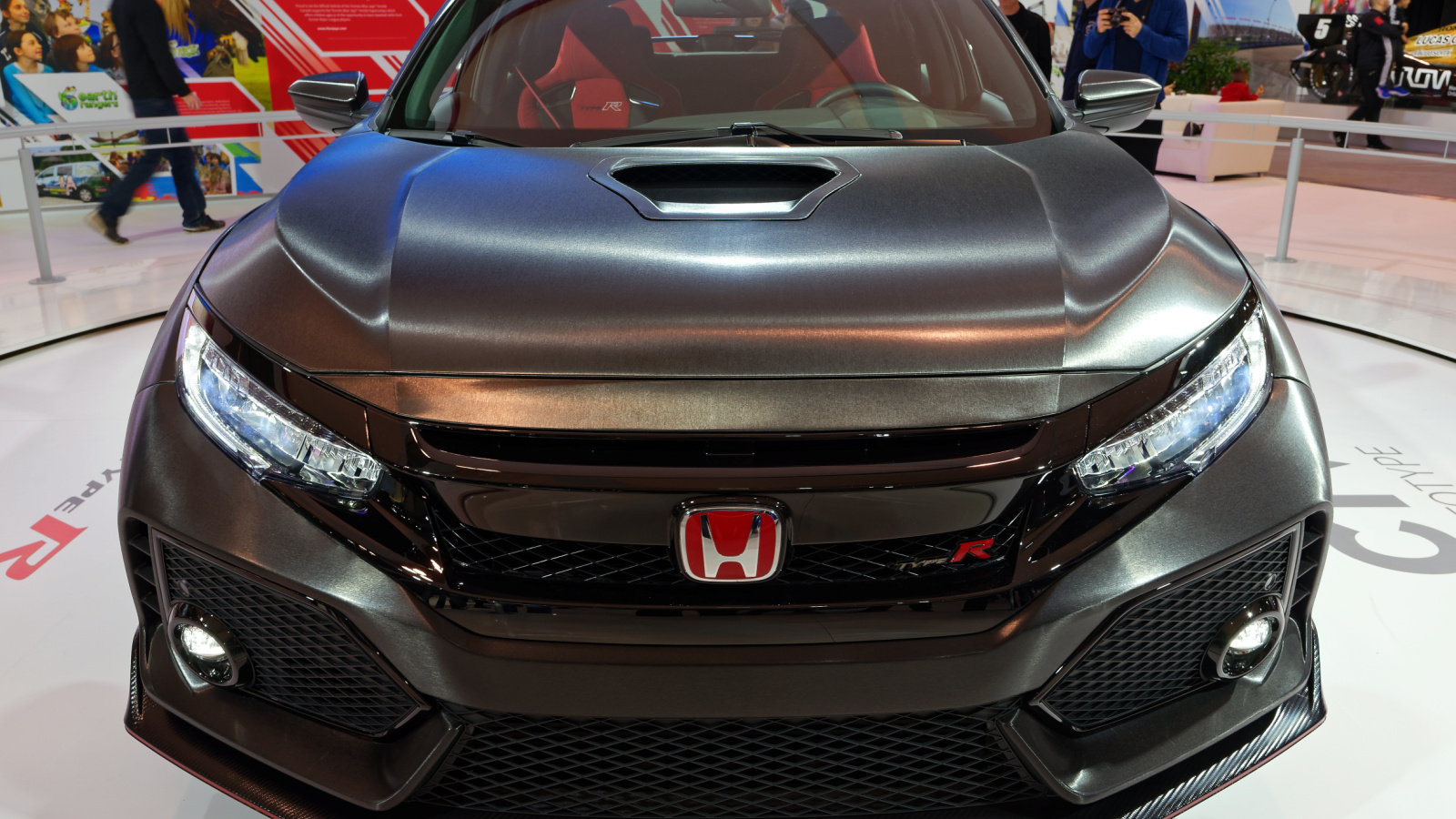
The Honda Civic has remained a Canadian favorite for decades. Its popularity creates a unique insurance situation. Huge numbers of Civics drive Canadian roads daily. That naturally leads to more collision claims. Younger drivers also gravitate toward this model. Insurance companies track age groups carefully. Younger drivers often generate higher claim rates. Civic parts remain widely available but are still costly in modern models. Technology upgrades add complexity to repairs. Theft numbers also appear in several regions. Organized rings sometimes target compact cars for parts. These combined factors may attract insurer attention over the next few years.
Hyundai Tucson
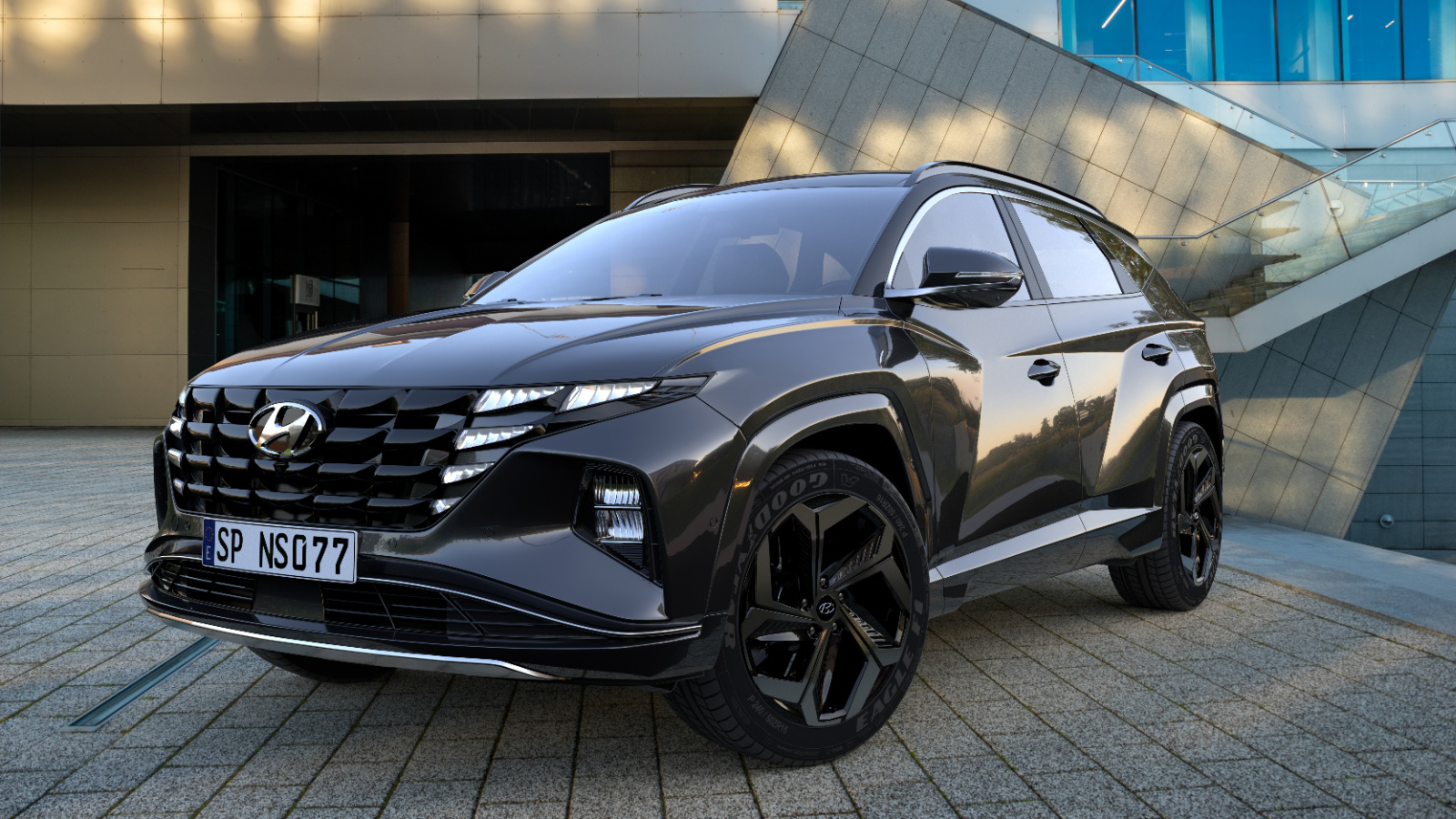
The Hyundai Tucson has gained popularity quickly in Canada. Strong pricing and modern styling draw many buyers. Insurance companies notice rapid growth in vehicle sales. Rising numbers can increase accident claims. Repair costs have also climbed with newer Tucson generations. Sensors, cameras, and digital dashboards complicate repairs. Parts prices may rise if supply becomes tight. Theft risk has been lower historically. However, increased popularity could change that. Insurers often respond to changing trends quickly. Vehicles gaining sales momentum sometimes see insurance adjustments later. The Tucson may eventually face closer scrutiny if claim numbers climb.
Kia Sportage
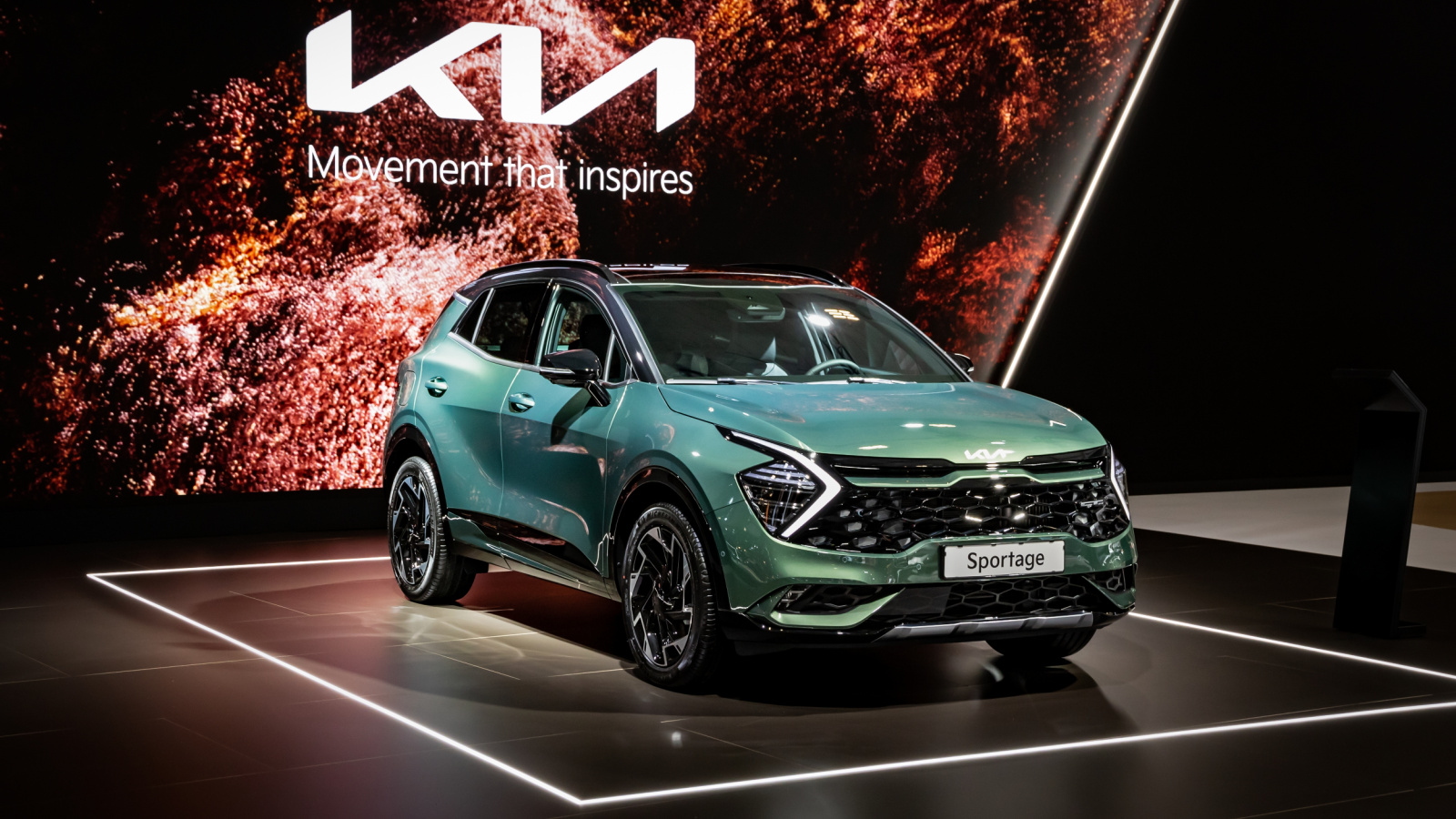
The Kia Sportage shares many traits with the Hyundai Tucson. Both models compete heavily in the compact SUV segment. Sales growth has been strong across Canada. Insurance companies track these shifts carefully. Repair costs have increased for newer Sportage models. Large infotainment systems and sensors sit in vulnerable areas. Minor crashes can require expensive electronic replacements. Theft activity has also appeared in some markets. Public attention around certain Kia theft cases raised concerns. Insurers analyze these reports closely. If claim frequency increases, premiums may follow. That possibility places the Sportage on insurers’ watch lists.
Tesla Model 3
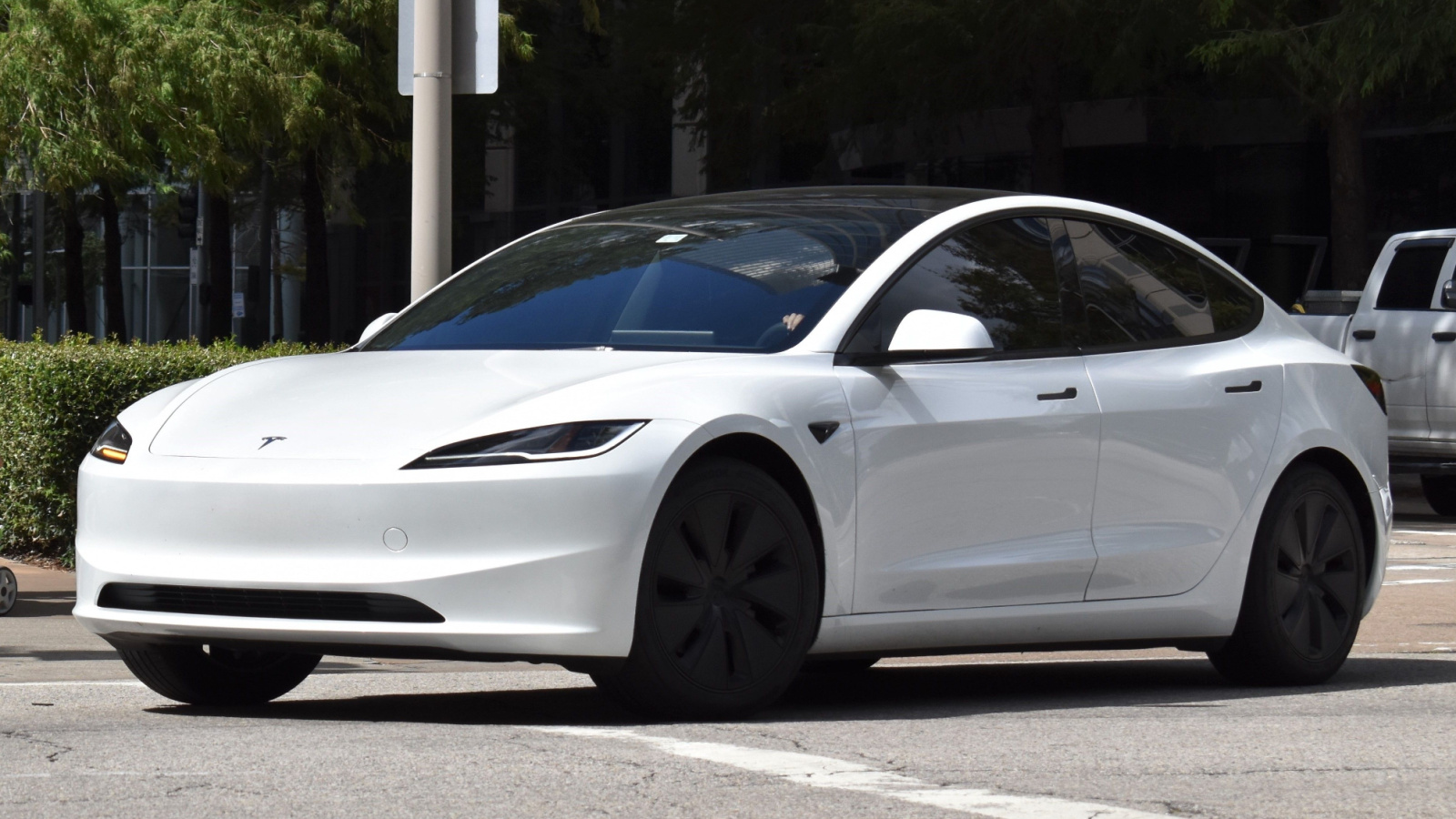
The Tesla Model 3 transformed Canada’s EV market. Electric vehicles introduce unique insurance challenges. Repair costs remain one major concern. Battery packs and structural components sit under the vehicle floor. Damage in that area becomes expensive quickly. Tesla also limits access to repair to approved facilities. That can extend repair timelines. Longer repairs increase insurer costs. Replacement parts often carry high prices. Even minor collisions sometimes require large component replacements. EV technology continues evolving quickly. Insurance companies still adjust their pricing models. These factors make the Tesla Model 3 a candidate for discussions about insurance surcharges.
Tesla Model Y
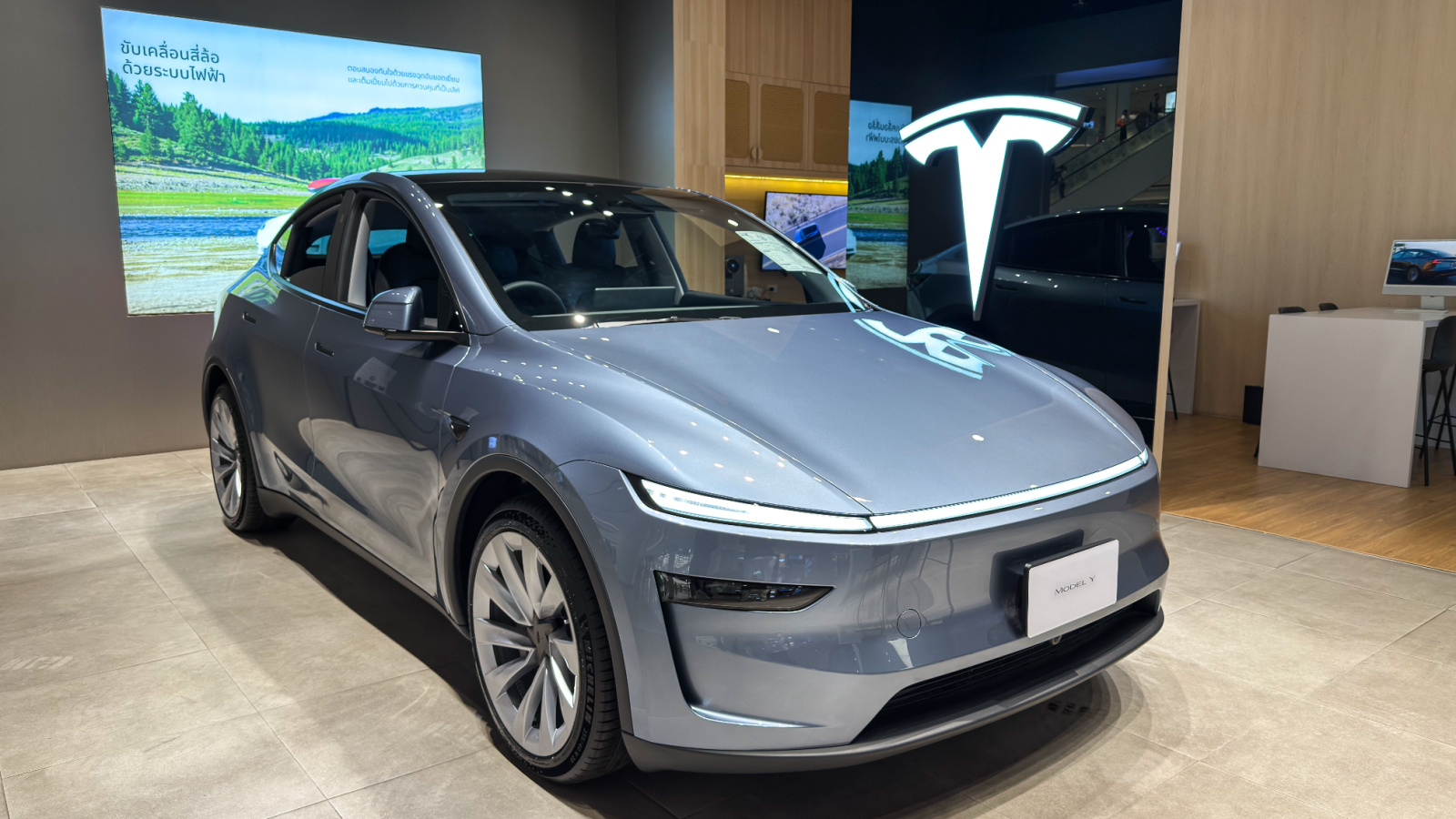
The Tesla Model Y quickly became a top-selling electric SUV. Demand has grown across Canadian cities. Insurance companies are studying their claim data carefully. EV repairs remain expensive compared with many gasoline vehicles. Battery damage raises costs dramatically. Structural repairs also require specialized technicians. Parts availability sometimes delays repairs. Longer repair times increase rental vehicle expenses. Insurance payouts grow as those costs stack up. Some insurers have already adjusted EV pricing models. As sales continue climbing, claim data will expand too. That could push the Model Y toward higher insurance classifications.
Ram 1500
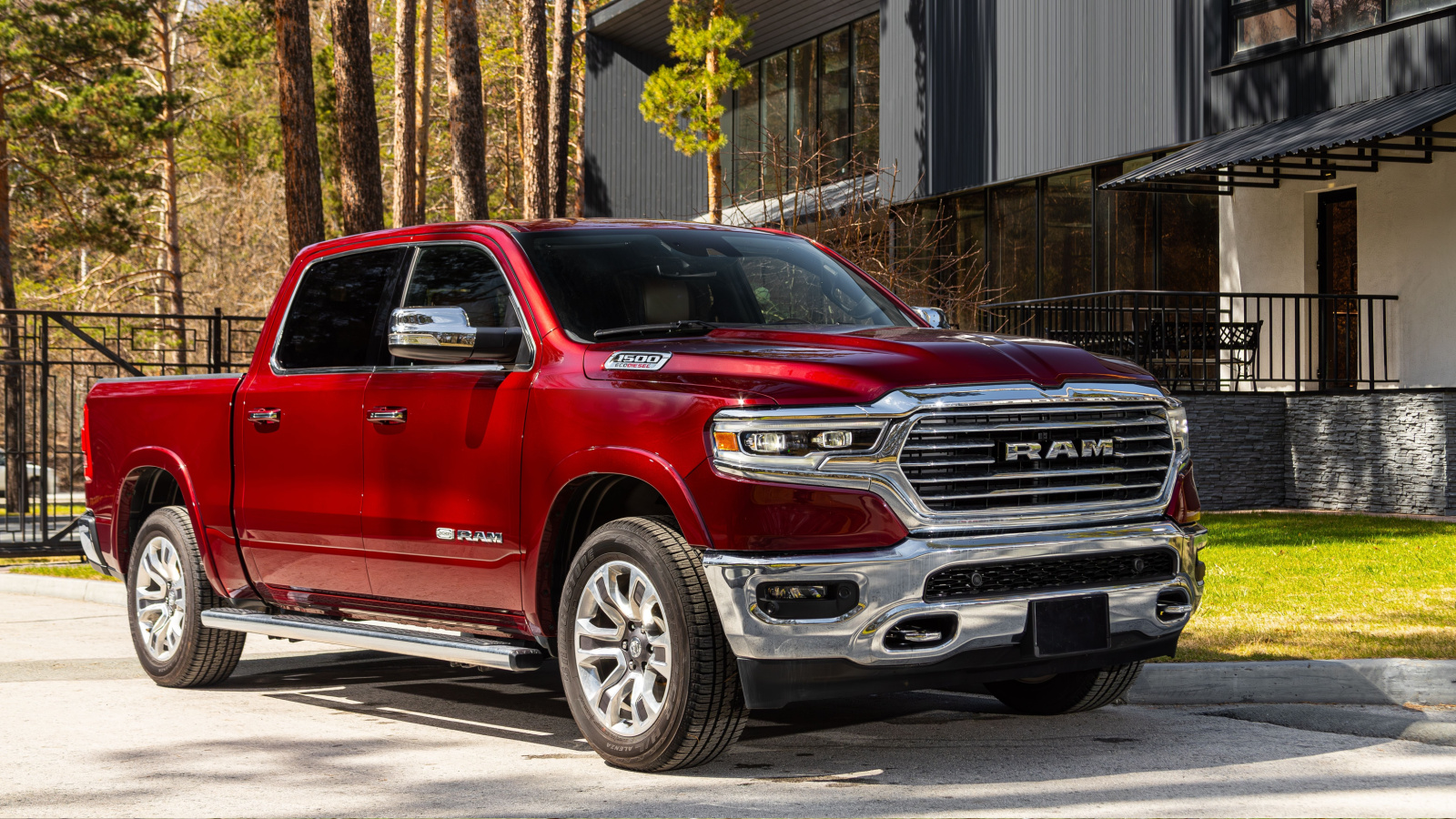
The Ram 1500 remains a strong competitor in Canada’s pickup market. Powerful engines and luxury trims attract many buyers. Insurance companies study large trucks carefully. Accident severity often increases with vehicle size. Heavy trucks cause greater damage in collisions. Repair costs also rise with higher trim levels. Air suspension and advanced electronics add complexity. Theft numbers remain lower than for some SUVs. However, expensive trims raise insurer exposure. Pickup trucks also appear in work-related incidents. Commercial usage increases insurance risk. These trends may encourage insurers to adjust premiums for certain Ram 1500 models.
Chevrolet Tahoe
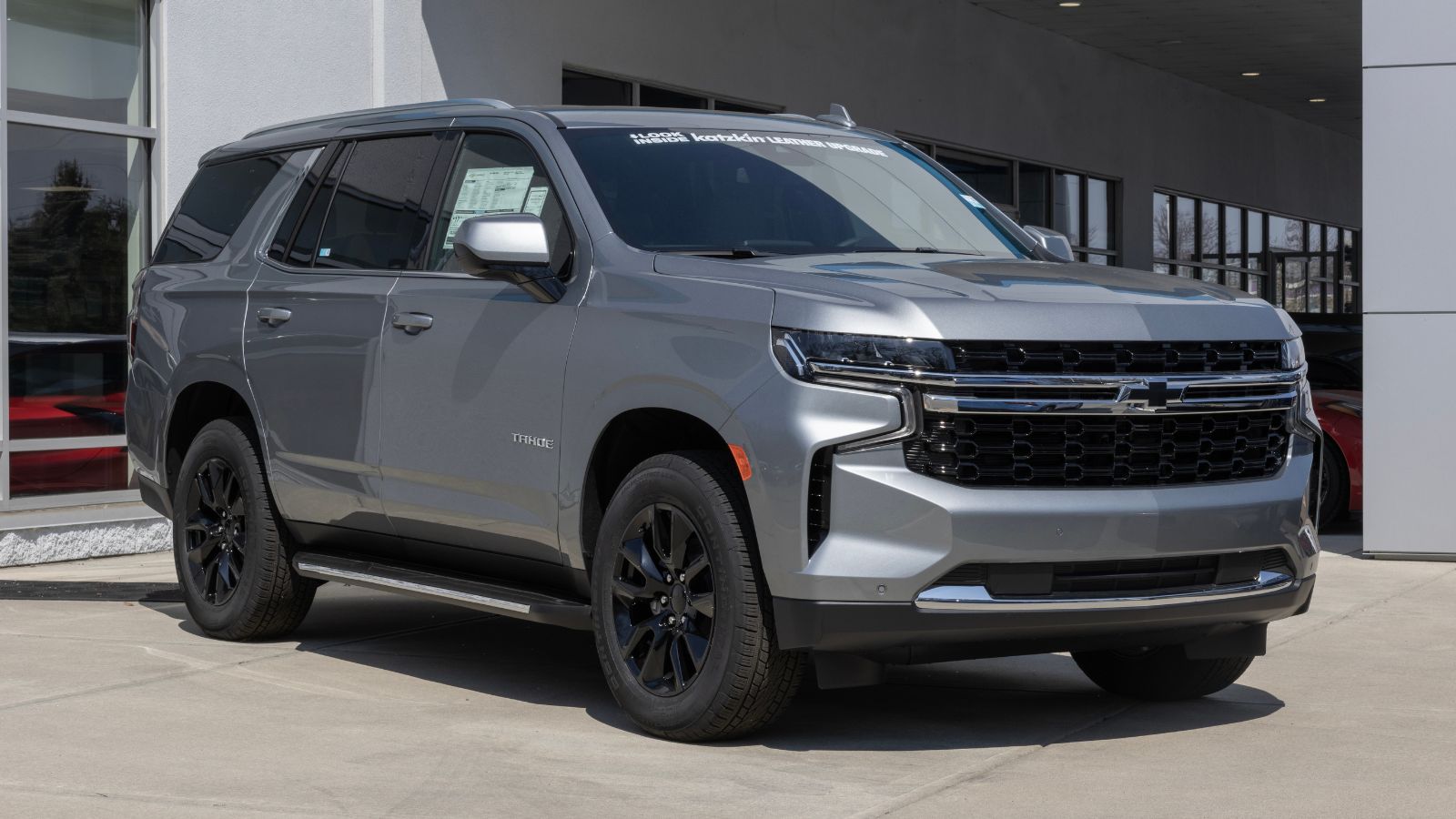
The Chevrolet Tahoe stands among the largest SUVs on Canadian roads. Large vehicles often generate higher insurance payouts. Collision damage can be extensive due to size and weight. Repair costs for body panels and frames run high. Luxury trims include many electronic systems. Cameras, sensors, and adaptive cruise hardware raise repair bills. Insurance companies examine these costs carefully. Theft risk also appears in some regions. Full-size SUVs hold strong resale value abroad. Organized theft rings target them occasionally. When insurers combine theft risk and repair expenses, vehicles like the Tahoe draw close scrutiny.
Subaru WRX
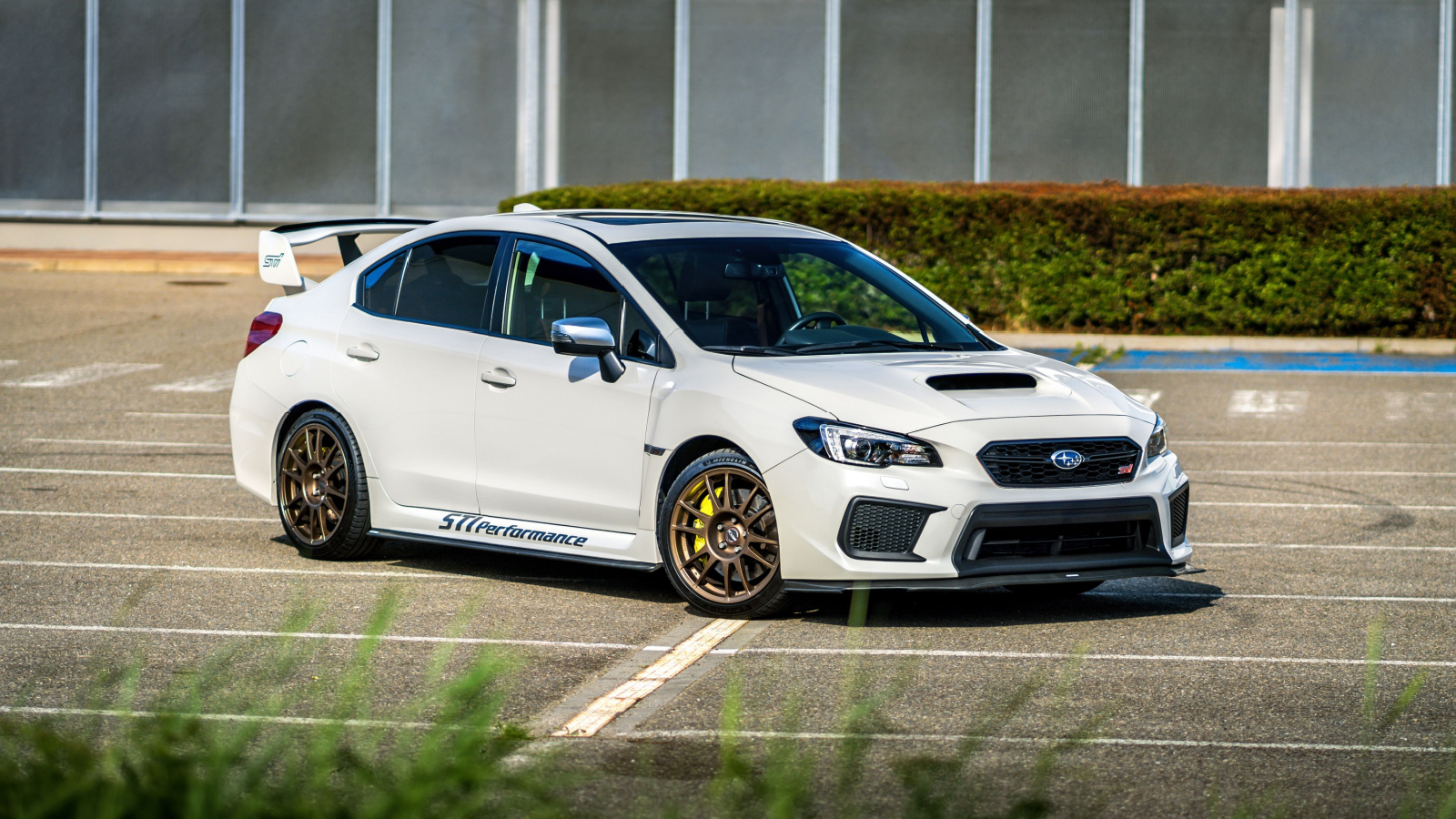
The Subaru WRX attracts performance enthusiasts. Insurance companies often associate performance models with higher risk. Aggressive driving patterns appear in claim data. Younger drivers frequently choose the WRX. Insurance models account for driver demographics. Collision severity may increase with higher speeds. Repair costs also climb for turbocharged performance engines. Replacement parts for sport trims cost more. Modified vehicles create additional insurance complications. Many WRX owners install aftermarket upgrades. Those changes raise claim uncertainty for insurers. Because of these trends, insurers monitor WRX claim statistics closely when setting premiums.
BMW X5
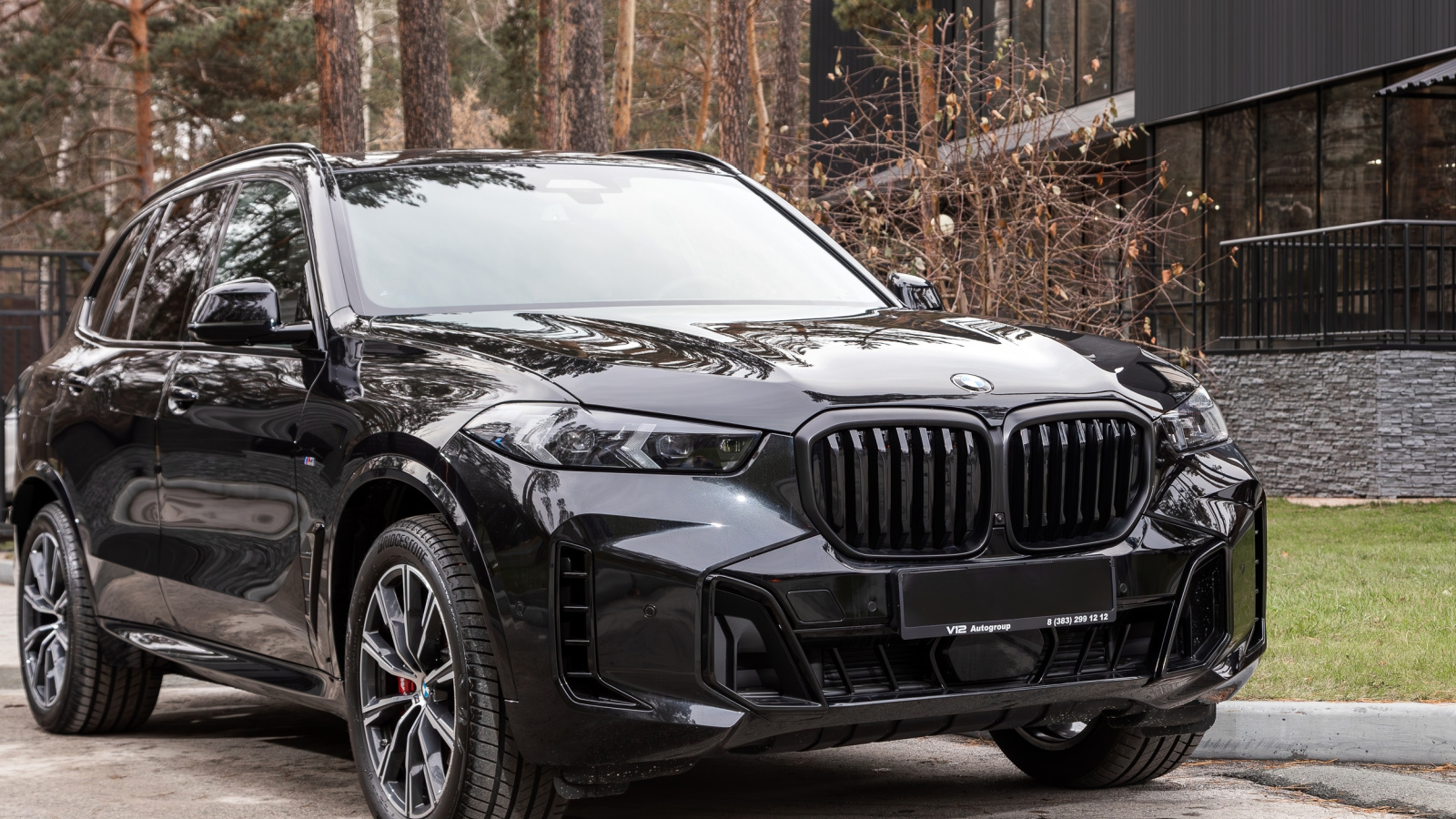
The BMW X5 sits in the luxury SUV category. Luxury vehicles usually carry higher repair costs. Replacement parts and specialized labor increase claim payouts. Electronics inside the X5 also add complexity. Advanced driver assistance systems require precise calibration. Even moderate collisions can involve expensive sensors. Theft risk exists for luxury SUVs in export markets. Strong resale value attracts criminal networks. Insurance companies closely monitor patterns of luxury theft. Claim payouts increase when expensive vehicles disappear. Combining theft risk and repair complexity places the BMW X5 among vehicles insurers evaluate for higher insurance pricing.
Range Rover Sport
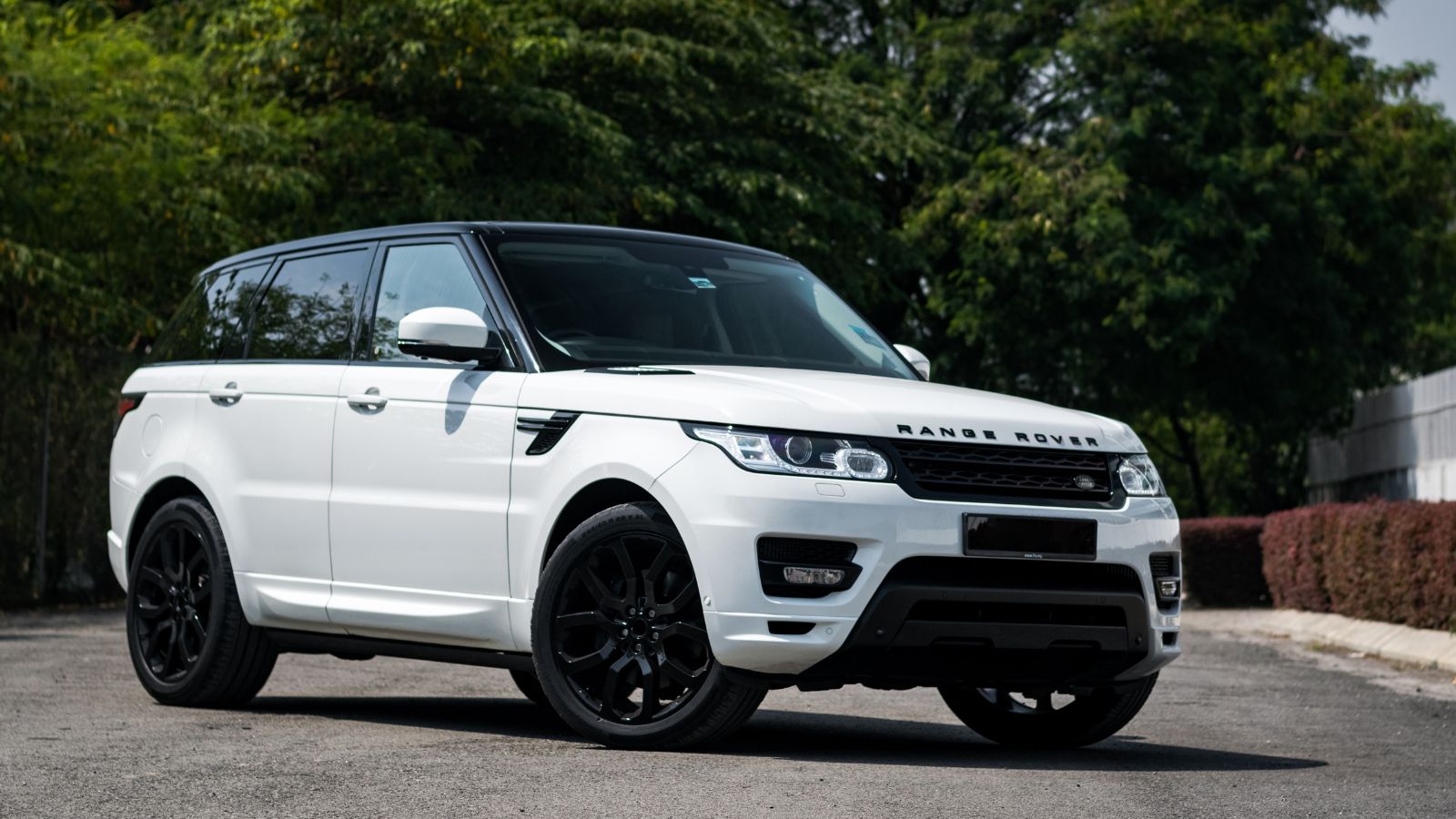
The Range Rover Sport represents luxury performance in SUV form. Insurance companies track vehicles like this carefully. Parts and labor costs remain extremely high. Even routine repairs cost more than many vehicles. Off-road capability introduces another insurance variable. Some owners push these SUVs into rough terrain. That increases damage risk. Theft activity has also affected luxury SUVs globally. High resale value encourages organized theft groups. Repairing aluminum body panels adds further expense. Insurance companies respond strongly to those costs. The Range Rover Sport may remain a premium vehicle in more ways than one.