





















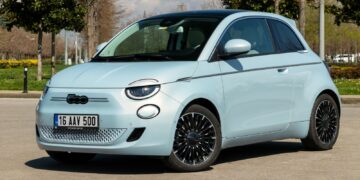




Canadian family vehicles used to be judged by space, safety, winter confidence, and monthly payment. Now, the value equation is harsher. Higher financing costs, expensive tires, rising repair bills, insurance pressure, fuel swings, and fast-changing resale trends can make a practical-looking vehicle feel heavier on the household budget than expected.
These 17 vehicles are not necessarily bad vehicles. Many are comfortable, capable, and well-equipped. The problem is that their prices, operating costs, efficiency gaps, trim creep, or ownership compromises are starting to make them feel like weaker value for Canadian families trying to stretch every dollar without giving up practicality.
Honda Odyssey
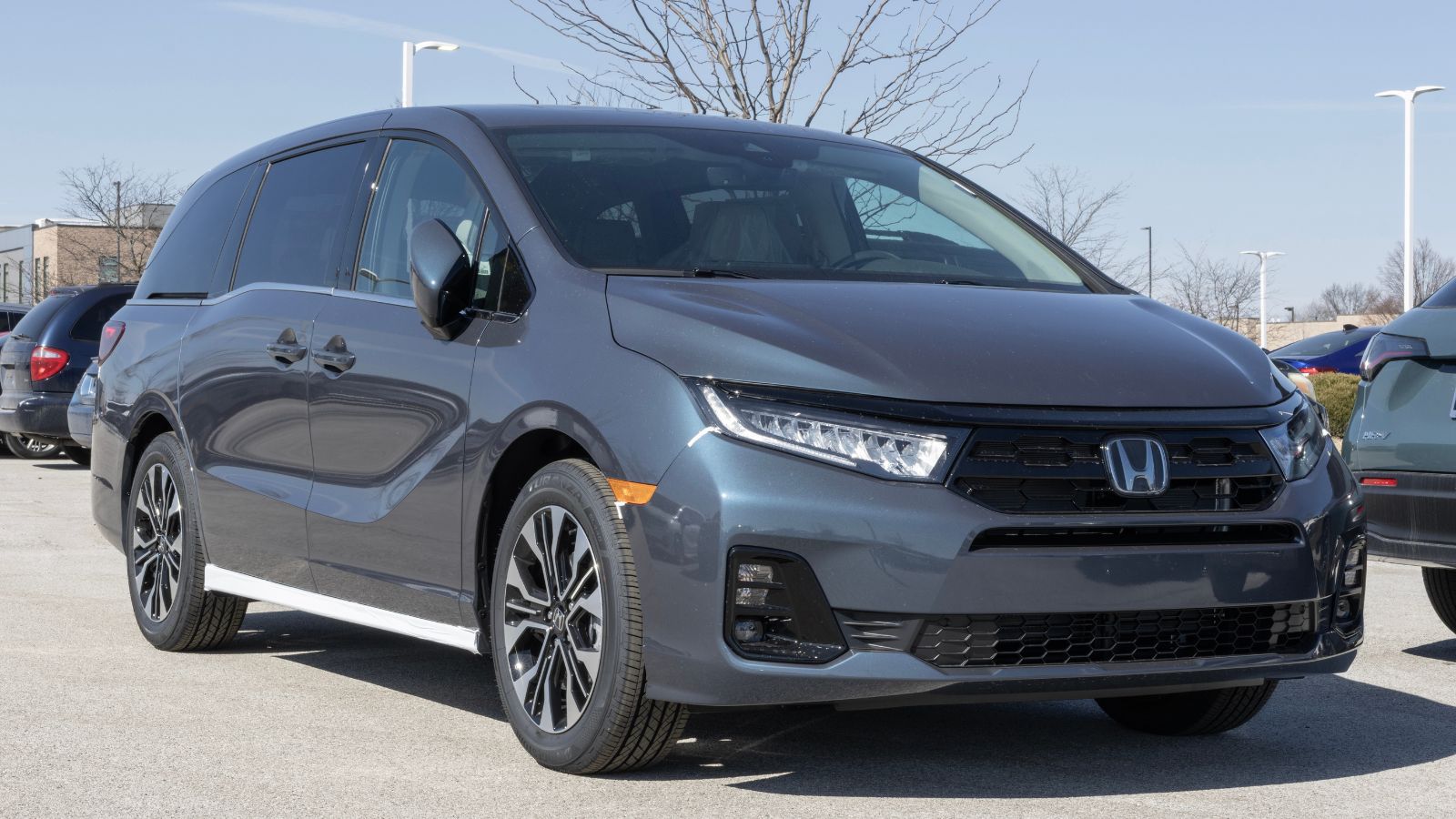
The Honda Odyssey remains one of the most useful family vehicles on sale, but its value case is no longer as automatic as it once felt. Canadian families who want eight seats, sliding doors, strong crash-safety credibility, and proven V6 power still get a well-rounded minivan. The issue is that the Odyssey has stayed gas-only while key rivals have moved toward hybrid efficiency. In city-heavy family use, that difference can add up quickly, especially with school runs, weekend sports, and stop-and-go suburban errands.
Its official Canadian fuel rating of 12.2 L/100 km city, 8.5 highway, and 10.6 combined is respectable for a V6 minivan, but it looks dated beside hybrid vans that can sit closer to the mid-6 to low-7 L/100 km range. The lack of all-wheel drive also matters in snowy provinces, where some families feel pushed toward SUVs. For buyers who mostly value interior cleverness, it still makes sense. For budget-focused households, the fuel and drivetrain trade-offs are harder to ignore.
Chrysler Pacifica
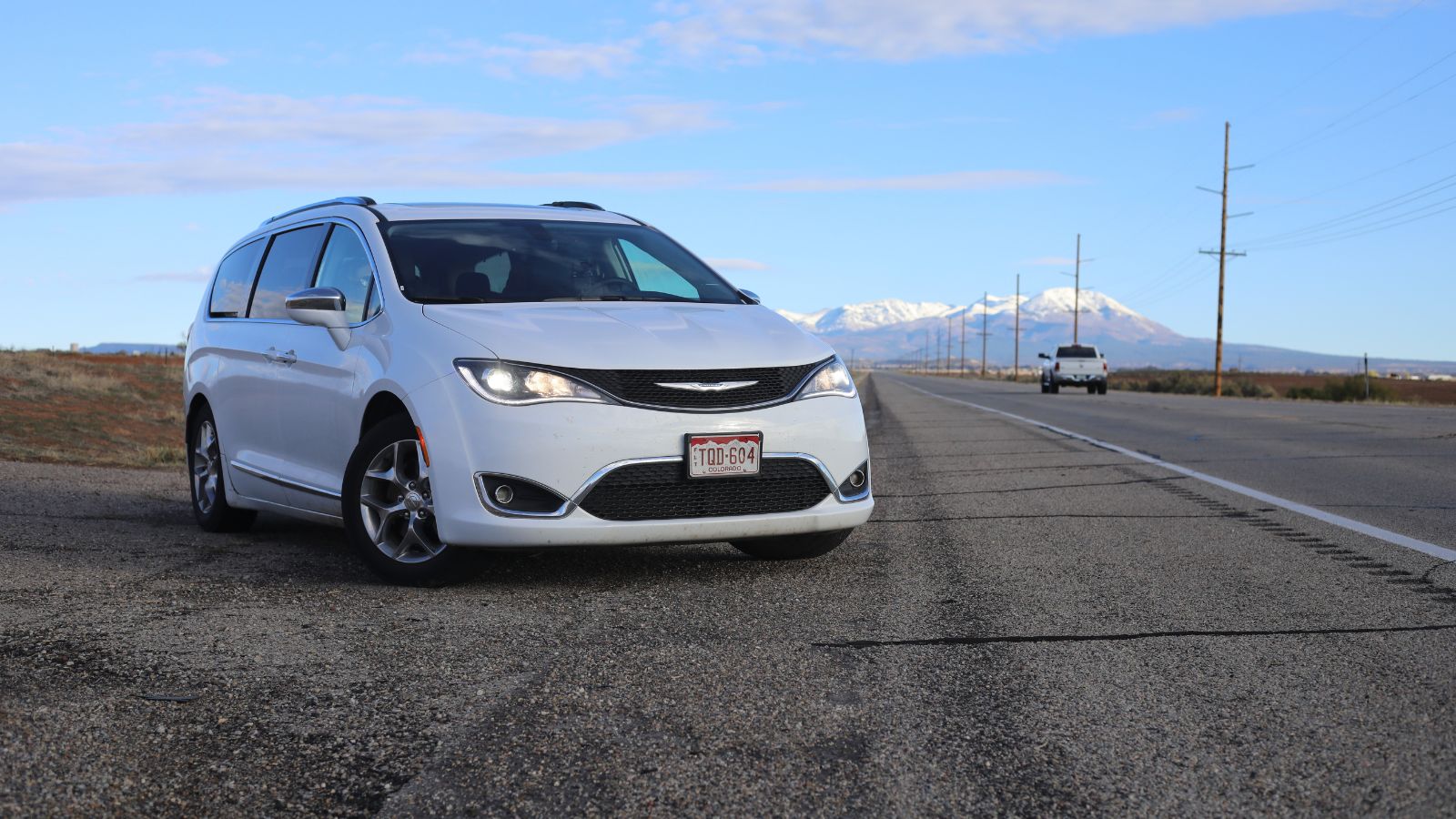
The Chrysler Pacifica looks appealing because it offers genuine family comfort, upscale trims, available plug-in hybrid efficiency, and the kind of cabin flexibility that makes daily life easier. In Canada, though, the price ladder has become a real obstacle. A van that once represented practical value can now feel surprisingly expensive once popular comfort, safety, and convenience features are included. For families already facing higher grocery, mortgage, insurance, and daycare costs, that weakens the emotional pull of a premium minivan.
The plug-in hybrid version can be efficient when charged regularly, but that benefit depends heavily on home charging access and consistent habits. Apartment dwellers, renters, and families without a driveway may not capture the advertised savings. Gas-only Pacifica models can also become costly in city use, especially with heavier trims and winter tires. The Pacifica’s strengths remain real, but the ownership math is less forgiving than the brochure suggests, particularly when a family compares it with simpler hybrids or lower-priced used alternatives.
Kia Carnival Gas Model
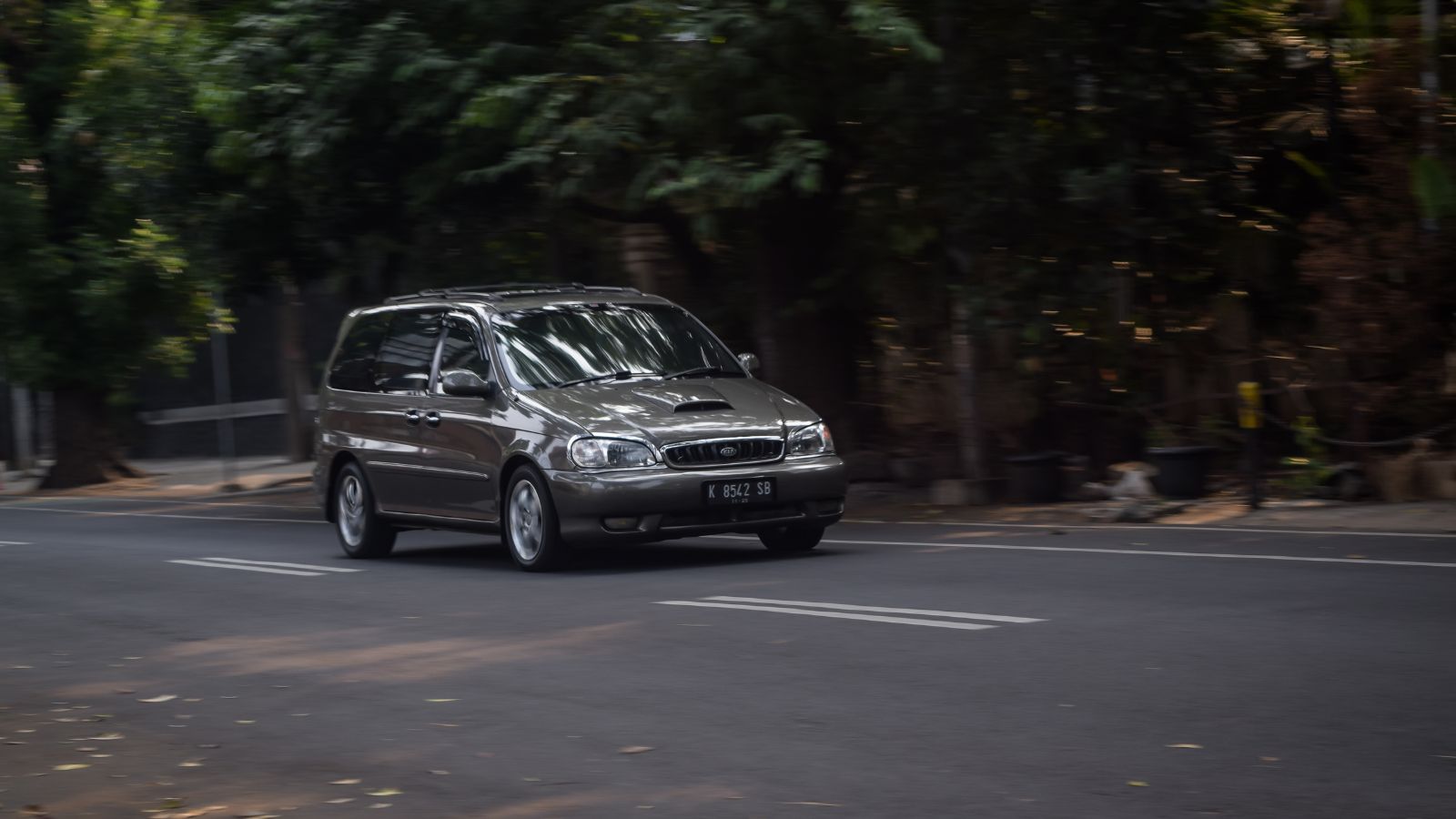
The Kia Carnival has done a clever job of making a minivan look less like a traditional minivan, and that styling has helped it attract families who might otherwise shop three-row SUVs. The problem is the gas-only Carnival trims can start to feel like the wrong version of the right idea. Space, comfort, and value are still strong, but the V6 fuel economy is not as compelling now that the Carnival Hybrid exists and the Toyota Sienna remains hybrid-only.
Gas Carnival estimates around 13.0 L/100 km city and 11.3 combined put it closer to large three-row SUVs than many families may expect from a people mover. A household driving 18,000 to 22,000 kilometres a year could notice the difference compared with a hybrid van every month. The Carnival still offers excellent passenger room and a strong equipment list, but the gas model increasingly feels like a short-term savings play that may cost more over time.
Jeep Grand Cherokee L
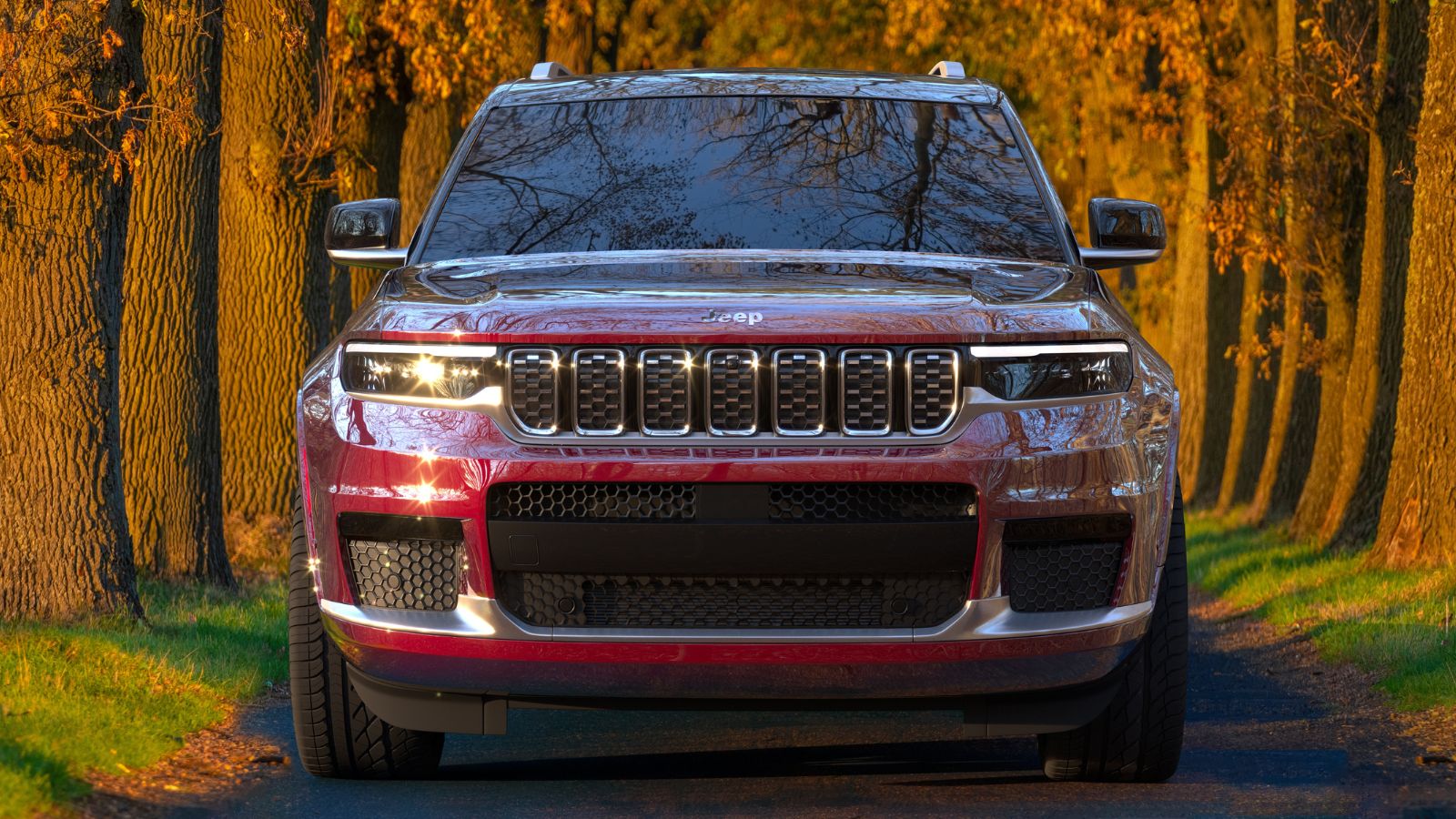
The Jeep Grand Cherokee L carries a premium image, three-row flexibility, and genuine winter confidence, which can make it tempting for Canadian families who want something more upscale than a mainstream crossover. But the value question gets complicated quickly. The Grand Cherokee L often lands in a price zone where families expect strong reliability, low running costs, and generous space. Instead, it offers a more rugged, premium-leaning experience that may not always translate into better day-to-day family value.
Fuel consumption is one of the pressure points, with Canadian listings showing estimates around 13.0 L/100 km city and 11.3 combined for V6 4×4 versions. The third row is also less generous than many van-style or boxier SUV alternatives. For families who tow, camp, or live on rougher rural roads, the Jeep personality may justify the cost. For mostly urban and suburban use, it can feel like paying extra for capability that rarely gets used.
Ford Explorer
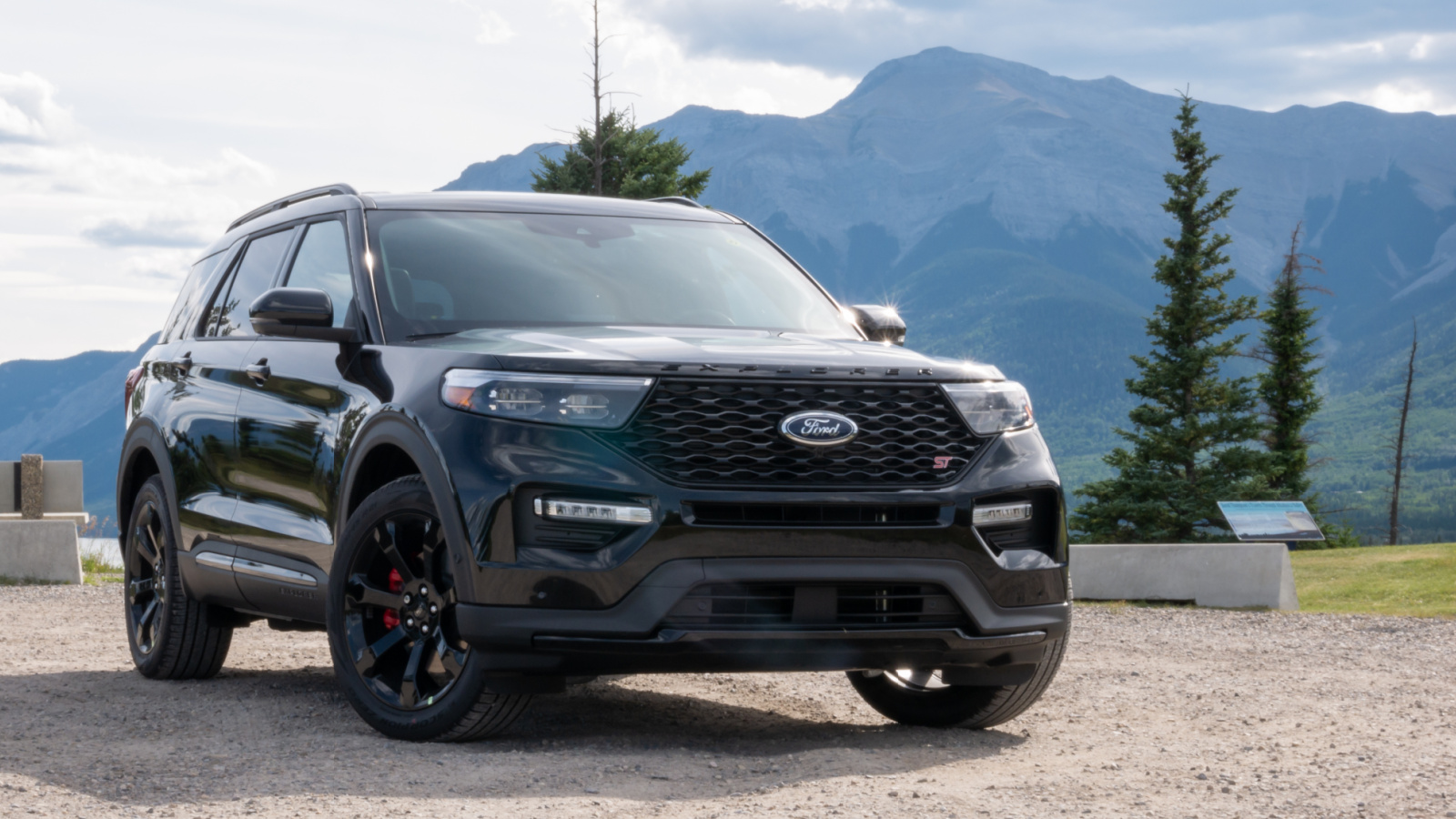
The Ford Explorer has the right ingredients on paper: three rows, available all-wheel drive, turbocharged power, modern technology, and a recognizable family-SUV name. The concern is that its value depends heavily on trim and engine choice. Once buyers move beyond the base model, pricing rises quickly, and the stronger 3.0-litre EcoBoost V6 can bring fuel consumption that feels closer to a larger SUV than a mainstream family hauler.
Ford’s Canadian figures show the 2.3-litre EcoBoost at about 10.4 L/100 km combined, while the 3.0-litre V6 sits around 11.3 combined. That may not sound dramatic, but real-world turbocharged fuel use can climb when loaded with passengers, winter gear, or highway speeds. Families may also find that the third row and cargo space do not feel as generous as the monthly payment suggests. The Explorer is not lacking ability, but it risks feeling expensive for what many families actually use.
Volkswagen Atlas
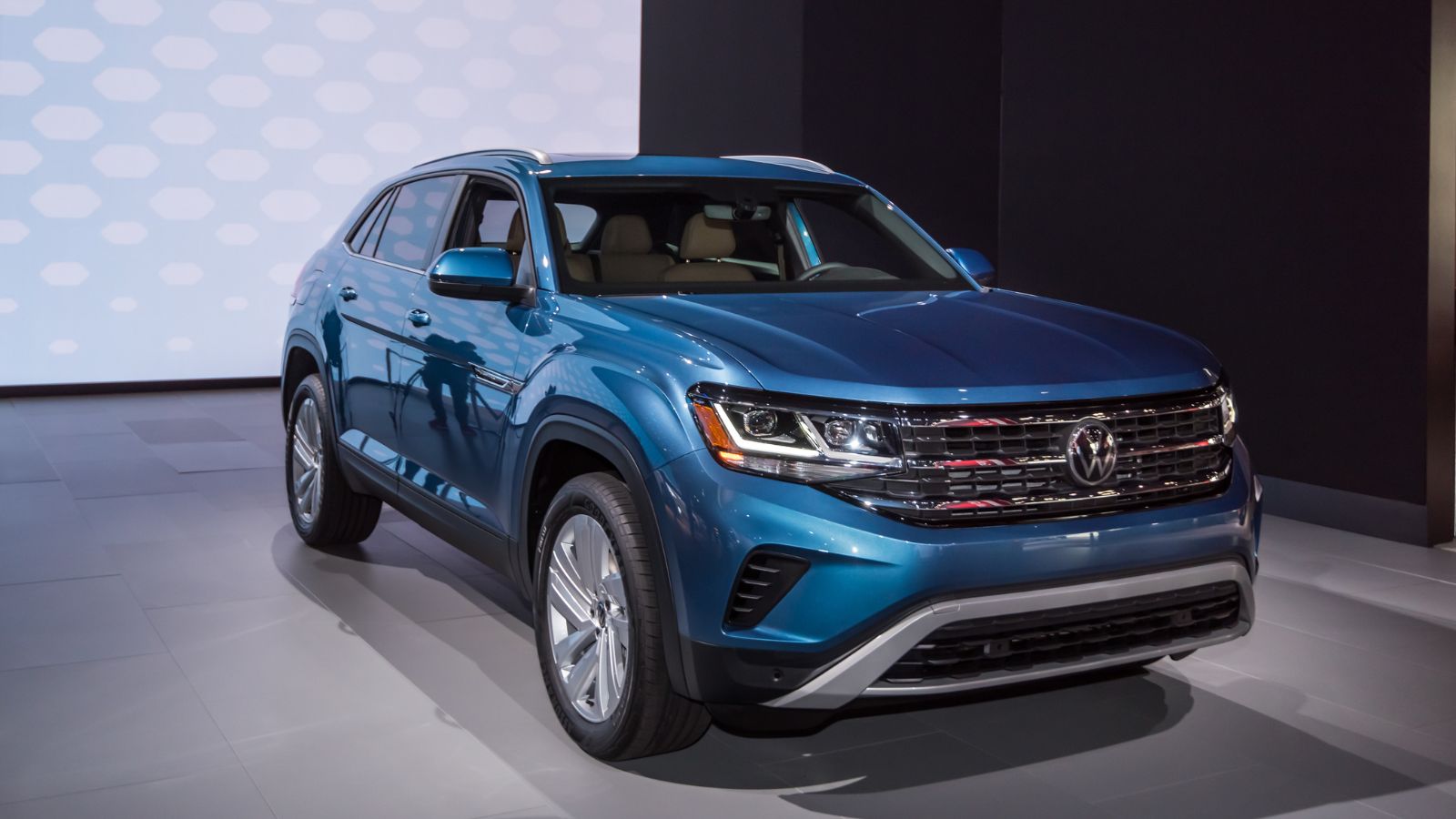
The Volkswagen Atlas wins attention with one of the roomier cabins in the three-row SUV class. Parents often appreciate its adult-friendly third row, wide cargo opening, and straightforward interior layout. Those strengths are meaningful, especially for families with teenagers or regular carpool duty. Yet the Atlas can feel like a weaker value once fuel economy, pricing, and the lack of a hybrid option enter the conversation.
Volkswagen Canada lists the 2026 Atlas at 12.0 L/100 km city, 9.2 highway, and 10.7 combined. That is not shocking for a large three-row SUV, but it is less appealing when families compare it with hybrid alternatives or minivans that use less fuel while carrying people just as well. The Atlas gives space, but not necessarily savings. For buyers who need maximum cabin room and prefer European styling, it still has a role. For cost-conscious households, the fuel bill may dull the charm.
Subaru Ascent
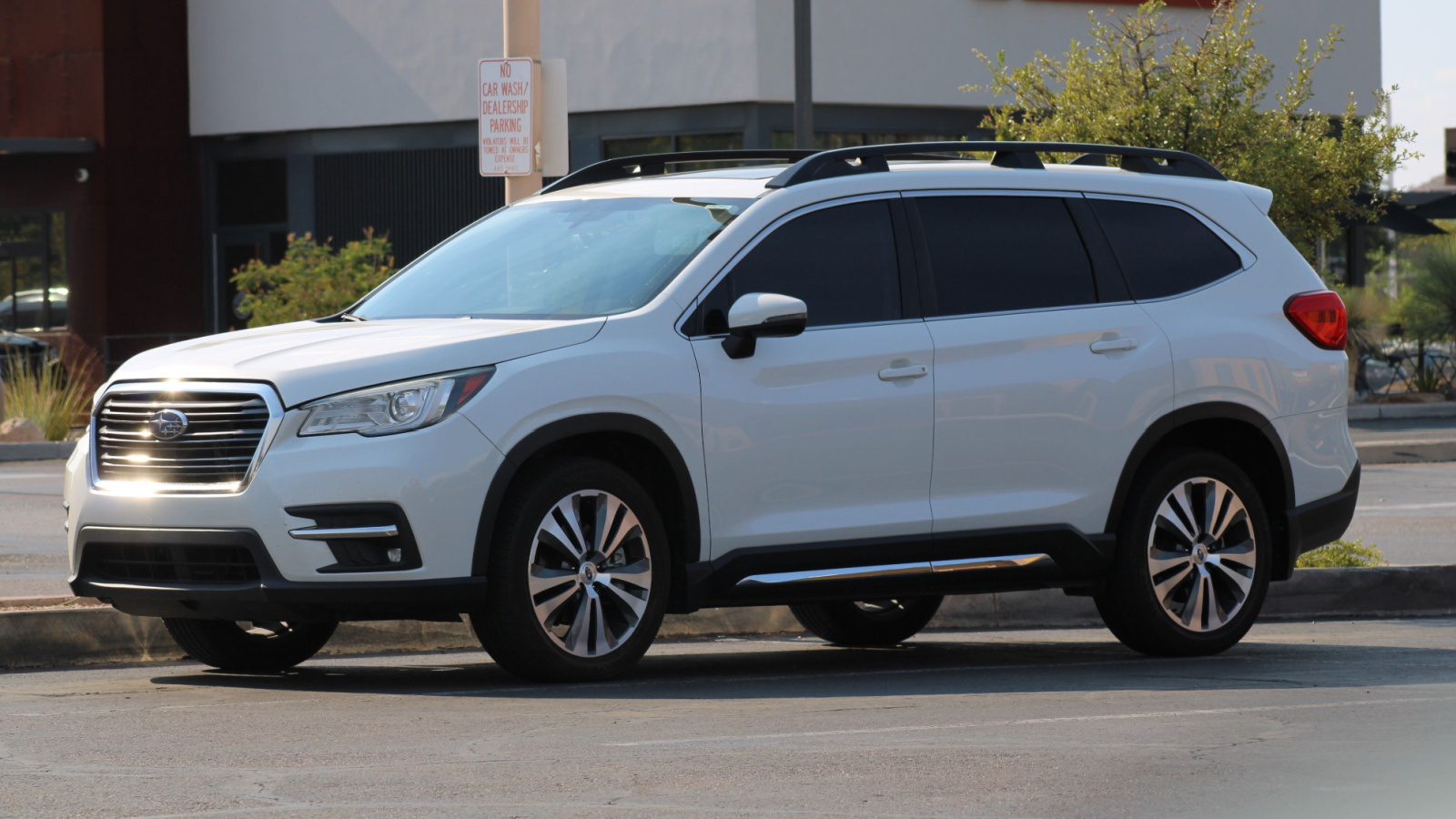
The Subaru Ascent has long made sense for Canadian families who prioritize standard all-wheel drive, winter confidence, and practical seating. Subaru’s brand reputation also helps, especially in snowy provinces where trust matters. But the Ascent’s value case is being squeezed by rising expectations in the three-row segment. Families now want better fuel economy, more polished interiors, stronger infotainment, and hybrid options, not just standard AWD.
Fuel figures around 12.3 L/100 km city and 9.4 highway place the Ascent in a fairly thirsty zone for a family crossover. It also uses a turbocharged engine and CVT combination that may not feel as effortless when the vehicle is fully loaded. The Ascent is still a sensible machine for drivers who regularly face snow, cottage roads, or hilly commutes. The concern is that competitors are becoming more efficient and more refined, while the Subaru’s core advantage feels narrower than it did a few years ago.
Mazda CX-90 PHEV
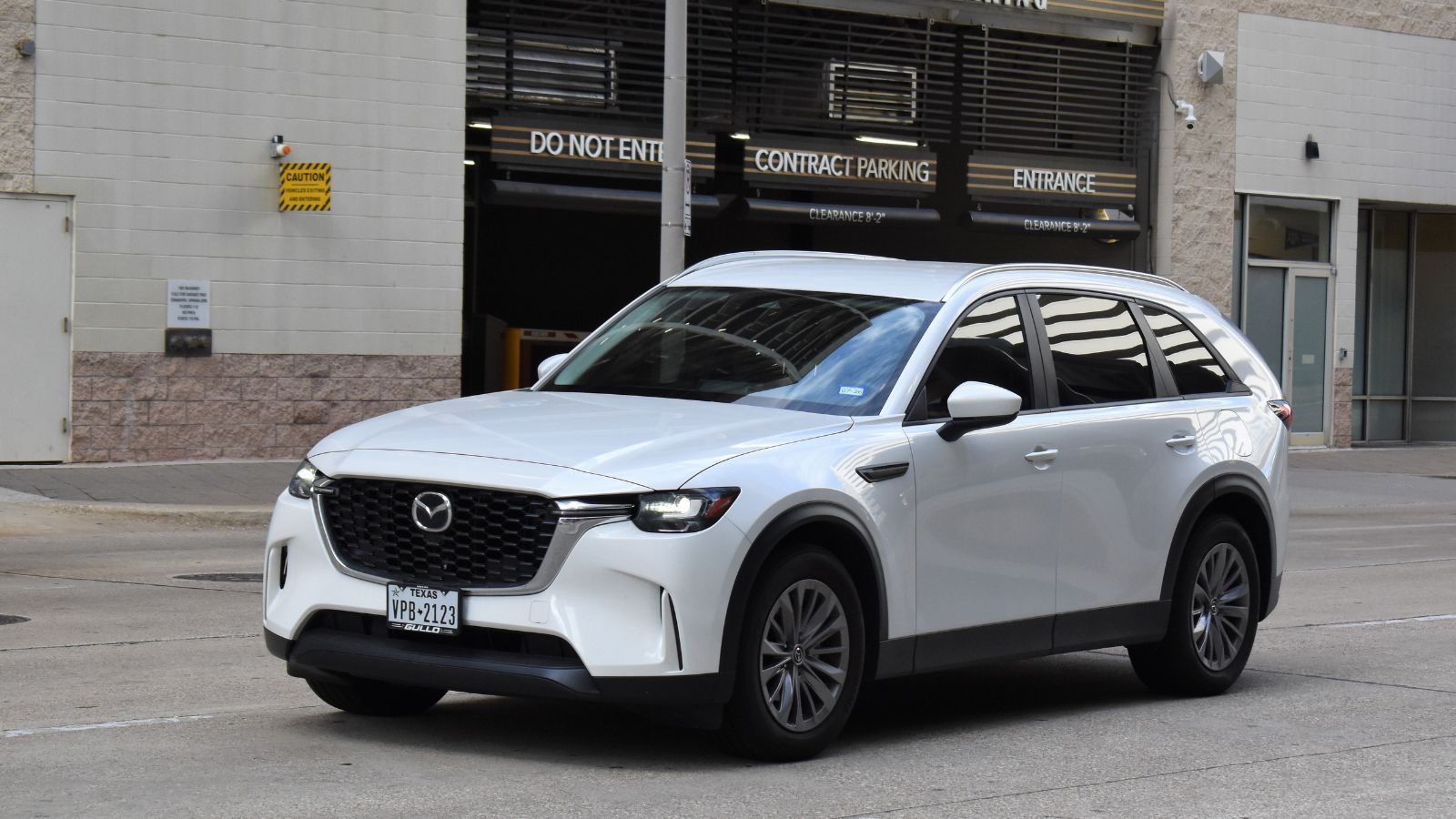
The Mazda CX-90 PHEV looks like a smart bridge between gasoline practicality and electric efficiency. It offers three rows, standard all-wheel drive, premium styling, and plug-in capability, which should make it ideal for Canadian families trying to reduce fuel costs without going fully electric. The catch is that plug-in value depends heavily on charging discipline. Without regular charging, the CX-90 PHEV can behave more like a heavy gasoline SUV than a money-saving electrified family hauler.
Canadian listings show gasoline-only operation around 9.8 L/100 km city, 8.5 highway, and 9.2 combined, while plug-in efficiency depends on battery use. That means the vehicle can be excellent for families with short commutes and reliable home charging, but less convincing for long highway driving, condo living, or busy households that forget to plug in. Add premium fuel recommendations in some configurations and higher trim pricing, and the value story becomes more conditional than many families expect.
Toyota Sequoia
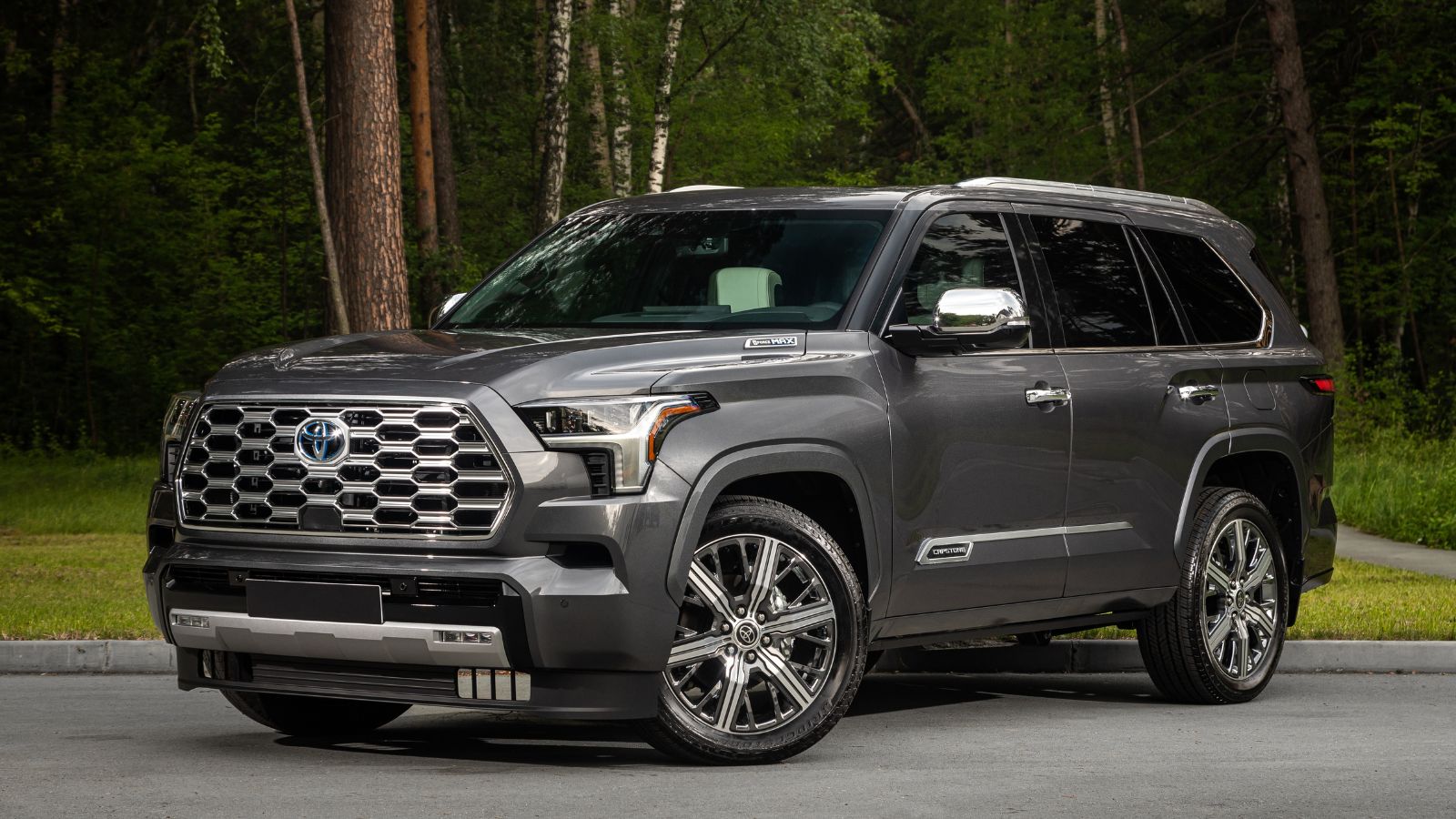
The Toyota Sequoia has huge appeal for families who tow, travel long distances, or want truck-based durability with three-row seating. Its hybrid twin-turbo V6 delivers strong power, and Toyota’s resale reputation is a major advantage in Canada. Still, the Sequoia can feel like poor value for families who mostly need school-run space, not full-size SUV capability. It is big, expensive, and still relatively thirsty despite the hybrid badge.
Toyota Canada lists Sequoia fuel efficiency around 12.6 L/100 km city and 10.5 highway for several trims. Those numbers are better than old V8 full-size SUVs, but they are not small-family efficient. The third row and cargo packaging also face criticism because the hybrid battery and truck-based layout affect usability. Families who tow a camper may see the point immediately. Families using it mainly for groceries, hockey bags, and commuting may wonder why a vehicle this costly does not feel more practical inside.
Chevrolet Tahoe
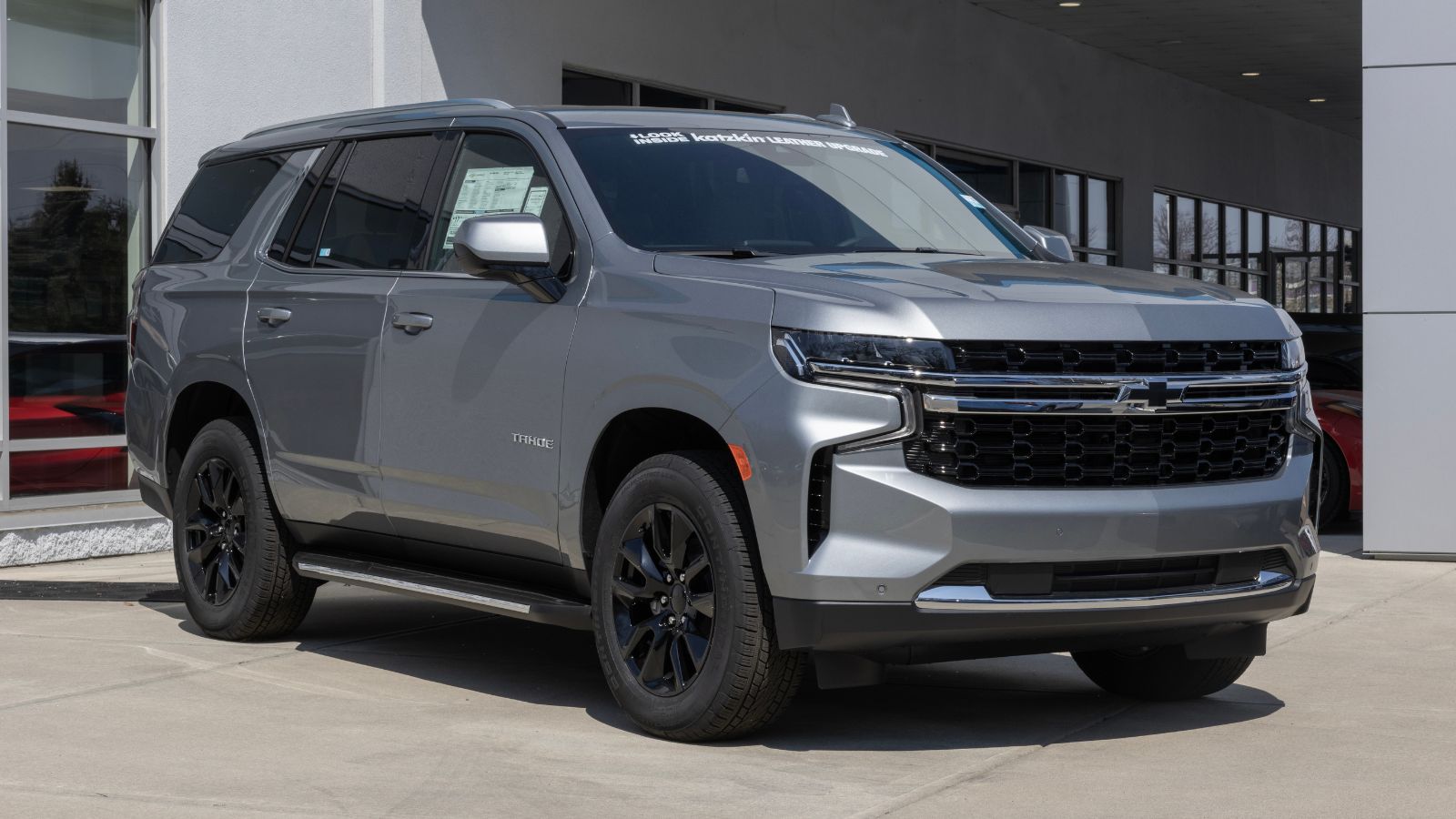
The Chevrolet Tahoe is a classic big-family SUV with serious towing ability, road-trip comfort, and a commanding presence. It can work beautifully for large households, rural families, or anyone regularly hauling people and gear. The value problem appears when it is used as a normal suburban family vehicle. Once fuel, winter tires, insurance, parking, and higher trims are considered, the Tahoe can feel like an expensive solution to a problem many families do not actually have.
Canadian Chevrolet material shows efficient diesel estimates as low as 11.5 L/100 km city and 9.7 highway, but many gasoline V8 examples use considerably more. Dealer listings for V8 4WD versions show combined figures around 14.0 L/100 km. That spread matters because the lower fuel numbers often depend on choosing a specific powertrain. The Tahoe still has a clear purpose, but for families that rarely tow or fill every seat, smaller three-row SUVs and minivans may deliver more value.
Ford Expedition
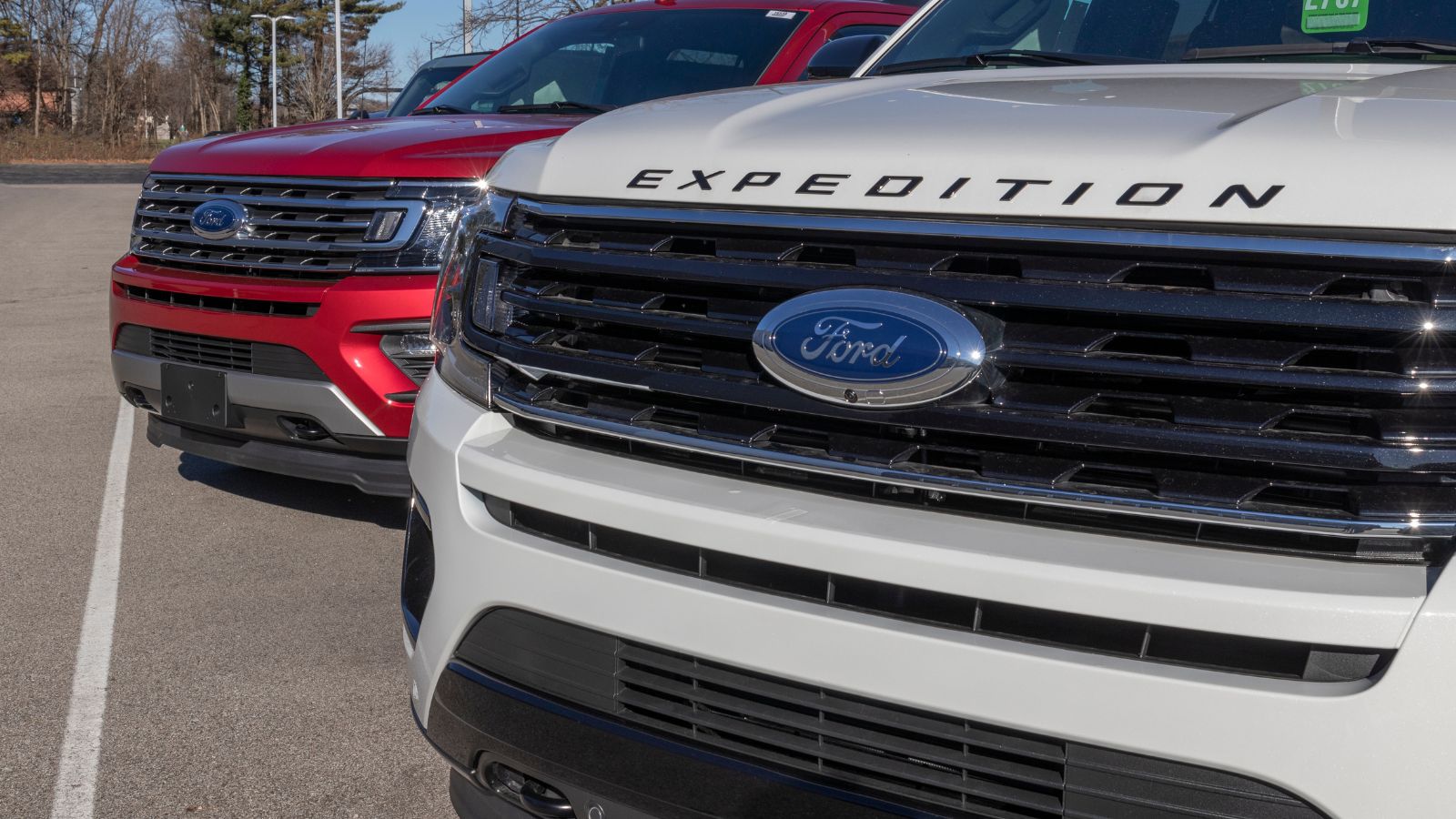
The Ford Expedition is one of the most capable family-hauling SUVs available, with generous room, strong towing ability, and a powerful turbocharged V6. It is especially attractive for families who travel with trailers, boats, or heavy gear. But that capability comes at a high cost. Canadian buyers looking at new Expeditions can quickly find themselves in luxury-vehicle payment territory, especially when moving into Max or Platinum trims.
Fuel consumption is another pressure point. Ford Canada lists Expedition figures around 18 mpg imperial city, 26 highway, and 21 combined, while Canadian dealer listings translate many versions to roughly 13.3 L/100 km combined. That is acceptable for a vehicle this large, but difficult to justify if the family rarely uses its full size or towing capacity. The Expedition is not bad value for the right household. It becomes questionable when bought mainly for comfort and image rather than genuine heavy-duty family needs.
Nissan Armada
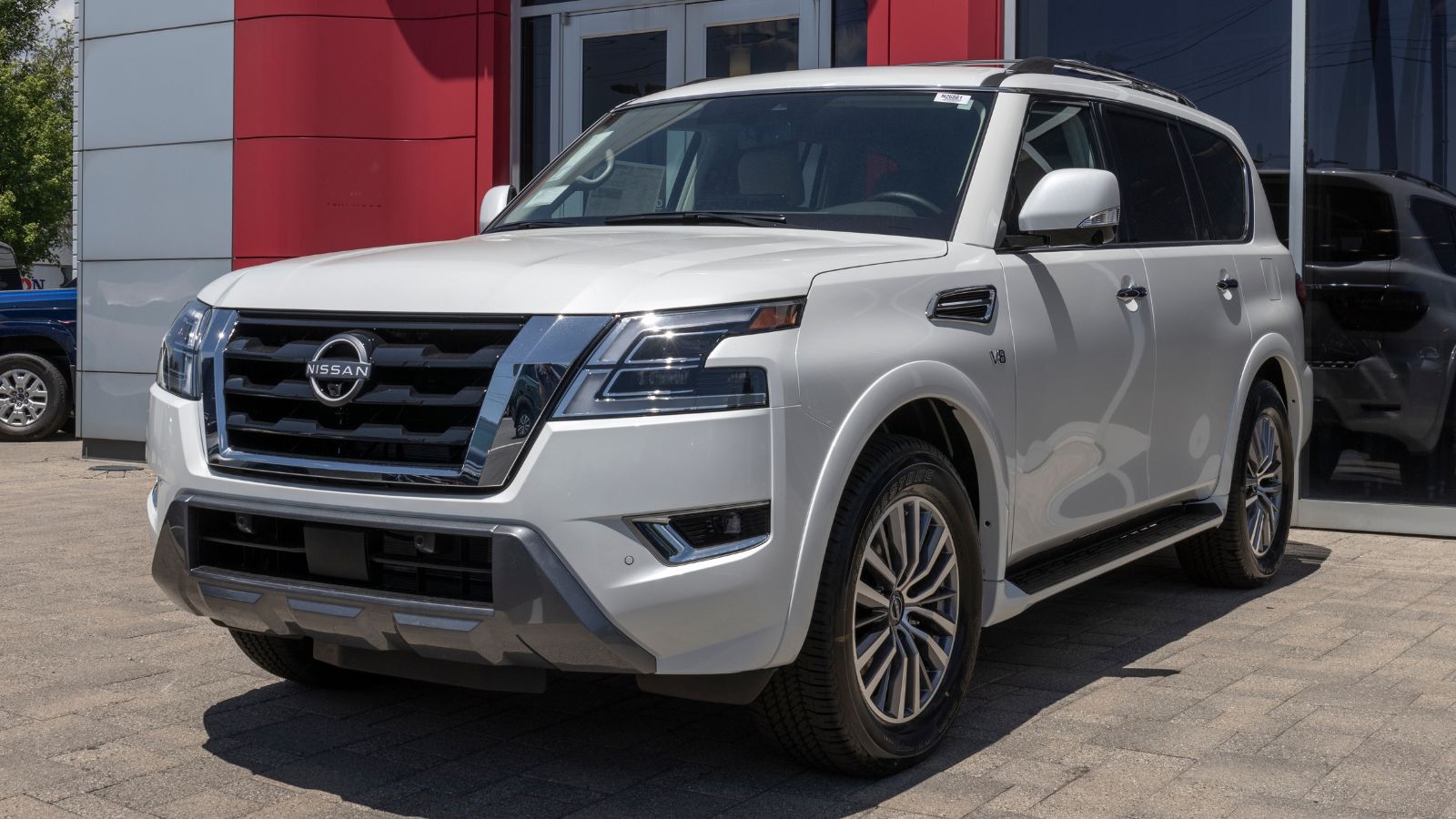
The redesigned Nissan Armada brings more power, more technology, and a more premium feel than before. It also keeps serious towing capacity and body-on-frame toughness, which can appeal to larger Canadian families with trailers or cottage-country routines. Yet the Armada’s value issue is similar to other full-size SUVs: most of its strengths are expensive to own and easy to underuse. A family that rarely tows may simply be paying for mass.
Nissan Canada lists the 2026 Armada with a large 89.3-litre fuel tank and towing capacity of up to 8,500 pounds. Canadian fuel estimates around 14.7 L/100 km city, 12.4 highway, and 13.7 combined make it one of the costlier choices for everyday driving. The new twin-turbo V6 is powerful, but premium trims can push pricing deep into luxury territory. For a family that needs strength, the Armada makes sense. For commuting and errands, it can feel excessive fast.
Ford F-150 Lightning
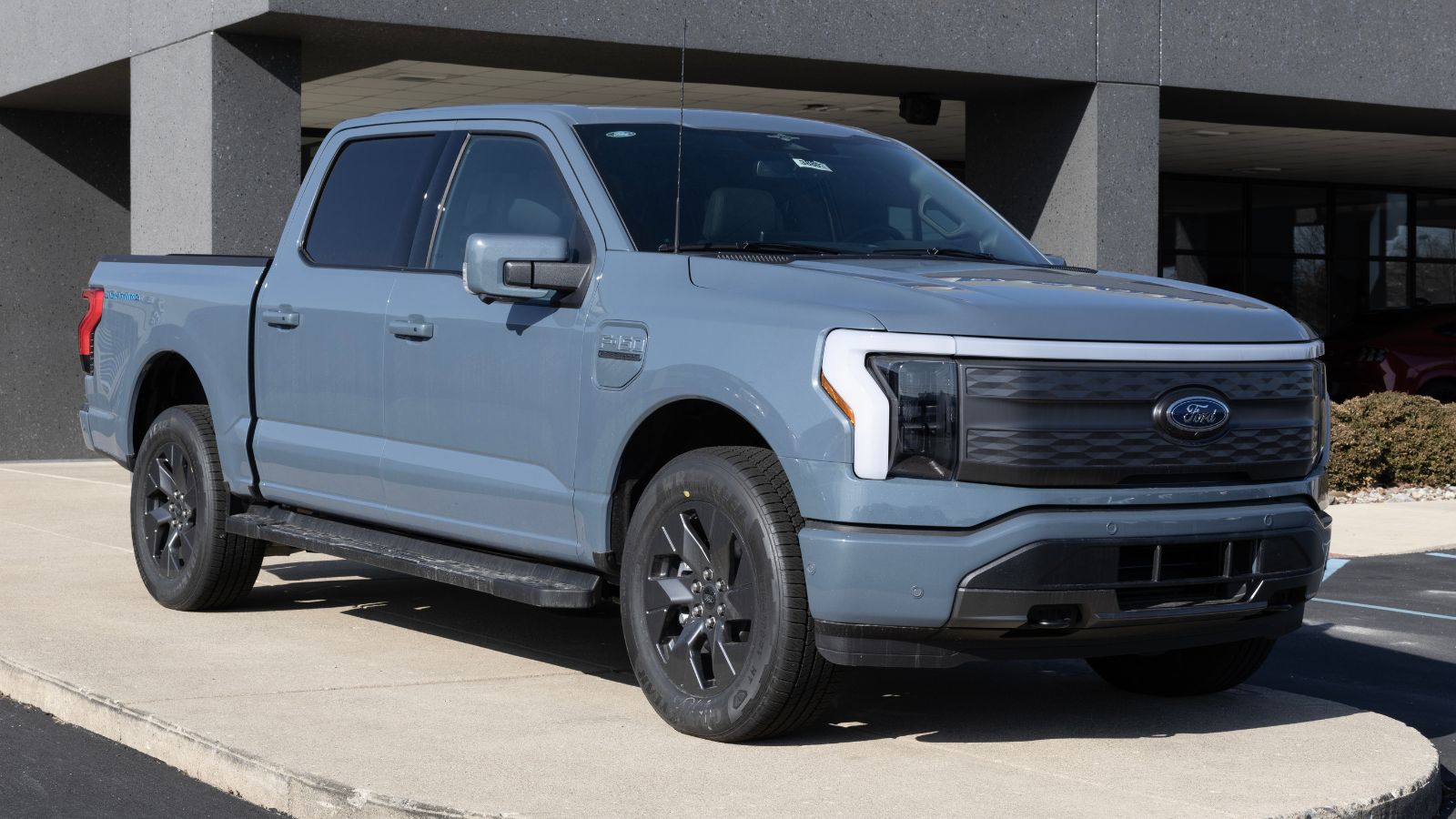
The Ford F-150 Lightning is a fascinating family vehicle because it combines pickup practicality with electric torque, a quiet cabin, and useful home-power features. For suburban families with a garage, predictable routes, and access to home charging, it can be genuinely impressive. The value concern comes from its purchase price, battery-size complexity, towing-range limitations, and the reality that not every Canadian family lives where charging is easy.
Ford has shifted the Lightning lineup, and reports on the 2026 STX highlight an extended-range battery, estimated range around 467 km, and towing capacity up to 10,000 pounds. Those are strong numbers, but towing in cold weather or at highway speed can reduce range significantly. Families who want a truck for camping, hockey travel, winter road trips, or rural work may need to plan more carefully than they would with gas. The Lightning is advanced, but its best value depends on a specific lifestyle.
Chevrolet Silverado EV
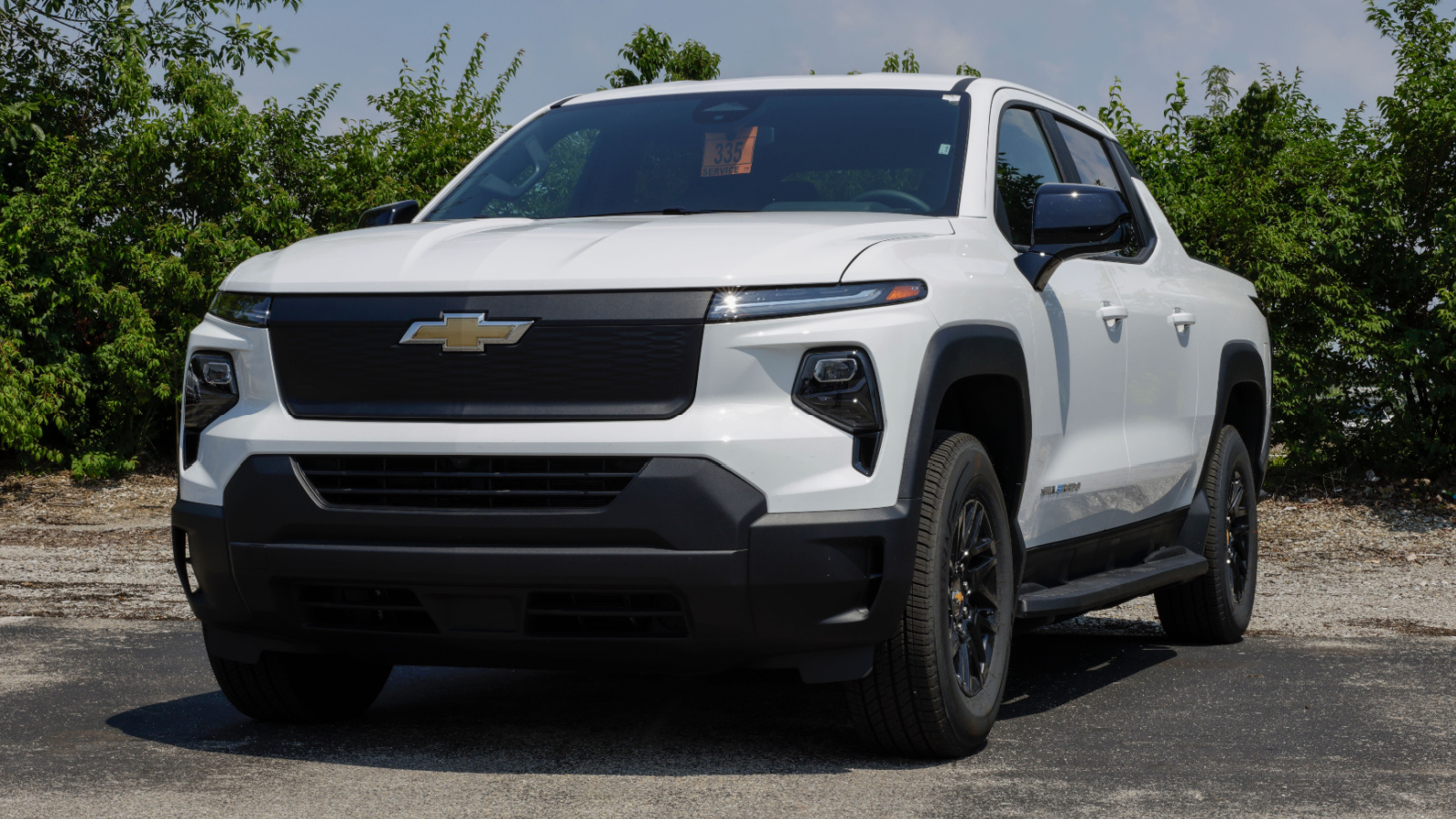
The Chevrolet Silverado EV promises big electric-truck capability, serious range, and lower day-to-day energy costs for drivers who can charge at home. It is also expensive enough that many Canadian families may struggle to see it as a practical household purchase. Even lower-priced Work Truck or LT versions can sit far above the budget of families that simply need a reliable vehicle for commuting, groceries, sports gear, and weekend projects.
Canadian listings and Chevrolet build information show Silverado EV pricing in the high-$60,000 range for some Standard Range Work Truck examples before families reach more desirable trims. Electric range can be strong, but the truck’s size, tire costs, insurance, and charging needs should not be ignored. For contractors or rural households that can use the bed and charge overnight, the math may work. For families attracted mainly by the idea of an electric truck, a smaller EV or hybrid SUV may be much easier to justify.
Tesla Model Y
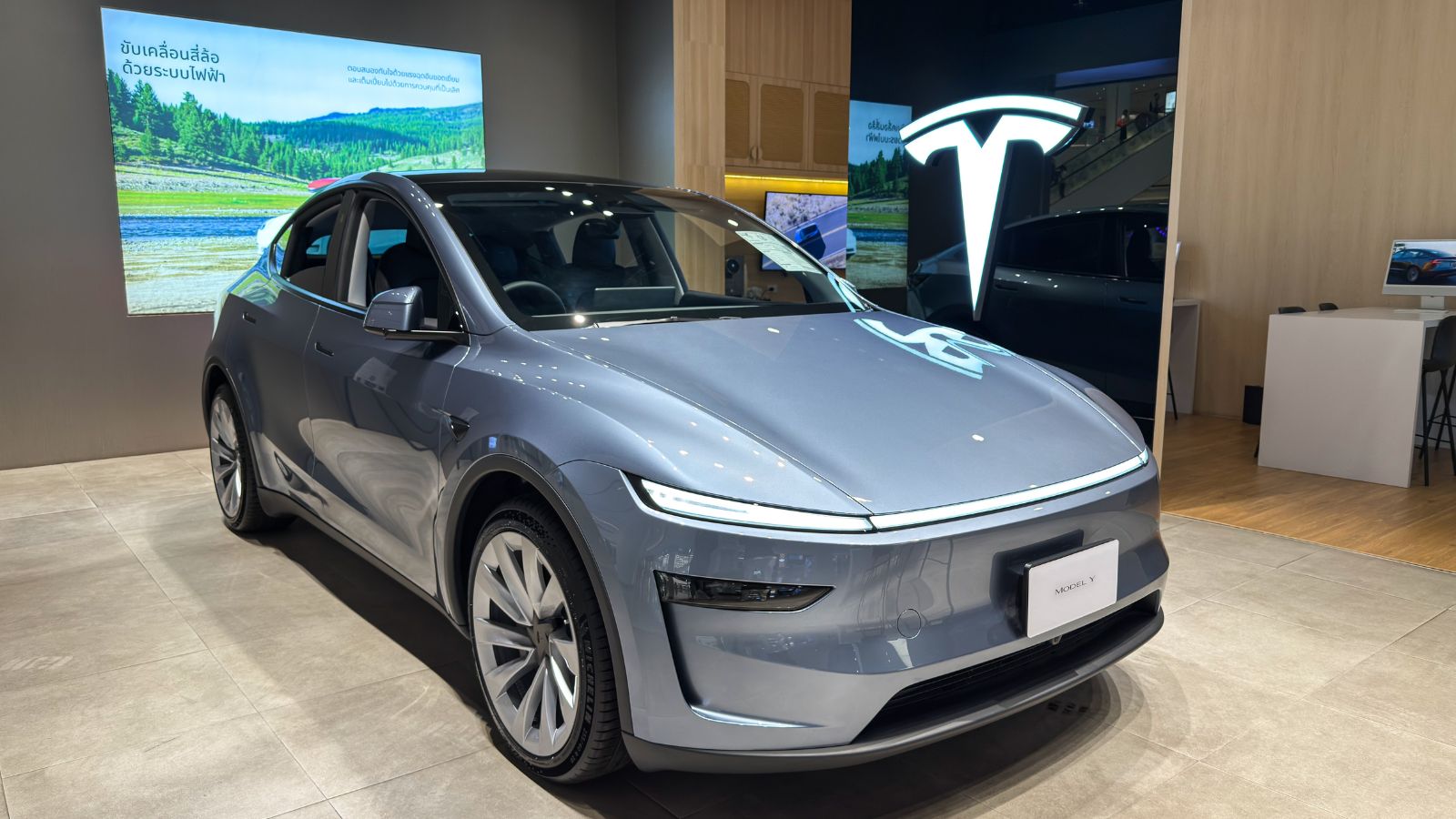
The Tesla Model Y remains one of Canada’s most recognizable electric family vehicles, and its range, cargo space, charging network, and software experience are major strengths. The value concern is not that the Model Y lacks appeal. It is that the EV market has become more competitive while Tesla pricing, incentives, insurance, and depreciation expectations have become less predictable. Families who once saw it as the obvious EV choice now have more homework to do.
Tesla Canada lists Model Y range up to 542 km for the Premium AWD and 463 km for the rear-wheel-drive version. Those numbers are useful, but Canadian winters, highway driving, and battery preconditioning can affect real-world range. Reuters also reported Tesla price increases in Canada in 2025, illustrating how quickly the purchase equation can move. For families with home charging and long-term ownership plans, the Model Y can still work well. For payment-sensitive buyers, used EV volatility makes the value story less certain.
Toyota Sienna Upper Trims
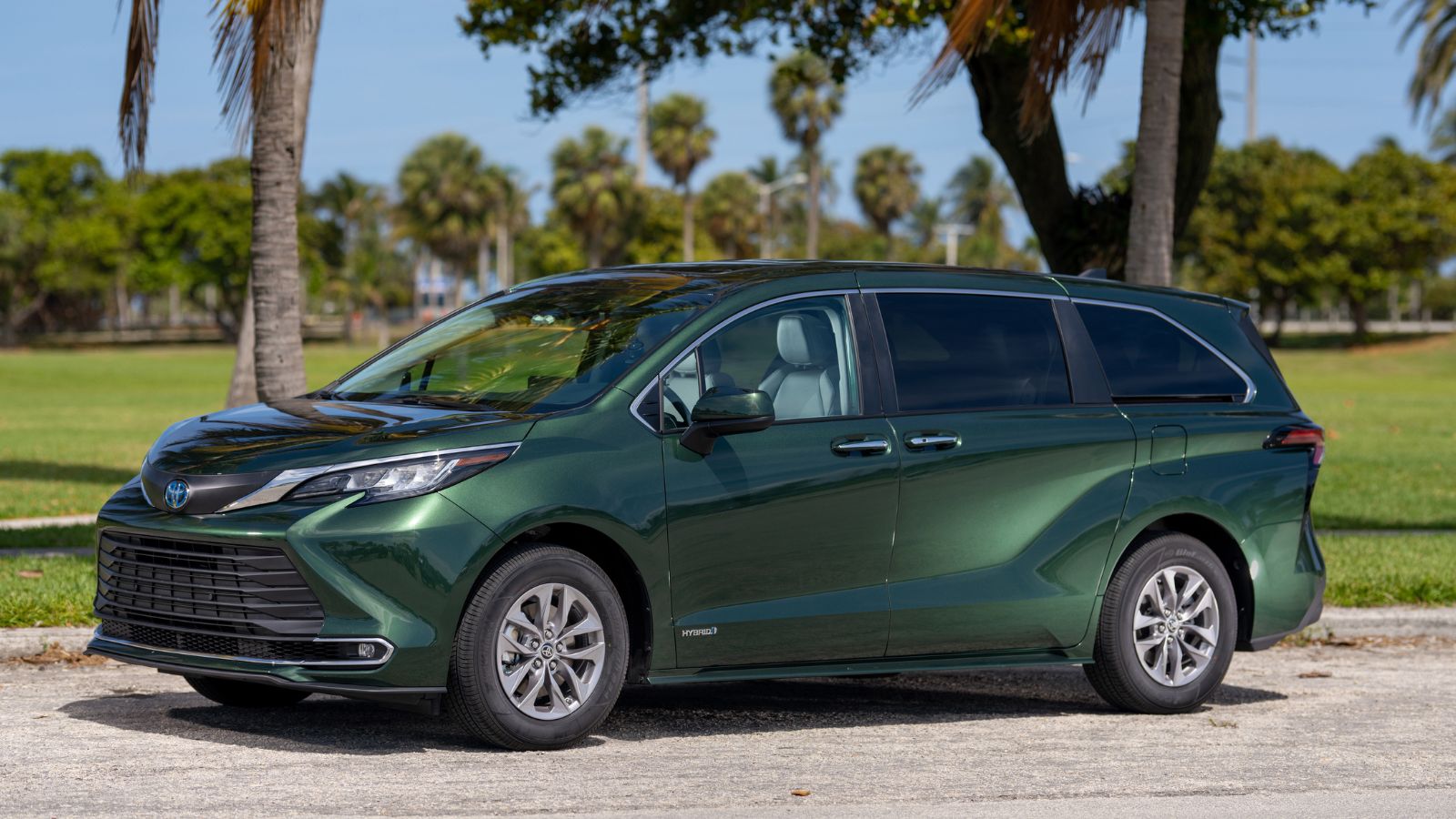
The Toyota Sienna is one of the strongest family vehicles in Canada, which makes its inclusion more nuanced. Its hybrid-only powertrain, available all-wheel drive, and excellent fuel economy are exactly what many families need. The problem is not the Sienna itself. The problem is that high demand, upper-trim pricing, and limited supply can push buyers into expensive versions that feel less like a smart family purchase and more like a stretch.
Canadian Sienna figures around 6.6 L/100 km combined are outstanding for a three-row vehicle, and that efficiency can save real money over years of school runs and road trips. But trims such as Limited can move into the high-$60,000 range, according to Canadian pricing data. At that point, the Sienna is still practical, but it no longer feels cheap. Families who can secure a lower or mid-level trim may get excellent value. Those forced into top trims may pay luxury-SUV money for minivan practicality.
22 Things Canadians Do to Their Cars in Spring That Mechanics Hate

Spring brings relief to many Canadian drivers after months of snow, freezing temperatures, and icy roads that put serious strain on vehicles. As temperatures rise across the country, drivers begin washing cars, switching tires, and preparing vehicles for warmer weather and upcoming road trips. However, mechanics across Canada notice the same mistakes every spring when drivers attempt to recover from winter damage. Road salt, potholes, and harsh winter driving conditions often leave vehicles with hidden problems that drivers ignore. Some spring habits even create new mechanical issues that could have been avoided with proper maintenance. Here are 22 things Canadians do to their cars in spring that mechanics hate.