


























A vehicle rarely becomes unaffordable overnight. The change usually arrives through small clues: a repair estimate that feels too large, a warning light that keeps returning, or a monthly budget that no longer has room for another surprise. What once felt like a dependable machine can slowly turn into a financial drain.
These 15 warning signs show when keeping a vehicle may be costing more than it reasonably should. Some point to repair risk, others to insurance, fuel, safety, depreciation, or the hidden cost of lost time. Taken together, they help reveal when loyalty to an aging vehicle may be quietly working against long-term financial stability.
Repair Bills Start Matching the Car’s Value
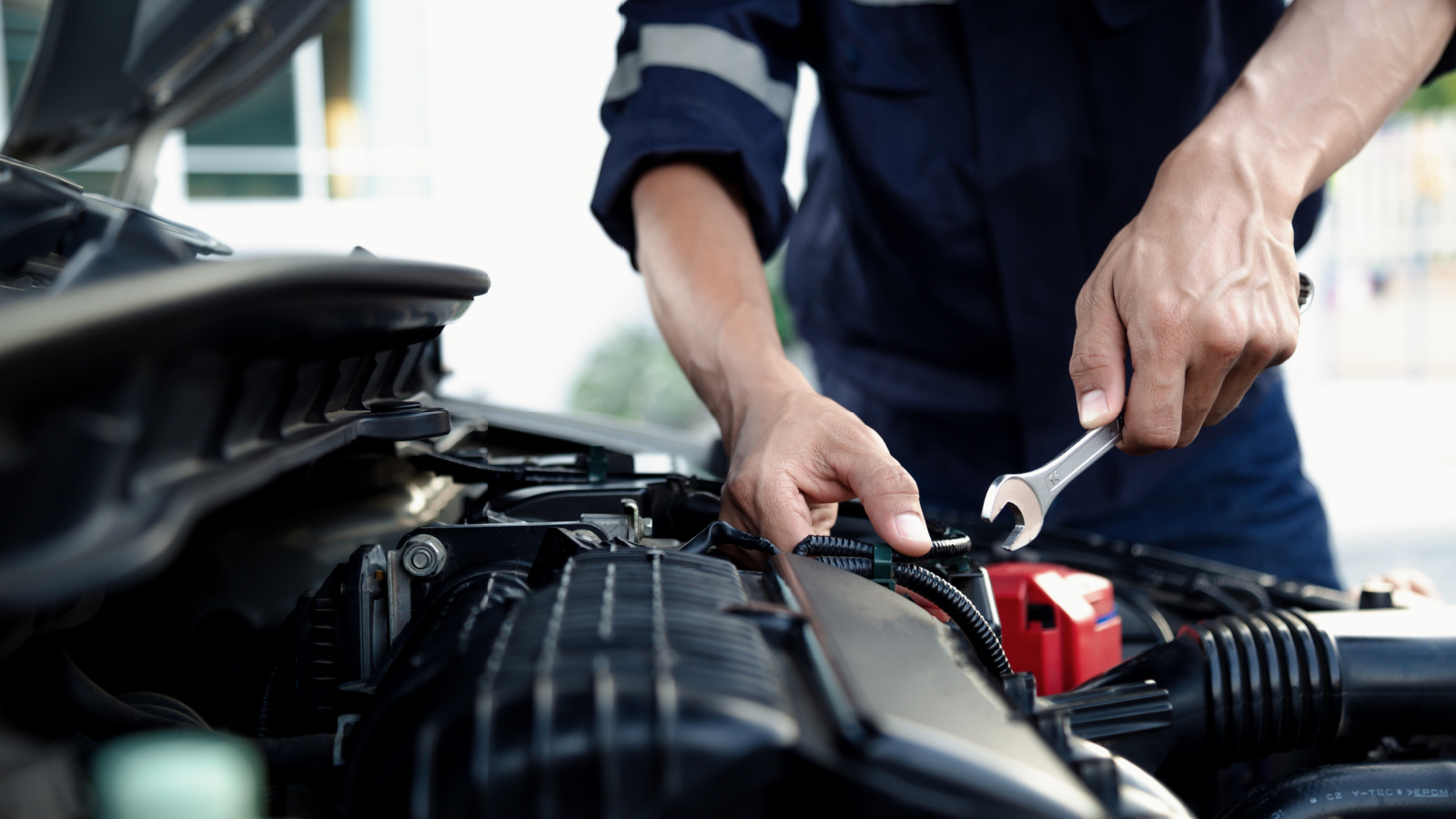
One of the clearest warning signs is a repair estimate that suddenly feels too close to the vehicle’s market value. A $2,800 transmission job on a vehicle worth $5,000 is not just a repair decision; it is a financial crossroads. Even if the repair works, the vehicle may still have worn suspension parts, aging electronics, old tires, or rust waiting behind it.
This is why many owners compare the repair total with resale value before approving major work. Depreciation also matters because a vehicle may be worth far less than its original purchase price. When one repair consumes a large share of the car’s value, the question shifts from “Can it be fixed?” to “Is this still the smartest place to put money?”
The Same Problem Keeps Coming Back
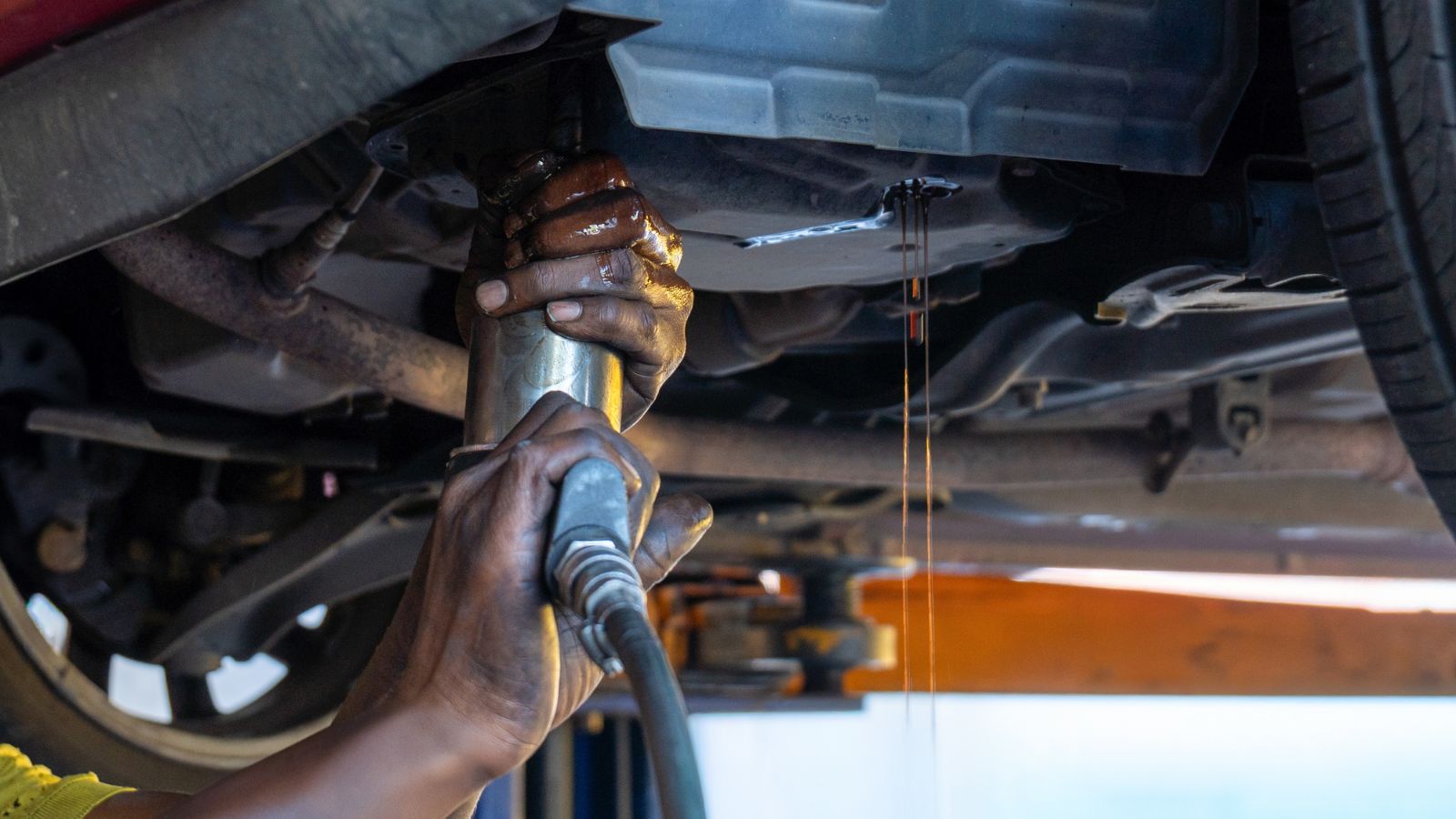
A vehicle becomes expensive in a different way when the same issue returns after multiple shop visits. A cooling problem that keeps overheating, a misfire that comes back after new plugs, or a recurring electrical drain can turn into a cycle of diagnostics, parts, labor, and frustration. The first repair may seem reasonable; the third begins to feel like paying rent on a problem.
Recurring issues are especially costly because they often involve uncertainty. A shop may replace the most likely part first, then chase deeper causes later. That can happen with intermittent wiring faults, sensor networks, fuel-system problems, or aging modules. When every “fix” only buys a few weeks of peace, the vehicle may be crossing into money-pit territory.
Warning Lights Stay On Longer Than They Should
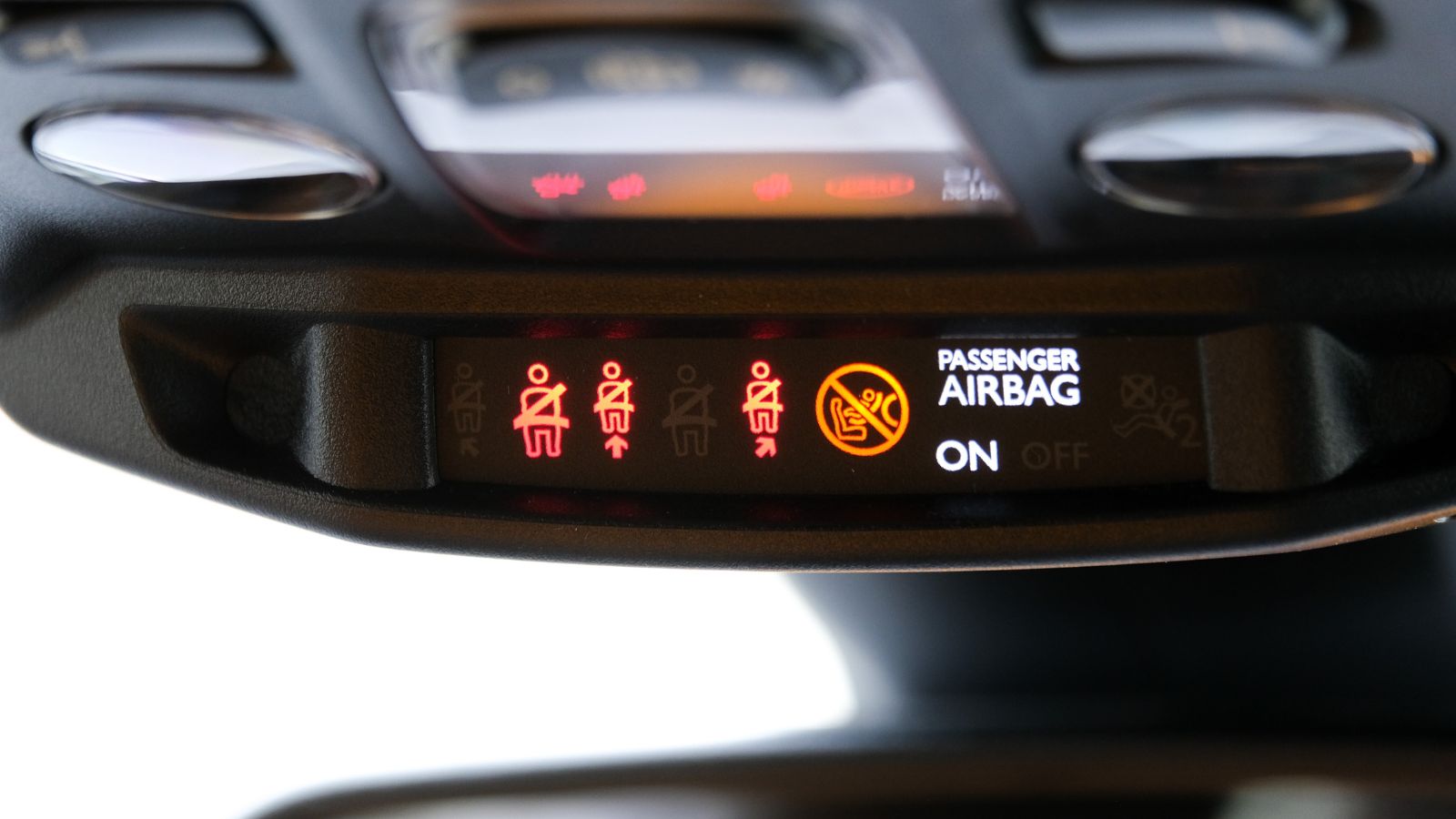
A dashboard warning light that lingers is more than an annoyance. Modern vehicles can appear to drive normally while the computer stores trouble codes related to emissions, drivetrain performance, braking, tire pressure, or stability systems. That can tempt owners to postpone diagnosis, especially if the vehicle still starts and runs.
The cost risk is that small causes can lead to larger failures. A loose gas cap may be cheap, while a neglected misfire can damage a catalytic converter. Check-engine repairs can range widely, and catalytic converter replacement is one of the more expensive common repairs. When warning lights become part of the normal driving experience, the vehicle is already asking for money.
Fuel Economy Has Noticeably Slipped
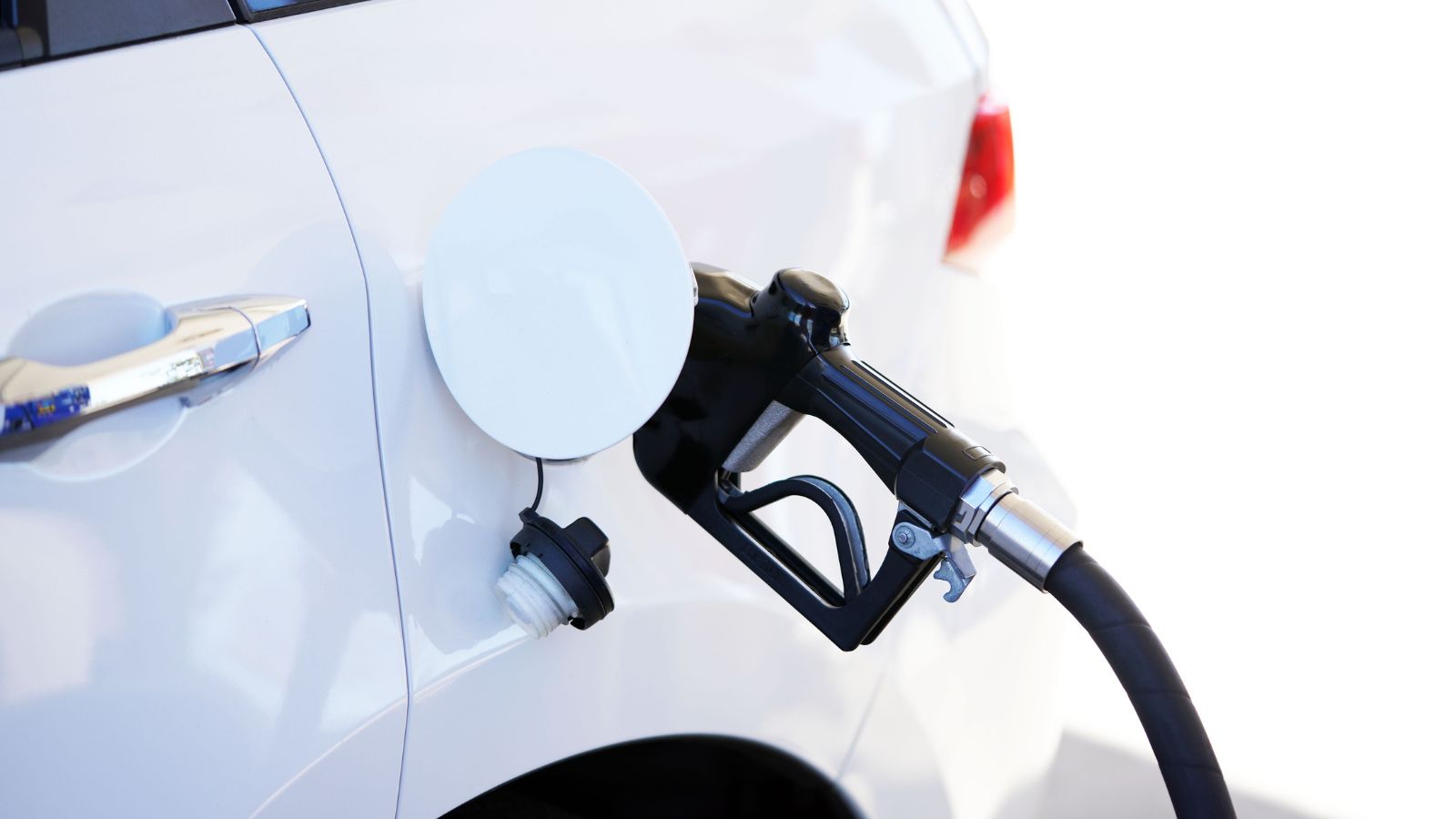
A slow drop in fuel economy can make an older vehicle more expensive without producing a dramatic breakdown. If a car once delivered 30 miles per gallon and now struggles to reach 24, the difference shows up every week at the pump. The driver may blame traffic or fuel prices, but mechanical causes can be hiding underneath.
Low tire pressure, dragging brakes, bad oxygen sensors, worn spark plugs, incorrect motor oil, and neglected maintenance can all affect fuel use. Aggressive acceleration and braking can also waste fuel, especially in stop-and-go driving. When a vehicle burns more fuel than it used to, the repair bill may not be visible yet, but the operating cost has already increased.
Insurance Premiums No Longer Make Sense
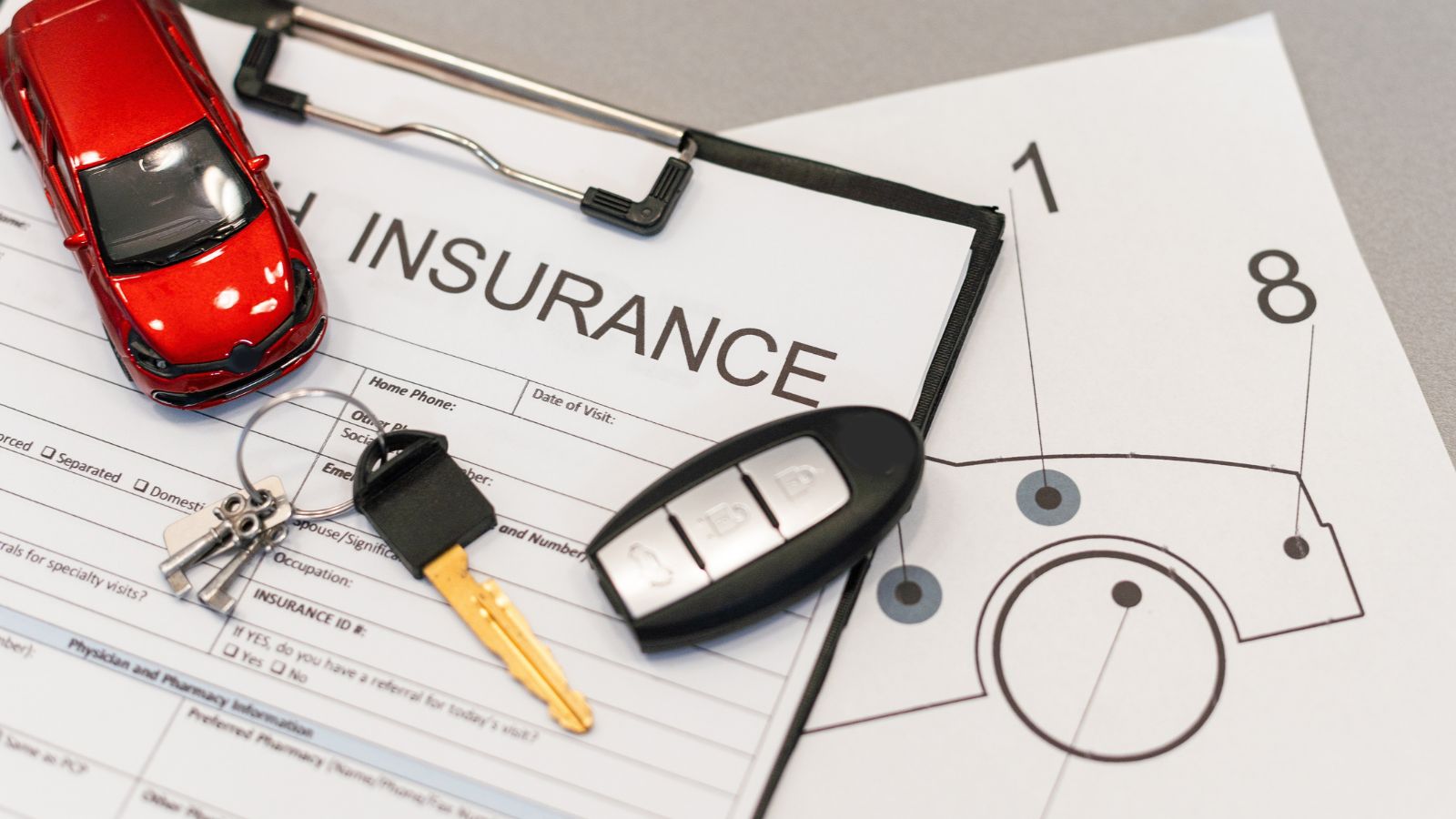
Insurance can quietly become mismatched with an aging vehicle. Full coverage may have made sense when the car was newer, financed, or worth a substantial amount. Years later, the premium may remain high while the payout after a total loss would be limited by the vehicle’s actual cash value.
This can be especially frustrating when a vehicle’s repair costs are rising at the same time. A driver may be paying for coverage on a vehicle that also needs tires, brakes, and suspension work. The problem is not always the insurance company; vehicle model, repair cost, theft risk, location, and driving history all influence premiums. The warning sign appears when annual premiums feel too large compared with what the car is worth.
Tires, Brakes, and Suspension Wear Out Too Often
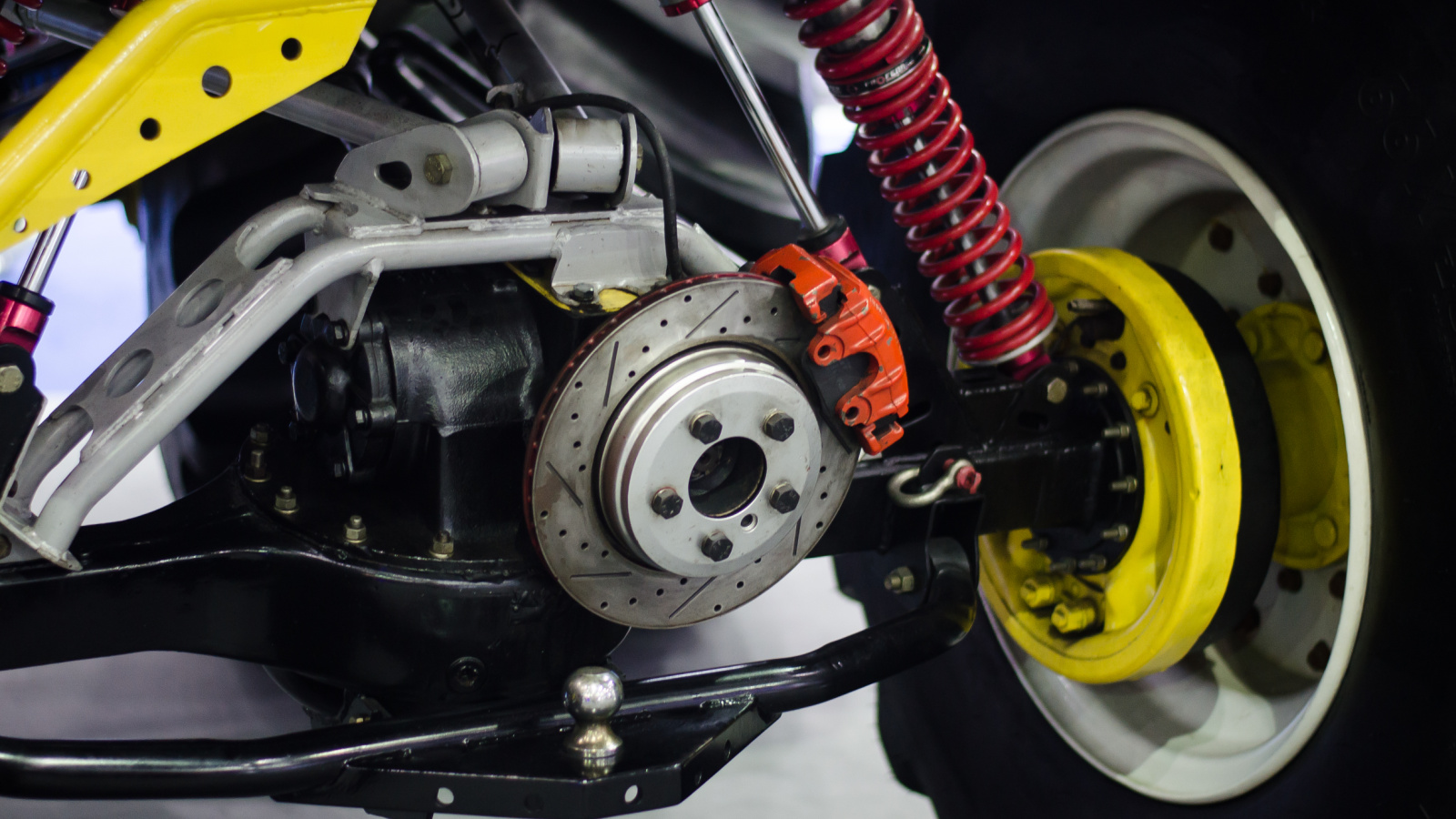
Frequent tire and brake replacement can reveal deeper cost problems. Uneven tire wear may point to alignment trouble, worn suspension parts, bad shocks, or steering issues. Brake grinding, shaking, or pulling can mean pads were ignored long enough to damage rotors or other components. These are not glamorous repairs, but they can become expensive because they repeat.
A family SUV that needs tires every 18 months and brake work every year may be more costly than its payment-free status suggests. Tires and brakes are normal wear items, but abnormal wear changes the math. If the vehicle cannot hold alignment, chews through rubber, or needs suspension work to stop the cycle, ownership costs may be accelerating.
Major Components Are Aging at the Same Time
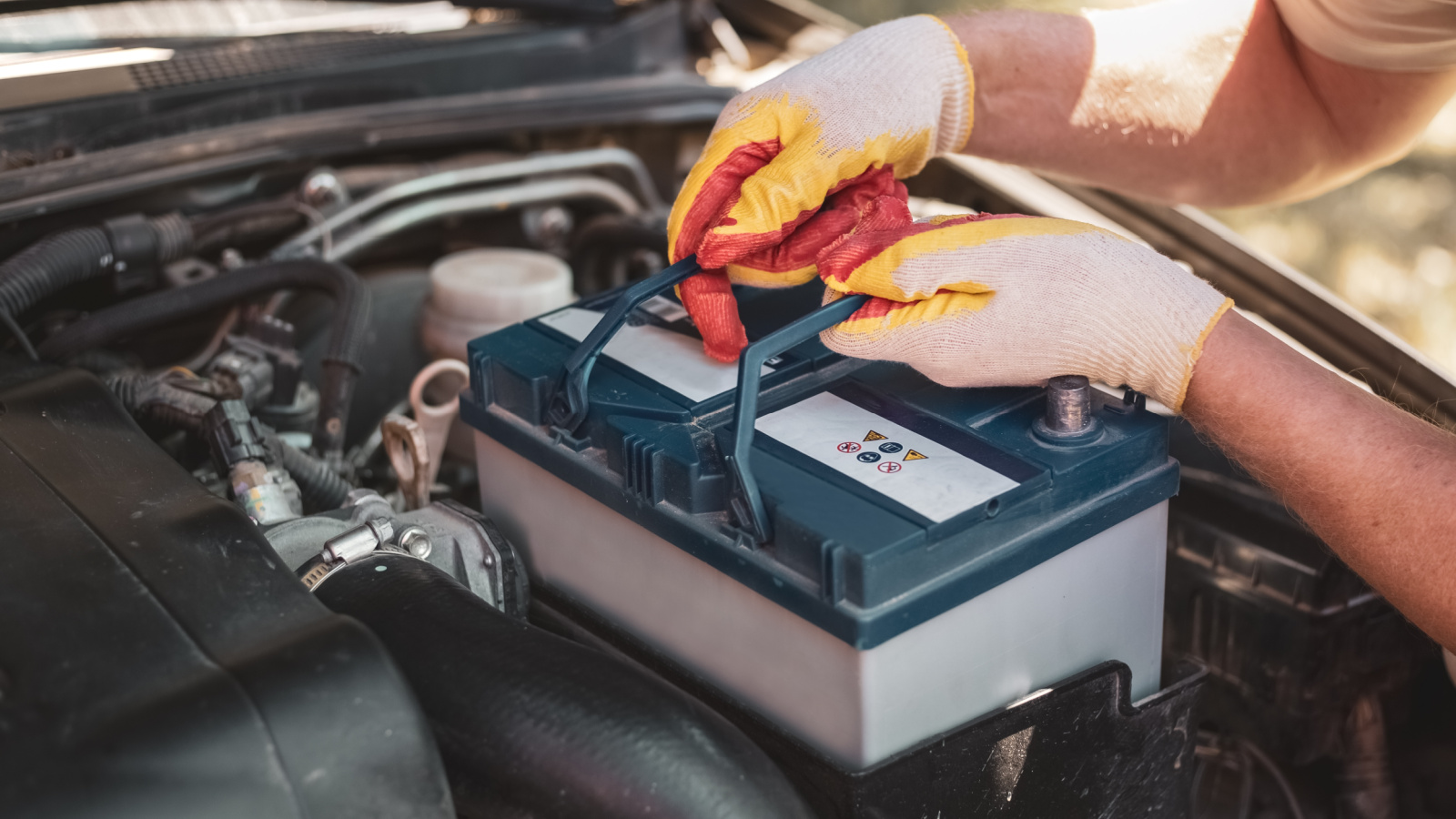
Older vehicles often reach a stage where several expensive systems age together. The battery, alternator, starter, water pump, timing components, suspension bushings, air-conditioning parts, and transmission may all be original or near the end of their expected life. One failure may not be alarming, but several within a year can signal a broader pattern.
This is common as vehicles stay on the road longer. A 12-year-old car can still be useful, but age increases the chances that multiple systems need attention in a short window. The danger is approving one major repair while assuming everything else is fine. A vehicle with several aging original components may not be broken beyond saving, but it may be entering a more expensive phase of ownership.
Breakdowns Are Disrupting Daily Life

A vehicle’s cost is not only measured in invoices. Missed work, late school drop-offs, towing, rental cars, rideshare fares, and cancelled plans all carry value. A car that starts most of the time but fails unpredictably can become expensive because it steals time and reliability.
Roadside trouble often clusters around towing needs, battery problems, flat tires, lockouts, and mechanical failures. One breakdown may be bad luck. Several in a year suggest the vehicle can no longer be trusted for ordinary routines. The owner may still avoid a monthly payment, but the hidden cost becomes stress, inconvenience, and backup transportation whenever the car refuses to cooperate.
Parts Are Becoming Harder or Slower to Find
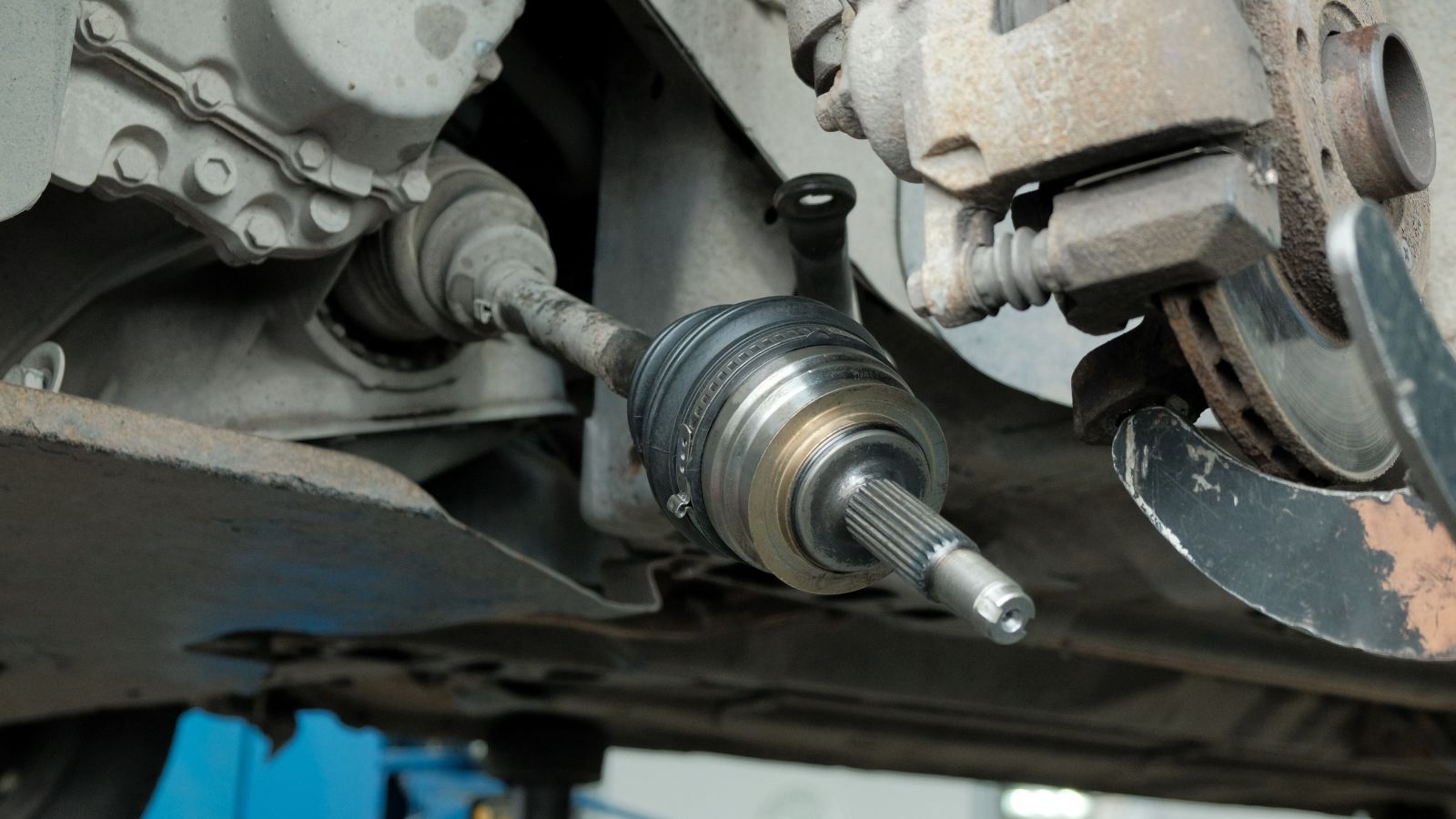
Parts availability can change the economics of keeping an older or less common vehicle. A repair that should take two days may stretch into two weeks if a module, trim piece, sensor, or specialty component is backordered. This is especially frustrating when the part itself is not wildly expensive, but the delay creates rental or transportation costs.
The issue can appear with discontinued models, imported vehicles, luxury brands, or cars with unusual drivetrains. Aftermarket parts may solve some problems, but electronic modules and safety-system components can be more difficult. When every repair requires hunting, shipping, or dealer-only ordering, the vehicle’s affordability starts depending on logistics rather than simple mechanical condition.
Safety Features Feel Outdated or Unreliable
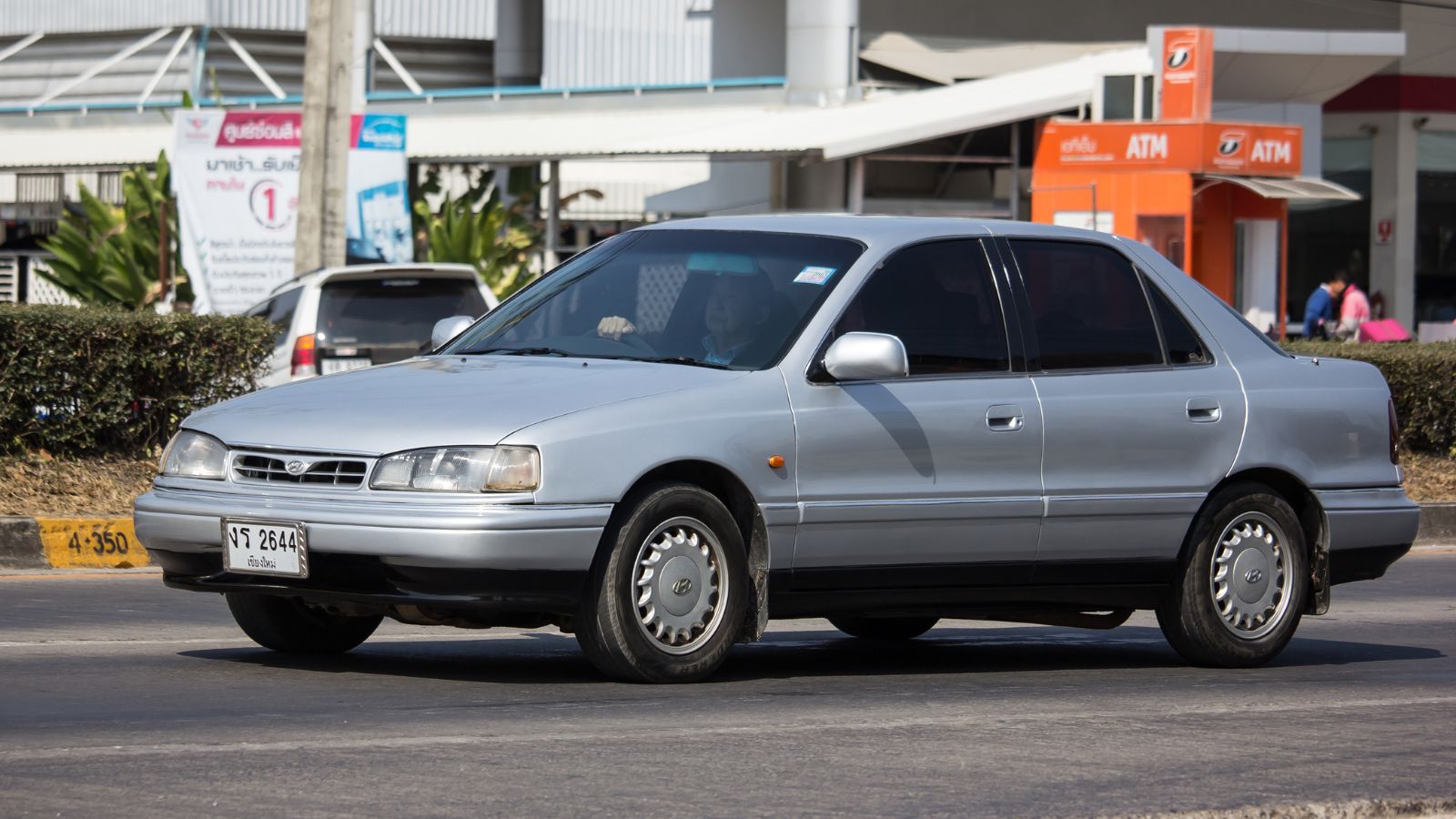
A vehicle can become too expensive to keep when safety trade-offs grow too large. Older cars may lack modern crash-avoidance features such as automatic emergency braking, blind-spot monitoring, lane support, or improved crash structures. Even when a vehicle has these features, malfunctioning sensors or warning lights can make repairs costly.
Safety does not always show up in a monthly budget, but it affects long-term risk. A cheaper car that lacks key safety technology may still be acceptable for some drivers, yet the calculation changes for highway commuters, teen drivers, long-distance travel, or families. If repairing safety systems costs more than the owner is willing to spend, the vehicle may no longer be a responsible bargain.
Rust or Structural Damage Is Spreading
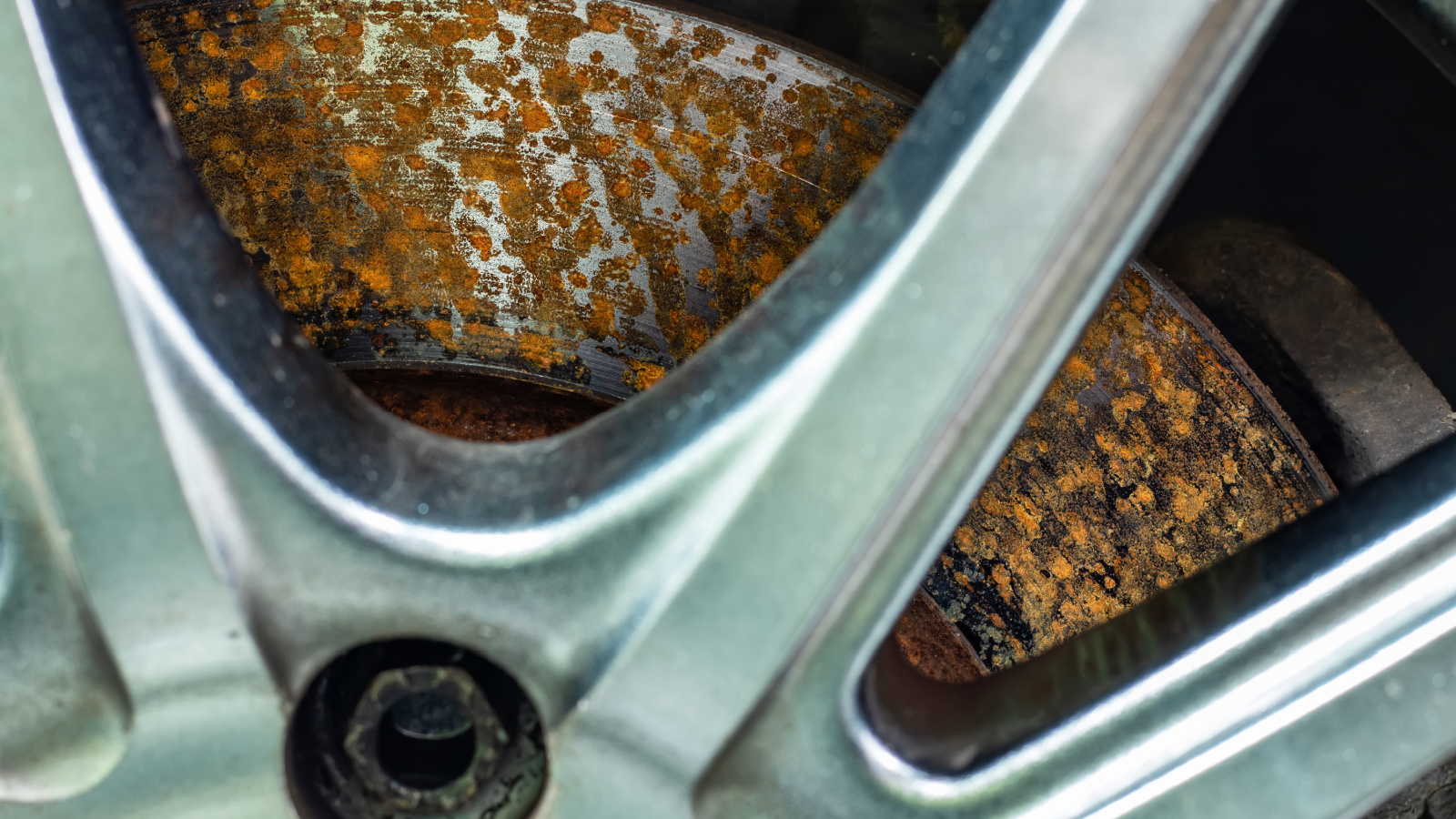
Surface rust may be cosmetic, but structural rust changes the ownership equation. Corroded brake lines, weakened subframes, rusted suspension mounting points, and compromised rocker panels can affect braking, handling, crash protection, and inspection results. Once rust reaches structural areas, repair costs can rise quickly because cutting, welding, and replacement are labor-intensive.
The warning sign is not a small spot on a fender; it is spreading corrosion underneath the vehicle or around load-bearing components. Road salt, moisture, and age can accelerate the problem. A vehicle with serious rust may continue running, but the cost of making it safe can exceed its value. At that point, keeping it becomes less about maintenance and more about restoration.
Loan Balance and Repair Bills Are Colliding

A vehicle can become unaffordable when debt and repairs overlap. This happens when the owner still owes money while the car begins needing major work. A $531 used-car payment plus a $1,900 repair can strain a budget much more than either cost alone. The situation becomes worse if the vehicle is worth less than the remaining loan balance.
Negative equity makes replacement difficult because trading the vehicle may roll old debt into a new loan. That can create a cycle where the next vehicle starts out financially upside down. The warning sign is a car that cannot be affordably repaired, cannot be easily sold, and cannot be replaced without carrying old debt forward.
Technology Repairs Require Specialized Diagnostics

Modern vehicles can be expensive to keep because many repairs now involve software, calibration, sensors, and dealer-level tools. A windshield replacement may require camera calibration. A bumper repair may involve radar sensors. A battery or module replacement may require programming. These costs can surprise owners who expected a simple mechanical fix.
This issue is not limited to luxury vehicles. Mainstream cars now commonly include advanced driver assistance systems, touchscreens, networked control modules, and electronic parking brakes. When independent shops cannot access required procedures or equipment, owners may have fewer repair choices. If every problem requires specialized diagnostics and higher labor, the vehicle’s technology becomes part of the cost burden.
The Vehicle No Longer Fits Real-World Needs

Sometimes a vehicle becomes too expensive because life changes around it. A two-door coupe may no longer work for a growing family. A large truck may be costly for a short urban commute. A low car may become impractical for someone with mobility issues. A vehicle can be mechanically fine but financially inefficient for its actual use.
The hidden cost appears in workarounds. Renting larger vehicles, paying more for fuel, avoiding trips, adding accessories to compensate, or keeping a second car can all suggest the current vehicle is no longer the right tool. A paid-off car is valuable, but only if it still fits daily life. When the mismatch creates repeat expenses, replacement or downsizing may be more practical.
The Total Monthly Cost Rivals a Replacement

The final sign appears when all costs are added together: fuel, insurance, repairs, tires, parking, registration, roadside help, loan payments, and lost time. A vehicle with no payment can still cost hundreds per month when repair bills are averaged over the year. A $1,800 repair every six months is effectively a $300 monthly ownership cost before fuel and insurance.
This does not automatically mean buying something newer is cheaper. Replacement vehicles bring payments, taxes, depreciation, and insurance changes. But the comparison should be honest. When an aging vehicle’s average monthly cost approaches the cost of a safer, more reliable alternative, keeping it may be an emotional decision rather than a financial one.
22 Things Canadians Do to Their Cars in Spring That Mechanics Hate

Spring brings relief to many Canadian drivers after months of snow, freezing temperatures, and icy roads that put serious strain on vehicles. As temperatures rise across the country, drivers begin washing cars, switching tires, and preparing vehicles for warmer weather and upcoming road trips. However, mechanics across Canada notice the same mistakes every spring when drivers attempt to recover from winter damage. Road salt, potholes, and harsh winter driving conditions often leave vehicles with hidden problems that drivers ignore. Some spring habits even create new mechanical issues that could have been avoided with proper maintenance. Here are 22 things Canadians do to their cars in spring that mechanics hate.