























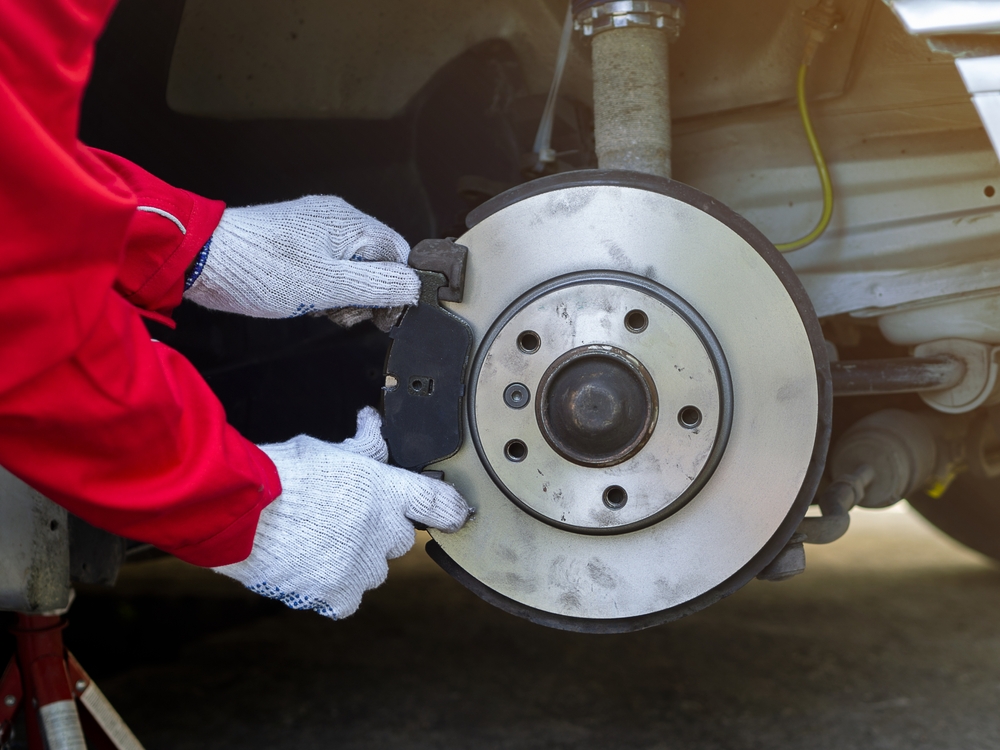
City driving is hard on brakes. Traffic lights appear every few blocks. Congestion forces drivers to stop and crawl all day. Each press of the pedal wears the brake pads a little more. Some cars burn through pads faster than others. Heavy vehicles, sporty brakes, and certain designs speed up the process. Drivers often discover the problem at their next service bill. New pads, rotors, and labor can quickly add up. Urban commuters usually feel the pain first. Here are 23 cars that eat brake pads in city driving (and cost you a fortune).
Toyota RAV4
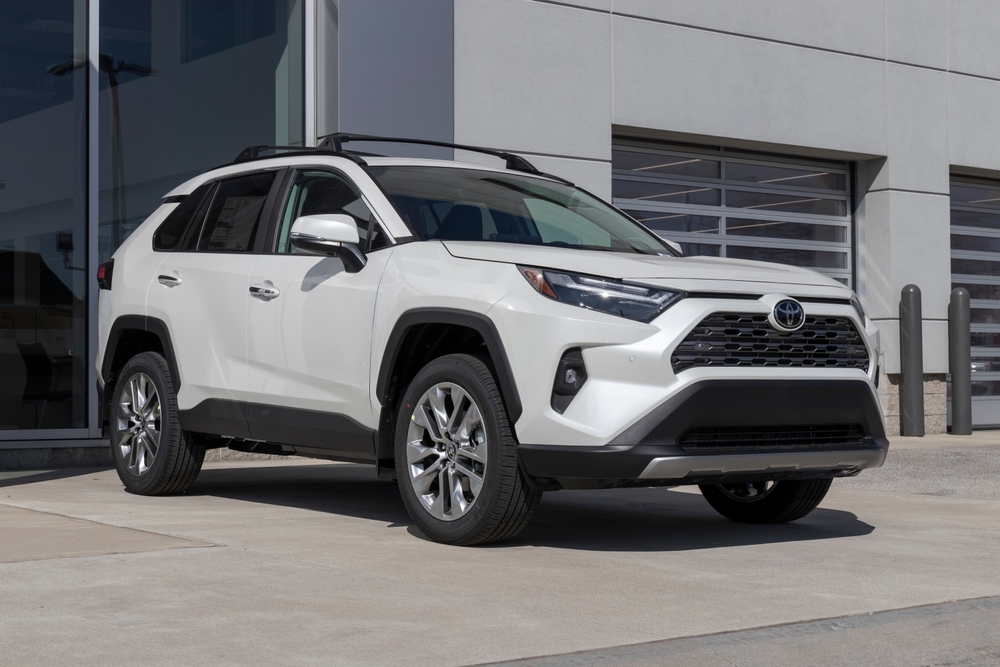
The Toyota RAV4 sells in huge numbers across North America. Many owners drive it daily in busy cities. The compact SUV carries more weight than older compact cars. That extra mass puts more load on the braking system. City traffic means constant slowing and stopping. Brake pads often wear faster than drivers expect. Some owners report replacements around 30,000 to 40,000 kilometers. That interval surprises many first-time SUV buyers. The braking system itself works well. The issue is simply workload. A heavier vehicle stops traffic stresses pads quickly. Frequent urban trips can turn routine maintenance into a regular expense.
Honda CR-V
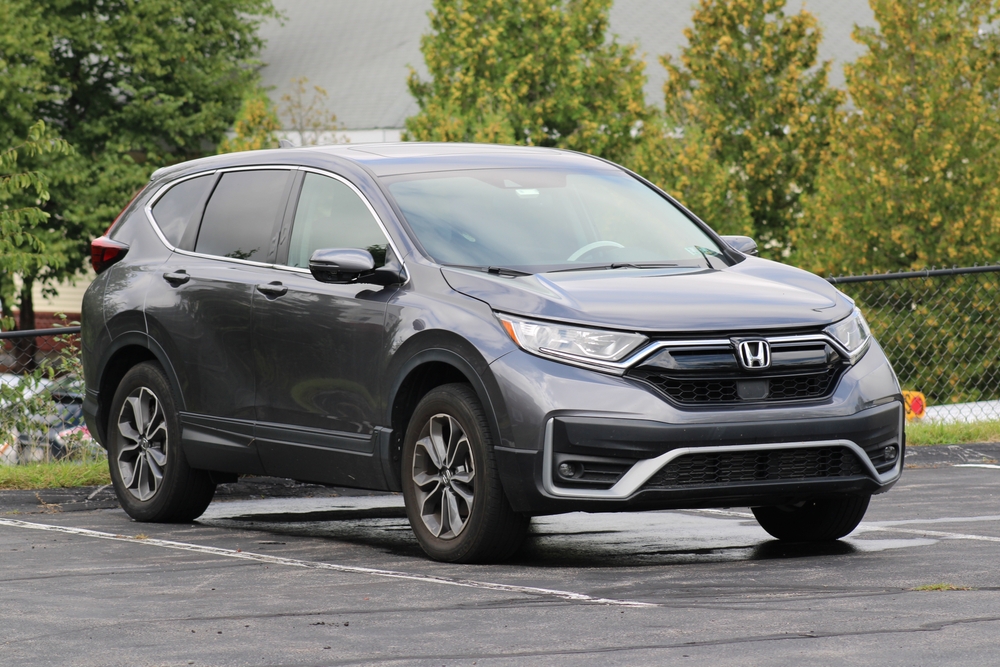
The Honda CR-V remains one of Canada’s most common family SUVs. Its reliability reputation is strong. Still, city commuting can eat through brake pads quickly. The vehicle weighs more than many older compact cars. That added weight increases braking effort at every stop. Urban driving makes the situation worse. Traffic lights and congestion require repeated braking. Owners sometimes replace pads earlier than expected. Front pads often wear faster than the rears. That pattern appears in many front-heavy crossovers. Nothing is broken. It simply reflects daily driving conditions. In crowded cities, the CR-V’s brakes see constant work.
Ford Escape
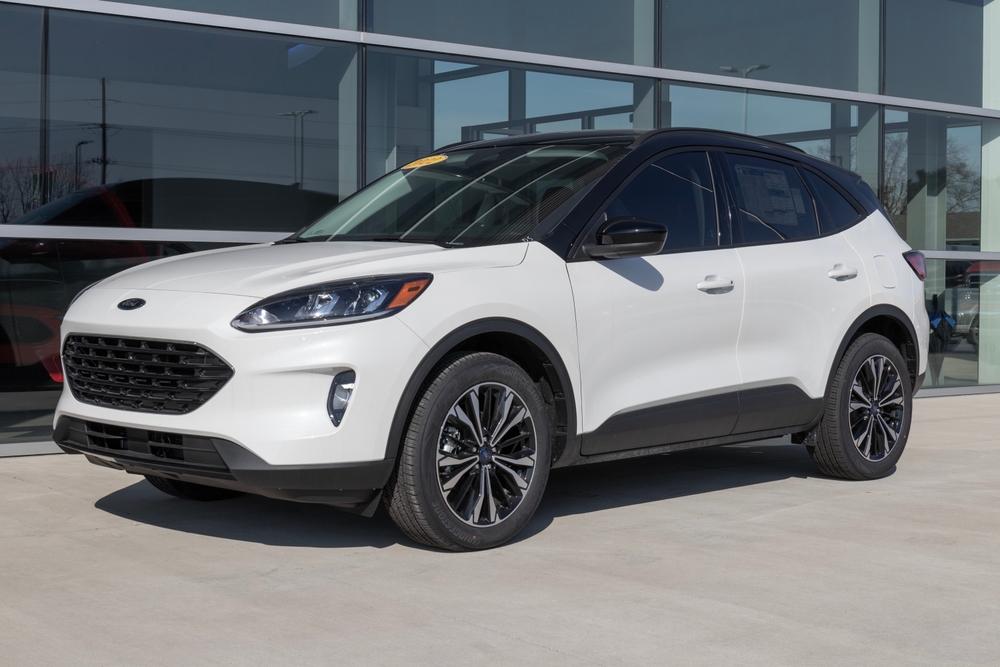
The Ford Escape is a frequent sight in downtown traffic. Many units serve as daily commuter vehicles. City conditions expose its brake wear habits quickly. Stop-and-go traffic increases friction at the pads. Drivers who travel short distances notice the effect sooner. Pads often wear out much sooner than those on highway-driven vehicles. Some owners report needing new pads around 35,000 kilometers. Driving style also plays a role. Heavy braking speeds up wear dramatically. Urban hills make the issue worse. The Escape performs well overall. Still, dense traffic can make brake service a recurring maintenance item.
Chevrolet Equinox
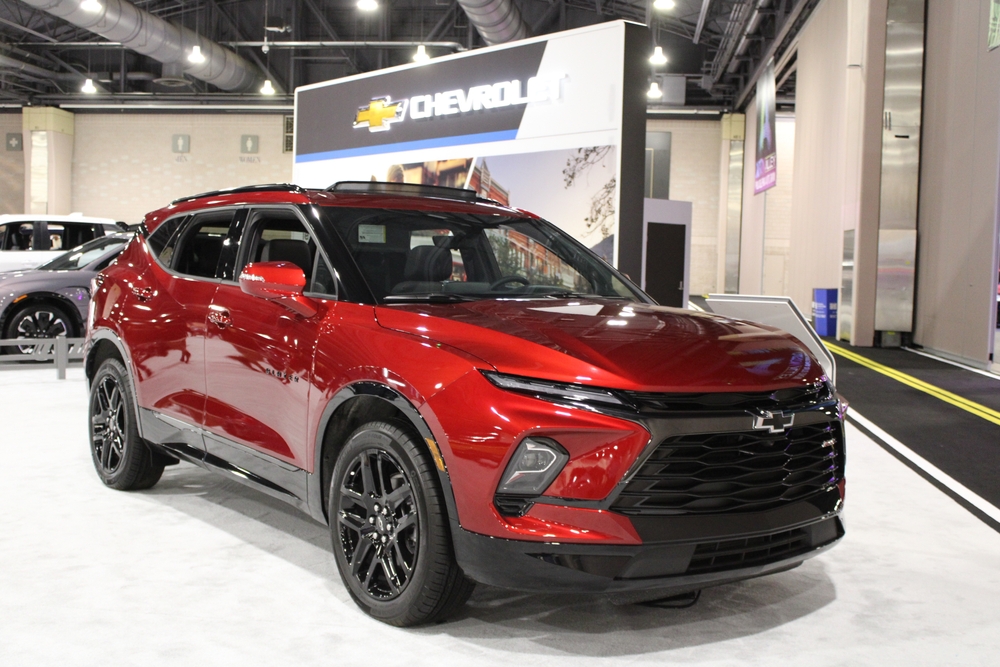
The Chevrolet Equinox gained popularity as a roomy compact SUV. It offers comfort and solid fuel economy. City use often leads to faster brake wear. The vehicle’s weight places steady pressure on the braking system. Urban drivers hit the brakes constantly. Pads experience repeated friction every few blocks. Over time, the material thins quickly. Some owners see pad replacement before 40,000 kilometers. That timeline depends heavily on traffic patterns. Downtown commuting creates the harshest conditions. Highway miles extend brake life significantly. Drivers who spend most time in city congestion may notice maintenance costs rising sooner than expected.
Jeep Grand Cherokee
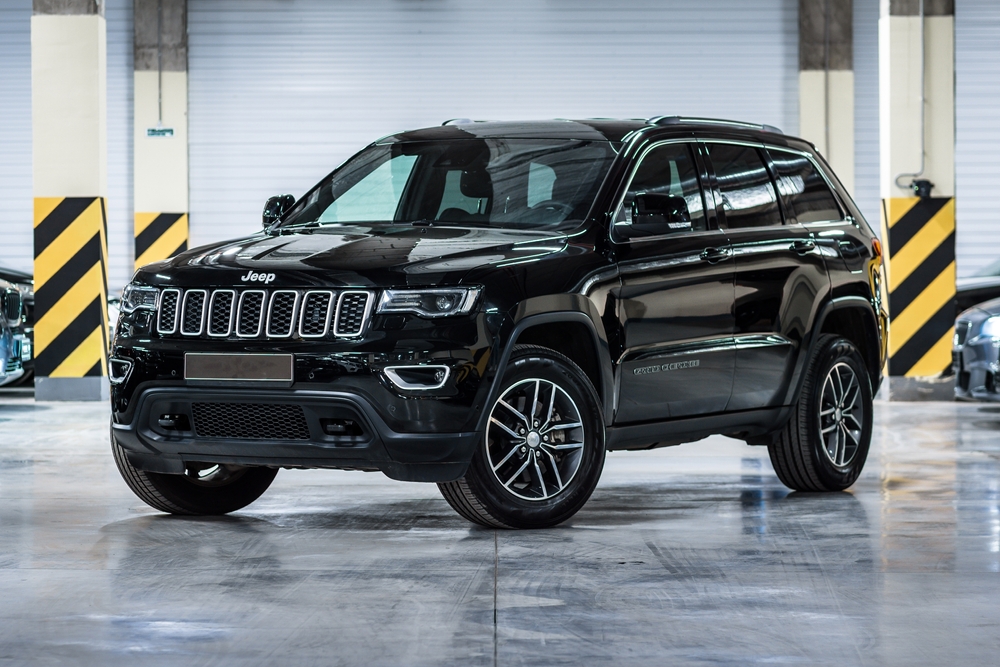
The Jeep Grand Cherokee is heavier than most crossovers. That weight becomes noticeable in city driving. Stopping a large SUV requires a stronger braking force. Brake pads handle that force every time traffic slows. Urban driving multiplies the stress. Frequent braking creates faster pad wear. Many owners report shorter service intervals than compact SUVs. Replacement costs also run higher due to larger brake components. Rotors sometimes wear faster as well. City hills increase braking demand further. The Grand Cherokee remains capable and comfortable. Still, dense traffic can push its brake system to work harder than expected.
BMW X5
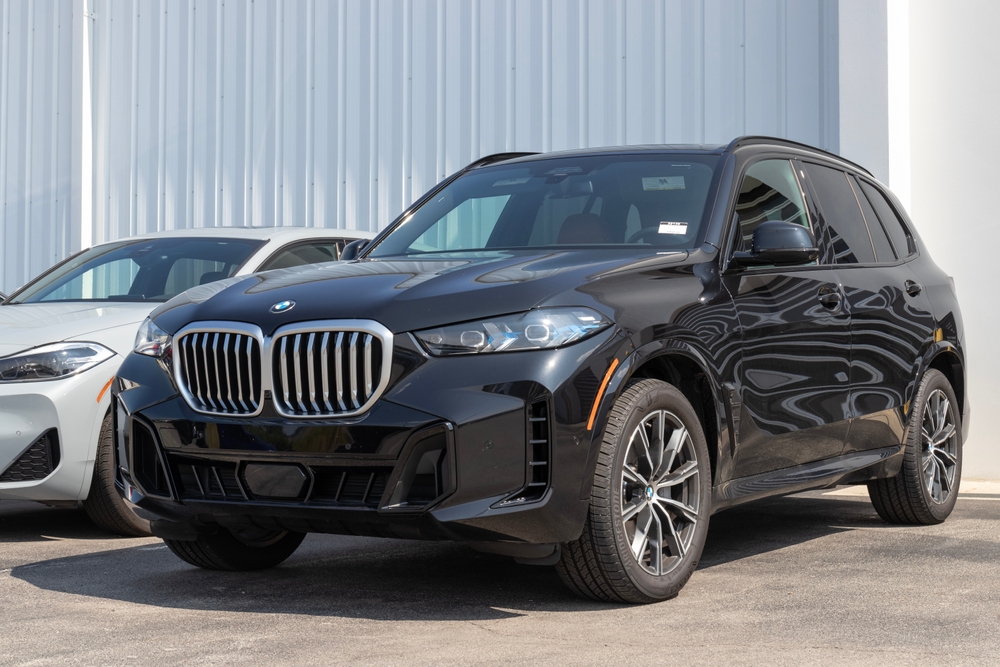
The BMW X5 blends luxury with strong performance. Powerful engines move a fairly heavy vehicle. That combination often shortens brake pad life. Performance brakes provide excellent stopping power. However, they wear quickly under city use. Urban drivers brake repeatedly during short trips. The X5’s weight and speed amplify friction. Owners often replace pads earlier than average vehicles. Premium brake parts also raise service costs. Rotors may require replacement alongside pads. That adds to the bill quickly. The X5 delivers a confident braking feel. Yet frequent city stops mean those components rarely last as long as expected.
Mercedes-Benz GLE
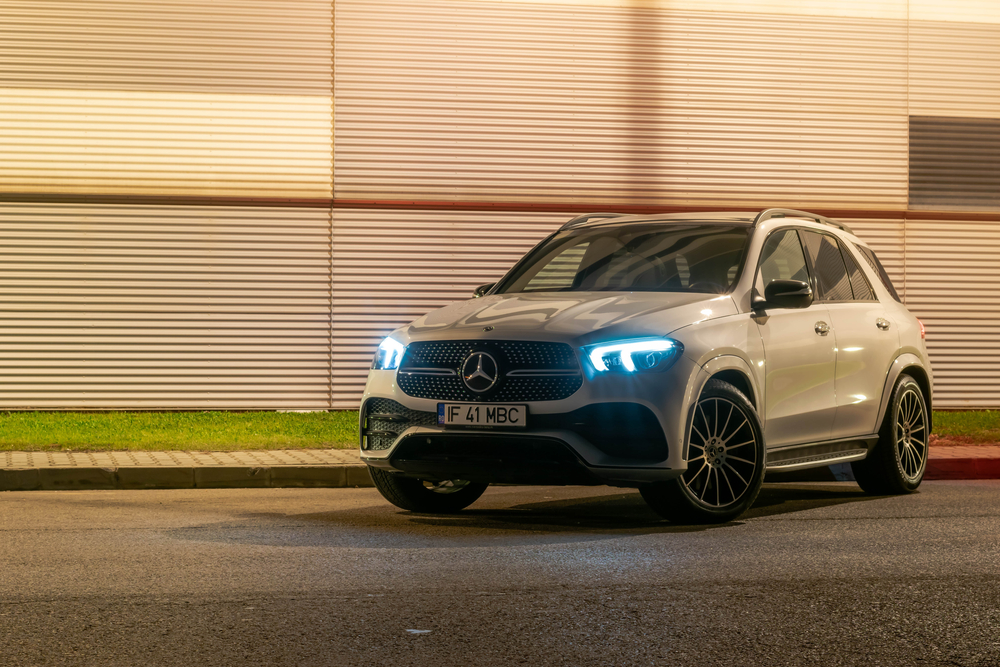
The Mercedes-Benz GLE offers luxury and a strong road presence. It also carries substantial weight. Urban traffic forces the brakes to work constantly. Large SUVs need more stopping force than smaller vehicles. Brake pads wear down faster in those conditions. Owners sometimes notice early replacement intervals. City driving rarely gives brakes time to cool. Heat builds after repeated stops. That accelerates pad wear further. Premium brake components also cost more to replace. Service visits can surprise owners unfamiliar with luxury SUV maintenance. The GLE remains comfortable and refined. Still, city commuting can push brake maintenance higher.
Tesla Model Y
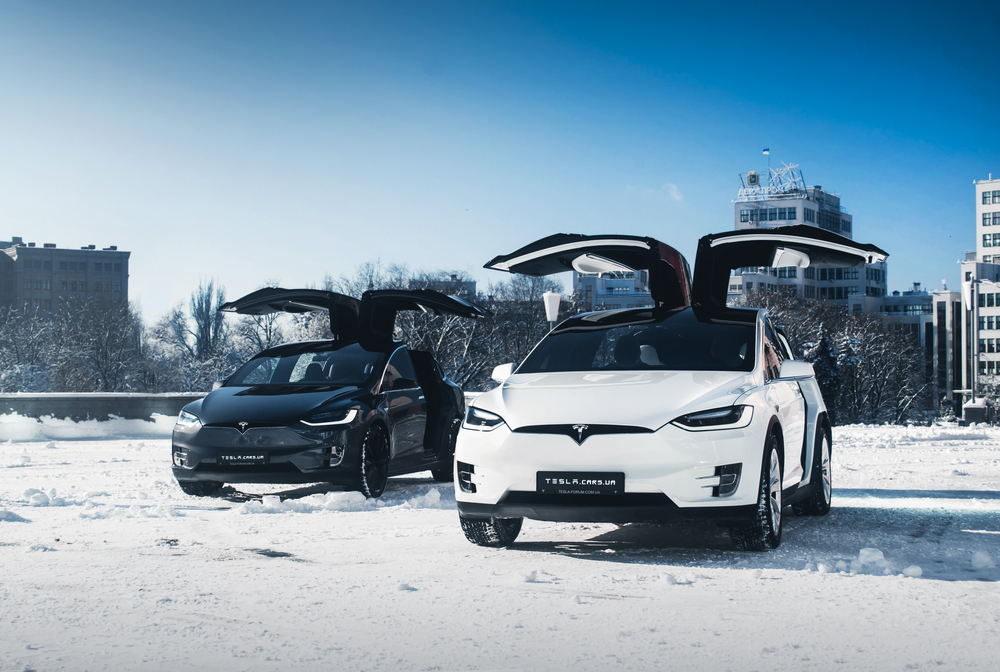
Electric vehicles handle braking differently from gasoline cars. Regenerative braking slows the vehicle automatically. However, city driving still stresses the brake system at times. The Tesla Model Y carries heavy battery packs. That weight affects braking loads during sudden stops. Many drivers rely heavily on the pedal in traffic. When regen reaches its limit, the friction brakes take over. That shift can create uneven wear patterns. Some owners report quicker front pad wear. Driving habits make a big difference. Gentle deceleration helps extend pad life. Aggressive city driving often shortens it.
Tesla Model 3
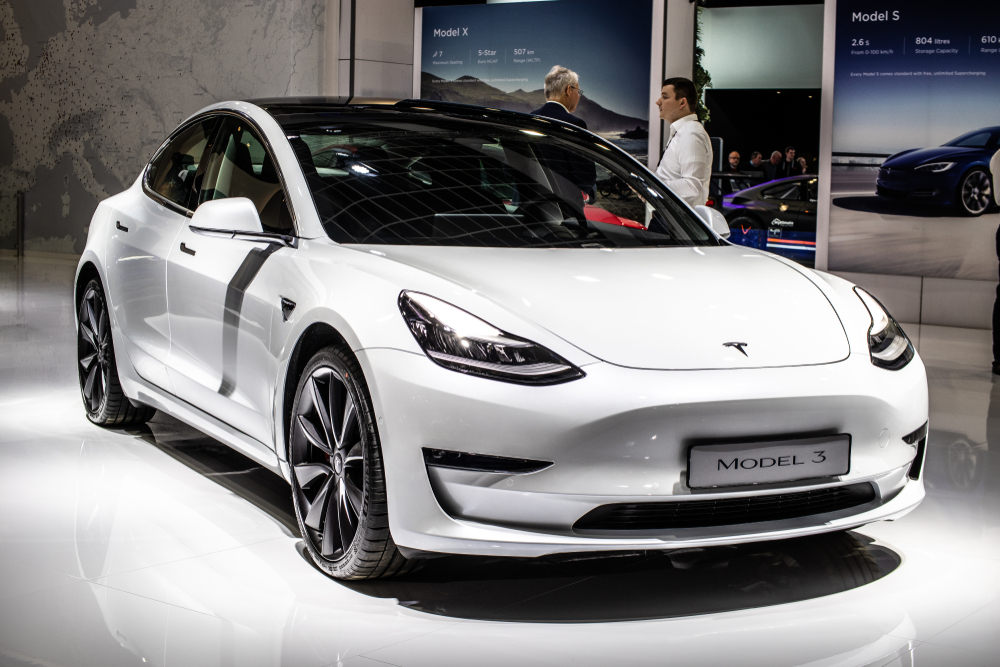
The Tesla Model 3 is lighter than many SUVs. Even so, it still carries significant battery weight. Urban traffic exposes brake wear patterns quickly. Regenerative braking handles much of the slowing. Yet drivers still use friction brakes frequently in heavy traffic. Sudden stops wear pads faster. Stoplights every block amplify the issue. Some owners replace pads sooner than expected. Driving style strongly influences results. Smooth deceleration reduces brake use significantly. Aggressive driving produces the opposite effect. The Model 3’s braking system remains effective. City commuting simply creates constant demands on the components.
Subaru Outback
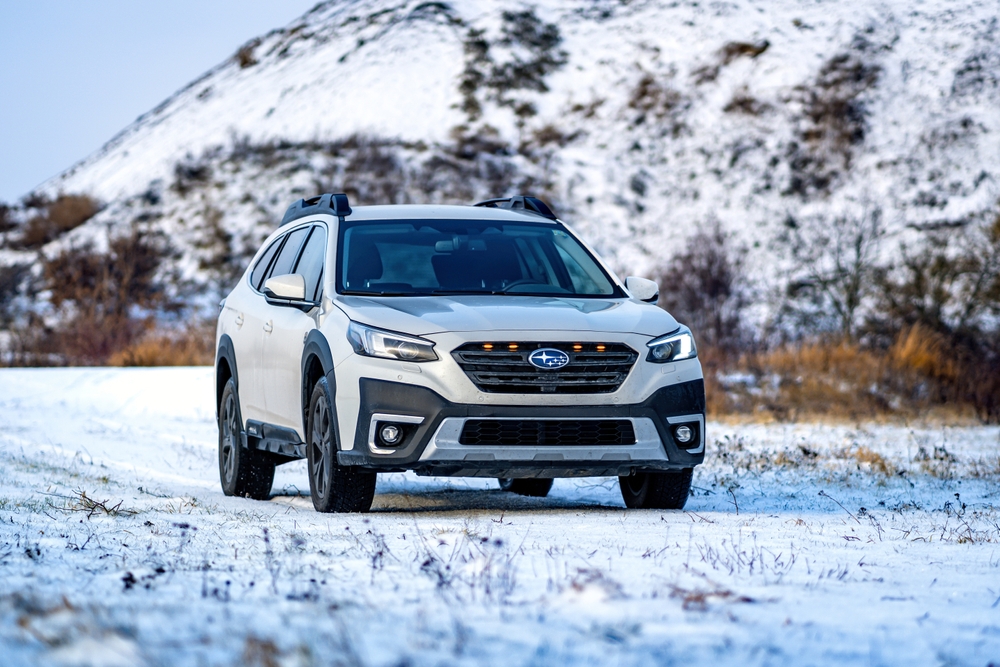
The Subaru Outback blends wagon comfort with SUV capability. Many drivers use it daily in urban areas. Its All-Wheel Drive system adds weight. That weight affects braking effort during stops. City driving forces constant pedal use. Brake pads often wear faster than highway-driven vehicles. Owners sometimes notice replacements near 40,000 kilometers. Stop-and-go traffic causes most of the wear. Hilly cities increase the pressure further. The Outback performs reliably overall. Brake wear mainly reflects urban conditions. Drivers who commute through dense traffic should expect more frequent brake service than occasional highway travelers.
Subaru Forester
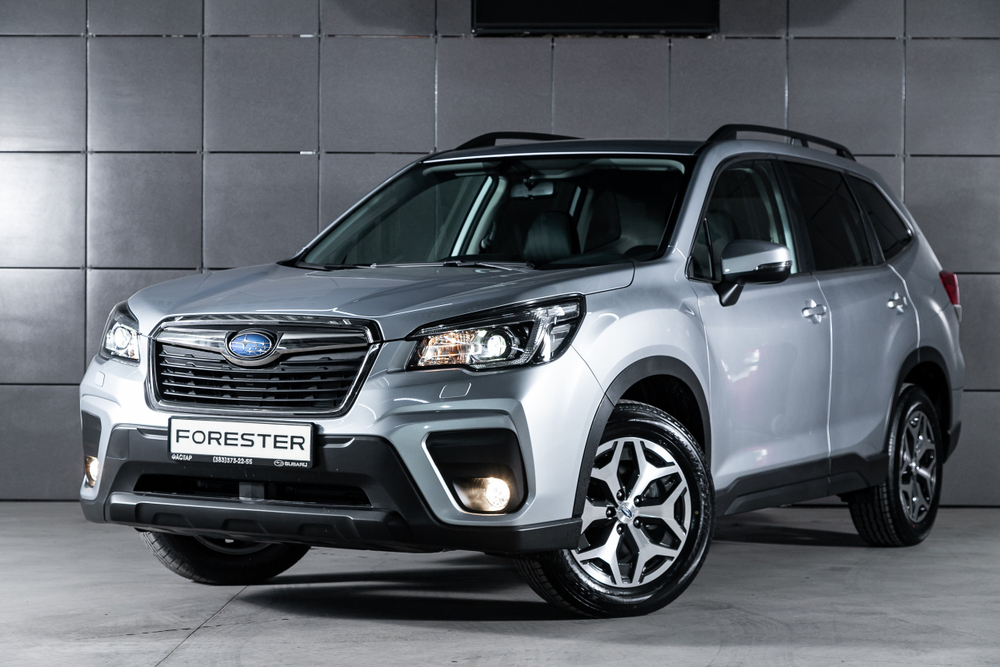
The Subaru Forester shares many traits with the Outback. It carries standard all-wheel drive and practical space. The drivetrain adds weight compared with small sedans. Urban driving pushes its braking system harder. Traffic congestion demands frequent stops. Brake pads gradually wear with each press of the pedal. Owners often replace pads sooner than expected. Front pads usually wear first due to weight distribution. Rotors sometimes require resurfacing during service. City hills can accelerate wear even further. The Forester remains dependable. However, drivers spending most of their time in traffic may see regular brake maintenance visits.
Nissan Rogue
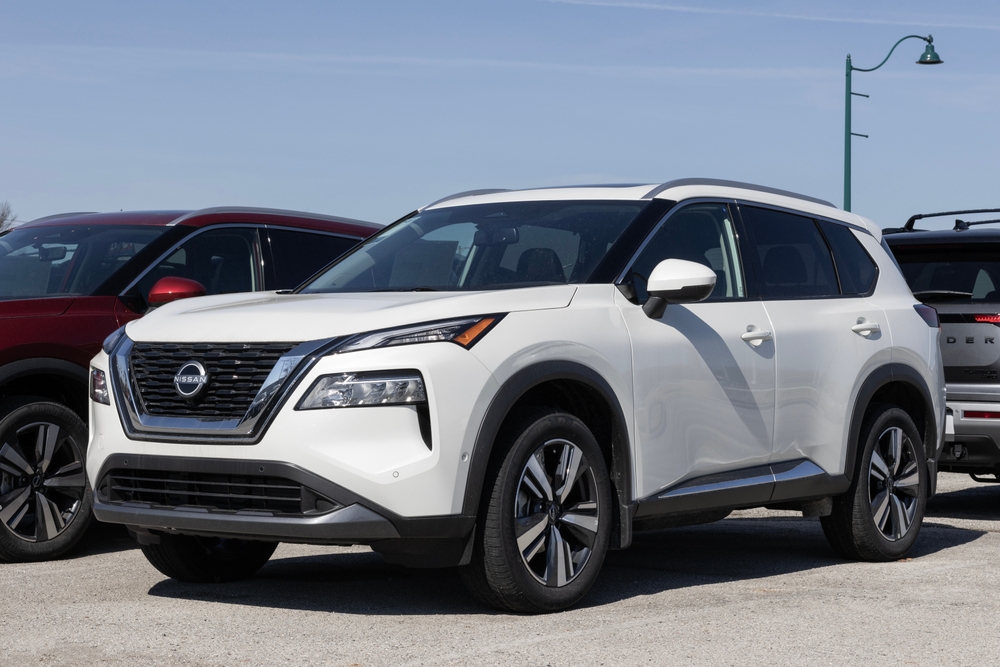
The Nissan Rogue has become a common compact SUV choice. Many families rely on it for daily commuting. City driving exposes brake wear patterns quickly. The vehicle carries moderate weight for its size. Traffic congestion leads to constant braking. Pads slowly thin with each stop. Some owners replace them earlier than expected. Front brakes handle most of the workload. That leads to uneven wear between axles. Highway drivers often see longer intervals. Urban commuters rarely do. Nothing unusual is happening mechanically. The Rogue simply faces heavy braking demands during everyday city travel.
Kia Sorento
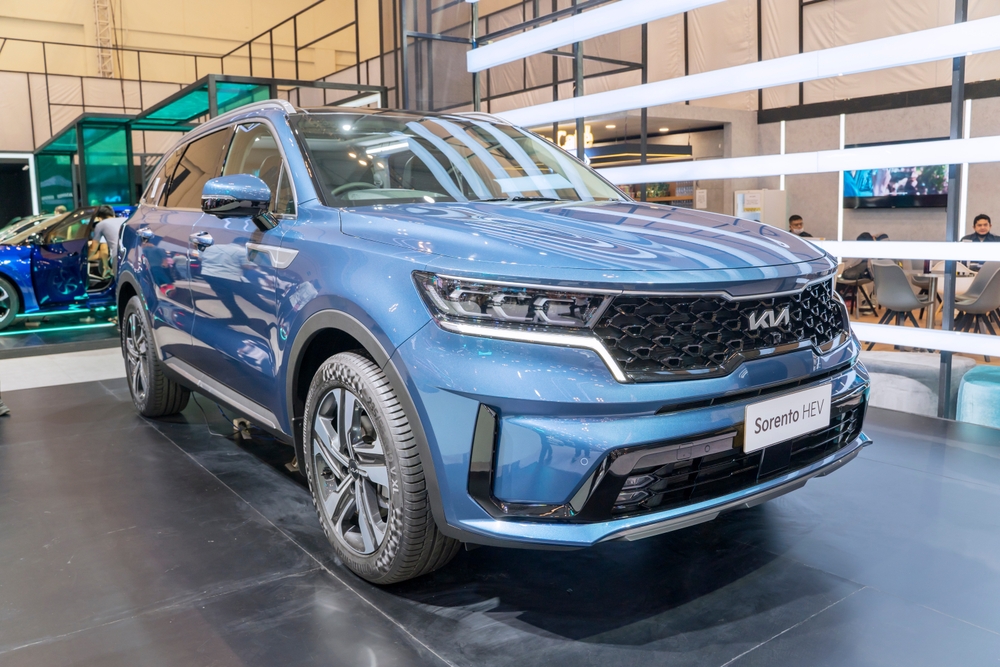
The Kia Sorento provides three rows and family practicality. Extra seating means additional vehicle weight. That weight influences braking performance daily. Urban traffic requires frequent stops. Each stop grinds a little more material off the pads. City driving rarely allows long cooling periods. Heat buildup accelerates wear. Owners sometimes notice shorter service intervals. Brake replacement costs remain moderate. However, repeated visits add up over time. Highway driving tends to extend pad life. Families using the Sorento mainly in city traffic may notice brakes wearing faster than expected.
Dodge Charger
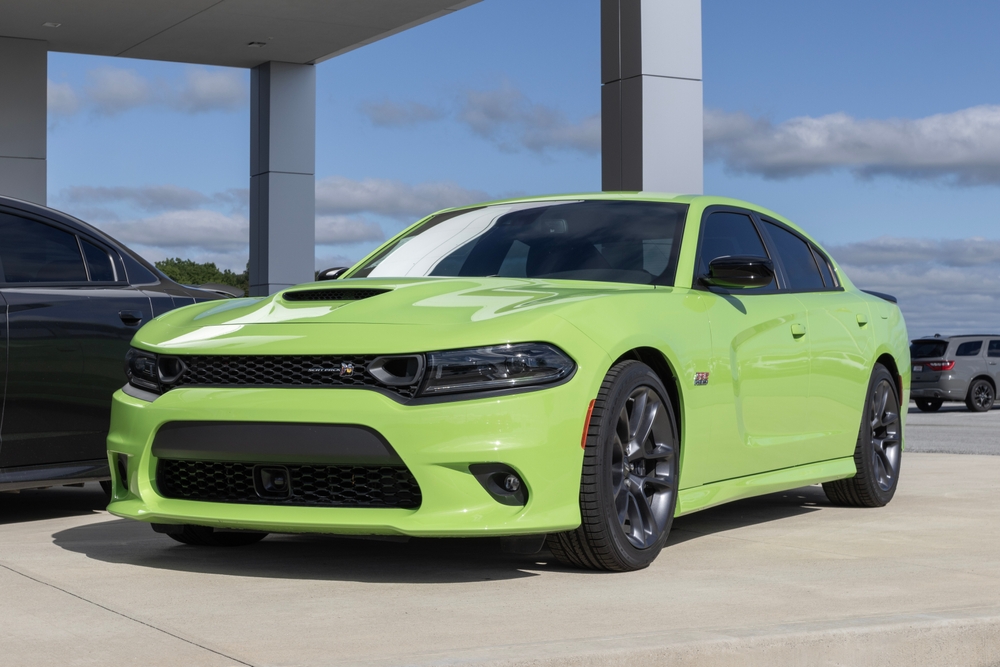
The Dodge Charger brings muscle car power to everyday roads. Many versions carry strong engines and heavy frames. That combination demands serious braking power. City driving exposes brake wear quickly. High-horsepower models encourage quicker acceleration between lights. Drivers then brake harder at the next stop. That pattern eats through pads rapidly. Performance brake materials also wear faster by design. Owners often see more frequent replacements. Rotors sometimes wear alongside pads. Service costs rise with performance models. The Charger remains exciting to drive. Yet urban traffic keeps its brake system working constantly.
Ford Explorer
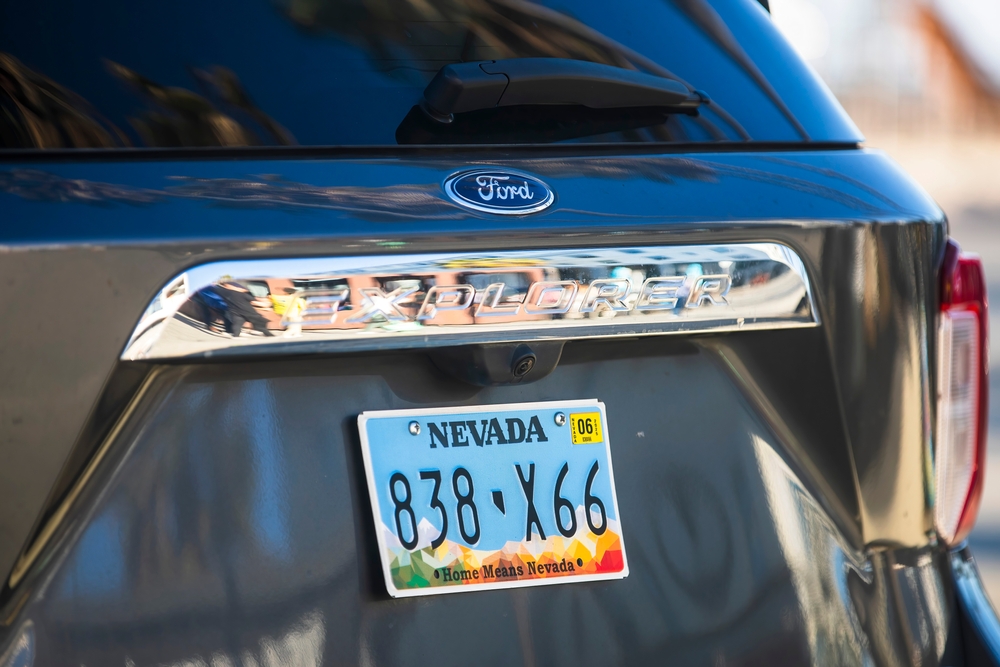
The Ford Explorer stands as a large three-row SUV. Size and weight influence braking demands daily. City commuting forces repeated braking cycles. Traffic congestion increases friction at the pads. Drivers often notice earlier wear compared with smaller vehicles. Front brakes usually wear first. The vehicle’s weight shifts forward during braking. That pressure accelerates pad wear. Replacement parts are larger than compact SUV components. Labor costs also tend to run higher. Families using the Explorer mainly for city errands may face brake service sooner than expected.
Chevrolet Tahoe
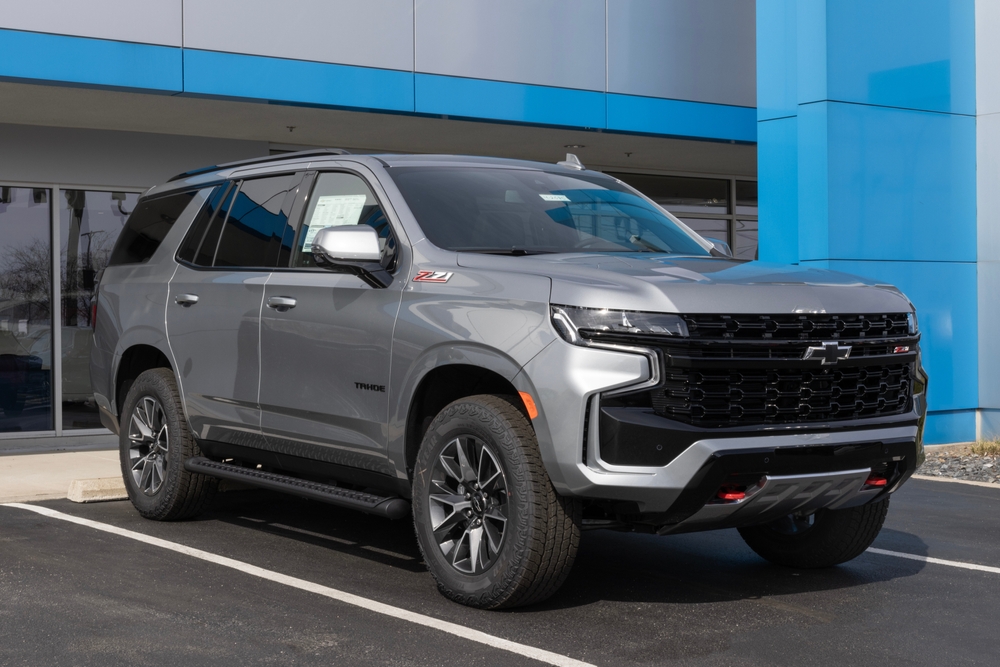
The Chevrolet Tahoe is a full-size SUV with substantial weight. Stopping such a large vehicle requires a strong braking force. City driving multiplies that workload every few blocks. Pads experience heavy friction repeatedly. Over time, they wear down faster than smaller vehicles. Owners often replace them sooner than expected. Brake components are also larger and more expensive. Rotors sometimes require replacement with pads. That increases service bills quickly. Highway cruising usually extends brake life. Urban driving rarely does. Tahoe owners who spend most of their time in city traffic often see regular brake maintenance visits.
Ram 1500
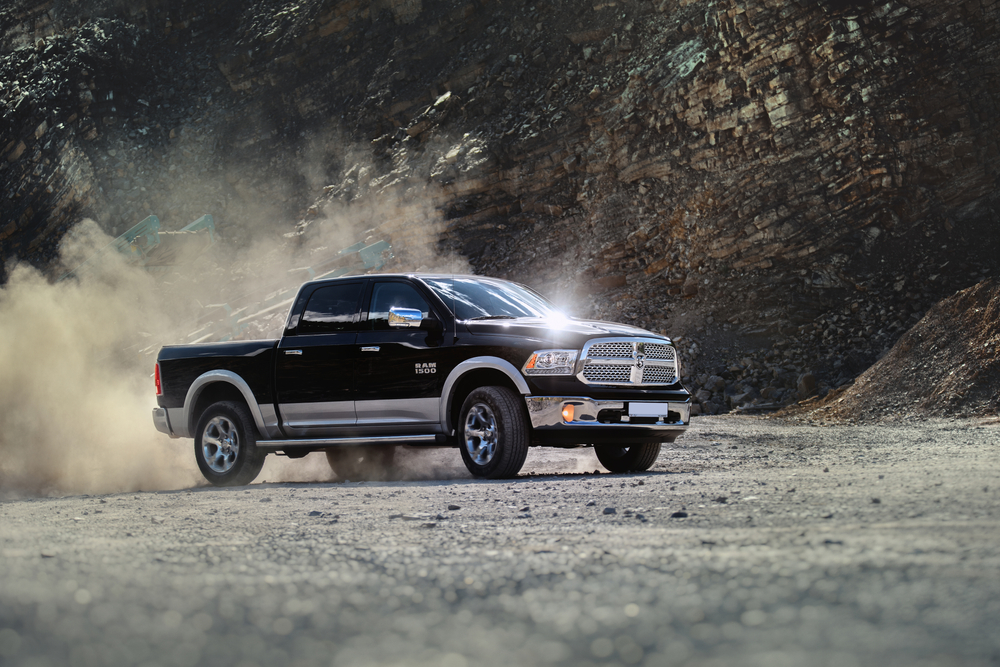
The Ram 1500 pickup combines capability with comfort. Its large frame and payload capacity add weight. Brakes must control that mass during every stop. City driving pushes the system hard. Stoplights and congestion create constant braking cycles. Pads gradually wear with each press of the pedal. Drivers hauling cargo experience even faster wear. Front pads usually handle most of the work. Replacement intervals vary widely by driving style. Urban deliveries shorten brake life significantly. The Ram remains a capable truck. Yet heavy vehicles naturally consume brake components faster in heavy traffic.
Toyota Highlander
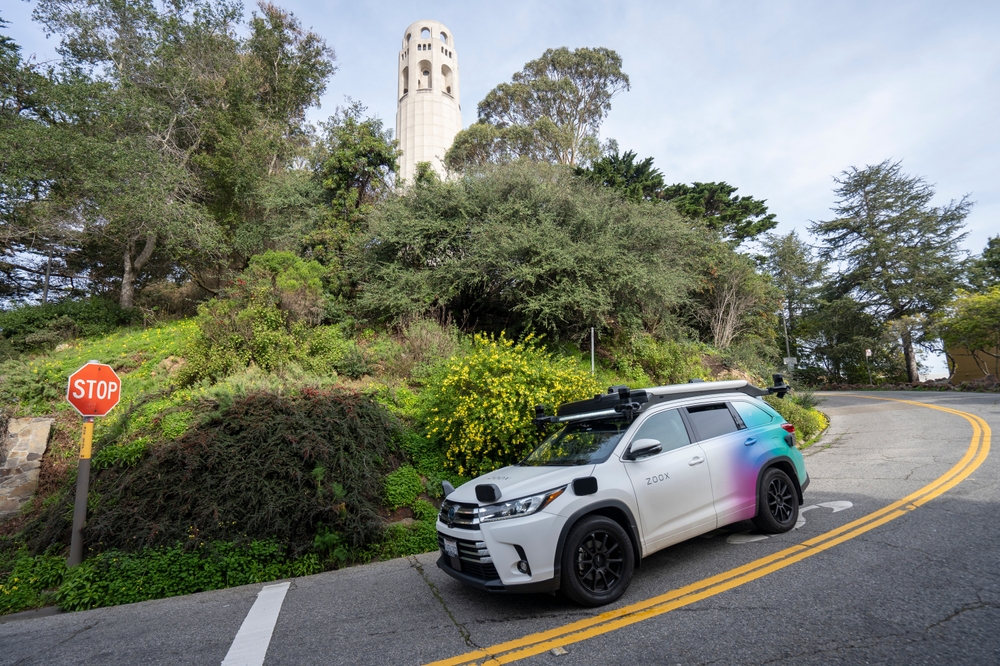
The Toyota Highlander offers three rows and hybrid options. Even the hybrid model remains fairly heavy. City driving puts steady pressure on the brakes. Stop-and-go traffic wears pads gradually. Many owners notice brake replacements earlier than smaller cars. Front pads usually thin first. Weight transfer during braking causes the imbalance. Driving habits matter greatly. Smooth deceleration reduces wear. Quick stops increase it sharply. Urban hills also add strain to the system. The Highlander maintains strong reliability overall. However, daily commuting in busy streets often shortens brake service intervals.
Volkswagen Atlas
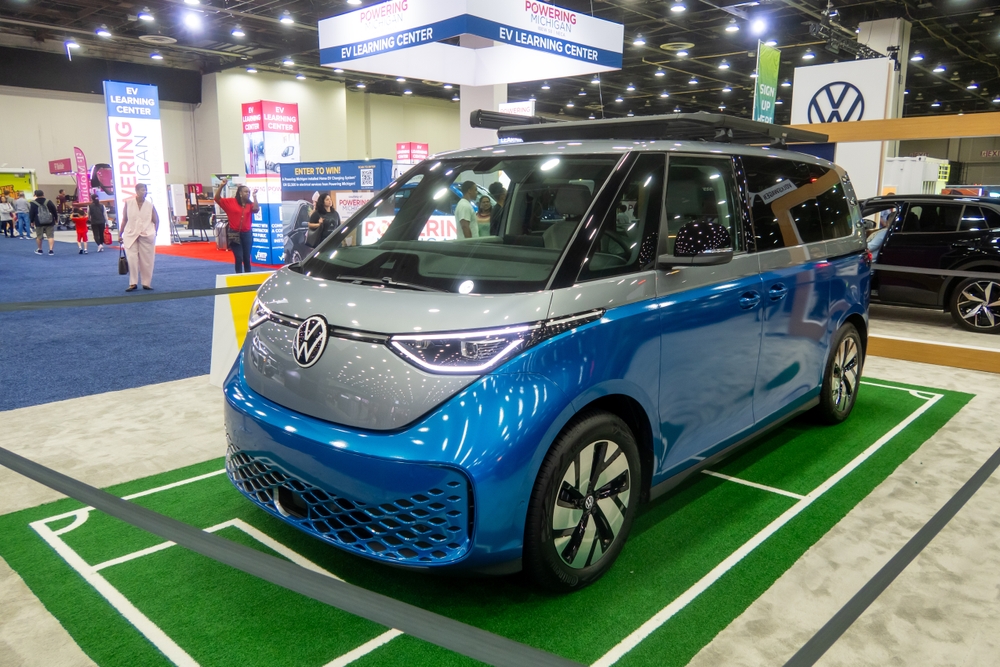
The Volkswagen Atlas provides generous interior space. Its large size means additional curb weight. That weight affects braking demands in city traffic. Stoplights appear frequently in urban areas. Drivers press the brake pedal dozens of times each trip. Pads slowly wear down under repeated friction. Some owners report replacements earlier than expected. Larger brake components increase replacement costs. Rotors sometimes need attention as well. Highway driving helps extend service intervals. Dense traffic rarely does. Atlas drivers who spend most miles in the city often notice brake wear appearing sooner.
Mazda CX-5
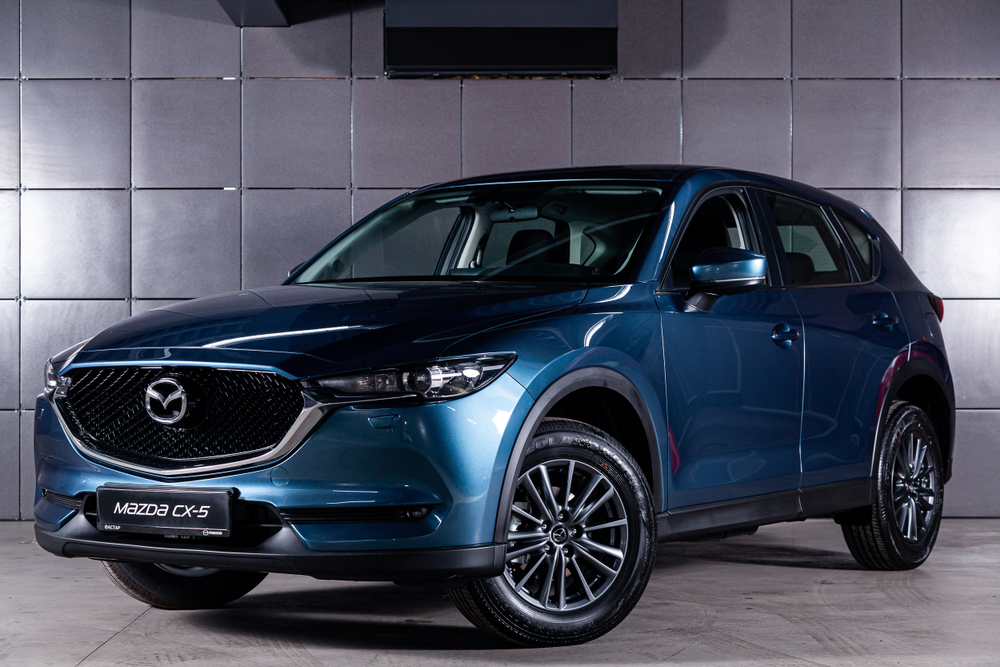
The Mazda CX-5 balances sporty handling with SUV practicality. Its braking system provides strong stopping power. City driving places steady demands on those brakes. Urban traffic leads to constant slowing and stopping. Pads gradually wear under repeated pressure. Some owners notice earlier replacement intervals. The front brakes perform most of the work. Weight transfer during braking explains the pattern. Driving style strongly affects pad life. Gentle braking extends maintenance intervals. Aggressive driving shortens them. The CX-5 remains enjoyable to drive. Yet daily urban commuting can make brake service appear more often.
Audi Q5
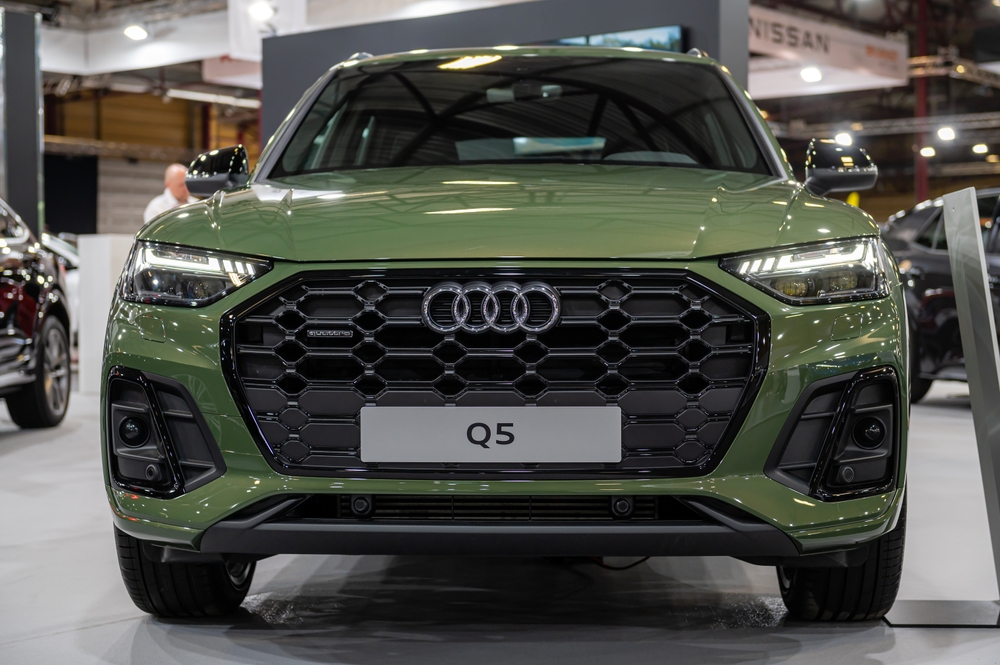
The Audi Q5 blends performance and luxury in a compact SUV. Turbocharged engines provide strong acceleration. That speed requires confident braking power. Urban traffic quickly exposes brake wear patterns. Drivers accelerate between lights and brake again moments later. Pads face repeated friction in short distances. Premium brake components also cost more to replace. Some owners replace pads sooner than expected. Rotors sometimes wear alongside them. That increases service expenses quickly. The Q5 offers excellent braking feel. However, city driving places constant demands on the system.
Land Rover Range Rover Sport
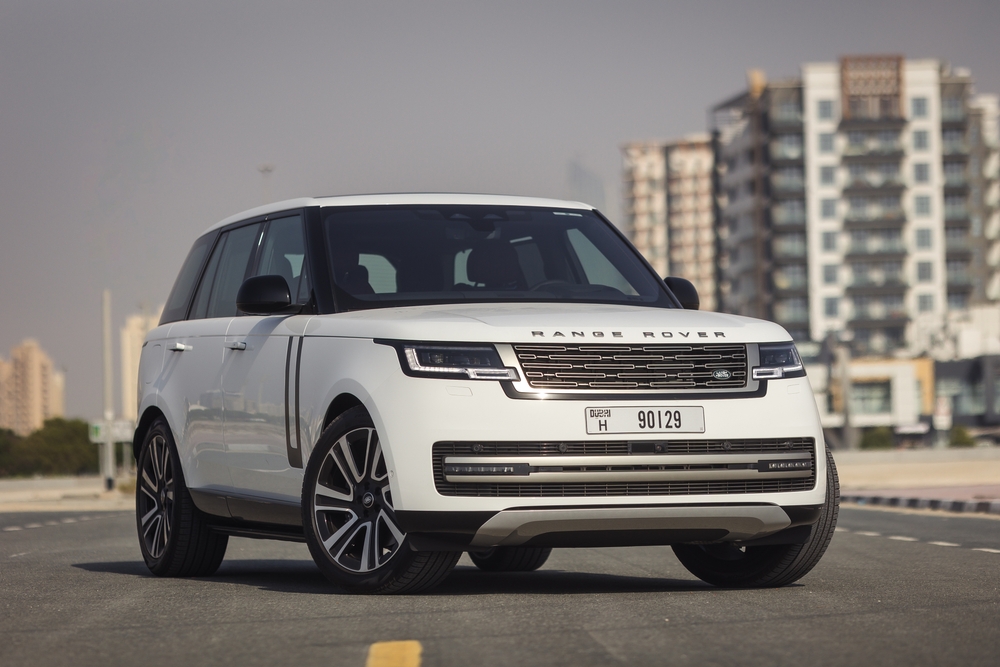
The Range Rover Sport combines luxury with serious capability. It also carries substantial weight. Stopping that weight requires powerful braking systems. Urban driving increases brake workload dramatically. Traffic congestion forces constant pedal use. Pads wear faster under repeated pressure. Performance-oriented brake materials can wear quickly as well. Replacement parts are expensive compared with mainstream vehicles. Rotors may also require replacement during service. That raises maintenance bills sharply. The Range Rover Sport delivers strong stopping power. Yet city commuting often shortens the lifespan of its brake components.