
























Canadian car shoppers used to have a simple shortlist: proven crossovers, dependable pickups, fuel-sipping sedans, and a few models with reputations so strong they seemed almost automatic. That confidence is becoming harder to justify. High insurance costs, theft exposure, recall activity, technology complexity, colder-weather EV realities, and shifting used-market values are changing what “safe bet” means.
The 18 vehicles below are not necessarily bad choices. Many are still popular, capable, and well-built. The issue is that their old reputations can hide newer ownership risks, especially in Canada, where winter, insurance pricing, repair access, and resale value can turn a familiar nameplate into a more complicated decision.
Toyota RAV4
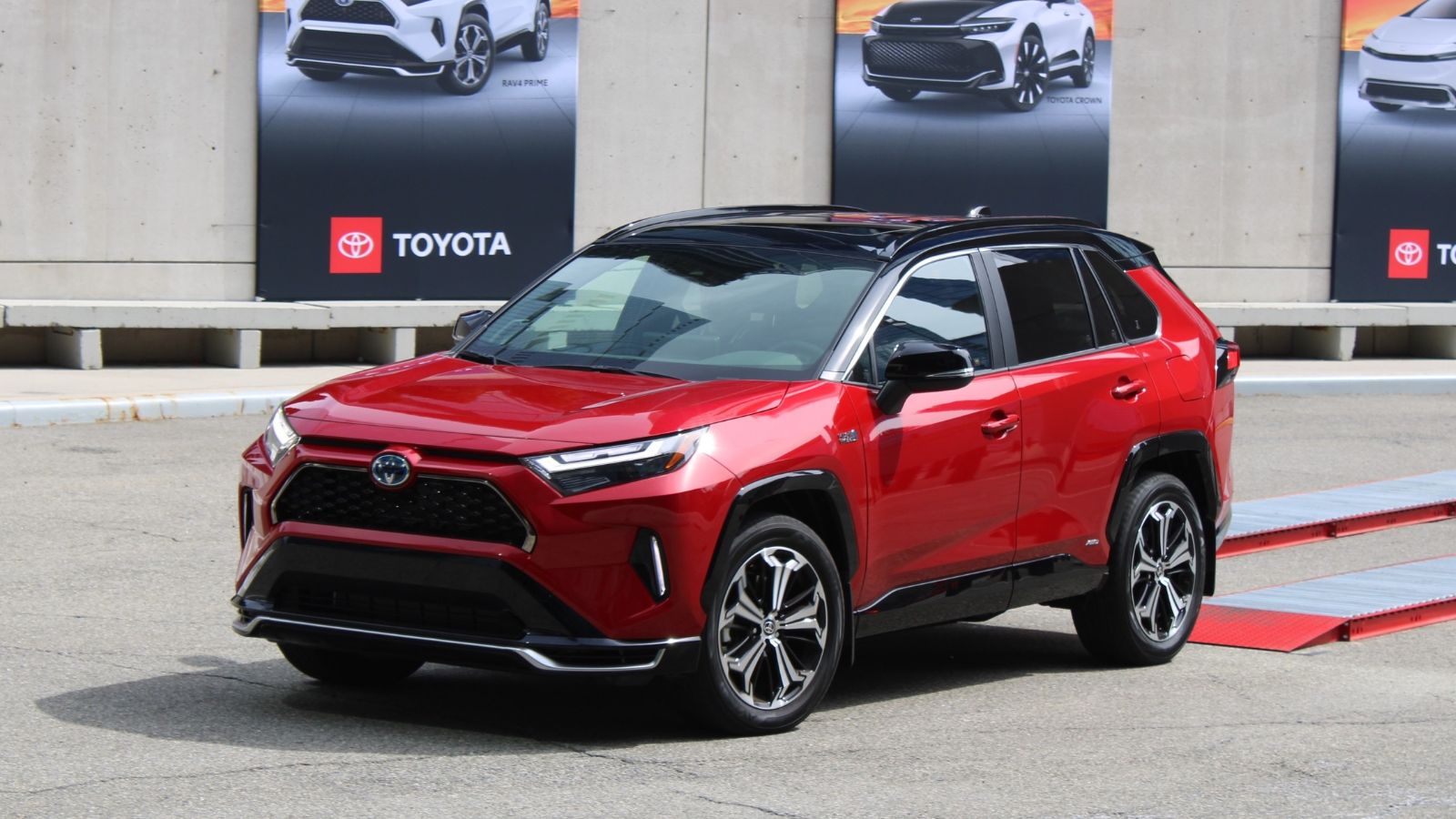
For years, the Toyota RAV4 has been one of Canada’s easiest recommendations: practical size, strong resale value, good fuel economy, and a reputation for long-term dependability. That reputation still carries weight, but the RAV4’s popularity has created a new problem. High demand has made it attractive not only to families and commuters, but also to organized theft networks looking for vehicles that are easy to resell or export.
The RAV4’s “safe bet” image now depends heavily on where it is parked, how it is insured, and whether extra anti-theft protection is used. In some Canadian markets, especially Ontario and Quebec, owners may face higher insurance scrutiny or additional security requirements. A vehicle can be mechanically dependable and still become expensive to own if theft risk, deductible exposure, and replacement delays become part of the ownership picture.
Honda CR-V
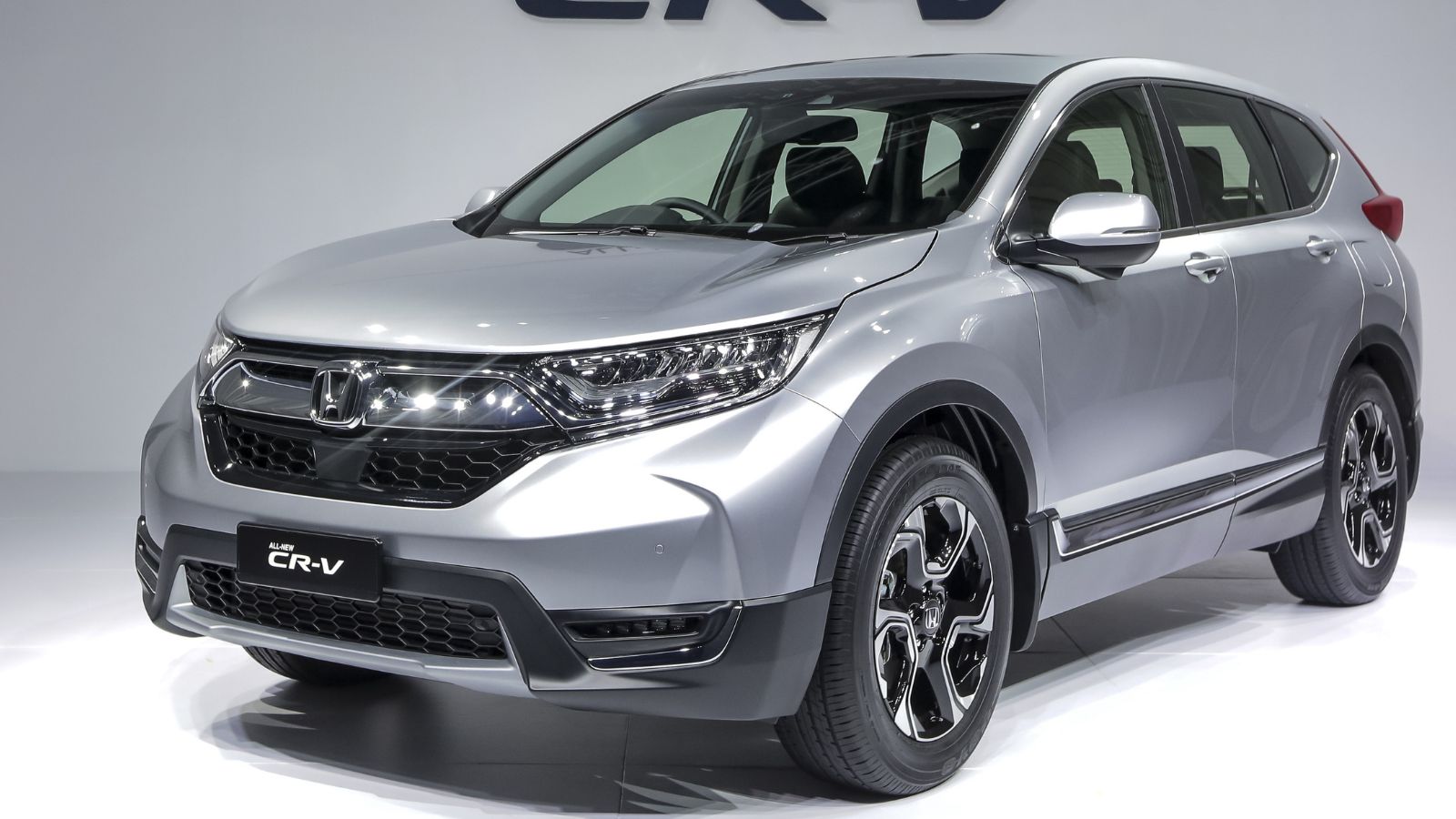
The Honda CR-V remains one of the strongest all-around compact SUVs in Canada, with a long record of family-friendly packaging and durable powertrains. Its problem is similar to the RAV4’s: success has made it visible. For several recent years, the CR-V has appeared prominently on Canadian theft lists, and its strong global parts demand makes newer examples especially appealing to thieves.
That changes the ownership calculation. A used CR-V once felt like a low-drama purchase because buyers could assume easy resale, predictable maintenance, and broad dealer support. Today, shoppers also need to think about insurance premiums, immobilizer expectations, garage access, and whether a particular model year is being targeted locally. The CR-V still has a lot going for it, but the “just buy one and relax” era has become less straightforward.
Toyota Highlander
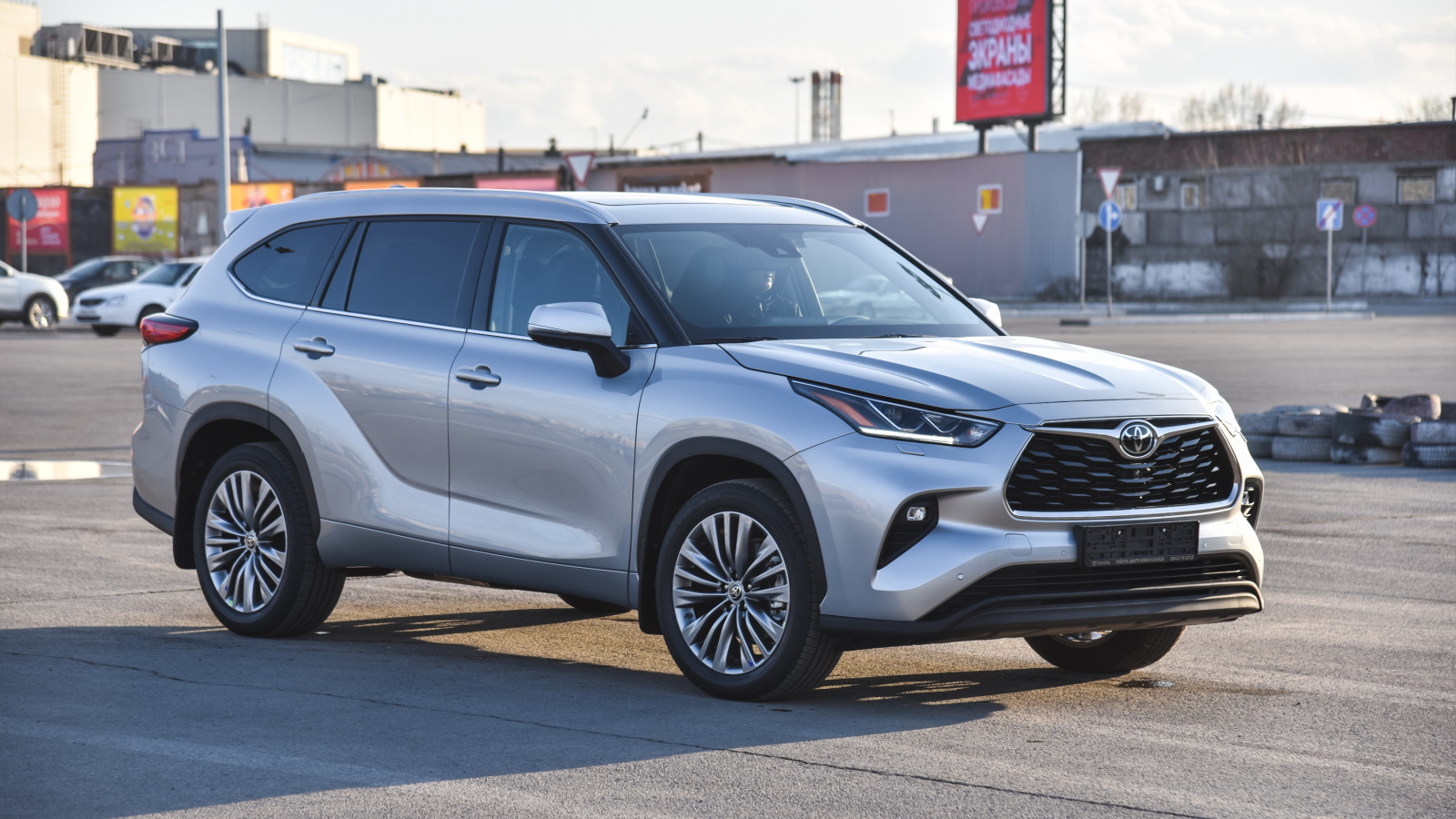
The Toyota Highlander built its reputation by offering three-row practicality without the ownership anxiety associated with some larger SUVs. It has been especially attractive to Canadian households wanting winter confidence, hybrid efficiency, and Toyota resale strength. Yet that same desirability has put the Highlander under pressure from theft trends, particularly because late-model SUVs with keyless systems remain targets in parts of Canada.
The Highlander’s size and value also mean losses can be costly when something goes wrong. Insurance companies pay attention to theft frequency, repair costs, and replacement values, not just reliability ratings. For families stretching budgets to get into a used Highlander, the added ownership costs can be surprising. It remains a respected SUV, but the automatic “safe family buy” label now deserves a closer look.
Dodge Ram 1500
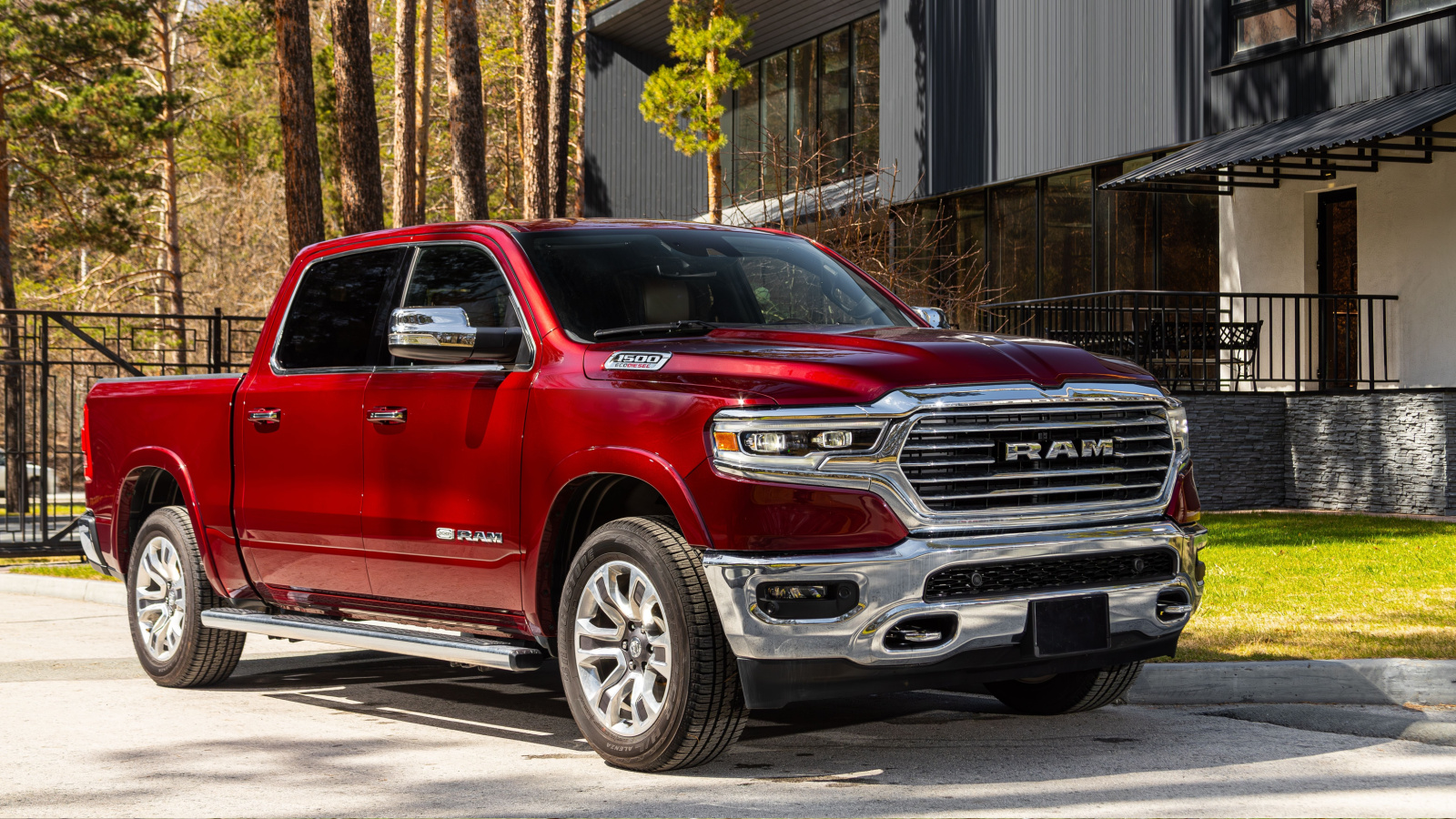
The Ram 1500 has long appealed to Canadian truck buyers because it blends towing ability, comfort, and a more upscale cabin feel than many people expect from a pickup. On the used market, it can look like a compelling alternative to pricier rivals. But the Ram’s strong sales presence and desirability have also placed it high on Canadian theft rankings, which can affect ownership costs beyond the purchase price.
There is another issue: full-size trucks are expensive machines to repair, insure, fuel, and equip for winter. Tires, brakes, suspension parts, and accident repairs can all cost more than buyers coming from crossovers expect. A Ram 1500 may still be a smart purchase for someone who truly needs a truck, but as a “safe bet” daily driver, it now requires more caution than its comfortable cabin suggests.
Ford F-150
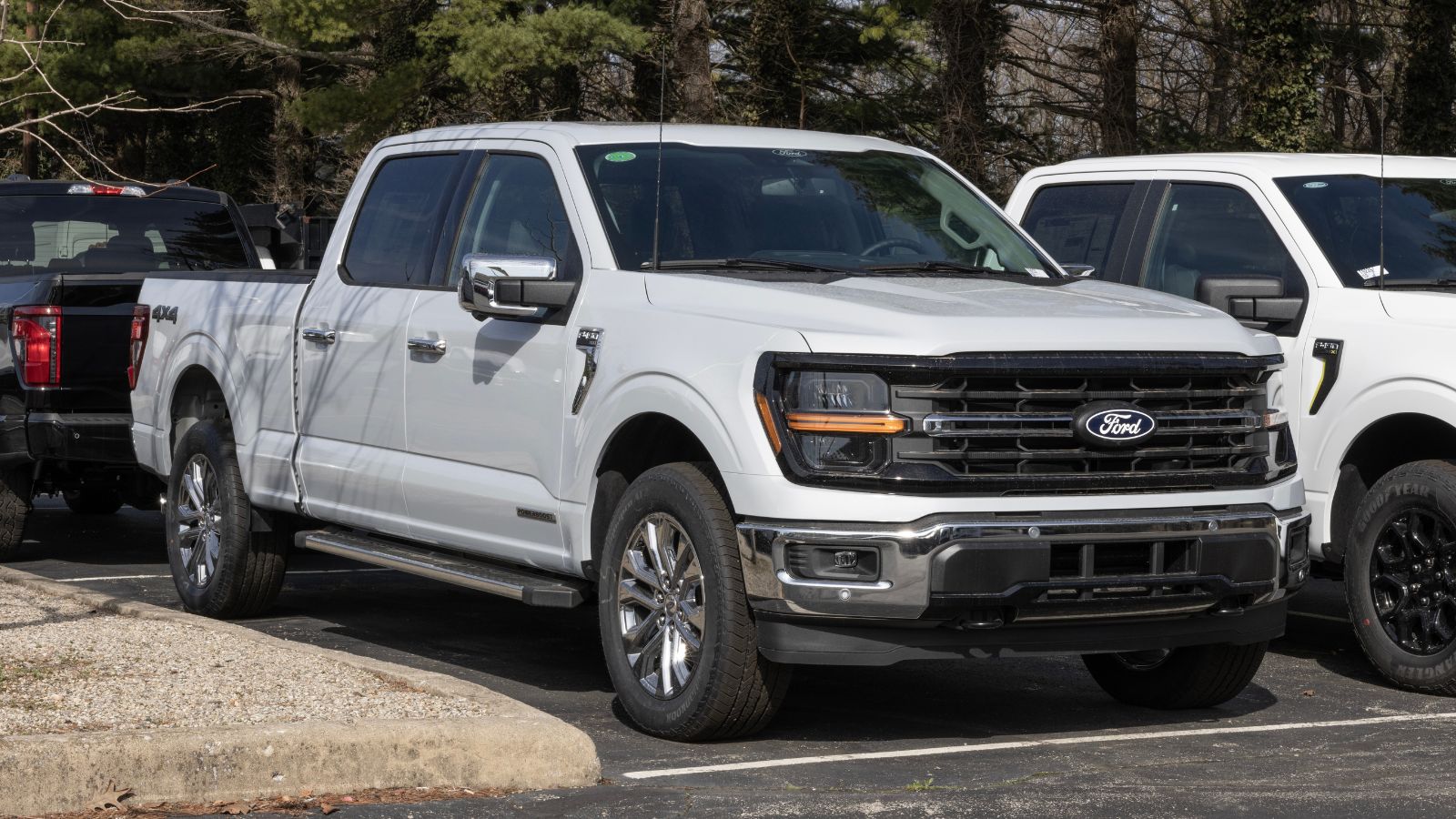
The Ford F-150 has been the default pickup choice for many Canadian buyers for decades. Its popularity, capability, trim variety, and huge dealer network have made it feel like one of the safest automotive decisions available. That reputation is not gone, but newer ownership risks have made the picture less clean. Recent recall activity involving certain F-150 models has reminded shoppers that even market leaders can carry expensive complexity.
The F-150’s biggest challenge is that it spans everything from basic work trucks to luxury-grade family haulers and advanced hybrids or EVs. That range creates very different ownership experiences under one familiar badge. A simple V8 work truck and a highly optioned model with advanced towing tech, turbocharged engines, or electrified components may not carry the same long-term risk. The name is trusted, but the configuration matters more than ever.
Honda Civic
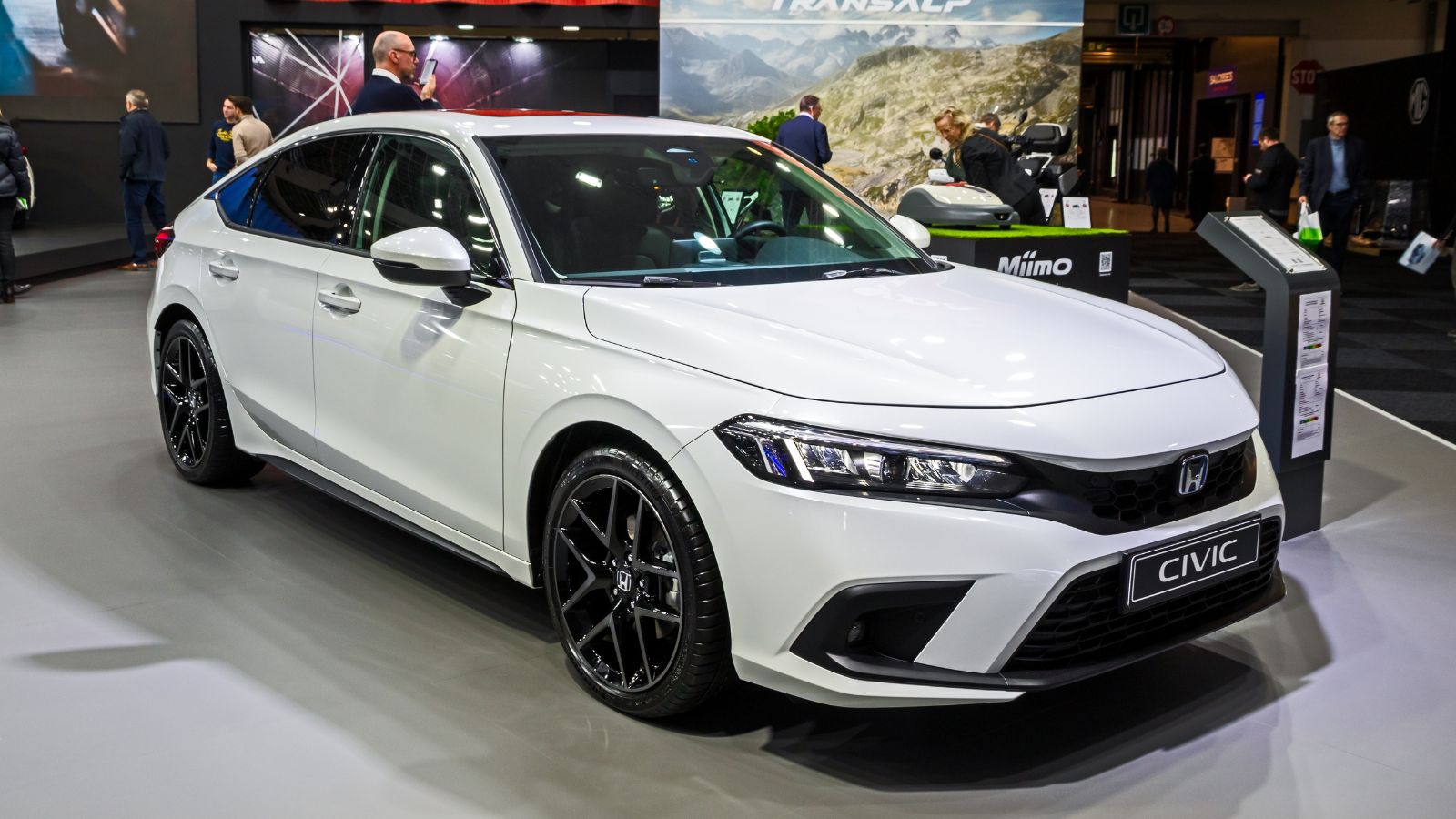
The Honda Civic has long been one of Canada’s classic safe bets: efficient, easy to park, affordable to maintain, and strong on resale. It is still one of the best compact cars for many buyers, but its popularity has a downside. The Civic remains a frequent target for theft in some Canadian regions, and used examples often command strong prices because demand stays high.
That combination can make the Civic feel less like a bargain than expected. A higher purchase price, insurance sensitivity, and the need to check accident history carefully can reduce the advantage that once made used Civics so obvious. Sportier trims may also have been driven harder or modified by previous owners. The Civic is far from a poor choice, but shoppers should no longer assume every used example is automatically low-risk.
Jeep Wrangler
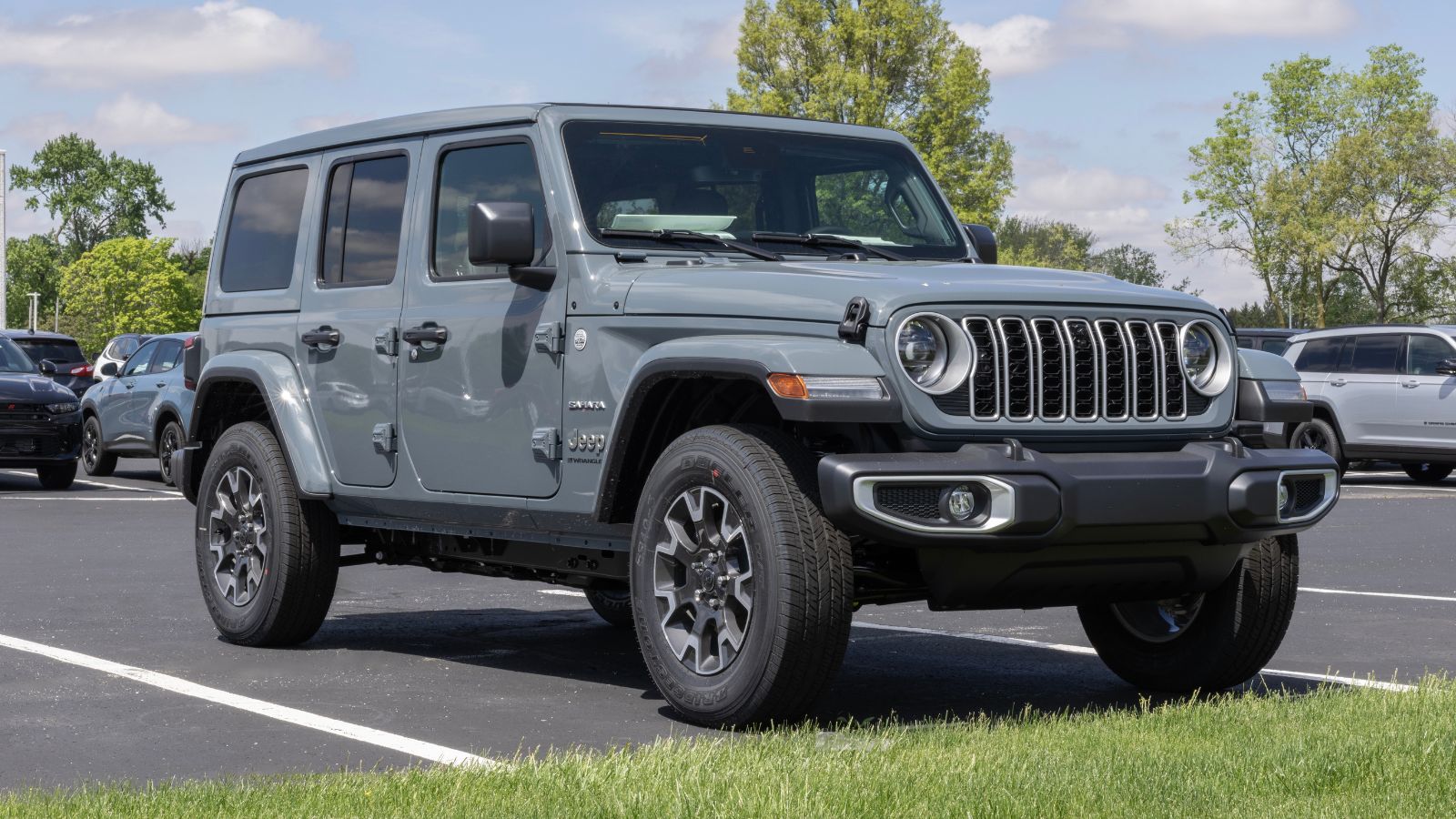
The Jeep Wrangler has one of the strongest identities in the vehicle market. It promises adventure, winter toughness, and resale strength, which has helped it earn a loyal Canadian following. Yet the Wrangler’s safe-bet status has weakened because its strengths are closely tied to compromise. It can hold value well, but it is also noisy, thirsty, expensive to modify, and less refined than many SUVs at similar prices.
Reliability perception is another concern. Wrangler ownership can involve more tolerance for quirks than some buyers expect, especially when removable roofs, off-road use, large tires, and aftermarket accessories are involved. It also appears on Canadian theft lists, adding another wrinkle for urban owners. The Wrangler can still be a satisfying choice, but it is not the effortless, low-risk SUV some shoppers imagine when they see strong resale numbers.
Chevrolet Silverado / GMC Sierra 1500
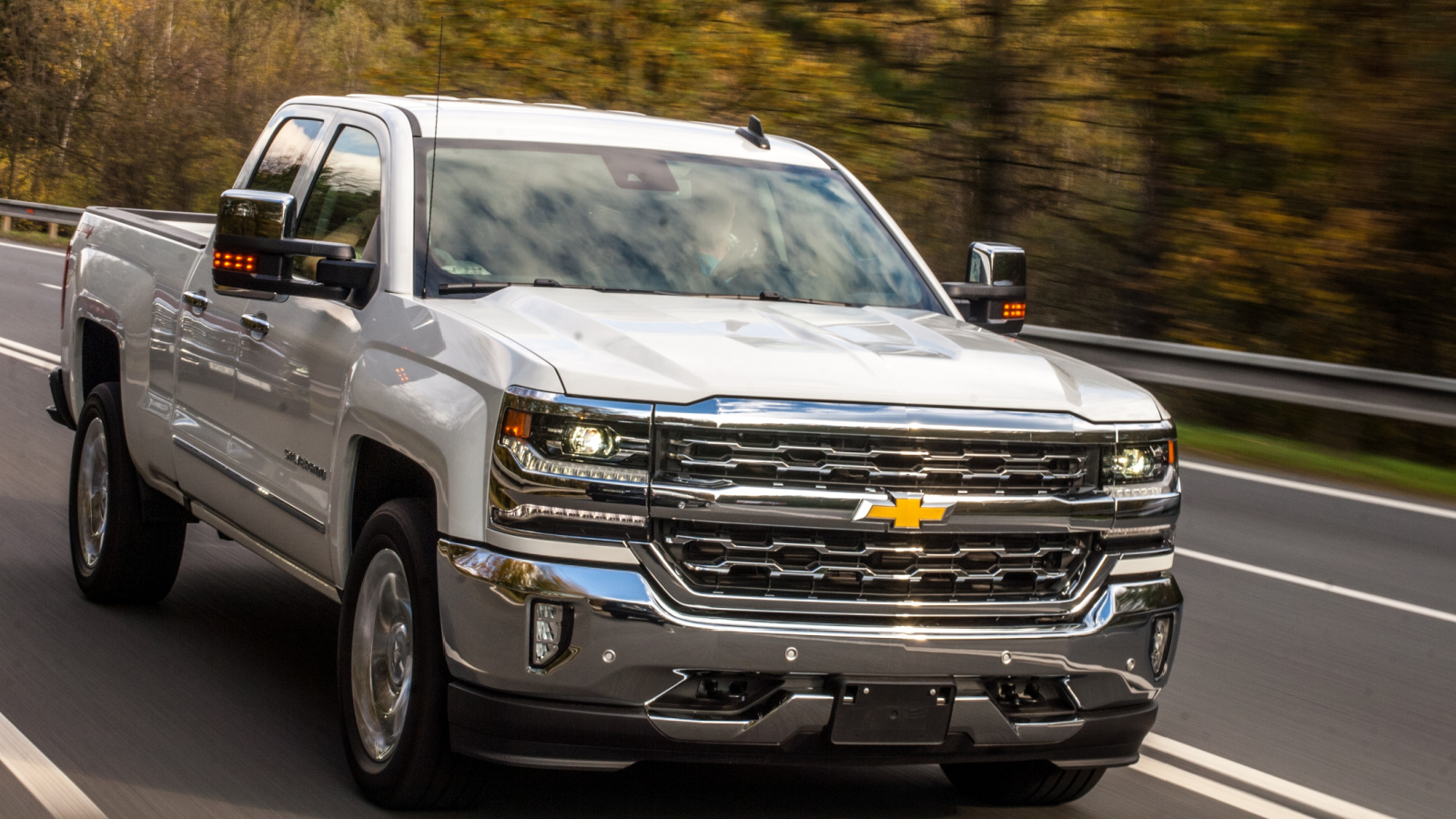
The Chevrolet Silverado and GMC Sierra have long been treated as dependable workhorses, especially in communities where towing, hauling, and rural driving are part of daily life. Their shared platform gives buyers plenty of configurations, from basic fleet trucks to luxury-grade models. However, they have also become more expensive to repair and more exposed to theft risk as newer trucks gain higher values and more complex technology.
A used Silverado or Sierra can still make sense, but the safe-bet label depends heavily on engine choice, maintenance history, mileage, and previous use. Trucks used for towing, plowing, construction, or long highway hauling may look clean while carrying extra wear. Add in the cost of tires, fuel, insurance, and body repairs, and the familiar GM pickup badge no longer guarantees a predictable ownership budget.
Toyota Tundra
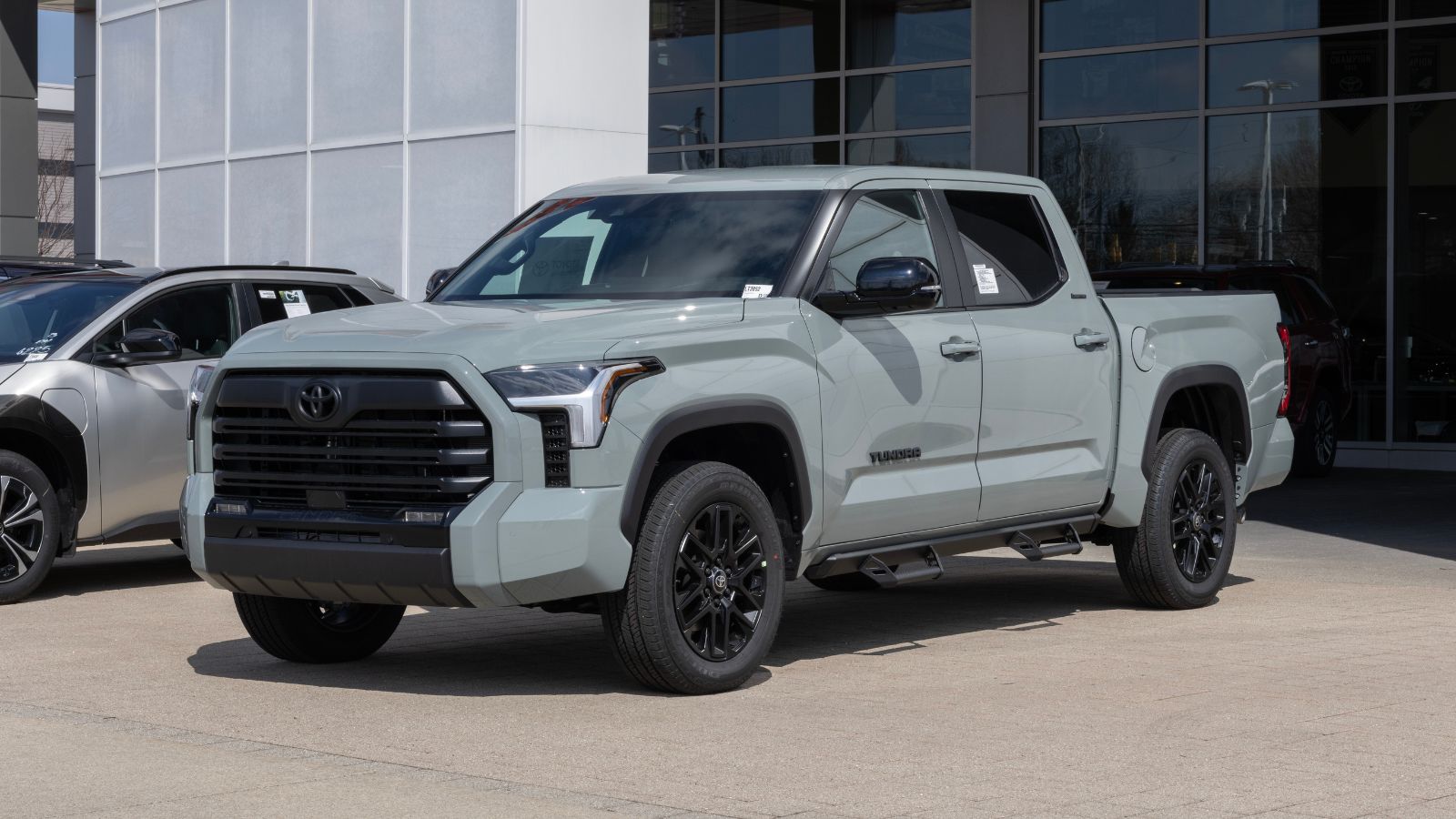
The Toyota Tundra once stood apart because it offered full-size truck capability with Toyota’s durability reputation. Older Tundras built that image honestly, often running for years with relatively simple maintenance. The newer generation is more complicated. Its turbocharged V6 engines, hybrid options, and recall history have made some buyers more cautious, especially those who expected the same low-drama ownership associated with earlier V8 models.
That does not mean the Tundra is a bad truck. It means the old rule — “buy the Toyota and worry less” — is not enough by itself. Canadian buyers should pay attention to recall completion, powertrain details, towing history, and warranty coverage. A high-priced pickup with a premium reliability image can become frustrating if repairs, downtime, or resale uncertainty enter the picture earlier than expected.
Lexus RX
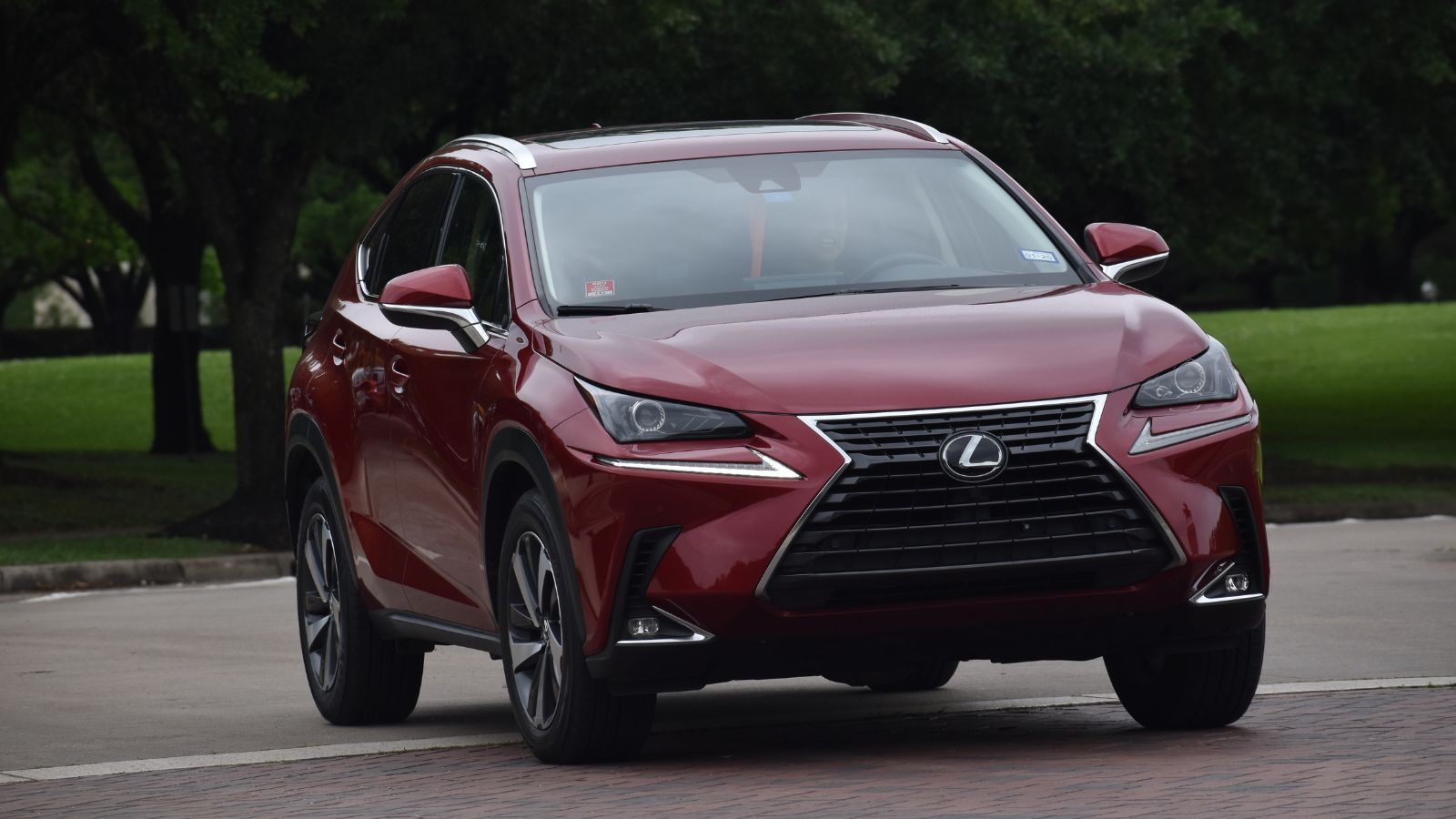
The Lexus RX has long been one of Canada’s safest luxury used buys. It combines comfort, Toyota-family durability, strong resale value, and a calmer ownership profile than many European competitors. But the RX is no longer immune to changing risks. Its desirability, parts value, and popularity have placed it among vehicles watched closely in theft discussions, especially in regions where luxury SUVs are frequently targeted.
The RX also sits in a tricky ownership zone. Buyers often stretch budgets because it feels more sensible than other luxury SUVs, but insurance, tires, electronics, bodywork, and hybrid-system checks can still cost luxury-vehicle money. A well-maintained RX remains appealing, yet shoppers should not confuse “reliable luxury SUV” with “cheap to own.” The badge is comforting, but the total cost can still surprise.
Tesla Model Y
The Tesla Model Y quickly became a default EV recommendation because it offered strong range, rapid acceleration, access to a mature charging network, and SUV practicality. In Canada, however, the safe-bet status has become more complicated. EV resale values have shifted sharply, and used Tesla pricing can move quickly when new-vehicle incentives, inventory, tariffs, or manufacturer pricing changes affect the market.
Winter adds another layer. Canadian cold weather can reduce EV range noticeably, and real-world charging speed or convenience can vary depending on home charging access and road-trip habits. The Model Y may still be excellent for a household with predictable commuting and Level 2 charging, but it is less foolproof for drivers relying heavily on public chargers or expecting gasoline-like winter consistency. The risk is not the EV idea itself; it is assuming the Model Y fits every Canadian lifestyle equally well.
Tesla Model 3
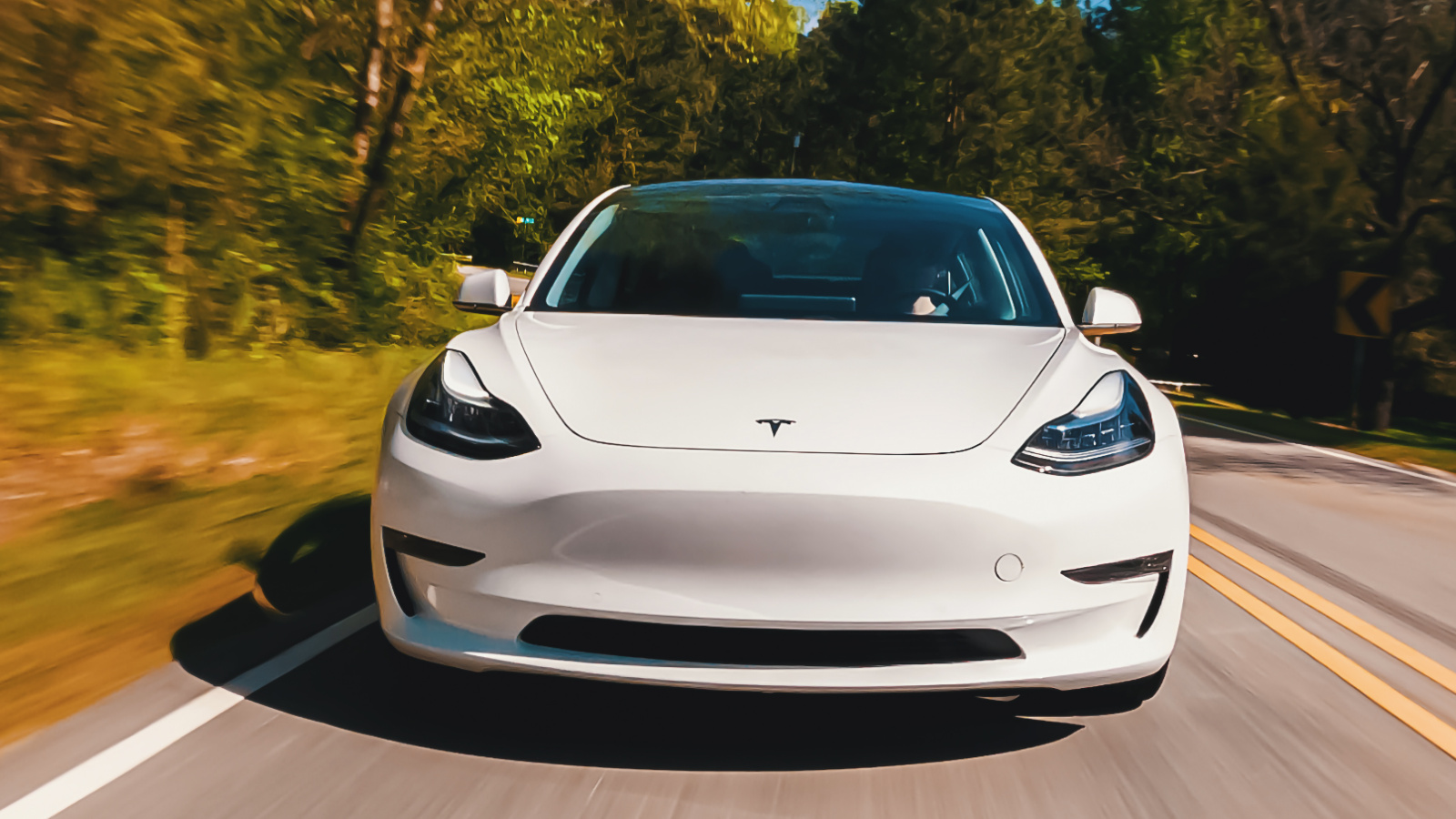
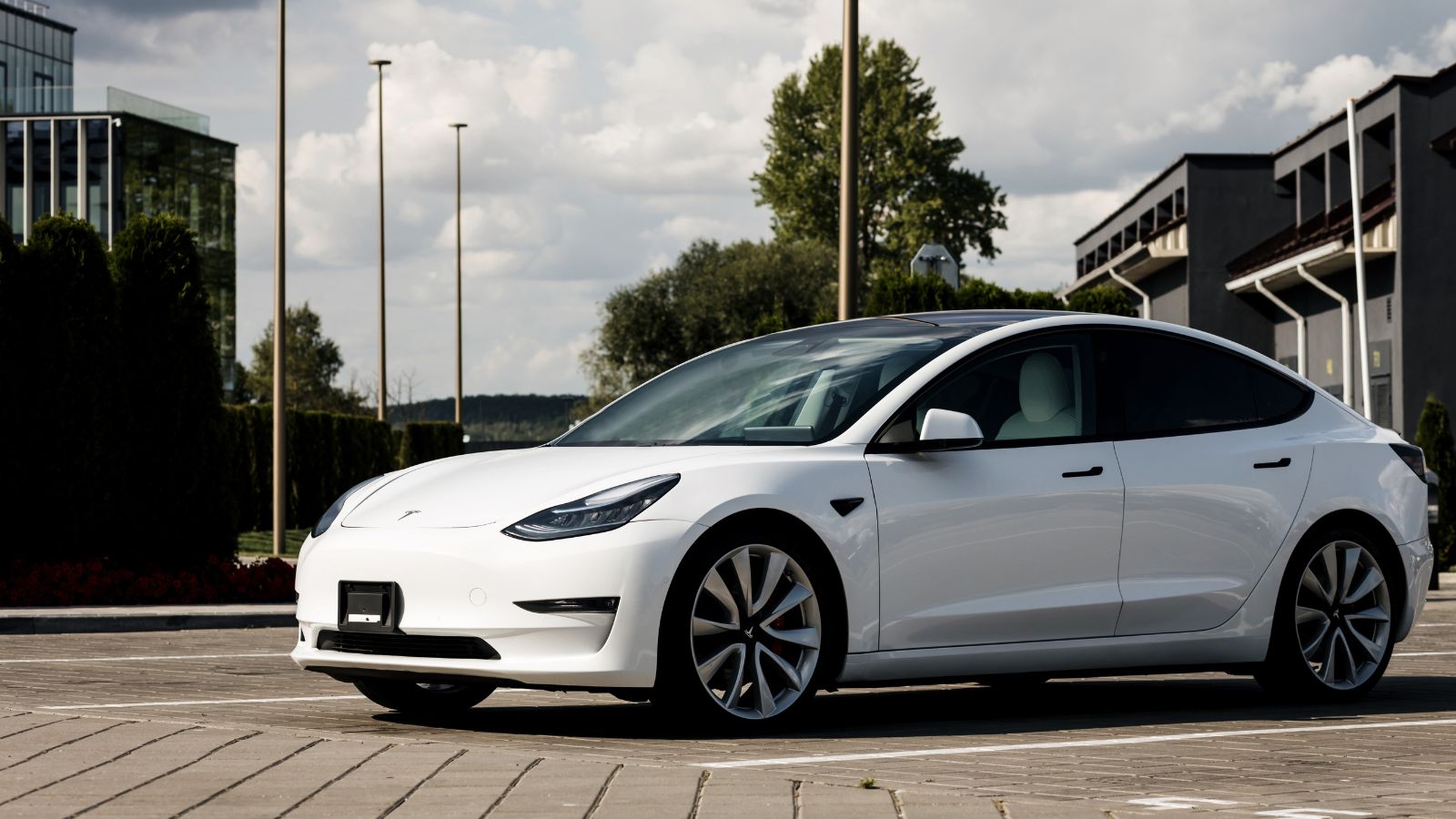
The Tesla Model 3 once looked like the safest way to enter the EV world: lower purchase price than luxury rivals, strong performance, simple cabin design, and a large owner community. Used examples are now much easier to find, but that has changed the resale story. As more vehicles come off lease and pricing adjusts, some owners have seen values fall faster than expected.
For Canadian buyers, the Model 3 also requires a realistic winter-use plan. Range loss in deep cold, tire costs, insurance pricing, and repair access can alter the monthly math. It can be a very affordable commuter when charged at home and driven within predictable distances. It becomes less safe as a blind purchase when shoppers focus only on fuel savings and ignore depreciation, charging setup, and winter range margins.
Volkswagen ID.4
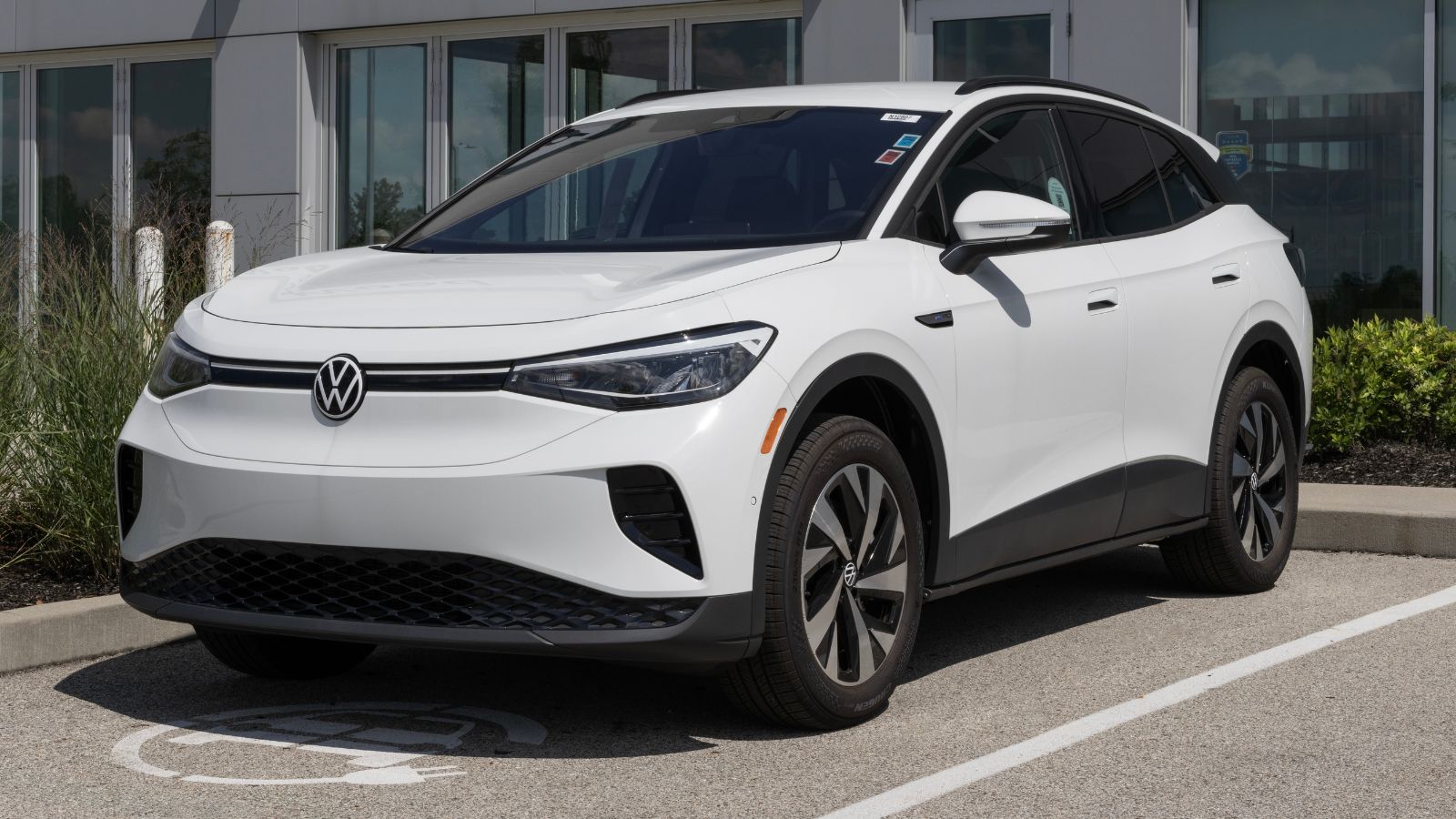
The Volkswagen ID.4 arrived with the promise of a familiar-brand EV for families that did not want a Tesla. It offered crossover practicality, a mainstream badge, and a quieter personality than many tech-forward electric vehicles. That helped it feel like a sensible, safe EV choice. Reliability concerns, software complaints, charging expectations, and stronger competition have since made buyers more cautious.
The ID.4’s challenge is not that it lacks appeal; it is that EV ownership demands trust in software, battery systems, dealer readiness, and long-term resale support. In Canada, cold weather can expose range and charging limitations more clearly than a short test drive. A used ID.4 can be a good value, but only if the price reflects the risks. The familiar Volkswagen badge alone is no longer enough reassurance.
Ford F-150 Lightning
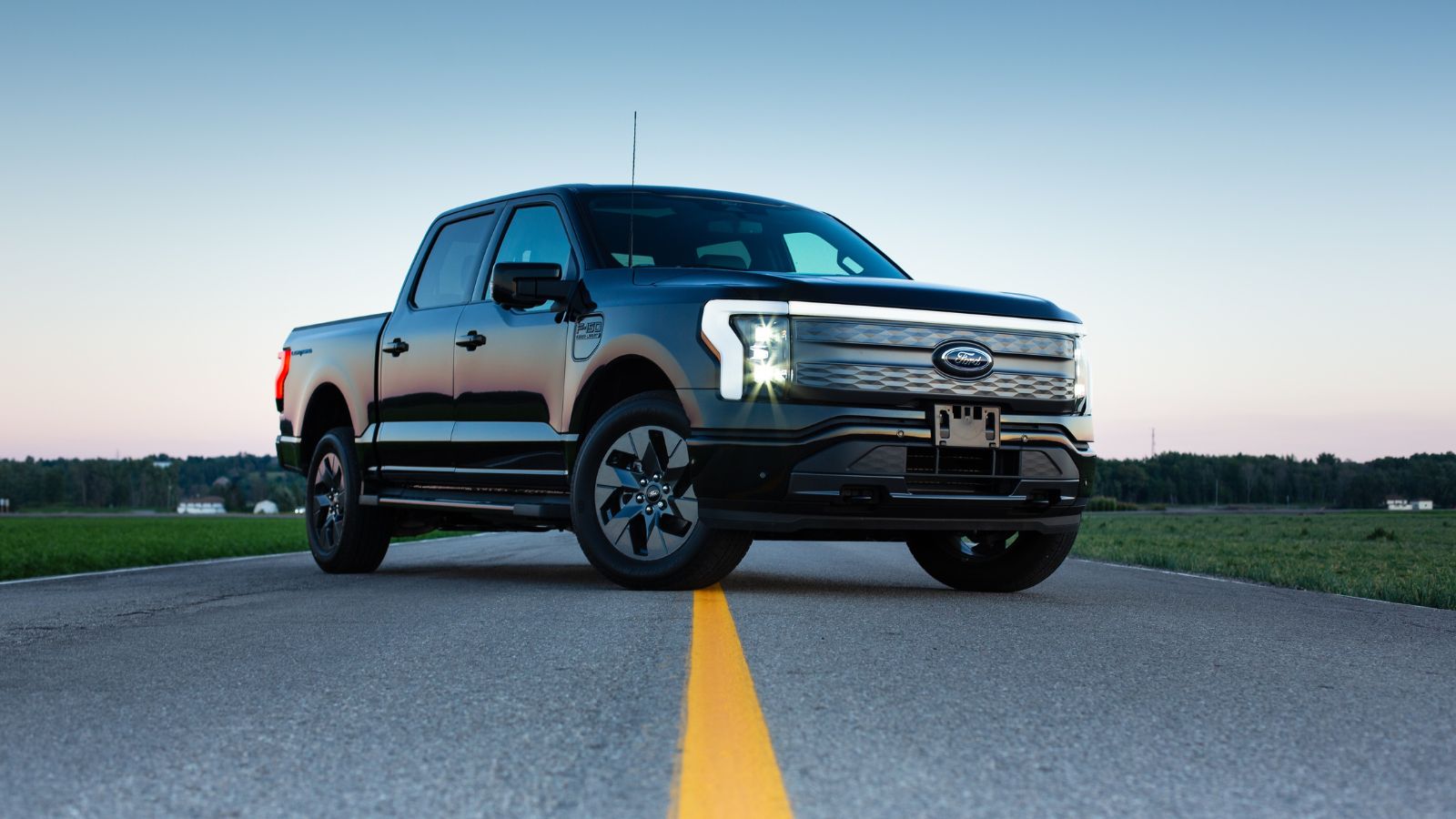
The F-150 Lightning seemed like a breakthrough: Canada’s most familiar truck formula, but electric. For buyers using a pickup for commuting, light hauling, and home charging, it can be impressive. But its safe-bet status is under pressure because electric trucks face a tougher use case than electric cars. Towing, payload, winter temperatures, and highway speeds can all reduce range in ways that matter more to truck owners.
There have also been reliability and recall concerns around some electric trucks, and the Lightning’s ownership costs depend heavily on charging infrastructure. A buyer with a driveway charger and predictable local routes may have a very different experience from someone towing long distances between rural job sites. The F-150 badge creates confidence, but the Lightning is not simply a gas F-150 with cheaper energy.
Kia Sportage
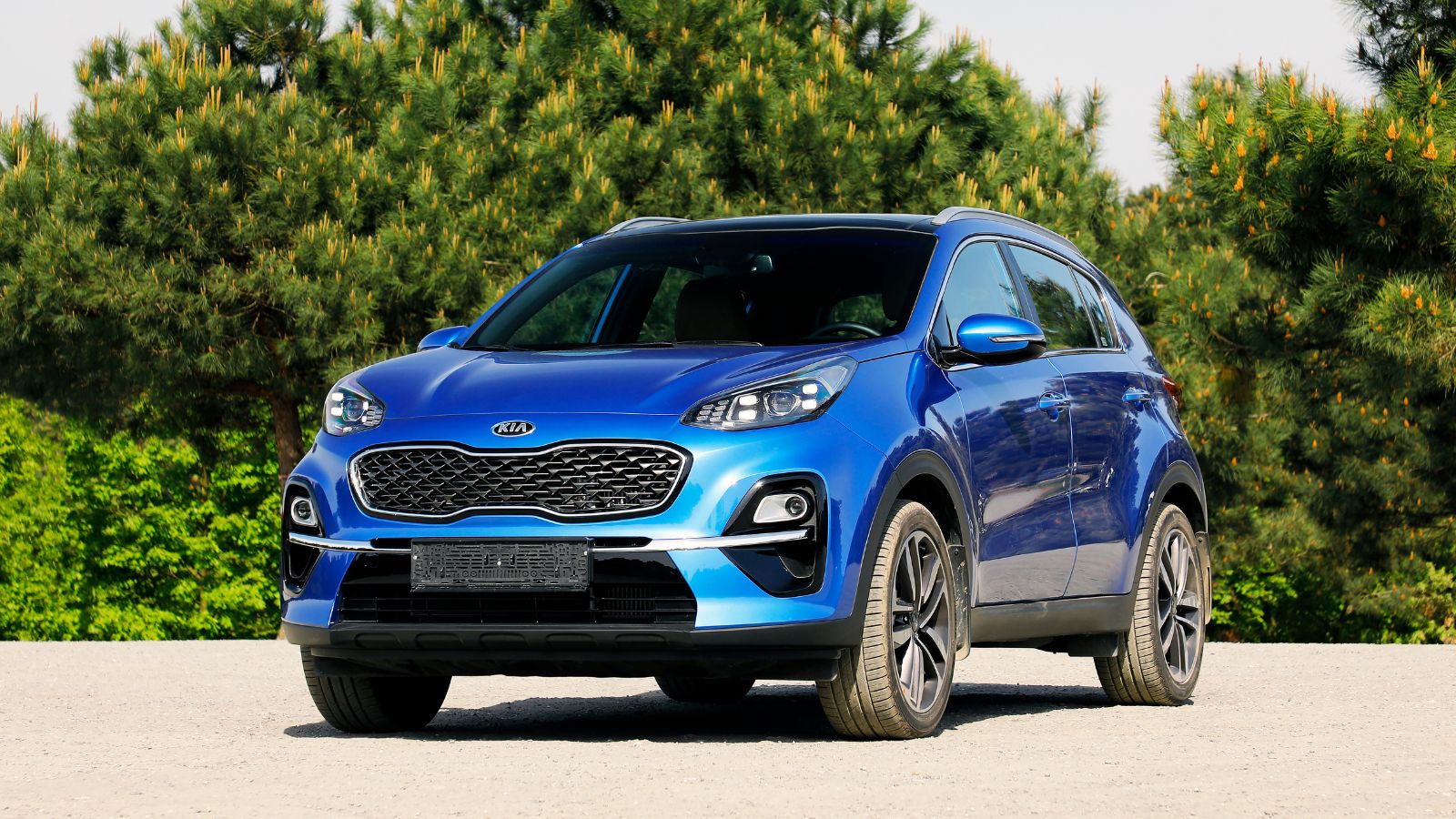
The Kia Sportage shares much of the Tucson’s appeal: bold design, strong equipment levels, and a lineup that includes gas, hybrid, and plug-in hybrid choices. It has moved far beyond the old budget-car image, which is why many Canadians now view it as a practical safe bet. The catch is that newer technology and multiple powertrain choices make ownership less simple than the nameplate’s value reputation suggests.
For used buyers, the main questions are warranty status, recall completion, dealer service records, and whether the chosen powertrain fits actual driving habits. Plug-in hybrids, for example, make the most financial sense when regularly charged. Without that routine, extra complexity may not deliver enough savings. The Sportage still deserves attention, but shoppers should treat it as a modern tech-heavy crossover, not merely an inexpensive appliance.
Nissan Rogue
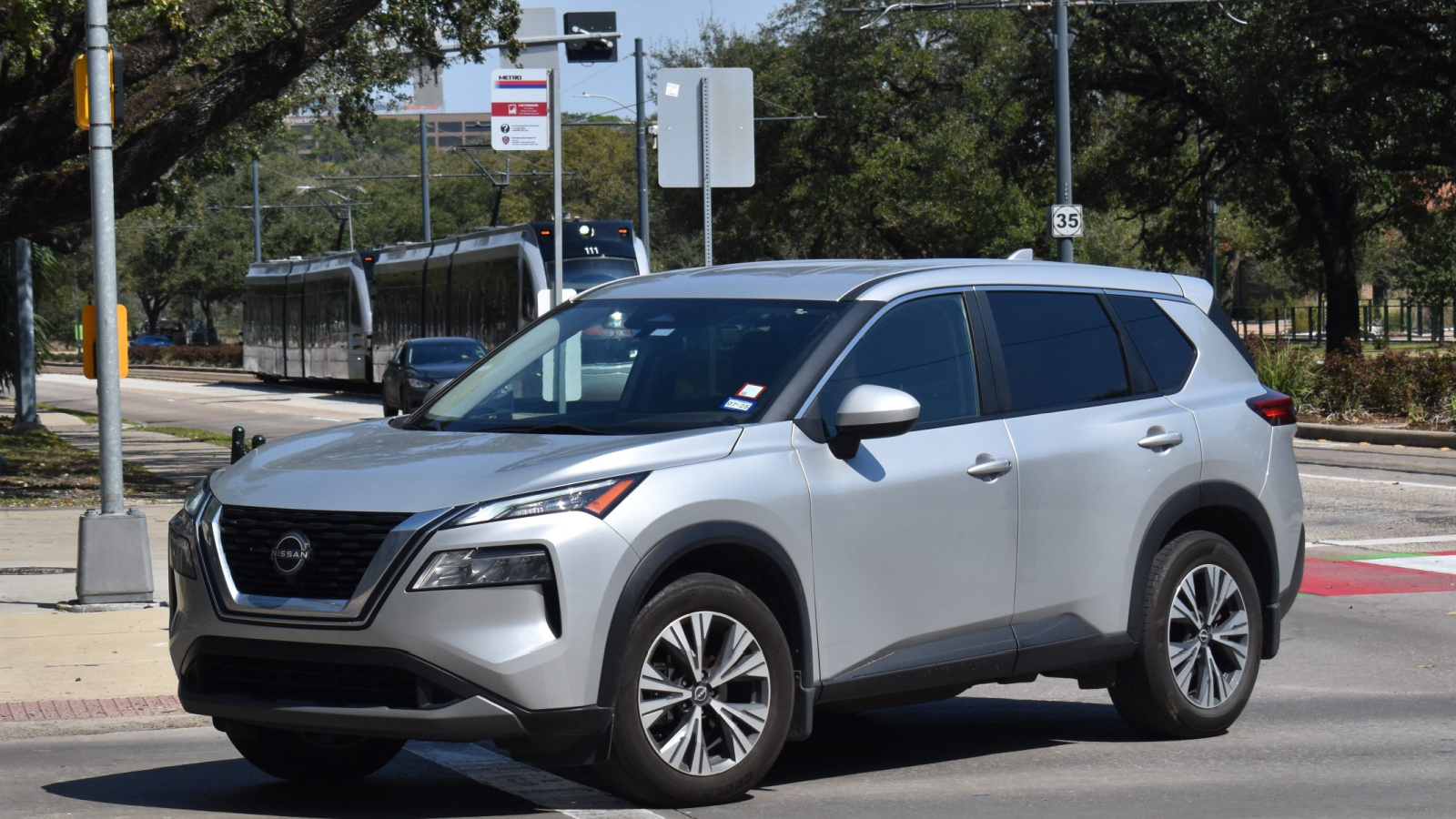
The Nissan Rogue has long attracted Canadian buyers with comfort, space, winter-friendly available all-wheel drive, and aggressive pricing. It often appears on shopping lists because it seems like a practical compact SUV without the premium attached to Toyota or Honda rivals. But that lower entry price can hide concerns about resale strength, long-term powertrain perception, and how previous owners maintained the vehicle.
The Rogue can be a good used buy when priced correctly and backed by service documentation. The risk comes when shoppers treat it as equally safe as segment leaders simply because it is newer or cheaper. Depreciation can work in favour of the buyer, but only if the discount is large enough to compensate for weaker resale demand later. A clean inspection and careful trim comparison matter more here than brand familiarity.
Subaru Outback
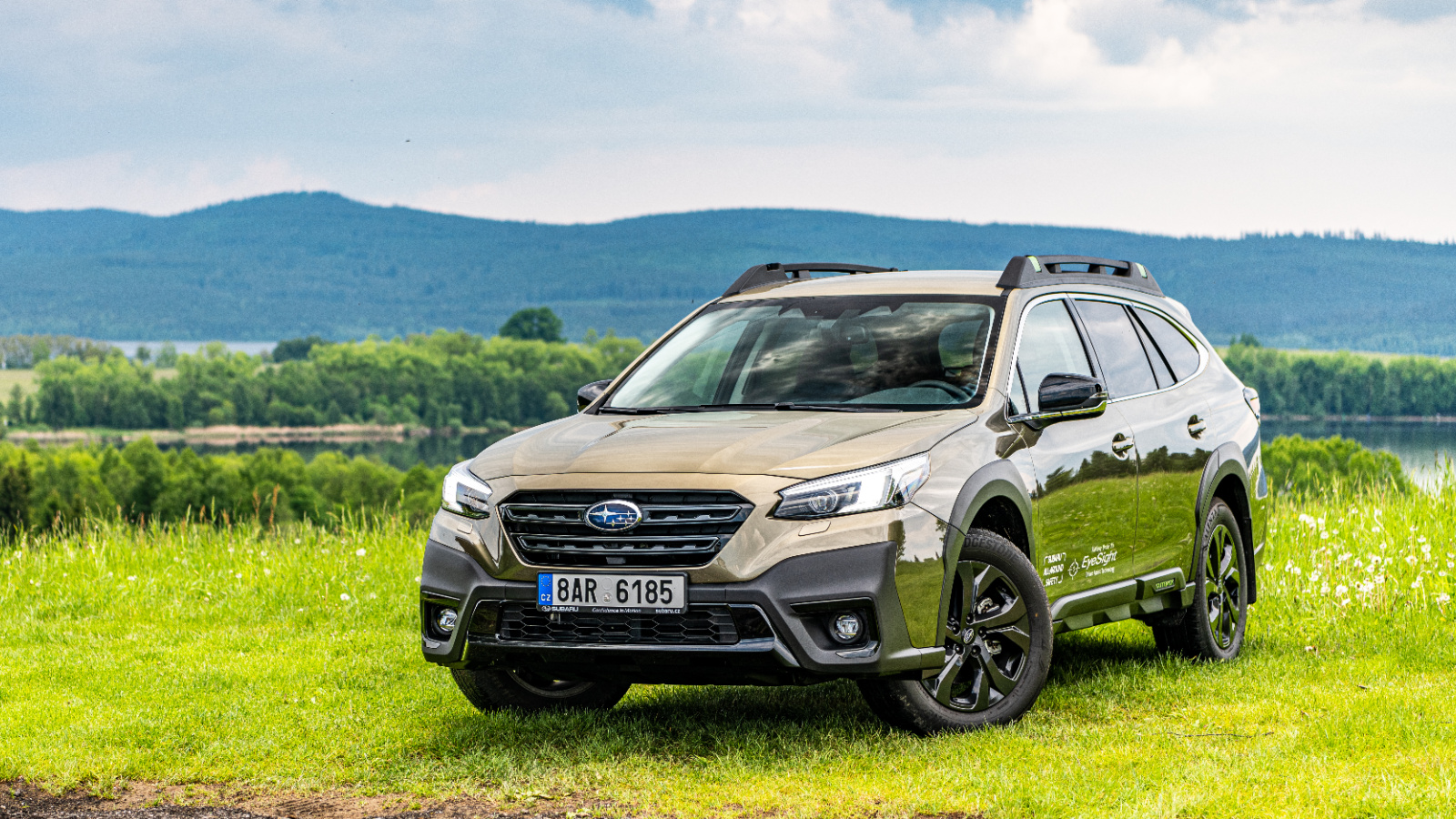
The Subaru Outback has a strong Canadian identity: all-wheel drive, wagon practicality, winter confidence, and a reputation for owners who keep their vehicles a long time. It still fits many Canadian lifestyles well. However, its safe-bet status is not as automatic as it once seemed, partly because buyers often pay a premium for the Subaru name and may overlook maintenance needs.
The Outback’s continuously variable transmission, all-wheel-drive system, tires, brakes, and suspension deserve careful inspection on used examples. Outdoor-oriented owners may also use these vehicles hard, even if the body looks tidy. Subaru remains respected for safety and bad-weather capability, but ownership satisfaction depends on service history and realistic expectations. Paying top dollar for a poorly maintained Outback can erase the value of its winter-ready reputation.
22 Things Canadians Do to Their Cars in Spring That Mechanics Hate

Spring brings relief to many Canadian drivers after months of snow, freezing temperatures, and icy roads that put serious strain on vehicles. As temperatures rise across the country, drivers begin washing cars, switching tires, and preparing vehicles for warmer weather and upcoming road trips. However, mechanics across Canada notice the same mistakes every spring when drivers attempt to recover from winter damage. Road salt, potholes, and harsh winter driving conditions often leave vehicles with hidden problems that drivers ignore. Some spring habits even create new mechanical issues that could have been avoided with proper maintenance. Here are 22 things Canadians do to their cars in spring that mechanics hate.